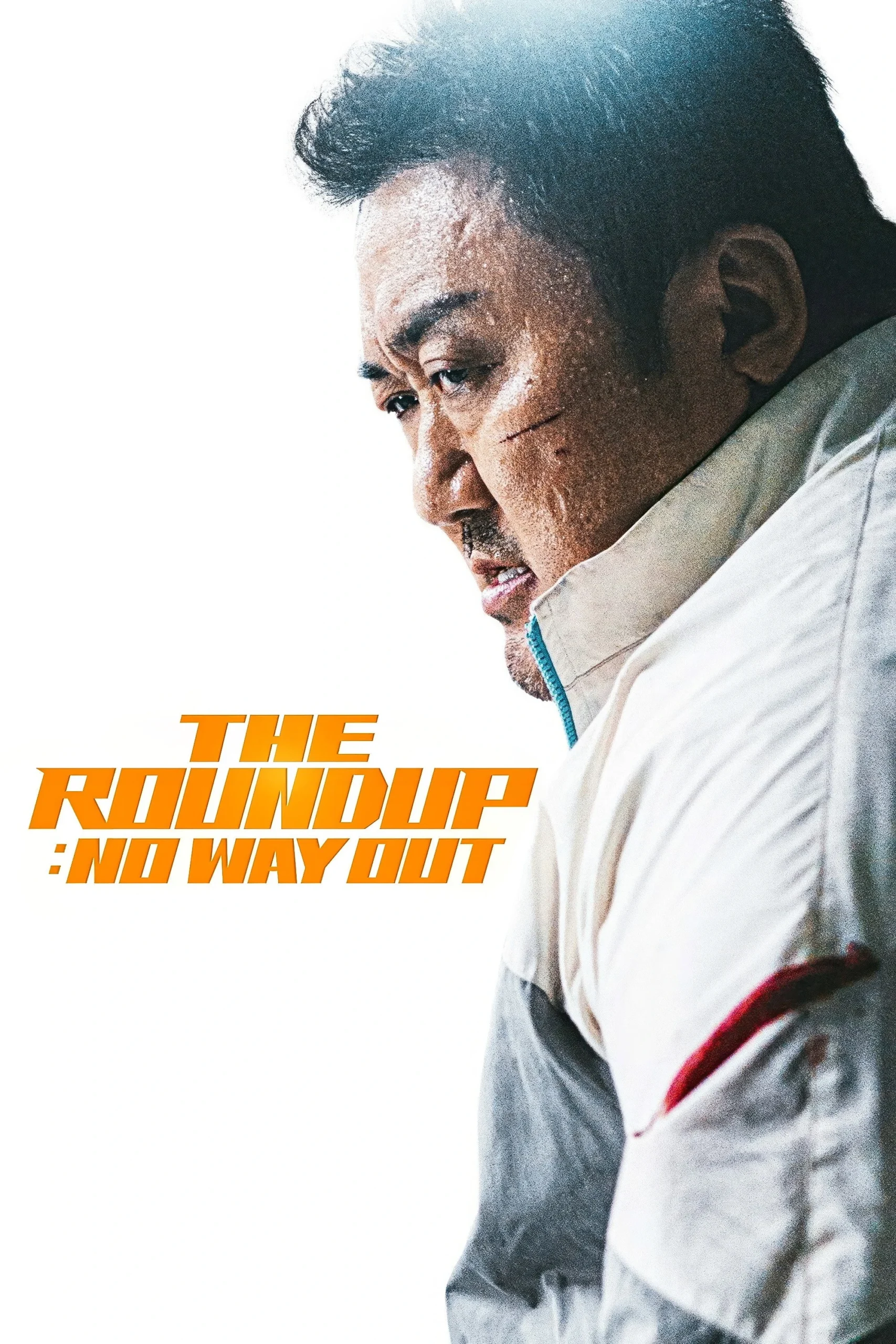
The Roundup: No Way Out
🎬 VIU · Disney+ · Hulu
⭐ 6.6 IMDb
🔞 15+
🎬 Film Overview
Disney+
Hulu
Viki
Prime Video
Ma Seok-do is the kind of detective who solves problems the way a hammer solves nails — not because he lacks intelligence, but because he’s learned that in his city, nuance is a luxury criminals use to their advantage. The third film in the Roundup franchise moves him from his familiar Geumcheon precinct to Seoul’s Metropolitan Investigation Team, dropping him into a case that starts with one murder and expands into a transnational synthetic drug network that somebody has been running with uncommon confidence and discipline.
What The Roundup: No Way Out does that the franchise hadn’t fully attempted before is build a villain worth the runtime. Joo Seong-cheol — played by Lee Jun-hyuk with a particular kind of buttoned-up menace — is not a street enforcer or a crude kingpin. He moves through official structures, manipulates distribution chains, and treats violence as an operational cost rather than a release. Add Ricky and the Japanese criminal organization running parallel operations, and Ma Seok-do finds himself in a three-way collision he didn’t plan for — the unpredictable variable in an equation everyone else already thought they’d solved.
⚡ Quick Verdict
The whole picture, condensed into one box.
· IMDb · major international release
· $83.4M worldwide box office
▶ Official Trailer
🎭 Cast & Characters
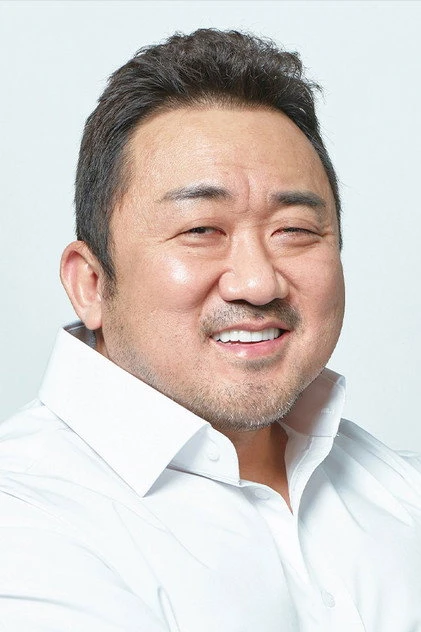
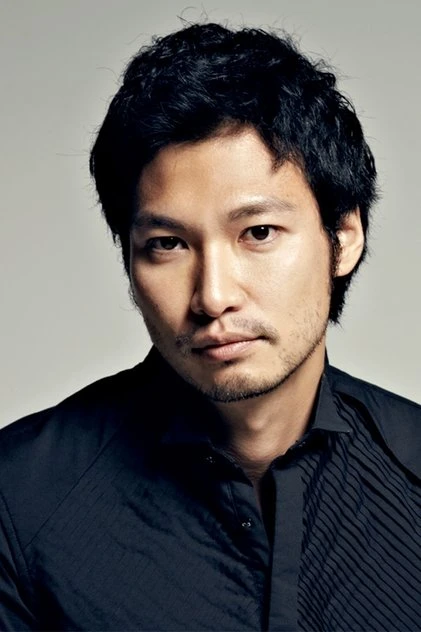
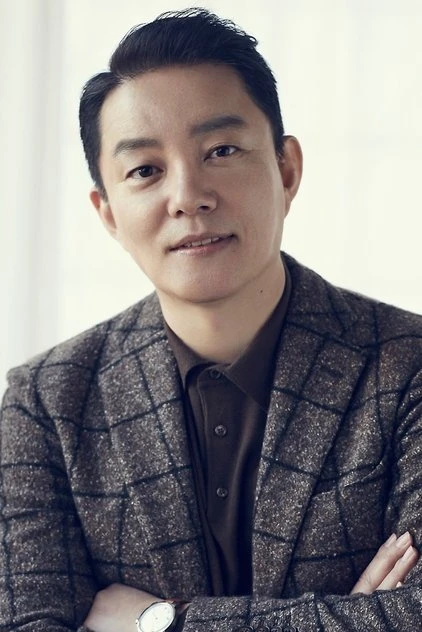
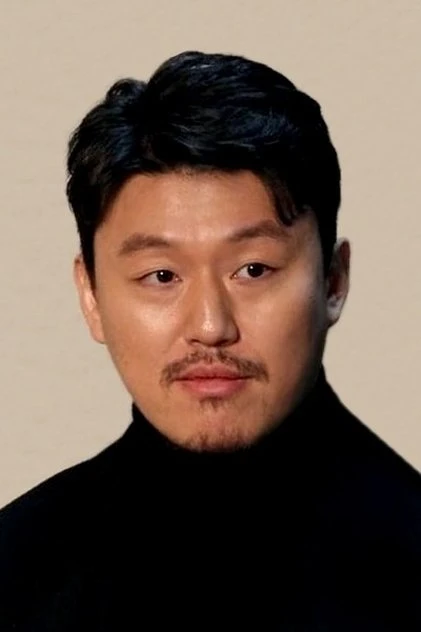
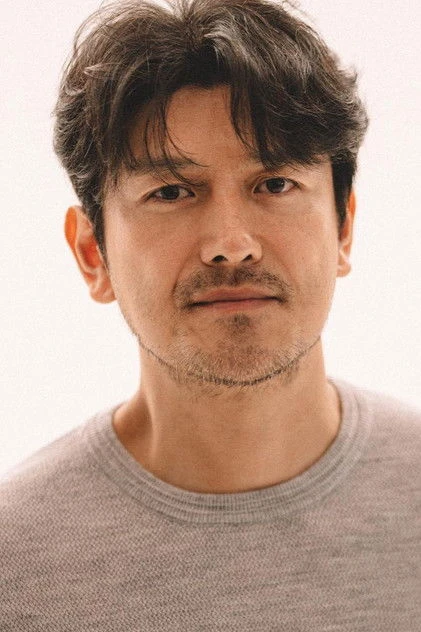
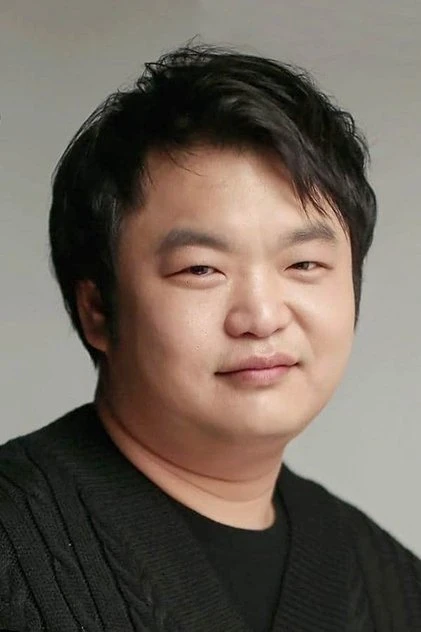
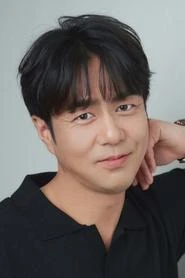
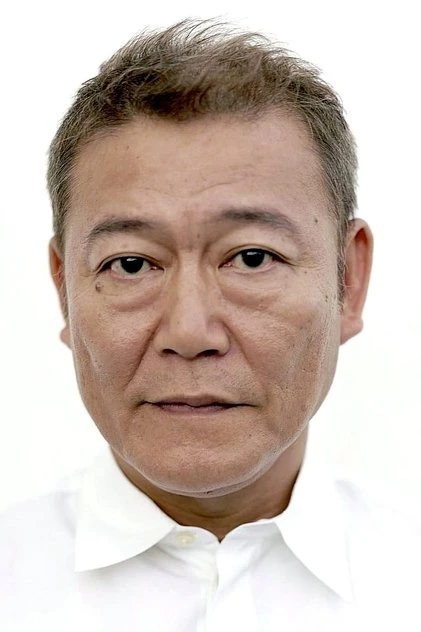
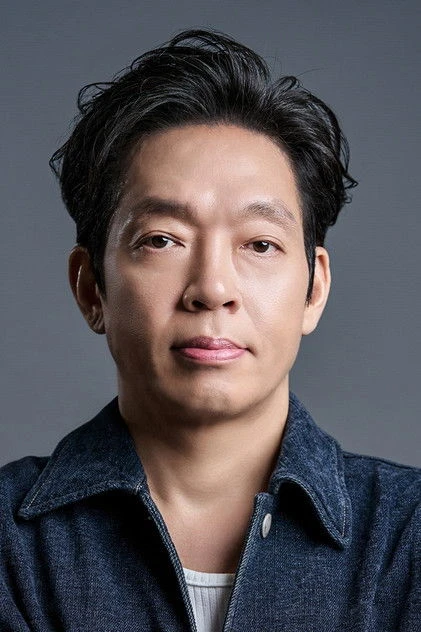
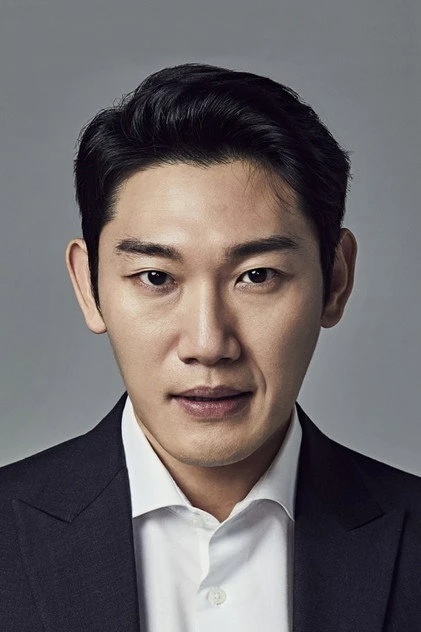
Twelve performances anchored by Don Lee’s physical authority and Lee Jun-hyuk’s controlled menace.
Lead
Lead
Lead
Supporting
Supporting
Supporting

Supporting
Supporting
Supporting
Supporting
Supporting
Supporting
🍿 Where to Watch
Stream The Roundup: No Way Out on these platforms.
📖 The Story
No spoilers here, just enough to gauge if it’s for you.
Detective Ma Seok-do arrives at the Metropolitan Investigation Team the same way he arrives everywhere: with a reputation that walks in before he does and a physicality the office furniture was not designed to accommodate. Moving from Geumcheon, where every colleague already understood what to expect from him, into a high-profile Seoul unit built on procedure and chain-of-command places him in the specific friction this franchise runs on. He does not adjust to the environment. He waits for the environment to catch up to the reality of him — which is also, in broad strokes, the premise of every case he takes.
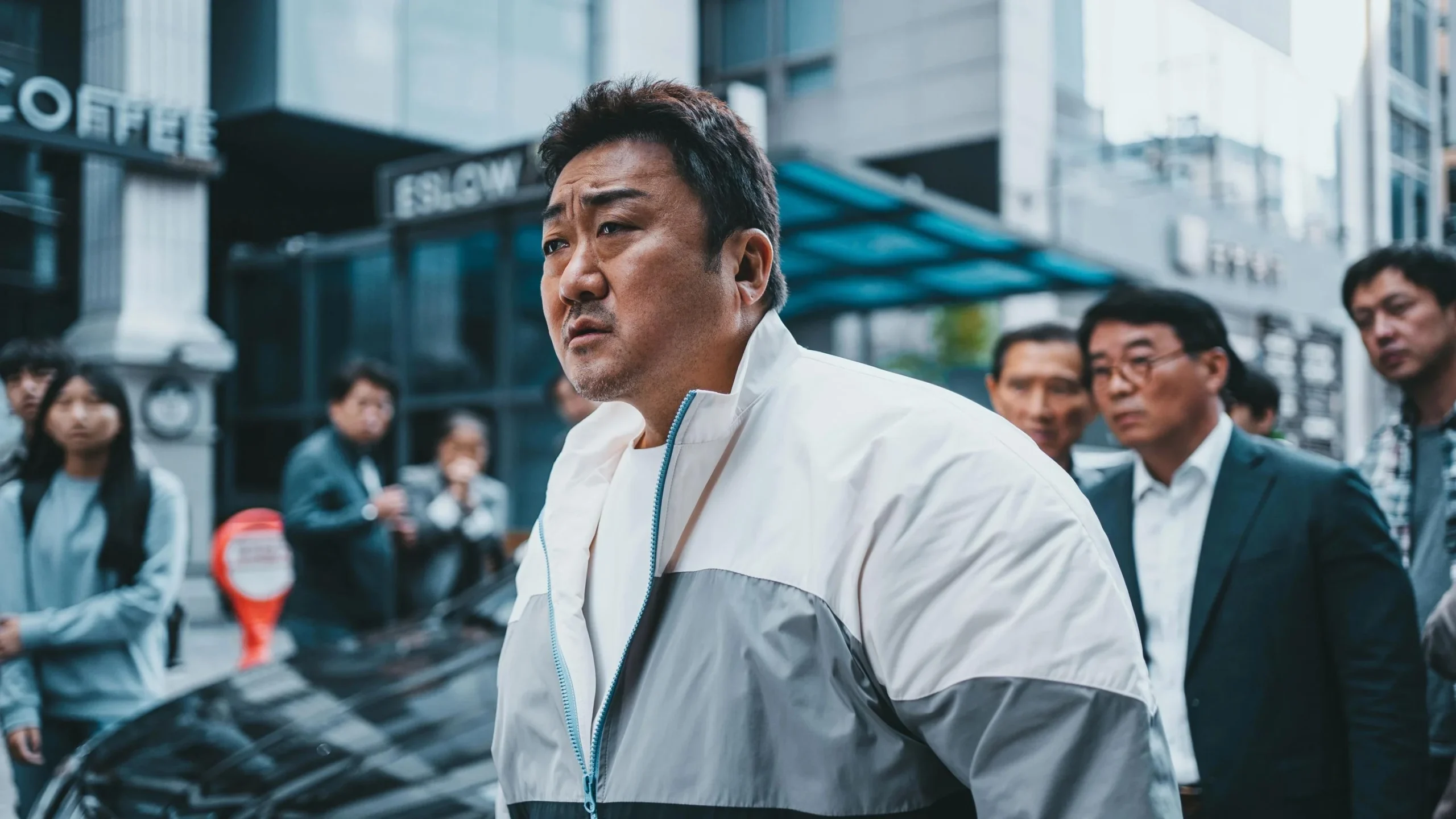
The case begins with a murder that seems contained. What makes it worth following is the speed at which “contained” stops being the right word. The investigation traces the violence into the supply chain of a new synthetic drug moving through Seoul with the confidence of a business that doesn’t expect interference — not because it’s hidden, but because the people running it have already accounted for most forms of legal pressure. The network’s discipline is the first real signal that this case is being run by someone who thinks in systems, not scenes.
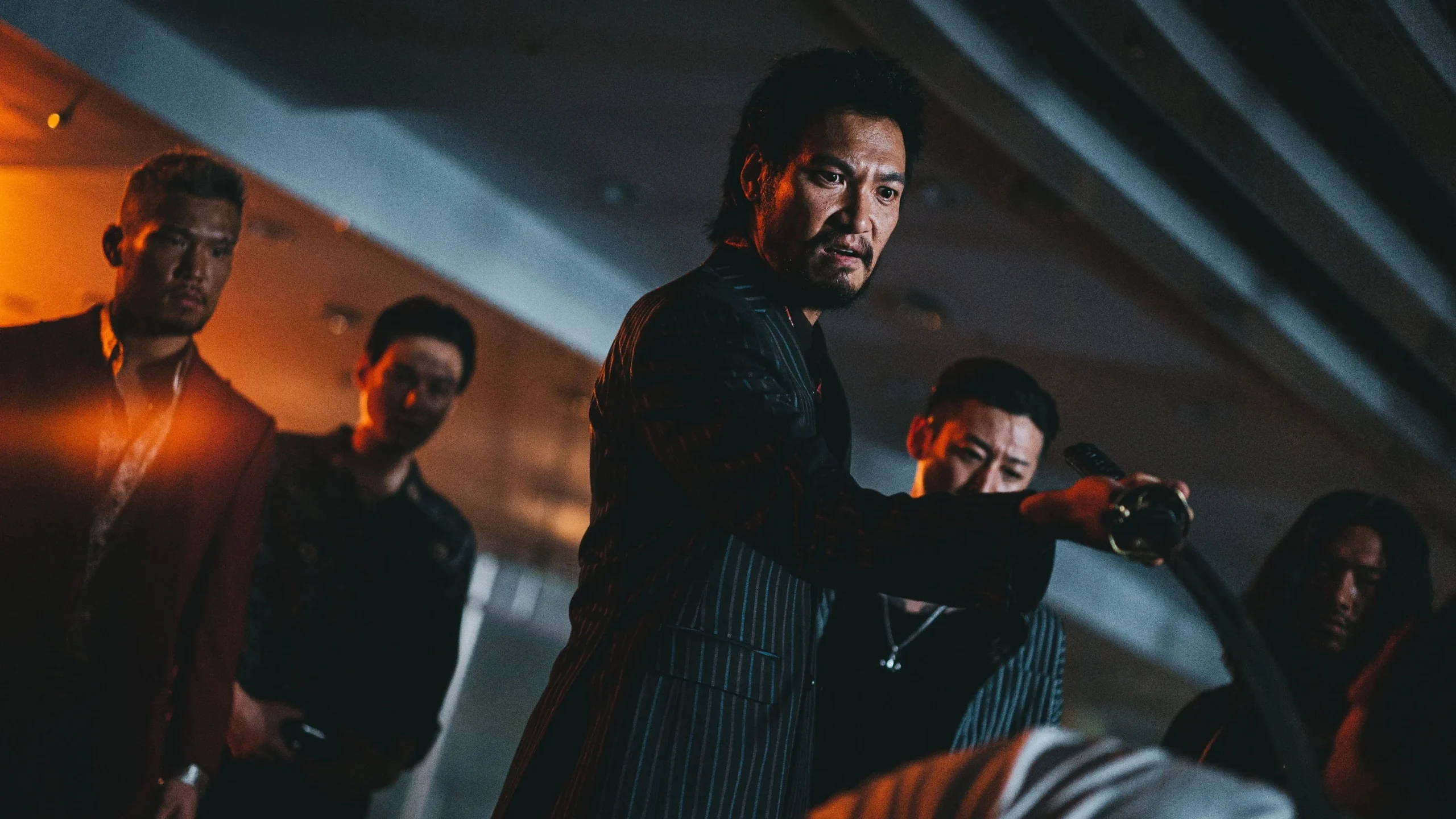
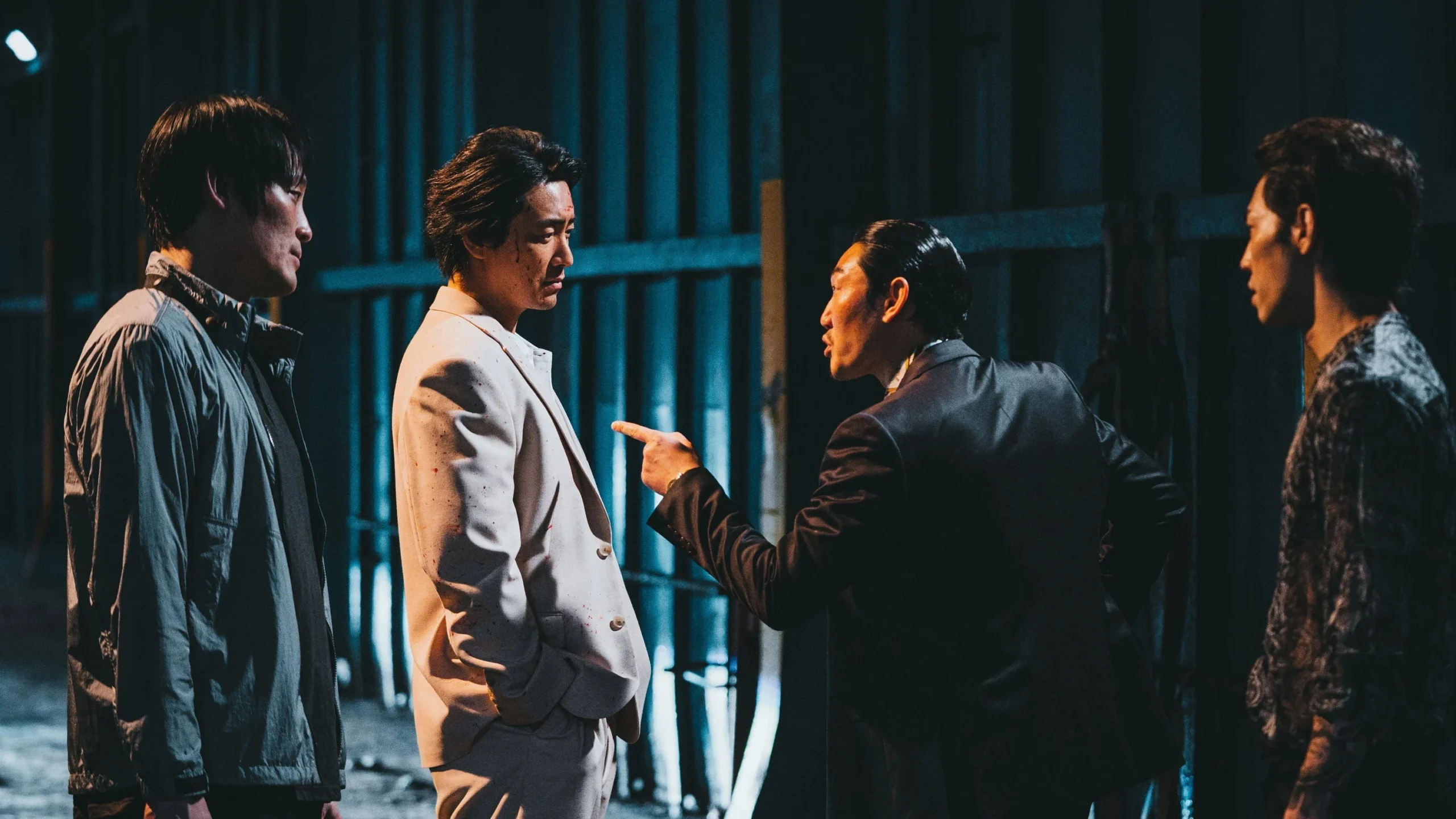
What makes this entry structurally different from the franchise’s earlier films is the presence of two competing criminal operations occupying the same space simultaneously. Joo Seong-cheol, a criminal financier who treats the drug trade like a portfolio to be managed, has been consolidating control. Ricky, representing a Japanese organized crime faction with its own strategic interests and leverage points, has been making parallel moves. These factions are not collaborating — they’re circling each other while both trying to remain ahead of law enforcement. Ma Seok-do is the element neither of them built into their models.
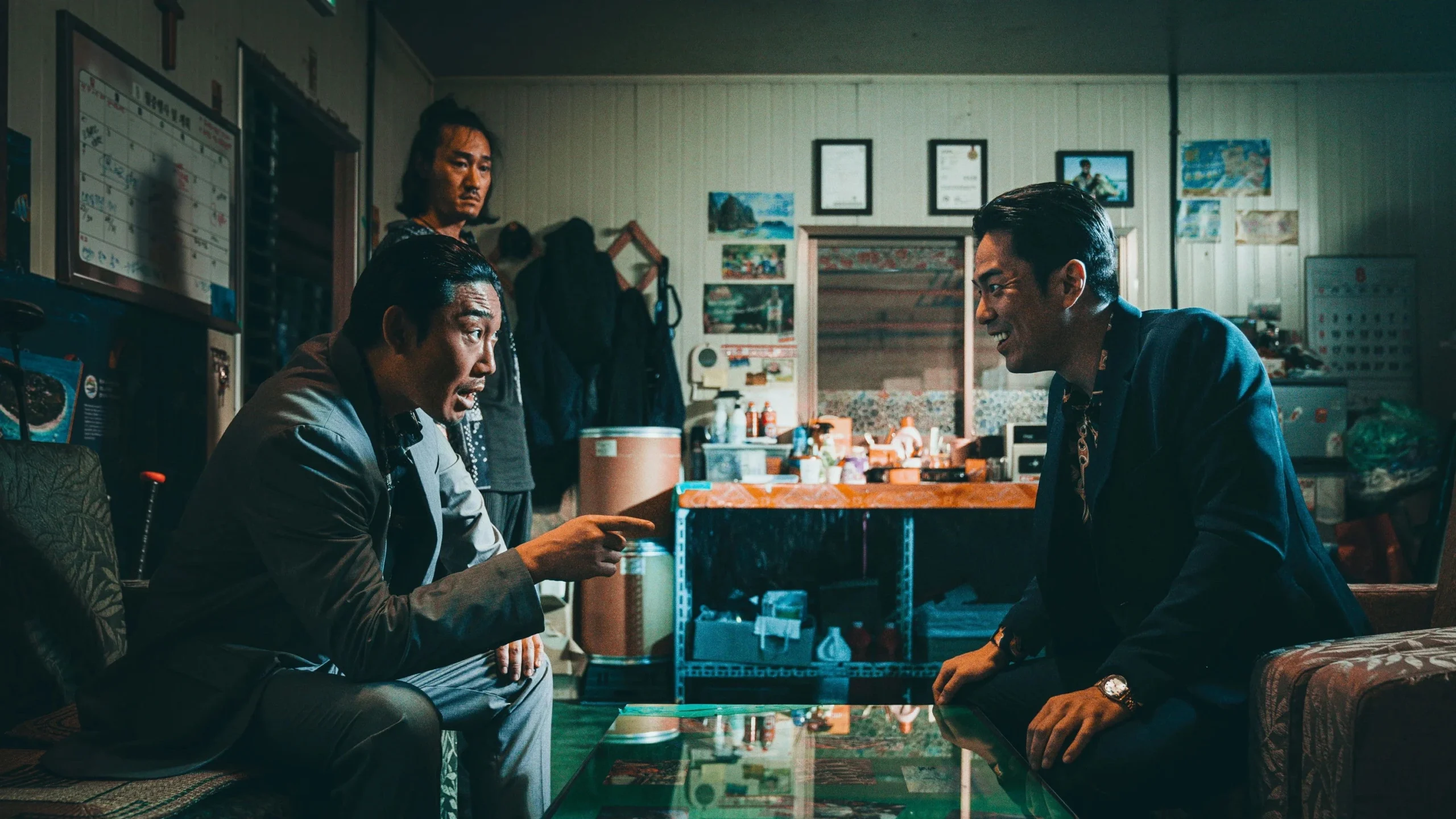
The film’s most interesting decision is its villain. Lee Jun-hyuk plays Joo Seong-cheol with a restraint that makes him more genuinely threatening than any visible display of violence could — the particular stillness of someone who has already run the calculation and finds the outcome, so far, predictable. He’s polished, articulate, and comfortable in rooms where Detective Ma would look like furniture. Watching a franchise built on fist-forward justice encounter a problem with no clear face to punch is where No Way Out finds its actual tension. The franchise hasn’t asked this question quite this directly before.
Ma Seok-do’s new team gives the film room for a procedural layer earlier entries didn’t need. These are detectives who work by protocol — file first, follow the chain, wait for authorization. Ma works by proximity: if the criminal is in the building, so is he. That friction is not played purely for comedy here, though the film never abandons its sense of humor about it. It also becomes a comment on how institutions protect their own processes while cases keep generating new bodies in the meantime.
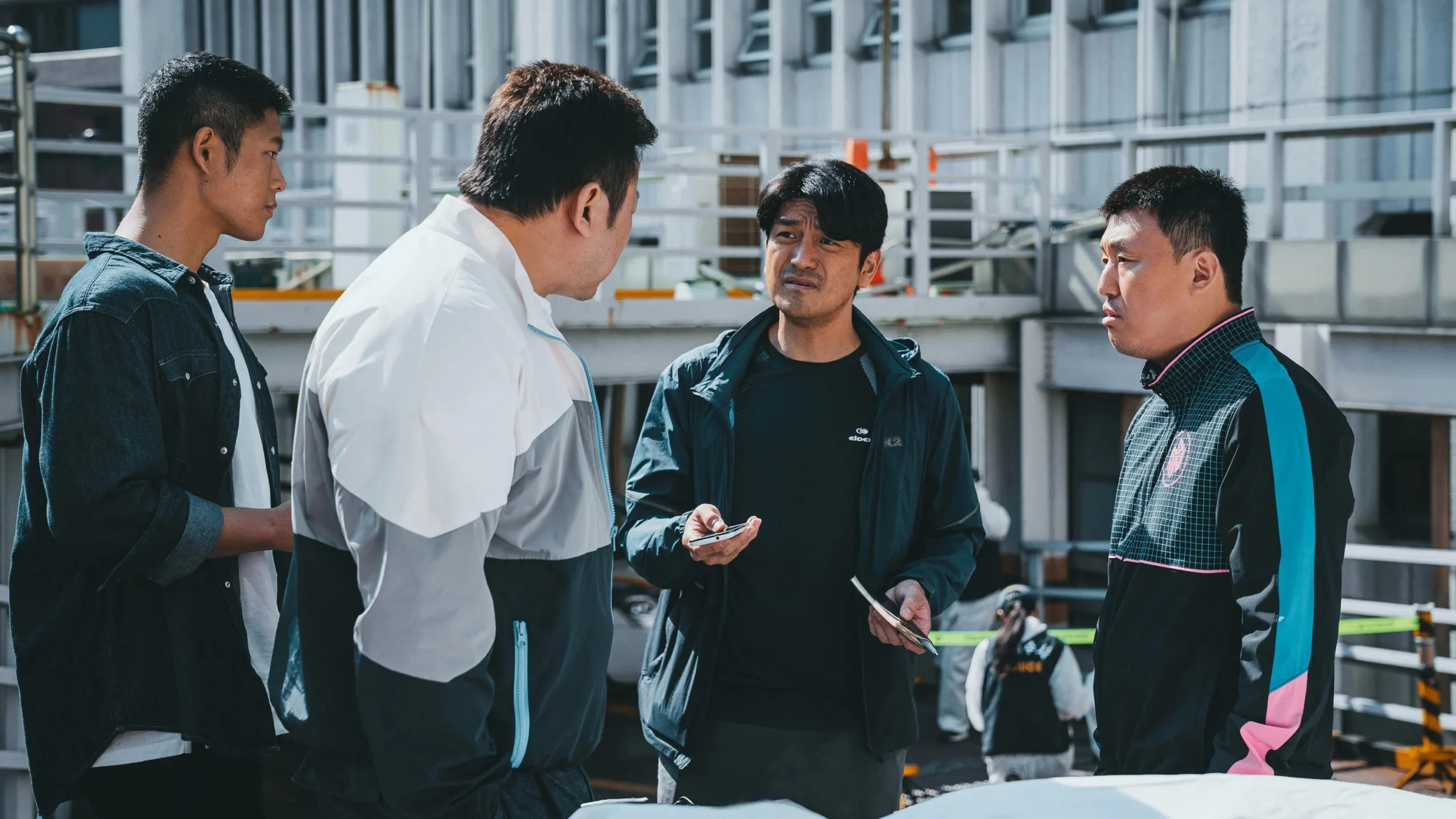
The tone is fast, confident, and uninterested in being subtle — which is precisely why it works. The franchise has always been comfortable cutting from a body count to a joke in the same scene, and No Way Out is no exception. What it does well is earn the comedy: the humor lands in spaces where the tension has already been paid off, not as a release valve for scenes that haven’t resolved yet. The city feels right — crowded, underlit, full of people moving at different speeds toward the same narrow exits.
The Roundup series has never been shy about what it thinks: that some forms of organized crime are too well-entrenched for ordinary procedure to disrupt, and that the law sometimes needs a detective who refuses to engage with the criminal’s own logic. No Way Out extends that argument by giving Ma Seok-do the most sophisticated opponent the franchise has produced — a man who treats murder as a budget line item and who has structured his organization specifically to make individual accountability impossible. The film is asking something the franchise hasn’t quite asked before: what does a detective who solves problems through directness do when the problem has been designed to have no front door?
🏁 Ending Explained
Full spoilers ahead — what happens, what it means, and what the franchise is building toward.
Full Spoilers Ahead — This section covers the complete ending of The Roundup: No Way Out. Stop here if you haven’t watched.
The collapse happens from the inside out. In the film’s climax, Ma Seok-do accelerates rather than waits — he keeps applying direct pressure until the criminal network can no longer maintain its compartmentalization. Joo Seong-cheol, who has operated through proxies and institutional cover for the entire film, is finally drawn into open confrontation. Critically, the Joo–Ricky rivalry — which has been running as a secondary tension throughout the investigation — becomes the network’s final structural failure: when the two factions turn on each other, the organization collapses faster than either planned, and Ma doesn’t need to dismantle it piece by piece. He just needs to keep pushing until the seams give.
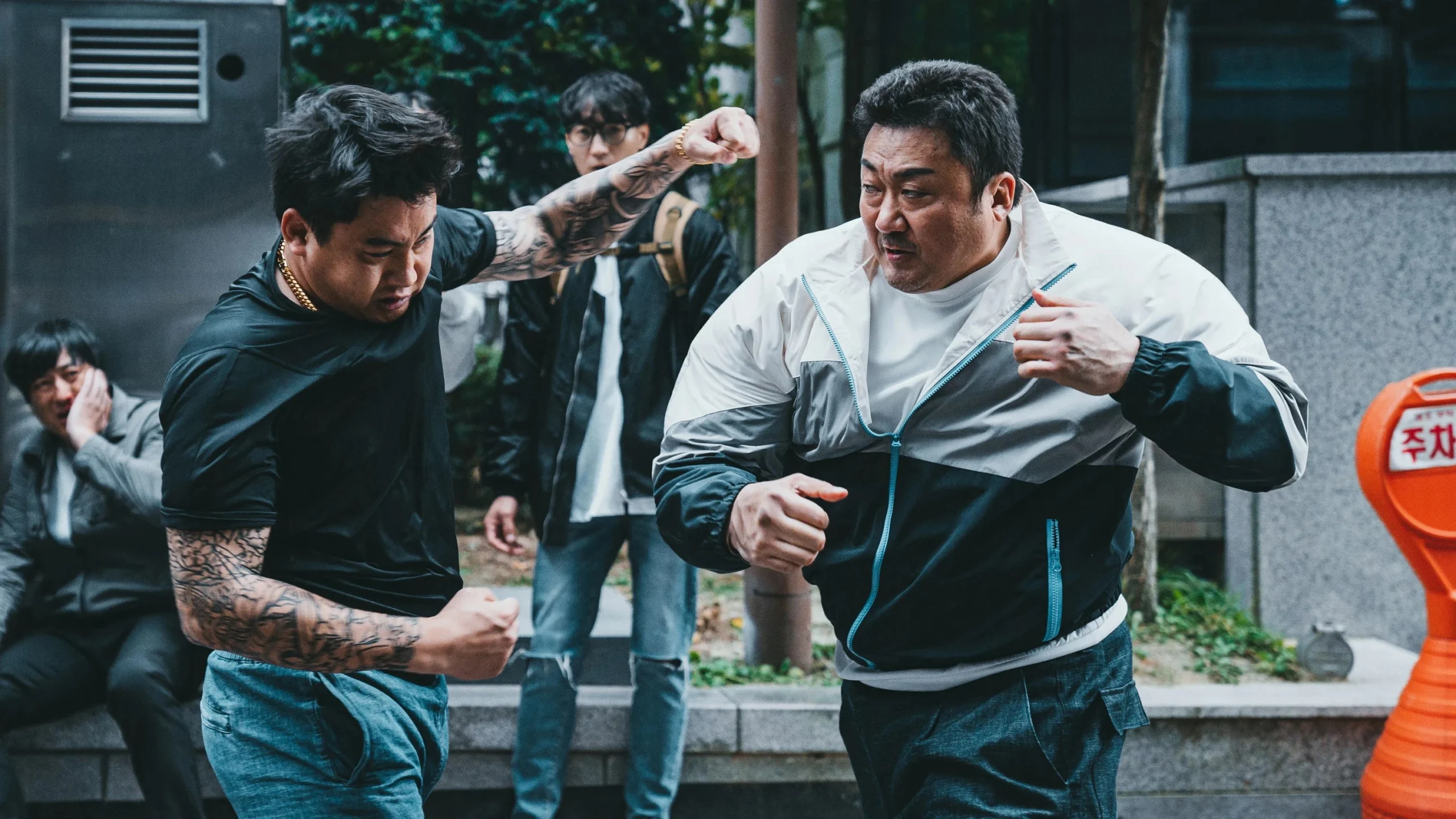
The ending is about the limits of sophisticated criminality against an opponent who refuses to engage with its logic. Joo Seong-cheol’s power came from his ability to make violence feel like business — to strip moral weight from individual acts by embedding them in organizational structure. Ma Seok-do never accepts that frame. For him, every murder in a distribution chain has a face, and the distance between the decision-maker and the victim is not a legal technicality. It’s the thing that needs to be closed. The ending rewards force and moral clarity over strategic patience — which is either the franchise’s governing statement or its limitation, depending on what you came expecting.
The victory is real, but the franchise reading is more honest about what’s been won. One reading: Ma Seok-do wins because physical courage and moral stubbornness are enough against any level of criminal organization. A more careful reading: the specific network has collapsed, but the conditions that produced it — the money flows, the jurisdictional gaps, the institutional surfaces criminals hide behind — remain intact. The film ends the case without ending the category. That the franchise keeps producing new entries, each with a slightly more organized and better-funded criminal enterprise, is the most explicit version of this argument. Ma Seok-do is not fixing the system. He is buying time inside it.
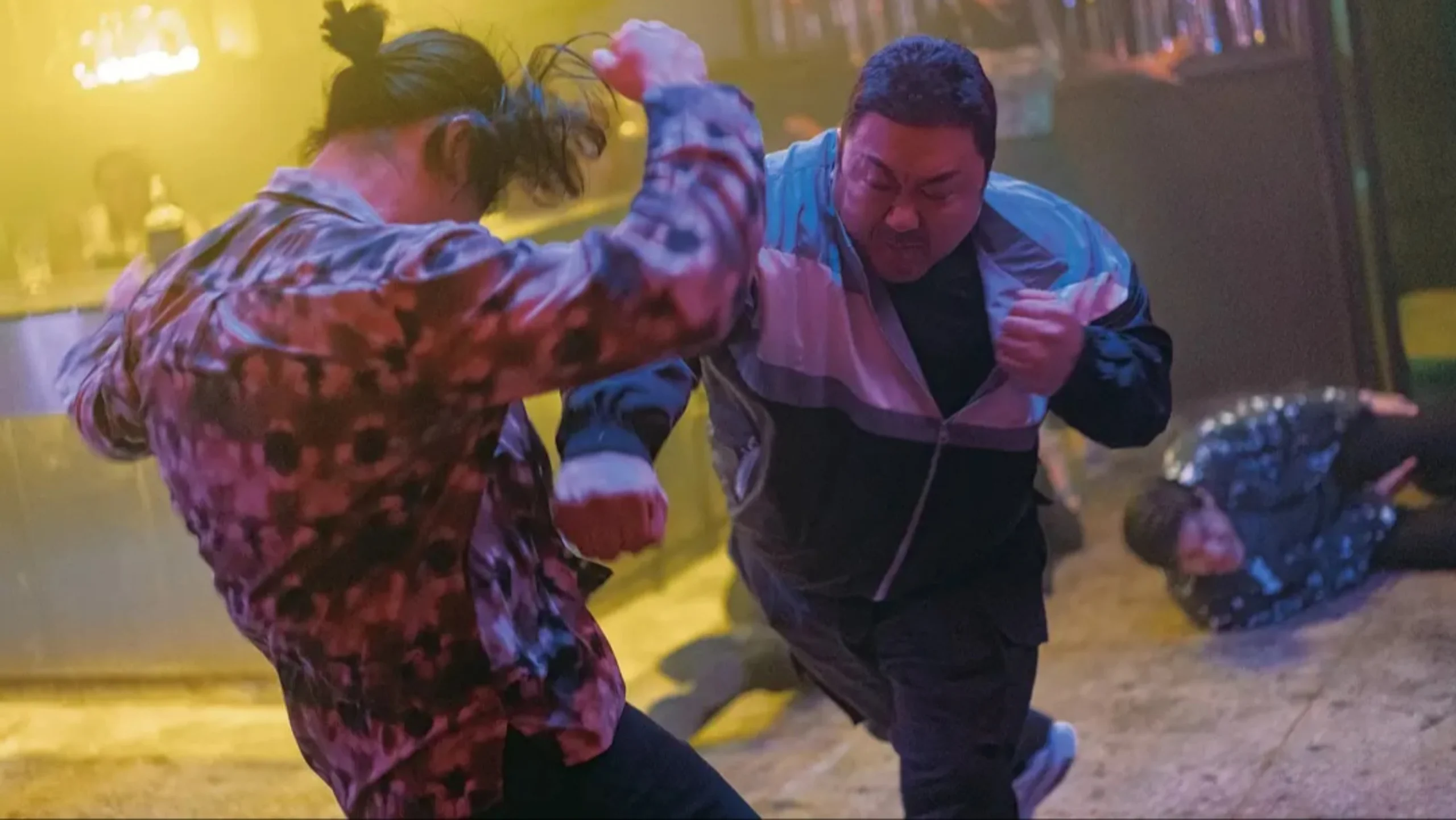
Ricky and the Japanese faction represent the ending’s unresolved thread. Munetaka Aoki’s character is positioned throughout as a second major antagonist — a parallel threat that should, by the structure of the setup, require equal resolution. What the ending actually gives him is less satisfying: the Ricky subplot collapses as part of the larger breakdown rather than reaching its own distinct conclusion. His rivalry with Joo serves the plot structurally — it’s what makes the network’s final failure possible — but it leaves Ricky feeling more like a mechanism than a character. The film uses him well enough to make the ending work. It doesn’t use him well enough to make him matter afterward.
The strongest reading of the ending is about irreducibility. Ma Seok-do cannot be bureaucratized, cannot be managed from distance, cannot be made to treat a murder victim as a statistic in someone else’s risk model. Joo Seong-cheol’s fatal miscalculation is assuming Ma will eventually follow the rules of the game being played around him — that he’ll file the paperwork, wait for authorization, give the network enough space to adapt. He doesn’t. He never does. No Way Out’s final claim is that some forms of criminal organization will always underestimate the detective who refuses to become as sophisticated as the crime.
✍️ KDramaWorlds Editor’s Take
Our honest take — is it worth your time, and who’s it really for.
Lee Sang-yong
Known for: The Roundup (2022) · The Roundup: No Way Out (2023)
Don Lee (Ma Dong-seok) has been doing variations on this character across multiple franchise entries, and the more interesting question is whether Ma Seok-do has changed or whether the cases around him have. In No Way Out, the answer is: both, slightly. The physicality remains the franchise constant — there’s a moment in the final act involving a door frame that will make it into highlight reels — but the film gives Lee something to work against that isn’t pure opposition. Lee Jun-hyuk’s Joo Seong-cheol generates the franchise’s most interesting Ma Seok-do dynamic precisely because their conflict has no even terrain: Ma solves problems through proximity and force; Joo has built an organization specifically to ensure no one gets that close. When Don Lee is working in the silence before he moves — the stillness, the calculation, the specific way he makes his body very still in a room before it becomes very loud — that’s the performance the franchise has been building toward.
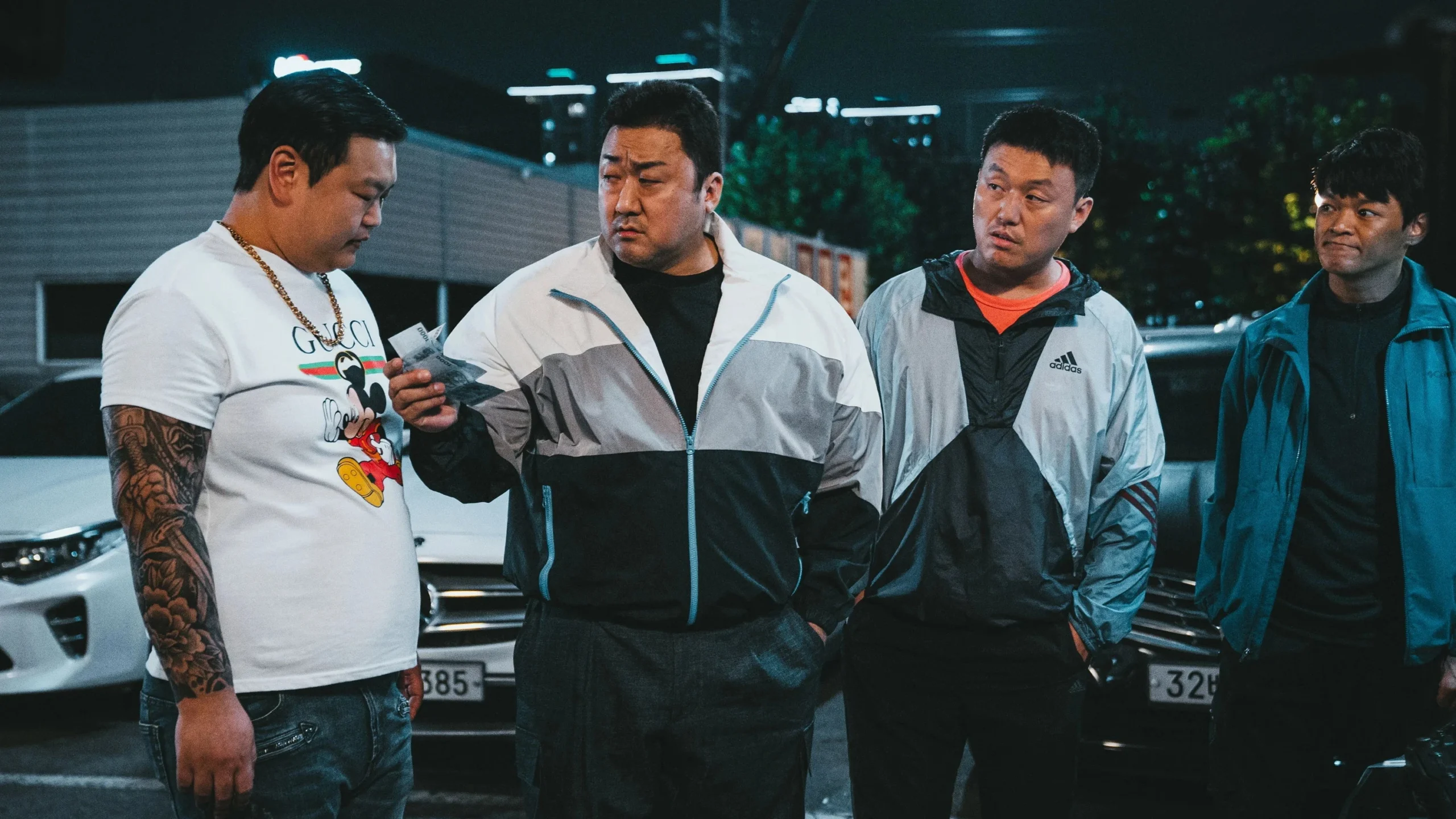
Lee Jun-hyuk has been one of Korean cinema and drama’s most reliable presences for over a decade — the actor who appears in two or three major productions a year, always in the most internally complex role in the room. His Joo Seong-cheol works because he brings the same careful, inward quality to this villain that he brings to everything: the character never telegraphs intention, he manages it. The composure is doing the work. On rewatch, you can trace exactly where that composure starts costing him — not in big confrontational moments, but in micro-adjustments, the tiny recalibrations of someone whose model is running out of variables it predicted. For viewers who found A Killer Paradox compelling, there’s a directional kinship: both are Korean crime stories fascinated by the psychology of someone who treats violence as a professional category. Roundup fans who haven’t seen The Roundup: Punishment yet should note that No Way Out’s villain is significantly more developed — this is where the franchise’s antagonist writing makes its biggest step forward.
No Way Out is not the most emotionally resonant Roundup film, and it doesn’t need to be. Munetaka Aoki’s Ricky receives less space than the premise promises — the Japanese criminal side of the network feels structurally underwritten relative to how much narrative weight it’s asked to carry, and the final act moves quickly enough that some of the organizational complexity introduced earlier doesn’t fully land. But the film gives Lee Jun-hyuk the franchise’s best villain role, and that alone separates it from the second entry. If you’re already in this series, you’re staying regardless. If you’re new: start with the first, come to this third. The franchise rewards order.
Action viewers who want crime that’s methodical, not just kinetic
Don Lee completionists — his best antagonist to date
🎬 You Might Also Like
If you liked The Roundup: No Way Out, these are your next three watches.
 The Golden Spoon
Body SwapClass Divide
Read Full Review →
|
 A Shop for Killers (Season 1)
AssassinHidden Past
Read Full Review →
|
 The Deal
BetrayalCrime Thriller
Read Full Review →
|







Keep it kind, skip the harsh language, and please — no spoilers. Everyone's taste is different, and that's perfectly fine.
This space is for real reactions and discussion from other viewers. Help keep it comfortable for everyone by not giving away major plot details.
What do you think of this drama?
Login to share your review or leave a comment.
No email needed — just pick a username & password.