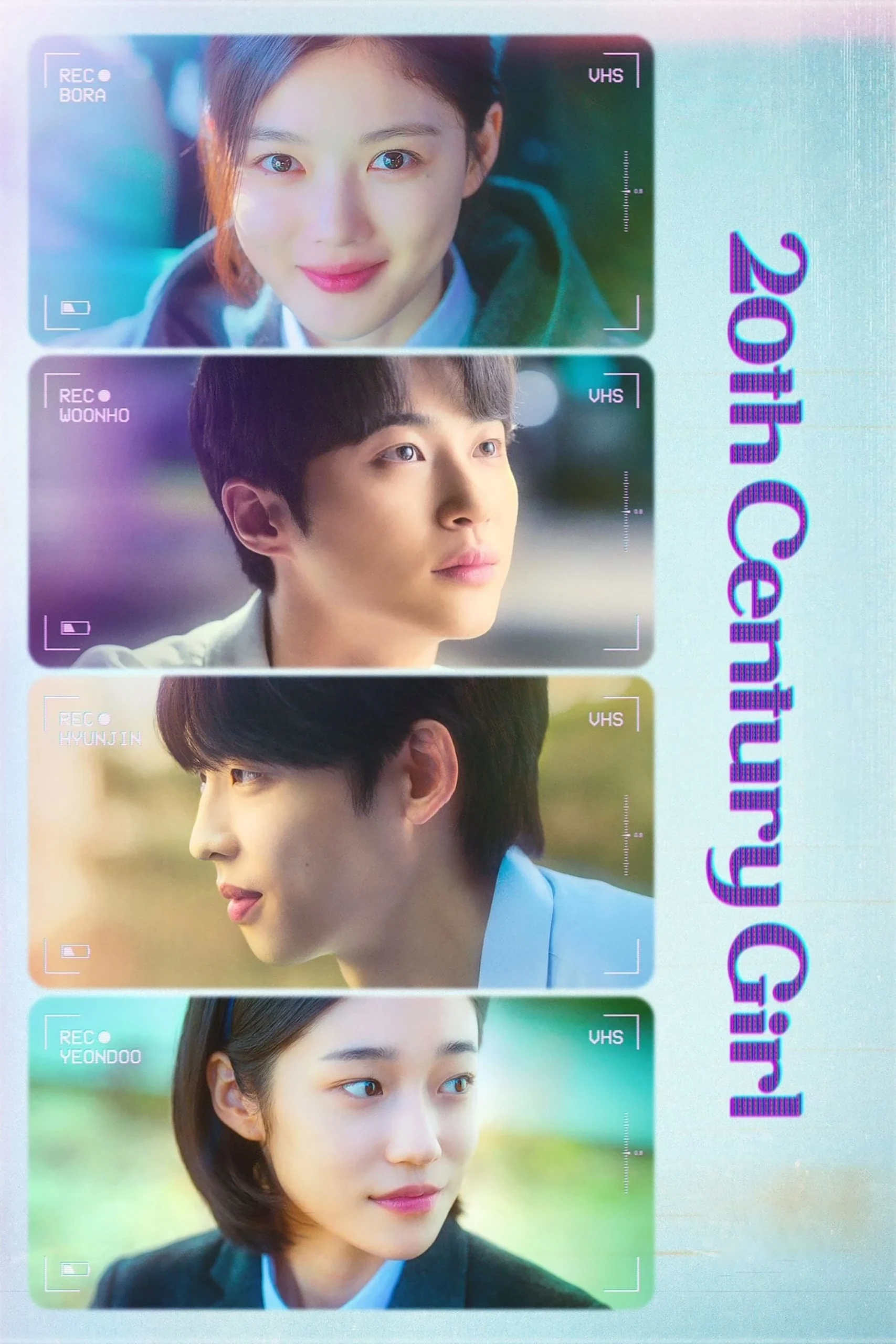
20th Century Girl
🎬 Netflix
⭐ 7.4 IMDb
🔞 TV-PG
🎬 Film Overview
Y2K FIRST LOVE PICK
Na Bo-ra has one job in the summer of 1999: find out everything about a boy she’s never spoken to. Her best friend Yeon-du is leaving for heart surgery in the United States and can’t bear to go without knowing more about Baek Hyun-jin, the classmate she’s been quietly in love with from a distance. So Bo-ra becomes an unlikely spy — trailing Hyun-jin through hallways, cataloguing his habits, mailing reports back to Yeon-du like dispatches from the front. It’s the kind of mission only a seventeen-year-old would take this seriously, and only a friendship this loyal would demand.
The job gets complicated the moment Bo-ra starts spending real time with Hyun-jin’s best friend, Poong Woon-ho — first as a means to an end, then as something she can’t quite file under “research.” 20th Century Girl builds its romance out of a classic setup, wrong boy leading to the right connection, but earns its reputation less through plot mechanics than through texture: dial-up modems, cassette mixtapes, a broadcasting club that runs on landlines and nerve. Director Bang Woo-ri, working from her own teenage memories, lets the story breathe long enough that its final-act turn feels less like a twist and more like the truth the whole film has been quietly building toward.
⚡ Quick Verdict
The TL;DR, boxed and ready.
· IMDb · 12,475 ratings
▶ Official Trailer
🎭 Cast & Characters
A cast anchored by two era-defining lead performances and a supporting bench that fills out 1999 without stealing focus.

Lead

Lead

Supporting

Supporting

Supporting

Supporting

Supporting

Supporting

Supporting

Supporting
Supporting

Supporting
📖 The Story
No spoilers here — just enough to know if it’s for you.
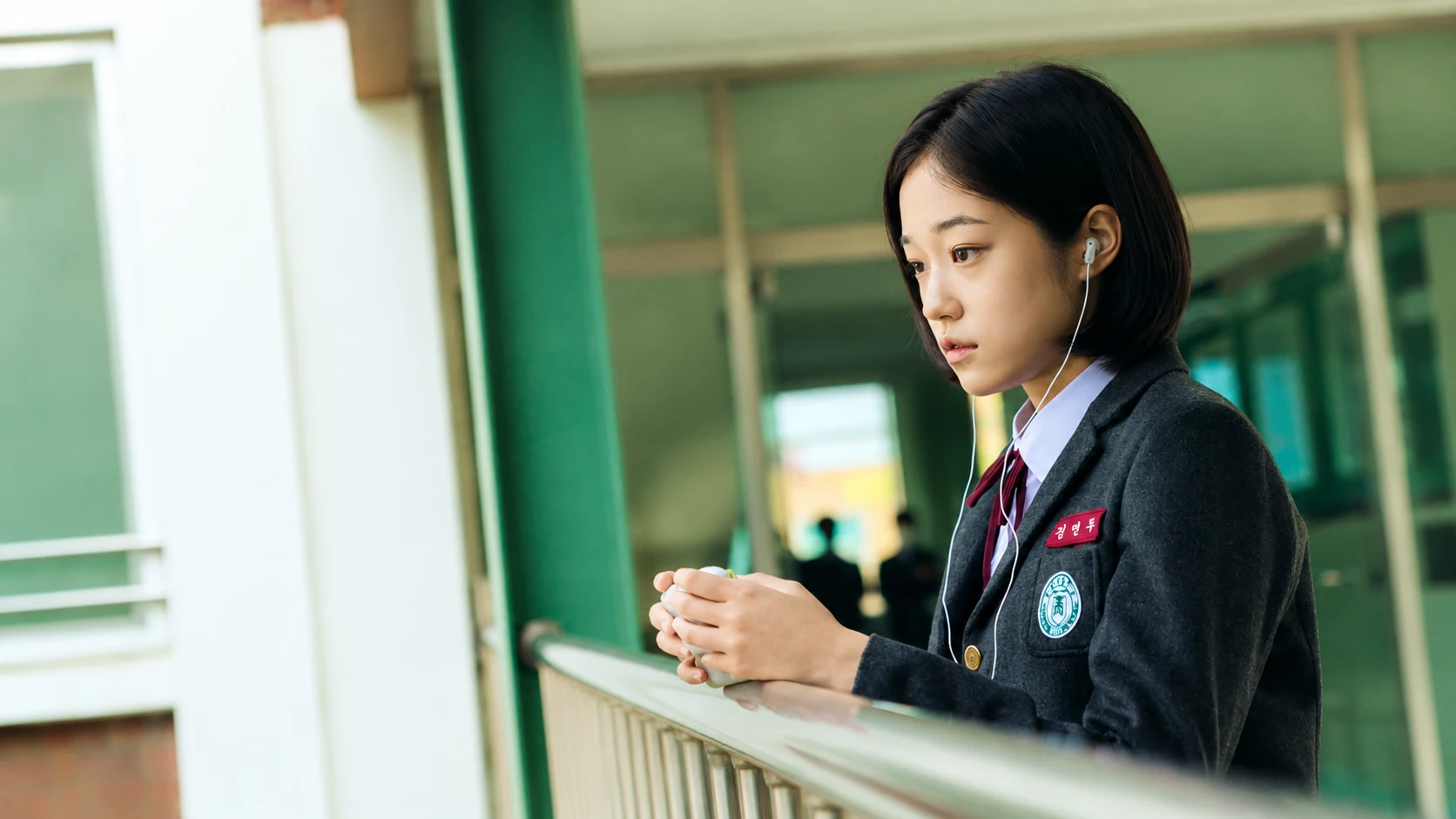
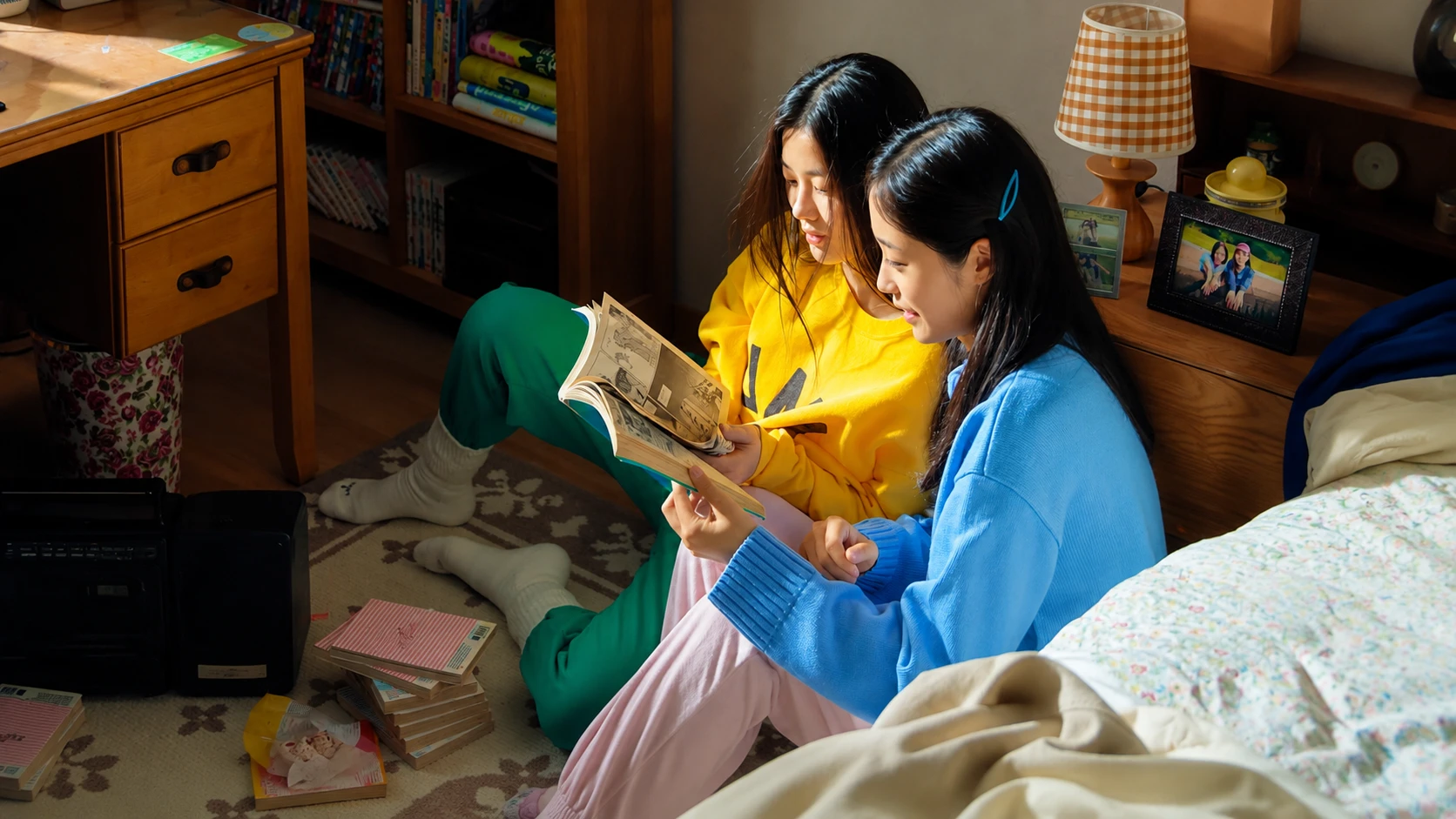
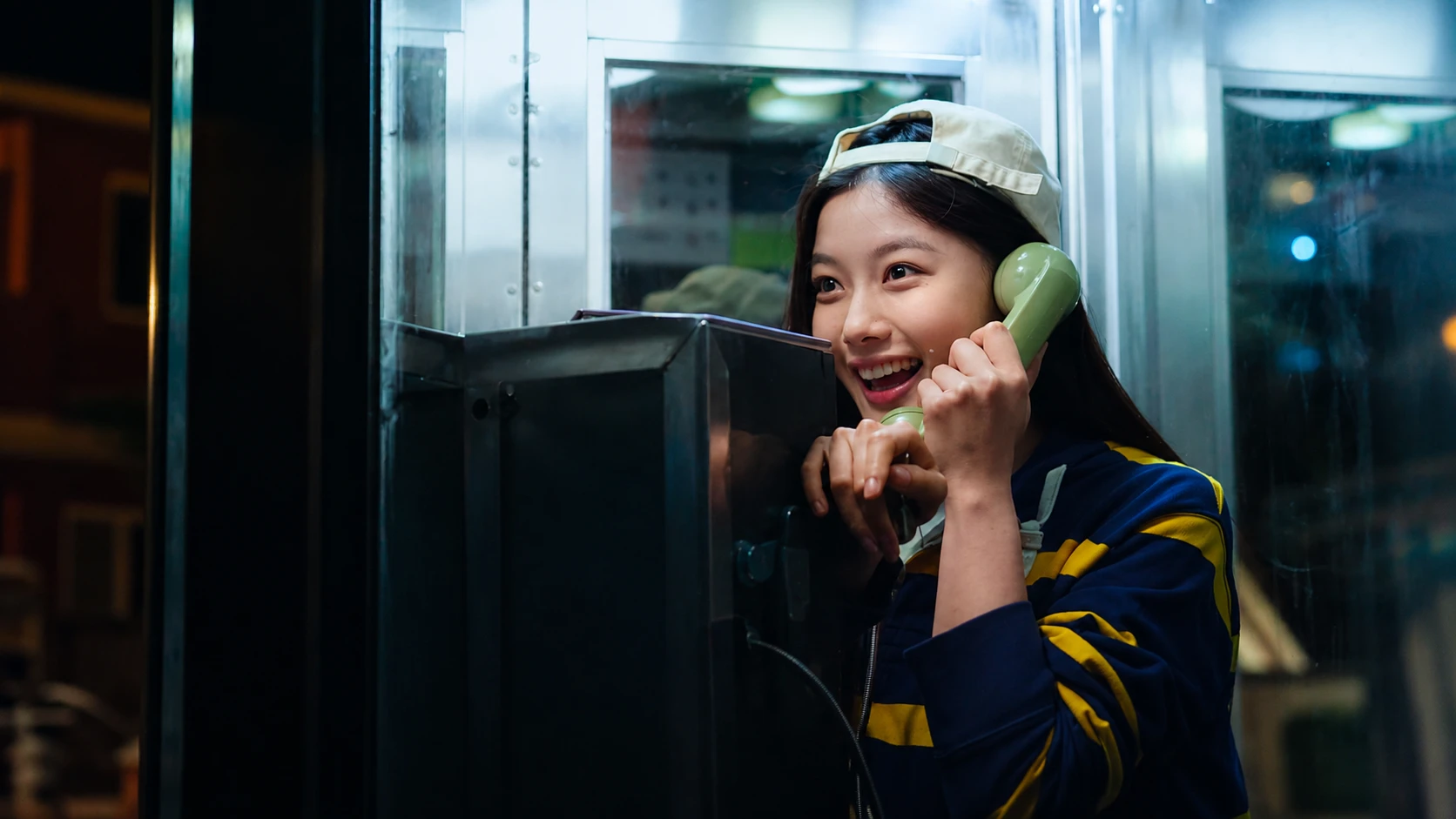
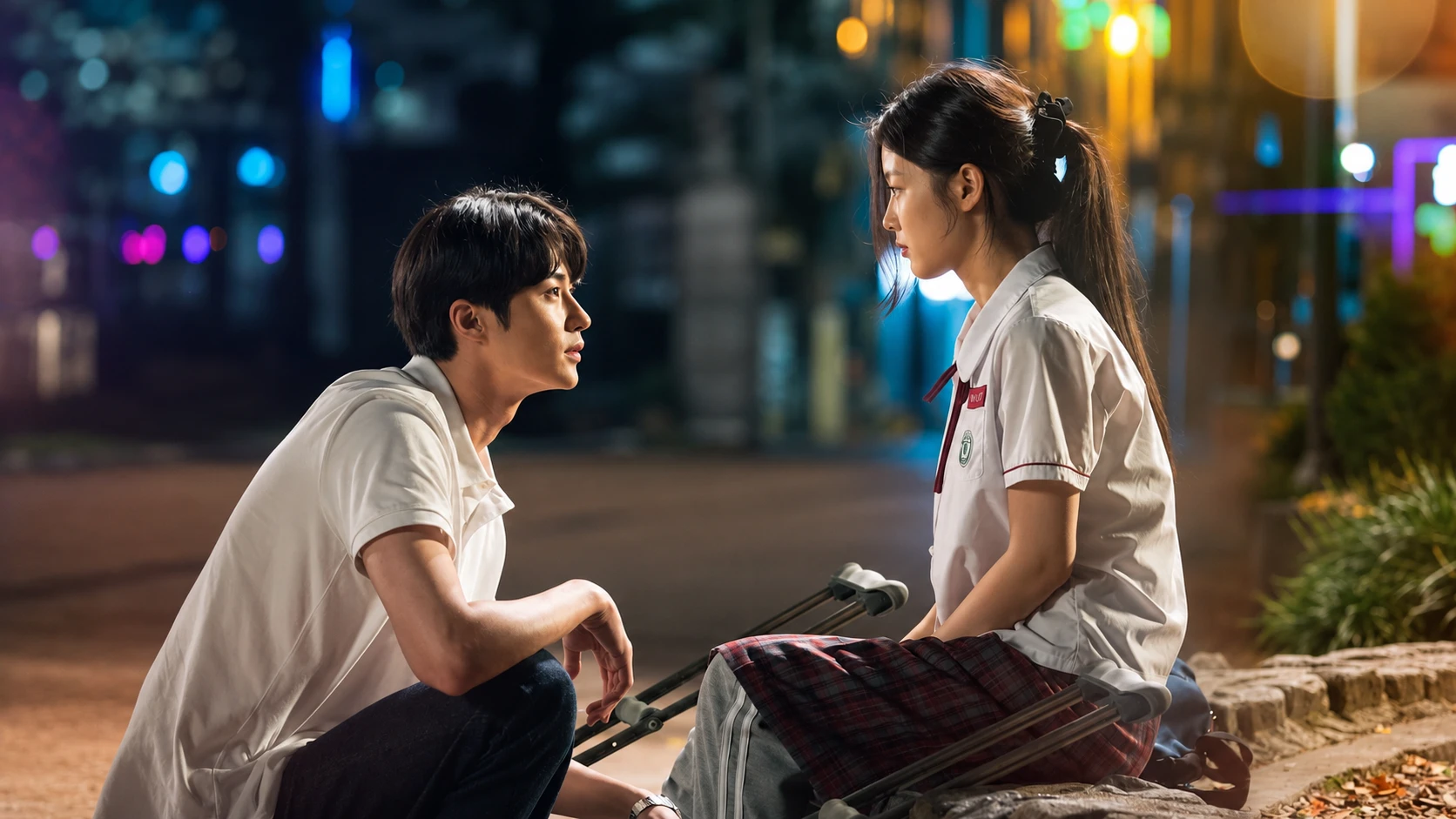
Cheongju, 1999. Na Bo-ra is the kind of teenager who commits fully to everything — Taekwondo drills, broadcasting club duties, and most of all, her friendship with Yeon-du, the person she’d drop anything for. The film spends its opening stretch just living inside that ordinary loyalty: dial-up internet groaning to life, payphones on street corners, a version of adolescence that runs on landlines instead of notifications. Nothing dramatic happens yet. It doesn’t need to.
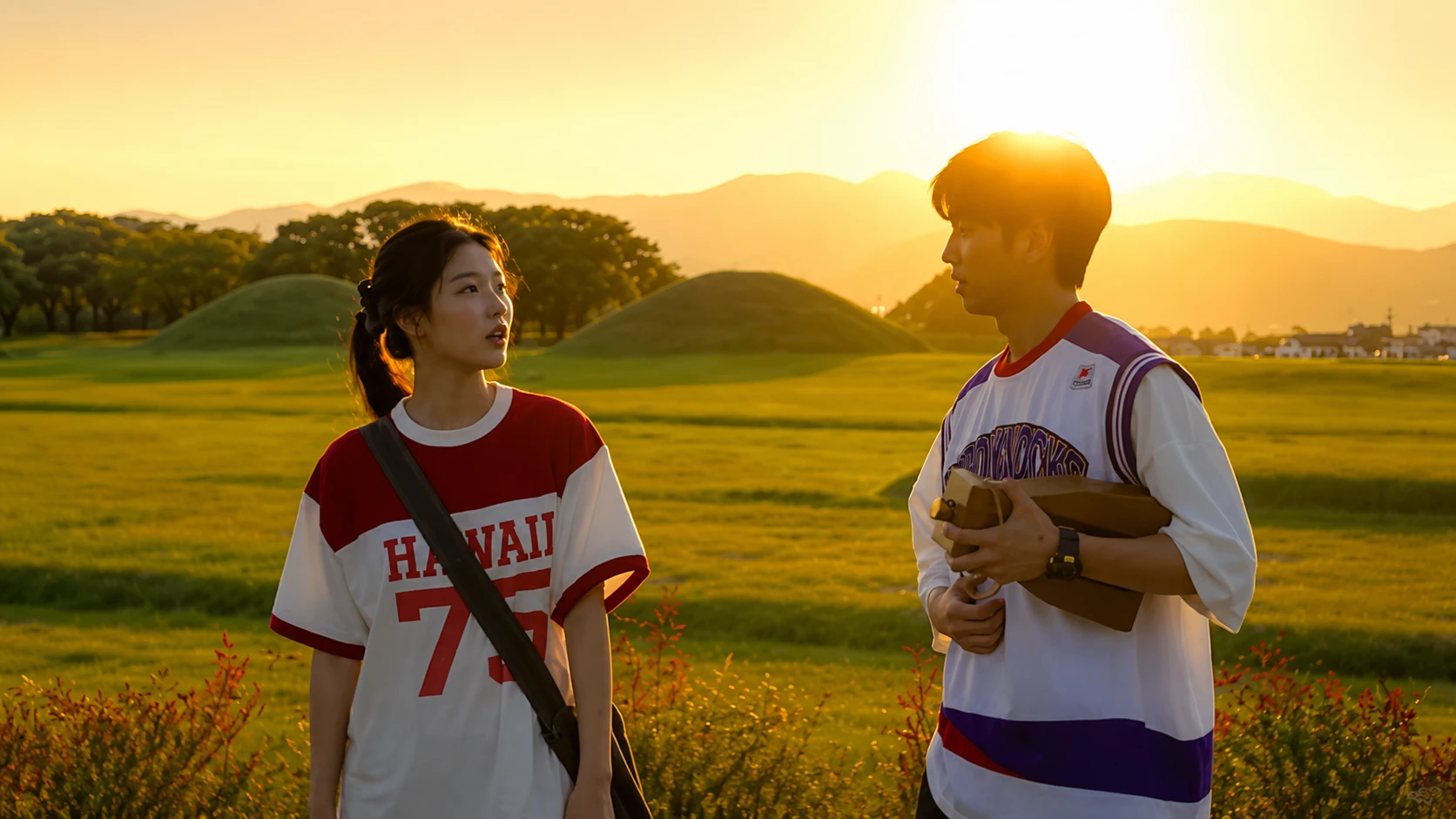
Then Yeon-du delivers the complication: she’s scheduled for heart surgery in the U.S., and she doesn’t want to leave Korea without knowing more about Baek Hyun-jin, a boy she’s liked from afar but never actually talked to. She can’t do the investigating herself. So she asks Bo-ra to do it for her — to watch him, catalogue him, report back by email like a long-distance case file on a crush.
Bo-ra takes the assignment seriously, which means trailing Hyun-jin around school and, inevitably, spending time with the person actually around him most: his best friend, Poong Woon-ho. What starts as access — a way to get closer to the real target — turns into something Bo-ra didn’t plan for. Woon-ho is teasing, a little aloof, impossible to read at first, and completely uninterested in making her job easy.
The broadcasting club becomes their shared territory — equipment to fix, tapes to record, an excuse to be in the same room without either of them naming what’s happening. Bo-ra’s reports to Yeon-du get harder to write with any honesty. She’s supposed to be gathering intelligence on Hyun-jin. Instead she keeps noticing Woon-ho.
The tension the film is built on isn’t really a love triangle in the traditional sense — it’s a loyalty test. Bo-ra made a promise to her best friend at her most vulnerable, and every feeling she develops for Woon-ho registers as a small betrayal of that promise, even though nobody did anything wrong. 20th Century Girl treats this misunderstanding-as-premise seriously rather than rushing past it as a plot device.
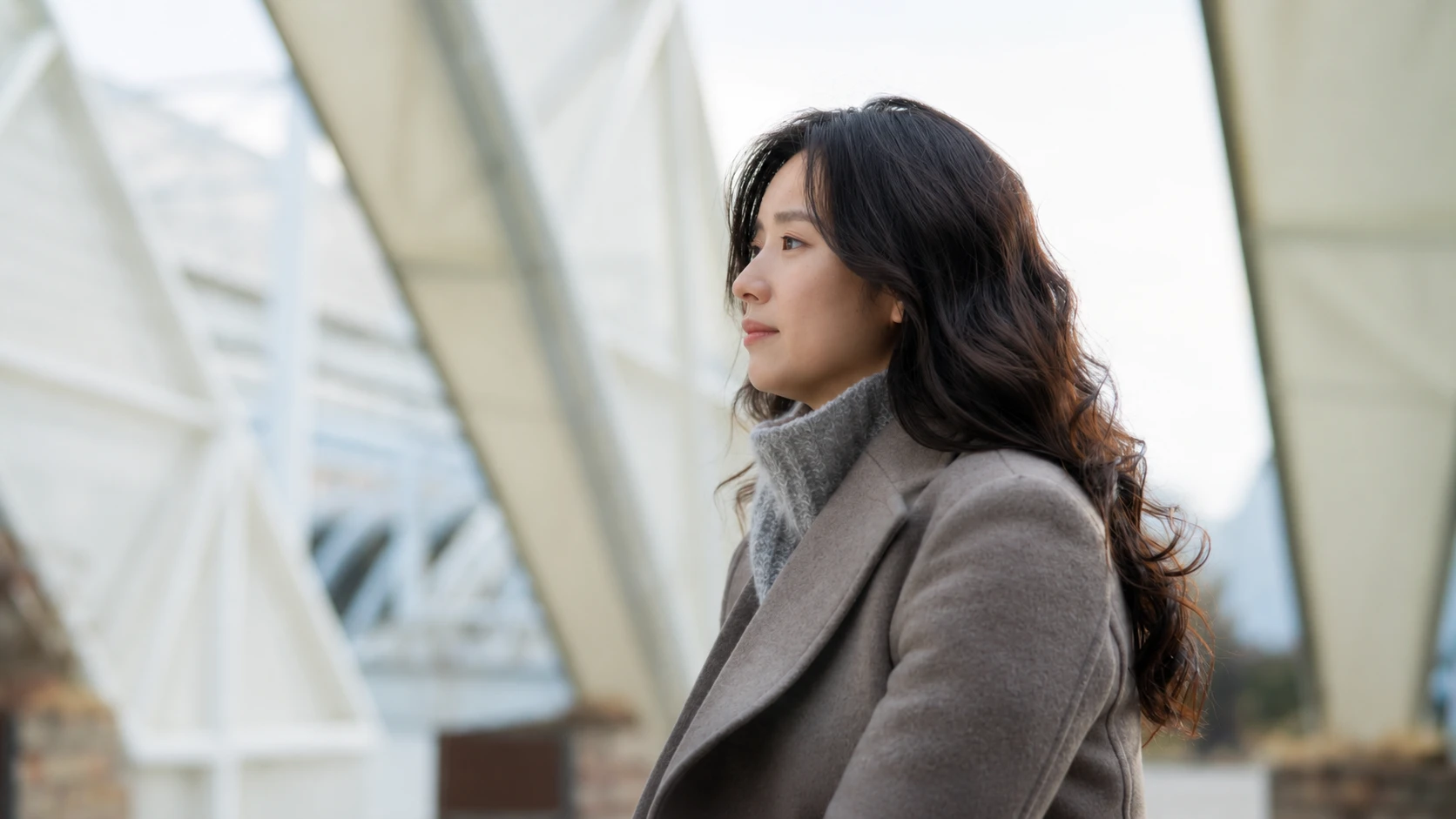
Visually, the film commits to 1999 without turning it into a costume party. VCRs, mixtapes, and hand-written notes aren’t nostalgia props here so much as the actual mechanics of how these teenagers communicate — slower, more deliberate, harder to take back once sent. That friction is part of why the romance lands: nothing about it arrives instantly.
By the film’s midpoint, Woon-ho’s family circumstances pull him toward a move abroad, and he and Bo-ra make the kind of promise only teenagers make with total sincerity — to write, to wait, to pick things back up wherever they left off. What neither of them accounts for is how much can go wrong between one email and the next. That’s where the story’s real weight begins.
🏁 Ending Explained
The ending, explained in full. Spoilers ahead.
Full Spoilers Ahead — This section covers the complete ending of 20th Century Girl. Stop here if you haven’t watched.
What actually happens The emails from Woon-ho stop without warning, and Bo-ra spends years not knowing why. In 2019, an adult Bo-ra — now played by Han Hyo-joo — receives a mysterious package: an old VCR tape and an invitation to an art exhibition. At the exhibition, she finds a memorial for Poong Woon-ho, the dates on it reading 1983 to 2001. He never stopped writing because he moved on. He stopped because he died.
Why he went silent The package comes from Woon-ho’s younger brother, Poong Jun-ho — also going by Joseph — who found the tape years after his brother’s death and decided Bo-ra deserved to know the truth rather than carry an unexplained silence for two decades. The film doesn’t dramatize this reveal with a big confrontation. It just lets the fact sit there, plainly, the way real loss usually arrives.
What’s on the tape The VCR tape is Woon-ho’s own footage of Bo-ra from their time together — ordinary moments he apparently thought worth keeping. It ends with a message addressed to a future he never got to see: his wish to meet “Bo-ra of the 21st century” and grow old with her. It’s a small, specific thing to have kept, and that specificity is what makes it devastating rather than sentimental.
The ambiguity of his death 20th Century Girl never explains exactly how Woon-ho died, and Bo-ra doesn’t push for the details once she learns the truth. That’s a deliberate choice, not an oversight — the film cares less about the mechanics of his death than about what his absence does to the years that followed. Some viewers want the missing information. The film is betting you’ll feel the loss more without it.
The KDW verdict The ending rewires everything that came before it. Bo-ra’s earnest, slightly ridiculous mission for Yeon-du — spy on a boy, report back by email — turns out to have been the origin point of the one relationship she never got to finish. The opening scene of adult Bo-ra receiving a mysterious package, which plays like a light framing device on first watch, becomes the moment she’s finally allowed to grieve something she didn’t know she’d lost. First love doesn’t get resolved here. It gets remembered, and the film treats that as an ending worth having.
✍️ KDramaWorlds Editor’s Take
Straight talk on whether this one’s worth watching, and for who.
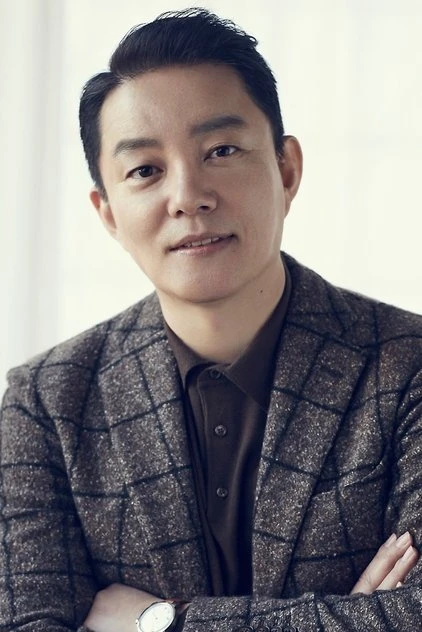
Bang Woo-ri
Known for: 20th Century Girl is Bang Woo-ri’s feature directorial debut, following a run of short films including Mrs. Young and Cheer Up, Mr. Lee. A graduate of Chung-Ang University’s film program, she wrote the screenplay drawing directly from her own adolescence — the film is set in Cheongju, her hometown, and the diary-exchange device at the story’s center comes from a real habit she shared with a close friend as a teenager. That personal starting point shows up less in plot specifics than in texture: the film trusts small, lived-in details of 1999 to do work that a more generic nostalgia piece would hand to voiceover or needle-drops instead.
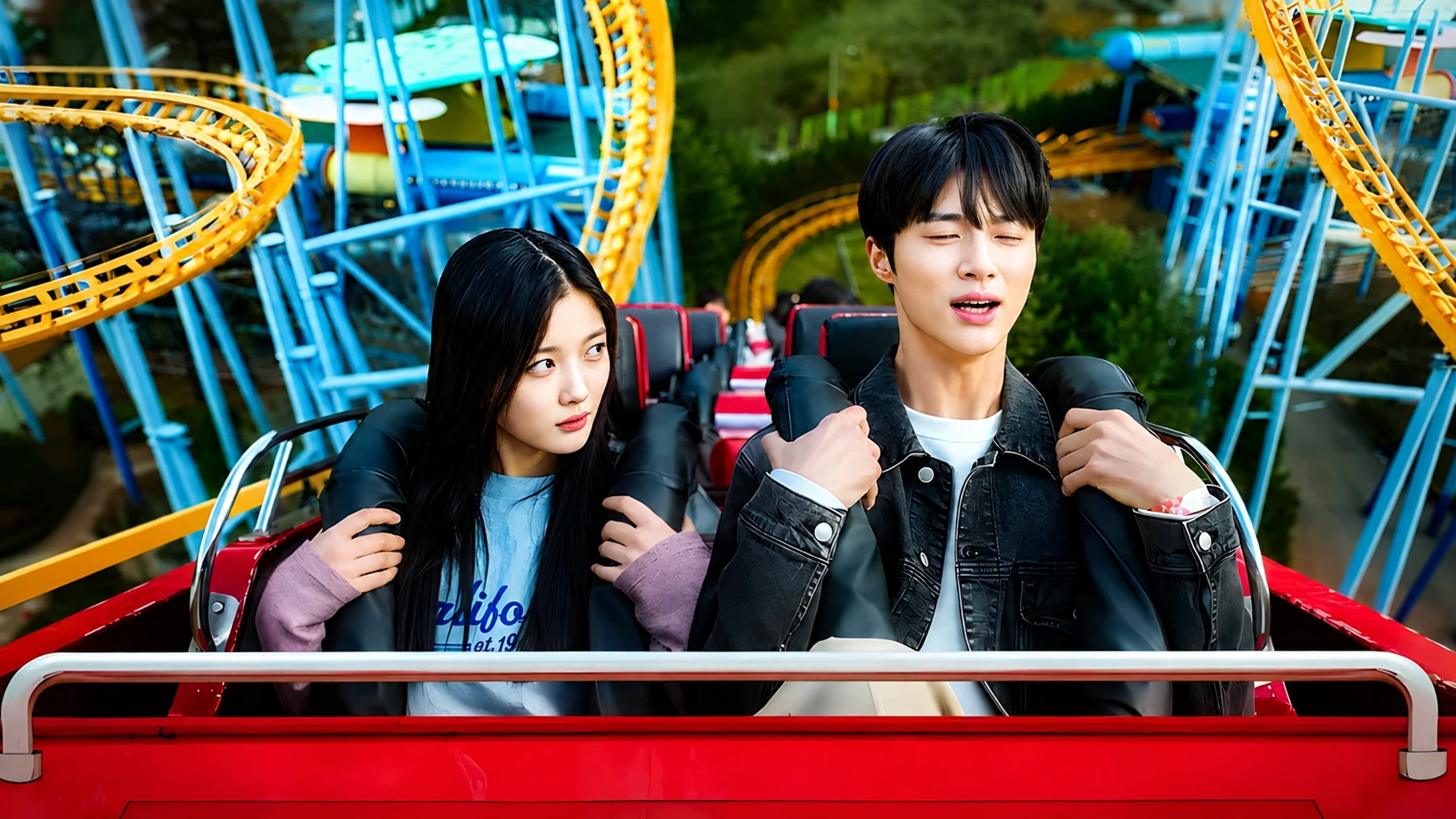
Kim You-jung carries this film on pure specificity — the exact way Bo-ra fumbles her cover story, overplays her hand, gets defensive when Woon-ho calls out her obvious crush before she’s ready to admit it herself. It’s a performance built on small physical choices rather than big swings, which makes the tonal turn in the back half land instead of feeling grafted on. That trust in a young actress to carry both the comedy and the grief recalls what Reply 1988 did with its ensemble of teenagers a decade earlier — treating first love as something worth this much patience.

Byeon Woo-seok plays Woon-ho with a coiled restraint that reads differently once you know how his arc ends — the character’s slight guardedness stops looking like teenage aloofness and starts looking like someone who already understands more about limited time than he’s letting on. It’s a quieter register than the role that would later make him a global name, but the groundwork is visible here. That use of long-distance devotion across a gap that can’t be bridged sits in the same emotional neighborhood as Our Beloved Summer, another story about first love that refuses to stay conveniently in the past.
What keeps the ending from tipping into melodrama is restraint — the film doesn’t manufacture a deathbed scene or a tearful reunion fantasy. It gives Bo-ra a tape, a memorial, and twenty years of unanswered questions, then lets her carry all three quietly. That’s a harder note to hit than a big cathartic finale, and 20th Century Girl mostly hits it.
🎬 You Might Also Like
If you liked 20th Century Girl, these are your next three watches.
 100 Days of Deception
Colonial-Era KoreaJinyoung
Read Full Review →
|
 Between Steps
Ahn Pan-seok's Final Drama
Read Full Review →
|
 Hospital Playlist (Season 2)
Cho Jung-seokcomedy
Read Full Review →
|




Keep it kind, skip the harsh language, and please — no spoilers. Everyone's taste is different, and that's perfectly fine.
This space is for real reactions and discussion from other viewers. Help keep it comfortable for everyone by not giving away major plot details.
What do you think of this drama?
Login to share your review or leave a comment.
No email needed — just pick a username & password.