📺 K-Drama Guide · Romance · Coming-of-Age
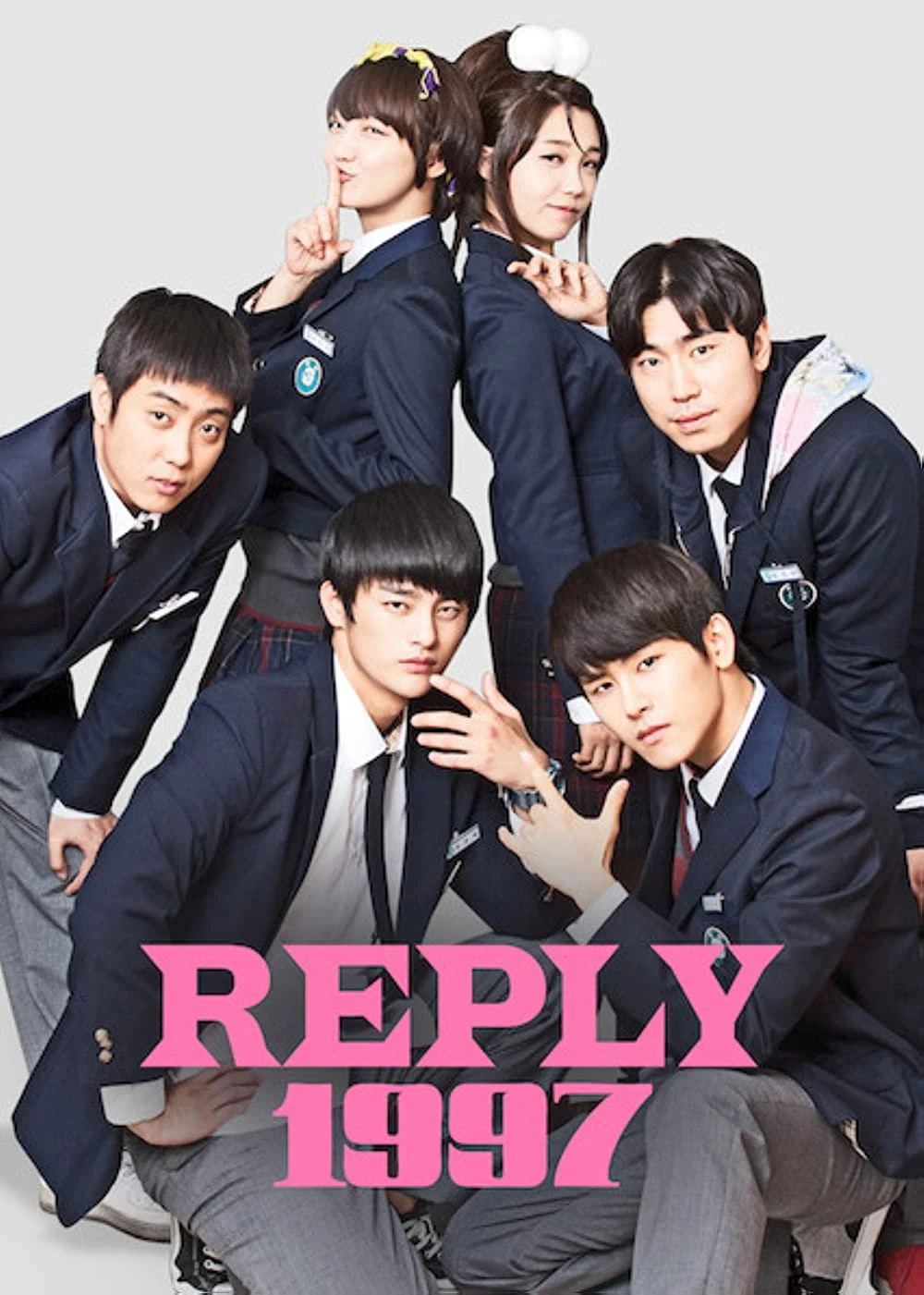
Reply 1997
응답하라 1997 · 2012
✅ Completed · 16 eps
🎬 Viki · Tubi
⭐ 8.5 MDL
📺 15+
⚡ Updated · Jun 25, 2026
📋 Drama Overview
A quick primer before the opening scene.
Completed
💿 90s Romance Pick
Reply 1997
응답하라 1997 (Eungdapara 1997) · 2012 · South Korea
Viki
Tubi
First Love
90s Nostalgia
K-Pop Fandom
Coming of Age
Non-Linear Story
Reply 1997 opens at a 2012 reunion dinner — six old friends, one table, and a secret: one of the men married Sung Shi-won, and the show has no intention of telling you which one yet. That framing device, watching adults who know the answer while you don’t, is the drama’s central pleasure before it has even shown you who these people were at eighteen.
The actual story is set in 1997 Busan, where Shi-won treats her devotion to H.O.T. as a full-time occupation and Yoon Yoon-jae watches her with the growing certainty that what he feels is not the feeling a brother has for a sister. The distinction matters. It’s going to cost him years to say it out loud.
Episode Progress
16 / 16 ✅ Completed
⚡ Quick Verdict
Everything you need to decide, in one place.
⭐ Worth it?Absolutely — the drama that started a genre
⏱️ CommitmentMedium — ~12 hours total
💿 VibeNostalgic · Heartfelt · Funny
📺 Skip if…You need modern pacing or production values
8.5 / 10
MDL Score · Check MyDramaList for updated community rating
🎭 Cast & Characters
Sung Shi-won’s Busan circle — six teenagers whose group dynamic shapes who they all become.
Jung Eun-ji
Sung Shi-won
Lead
Seo In-guk
Yoon Yoon-jae
Lead
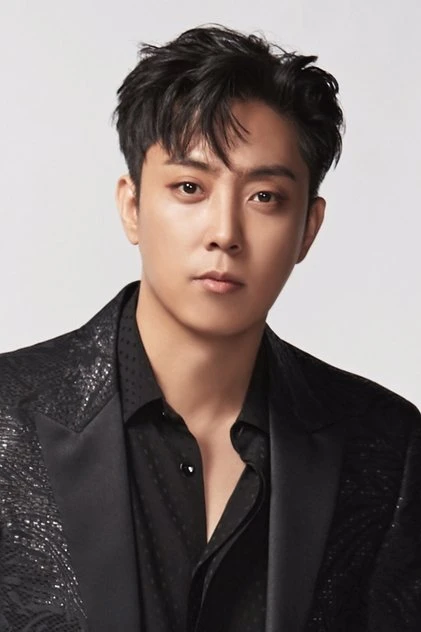
Eun Ji-won
Do Hak-chan
Supporting
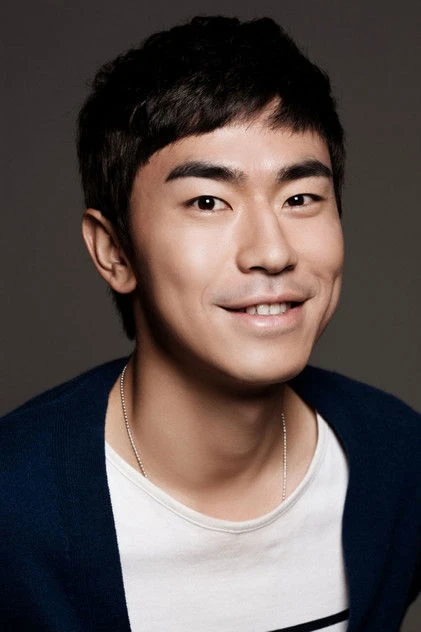
Lee Si-eon
Bang Sung-jae
Supporting
Sung Dong-il
Sung Dong-il
Supporting
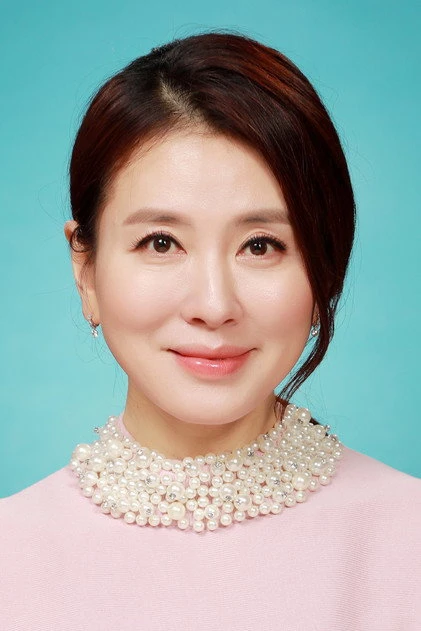
Lee Il-hwa
Lee Il-hwa
Supporting
🍿 Where to Watch
Stream Reply 1997 on these platforms.
📺 Episode Guide
A light recap per episode — nothing more than a nudge.
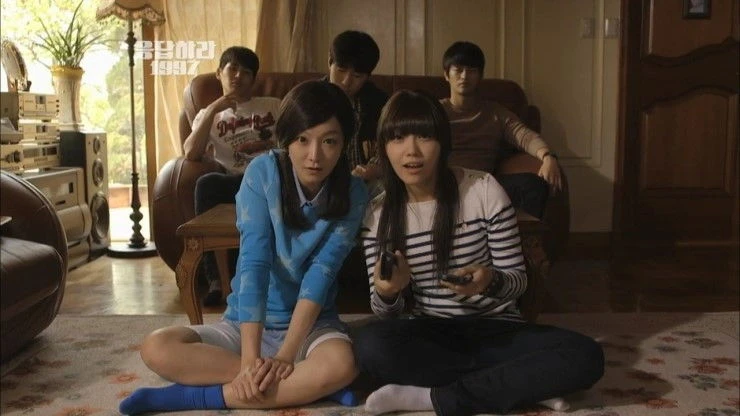 EP 01
EP 01
Eighteen
July 24, 2012
Six adults sit at a 2012 reunion dinner. One of them is married to Sung Shi-won, and the show has no intention of telling you which one yet. The flashback to 1997 Busan introduces Shi-won fully formed: an obsessive H.O.T. fan who treats her academic ranking as a distant concern and her fandom as a first language. Jung Eun-ji plays this with a specific energy — not a caricature of a fangirl, but a person whose entire emotional life has found a single address.
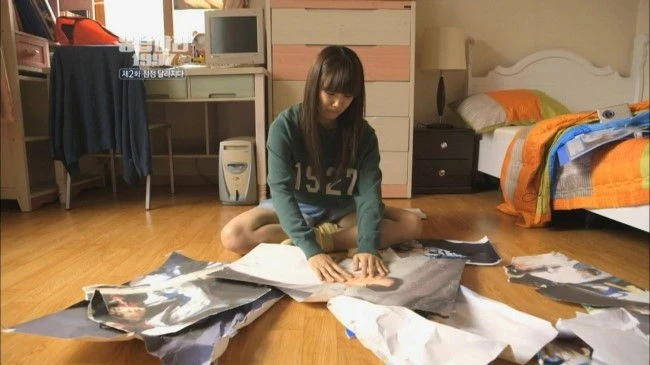 EP 02
EP 02
Becoming More and More Different
July 31, 2012
Yoon Yoon-jae has spent years treating Shi-won like a fixed point in his landscape — the kind of familiarity that makes someone invisible. A single summer encounter changes his frame, and the drama is specific about which detail triggers it. Seo In-guk plays the shift as internal rather than performed: no dramatic realization, just a man who suddenly has somewhere he can’t look directly.
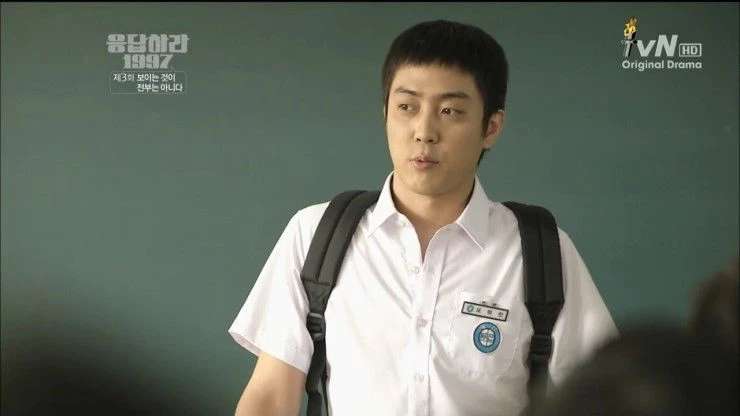 EP 03
EP 03
What You See Is Not Everything
August 7, 2012
Shi-won boards a bus to Seoul and stakes out Tony An’s building — the kind of decision that makes sense only inside a specific intensity of feeling. Sung Dong-il’s response as her father is disproportionate in the way that means something: the fury isn’t just about the stunt, it’s about a parent who doesn’t know how to reach his daughter. The episode uses Kang Joon-hee’s gentleness as contrast, giving Shi-won somewhere to go when home becomes what she’s running from.
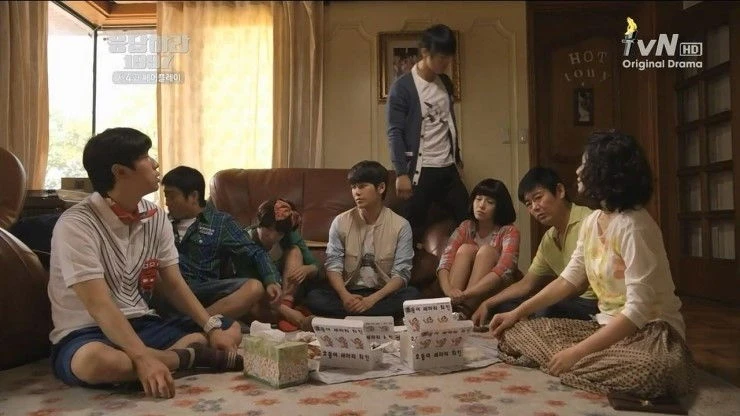 EP 04
EP 04
Fair Play
August 14, 2012
Shi-won’s group crowds around a TV to watch the 1997 South Korea vs Japan football match — the evening that turns a living room into a pressure cooker. Yoon Tae-woong carries grief that hasn’t found a language yet — he lost Shi-won’s older sister — and his presence at the gathering clarifies why he watches over the family the way he does. Hak-chan ends up next to Yoo-jung during the match’s excitement in a moment neither of them planned, and the group’s social geometry quietly shifts.
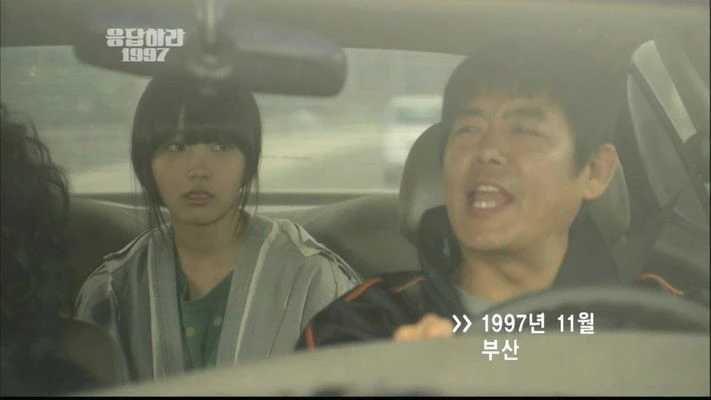 EP 05
EP 05
Life’s Counterattack
August 21, 2012
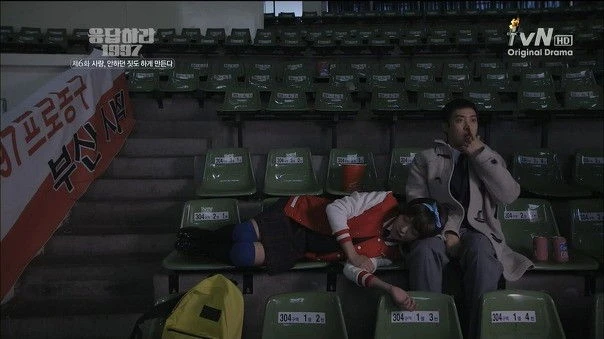
Sung Dong-il has a health scare, and the episode is mostly about what Shi-won does with the space between the call and clarity. Jung Eun-ji moves through it with a stillness that’s new for this character — a fangirl whose emotional volume has always been turned up suddenly doesn’t know how to register a frequency this low. Yoon-jae stays close, which costs him something he’s not yet ready to name.
 EP 06
EP 06
Love Makes You Do Things You Didn’t Do Before
August 28, 2012
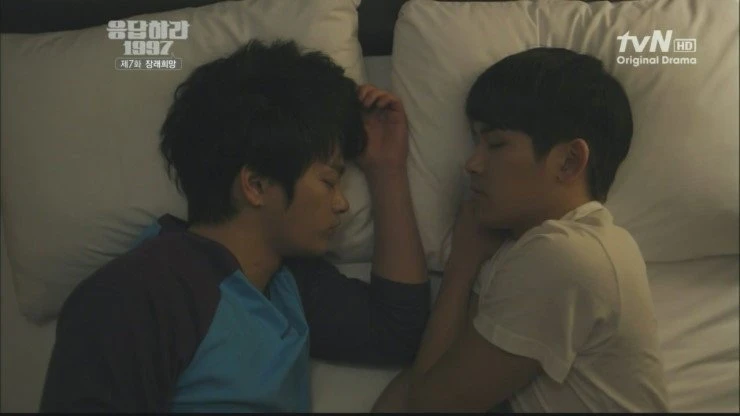
Shi-won joins the inter-school fan club war for H.O.T. concert tickets and ends up writing a blood letter as her declaration of loyalty — the moment that shocks everyone around her and becomes school legend by the following week. The show doesn’t play it for comedy; it plays it as evidence. Shi-won’s fandom has never been a quirk, it’s the only emotional scale she has access to at eighteen. A person who hasn’t learned yet that love doesn’t have to be a declaration of war.
 EP 07
EP 07
Future Hopes
September 4, 2012
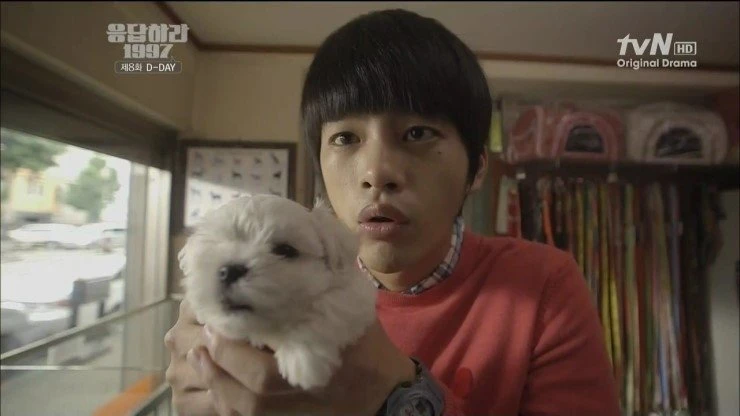
The college entrance exams arrive, which forces everyone to say out loud what they’ve only been thinking quietly. Shi-won’s academic ranking is so low it becomes its own joke, but her fan fiction output is the first signal of where she’ll actually end up. For Yoon-jae, the exam is a finishing line he’s been training toward — but what’s waiting on the other side of it still involves Shi-won, and he knows that now.
 EP 08
EP 08
D-Day
September 11, 2012
Yoon Yoon-jae has planned the confession for months. The exam day feels like the right moment — until Yoon Tae-woong makes his own declaration first. Seo In-guk’s response is one of his best scenes in the series: the face of someone who has just realized that the thing they want will cost considerably more than they expected to pay.
 EP 09
EP 09
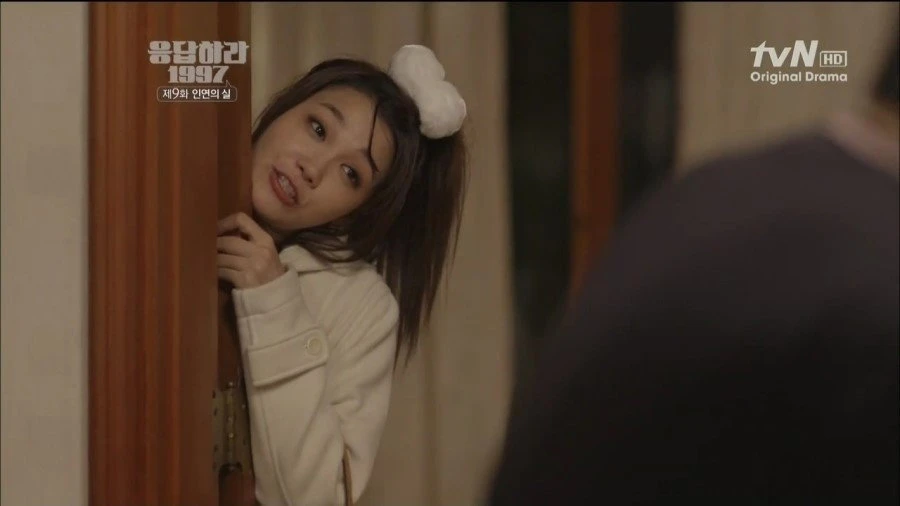
The Thread of Fate
September 11, 2012
A flashback to 1968 shows the parents meeting — a structural choice that earns its place because by this point you’ve watched Sung Dong-il and Lee Il-hwa closely enough to want to know the origin. In 1997, Kang Joon-hee quietly arranges to room with Yoon-jae, choosing proximity over self-protection. It’s the episode where you realize the show has been building a second love story in parallel without announcing it.
 EP 10
EP 10
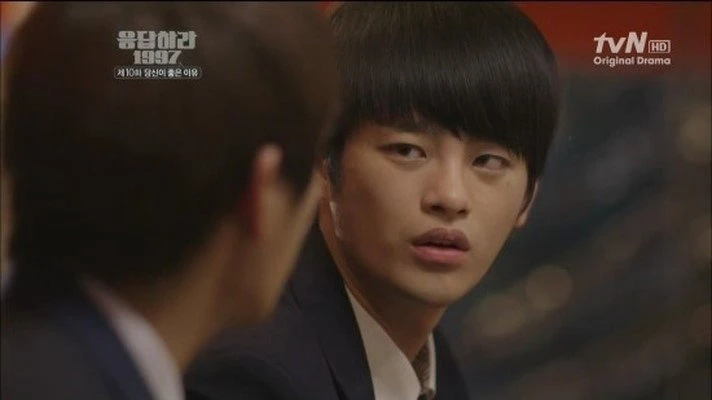
Look Back at Me
September 11, 2012
Yoo-jung has run out of patience for Do Hak-chan’s avoidance and demands clarity — it’s the most direct communication anyone in this friend group has managed so far. Meanwhile, Yoon Tae-woong pursues Shi-won openly, not from cruelty but from genuine unawareness, and Yoon-jae absorbs that with a stillness that costs him something the episode doesn’t name. Seo In-guk is very good at absorbing things.
 EP 11
EP 11
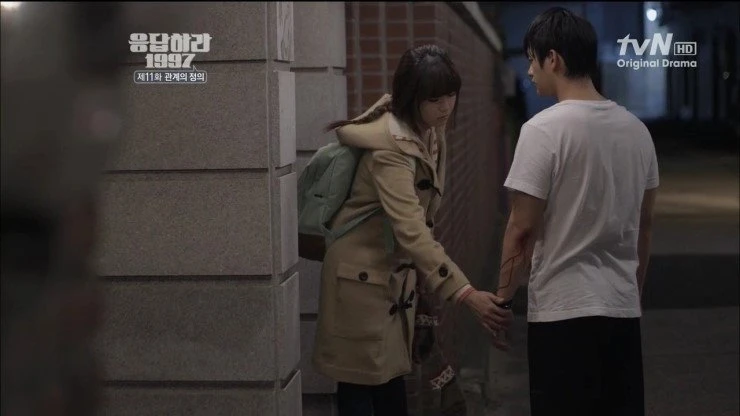
The Definition of Relationships
September 11, 2012
Yoon Yoon-jae gives Shi-won a birthday gift that asks her, specifically, to see him as a potential partner rather than a permanent fixture. The gesture dismantles something stable between them in order to build toward something that might be better. Jung Eun-ji’s reaction carries the episode — not because it’s performed large, but because it isn’t.
 EP 12
EP 12
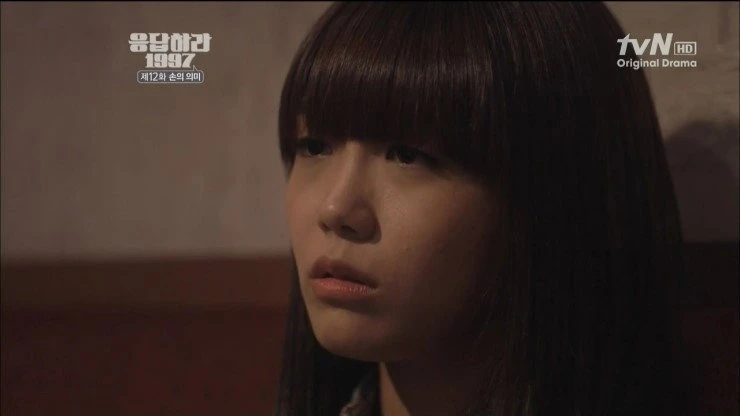
The Meaning of a Hand
September 18, 2012
Yoon-jae is injured and hospitalized; where each friend shows up, and how, is the episode’s central idea. Physical presence as a declaration — stripped of the usual noise of exams, fan clubs, and family dinners. Hak-chan’s difficulty communicating, usually played for comedy, creates a fracture with Yoo-jung here that lands differently than the earlier jokes suggested it would.
 EP 13
EP 13
Next Time… No, Now
September 18, 2012
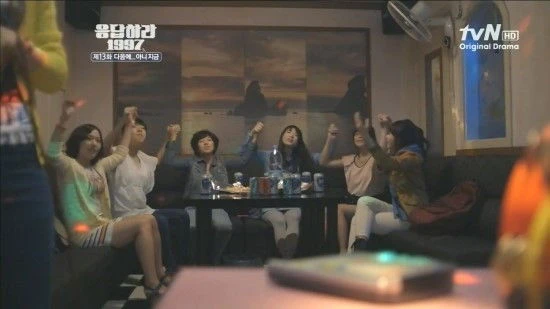
Six years pass in a cut. Yoon-jae and Shi-won run into each other at a Seoul café in 2005 — accidental in setup, inevitable in emotional timing. A family funeral follows and strips the episode of its comedy mode, making one point plainly: waiting to say the necessary thing is not neutral. It has consequences you don’t get to undo.
 EP 14
EP 14
The Heart Is What Makes You Love
September 18, 2012
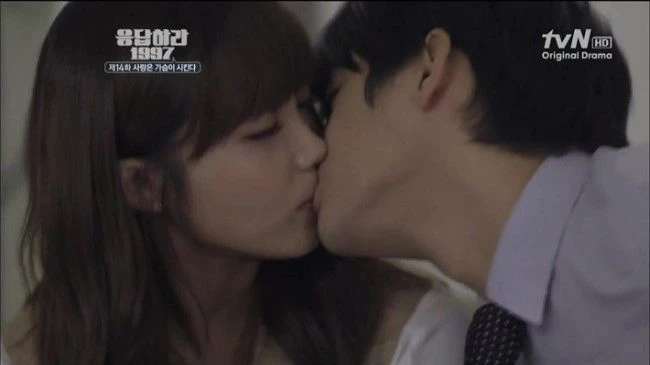
Yoon-jae overhears the truth about Kang Joon-hee’s feelings — the secret the show has been holding for nine episodes — and the drama gives him space to process it without simplifying his response. Shi-won starts the episode uncertain about her own heart and ends it knowing exactly which direction it points. Two realizations in 45 minutes, neither performed loudly, both completely earned.
 EP 15
EP 15
While You Were Loving
September 18, 2012
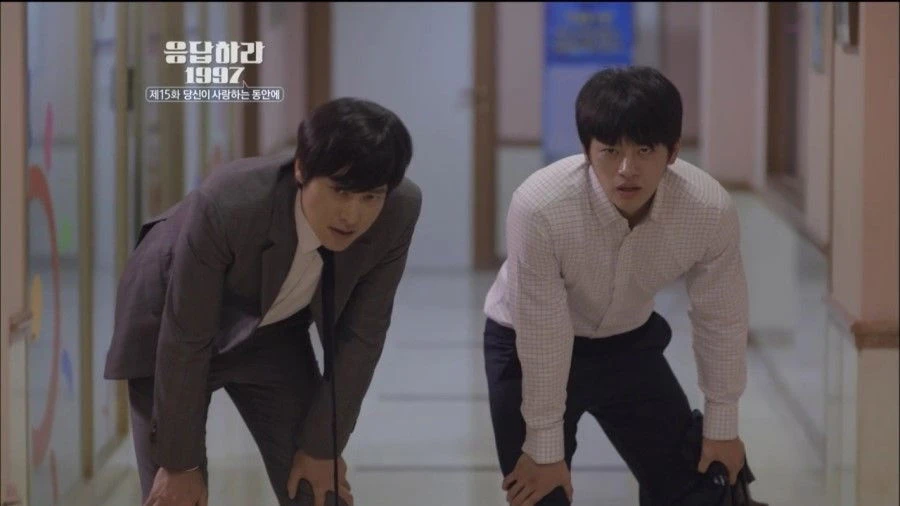
Yoon Tae-woong discovers what his younger brother has been carrying in silence for years, and his response is not the one the drama sets up to expect. He steps aside without performing nobility — not from defeat, but from love that has clarified itself into an act of grace. Song Jong-ho plays this as a man who has already finished grieving by the time the scene begins.
 EP 16
EP 16
Beautiful Goodbye · Finale
September 18, 2012
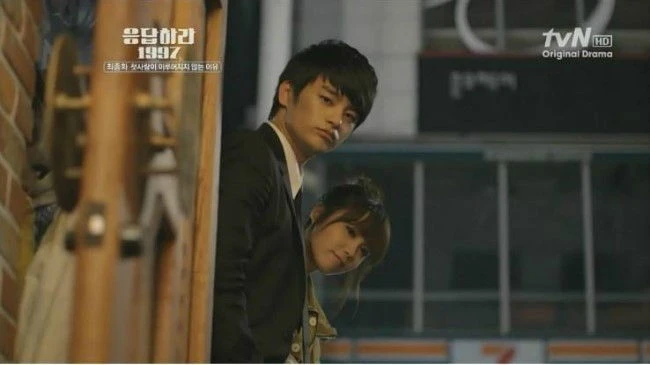
The 2012 reunion dinner finally answers what the show spent 15 episodes refusing to answer: Shi-won and Yoon-jae have been married for years and are expecting their second child. Tae-woong finds someone who matches him as well as Shi-won ever could; Hak-chan and Yoo-jung make it official; Joon-hee moves out — not as loss, but as direction. The final flashback reveals how Yoon-jae broke his arm in high school and closes the loop not with revelation, but with the quiet confirmation of what you already knew.
🏁 Ending Explained
Spoilers ahead — the finale, broken down in full.
⚠️
Spoiler Warning — This section covers the full finale of Reply 1997. Stop here if you haven’t finished the series.
What the Reunion Dinner Reveals. The 2012 dinner answers the central mystery in the most direct way the show knows: Sung Shi-won and Yoon Yoon-jae have been married for years, not months, and are expecting their second child. The reveal works not because it’s a surprise — you likely suspected Yoon-jae from the moment you understood how he looked at her — but because the show spent 15 episodes making you understand what it cost him to wait, and what it cost her to finally see him clearly. The answer was never the point. The point was everything that stood between the question and the answer.
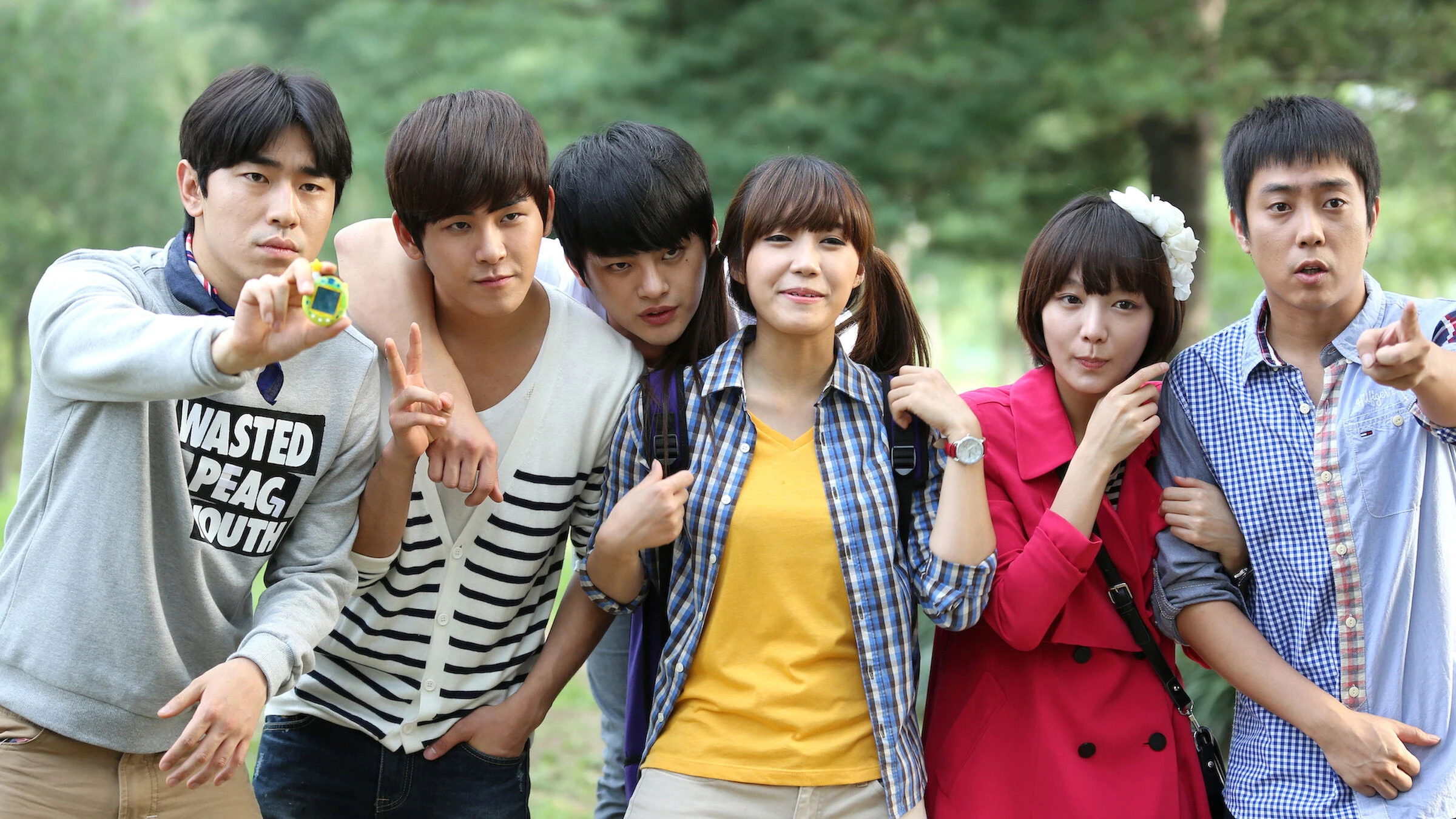
Yoon Tae-woong’s Graceful Exit. Yoon Tae-woong’s decision to step aside deserves its own reckoning. He doesn’t do it because he stopped loving Shi-won — the drama is honest about that — but because he loves Yoon-jae more than he loves the outcome he wanted. By the finale, he’s married someone who matches him in exactly the ways Shi-won did; the drama plays this as reunion rather than consolation prize. Tae-woong’s peace doesn’t feel forced because Song Jong-ho never performed the sacrifice. He performed a man making a decision he had already fully processed.
Does Everyone Get a Happy Ending? Yes, and the show earns it without sentimentalizing. Every character in the core group finds resolution that makes sense for who they’ve been — which is rare for an ensemble drama of this scope. Hak-chan and Yoo-jung’s engagement arrives after a relationship that was genuinely difficult to watch at moments, which makes the announcement feel like something actually won rather than given.
What Happens to Kang Joon-hee. Joon-hee moves out of the apartment he’s shared with Yoon-jae, and the show presents this as the most mature decision he makes. He has spent years in proximity to someone he loves who cannot love him back in the same way, and choosing to build a life from a different starting point is treated as growth, not defeat. The drama handles his arc with more care than most shows manage: his secret never becomes a tragedy, but the show never pretends it cost him nothing either.
Why the Non-Linear Structure Was the Right Choice. The final flashback — revealing how Yoon-jae broke his arm in high school — closes a loop the 2012 reunion opened without answering. Reply 1997 was never using the non-linear structure as a trick. It was using it as an argument: you don’t experience your own past in sequence. You experience it through the lens of what you know now. The reunion frame made every 1997 scene feel like what memory actually is — nostalgic, which means always interpretation, never archive.
✍️ KDramaWorlds Editor’s Take
Here’s our real take, and exactly who this one’s for.
💿 90s Nostalgia
💗 First Love
😂 Ensemble Comedy
🎵 K-Pop Fandom
🏠 Family & Friendship
Jung Eun-ji had been primarily known as an Apink singer when Reply 1997 launched her acting career in the way few debut roles do. What the role requires is a specific kind of physical commitment: Shi-won’s H.O.T. fandom is not a mode Jung Eun-ji enters and exits, it’s a full-body state she sustains across 16 episodes without it ever becoming an impression. The show also asks her to go still and small in the episodes where Shi-won runs out of easy emotions — the health scare episode, the post-exam silence — and she handles those with the same precision. Seo In-guk as Yoon-jae does the quieter work: almost entirely internal, a man who translates feeling into restraint across a decade of screen time, and you believe every year of it. The Reply franchise pushed its own formula further with Reply 1988; for another drama built around the specific texture of 1997 Busan, My Perfect Stranger (2023) uses time travel rather than memory to revisit the same year.
The supporting cast is where the drama overdelivers. Lee Si-eon as Bang Sung-jae is the comic engine — his timing is specific in a way that makes recurring jokes feel fresh rather than formulaic. Sung Dong-il and Lee Il-hwa, playing Shi-won’s parents under their actual names, are the show’s emotional anchor: Sung Dong-il’s scene reckoning with his daughter growing up is the kind of moment sitcom parents rarely get, and he doesn’t waste it. The choice to cast the parents under their own names adds a layer of meta-authenticity — these aren’t characters performing parenthood, they’re adults who know exactly what it costs.
What Reply 1997 did that changed Korean television: it made the reunion-frame structure feel inevitable rather than clever, and the formula has been copied so many times that viewers arriving now may find the mystery less mysterious. The honest caveat is that episodes 4 through 7 can test patience — the show is building something, not delivering it yet. For audiences coming from slicker modern productions, the 2012 scale and pace require small adjustment. Adjust. Shi-won’s H.O.T. fandom scenes hit differently if you have any memory of what it actually felt like to love something that completely at seventeen. If you do, this drama knows exactly who you were.
👍👍👍 BEST FOR 👍👍👍
💿 Anyone who survived the 90s on music
💗 Fans of slow-burn first love
🏠 Ensemble lovers who care more about friendships than plot
⚖️ Final Verdict
What works
•Jung Eun-ji’s career-launching physicality as Sung Shi-won
•Non-linear structure that created a genre convention and earns every time-jump
•Parents written as complete people, not sitcom props
What to know first
•Pacing builds slowly — episodes 4–7 reward patience over plot momentum
•2012 production style — smaller scale than modern K-drama
•The marriage mystery is more confirmation than revelation for attentive viewers
9.0 / 10
The drama that created a genre convention — because it did everything that convention is built on first, and did it exactly right.
💬 Helpful? Share this guide →
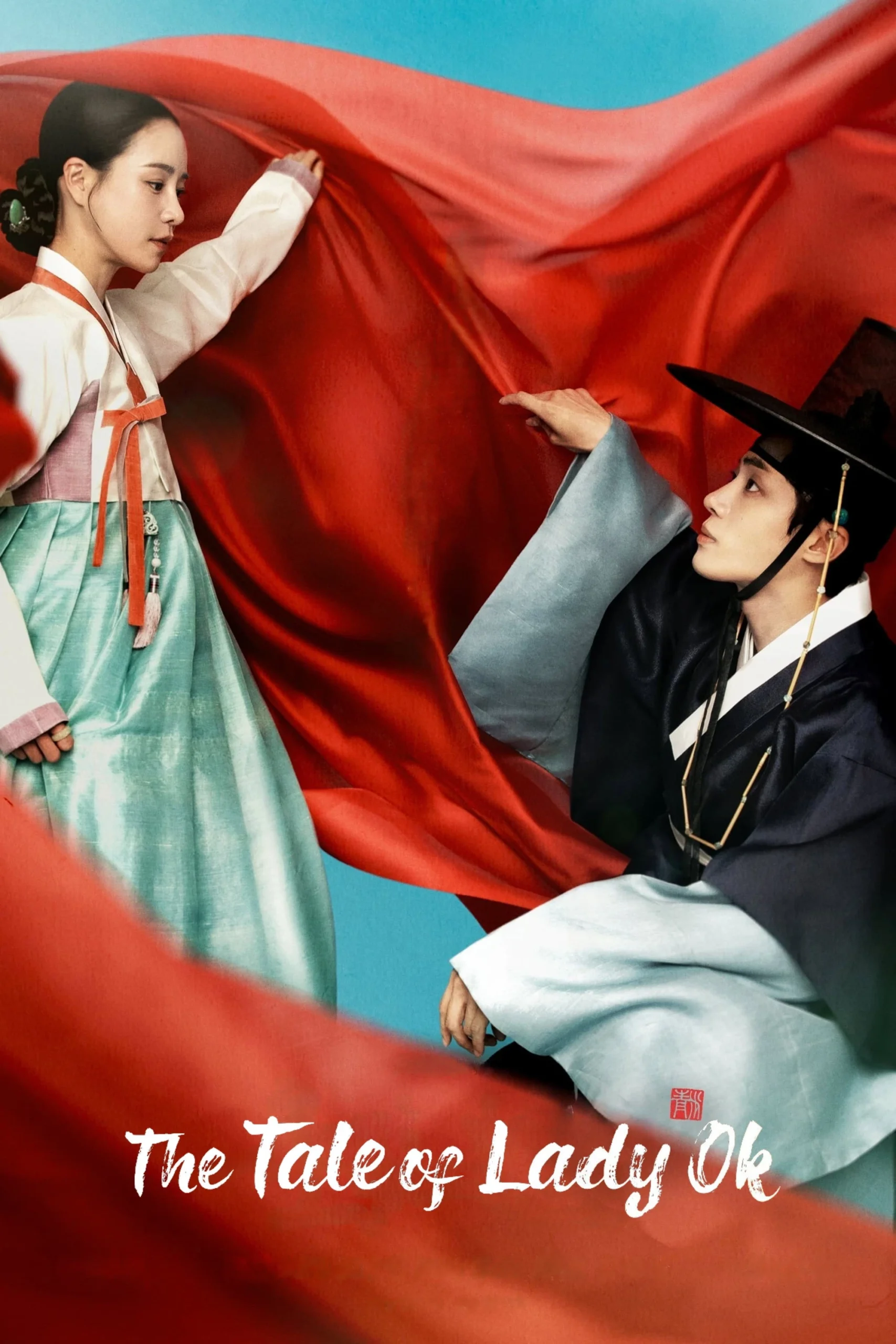
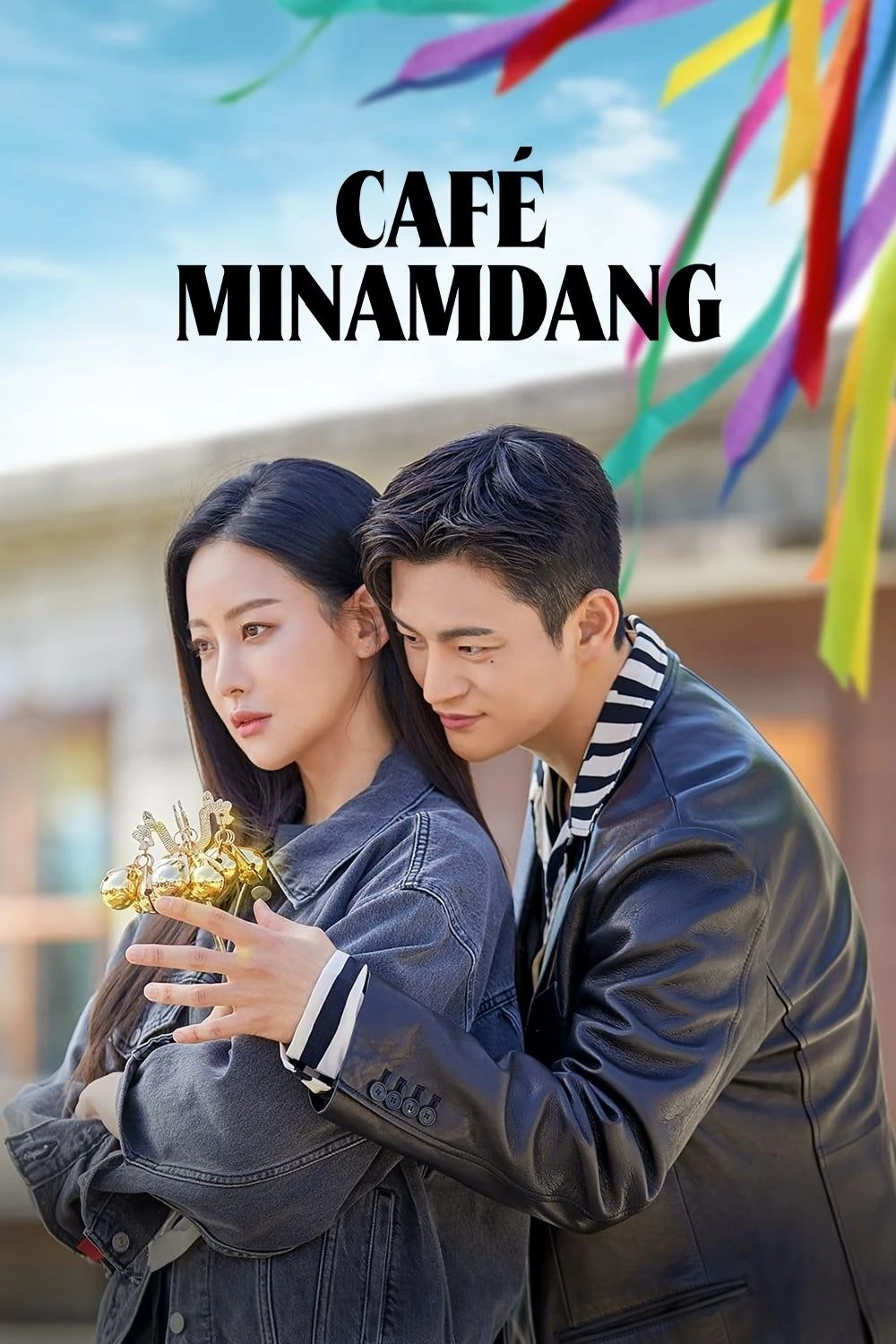
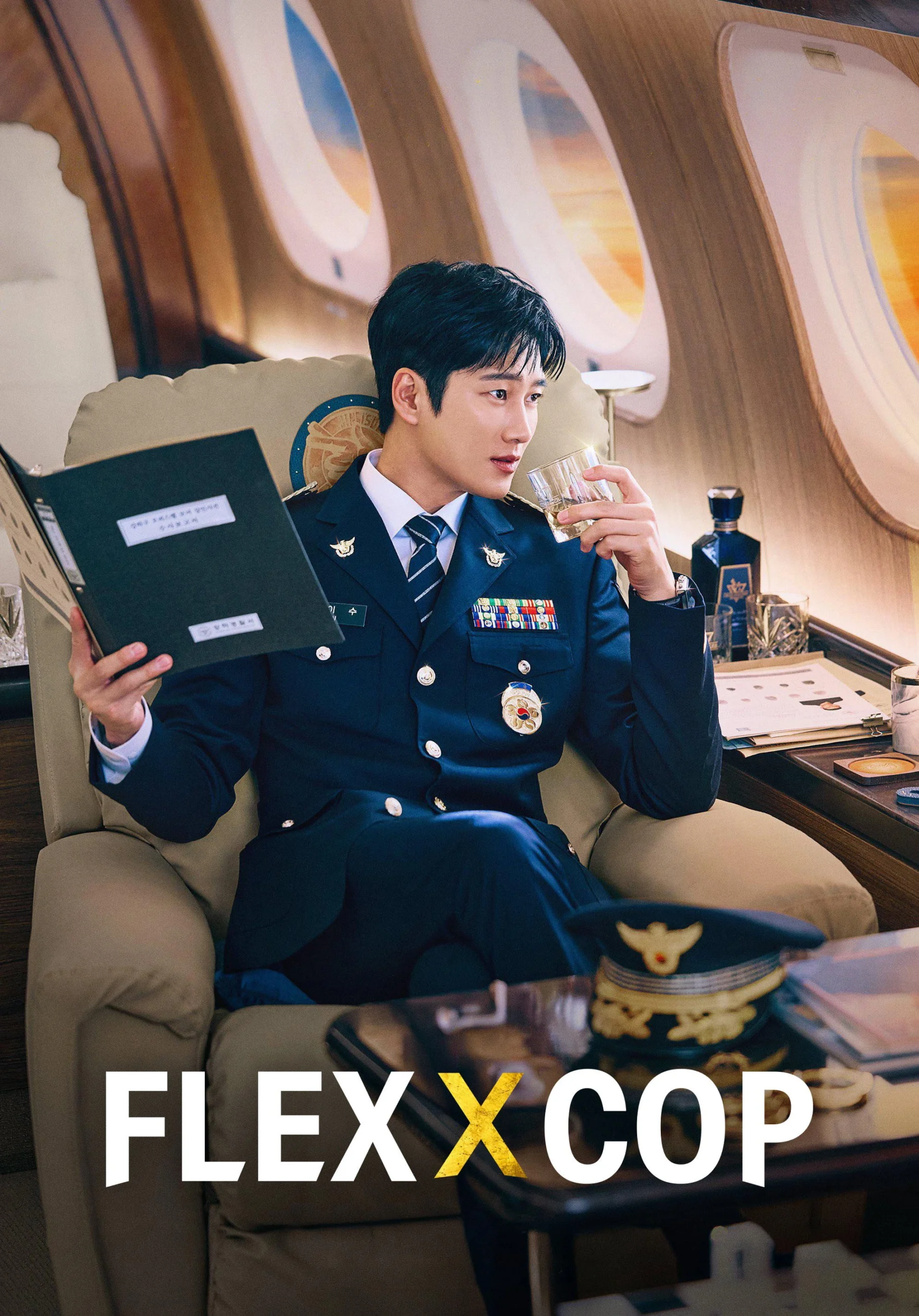
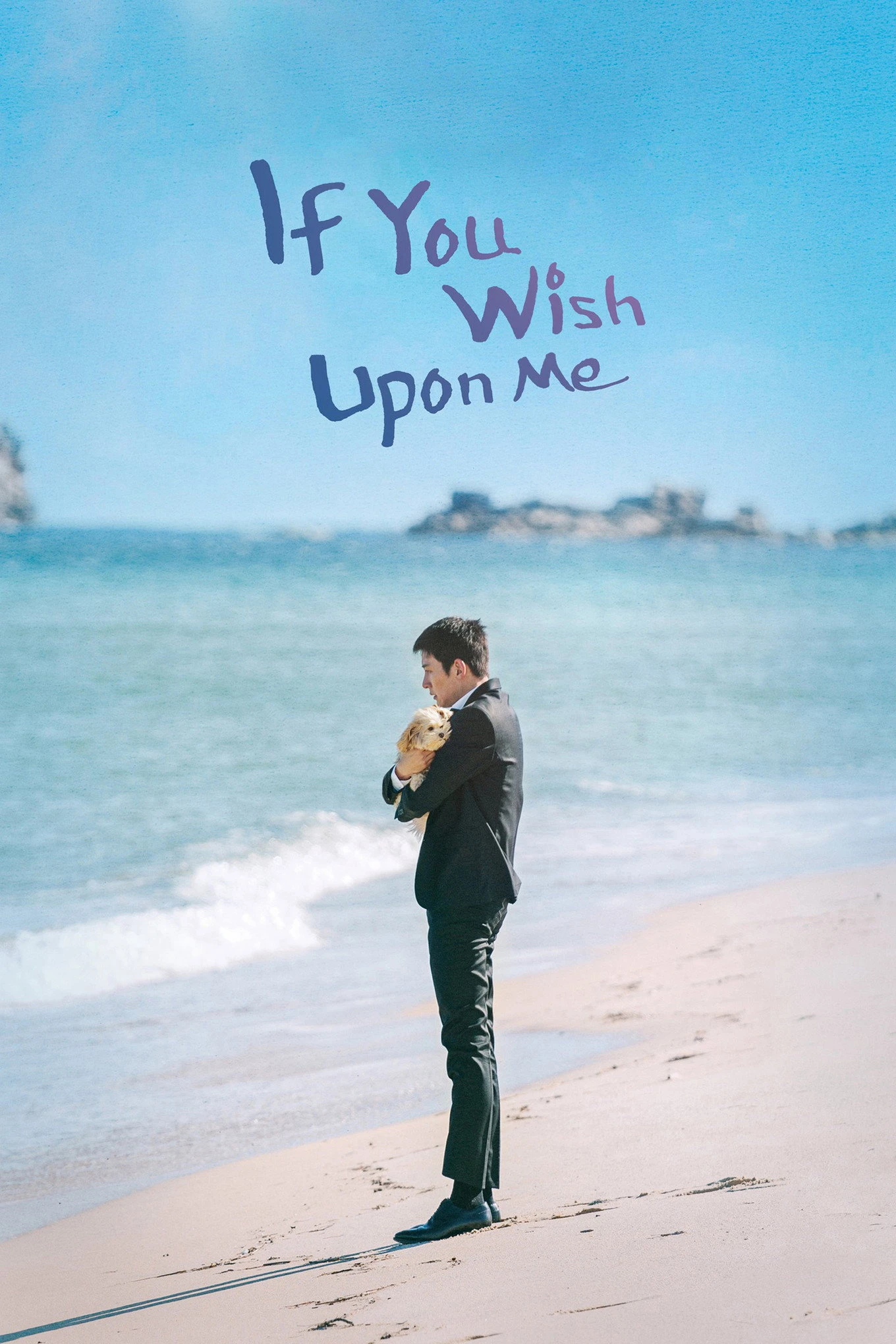
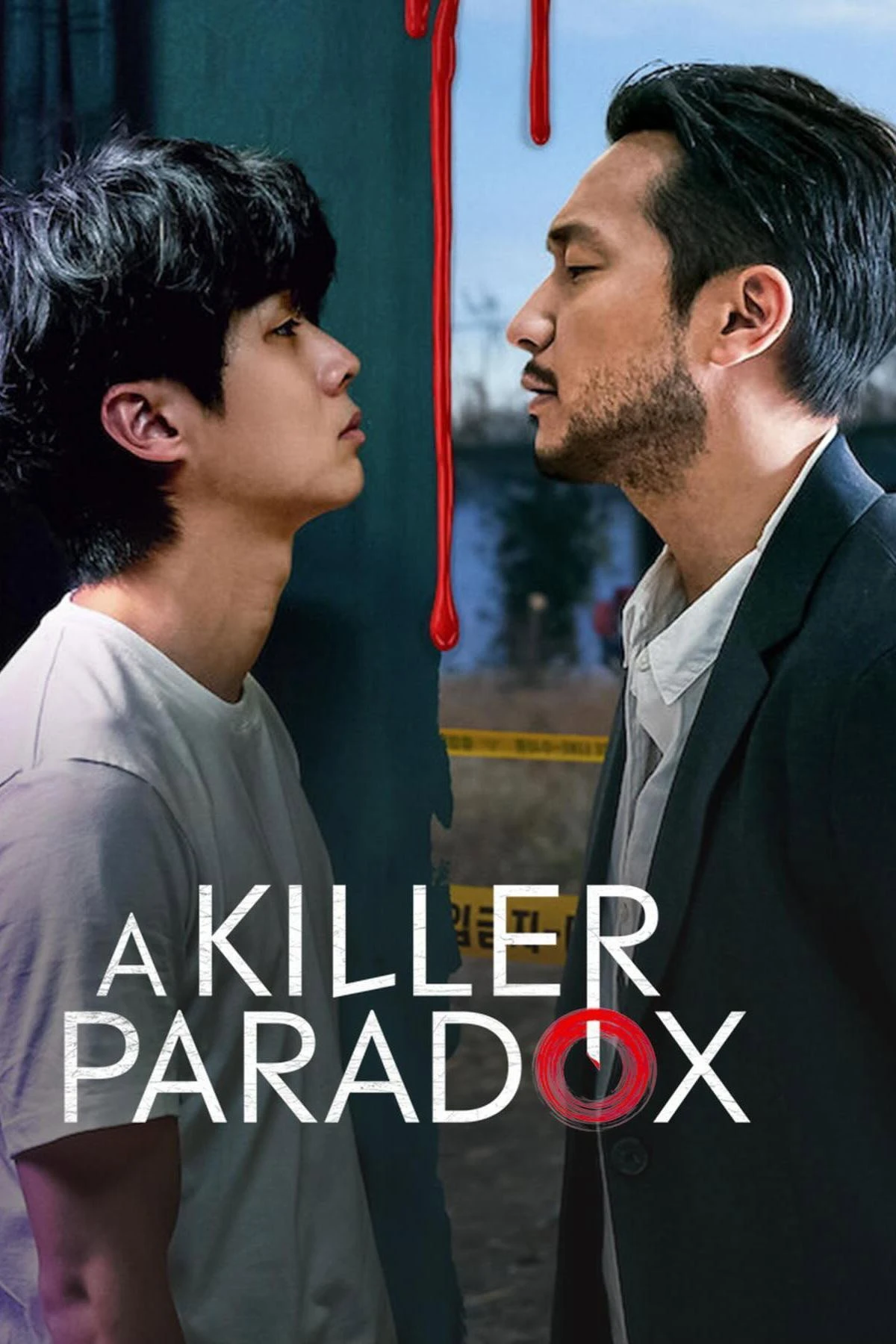
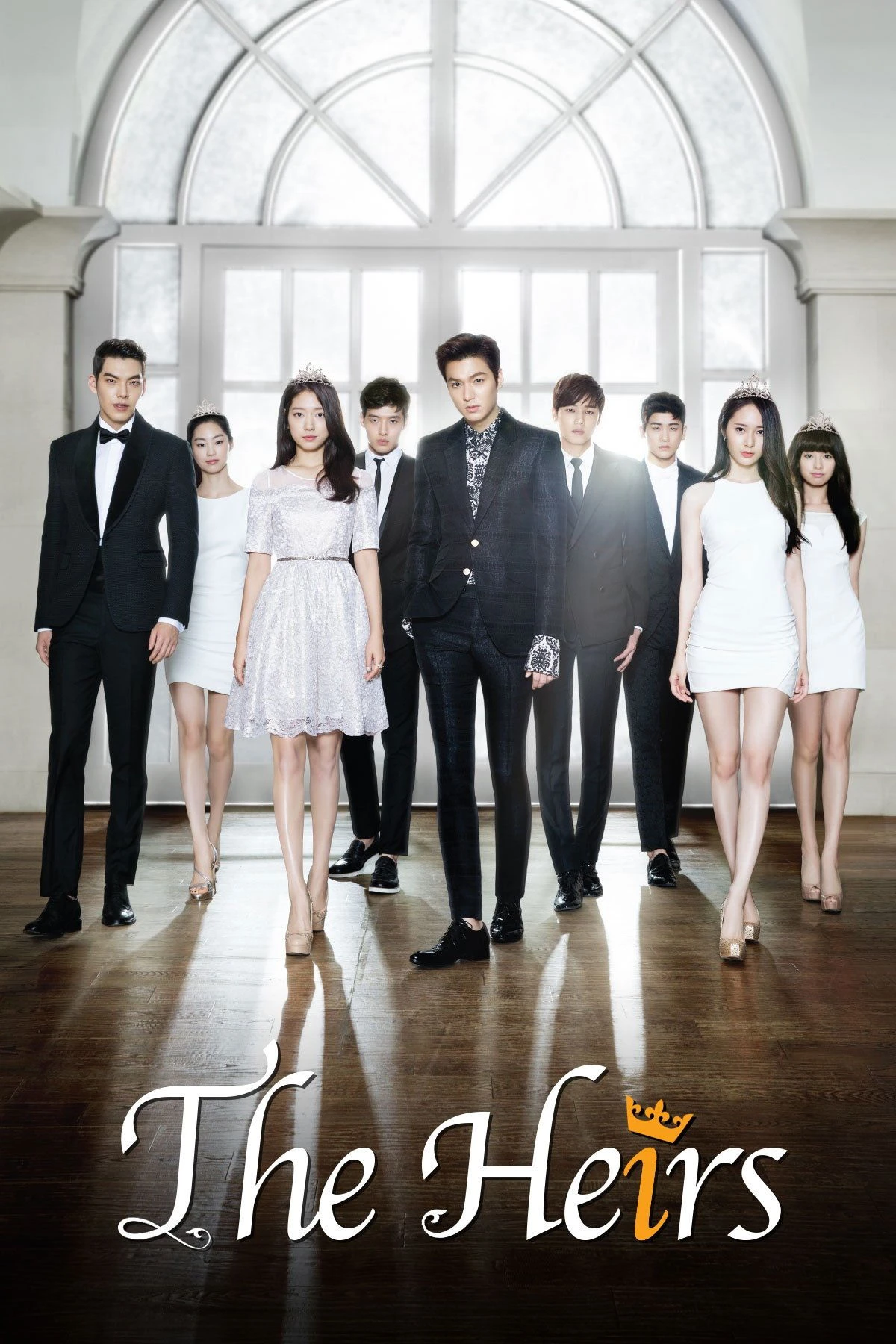
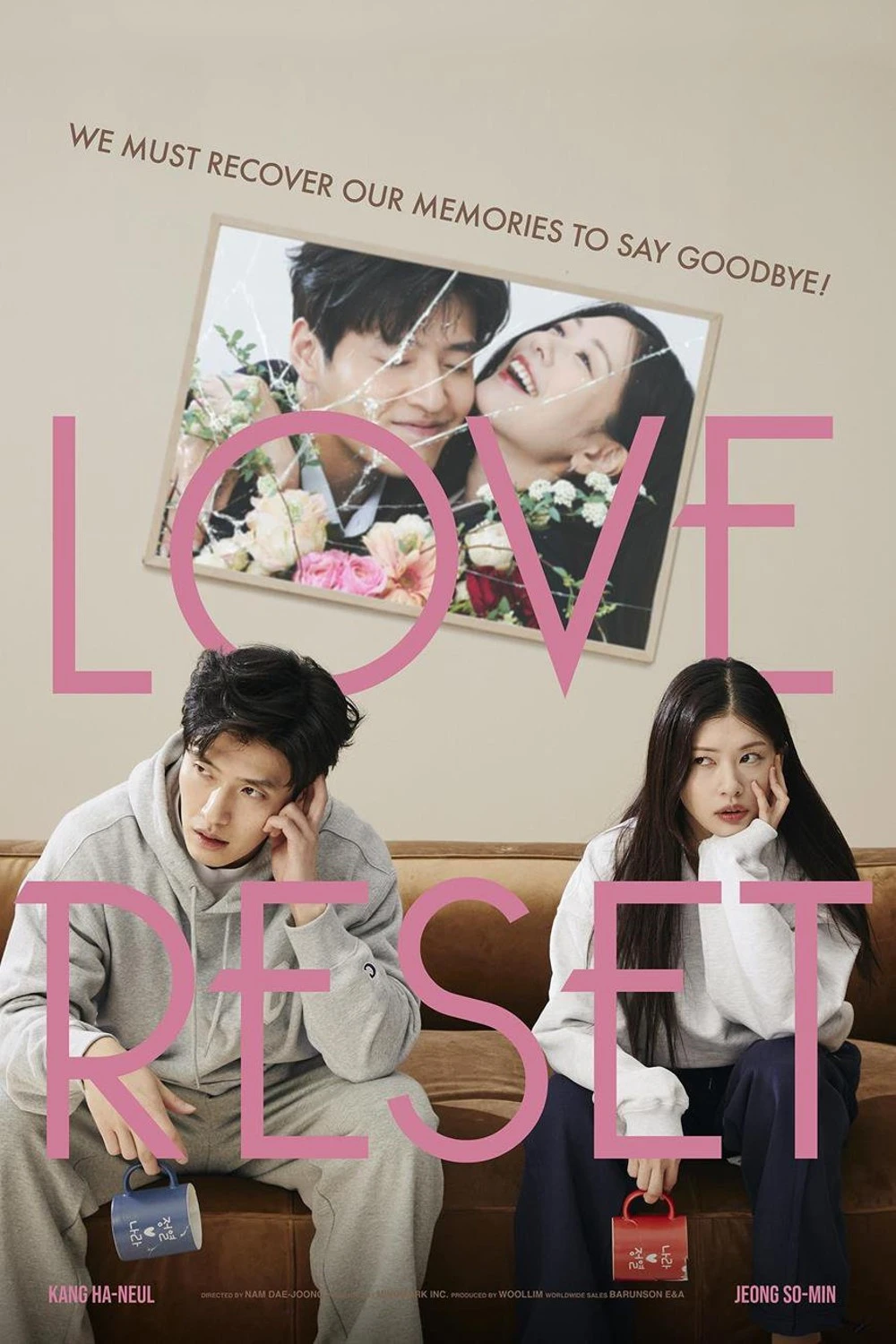
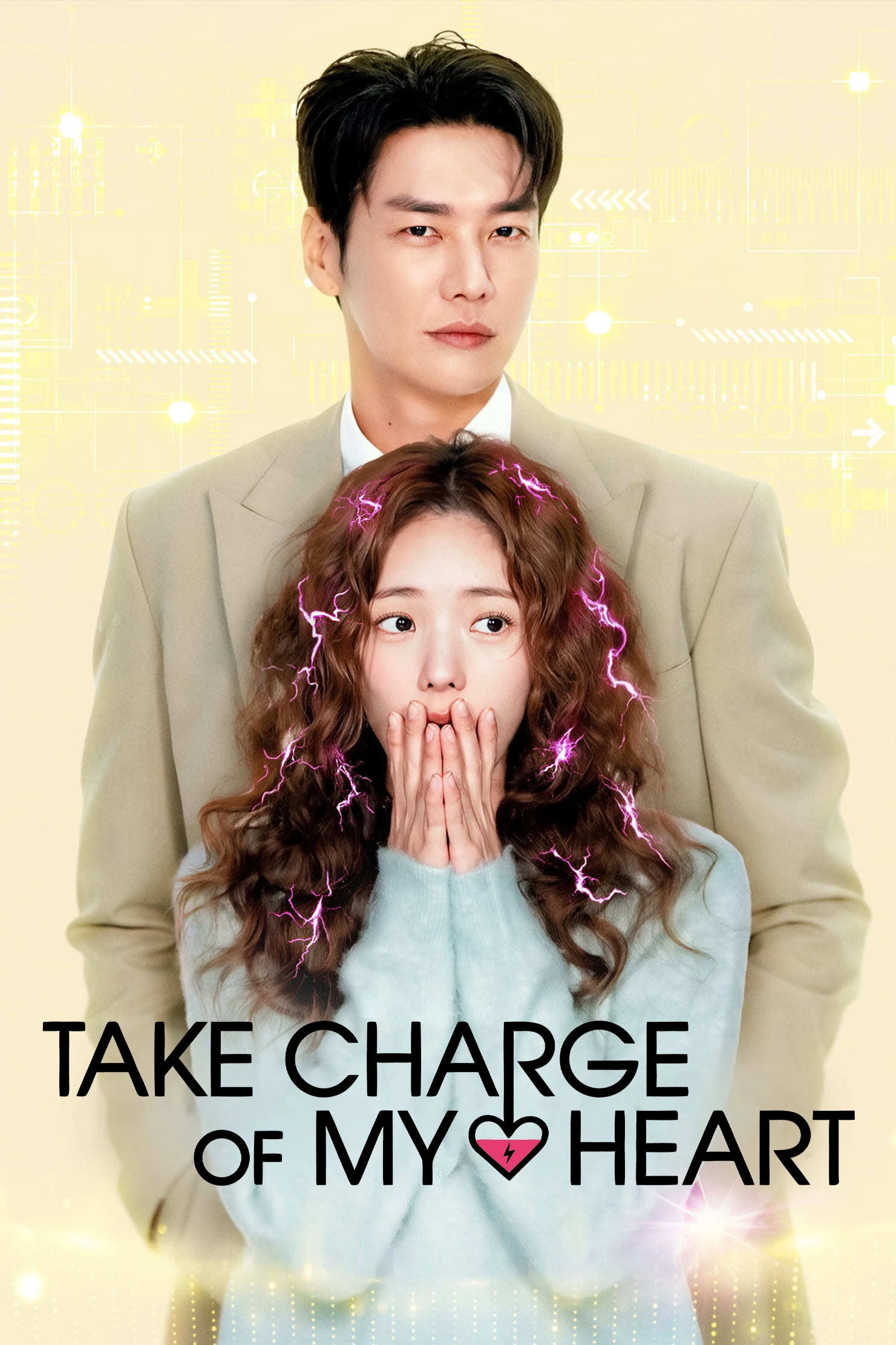
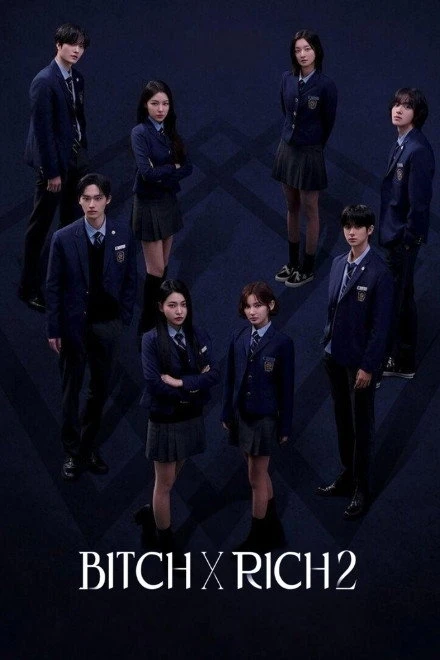
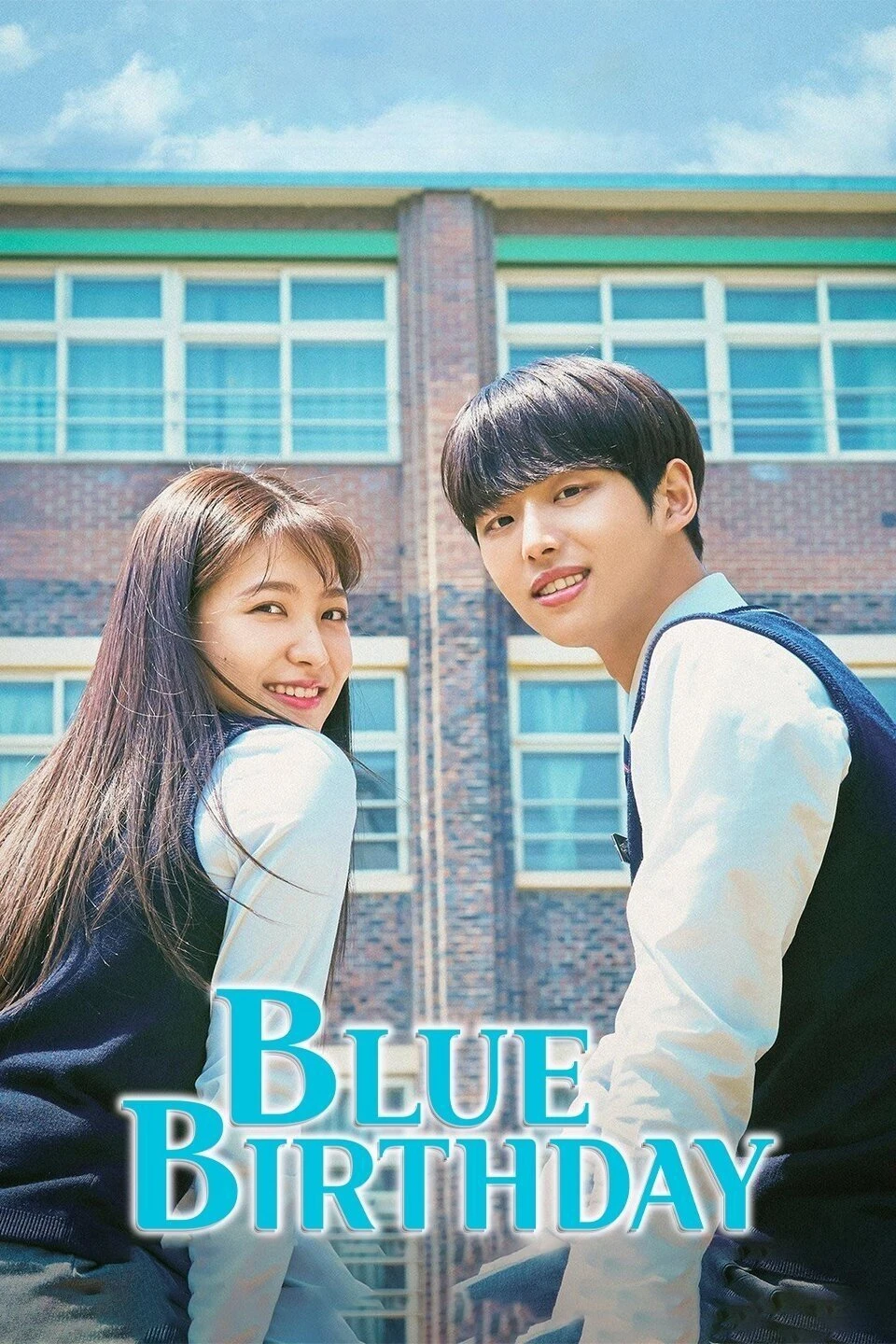
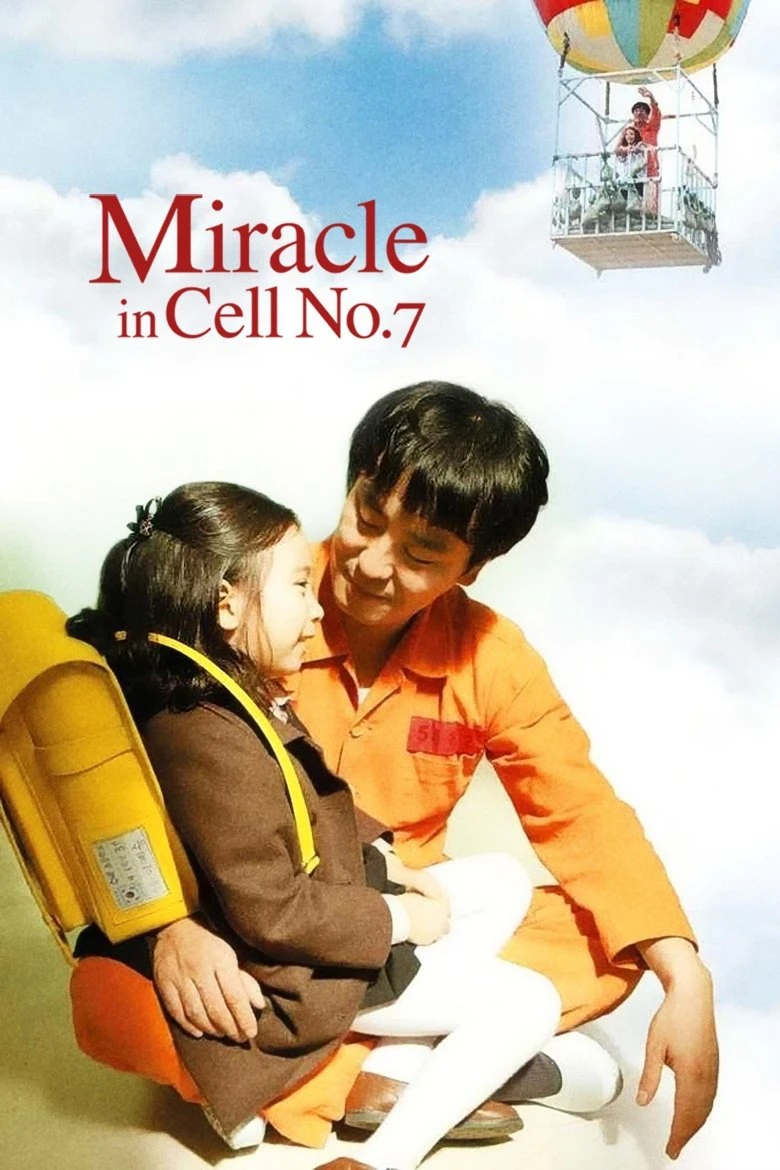
🎬 You Might Also Like
If you liked Reply 1997, these are your next three watches.











Keep it kind, skip the harsh language, and please — no spoilers. Everyone's taste is different, and that's perfectly fine.
This space is for real reactions and discussion from other viewers. Help keep it comfortable for everyone by not giving away major plot details.
What do you think of this drama?
Login to share your review or leave a comment.
No email needed — just pick a username & password.