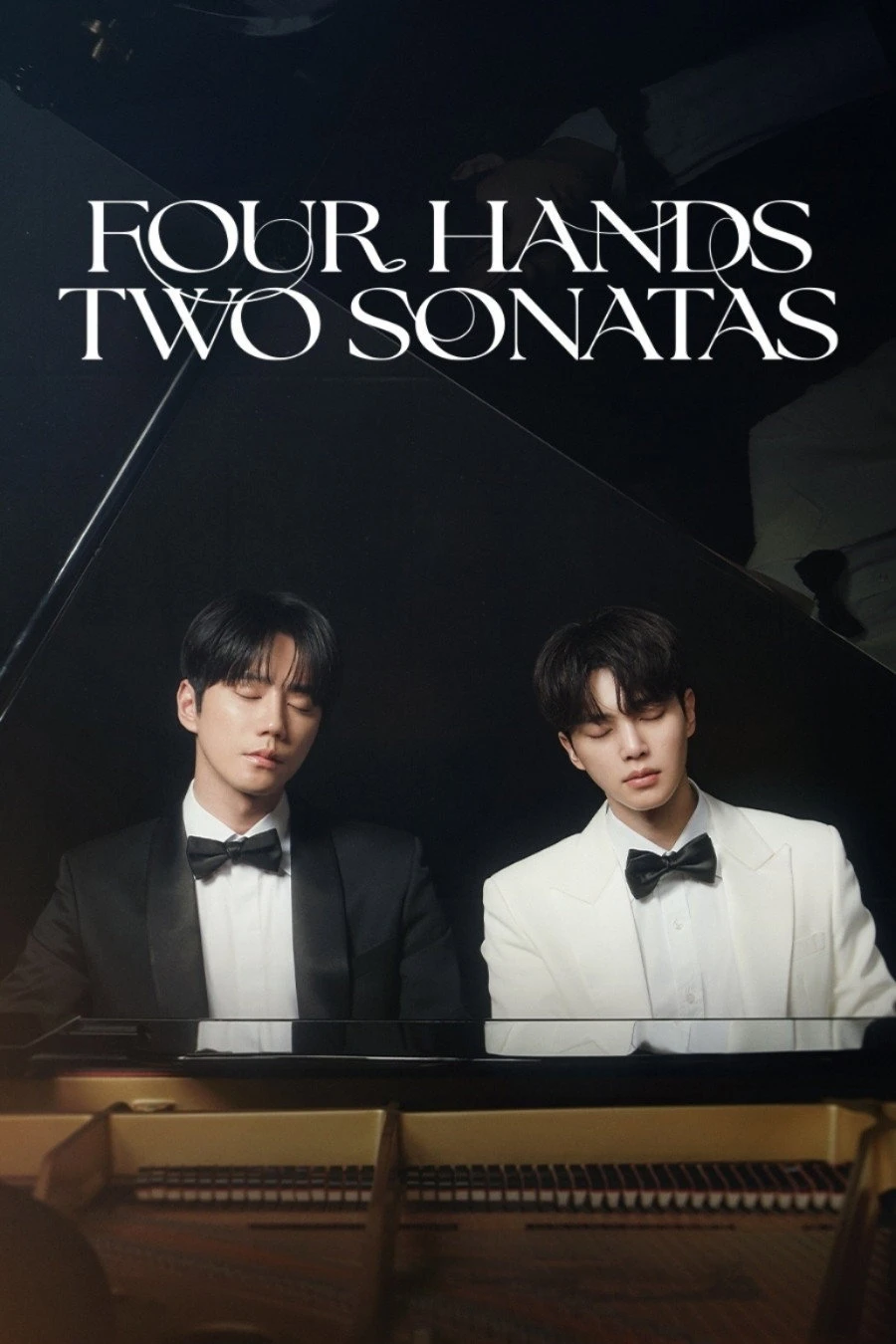
Four Hands, Two Sonatas
📋 Drama Overview
Everything worth knowing, before the opening credits.
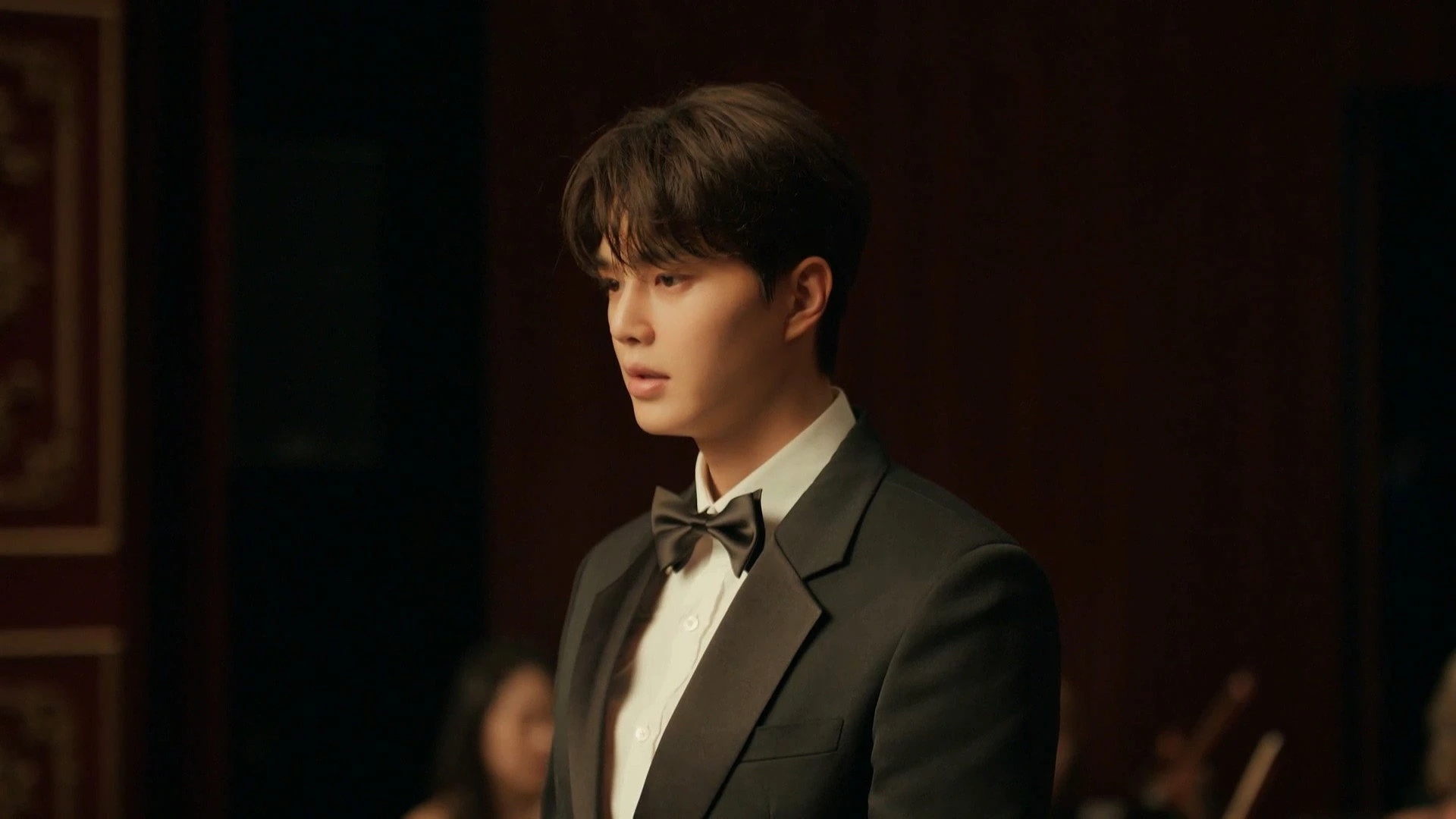
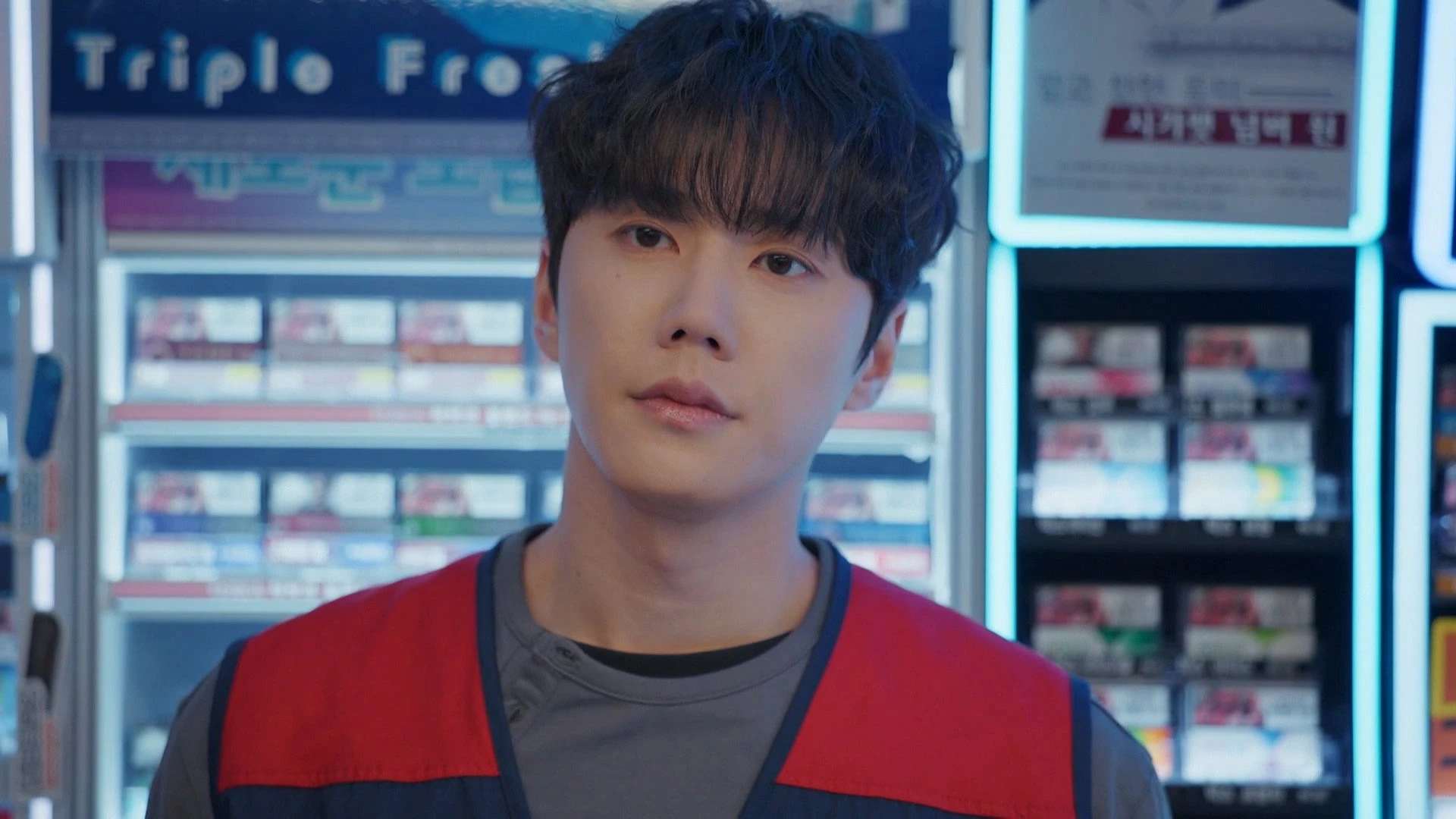
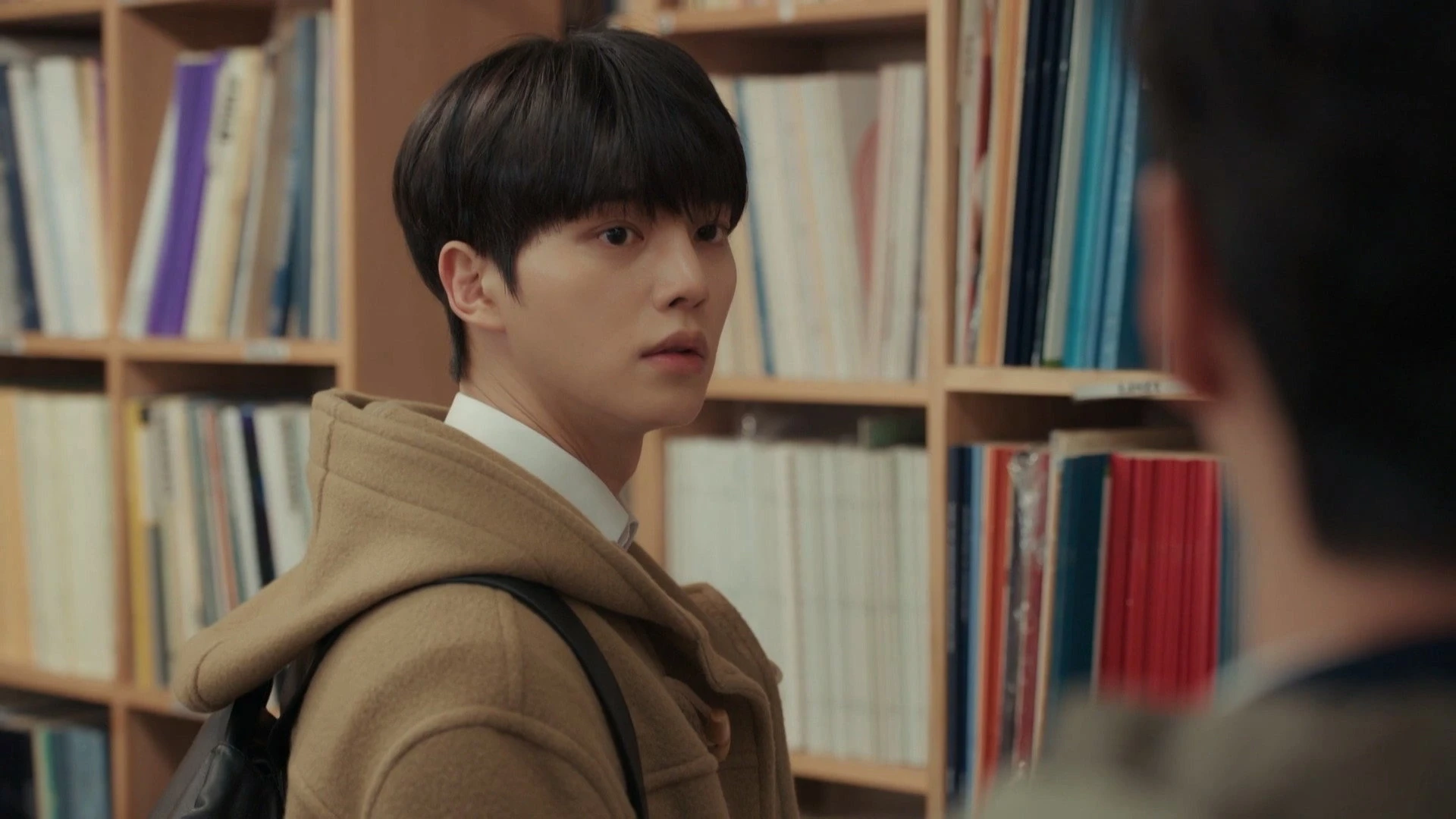
Kang Bi-oh has spent his entire life ranked first — every competition, every recital, every measure of his future already mapped out with the kind of precision only a true prodigy can manage. Then Choi Jeong-yo walks into his elite arts high school: a pianist with real talent who walked away from music once already, for reasons the school gossip never quite gets right. Bi-oh has never had to share the top spot. He’s about to find out what that costs him.
Four Hands, Two Sonatas splits its attention three ways — Bi-oh’s rivalry with Jeong-yo, and Hong Jae-in, the viola player who’s been quietly devoted to Bi-oh’s music since before either of them understood what that meant. It’s a classical-music conservatory drama built on the kind of intense, competitive friendship K-dramas do especially well, pairing Song Kang and Lee Jun-young — fresh off their Reborn Rookie chemistry — as two prodigies who need each other exactly as much as they’re competing against each other.
⚡ Quick Verdict
Everything worth knowing, distilled into one box.
▶ Official Trailer
Official Trailer
Four Hands, One Breathtaking Street Performance
No One Else Can Play This Piece
🎭 Cast & Characters
Three musicians, one elite school, and a rivalry that’s really a friendship in disguise.
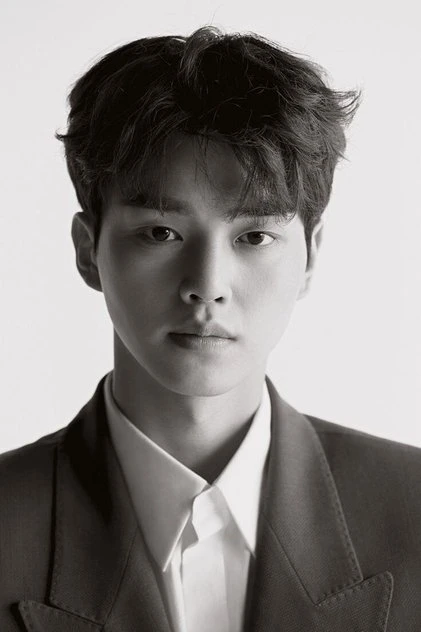
Lead
Lead

Supporting
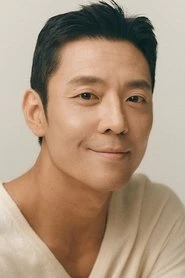
Supporting

Supporting
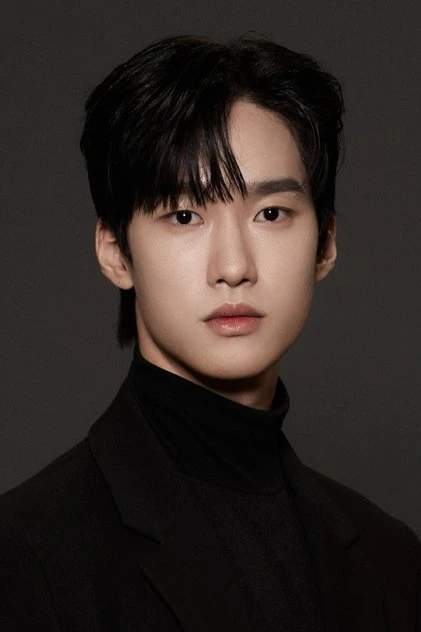
Supporting
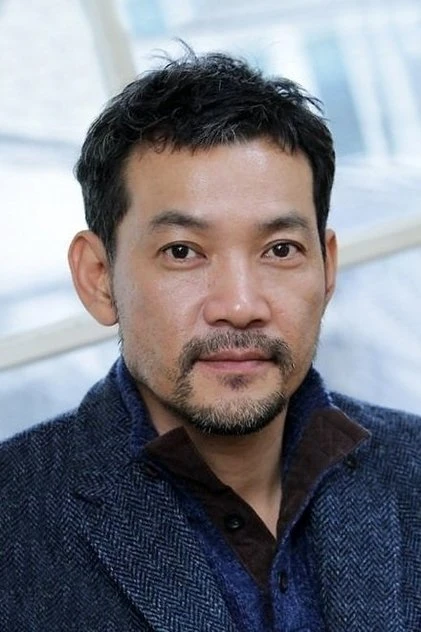
Supporting

Supporting
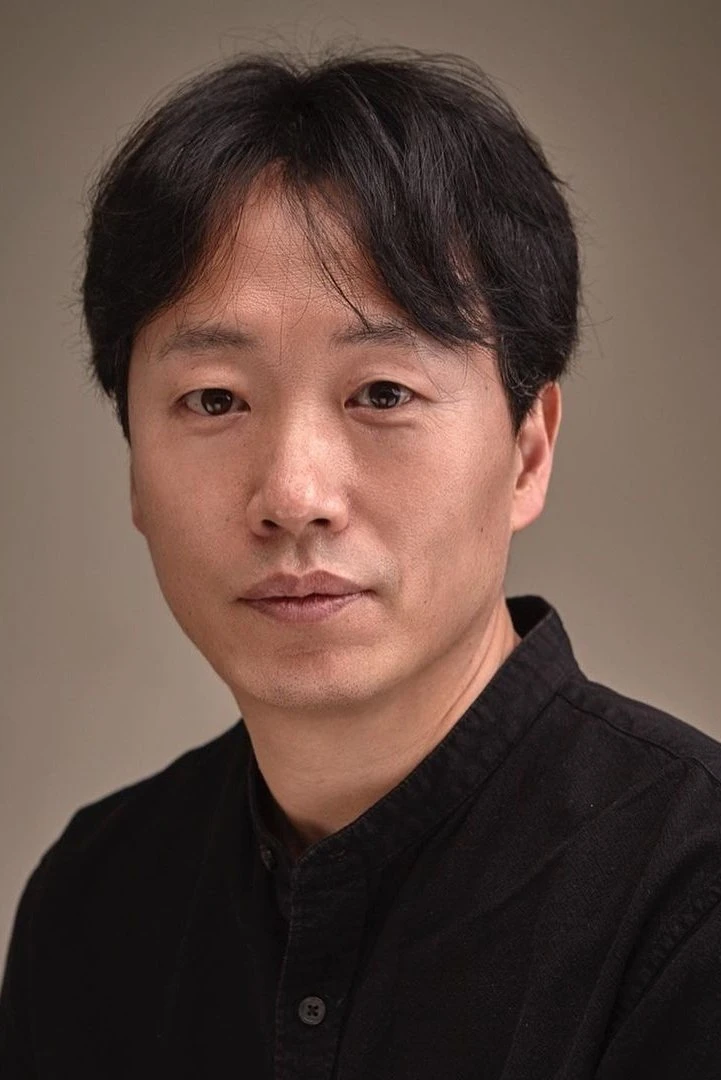
Supporting
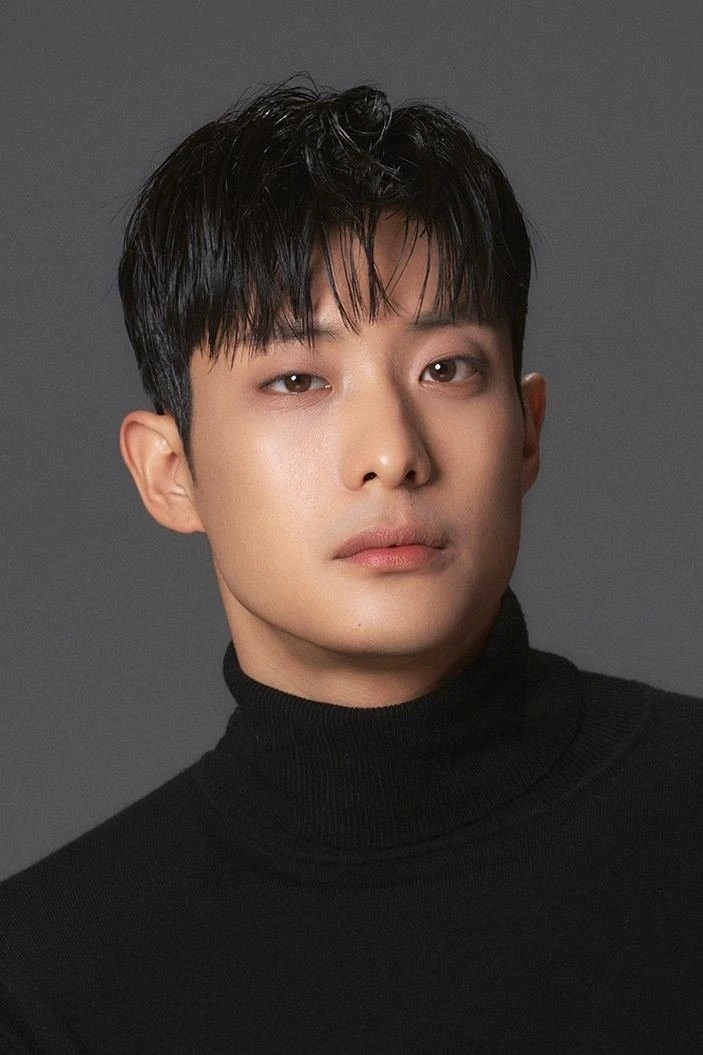
Supporting
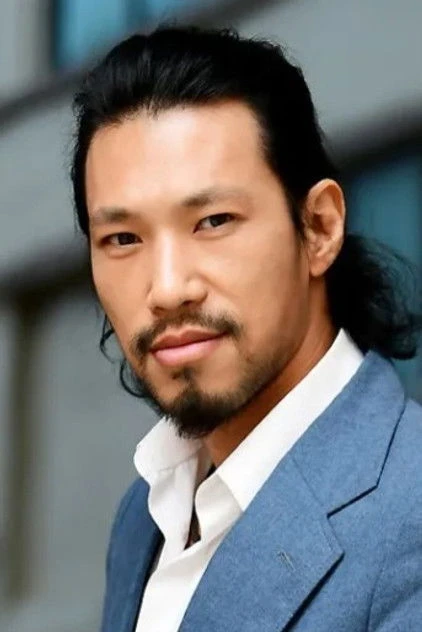
Supporting

Supporting
📺 Episode Guide
Catch up fast — spoiler-light, episode by episode.
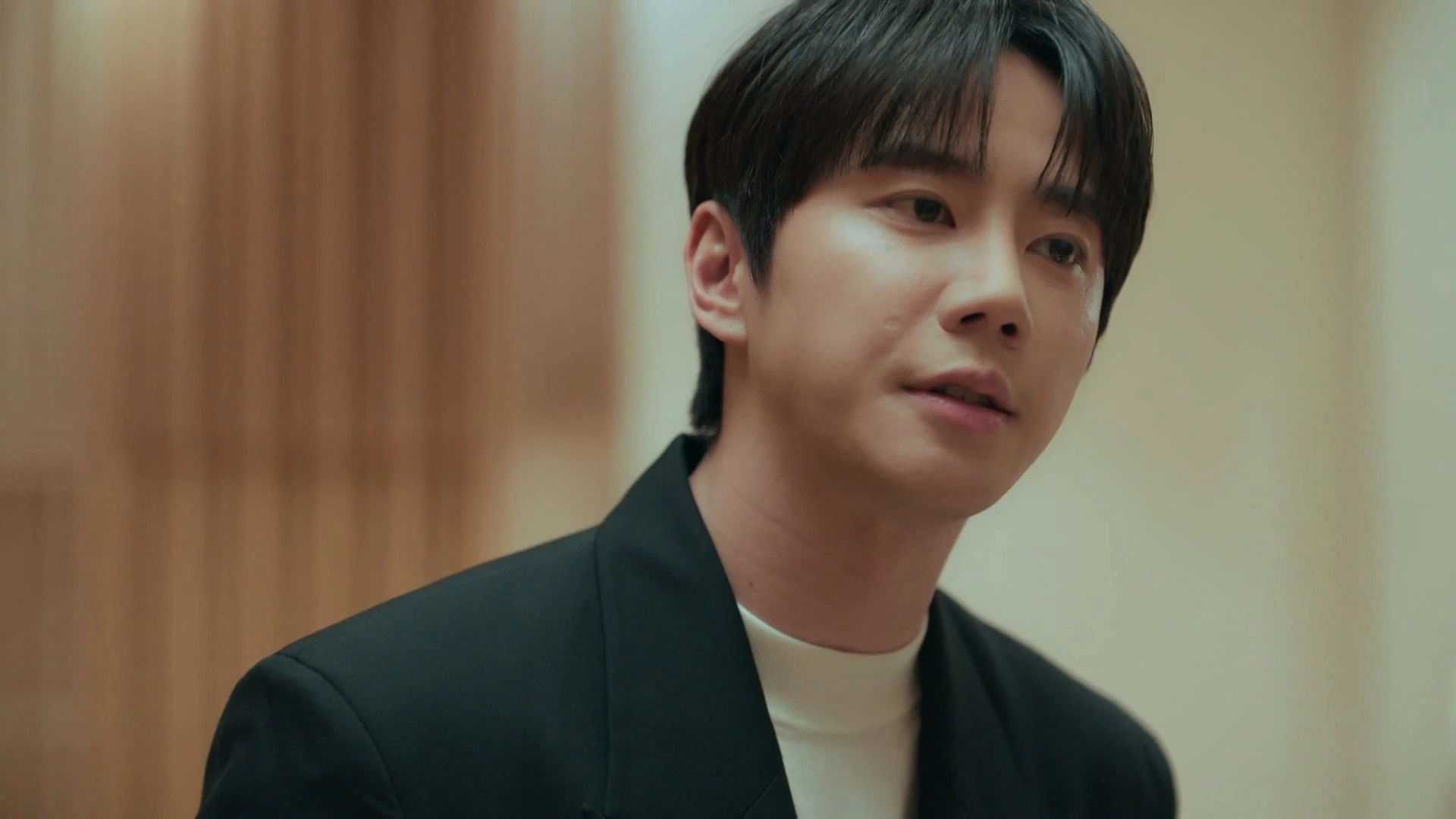
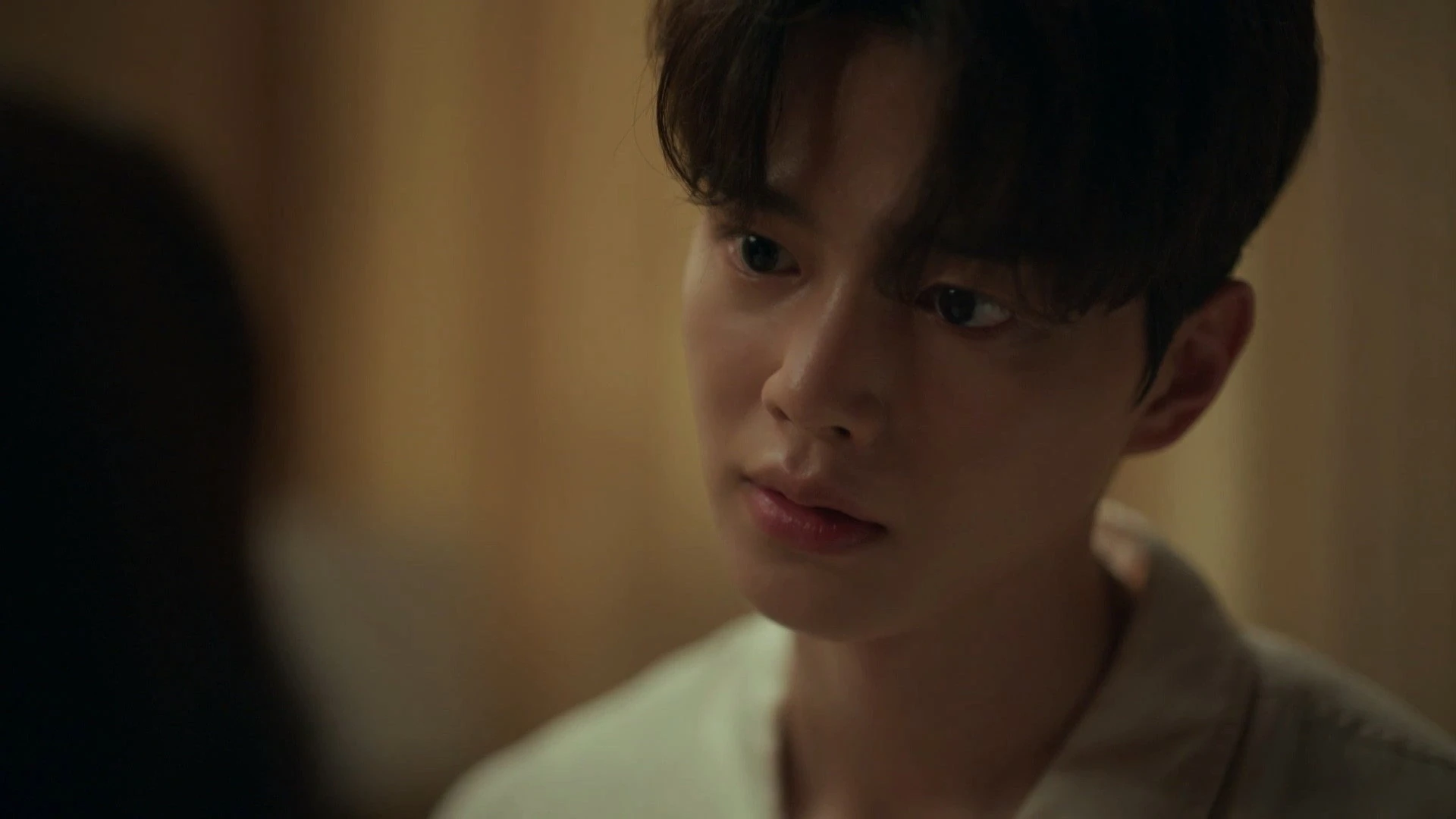
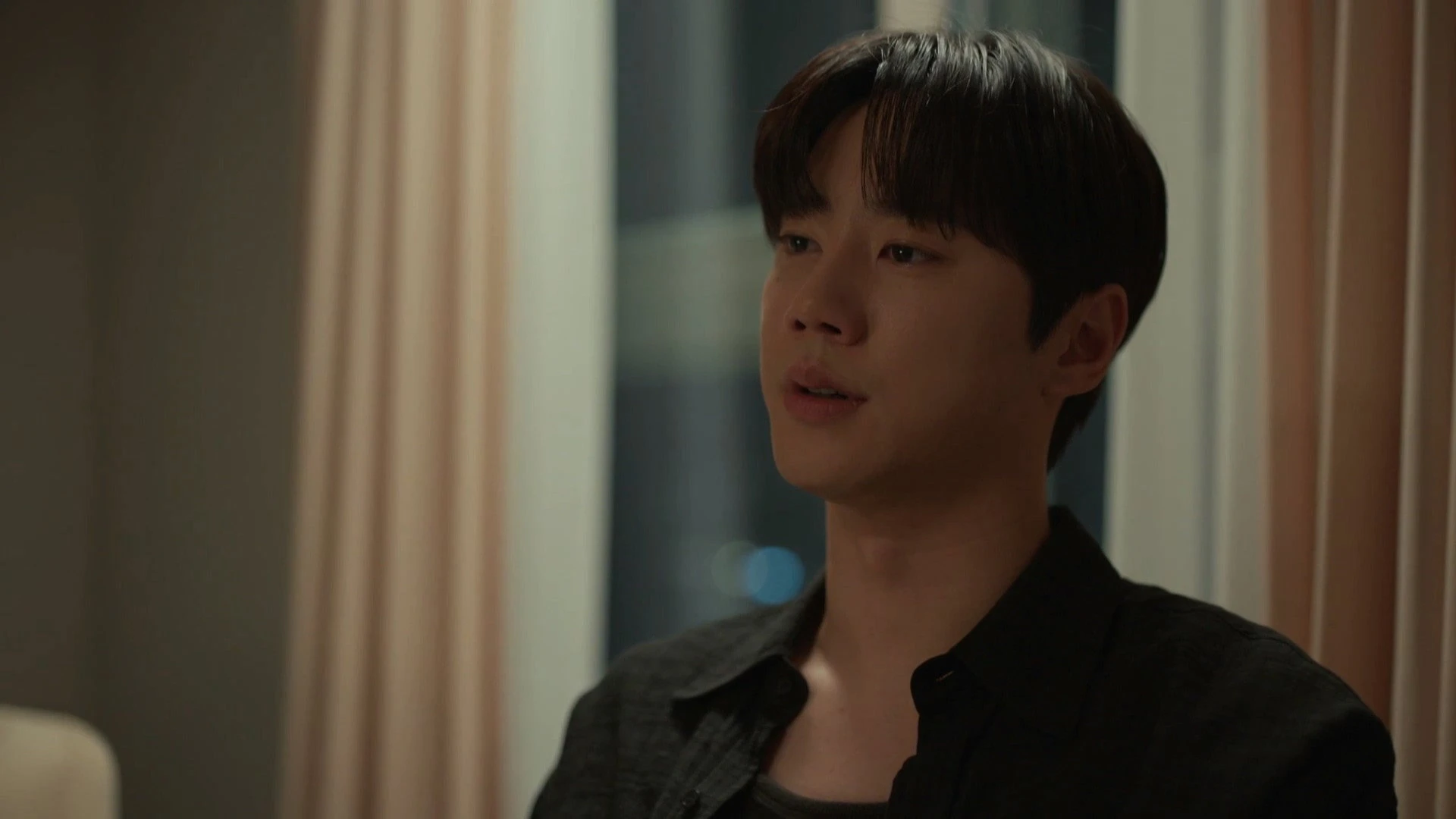
🏁 Ending Explained
Spoilers from here on — what actually happened, and why it lands.
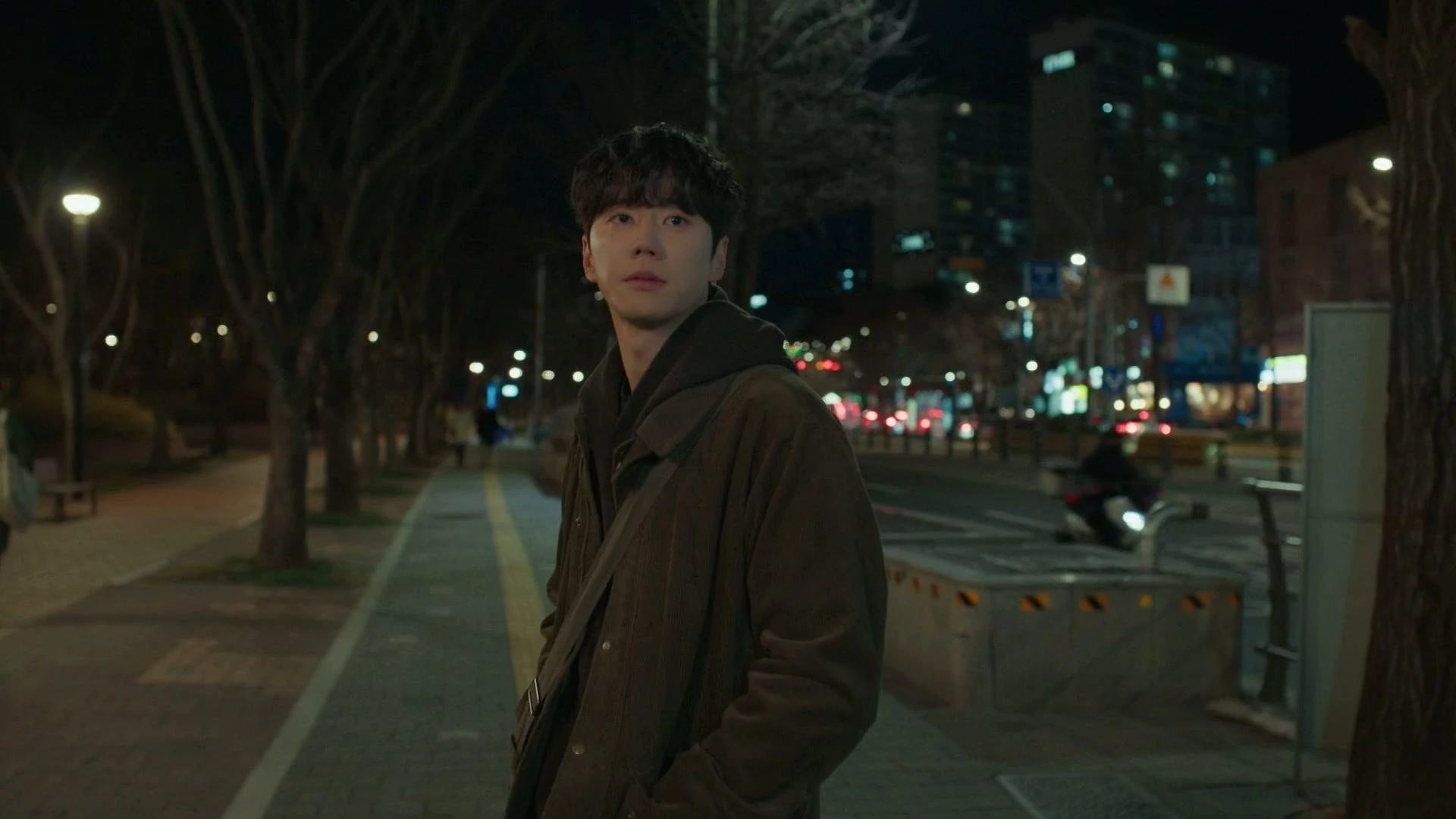
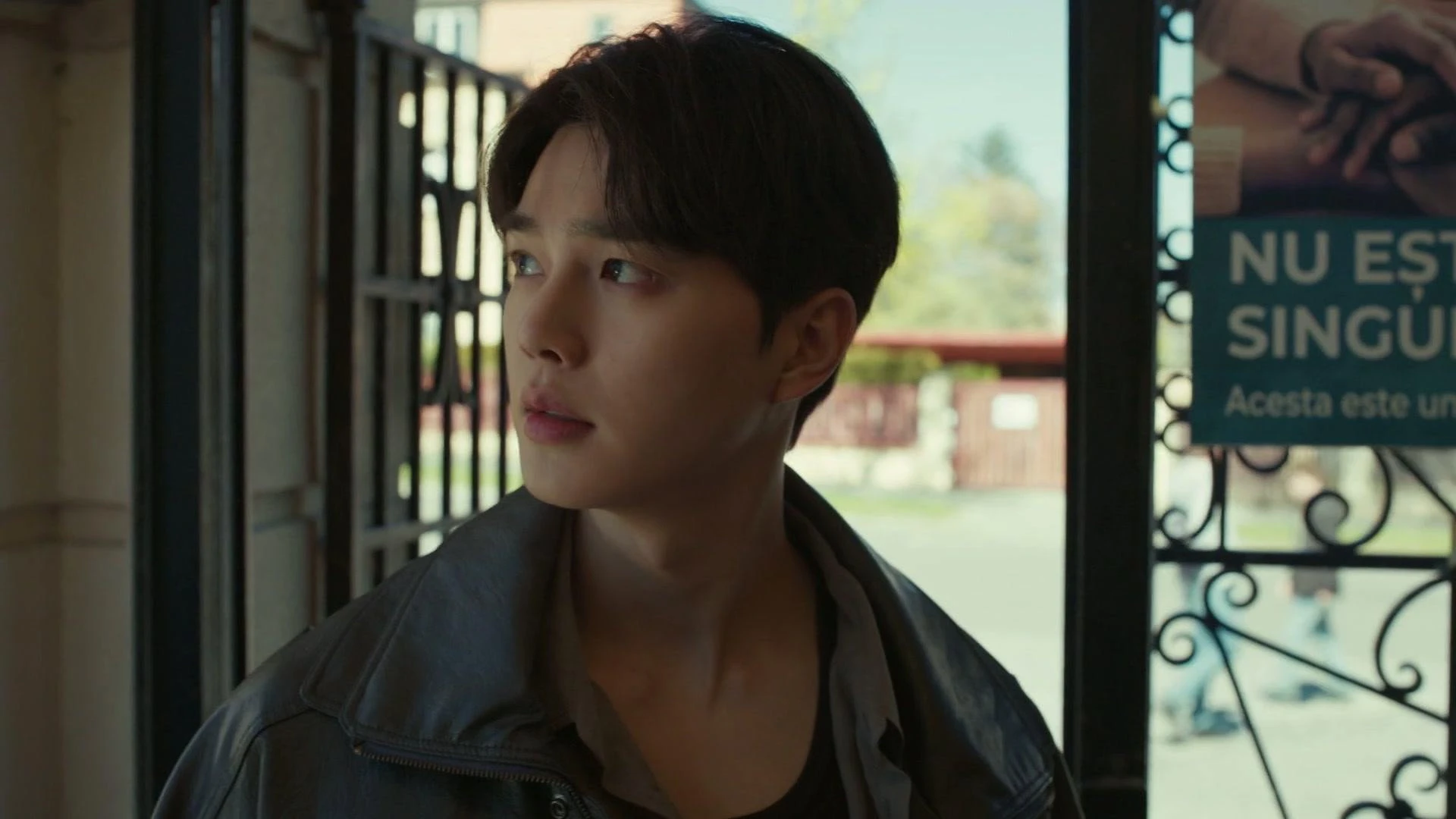
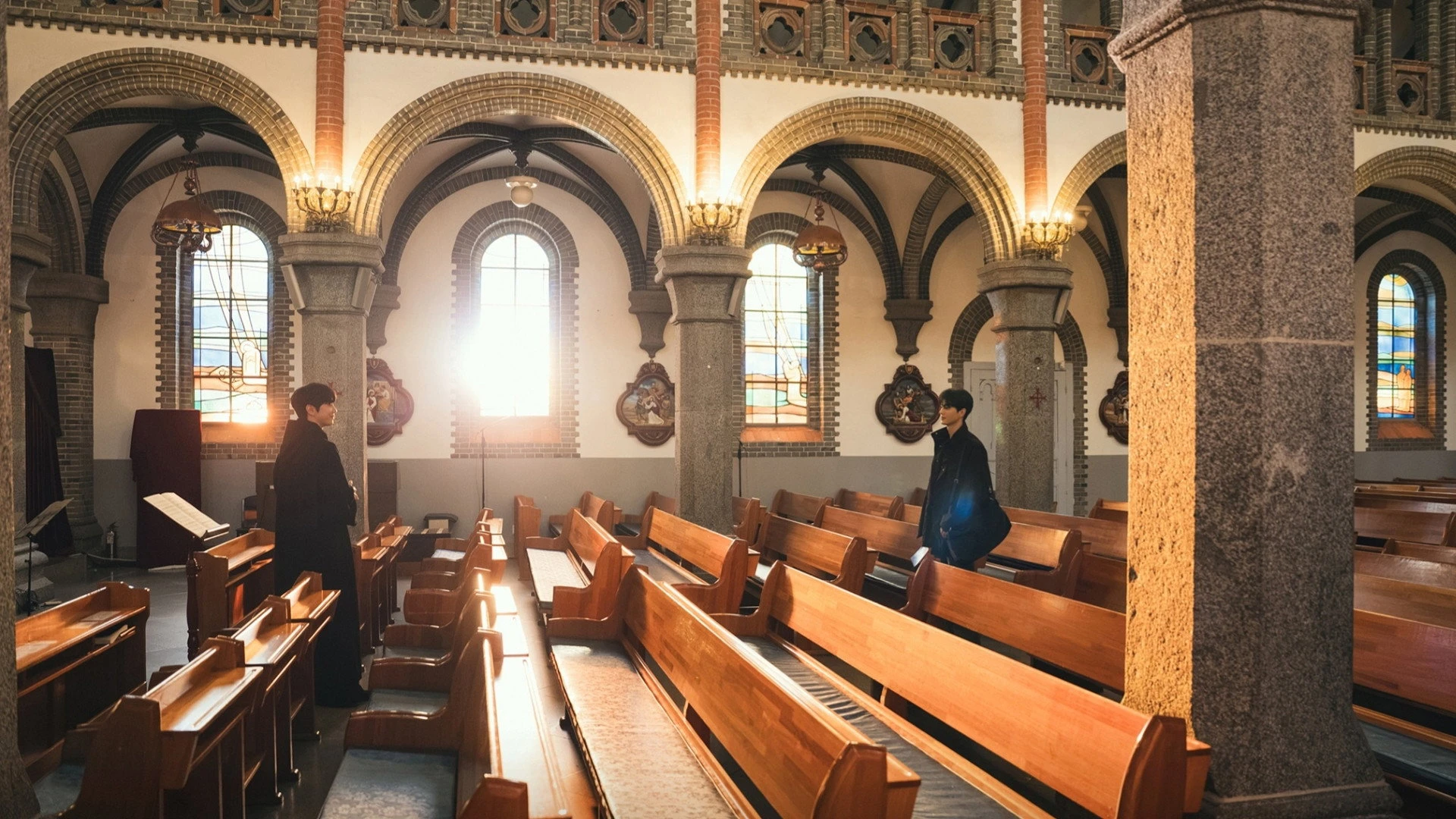
What actually happens The finale opens with Bi-oh facing the public: a press conference where he apologizes for using Jeong-yo’s notes in the competition and for his mother’s part in the kidnapping, then steps back from public life. At the hospital, his grandfather Kang Seung-woon is dying and asks to see both young men together. He acknowledges that his demands hurt Bi-oh and apologizes to Jeong-yo for what his daughter did, then dies. Three years later, Bi-oh finds Jeong-yo in the Czech Republic, conducting a choir in a church, and the two trade warm smiles.
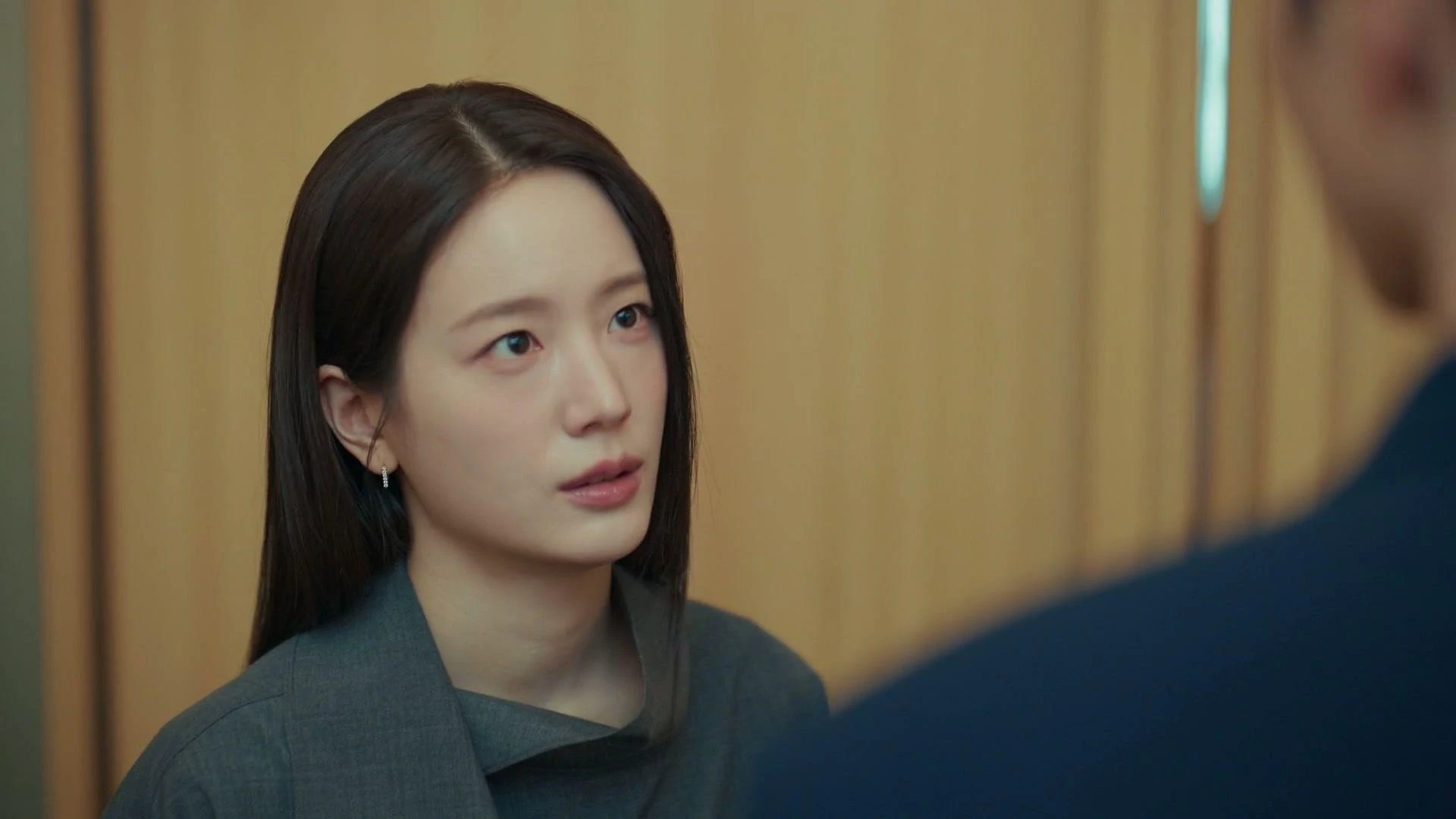
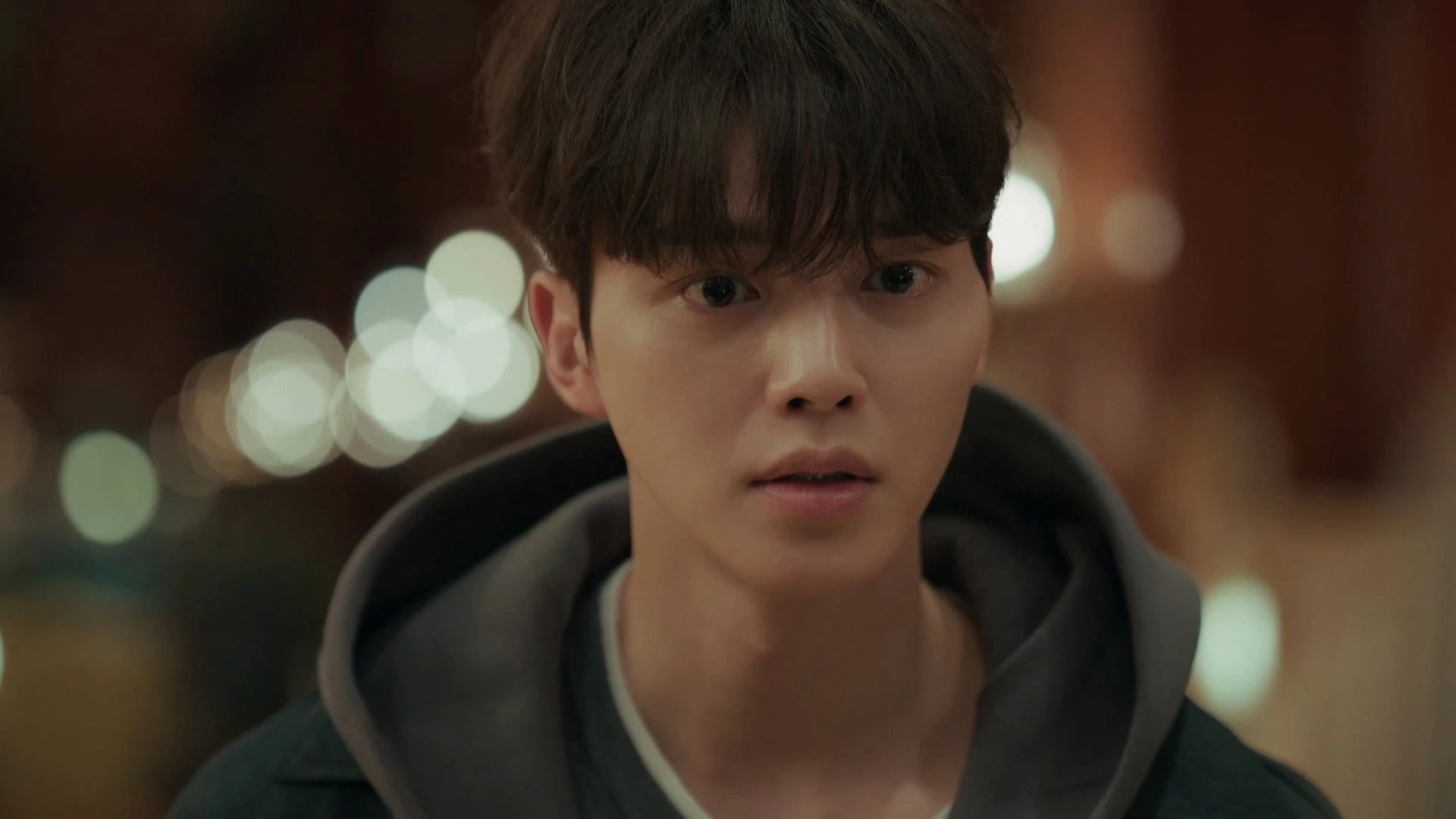
What it costs Jeong-yo Jeong-yo’s hand never recovered the way he let Bi-oh believe. He went through a risky treatment so that he could play four hands with Bi-oh one last time, knowingly risking further damage to the hand, and then left. Once Bi-oh learns this, the farewell reads differently: it was a gift meant to free Bi-oh of his guilt, not a rejection. The series never officially labels the two as a couple, but nothing in the final scene is written to say otherwise.
Why Bi-oh stops playing Grief turns into self-blame fast. After his grandfather’s death, Bi-oh puts his piano up for sale and says he will never play again, tying his mother’s imprisonment, his grandfather’s loss and Jeong-yo’s suffering back to his own ambition. It is the conclusion of someone crushed by guilt rather than proof that he caused any of it. The ending takes its time with this, which is also why some viewers found the closing stretch quieter than the competition-driven episodes before it.
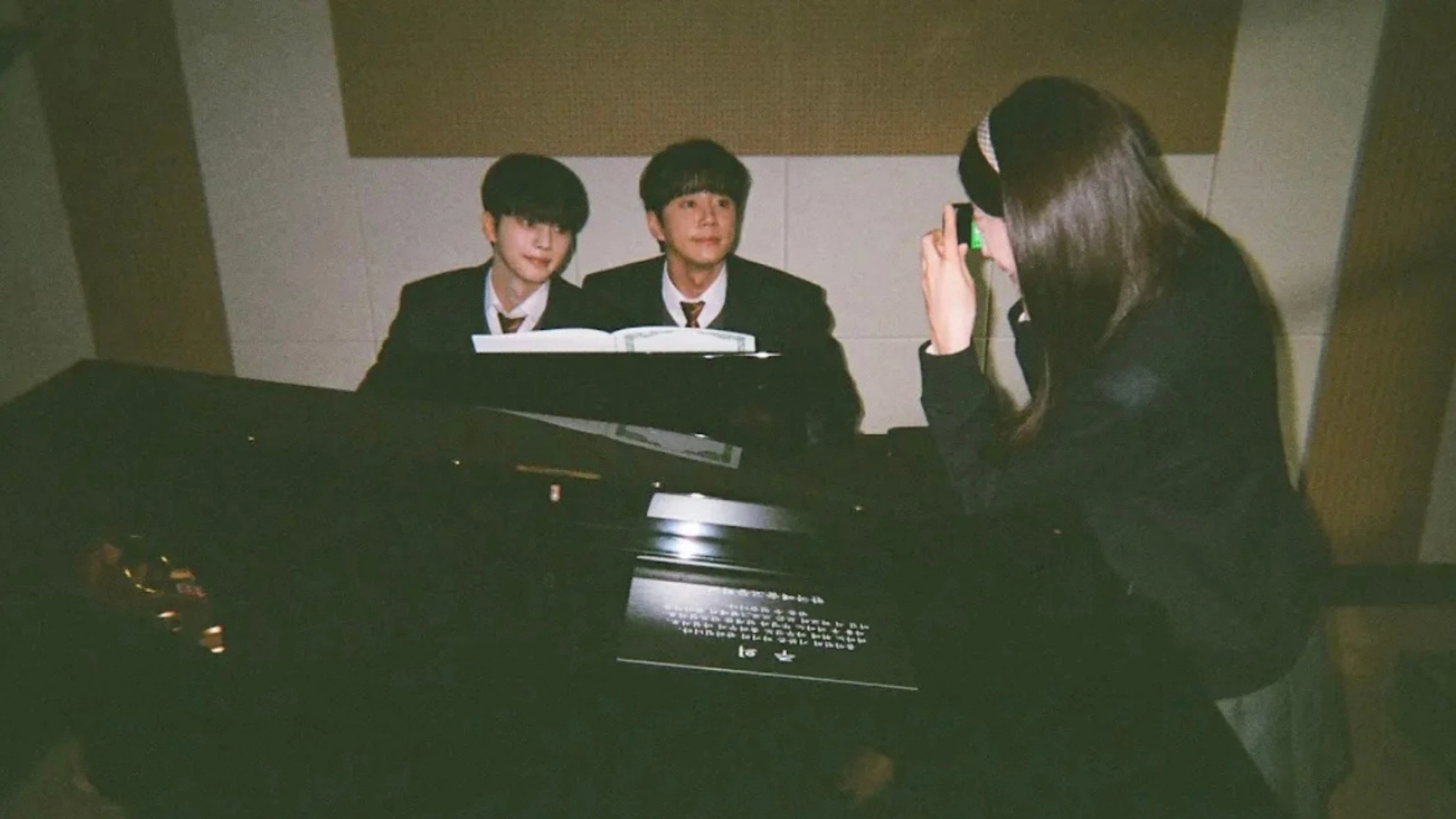
The grandfather’s last word Seung-woon had spent years steering Bi-oh away from music, afraid that he would live in Jeong-yo’s shadow. His last act undoes that. He admits the pressure was his, takes responsibility for the harm his daughter caused, and lets Bi-oh off the hook of pursuing music only to earn family approval. Bi-oh’s return to the piano afterwards is his own choice, which is the thing the grandfather’s demands never left room for.
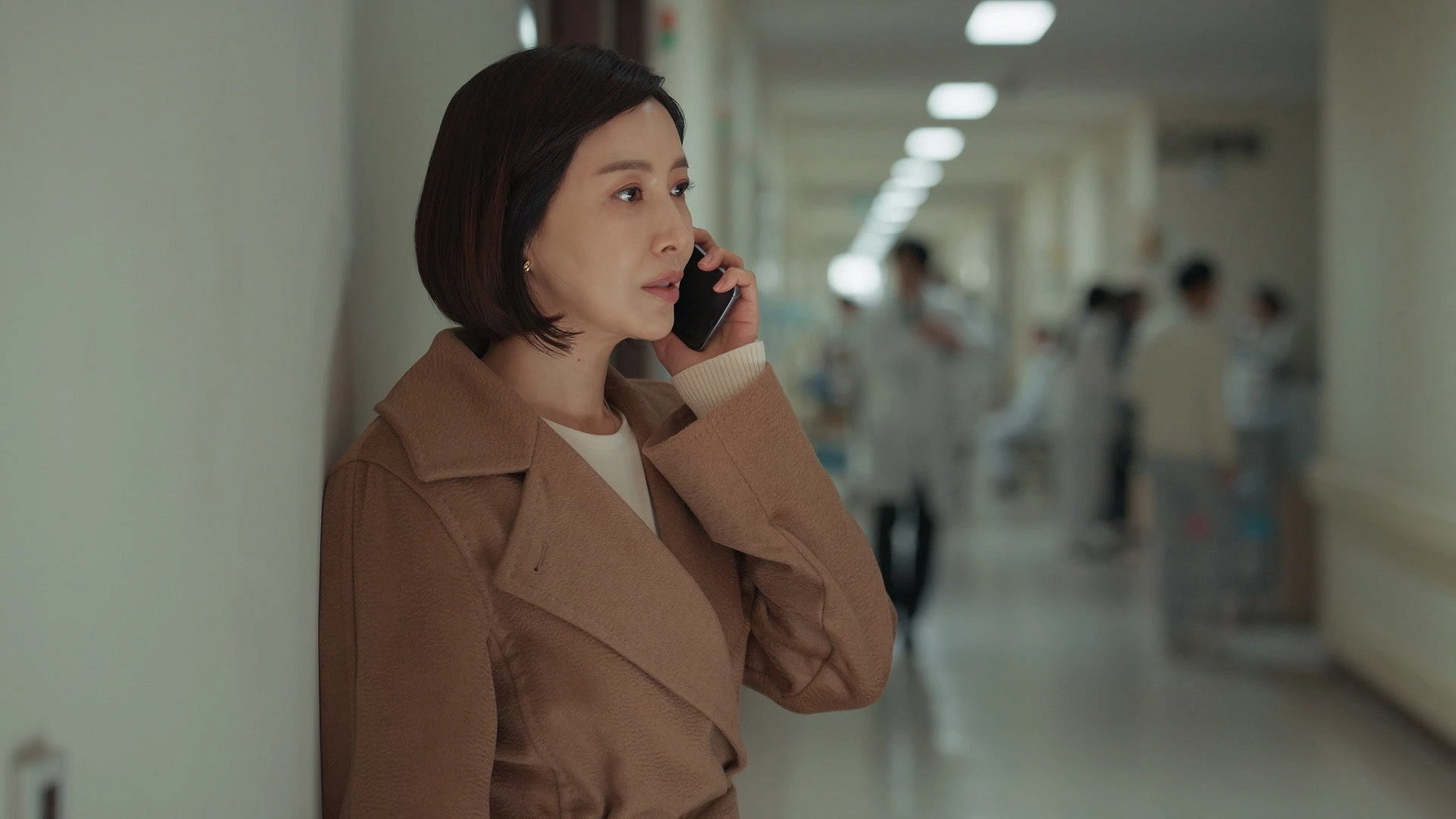
Where it leaves them Bi-oh does go back to the piano, recording the sonatas as a way to reconnect with people he lost, and uses that to track Jeong-yo down. The last scene gives them no declaration, only recognition across a church floor. Jae-in, meanwhile, takes over her mother’s agency and reconnects with Bi-oh, and Bi-oh’s mother serves her sentence. The finale settles the friendship and leaves the exact shape of the relationship open on purpose.
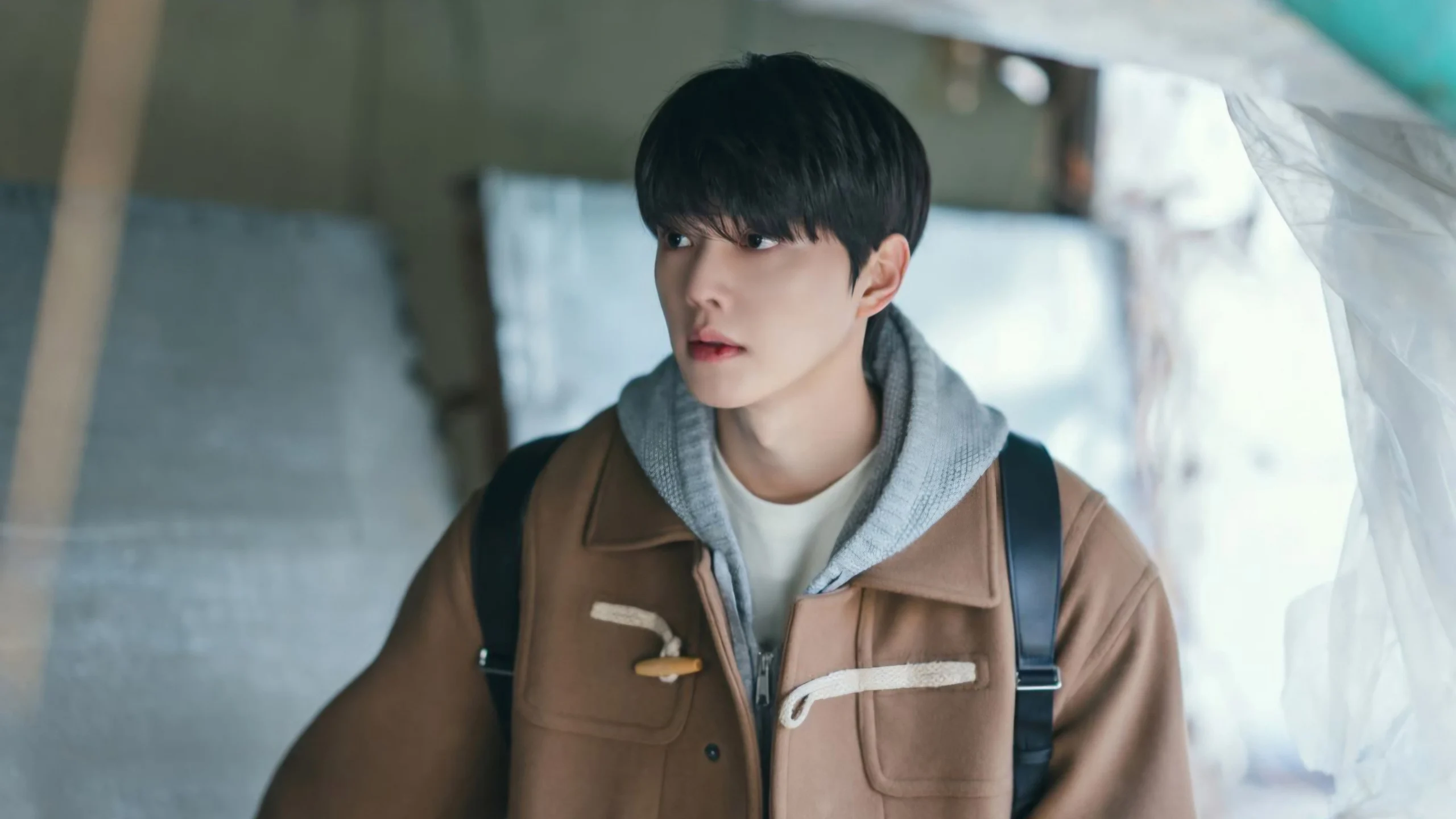
✍️ KDramaWorlds Editor’s Take
Our honest take — is it worth your time, and who’s it really for.
Song Kang and Lee Jun-young came out of Reborn Rookie with real chemistry, and this drama moves them from the baseball diamond to the concert hall and from an ensemble to a two-hander. The bet pays off most in the middle stretch, where Bi-oh’s career success and Jeong-yo’s absence run side by side and the series lets the gap between them do the work instead of a villain.
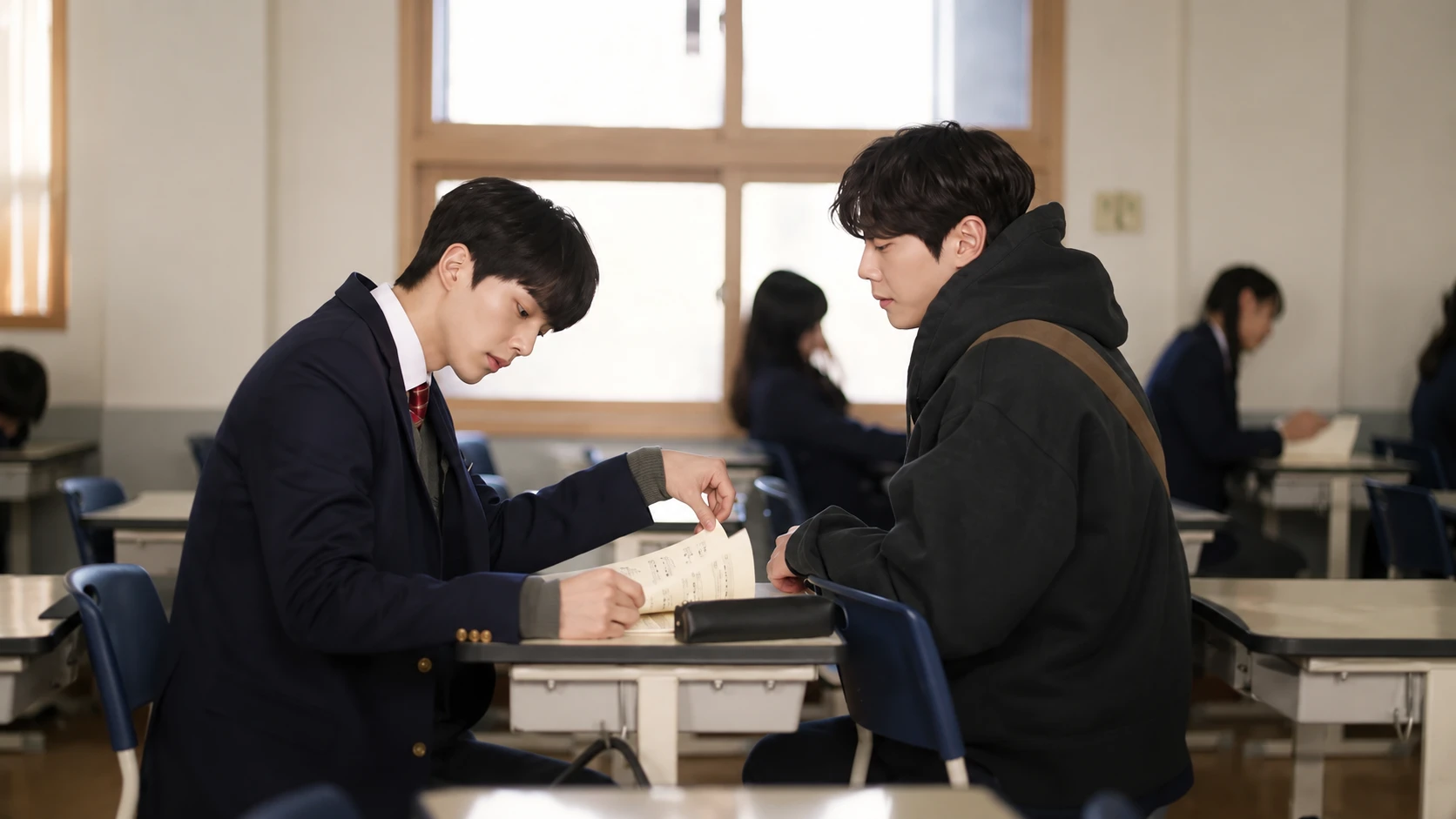
The premise is a prodigy who has never lost sharing a bench with someone whose talent frightens him because it is real. It gives the competition more weight than the usual school rivalry, though it sits in a different register from Spirit Fingers and its scrappier band-of-outsiders energy. The four-hands duets are where the show is at its most specific: one piano, one bench, nowhere to hide.
The finale chooses emotional repair over spectacle, and some viewers will find that quieter than they wanted. It also leaves the exact shape of Bi-oh and Jeong-yo’s relationship unlabeled. If you can accept an ending that settles the friendship and keeps the rest open, the twelve episodes are worth the commitment.
🎬 You Might Also Like
If you liked Four Hands, Two Sonatas, these are your next three watches.
 Love Phobia
artificial intelligence
Read Full Review →
|
 Crushology 101
campus romanceComing-of-Age
Read Full Review →
|
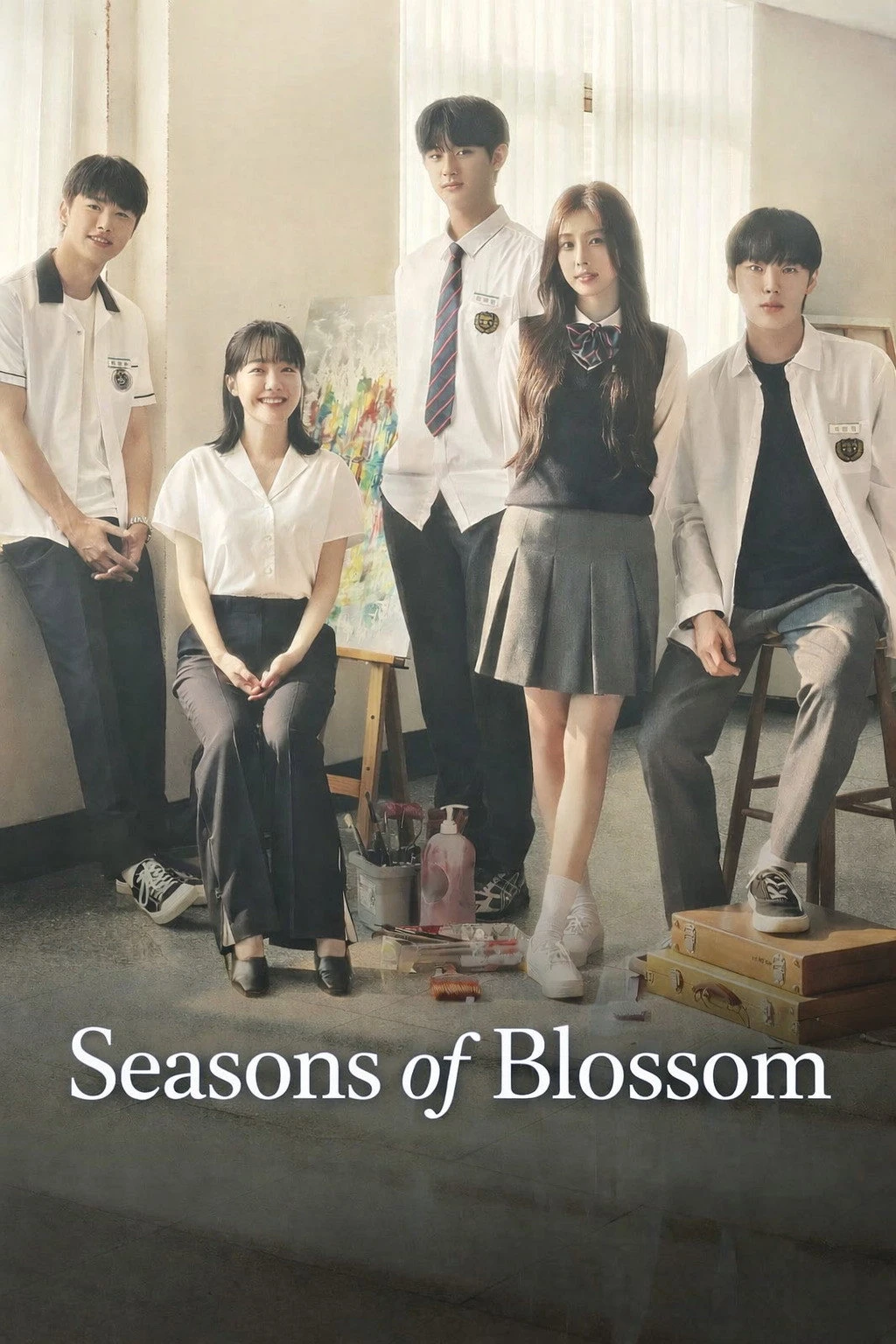 Seasons of Blossom
Dual Timelinefake dating
Read Full Review →
|













Keep it kind, skip the harsh language, and please — no spoilers. Everyone's taste is different, and that's perfectly fine.
This space is for real reactions and discussion from other viewers. Help keep it comfortable for everyone by not giving away major plot details.
What do you think of this drama?
Login to share your review or leave a comment.
No email needed — just pick a username & password.