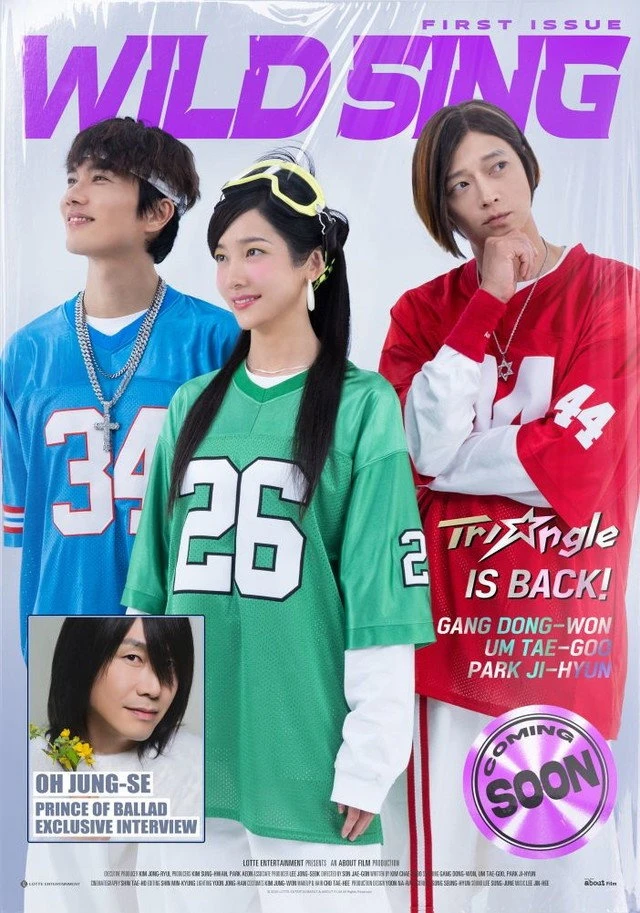
Wild Sing
🎬 Film Overview
Twenty years is a long time to be recognized by the wrong things. Wild Sing opens not with nostalgia but with its absence — a former K-pop leader walking into variety show sets with the posture of someone told “you’re just a guest” so many times the phrasing stopped registering. Hwang Hyun-woo is not in crisis. Crisis has a shape to it. This is something flatter: the daily negotiation of a life that peaked before it had the language to understand what that peak meant.
The invitation to reunite Triangle is not simply an opportunity for fame. It is a dare — and what makes Wild Sing genuinely interesting is who has to accept it. A woman married into a chaebol family with beautiful furniture and no real freedom. A man drowning in the accumulated debt of albums nobody bought. A leader who has spent two decades pretending, very convincingly, that he was fine with how it ended. Son Jae-gon’s film (the director behind Extreme Job, still one of the biggest comedy box-office hits in Korean history) is not interested in making their comeback feel inevitable. It’s interested in making it feel true.
⚡ Quick Verdict
One box. Everything you need to decide.
· Streaming on Netflix — Check IMDb or MDL for community ratings
▶ Official Trailer
🎭 Cast & Characters
Twelve performances powering one chaotic comeback.
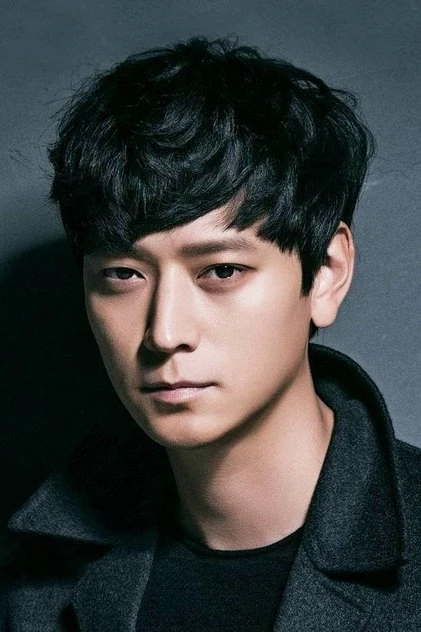
Lead
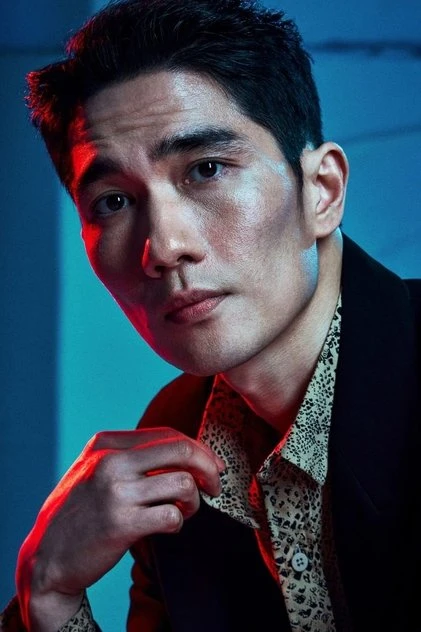
Lead

Lead

Supporting
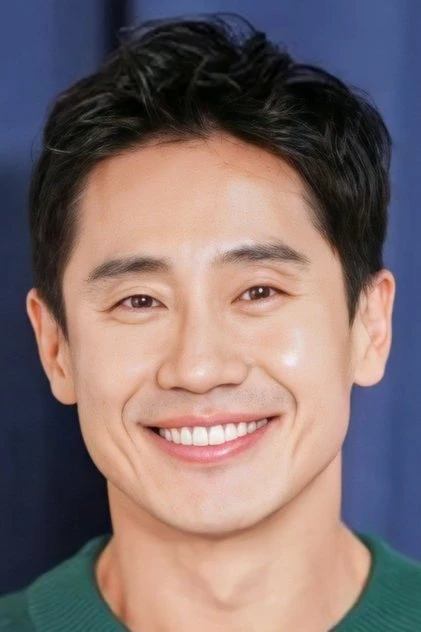
Supporting

Supporting
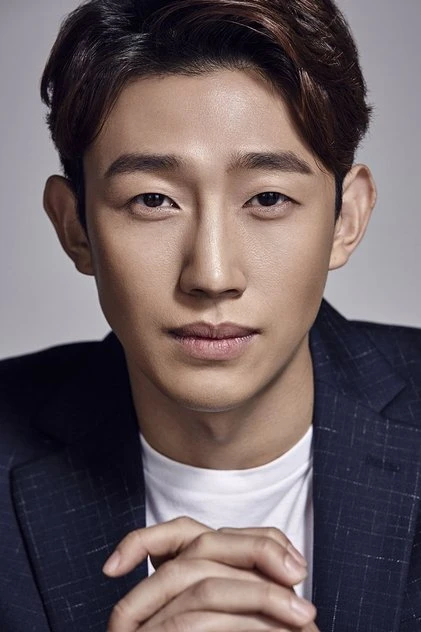
Supporting

Supporting
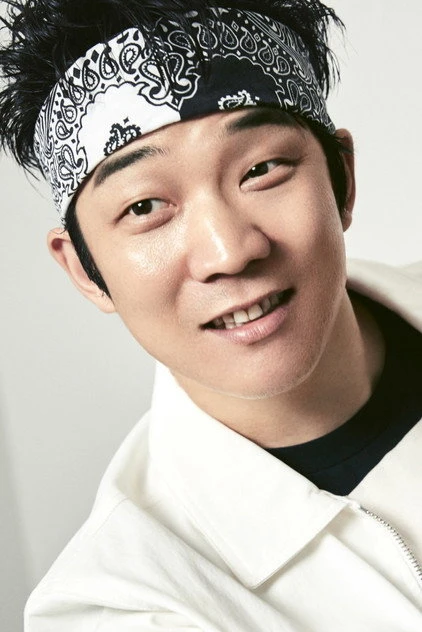
Supporting

Supporting
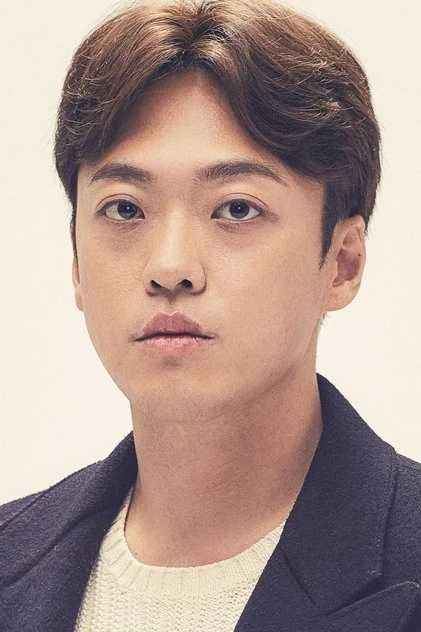
Supporting
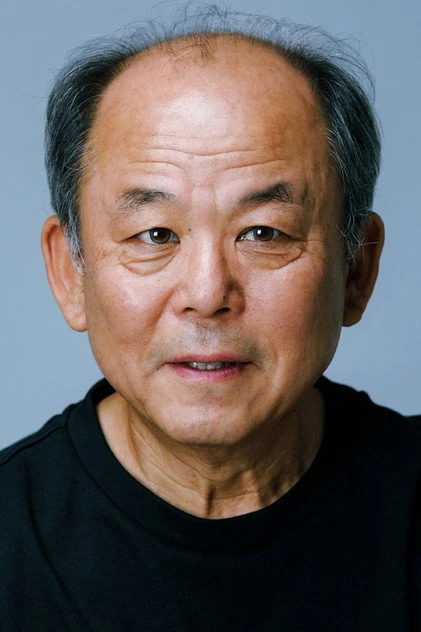
Supporting
📖 The Story
No spoilers — just enough to know if this is your film.
Twenty years is a long time to be recognized by the wrong things. Hwang Hyun-woo walks onto low-budget variety show sets with the posture of someone who was told “you’re just a guest” so many times the phrasing stopped stinging. He is not in crisis — crisis has a shape to it. This is something flatter: the daily negotiation of a life that peaked before it had the language to understand what that peak meant. He was Triangle’s leader, the charismatic face of a co-ed K-pop group with enough talent and enough star power to matter. He still moves like someone who knows how to take a stage. He just hasn’t had a stage worth taking.

The invitation to reunite Triangle changes the architecture of the problem. A nostalgia concert, a television pilot attached to the performance, a chance to turn “Triangle had a comeback” into a sentence that doesn’t end in “twenty years too late.” The offer is genuine. But Hyun-woo understands immediately that none of this works without the other two — and the other two left for reasons that had nothing to do with him, and everything to do with what the industry did to all of them. Finding them is the first obstacle. Getting them to say yes is something harder.
Son Jae-gon gets generous mileage out of each reunion. Goo Sang-gu is now a tired insurance salesman — the accumulated wreckage of failed solo ventures worn smoothly, like something he stopped being surprised by. Byun Do-mi is married into a chaebol family, which comes with the kind of apartment that looks like a magazine spread and the kind of life that doesn’t belong to her. Neither of them wants to be found. Neither of them wants to admit they’ve been waiting anyway. The gap between those two things — refusing and waiting — is where Wild Sing does its best work.
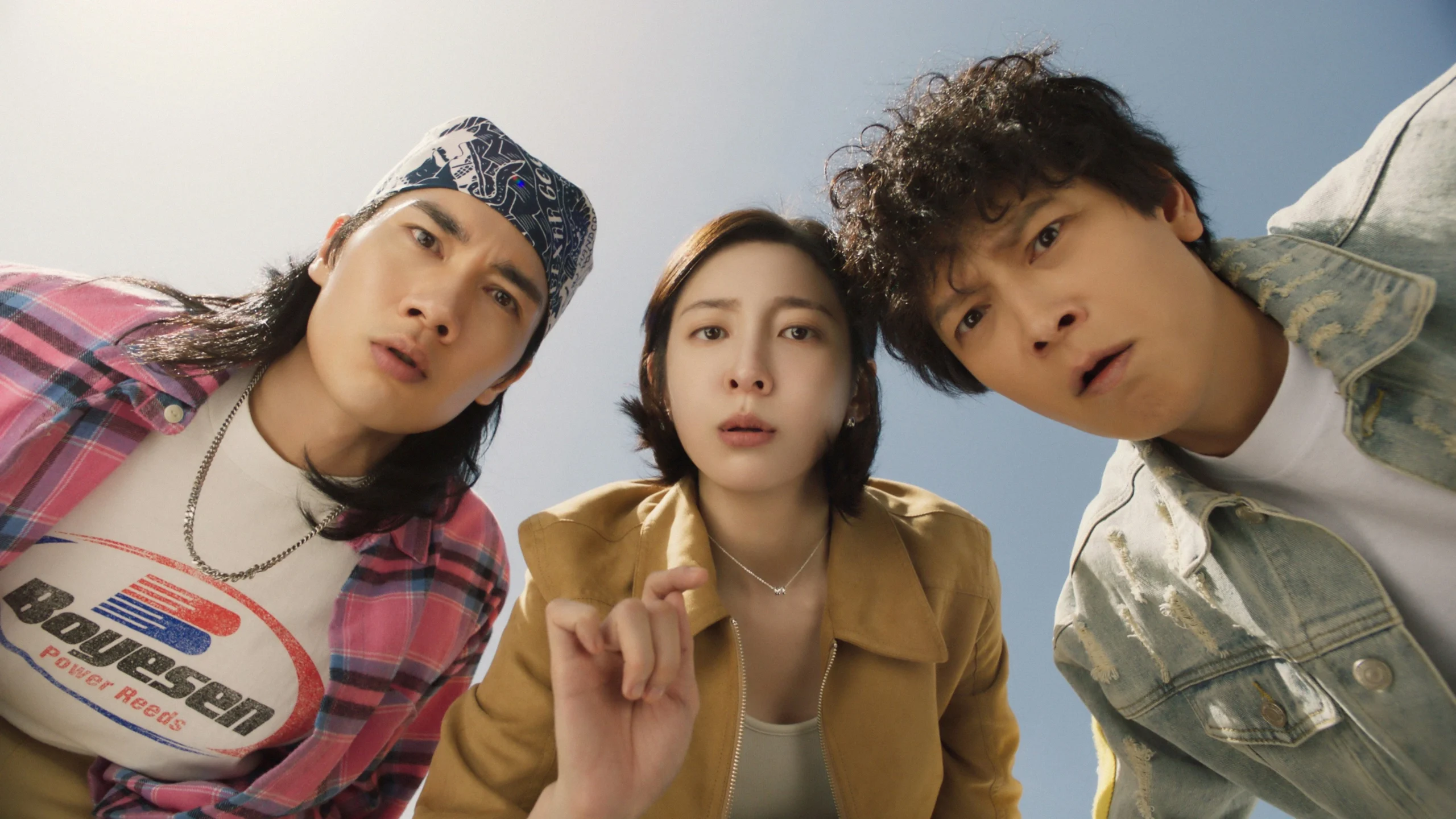
The burden each member carries is precise and genuinely felt under the comedy. Sang-gu’s debt is not abstract — it is the cost of being told, at twenty-two, that you have what it takes to succeed without the group, and spending the next two decades proving otherwise. Do-mi’s problem is different: she achieved stability but not agency, and the film is sharp enough to understand the distinction without making it her entire identity. These are not archetypes in distress. They are people with very specific histories, and the specificity is what makes the comedy land.
The road trip structure is deliberately chaotic — car accidents, traffic police, the logistical nightmare of three middle-aged people attempting to rehearse synchronised choreography in a moving vehicle — and the chaos has purpose. Son Jae-gon knows exactly how to build physical comedy scenes that reveal character simultaneously. Every mishap tells you something new about who these three people are to each other now, and who they refuse to stop being. The film moves fast, and it trusts its audience to keep up.

Then YGP appears. The corrupt agency CEO who destroyed Triangle’s careers has secretly returned to Korea under a false identity, and the moment the trio crosses his path, Wild Sing shifts registers — not abandoning the comedy, but adding a layer of genuine anger underneath it. The film is interested in what first-generation K-pop exploitation actually looked like: the contracts signed before anyone understood them, the scandals engineered to dispose of inconvenient acts, the debt handed to artists before success had been earned. The chase that follows is not just slapstick. It is three people running toward someone who owes them something the courts probably can’t return.
What holds the film together is the calibration of three performers who are each doing something slightly different and making it cohere. Gang Dong-won commits to the embarrassment completely, without softening it with irony. Um Tae-goo plays Sang-gu as a man who redirected every valid grievance into his sales pitch, and who is very, very tired of doing that. Park Ji-hyun’s Do-mi is the one who, quietly, keeps the ensemble from flying apart — which is both her function in the group and her burden as a character. Wild Sing is at its best when it trusts that those three different registers will resolve into something that feels whole. It mostly does.
🏁 Ending Explained
Full spoilers ahead — what happens, what it means, and what the concert was really for.
Full Spoilers Ahead — This section covers the complete ending of Wild Sing. Stop here if you haven’t watched.
Triangle arrives at the concert with seconds to spare — and a decision already made. The finale of Wild Sing earns its catharsis precisely because the film spent ninety minutes making sure the audience understood what was at stake. After a high-speed chase involving YGP, with virtually no rehearsal completed and every logistical detail in chaos, Triangle walks onto a stage and is handed a single instruction by the television producers: perform “Love Is” exactly as it was staged twenty years ago. The demand is specific and deliberate. This is a nostalgia event. They are being hired to be ghosts of themselves — to simulate a version of Triangle that was curated, controlled, and ultimately broken, and pretend that version is what actually happened.

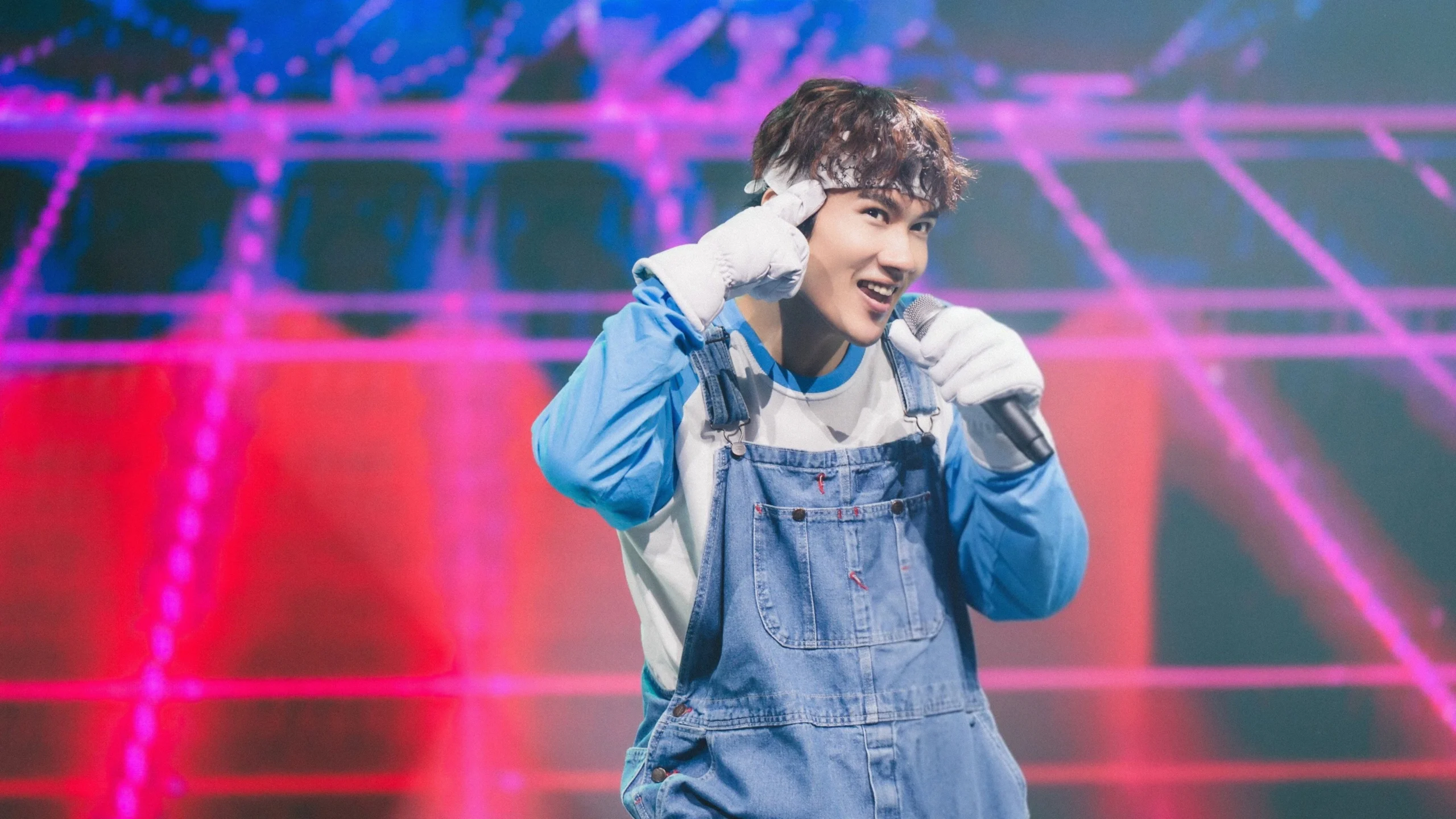
What they do instead is refuse to be ghosts. The spontaneous rewrite of the performance — Sang-gu discarding his scripted lyrics, Do-mi singing live without the safety of a backing track, Hyun-woo committing to a single, high-stakes physical gesture — is not just a creative decision. It is the film’s central thesis arriving, finally, in the form of action. Twenty years of being asked to simulate a version of themselves that no longer exists has produced exactly one thing: people who know the difference between performance and truth, and can choose. The choice takes approximately thirty seconds of stage time and costs them the television deal. The film does not treat this as a tragedy.
Sang-gu’s rap verse is the most unexpected moment in a film full of them. He has been the funniest character, the most visibly broken one, the man who turned self-pity into a functioning personality trait. When he discards the scripted lyrics and raps instead about specific, embarrassing, real things — the debt amounts, the failed album, the night the label told him he was a liability — the audience in the stadium does not laugh. They recognise something. Wild Sing understands that shared failure is a form of intimacy, and that an audience willing to receive it honestly is the rarest thing an entertainment industry built on manufactured triumph can accidentally produce. Sang-gu isn’t performing his pain. He’s just finally done hiding it.
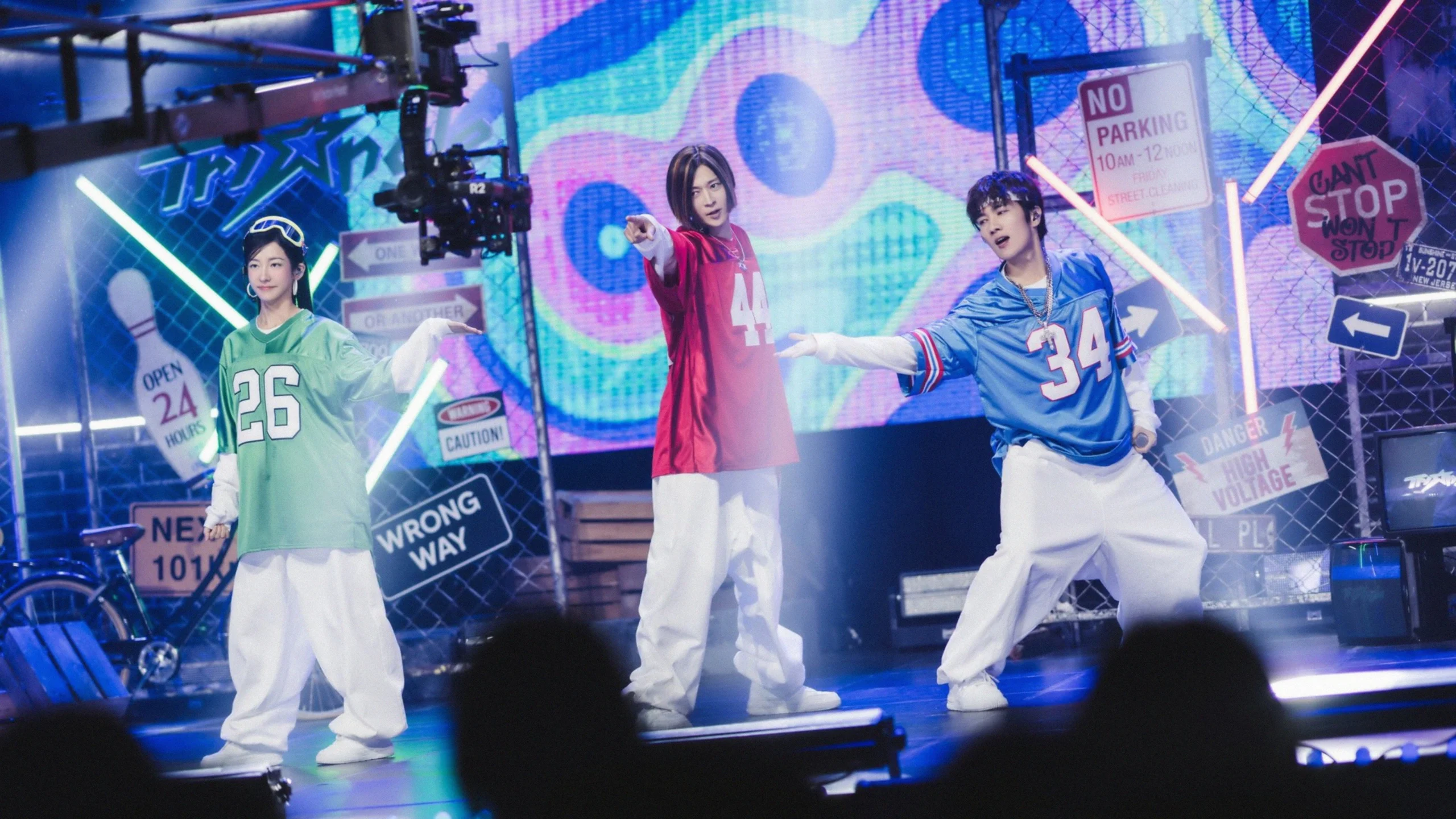
Do-mi’s unsynced vocal and Hyun-woo’s headspin are the final two arguments the film makes about what “comeback” actually means. Do-mi’s voice, unfiltered by studio processing, is not perfect. It is better than perfect: it is present. And Hyun-woo’s headspin — the signature move that defined Triangle at their peak — lands not because it is flawless, but because watching a man in his forties stake everything on a single physical gesture, with no guarantee it will work, is the most honest thing the film has done for two hours. The stadium erupting at that moment is not nostalgia. It is recognition. Something happened on that stage that was not engineered, and you cannot manufacture an audience’s response to something real.
The strongest reading of Wild Sing is that the reunion was never about launching a new career. YGP’s fate is deliberately left ambiguous — whether he faced legal consequences for his exploitation, or simply escaped again, is never confirmed. The financial wreckage of all three members is not resolved. The television deal is dead. What is confirmed is smaller and more durable: the bond that made Triangle worth exploiting in the first place was the three of them, and the performance on that stage is proof that twenty years of debt and one chaebol marriage and a failed solo rapper could not neutralise it. They were always capable of this. They just needed somewhere to do it on their own terms. A comeback isn’t measured in chart positions. It’s measured in whether you recognise yourself when it’s over.
✍️ KDramaWorlds Editor’s Take
Our honest read on why this film is worth your time — and who it’s for.
Son Jae-gon
Known for: Extreme Job (2019) · All About My Wife (2012)
Gang Dong-won has spent twenty years being very handsome and very serious — a screen presence of such deliberate gravity that his career essentially trained audiences to receive him as a man who does not make mistakes. Wild Sing is the first time he has built a full performance on sustained embarrassment, and what makes Hwang Hyun-woo work is that Gang never plays the indignity for easy laughs. He plays the awareness of the indignity — the specific look of a man who understands exactly how he appears at any given moment and has decided to ignore that information in service of something he can’t quite name. There’s a scene early on where he has to talk his way onto a show with a host who doesn’t remember his name, and Gang plays it completely straight — no wink to the audience, no protective irony. Just someone who needs this, badly, and is trying not to show how much. The same quality that makes the entertainment-industry film Pilot (2024) compelling — an actor letting their screen charisma become a liability rather than an asset — is exactly what Gang is doing here.
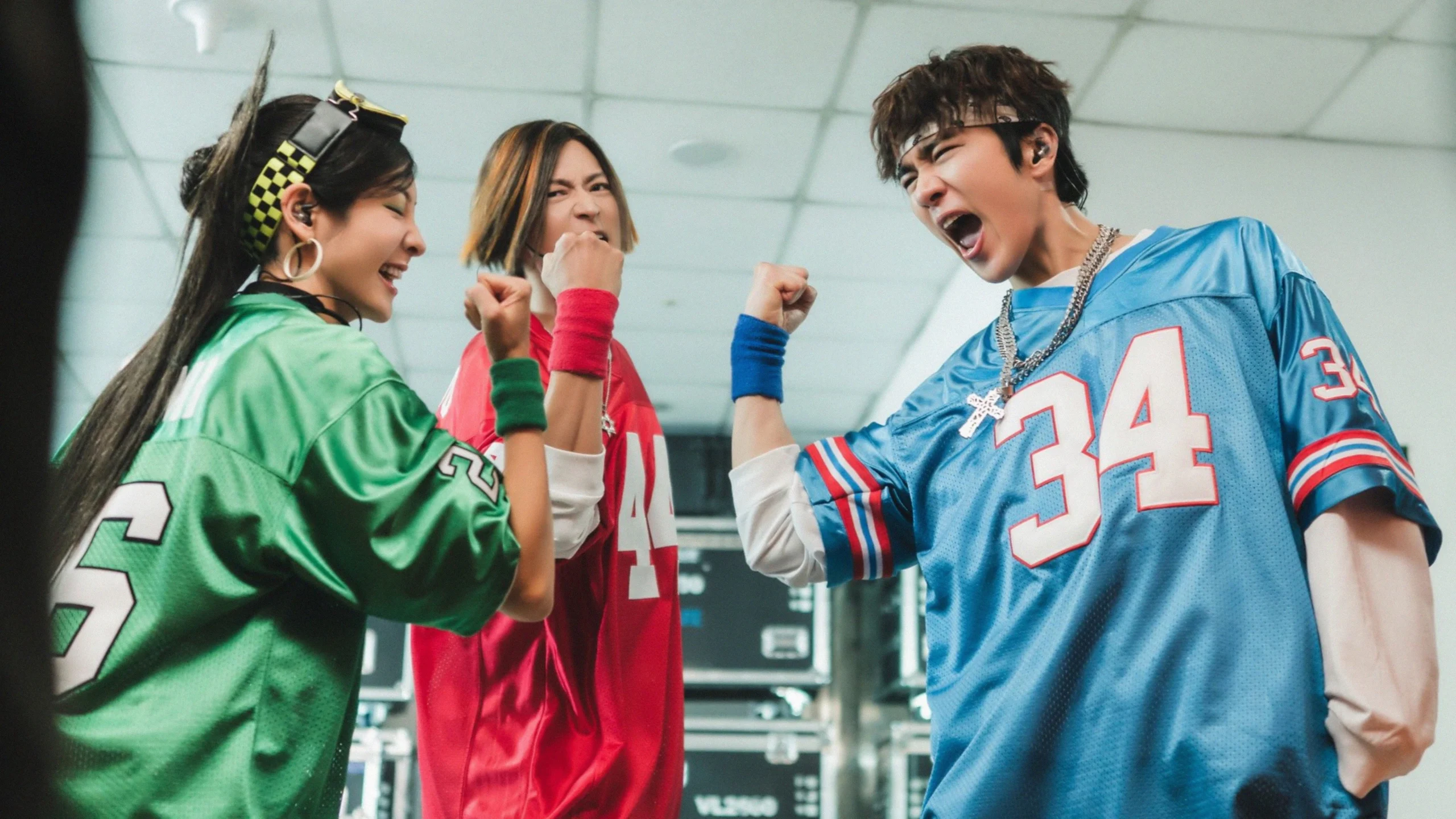
The casting logic of Wild Sing is subtle until it isn’t. Um Tae-goo — whose career is built on characters who are internally furious and externally polite — plays Sang-gu as a man who redirected every valid grievance into his insurance sales pitch, and who is exhausted by how well it works. When that composure finally breaks in the concert’s final minutes, the transition feels earned not because the film set it up narratively, but because Um Tae-goo has been quietly setting it up in the way Sang-gu holds his shoulders through every previous scene. Park Ji-hyun has the hardest job: Do-mi must be the one who holds the ensemble together without disappearing into function. She mostly succeeds, which is not nothing. The specific comedic chemistry Wild Sing runs on — three genuinely funny people who each believe the other two are the problem — is the same structural gear that made a drama like My Girlfriend Is the Man! (2025) work: the comedy isn’t decorative. It’s load-bearing.
The film’s structural weak point is YGP and what the film does — or doesn’t do — with him. Shin Ha-kyun is entirely capable of playing threat, and the moment Triangle finally confronts their former manager carries real anger. But whether he faces consequences is left too deliberately ambiguous to feel satisfying and too present in the story to be ignored as a deliberate choice. Son Jae-gon is a better filmmaker with warmth than with reckoning, and Wild Sing is consistently strongest when it stops trying to be a justice narrative and commits to being a celebration. At 108 minutes, it doesn’t outstay its welcome. The final concert sequence is one of the most exhilarating film endings of 2026 so far. Come for the chaos. Let the honesty underneath it be a surprise.
Fans of Gang Dong-won doing something genuinely unexpected
Viewers who want their comedy to earn its finale
🎬 You Might Also Like
If you liked Wild Sing, these are your next three watches.
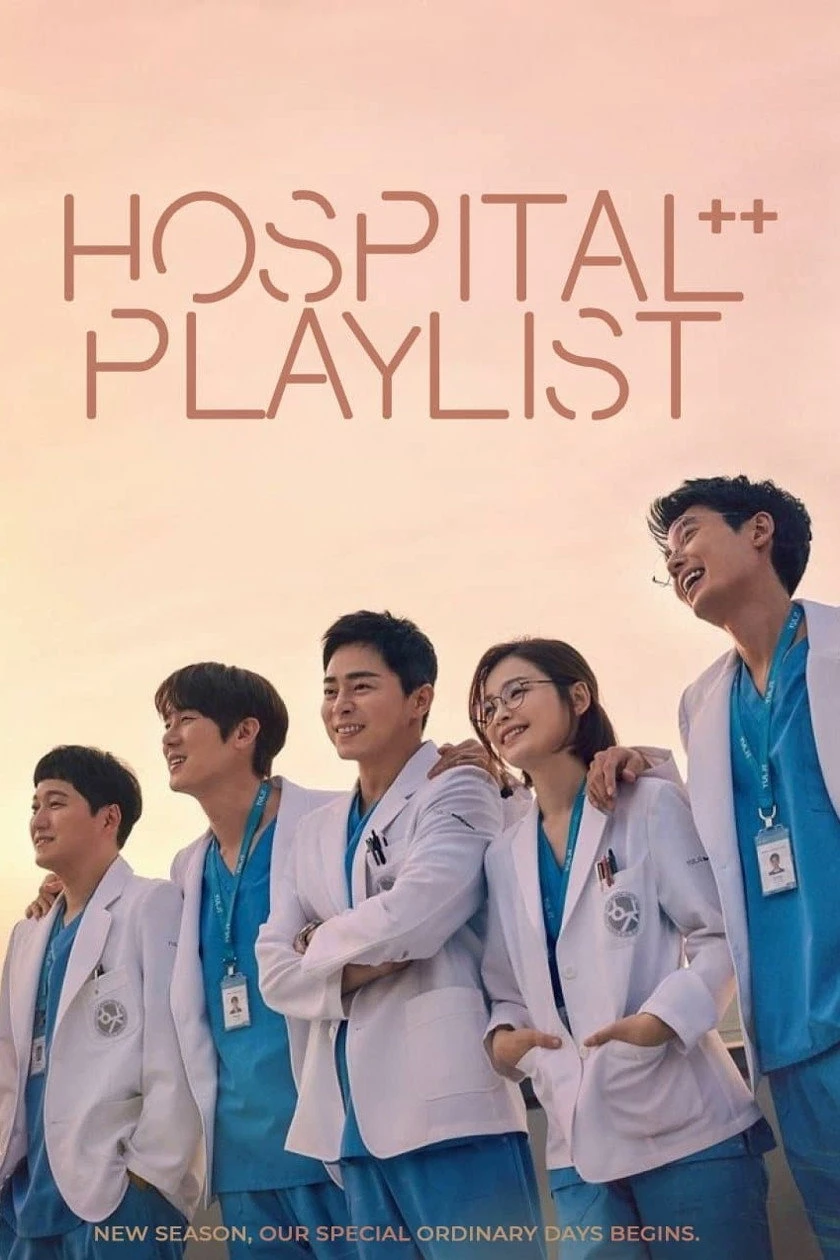 Hospital Playlist (Season 2)
Cho Jung-seokcomedy
Read Full Review →
|
 Take Charge of My Heart
Artificial HeartChae Soo-bin
Read Full Review →
|
 Phantom Lawyer
Courtroom DramaEsom
Read Full Review →
|









Keep it kind, skip the harsh language, and please — no spoilers. Everyone's taste is different, and that's perfectly fine.
This space is for real reactions and discussion from other viewers. Help keep it comfortable for everyone by not giving away major plot details.
1 Comment
Twenty years of being defined by a peak you had before you understood what it meant is such a sharp, unglamorous way to open a K-pop comeback story 🕺 — and the film being more interested in whether the reunion feels true than whether it feels inevitable is what separates it from a standard nostalgia play. Curious how everyone felt the three former members’ reasons for saying yes compared to each other.
What do you think of this drama?
Login to share your review or leave a comment.
No email needed — just pick a username & password.