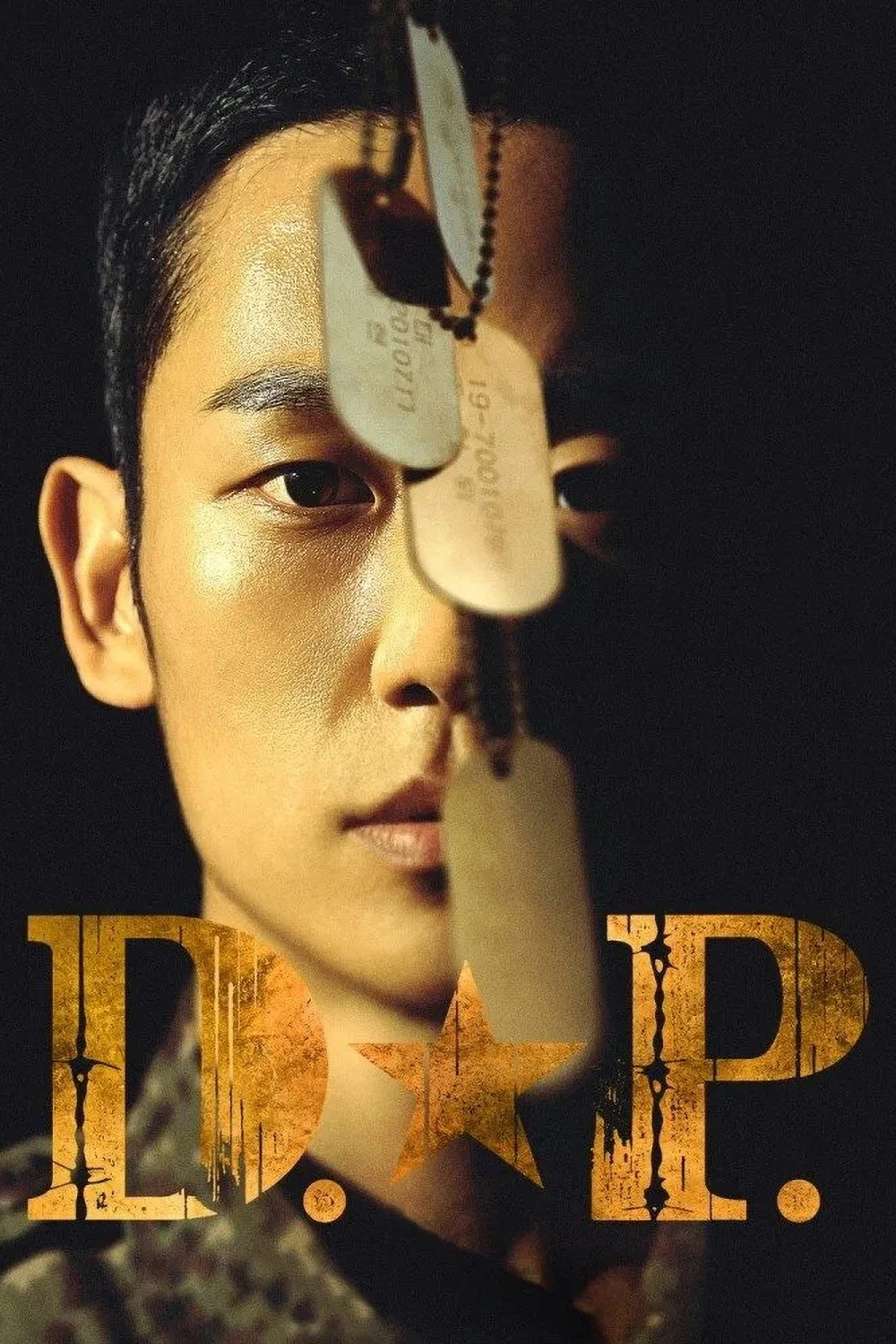
D.P. (Season 1)
🎬 Netflix
⭐ 8.7 / 10 MDL 🔞 TV-MA
📋 Drama Overview
The essentials — before you press play.
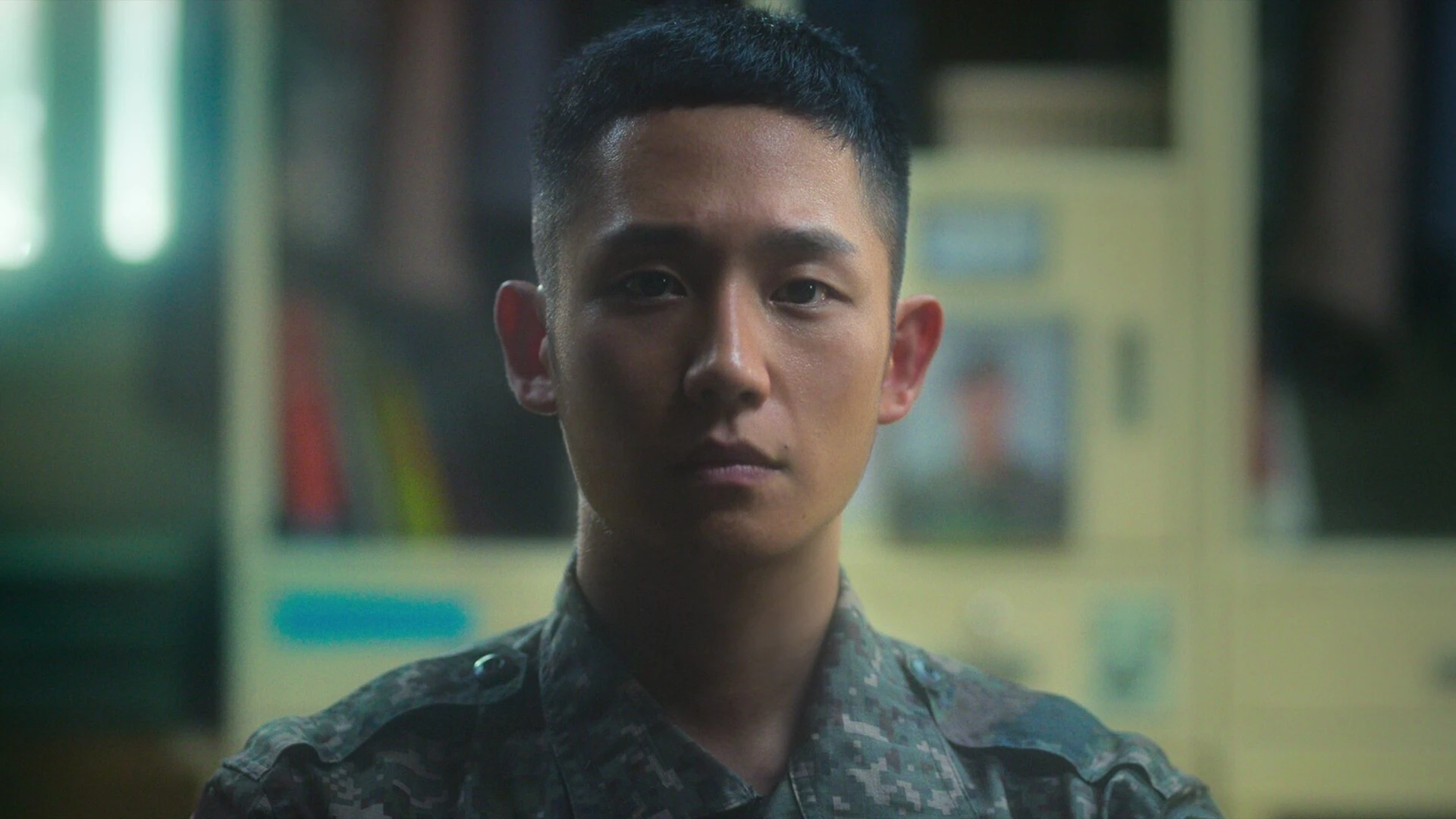
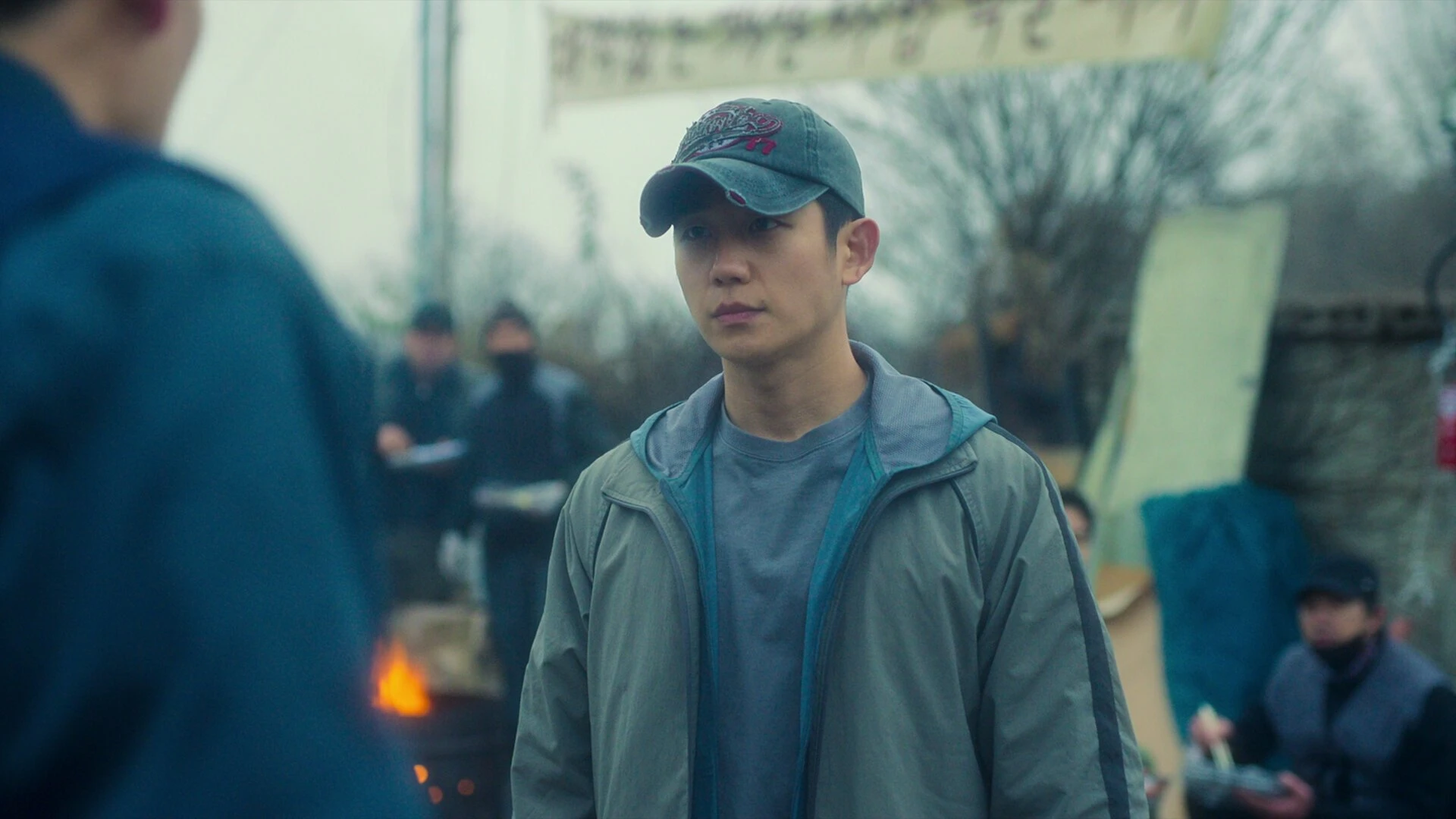
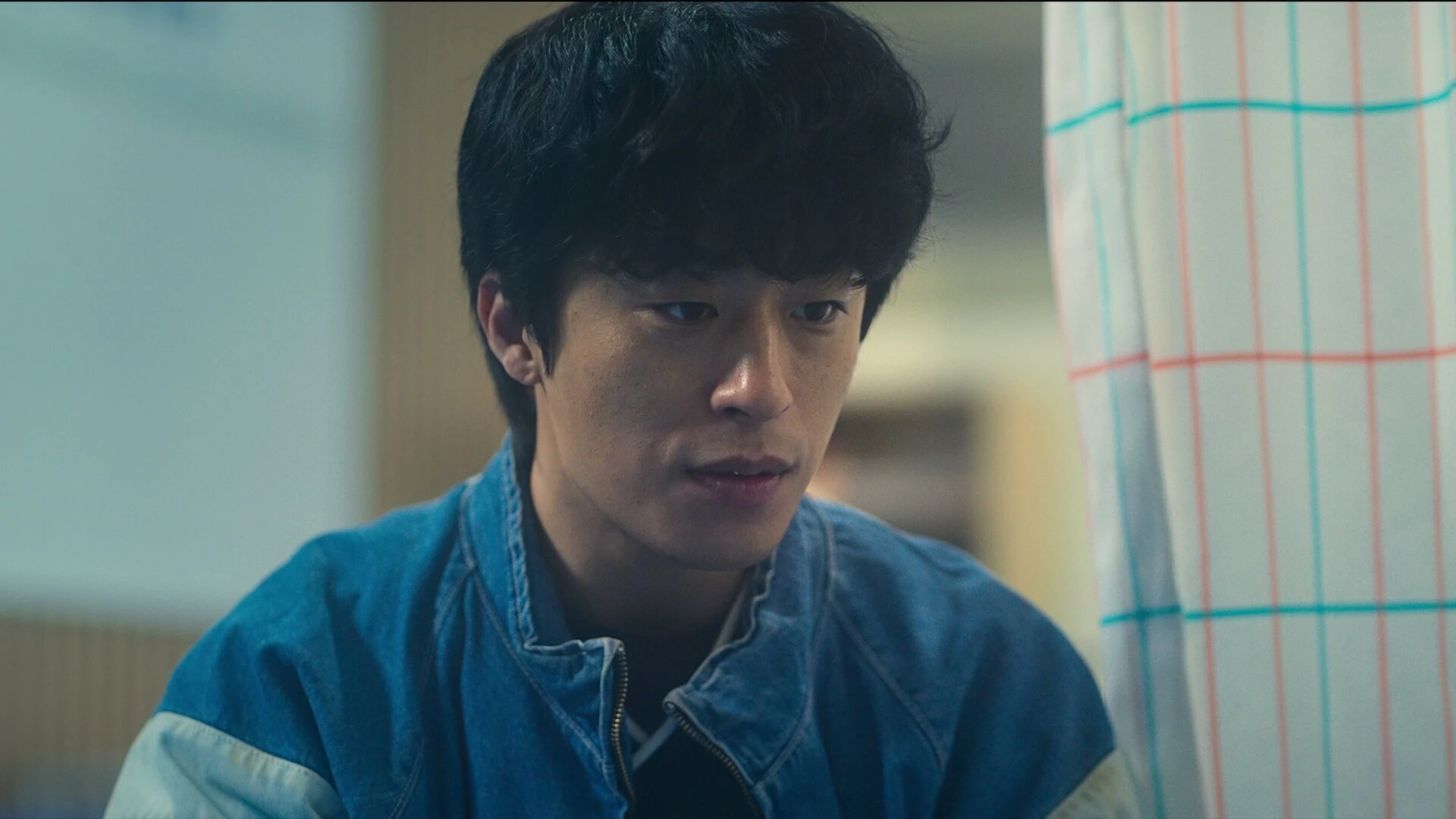
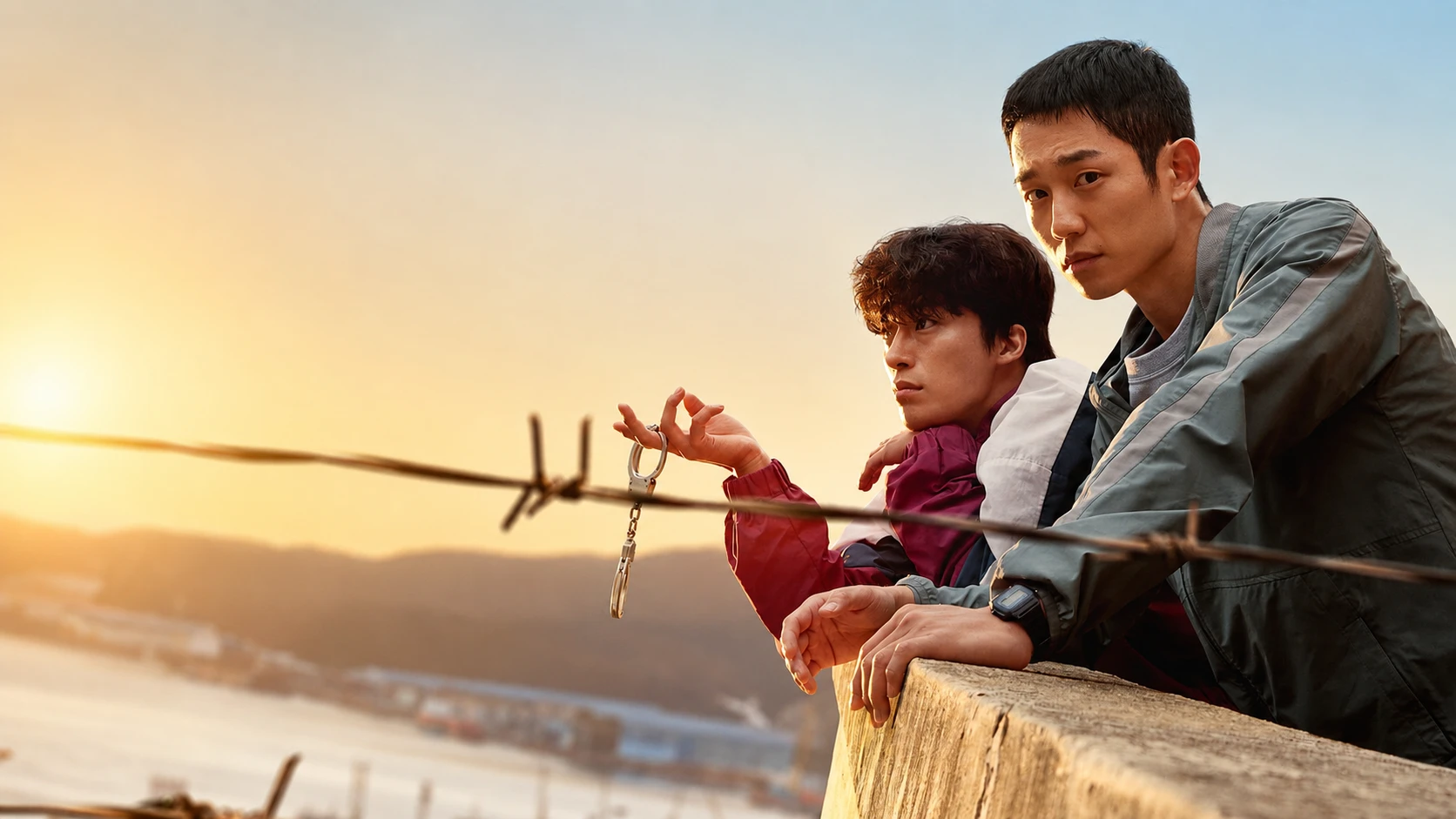
Every deserter D.P. catches turns out to be running from something the drama refuses to treat as simple cowardice. Private Ahn Jun-ho gets pulled into the Deserter Pursuit unit almost by accident — his quiet, watchful nature marks him as useful rather than promising — and paired with the loose-cannon Corporal Han Ho-yeol, he starts hunting down soldiers who’ve gone AWOL. What he finds on each case isn’t a criminal to punish so much as a person the system already broke.
Six episodes is not a lot of runway for what D.P. is actually attempting: a portrait of institutional cruelty precise enough to indict an entire structure without ever losing the individual faces caught inside it. Jung Hae-in plays Jun-ho’s slow radicalization with unnerving restraint, while Koo Kyo-hwan’s Ho-yeol supplies just enough chaos to keep the show from tipping into misery tourism. By the finale, the drama has stopped pretending this was ever really about catching deserters.
6 / 6 ✅ Completed
⚡ Quick Verdict
Skip the scroll — here’s the verdict in one glance.
· MDL Score · 47,820 ratings
▶ Official Trailer
🎭 Cast & Characters
Two investigators, four men whose choices decide who gets caught — and who gets crushed.

Lead

Lead

Supporting

Supporting
📺 Episode Guide
Just enough to stay oriented, episode by episode.
🏁 Ending Explained
The finale, unpacked in full. Consider yourself warned.
Spoiler Warning — This section covers the full finale of D.P. (Season 1). Stop here if you haven’t finished the series.
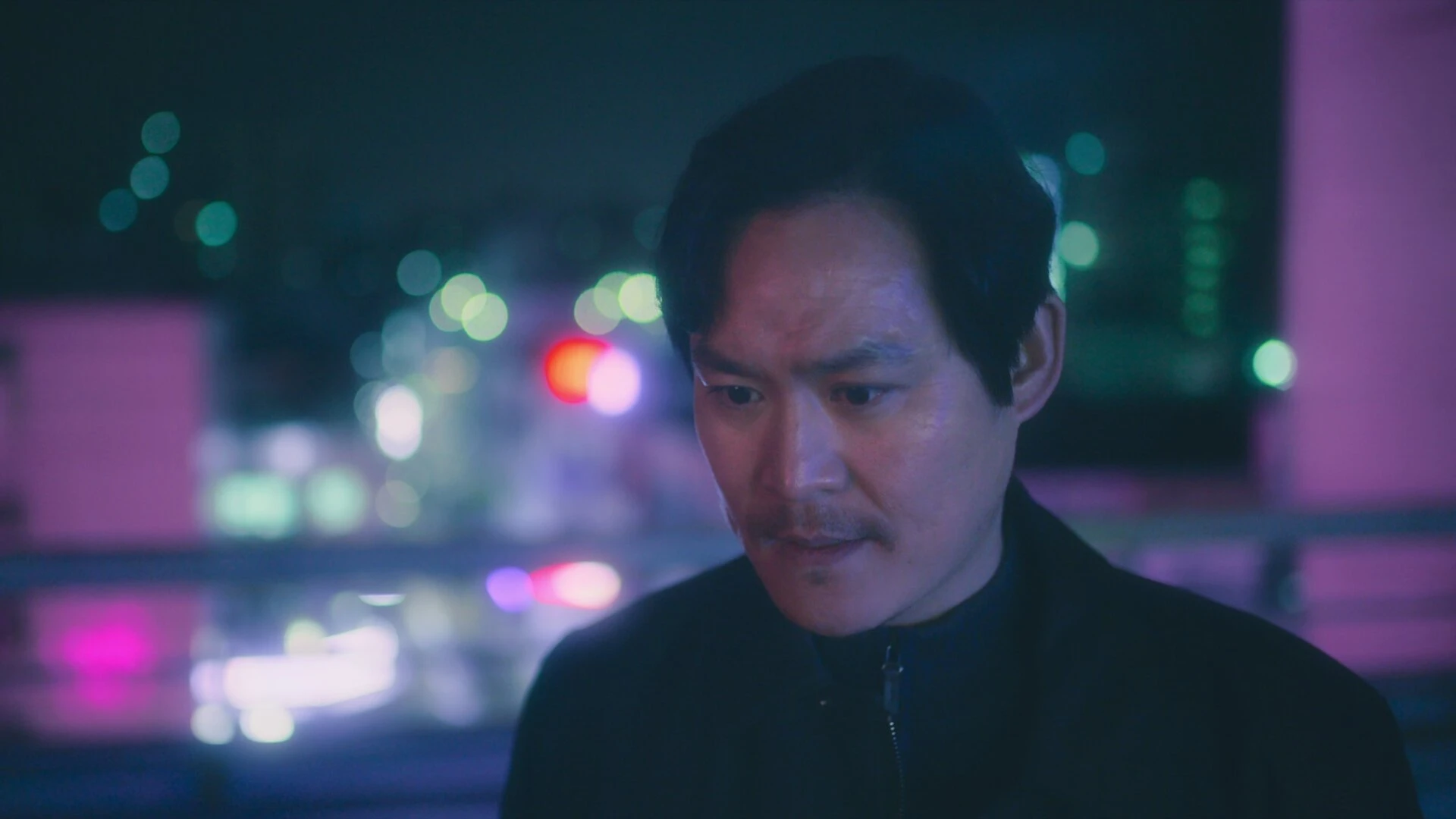
What actually happened Cho Suk-bong doesn’t survive his own desertion. Cornered by special forces after kidnapping his tormentor Hwang Jang-soo, he’s shot dead despite Jun-ho’s attempt to reach him — a death the show frames not as a tragic accident but as the system doing exactly what it was built to do. Park Beom-gu receives a mild reprimand, Lim Ji-seop gets reassigned, and nothing about the actual chain of command changes.
Why Suk-bong snapped Suk-bong isn’t the exception D.P. wants you to feel sorry for once and move past — he’s the demonstration case. Every small cruelty from episode four onward, from the mocked art supplies to months of engineered isolation, was building toward exactly this, and the drama refuses to let Hwang Jang-soo’s individual sadism excuse the officers who saw it and did nothing.
Jun-ho’s exit The final image — Jun-ho breaking formation and marching the wrong direction — reads as small until you remember every instruction this show has given him about what happens to soldiers who step out of line. It’s less an act of rebellion than a refusal, the only kind of protest a private actually has access to.
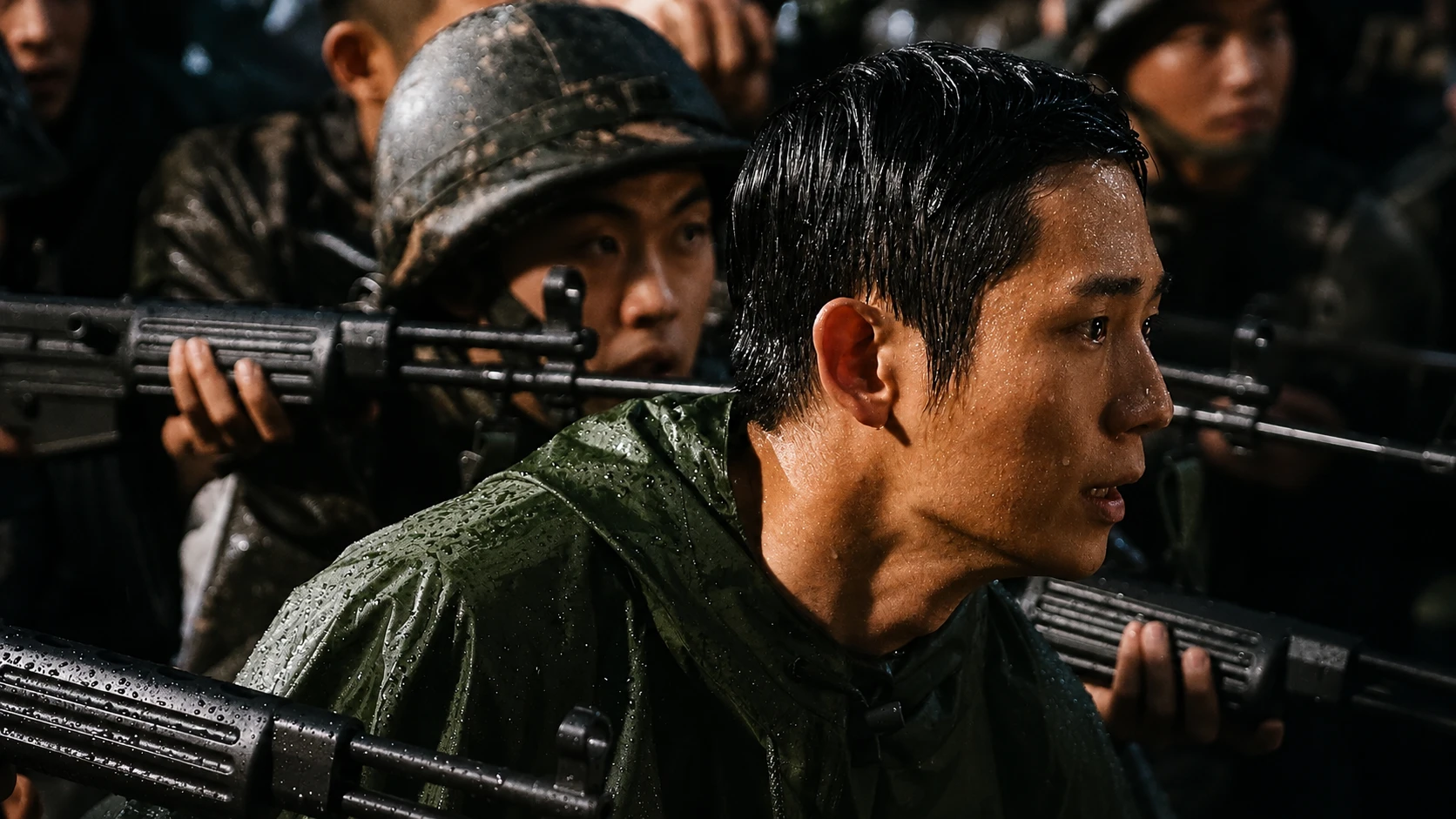
Ho-yeol’s quieter defeat Han Ho-yeol doesn’t get a dramatic breaking point — he just goes back to being the guy who already knew how this would end. His resignation is the more cynical reading of the finale: competence inside a broken system doesn’t fix it, it just makes you a better witness to how it fails people.
The KDW verdict D.P. Season 1 lets the actual culprits walk away with a slap on the wrist, and that’s the entire argument. The drama wants you to count how many people looked away for Suk-bong to end up dead, and to notice how easily the same machinery resets for the next private who walks through the gate.
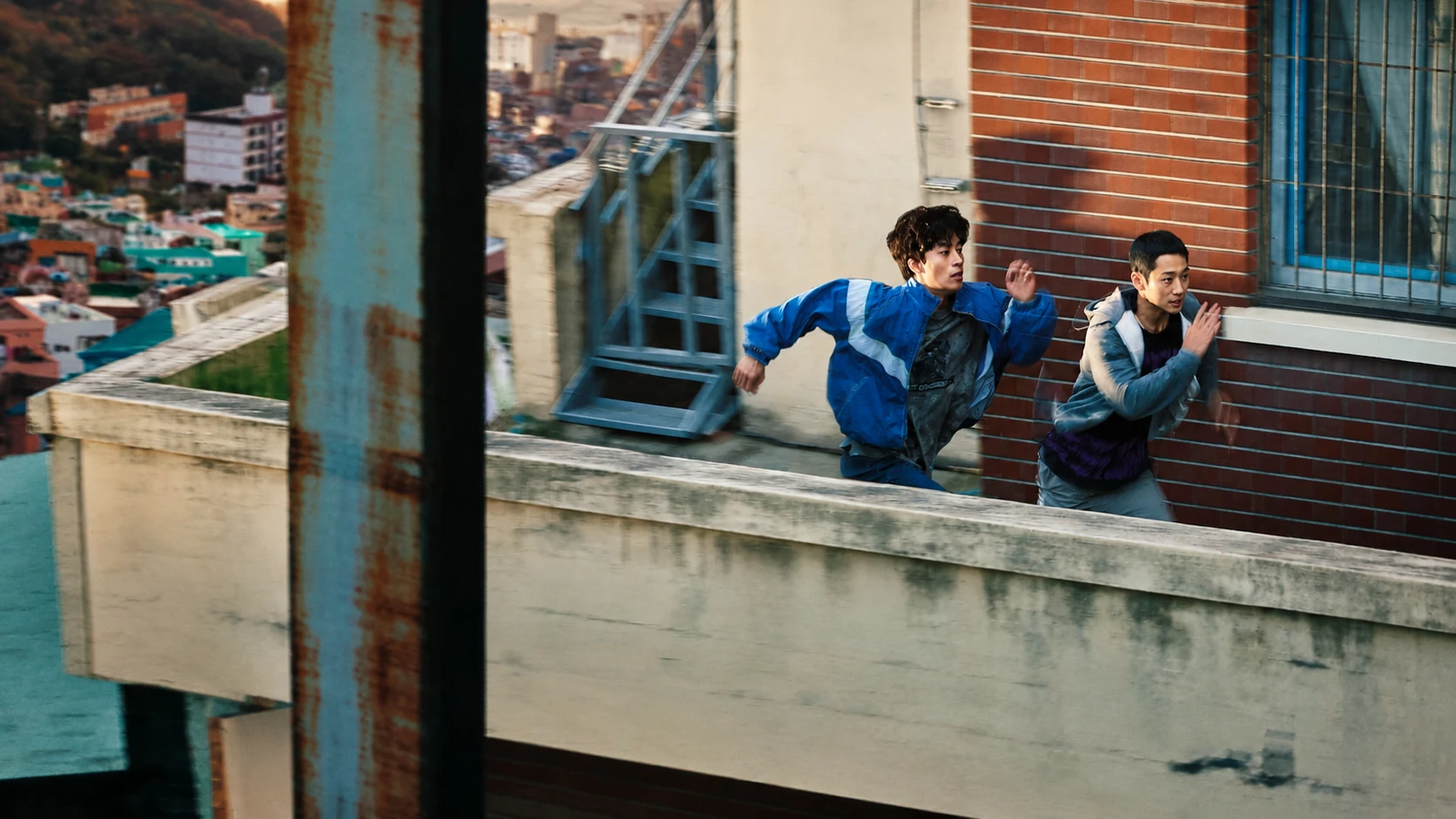
✍️ KDramaWorlds Editor’s Take
Worth the watch? Our honest answer, and who it’s aimed at.
🤝 Odd-Couple Bromance
😢 No Clean Justice
🎬 Precision Filmmaking
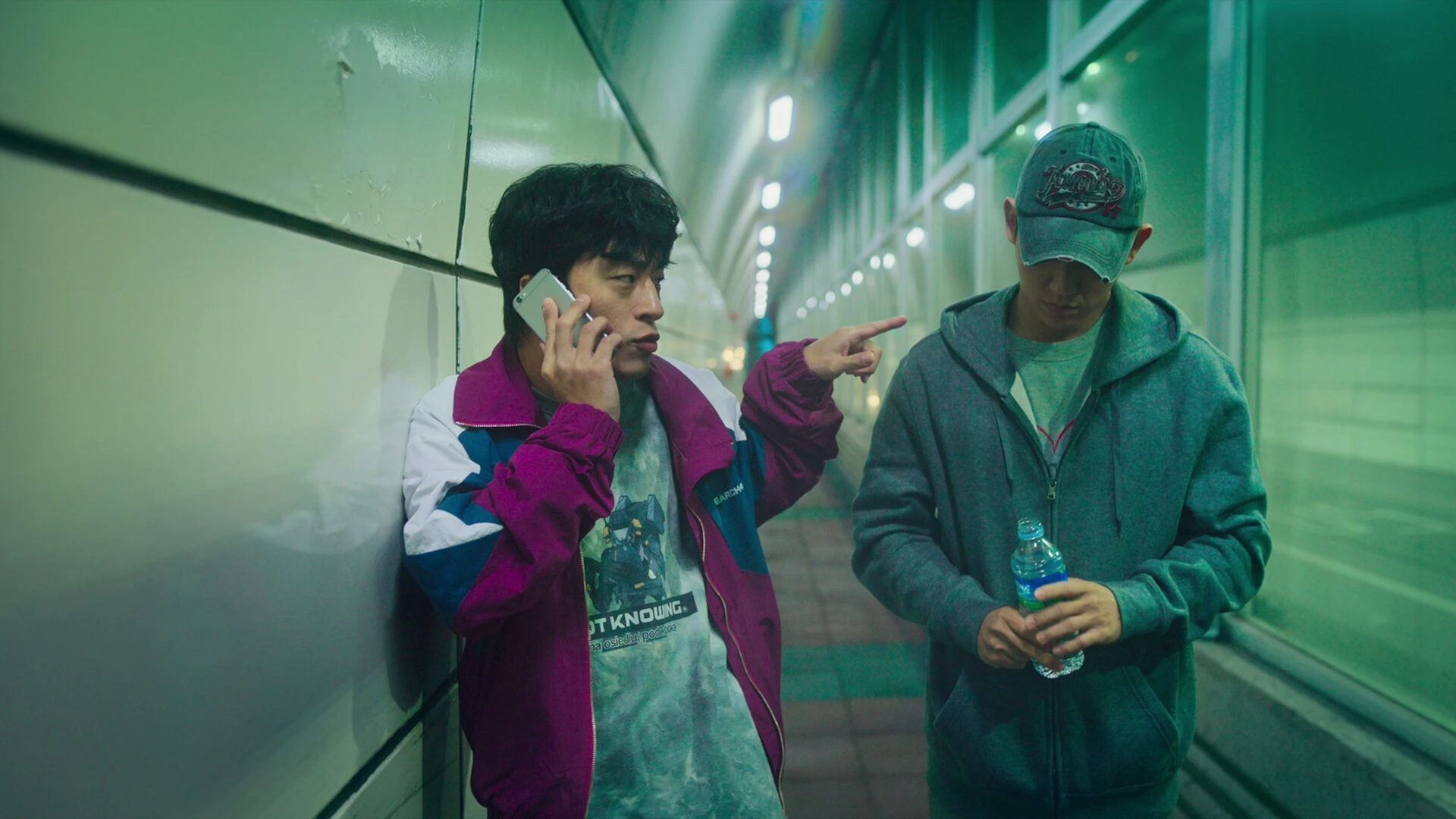
There’s a scene in episode four where Ho-yeol lets a deserter go for exactly one hour so the man can sit with his dying grandmother, then drives him straight back to base without a word of explanation to Jun-ho. Koo Kyo-hwan plays it completely deadpan, and it’s the moment the show tips its hand about what kind of partnership this actually is — not mentor and student, but two different survival strategies for the same trap. It’s the same quiet-transformation instinct that made Juvenile Justice land as hard as it did — a system exposed through one person’s growing discomfort with it.
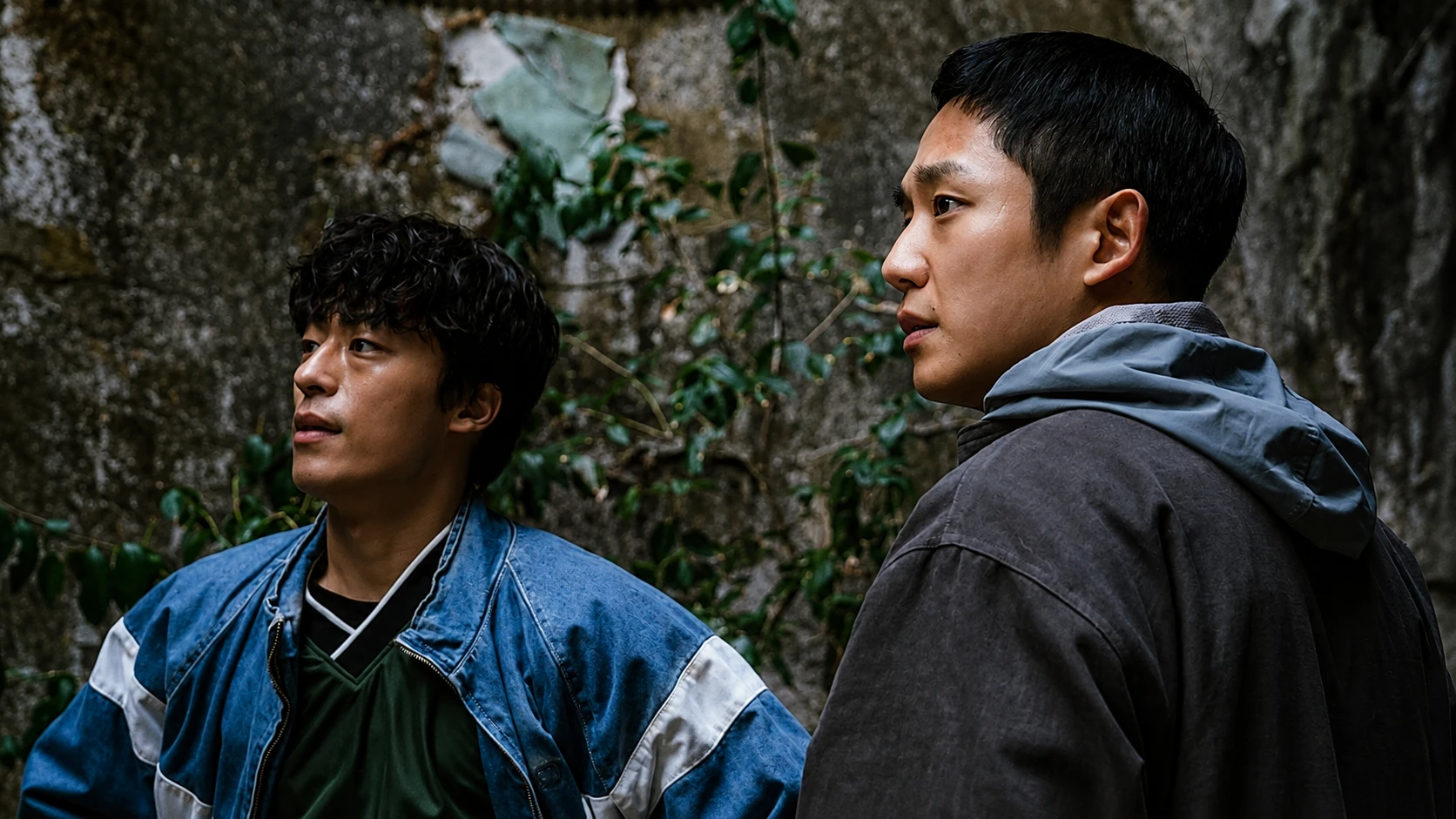
Jung Hae-in built a career on gentle romantic leads before this, which makes Jun-ho’s slow hardening land harder than a more deliberately intense actor could manage. He barely raises his voice across six episodes and still ends the season looking like a different person. D.P. also shares a specific kind of discomfort with Extracurricular — both refuse to let the ordinary people standing around a crisis stay innocent bystanders.
What keeps D.P. from tipping into misery tourism is its sense of proportion. Hwang Jang-soo is a product of the system as much as its enforcer, and the show never lets one villain absorb blame that belongs to an entire chain of command. That restraint is why the ending doesn’t feel like punishment avoided so much as an institution protecting itself exactly as designed.
Fans of investigative bromances where the partnership dynamic carries real weight
Anyone ready for a finale that refuses easy catharsis
🎬 You Might Also Like
If you liked D.P. (Season 1), these are your next three watches.
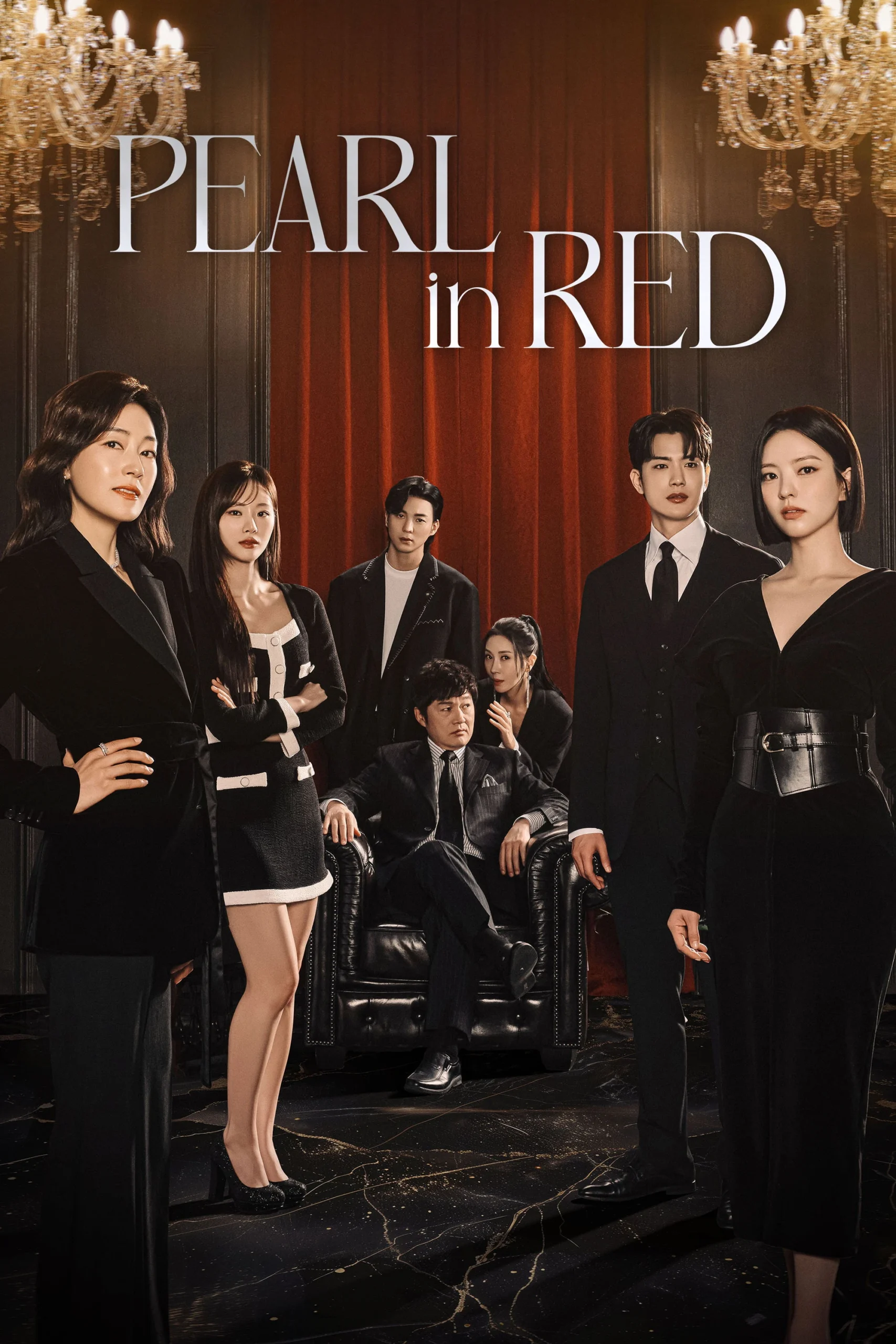 Pearl in Red
corporate dramaMelodrama
Read Full Review →
|
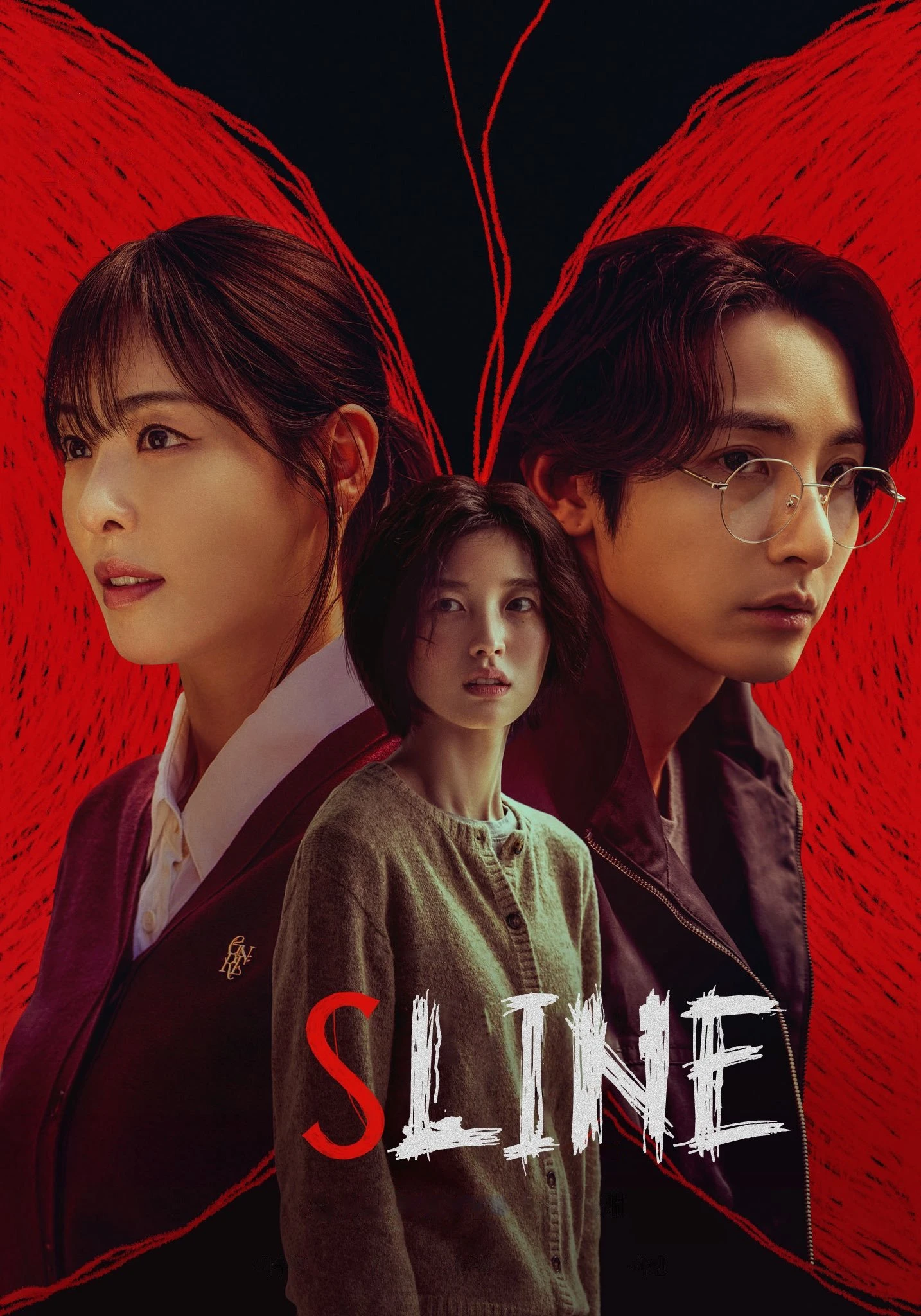 S Line
action revengeprivacy
Read Full Review →
|
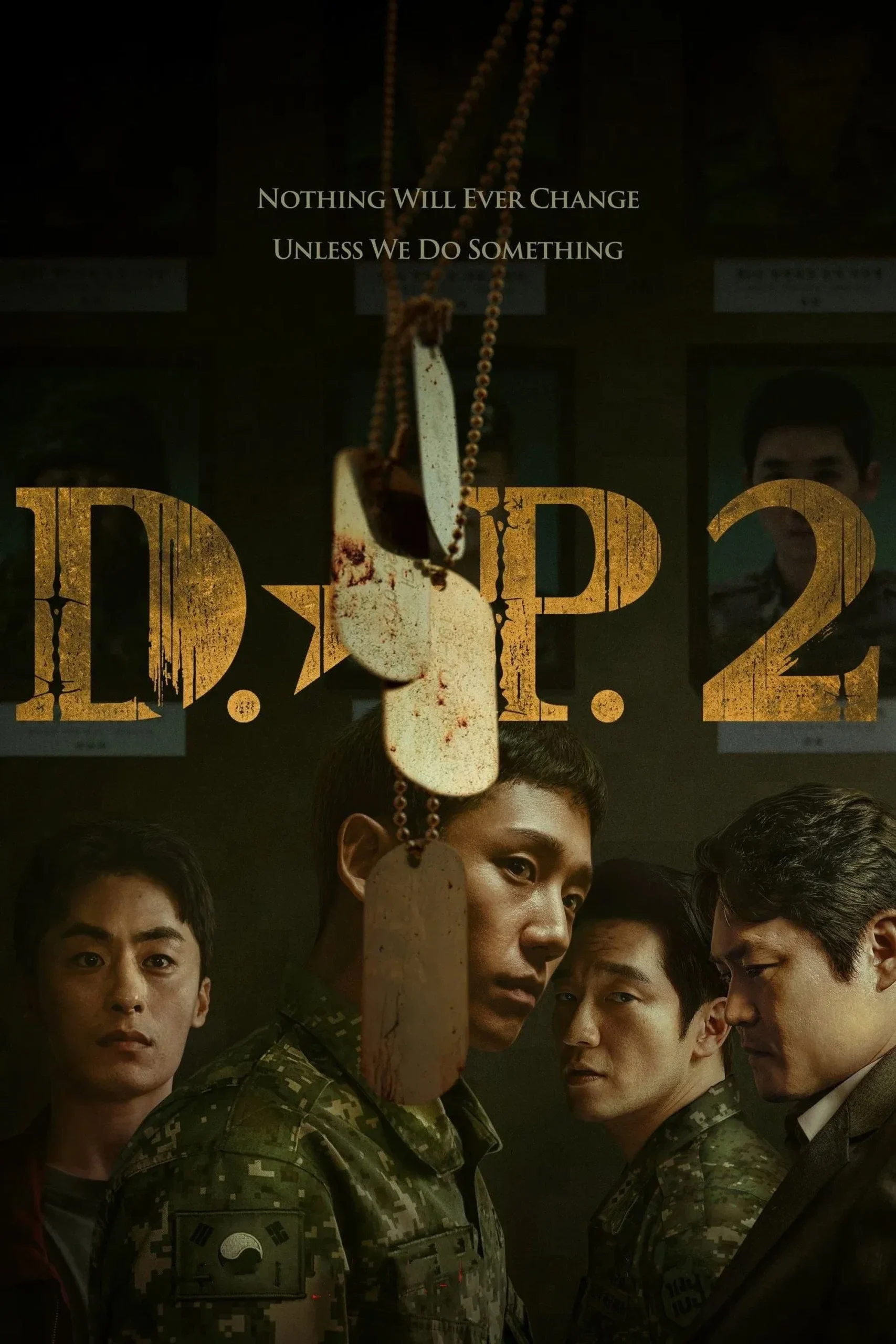 D.P. (Season 2)
ActionBromance
Read Full Review →
|












Keep it kind, skip the harsh language, and please — no spoilers. Everyone's taste is different, and that's perfectly fine.
This space is for real reactions and discussion from other viewers. Help keep it comfortable for everyone by not giving away major plot details.
1 Comment
Only six episodes to build a genuine portrait of institutional cruelty, one deserter at a time, without a single case ever feeling like padding, is a real achievement 🪖 — Jun-ho’s slow radicalization watching the system break person after person is what actually stays with you, not the chase itself. Anyone else surprised by how little the show cares about catching deserters by the finale?
What do you think of this drama?
Login to share your review or leave a comment.
No email needed — just pick a username & password.