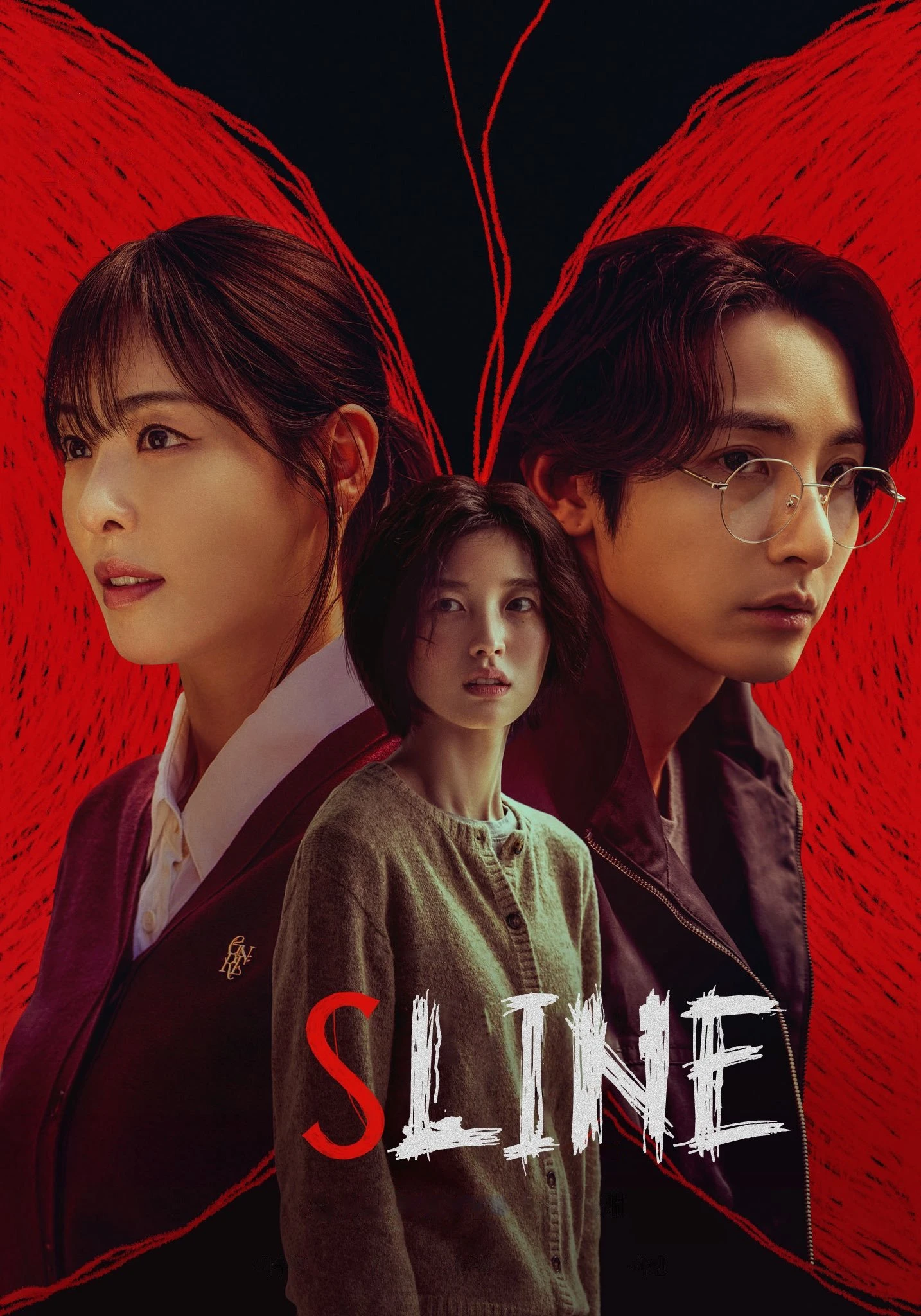
S Line
🎬 Wavve · Viu · Vidio
⭐ Not Yet Rated
📺 18+
📋 Drama Overview
Everything you need to know before you hit play.
🔴 Dark Thriller Pick
Viu
Vidio
Channel K
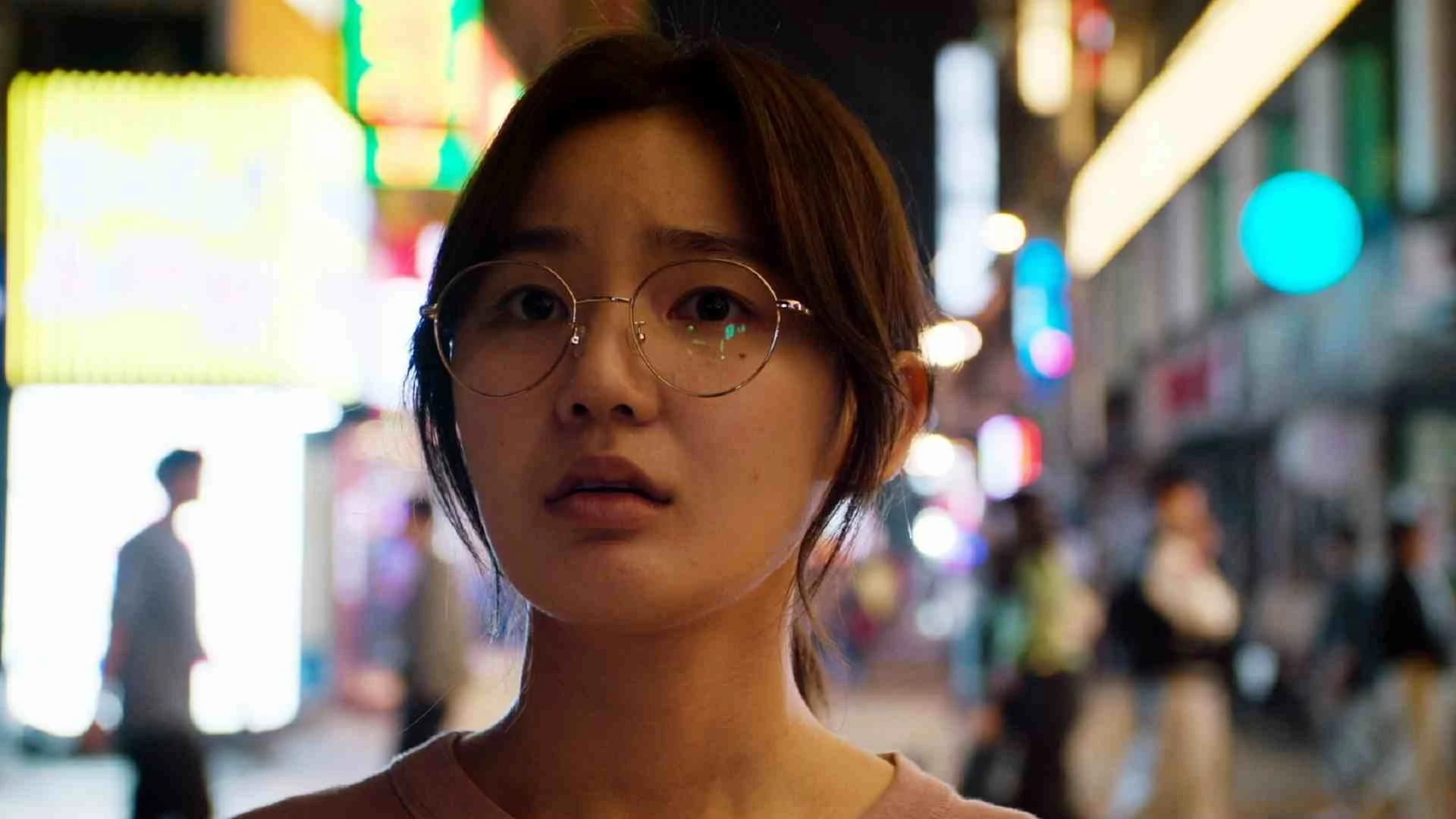
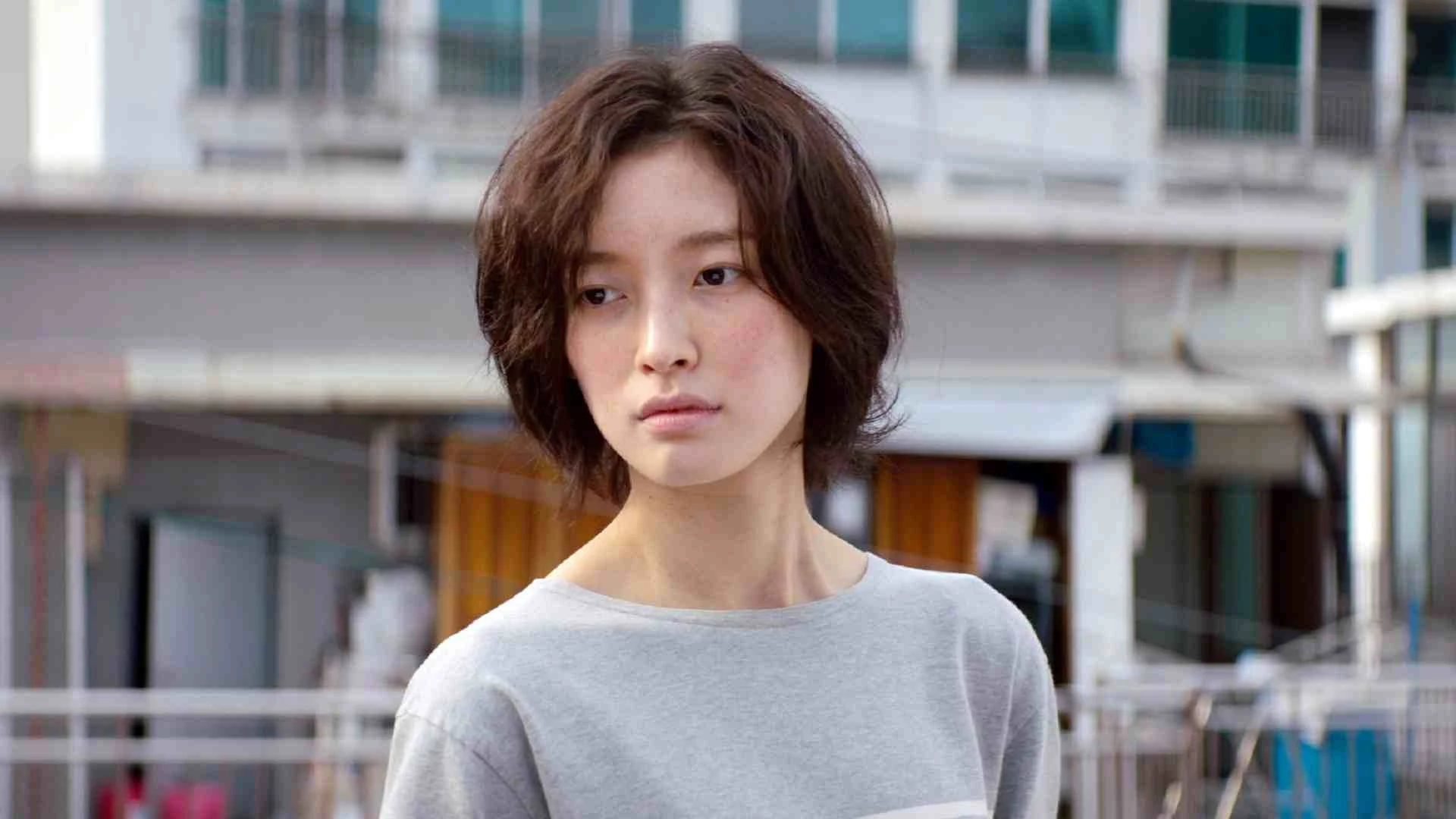
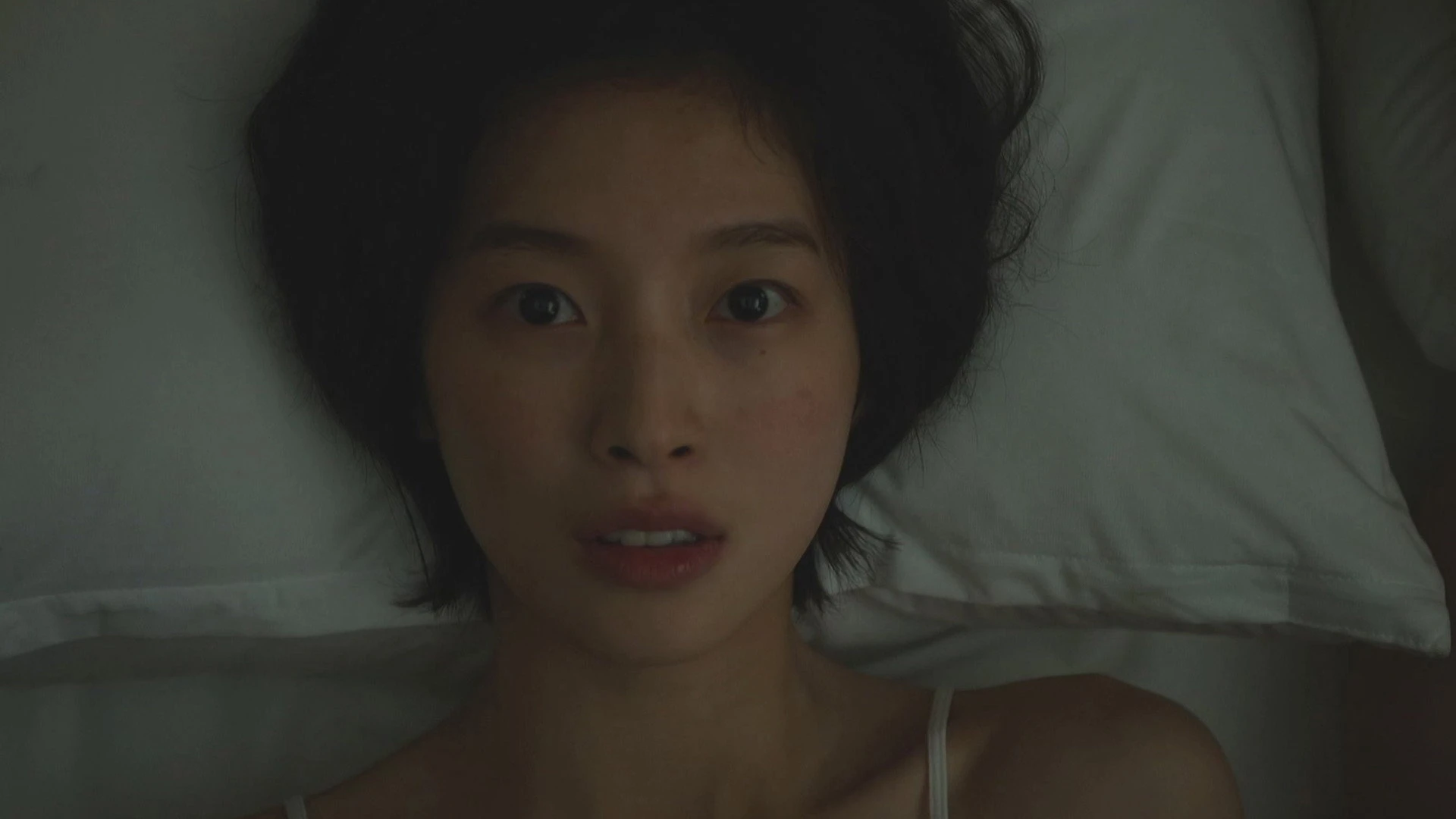
Hyeon-heup has been seeing the lines since birth — red threads above everyone’s heads, mapping out every sexual connection they have ever made, a web of private history overlaid on public life. The drama opens with that as her ordinary. Not a gift, not quite a curse as she’s learned to frame it, just the world as she has always experienced it: full of connections that everyone else pretends don’t exist.
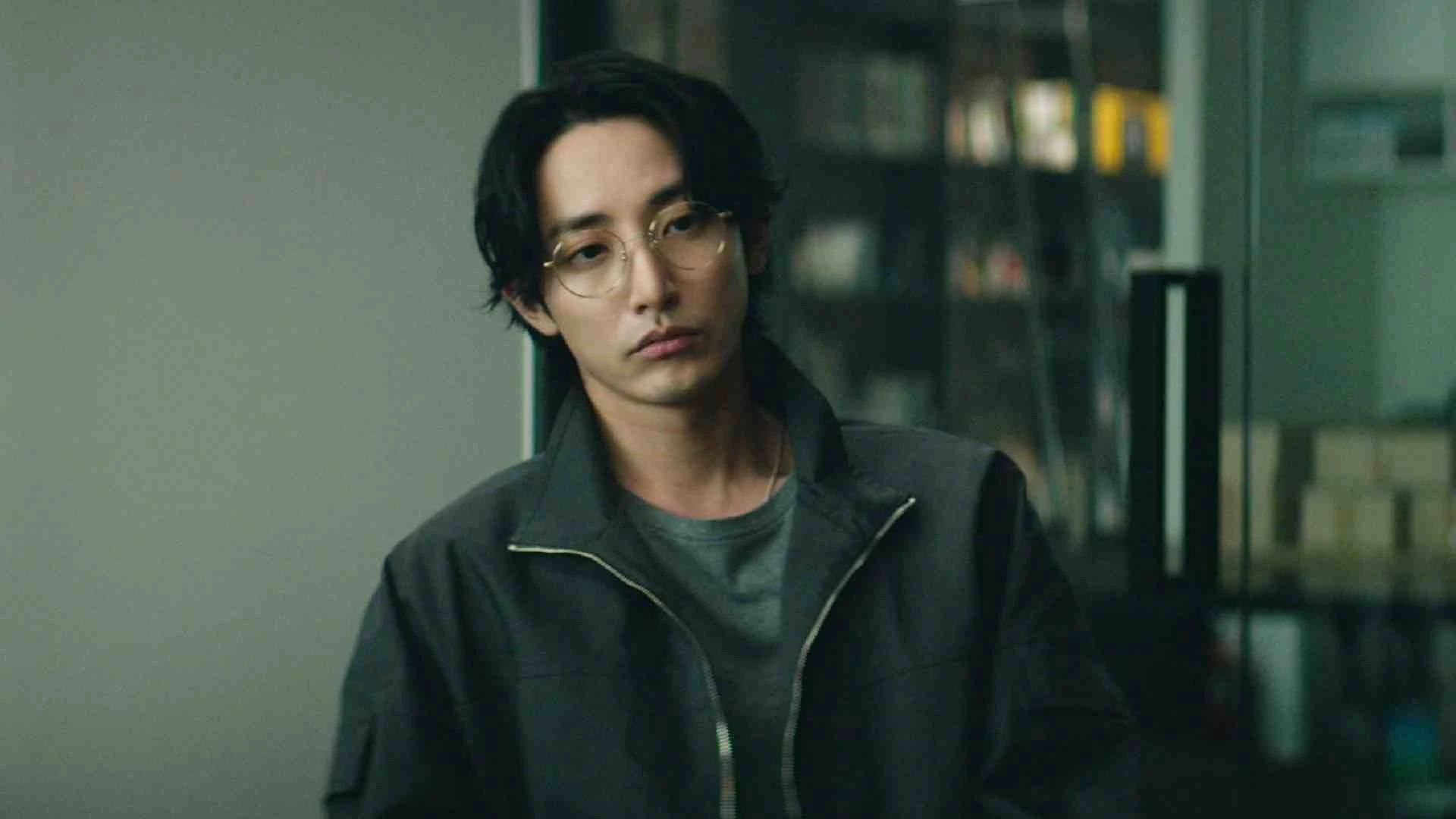
When objects arrive that give anyone the ability to see what she alone has always seen, the story stops being personal and becomes societal. Detective Han Ji-wook’s murder investigation pulls him into the phenomenon just as the glasses begin circulating — and the question shifts from what caused the S Line to who is using it, and why. Ahn Joo-Young adapts her own webtoon with a director’s instinct for what the premise can bear: this is a show that treats intimacy as information, and information as a weapon.
6 / 6 ✅ Completed
⚡ Quick Verdict
One box. Everything you need to decide.
No MDL rating yet · Our verdict: 7.8 / 10 — see Editor’s Take below
▶ Official Trailer
🎭 Cast & Characters
A cast built around one question: how long before the people who can see the truth become more dangerous than the truth itself?

Lead

Lead

Villain

Supporting

Supporting

Supporting

Supporting

Supporting

Supporting

Supporting

Supporting

Supporting
📺 Episode Guide
Spoiler-light recaps — enough to remember where you left off, nothing that ruins the ride.

🏁 Ending Explained
Full spoilers ahead — everything that happens in the finale and what it all means.
Spoiler Warning — This section covers the full finale of S Line. Stop here if you haven’t finished the series.
What Actually Happens in the Finale. Lee Gyu-jin’s orchestration of the crisis is exposed in full: she identified and amplified the S Line’s social reach deliberately, understanding before anyone else that the lines were not just a phenomenon to be witnessed but a system to be used. Ji-wook’s investigation arrives at her through conventional detective work — not through the lines themselves. The finale makes that distinction matter: the tool of revelation was never going to dismantle the person who built the machinery around it.

What Did Lee Gyu-jin Actually Want? The drama never delivers a clean answer — and that withholding is one of its more interesting choices. Three readings are available, and the show supports all of them without confirming any. The control reading: Gyu-jin wanted to be the only one who understood the full map of connections, and weaponizing that knowledge was an extension of existing power. The exposure reading: she had a specific grievance — personal or ideological — against the privacy that protects the wrong people, and the S Line was a vehicle for forced accountability. The experiment reading: she wanted to measure what happens when hidden truths go public at scale, and the casualties were data. Lee Da-hee plays the role without tipping toward any single interpretation, which is precisely what makes Gyu-jin disturbing rather than just dangerous.
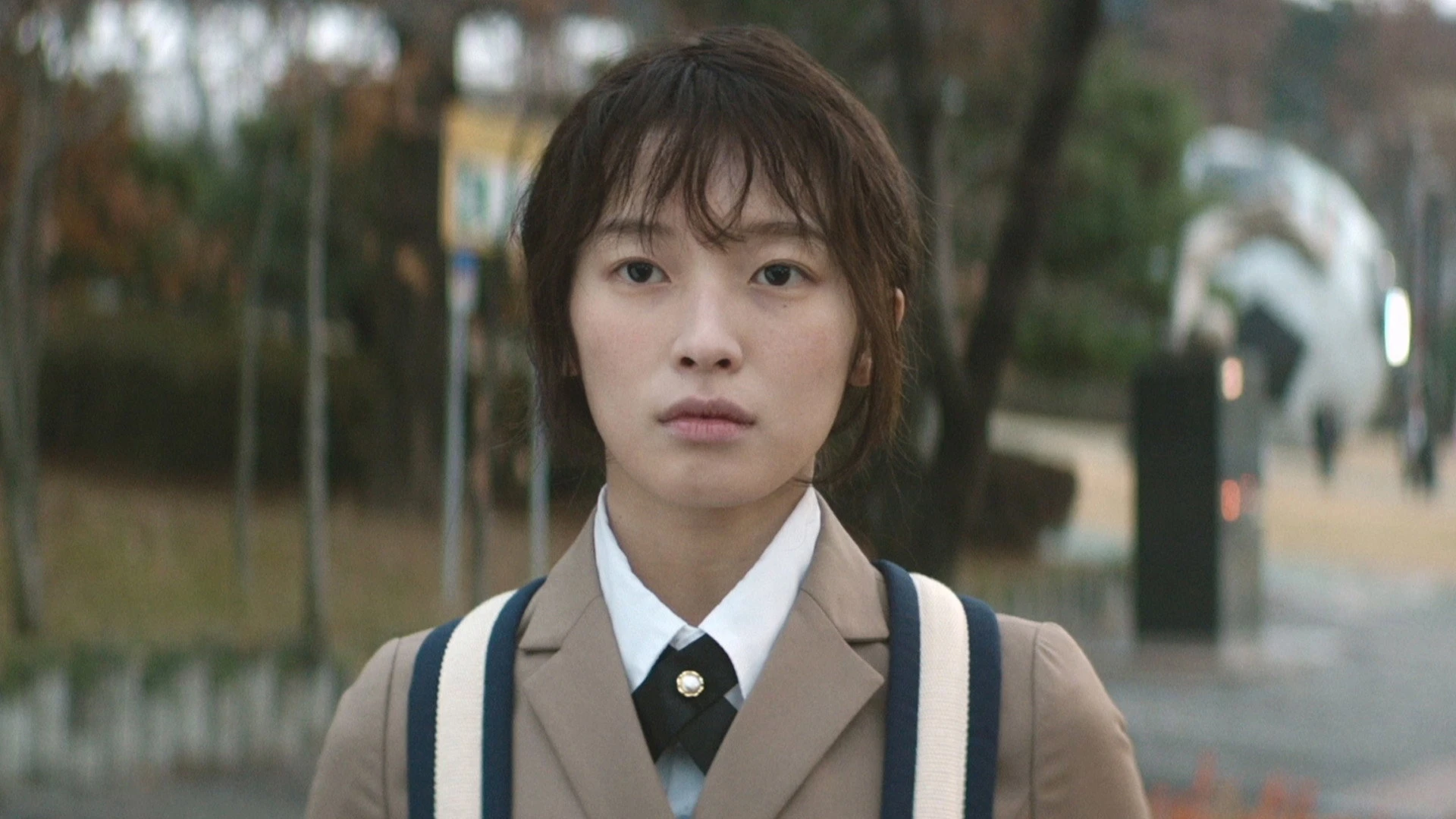
What Happens to Shin Hyeon-heup. Her arc closes not with the lines disappearing but with her relationship to them transformed. Hyeon-heup spent her whole life as an involuntary witness to truths no one wanted seen. The finale gives her something harder to define than closure: agency over what she does with what she sees. She leaves the story as someone who chose how to use a gift rather than someone condemned to carry it. ARIN plays the final scenes with a quietness that lands because the drama never over-explained what Hyeon-heup was feeling — it showed her moving differently, and trusted the audience to notice.
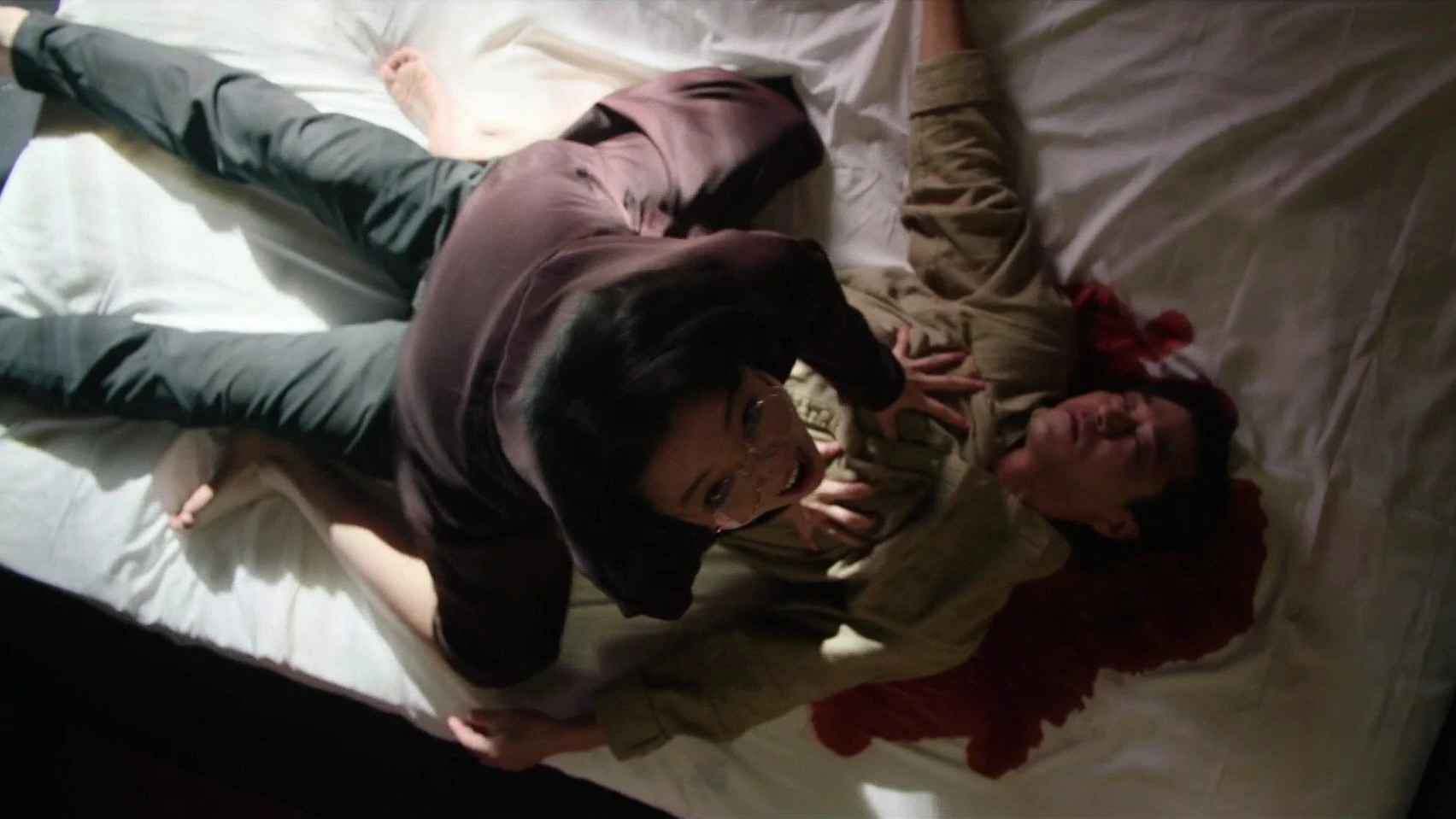
Is It a Happy Ending? Not exactly — and the drama is careful not to pretend otherwise. Ji-wook completes the investigation, Gyu-jin faces consequence, and the S Line phenomenon doesn’t vanish. The world the finale leaves us in still has the lines. What changed is that the characters know who was controlling what, and the collapse of that control is both a resolution and an opening. The show ends on a question rather than a statement: now that the truth is fully visible, what do people do with it? Six episodes were never going to answer that. They were designed to make you feel the weight of the asking.
What “S Line” Actually Refers To. In Korean popular culture, S라인 already carries a meaning before the drama begins — it refers to an hourglass figure, a body shape associated with femininity and desirability. The webtoon and drama are playing on that double register deliberately: the S Line as the visible mark of sexual connection carries the same cultural freight as the body shape it borrows its name from. Both are about how society looks at bodies, assigns meaning to what it sees, and uses that looking as a form of evaluation. When the S Line becomes public, what spreads is not just information about who has been with whom — it’s the exposure of desire itself as something that can be mapped, judged, and used against people. The title is the argument, compressed.
✍️ KDramaWorlds Editor’s Take
Our honest read on why this drama is worth your time — and who it’s for.
🕵️ Crime Investigation
🔮 Supernatural Premise
💀 Dark Adult Themes
🏆 Cannes Selection
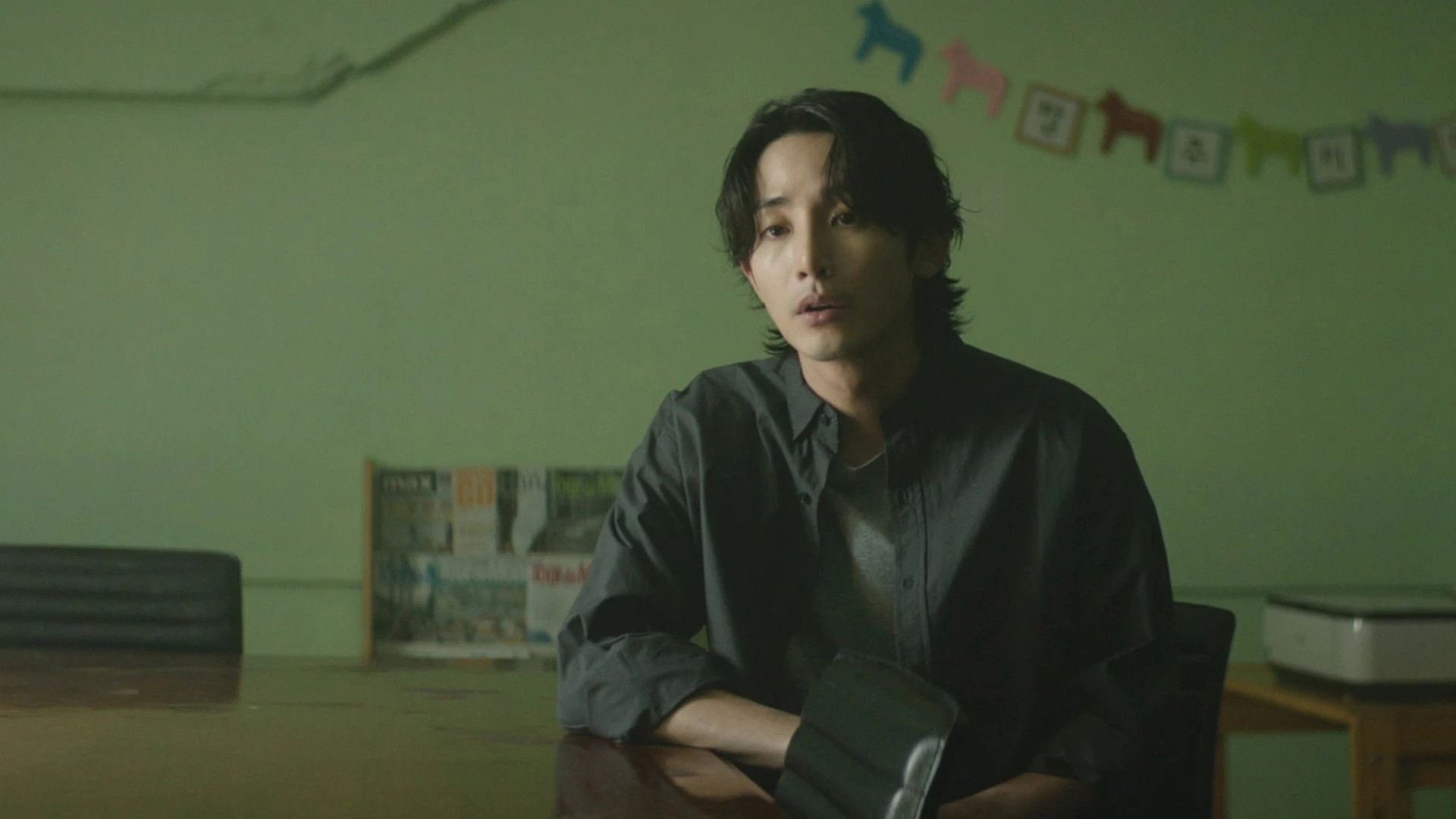
Lee Soo-hyuk’s filmography runs toward style — tall, angular, built for roles where the surface is doing structural work. Han Ji-wook fits that lineage, but the drama uses his presence against expectation: Ji-wook is not the sharpest person in the room, and Lee Soo-hyuk is working without the cool detachment that usually defines his performances. He plays the investigation from genuine uncertainty rather than competence in disguise, which gives the character an unusual groundedness for a drama this formally strange. ARIN’s Hyeon-heup is harder to evaluate in isolation because the role requires her to carry the entire conceptual weight of the premise — she’s the human argument for why the S Line matters — and she does it mostly through what she withholds. The key scenes are the ones where Hyeon-heup says almost nothing and Ahn Joo-Young holds on her face long enough to let the silence work. For another drama that treats the supernatural as social commentary rather than spectacle, Mouse operates in adjacent territory — darker, longer, and less restrained, but sharing the same instinct that the genre’s real subject is human nature rather than the supernatural event.

Lee Da-hee’s Gyu-jin is the performance the drama was built around without announcing it. She’s onscreen less than the leads, and every scene she’s in is calibrated to give nothing away — not coldness, exactly, but a very specific kind of warmth that functions as camouflage. The finale’s recontextualization works because Da-hee never tipped the reading in the earlier episodes. She plays a character whose inner life is sealed, and the discipline required to sustain that across six episodes — without becoming either obvious or flat — is the show’s most quietly impressive accomplishment. For a drama where the ensemble is similarly constructed around concealment and revelation, Vigilante uses a comparable structure — a hidden actor in a crisis everyone is watching from the wrong angle.
Six episodes is the right length for S Line. The premise is original enough and the execution tight enough that more would have required either explaining the supernatural mechanics (which would have broken the spell) or expanding the social canvas (which the budget and scope can’t support). What Ahn Joo-Young built inside the constraint is a drama that knows what it’s about and doesn’t wander. The 18+ rating is integral — not shock content but the premise’s honest requirement. What the show gets slightly wrong is the side characters, who function more as representatives of social categories than as people. That’s a craft limitation of six episodes, not a failure of intent. Within the constraint, almost everything works.
Fans of compressed, high-concept thriller storytelling with a defined endpoint
Anyone curious what K-drama looks like when it’s operating at Cannes festival ambition
Six tight episodes, one of 2025’s most original premises — Ahn Joo-Young knows what this story is about and doesn’t waste a scene on anything else.
🎬 You Might Also Like
If you liked S Line, these are your next three watches.
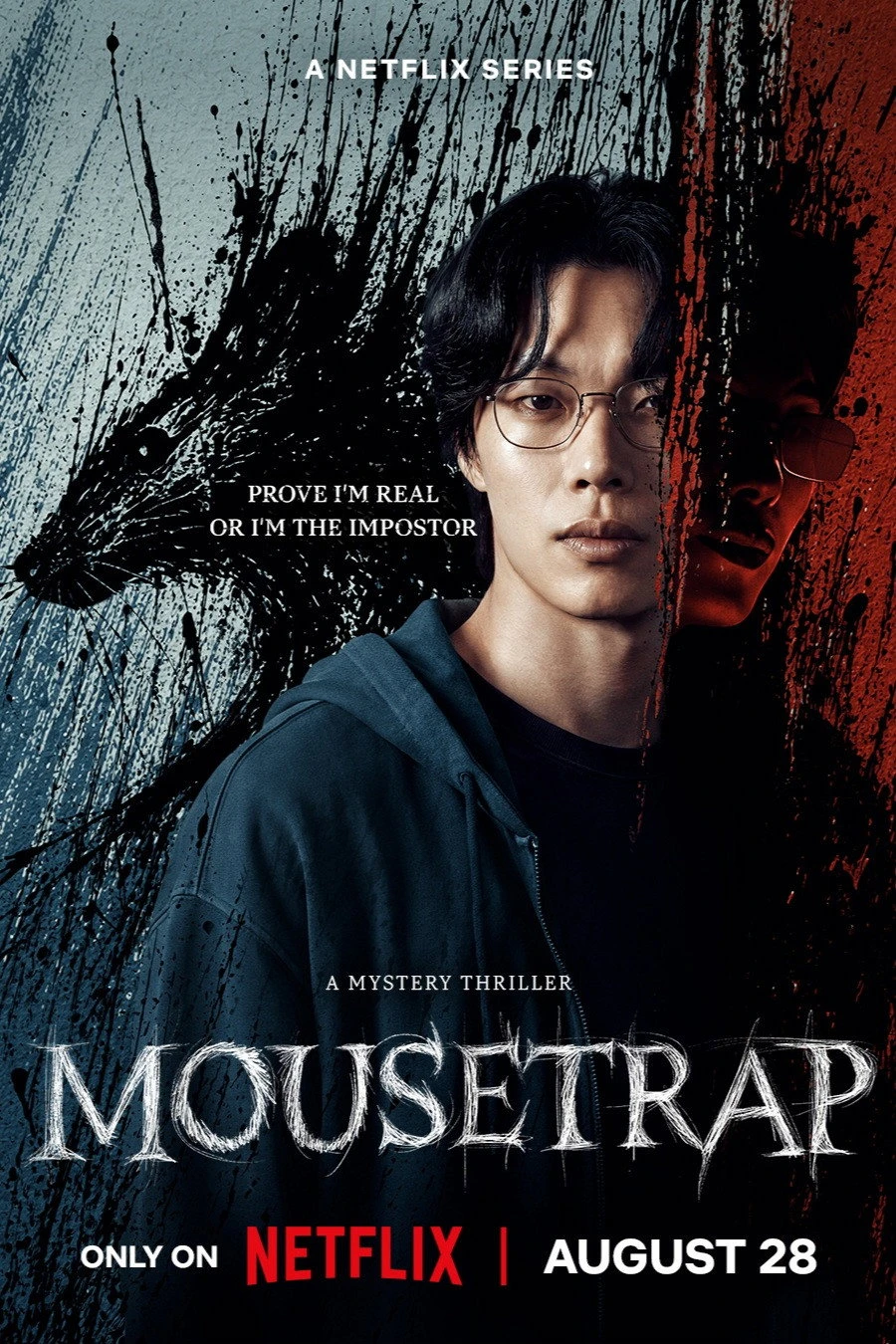 Mousetrap
crimeIdentity Theft
Read Full Review →
|
 Chicken Nugget
Ahn Jae HongDark Comedy
Read Full Review →
|
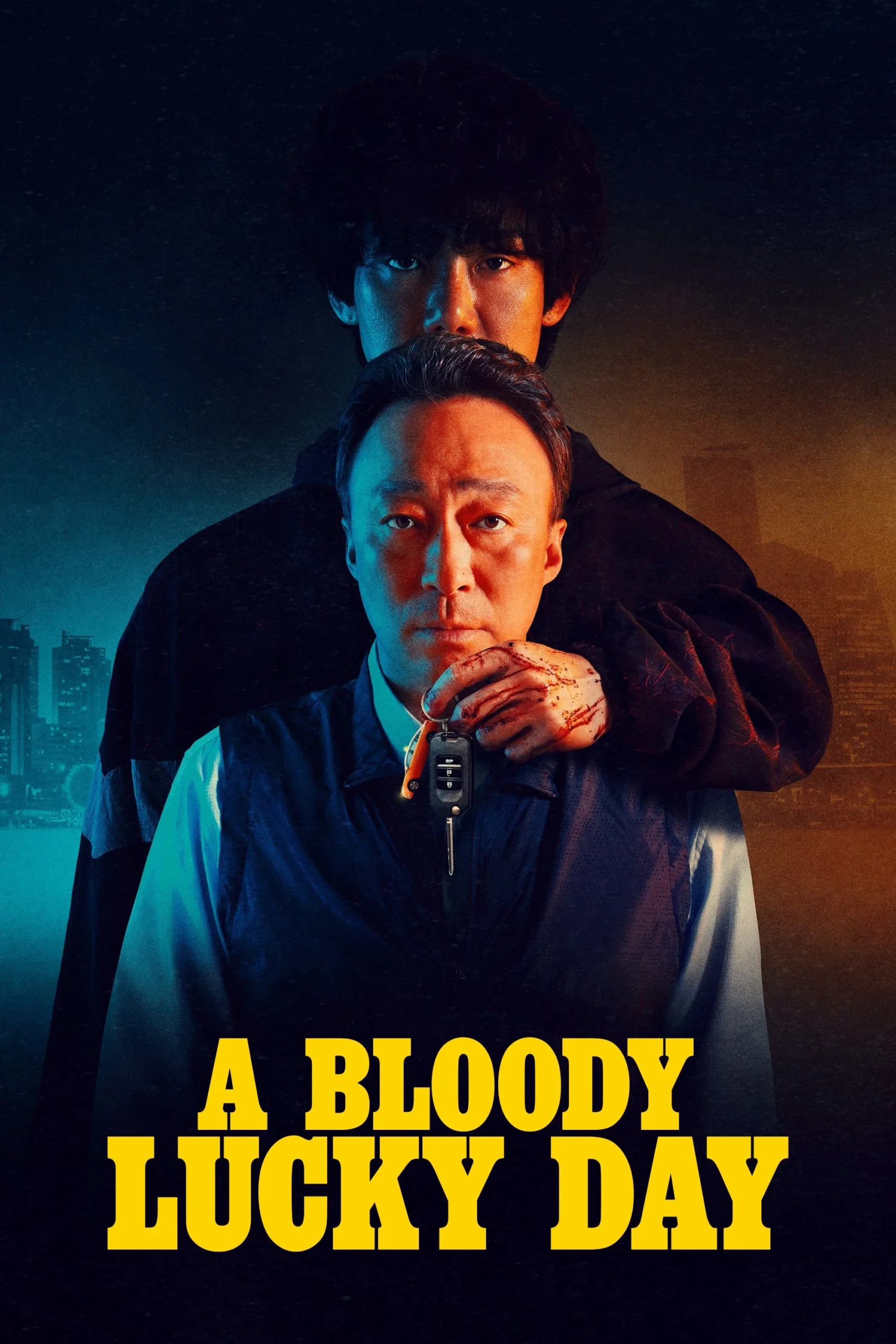 A Bloody Lucky Day
Cat and MouseCrime Thriller
Read Full Review →
|






Keep it kind, skip the harsh language, and please — no spoilers. Everyone's taste is different, and that's perfectly fine.
This space is for real reactions and discussion from other viewers. Help keep it comfortable for everyone by not giving away major plot details.
What do you think of this drama?
Login to share your review or leave a comment.
No email needed — just pick a username & password.