📺 K-Drama Guide · Historical · Coming-of-age · Romance
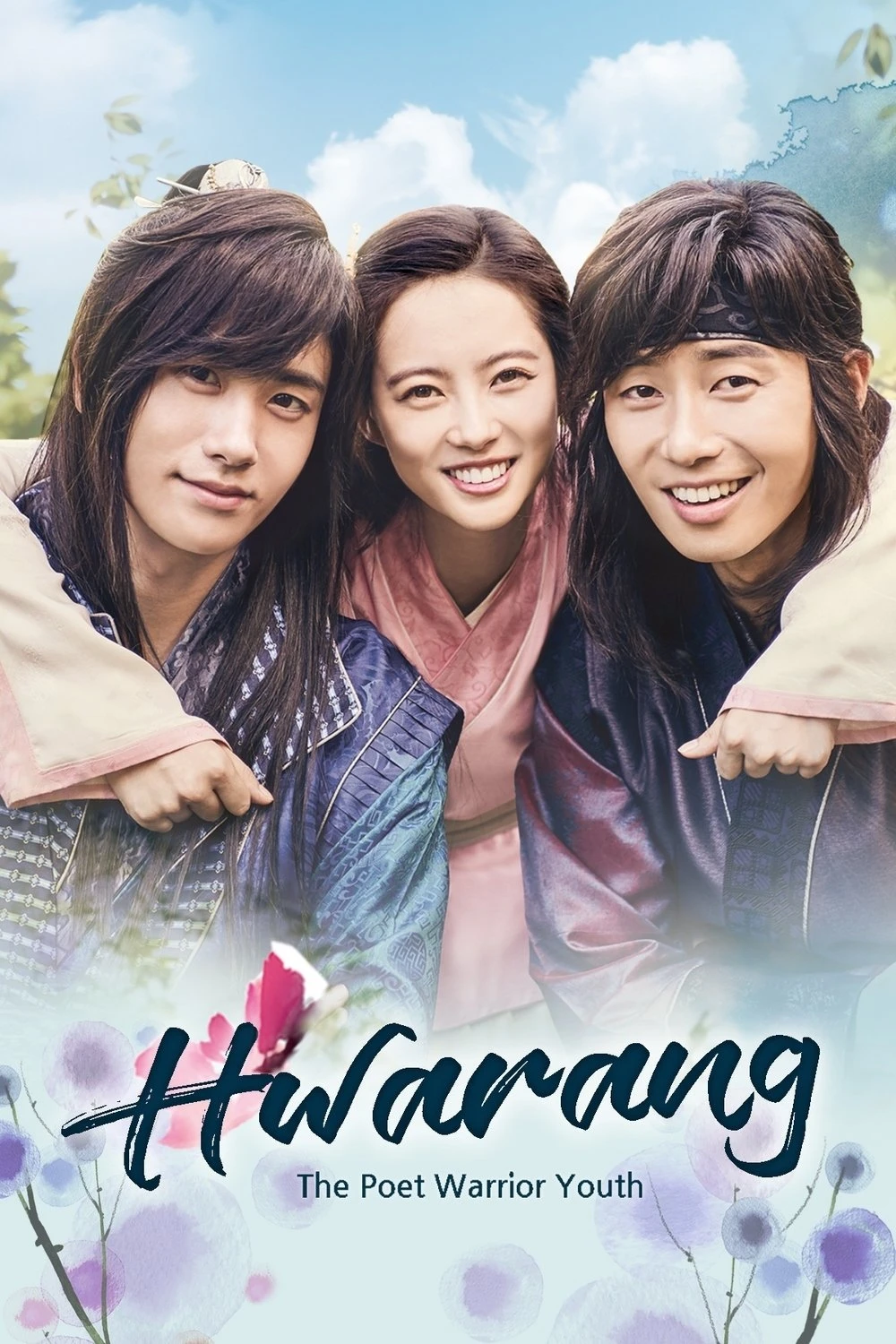
Hwarang: The Poet Warrior Youth
화랑 · 2016
✅ Completed · 20 eps 🎬 Viki · Prime Video · Apple TV+ · KOCOWA · OnDemandKorea ⭐ 8.0 / 10 MDL 🔞 TV-14
⚡ Updated · Aug 13, 2026
📋 Drama Overview
A fast rundown of what this one’s about.
CompletedCOMING-OF-AGE PICK
Hwarang: The Poet Warrior Youth
화랑 (Hwarang) · 2016 · South Korea
VikiPrime VideoApple TV+KOCOWAOnDemandKorea
BromancePolitical IntrigueIdentity SwapLove TriangleSilla Dynasty
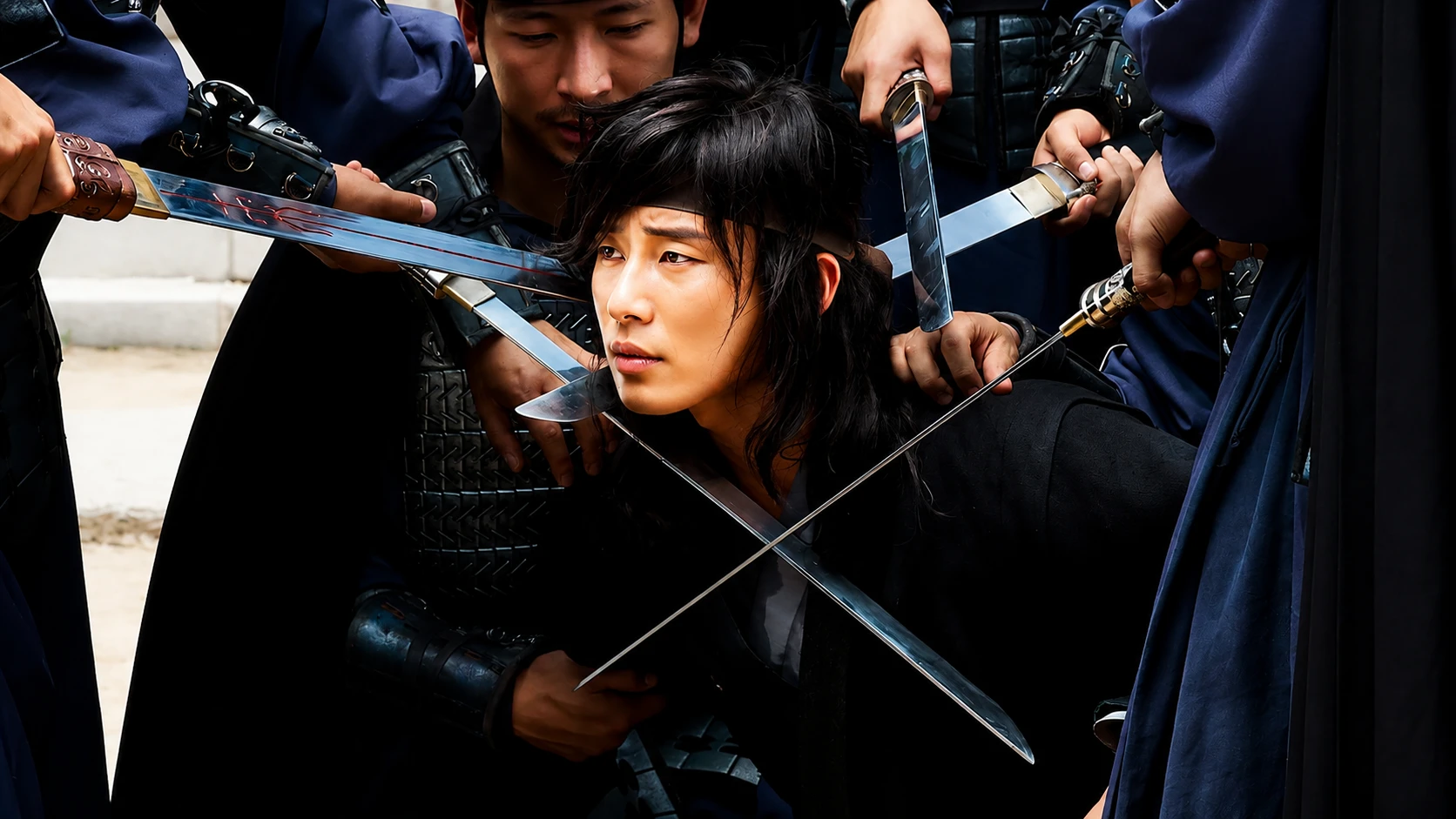
A hidden king disguised as a commoner. A commoner disguised as a dead man. Hwarang drops both into the same elite corps of noble young warriors and spends twenty episodes watching neither of them get away with the lie for long.
Queen Jiso built the Hwarang to control Silla’s nobility and protect her son’s throne — she didn’t plan on that same son falling for a commoner physician, or on a low-born impostor becoming the group’s actual moral center. What starts as political strategy turns into the found-family story the whole season is really about.
Episode Progress 20 / 20 ✅ Completed
⚡ Quick Verdict
Skip the scroll — here’s the verdict in one glance.
⭐ Worth it?Yes — a beloved sageuk classic with a real ensemble payoff
⏱️ Commitment20 episodes · ~58 min each
💛 VibeHidden royalty, brotherhood, and a love triangle everyone actually earns
📺 Skip if…You want a tight, fast-paced political thriller over a slow-burn ensemble
⭐ 8.0 / 10 · MDL Score · 61,543 ratings
🎭 Cast & Characters
The Hwarang — noble by title, brothers by everything else.
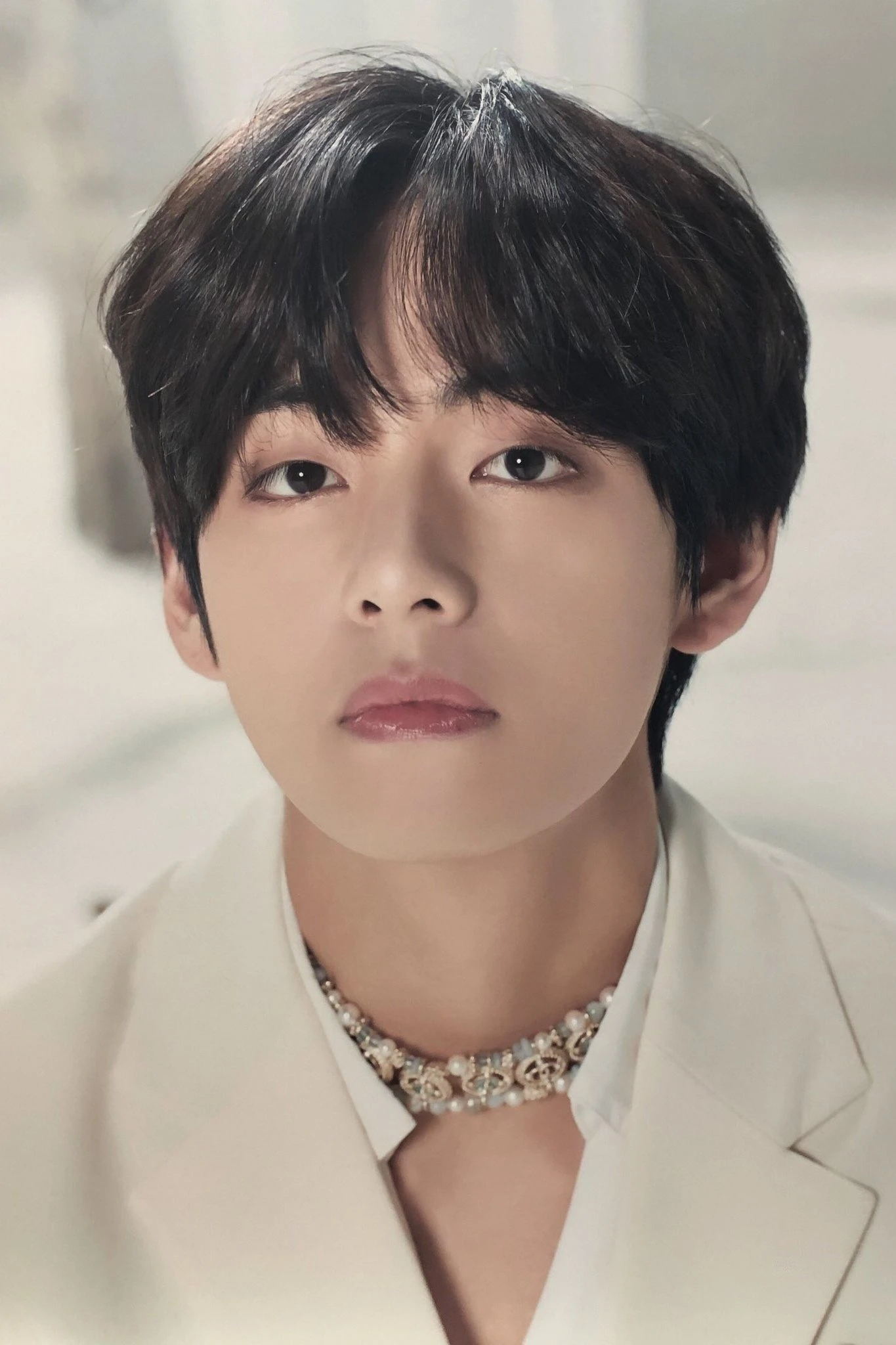
Park Seo-jun
Sun-woo (Moo-myung)
Lead
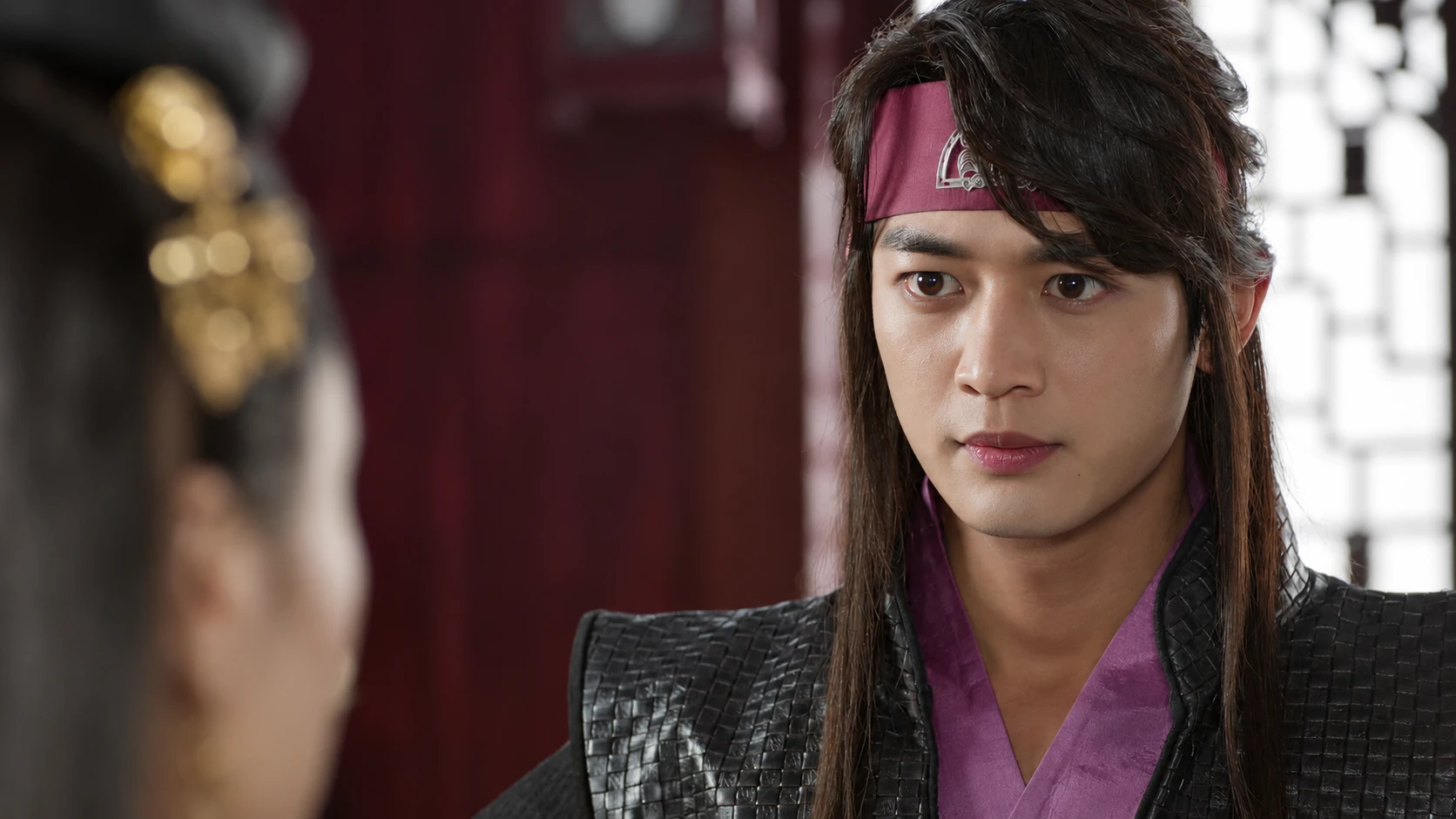
Park Hyung-sik
Ji-dwi (King Jinheung)
Supporting
Do Ji-han
Ban-ryu
Supporting
Jo Yoon-woo
Yeo-wool
Supporting
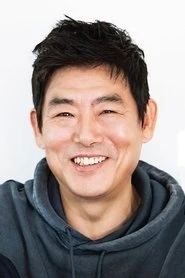
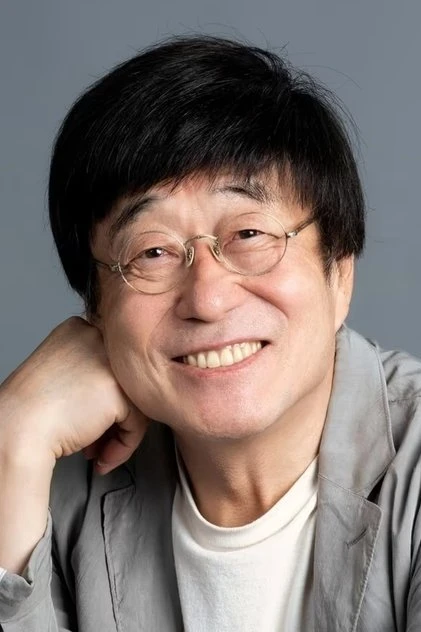
Sung Dong-il
Master Wi-hwa
Supporting
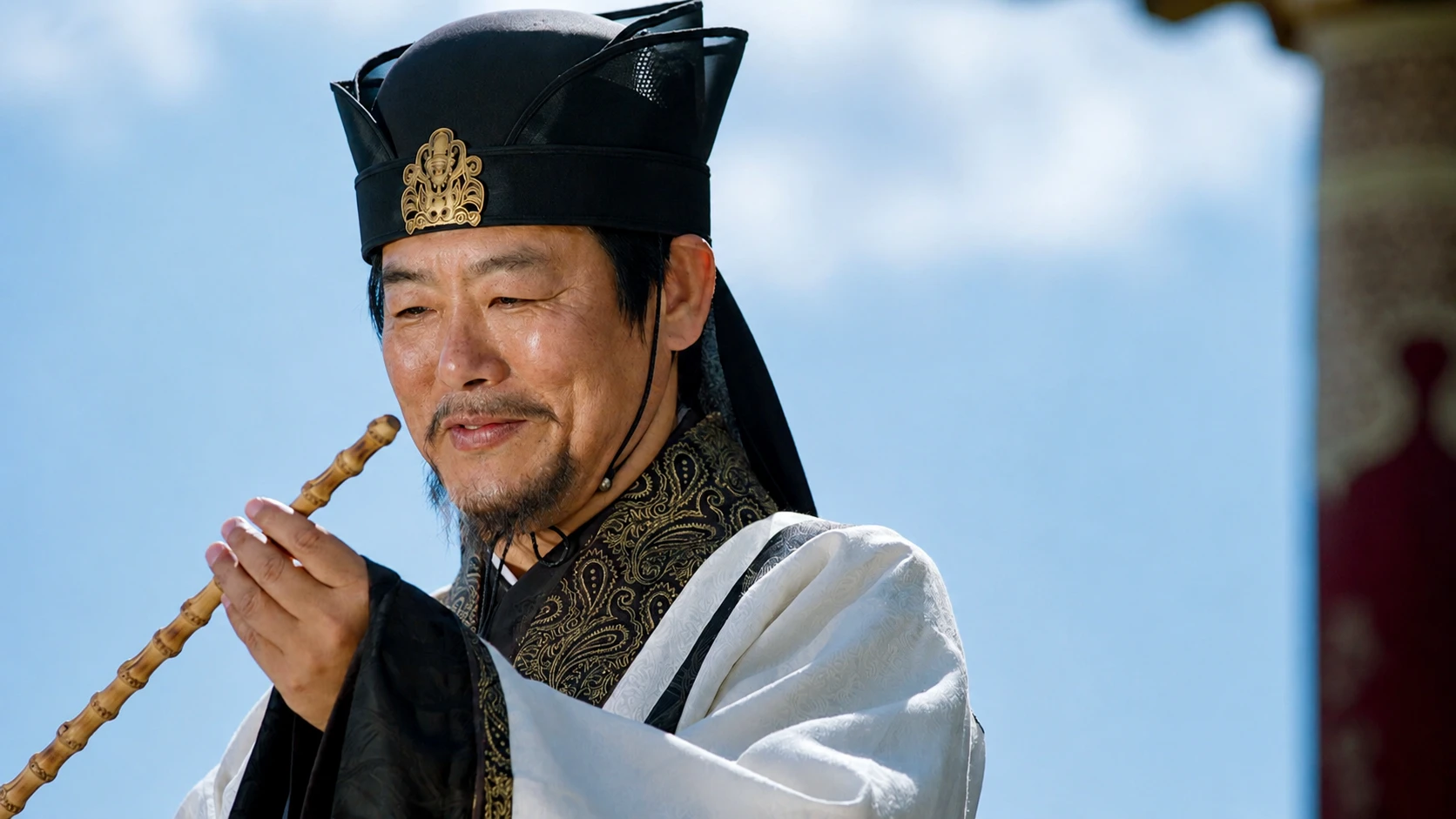
Choi Won-young
Master Ahnji
Supporting
Kim Ji-soo
Queen Jiso
Supporting
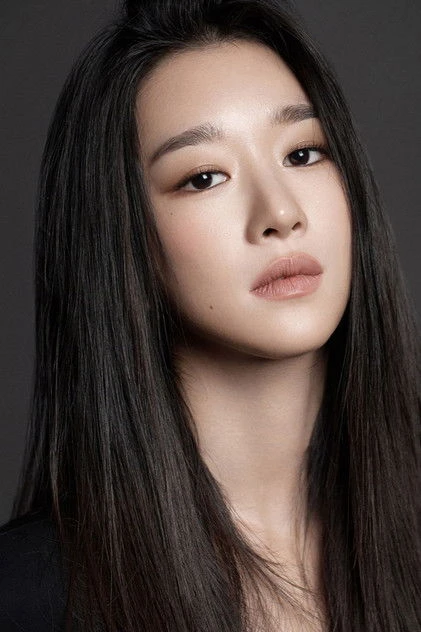
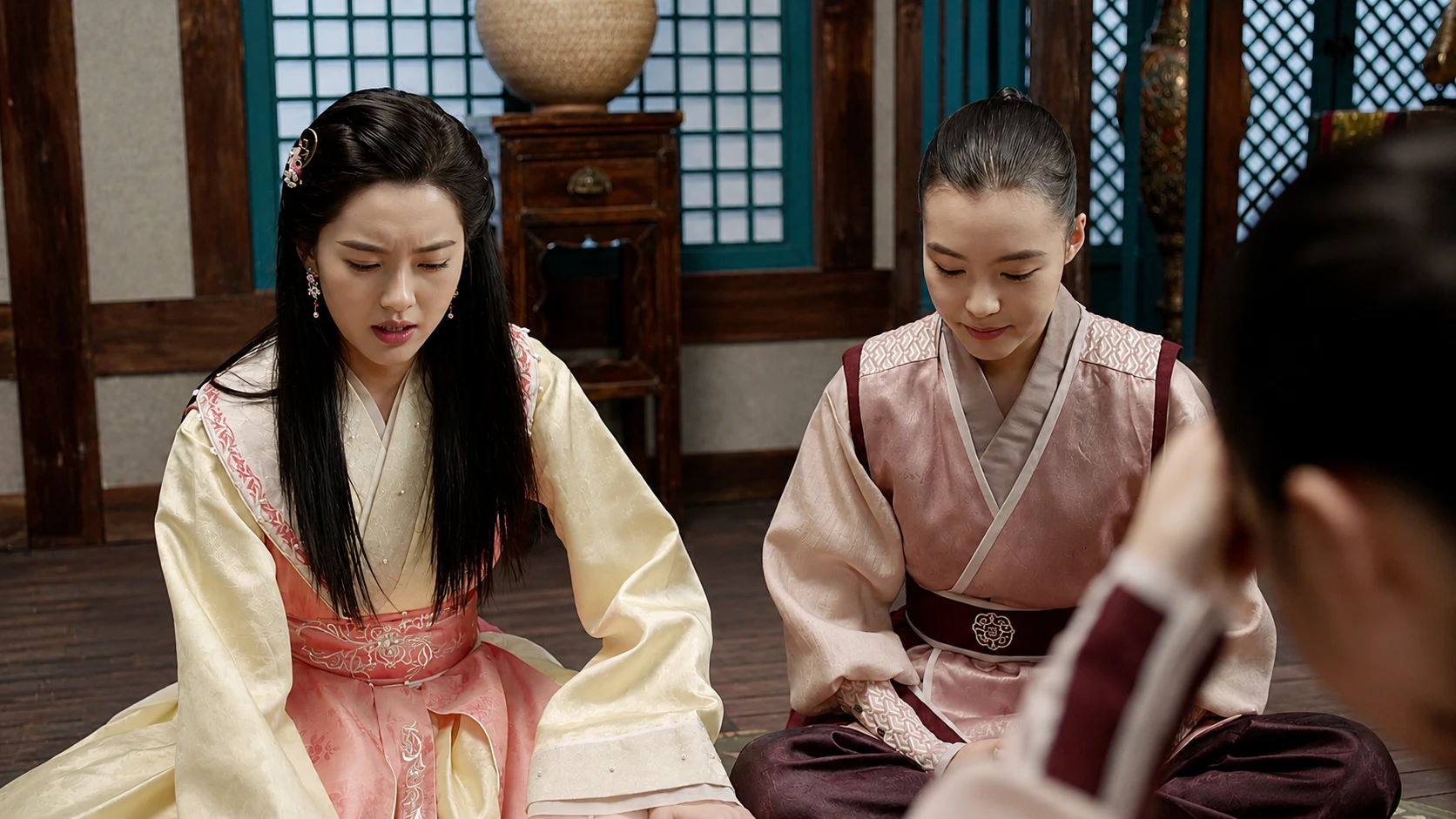
Seo Yea-ji
Princess Sookmyung
Supporting
Kim Chang-wan
Minister Park Young-shil
Supporting
🍿 Where to Watch
Stream Hwarang: The Poet Warrior Youth on these platforms.
📺 Episode Guide
Recaps that jog the memory, not spoil the ride.
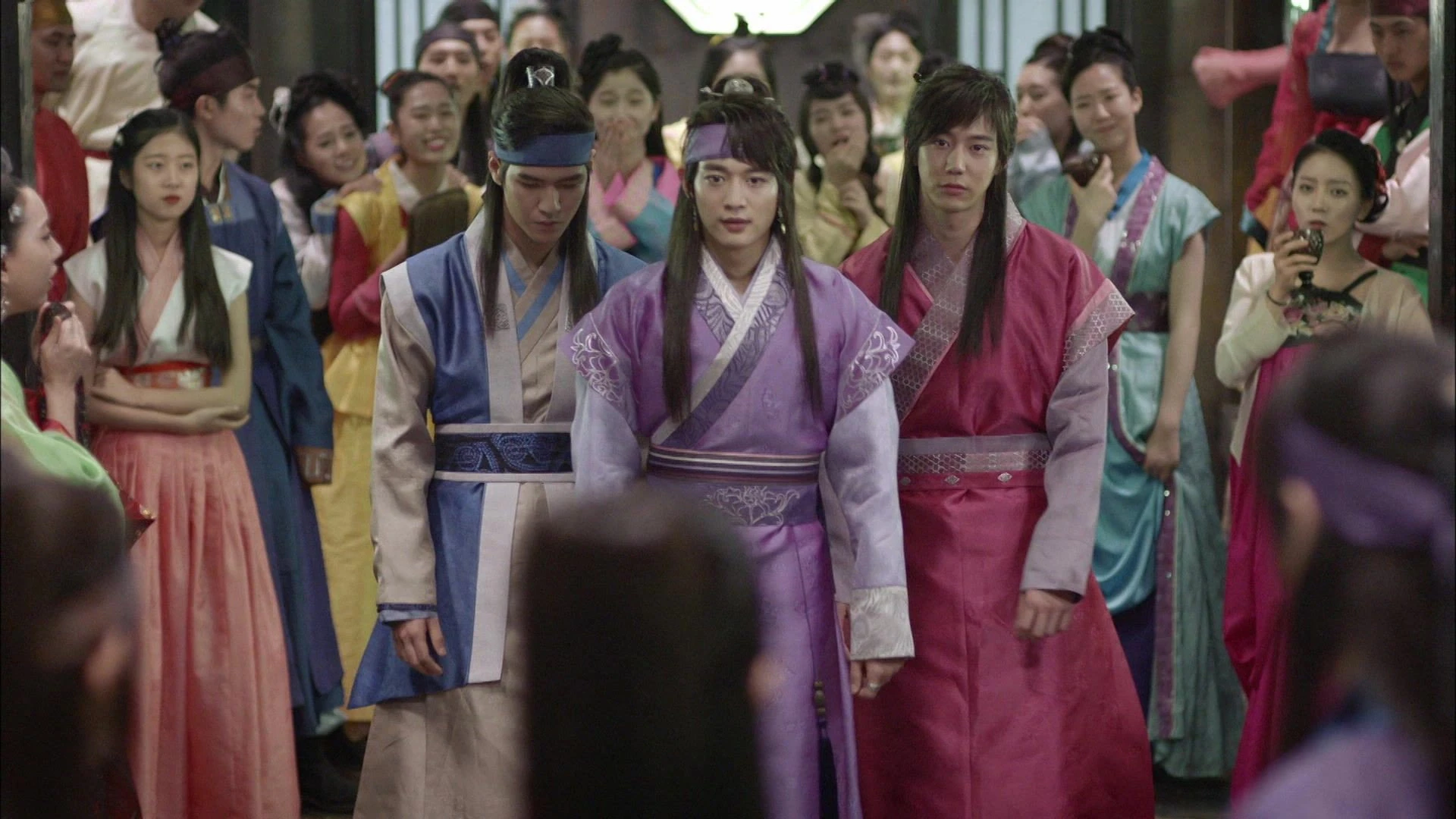 EP 01
EP 01
To the Capital
Dec 19, 2016
Two low-born friends, Moo-myung and Mak-moon, wander into Silla’s capital chasing a lead on Mak-moon’s long-lost sister — while the country’s actual king, hidden his whole life for his own safety, sneaks into the same city just to see it for himself. Queen Jiso, meanwhile, is quietly building the political tool she’ll need to protect her son: an elite corps of noble young men called the Hwarang. Three separate stories, about to collide.
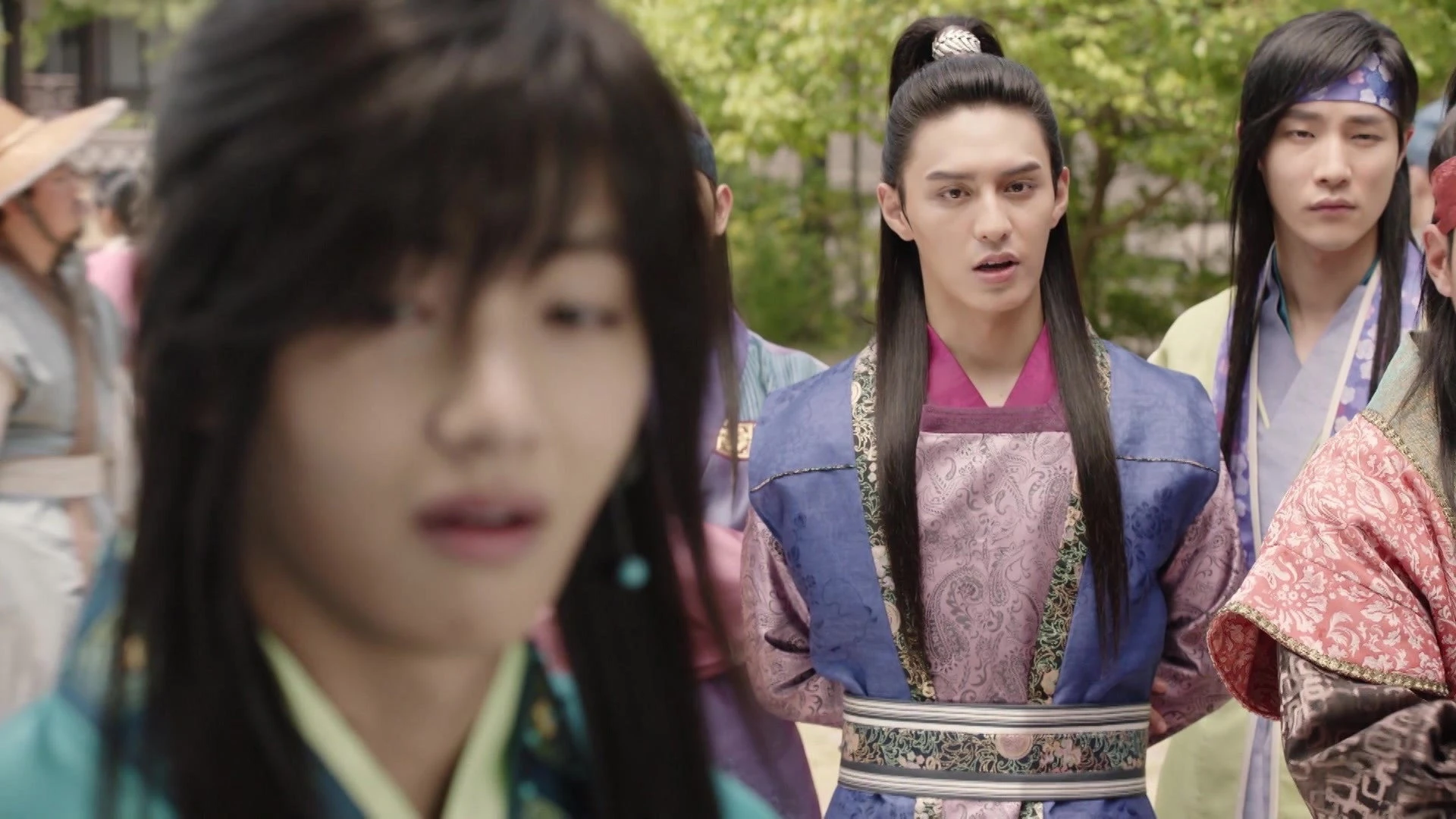 EP 02
EP 02
Mak Moon’s Death
Dec 20, 2016
A street brawl with noble youths turns fatal fast — a royal guard recognizes Mak-moon as someone who’s seen the hidden king’s face, and Queen Jiso’s standing order leaves no room for mercy. Moo-myung watches his friend die and catches only a glimpse of his killer’s dragon-head bracelet, wrongly pinning the murder on the king. Grief curdles into a vow of revenge aimed at the wrong person, the same day Queen Jiso formally launches the Hwarang.
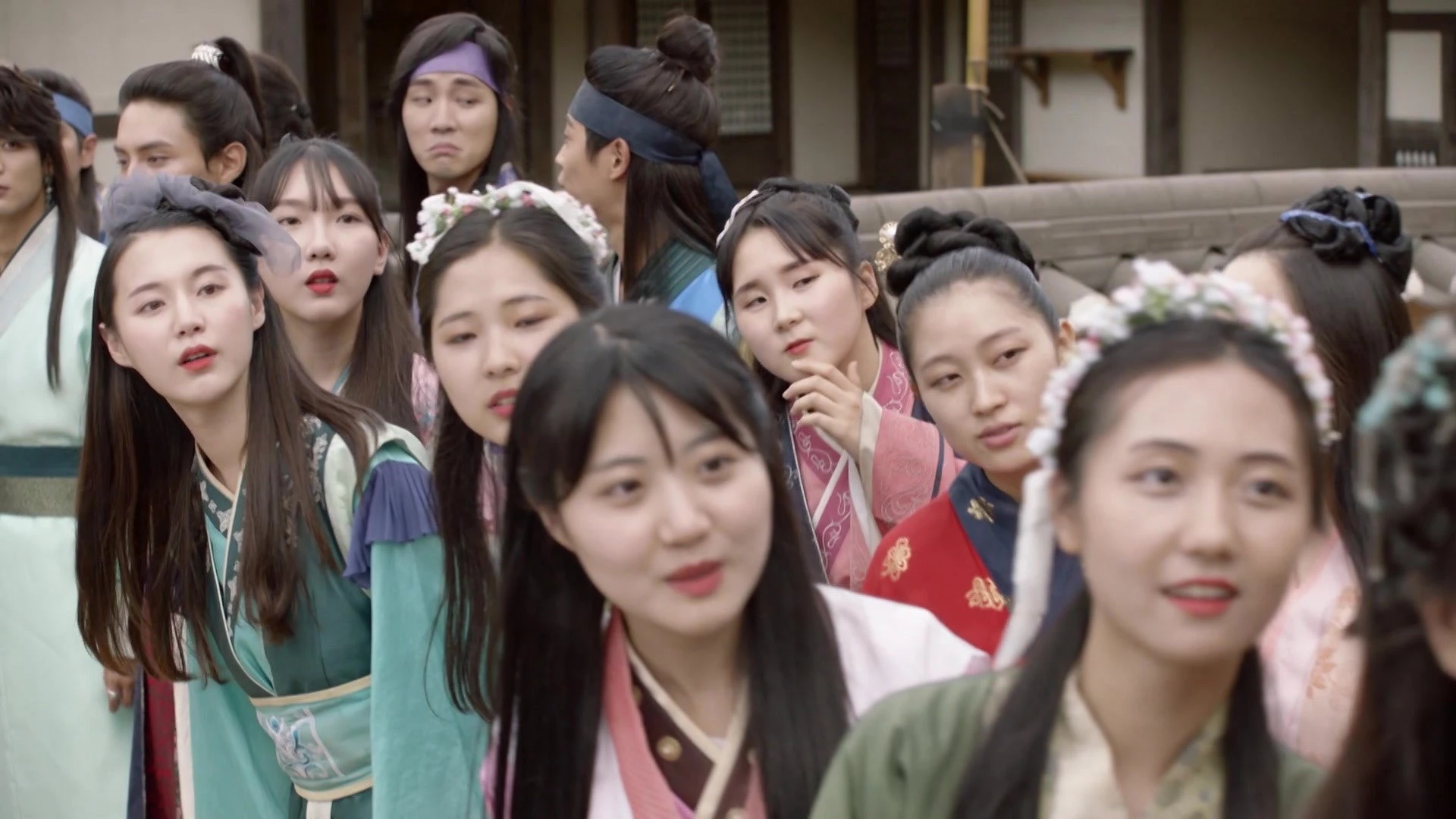 EP 03
EP 03
Your Brother
Dec 26, 2016
Master Ahnji takes in the grieving, injured Moo-myung and makes him an offer that will define the rest of the season: become Mak-moon, live as his son, and disappear into a dead man’s identity. Ah-ro is asked to accept a stranger as the brother she’s never met, which she does reluctantly. Moo-myung, now wearing someone else’s name, still believes the disguised king killed his real friend — and has no idea how often he’s about to run into him.
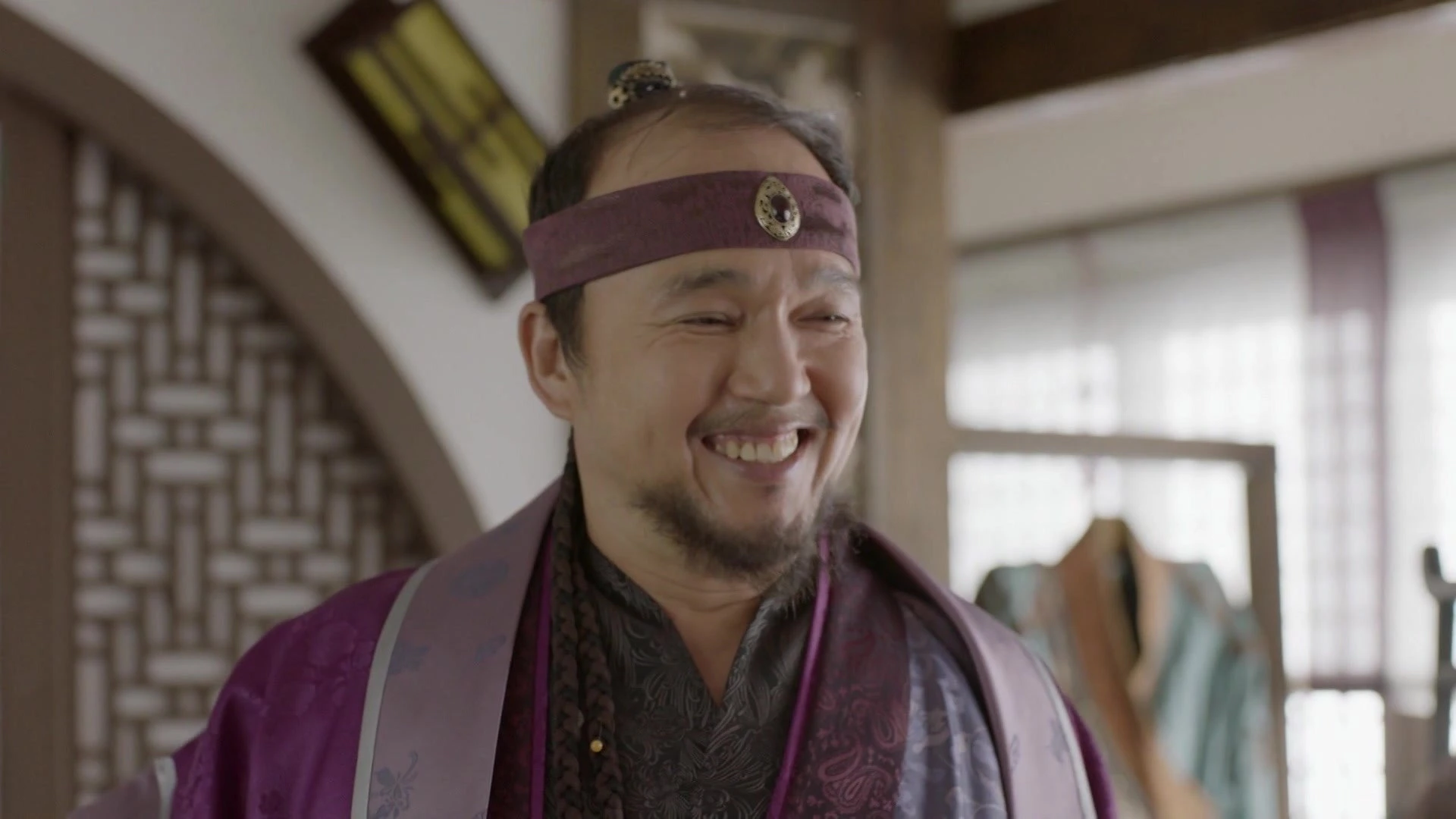 EP 04
EP 04
Become a Hwarang
Dec 27, 2016
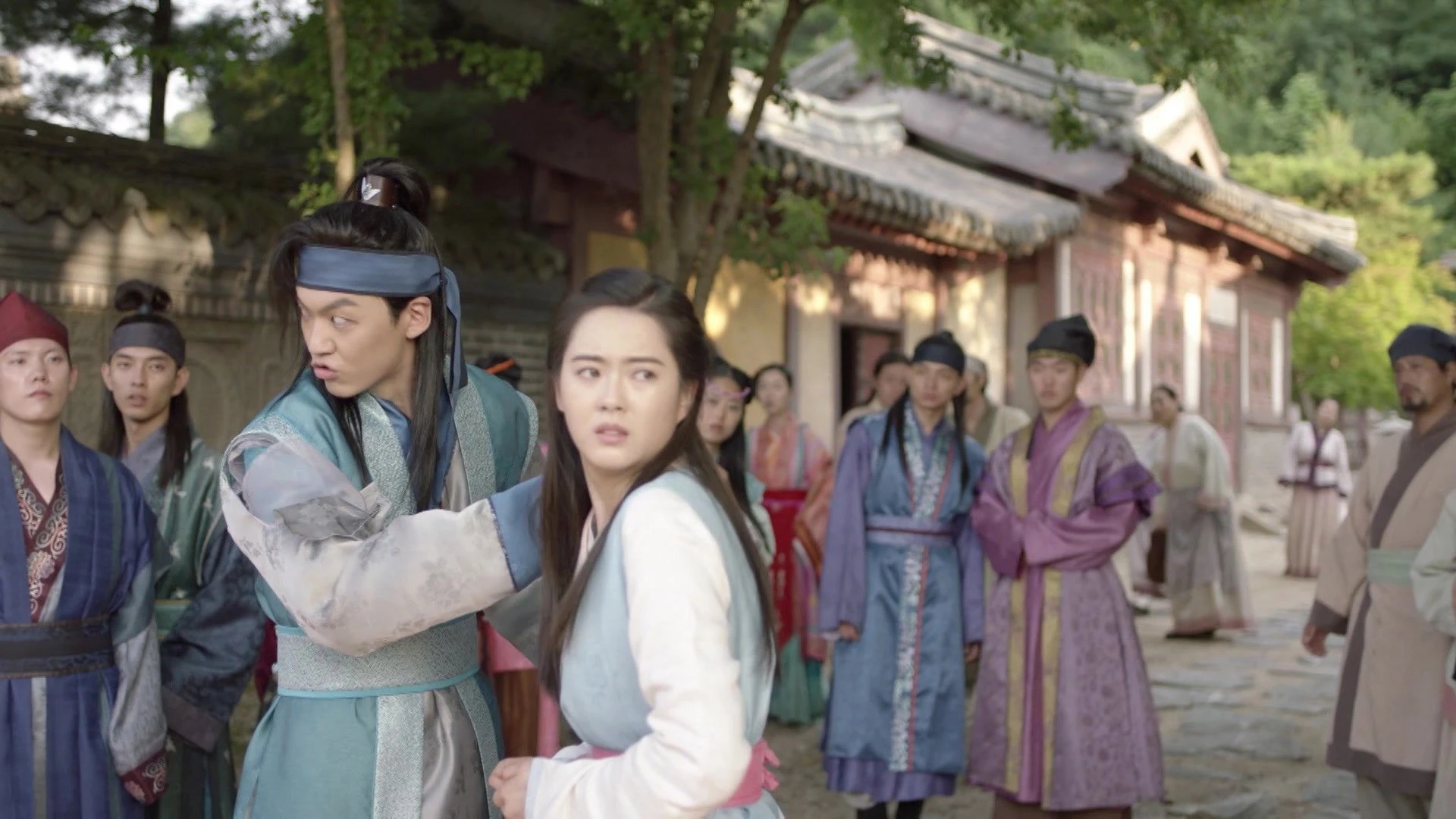
Living as Sun-woo, Moo-myung gets pulled into the Hwarang whether he wants it or not, while Ah-ro starts teaching him to read and write — lessons that build an intimacy neither of them quite names yet. Lord Wi-hwa manufactures a conflict to force two rival noble sons into the ranks, and the disguised king enlists on his own terms, treating the Hwarang as his best shot at understanding the kingdom he secretly rules.
 EP 05
EP 05
Beginning of Hwarang
Jan 2, 2017
A kidnapping plot leaves Sun-woo and the hidden king strung up in a slaughterhouse, forced to cooperate their way out hours before the induction ceremony they’re both due to attend. Queen Jiso’s face, watching her own son walk in as a new recruit under a false name, says everything about how badly this plan could unravel. The newly formed Hwarang’s first assignment isn’t combat — it’s surviving a punishing drinking session meant to force them to bond.
 EP 06
EP 06
Annoying Half-Breed
Jan 3, 2017
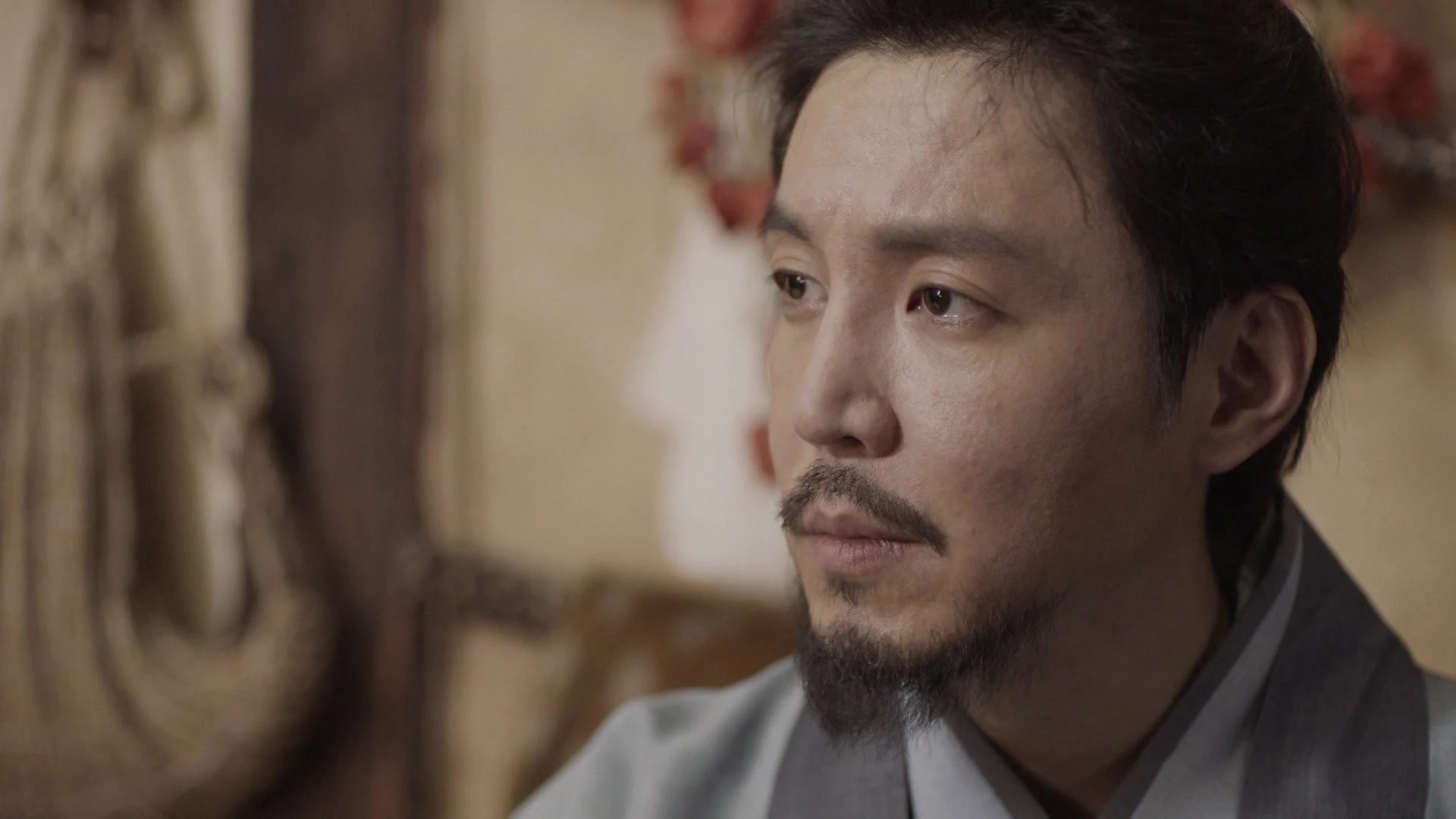
Communal life inside the Hwarang House exposes how class-conscious this group still is, with Ban-ryu targeting Sun-woo’s low birth at every opportunity. Ah-ro’s appointment as the Hwarang’s physician is meant to keep the peace, but mostly puts her between two men developing feelings for her at once. A visitor named Woo-reuk shows up at Master Ahnji’s door, dropping the first hint that Sun-woo’s stolen identity has a history nobody’s told him about.
 EP 07
EP 07
King as Water
Jan 9, 2017
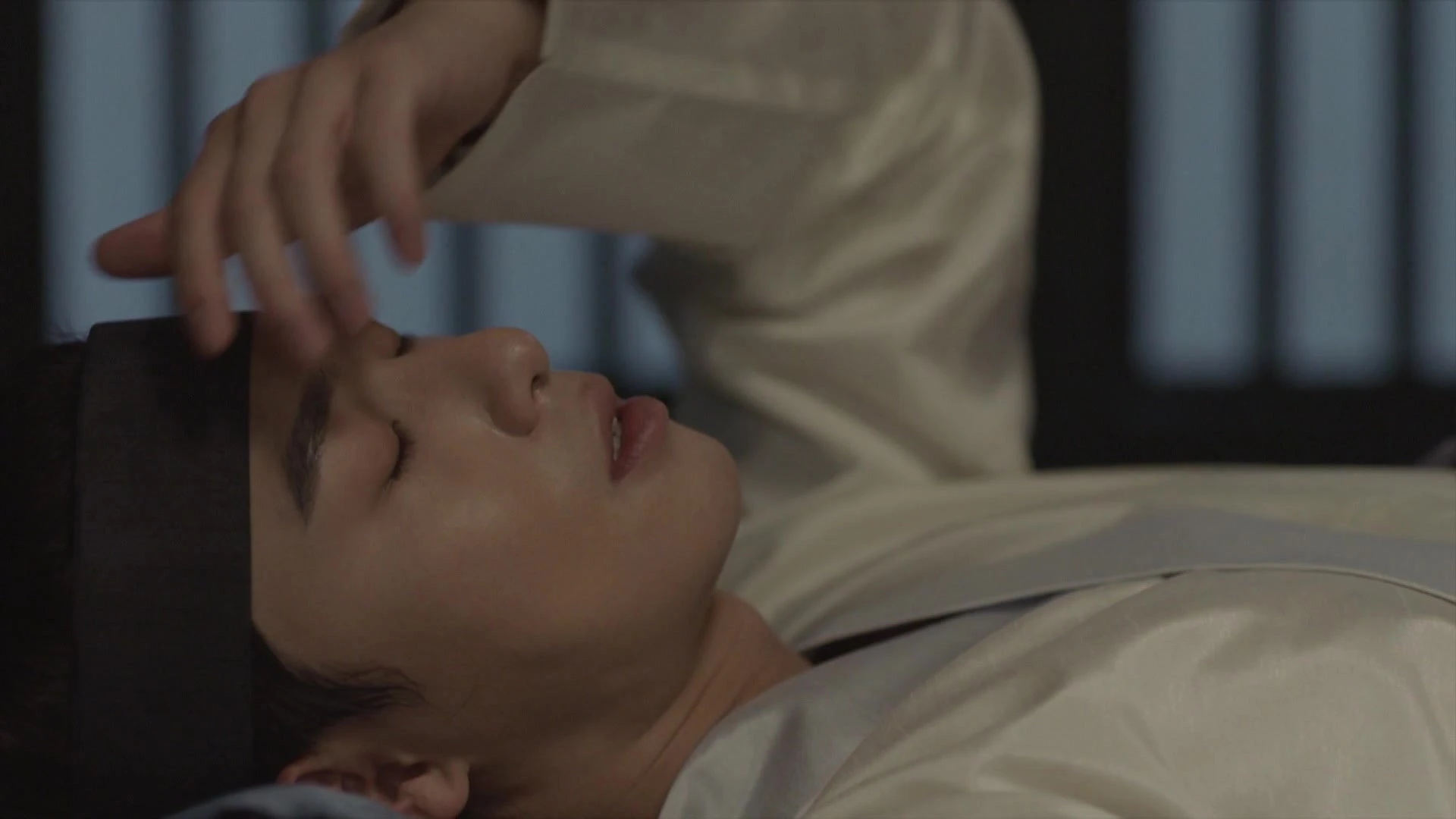
An illiterate Sun-woo struggles through the Hwarang’s first academic test, and Ah-ro’s decision to help both him and the hidden king with their essays sparks the season’s first real accusation of favoritism. Frustrated at watching his mother govern in his place, the disguised king sneaks back into the palace in full royal dress — a small, reckless assertion that he still exists. His patience for hiding is clearly running out.
 EP 08
EP 08
Dance and Music
Jan 10, 2017
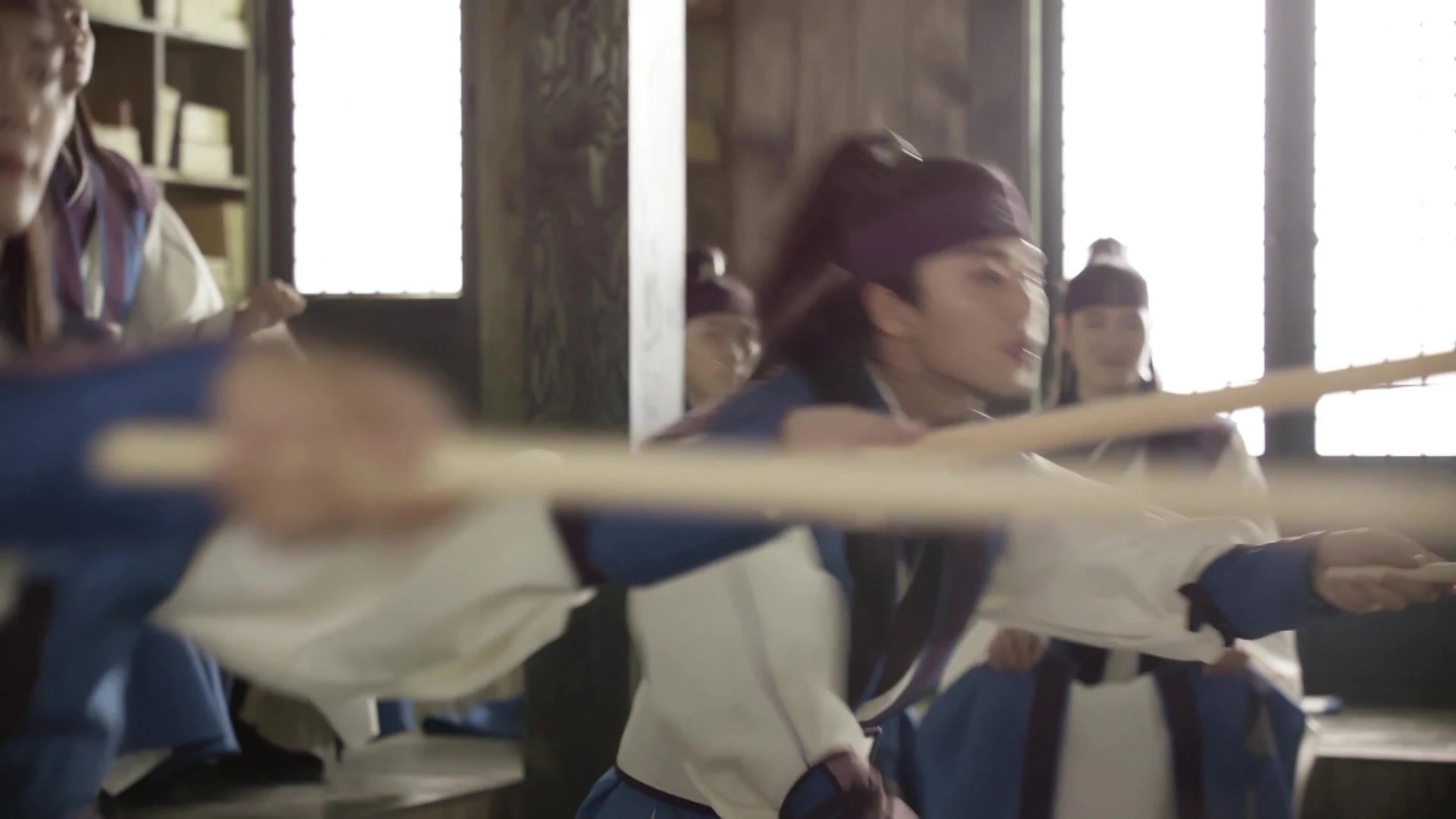
Ah-ro admits to a friend that she has feelings for the brother she wishes wasn’t her brother, while Master Ahnji quietly discovers something far more dangerous: Queen Jiso is being poisoned. The Hwarang get their next assignment — a music and dance performance — forcing this group of fighters to learn an entirely different skill under Master Woo-reuk. Buried in the back half: the first real suggestion Mak-moon died because he saw the king’s face.
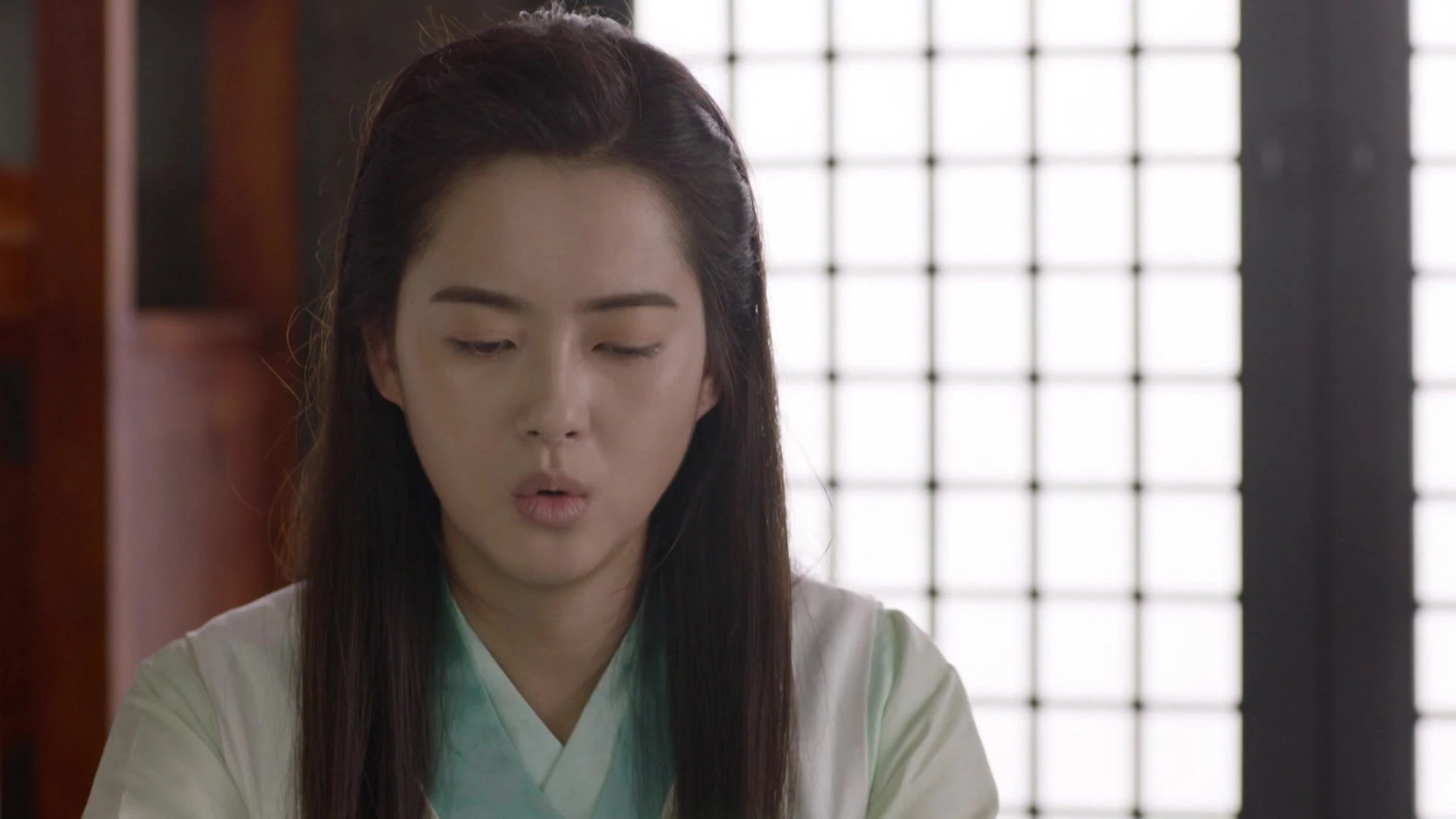 EP 09
EP 09
Ruin the Performance
Jan 16, 2017
Princess Sookmyung’s arrival at the Hwarang House rattles everyone, but the bigger blow lands when Sun-woo finally admits to Ah-ro that he isn’t her real brother at all. She’s left holding a truth that reframes everything she’s felt for him, right as Ban-ryu comes under pressure from his own father to sabotage the performance the group has been rehearsing for. The love triangle just got a lot more complicated.
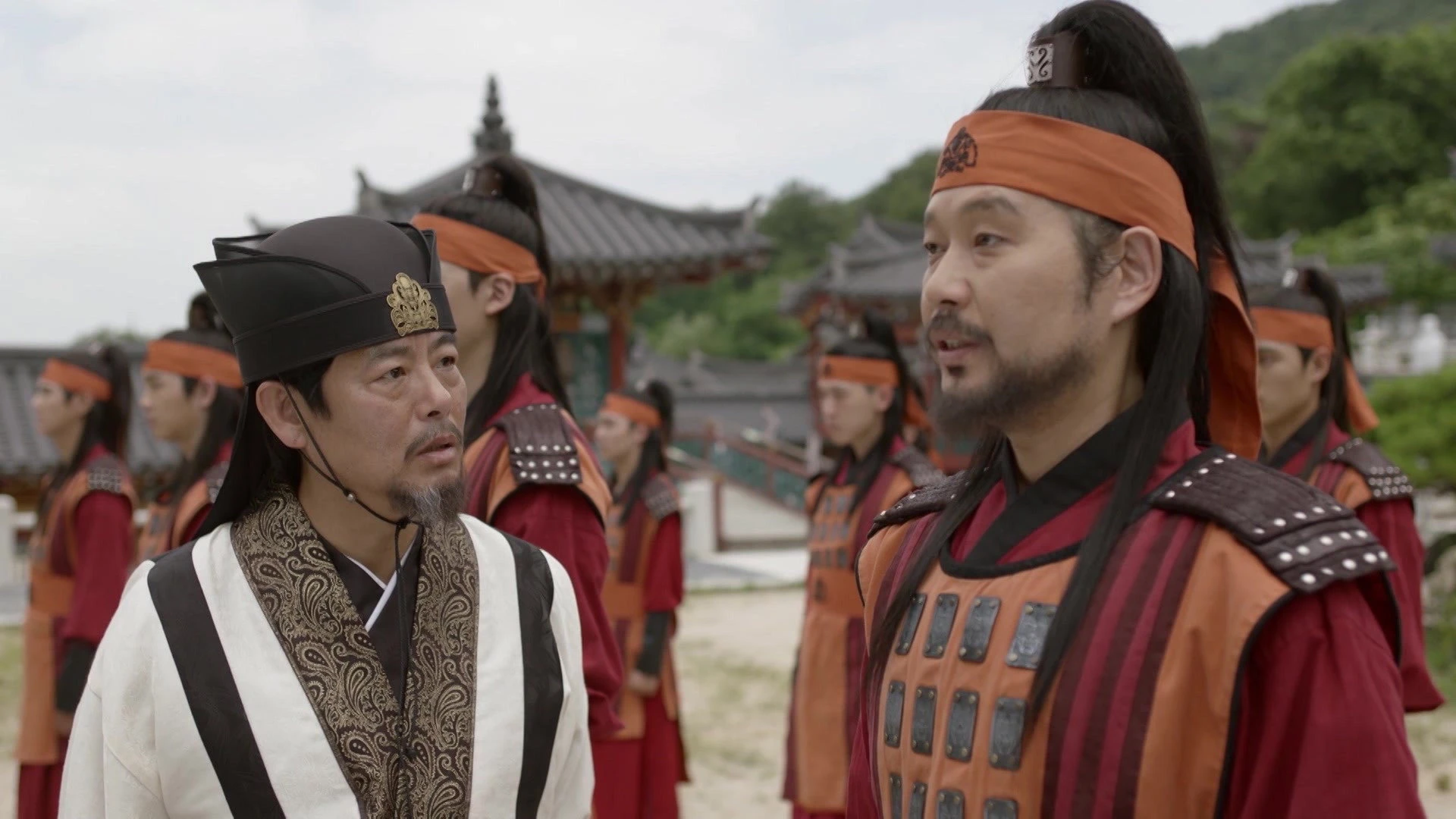 EP 10
EP 10
New Disciples
Jan 17, 2017
Sabotaged instruments nearly sink the Hwarang’s big performance, saved only by Master Woo-reuk improvising replacements at the last minute. The real crisis lands after: Ah-ro overhears the hidden king’s true identity while eavesdropping on a fight with his mother, and Queen Jiso responds by holding a blade to her throat. Sun-woo, not yet knowing the full weight of what Ah-ro now carries, takes her to Mak-moon’s grave instead.
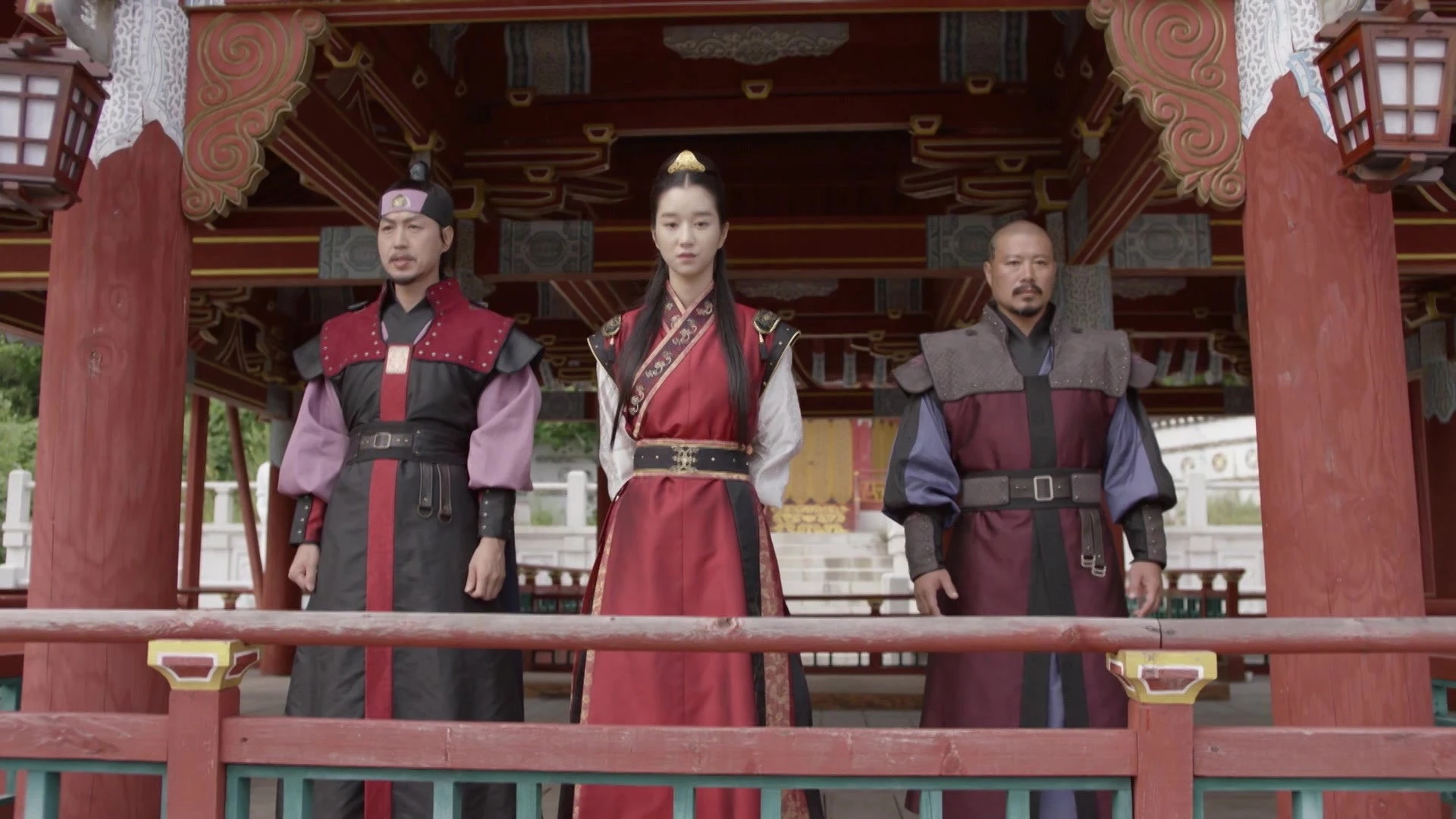 EP 11
EP 11
Eliminate Her
Jan 23, 2017
Days spent nursing an injured Sun-woo back to health push him and Ah-ro closer than either of them will admit out loud. Queen Jiso’s order to eliminate Ah-ro nearly plays out during a hunting trip, when Princess Sookmyung fires an arrow meant to kill her — and Sun-woo takes the hit instead. The episode ends on a banner hung inside the Hwarang House: proof a king is hiding among them, pointing at exactly the wrong man.
 EP 12
EP 12
Sparring Competition
Jan 24, 2017
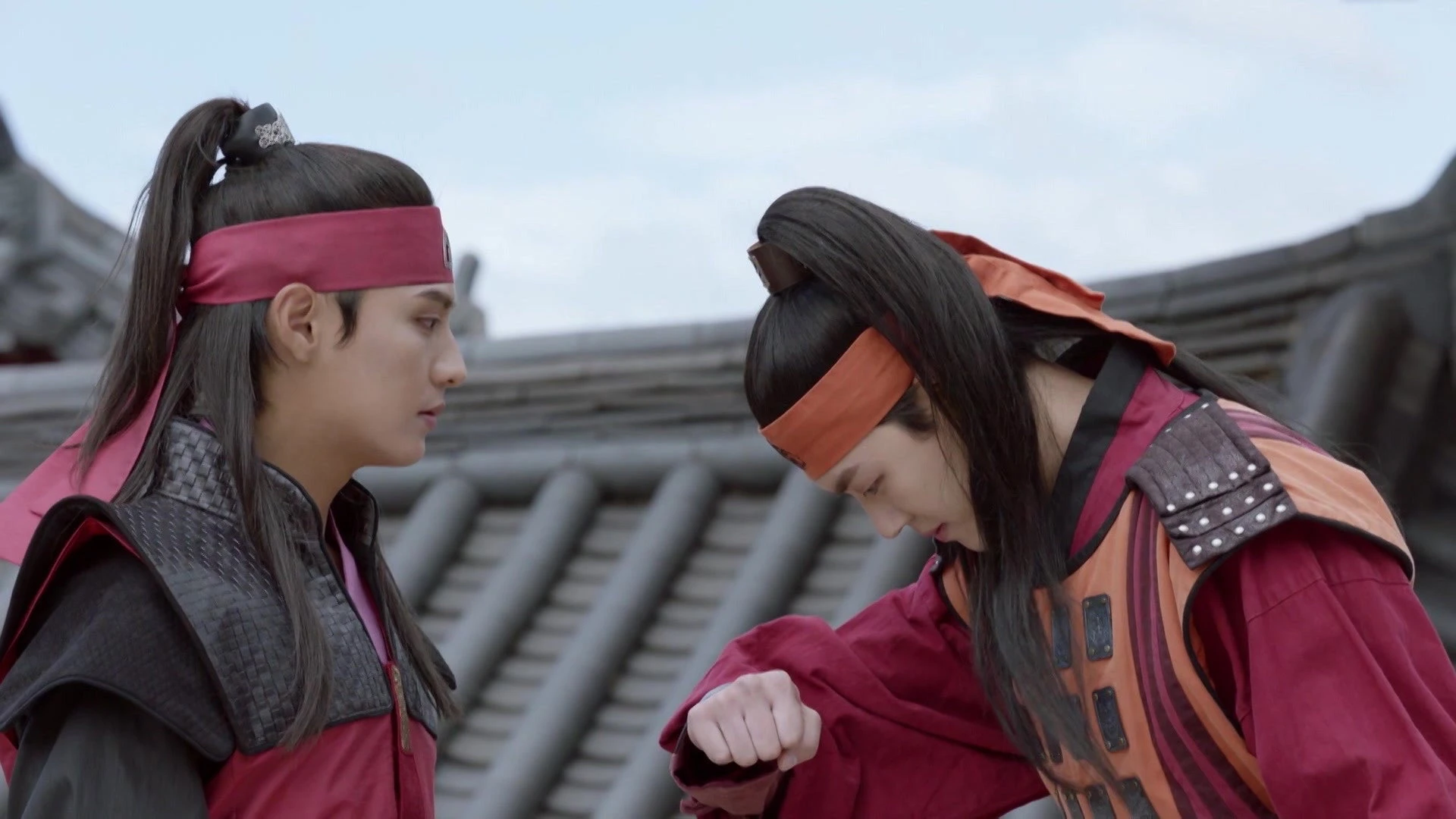
A dragon-head bracelet and a very public banner have the entire Hwarang convinced Sun-woo is the hidden king, which suits the actual king just fine for now. Minister Park smells opportunity and sets Ban-ryu on an investigation meant to expose the truth and serve his own ambitions. Ah-ro, the only person who actually knows who’s who, has to protect one man’s secret while managing another man’s growing suspicion.
 EP 13
EP 13
Amity Delegates
Jan 30, 2017
With war between Silla and Baekje suddenly on the table, Queen Jiso sends Princess Sookmyung to lead a peace delegation — and orders Ah-ro along as her physician, whether Ah-ro wants to go or not. Sun-woo volunteers to escort them the moment he hears she’s involved, no hesitation required. Minister Park is still chasing the rumor of a hidden king, and this mission is about to get far more dangerous outside the capital’s walls.
 EP 14
EP 14
Reveal Yourself
Jan 31, 2017
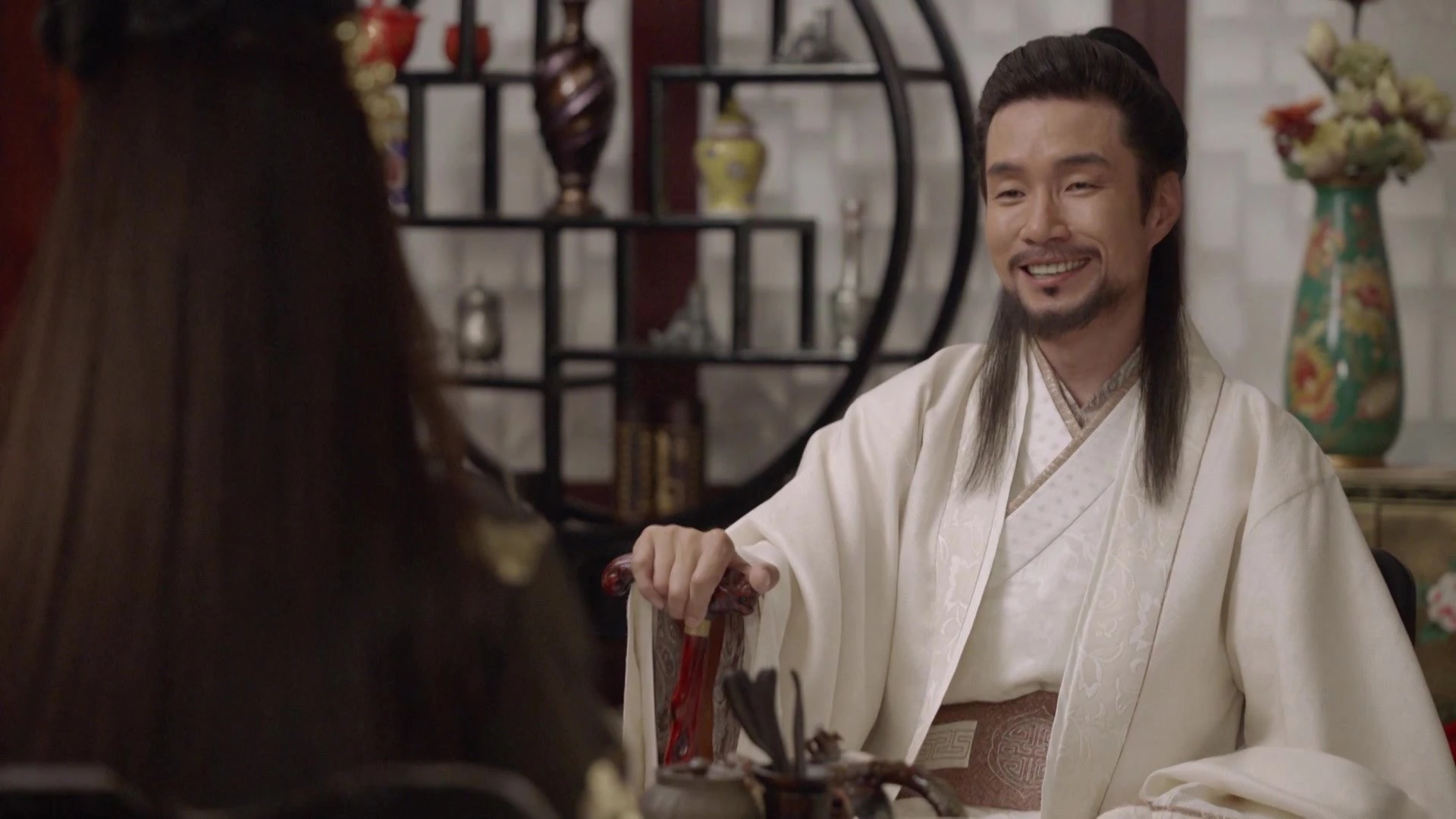
The road to Baekje turns hostile fast, and the reception on arrival is worse: the Baekje Crown Prince demands Silla’s hidden king reveal himself or watch the delegates, Ah-ro included, pay for it. Back home, Queen Jiso gets an ultimatum of her own — abdicate, or risk exposure. Faced with watching Ah-ro die for a throne he’s spent the season hiding from, Sun-woo steps forward and claims to be the King of Silla himself.
 EP 15
EP 15
A Sword Fight
Feb 6, 2017
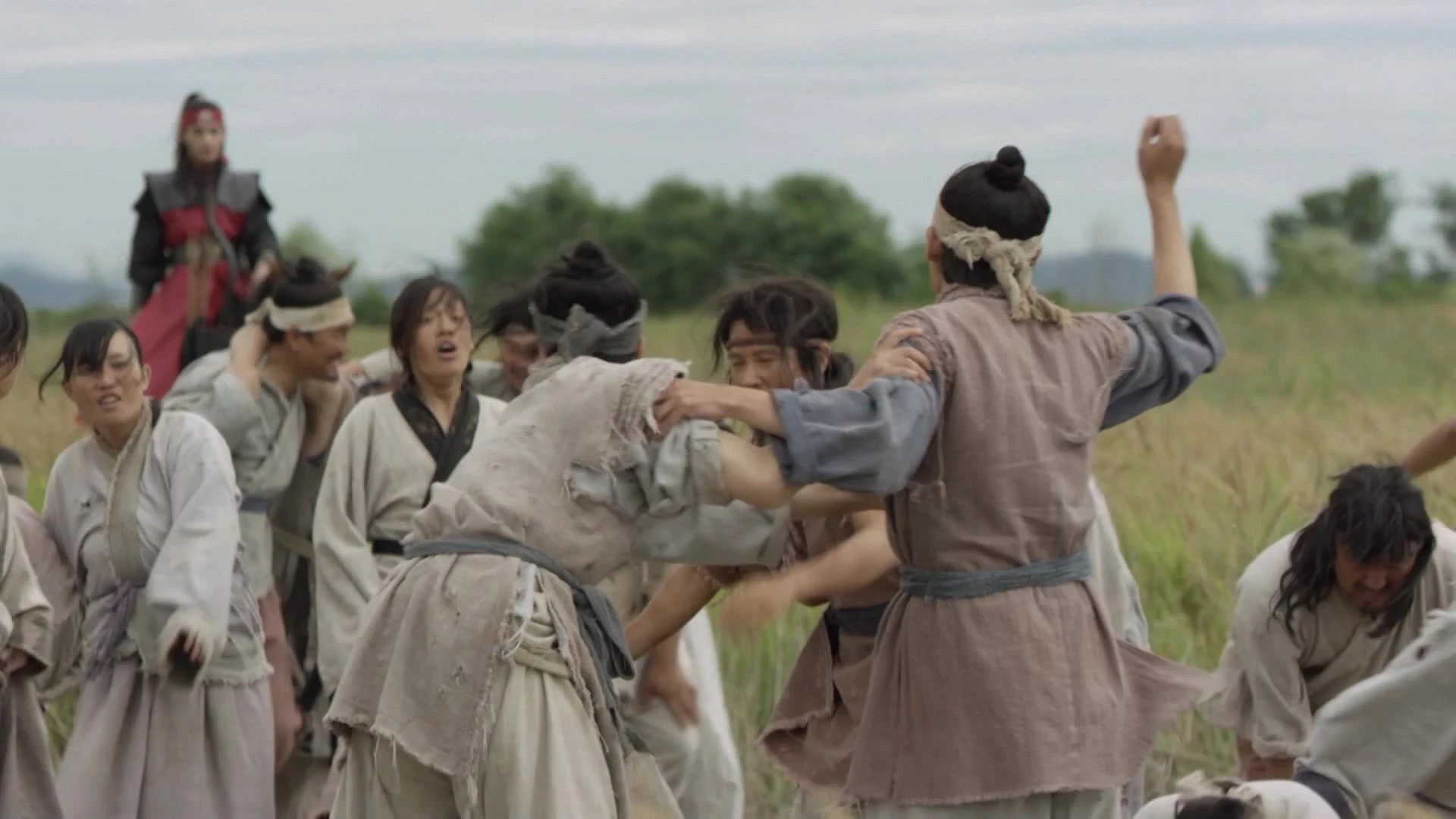
Sun-woo’s claim to the throne gets tested the hard way: a duel with the Baekje Crown Prince that starts badly and ends with Sun-woo winning on will alone. Victory doesn’t buy Ah-ro’s freedom — the Crown Prince breaks his word the moment the fight ends — so the Hwarang stage a chaotic prison break instead, cornered until Master Wi-hwa arrives just in time to turn the tide.
 EP 16
EP 16
Come to Me
Feb 7, 2017
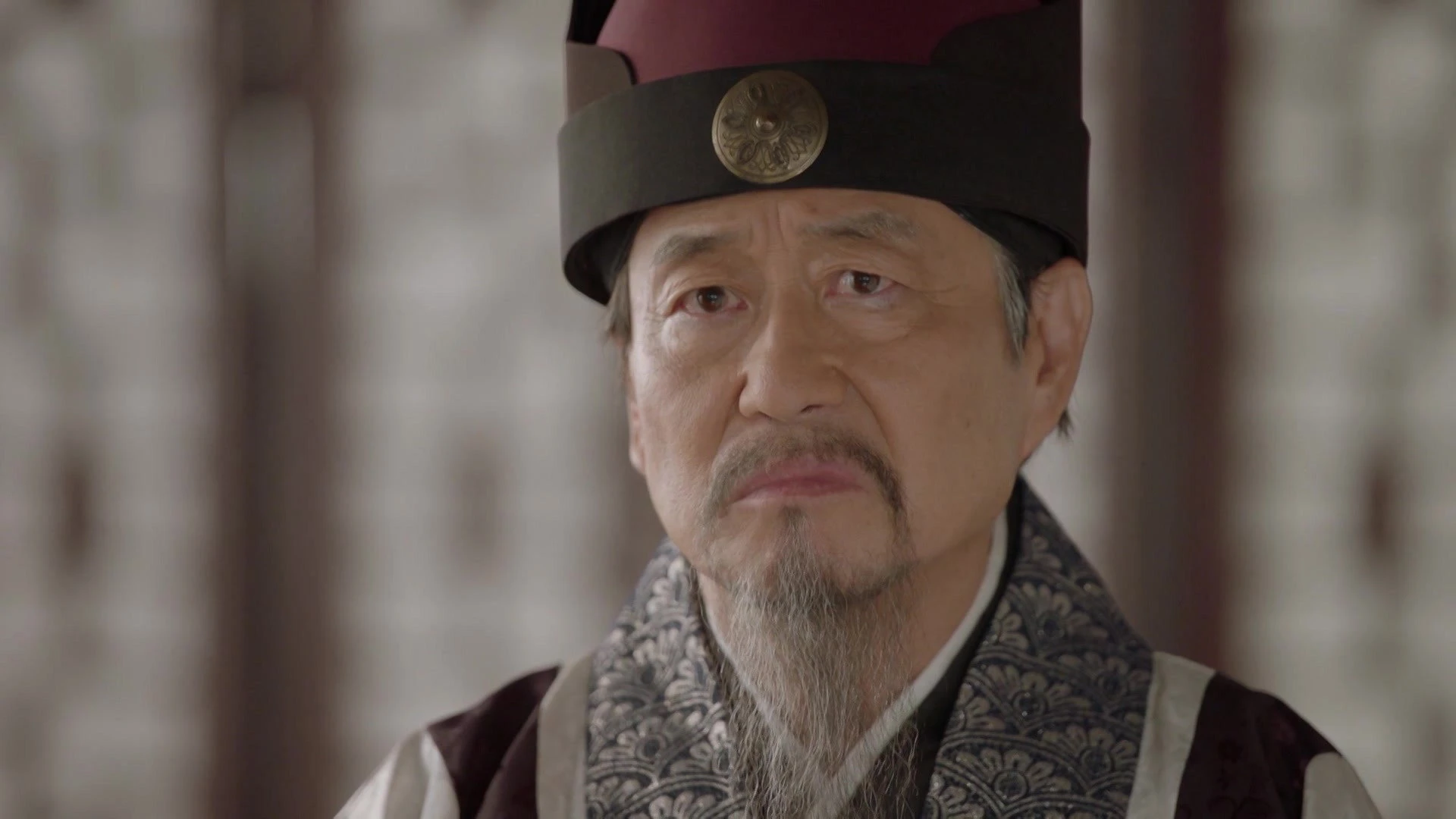
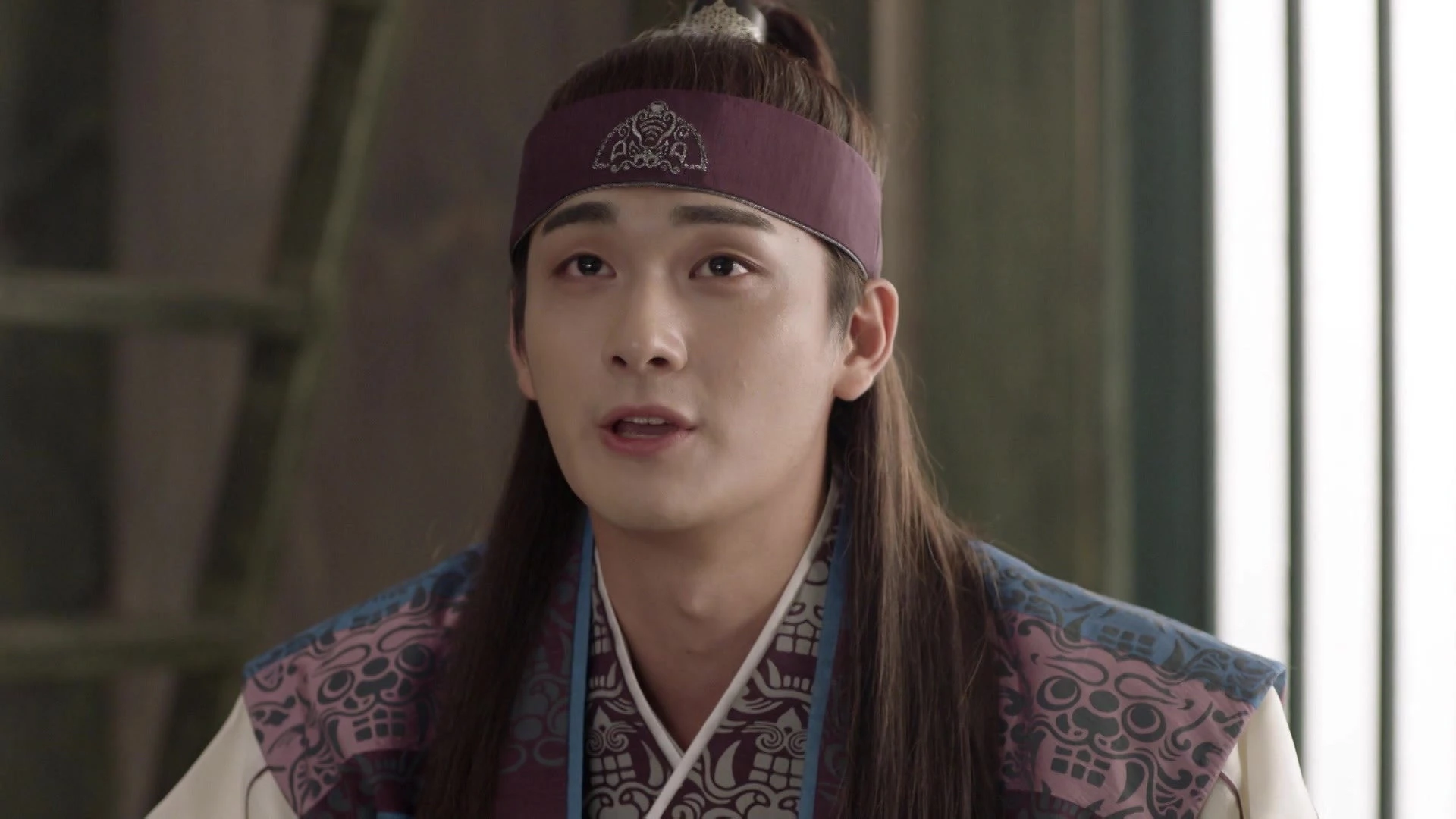
Rumors about Sun-woo being the true king spread fast enough that even the real king starts noticing the shift in how people look at his double. Watching Sun-woo’s popularity grow is what finally pushes him to decide: he’s done hiding, ready to reclaim the throne as himself. Amid the maneuvering, Sun-woo and Ah-ro share the confession and kiss the season has been building toward — quietly watched by the one person it wounds most.
 EP 17
EP 17
Get the Medicine
Feb 13, 2017
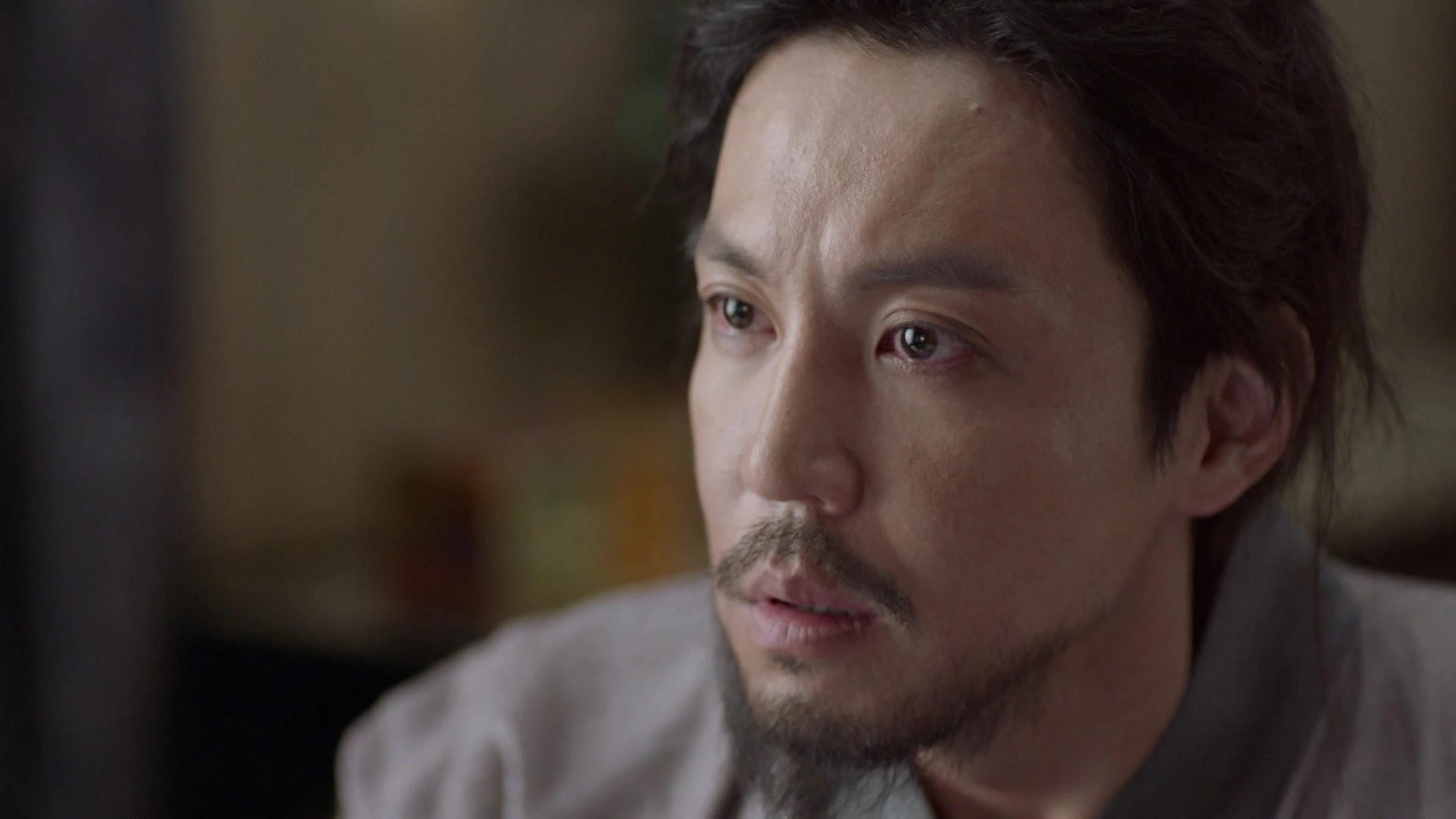
A frank, frustrated confrontation between the real king and Sun-woo lays both their grievances about the crown out in the open for the first time. Outside the capital, a plague pushes Master Ahnji to his limit, sending the Hwarang on a mission to secure rare medicine before it’s too late. Queen Jiso, meanwhile, is told in no uncertain terms to give up the throne and abandon reviving the Wonhwa — a warning rooted in tragedy she knows better than anyone.
 EP 18
EP 18
Wonhwa
Feb 14, 2017
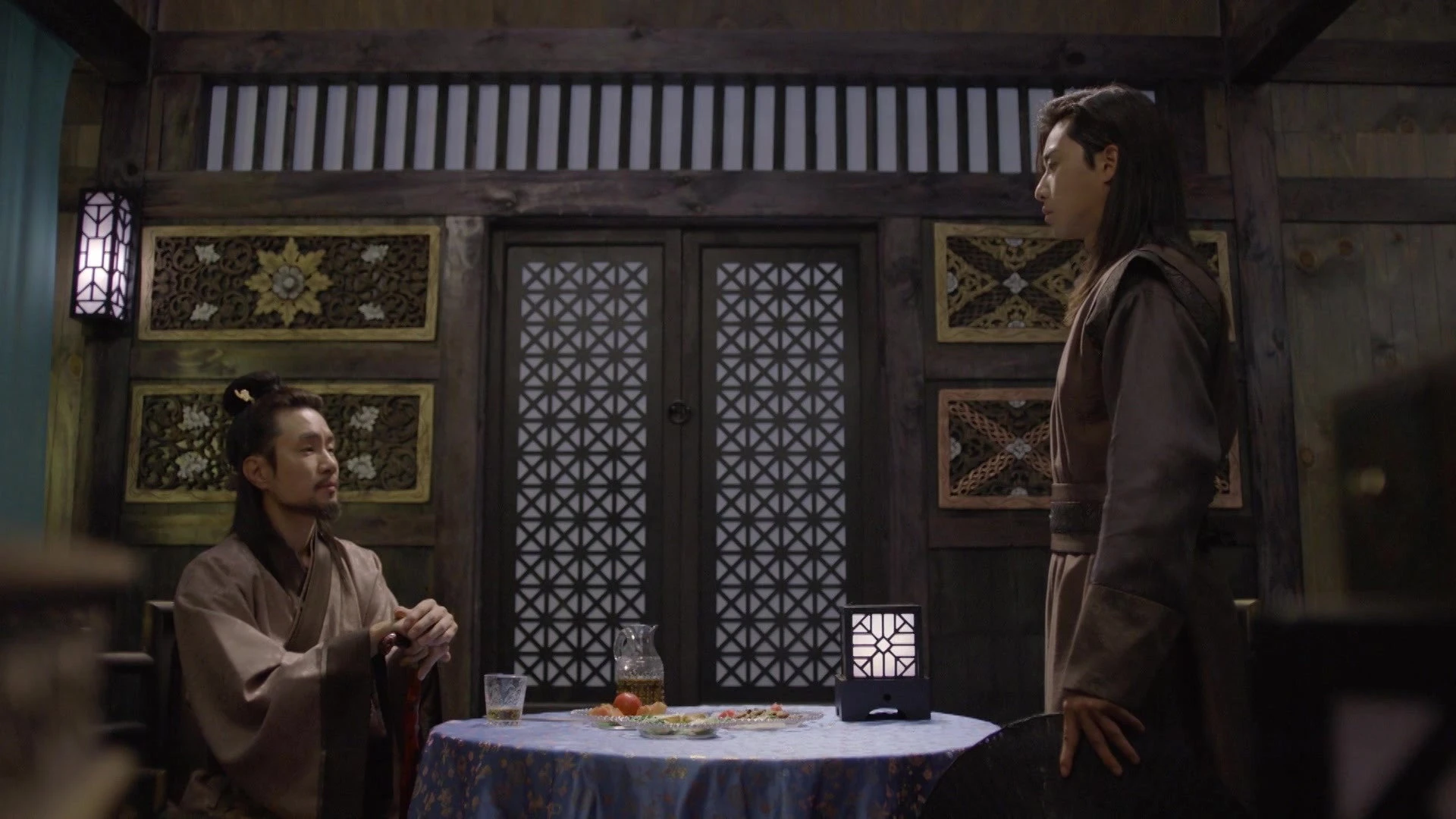
Queen Jiso revives the Wonhwa anyway, naming Ah-ro one of its leaders over every objection about what that title has historically cost the women who held it. Sun-woo learns the truth of his own birth — his real father is alive, and his mother was a Wonhwa herself, making his claim to the throne far more legitimate than anyone realized. The sharpest tragedy lands here too: Han-sung dies protecting Sun-woo from a poisoned blade.
 EP 19
EP 19
Become King
Feb 20, 2017
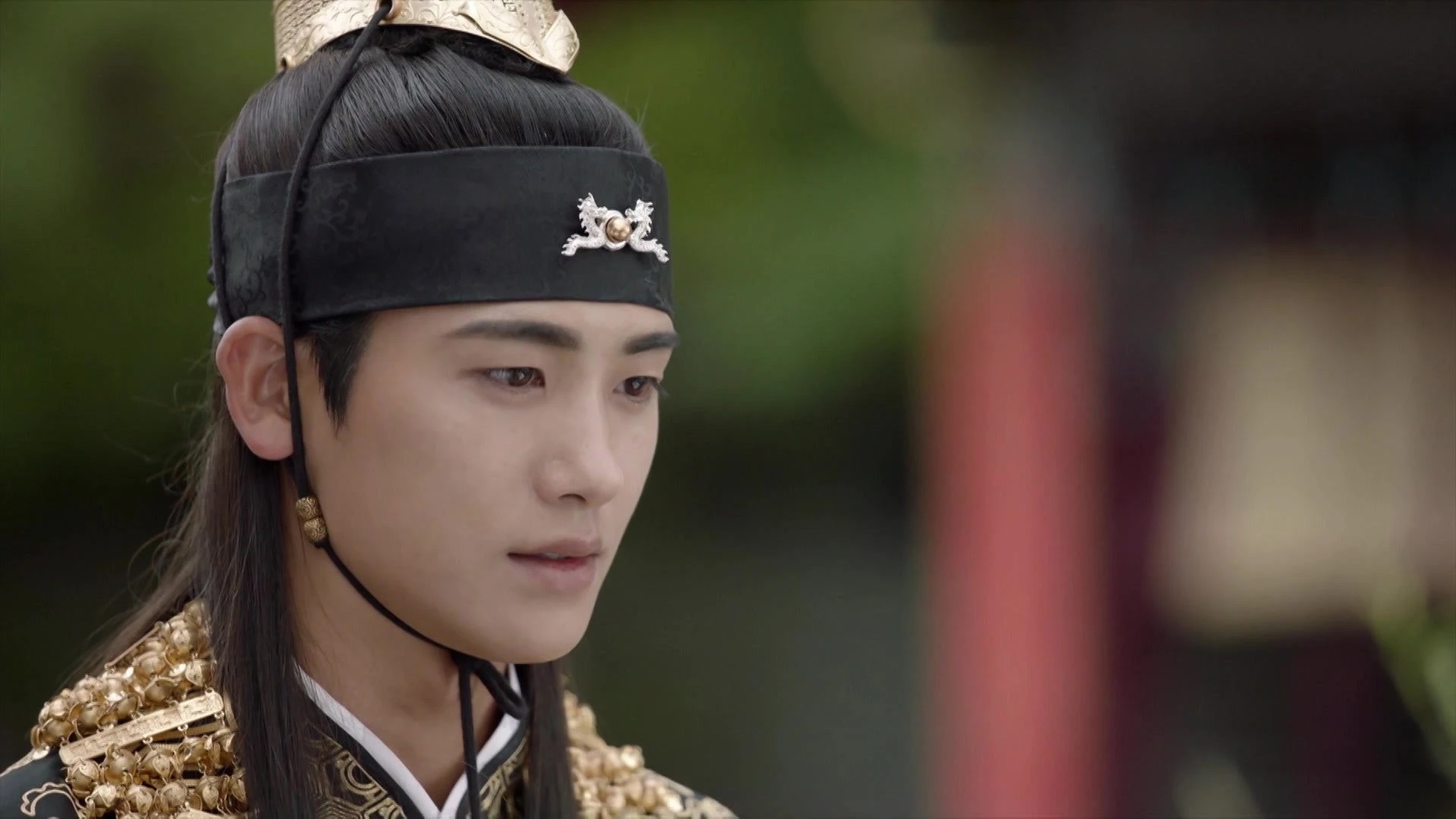
The real king finally does it — steps forward publicly, refuses the marriage his mother arranged, and claims the throne as himself. Queen Jiso’s last move is to weaponize the truth, revealing Sun-woo’s own legitimate royal blood in a bid to split the Hwarang’s loyalty. An arrow meant for Sun-woo instead hits Ah-ro, forcing Master Ahnji into the hardest surgery of his life on his own daughter.
 EP 20
EP 20
Hail King Jinheung!
Feb 21, 2017
Offered the chance to strike down the king and take the throne himself, Sun-woo chooses differently — he severs his Hwarang bracelet and steps aside, a decision that says more about who he’s become than any crown could. King Jinheung answers with a vision for Silla that finally starts dismantling the rigid bone-rank system. Queen Jiso’s last attempts to hold power fail, and the Hwarang close the season standing united behind him.
🏁 Ending Explained
Spoiler territory from here — the finale, fully unpacked.
⚠️ Spoiler Warning — This section covers the full finale of Hwarang: The Poet Warrior Youth. Stop here if you haven’t finished the series.
What happens in the final confrontation King Jinheung gives Sun-woo a genuine choice: kill him and take the throne, or step aside. Sun-woo chooses to step aside, severing his Hwarang bracelet as a symbolic goodbye to the identity — and the claim — he could have kept fighting for. It’s not a defeat. It’s the show’s clearest statement that Sun-woo was never actually chasing a crown.
Why Sun-woo gives up his claim to the throne Sun-woo spends the finale learning his claim is real — his birth father and his mother’s status as a Wonhwa give him legitimate royal blood — right as Ah-ro nearly dies from an arrow meant for him. That near-loss reframes everything: a season spent chasing truth and justice almost cost him the person he actually cares about protecting. Stepping back from the throne isn’t Sun-woo losing his nerve. It’s him choosing Ah-ro, and the Hwarang, over a title he never wanted.
What kind of king Jinheung becomes Jinheung’s victory matters less than what he does with it: he commits to dismantling the bone-rank system that justified every class conflict the Hwarang fought through all season, from Sun-woo’s ‘half-breed’ status to the nobles who resented sharing a roof with him. It’s the show tying its political ending directly to its emotional one — the same rigid hierarchy that nearly got people killed is what the new king promises to actually change.
Why Han-sung’s death matters going into the finale Han-sung dying to protect Sun-woo a couple episodes before the finale isn’t just a gut-punch — it’s the cost the show puts on the table before letting anyone win anything. By the time Sun-woo makes his final choice, the Hwarang have already paid a real price for their loyalty to each other, which is exactly why the ending reads as earned rather than convenient.
The KDW verdict Hwarang’s ending resolves its love triangle, its identity mystery, and its political struggle all at once, and it does it by making the throne matter less than the friendships built around it. Whether Jinheung or Sun-woo sat on it was never really the point — the point was who they became getting there, and the finale is smart enough to know that.
✍️ KDramaWorlds Editor’s Take
Our genuine take on whether it’s worth your time, and who it’s for.
👑 Hidden King Disguise ⚔️ Brotherhood Under Fire 💔 Bittersweet Love Triangle 🌸 Coming-of-Age Ensemble
Hwarang belongs to a specific K-drama lineage — young royalty hiding in plain sight, a found-family ensemble built around that secret — and it shares its DNA with shows like The King’s Affection almost beat for beat: a hidden identity forcing genuine friendships, and a political system cruel enough to make those friendships dangerous. What sets this one apart is scale — an ensemble this large, all given real arcs, is rare even by sageuk standards.
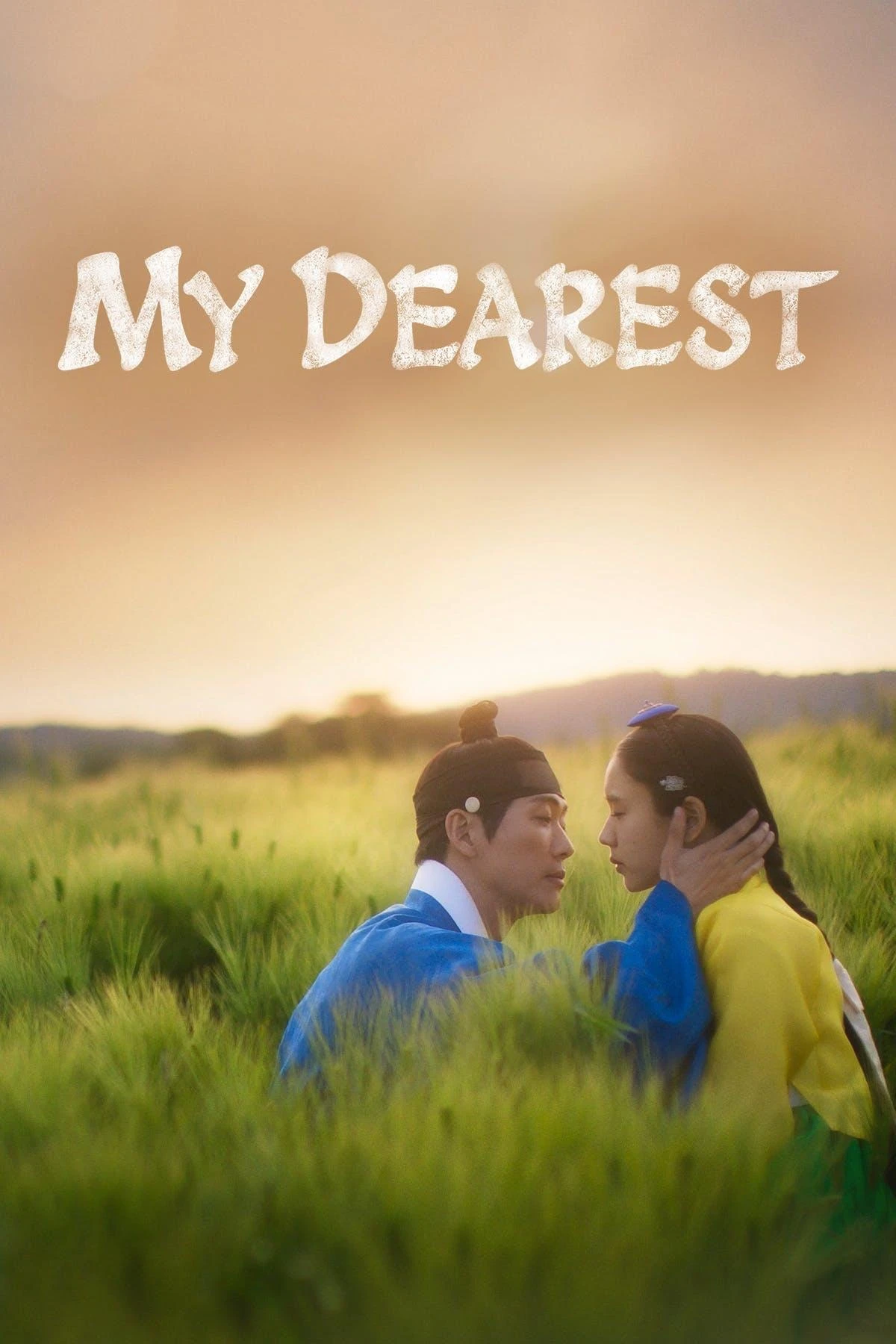
Park Seo-jun and Park Hyung-sik carry the emotional core as two men who start as rivals-by-accident and end up genuinely reshaping each other, but it’s Go Ara’s Ah-ro who gives the love triangle its stakes — she’s never a passive prize being fought over, she has her own reasons for everything she chooses. Fans of tragic historical romance who found My Dearest compelling for how war reshapes its central relationships will recognize the same instinct here, just filtered through Silla instead of the Joseon-Qing war.
Twenty episodes is a real commitment for a coming-of-age ensemble, and Hwarang earns most of it by treating its supporting Hwarang members as more than backdrop — Ban-ryu’s arc from class-resentful bully to genuine ally, Han-sung’s quiet loyalty, Soo-ho’s unlikely tenderness toward the queen he’s supposed to distrust. The finale’s choice to end on brotherhood rather than a throne is the show’s whole thesis paying off at once.
👍👍👍 BEST FOR 👍👍👍
👑 Fans of hidden-royalty dramas who want a full ensemble, not just one central pair ⚔️ Anyone who wants sageuk politics with real youth energy underneath 💔 Viewers who like a love triangle where every side actually has a case
⚖️ Final Verdict
What works
•An ensemble cast where nearly every Hwarang member gets a real arc
•Park Seo-jun and Park Hyung-sik’s rivalry-to-brotherhood dynamic
•A finale that resolves the throne conflict through character, not just plot
•Go Ara’s Ah-ro given real agency in a story that could have sidelined her
What to know first
•20 episodes with a lot of ensemble subplots — expect a slower burn than a tighter sageuk
•The central love triangle doesn’t resolve until very late in the season
•Some real tragedy along the way — this isn’t a purely lighthearted watch
8.0 / 10— A youth sageuk that earns its size, turning a crowded ensemble into the actual emotional engine of the show.
💬 Helpful? Share this guide →
🎬 You Might Also Like
If you liked Hwarang: The Poet Warrior Youth, these are your next three watches.















Keep it kind, skip the harsh language, and please — no spoilers. Everyone's taste is different, and that's perfectly fine.
This space is for real reactions and discussion from other viewers. Help keep it comfortable for everyone by not giving away major plot details.
1 Comment
A hidden king disguised as a commoner and a commoner disguised as a dead man, both thrown into the same elite warrior corps, is such a clean way to stack two identity secrets against each other 🗡️ — and Queen Jiso building the whole group to control the throne, only to watch it turn into the found-family story that actually carries the season, is a satisfying reversal. Curious how everyone felt the group dynamic held up once both lies started unraveling.
What do you think of this drama?
Login to share your review or leave a comment.
No email needed — just pick a username & password.