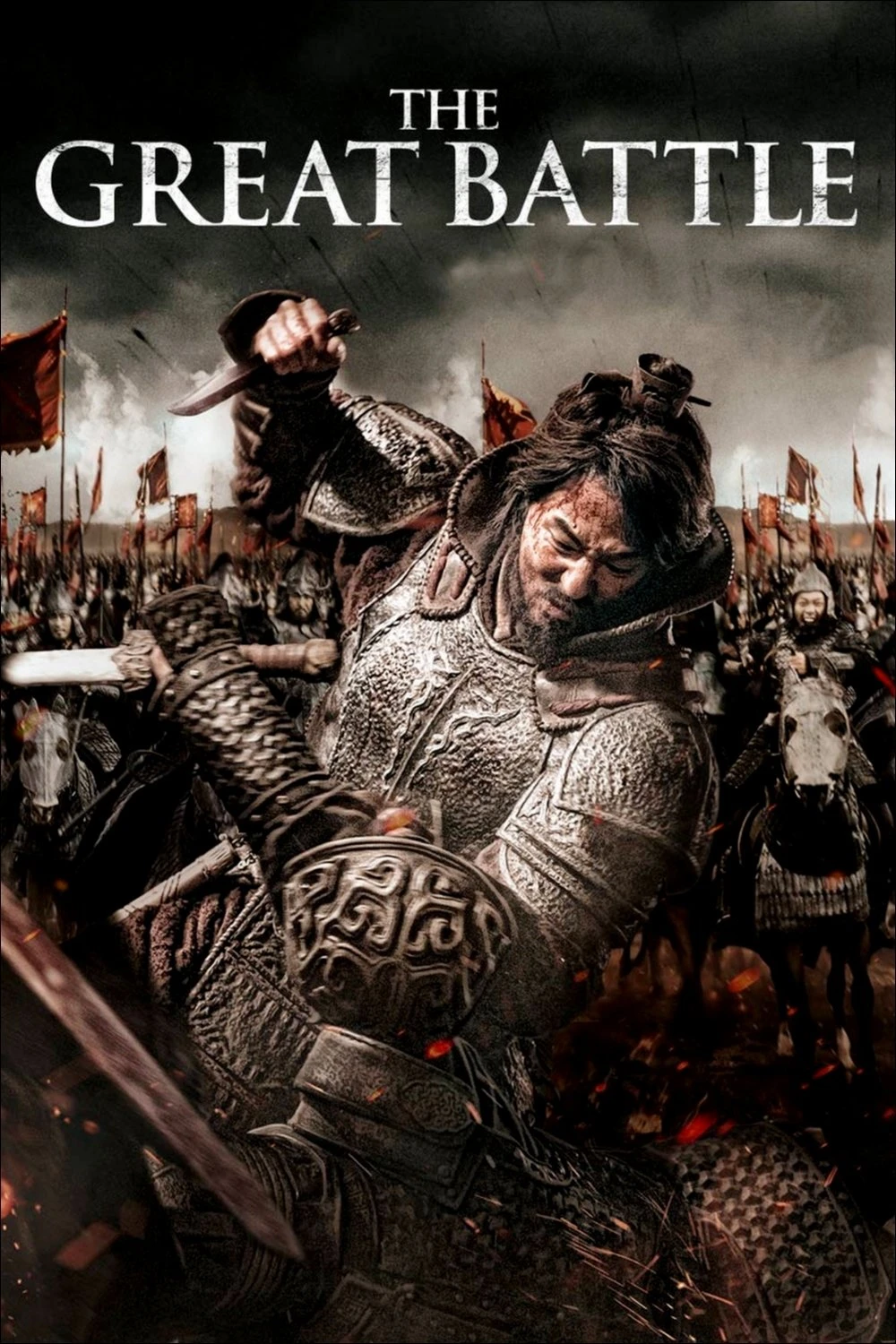
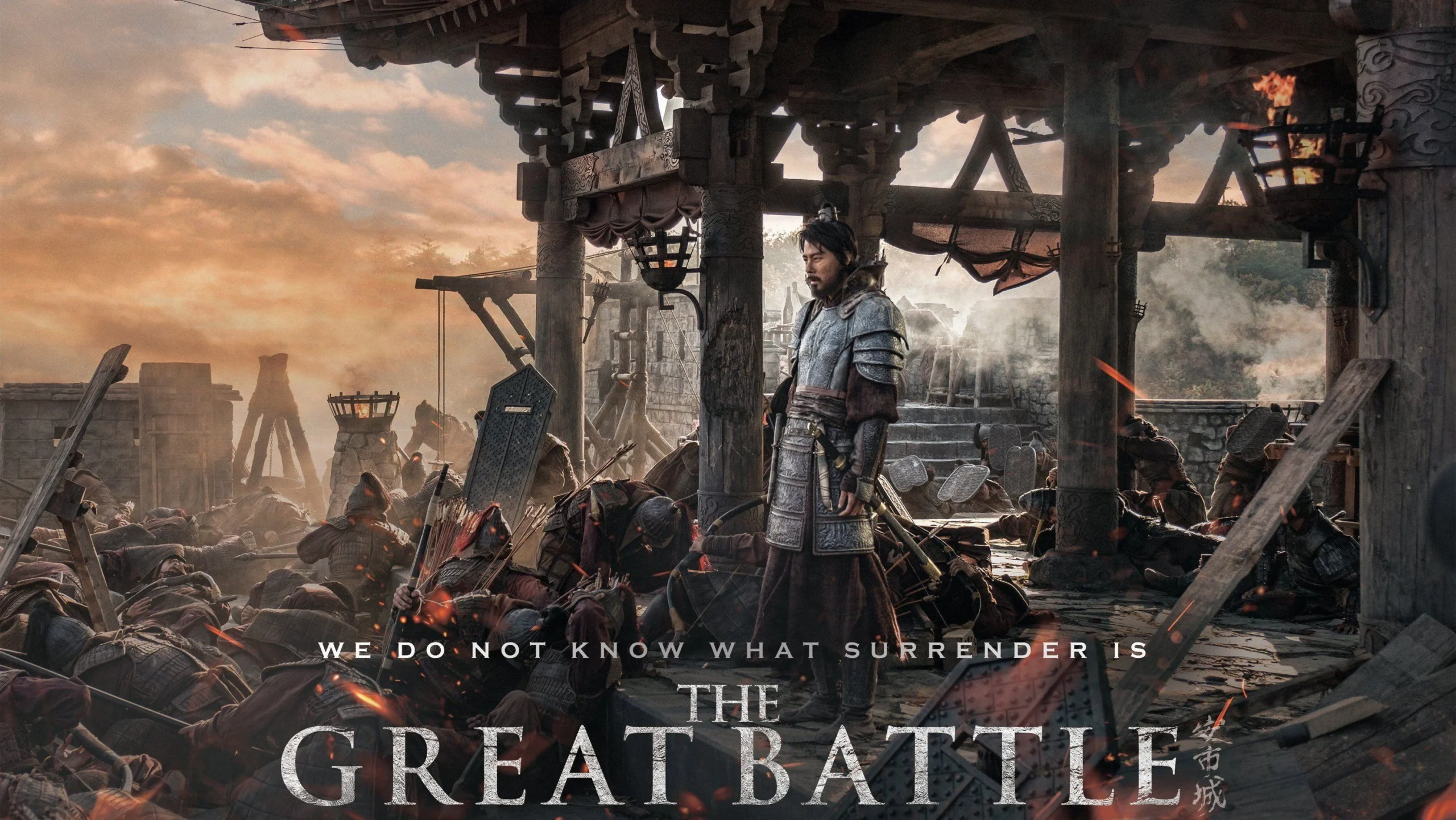
The Great Battle
🎬 Film Overview
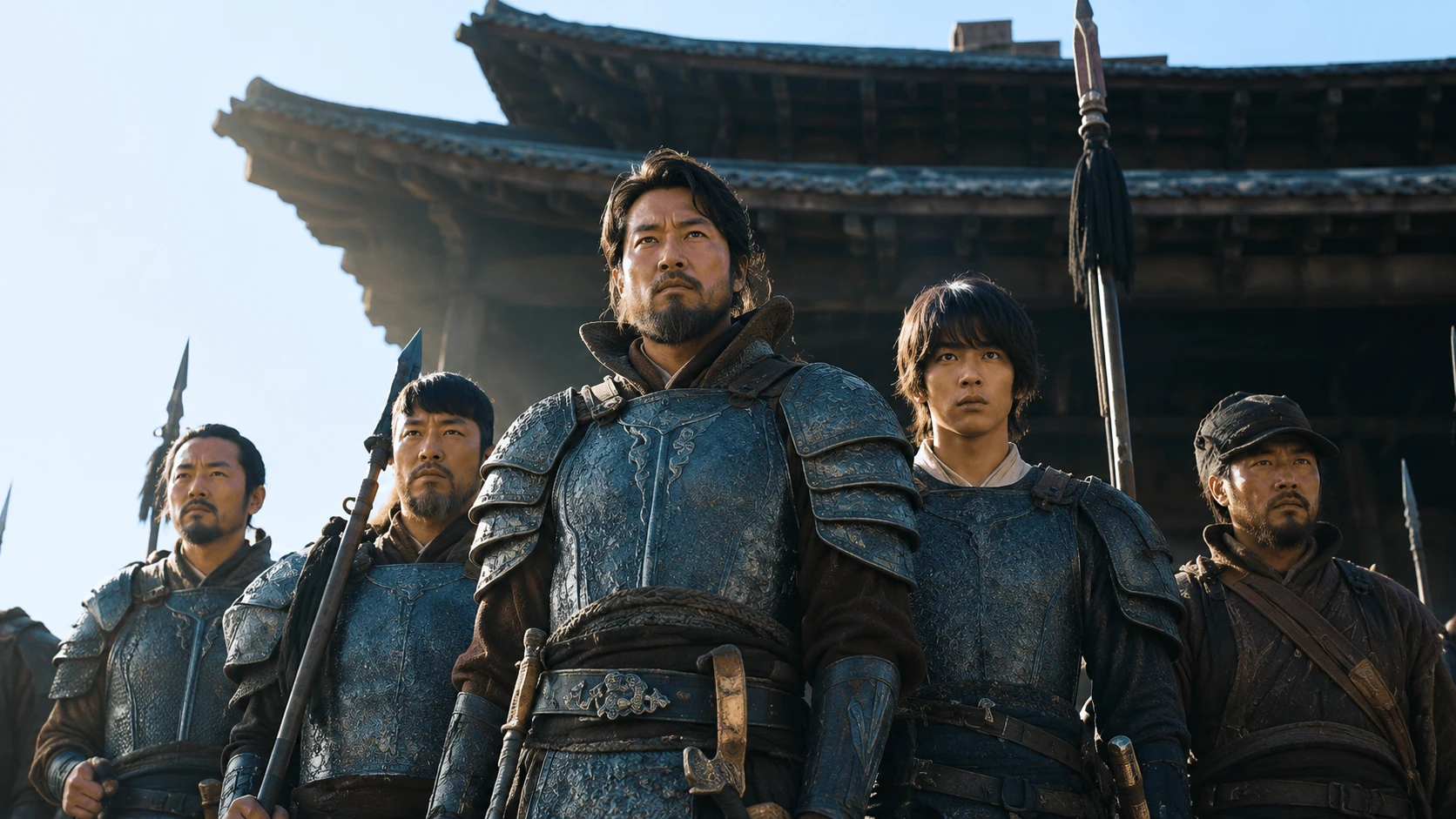
In 645 AD, Emperor Taizong of Tang pushes through Goguryeo winning battle after battle, and the only thing standing between his army and the road to the capital is the fortress of Ansi. Its commander, Yang Man-chun, did not march out to help in the field, so General Yeon, who holds real power in the kingdom, sends a young cadet named Sa-mul to kill him. Sa-mul arrives, finds a leader he cannot hate, and ends up defending the walls instead. The Great Battle is Kim Kwang-sik’s account of the 88-day siege, a David and Goliath war film that keeps its patriotism in check and spends its budget on staging the fight so the audience can follow every stage of it. Zo In-sung leads from the front, and the film does the rest with scale.
⚡ Quick Verdict
Everything worth knowing, distilled into one box.
Watch The Great Battle Free (US Only)
Free to watch - US only. Its owner makes this movie available only in the United States. If it doesn't play in your country, you may need a VPN with a server in an allowed country to watch it.
Region limits are set by the video owner, not by KDramaWorlds. Please make sure VPN use is allowed where you live and by YouTube's terms.
This film is free with ads, but the stream is currently available only in certain regions, mainly the United States. If the player shows “not available in your country,” the film can’t be played from your location.
Official Videos


🎭 Cast & Characters
The commander, the cadet sent to kill him and the emperor who picked the wrong fortress.

Lead

Lead
Supporting

Supporting

Supporting

Supporting

Supporting

Supporting

Supporting

Supporting
Supporting

Supporting
🍿 Where to Watch
Watch The Great Battle on these platforms.
📖 The Story
No spoilers — just what you need to know going in.
The film opens in the summer of 645 with the Battle of Mount Jupil, and it does not go well for Goguryeo. Emperor Taizong of Tang is marching through the kingdom one victory after another, and the open-field fight that begins the story is one more defeat. Among the survivors is Sa-mul, a young cadet who loses someone close to him in the chaos. Reviewers disagree on who: View of the Arts says a close friend, while Windows on Worlds says his brother. Either way, he leaves the battlefield grieving and angry, which is exactly the state in which the people above him want him.
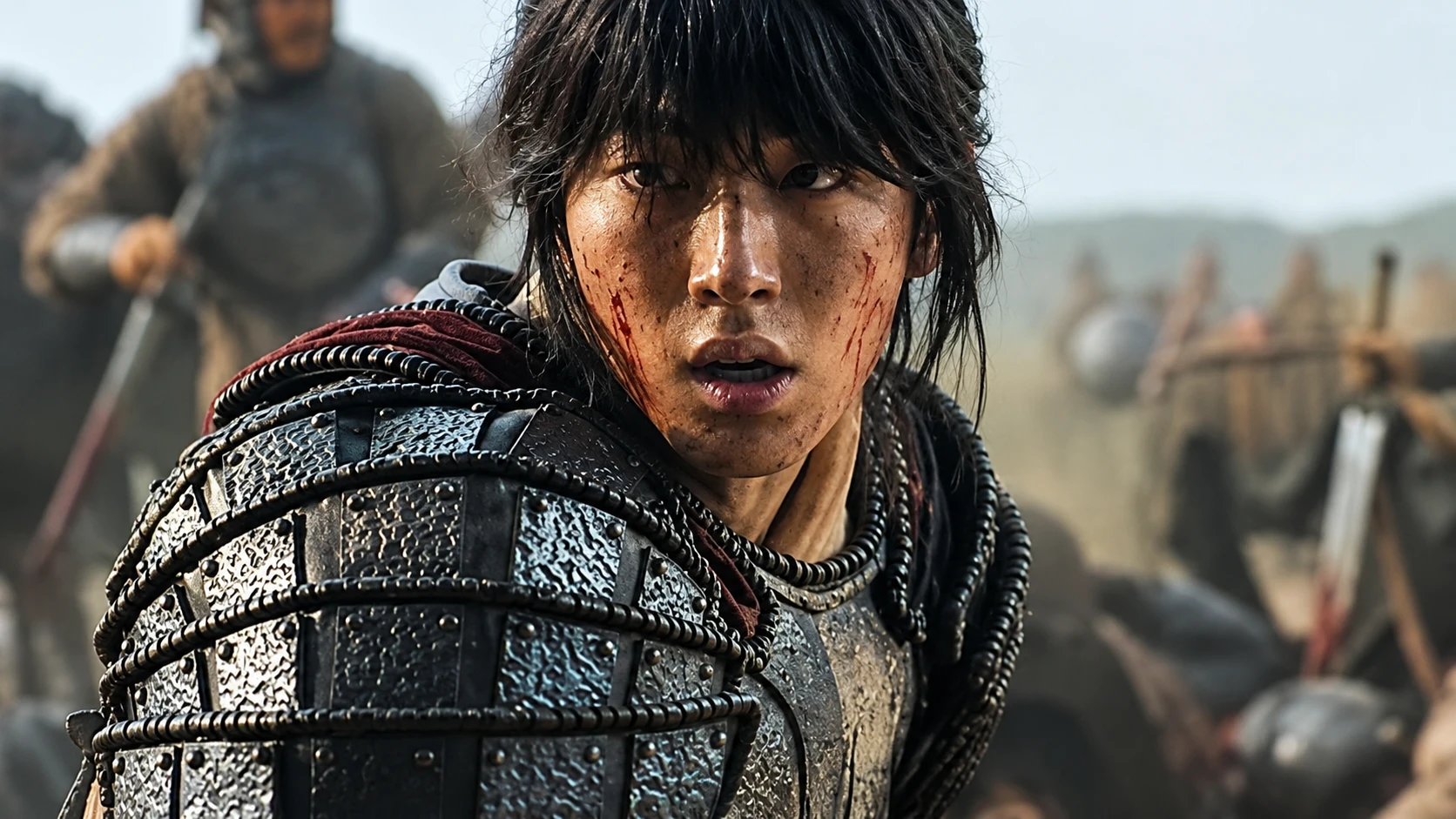
The people above him are the ones running Goguryeo. According to Windows on Worlds, the king has been usurped and most of the lords stand behind General Yeon, who promises to defeat the Tang but plans to do it by giving up ground. His plan is to fall back toward the capital and prepare a final stand there, which leaves the fortress of Ansi to face the enemy on its own. Yeon also holds a grudge against Ansi’s commander, Yang Man-chun, who did not send troops to the fight at Mount Jupil and is therefore treated as a traitor. Because Sa-mul comes from Ansi, Yeon gives him a promotion and a mission: go home and kill Yang.
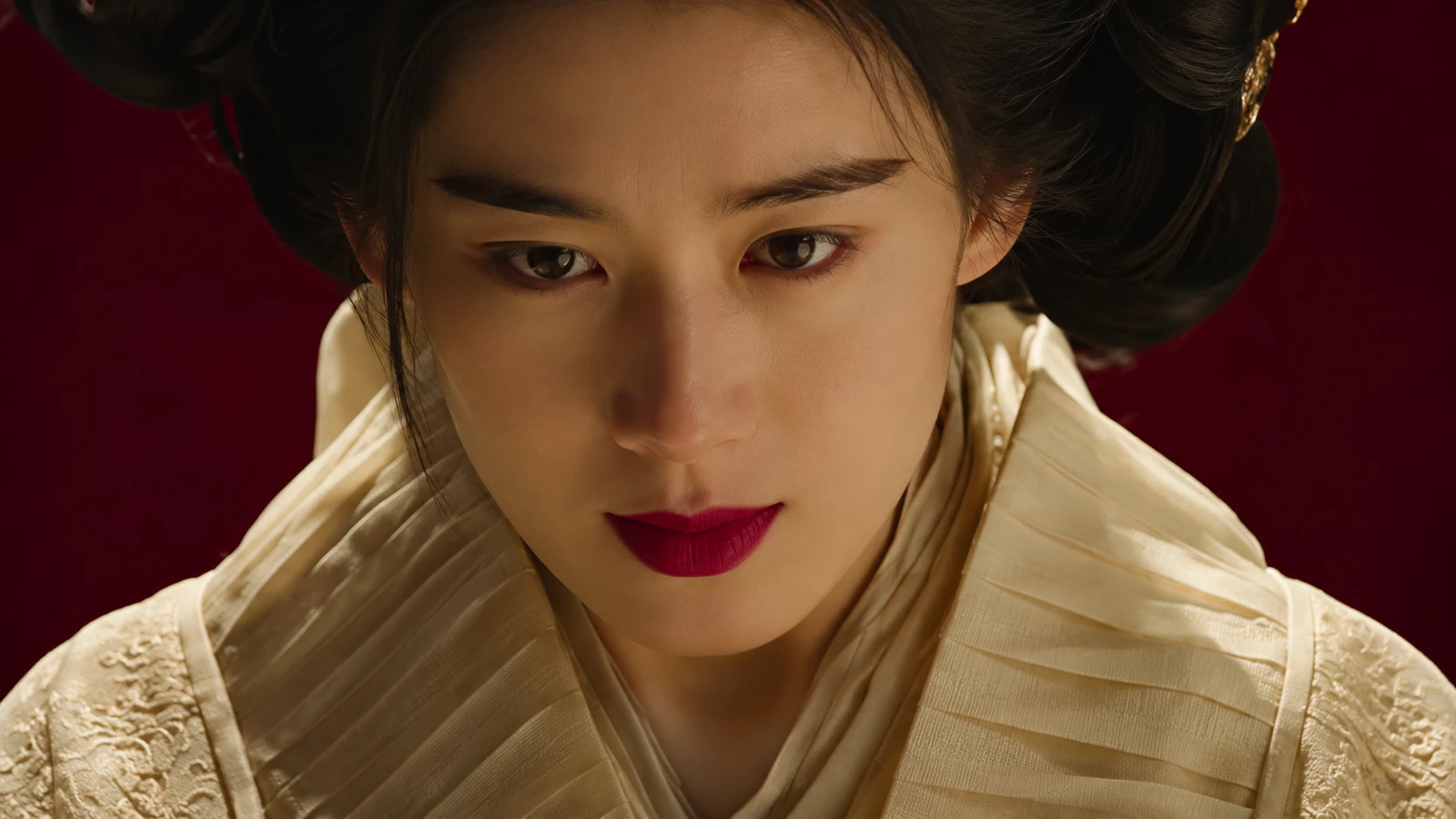
Sa-mul accepts the order and walks into Ansi expecting a rebel. What he finds is a commander who eats with his soldiers and fights at the front of them, and a community that plainly trusts him. Windows on Worlds notes that Yang knows exactly why Sa-mul has come and lets him stay anyway, hoping the young man can be turned. The people around Yang give the fortress its personality: his stolid right-hand man Choo Su-ji, the husky-voiced cavalry leader Pa-so, his sister Baek-ha who commands the crossbow squad, and the bickering pair Poong and Hwal-bo who supply most of the jokes. View of the Arts points out that several of these figures are largely invented, since the record says so little about the real defence.
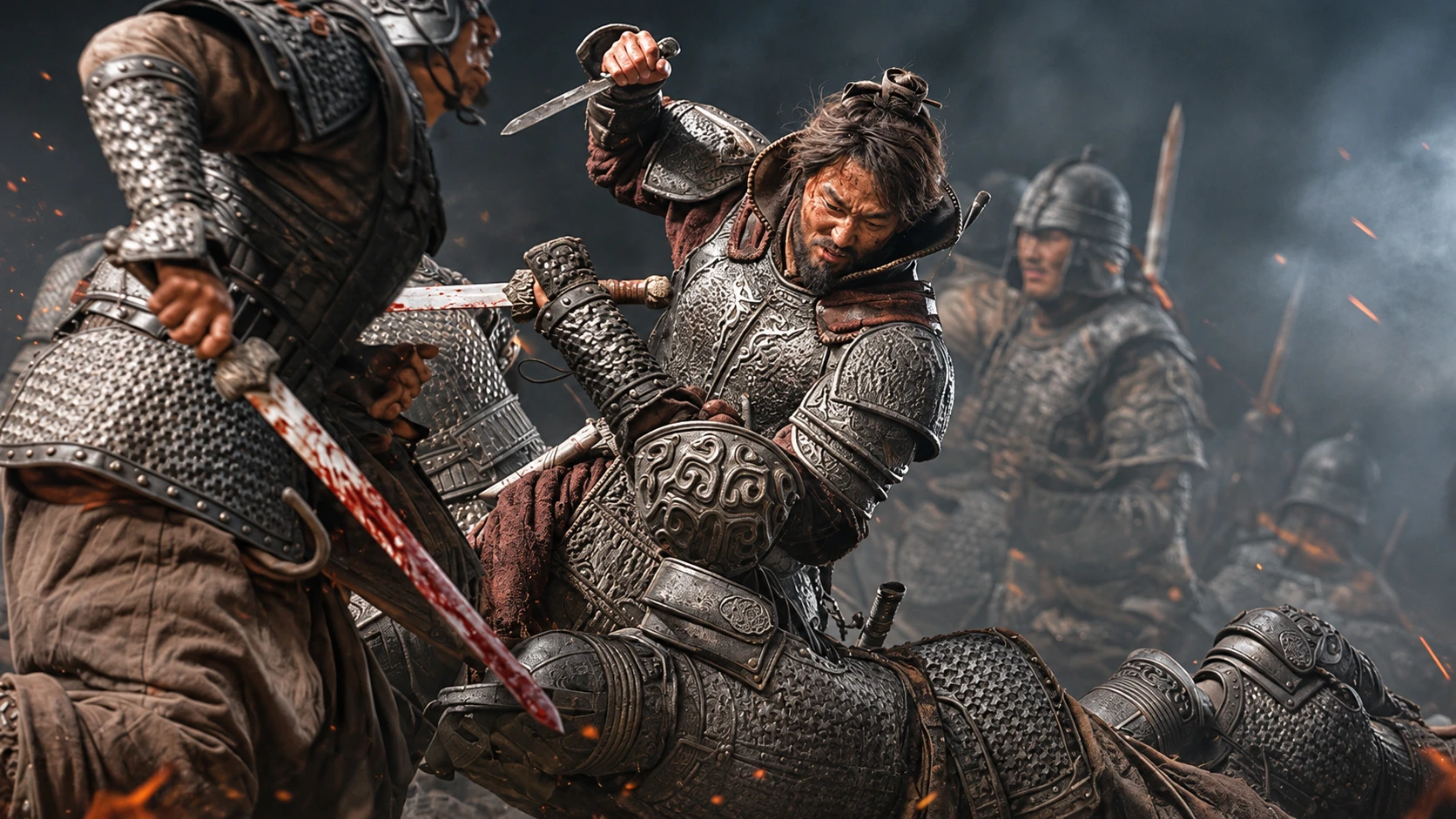
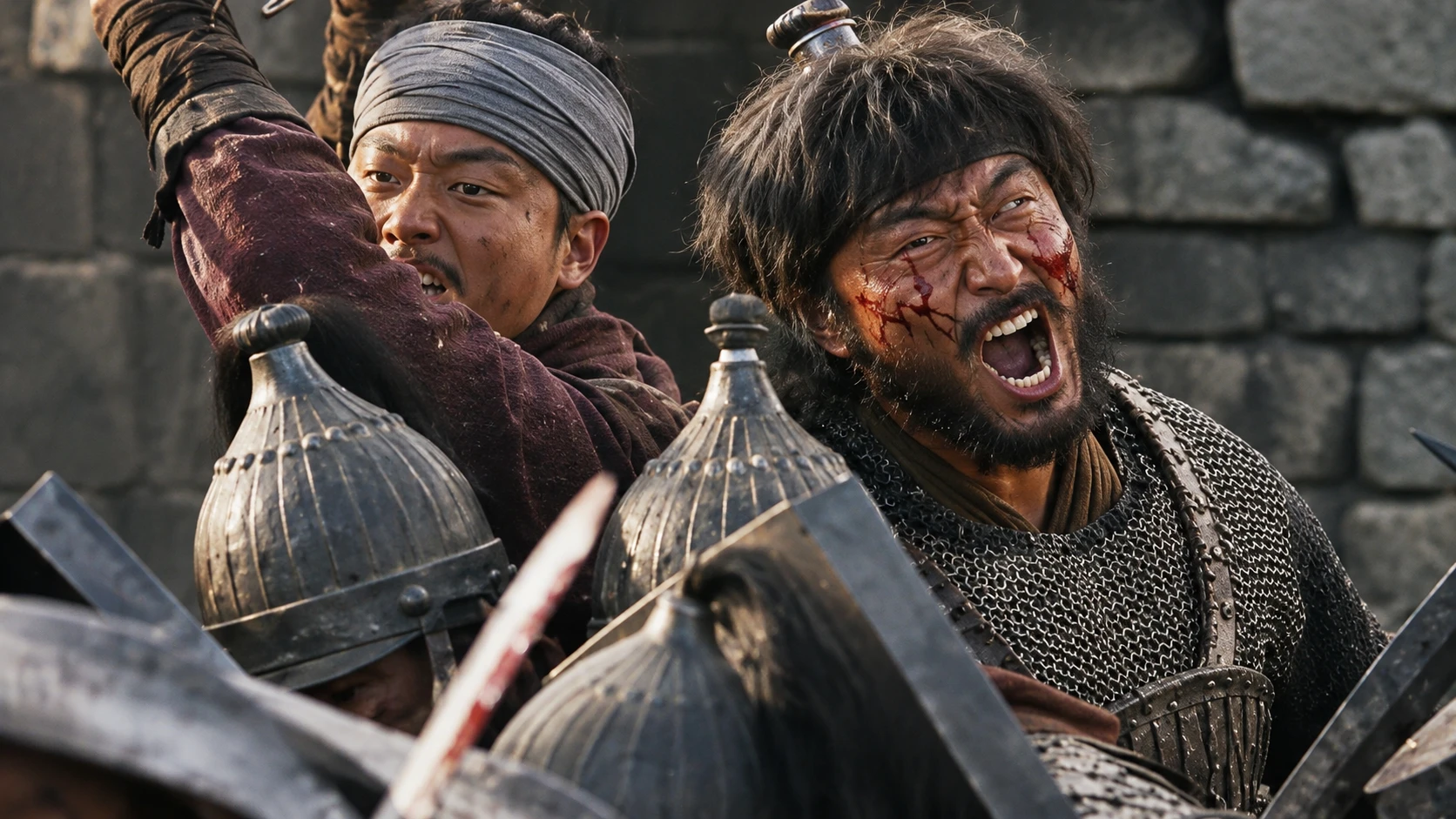
Then the Tang army arrives, and the movie becomes what the poster promised. Windows on Worlds says Ansi’s defenders hold out through cleverness and solidarity, and View of the Arts describes Yang answering each method of assault as it comes, from catapults to the soldiers trying to break through the main gate. ScreenAnarchy calls the first couple of attacks blistering. The odds are a David and Goliath mismatch, and the film leans into slow-motion and overhead views of the fortress so that viewers can follow both the single sword fight and the shape of the whole siege.
The middle of the film slows down to let the siege settle in, and this is where reviewers become less generous. ScreenAnarchy says the writers add a few unlikely scenarios and a rushed side plot, and Asian Movie Pulse, as quoted on Wikipedia, felt that detours such as a captive psychic added about twenty minutes the film did not need. The side stories are mostly romantic. Baek-ha loves Pa-so, and Yang tells the couple to wait until the war is over. Yang himself has lost a woman he cared for, Si-mi, who became a shamaness and later falls into Tang hands. Sa-mul is also pushed out of the action for a stretch, which Fictionmachine says speeds the film up. Some of Yang’s own people begin to wonder whether surrender would be wiser.
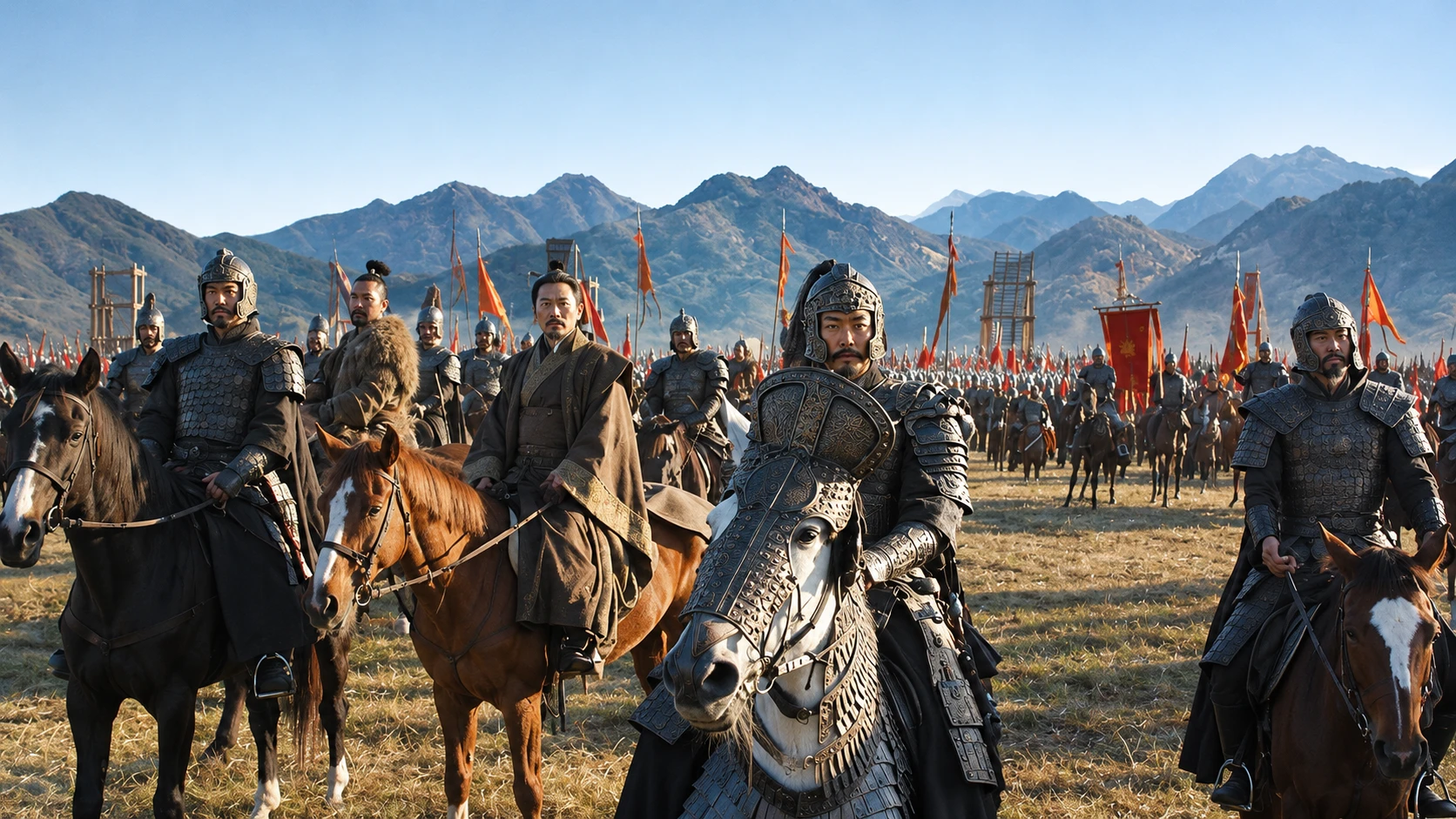
Taizong’s answer to a wall he cannot climb is to build a mountain taller than it. Windows on Worlds describes the Tang settling in for months of siege while they raise an artificial hill so their men can fight on the same level as Yang’s. The long middle of the siege is a test of nerve for both camps. Meanwhile Sa-mul has left the fortress with a different purpose from the one he arrived with. According to OhmyNews, he is the one who goes to persuade General Yeon to send help, and the rest of the story depends on whether that persuasion takes root in time.
Before the final assault, a note about the man in the middle of it all. The film calls its commander Yang Man-chun, but the historical sources describe him only as the lord of Ansi. An article by the historian Im Gi-hwan in Maeil Business says the name Yang Man-chun first appears in Joseon-era writing and traces back to a Ming-dynasty novel, so the character is built on a name the records never gave. Fictionmachine goes further and says historians generally think the commander was invented, though Wikipedia treats him as a real figure. Director Kim Kwang-sik has said the film adds imagination where records run out. That freedom is why the last act feels like a legend retold rather than a documentary.
🏁 Ending Explained
Spoiler territory from here — the ending, fully unpacked.
What actually happened Ansi holds. After 88 days the Tang army withdraws, and the film gets there through a chain of events rather than one blow. According to OhmyNews, the earthen mountain the Tang built to overlook the walls is captured by Goguryeo and then collapses, which turns the project that was meant to end the siege into the thing that damages the invaders most. Yang’s arrow wounds Emperor Taizong, and Wikipedia says that wound, together with the Tang’s low supplies, is what sends the army home. OhmyNews adds that the arrow costs Taizong his sight in one eye and that General Yeon, finally convinced by Sa-mul, sends reinforcements. Windows on Worlds reports that a defeated Li mutters it was a mistake to invade Korea and tells his successors never to try again.
The film is looser with history than it first appears. A Catholic University history professor quoted on Wikipedia calls the final shot, an arrow through the emperor’s eye, an unverified anecdote that cannot be taken as fact. OhmyNews, drawing on the Samguk Sagi and Chinese chronicles, gives a different version of why the Tang left: cold weather and a shortage of grain. It also notes that the real parting was oddly courteous, with the lord of Ansi appearing on the wall to bid the Tang farewell and Taizong sending a hundred bolts of silk in recognition of his loyalty. Daum’s historical column, quoting the Zizhi Tongjian, says the same. The film replaces that quiet exchange with a disordered retreat under attack.
What happens to the people of Ansi The sources I read are thin on who survives, and I will not guess. Cinema Escapist, as cited on Wikipedia, says Baek-ha never gets to develop her relationship with the cavalry officer before he dies in combat, and that the shamaness is killed off quickly after her capture. Fictionmachine remarks that the film keeps viewers unsure which of its protagonists will live to the credits. None of the reviews or summaries I found say whether Yang, Sa-mul, Choo Su-ji or the bickering pair Poong and Hwal-bo are alive at the end. Treat their final fates as unconfirmed; the one outcome all sources agree on is that the fortress stands.
Yeon’s role in the finale needs a closer look. Per OhmyNews, the film shows him persuaded by Sa-mul and belatedly changing his mind, sending the relief force that pushes the Tang to leave. That is a film invention, since the same article argues that the real Yeon and Yang cooperated in advance and stood together against Tang. Windows on Worlds reads the film’s politics another way: Yang defends his people against two forces at once, the Tang empire outside the wall and Yeon’s authoritarian caution behind it, and owes obedience to neither. So the reconciliation is only partial. Yeon helps, but the credit for the victory belongs to Ansi.
What it means The ending says that a small fortress can hold out against an empire when its leader stays among his people, and that the cost is paid by the people close to him. View of the Arts thought the finale had cliche elements, and Screen Anarchy found the last act top-heavy, so the payoff is not subtle. We read the closing shot differently from the critics who dismissed it. A commander who has led from the front for 88 days finally gets to be the one who ends the war, with a single arrow, and the film accepts the legend because the real history leaves a gap that is easy to fill. Reports of the last scenes are limited to the sources listed in our notes.
✍️ KDramaWorlds Editor’s Take
Straight talk on whether this one’s worth watching, and for who.
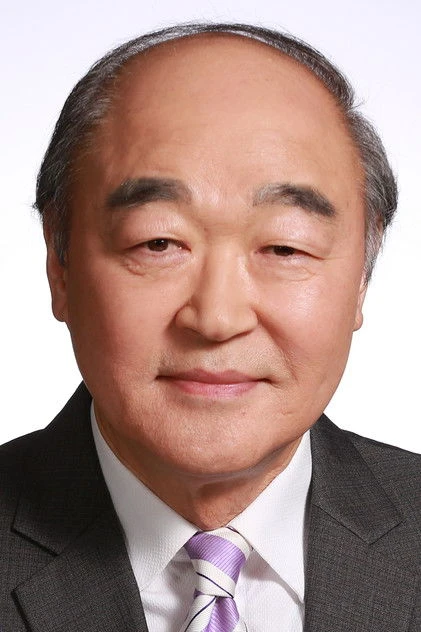
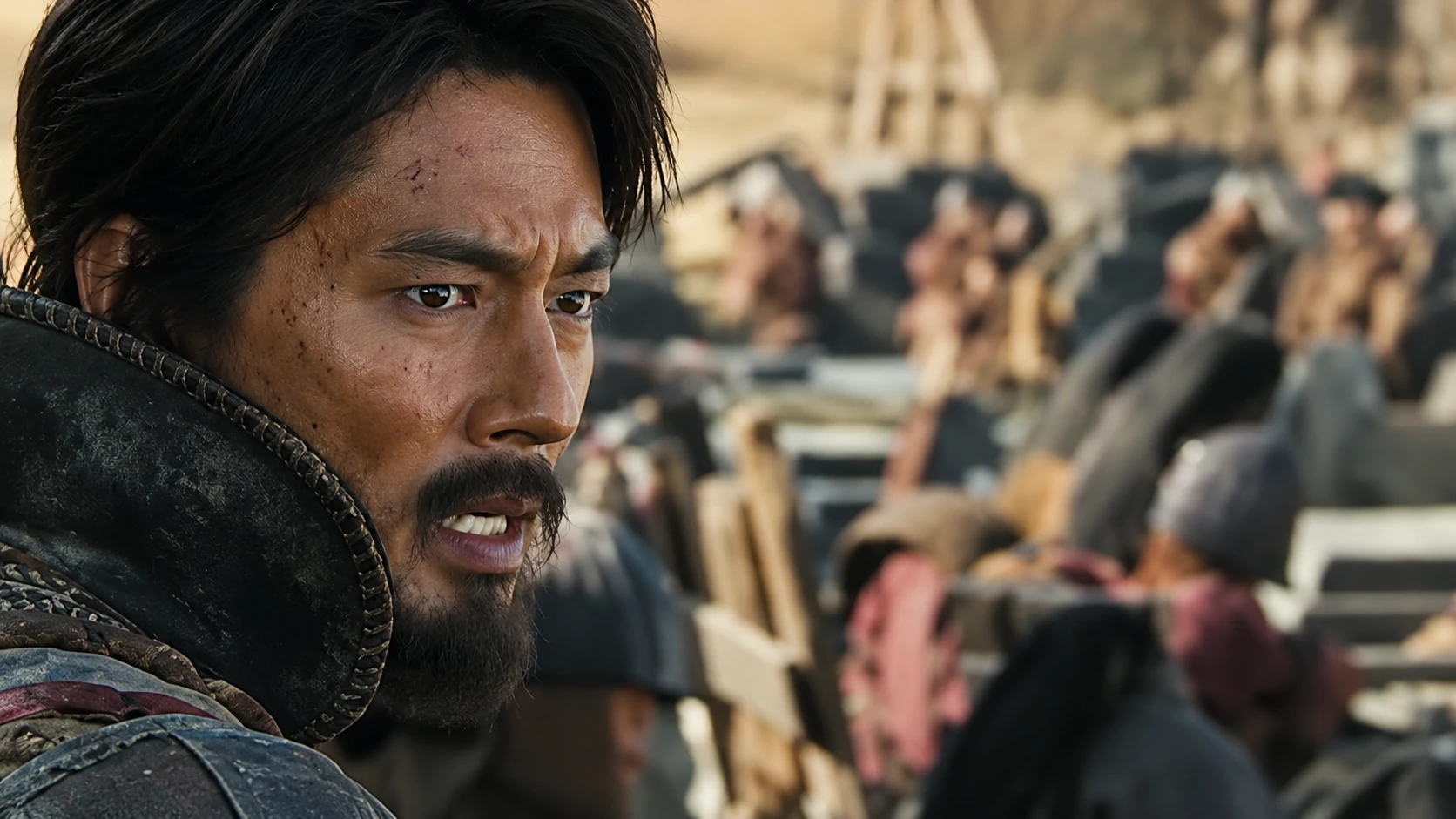
Korean cinema has made a lot of war epics, and many of them lean hard on pride. The Great Battle mostly steps around that. ScreenAnarchy credits Kim Kwang-sik with reining in the patriotic excess, and the result plays like a David and Goliath action film that happens to be set in ancient Goguryeo. If you liked the mood of Kingmaker, with its leaders making deals in a hostile world, this is the same era of Korean history staged for noise and scale. Zo In-sung’s Yang is the centre. Fictionmachine compares him to Henry V, a commander who stays down among his soldiers, and his warmth is what makes the long defence feel worth watching.
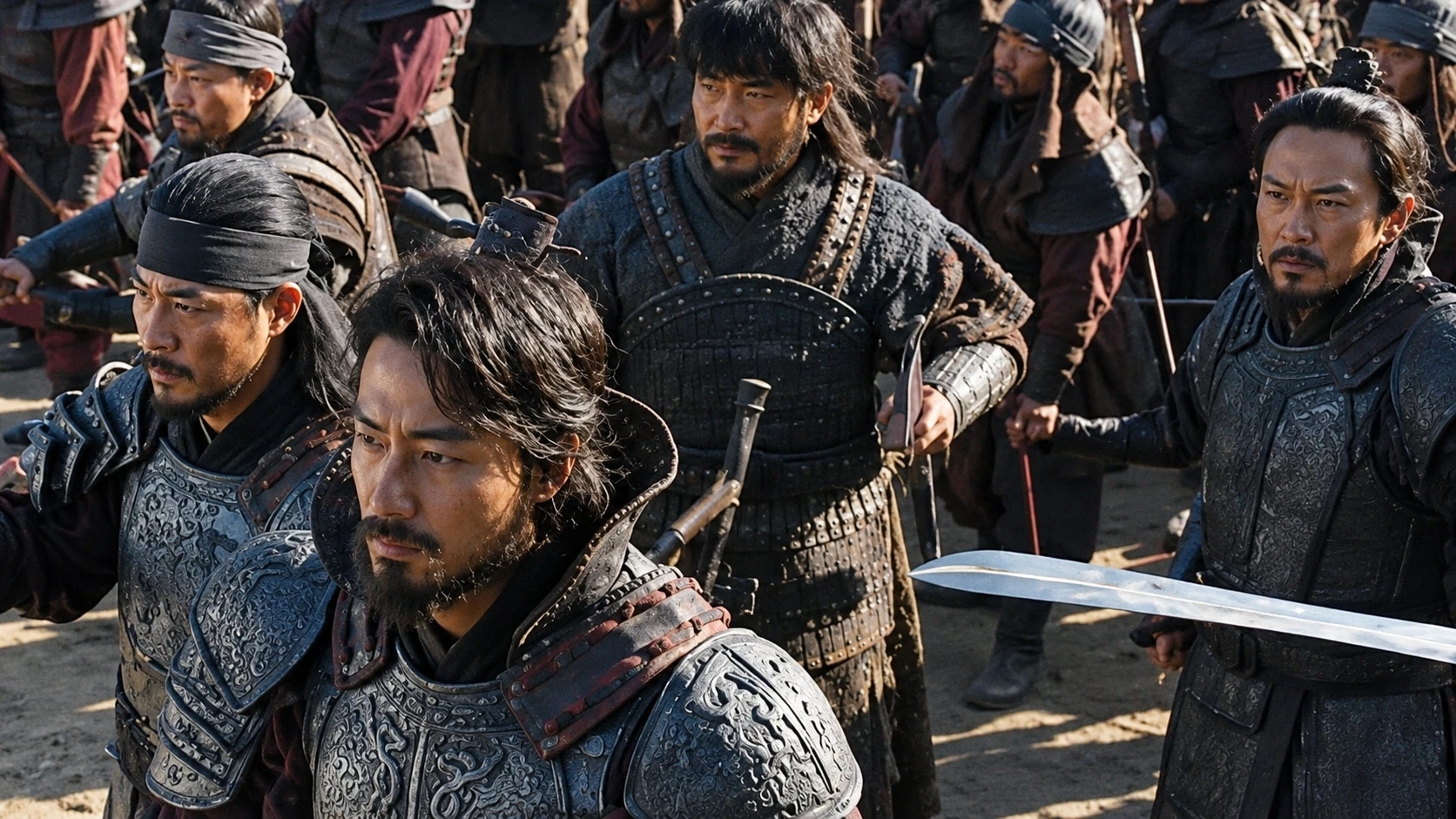
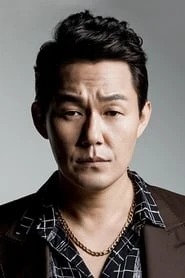
The film’s weakness is its characters. Reviewers say the supporting cast is drawn thinly, that the women, Baek-ha and Si-mi, get too little development, and that the middle of the siege drifts through a few unlikely turns and a rushed side plot. Nam Joo-hyuk’s Sa-mul is the audience’s way in, and Fictionmachine found his presence bland, though the same performance won him Best New Actor from the Korean Association of Film Critics. Park Sung-woong’s Emperor Taizong is the opposite: hammy, confident and a pleasure whenever he is on screen, even if two reviewers say his Mandarin does not sound natural. For a different Goguryeo-era story with a more personal scale, try The King’s Warden.
It was a hit. The film opened at number one in Korea in a Chuseok week crowded with Fengshui, The Negotiation and The Nun, and it went on to draw about 5.44 million admissions and US$41.5 million. That passed its break-even point of roughly 5.4 million, according to Wikipedia, against a budget of 21.5 billion won. The audience response was divided, with some viewers praising the action and others angry at the loose handling of history, and it got a 12+ rating. There is a lot to forgive and a lot to enjoy. On TMDB it holds a 6.8 from 203 votes, so the sample is small. It is a good Friday-night watch when you want a siege told cleanly.
🎬 You Might Also Like
If you liked The Great Battle, these are your next three watches.
 So I Married an Anti-Fan
Anti-FanChoi Tae-joon
Read Full Review →
|
 The Light in Your Eyes
Alzheimer'sfamily
Read Full Review →
|
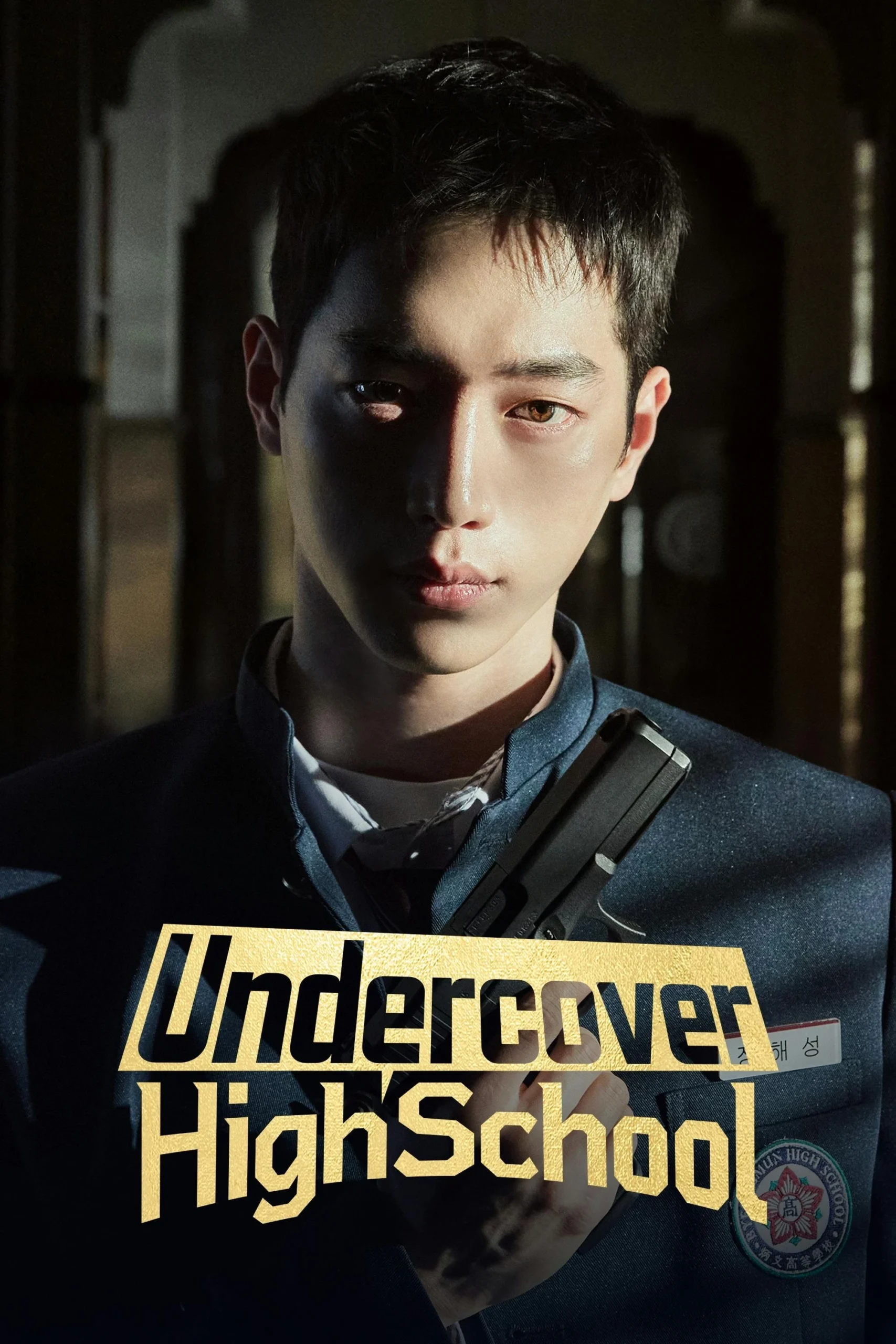 Undercover High School
conspiracyJin Ki-joo
Read Full Review →
|










Keep it kind, skip the harsh language, and please — no spoilers. Everyone's taste is different, and that's perfectly fine.
This space is for real reactions and discussion from other viewers. Help keep it comfortable for everyone by not giving away major plot details.
What do you think of this drama?
Login to share your review or leave a comment.
No email needed — just pick a username & password.