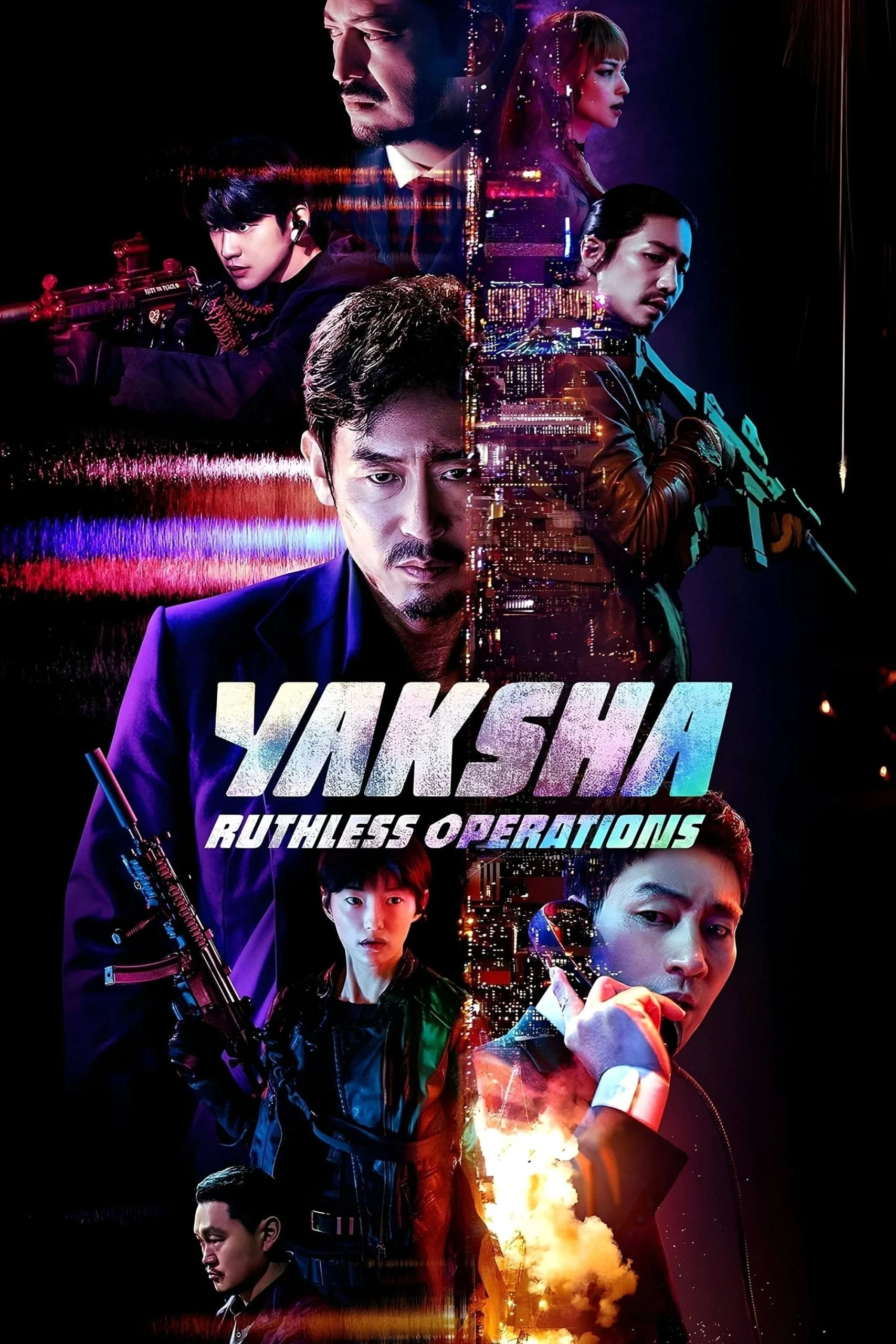
Yaksha: Ruthless Operations
🎬 Netflix · Viu
⭐ 7.9 MDL
🔞 TV-14
🎬 Film Overview
BLACK OPS THRILLER PICK
Ji Kang-in runs a black ops team for South Korea’s National Intelligence Service out of Shenyang, a city where alliances shift by the hour and everyone’s cover story has an expiration date. His nickname, Yaksha, borrowed from the flesh-eating spirit of Buddhist myth, isn’t marketing. Kang-in gets results by treating rules as a starting negotiation rather than a boundary, and his team follows him into that gray area without much hesitation. His superiors in Seoul tolerate him because he’s effective. They watch him closely because effective and reckless have started to look like the same thing on paper.
Han Ji-hoon doesn’t have that luxury. A prosecutor whose career took a hit over a procedural misstep, he’s sent to Shenyang to quietly audit Kang-in’s operation and chase down rumors of a mole inside the agency’s overseas division. He arrives with a rulebook and a chip on his shoulder, both of which Kang-in finds mildly amusing. Then a high-ranking North Korean defector surfaces with a list of double agents valuable enough to pull Chinese, Japanese, and rival Korean intelligence into the same room at once, and Ji-hoon’s oversight assignment turns into something closer to survival.
⚡ Quick Verdict
Skip the scroll — here’s the verdict in one glance.
· MDL · 6,649 ratings
▶ Official Trailer
🎭 Cast & Characters
A black ops unit built on unspoken trust, and the by-the-book prosecutor sent to dismantle it.
Lead
Lead
Supporting

Supporting

Supporting

Supporting

Supporting

Supporting

Supporting

Supporting
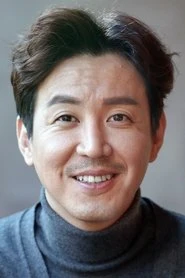
Supporting

Supporting
📖 The Story
No spoilers, just the setup — enough to decide if it’s for you.
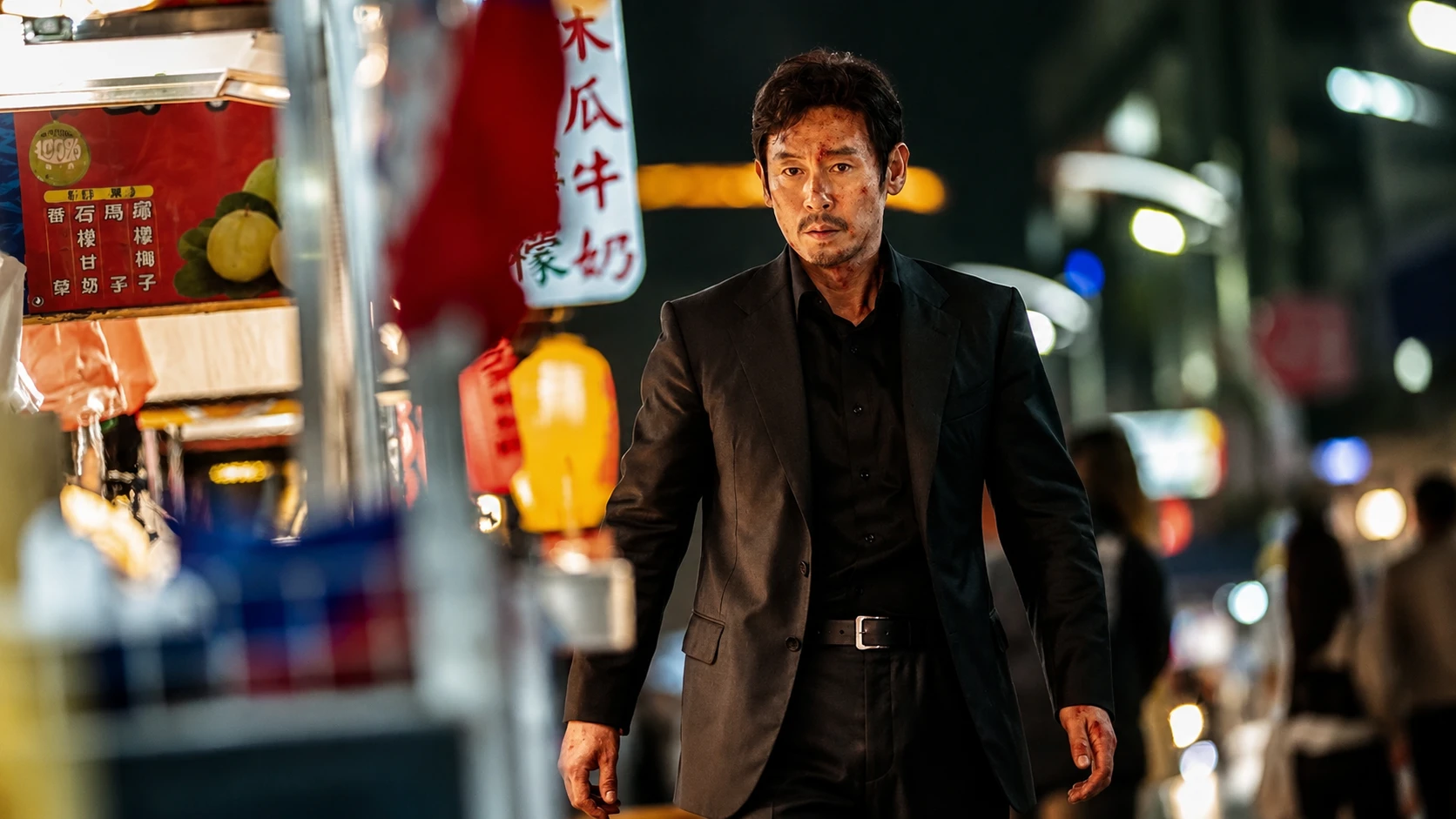
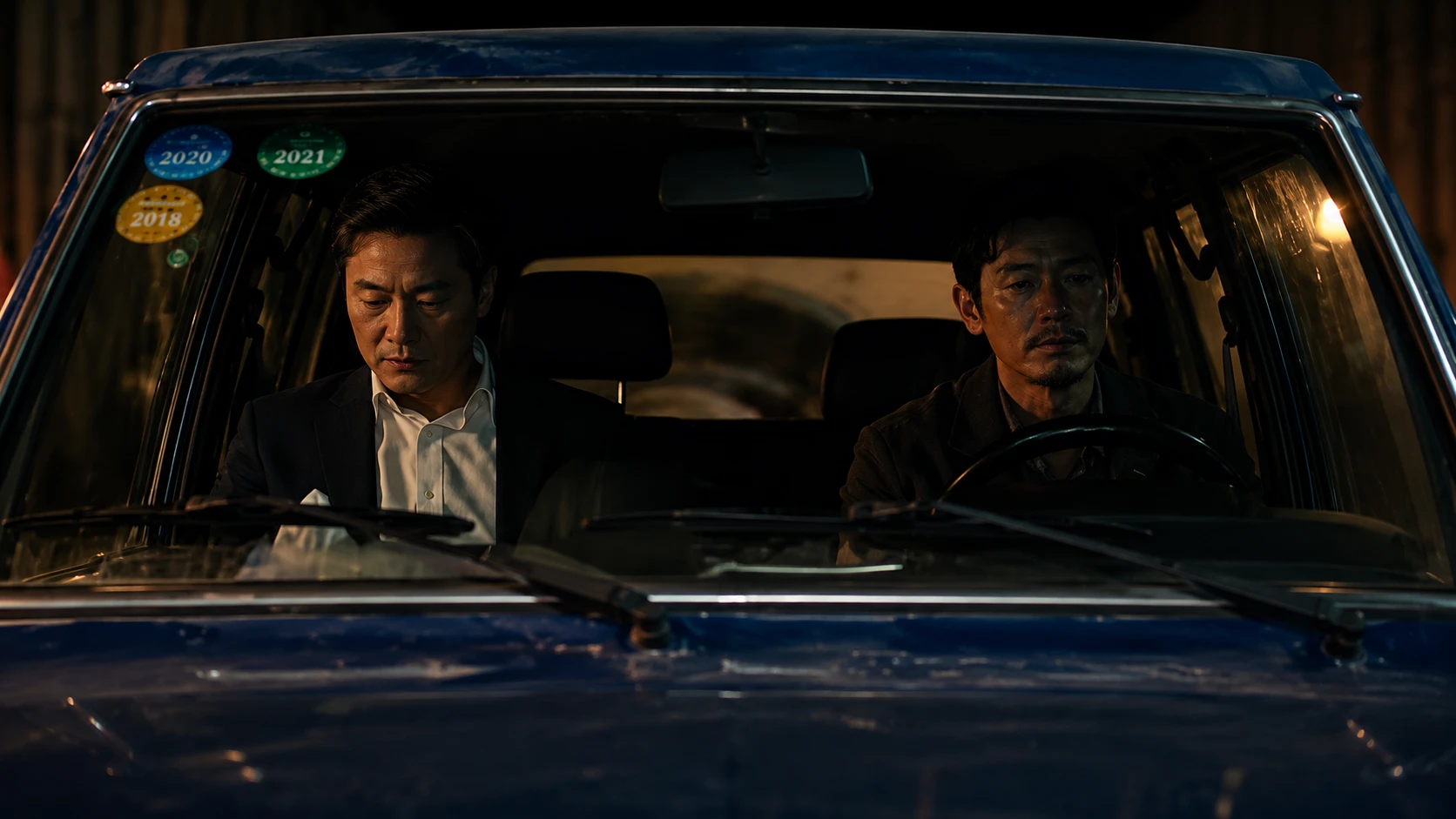
Shenyang, as the film frames it, isn’t really Chinese, Korean, or Japanese territory so much as neutral ground where every intelligence service on the continent keeps a foothold. Ji Kang-in’s Black Team operates out of that ambiguity, running informants, faking documents, and occasionally disappearing people who’ve become liabilities. Kang-in doesn’t apologize for any of it. His agents, Hee-won among the most seasoned, Jung-dae the youngest and still finding his footing, trust him precisely because he never pretends the work is clean.
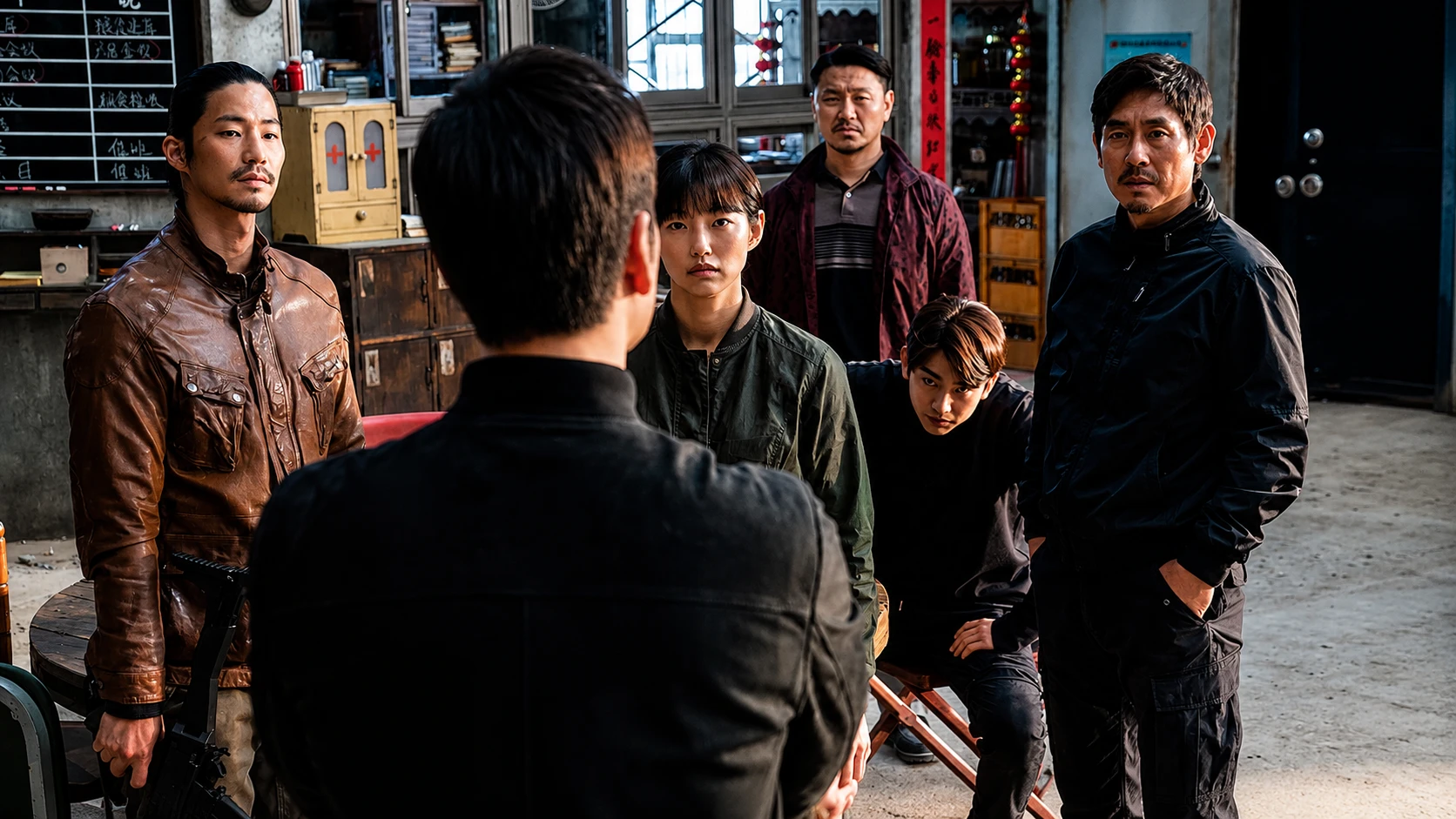
Han Ji-hoon’s arrival is meant to be quiet. It isn’t. His procedural instincts collide with Kang-in’s operation almost immediately, and the friction isn’t played as a simple culture clash — Ji-hoon genuinely believes the rules he’s enforcing exist for a reason, and nothing about Kang-in’s methods so far has proven him wrong.
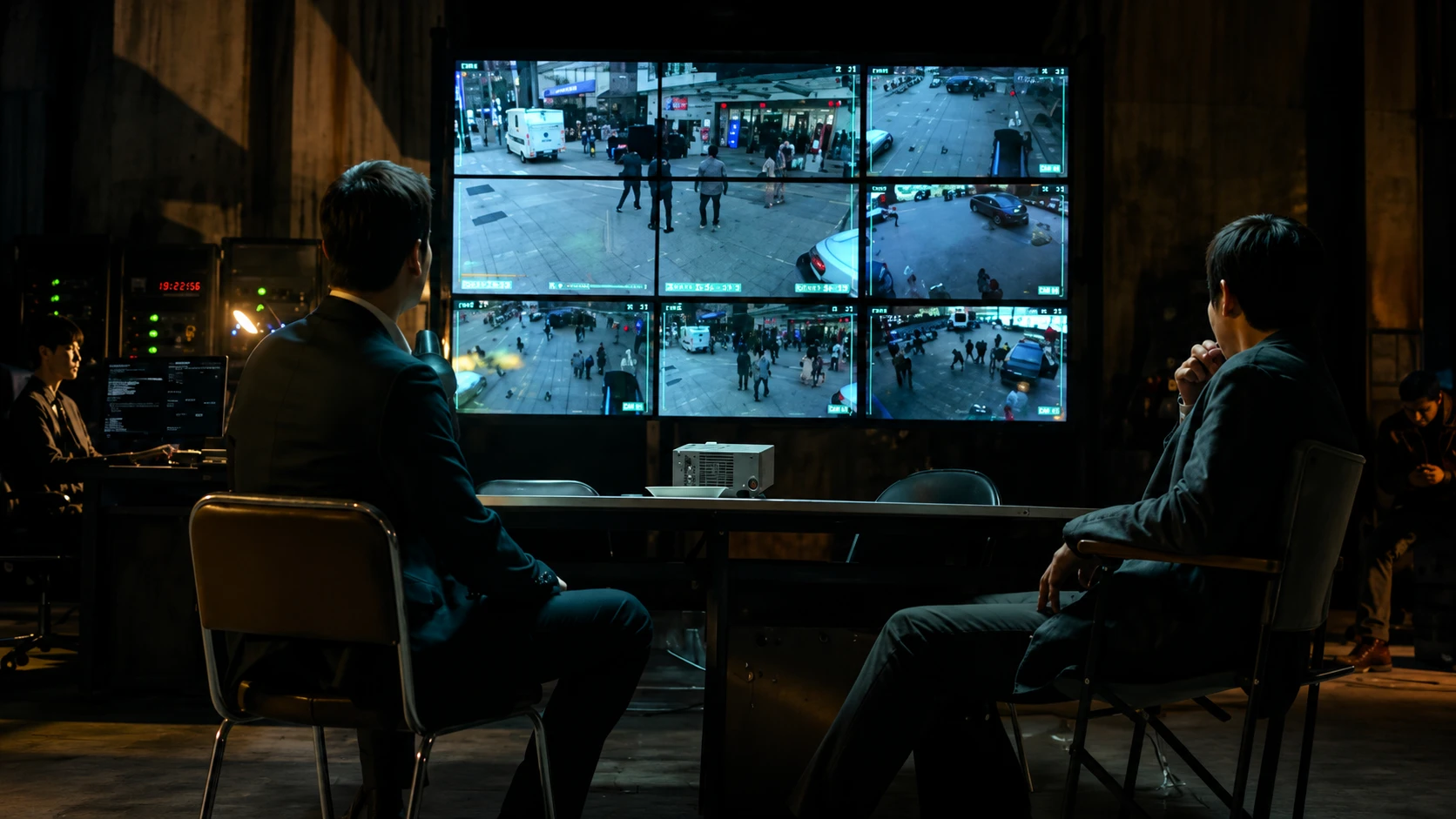
That belief gets tested fast. Moon Ju-yeon, a high-ranking North Korean official, wants to defect, and she’s carrying a list identifying double agents planted across multiple intelligence services. The moment that intention leaks, South Korean, North Korean, Japanese, and Chinese operatives all converge on the same narrow window to grab her, or the list, or both. Ji-hoon’s oversight mission stops being about paperwork.
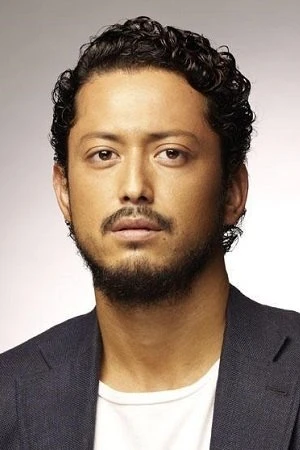
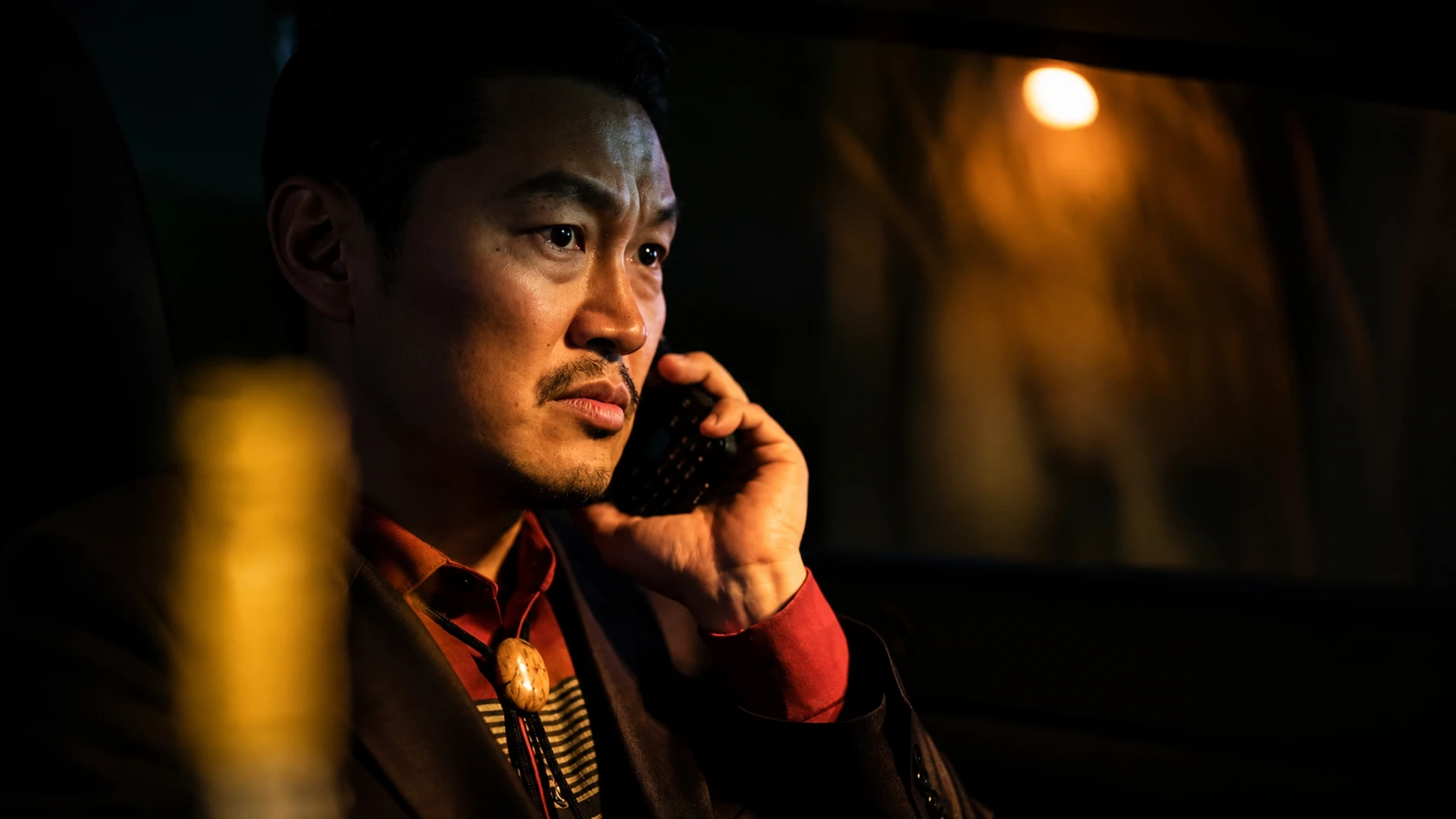
Ozawa Yoshinobu, the Japanese intelligence operative running his own play for the list, gives the chase its sharpest rival dynamic. He’s patient where Kang-in is impulsive, and the two men’s competing approaches to the same problem, control versus improvisation, end up shaping most of the film’s back half more than any single set piece does.
Ji-hoon, dragged deeper into the operation than his mandate ever authorized, starts making the kind of calls Kang-in would make. Not because he’s abandoned his principles exactly, but because the situation stops offering clean options. The film doesn’t rush this shift or treat it as a twist — it plays out across several smaller decisions, each one slightly more compromised than the last.
Back in Seoul, NIS Director Yeom Jeong-won has her own reasons for wanting the operation to go a particular way, and the film starts dropping hints that the mole Ji-hoon was originally sent to find might sit closer to the top of the org chart than anyone in Shenyang assumed.
By the time every faction has a body in Shenyang, Kang-in, Ji-hoon, Ozawa, and whatever’s left of Director Yeom’s loyalty are all circling the same narrowing target: get to Ju-yeon and the list before someone else does, and survive whatever comes after.
🏁 Ending Explained
Spoiler territory from here — the ending, fully unpacked.
Full Spoilers Ahead — This section covers the complete ending of Yaksha: Ruthless Operations. Stop here if you haven’t watched.
How the Black Team secures the list Kang-in fakes his own death to draw Ozawa out into the open, a gamble that only works because his team, and by that point Ji-hoon too, commit to the deception without hesitation. With Ozawa exposed and off balance, the Black Team moves in, secures Moon Ju-yeon, and pulls the list of double agents out of play before any rival service can claim it.

What happens to Director Yeom The corruption Ji-hoon was quietly sent to investigate turns out to be real. Director Yeom Jeong-won is apprehended and handed over to him directly, a full-circle moment for a prosecutor who started the film chasing rumors about someone else’s department and ends it exposing his own agency’s leadership.
What it costs Ji-hoon The mission succeeds, but not cleanly. Ji-hoon ends the film having orchestrated deception, endangered civilians by proxy, and operated well outside the legal boundaries he arrived defending. Yaksha doesn’t ask the audience to see that as a corruption of his character so much as an education in what his job actually requires once the paperwork runs out.
What the film leaves open Yeom’s capture doesn’t fix the NIS. The film is careful not to suggest one corrupt director was the whole problem, and the Black Team’s future is left similarly unresolved — they won the operation, but nothing about their working conditions has actually improved. Their next assignment is implied to be just as dangerous as this one.
The KDW verdict The ending recontextualizes Kang-in’s opening execution of a traitor, which plays as cold and lawless before the audience understands the world he operates in. By the finale, after watching Ji-hoon arrive at similar choices under similar pressure, that opening scene reads less like brutality and more like a preview of the film’s actual argument: in Shenyang’s version of national security, waiting for permission gets people killed.
✍️ KDramaWorlds Editor’s Take
Is it worth your time? Here’s our honest take, and who it suits best.
Na Hyeon
Known for: Na Hyeon spent years as a screenwriter before moving into directing with 2017’s The Prison, a crime thriller built around a corrupt inmate running operations from behind bars. Yaksha: Ruthless Operations is his sophomore feature, and it carries over the same interest in institutions that function through their own private, unofficial rules. His approach favors procedural tension and morally compromised authority figures over conventional heroics, treating genre mechanics as a way to interrogate how far a system’s own people will bend it before it breaks.
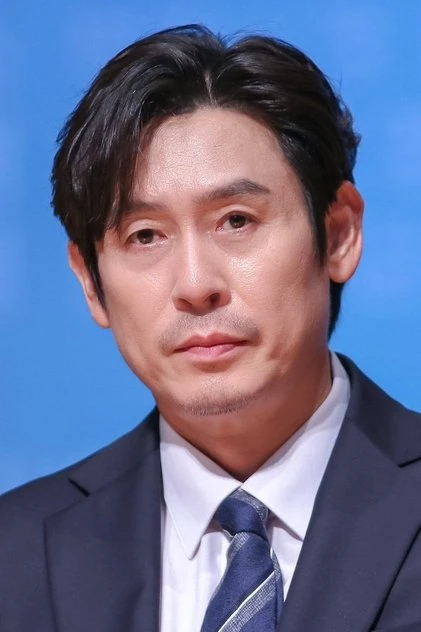
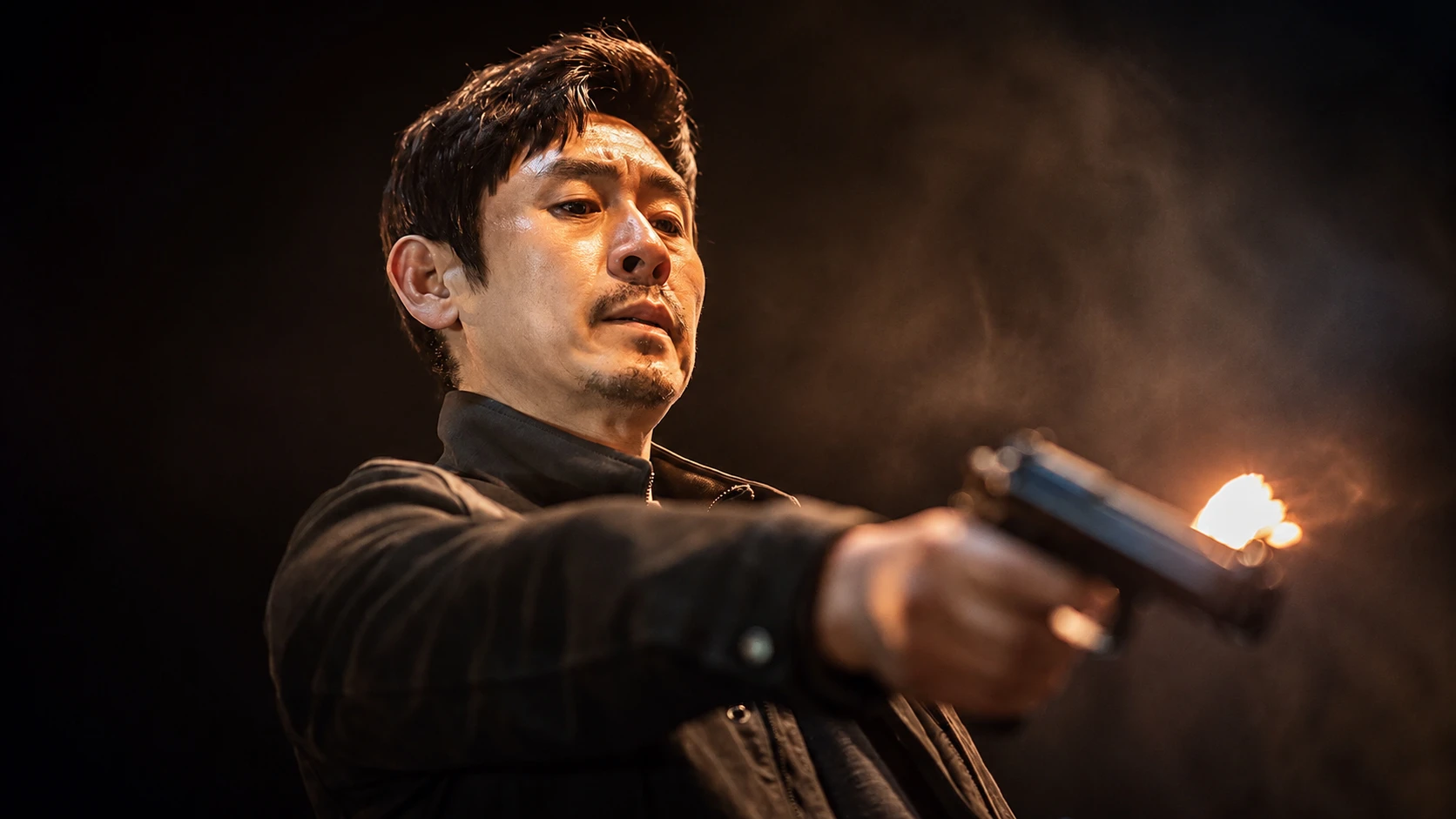
Sul Kyung-gu plays Kang-in with almost no visible effort to be likable, and that’s the performance’s biggest strength. He’s not charming his way through scenes the way a lot of black-ops leads do — he’s just competent, fast, and completely unbothered by the moral weight everyone around him is carrying. It’s a colder register than what Hunt asks of its rival agents, and it suits Yaksha’s more procedural, less openly political version of paranoia.
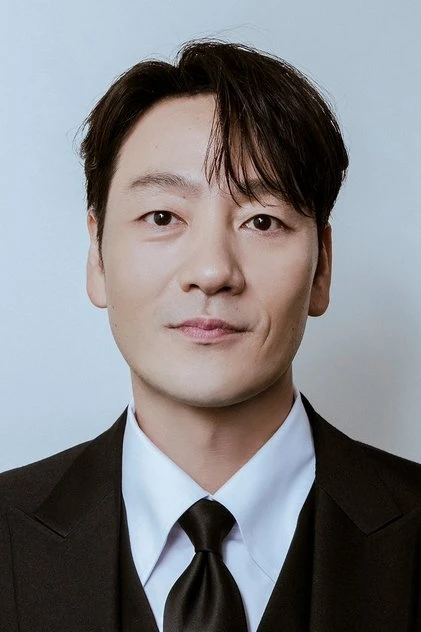
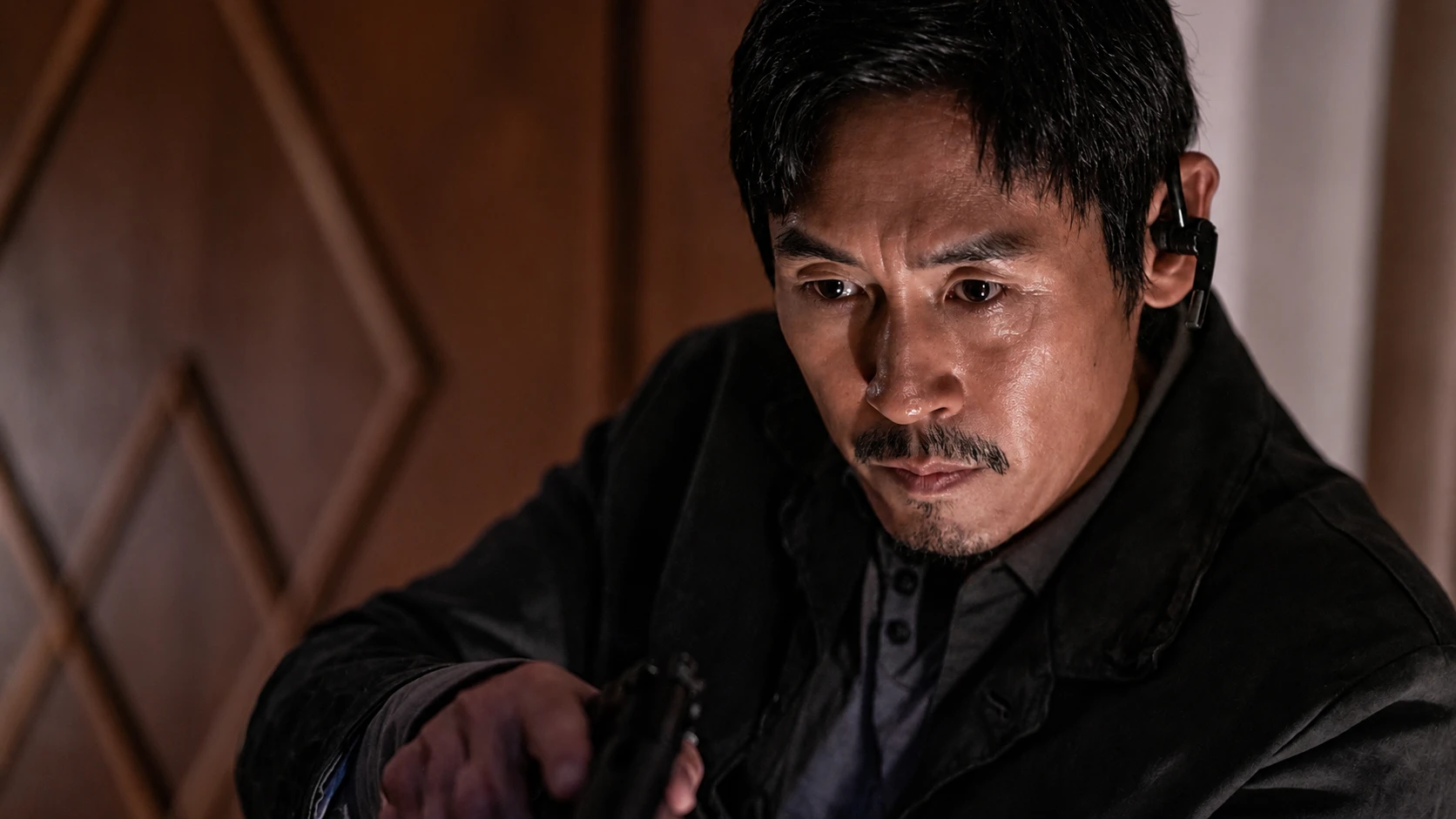
Park Hae-soo carries the harder job. Ji-hoon has to be credible as a true believer in the first act and credible as someone who’s abandoned that belief by the third, without the film stopping to explain the transition in a monologue. He mostly pulls it off through smaller physical choices, hesitation that gradually disappears. The Shenyang setting itself does real work too, closer in function to what Confidential Assignment 2: International does with its own cross-border chase, a city that belongs to no single agency and answers to none of them.
Where the film loses some ground is in how thin its middle tier of characters stays. Ozawa gets enough screen time to register as a real rival, but several of the Black Team members exist mostly as competent bodies in a firefight. Yaksha is at its best when it slows down long enough to remember they’re people too.
🎬 You Might Also Like
If you liked Yaksha: Ruthless Operations, these are your next three watches.
 The Interest of Love
Bank SettingLove Square
Read Full Review →
|
 Mousetrap
crimeIdentity Theft
Read Full Review →
|
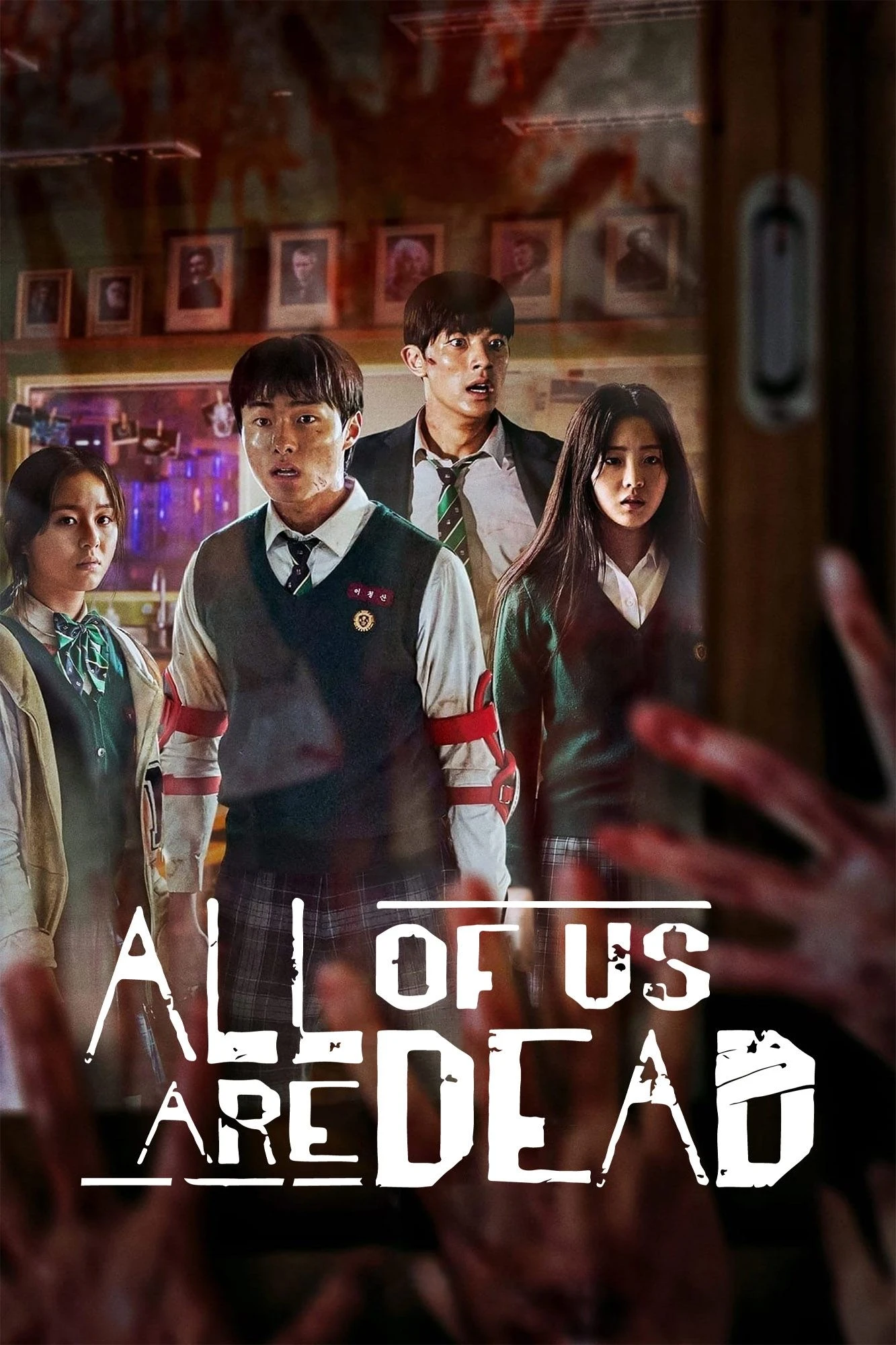 All of Us Are Dead (Season 1)
All of Us Are DeadK-Zombie
Read Full Review →
|













Keep it kind, skip the harsh language, and please — no spoilers. Everyone's taste is different, and that's perfectly fine.
This space is for real reactions and discussion from other viewers. Help keep it comfortable for everyone by not giving away major plot details.
What do you think of this drama?
Login to share your review or leave a comment.
No email needed — just pick a username & password.