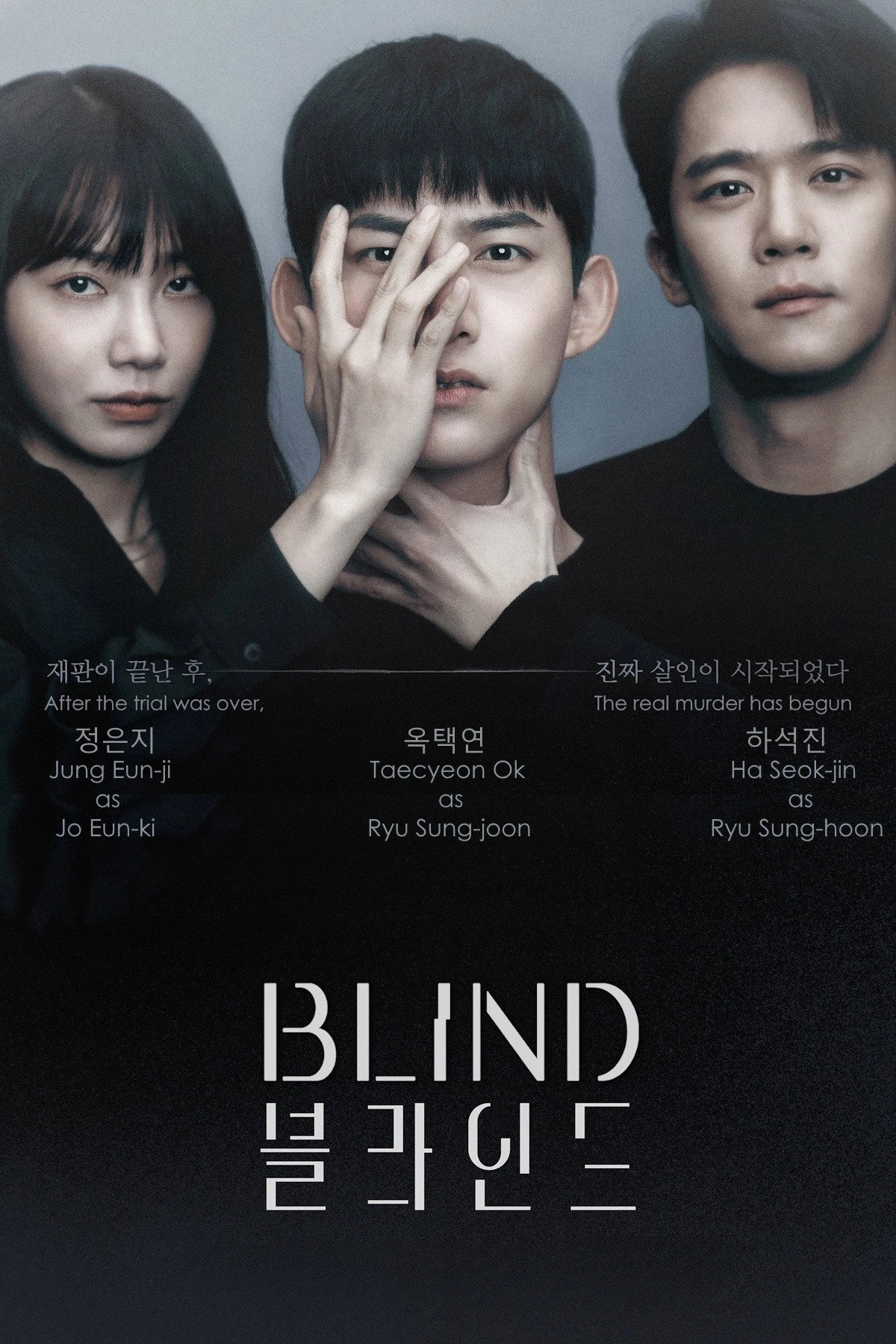
Blind
🎬 tvN · Apple TV+ · Prime Video
⭐ 8.6 / 10 MDL
🔞 TV-15
📋 Drama Overview
The essentials — before you press play.
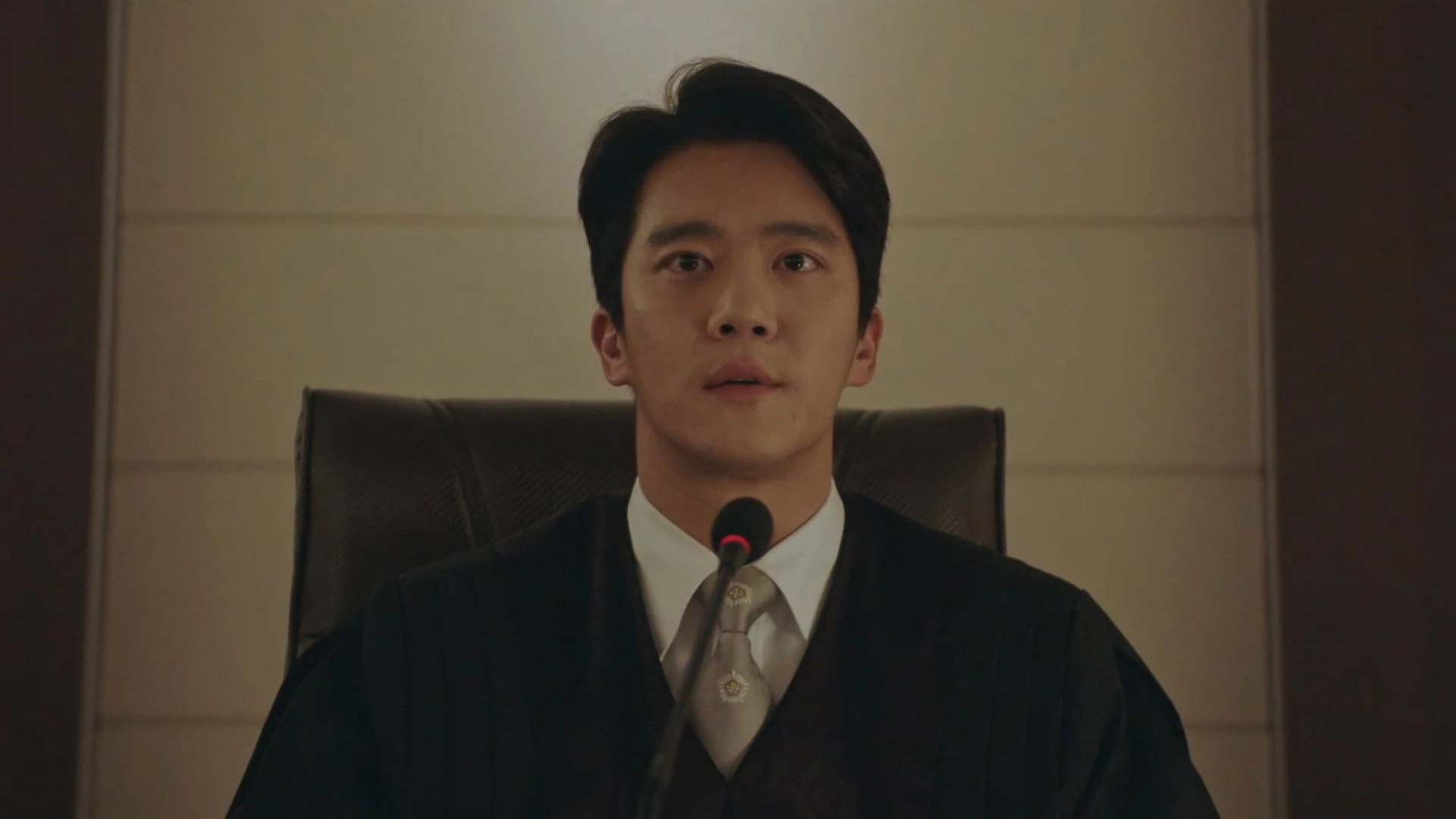
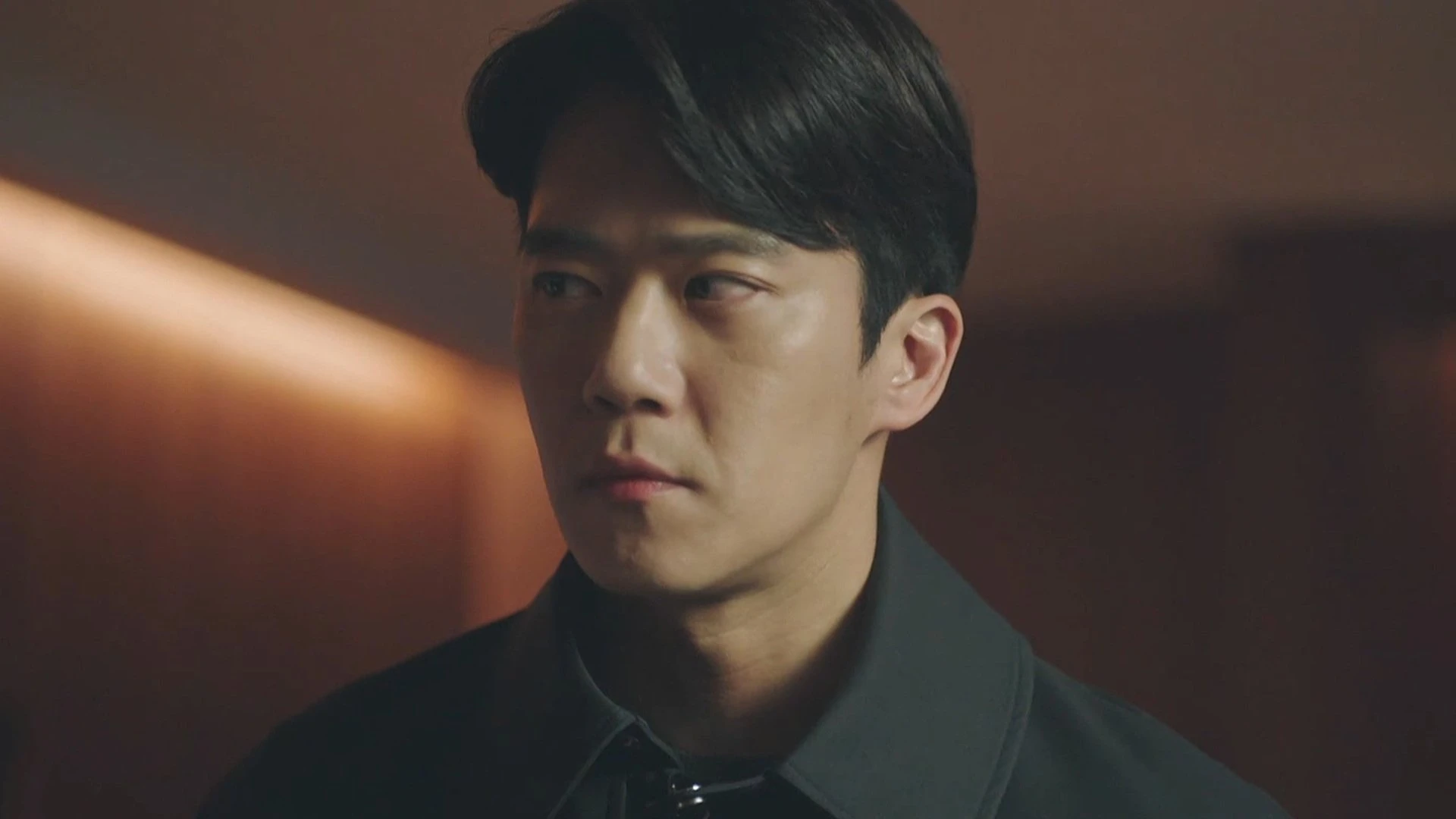
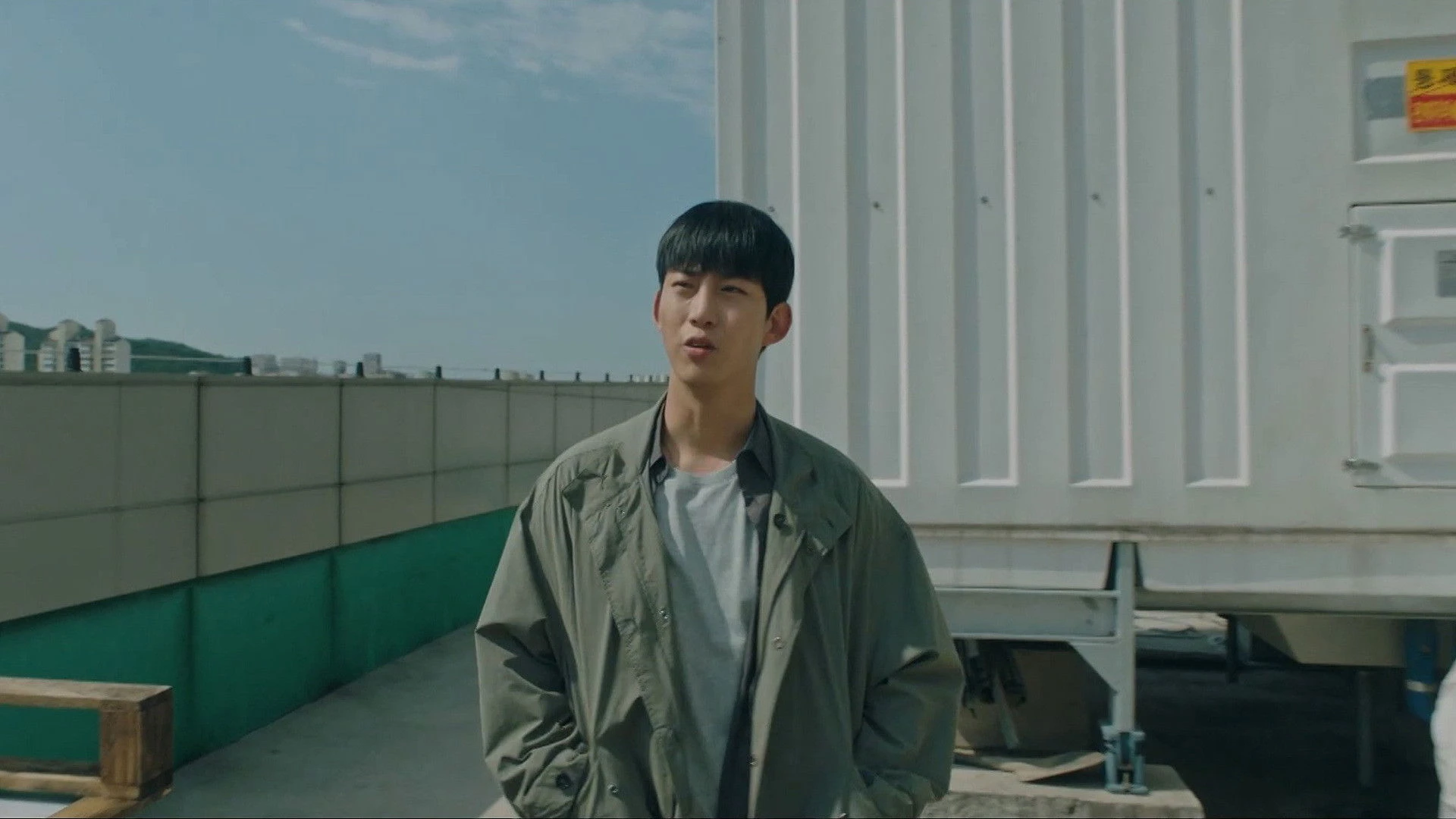
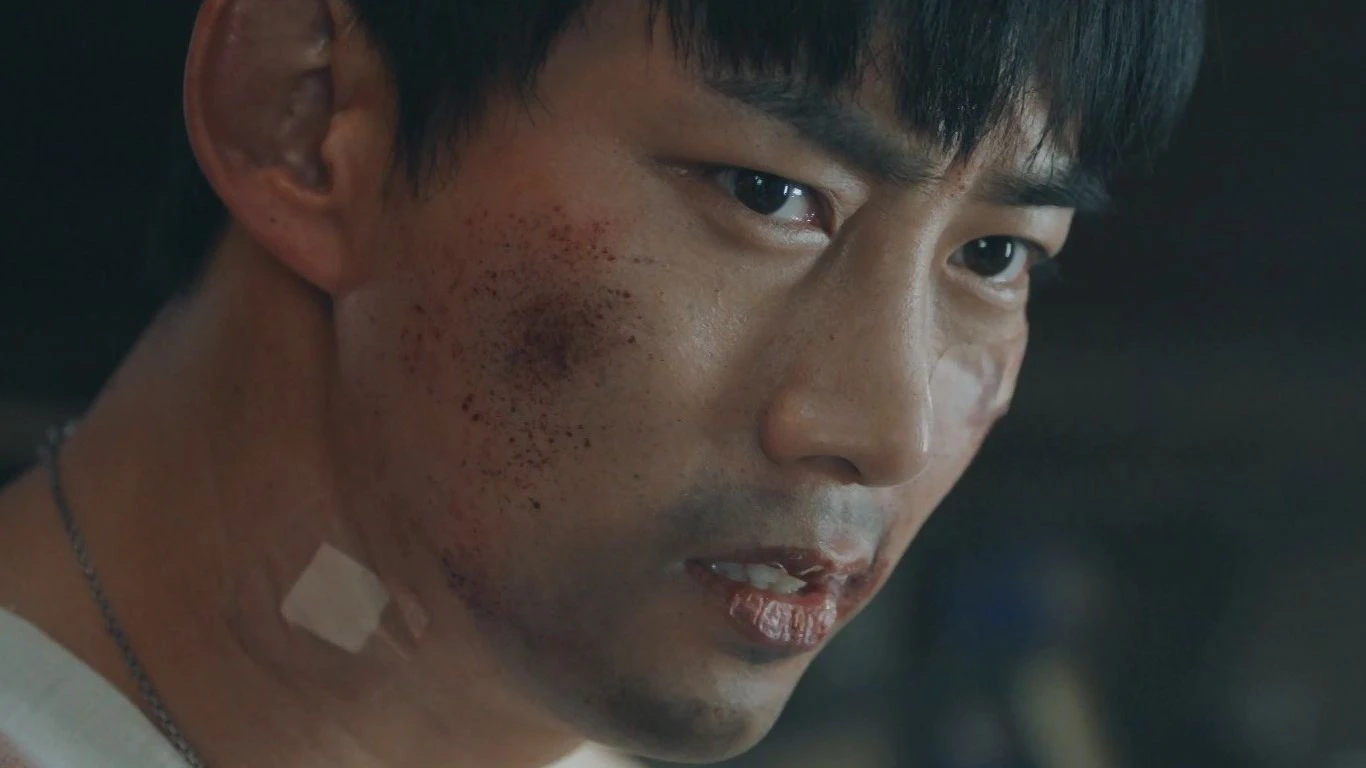
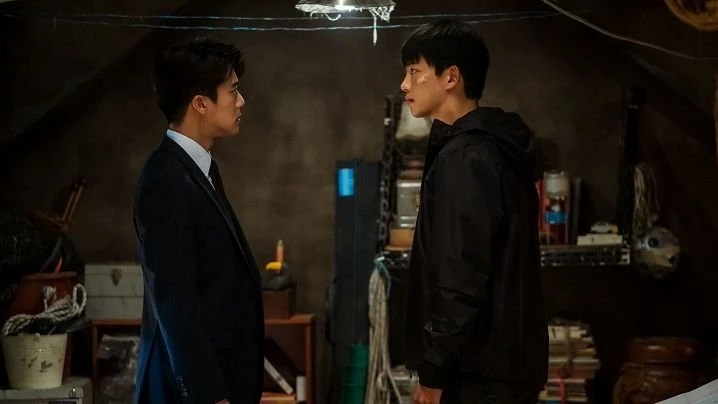
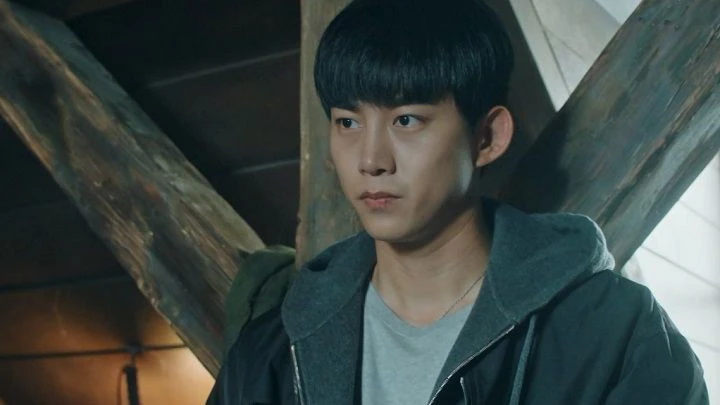
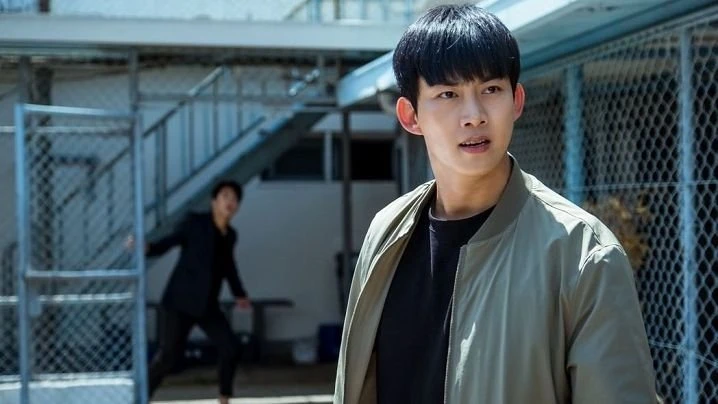
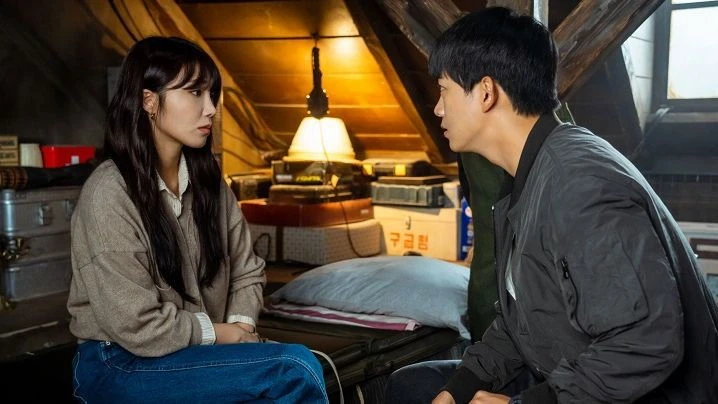
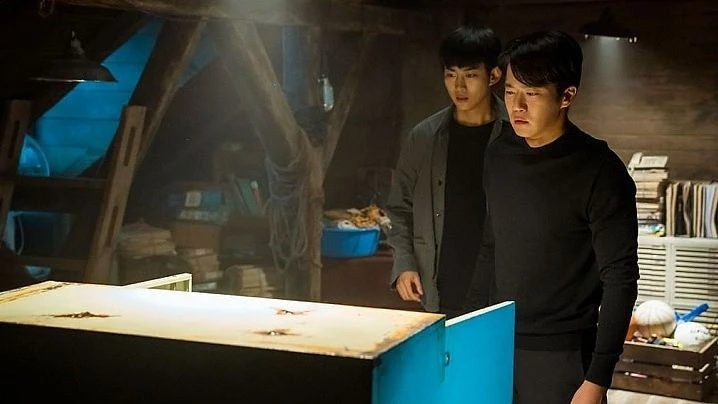
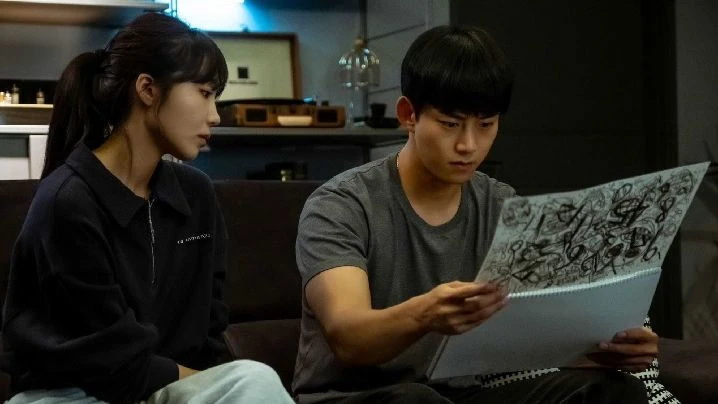
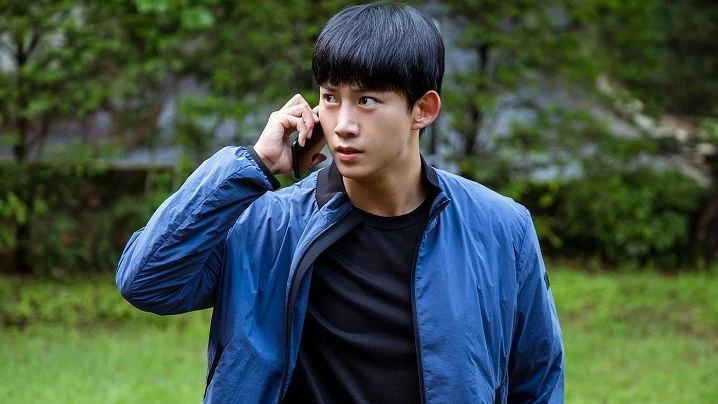
Ok Taec-yeon and Ha Seok-jin play brothers on opposite sides of the same buried truth — a detective whose methods look reckless and a judge whose composure conceals more than anyone suspects. When a serial killer begins targeting jury members in a murder trial, the case they’re both pulled into traces back to Hope Welfare Center: a children’s institution where abuse was systematic, documented, and deliberately ignored. The connection between the present-day murders and the center isn’t coincidence. It’s the point. Blind is a thriller about a killer the system created.
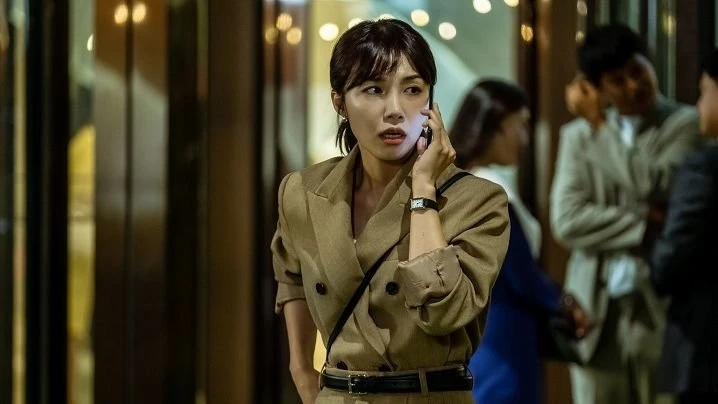
At 16 episodes and 70 minutes each, Blind earns its runtime by doing something most crime thrillers won’t: it takes the childhood backstory seriously enough to make the murders feel like inevitable consequences rather than plot devices. Jung Eun-ji’s social worker Jo Eun-gi is the show’s moral anchor — the person who keeps asking questions nobody wants answered because answering them requires admitting that the institutions built to protect children failed so completely that the failure eventually produced a killer. It’s a disturbing argument, and the show makes it with patience.
16 / 16 ✅ Completed
⚡ Quick Verdict
The whole verdict, boiled down to one box.
· MDL Score
▶ Official Trailer
🎭 Cast & Characters
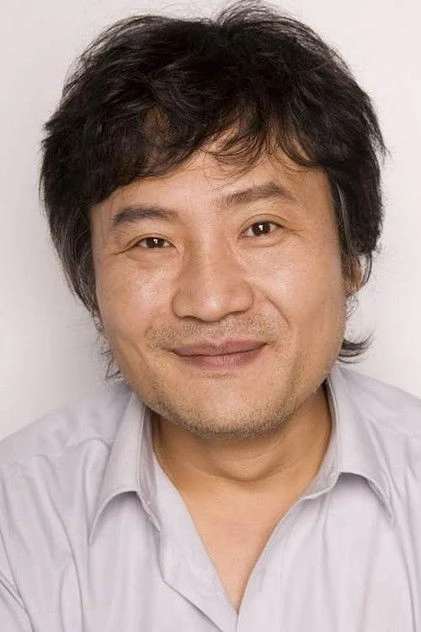
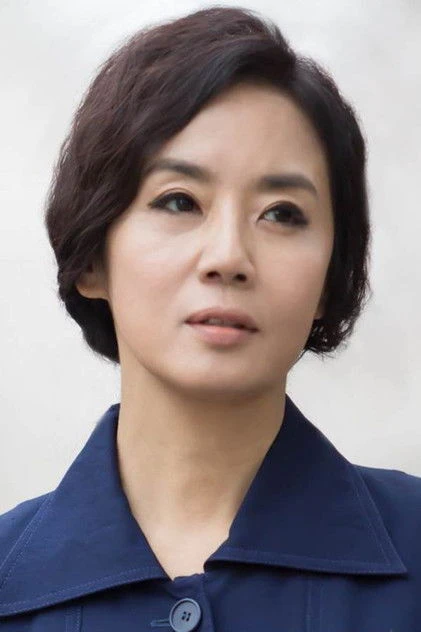
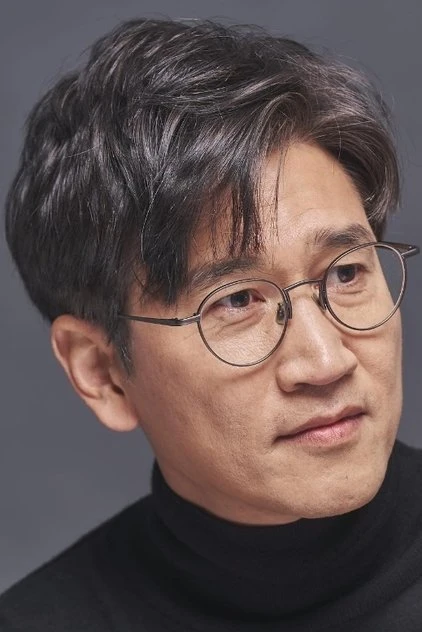
The cast that turns a jury-trial procedural into something far more personal.

Lead

Lead

Supporting

Supporting
Supporting
Supporting

Supporting
Supporting
Supporting
Supporting

Supporting
Supporting
📺 Episode Guide
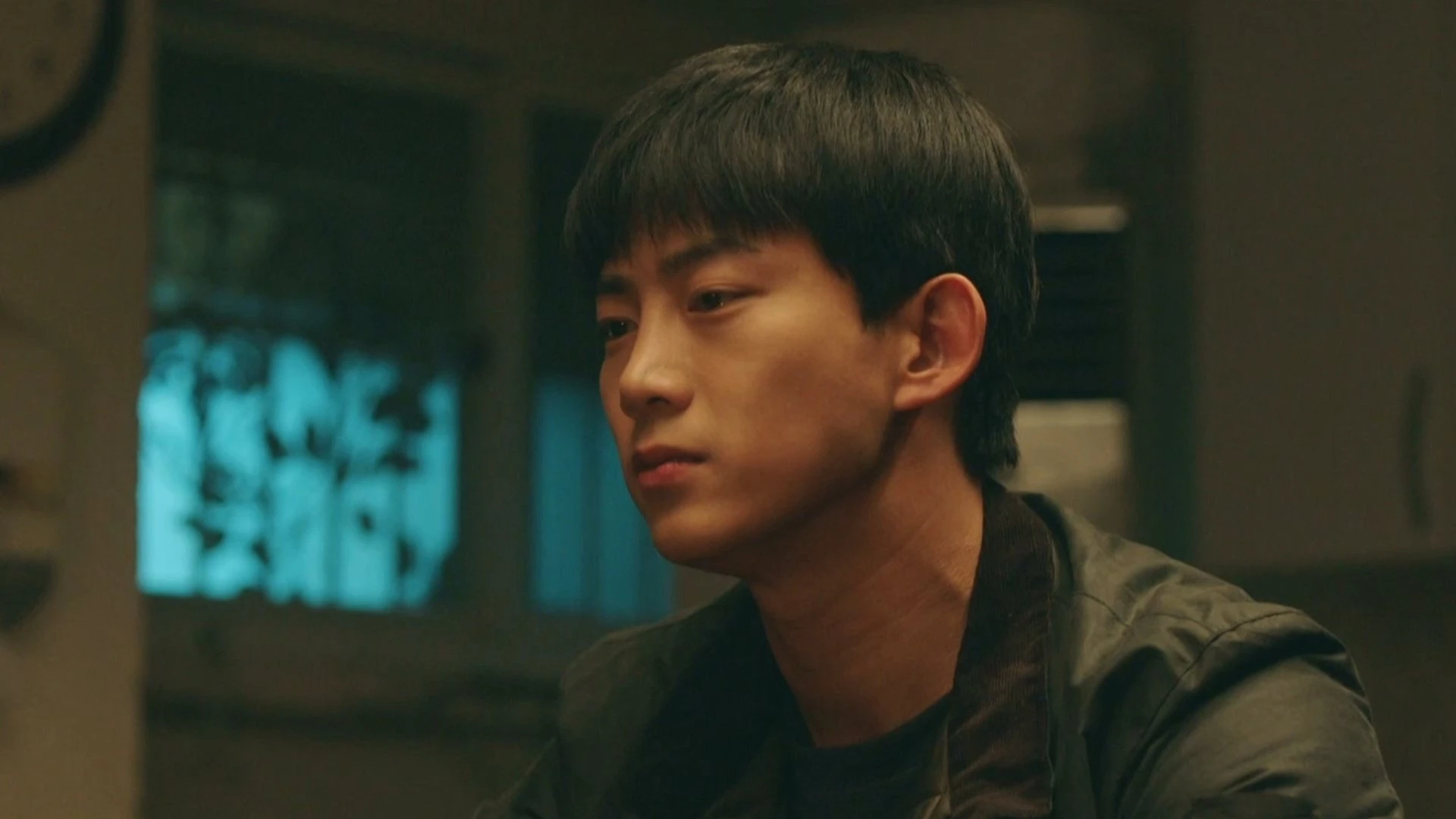
Just enough to stay oriented, episode by episode.
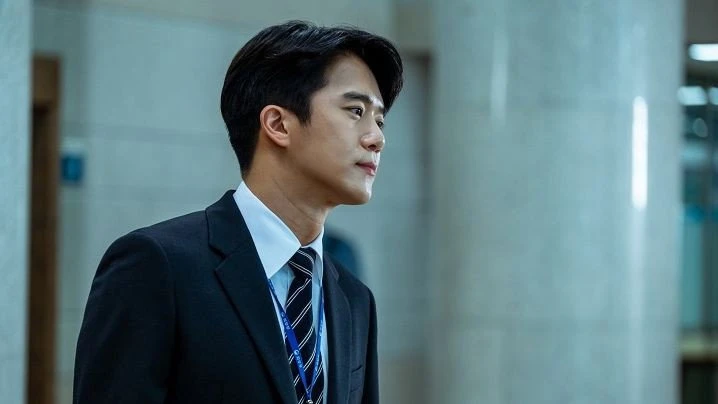
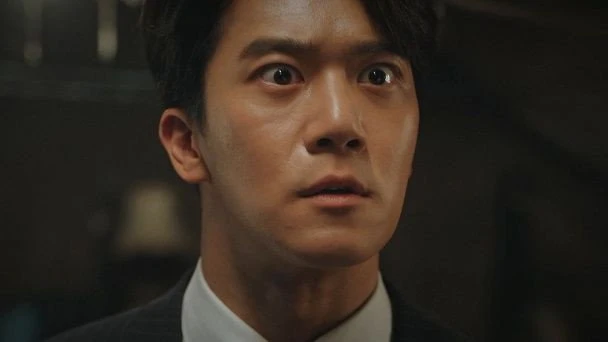
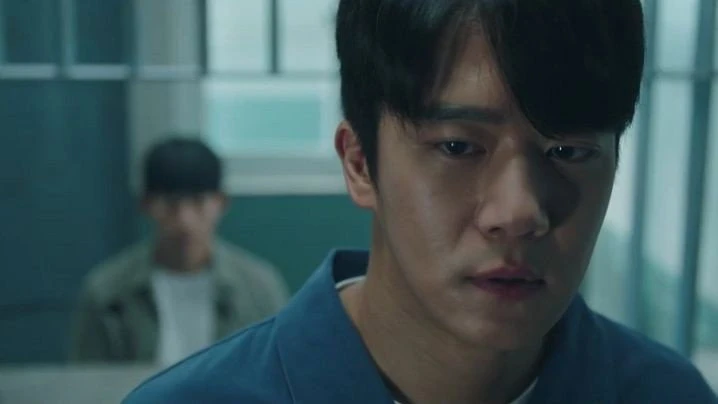
🏁 Ending Explained
The finale, explained in full. Spoilers ahead.
Spoiler Warning — This section covers the full finale of Blind. Stop here if you haven’t finished the series.
What the ending actually delivers The killer is Jung In-seong — a survivor of Hope Welfare Center who watched the adults responsible for the abuse escape accountability while the other survivors scattered into lives of enforced silence. He targeted the jury specifically because the trial represented the legal system’s latest chance to look away. The murders are solved. The family lie collapses. Sung-hoon’s concealment of what he knew about the past is exposed. Sung-joon closes the case facing the complete picture of his own history — not just as a detective, but as someone who was shaped by the same violence he spent sixteen episodes investigating.
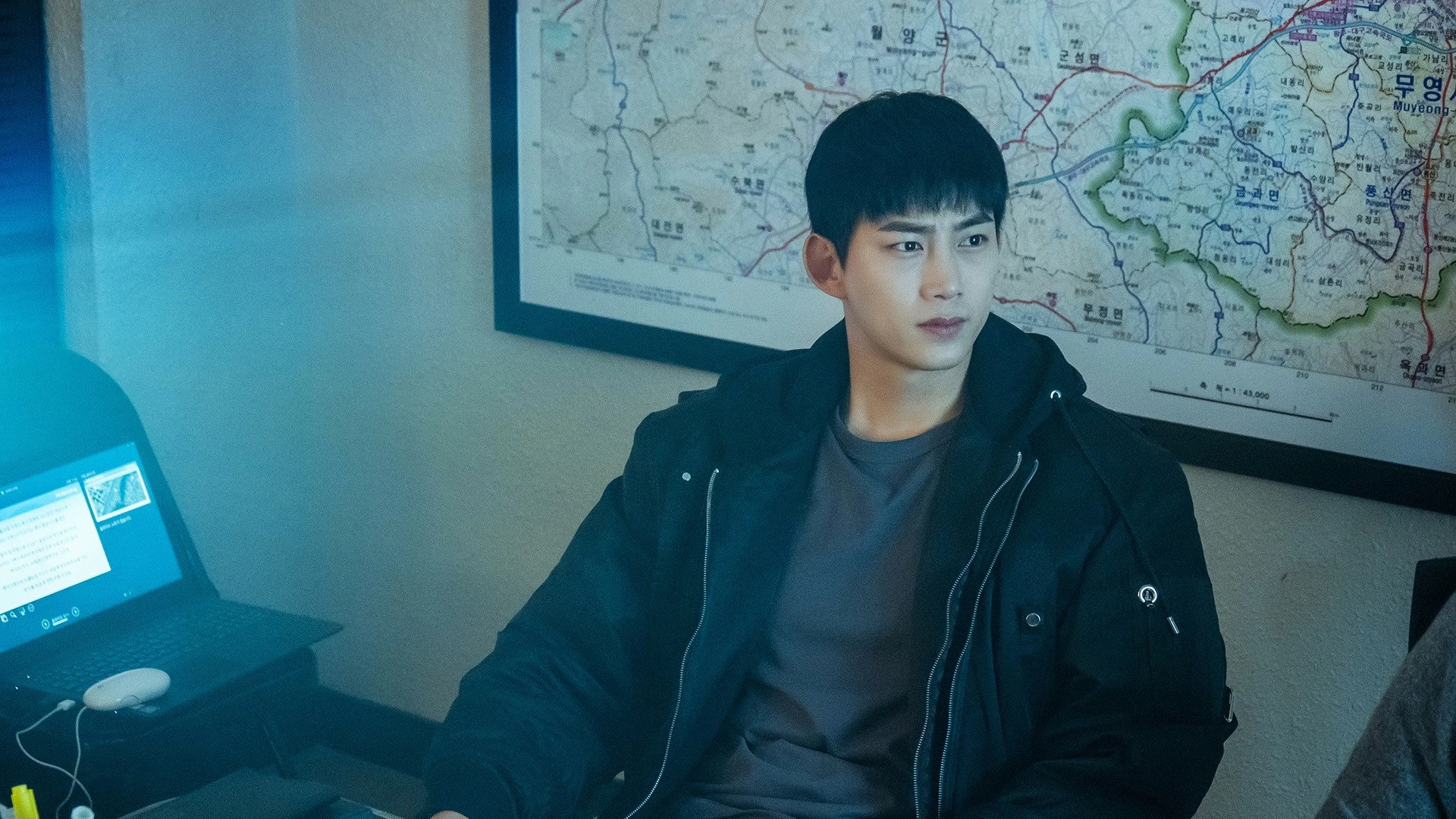
Sung-hoon’s revelation — protection or betrayal? What makes the ending genuinely hard is what it reveals about Sung-hoon’s choices. His concealment of the truth wasn’t simply self-protection — it was an attempt to shield Sung-joon from a history he judged too heavy to carry. That calculation was wrong, and the show knows it was wrong. But Blind resists making Sung-hoon purely culpable for it. The argument carried through from episode fifteen — that betrayal and protection can coexist in the same act — holds in the finale, which refuses to flatten him into the straightforward villain the plot mechanics could have made him.
Jo Eun-gi’s role — and why it matters Jo Eun-gi doesn’t solve the case through procedural brilliance. She solves it by doing what everyone around her refused to do: she kept looking when looking was dangerous, expensive, and officially discouraged. Jung Eun-ji carries the character’s persistence without making it seem like virtue for its own sake — Eun-gi is personally implicated in the welfare center’s history too, which gives her commitment to the truth a weight that goes beyond professional obligation. Her arc closes not with vindication but with the quieter satisfaction of having finished something that mattered.
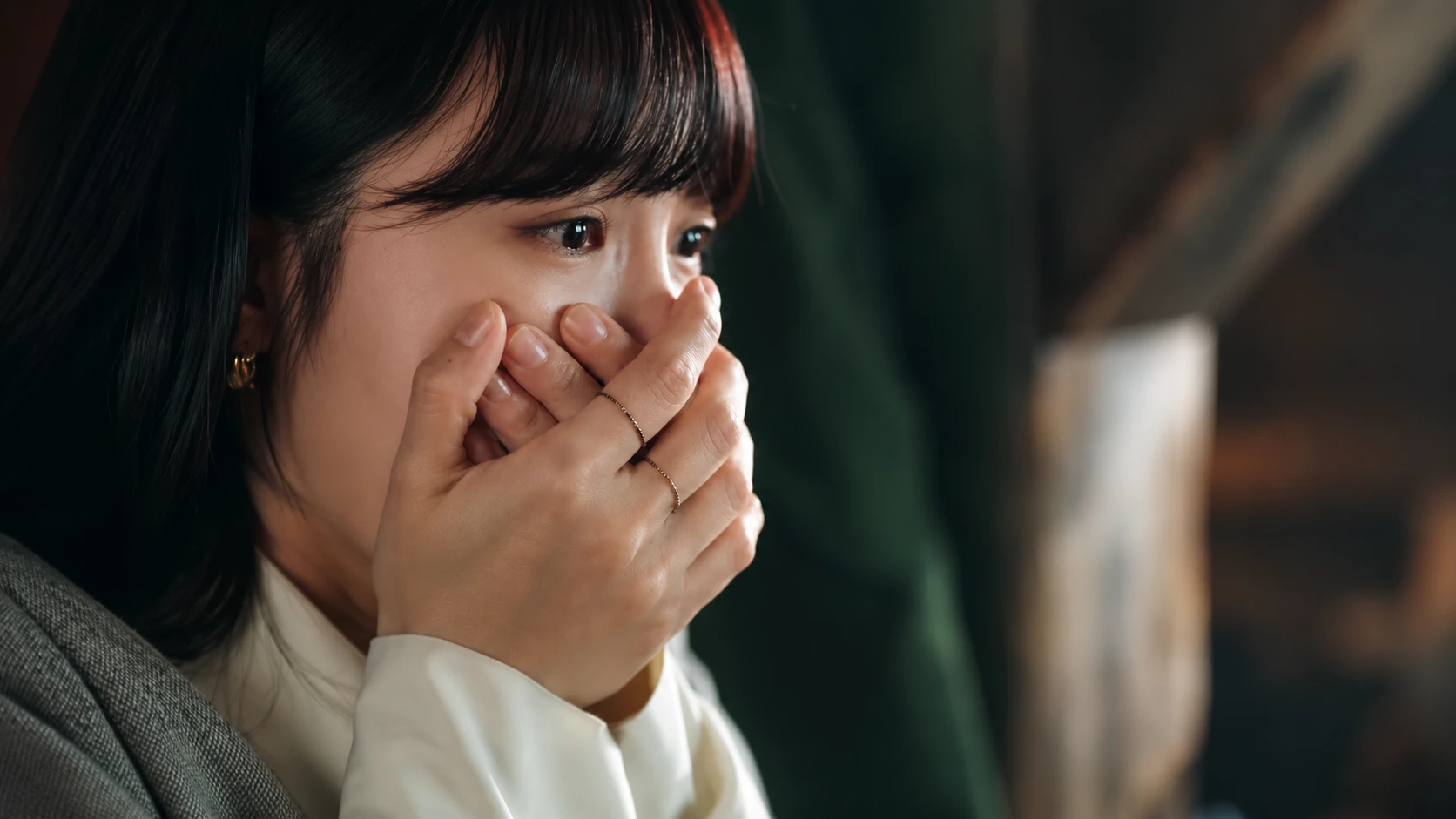
The drama’s central argument Blind’s thesis was visible from the opening prologue: cruelty that isn’t accounted for doesn’t disappear — it compounds, finds new targets, and returns in forms the original perpetrators would never recognize. The Hope Welfare Center abuse was institutional, committed by people protected by systems that looked the other way and documented by inspectors who chose convenience over truth. Jung In-seong’s murders are the delayed consequence of that institutional silence. Which doesn’t excuse the killings. But the show insists, firmly and consistently, that we understand where they came from.
The KDW verdict “Blind” as a title is doing more work than it initially appears. The series is about literal blindness — missing memories, the court’s selective vision — but equally about elective blindness: the deliberate choice to not see something because seeing it requires doing something about it. The finale’s refusal to offer easy closure is the show being honest about what accountability actually looks like when it finally arrives. It doesn’t feel like victory. It feels like a bill coming due that was always going to come. That’s the right ending for this drama — and the only honest one.
✍️ KDramaWorlds Editor’s Take
Here’s our real take, and exactly who this one’s for.
🏚️ The Center That Made Killers
🧠 Memory as Weapon
👬 Two Brothers, One Buried Truth
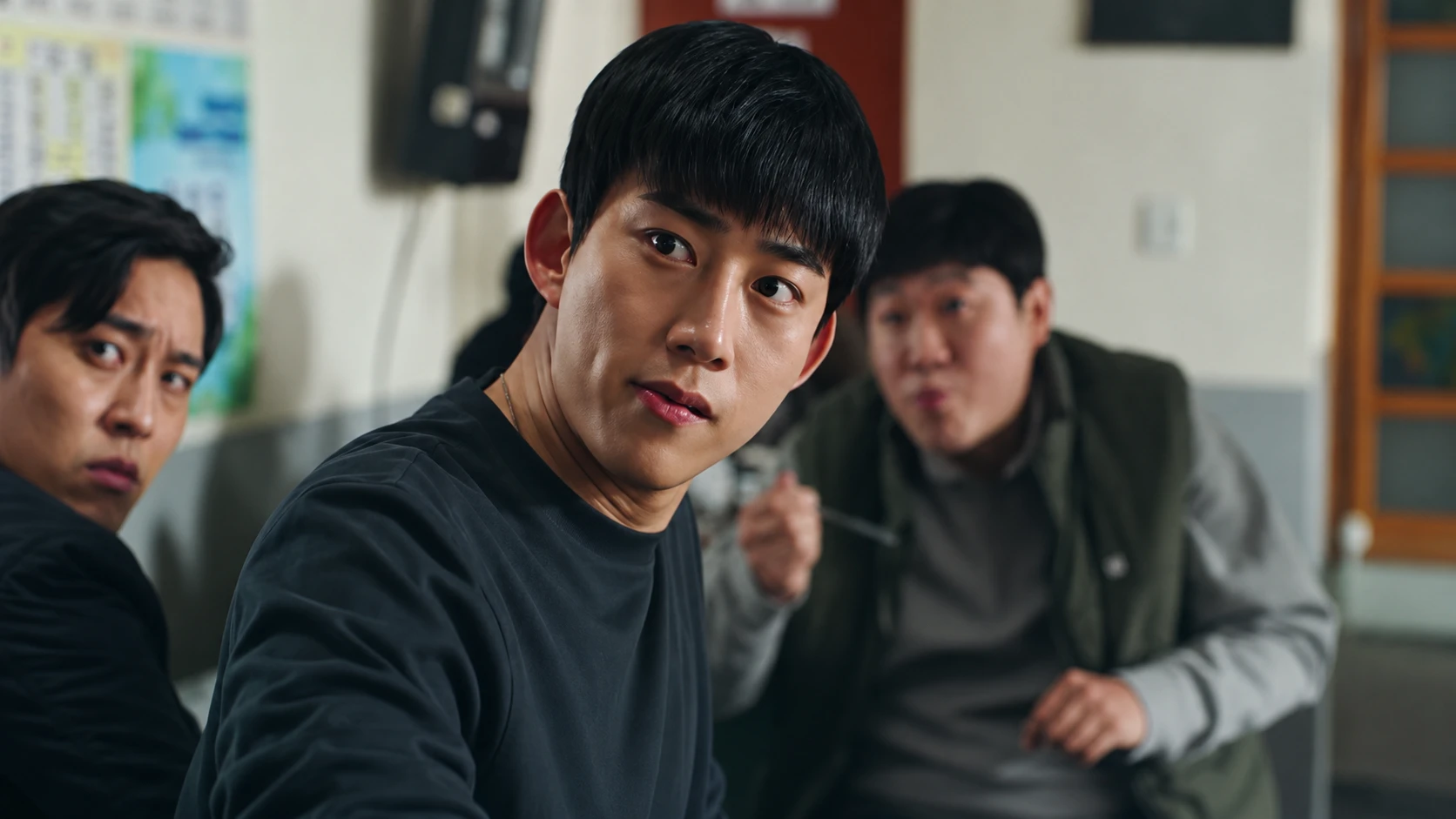
There’s a moment in episode twelve where Sung-hoon is found stabbed in the woods, and Blind signals that no one in this drama is actually safe — not the judge, not the detective’s brother, not the person closest to both of them. Ok Taec-yeon’s reaction to that scene is what separates this from a standard procedural: there’s grief in it that reads as genuinely physical, not scripted. The brotherhood at the center of the drama is doing the same emotional work that made Beyond Evil so compelling — two men who love each other and are quietly destroying each other, and neither one can fully stop.
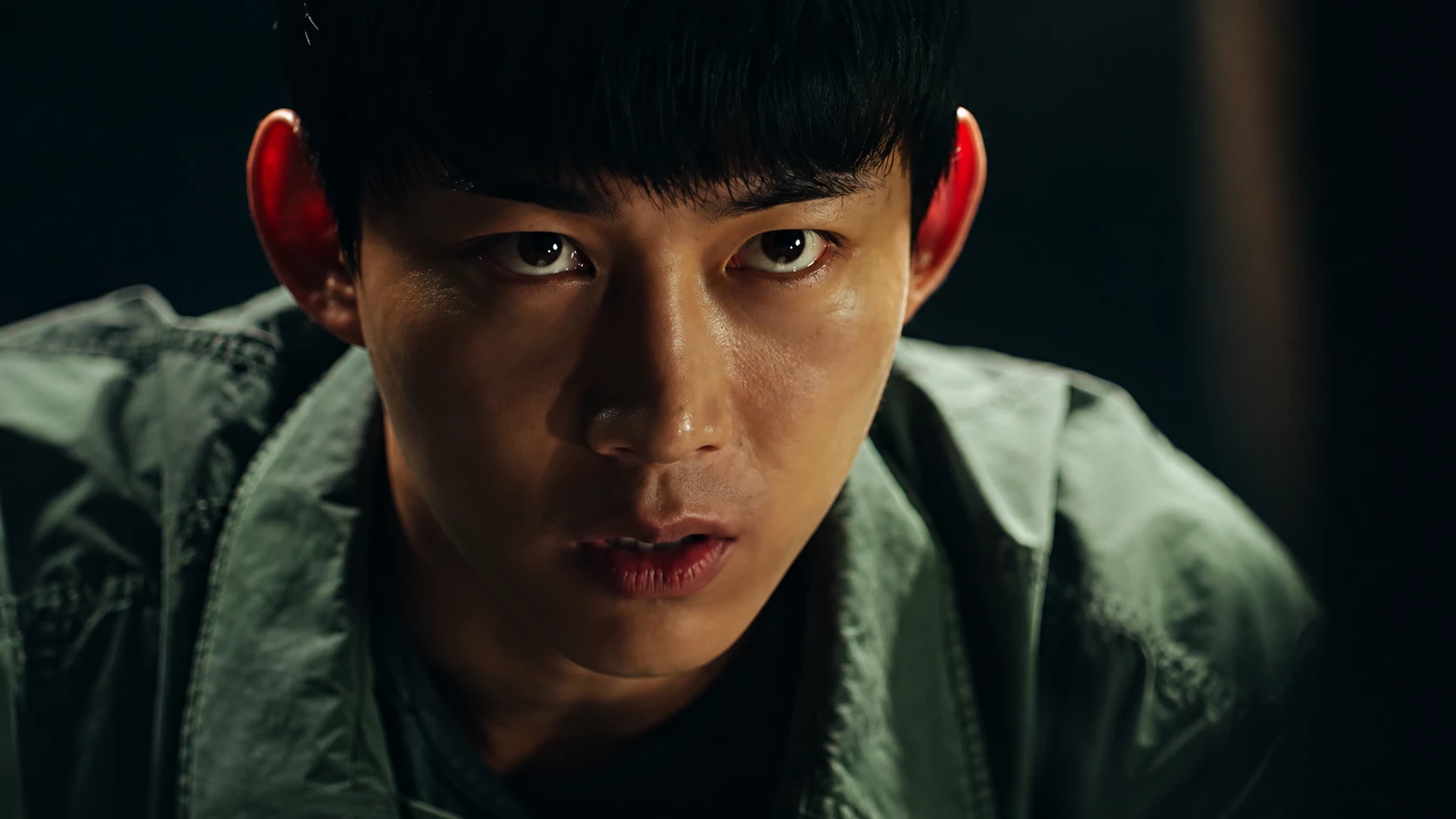
The jury-trial structure is the part of Blind that doesn’t get enough credit. It’s not window dressing — it’s the point. The jurors are targets precisely because a jury represents society’s appointed mechanism for deciding what counts as justice. Targeting them is targeting the concept of legal accountability itself. The show understands that dynamic and uses it to give the murders a conceptual weight that comparable dark thrillers work much harder to establish. Closer in moral architecture to Mouse than to a conventional serial-killer procedural.
Ha Seok-jin deserves more conversation than he usually gets for this role. Playing a judge with a concealed past in a thriller is the kind of part where an actor can disappear into the plot device they’re supposed to embody. He doesn’t. Ryu Sung-hoon is visibly carrying something from the first episode, in ways that read as character rather than dramatic irony. The reveal of what he was actually hiding lands because Ha Seok-jin had been telling you all along — you just didn’t know what you were being told.
Anyone who finds sibling secrets more disturbing than any conventional villain
Viewers who want K-drama darkness rooted in institutional failure rather than individual evil
🎬 You Might Also Like
If you liked Blind, these are your next three watches.
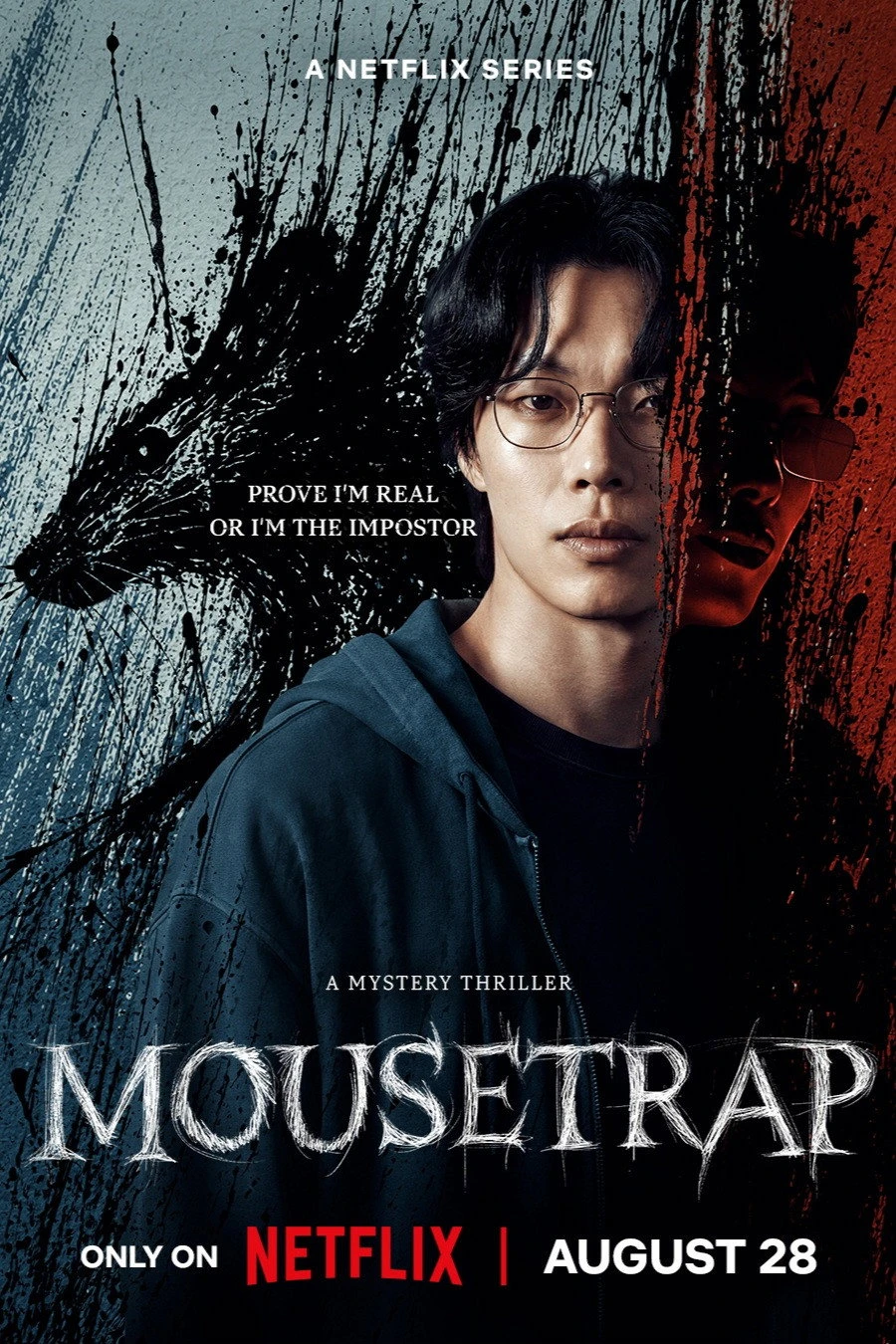 Mousetrap
crimeIdentity Theft
Read Full Review →
|
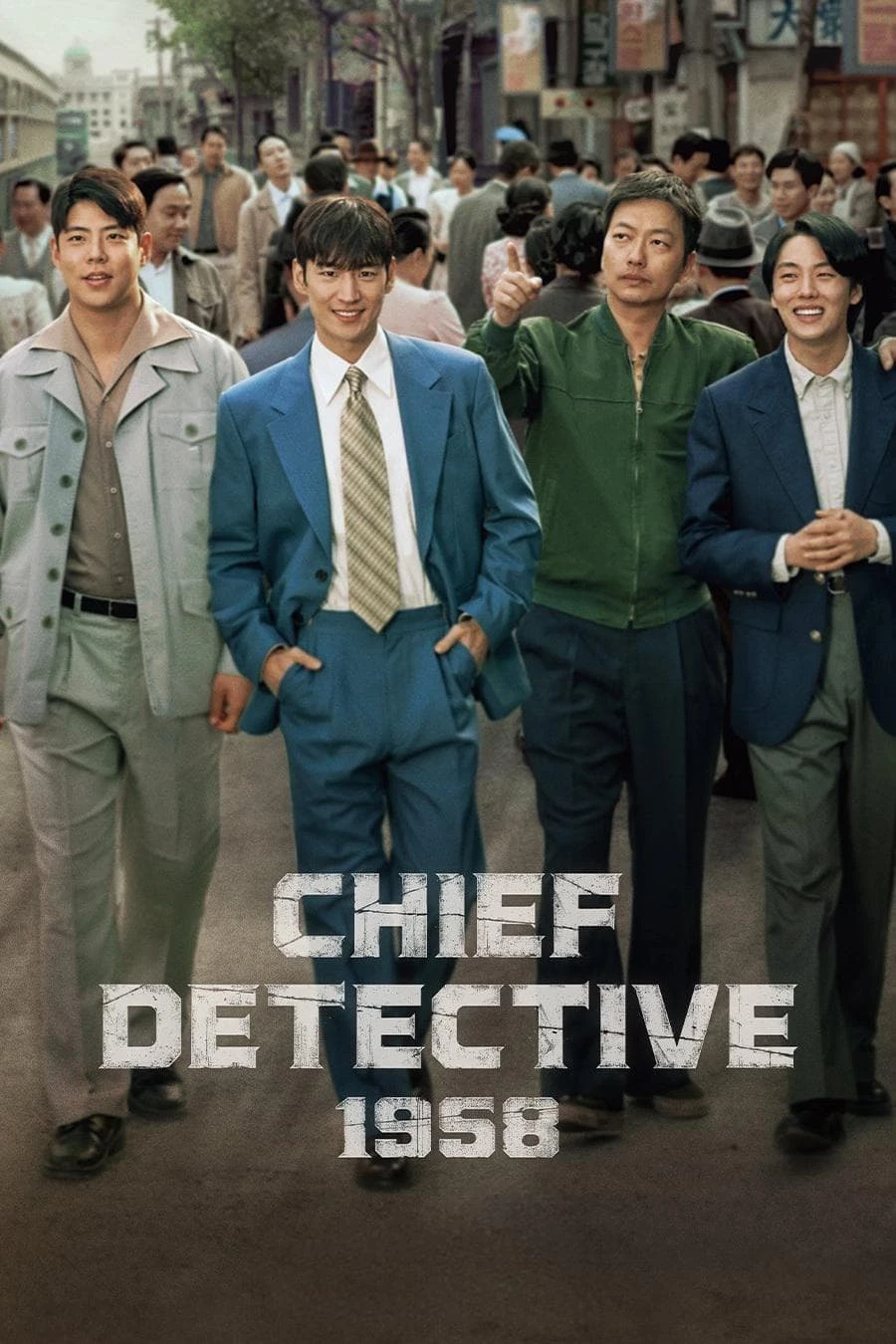 Chief Detective 1958
Buddy CopsCorruption
Read Full Review →
|
 Suspicious Partner
comedyJi Chang-wook
Read Full Review →
|






Keep it kind, skip the harsh language, and please — no spoilers. Everyone's taste is different, and that's perfectly fine.
This space is for real reactions and discussion from other viewers. Help keep it comfortable for everyone by not giving away major plot details.
What do you think of this drama?
Login to share your review or leave a comment.
No email needed — just pick a username & password.