📺 K-Drama Guide · K-pop Industry · Music Drama
Namib
나미브 · 2024
✅ Completed · 12 eps
🎬 Viki · Vidio
⭐ 7.9 MDL
📺 PG-13
⚡ Updated · Jun 30, 2026
📋 Drama Overview
Start here — the basics before the first scene.
Completed
🎵 Music Drama Pick
Namib
나미브 (Namibeu) · 2024 · South Korea
Viki
Vidio
K-pop Industry
Idol Trainee
Comeback Story
Family Drama
Mentor-Protégé
Kang Soo-hyun gets dismissed from Pandora Entertainment with a false accusation attached to her name — and the first thing Namib makes clear is that she doesn’t have the luxury of grieving it. She has a hearing-impaired son, a husband figuring out his own place in the industry, and exactly zero time for the kind of collapse the situation might otherwise justify. The comeback starts the next day.
The drama organizes itself around a professional arrangement that doesn’t try to be something cleaner than it is: Soo-hyun recruits Yoo Jin-woo — a trainee who spent a decade inside the system and got discarded anyway — not out of charity but because she sees what the industry missed. Namib earns its emotional stakes honestly by refusing to separate ambition from care. Soo-hyun isn’t just using Jin-woo. She’s also, genuinely, his best shot.
Episode Progress
12 / 12 ✅ Completed
⚡ Quick Verdict
One glance, one verdict — everything you need is right here.
⭐ Worth it?Yes — if you want a K-pop industry drama that treats its characters as professionals
⏱️ CommitmentMedium — ~12 hours total
🎵 VibePrecise · Warm · Honest
📺 Skip if…You need a central romance or a clearly punishable villain
7.9 / 10
MDL Score · Check MyDramaList for updated community rating
🎭 Cast & Characters
An industry veteran who processes faster than she speaks, and a trainee who’s been preparing for this his whole career without knowing it — the series is built on that gap.
Ko Hyun-jung
Kang Su-hyun
Lead
Yoon Sang-hyun
Shim Jun-seok
Supporting
Lee Jin-woo
Shim Jin-woo
Supporting
Kim Ji-woo
Yun Ji Yeong
Supporting
Lee Gi-taek
Chris
Supporting
Kim Hyun-sook
Hong Jeong-hwa
Supporting
In Gyo-jin
Oh Bong-gyu
Supporting
Lee Seung-joon
Jang Hyun-chul
Supporting
Choi Yu-ju
Gyeong Ha-na
Supporting
Sa Kang
Kang Ju-hyun
Supporting
Ha Yoo-Joon
Kim I-jun
Supporting
🍿 Where to Watch
Stream Namib on these platforms.
📺 Episode Guide
Episode-by-episode, spoiler-light — a refresher, not a rewatch.
 EP 01
EP 01
Ten Years, One Chance
Dec 23, 2024
Kang Soo-hyun’s dismissal from Pandora Entertainment is final before the first episode is ten minutes old — a false accusation, a clean cut, and the weight of a family that depends on her income arriving in the same scene. Her first encounter with Yoo Jin-woo doesn’t happen as a job interview or an audition. It happens because she’s watching someone who’s already given up, and she sees what a decade of training looks like when no one has been paying proper attention. Ko Hyun-jung plays the recognition moment with zero sentimentality — it’s a producer’s instinct, not maternal warmth, and the episode is careful to make that distinction before anything else.
 EP 02
EP 02
Calculated Risk
Dec 24, 2024
Yoo Jin-woo reluctantly returns to training under Soo-hyun’s direction, and the episode spends its early scenes dismantling the idea that this is a rescue — it’s a transaction both parties entered with their eyes open. Sim Jun-seok is asked to work with Jin-woo, and his hesitation sketches who he is in a single scene: a producer who has been operating in his wife’s professional wake, quietly recalibrating what he set aside. Jin-woo’s vulnerabilities aren’t presented dramatically — they’re logistical. Debt. Repeated disappointment. The kind of exhaustion that looks like resignation until someone asks him to try again.
 EP 03
EP 03
Exacting Standards
Dec 30, 2024
Soo-hyun runs auditions with the precision of someone who has spent twenty years making idols, and Jin-woo’s insecurity surfaces not as emotion but as performance — the way his voice tightens around external judgment. Jun-seok begins re-engaging professionally for the first time in a while, and his competence appears in a single scene that tells you more about what the marriage actually looks like than any dialogue could. The household dynamic the drama is building — Soo-hyun as earner, Jun-seok as quiet anchor — is more interesting than a simple role reversal, because neither character is diminished by it.
 EP 04
EP 04
Industry Gatekeepers
Dec 31, 2024
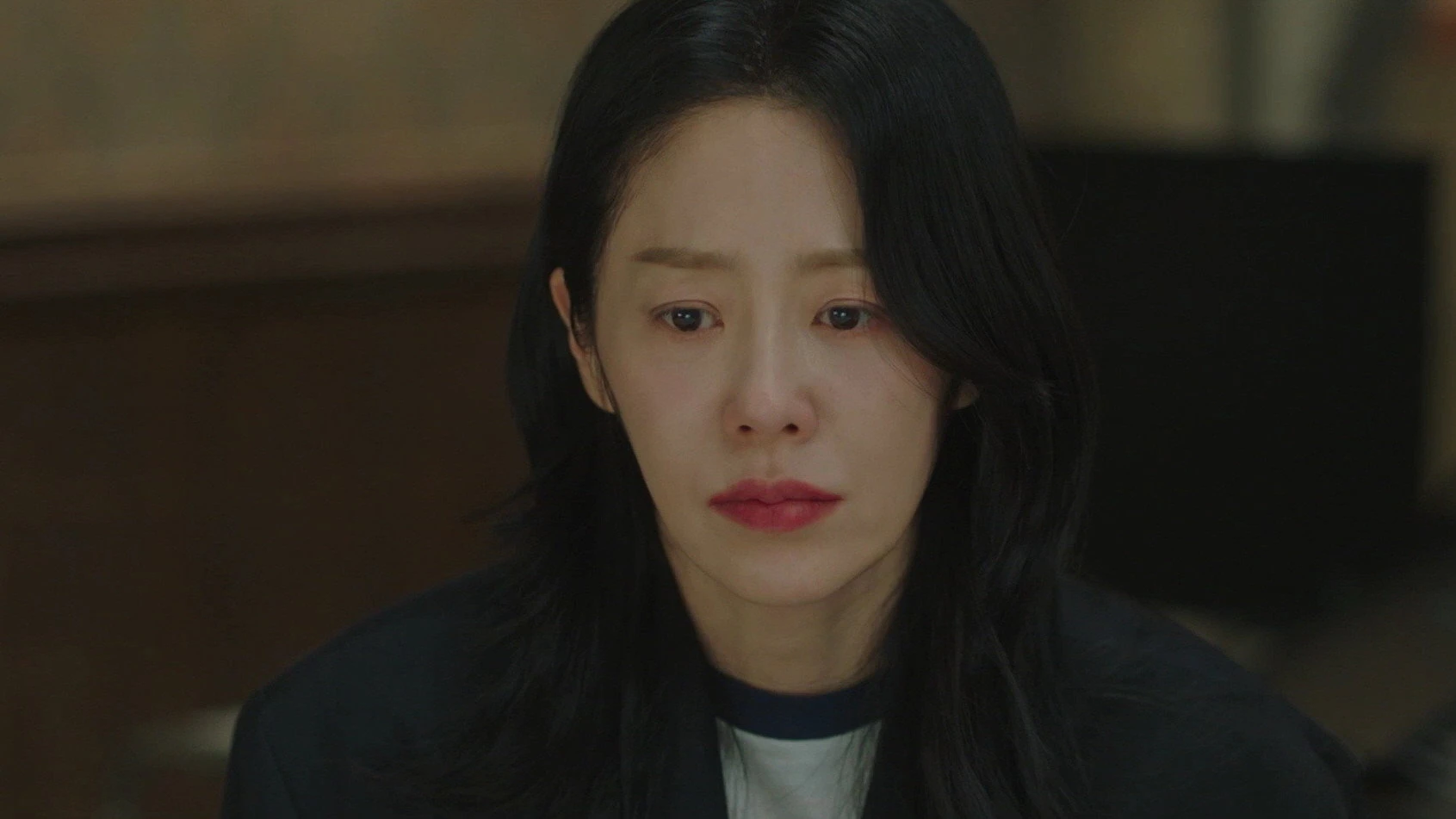
Former Pandora colleagues move to complicate Soo-hyun’s plan, and the episode steps back from the personal to show what the structural version of this industry looks like: legal pressure, reputational interference, gatekeeping that has nothing to do with talent. Jin-woo hits a concrete obstacle — a placement fails, and the reason it fails says more about the system than about him — which is the episode’s clearest statement of what Namib is actually critiquing. The distinction between Soo-hyun’s personal ambitions and the external barriers she’s navigating becomes visible here, and the drama is honest that both are operating at the same time.
 EP 05
EP 05
The Cost of Debt
Jan 6, 2025
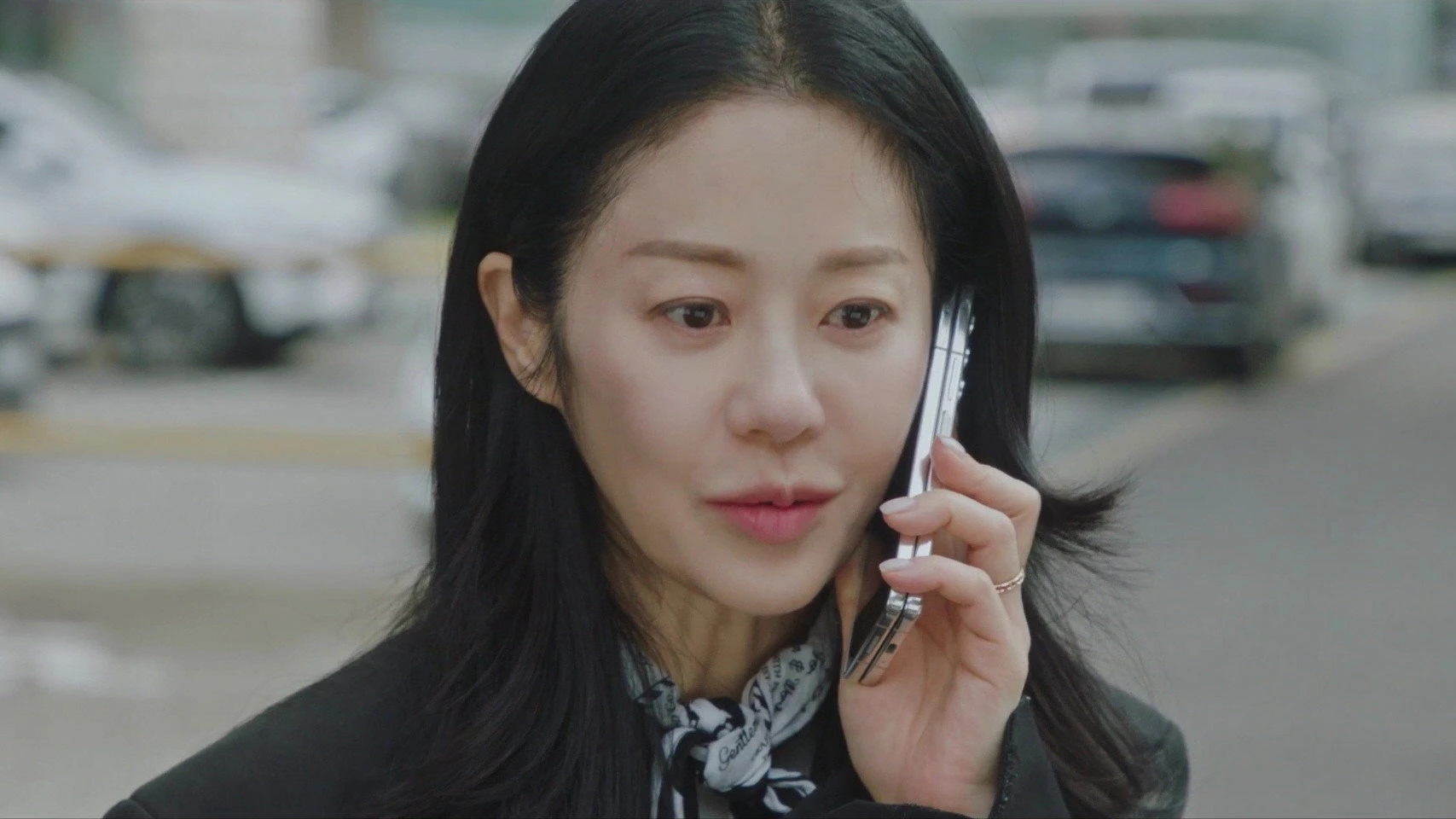
A financial threat tied to Jin-woo’s past surfaces, and Soo-hyun is forced to protect a talent she recruited while simultaneously protecting the family that depends on her decisions. The episode goes back into Jin-woo’s trainee years to explain specifically why he stayed inside a system that kept discarding him — the answer is less about hope and more about obligation and the people whose expectations he couldn’t abandon. The moral weight Soo-hyun carries here doesn’t resolve cleanly: her choices are driven by duty as much as by anything resembling care, and Namib doesn’t soften that.
 EP 06
EP 06
What a Producer Protects
Jan 7, 2025
Soo-hyun confronts a manager who mistreated trainees, and the episode makes clear that her intervention isn’t purely protective — it’s also about maintaining the conditions Jin-woo needs to be marketable. Ko Hyun-jung is at her best in the confrontation scene: she’s not warm, she’s exact, and the distinction matters for what the drama is saying about what it means to look after someone without sentimentalizing the act. Jun-seok takes a more assertive role in the production, and the friction over artistic control becomes generative rather than destructive — what emerges is collaboration, not competition.
 EP 07
EP 07
First Public Test
Jan 13, 2025
Yoo Jin-woo performs in public for the first time — a small showcase, a real audience, mixed reactions — and the episode treats it as the test it actually is rather than a triumph. The response is not unanimous, and Ryeoun’s handling of that moment is where he does his most specific work: the way Jin-woo processes external judgment without completely surrendering to it, taking in the mixed room and deciding what to keep. Soo-hyun watches and calculates simultaneously — the emotion is there, but it’s inside the calculation, not separate from it.
 EP 08
EP 08
Rival Move
Jan 14, 2025
A rival agency maneuvers to take Jin-woo’s contract, and the episode uses the threat to clarify the structural precarity of the industry — aspirant idols exist in a legal landscape where the people with leverage rarely align with the people who have talent. Jun-seok asserts producer authority for the first time with real stakes attached, and the scene where he does it is the clearest evidence yet of what he’s been building toward since re-entering the work. The episode also reveals that Jun-seok’s investment in Jin-woo isn’t entirely professional: protecting someone who shares a name with his son adds a layer the drama handles without overstatement.
 EP 09
EP 09
Success and Scandal
Jan 20, 2025
Jin-woo’s public recognition begins to grow, and the episode uses that visibility to examine what success costs — specifically, what it invites. A scandal from Soo-hyun’s Pandora days resurfaces at the exact moment Jin-woo starts gaining momentum, and the timing implies someone is orchestrating it rather than letting it drift back naturally. The tension between building something real and protecting it from deliberate sabotage drives the episode’s second half, and neither thread resolves here — they compound, which is how the series signals the final act is beginning.
 EP 10
EP 10
New Vulnerabilities
Jan 21, 2025
Jin-woo reaches a career milestone at an industry showcase — producers and fans in the same room — and Soo-hyun watches him discover that success opens new categories of exposure rather than providing security. A betrayal arrives at the showcase and contract pressure follows, and Jin-woo’s response to both is the clearest evidence yet of how far he’s traveled from the trainee who was about to quit. Soo-hyun’s choice between career payoff and family obligation becomes explicit for the first time here, and the cost of the decision she makes isn’t immediately visible — which is how the series sets up its final act.
 EP 11
EP 11
Who Burned the Floor
Jan 27, 2025
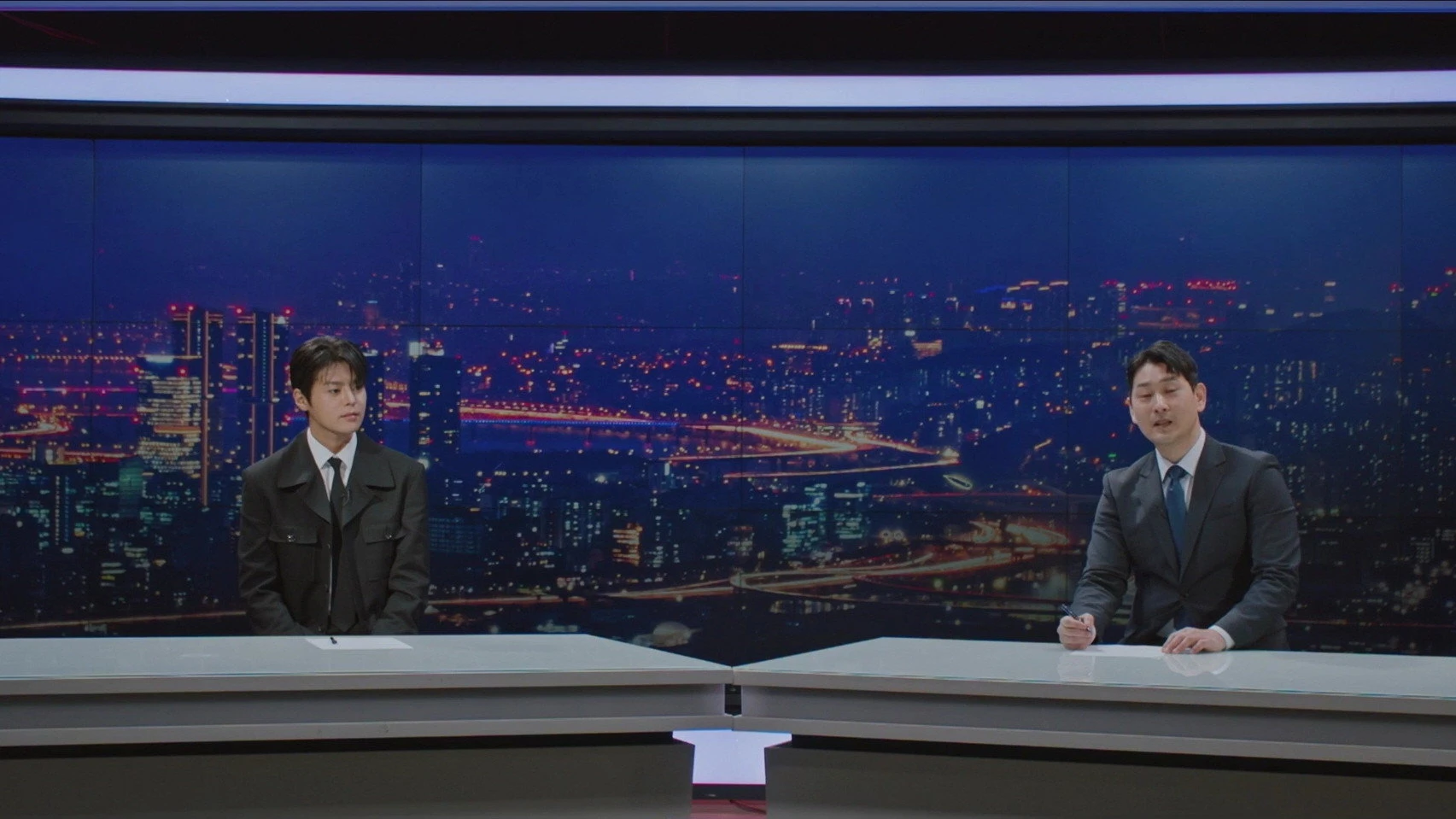
Soo-hyun confronts the people who orchestrated her ouster from Pandora — and the confrontation is less cathartic than clarifying: the moral compromises she made along the way are part of the indictment, not excluded from it. Jin-woo faces an offer that promises faster fame at the cost of creative control, and his answer to it is the series’ most direct statement about what “making it” is actually supposed to mean. Namib is at its most honest about its own ambivalence in this episode — success inside this industry is always contaminated by the system that enables it, and the characters who understand that are the ones the drama has been building toward all along.
 EP 12
EP 12
The Stars Above Namib · Finale
Jan 28, 2025
Kang Soo-hyun’s confrontation with the people who took her career reaches its concrete resolution — her name is functionally cleared, but what she rebuilds is something different from what she lost, and the difference is the point. Yoo Jin-woo’s official debut closes his ten-year arc, and Ryeoun plays the moment with the particular exhaustion of someone for whom relief and grief arrive at exactly the same time. Sim Jun-seok reclaims his identity as a producer through collaboration rather than competition, and their son Sim Jin-woo’s stability is addressed with the same matter-of-fact care the drama has maintained throughout — no last-minute sentimentality about his hearing impairment, just a family that figured out how to hold together. Namib ends where it should: with evidence that competence, not compliance, was always the point.
🏁 Ending Explained
Spoilers from here on — what actually happened, and why it lands.
⚠️
Spoiler Warning — This section covers the full finale of Namib. Stop here if you haven’t finished the series.
What Actually Happens. Kang Soo-hyun’s confrontation with the architects of her Pandora dismissal resolves in the finale — the false accusation is exposed, the people behind it face consequences, and Soo-hyun establishes her own independent lane as a producer. Yoo Jin-woo completes his debut arc with a performance and official contract that closes the decade-long trainee chapter. Sim Jun-seok finds his footing as both producer and father. Sim Jin-woo’s situation — the family’s hearing-impaired child, whose wellbeing was always the underlying pressure — receives direct, practical closure. The finale gives each arc a concrete outcome rather than a vague reconciliation, which is the right choice for a drama that spent twelve episodes refusing softness.
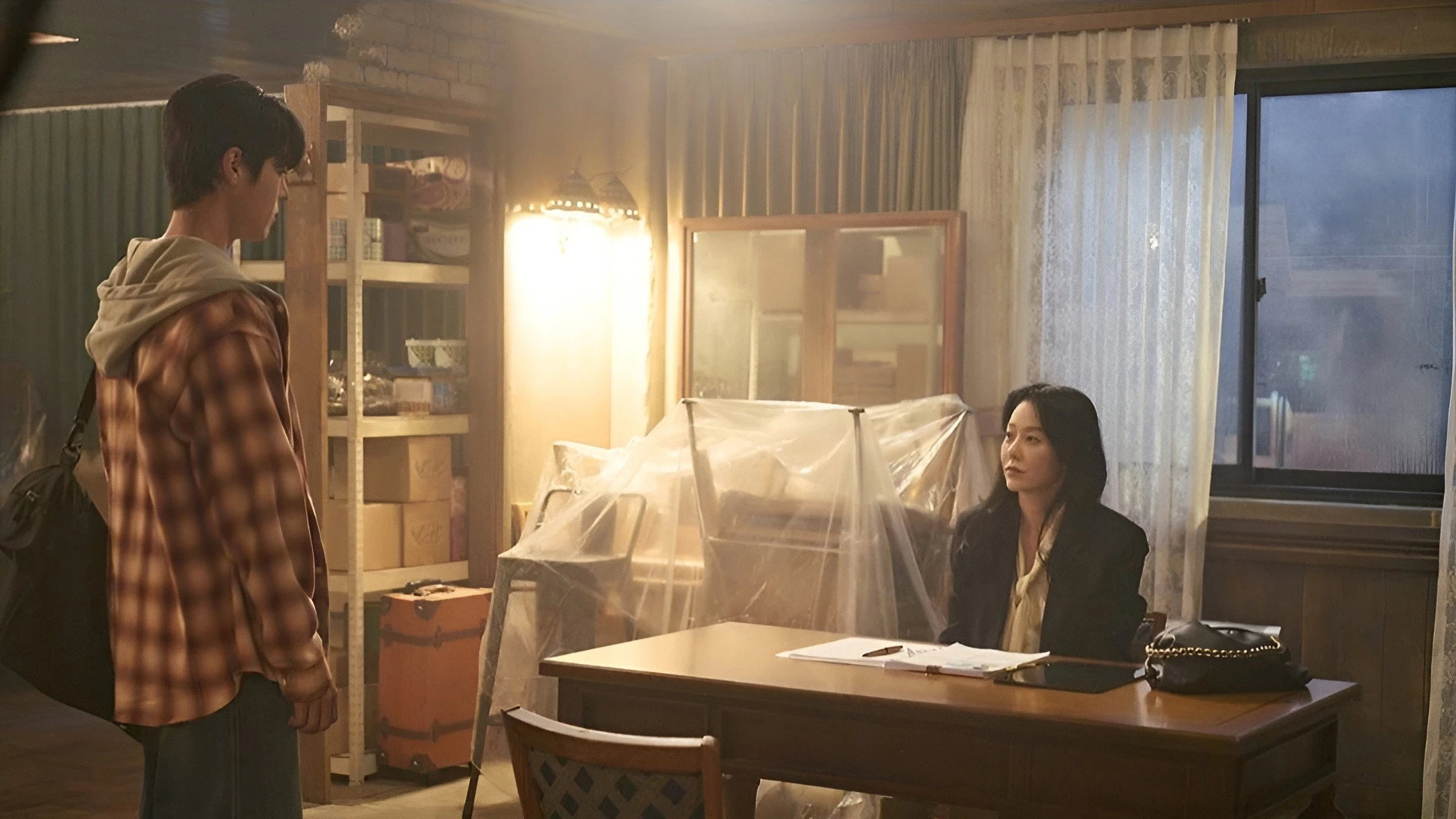
Is Kang Soo-hyun’s Name Cleared? Functionally, yes. The false accusation is revealed for what it was, and the industry figures who weaponized it are exposed. But the drama is careful about what that means: clearing her name doesn’t restore Soo-hyun’s institutional standing at Pandora — and the finale treats that not as a loss but as a correction. She ends the series operating independently, with Jin-woo as proof of what she can do without institutional support. Ko Hyun-jung plays the resolution with the same precision she’s maintained all series: not relief, exactly, but the specific satisfaction of having been right about what mattered and wrong about nothing that did.
Where Does Yoo Jin-woo End Up? Jin-woo’s debut closes his arc not with triumphalism but with earned weight. The official contract or public performance that ends the series carries meaning not because he “finally made it” but because it confirms that the system was always wrong about him — that what read as ten years of failure was actually ten years of preparation for a producer who could see what the industry couldn’t. Ryeoun’s performance in the finale carries something specific: the weight doesn’t disappear at success. It transforms into something you hold differently. That’s the most honest thing the series says about what a decade of waiting actually costs a person.

What Happens to the Family? Sim Jun-seok’s arc resolves through collaboration rather than competition — he reclaims his identity as a producer by working alongside Soo-hyun on Jin-woo’s project rather than parallel to it. The marriage doesn’t transform into a romance in the finale; it becomes a functional creative partnership that respects what each person actually contributes. Their son Sim Jin-woo receives practical, matter-of-fact closure: the family’s financial stability and emotional infrastructure are established without using his hearing impairment as the finale’s last emotional lever. Namib earns that restraint because it maintained it all series.
What the Title Actually Refers To. The Namib Desert is one of the world’s oldest and harshest ecosystems — also, paradoxically, one of the most alive, built entirely on organisms that survive conditions nothing else can. The title names that directly: this is a story about people who find ways to remain functional inside an industry that systematically selects against them. Jin-woo is the desert plant; Soo-hyun is the climate that made growing here the only available option. The alternate title — 별밤 (Byeolbam), “The Starry Night” — adds the second layer: beauty doesn’t require comfortable conditions. It requires persistence long enough to look up.
✍️ KDramaWorlds Editor’s Take
Straight talk on whether this one’s worth watching, and for who.
🎵 K-pop Industry
💪 Comeback Story
👨👩👦 Family Drama
🎤 Idol World
✨ Quiet Warmth
Ko Hyun-jung has been one of Korean drama’s most reliably intelligent actors for two decades, and Kang Soo-hyun is the role that makes the most of that intelligence directly — the character is written as someone who processes faster than she speaks, and Ko’s specific contribution is making that visible without telegraphing it. Watch the scene where she first evaluates Jin-woo: she doesn’t ask him to perform again, doesn’t express enthusiasm. She makes a note and leaves. That’s not aloofness; that’s the movement of someone who has already made the calculation and is onto the next problem. For viewers who found the same quality in her earlier work, Namib is the concentrated version of what Ko does at her best. For anyone who wants a comparison point in the idol-comeback space, Reply 1997 captures what the K-pop world looked like from the fan side; this is what it looks like from the production side.

Ryeoun carries the harder structural task. Yu Jin-woo is a character whose arc requires a decade of failure to be legible as performance — the audience has to understand what ten years of almost costs a person, and Ryeoun delivers that through physical choices rather than exposition. He moves through the early episodes like someone who’s learned to take up exactly as much space as he’s been permitted, and the gradual expansion of that posture — the way he eventually fills a room differently — is how Namib tracks his growth more honestly than any dialogue recap could. The performance doesn’t announce itself, which is why it works. For another example of a male lead doing character-in-body rather than character-in-speech, Itaewon Class builds on a similar structural choice — protagonist defined by what he refuses to surrender rather than what he achieves.
The drama’s consistent weakness is its antagonist infrastructure. The people who orchestrated Soo-hyun’s dismissal from Pandora remain somewhat schematic for most of the series, which means the confrontation in episodes 11 and 12 lands softer than the leads deserve. The industry critique is sharper in the procedural background — trainee contract precarity, the way reputation damage outlasts its cause, the legal structures that protect agencies over artists — than in the foreground villains. What Namib does better than most K-pop industry dramas, though, is refuse to sentimentalize the entertainment world while still finding genuine warmth inside it. That balance is harder than it looks, and it holds across all twelve episodes.
👍👍👍 BEST FOR 👍👍👍
🎵 K-pop industry drama fans who want something smart about the system
💪 Viewers who like a protagonist who doesn’t collapse under pressure
👨👩👦 Viewers who want family warmth handled without sentimentality
⚖️ Final Verdict
What works
•Ko Hyun-jung’s precision — she never confuses efficiency with warmth, or keeps them separate
•Ryeoun tracks a decade of suppression through physical performance choices, not dialogue
•Industry critique embedded in procedural detail — trainee contracts, reputation damage, systemic gatekeeping
What to know first
•Antagonists are less developed than the leads deserve — the confrontation lands softer than it should
•Romance is minimal — primarily professional and family relationships throughout
•The finale trusts the character arcs more than the plot resolution — that’s a feature for some viewers, a flaw for others
8.0 / 10
A K-pop industry drama that trusts its performers enough to show the work — Ko Hyun-jung and Ryeoun make every difficult scene look exactly as difficult as it is.
💬 Helpful? Share this guide →
🎬 You Might Also Like
If you liked Namib, these are your next three watches.



































Keep it kind, skip the harsh language, and please — no spoilers. Everyone's taste is different, and that's perfectly fine.
This space is for real reactions and discussion from other viewers. Help keep it comfortable for everyone by not giving away major plot details.
What do you think of this drama?
Login to share your review or leave a comment.
No email needed — just pick a username & password.