
Can This Love Be Translated?
🎬 Netflix
⭐ 8.4 / 10 MDL
🔞 TV-MA
📋 Drama Overview
Everything you need to know before you hit play.
🔥 2026 Rom-Com Hit
Joo Ho-jin (Kim Seon-ho) is a man who speaks eight languages fluently and understands none of the people around him. A former aspiring novelist now working as a professional interpreter, he lives by a single professional rule: stay neutral, stay invisible. That rule holds — until he is assigned to translate for Cha Mu-hee (Go Youn-jung), a global actress who rose to overnight stardom after her breakout role as zombie survivor Do Ra-mi, and whose real self is nothing like her polished public image.
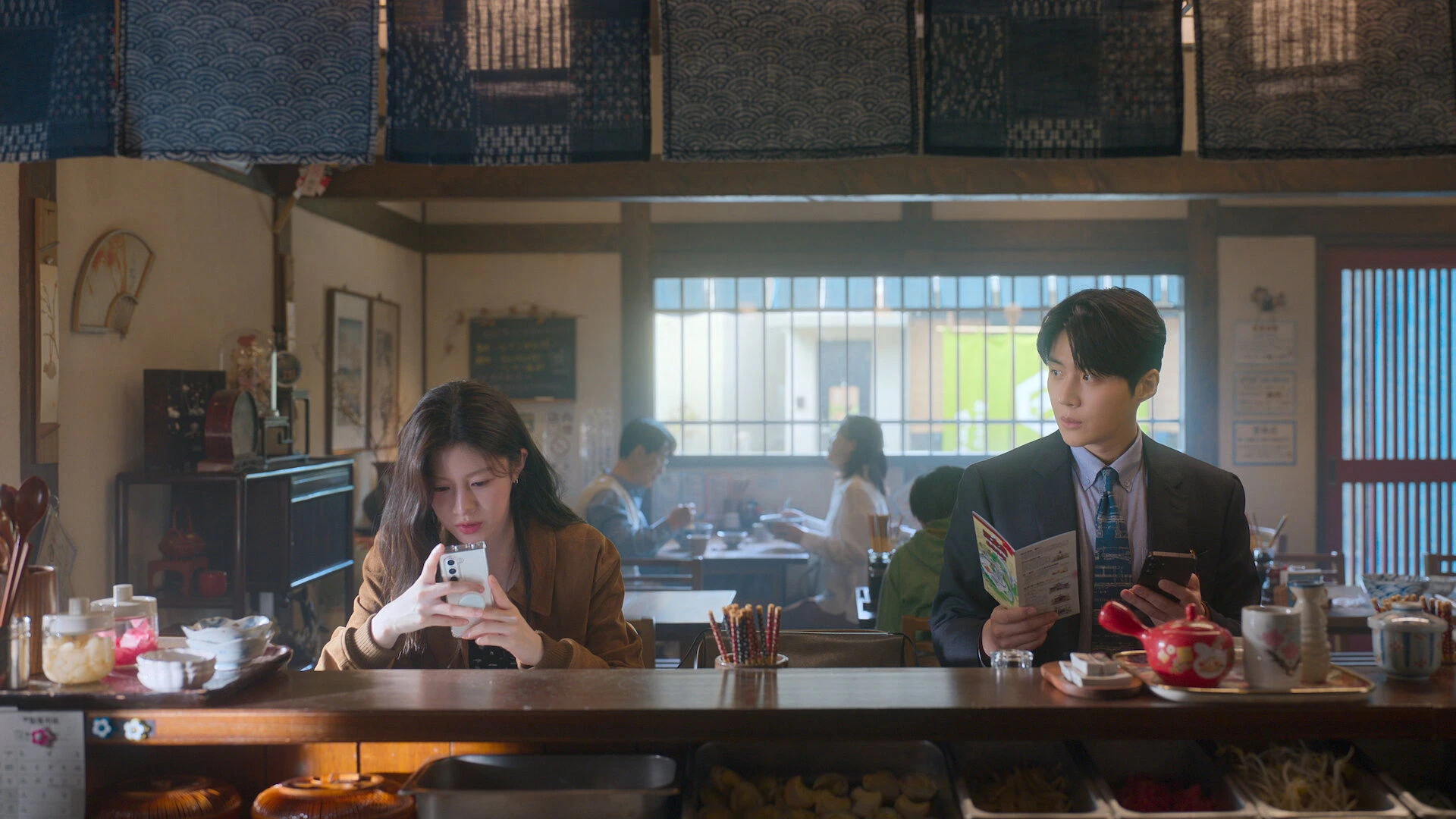
Ho-jin’s job on the international reality dating show Romantic Trip is simple: relay Mu-hee’s words to her Japanese co-star Hiro Kurosawa (Sota Fukushi) without editorial. But Mu-hee’s words are chaos — and Ho-jin, without realizing it, keeps softening them. What begins as professional interference becomes something he cannot name, let alone translate. The show travels across Japan, Korea, Canada, and Italy, chasing locations as beautiful as the characters are complicated, and quietly asking whether two people who speak entirely different emotional languages can ever truly understand each other.
12 / 12 ✅ Completed
⚡ Quick Verdict
One box. Everything you need to decide.
· MDL Score · 35,816 ratings
▶ Official Trailer
🎭 Cast & Characters
The people who make this drama worth every minute.

Lead

Lead

Supporting

Supporting

Supporting

Supporting
📺 Episode Guide
Spoiler-light recaps — know what you’re getting into, episode by episode.


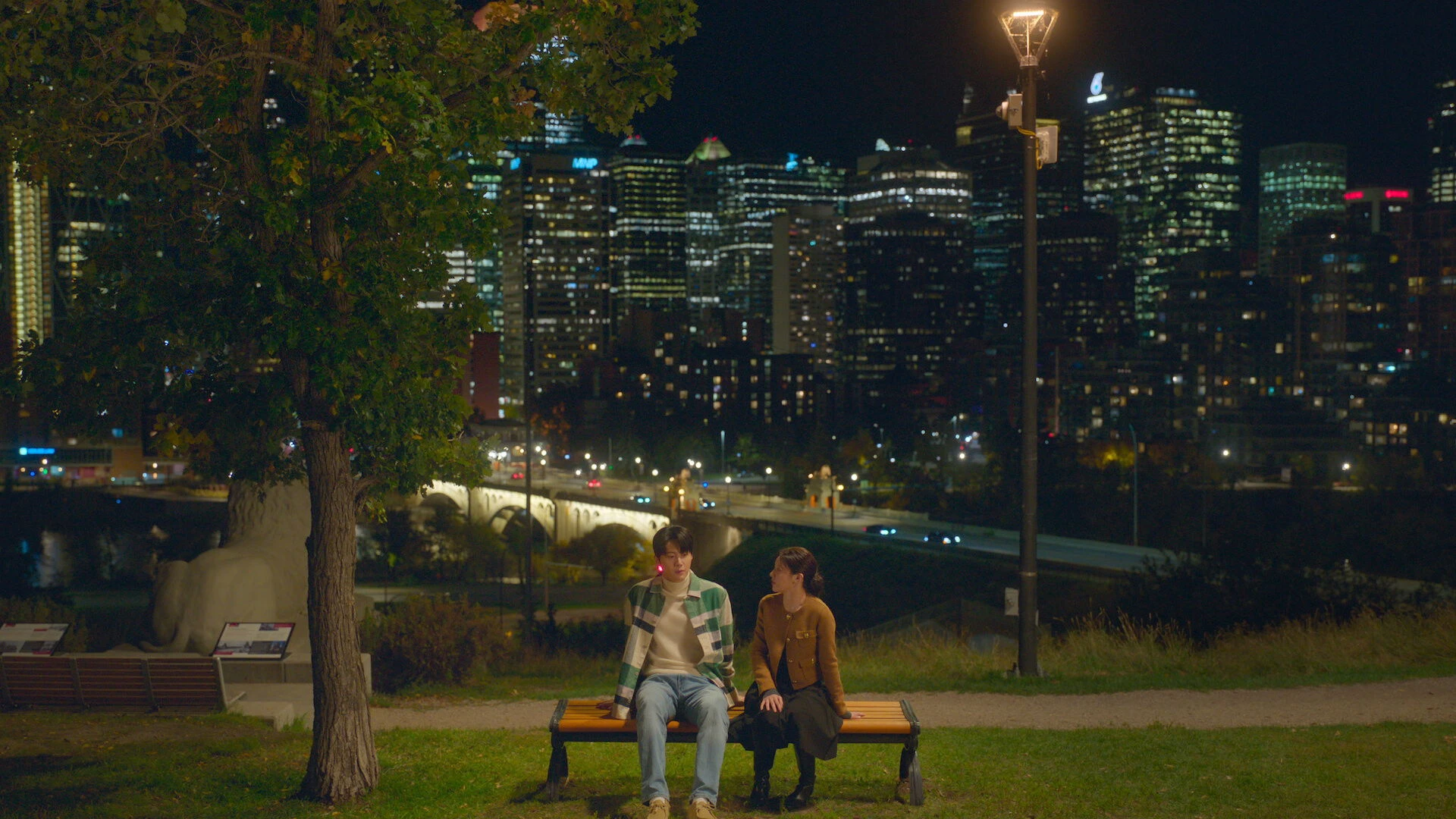


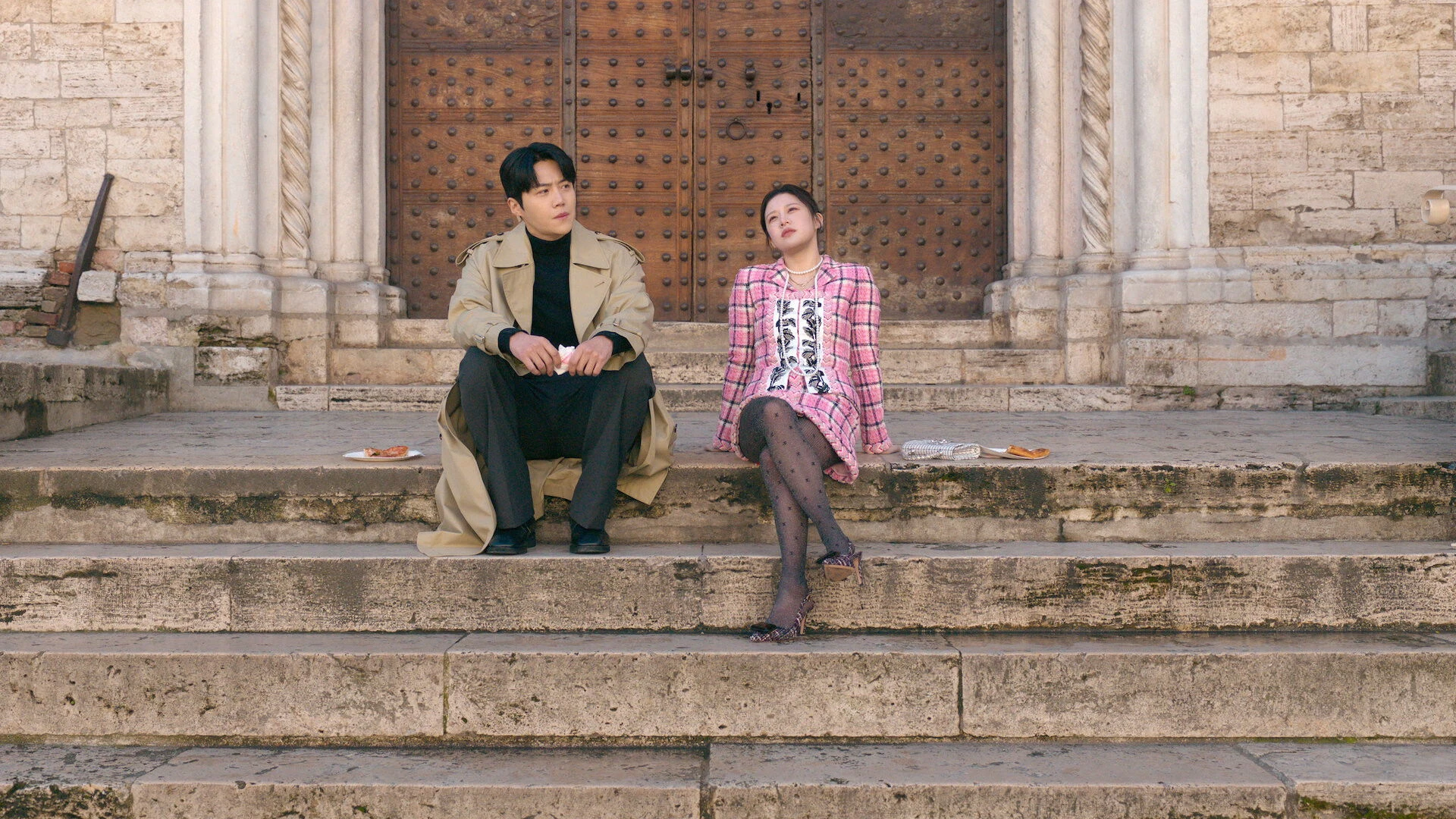
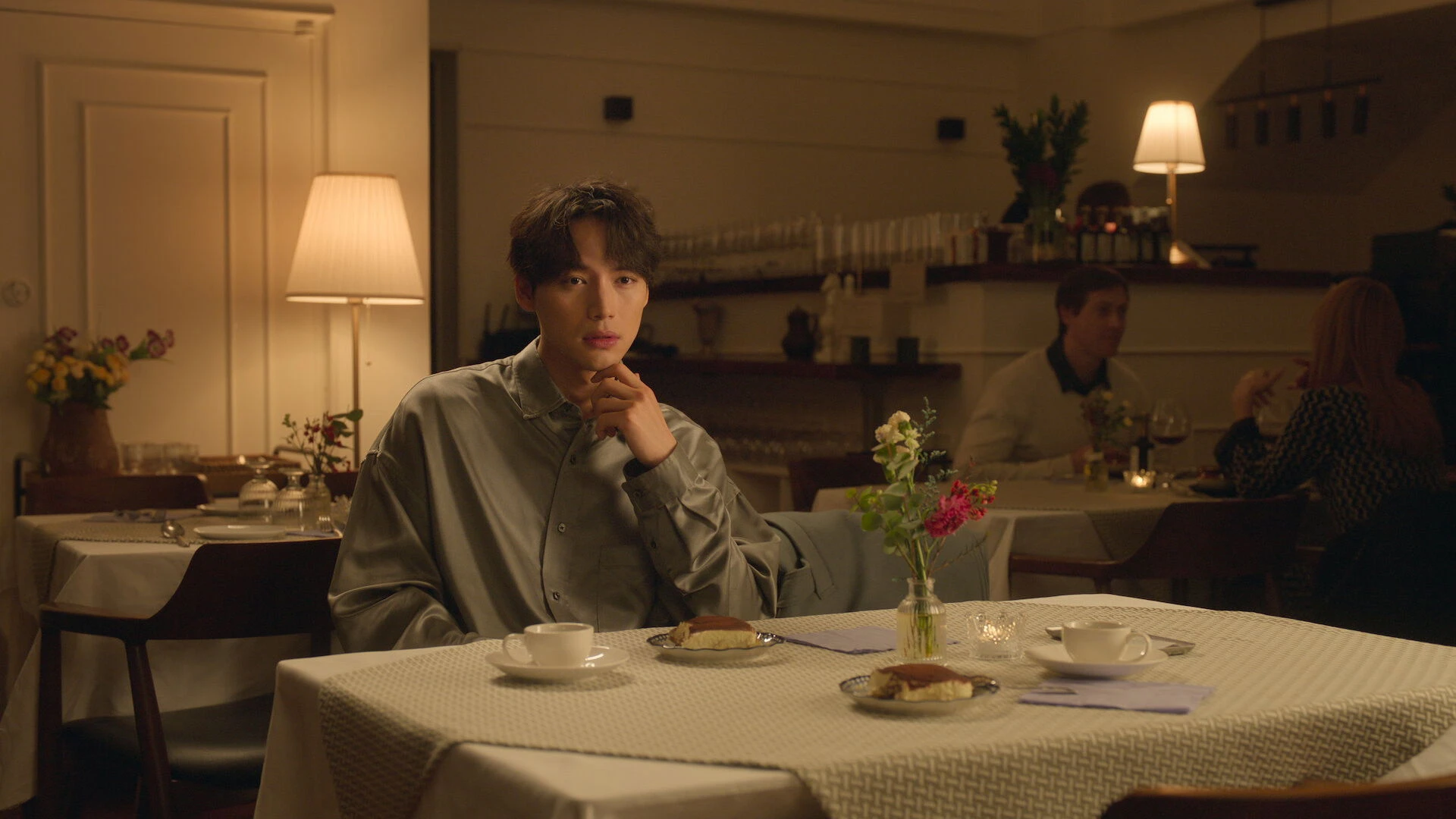
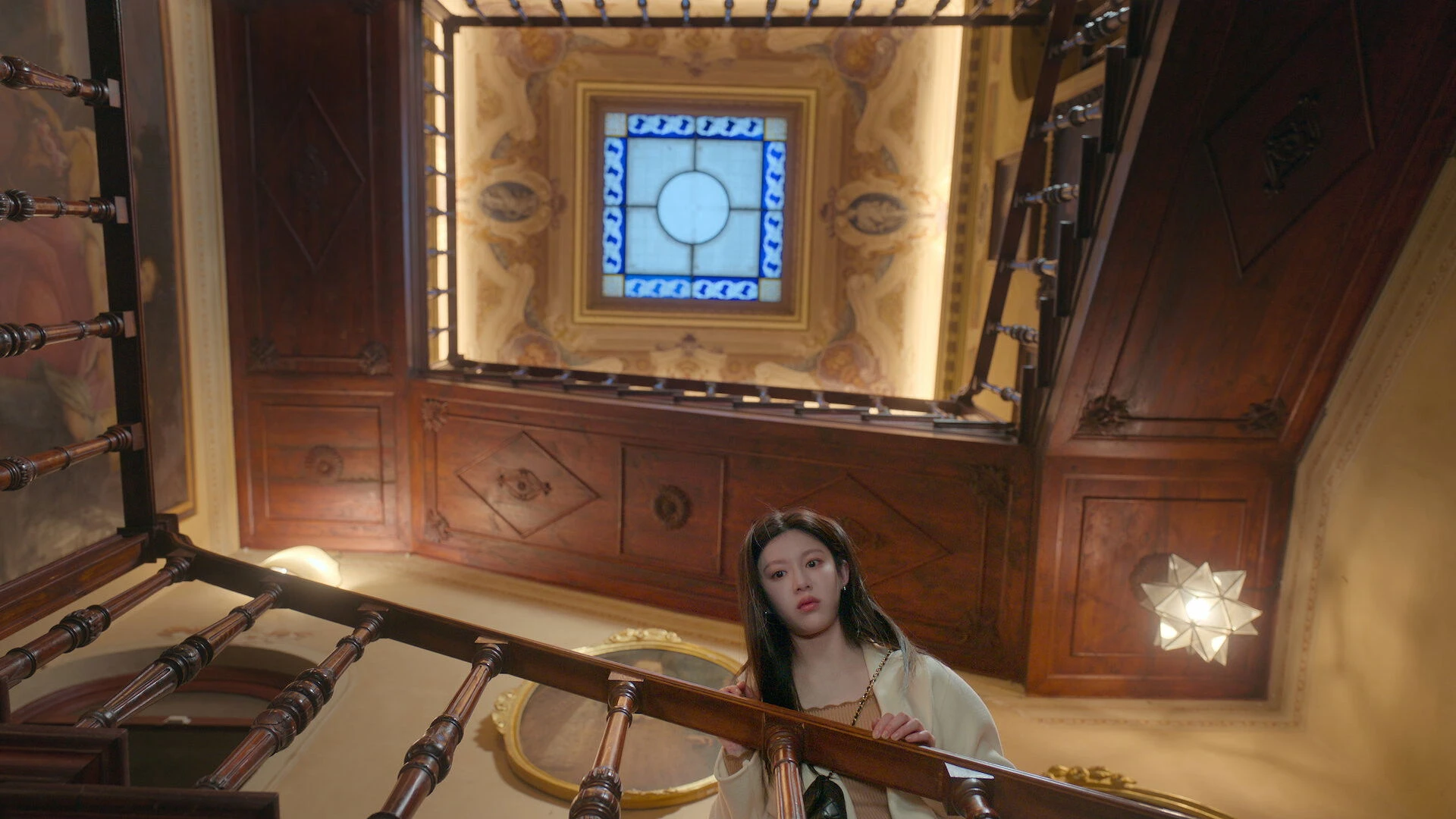

🏁 Ending Explained
What actually happened in the finale — and what it all means.
Full spoilers ahead for all 12 episodes. Watch the series first — then come back.
The finale opens with an edit screening. Mu-hee and Hiro watch the rough cut of Romantic Trip together. The producers want to include Hiro’s on-camera confession — and his warm reception by Mu-hee — and leave the decision to the actors. Both agree to let it air. It’s a quiet, grown-up moment: two people acknowledging what happened between them without pretending it didn’t.
The love triangle closes on its own terms. Mu-hee apologizes to Hiro — not for how she felt, but for the times Do Ra-mi encouraged his feelings without her consent. He accepts without drama. Separately, Ho-jin meets Ji-seon on a train and finally says out loud what he spent years not saying: that he liked her. She admits she felt the same. They let each other go cleanly. It’s the kind of emotional housekeeping most K-dramas skip, and the show is better for doing it.
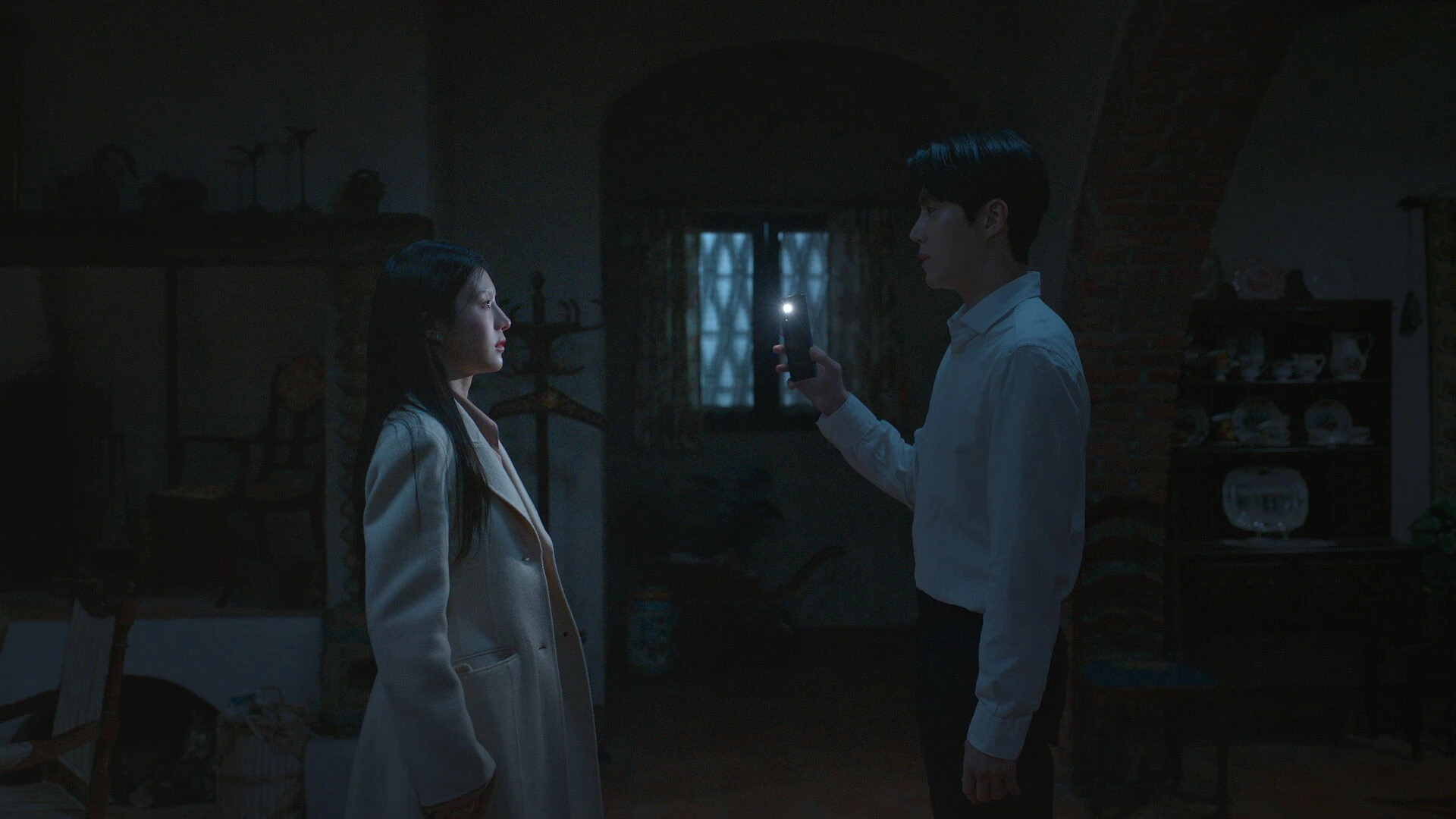
Do Ra-mi’s origin is finally revealed. In the Tuscan stretch, Ho-jin had hugged Do Ra-mi — essentially holding the part of Mu-hee that hates herself — and something in that moment shifted. The finale explains why Do Ra-mi existed at all: Mu-hee’s mother had poisoned her father’s birthday cake and tried to force the young Mu-hee to eat it. Mu-hee jumped from a balcony to escape, survived, and was told for decades that her parents had died in an accident. Do Ra-mi looked exactly like her mother. She wasn’t a zombie character that escaped the screen — she was her mother’s face, haunting her from childhood.
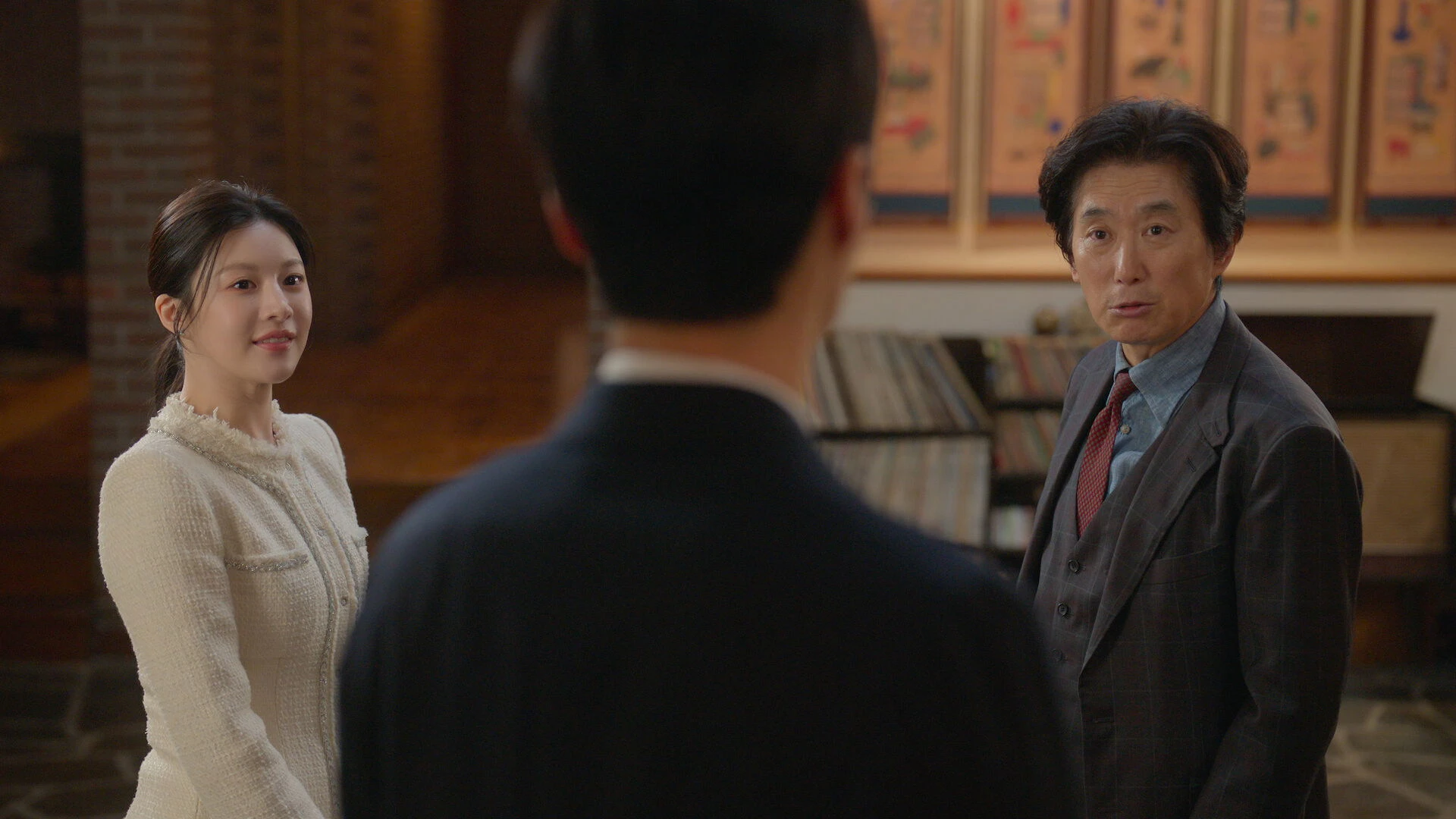
The twist: everyone survived. Mu-hee’s adoptive family reveals that her parents are both alive — her mother was never charged, and the poisoning was buried to protect the family’s name. This is the information that breaks the final barrier. Mu-hee cannot stay with Ho-jin while still carrying a secret she has never confronted. She chooses to leave Korea and find her birth mother. Ho-jin, for once, does not try to interpret the situation into something manageable. He just waits.
The secondary couple earns the sweetest ending. Ji-seon and Yong-woo, the drama’s more straightforwardly joyful pair, reveal their engagement to the Romantic Trip crew at a Christmas celebration. Hiro, meanwhile, decides to stop avoiding the projects he had been reluctant to take — the show leaves him pointed toward his own future, not defeated by his unrequited feelings. He even learned Korean. The ensemble exits the series better than they entered it.
The finale’s last image is a dark sky reserve. Mu-hee returns from her trip — the show doesn’t show the confrontation, only the aftermath — and texts Ho-jin to meet her under the Milky Way they had once talked about seeing together. She arrives with a bouquet of clovers, uses her phone’s translation app to tell him how much she missed him in every language, and Ho-jin — the man who has spent twelve episodes turning other people’s feelings into words — is finally, completely lost for words. They kiss. The observatory dome opens above them. Some things don’t need translation. They just need time.
✍️ KDramaWorlds Editor’s Take
Our honest read on why this drama is worth your time — and who it’s for.
Go Youn-jung has been excellent in supporting roles for years — Alchemy of Souls, Sweet Home, Resident Playbook — but this is the drama where she becomes undeniable as a lead. Cha Mu-hee is already a rich enough character on her own: a superstar who cannot stop sabotaging herself, whose public persona was built on someone else’s idea of who she should be. Then Do Ra-mi surfaces, and the role doubles in complexity. Go navigates both without letting either one feel like a device. She is the reason this drama works as well as it does.

The Do Ra-mi storyline is where the audience splits. Viewers expecting a light rom-com will hit episode 6 and feel the genre shift like a gear change — and some won’t forgive it. That’s fair. The Hong sisters are not being subtle: Do Ra-mi is Mu-hee’s childhood trauma given a name and a personality, and the show treats it with more seriousness than comedic deflection. Whether that lands depends on what you came for. What it gets right is Ho-jin’s response to it — he doesn’t treat Do Ra-mi as a problem to be managed or a punchline to be milked. He applies the same patient, systematic attention he gives to language. That choice redeems the entire arc.
The pacing in episodes 4 through 6 tests patience — the Canada stretch occasionally mistakes atmosphere for momentum. And the finale moves quickly through resolutions that could have used more room. But the Hong sisters built something here that is genuinely unusual for the genre: a romance where the central obstacle is not a misunderstanding that one honest conversation could fix, but two people whose entire emotional architecture was designed to keep them from needing anyone. Kim Seon-ho and Go Youn-jung make that feel earned rather than frustrating. Not flawless — but the kind of drama that stays with you after the credits roll.
Anyone who loved Alchemy of Souls or Hotel Del Luna (Hong Sisters fans)
Viewers who want slow burn done with patience and craft
🎬 You Might Also Like
If you liked Can This Love Be Translated?, these are your next three watches.
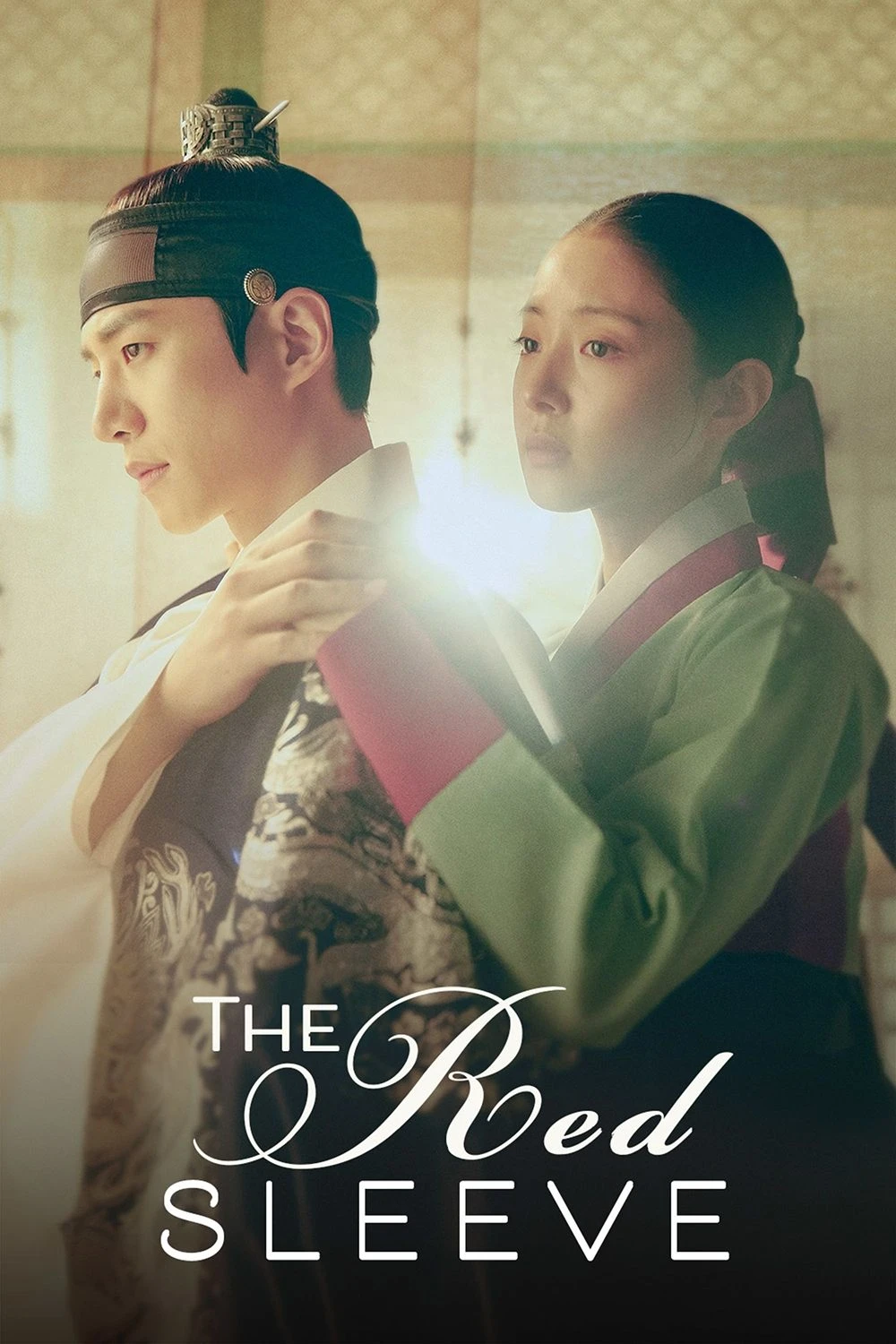
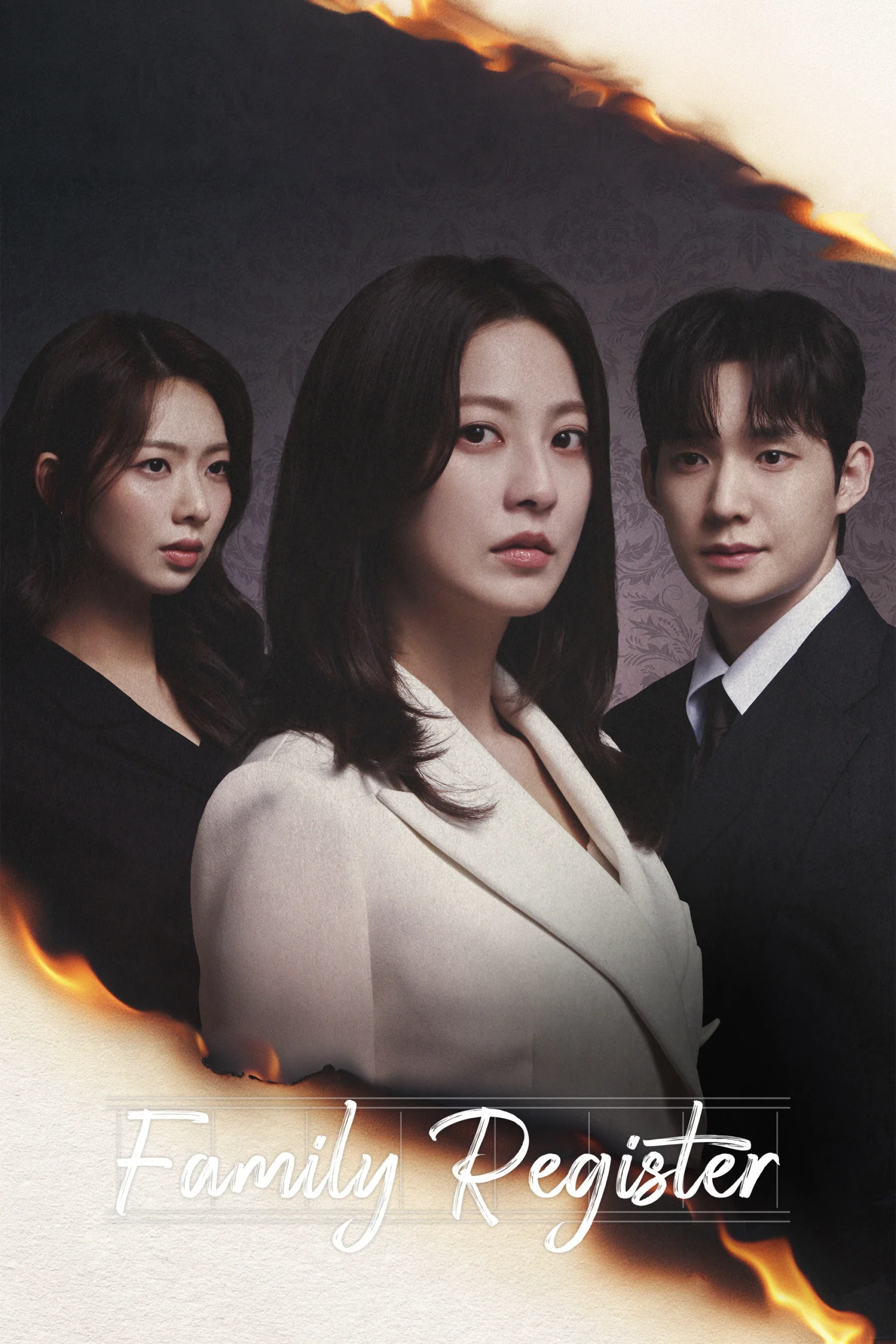 Family Register
Daily Dramafamily drama
Read Full Review →
|
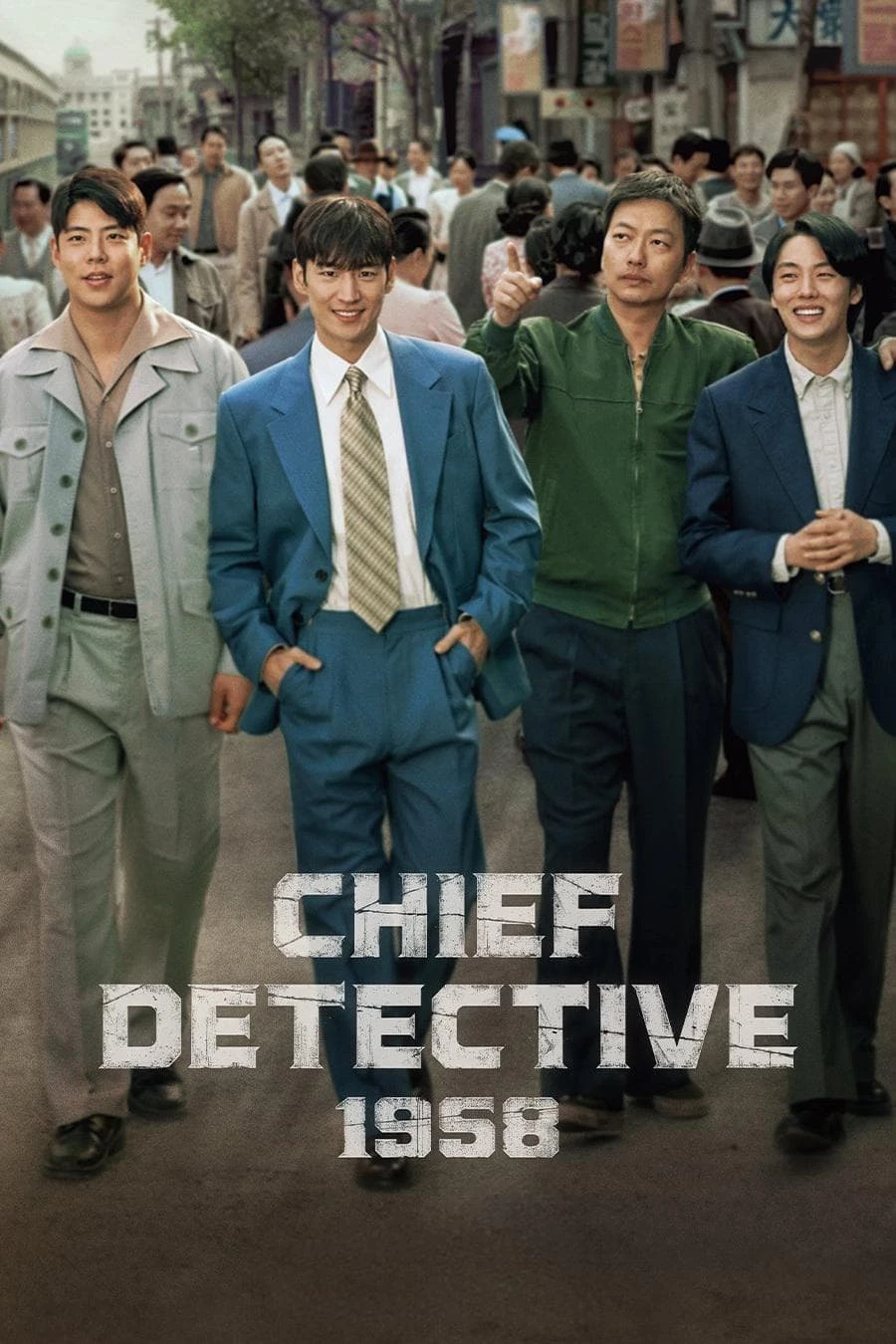
 Kick Kick Kick Kick
Content CreationFound Family
Read Full Review →
|
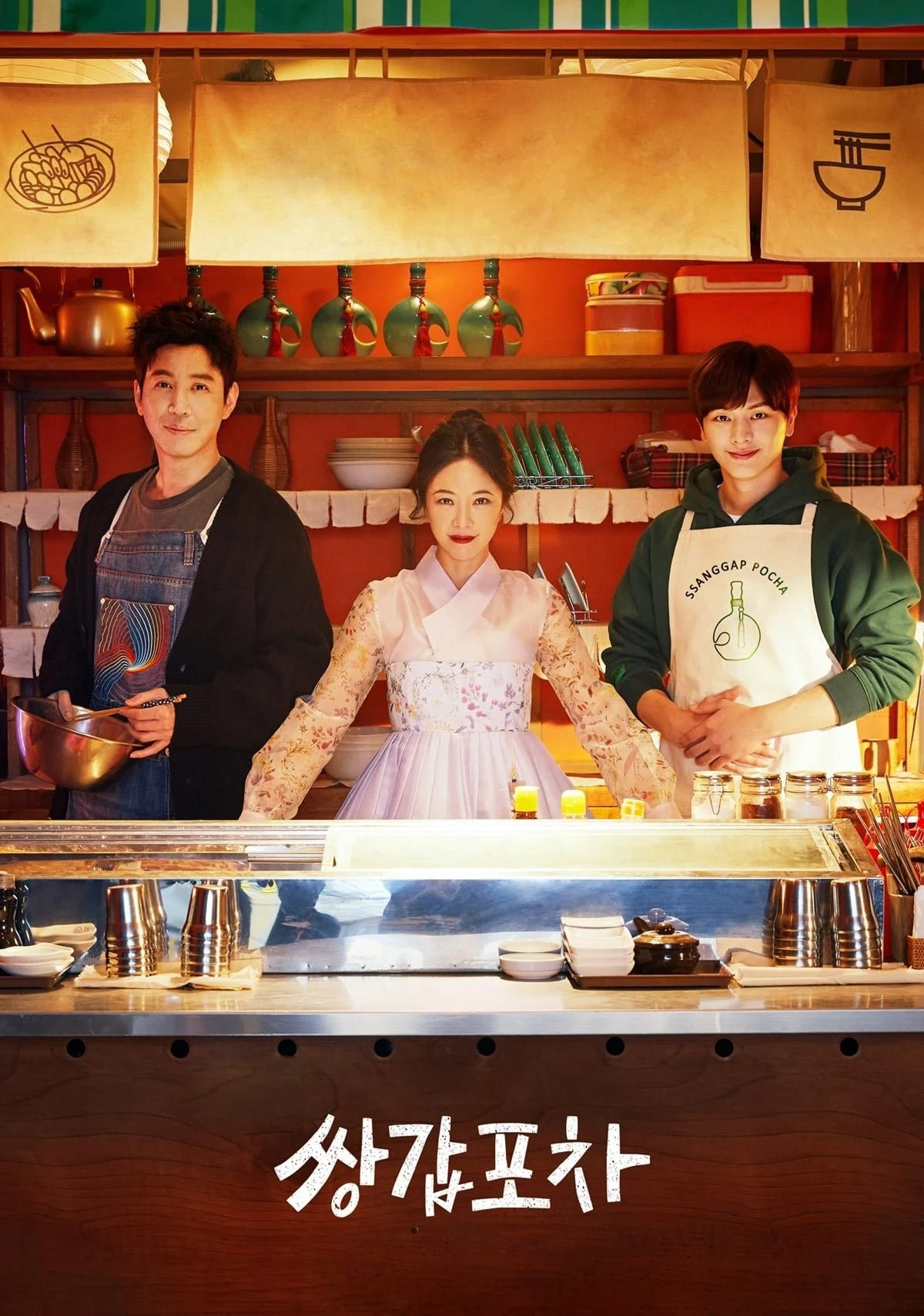
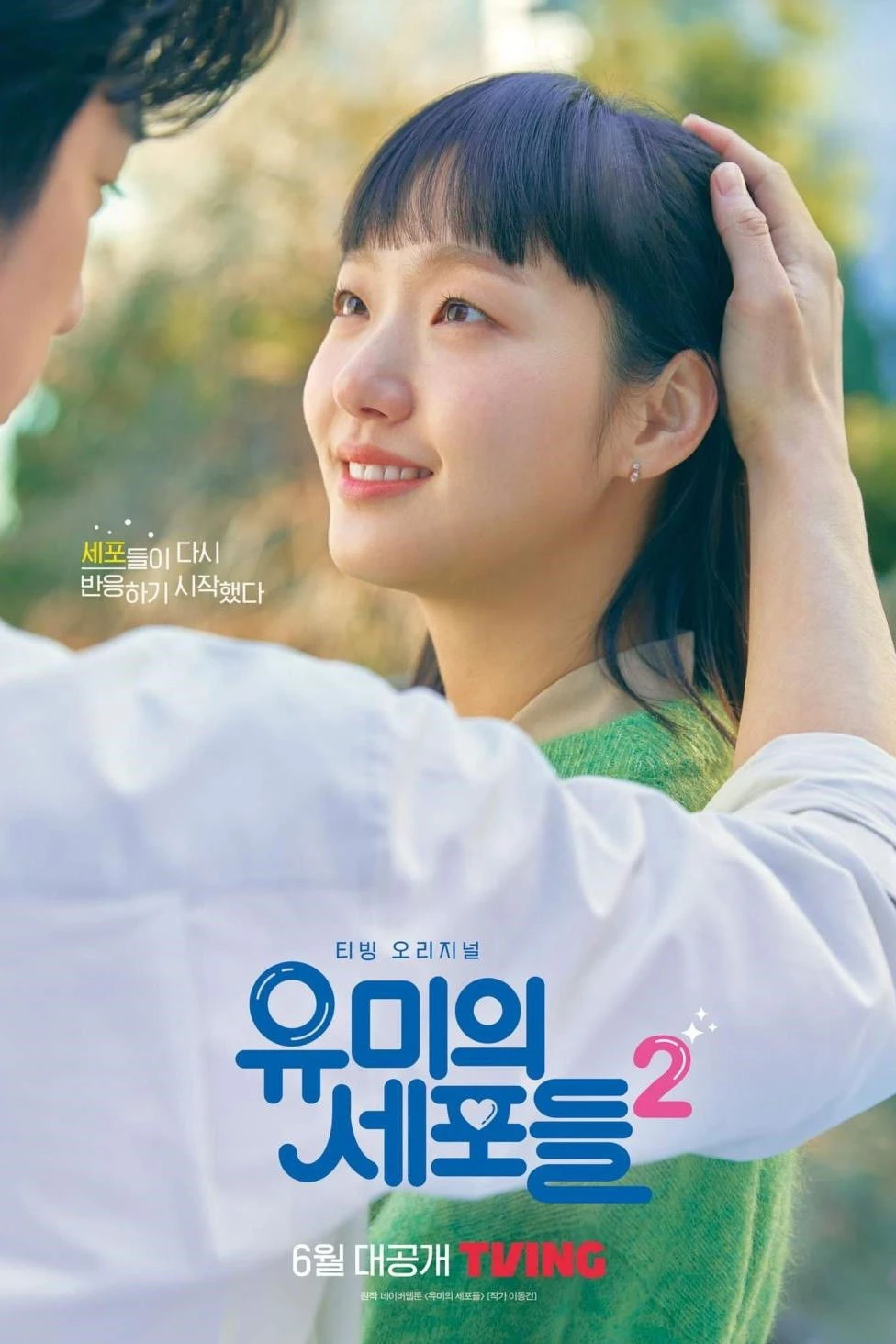 Yumi's Cells (Season 2)
Ahn Bo-hyunanimated cells
Read Full Review →
|












Keep it kind, skip the harsh language, and please — no spoilers. Everyone's taste is different, and that's perfectly fine.
This space is for real reactions and discussion from other viewers. Help keep it comfortable for everyone by not giving away major plot details.
What do you think of this drama?
Login to share your review or leave a comment.
No email needed — just pick a username & password.