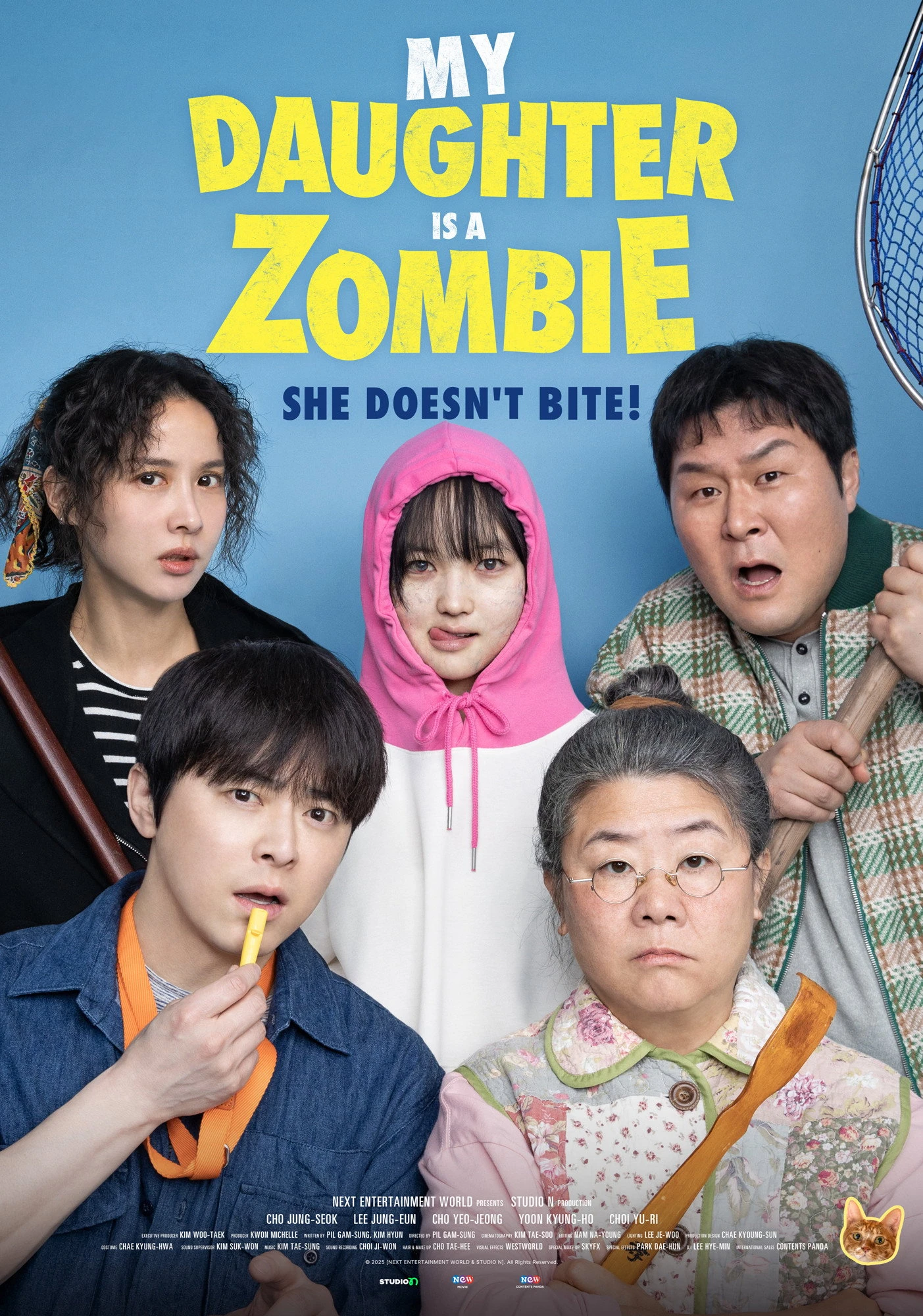
My Daughter Is a Zombie
🎬 Film Overview
Lee Jeong-hwan is a fierce animal trainer whose chaotic life centers on his rebellious teenage daughter, Lee Su-a, who dreams of dancing. When Su-a becomes infected by a zombie virus sweeping across the world, Jeong-hwan refuses to abandon her — instead hiding her in his mother’s seaside village, where he turns his animal-training skills toward an impossible new mission: helping his zombie daughter hold on to her humanity.
⚡ Quick Verdict
One box. Everything you need to decide.
· MDL
· 6.8 / 10 IMDb
▶ Official Trailer
🎭 Cast & Characters
Twelve performances anchored by Jo Jung Suk’s career-best.

Lead

Lead

Lead

Lead

Supporting
Supporting

Supporting

Supporting

Supporting

Supporting
Supporting

Supporting
📖 The Story
No spoilers — just enough to know if this is your film.
Lee Jeong-hwan is the kind of father who communicates loudest through action. He trains animals for a living — big ones, difficult ones, the kind that don’t respond to asking nicely — and he runs his household with the same blunt energy. His daughter Lee Su-a is seventeen, sharp, determined, and building her entire identity around dance. They do not always understand each other. Their daily life is noisy, combative, and recognizably real: a father who expresses love by showing up, a daughter who wants him to listen. Before the film introduces its central crisis, it takes real care to let this ordinary tension breathe.
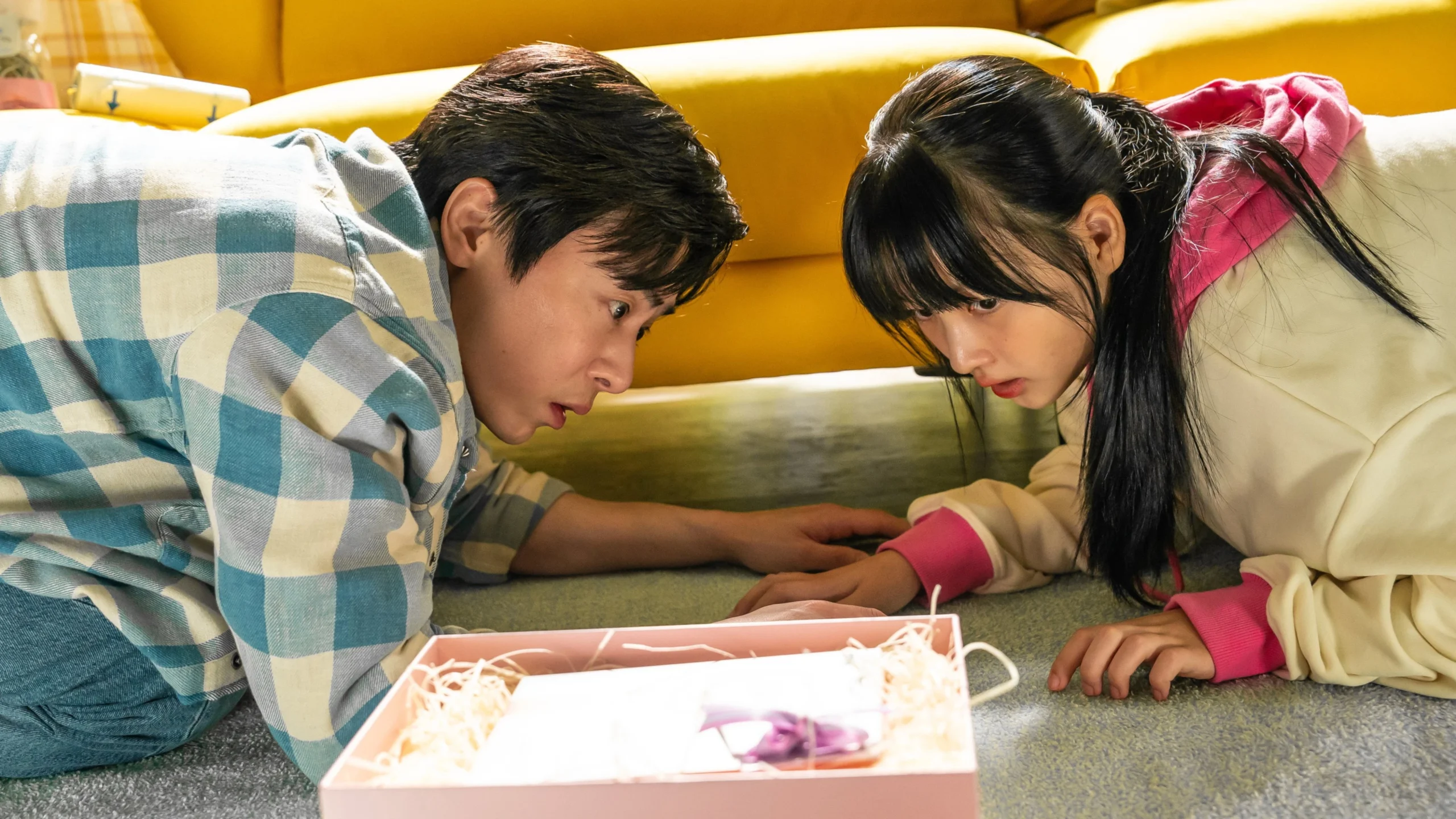
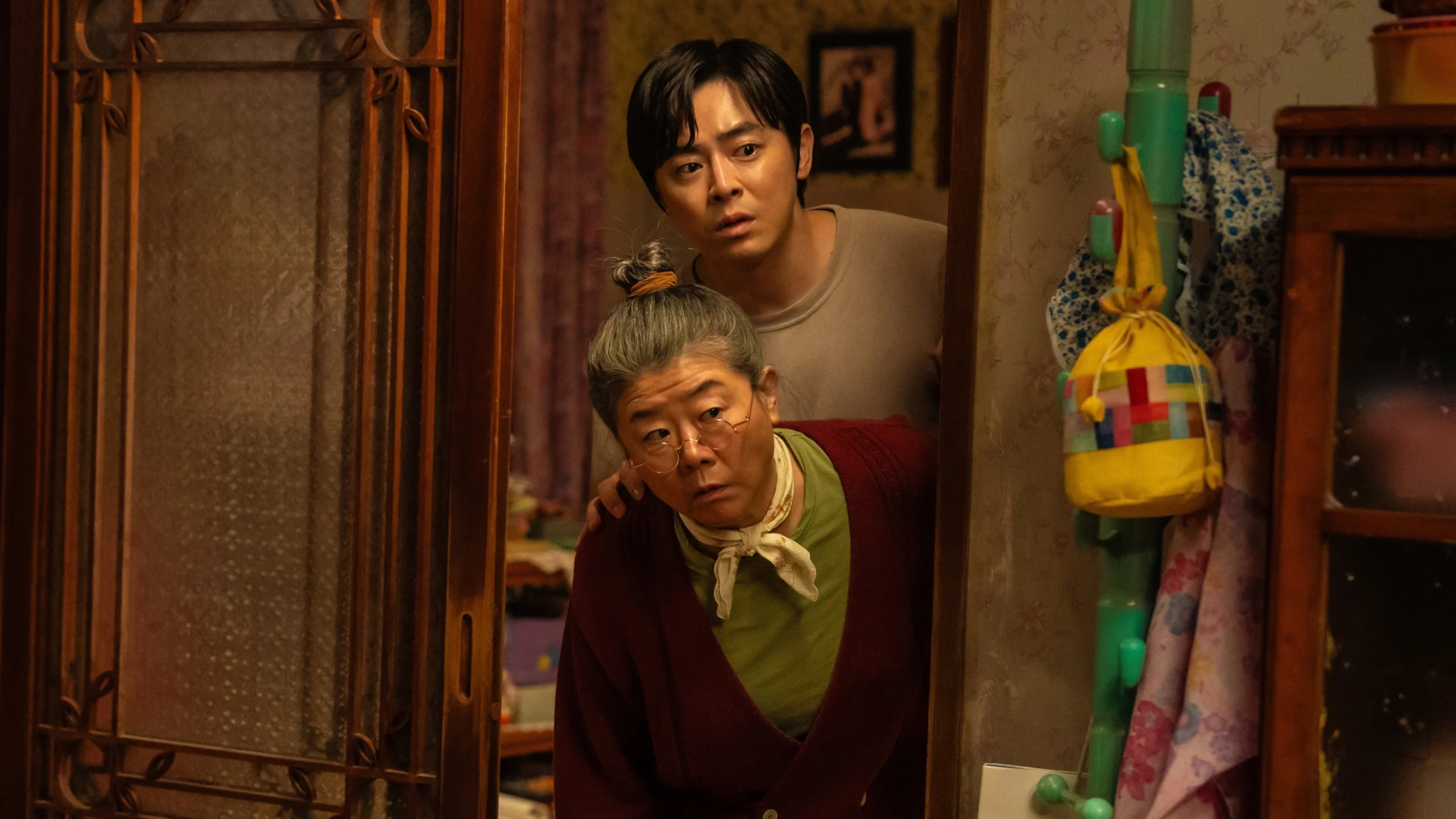
Then a zombie virus sweeps through the world, and Su-a is infected. The film’s inciting moment is not the outbreak itself — that is background noise, almost casual in its horror — but what Jeong-hwan does next. He does not hand her over. He does not treat her as a lost cause or a danger to be managed. He puts her in the back of a vehicle and drives to Eunbong-ri, a quiet seaside village where his mother, Kim Bam-sun, lives. His plan, such as it is, amounts to: keep her hidden, keep her stable, figure out the rest later.
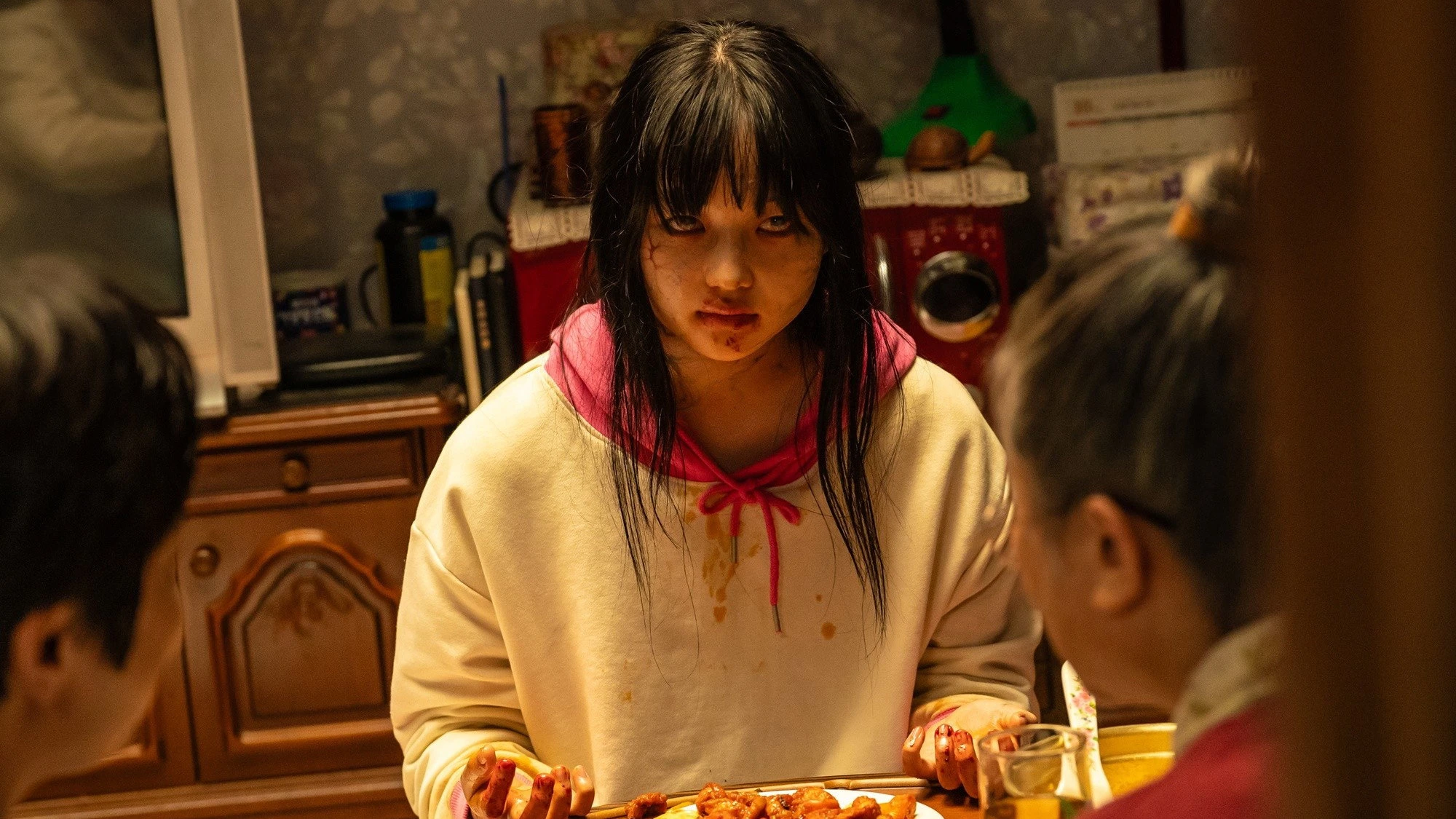
The hook that makes the film work is both absurd and completely logical: Jeong-hwan already knows how to work with animals that cannot respond to normal communication. He knows patience, routine, repetition, and the value of not panicking. The question becomes whether those same techniques — the ones he uses on tigers and bears — can work on a daughter who can no longer hold a conversation. What he discovers is that Su-a still responds to music, to familiar touch, to the things that defined her before infection. Every small reaction becomes a high-stakes test of whether identity can survive when almost everything else has been stripped away.
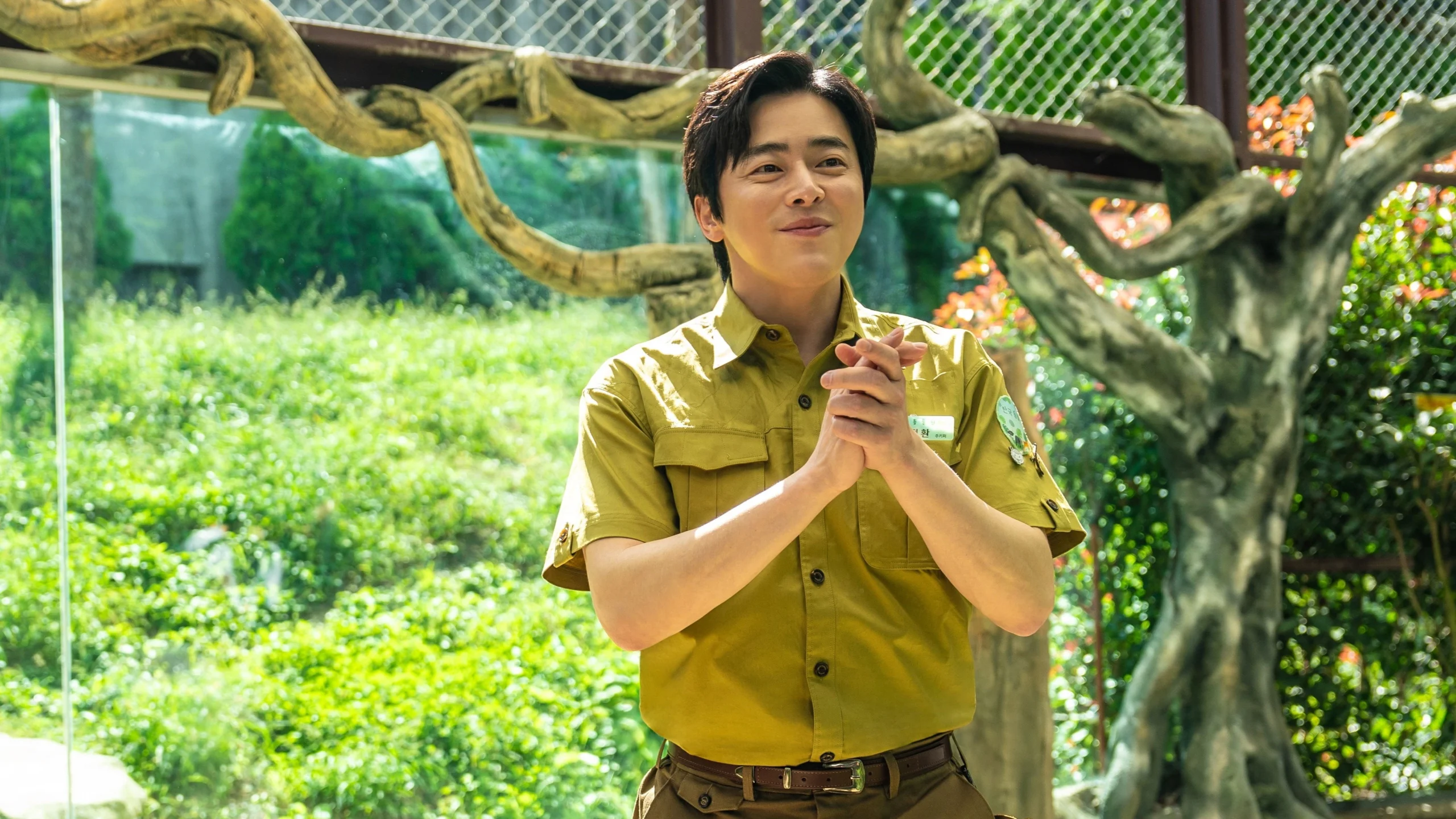
The supporting cast is doing more than filling space. Kim Bam-sun — Su-a’s grandmother — carries the warmth and moral authority the film needs to stop the premise from feeling like a gimmick. Lee Jung Eun plays her with a quiet, unwavering certainty: this is her granddaughter, full stop. Yoon Kyung Ho’s Cho Dong-bae and Cho Yeo-jeong’s Sin Yeon-hwa add texture to the social world around Jeong-hwan, representing the different ways people respond when the thing they fear most is living next door. The village of Eunbong-ri becomes a kind of pressure chamber — a small, close community where secrets weigh more than they should.
What separates this film from other Korean zombie stories — and there are good ones, including the drama All of Us Are Dead — is its refusal to treat the zombie as the genre’s main event. Jeong-hwan does not approach Su-a like a monster hunter or a grief-stricken survivor. He approaches her like a parent who has not given up yet. The comedy emerges from the gap between the catastrophic situation and his matter-of-fact response to it: training schedules, behavioral cues, the careful management of stimuli. It is parenting pushed to an extreme, and the film keeps asking whether extreme parenting is qualitatively different from the ordinary kind.
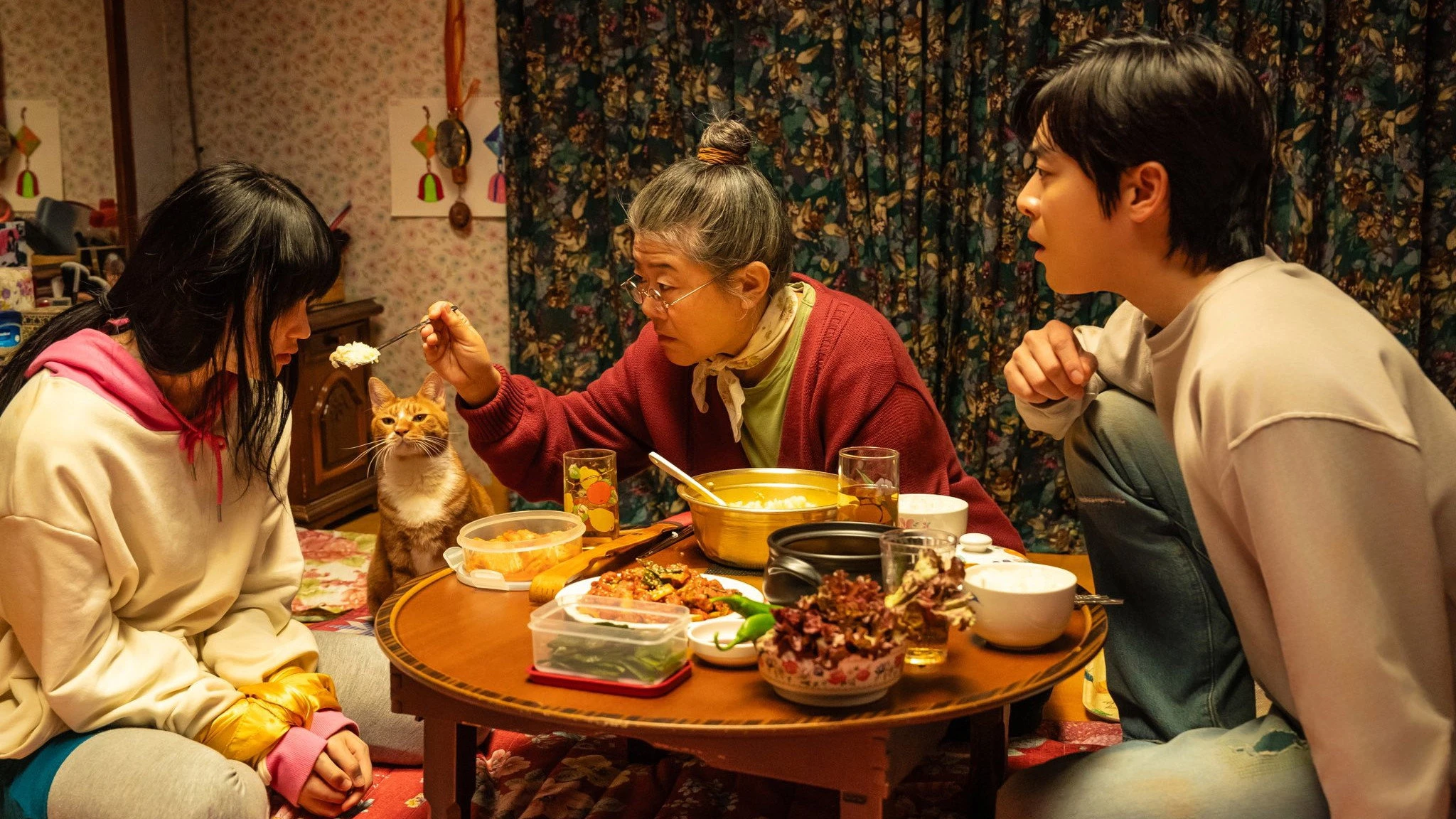
The tone moves with surprising confidence between registers. The seaside setting — all salt air and unhurried village rhythms — softens the apocalypse until it feels manageable, almost domestic. There are scenes that play as pure warm comedy, anchored by Jo Jung Suk’s physical performance and his talent for making exasperation look like love. And then, without warning, the film reminds you that the stakes are entirely real. The humor never erases the sadness underneath; the two exist in the same breath, which is exactly how grief and love tend to operate in real life.
For audiences outside Korea, the film speaks clearly through a cultural lens that Korean cinema has been developing for years: the webtoon adaptation that uses genre to excavate family emotion. Korea has a long tradition of taking horror premises and redirecting them toward something more intimate — the threat as a mirror for domestic tension, the monster as a metaphor for change that a parent cannot control. In the same way that adolescence can feel like watching someone you love become someone you no longer recognize, the zombie premise here is not really about a virus. It is about the fear of losing your child to the version of themselves you can no longer reach — and the stubbornness of refusing to stop trying anyway.
🏁 Ending Explained
Full spoilers ahead — what happens, what it means, and what the film is actually about.
Full Spoilers Ahead — This section covers the complete ending of My Daughter Is a Zombie. Stop here if you haven’t watched.
The film resolves not with a cure, but with an act of endurance. As the outside world closes in on Su-a’s condition — the authorities, the social pressure, the practical impossibility of hiding a zombie indefinitely — Jeong-hwan, Kim Bam-sun, Cho Dong-bae, and the people who have been drawn into their quiet conspiracy make a final collective decision: they keep going. There is no miraculous reversal. The family chooses concealment, patience, and each other over surrender to a world that would classify Su-a as a threat and nothing more. The ending emphasizes continued caregiving rather than triumph.
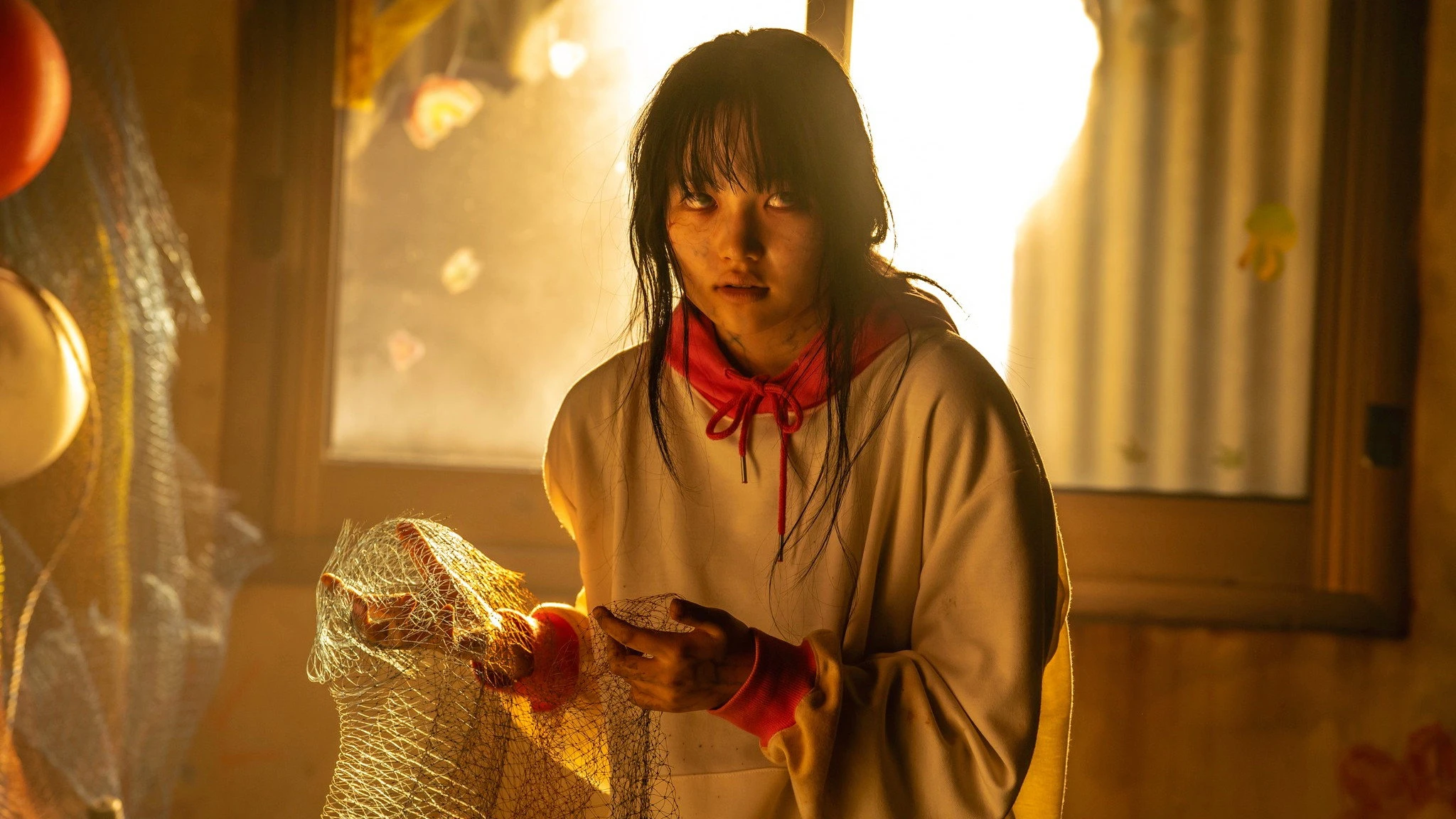
What the ending means depends on which reading you accept. The film is careful not to resolve Su-a’s condition cleanly, and that ambiguity is doing serious work. One reading is straightforwardly about family loyalty under social pressure: Jeong-hwan keeps choosing his daughter over the convenience of giving up, and that choice is the film’s moral thesis. A second reading takes the zombie premise as an extended metaphor for adolescent change — the film’s real subject is a father’s terror of watching his child become unreachable, and the ending says that love does not require the person to come back all the way; it only requires you to keep showing up. A third reading focuses on the community: Eunbong-ri is a village that gradually, without ever quite voting on it, chooses to protect one of its own against the machinery of the outside world.
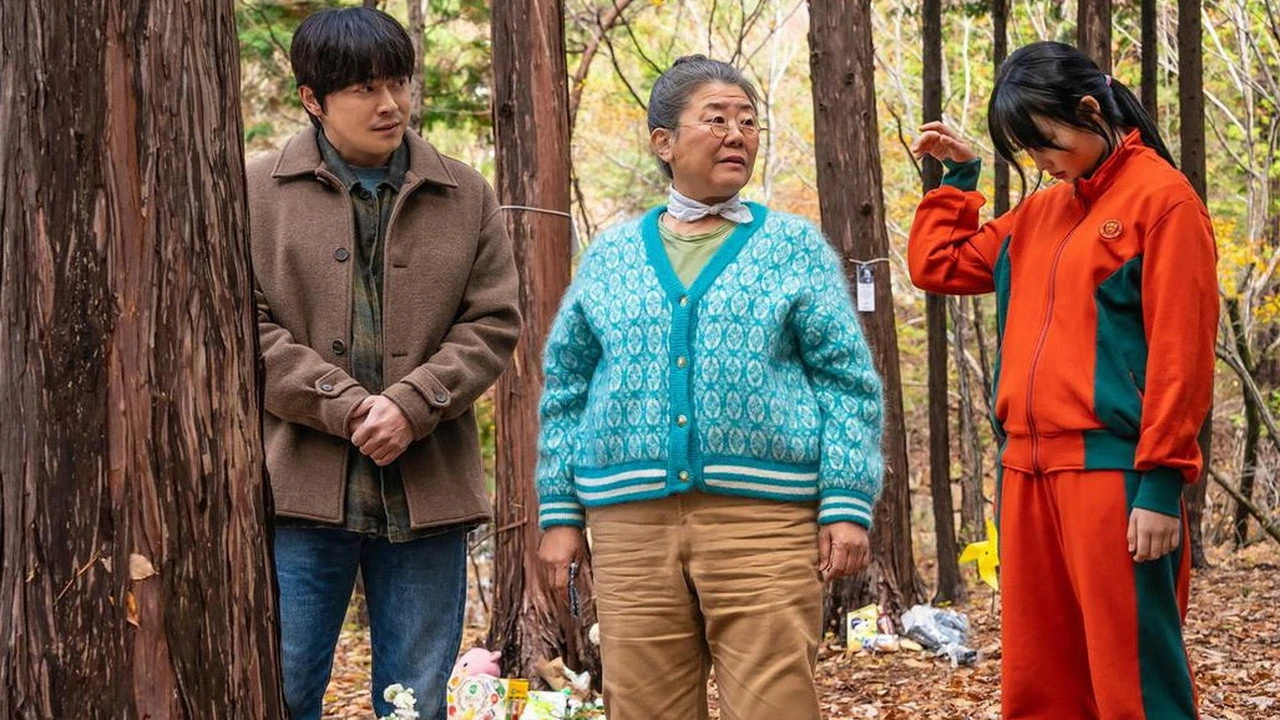
The KDW verdict: the metaphor reading is strongest, and the film earns it. Every scene where Su-a reacts to music, to her grandmother’s touch, to the small rituals of their shared life has been quietly building an argument: personhood is not a switch, it is a signal. Jeong-hwan’s training methodology — patient, specific, never giving up on behavioral cues — is the film’s thesis translated into action. Parenting is not so different from what he does for a living. You learn the language of someone who cannot always explain themselves. You look for the response, however small. You do not mistake silence for absence. The film’s final message is not that love can reverse everything — it is that love’s most important job is recognizing someone even when the world has stopped bothering to look.
✍️ KDramaWorlds Editor’s Take
Our honest read on why this film is worth your time — and who it’s for.
Jo Jung Suk has spent years demonstrating that he can do almost anything — musical stage, romantic comedy, thriller, procedural drama. What My Daughter Is a Zombie asks him to do is stranger and harder than any of those: play a man who responds to one of the most extreme situations imaginable with the same blunt competence he applies to everything else. The performance works because Jeong-hwan’s animal-trainer logic — you assess the behavior, you find the trigger, you apply the response — is not presented as comic obliviousness. It is presented as the most rational thing a person who loves someone has ever decided to do. Jo Jung Suk finds the warmth inside the absurdity and never lets go of it.
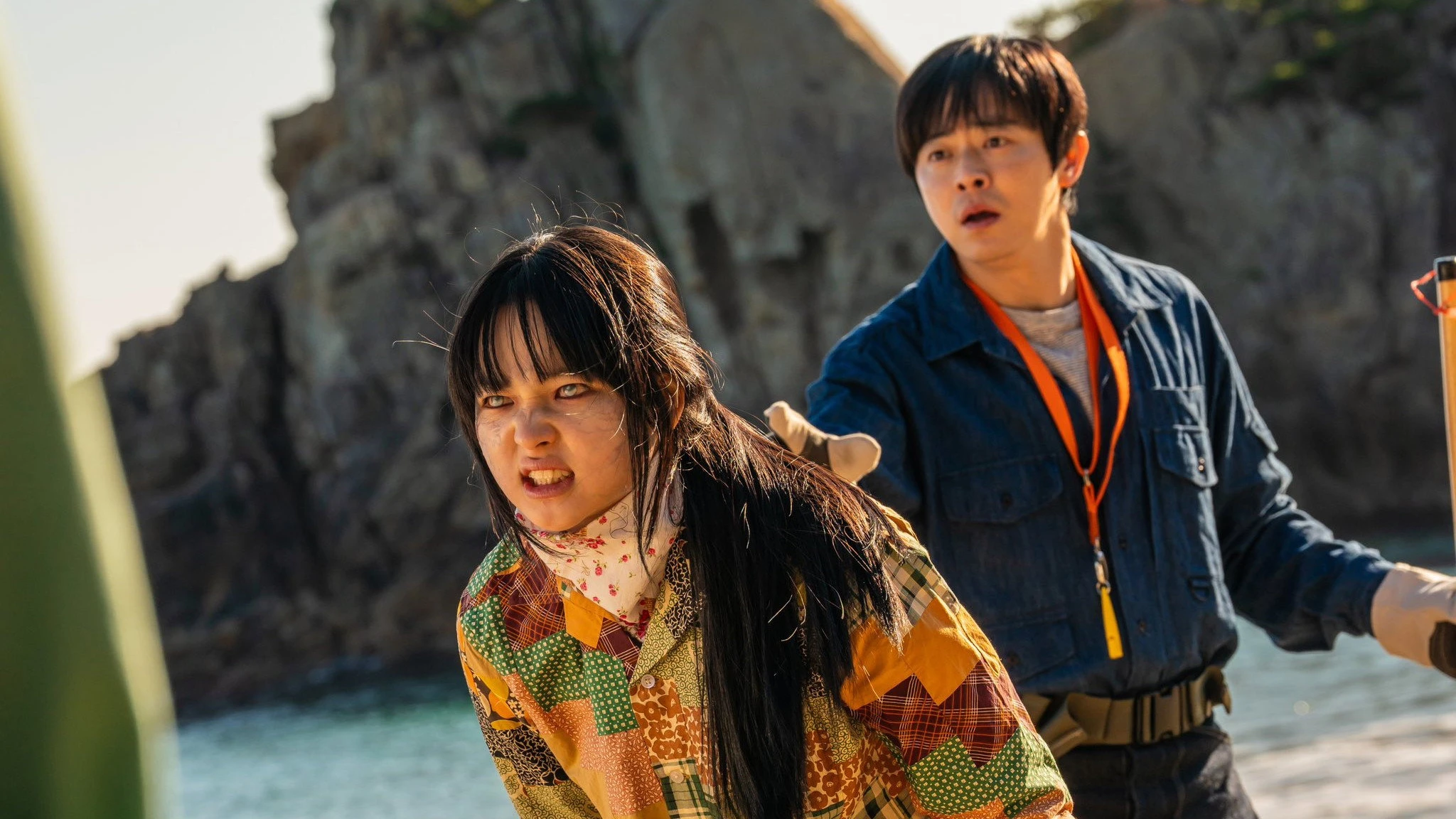
The film’s most interesting creative risk is its treatment of Su-a’s partial responsiveness. In most zombie narratives, the infected character’s moments of recognition are deployed as tragedy — a cruel glimpse of who they were, designed to hurt. Here, those moments are the film’s primary emotional currency. Su-a reacting to her grandmother’s voice, or orienting toward music, or responding to a gesture Jeong-hwan has practiced hundreds of times — these are not teases. They are the film’s argument, delivered piece by piece, that continuity of identity does not require the person to be fully present. Choi Yu Ri carries enormous weight in a role that demands physical performance over dialogue, and she earns every moment the film gives her.
At $36.9M in worldwide box office, My Daughter Is a Zombie landed as a genuine audience hit, proof that Korean cinema’s appetite for genre-family hybrids extends well beyond the dramatic end of the spectrum. It sits comfortably alongside Dark Nuns and Once We Were Us in a recent stretch of Korean genre films that have been doing something more complicated than their premises suggest — using horror or thriller scaffolding to build something genuinely humane. The comedy is real and often very funny. But the film’s staying power comes from taking its ridiculous central premise with complete seriousness and asking what it would actually cost, and actually feel like, to refuse to give up. 114 minutes. One zombie. Zero excuses for not calling your parents back.
Fans of Jo Jung Suk doing something genuinely unexpected
Korean zombie fans who want heart with their horror
Anyone who has ever loved someone going through a change they don’t understand
🎬 You Might Also Like
If you liked My Daughter Is a Zombie, these are your next three watches.
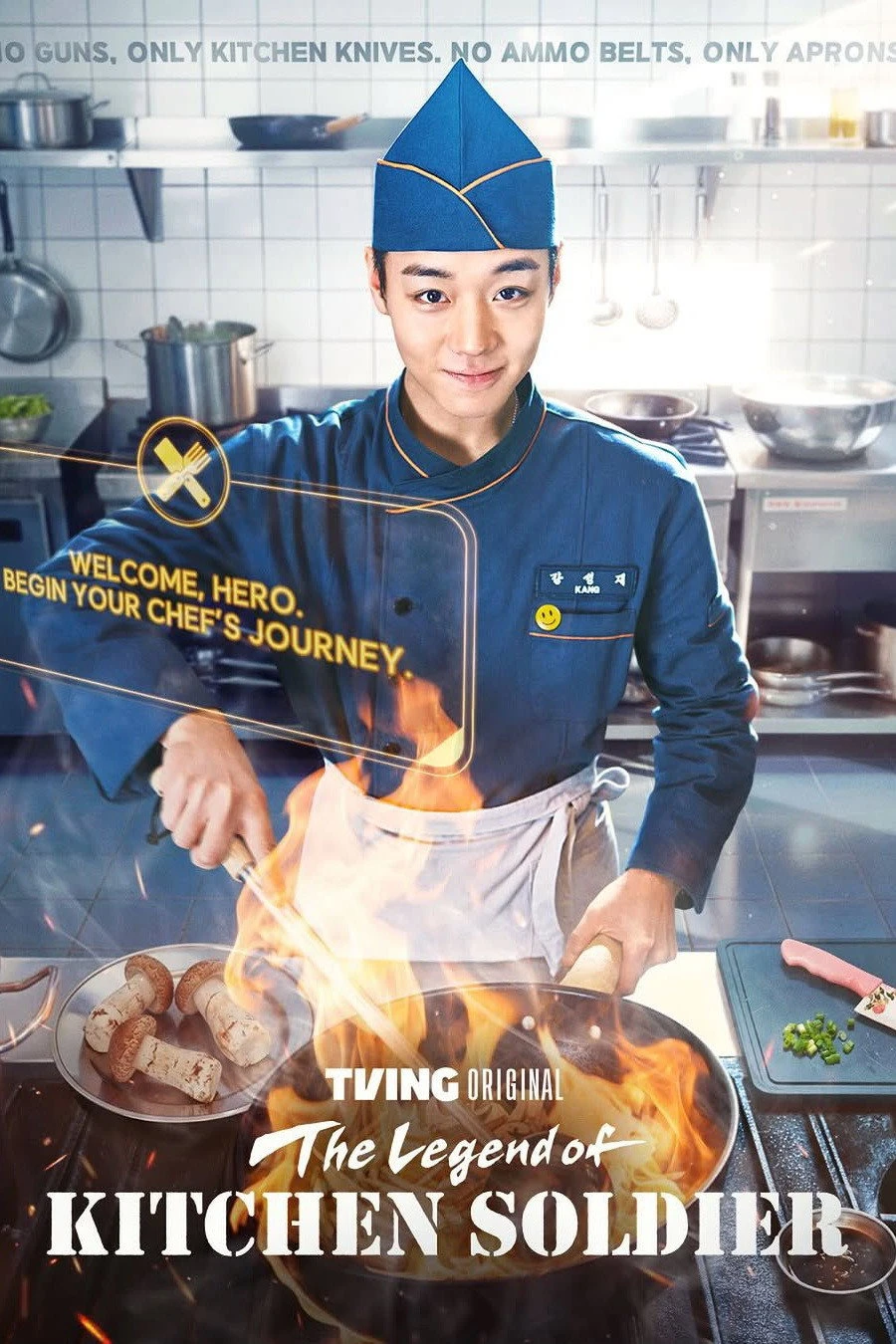
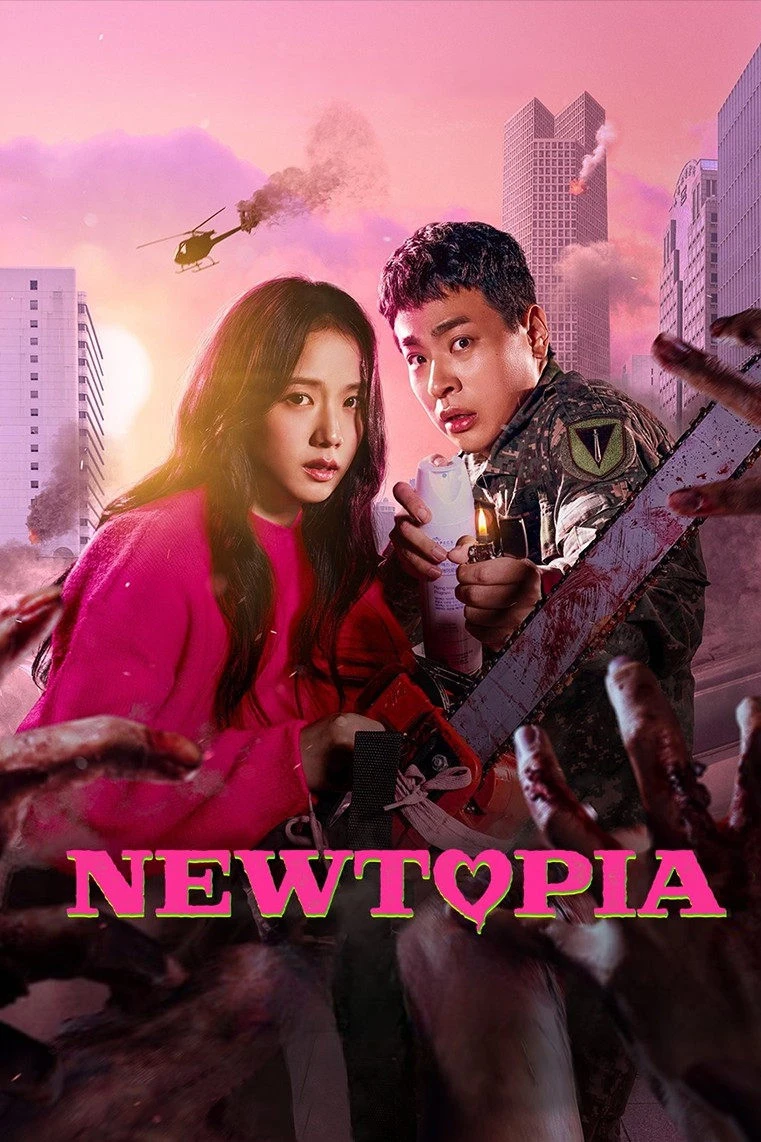 Newtopia
JisooNewtopia
Read Full Review →
|
 Teach You a Lesson
ChamgyoyukERPA
Read Full Review →
|
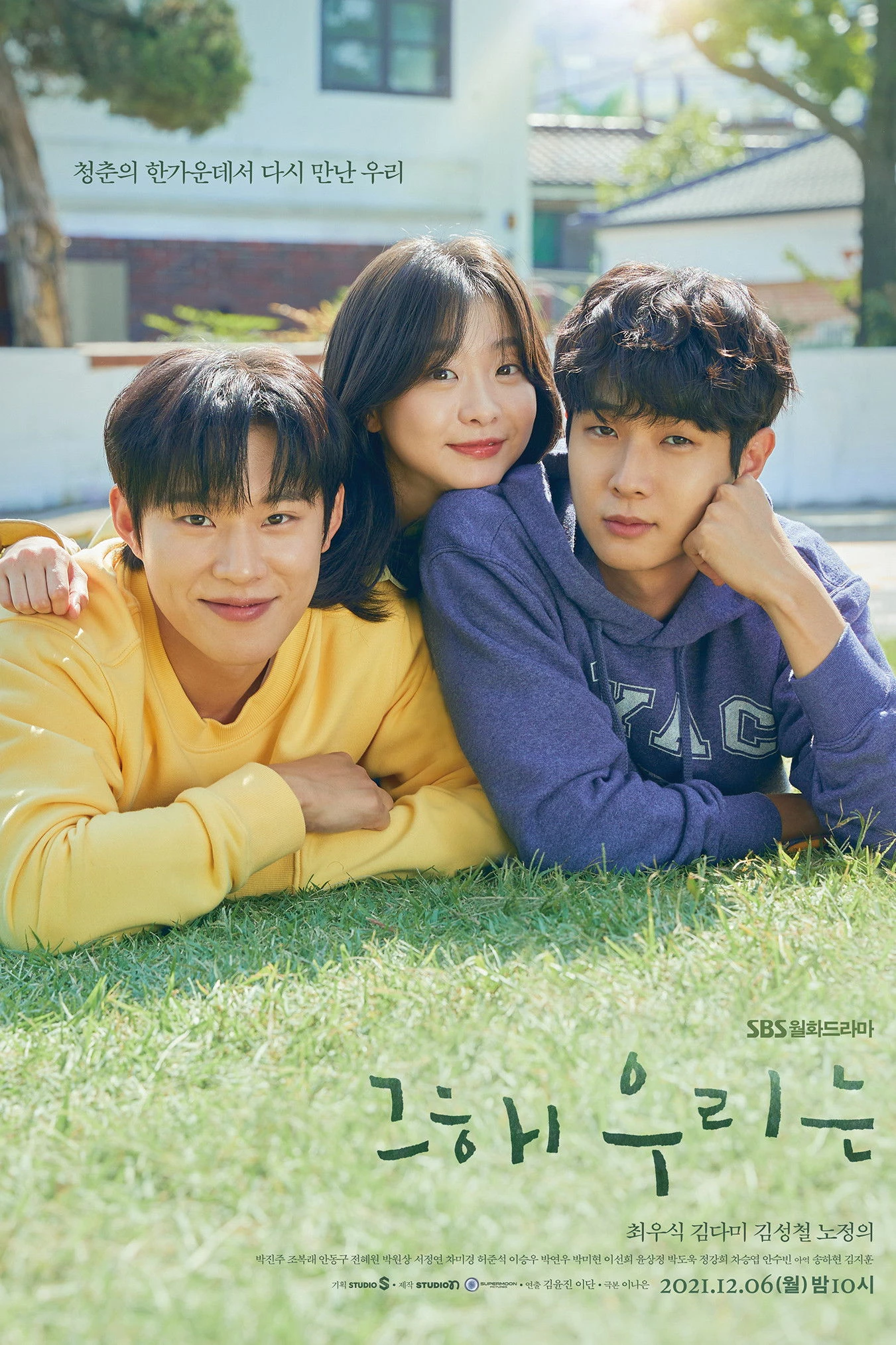
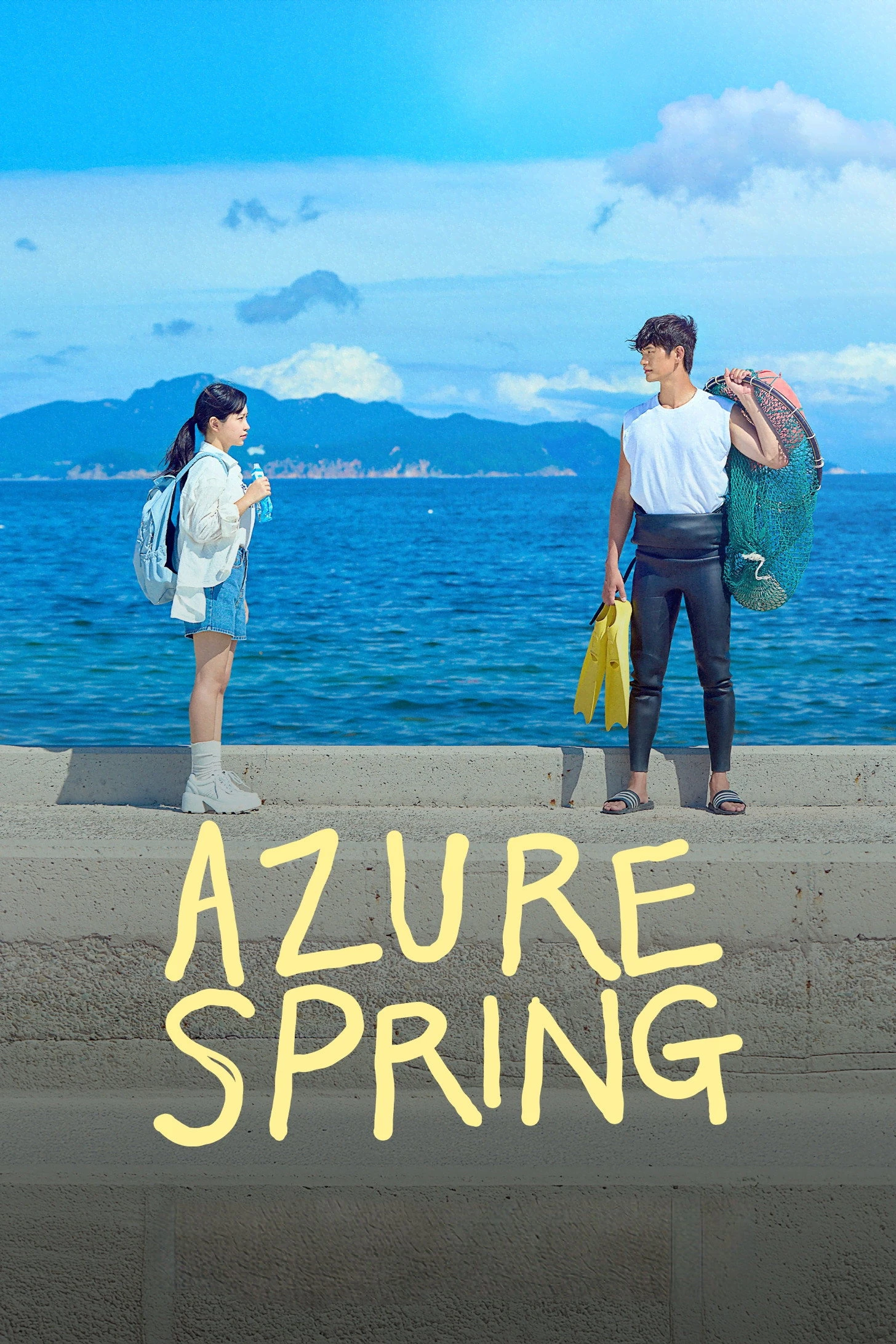 Azure Spring
coastal dramaComing-of-Age
Read Full Review →
|








Keep it kind, skip the harsh language, and please — no spoilers. Everyone's taste is different, and that's perfectly fine.
This space is for real reactions and discussion from other viewers. Help keep it comfortable for everyone by not giving away major plot details.
What do you think of this drama?
Login to share your review or leave a comment.
No email needed — just pick a username & password.