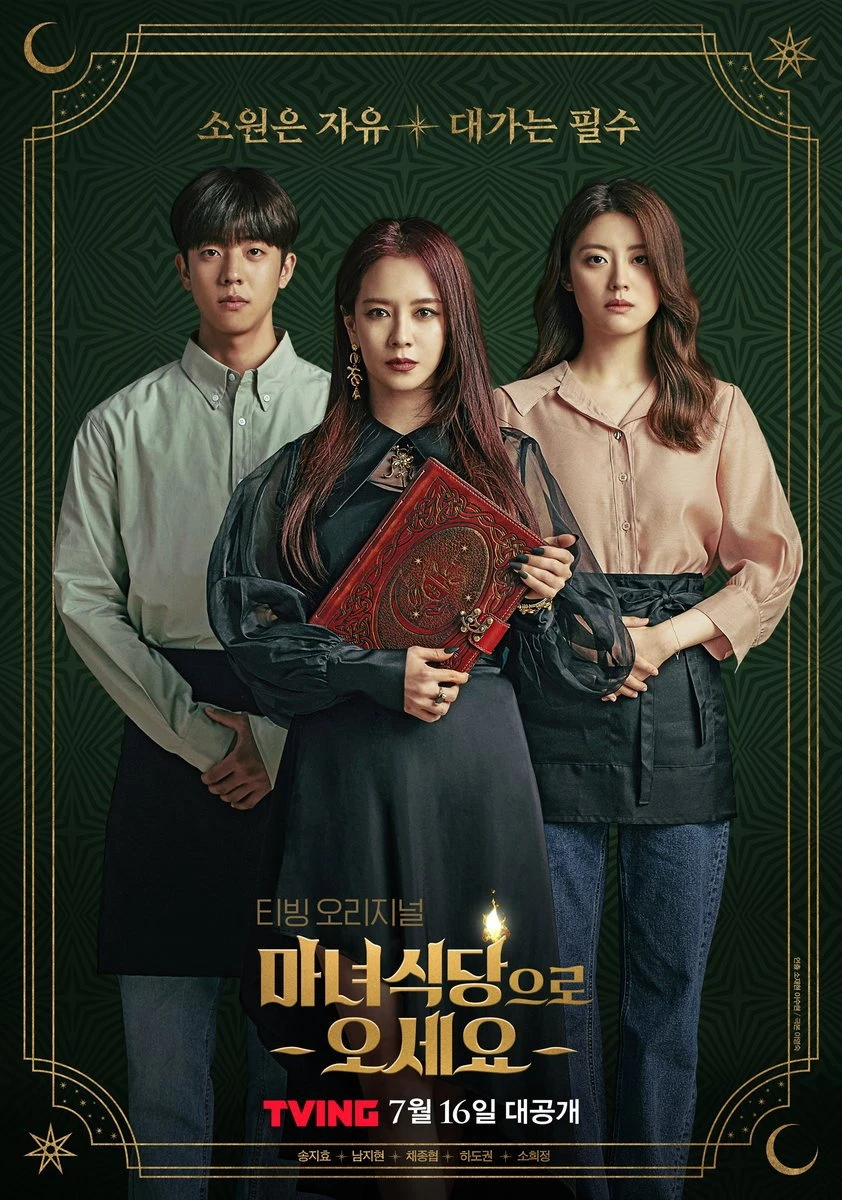
The Witch’s Diner
🎬 Viki · WeTV
⭐ 7.3 / 10 MDL
🔞 PG-13
📋 Drama Overview
At 28, Jung Jin’s world collapses in rapid succession — she loses her job, her boyfriend walks out, and the restaurant she was building with her mother is destroyed by a neighbour’s fraud. Then a woman named Jo Hee Ra appears. Composed, ageless, and faintly terrifying, she offers to take over the ruined space and run a very different kind of diner: one where the menu grants the deepest wishes of those desperate enough to ask. There is always a price. Something precious — something the customer cannot recover. Jung Jin takes the deal, and steps into a life she never imagined.
What unfolds is a series of moral fables, each centred on a different customer and the cost of what they wanted. But as the diner flourishes and Jung Jin settles into her role, the show begins laying a quieter mystery: why did Hee Ra choose her? Why does this diner, this street, this family feel like something preordained? The answer, when it comes, rewrites everything Jung Jin thought she knew about herself — and about the witch who has been waiting for her.
8 / 8 ✅ Completed
⚡ Quick Verdict
Here’s the verdict — no scrolling, no guesswork.
· MDL Score · ~9,800 ratings
▶ Official Trailer
🎭 Cast & Characters
A witch, a diner employee, and an intern — and the desperate customers who change all three of them.

Lead

Lead

Lead

Supporting

Supporting
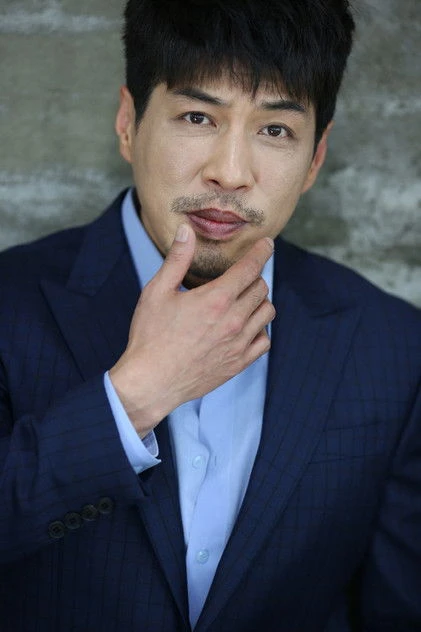
Supporting

Supporting

Supporting

Supporting

Supporting

Supporting
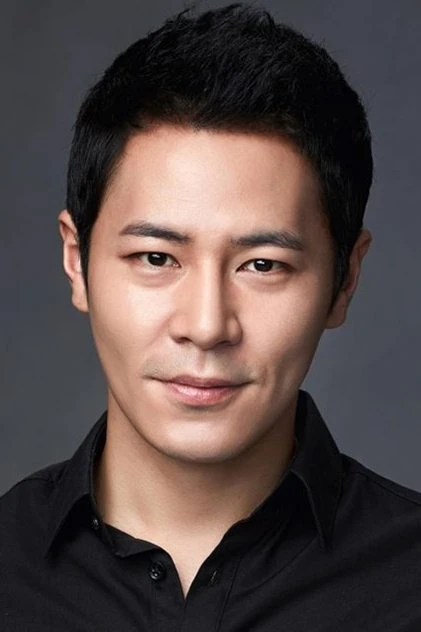
Supporting
📺 Episode Guide
Enough per episode to jog your memory, nothing more.
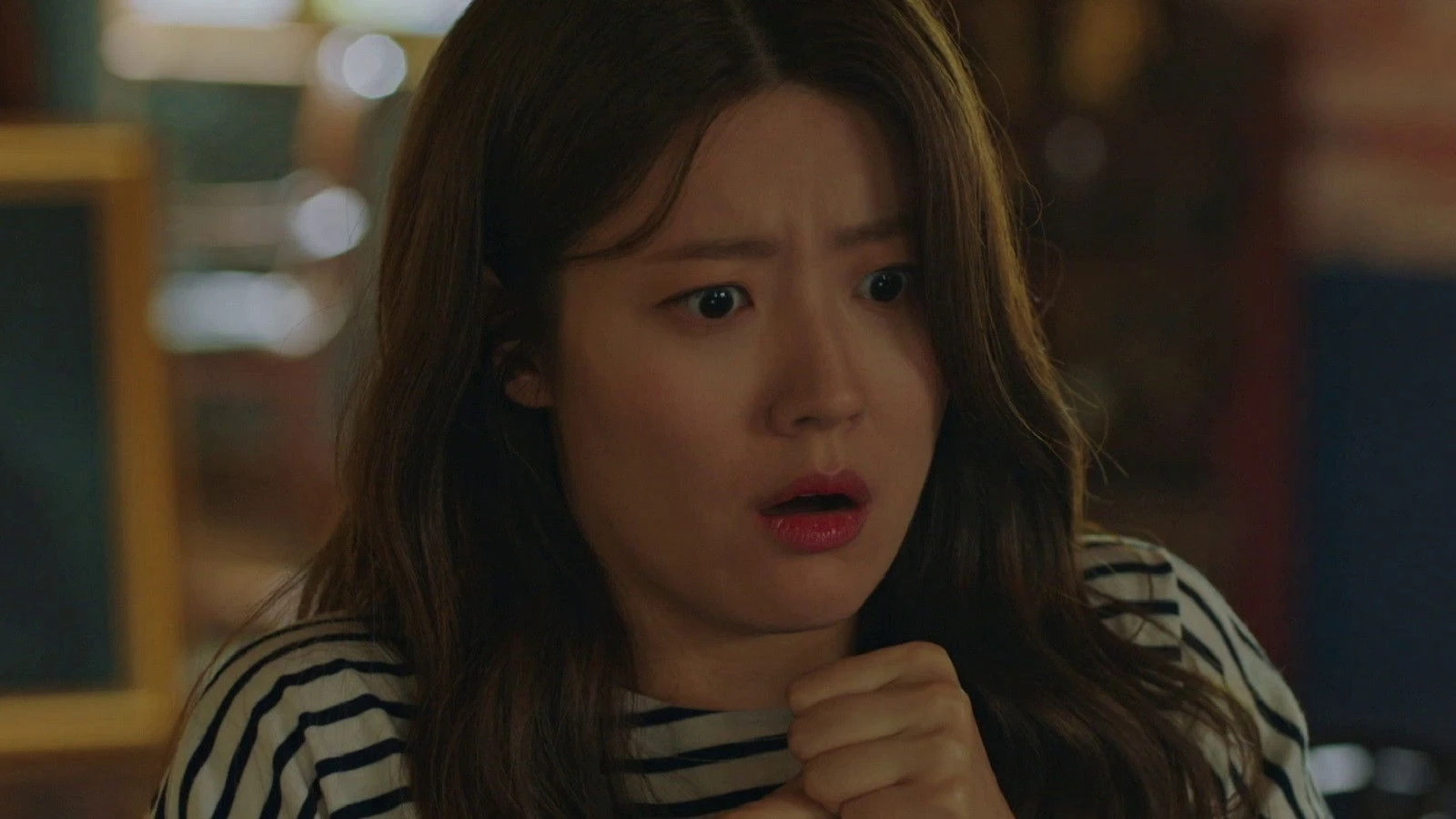
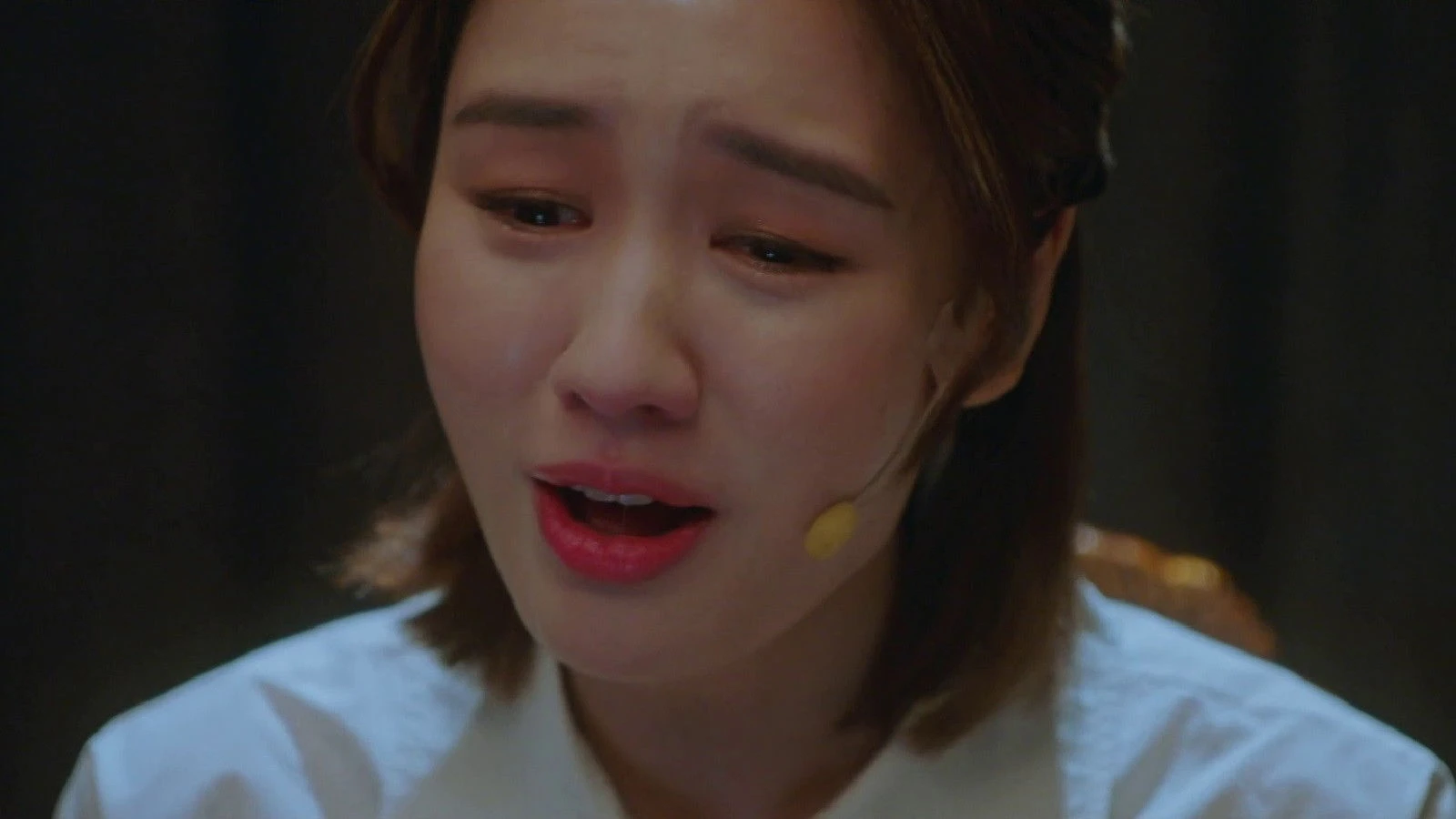
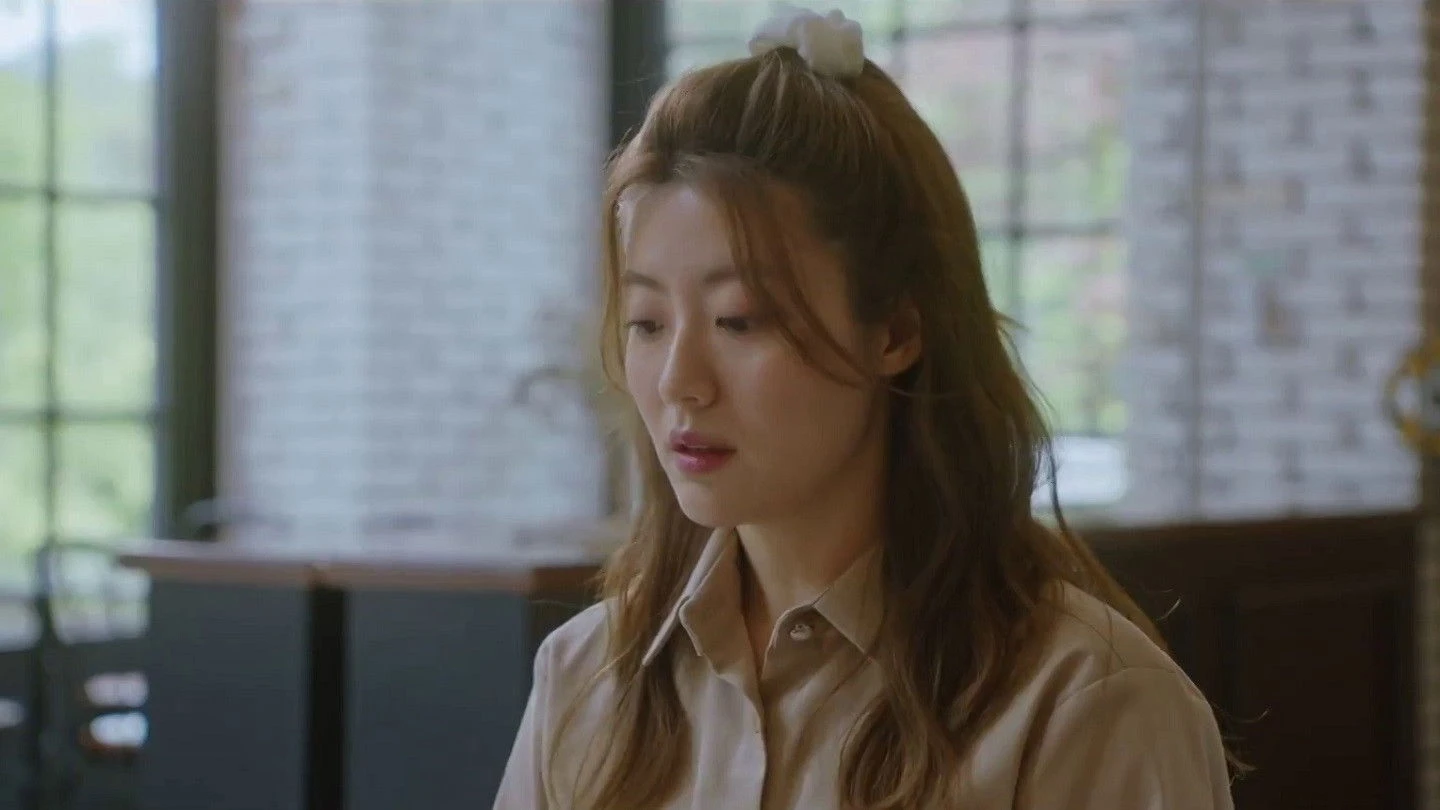
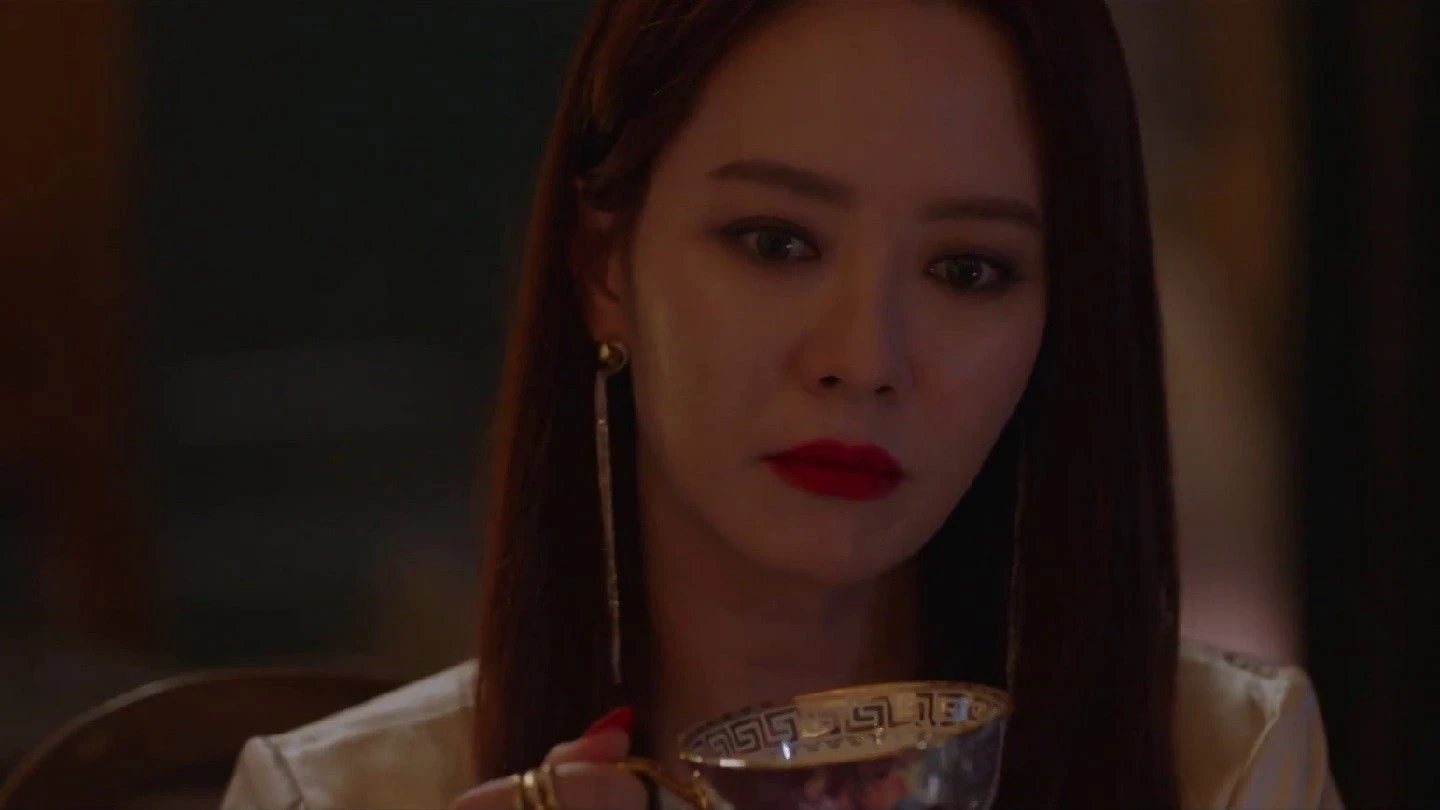
🏁 Ending Explained
Everything the finale means, spoilers and all.
Spoiler Warning — This section covers the full finale of The Witch’s Diner. Stop here if you haven’t finished the series.
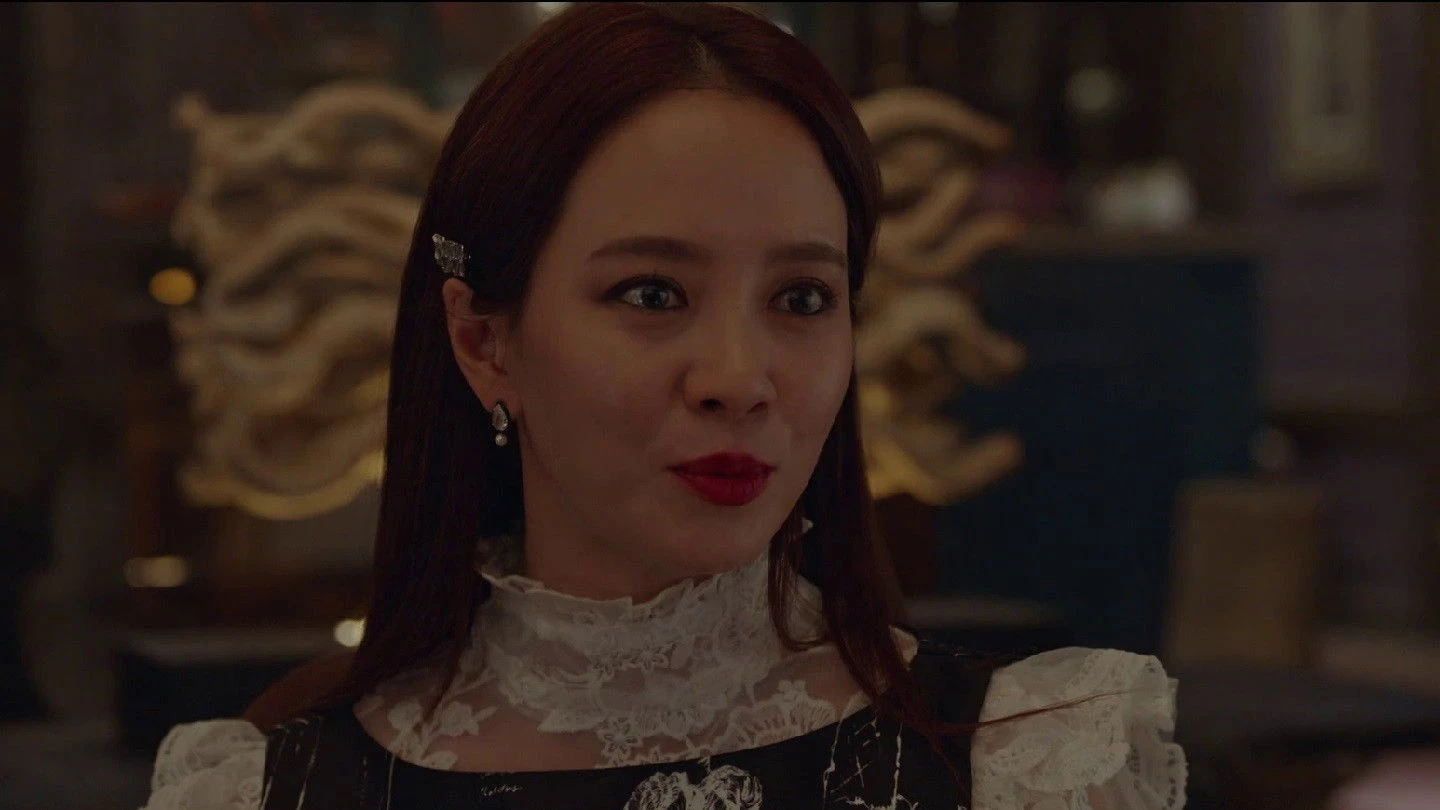
The Truth About Hee Ra. The finale opens with the full backstory the series has been withholding: Jo Hee Ra made a contract centuries ago — she would grant wishes, and in exchange, her soul would remain bound to the earth, unable to rest, unable to leave. She is not simply a witch who runs a diner. She is a woman who gave up her own peace to serve others’ desires, one desperate customer at a time. The connection to Jung Jin’s family runs deep: Hee Ra knew Jin’s grandmother and mother, has watched this lineage across generations, and has been waiting, without fully understanding why, for Jung Jin to arrive.
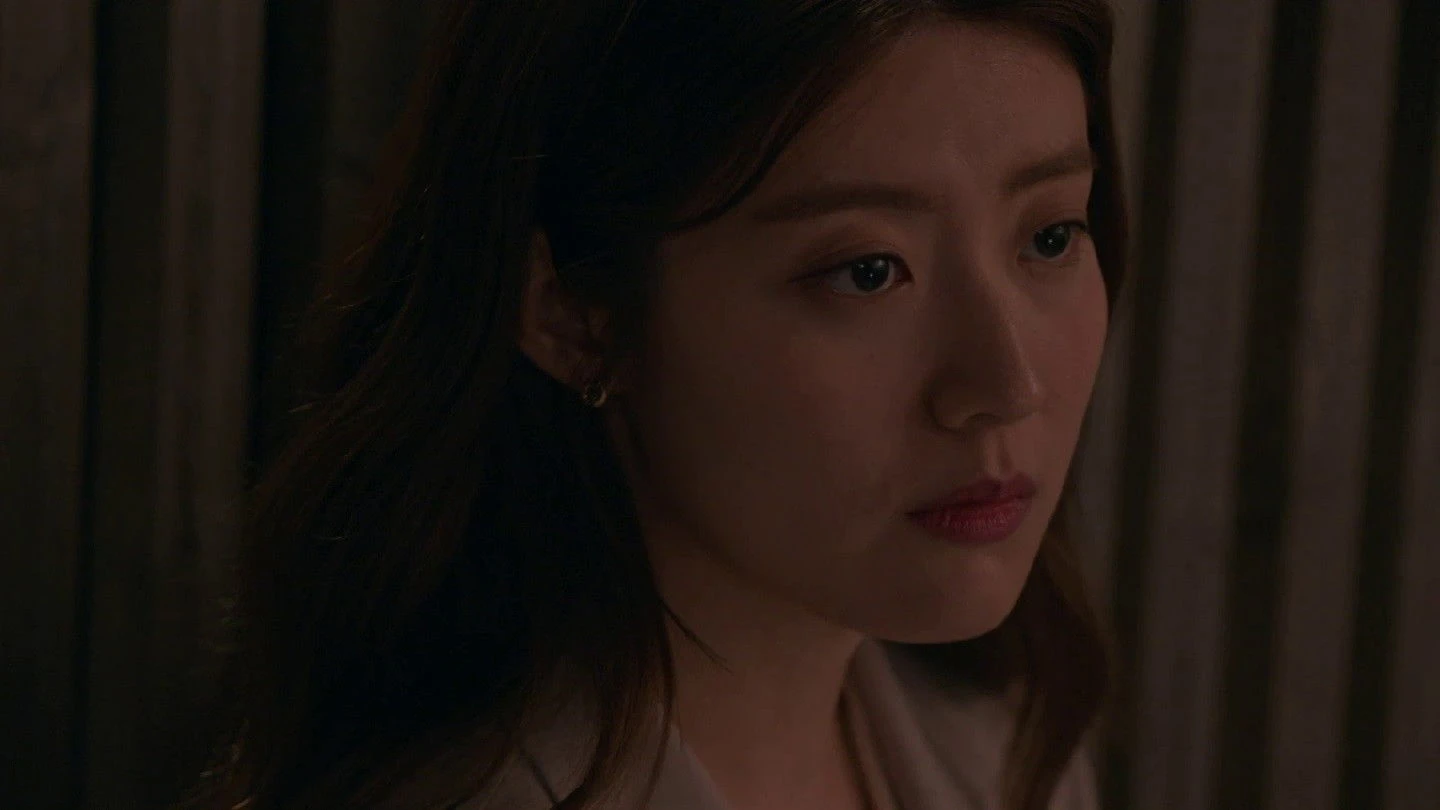
Jung Jin’s Power Awakens. Jung Jin had been developing abilities throughout her time at the diner — small moments of intuition, a sensitivity to the wishes of customers that went beyond empathy. In the finale, she understands what those moments were: latent magic, inherited through her family line, that only needed the right conditions to surface. She is not just Hee Ra’s employee. She is, in some fundamental sense, Hee Ra’s successor — or the person the contract was always building toward. When Jin accepts this, fully and consciously, the dynamic between the two women changes from master-and-student to something closer to equals.
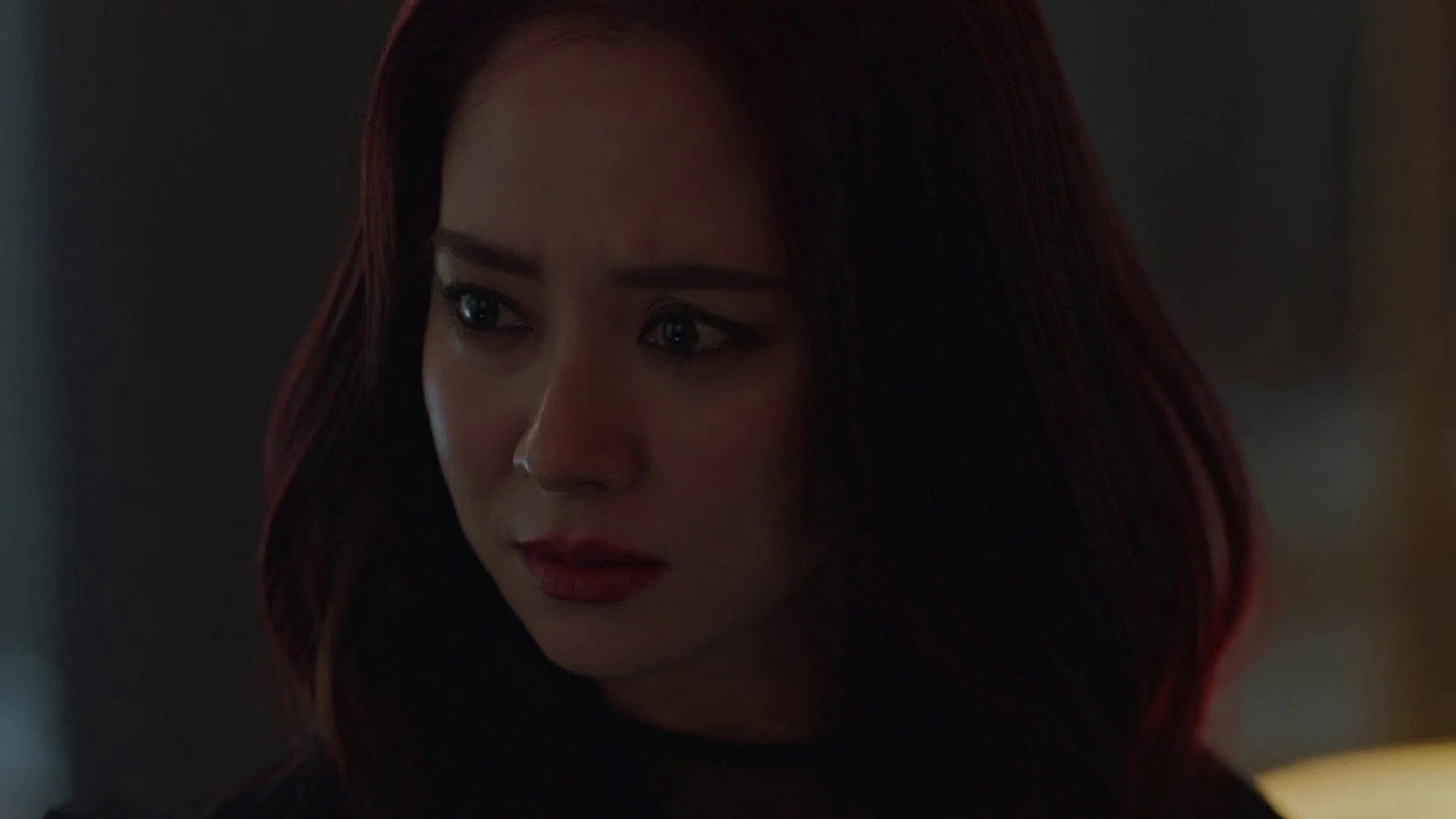
Hee Ra’s Release. The contract that bound Hee Ra for centuries had a condition she never fully understood: it would end when she found someone willing to carry the work forward, not as a burden, but as a choice. Jung Jin choosing to stay — understanding the cost, having seen what wishes do to people, and choosing to serve them anyway — is that condition met. The series is careful not to frame this as a simple handover. It is Hee Ra finally being permitted to rest, and Jung Jin beginning something new with her eyes fully open. Song Ji-hyo’s final scenes are genuinely moving: a woman who has been tired for a very long time, finally allowed to stop.
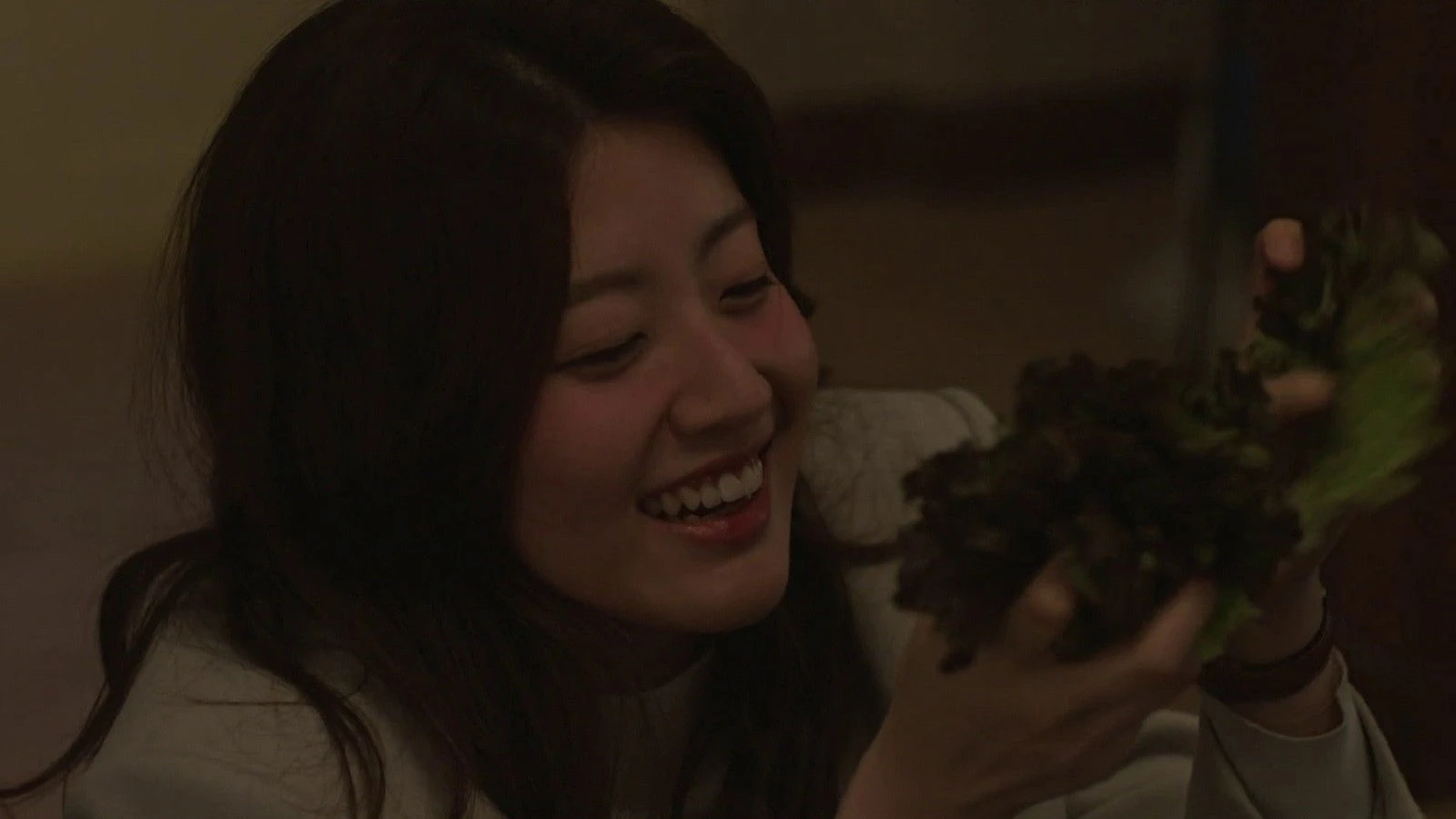
What the Diner Means. The show closes with the diner still open, still lit, still drawing in the desperate and the grieving. Gil-yong stays. The menu is unchanged. But the person behind it is no longer someone caught in something she didn’t choose — she is someone who chose it, knowing exactly what it is. The final image echoes the first: a person stepping through the door, wanting something they believe they can’t have. The difference is that the woman waiting to serve them is no longer a mystery. The diner doesn’t save people from their wishes — it just makes sure someone is there to witness the cost.
✍️ KDramaWorlds Editor’s Take
Straight talk — our real opinion, and the viewer it’s made for.
The Witch’s Diner is doing something more precise than it first appears. Each customer’s arc functions as a fable — clean, moral, deliberately unsubtle — but the frame around them is doing quieter, more interesting work. Song Ji-hyo’s performance as Jo Hee Ra is the reason to watch. She plays someone carrying centuries of patience and exhaustion with an almost imperceptible grace — present in every scene, never explaining herself, building a portrait of a woman who gave up her own future so long ago she no longer mourns it. It is a contained, controlled performance in a drama that doesn’t always give her enough room, and she fills every inch of what she has. The anthology structure means individual arcs hit with varying force, but the best ones — the mother-and-son episode, the jealousy arc, the intern’s backstory — land with genuine emotional weight. This is not a drama that mistakes atmosphere for substance.
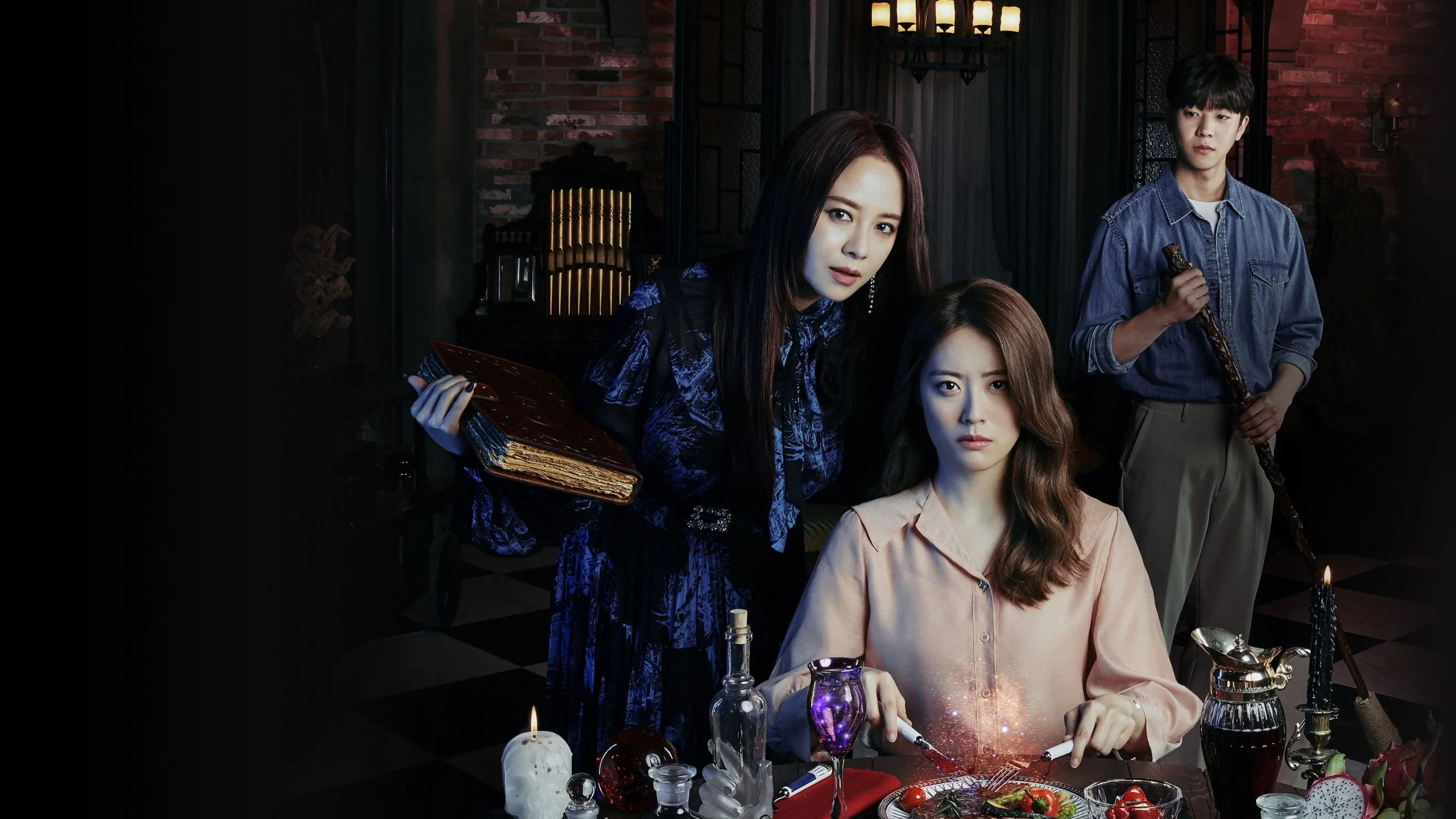
The show’s limitation is its mythology. The rules governing Hee Ra’s power, the mechanics of the contract, the specifics of the family connection — these are gestured at rather than explained, and for some viewers that vagueness will read as depth, for others as incompleteness. Nam Ji-hyun is a capable actor in a reactive role: Jung Jin spends most of the series watching and reacting, which is dramatically coherent but narratively thin. Chae Jong-hyeop gets more to work with as the series progresses, and the Gil-yong backstory episode is one of the stronger standalone hours. If you’ve seen Doom at Your Service or Tale of the Nine-Tailed, you’ll know the register: supernatural melancholy, relationship dynamics at the edge of the explicable, a tone that prioritises mood over plot mechanics.
At eight episodes, The Witch’s Diner has almost no fat. The condensed format is both its strength and its constraint — it moves efficiently, wastes nothing, but also doesn’t linger long enough on the things it gets right. The finale earns its emotional resolution even as it rushes the connective tissue. What holds it together is Song Ji-hyo, who understands precisely what kind of drama she’s in and gives it more than it strictly deserves. Watch it for her — then be surprised by how much the rest of it sticks.
Song Ji-hyo fans — this is her best dramatic work
Anyone who wants a complete story in under 8 hours
🎬 You Might Also Like
If you liked The Witch's Diner, these are your next three watches.
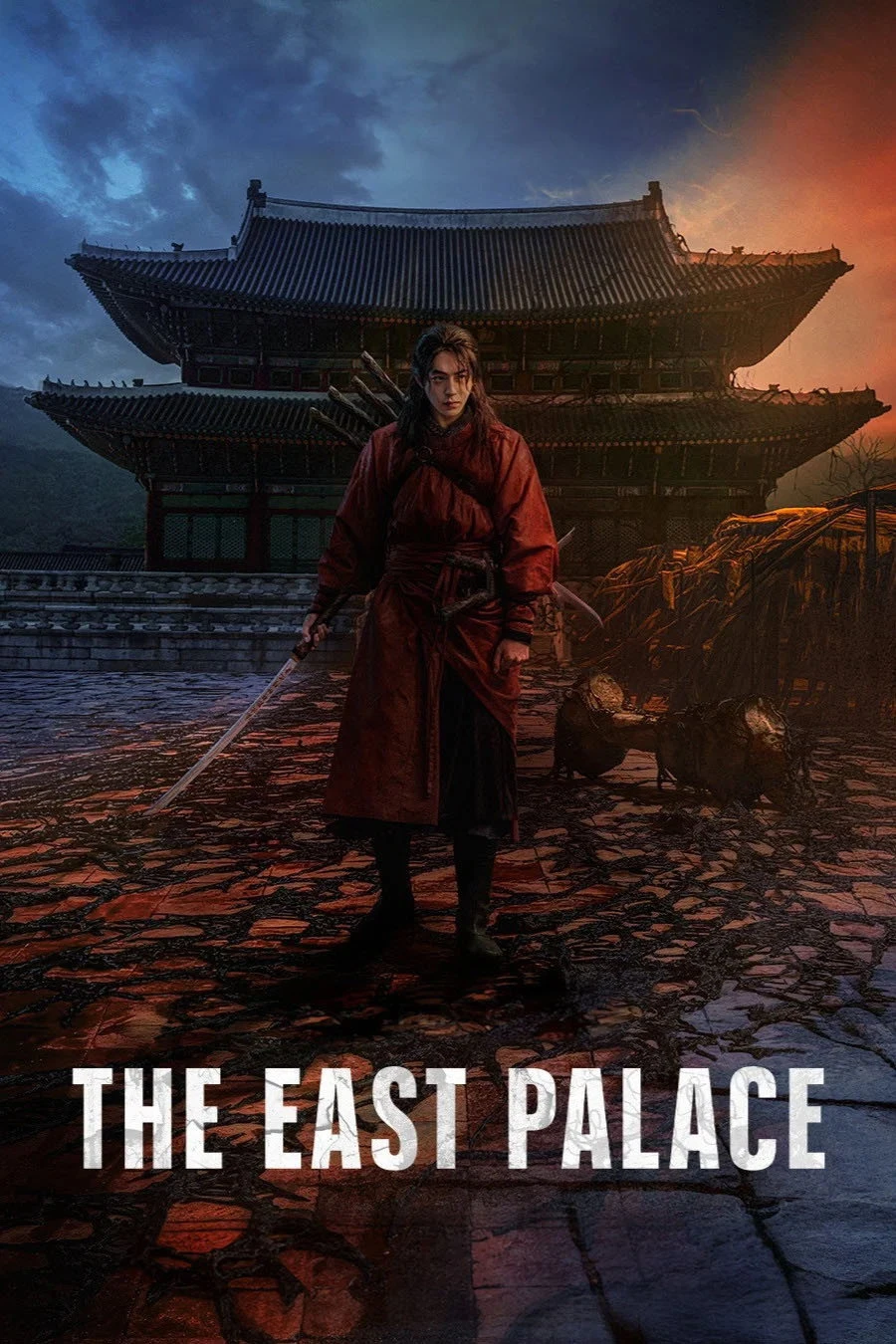 The East Palace
Ak-gwicourt lady
Read Full Review →
|
 The Murky Stream
Corruptiongangster
Read Full Review →
|
 Jirisan
dark fantasyDual Timeline
Read Full Review →
|












Keep it kind, skip the harsh language, and please — no spoilers. Everyone's taste is different, and that's perfectly fine.
This space is for real reactions and discussion from other viewers. Help keep it comfortable for everyone by not giving away major plot details.
What do you think of this drama?
Login to share your review or leave a comment.
No email needed — just pick a username & password.