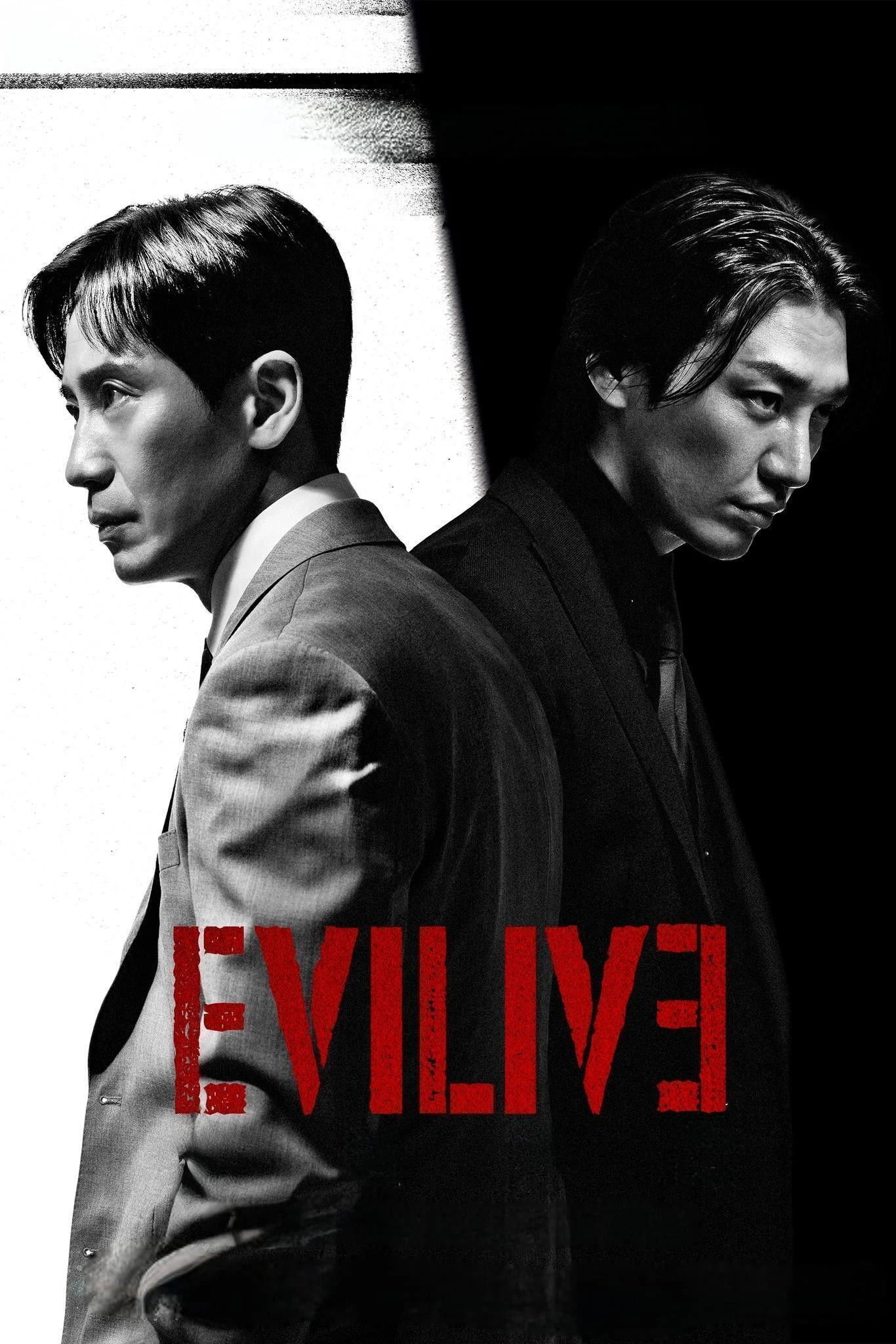
Evilive
🎬 Roku · Prime Video
⭐ 8.1 / 10 MDL
🔞 18+ · Violence
📋 Drama Overview
Everything you need to know before you hit play.
🔥 Dark Noir Pick
Prime Video
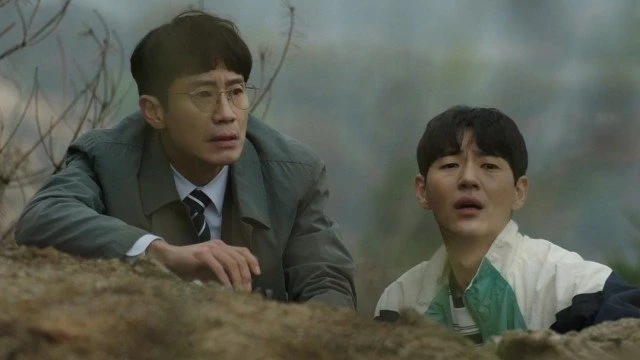
Han Dong-soo (Shin Ha-kyun) is a struggling livelihood lawyer who randomly selects prisoners to visit, scraping together a living at the lowest rung of the legal profession. When his half-brother Han Beom-jae (Shin Jae-ha), who runs a second-hand computer shop and acts as a case broker, brings him a client named Seo Do-young (Kim Young-kwang) — the number-two in a crime organization and a former baseball player — Dong-soo notices something shift inside himself. Behind Do-young’s effortless charm and sharp intelligence hides a cruel, unpredictable madness that should be a warning. Instead, it becomes a mirror.
What starts as a lawyer reluctantly defending a gangster becomes something far more dangerous: a genuine partnership built on mutual fascination and shared ambition. Dong-soo, once dismissed and humiliated by the legal establishment, discovers he has a natural talent for navigating the criminal world. Evilive is not a redemption story. It is the story of a man who finds out exactly what he is — and chooses it anyway.
10 / 10 ✅ Completed
⚡ Quick Verdict
One box. Everything you need to decide.
· MDL Score · 3,366 ratings
▶ Official Trailer
🎭 Cast & Characters
The performances that make this descent into evil impossible to look away from.

Lead

Villain

Supporting

Antagonist
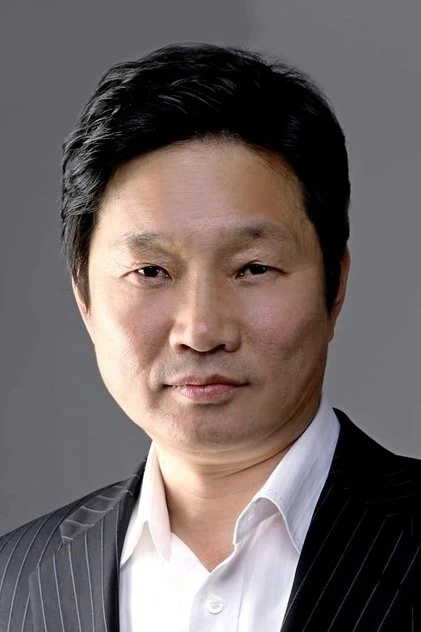
Antagonist

Supporting

Supporting
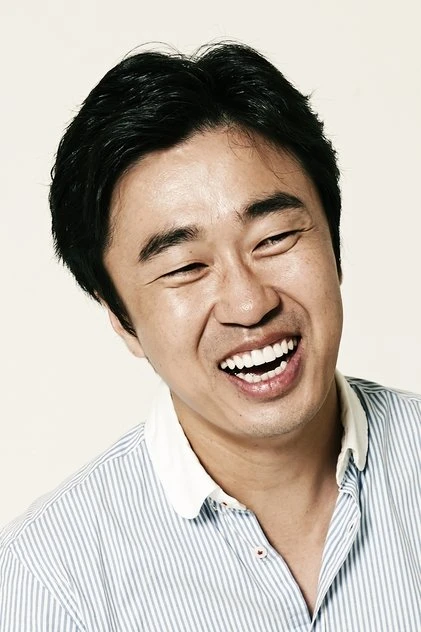
Supporting

Supporting

Supporting
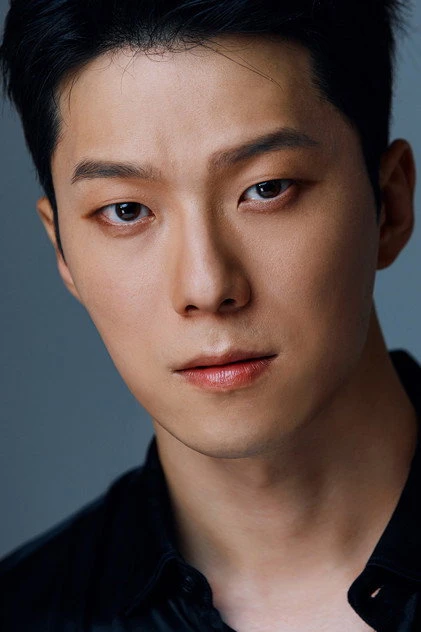
Supporting

Supporting
📺 Episode Guide
Spoiler-light recaps — enough to follow Dong-soo’s descent, nothing that kills the dread.





🏁 Ending Explained
Full spoilers ahead — everything that happens in the finale and what it all means.
Spoiler Warning — This section covers the full finale of Evilive. Stop here if you haven’t finished the series.
The finale opens on a situation, not a revelation. Do-young is in a coma — the result of the power struggle that dominated episode nine — and Beom-jae, Dong-soo’s half-brother and the person who first set all of this in motion, has been taken. Dong-soo is racing not to save someone he loves in the conventional sense, but to assert control over the one piece of his old life that Do-young’s fall has left within reach. The finale makes clear from its opening minutes that this is not a rescue story.

Do-young’s fate — coma, not death — is the show’s most deliberate structural choice. Killing him would have been simpler and more dramatic. Leaving him alive but absent forces Dong-soo into a position without a clear enemy or a clear superior: he has to become his own Do-young. The gambling office, the organization, the armchair — all of it transfers to Dong-soo not through inheritance or formal succession but through the simple fact that he is still standing and Do-young is not.
Beom-jae’s situation in the finale is deliberately resolved without catharsis. He is found, he is alive, and he is now entirely within Dong-soo’s sphere of power. The show does not give this reunion a tender moment or a confrontation. What Beom-jae sees is his brother in complete command of an organization built on violence — and what Dong-soo shows him is not regret. The half-brothers’ relationship, which was the emotional spine of the series, ends not with a break but with an imbalance that cannot be repaired.
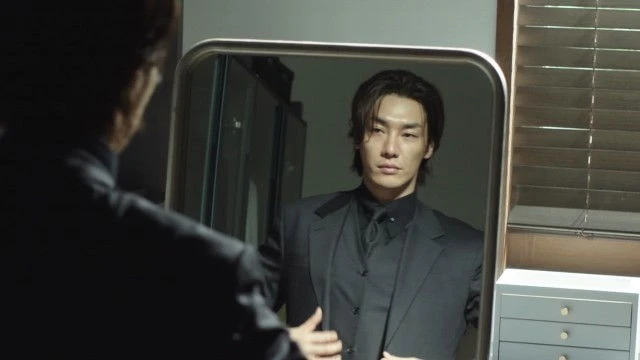
The baseball — Do-young’s signature object throughout the series — is the finale’s most potent symbol. Dong-soo holds it at the end. Not as a trophy taken from a defeated enemy, but naturally, comfortably, the way you hold something that belongs to you. The show has been tracking this transfer of identity since episode three, when Dong-soo first began finding Do-young’s logic more compelling than his own. By the finale, the transfer is complete: what was Do-young’s worldview is now Dong-soo’s personality.
The final image — Dong-soo in the armchair, in a house full of the dead, running an operation built on human suffering — is not presented as tragedy. It is presented as conclusion. The show’s title has always been a declaration rather than a condemnation: this is a life lived as a villain, and Evilive argues that the most disturbing thing about such a life is not the violence but the comfort. Dong-soo is not haunted. He is settled. The scariest ending Korean noir has offered in years is one where the protagonist achieves everything he didn’t know he wanted.

✍️ KDramaWorlds Editor’s Take
Our honest read on why this drama is worth your time — and who it’s for.
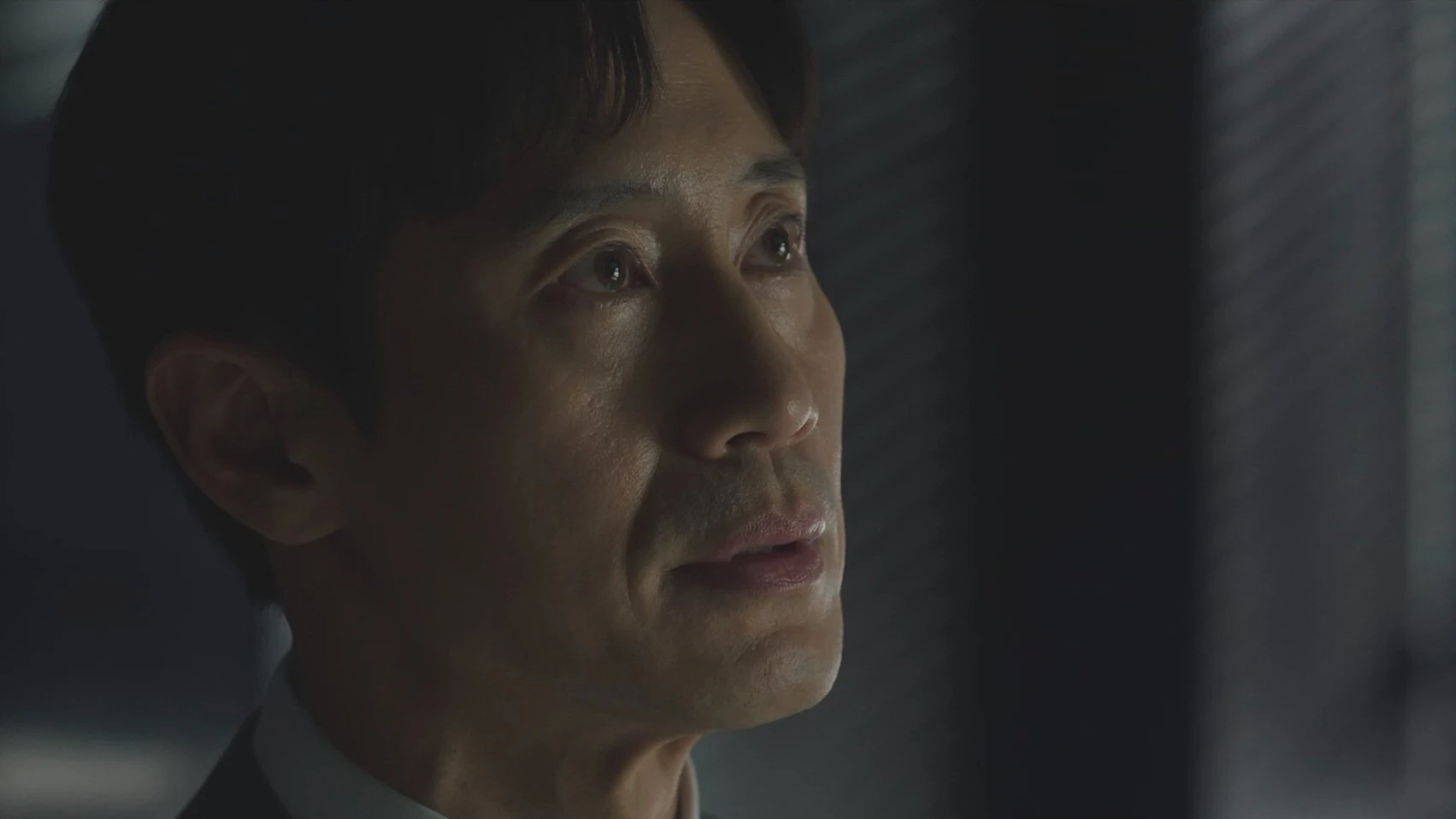
Evilive earns its reputation as one of the most underrated Korean crime dramas of 2023 by doing something deceptively simple: it treats the villain origin story with the patience it actually requires. Most K-dramas that follow a protagonist’s moral descent hedge their bets — there’s always a moment of hesitation, a conscience scene, a love interest who anchors the protagonist to their better self. Evilive dispenses with all of this. Dong-soo doesn’t fall because he’s weak or desperate or manipulated into losing control. He falls because he finds out what he’s actually like under pressure, and he likes it. Shin Ha-kyun plays this with such intelligent restraint that the show’s most chilling moments are entirely internal — a flicker of satisfaction where horror should be, a decision made too quickly to involve regret.
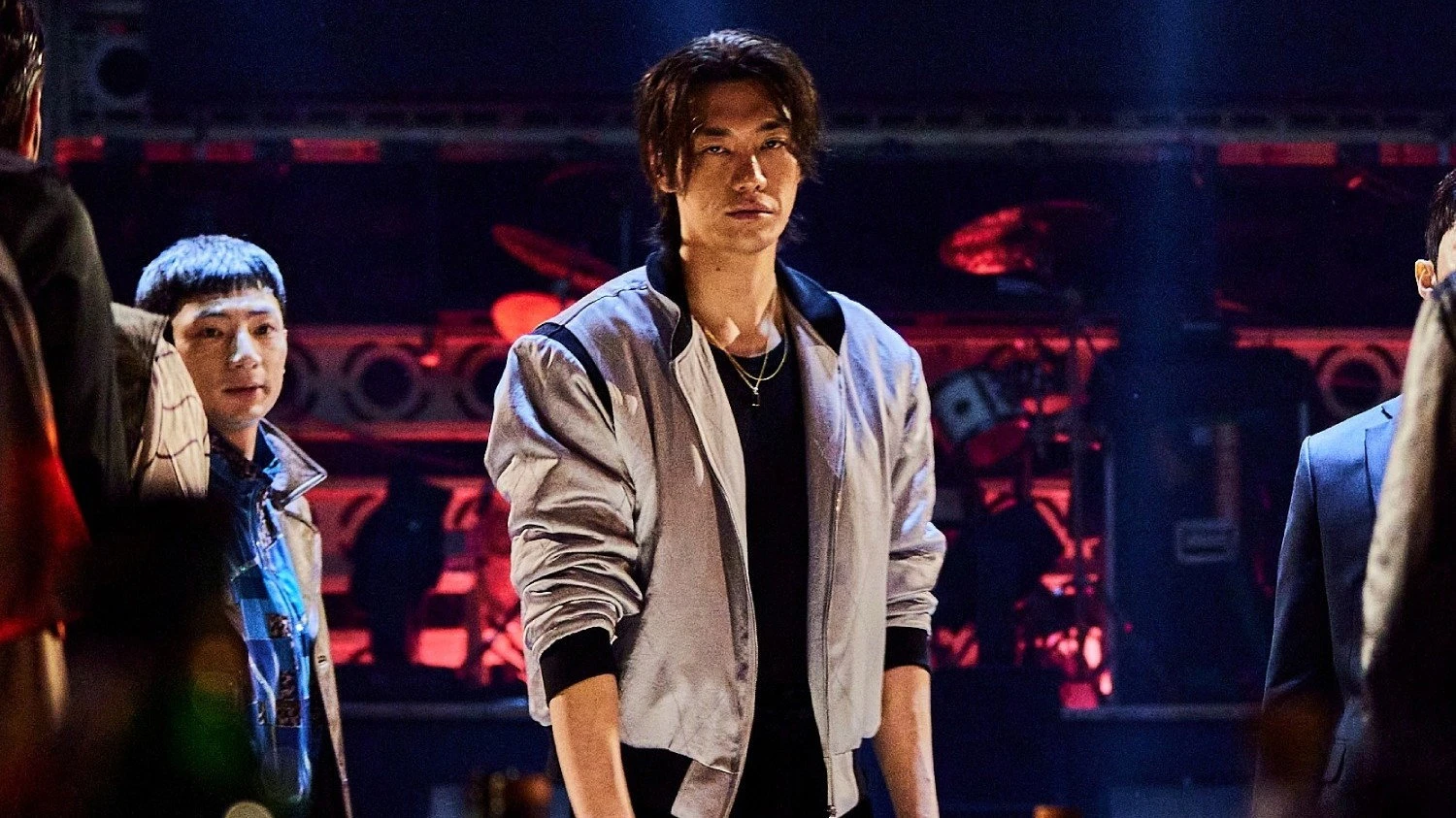
Kim Young-kwang as Seo Do-young is the performance that makes the whole thing work. He could have played Do-young as a conventional charming villain — elegant, amused, intermittently terrifying. Instead he plays him as someone who is genuinely delighted by other people’s capacity for evil, the way a collector is delighted by a rare find. His interest in Dong-soo isn’t predatory. It’s something closer to admiration, which is far more unsettling. The show has genuine competition in the crime thriller space — Beyond Evil remains the benchmark for psychological crime writing, and A Killer Paradox handles moral ambiguity with more stylistic flair — but Evilive’s specific territory, the voluntary corruption of a rational adult, is entirely its own.
The show’s weaknesses are real but minor. Female characters are consistently underwritten — Jung Hye-young and Lee Hye-ja both deserve more than they get, and the second half occasionally loses momentum when Do-young is sidelined. But the central dynamic between Shin Ha-kyun and Kim Young-kwang is compelling enough to carry the whole series past its rough patches. If you come in knowing this is not a story about redemption — that the whole point is watching someone choose to become something worse — Evilive delivers on that promise completely. It is, without sentimentality, one of the best villain studies Korean television has produced.
Viewers who loved the villain energy of Squid Game or Through the Darkness
Anyone who finished Beyond Evil and wanted something darker and less redemptive
🎬 You Might Also Like
If you liked Evilive, these are your next three watches.
 A Bona Fide Killer
ActionAssassin
Read Full Review →
|
 Heavenly Ever After
afterlifeAge Gap Romance
Read Full Review →
|
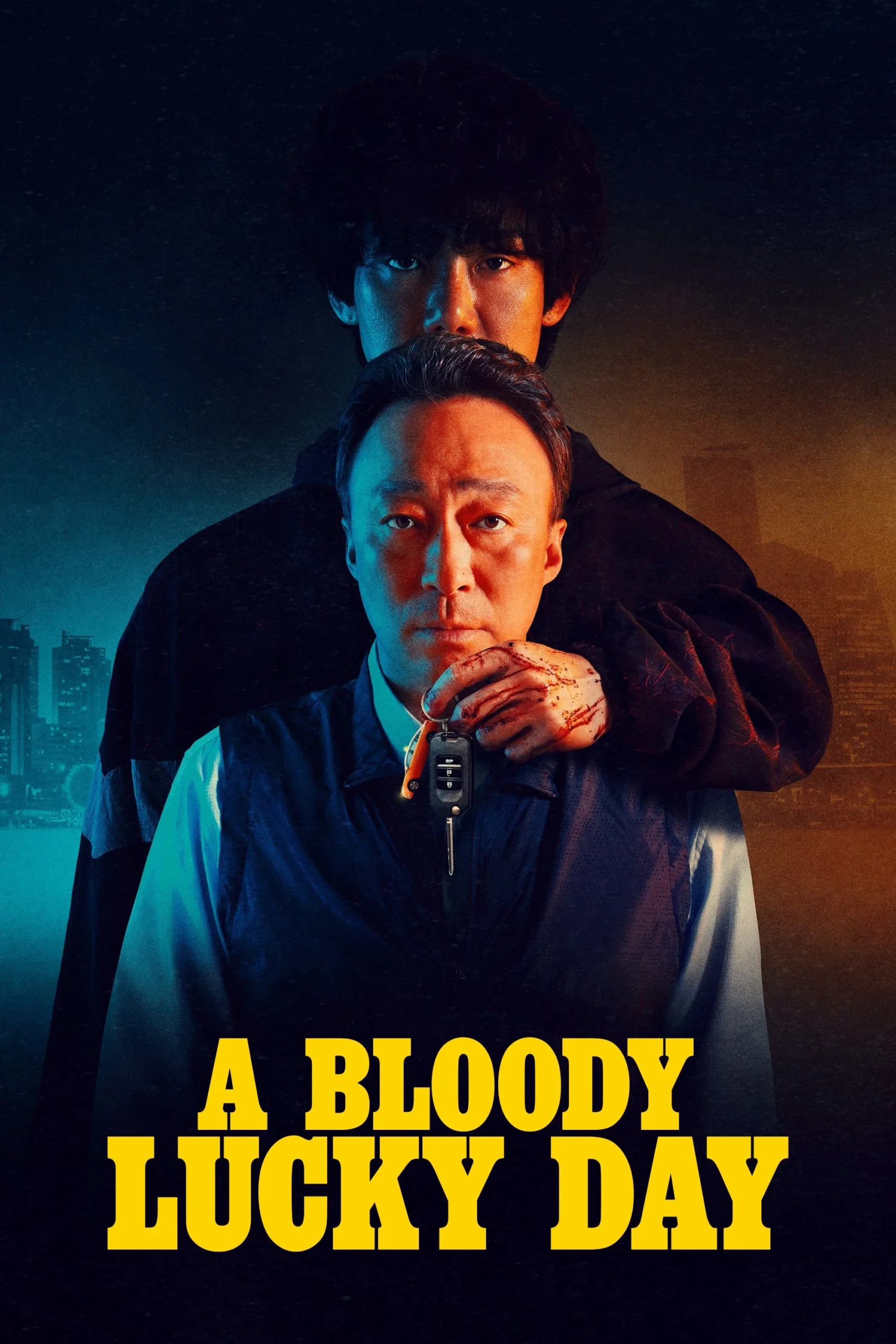 A Bloody Lucky Day
Cat and MouseCrime Thriller
Read Full Review →
|


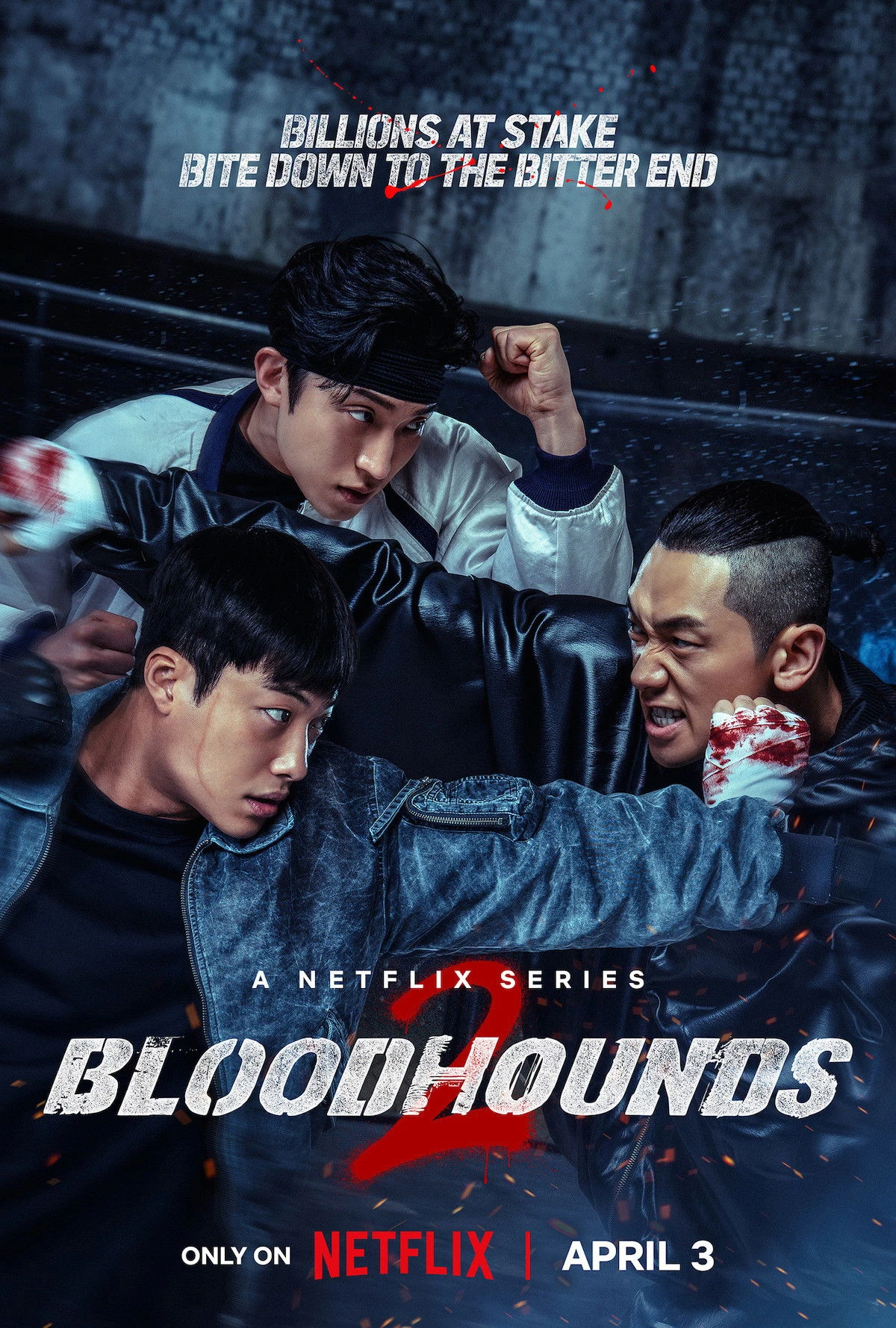

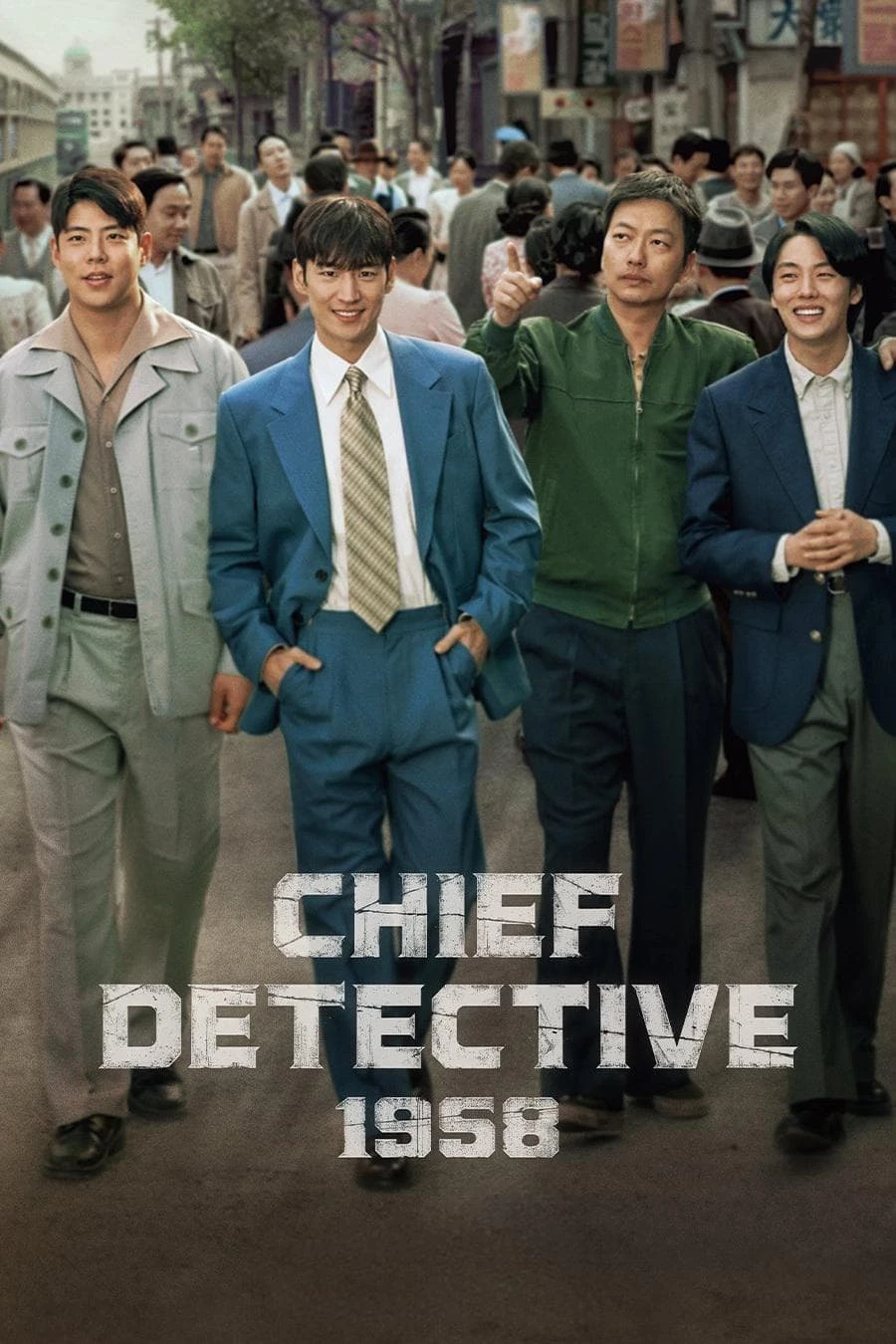
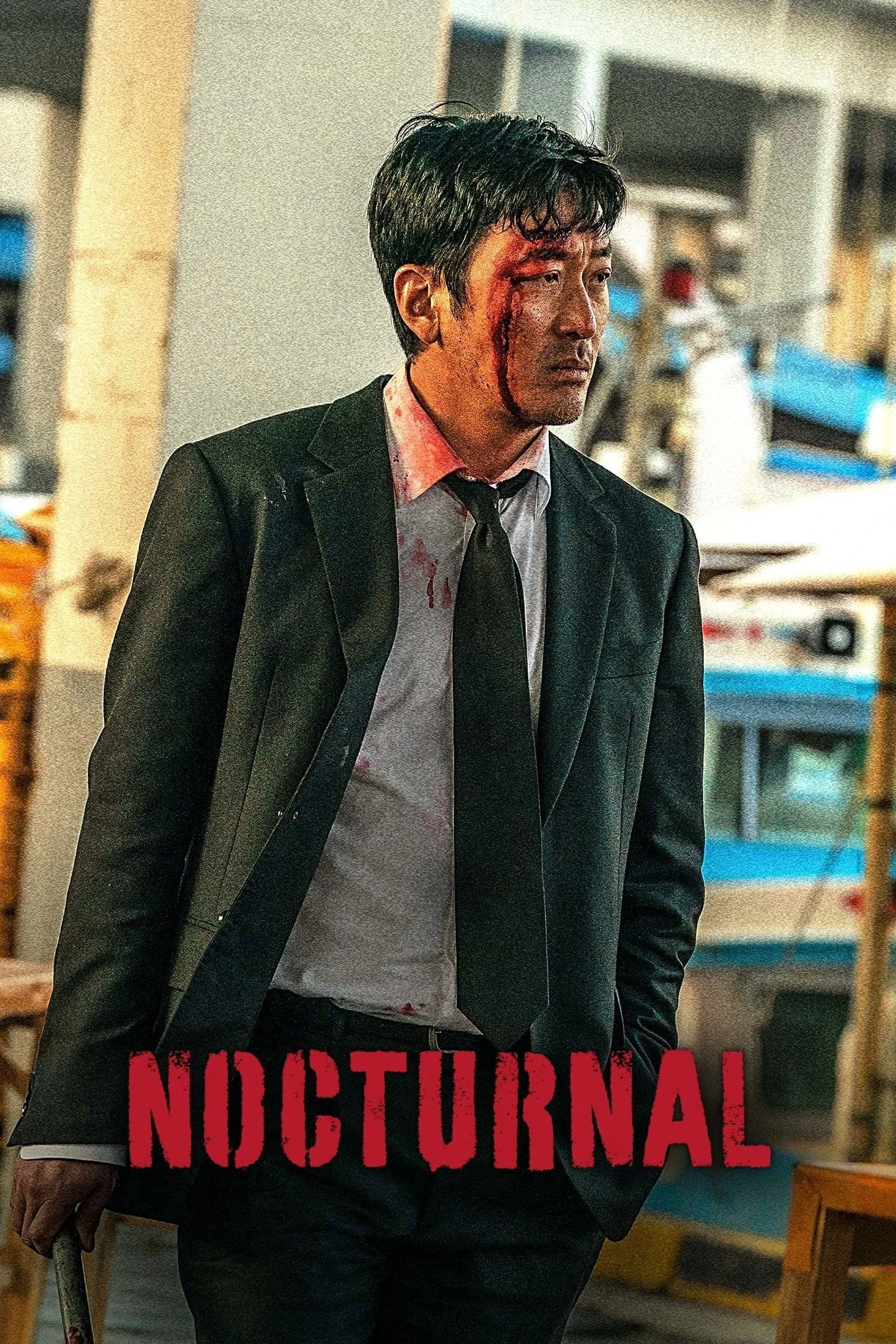








Keep it kind, skip the harsh language, and please — no spoilers. Everyone's taste is different, and that's perfectly fine.
This space is for real reactions and discussion from other viewers. Help keep it comfortable for everyone by not giving away major plot details.
What do you think of this drama?
Login to share your review or leave a comment.
No email needed — just pick a username & password.