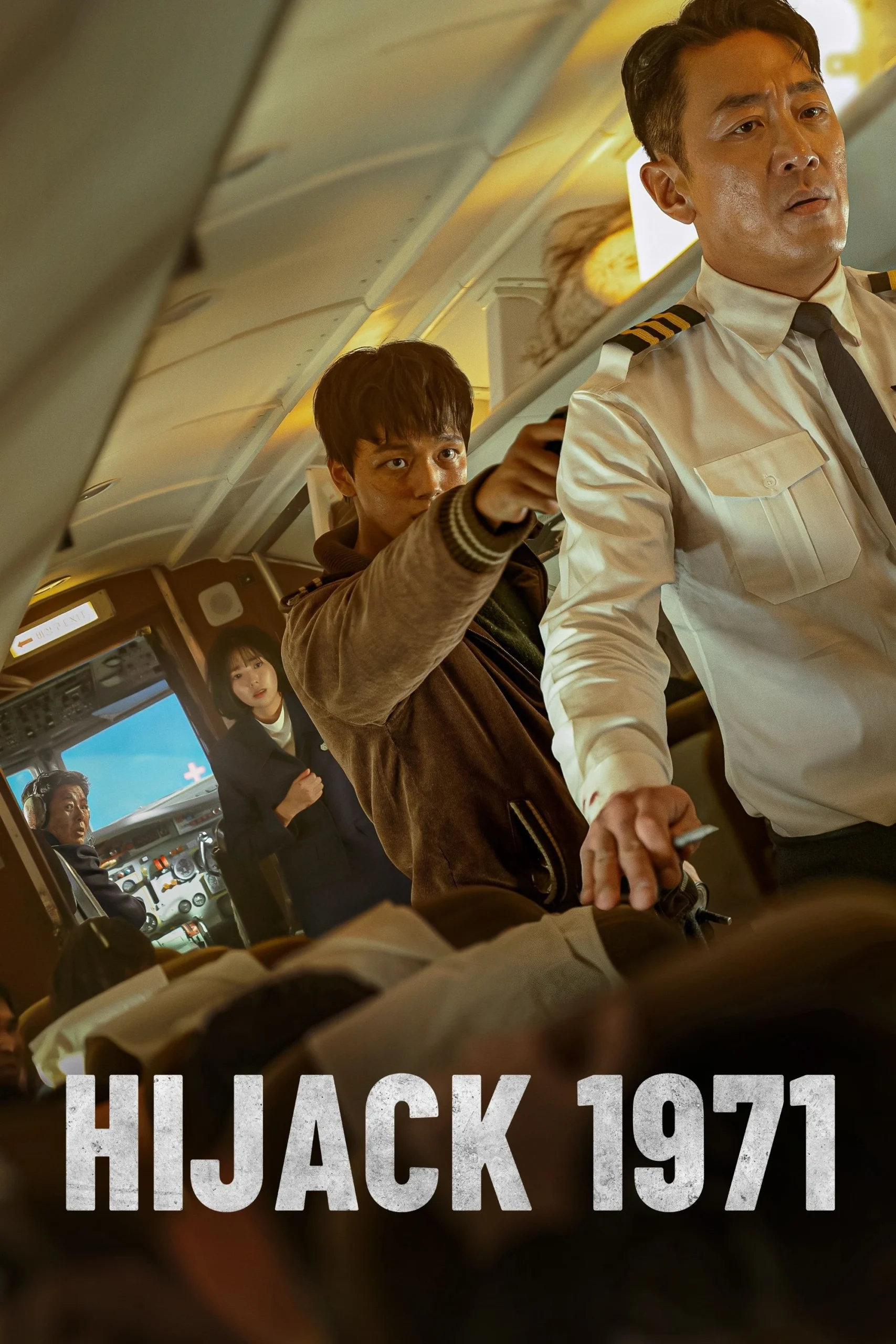
Hijack 1971
🎬 VIU · Apple TV+ · Prime Video
⭐ 8.5 MDL
🔞 12+
🎬 Film Overview
TRUE STORY PICK
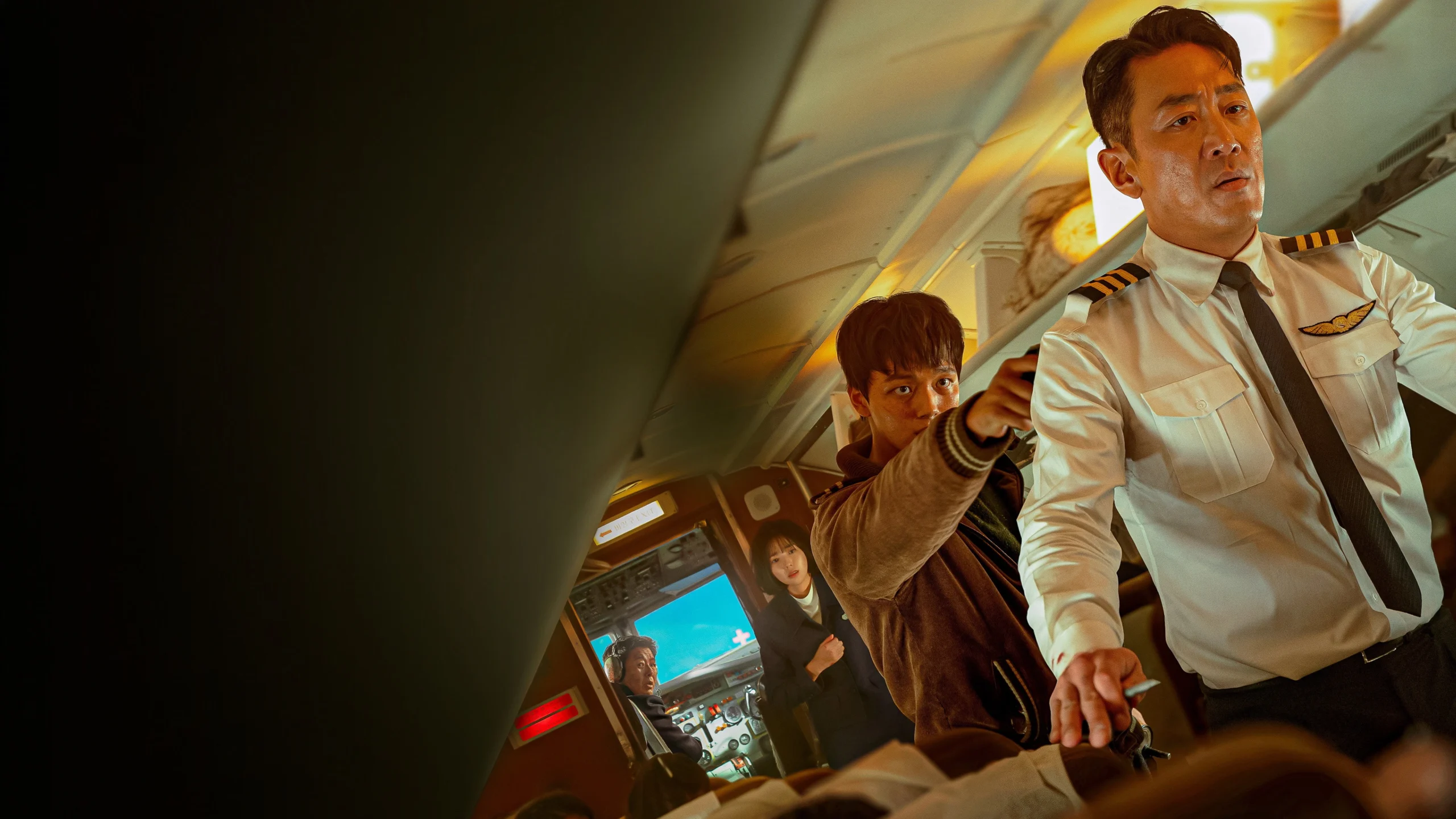
Some films earn their premise through sheer craft, and Hijack 1971 is one of them. Based on the real 1971 hijacking of a Korean Air YS-11 turboprop — one of the most dramatic incidents of that politically charged era — director Kim Seong-han stages the entire ordeal with a claustrophobic precision that keeps the audience sealed inside the cabin for most of the runtime. Ha Jung-woo plays co-pilot Tae-in, a former Air Force pilot who was discharged for choosing human life over orders, now facing a situation that will ask exactly the same question of him again. When a passenger detonates a homemade bomb and demands the plane head north across the border, the film becomes a 100-minute argument for what makes a person a hero.
Yeo Jin-goo plays the hijacker Yong-dae with enough desperation that he never becomes a simple villain — the film is interested in how someone gets to this point, not just what to do about him. What gives Hijack 1971 its emotional authority is the 1971 context: in Park Chung-hee’s South Korea, reaching North Korean airspace wasn’t just dangerous, it was potentially life-ruining for every passenger and their families, regardless of how they got there. That political weight transforms a survival thriller into something heavier and more specifically Korean.
⚡ Quick Verdict
One box. Everything you need to decide.
· MDL · 3,650 ratings
▶ Official Trailer
🎭 Cast & Characters
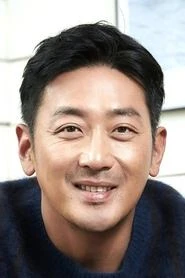
Ha Jung-woo and Yeo Jin-goo anchoring opposite sides of the cockpit door.
Lead

Lead

Supporting

Supporting

Supporting

Supporting

Supporting

Supporting
Supporting
Supporting

Supporting

Supporting
📖 The Story
No spoilers — just enough to know if this is your film.
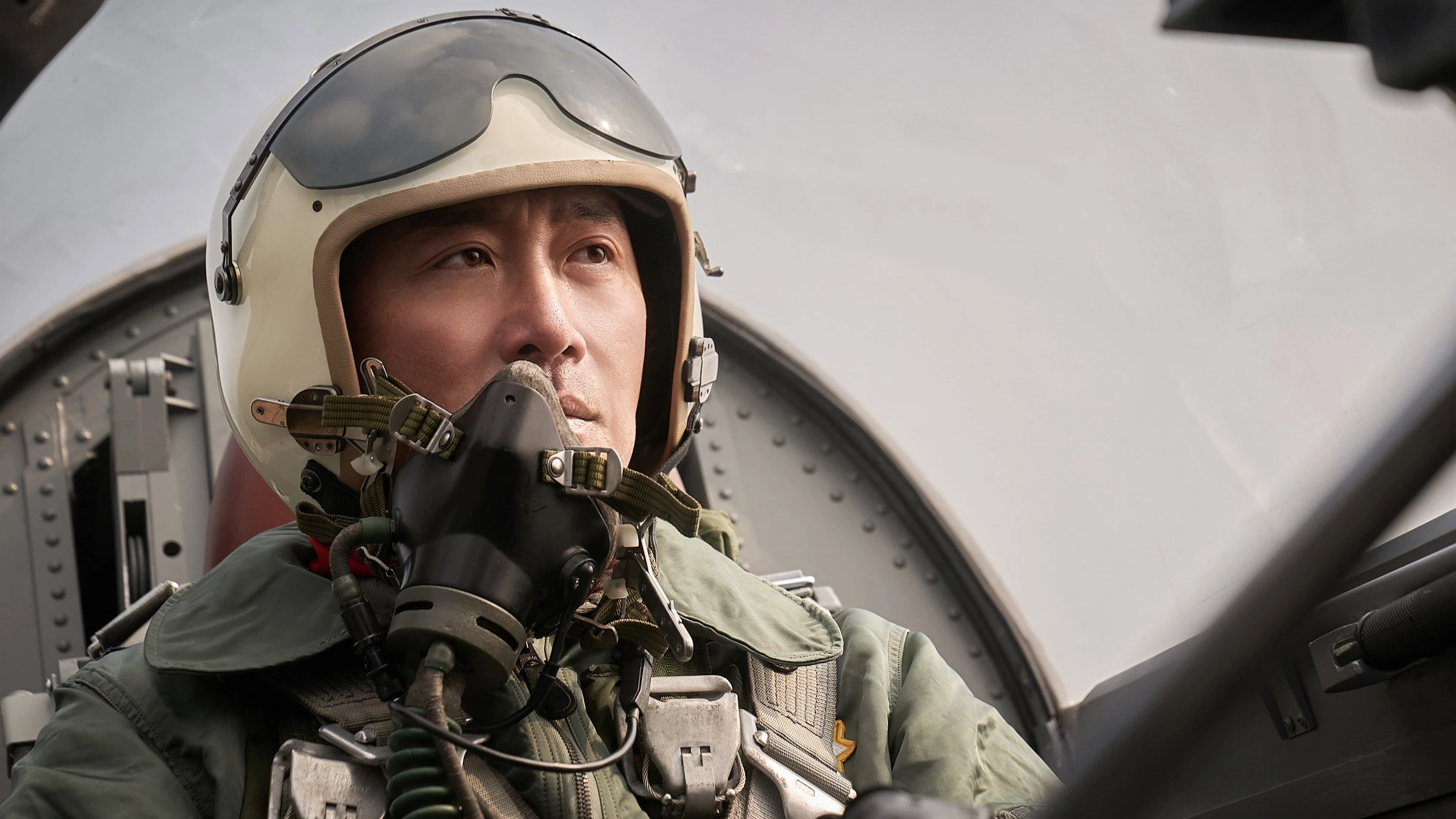
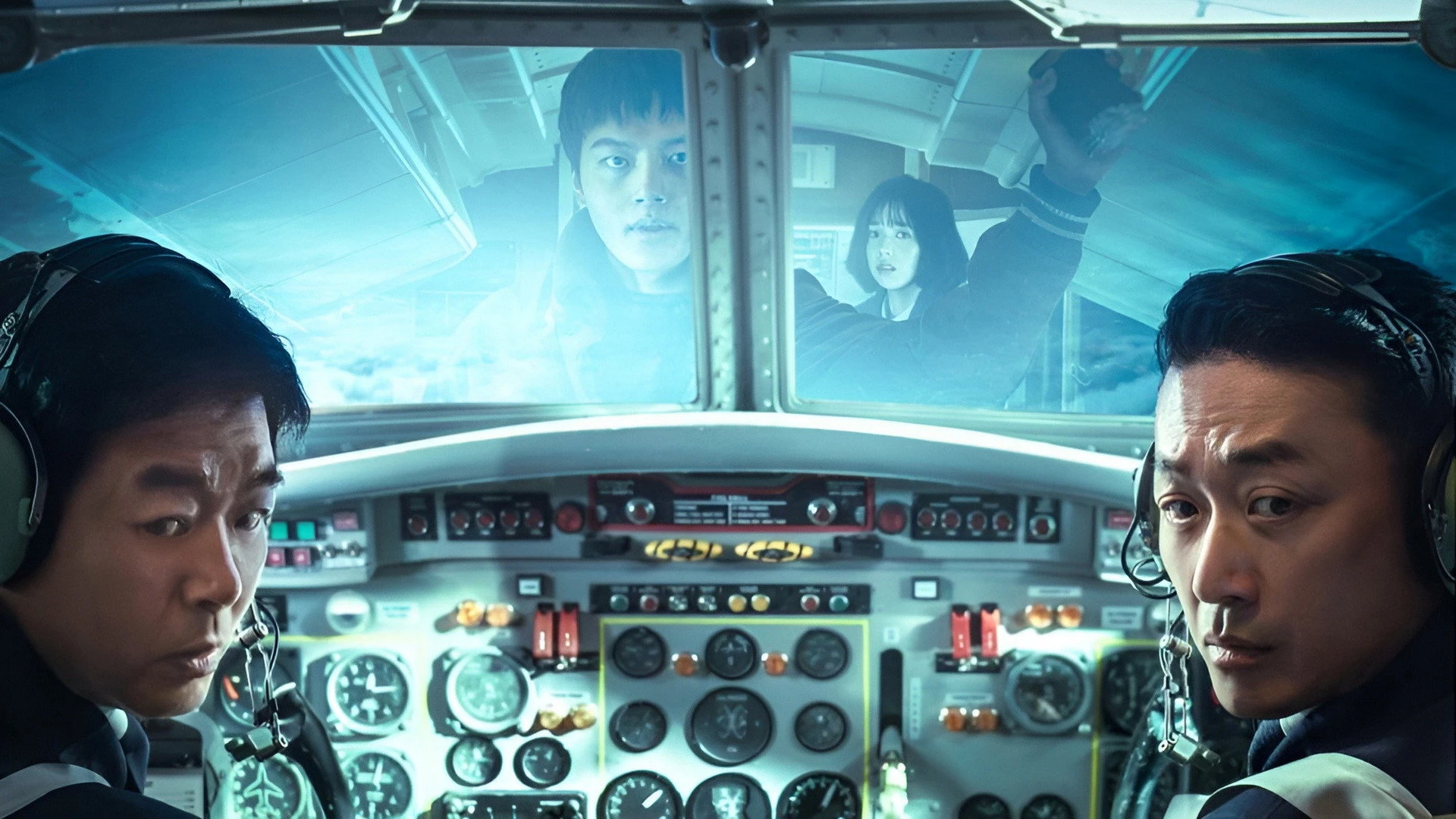
Before the flight, there is a man trying to be ordinary. Tae-in was once a South Korean Air Force fighter pilot — the kind of career that earns you respect and certainty in equal measure. Then he refused an order to shoot down a hijacked aircraft, choosing the lives inside it over military protocol, and everything ordinary ended. Now he’s a commercial co-pilot: anonymous, competent, carrying a past that the airline doesn’t ask about. The film establishes him in about four minutes and you understand exactly who he is — and what he’ll do when it matters.
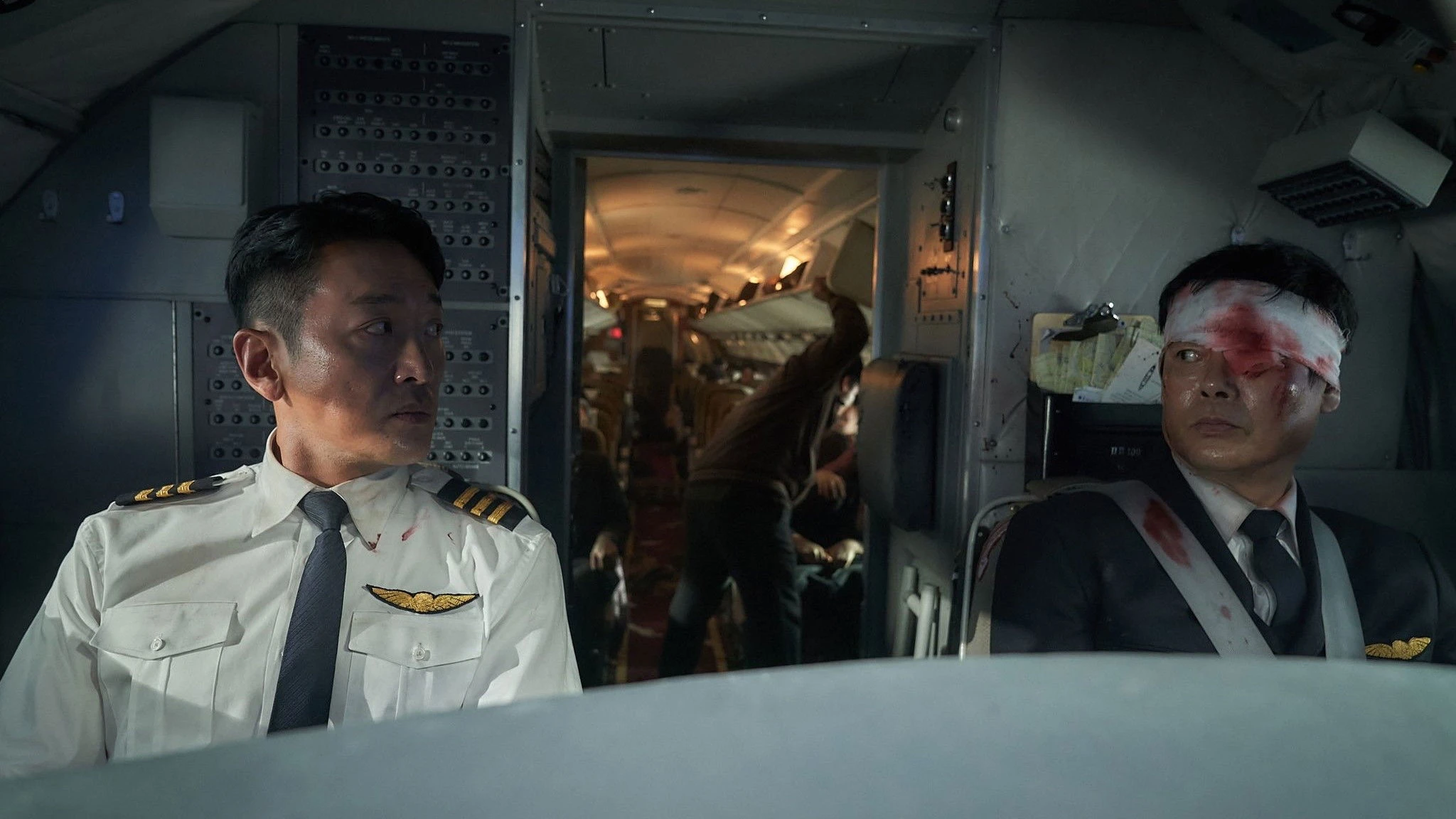
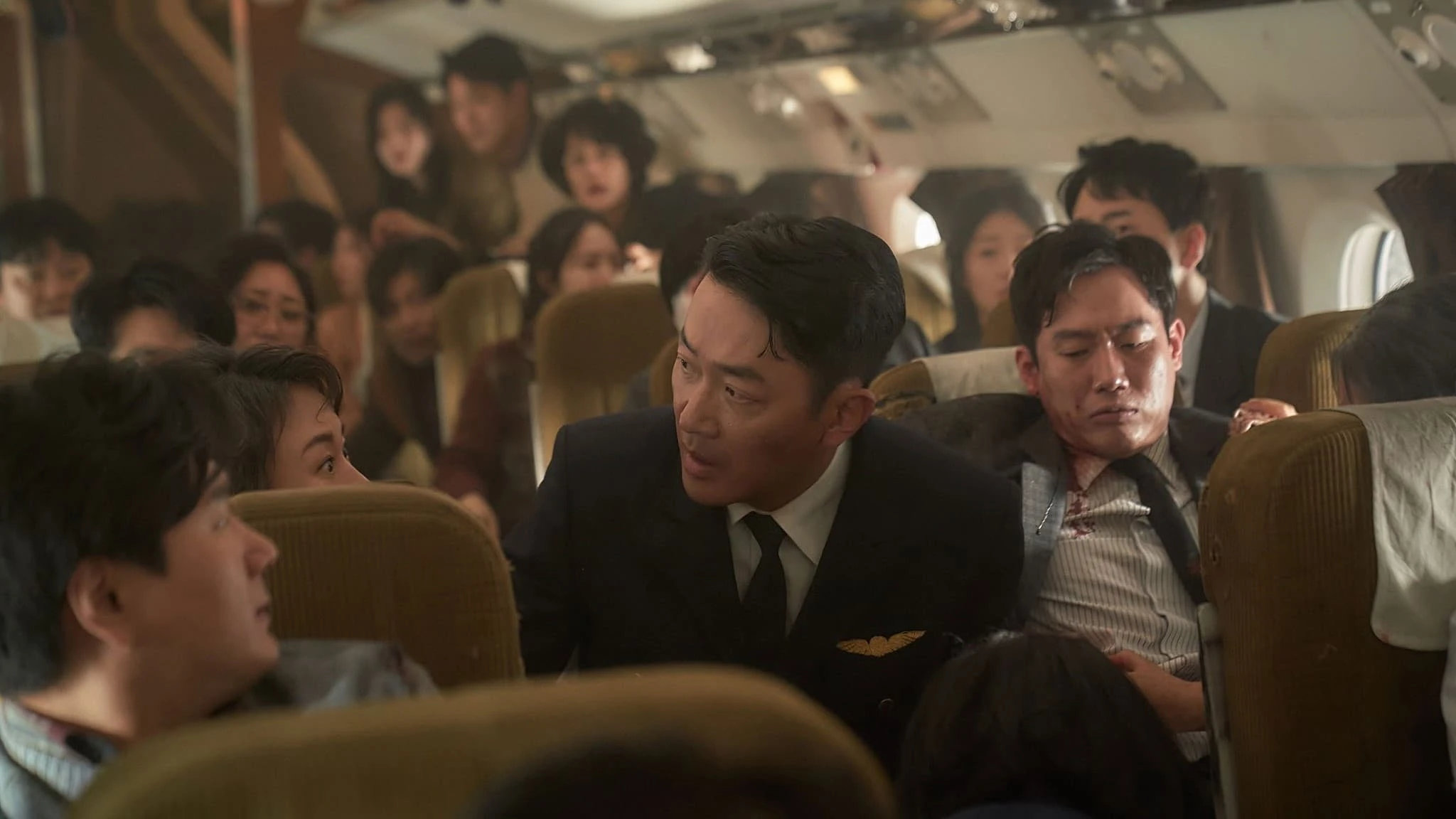
The flight is a domestic route from Sokcho to Gimpo in 1971 — a short hop across the Korean peninsula that nobody on board has any reason to think about twice. Fifty-one passengers, a skeleton crew, a clear morning. The film spends just enough time in these opening minutes letting you settle into the ordinariness of it — because the contrast is the point. What happens next doesn’t feel like a movie event. It feels like a disaster.
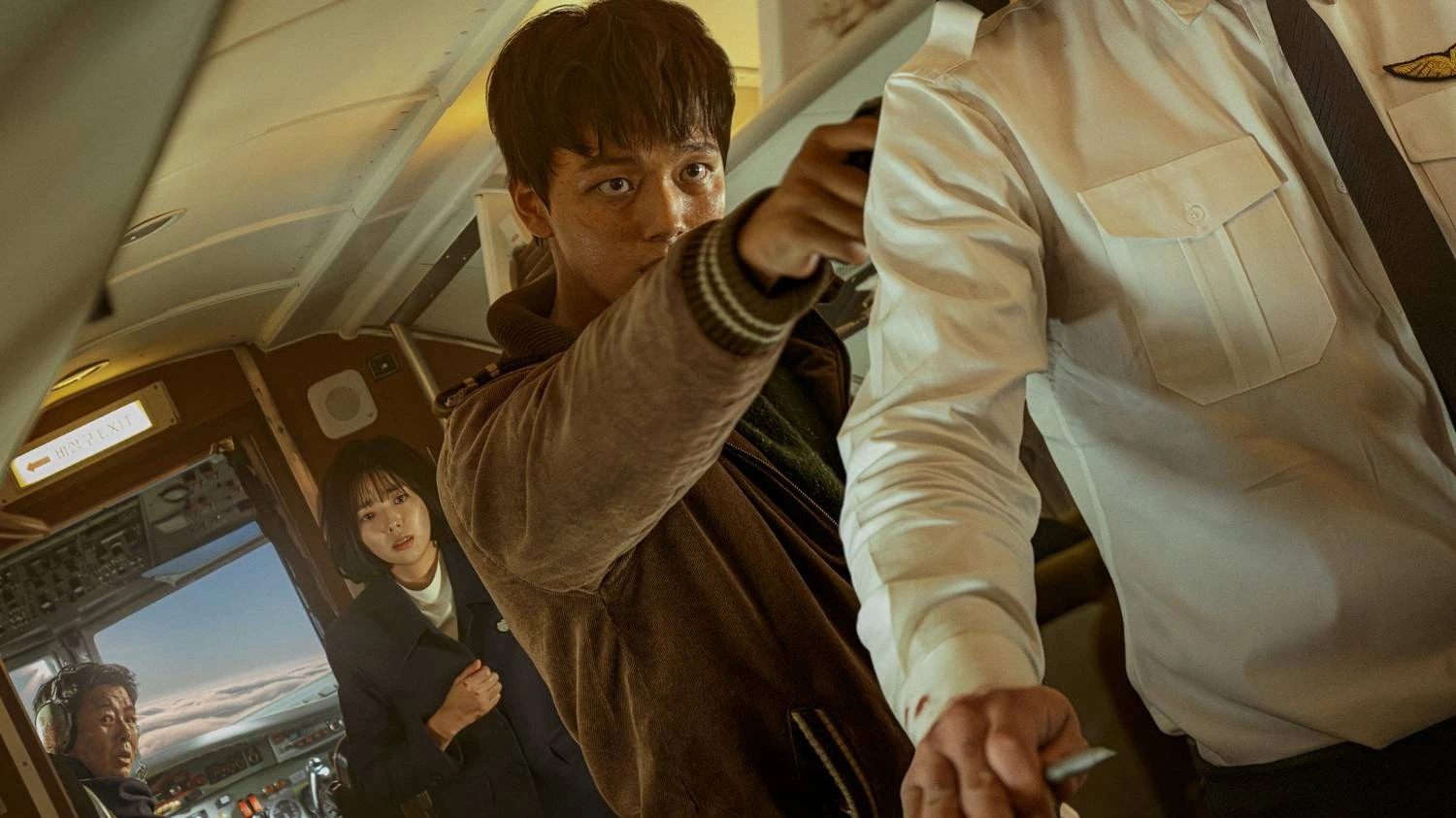
Yong-dae detonates a homemade explosive device in the cabin without warning, and the aircraft tears open into chaos. The captain takes shrapnel and is immediately incapacitated. Passengers are thrown, screaming, into crisis. In the cockpit, Tae-in absorbs what just happened in the span of about three seconds and begins calculating — not what to feel, but what to do. Yong-dae’s demand is the one thing everyone on board feared most: he wants the plane rerouted north, across the 38th parallel, into North Korean airspace.
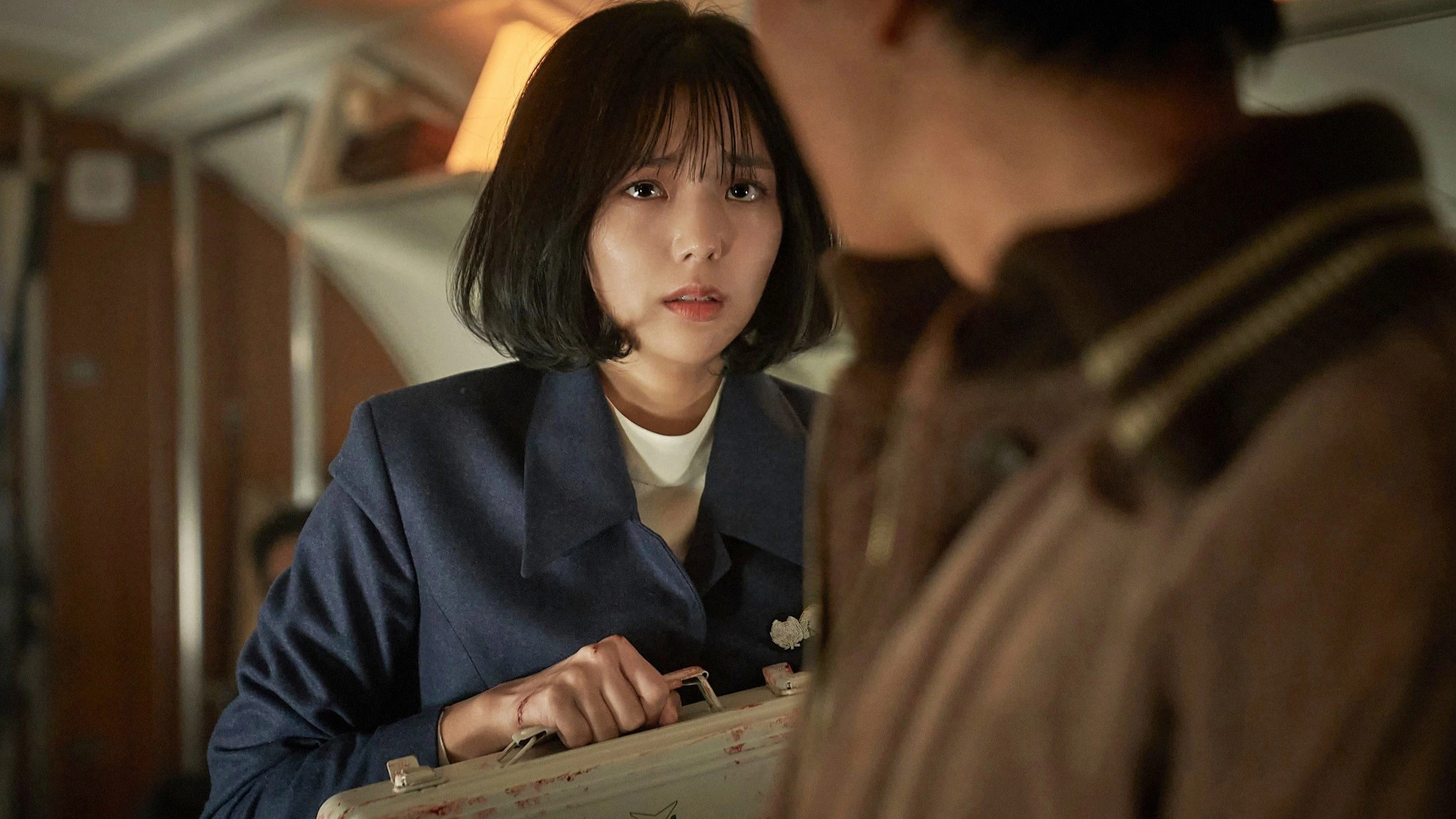
Yeo Jin-goo plays Yong-dae with a shaking, cornered energy that keeps him from being simply a terrorist. The film gives him a backstory of false accusation and a mother destroyed by the same system he’s now holding hostage — not to justify what he’s doing, but to make it legible. He is a man who has lost everything and decided the only remaining power he has is this one act of violence. The tragedy is that he’s right about the loss, wrong about what comes next.
While Tae-in manages the cockpit, the plane’s emotional center shifts to flight attendant Lee Ok-soon and the wounded captain Gyu-sik, both trying to hold the cabin together with authority they’re rapidly running out of. Chae Soo-bin plays Ok-soon with a quiet steadiness that the film trusts completely — she is the one managing the human catastrophe in the back while Tae-in manages the mechanical one in the front. Their coordination, mostly wordless, is the film’s most effective relationship.
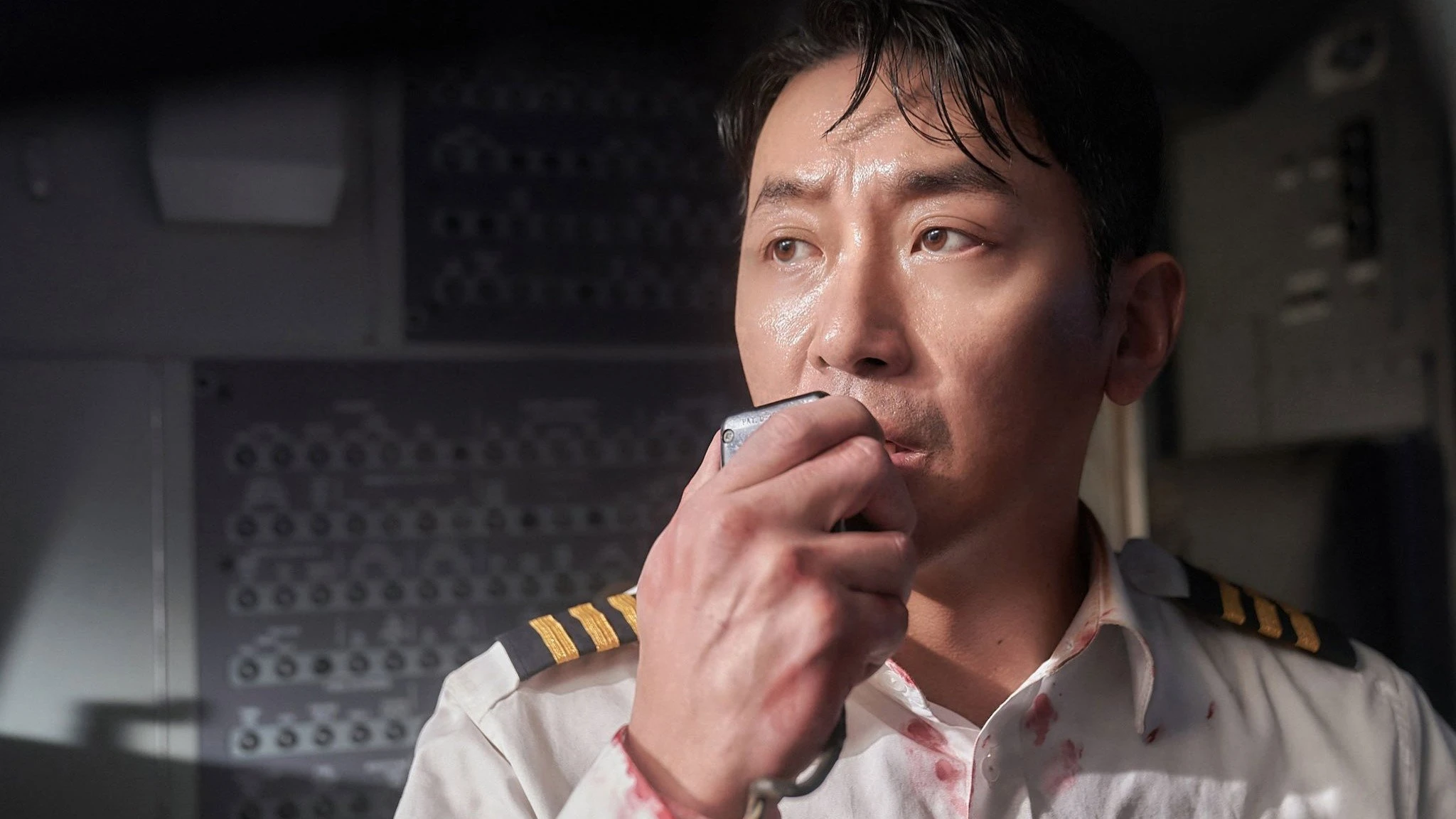
The 1971 setting is not incidental. Under Park Chung-hee’s government, South Korean citizens who ended up in North Korea — voluntarily or not — could return home to find themselves labeled communist sympathizers, their families under surveillance, their futures destroyed. The passengers on this plane understand this in their bones. Being forced across the border isn’t just dangerous. It is, for many of them, a form of social death even if they survive. Tae-in isn’t just trying to land a plane. He is trying to keep 51 people’s entire lives intact.
As fuel runs low and Yong-dae grows more desperate, Tae-in’s options narrow to the kind of calculation that has no clean answer. Every second of flight north is ground he may not be able to recover. The film keeps the camera inside the aircraft for most of its runtime — no cutaways to government officials debating, no rescue team assembling somewhere below. Just the cockpit, the cabin, and the decision Tae-in knows is coming.
🏁 Ending Explained
Full spoilers ahead — what happens, what it means, and what it all adds up to.
Full Spoilers Ahead — This section covers the complete ending of Hijack 1971. Stop here if you haven’t watched.
Tae-in’s final act — the bomb and the landing Yong-dae’s last gambit is his most powerful explosive — a final detonation that would end any chance of landing the aircraft safely. Tae-in doesn’t reason him out of it or find a diplomatic solution. He physically wrestles the bomb away, and it detonates in his hand. The explosion is catastrophic for Tae-in personally: he sustains fatal injuries. But critically, he remains conscious long enough to do the thing he came to do — he brings the aircraft down safely, onto South Korean soil, with all remaining passengers alive. Then he dies from his wounds.
Yong-dae and the cost of a broken system The film is careful not to let Yong-dae’s death (or fate) function as simple villain-removal. His backstory — falsely accused, mother destroyed, a life that was taken from him by the same authorities he now holds hostage — lands as an indictment of the era as much as a character note. He was radicalized not by ideology but by injustice. Whether viewers find this sympathetic or disturbing is partly the point. The film asks: what does a society owe the people it breaks? It doesn’t answer. It just lets the question sit in the burning cabin.
What Tae-in’s sacrifice means The film’s opening flashback — Tae-in refusing the order to shoot down a hijacked aircraft, choosing the lives inside over military command — is the key to reading his ending. He has always made the same choice. He chose it once and lost his career. He chooses it again and loses his life. Director Kim Seong-han frames the final landing sequence without melodrama: no slow motion, no swelling score at the moment of impact. Tae-in lands the plane the way he always flew — with discipline, with precision, with everything he had.
What the film leaves unresolved The political aftermath for the surviving passengers — what 1971 South Korea would have made of them, whether their proximity to an attempted defection carried consequences — is deliberately not addressed. The film ends in the immediate moment of survival, not in its political aftermath. Similarly, the full scope of Yong-dae’s radicalization, and the institutional failures that created him, are gestured at rather than examined. These aren’t oversights. The film is a survival story, not a political thriller — it knows where its focus belongs.
The thesis — heroism as the protection of life Hijack 1971 makes a quietly radical argument for a 2024 Korean action film: that the most heroic thing a person can do is refuse to let ideology determine whose life is worth saving. Tae-in doesn’t save the passengers because they are South Korean. He saves them because they are alive and in his care. The film’s opening and ending rhyme with each other — discharge for saving lives, death for saving lives — and the symmetry is the point. In a divided world, the film says, the only flag worth flying is the one that covers everyone on board.
✍️ KDramaWorlds Editor’s Take
Our honest read on why this film is worth your time — and who it’s for.
Kim Seong-han
Known for: Hijack 1971 demonstrates Kim Seong-han’s confidence in constraint — almost the entire film takes place inside a single aircraft, and rather than treating this as a limitation, he uses it to generate a sustained, suffocating tension that spectacle-driven action films rarely achieve. His approach to the historical context is similarly disciplined: the 1971 political backdrop informs every decision the characters make without the film needing to pause and explain itself. Screenplay by Kim Kyeong-chan provides the structural architecture; Kim Seong-han’s direction delivers it with the kind of tonal control that keeps the human stakes as heavy as the physical danger.
Ha Jung-woo has a specific quality that very few Korean actors share: he can make competence feel emotional. Watching him in the cockpit of Hijack 1971 — calculating distances, buying seconds, keeping his voice flat so the passenger on the other side of the door doesn’t hear him thinking — is a masterclass in restraint as performance. He doesn’t play the hero as someone who rises to the occasion. He plays it as someone who was always going to make this choice, even before he knew what the occasion would be. The film’s history-based weight adds the same kind of stakes that made Harbin land so hard — Korean audience recognition that this happened, that these people existed, that the cost was real.
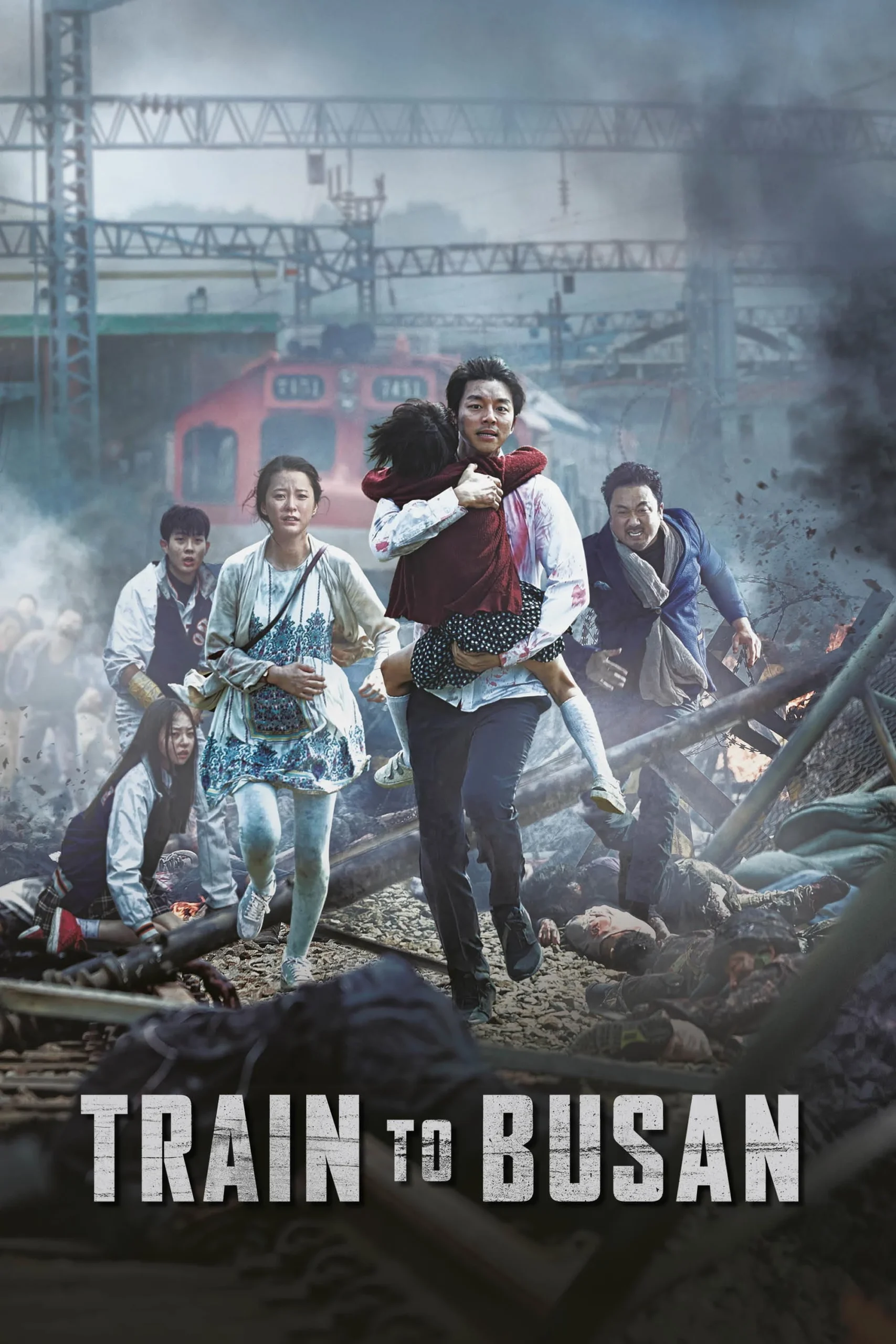
The closest analog for what Hijack 1971 is doing spatially is Train to Busan — not in genre but in method: a single vehicle, a closed system, survival playing out in corridors and compartments. Both films understand that claustrophobia is not a budget constraint but a storytelling tool, and both use it to force character into action rather than observation. What Hijack 1971 adds is the geopolitical ceiling — the passengers aren’t just running from something dangerous, they’re running from a border that would permanently define them as traitors. The stakes in Train to Busan are physical. Here they are physical and political and personal all at once.
Yeo Jin-goo deserves a specific mention: playing a hijacker who cannot be reduced to evil is harder than it looks, and he navigates the line with precision. There are moments where you see what Yong-dae might have been — where the desperation tips briefly into something that looks like grief — and Yeo Jin-goo lets those moments exist without underlining them. The film doesn’t redeem him. But it makes him human, which is considerably more difficult and considerably more honest.
🎬 You Might Also Like
If you liked Hijack 1971, these are your next three watches.
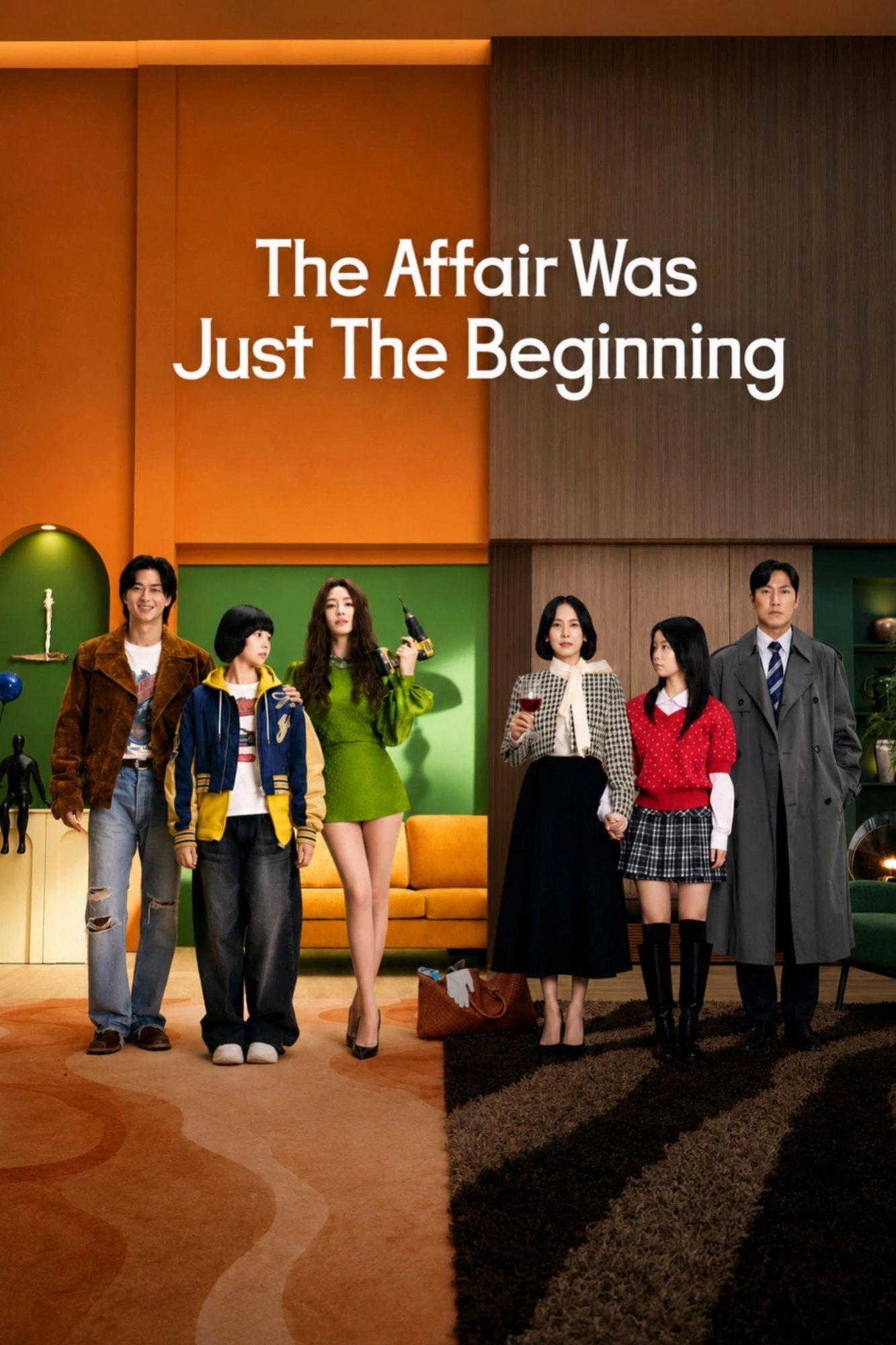 The Affair Was Just The Beginning
Black Comedyblackmail
Read Full Review →
|
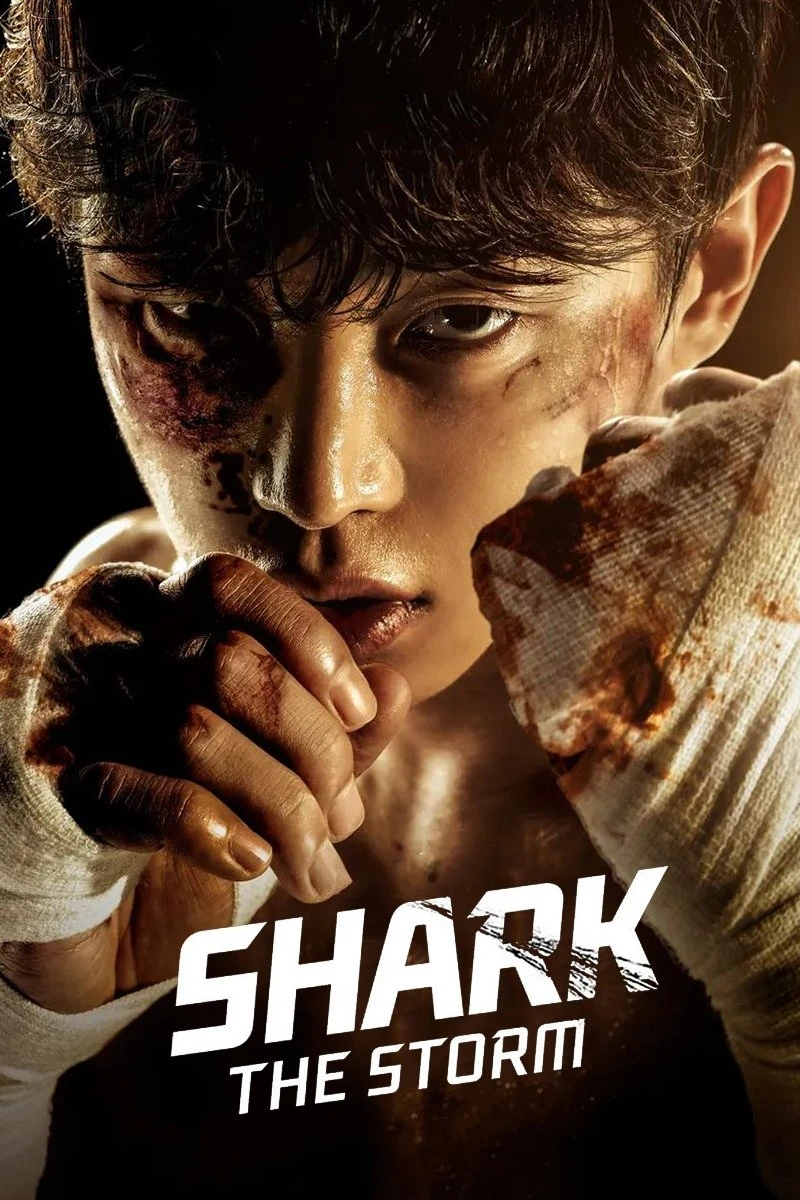 Shark: The Storm
Actioncrime
Read Full Review →
|
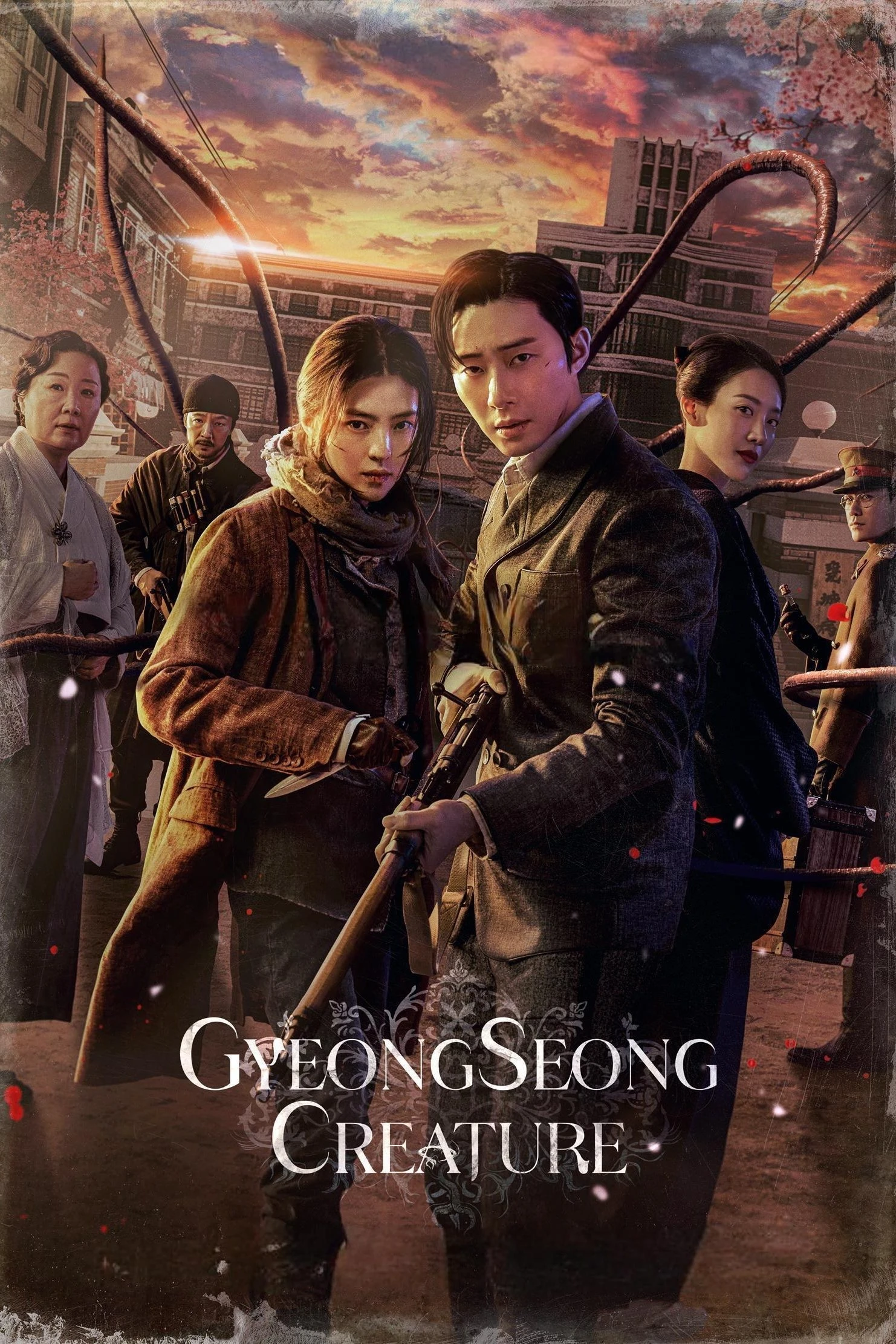 Gyeongseong Creature (Season 1)
body horrorHan So-hee
Read Full Review →
|






Keep it kind, skip the harsh language, and please — no spoilers. Everyone's taste is different, and that's perfectly fine.
This space is for real reactions and discussion from other viewers. Help keep it comfortable for everyone by not giving away major plot details.
What do you think of this drama?
Login to share your review or leave a comment.
No email needed — just pick a username & password.