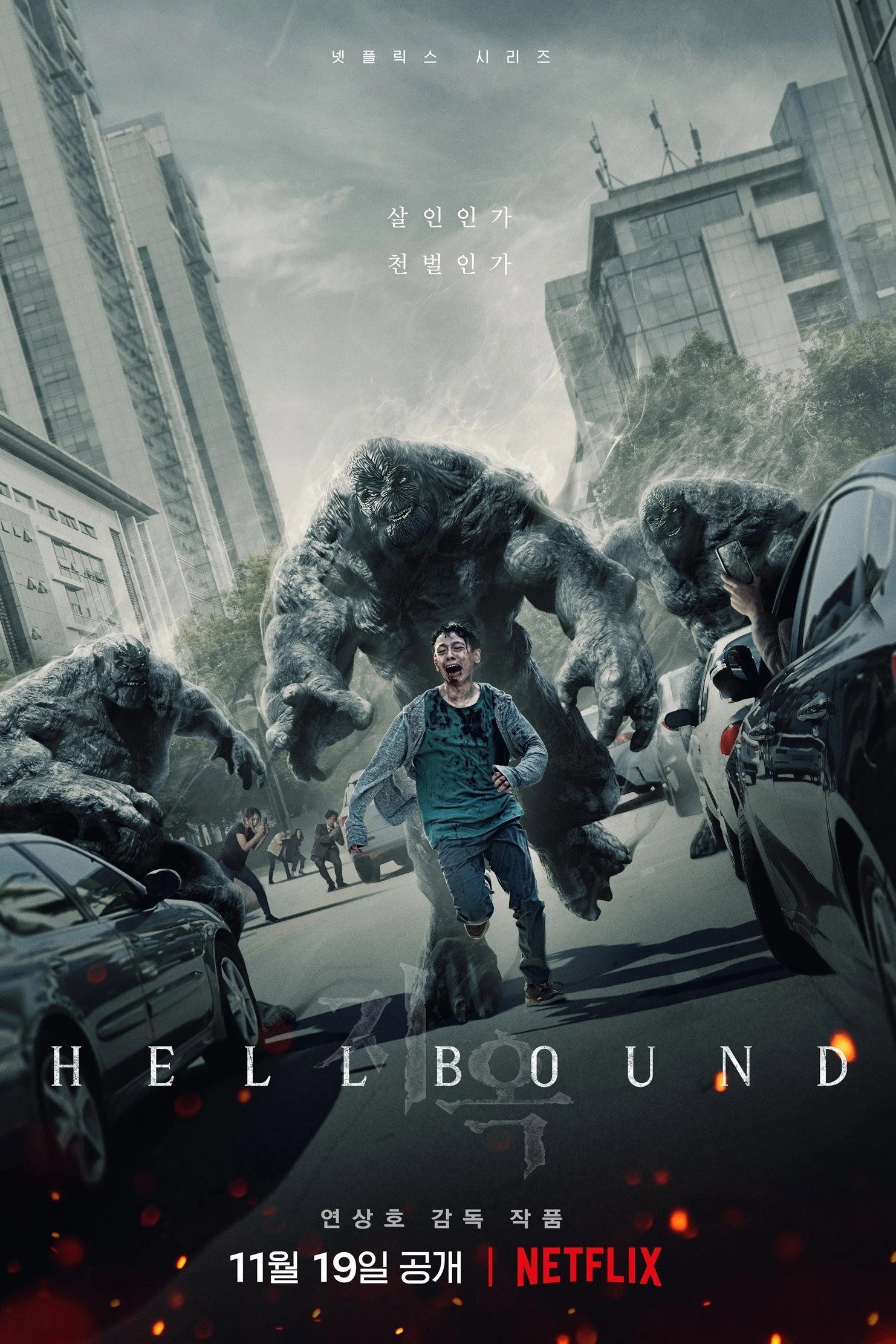
Hellbound (Season 1)
🎬 Netflix
⭐ 7.6 / 10 MDL
🔞 TV-MA
📋 Drama Overview
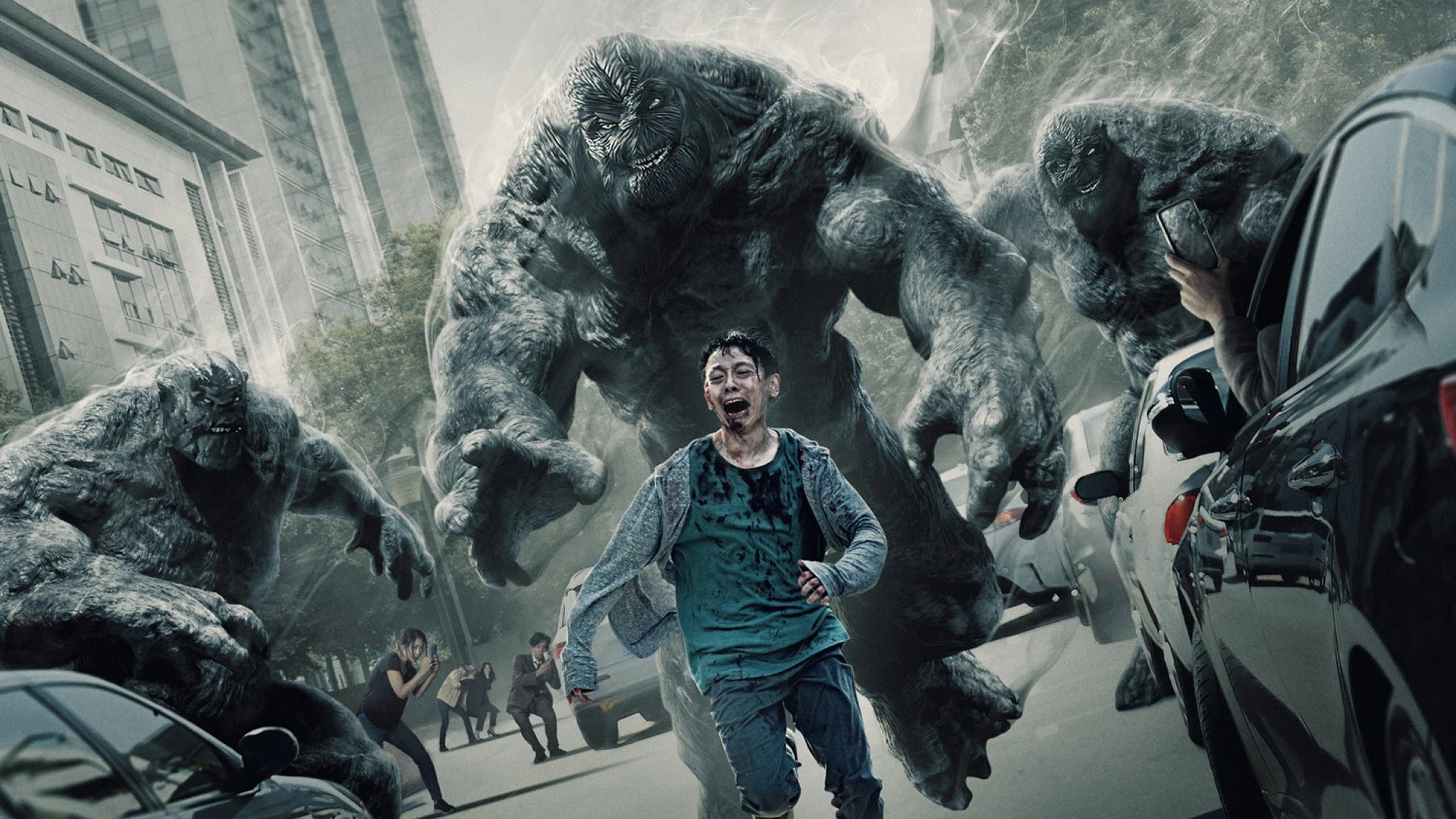
In a near-future Seoul, people begin receiving supernatural “decrees” — terrifying pronouncements that condemn specific individuals to hell at a designated moment in the future. When that moment arrives, three monstrous demonic creatures appear and publicly execute the condemned in brutal, inescapable displays of divine force. The nation is left shaken, and in the chaos, a powerful religious organization called The New Truth rises — claiming these condemnations are God’s judgment against sinners, and using fear to seize unprecedented social control.
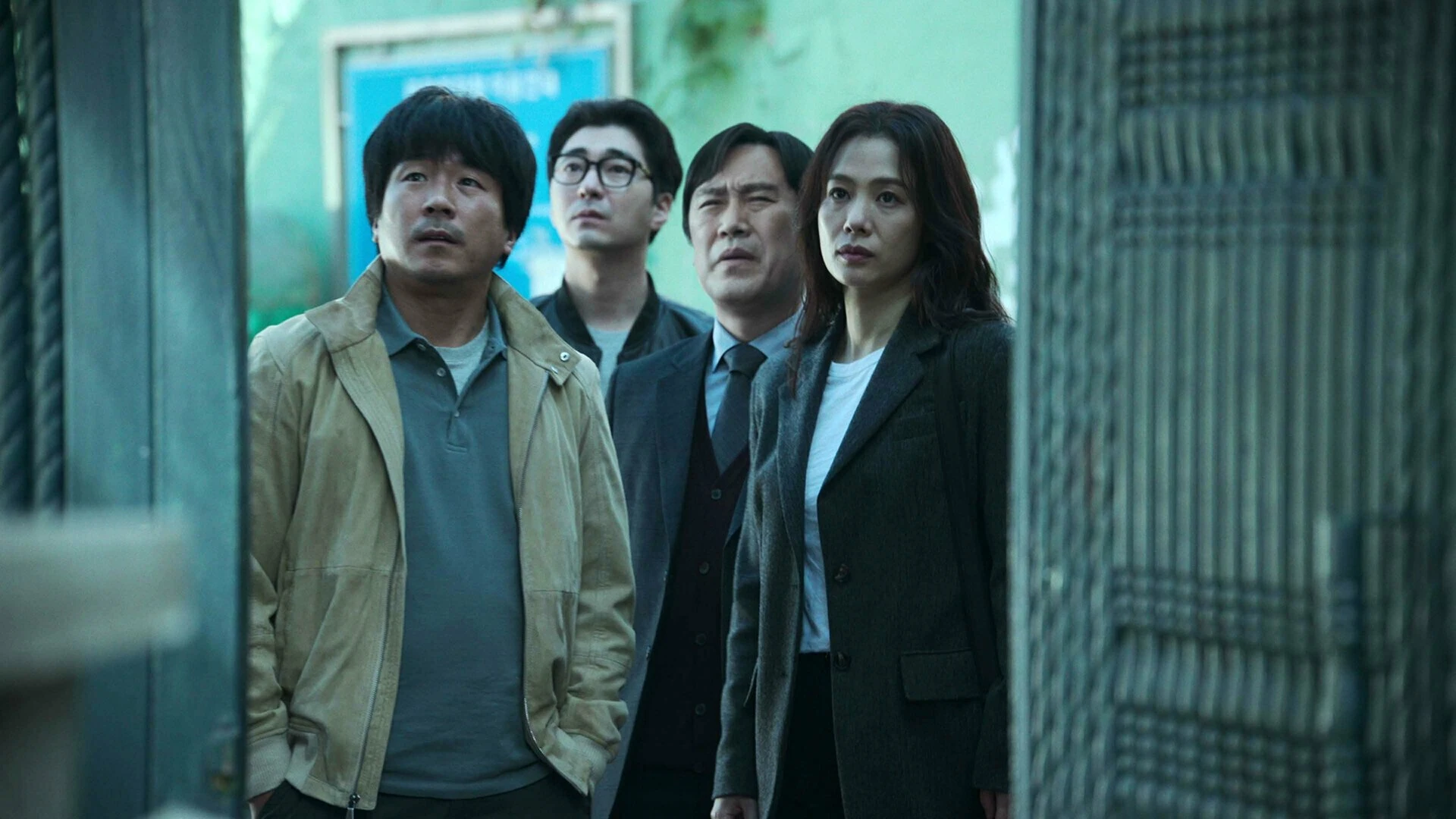
As The New Truth’s grip tightens, a detective, a lawyer, and a television producer each begin to question what these events truly mean. Is this divine justice — or something far more ambiguous? And what happens when someone completely innocent receives a decree? Hellbound is less interested in the supernatural than in the humans who weaponize it: the cult leaders, the zealots, and the ordinary people who simply want an explanation for a terrifying world.
6 / 6 ✅ Completed
⚡ Quick Verdict
One box. Everything you need to decide.
· MDL Score · 20,000+ ratings
▶ Official Trailer
🎭 Cast & Characters
The ensemble that makes Hellbound one of the most unsettling watches on Netflix.

Antagonist

Lead

Lead

Lead

Lead

Supporting

Supporting

Supporting

Supporting

Supporting

Supporting

Supporting
🎬 Episode Guide
Six episodes. All dropped at once. Zero breathing room.


🏁 Ending Explained
Full spoilers ahead — everything that happens in the finale and what it all means.
Spoiler Warning — This section covers the full finale of Hellbound Season 1. Stop here if you haven’t finished the series.
The baby’s execution is the breaking point. Episode 6 opens with Young Jae and So Hyun’s desperate last stand to protect their condemned infant — and they fail. The three demonic creatures arrive on schedule, in public, and execute the newborn baby in a live broadcast. The horror of this moment is not just visceral; it is theological. The New Truth has spent five years arguing that every condemned person is a sinner deserving divine punishment. A newborn baby cannot be a sinner. The entire justification for their religious authority collapses in real time.

Hye Jin’s five-year arc reaches its purpose. The attorney who began Season 1 fighting The New Truth in courtrooms and case files has spent five years underground with Sodo, building a resistance network for the condemned. Her re-emergence in the final episodes is the show’s thesis made flesh: that the only sane response to institutional terror is sustained, organized resistance — not blind faith, not mob justice. She survives the chaos of the baby’s execution and the Arrowhead’s assault, and emerges as a symbol of what The New Truth cannot eradicate: doubt.
The resurrection of Park Jung Ja rewrites the entire story. Park Jung Ja was the condemned woman from Episode 2 — the one who faced her execution with quiet dignity. Her body was incinerated by the creatures. She was supposed to be gone. In the finale, her charred remains are discovered to have come back to life. This is not just a shocking twist; it is a structural demolition. If the condemnation is reversible, if the condemned can return, then the entire theological framework The New Truth has built — that condemnation is God’s permanent, irreversible judgment against sinners — is false. Or at minimum, unknowable.

What the ending is really about — ambiguity as the point. Hellbound is not a show about the supernatural. It is a show about what humans do when confronted with the inexplicable. The creatures, the decrees, the condemnations — all of this is real within the drama’s world, but the meaning of these events is never given to us. The New Truth filled that meaning-vacuum with doctrine and violence. Sodo filled it with protection and solidarity. Neither the show nor its supernatural elements ever confirm who is right. The resurrection of Park Jung Ja does not resolve the mystery — it deepens it. And that is exactly the point. The most terrifying thing about Hellbound is not the creatures — it is how quickly humans organized around them to justify their worst instincts.
✍️ KDramaWorlds Editor’s Take
Our honest read on why this drama is worth your time — and who it’s for.
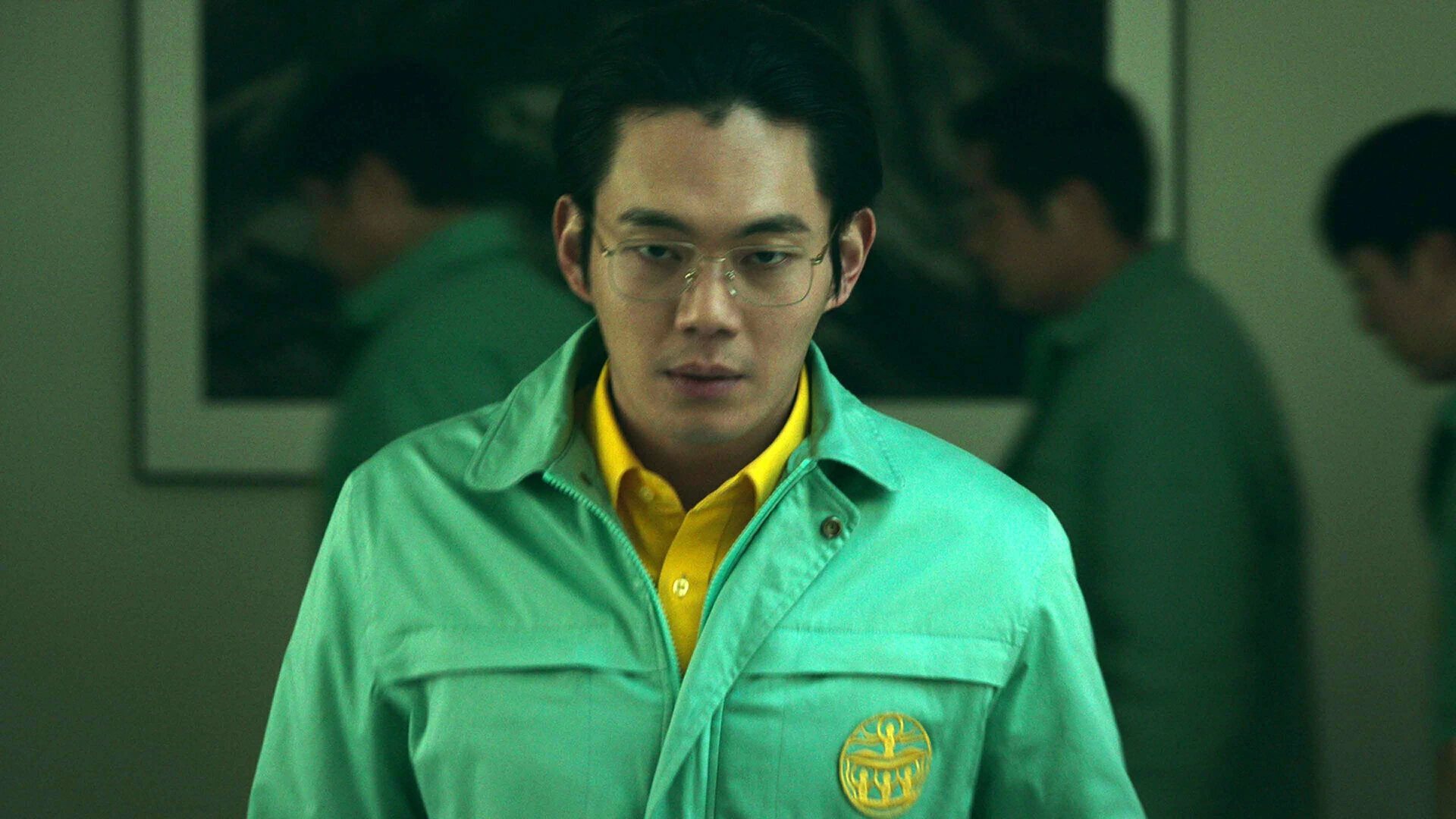
Hellbound arrives as a six-episode gut-punch that does something rare in supernatural horror: it is far more interested in the sociology of fear than in the monsters themselves. Director Yeon Sang-ho — who brought us Train to Busan — understands that the scariest thing is not the creature. It is the organization that forms around the creature within weeks. The New Truth is one of K-drama’s most chillingly plausible villains precisely because it does not behave like a cartoon cult. It behaves like every real religious institution that has ever weaponized uncertainty to consolidate power: it moves fast, it speaks with confidence, and it punishes doubt before doubt can spread. The first three episodes of this series are as tightly constructed as anything Netflix has produced — the escalation from “inexplicable event” to “theological monopoly” happens at a pace that leaves you breathless.
The five-year time jump into Episodes 4–6 is divisive for a reason. The first half has the urgency of a mystery unraveling in real time. The second half asks you to sit with a world that has already lost — a society fully under The New Truth’s boot — and follow new characters through a system that is already broken. Some viewers find this shift loses momentum; we think it is a deliberate structural choice that mirrors how totalitarianism actually works: by the time most people realize what happened, the window to stop it has already closed. What the show does get wrong is pace — Episode 4 in particular can feel like it is recalibrating rather than accelerating, and a few supporting characters are given more screen time than their function warrants. If you came for Squid Game-level plotting economy, this is a looser, more ambiguous beast. If you loved All of Us Are Dead‘s social collapse energy, Hellbound shares that DNA.
Yoo Ah In’s Jung Jin Su is a performance worth watching closely — a man who genuinely believes in what he is building, which makes him far more dangerous than a cynical grifter would be. Kim Hyun Joo carries the second half on sheer force of will, making Hye Jin one of the most quietly resilient protagonists in recent K-drama. The finale’s resurrection twist is bold and deliberately unresolved — Hellbound never tells you what it means, only that it matters. Season 2 has since arrived to pick up the thread. But Season 1 stands alone as one of the most intellectually provocative six hours of Korean television ever made, and one of the rare dramas that trusts its audience to sit with discomfort rather than demanding an answer. Watch it for the monsters — stay for the sermon.
Horror fans who want social commentary with their creature scares
Netflix Original completionists — this is one of their most underrated productions
🎬 You Might Also Like
If you liked Hellbound (Season 1), these are your next three watches.
 See You at Work Tomorrow!
boss-employee relationship
Read Full Review →
|
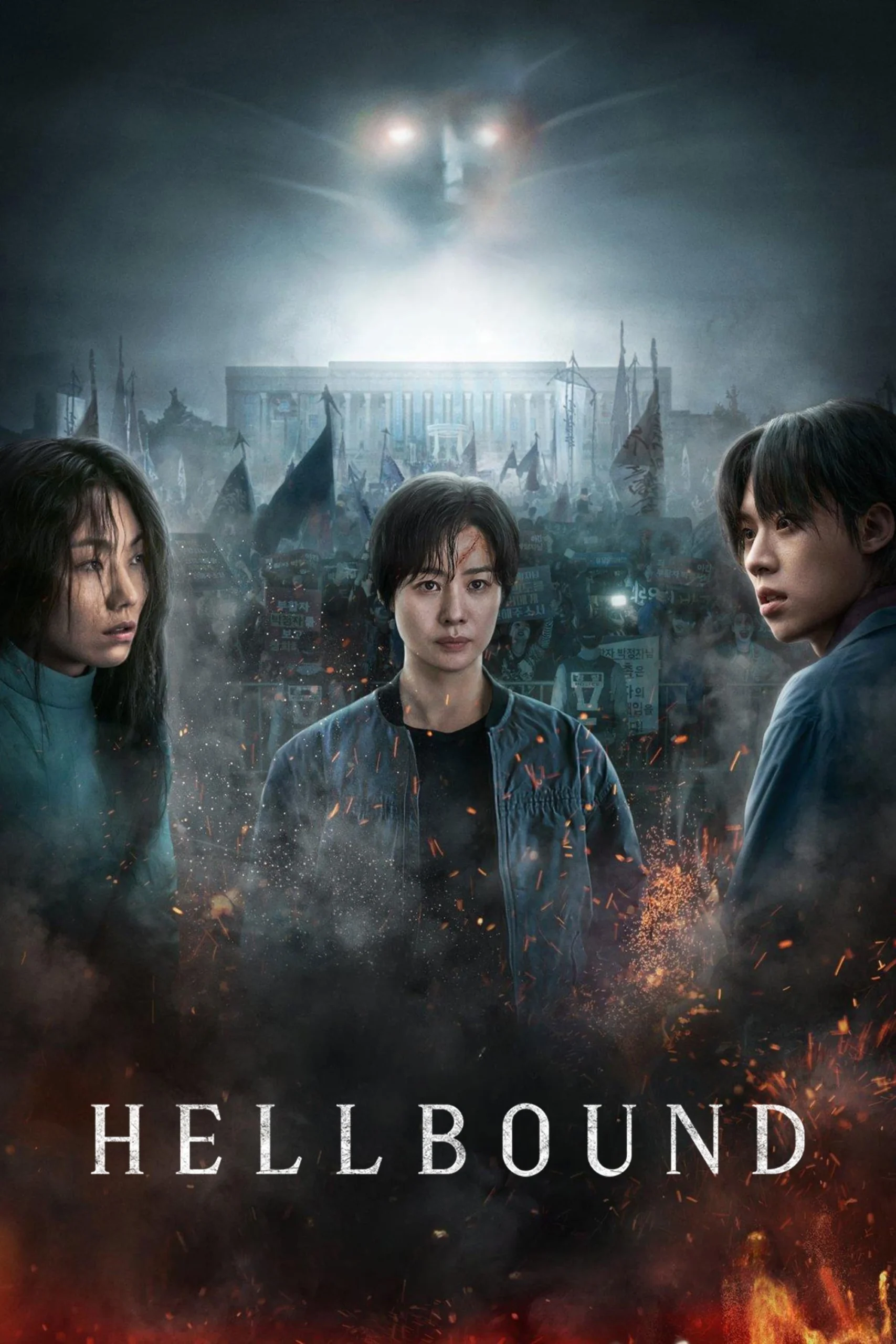 Hellbound (Season 2)
cultdystopian Korea
Read Full Review →
|
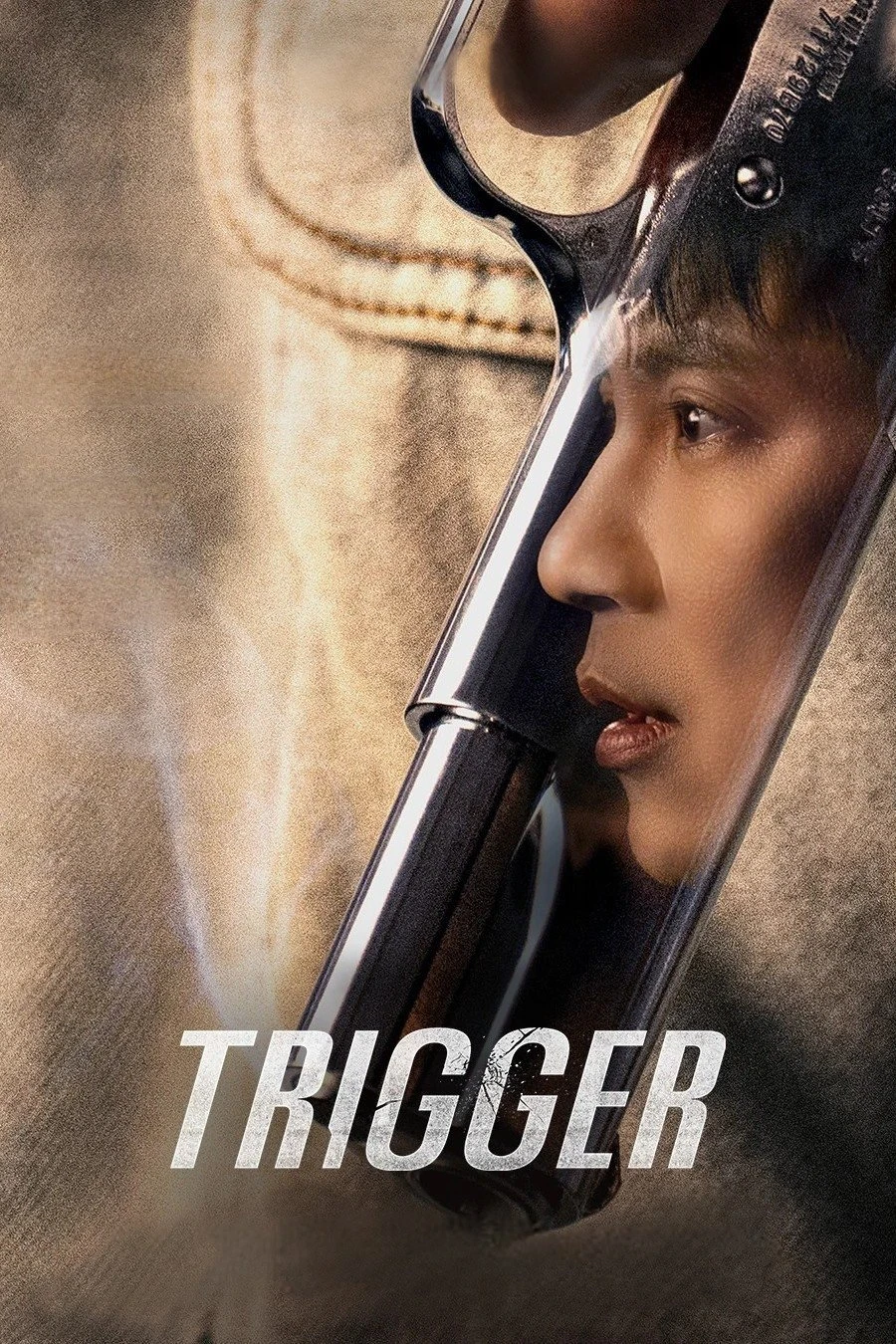 Trigger
cat-and-mouseCrime Thriller
Read Full Review →
|



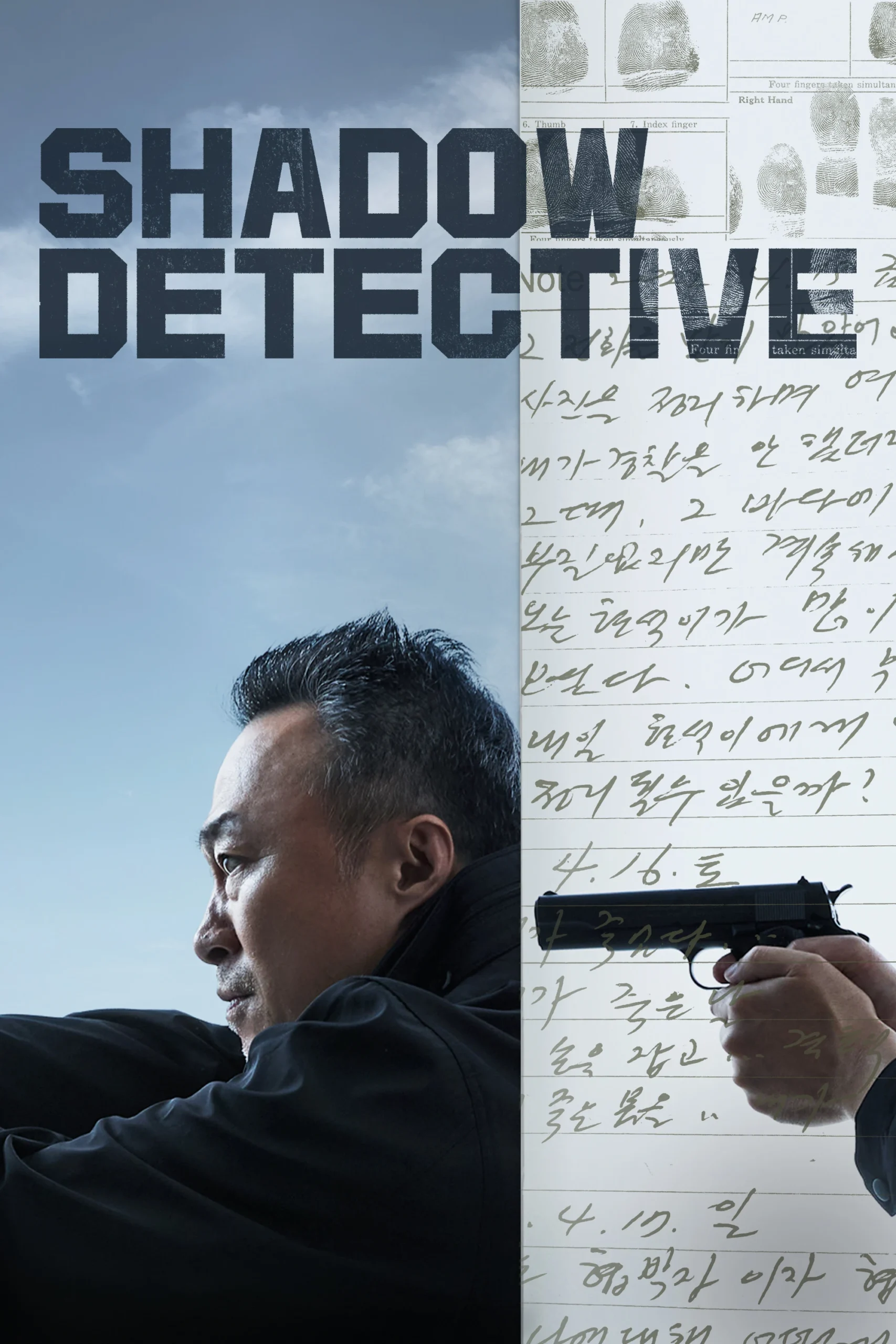
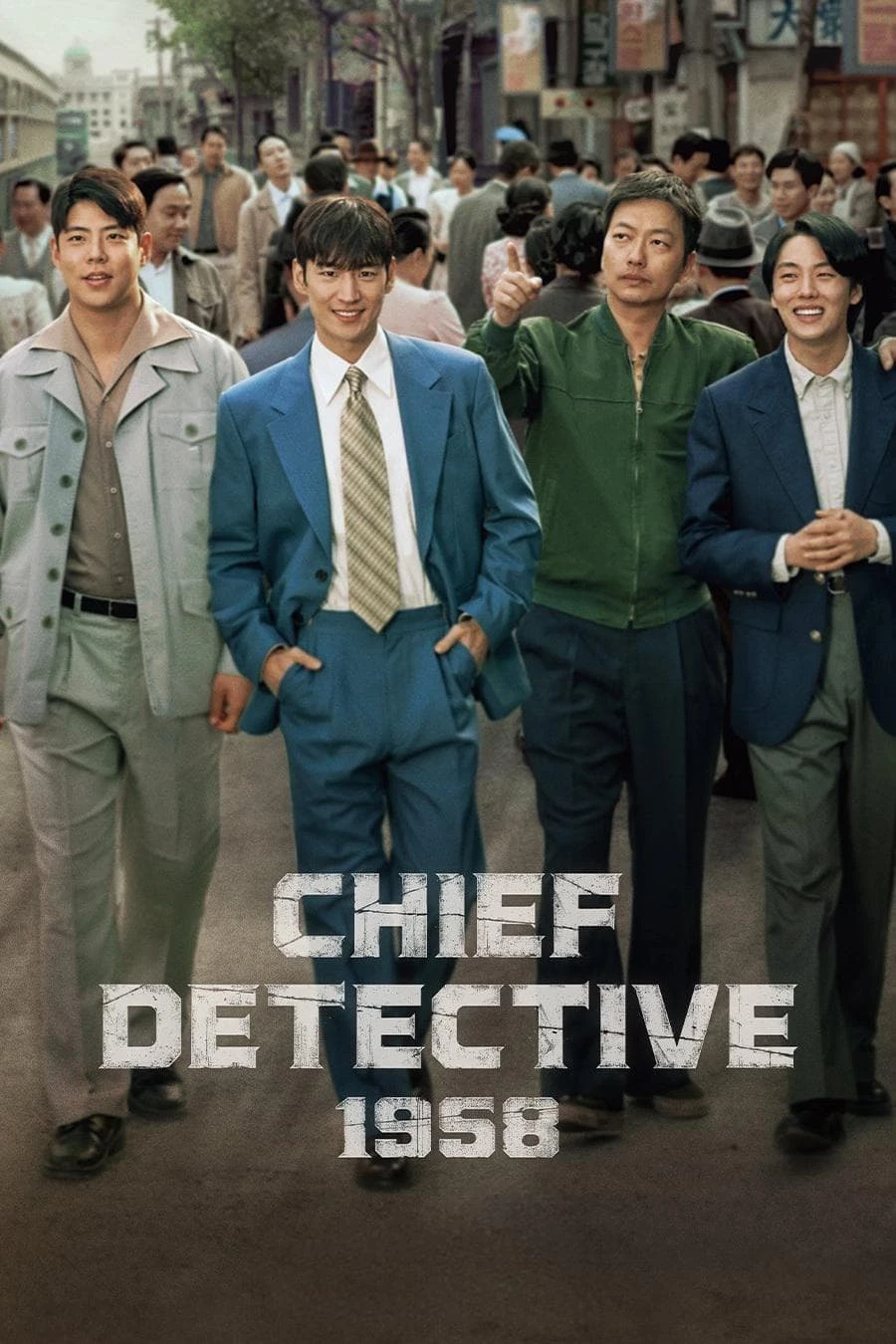









Keep it kind, skip the harsh language, and please — no spoilers. Everyone's taste is different, and that's perfectly fine.
This space is for real reactions and discussion from other viewers. Help keep it comfortable for everyone by not giving away major plot details.
What do you think of this drama?
Login to share your review or leave a comment.
No email needed — just pick a username & password.