
Inspector Koo
🎬 Netflix
⭐ 8.1 / 10 MDL
🔞 TV-MA
📋 Drama Overview
Before you hit play, here’s the lay of the land.
🔥 Thriller Must-Watch
Koo Kyung-yi (Lee Young-ae) is a former police officer turned insurance investigator — sharp, chaotic, and completely indifferent to social norms. When a suspicious death lands on her desk, she follows the thread and finds herself in a cat-and-mouse game with Song Yi-kyung (Kim Hye-jun), a seemingly ordinary college student who hides a much darker identity. Under the alias K, Yi-kyung kills with the calm detachment of someone who simply finds people inconvenient — and she has been doing it for a while.
As Kyung-yi closes in, the investigation pulls back layers of staged accidents, insurance fraud, and a foundation with powerful backers who have every reason to keep the truth buried. The drama runs as a dark comedy as much as a thriller — Kyung-yi is too brilliant and too odd to function in normal society, and Yi-kyung is too detached to feel anything resembling fear. The collision between them is the show’s real engine.
12 / 12 ✅ Completed
⚡ Quick Verdict
Skip the scroll — here’s the verdict in one glance.
· MDL Score · 12,000+ ratings
▶ Official Trailer
🎭 Cast & Characters
Twelve performances that make this cat-and-mouse game worth every twist.

Lead

Villain
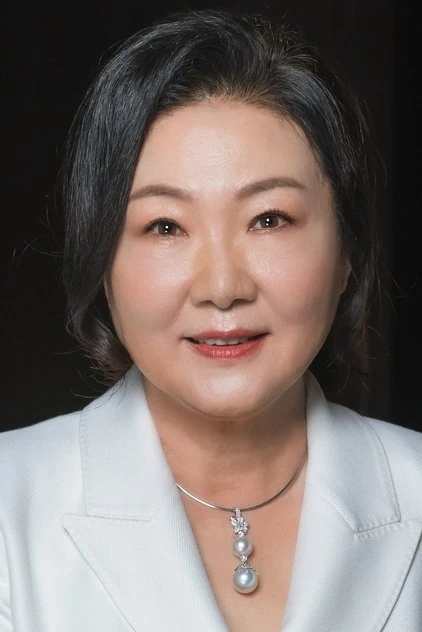
Antagonist

Supporting

Supporting

Supporting

Supporting
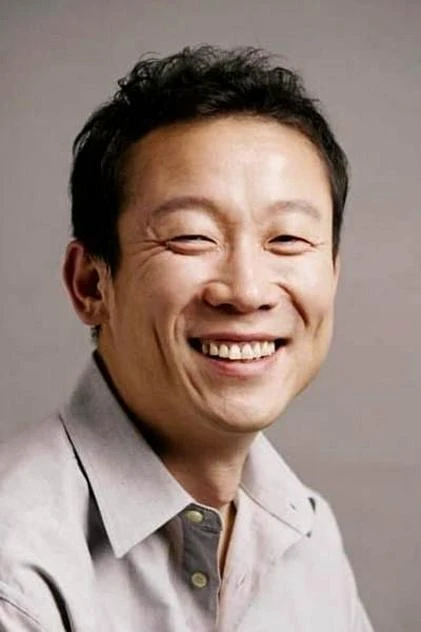
Supporting
Supporting

Supporting

Supporting

Supporting
📺 Episode Guide
Light-touch recaps to keep you oriented, episode by episode.


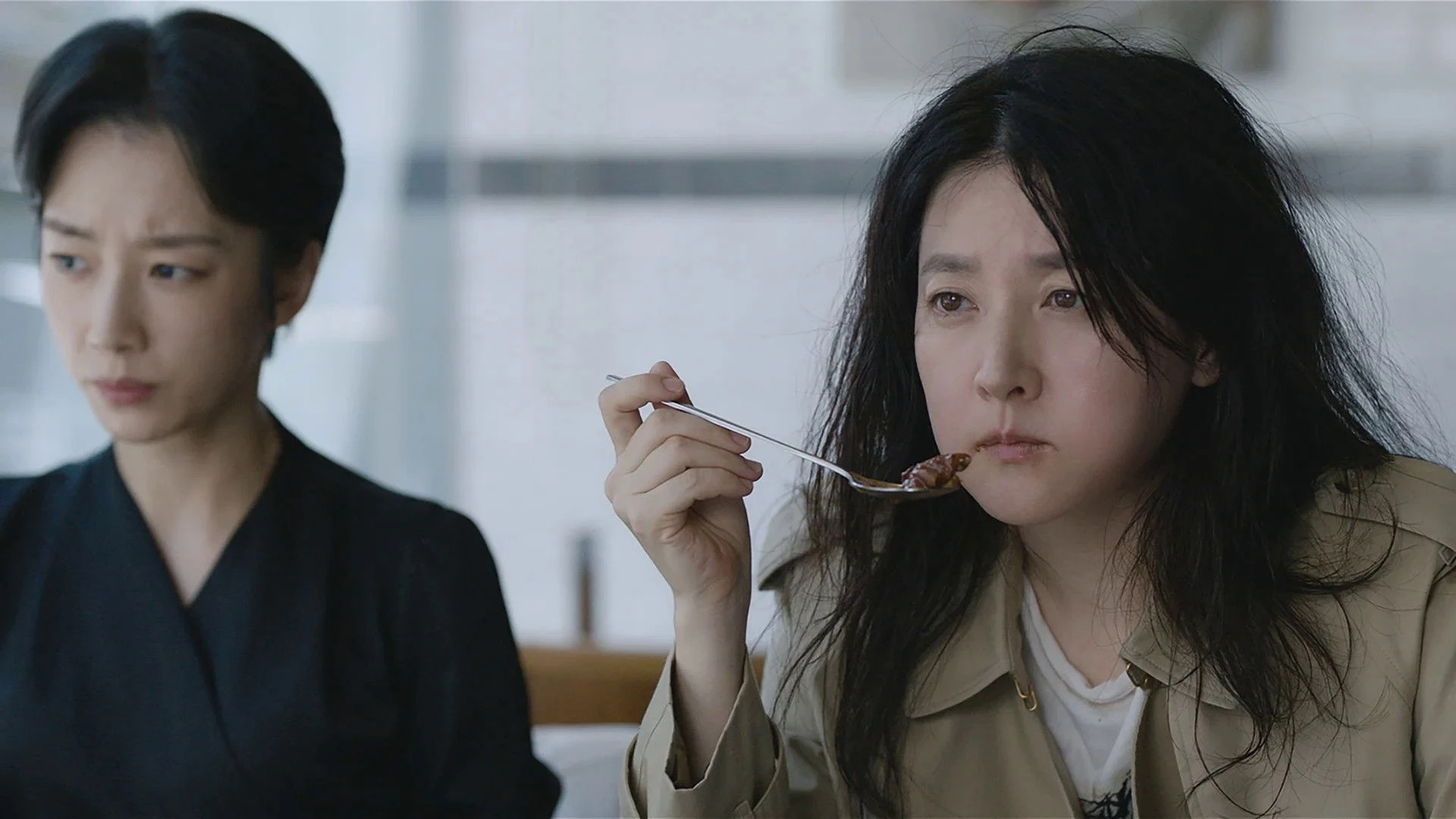
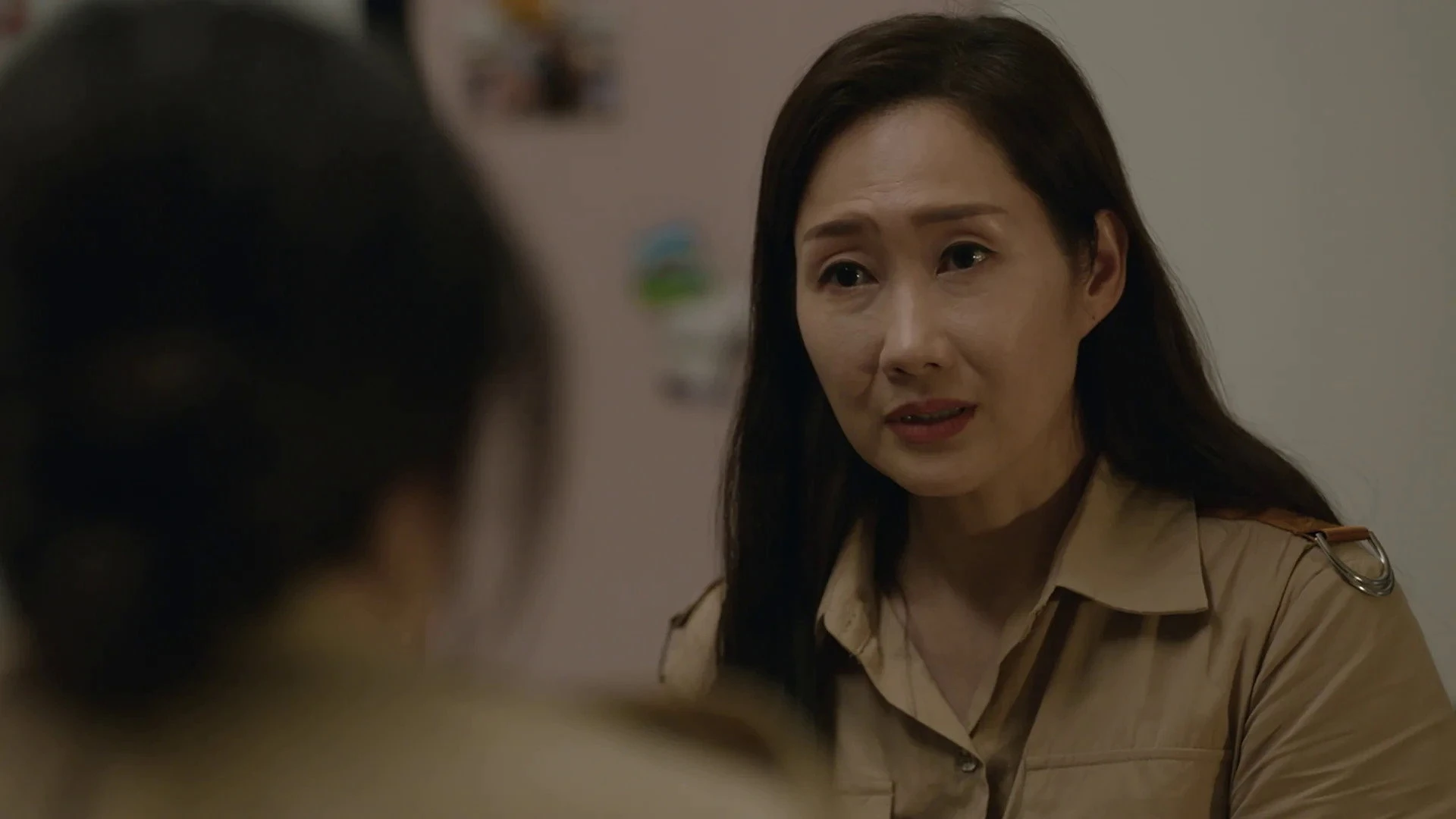
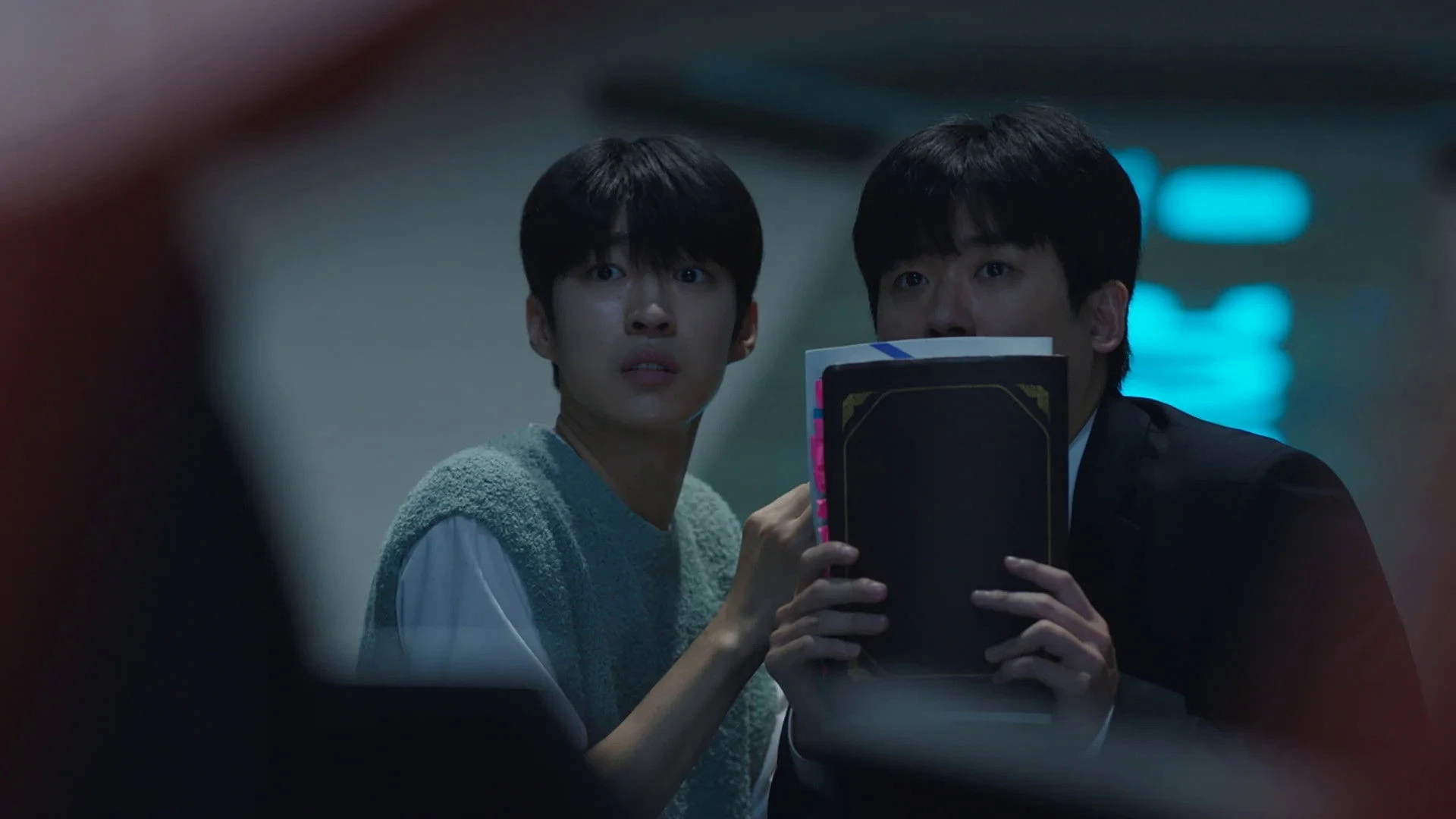
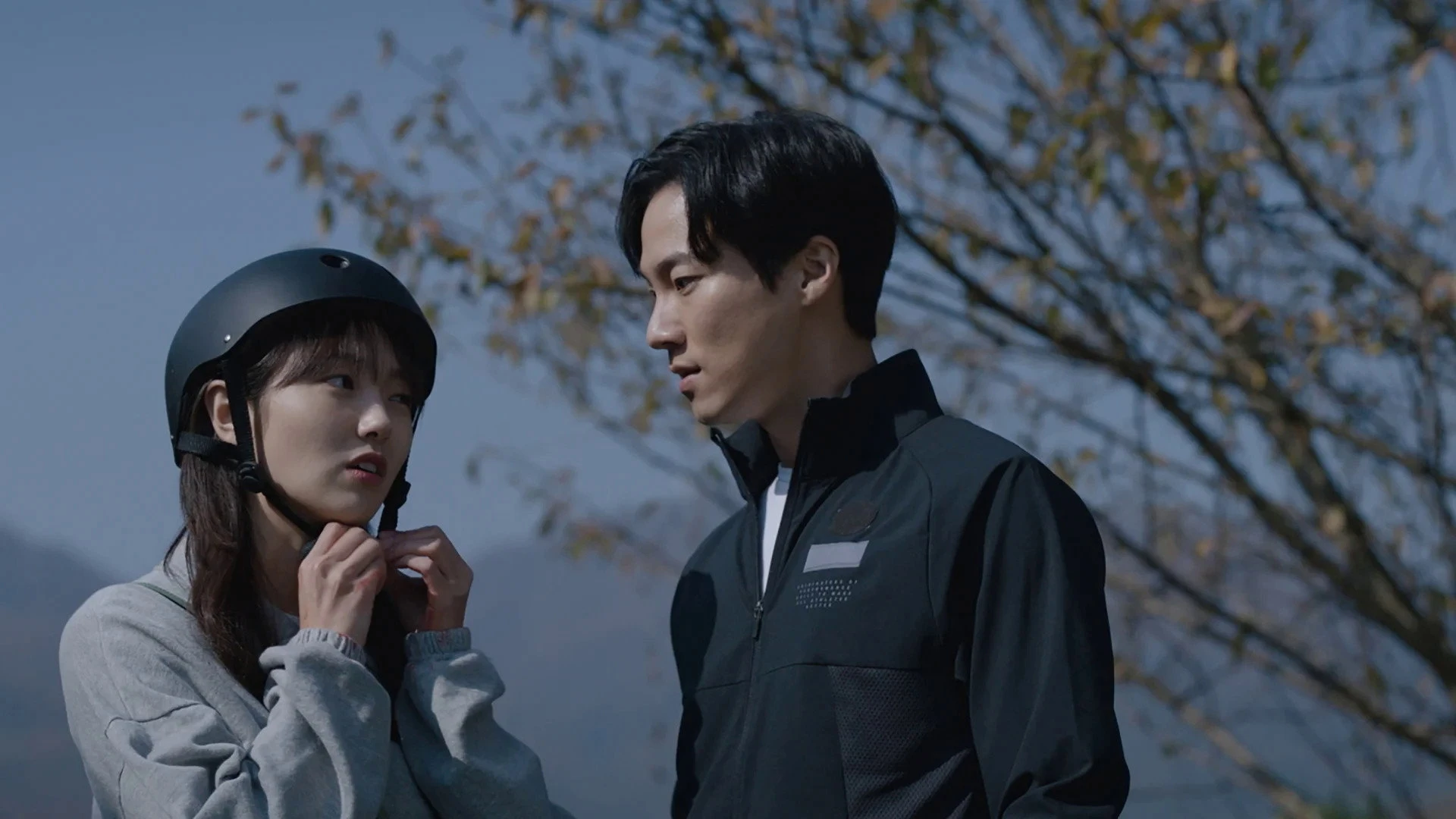

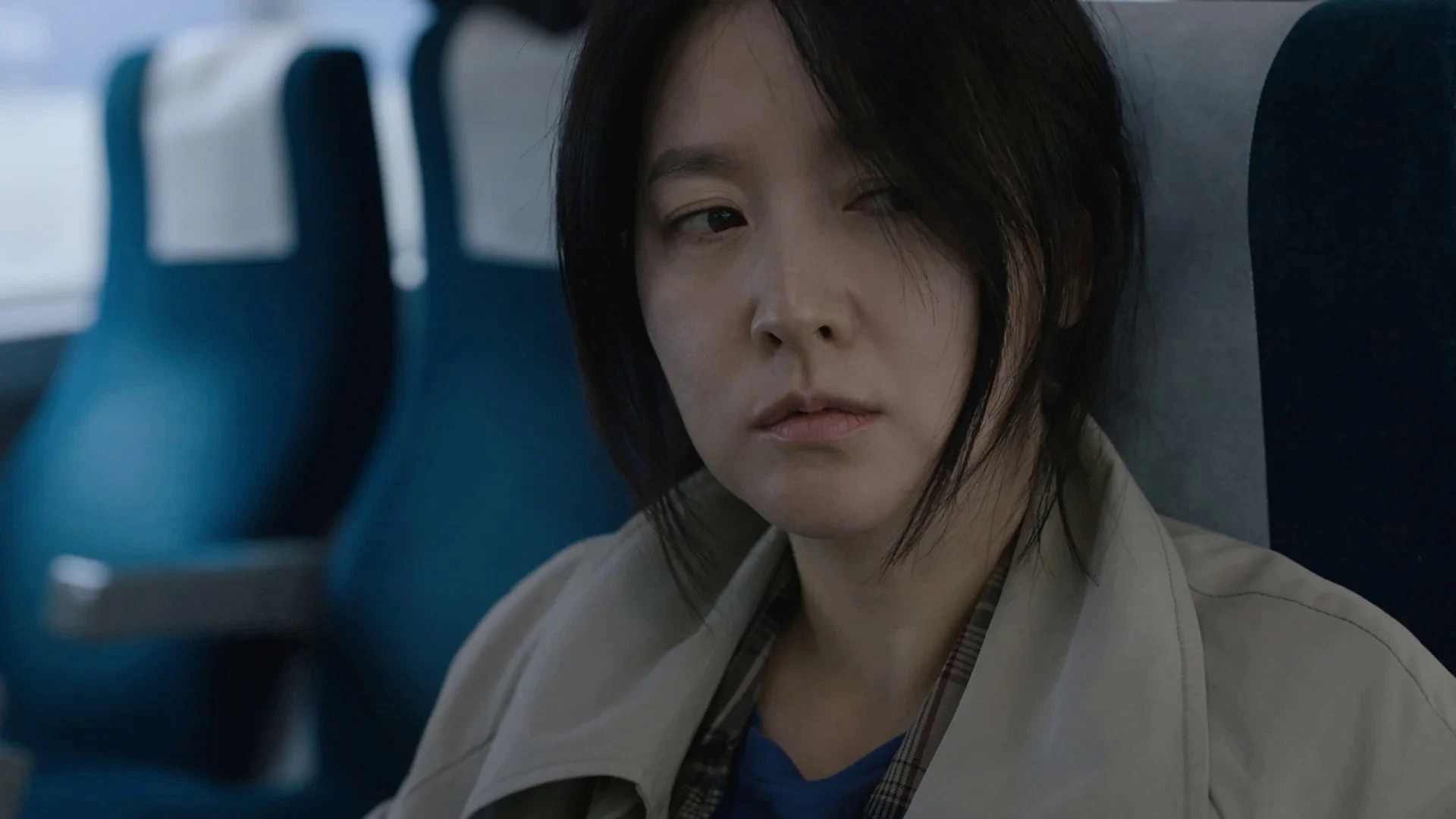

🏁 Ending Explained
The finale, unpacked in full. Consider yourself warned.
Spoiler Warning — This section covers the full finale of Inspector Koo. Stop here if you haven’t finished the series.
Santa’s Real Identity. The finale’s most disorienting moment isn’t K taking a hostage — it’s who she takes. Santa, the mysterious figure who has been pursuing K through the entire drama, is revealed as Han Kwang-wook: a former detective who had been working undercover, embedded in the world of staged accidents and fraudulent claims for years before Kyung-yi ever entered the picture. His real loyalty was never to Kyung-yi’s team. He was always working his own case from the inside — and Yi-kyung had figured it out before anyone else did.
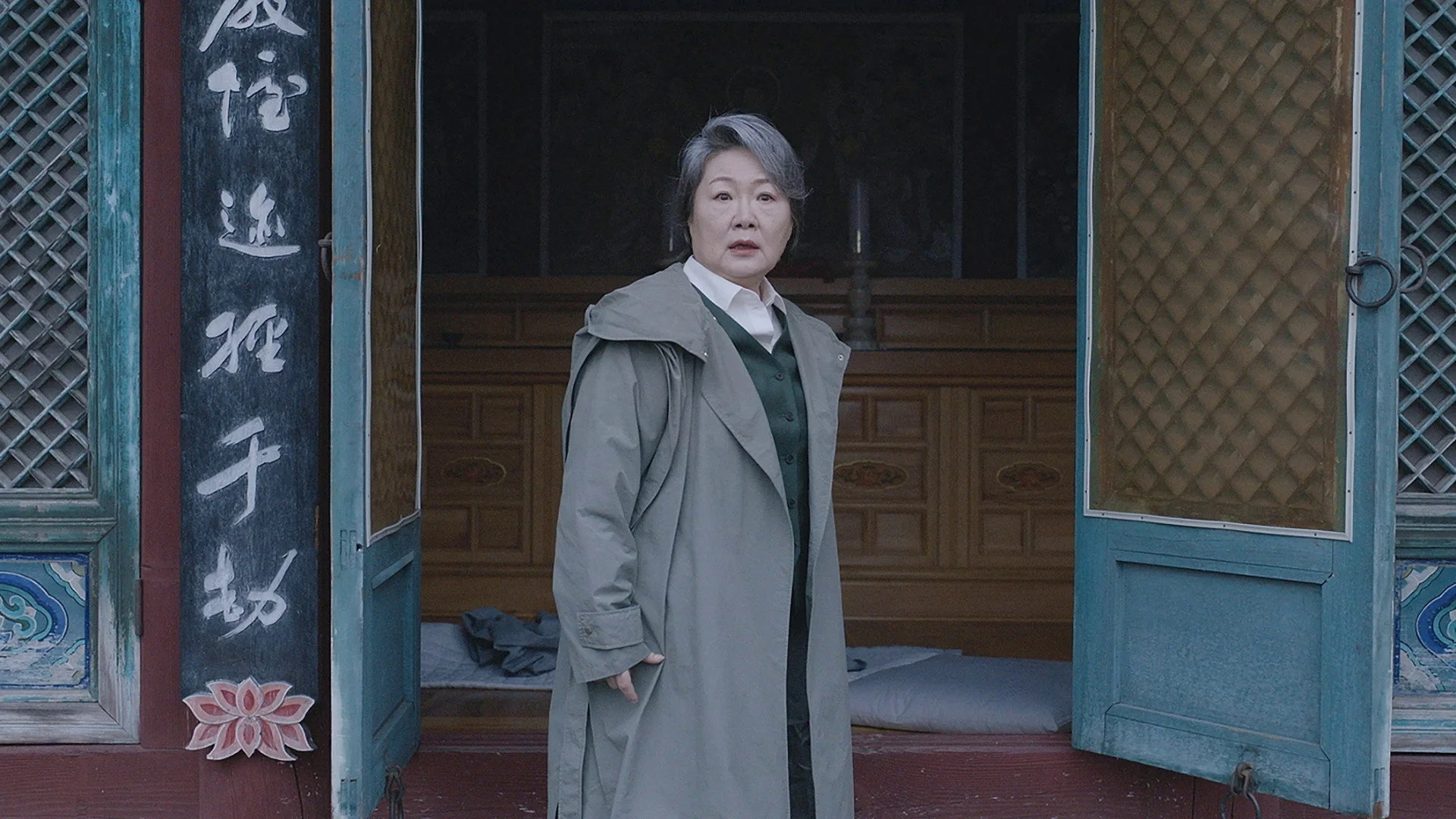
Yong-sook’s Collapse. Yong-sook’s unraveling is the finale’s other major thread. The yacht-party video becomes weaponized evidence — not just against her publicly, but against the network of influence she built to insulate herself from exactly this kind of exposure. Her power was always transactional: people protected her because she was useful. Once the video circulates, she becomes a liability instead. The foundation’s hidden funding structure is exposed, the insurance manipulation scheme goes on record, and the people who had every reason to keep her safe start calculating the cost of continued loyalty.
What K Actually Wanted. Yi-kyung’s final move with Santa isn’t entirely tactical. The show uses the hostage sequence to push deeper into what made K what she is — a childhood that rewarded detachment and punished connection, a mother whose relationship with power warped everything around it. K doesn’t want to escape. She wants to be seen clearly, without anyone flinching. The one person she offers something approaching honesty to is Kyung-yi — the only person who has ever looked at her without either fear or sentimentality. The hostage situation isn’t a threat. It’s the closest thing to a conversation Yi-kyung has ever allowed herself.
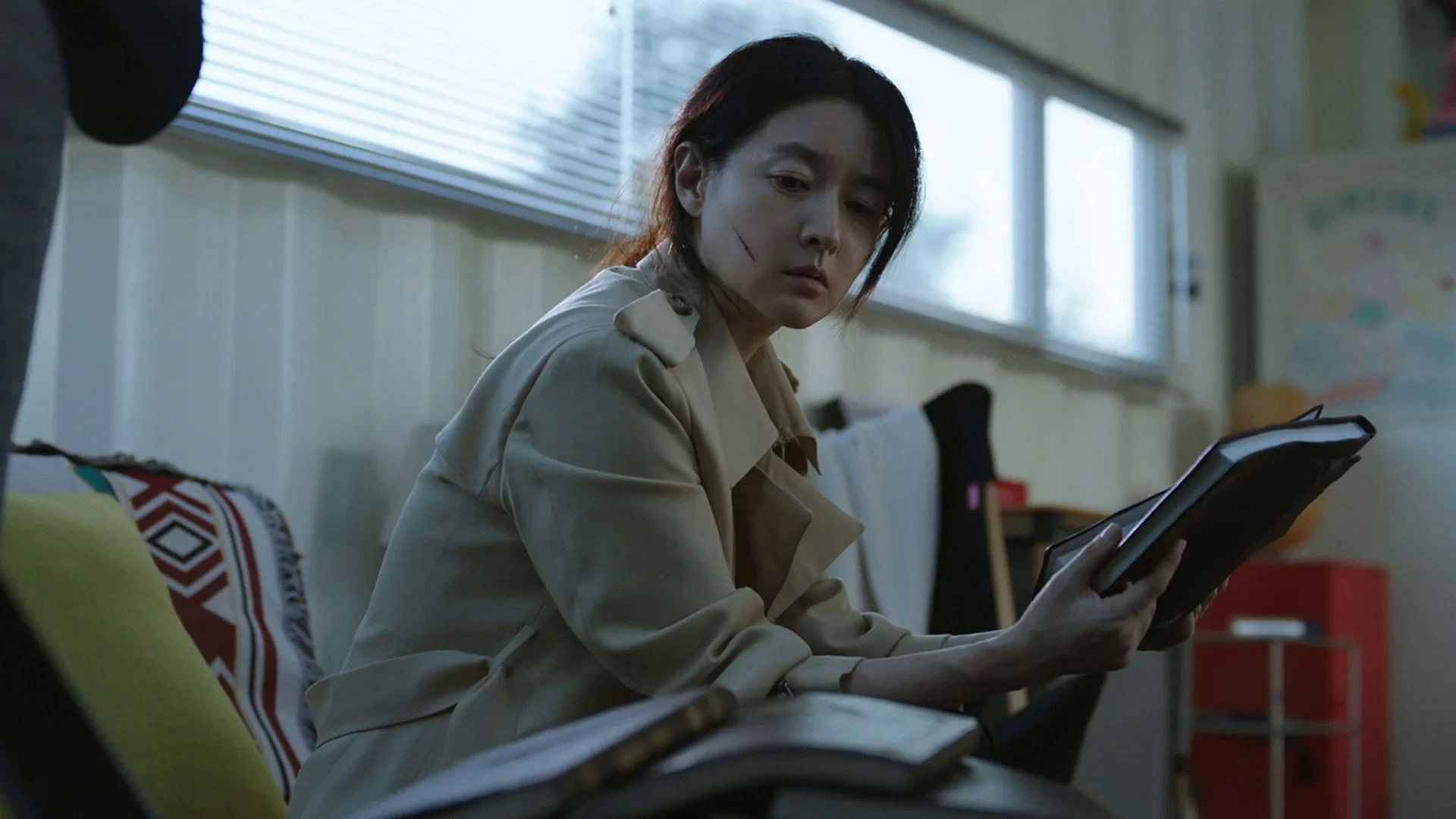
How It Ends for K. Yi-kyung is arrested and removed from the board — but not in the way anyone expected. The drama deliberately withholds a clean resolution for her, refusing to frame her fate as either justice or tragedy. She’s contained, not defeated. Kyung-yi, watching her go, doesn’t look triumphant. The drama has spent twelve episodes making the case that these two women understand each other in ways no one else does — and the ending doesn’t betray that. What’s remarkable is that for all the carnage K has caused, the show never asks you to stop finding her interesting.
The Question the Show Leaves Open. The conspiracy around the foundation and the insurance system is dismantled, but the drama makes no claim that it’s the last of its kind. Kyung-yi returns to her office — chaotic, brilliant, constitutionally unemployable in any normal sense — and the world goes on being the kind of place that produces both the people who run these schemes and the people who have to stop them. There’s no epilogue. No tidy accounting. Just Kyung-yi, still at the edge of the system, looking at whatever comes next. Inspector Koo doesn’t tell you the game is over. It just introduces you to the woman who plays it best.
✍️ KDramaWorlds Editor’s Take
Here’s our honest verdict, and who’s going to love it.
Inspector Koo earned its reputation as one of the stranger, more rewarding K-dramas of 2021 — not because it’s flawless, but because it commits completely to its own logic. Lee Young-ae’s Kyung-yi is a specific kind of difficult: brilliant in ways that make her genuinely bad at living in the world, and played without any softening instinct. She’s not lovably messy. She’s actually kind of a lot. That refusal to make the lead conventionally likable is a risk, and it pays off — because the drama surrounding her is sharp enough that you trust it. If you’ve been looking for a female-led thriller with some bite alongside the wit, this is a strong candidate. For a different kind of dark female pairing, Through the Darkness (2022) puts an investigator inside the psychology of killers rather than chasing one, and the contrast is worth exploring.

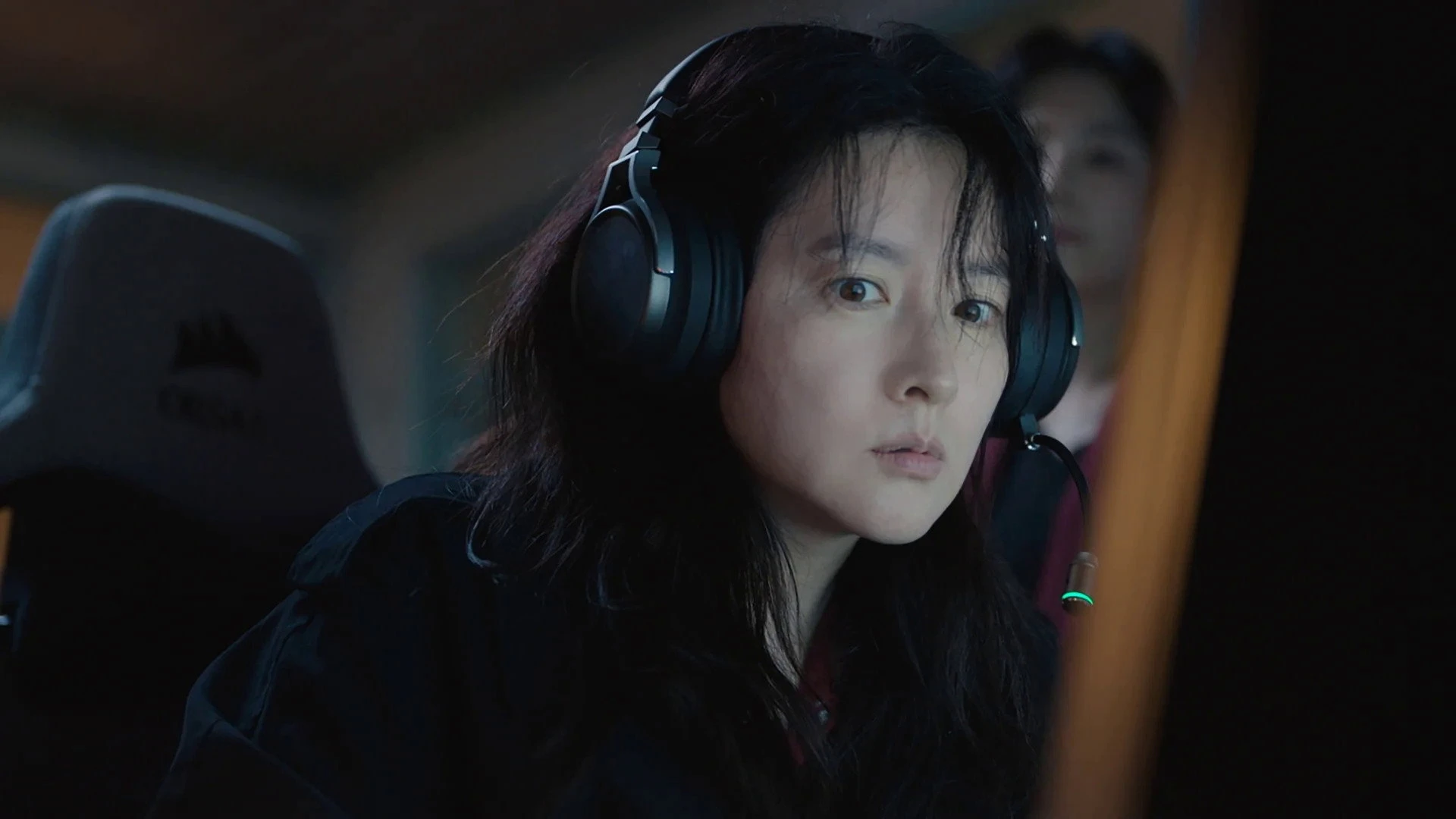
Kim Hye-jun as K is the reason Inspector Koo has the reputation it does. Villain performances in K-drama often go big — scenery-chewing, cold stares, dramatic speeches. K does none of that. She’s quiet in a way that reads as mild until you realize how much she’s observing and calculating in every silence. The scene where she holds Santa hostage at the end isn’t a conventional standoff — it’s the most emotionally open moment in her entire arc, and Kim Hye-jun plays it with a restraint that’s genuinely unsettling. It’s a career-making turn, and the drama is smart enough to give her room to breathe rather than using her as pure opposition to Kyung-yi. The two of them in a scene together are the show at its best — two people who understand each other completely and can’t do anything useful with that understanding.
The middle section — episodes 5 through 8 — dips slightly, and a few of the supporting threads never quite develop the weight the finale asks of them. But the show recovers in the last four episodes and delivers a finale that earns its ambiguity. The ending won’t satisfy everyone, and it’s not supposed to — this is a drama more interested in the texture of the chase than in a clean close. If you’re watching for the villain, stay for the inspector. Both are worth it.
Anyone drawn to complex, morally unresolved female antiheroes
Viewers who want a villain they can’t stop watching even when they should
🎬 You Might Also Like
If you liked Inspector Koo, these are your next three watches.
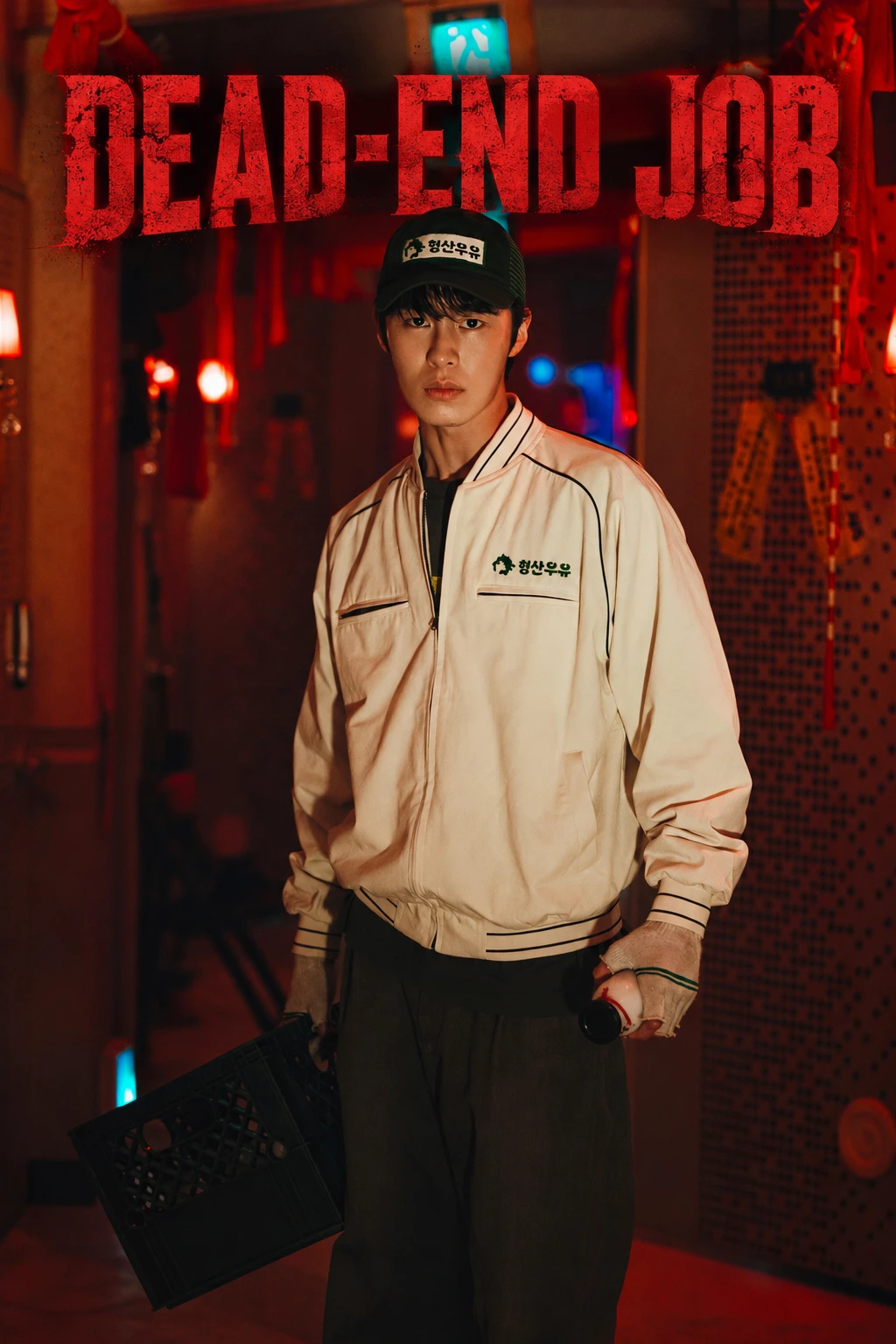
 A Shop for Killers (Season 2)
ActionAssassins
Read Full Review →
|
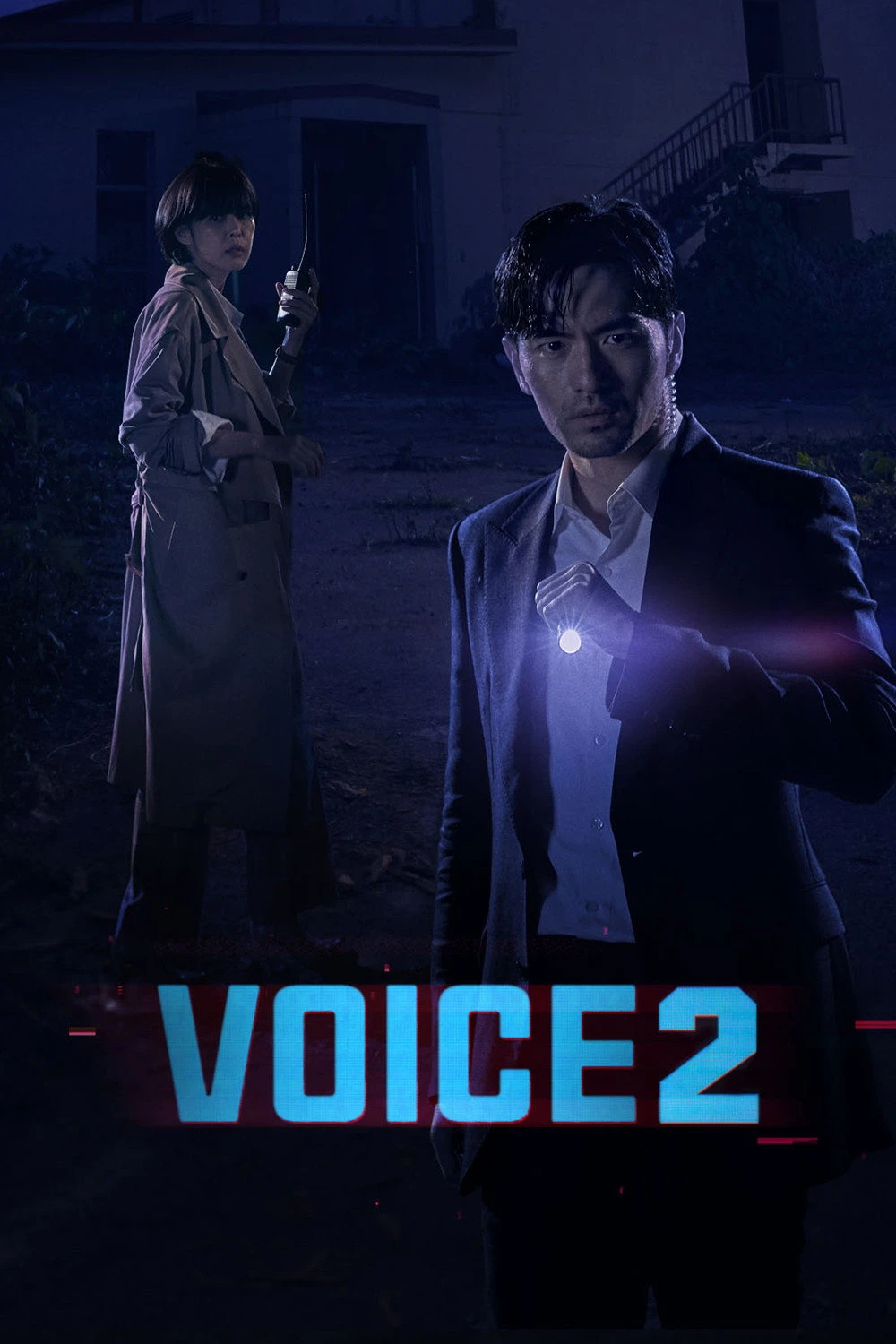
 Walking on Thin Ice
Crime Thrillerfamily drama
Read Full Review →
|
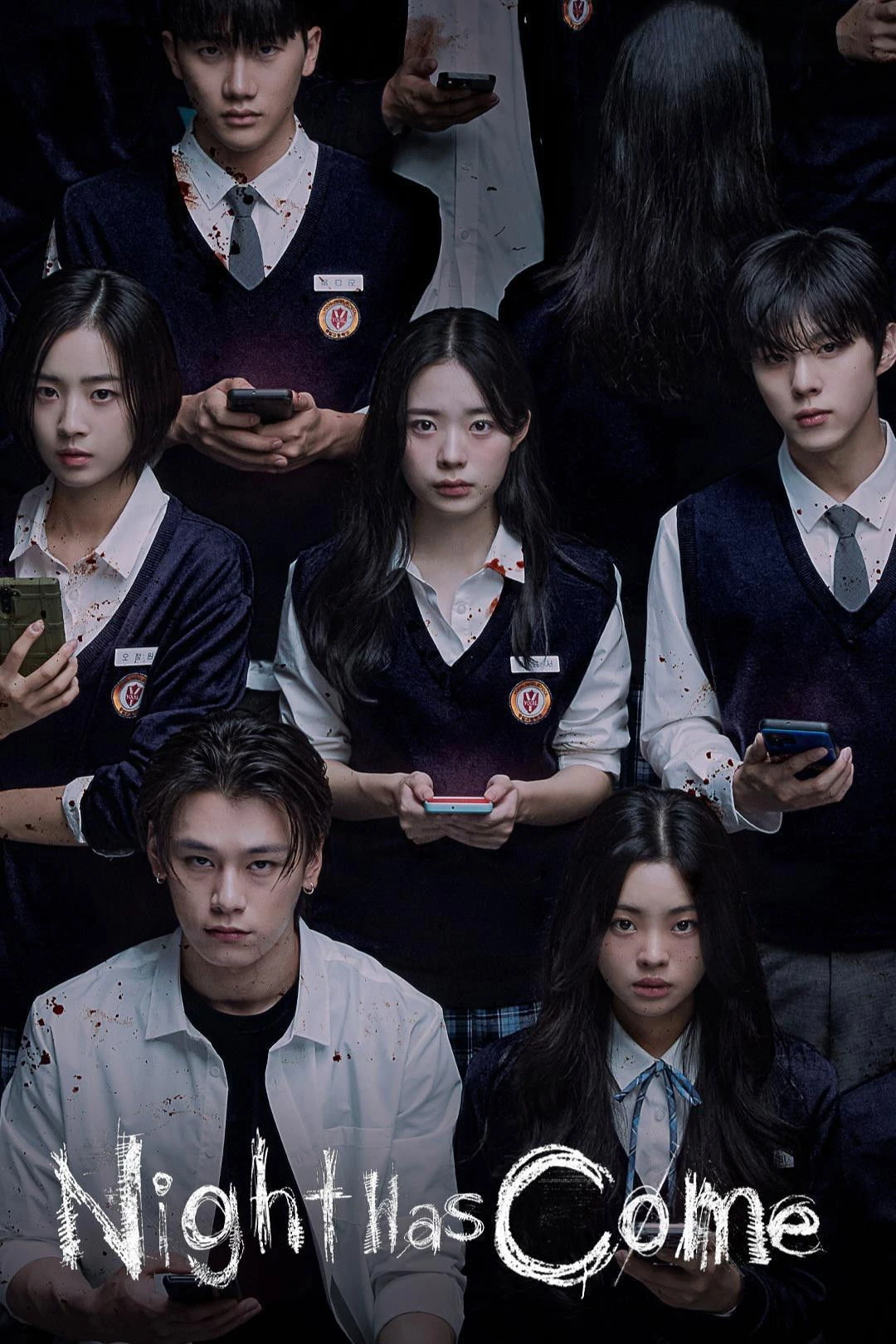
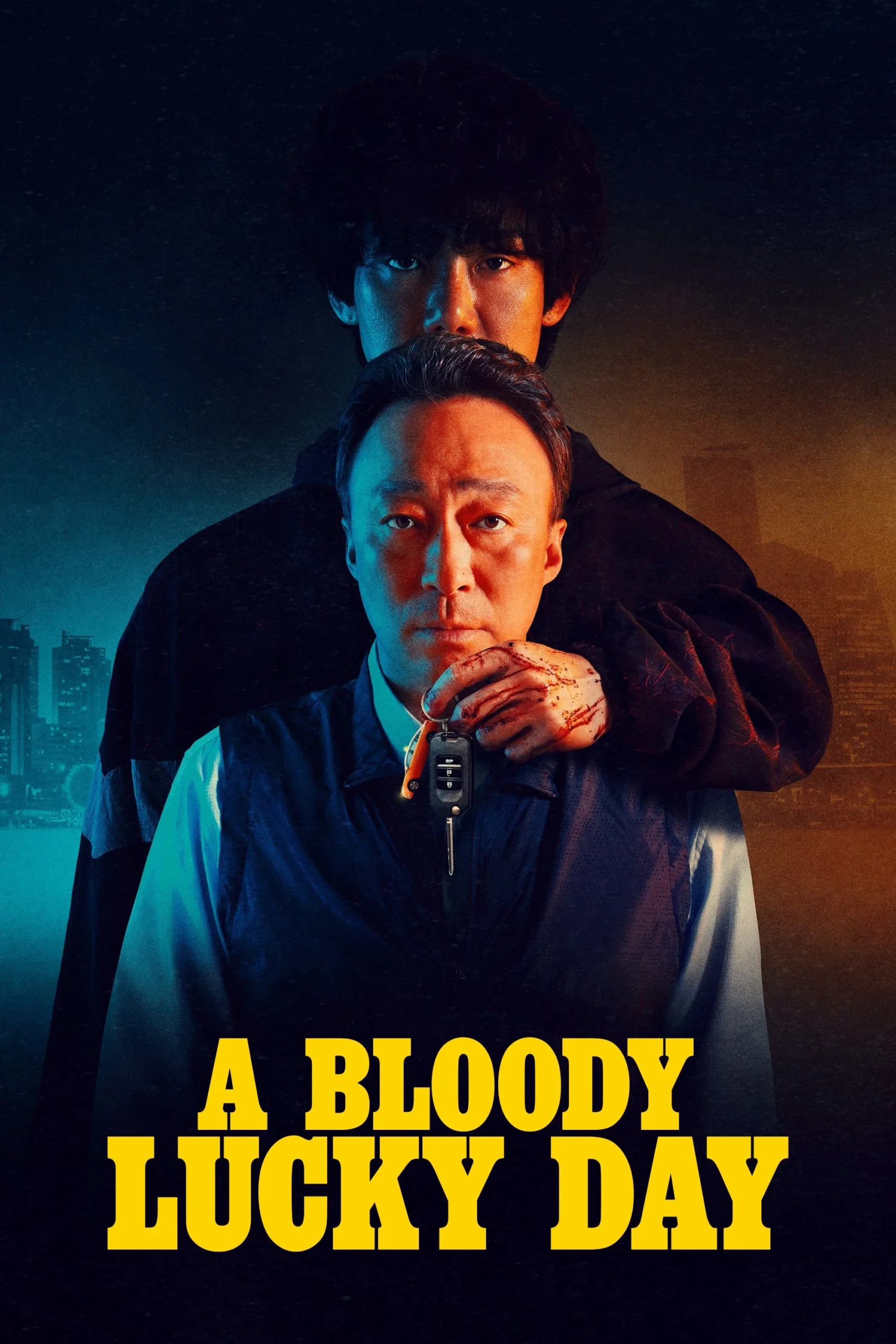 A Bloody Lucky Day
Cat and MouseCrime Thriller
Read Full Review →
|









Keep it kind, skip the harsh language, and please — no spoilers. Everyone's taste is different, and that's perfectly fine.
This space is for real reactions and discussion from other viewers. Help keep it comfortable for everyone by not giving away major plot details.
What do you think of this drama?
Login to share your review or leave a comment.
No email needed — just pick a username & password.