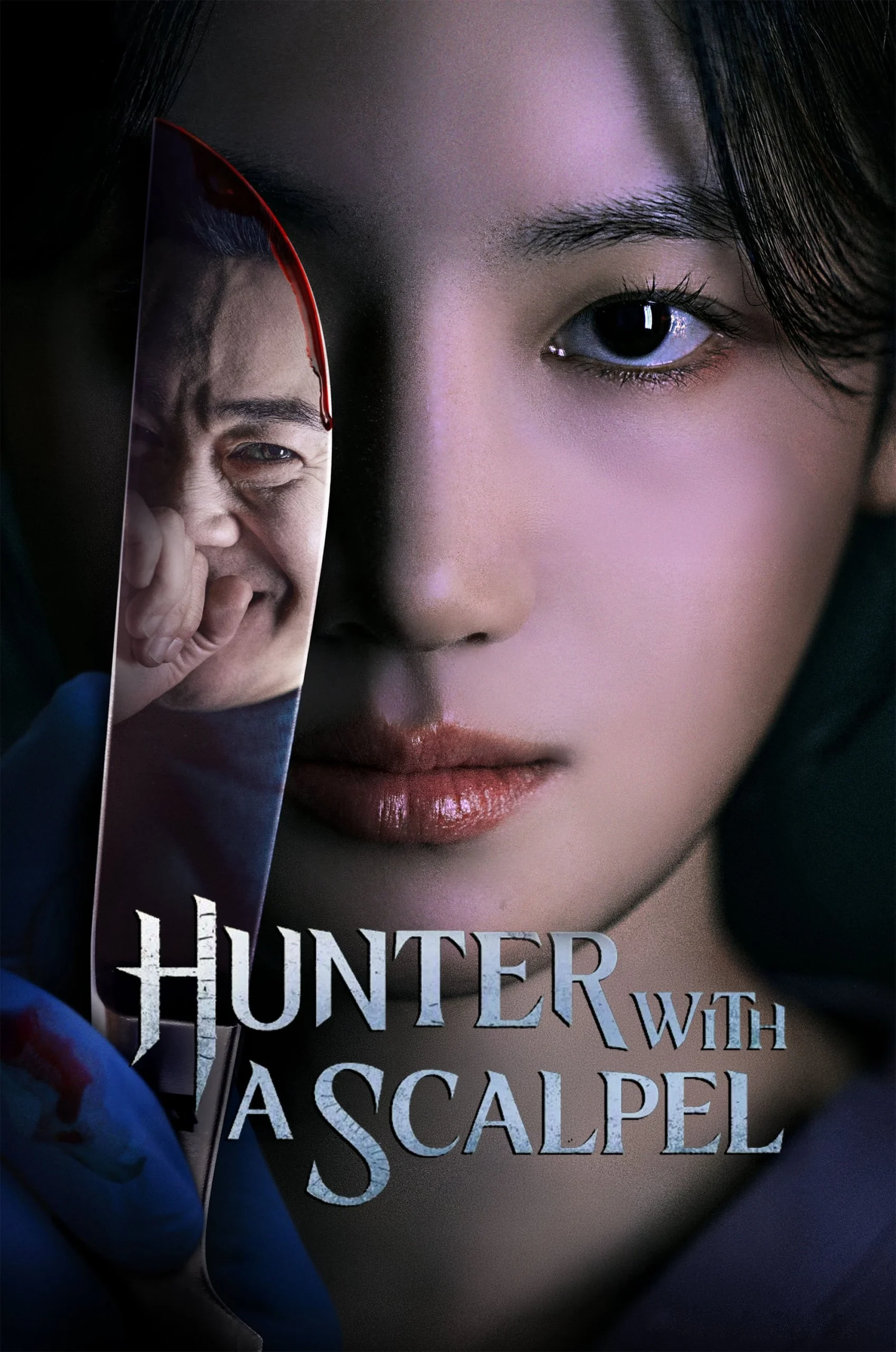
Hunter with a Scalpel
🎬 U+ Mobile TV · Disney+ · Apple TV+
⭐ 7.9 / 10 MDL
🔞 TV-13
📋 Drama Overview
A fast rundown of what this one’s about.
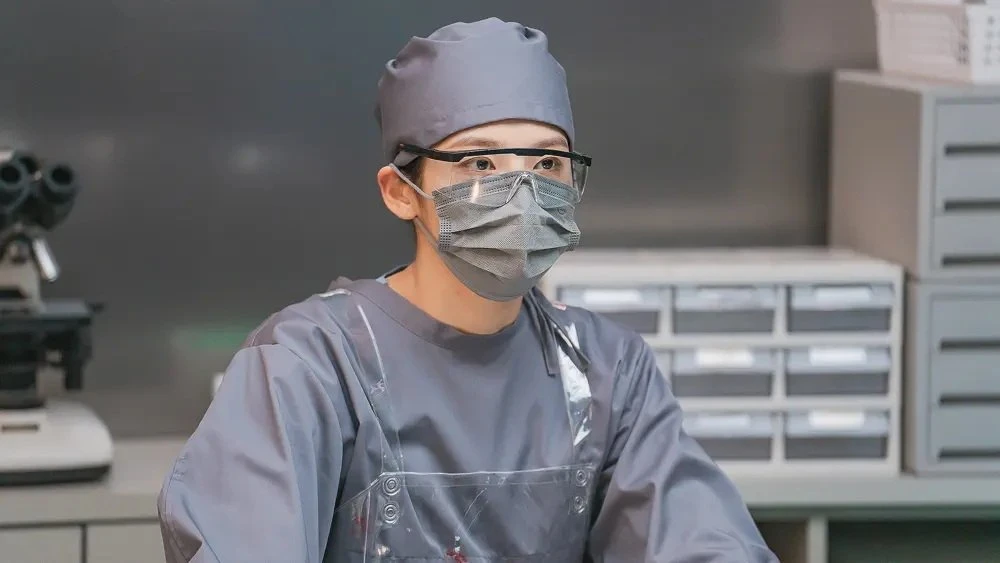
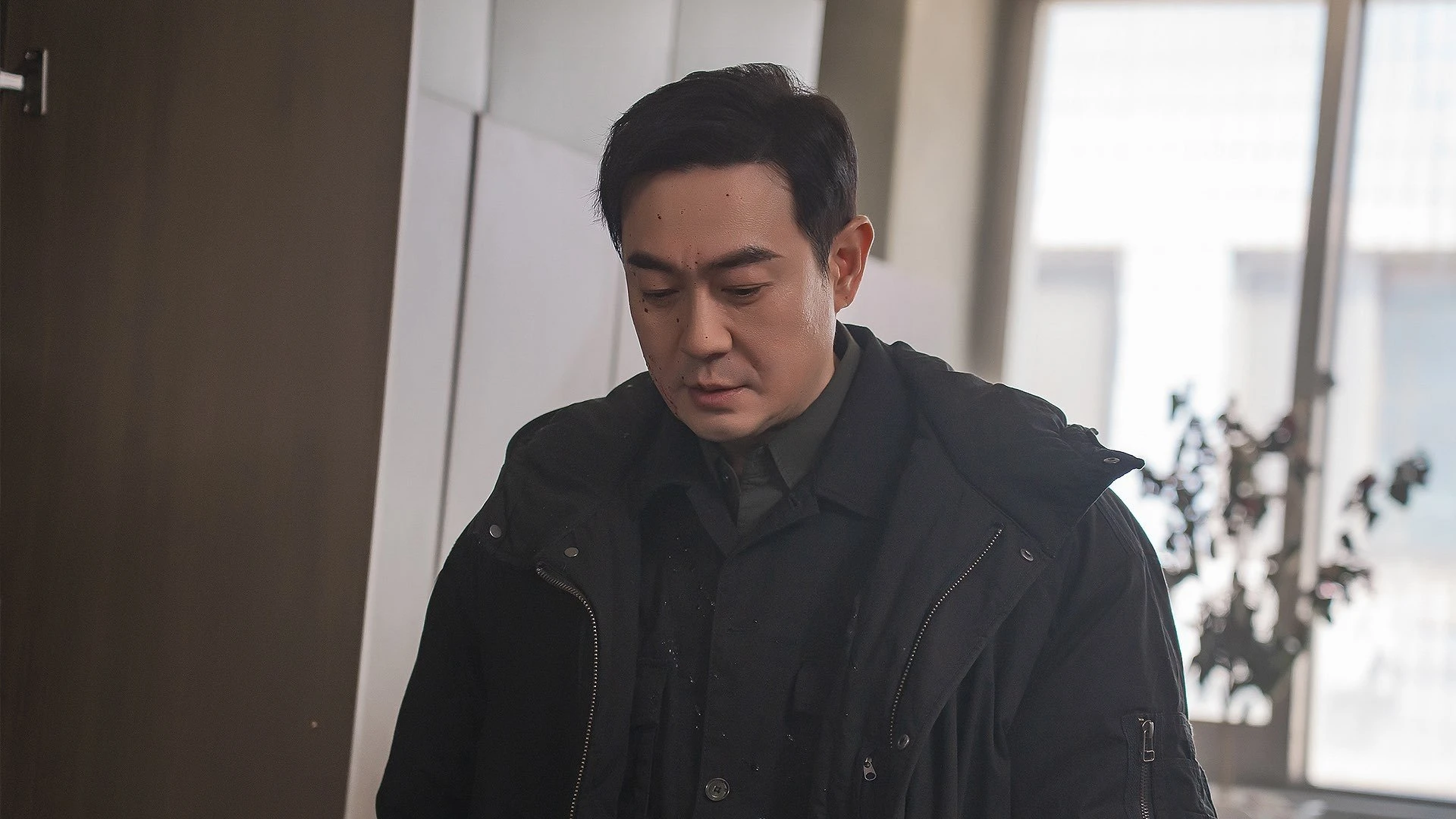
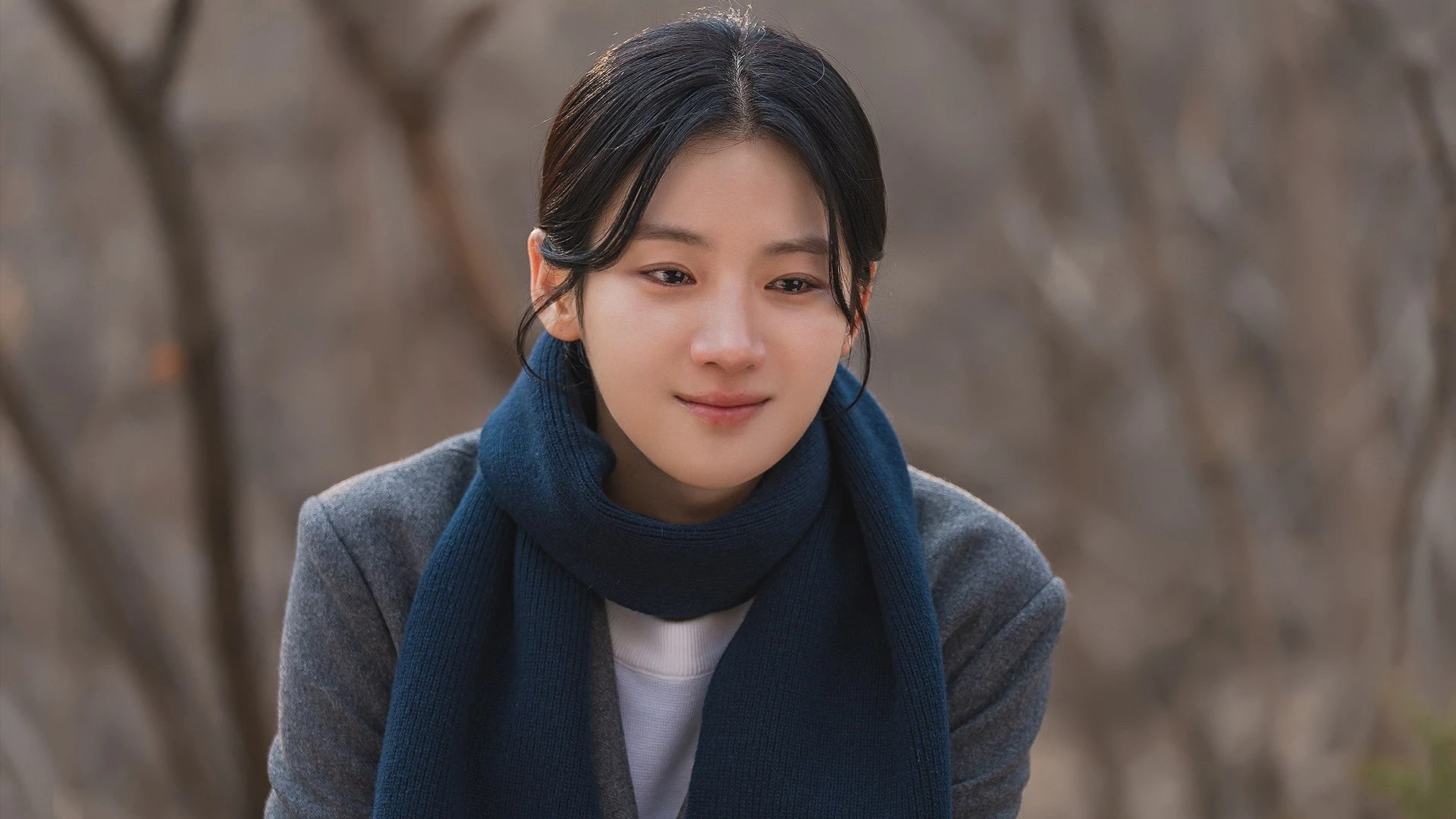
Seo Se-hyun (Park Ju-hyun) has built her career on clinical distance. As a forensic pathologist with antisocial personality disorder, she processes death better than she processes living — which made her exceptional at her job and almost manageable as a person. Then she works a murder scene and reads the cuts. The methodology is specific. It’s his. Yoon Jo-gyun, her serial killer father, is supposed to be dead — she made certain of that years ago. The certainty is now the problem.
What follows is the rare K-drama thriller that trusts its premise enough to stay inside it. Park Ju-hyun makes Se-hyun’s fractured psychology visible without announcing it, and the 30-minute episode format sharpens everything — no padding, no prolonged deductions, just one clean escalation per episode. The show’s best trick is how it frames the investigation as a kind of self-examination: every crime scene Se-hyun reads is also a mirror, and the reflection keeps getting harder to look at.
16 / 16 ✅ Completed
⚡ Quick Verdict
One glance, one verdict — everything you need is right here.
· MDL Score
▶ Official Trailer
🎭 Cast & Characters
A tight ensemble built around one of K-drama’s best understated performances.
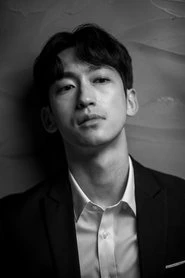
Lead

Lead
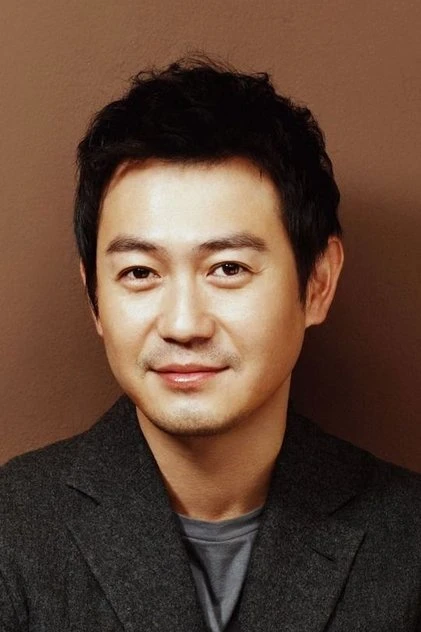
Supporting
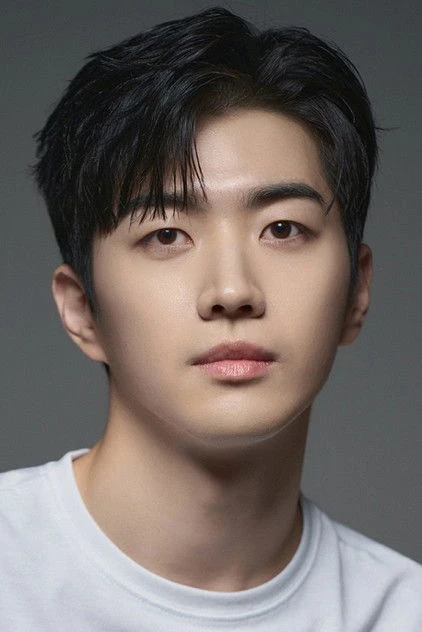
Supporting
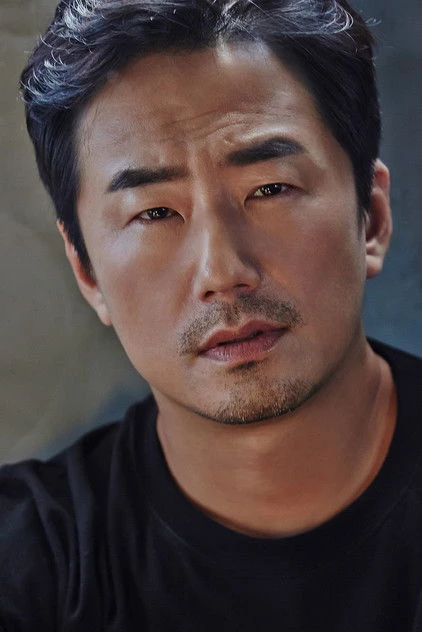
Supporting
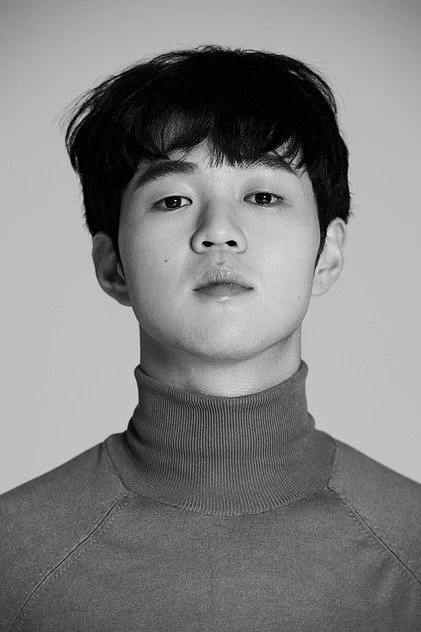
Supporting
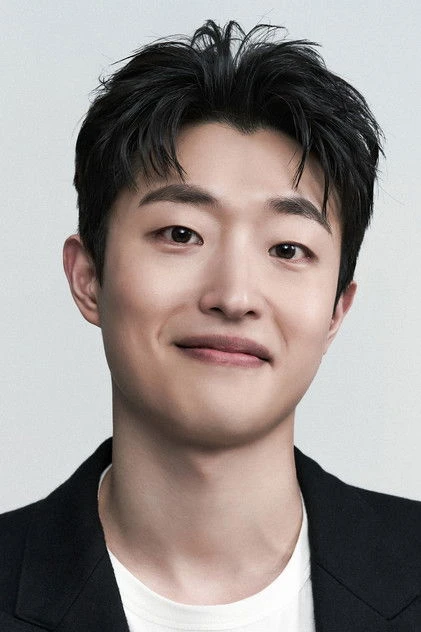
Supporting
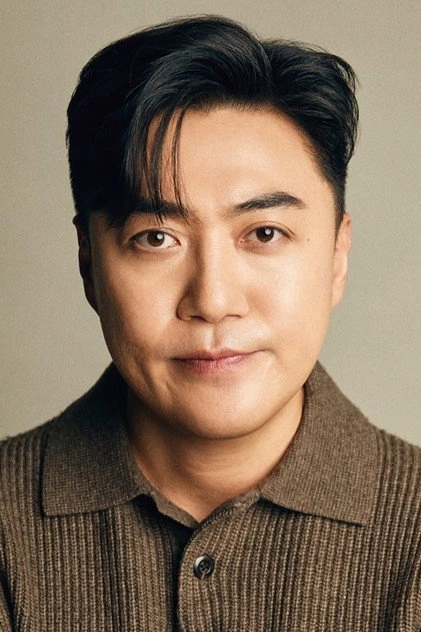
Supporting
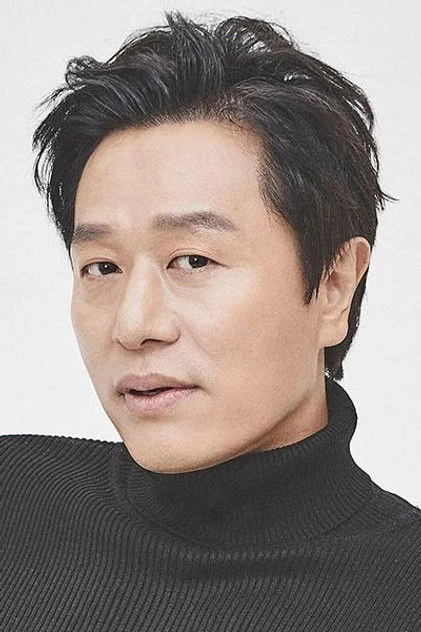
Supporting
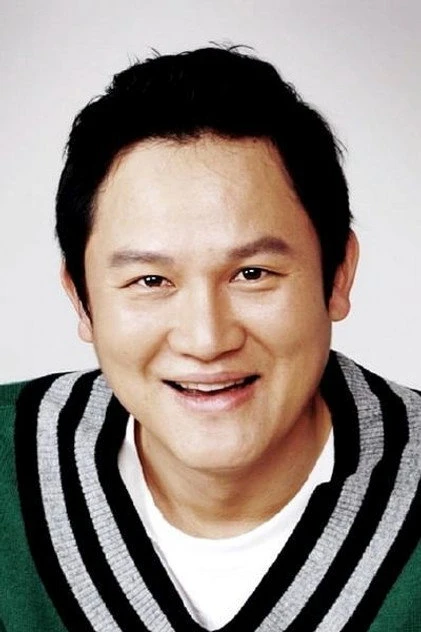
Supporting

Supporting

Supporting
📺 Episode Guide
Enough per episode to jog your memory, nothing more.
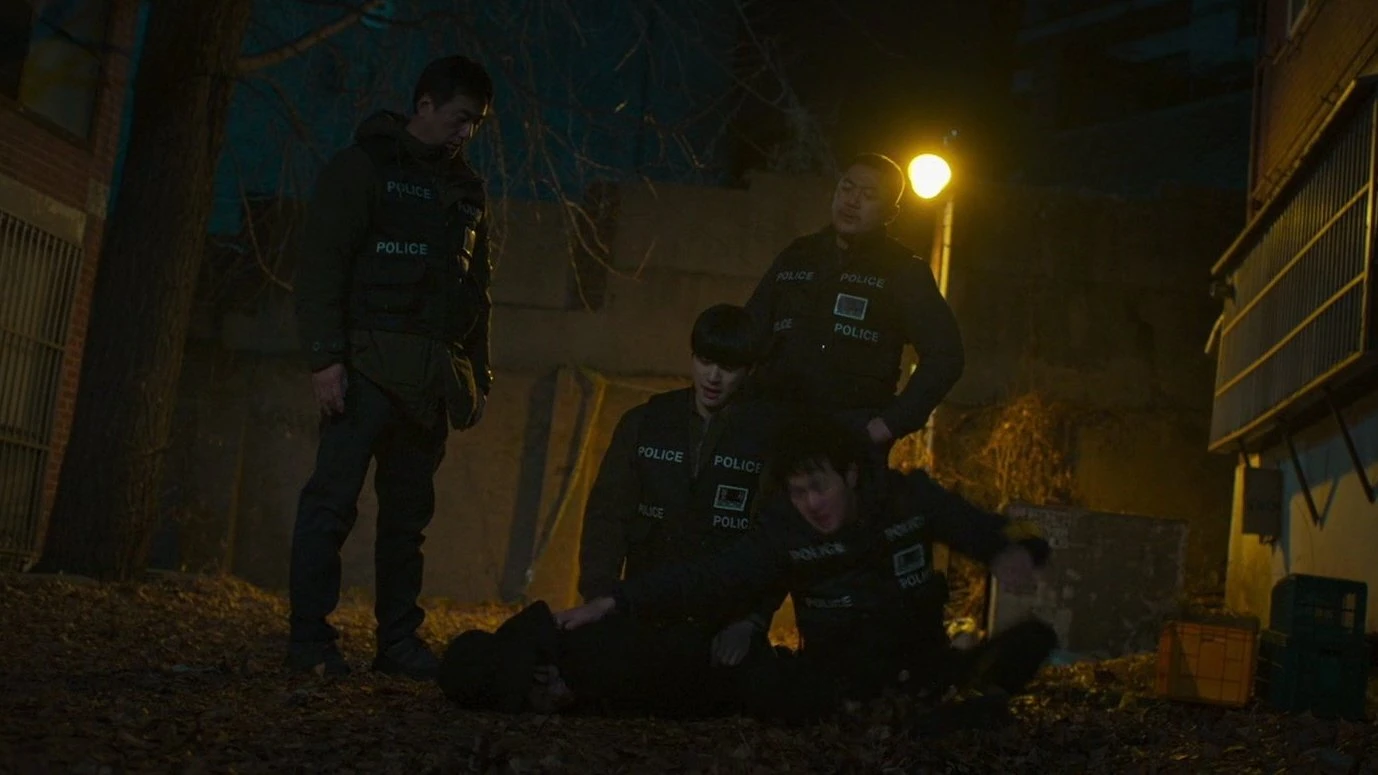
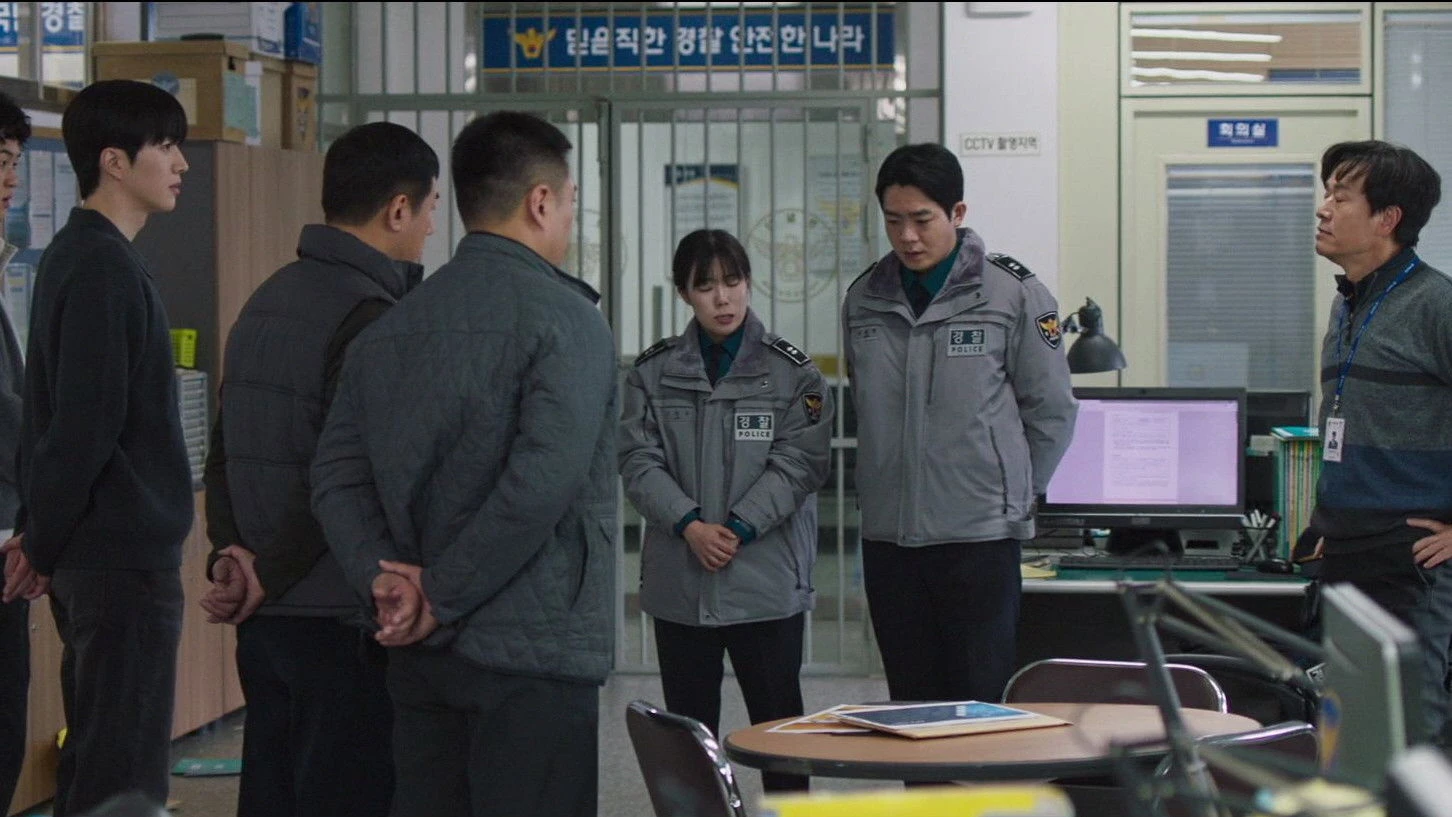
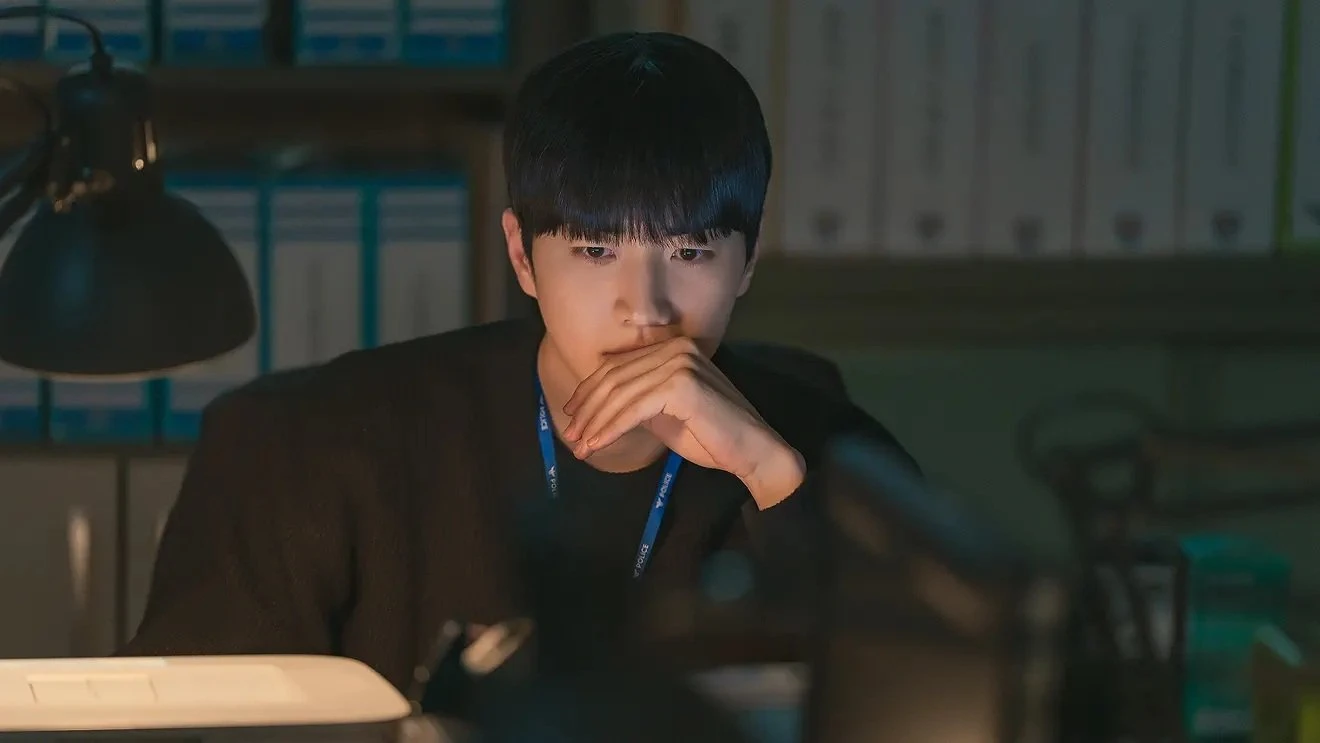
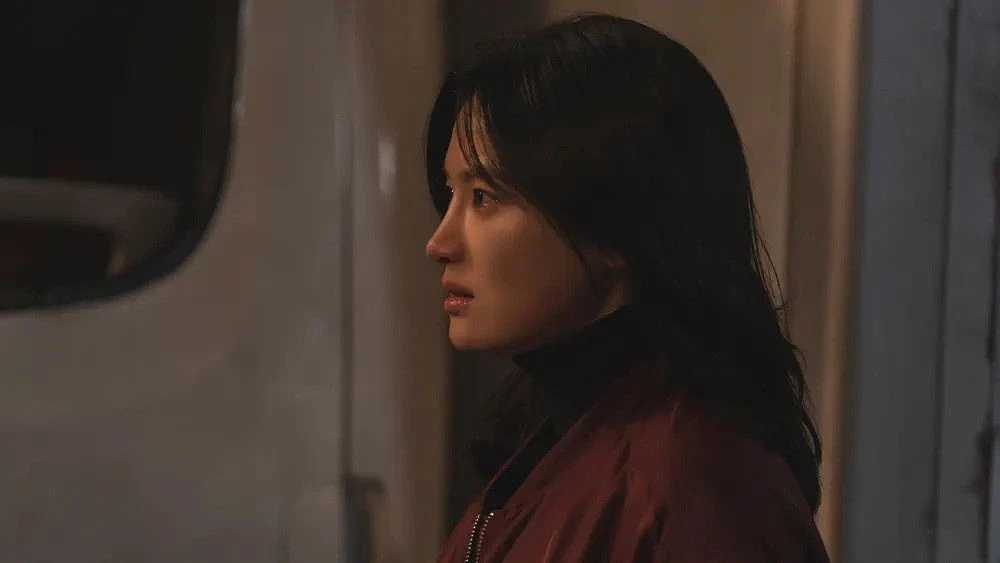
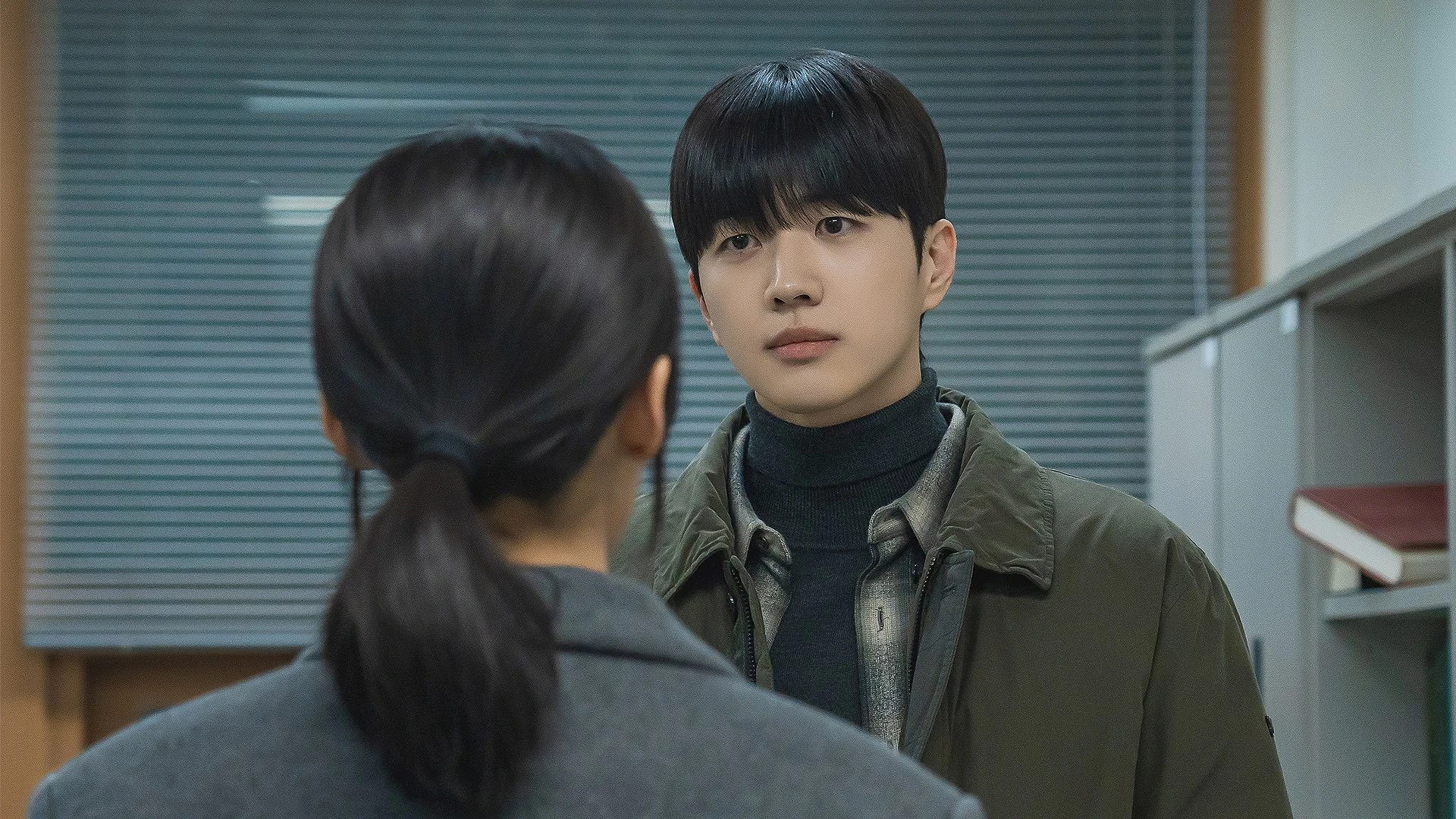
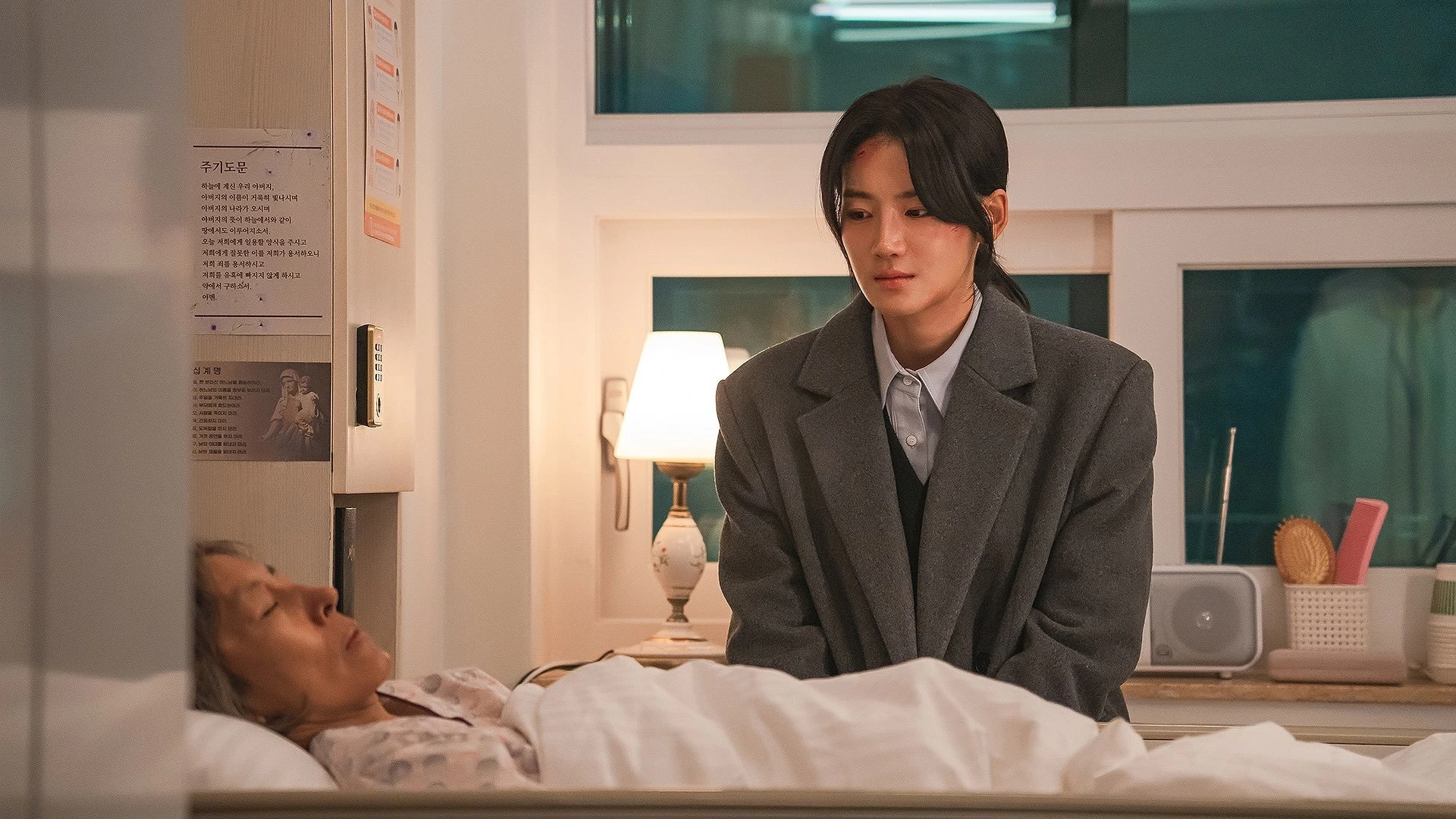
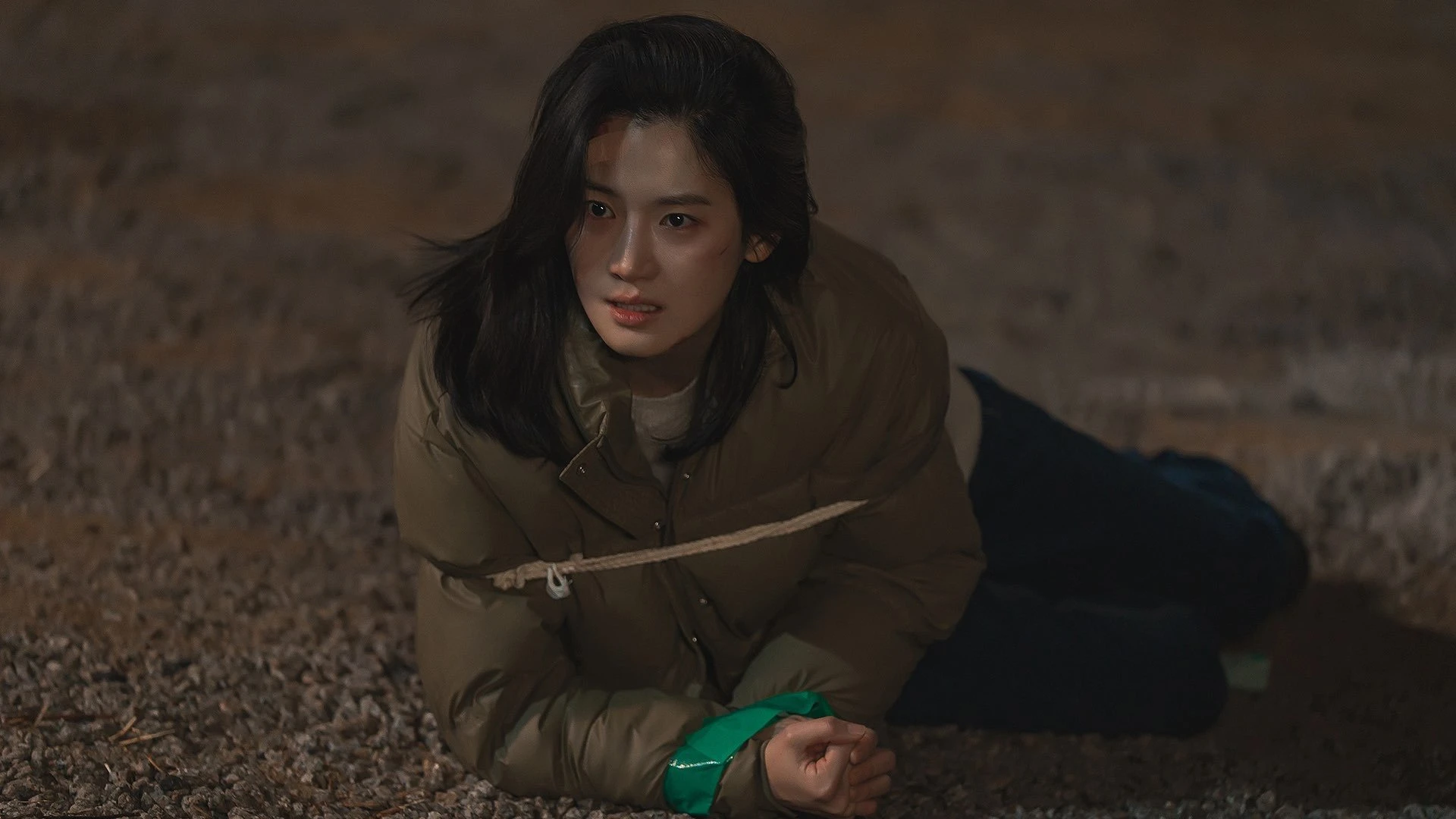
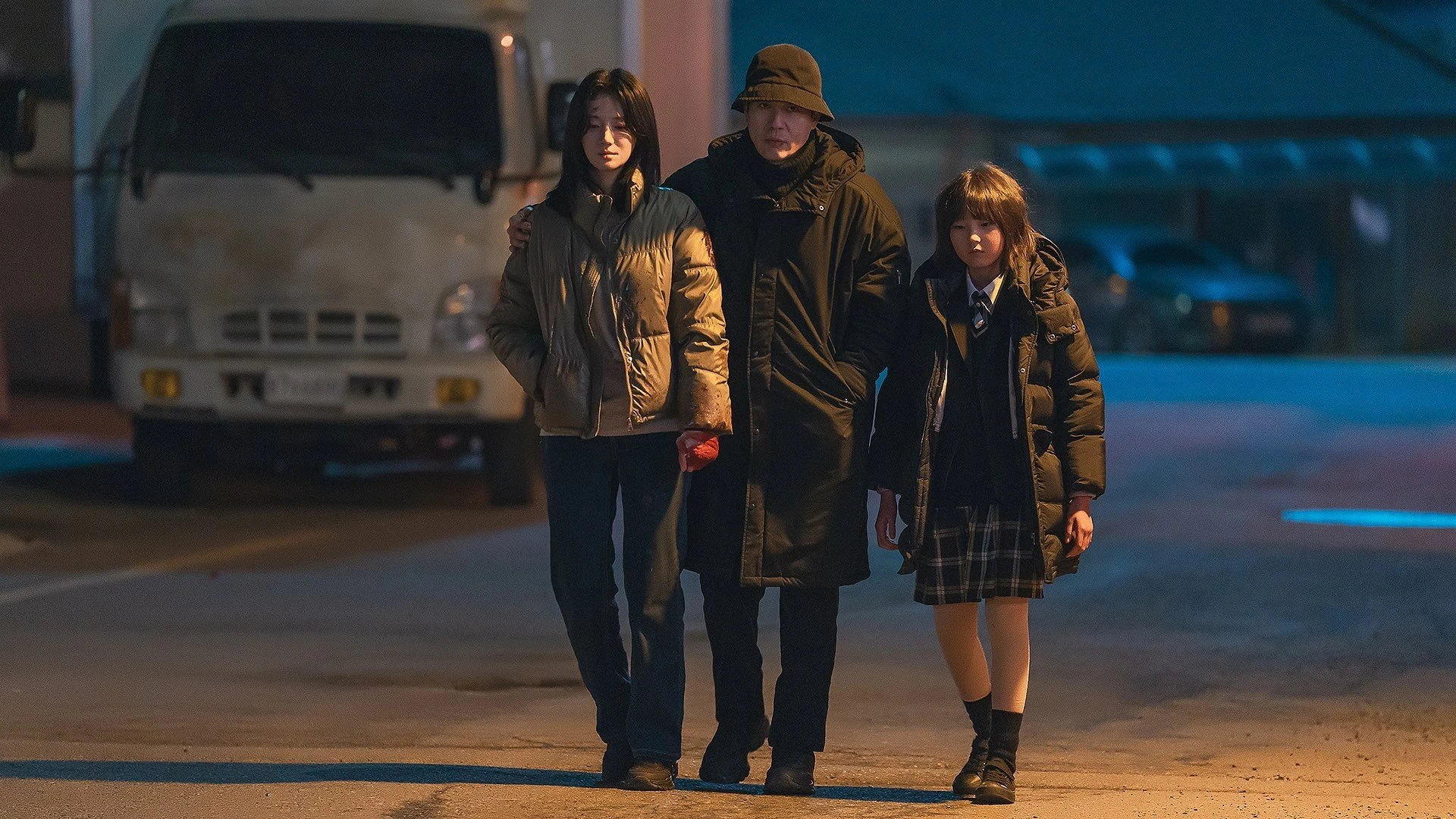
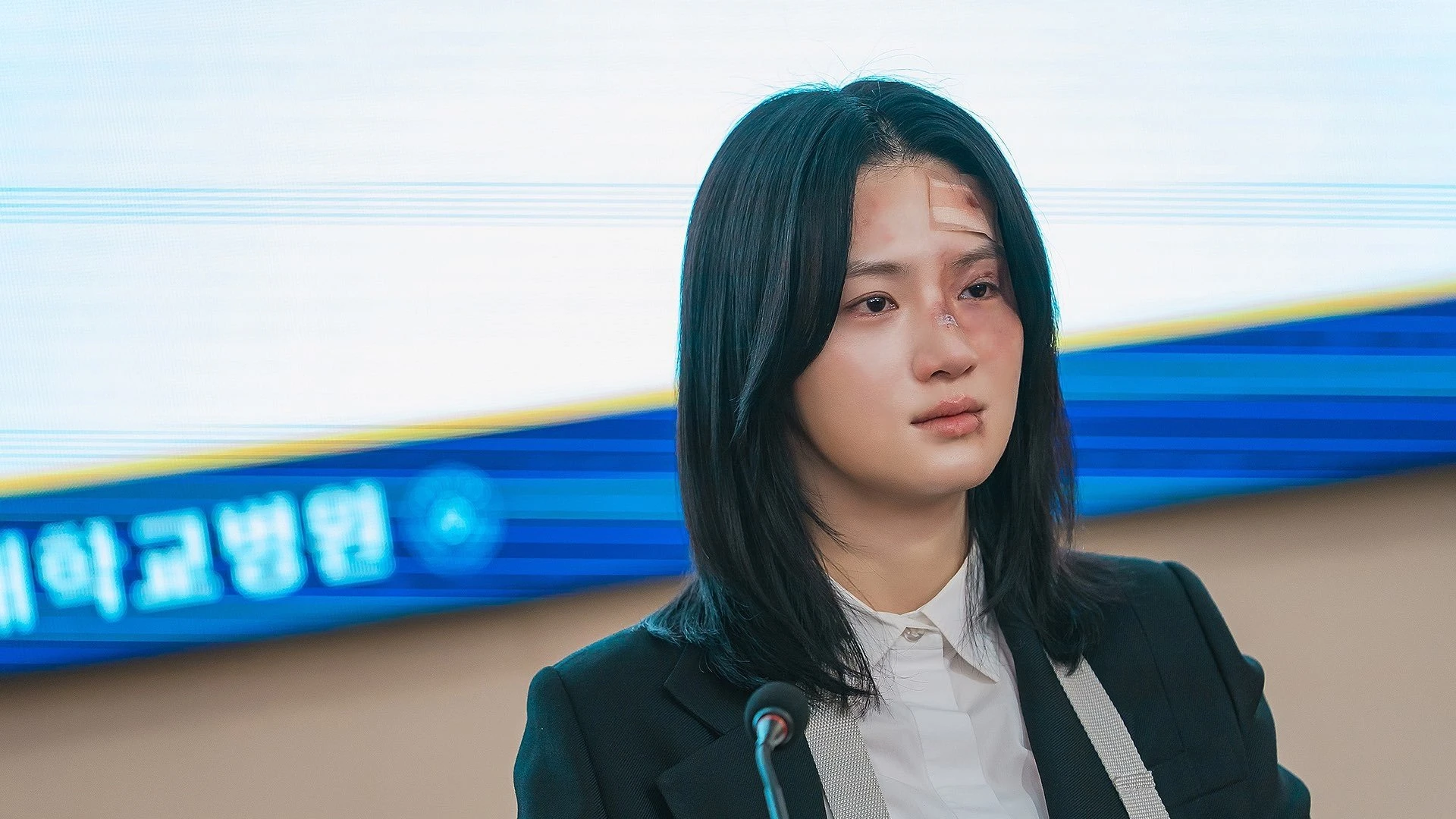
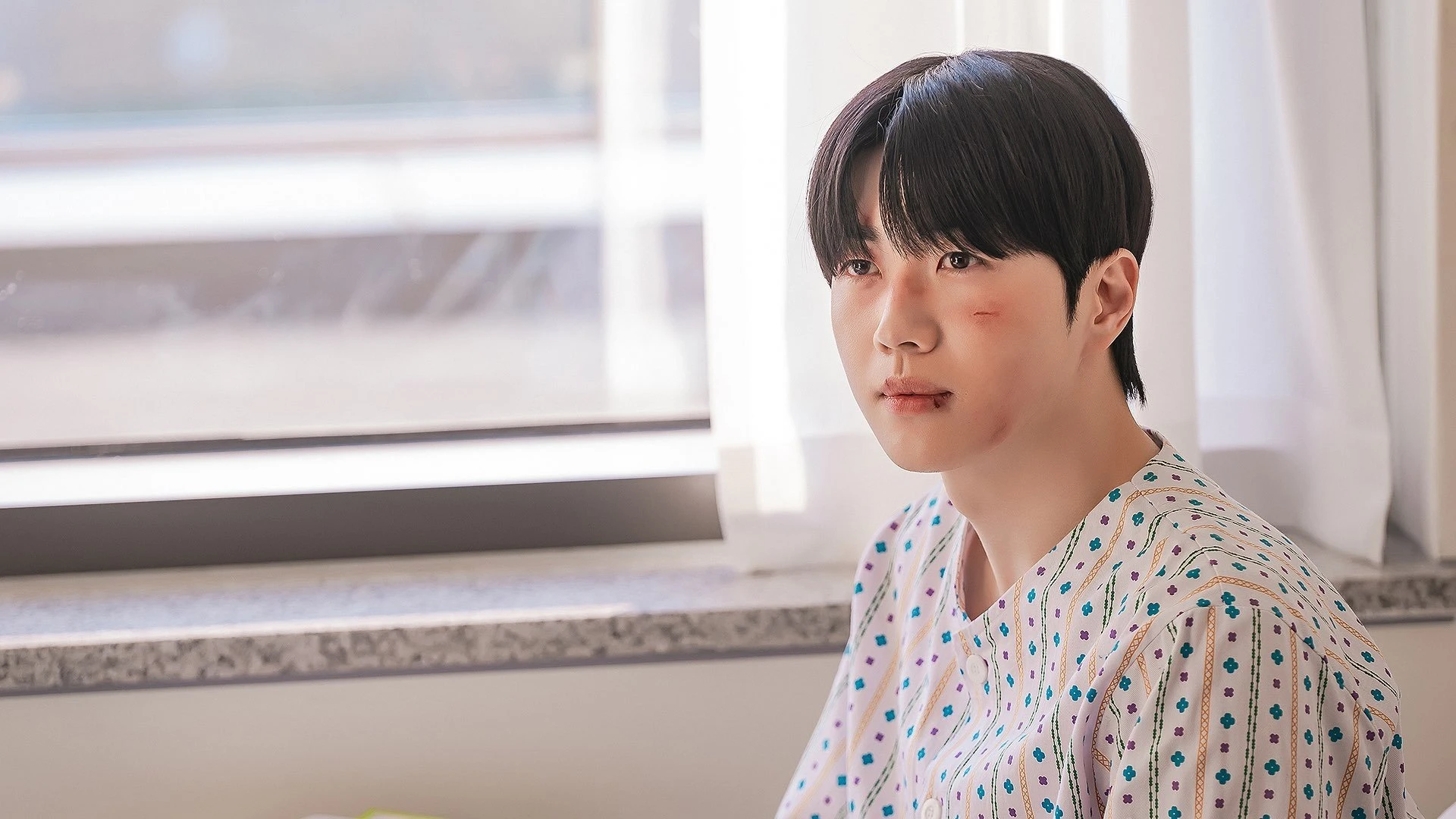
🏁 Ending Explained
Full spoilers — what happened, and why it hits the way it does.
Spoiler Warning — This section covers the full finale of Hunter with a Scalpel. Stop here if you haven’t finished the series.
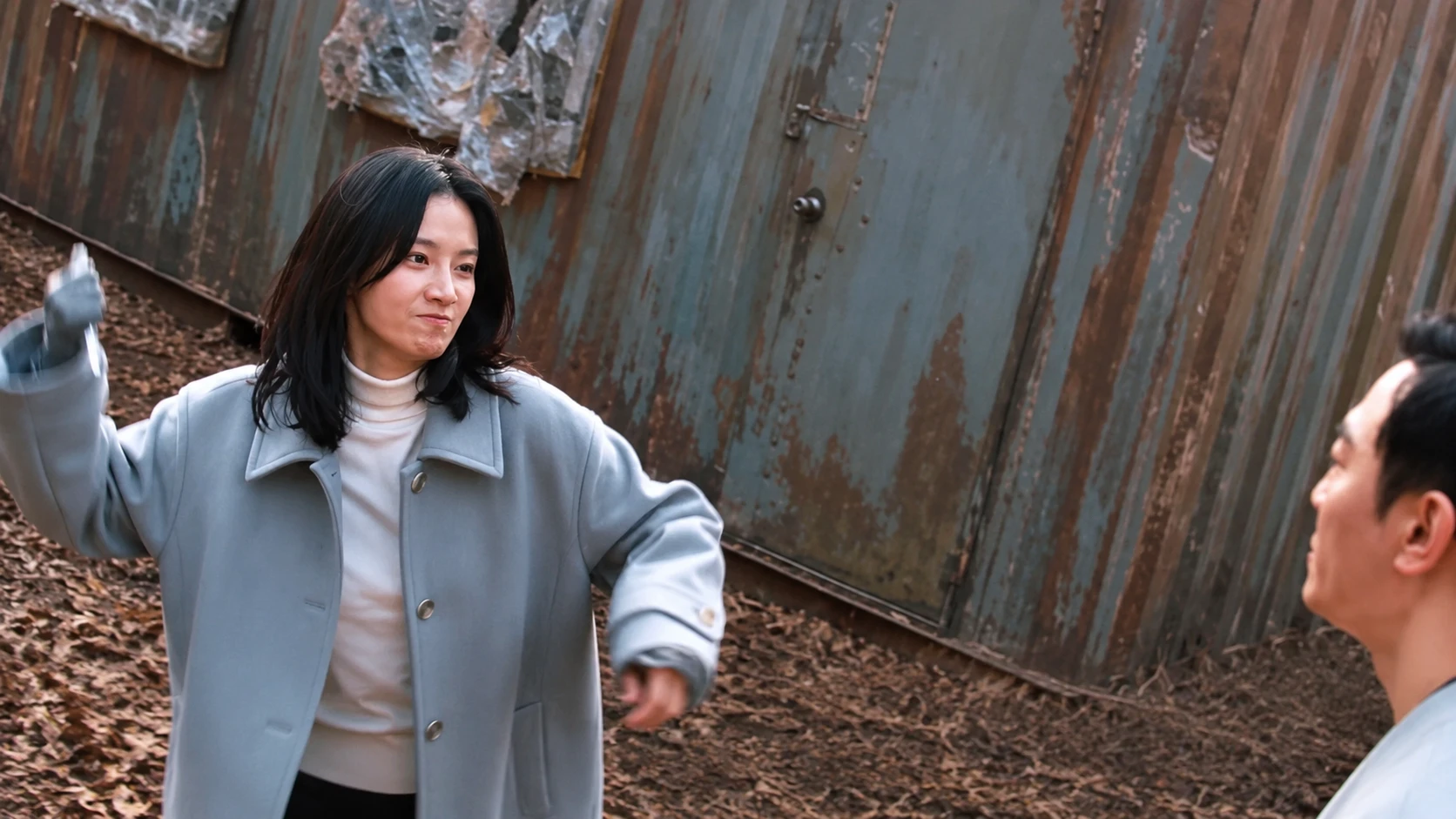
What actually happens in the finale Seo Se-hyun ends it methodically. Using a trap three episodes in the making, she corners Yoon Jo-gyun with no remaining options — no evidence to plant, no exit she hasn’t sealed. He’s stopped not by the police, but by his own daughter’s superior understanding of his methods. Then Se-hyun walks into the police station and gives a complete account. Not a strategic partial truth. Everything — including the parts that expose her own conduct across the entire investigation.

What the ‘serial killer father’ arc was actually about The show poses its central question in episode four and answers it only here: was Se-hyun’s ASPD a genetic inheritance from her father, or something forged by growing up in his shadow? The finale sidesteps the binary entirely. What it arrives at is more uncomfortable — the origin doesn’t determine the outcome. Yoon Jo-gyun spent decades building a successor. She spent the same decades making herself into something he didn’t design. Same raw materials. Completely different architecture.
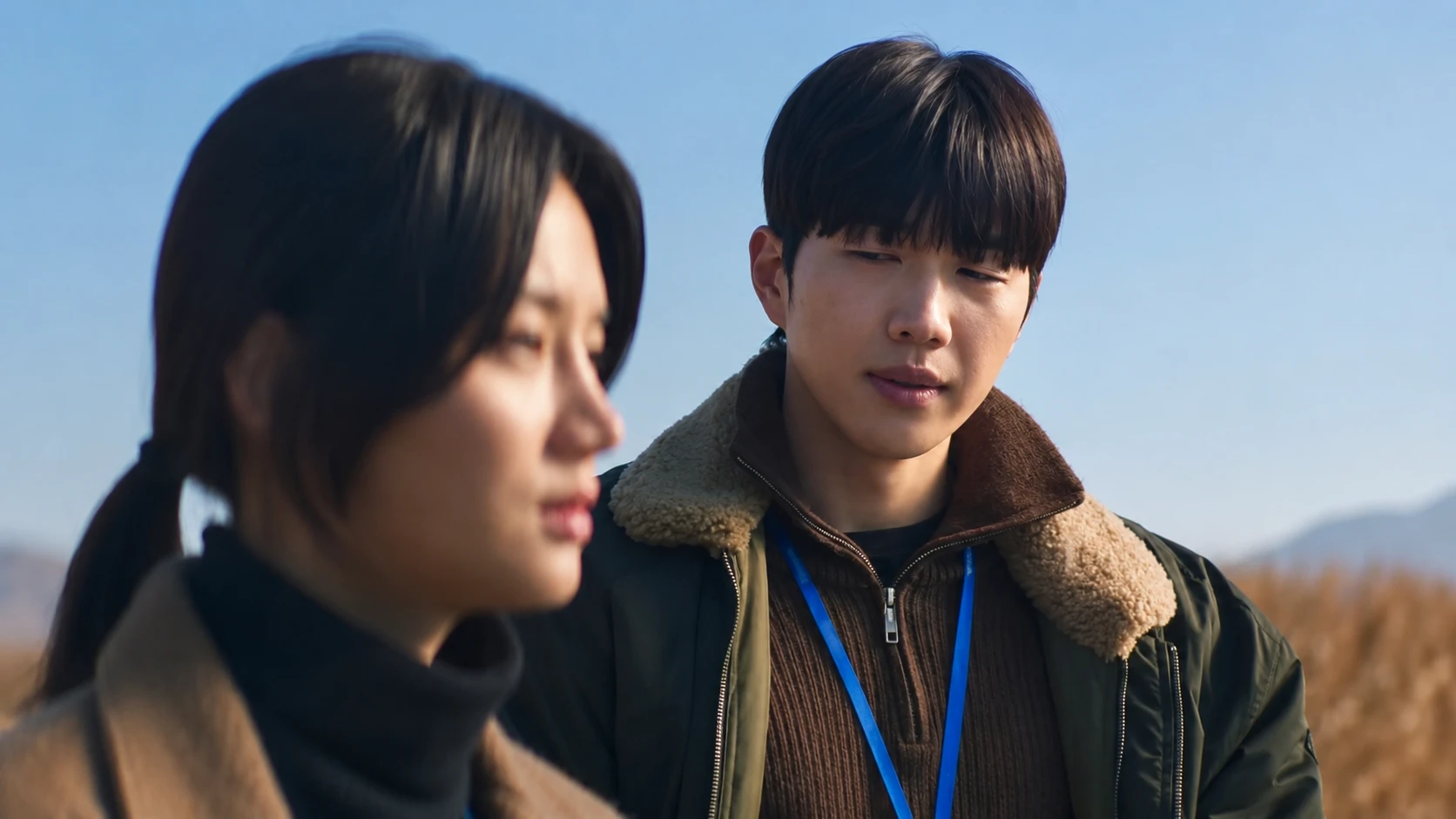
Jung Jung-hyun’s decision and what it means Jung Jung-hyun has everything he needs to intercept Se-hyun before she reaches the police station — the timeline, the forensic trail, the full picture. He doesn’t use it. This isn’t sentimentality — the show earns the beat by spending thirteen episodes establishing that Jung Jung-hyun believes the truth matters more than the procedure around it. Se-hyun is walking in to tell the truth. He honors that. Their final exchange is fewer than ten seconds and has no score underneath it.
Yoon Jo-gyun’s end — and what his plan reveals about him Yoon Jo-gyun dies having fundamentally misunderstood the person he raised. His entire scheme was premised on Se-hyun recognizing their sameness as something to inherit and continue. What he failed to account for was that she did recognize it — and spent her entire adult life building a career, a precision, and a set of choices that ran in the opposite direction. The serial killer who wanted a legacy is survived by the one person who understood him completely and chose, completely, to become none of him.
The KDW verdict on the ending The series closes on Se-hyun accepting legal consequences with the same controlled precision she brought to every crime scene. There’s no redemption arc in the traditional sense — she isn’t purified, broken, or rescued. She’s clear. The things she did to survive, to hunt, and to end it were real things with real weight, and she has decided that acknowledging them is the only version of herself she can live with. For a genre that usually rewards its protagonists with an exit, that restraint is the most interesting choice the show makes.
✍️ KDramaWorlds Editor’s Take
Our genuine take on whether it’s worth your time, and who it’s for.
🧬 Blood Will Tell
🎭 Who Am I Really
🕵️ Cat-and-Mouse
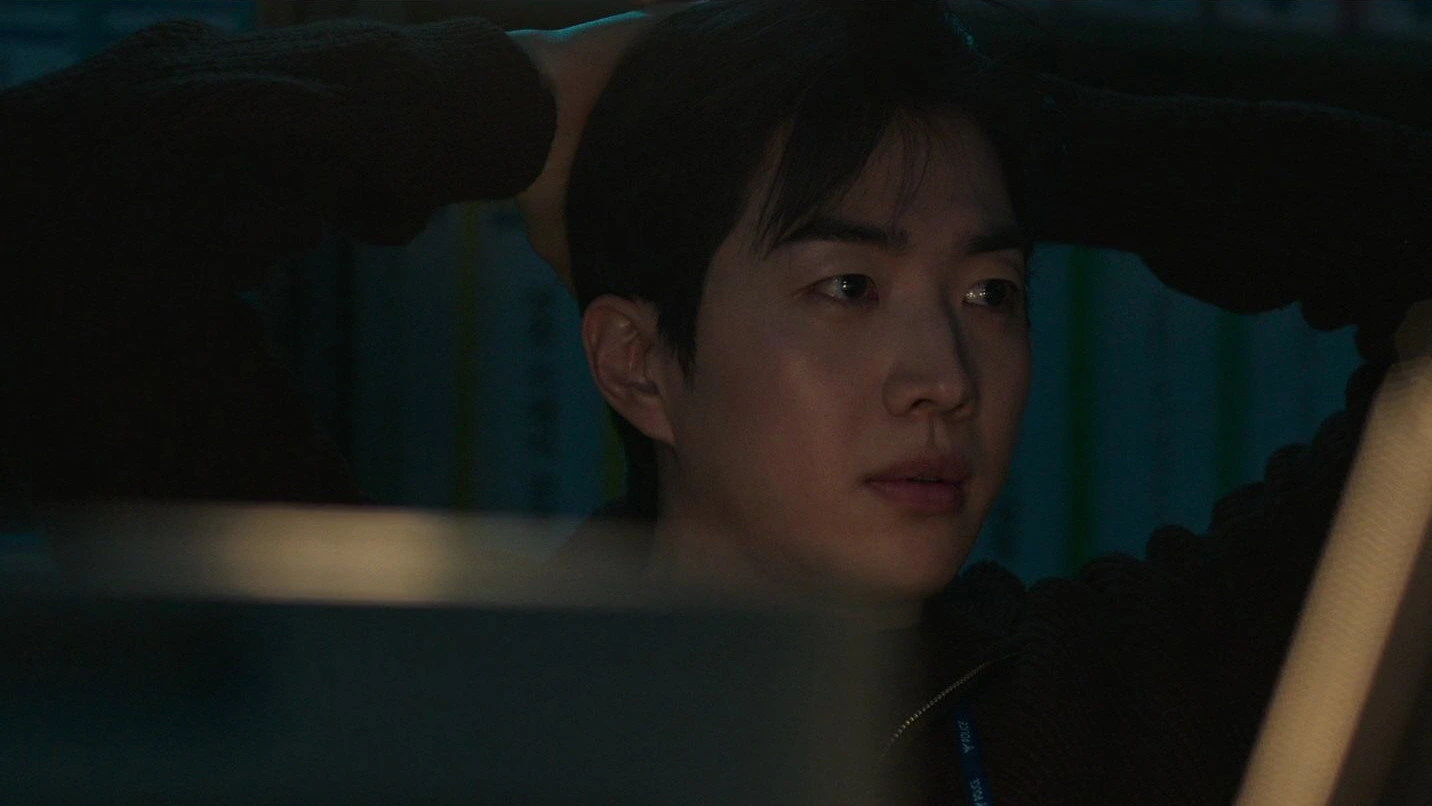
There’s a scene in episode seven where Seo Se-hyun sits in her car outside a crime scene she’s already processed twice and stares at her own hands — the scalpel-trained hands that know exactly how the cuts were made because she was raised by the man who made them. Park Ju-hyun holds that moment without underscoring it, without a musical cue telling the audience this is Important. The camera just watches her watching herself. It’s the kind of acting that makes psychological thrillers earn their genre label rather than just wear it. Viewers who want that same forensic intelligence applied even more rigorously to criminal profiling will find a direct companion in Through the Darkness, which takes the subject into full procedural depth.
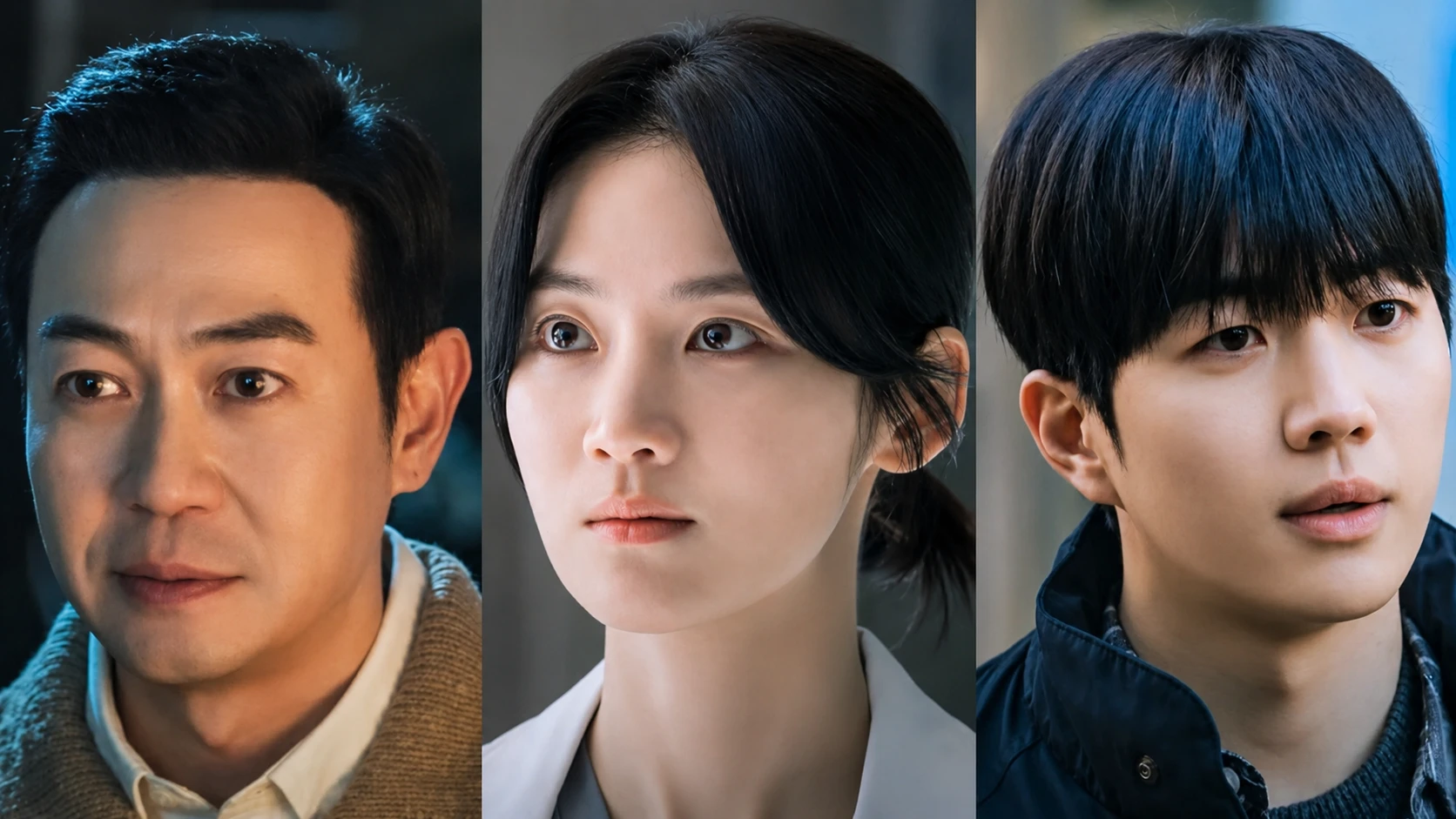
What Hunter with a Scalpel does that’s harder to pull off: it refuses to let the ASPD diagnosis flatten Se-hyun into a plot device. She isn’t cold because the writers need a mystery — she’s cold because she learned early that detachment was the only safe container for living with what she knew about herself. The contrast with Jung Jung-hyun (Kang Hoon doing genuinely good work in a role that could easily become decorative) reveals the show’s real subject: whether trauma can be metabolized or only managed. For the emotional register comparison — a protagonist carrying the darkest possible family secret while functioning as a competent person in the world — Flower of Evil remains the standard the genre is measured against.
The 30-minute format is doing structural work here that’s easy to underestimate. Most psychological thrillers in the 60-minute mold pad their middles with procedural wheel-spinning that dilutes the dread. Hunter with a Scalpel doesn’t have room for that — each episode is essentially one clean move in a game, and the show is disciplined about keeping the score visible. Episodes five through nine hit the same notes a few too many times, and the legal-procedural elements are handled lightly in ways that don’t always satisfy. But the finale earns its resolution because the series never confused forward momentum with actual progress.
Viewers short on time: 30-minute episodes make this the most bingeable dark thriller of 2025
Park Ju-hyun fans ready to watch her carry a morally complex dark lead role without a safety net
🎬 You Might Also Like
If you liked Hunter with a Scalpel, these are your next three watches.
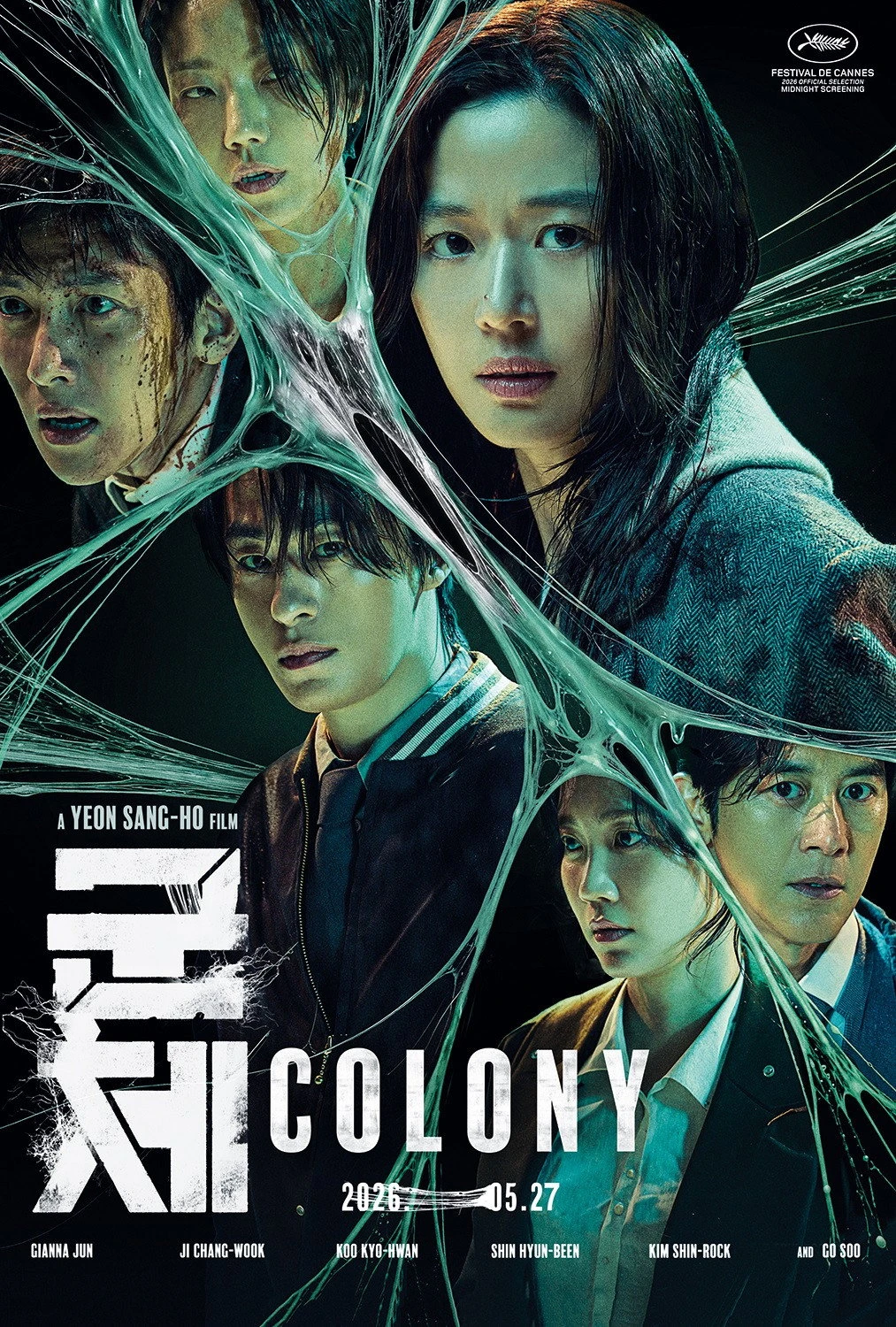
 The Scarecrow
cold casecriminal profiler
Read Full Review →
|
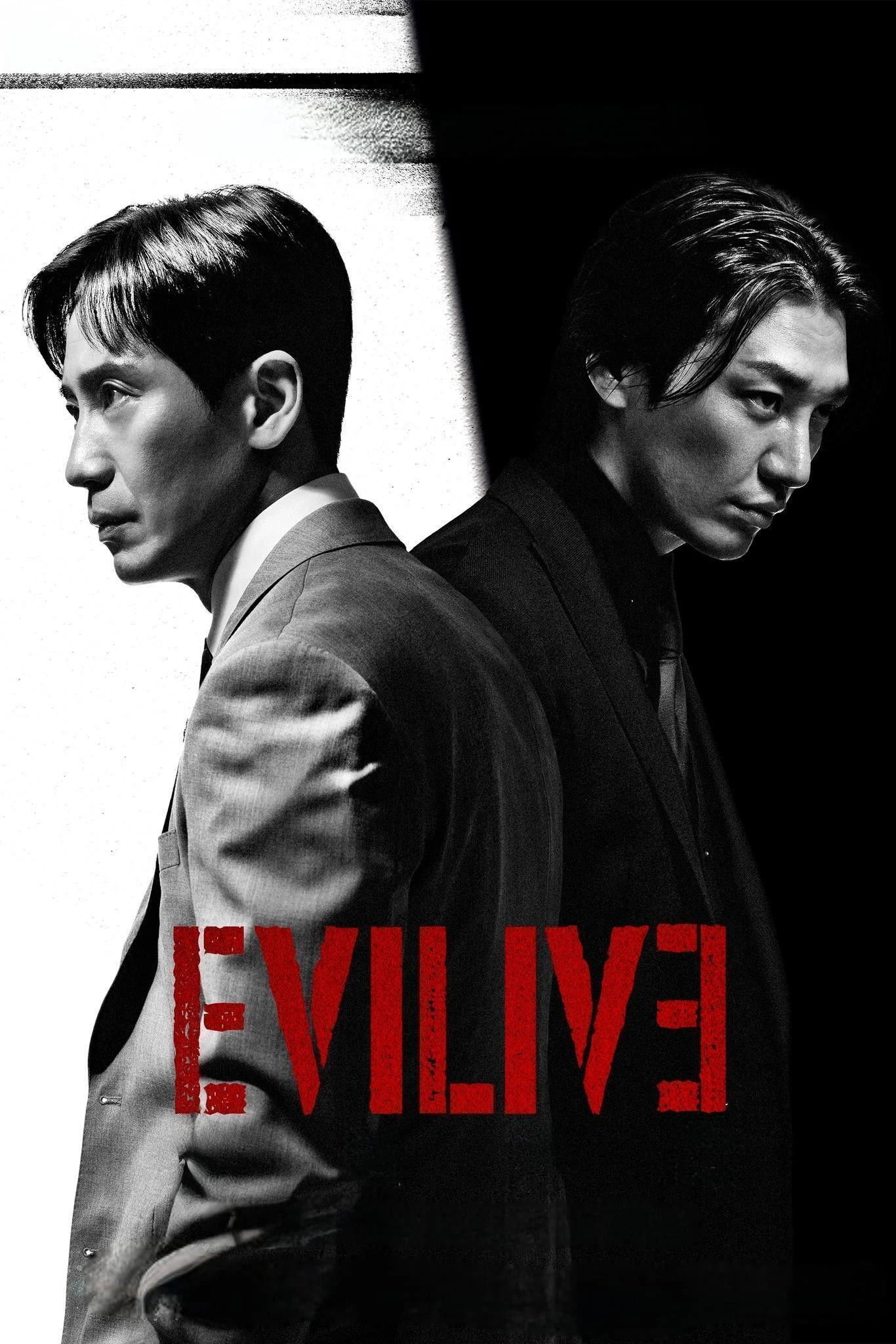
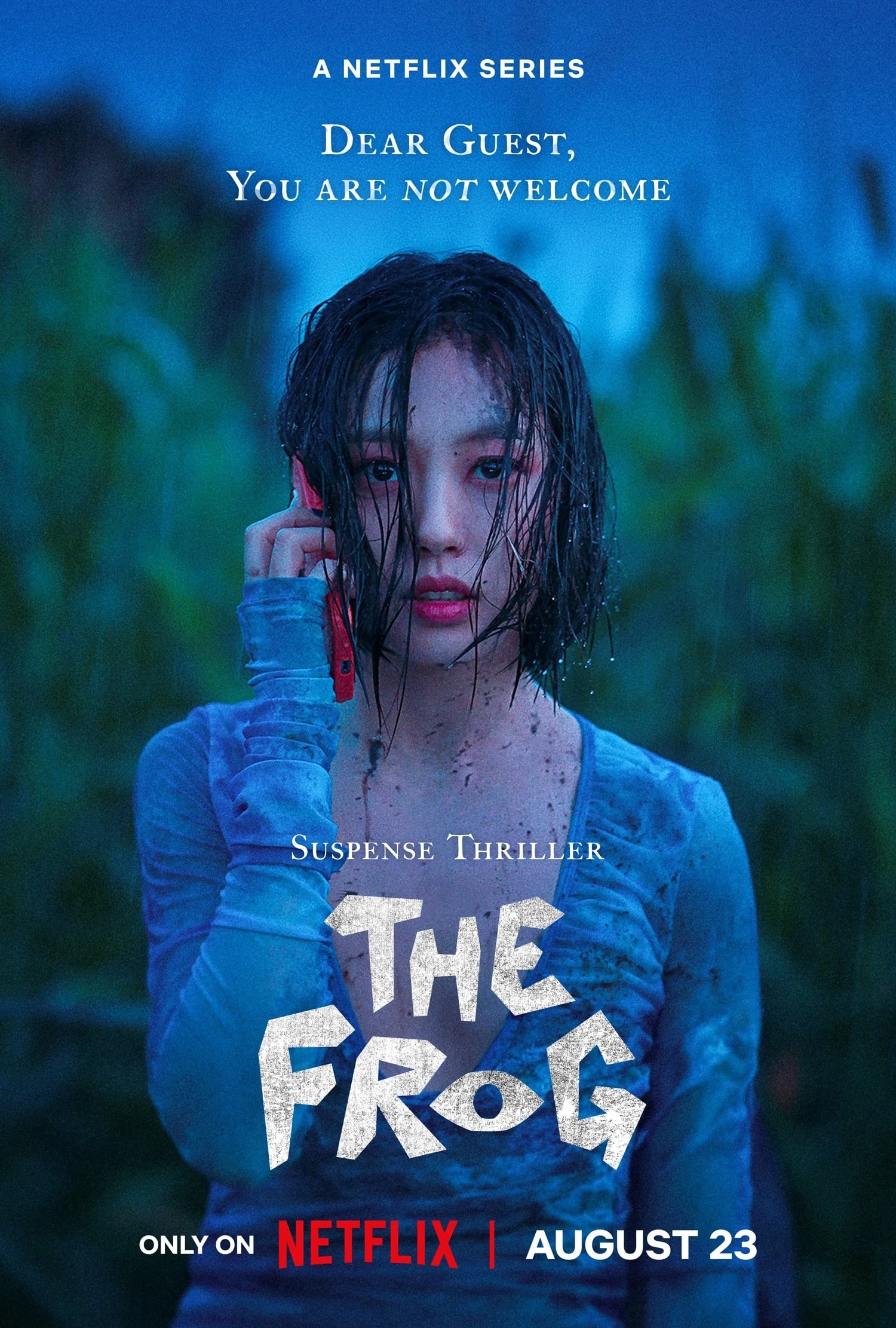 The Frog
Crime ThrillerKim Yun-seok
Read Full Review →
|
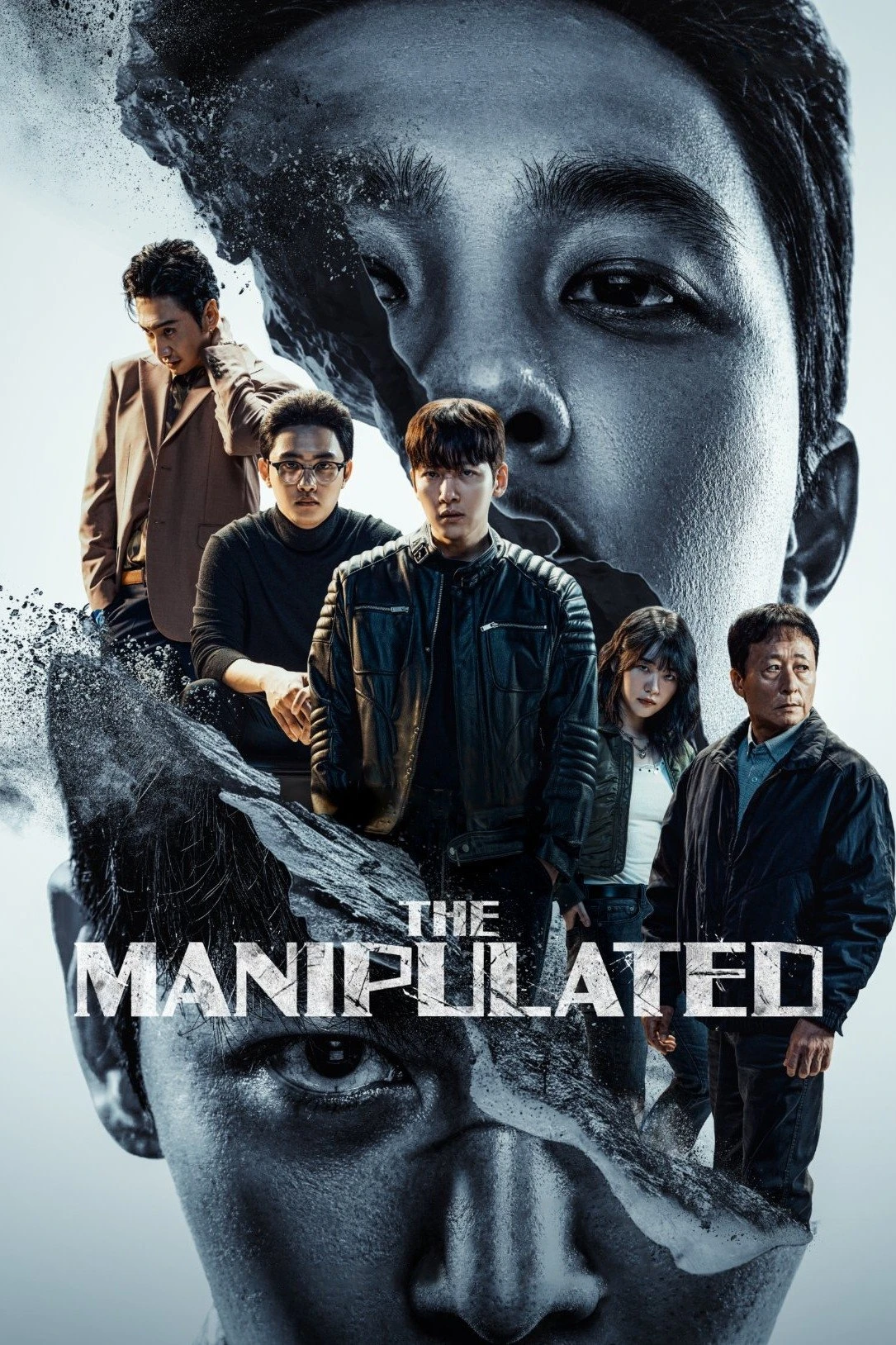
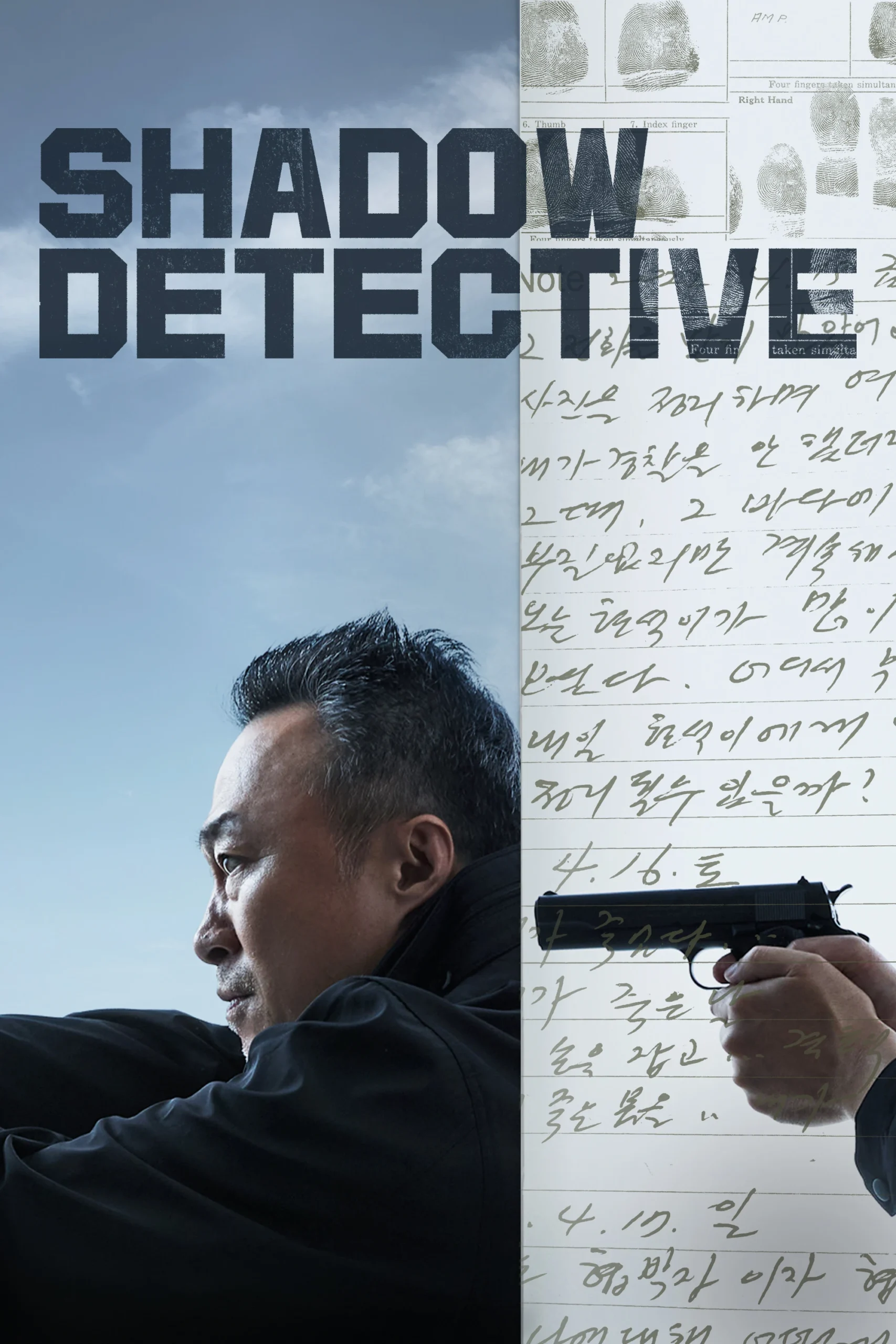 Shadow Detective (Season 1)
blackmailCat and Mouse
Read Full Review →
|






Keep it kind, skip the harsh language, and please — no spoilers. Everyone's taste is different, and that's perfectly fine.
This space is for real reactions and discussion from other viewers. Help keep it comfortable for everyone by not giving away major plot details.
What do you think of this drama?
Login to share your review or leave a comment.
No email needed — just pick a username & password.