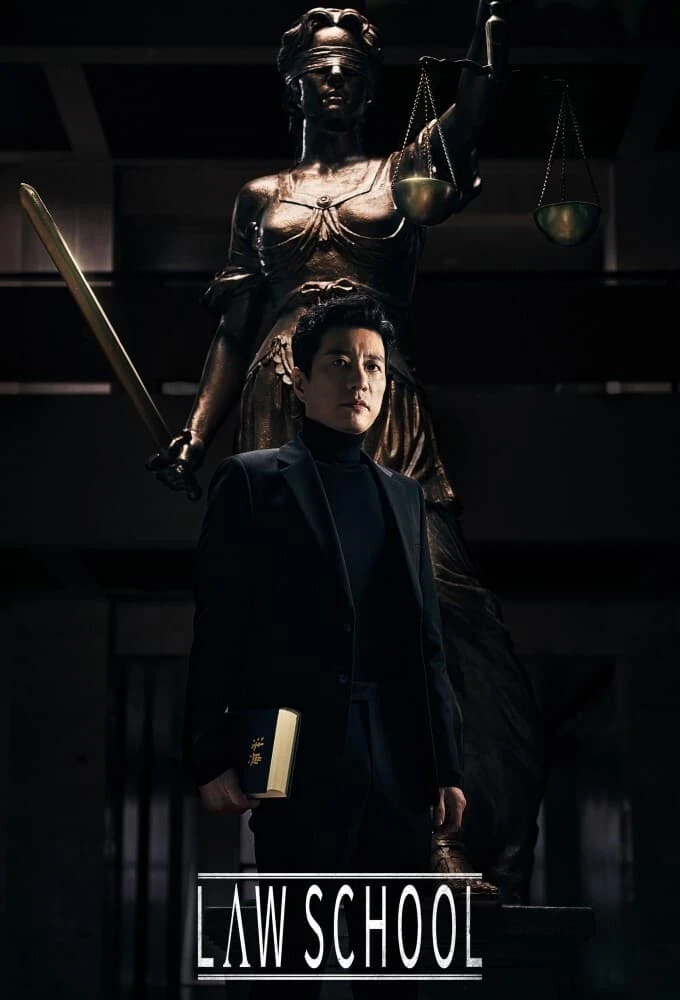
Law School
📋 Drama Overview
Start here — the basics before the first scene.
A mock trial is still running when the real body turns up — Professor Seo Byung-ju, dead in his office at Hankuk University’s law school, and the man everyone immediately suspects is the one professor sharp enough to have actually pulled it off. Law School opens on that impossible position: Yang Jong-hoon, a former elite prosecutor turned famously brutal criminal law professor, has to defend himself using the exact legal system he’s spent his career teaching.
His students end up doing as much of the real work as he does. Kang Sol A, still finding her footing academically, and Han Joon-hwi, the murdered man’s own nephew and the top of the class, get pulled into an investigation that keeps expanding past the campus gates — political corruption, a decades-old cover-up, and a growing list of people with real reasons to want Professor Seo dead.
⚡ Quick Verdict
The TL;DR, boxed and ready.
▶ Official Trailer
🎭 Cast & Characters
Seven first-year students, one accused professor, and a murder that keeps getting bigger.
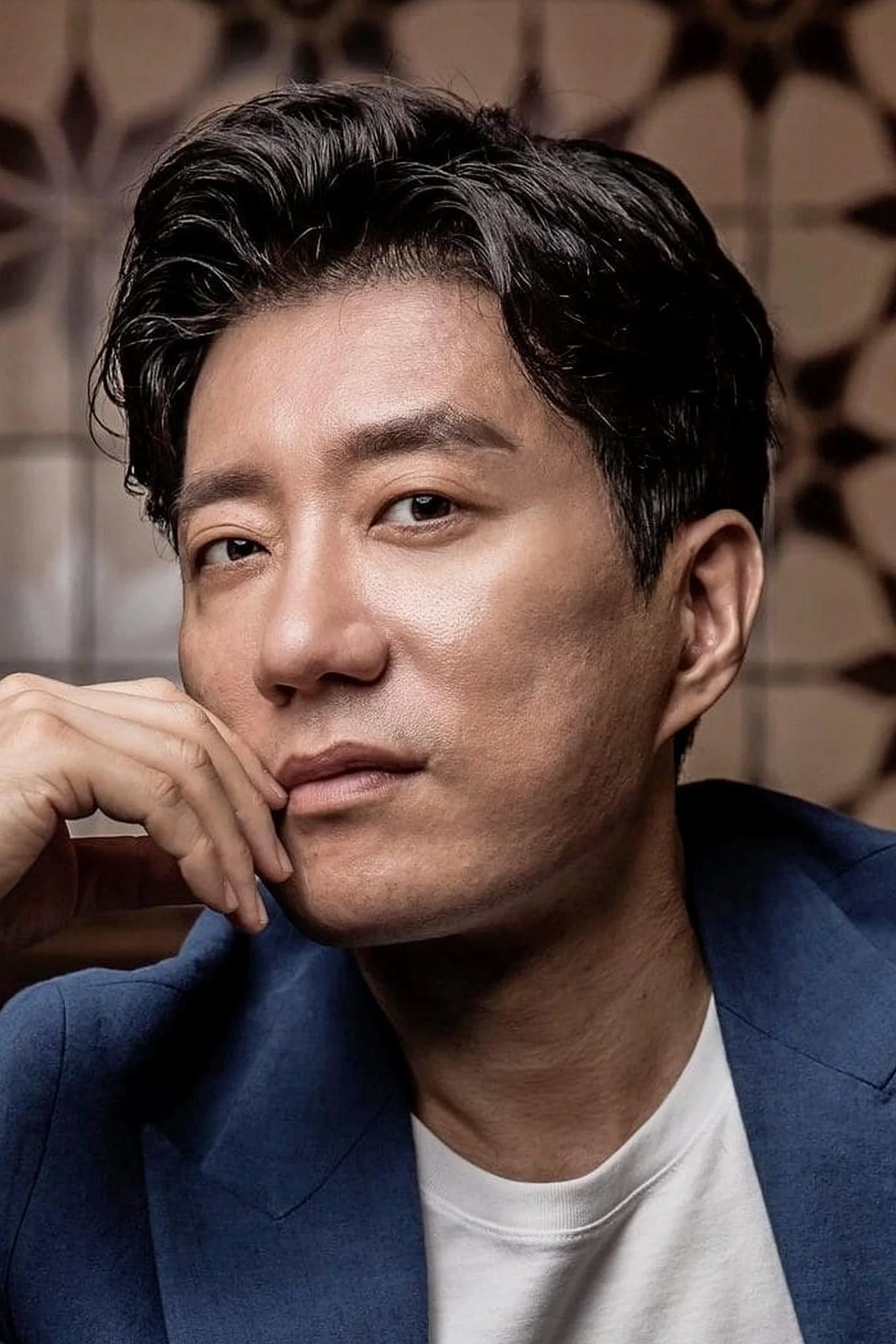
Lead

Lead

Supporting

Supporting
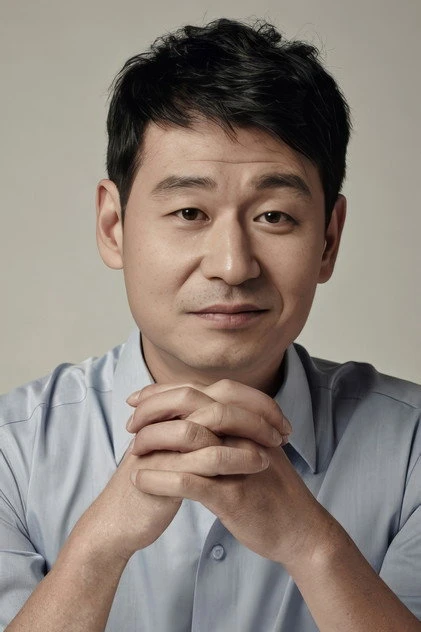
Supporting

Supporting

Supporting

Supporting

Supporting

Supporting

Supporting

Supporting
📺 Episode Guide
A spoiler-light refresher, episode by episode.





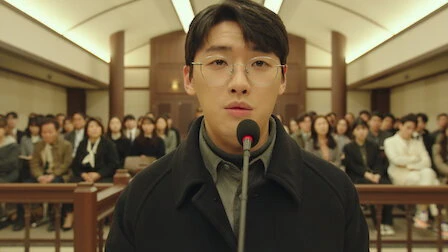





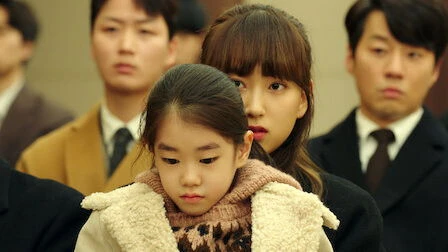
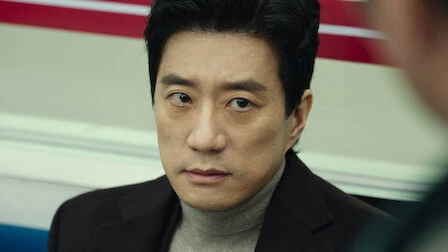


🏁 Ending Explained
Full spoilers from this point — what happened, and why.
What actually happened Assemblyman Ko Hyeong-su is exposed as the man behind Professor Seo’s murder, arrested for solicitation of murder after a meticulously constructed double sting operation involving the real Kang Dan — a figure introduced late enough to feel like a wildcard but who turns out to be the linchpin of the whole plan. The years-old hit-and-run, Lee Man-ho’s involvement, and Seo Byung-ju’s own compromised past all fold into one motive: a powerful man protecting himself from a professor who knew too much.
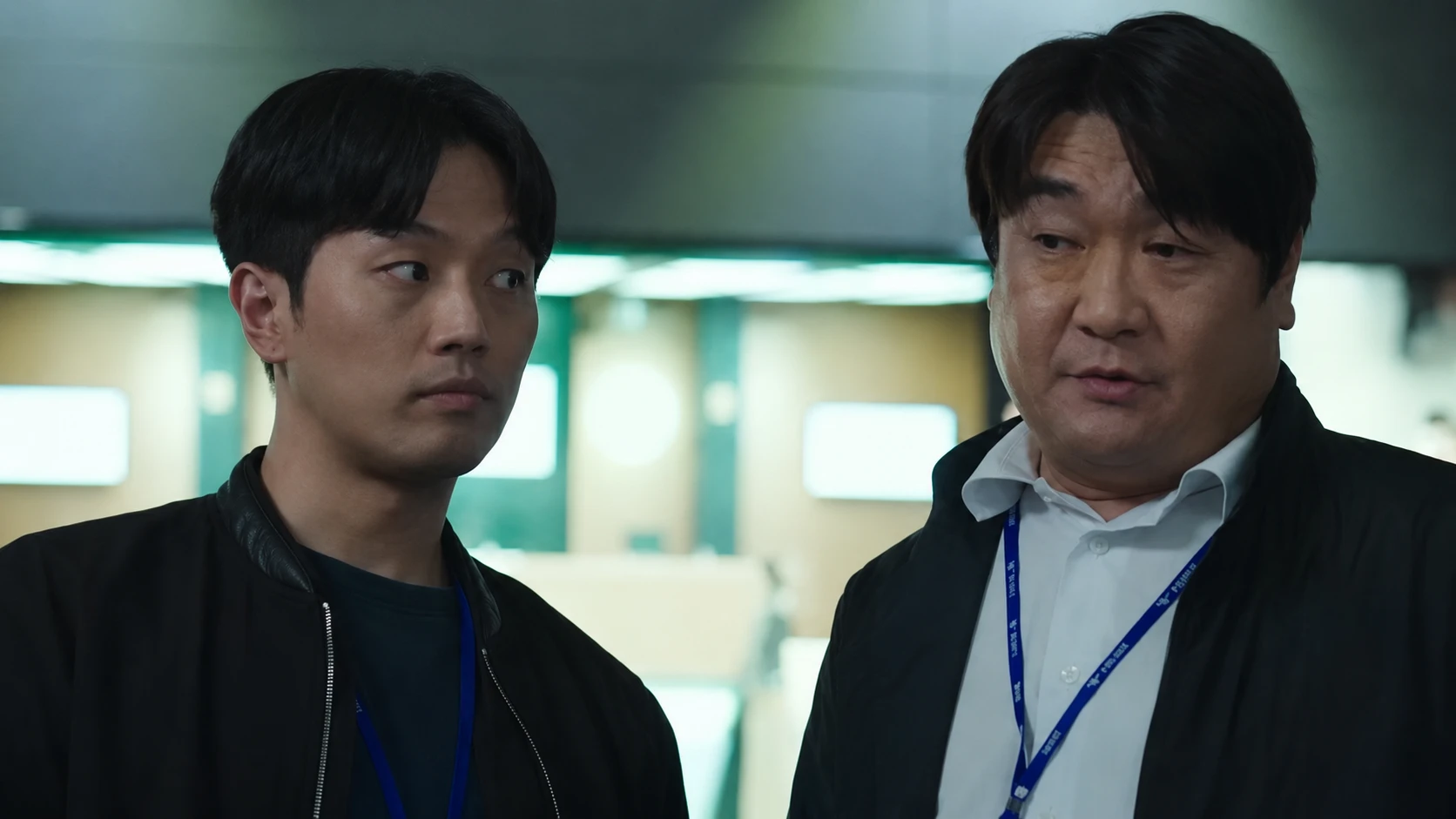
Jeon Ye-seul’s arc closes on genuine healing rather than just legal victory — she’s not just cleared of wrongdoing, she’s actively counseling other domestic violence victims by the finale, turning her worst experience into the thing she’s now equipped to help other people survive. It’s the show’s clearest example of its actual thesis in miniature: surviving the system is one thing, using what you learned to help the next person is the real point.
The imaginary conversation, and what it means Yang’s finale scene — an imagined conversation with the dead Professor Seo — isn’t there to resolve a mystery, since the mystery’s already solved by that point. It’s there to resolve Yang himself: his guilt, his complicated respect for a man he spent the whole show accused of killing, and his real reason for teaching the way he does. The scene reframes ‘Yangcrates’ not as a gimmick but as a man actively trying to build better lawyers than the compromised system that made Seo Byung-ju what he was.
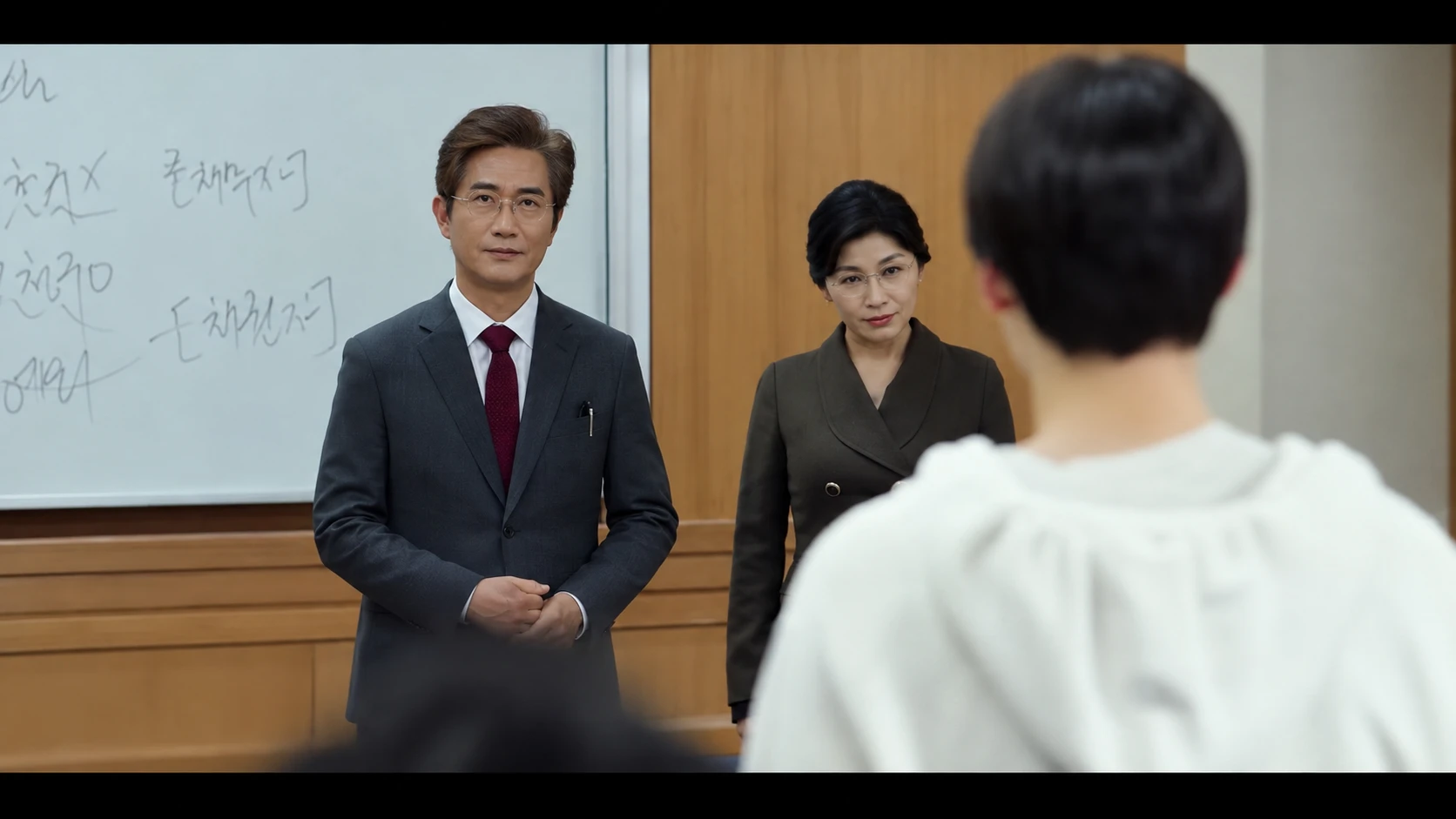
Prosecutor Jin’s ending is deliberately left a little unresolved — he tries to manipulate Seo Ji-ho into a deal even in the finale, and Ji-ho refuses, but Jin himself never really faces consequences for how far he pushed the prosecution throughout the show. It’s a pointed, unflashy choice: not every abuse of power in this system gets a tidy comeuppance, and the show doesn’t pretend otherwise.
The KDW verdict Law School sticks the landing by refusing to make its ending about the twist — Assemblyman Ko’s exposure is satisfying, but the finale’s real energy goes into its students, closing on Sol A, Sol B, and Joon-hwi preparing for a competition together instead of a courtroom victory lap. The line that actually closes the show — that the law itself doesn’t guarantee justice, only the people who practice it with real commitment do — is earned by sixteen episodes that took its ensemble seriously the whole way through.
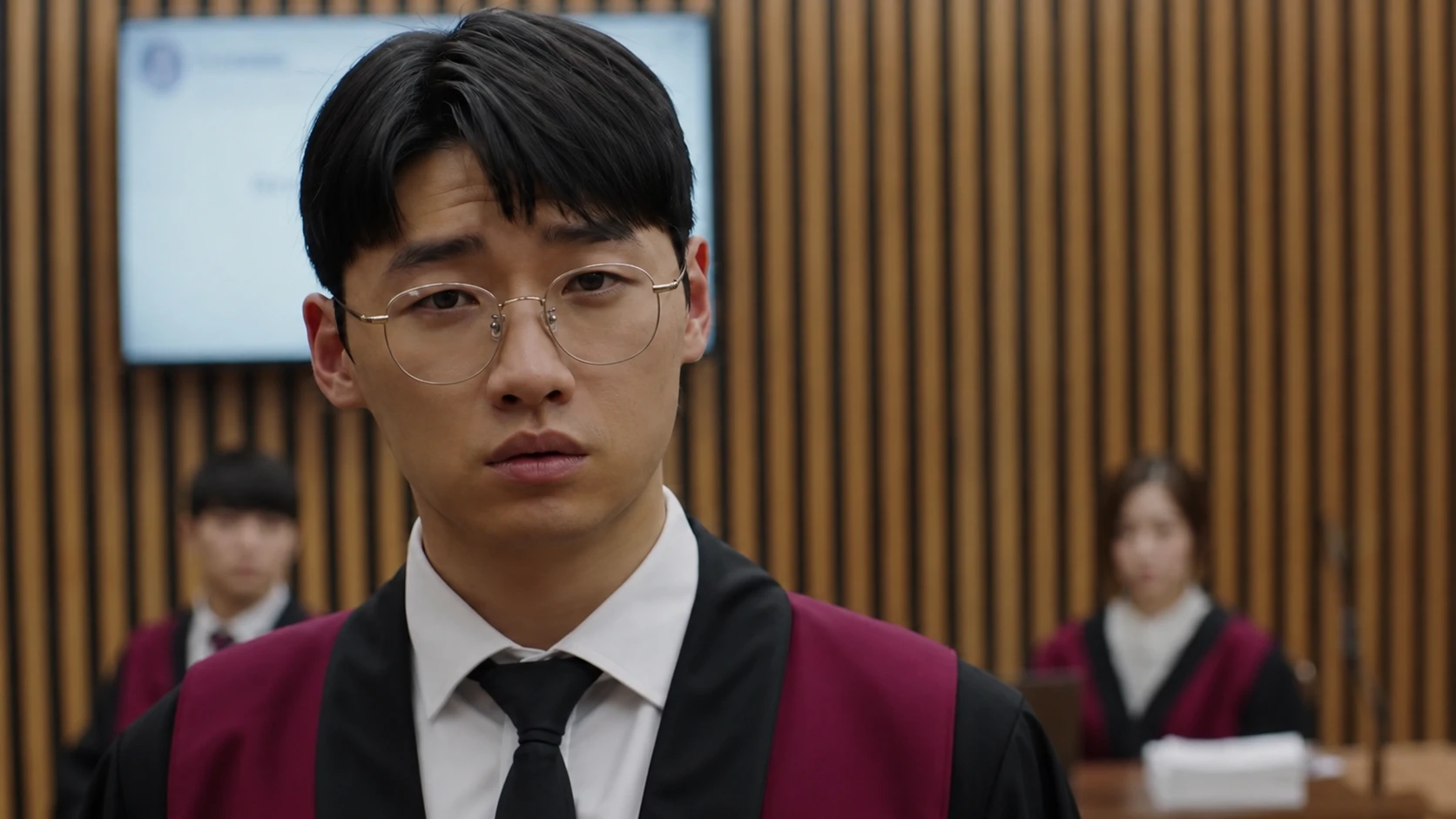
✍️ KDramaWorlds Editor’s Take
Our honest read on why this drama is worth your time — and who it’s for.
Kim Myung-min’s Yang Jong-hoon earned the nickname ‘Yangcrates’ for a reason — he’s a professor who teaches by Socratic interrogation, and the show smartly puts that exact method on trial once he’s the one being questioned. Watching a character built entirely around controlled, methodical thinking try to stay controlled and methodical while accused of murder is the show’s best running tension, and Kim Myung-min never overplays it. Juvenile Justice mined a similar vein — a legal professional whose entire worldview gets tested by the system they’ve built their identity around.
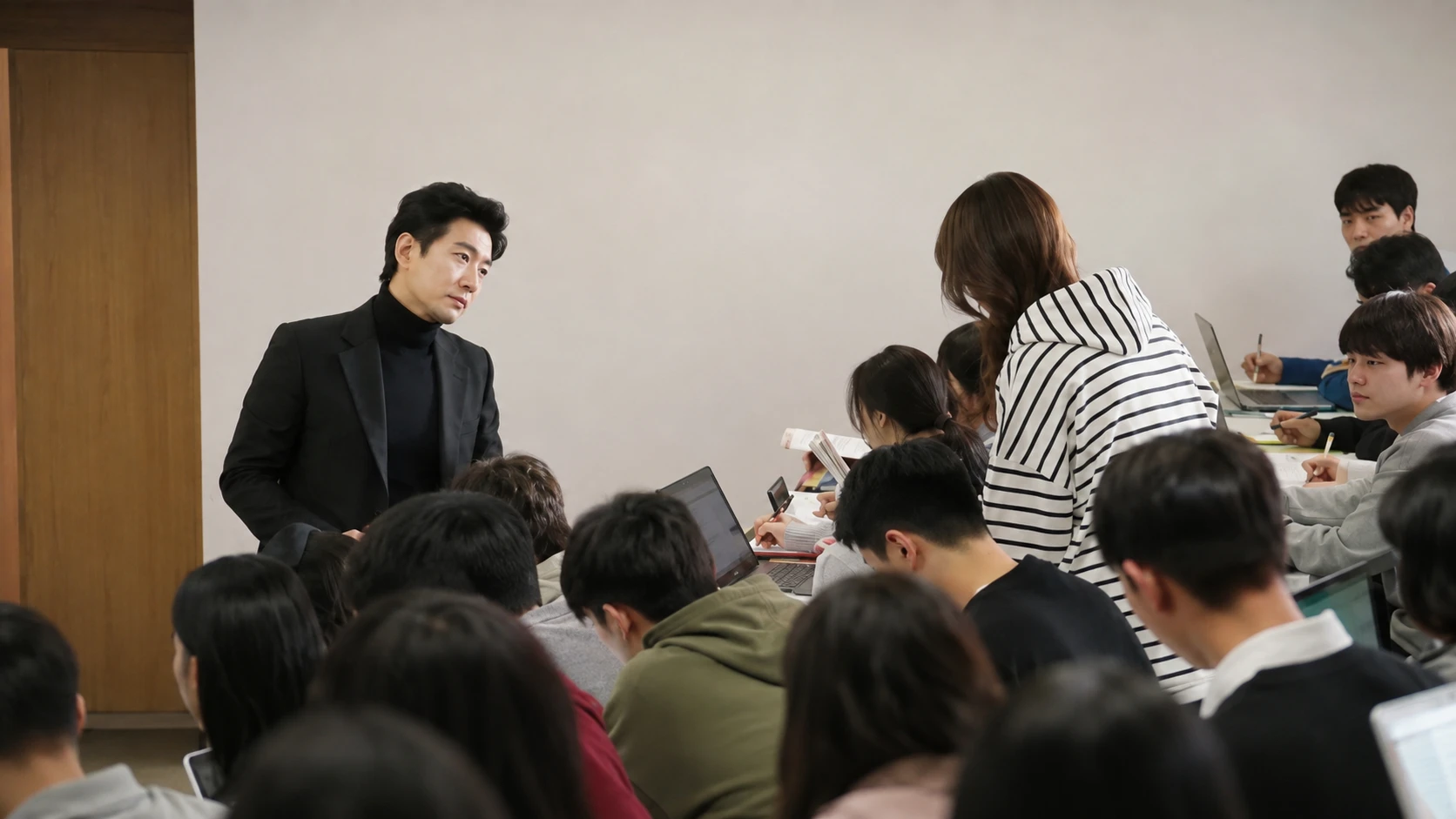
The ensemble cast is doing more structural work than usual for a legal drama — instead of one lead carrying the investigation, Law School splits it across seven first-year students, each pulled into the case through a different personal thread. Jeon Ye-seul’s domestic-violence subplot could have felt like filler in a lesser show; here it’s given the same procedural weight as the murder case itself. Military Prosecutor Doberman uses a similar trick — expanding a single case outward through an ensemble instead of narrowing everything onto one hero.
What holds all of it together is a genuinely satisfying slow burn — the show resists the urge to reveal its conspiracy in one big twist, instead letting Assemblyman Ko’s cover-up surface piece by piece across sixteen episodes. By the time the double sting operation closes it out, it feels earned rather than convenient.
🎬 You Might Also Like
If you liked Law School, these are your next three watches.
 Mousetrap
crimeIdentity Theft
Read Full Review →
|
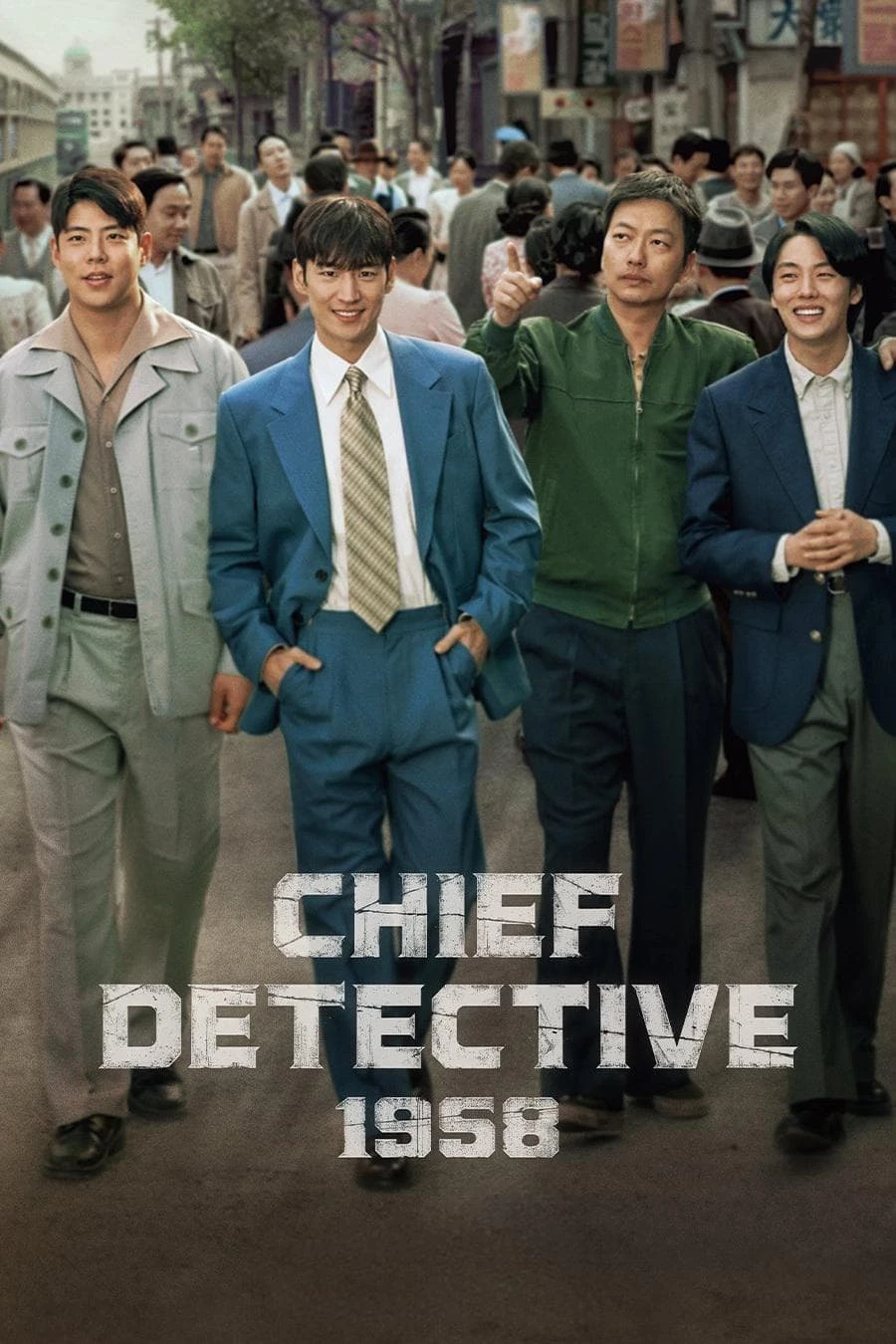 Chief Detective 1958
Buddy CopsCorruption
Read Full Review →
|
 Shadow Detective (Season 2)
BetrayalConspiracy Thriller
Read Full Review →
|
















Keep it kind, skip the harsh language, and please — no spoilers. Everyone's taste is different, and that's perfectly fine.
This space is for real reactions and discussion from other viewers. Help keep it comfortable for everyone by not giving away major plot details.
What do you think of this drama?
Login to share your review or leave a comment.
No email needed — just pick a username & password.