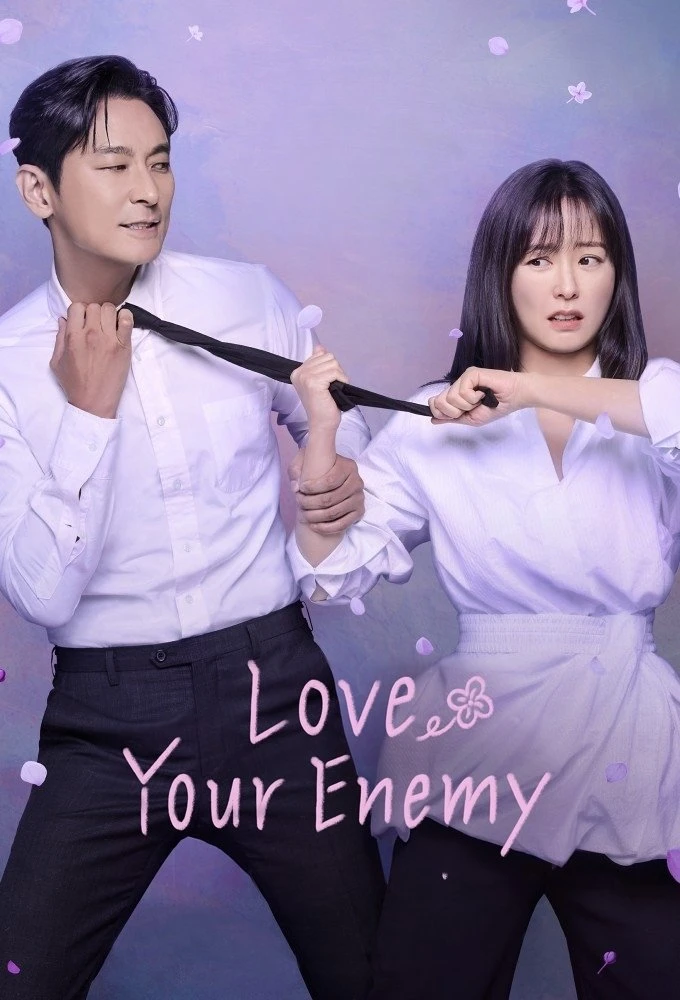
Love Your Enemy
🎬 Disney+ · Viki · TVING
⭐ 8.1 MDL
📺 TV-14
📋 Drama Overview
💔 Second Chance Pick
Viki
TVING
The single-log bridge of the Korean title isn’t metaphor — it’s the drama’s entire premise. Two people cannot cross from opposite ends without one of them stopping, stepping back, or falling off. Seok Ji-won and Yoon Ji-won have been on that bridge since they were eighteen, locked in a rivalry so fierce it curdled into heartbreak, and then into nearly two decades of careful distance. They share a name, a birthday, and a first love that neither of them has ever been able to fully misplace.
When the school chairman position brings him back into the building where she teaches physical education, neither of them is ready for what that distance has actually been doing: not healing them, but preserving every unresolved thing at precisely the temperature they left it. The drama isn’t about two enemies falling in love. It’s about two people who fell in love at eighteen and have spent eighteen years pretending they didn’t.
12 / 12 ✅ Completed
⚡ Quick Verdict
The whole picture, condensed into one box.
MDL Score · Check MyDramaList for updated community rating
▶ Official Trailer
🎭 Cast & Characters
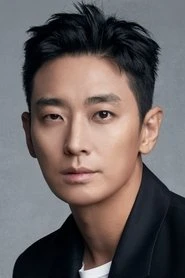
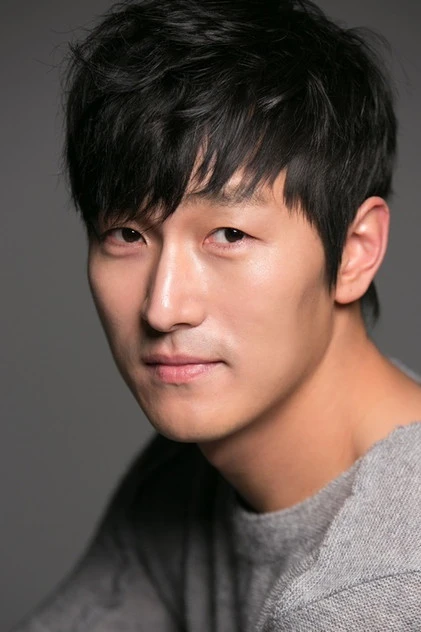
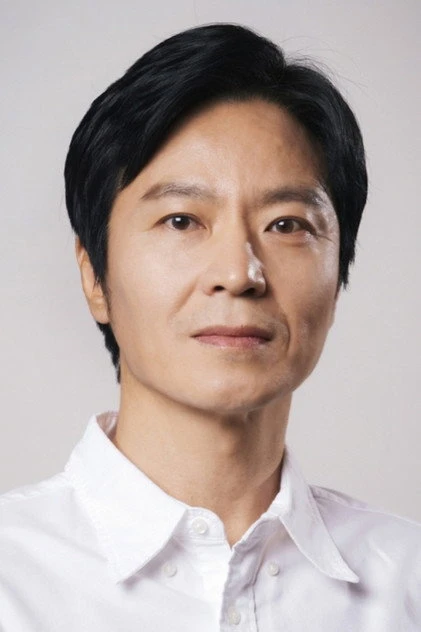
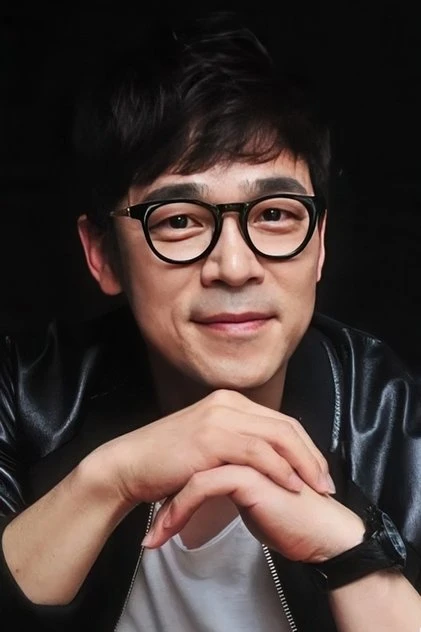
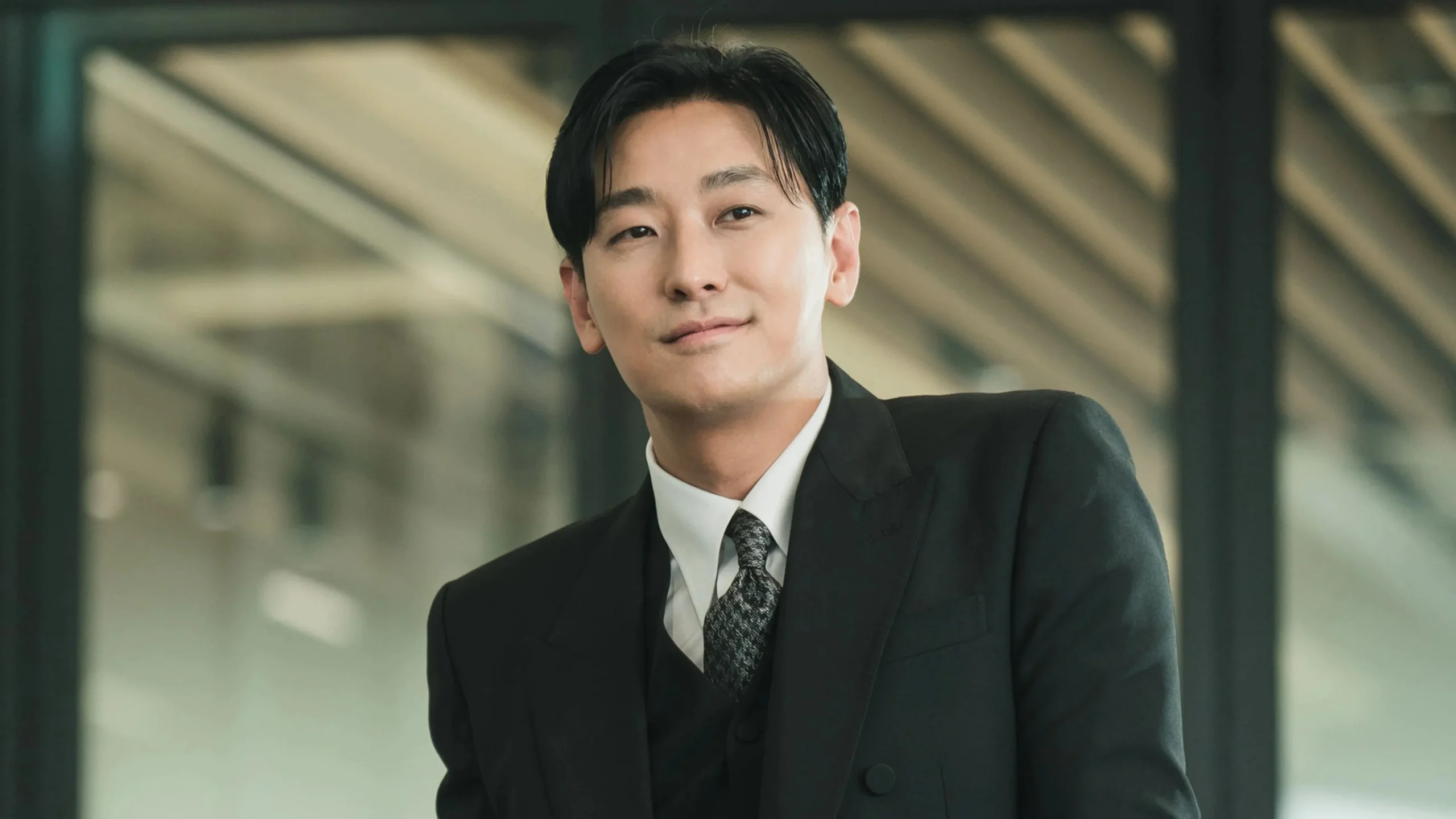
Ju Ji-hoon and Jung Yu-mi lead a cast of twelve, playing rivals-turned-reluctant-colleagues eighteen years after a forced separation.
Lead

Lead

Supporting

Supporting
Supporting

Supporting

Supporting

Supporting
Supporting
Supporting
Supporting
Supporting
📺 Episode Guide
Enough per episode to jog your memory, nothing more.
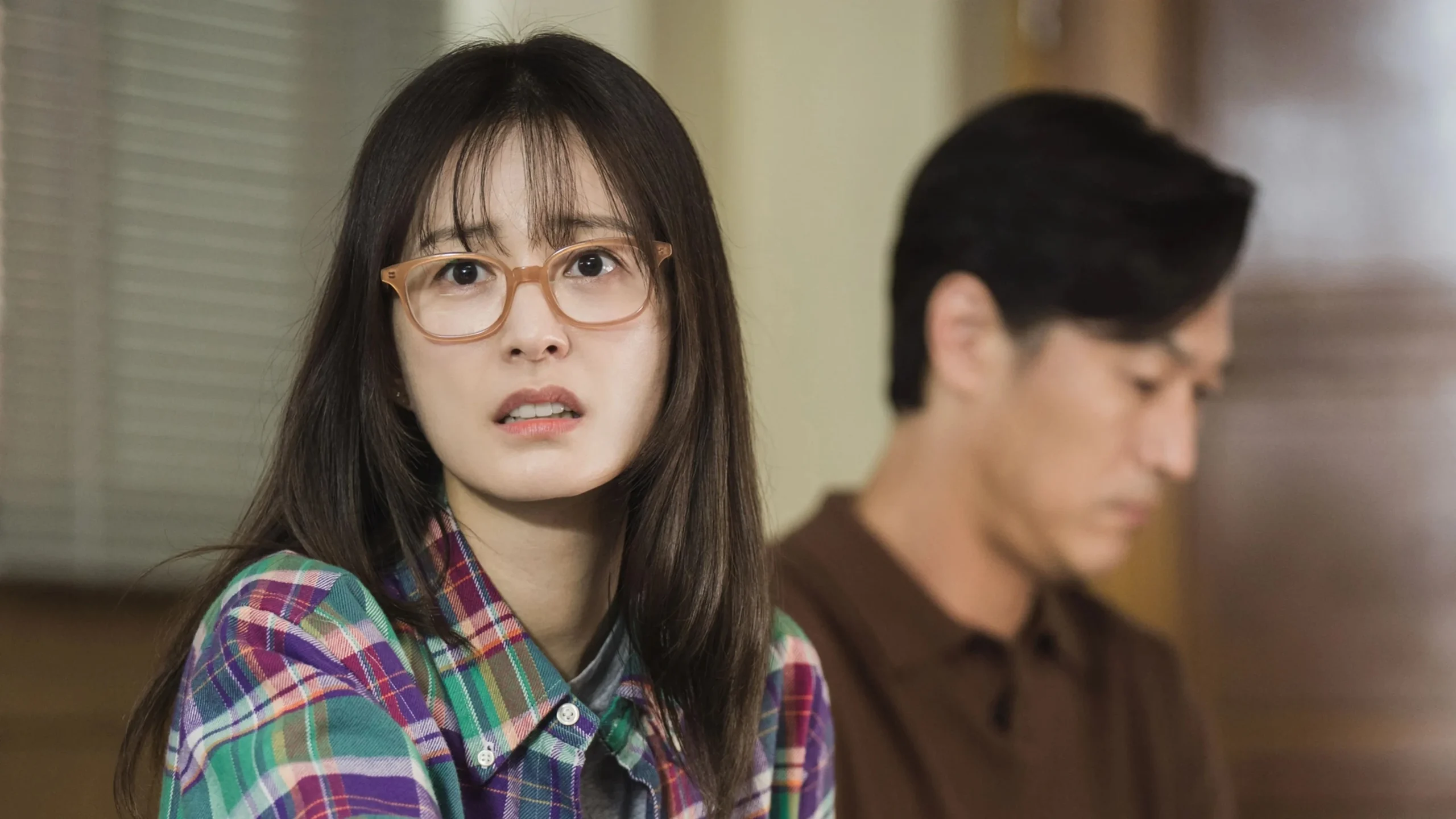
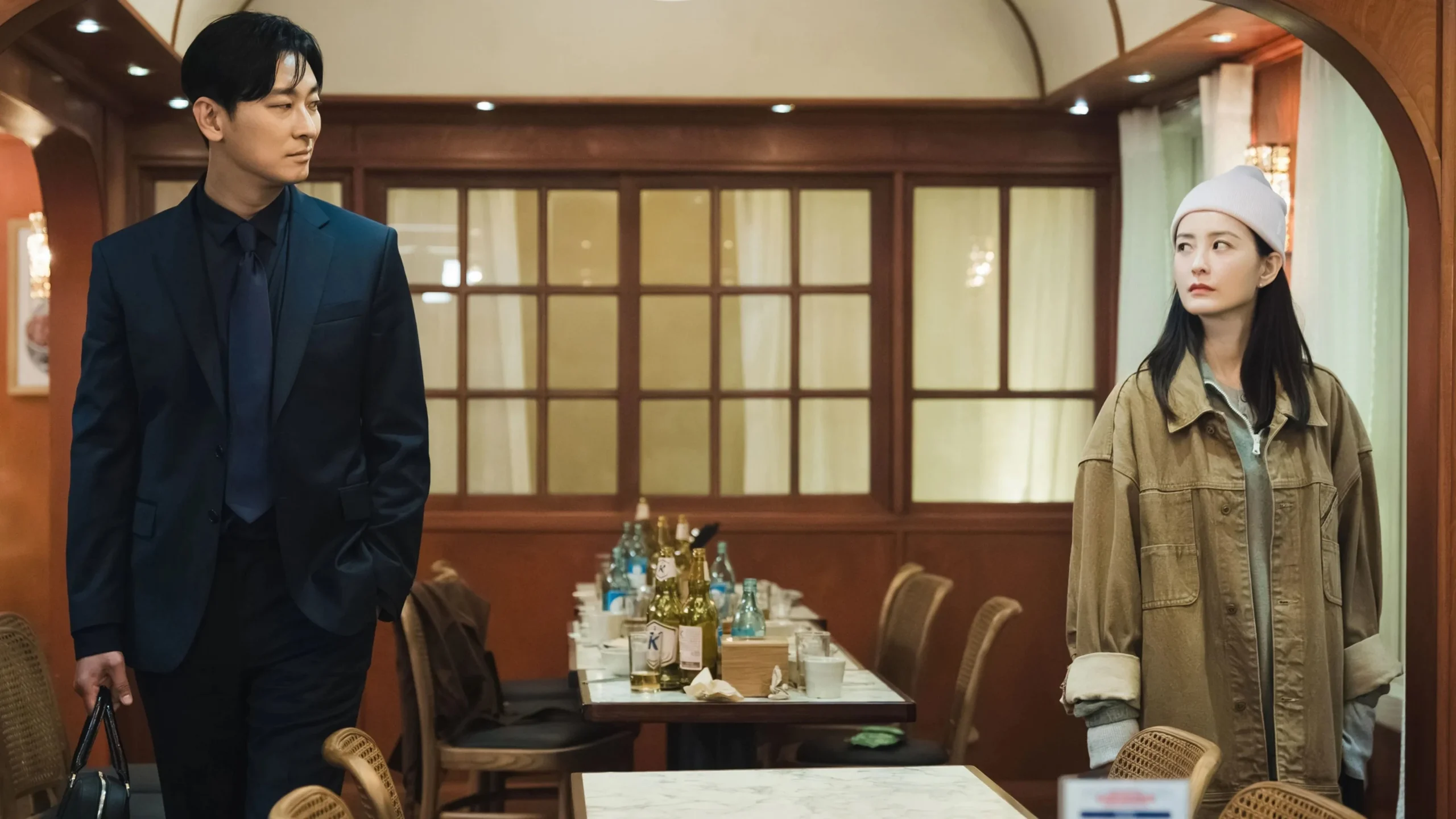
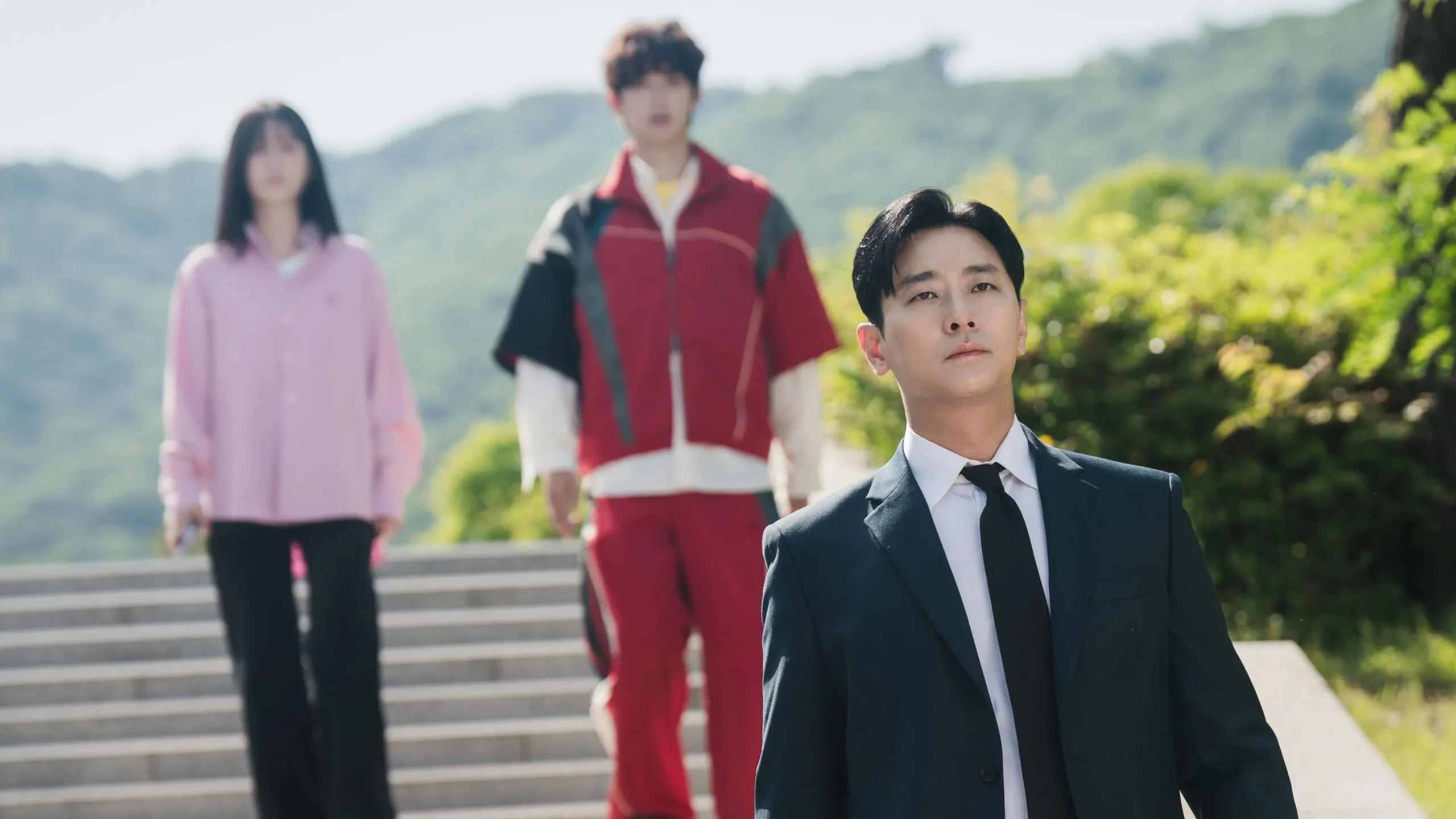
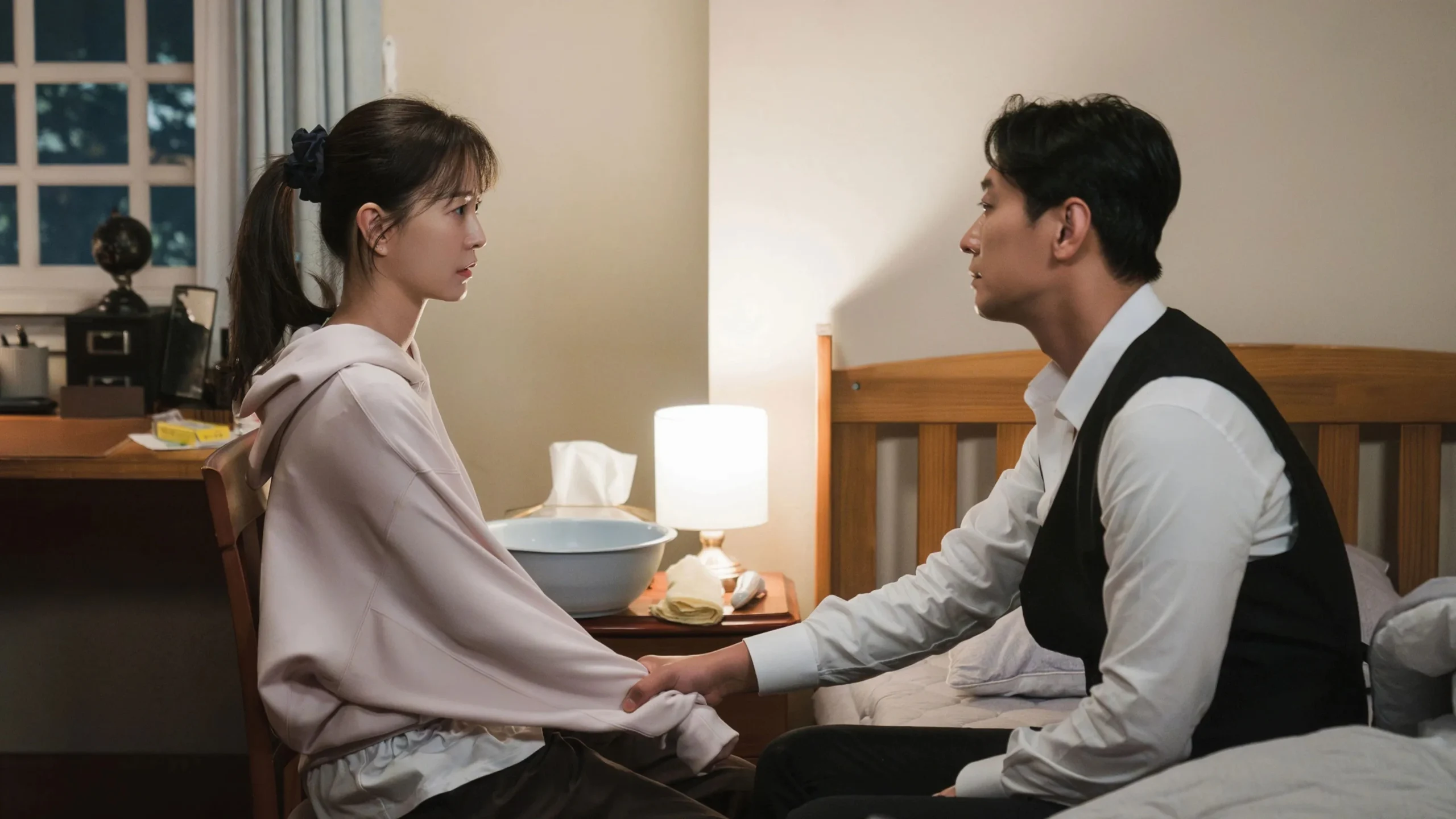
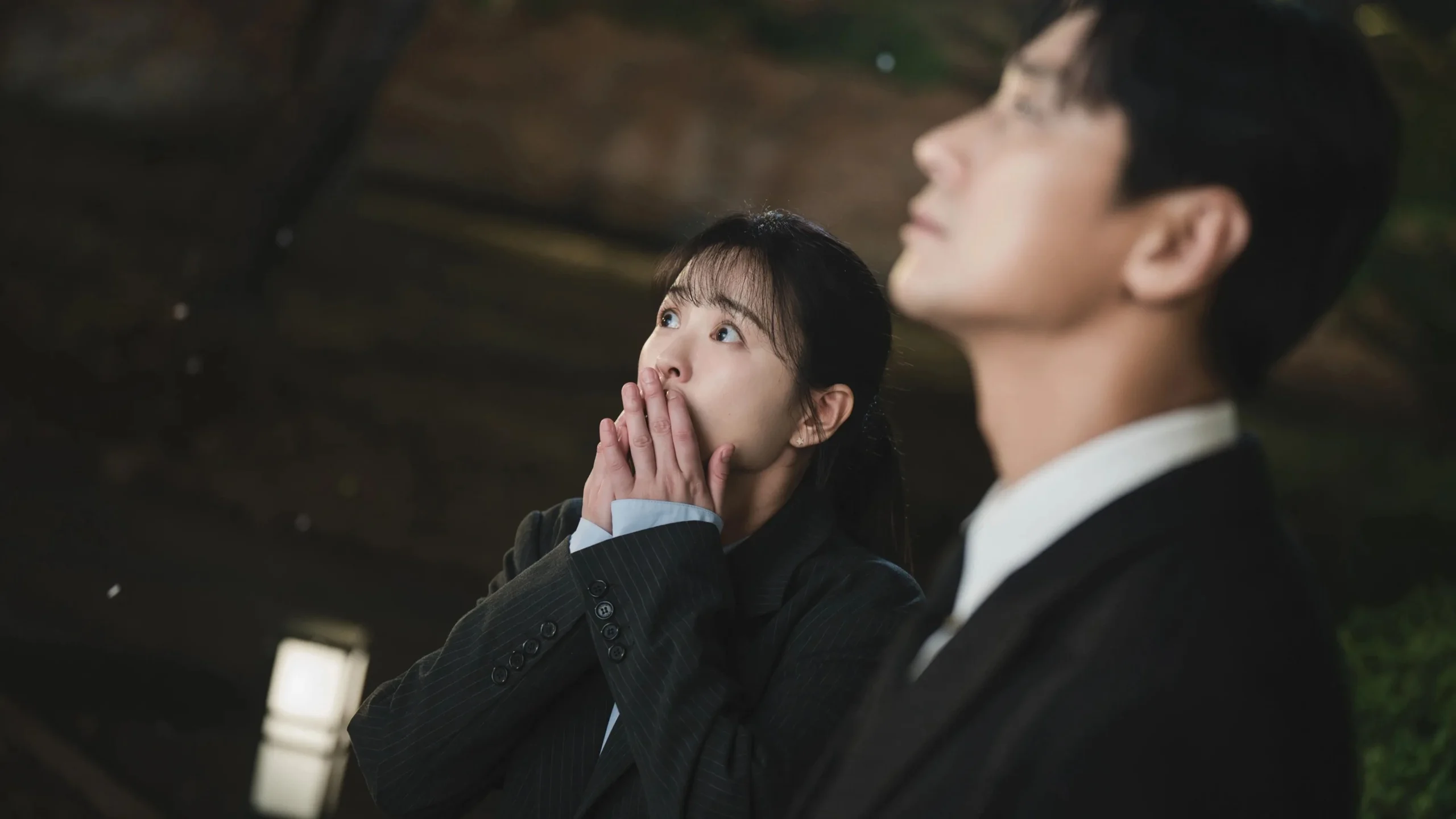
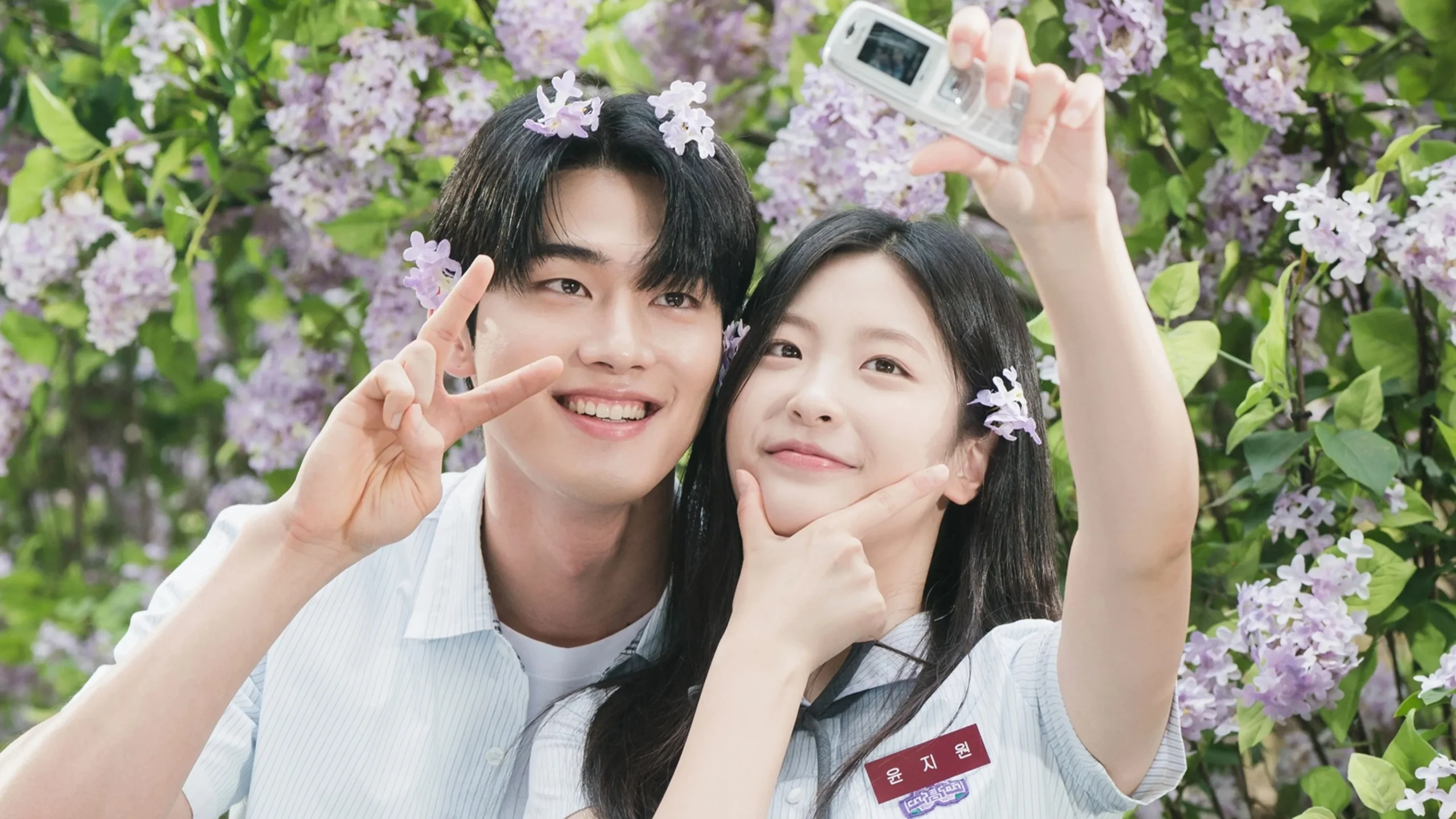
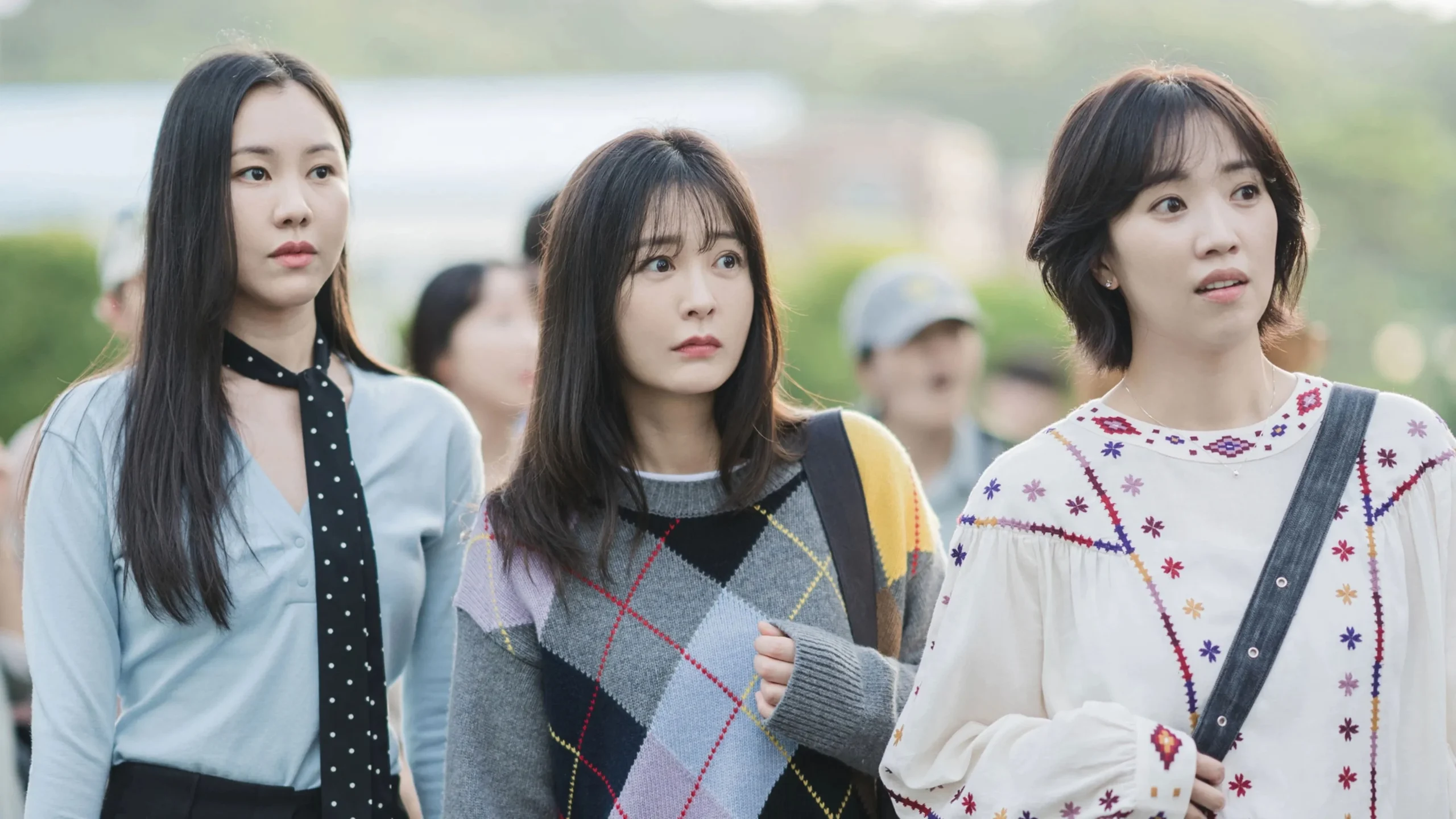
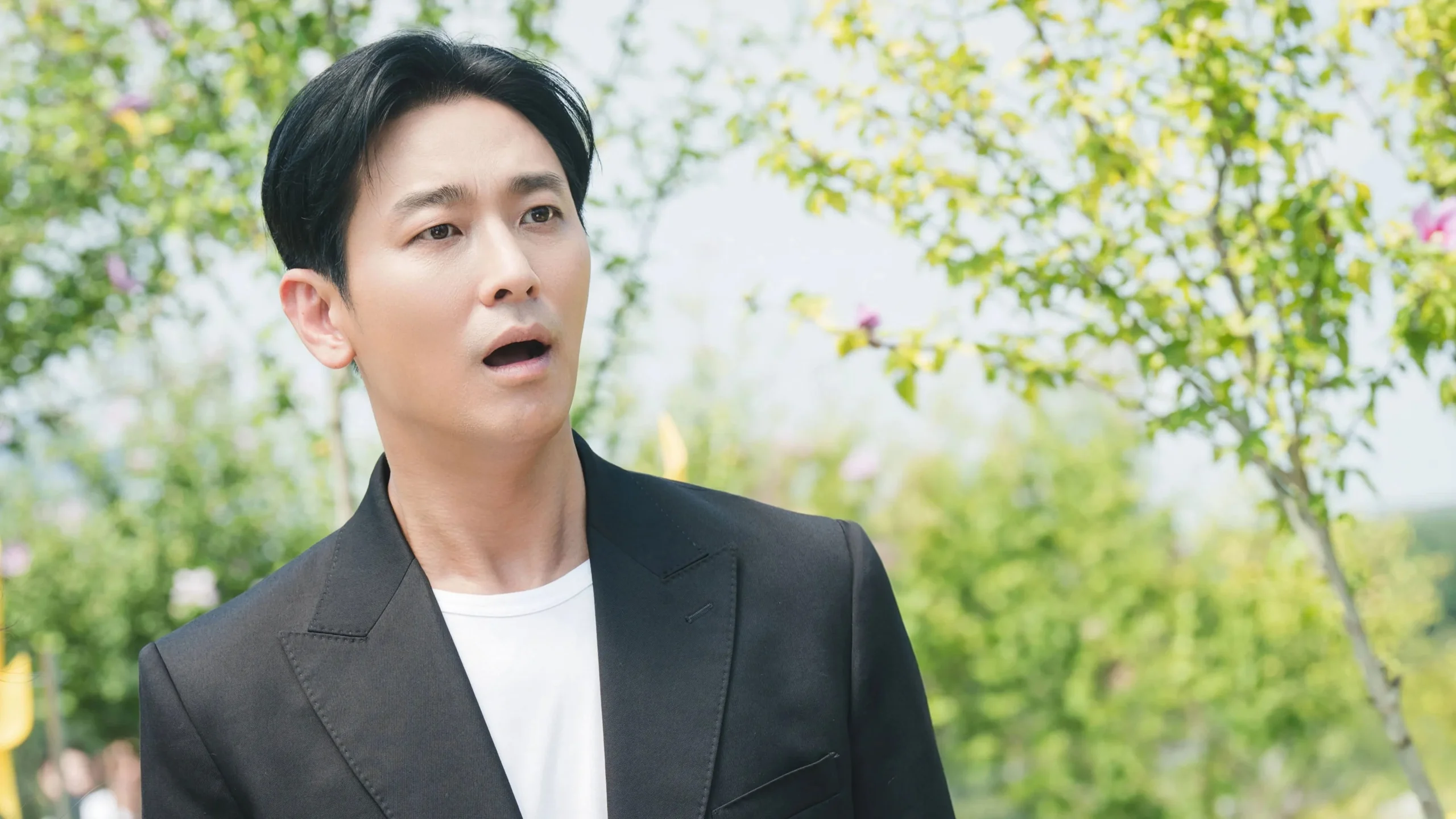
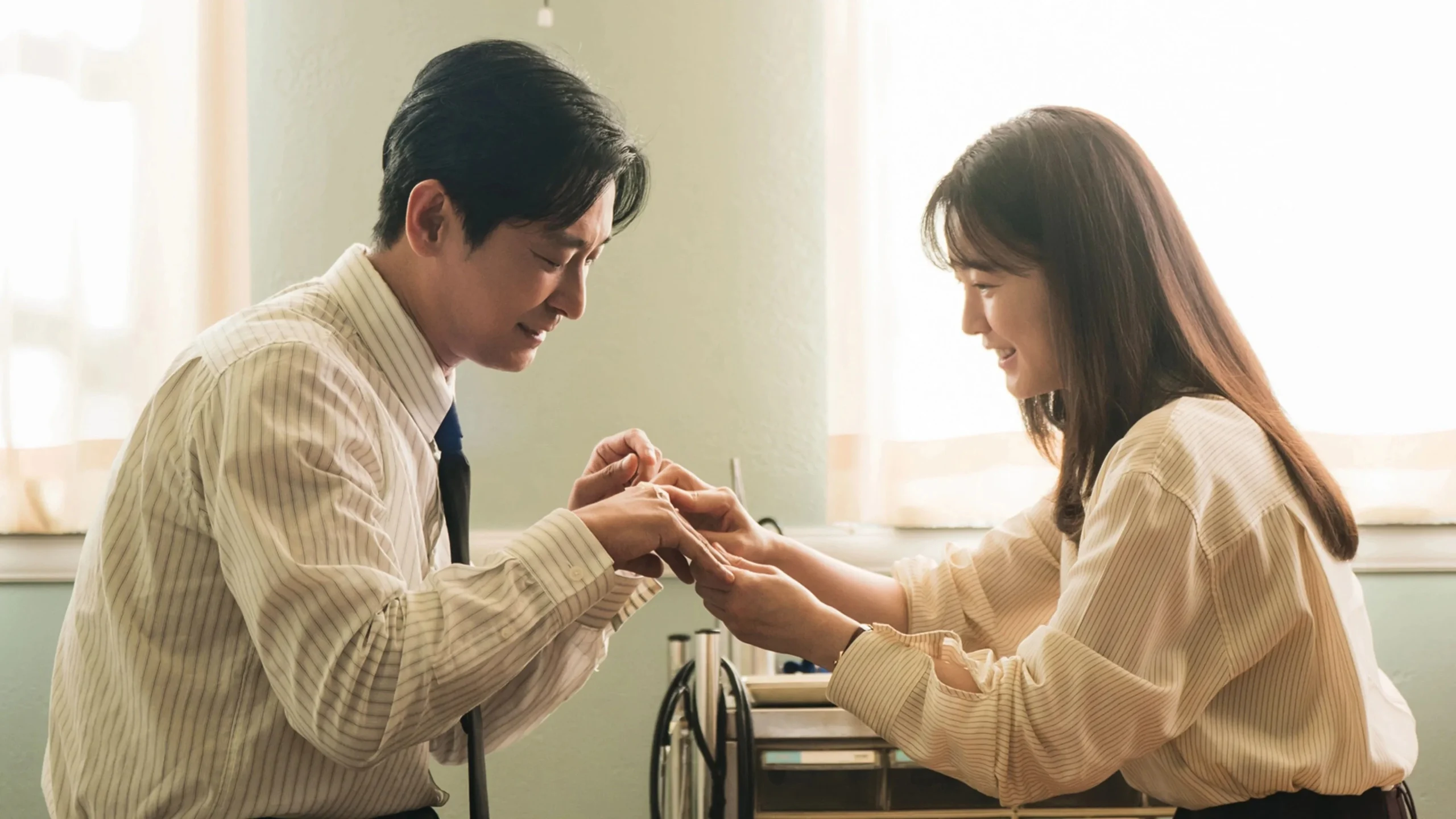

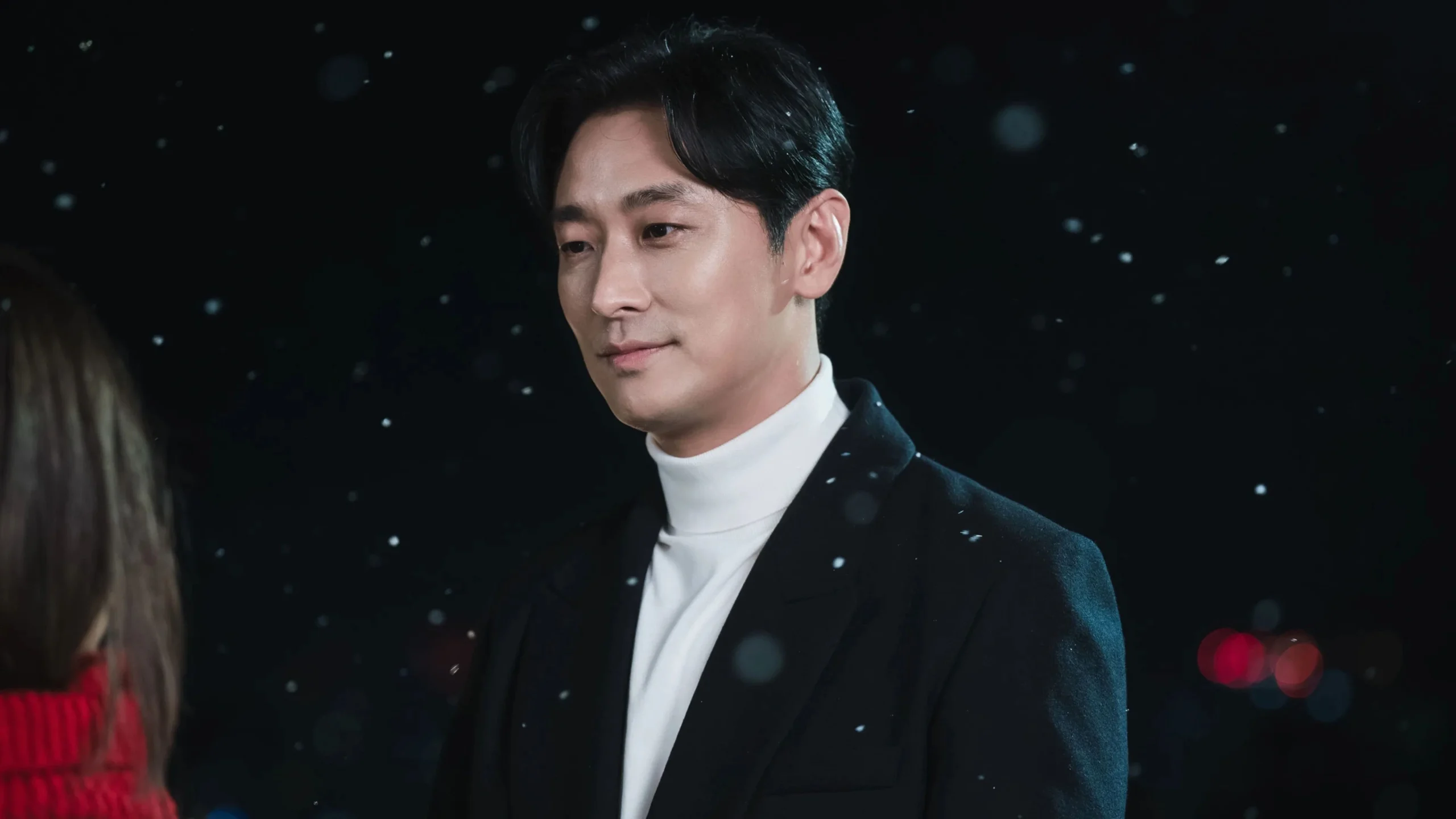
🏁 Ending Explained
From here on, full spoilers — the ending, unpacked.
Spoiler Warning — This section covers the full finale of Love Your Enemy. Stop here if you haven’t finished the series.
What the Title Finally Resolves. The finale asks a question the Korean title has been posing all along: not whether these two people can coexist on the same bridge, but whether they can stop treating it as a battlefield. Seok Ji-won goes first — not because he loses, but because he finally understands what he has been trying to win. The single-log bridge was never going to hold two people moving in opposite directions. They weren’t moving in opposite directions.

Seok Ji-won’s Ending. He came back to this school at thirty-six as someone who had learned to move through the world by controlling it. He leaves as someone willing to build inside uncertainty instead. The show doesn’t give him a victory over his family — it gives him something smaller and more useful: the clarity to stop fighting his family’s war on his family’s terms. He didn’t reclaim what was taken from him at eighteen. He built something different with what remained.
Yoon Ji-won’s Version. Hers is the harder ending. She is the one who had to absorb the revelation that her heartbreak wasn’t just painful — it was engineered. That reframing doesn’t make the loss smaller. But it gives her something eighteen years of careful distance couldn’t: a reason to trust that what she felt at eighteen was real, not manufactured. She stops competing. She starts choosing. Jung Yu-mi plays that transition in how still she gets rather than anything she says aloud.
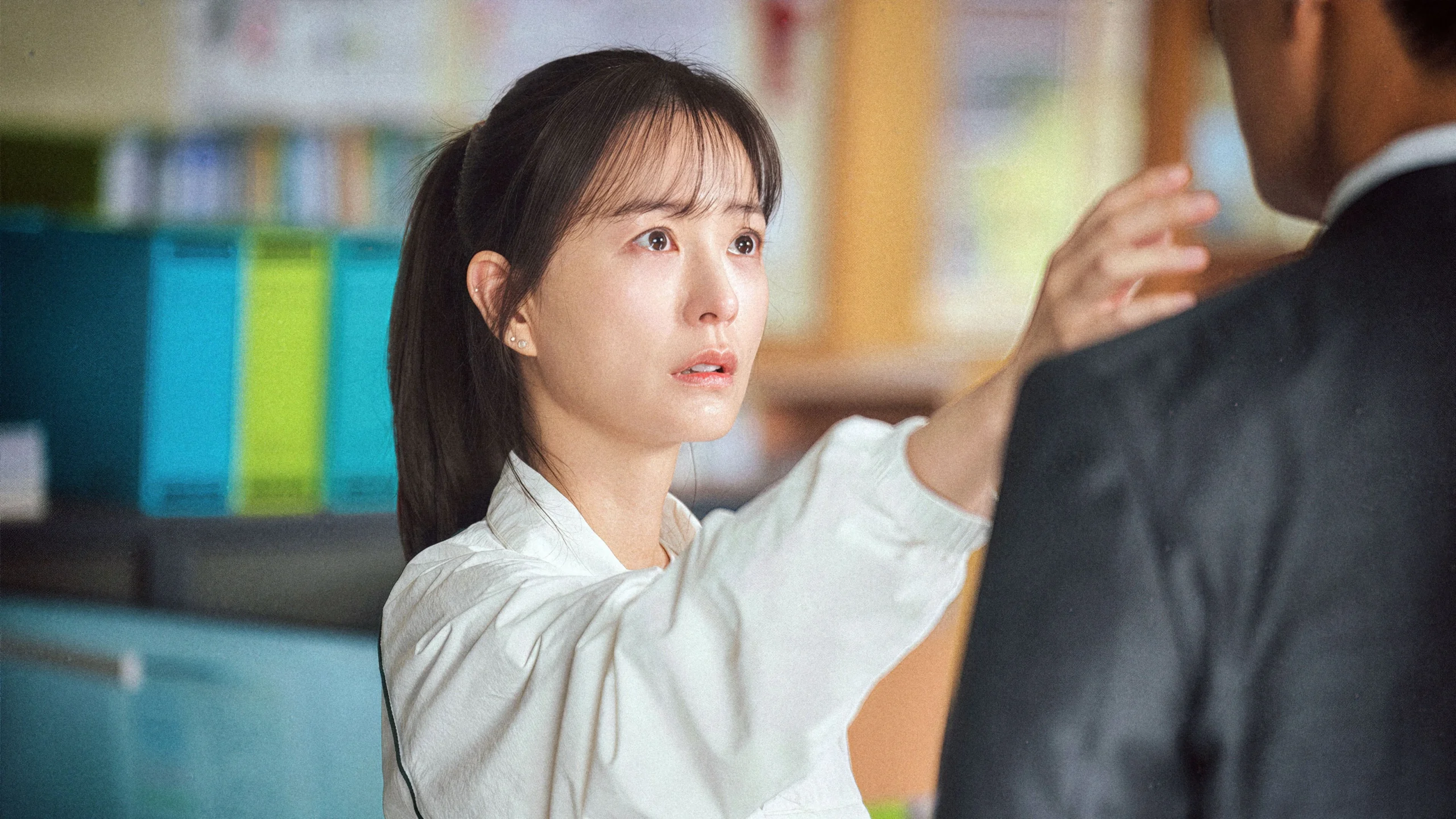
The Secondary Arcs Close Cleanly. Cha Ji-hye exits her piece of the story on her own terms — not defeated, not humiliated, but freed from a guilt she has been carrying since she was eighteen. The show treats her sincerity as real rather than comic foil, and her final scene reflects that. Gong Moon-soo’s is the quieter version of the same reckoning: decent enough to love well, clear-eyed enough to see the door was never going to open for him. Both exits land because the drama never asked either character to be a villain.
The Feud Exhausts Itself. The resolution isn’t fairy-tale forgiveness — it’s a very specific kind of fatigue. Yoon Jae-ho’s gesture toward his granddaughter’s future is directed at her, not at the Seok family, not at reconciliation as an abstract principle. He chose her future over a war he no longer has energy for. The drama earns that distinction throughout twelve episodes, and the finale honours it: what Seok Ji-won and Yoon Ji-won build at the end isn’t what they lost at eighteen. It’s something different, which is the only honest thing to build.

✍️ KDramaWorlds Editor’s Take
Our honest take — is it worth your time, and who’s it really for.
😤 Rivals-to-Lovers
🏫 School Politics
⏳ 18-Year Flashbacks
🎭 Comedy With Weight
Ju Ji-hoon has spent the last several years in roles defined by controlled intensity — the plague-hiding prince of Kingdom, the identity-stripped lead of Mask — where the tension is existential and the face is almost always composed. Love Your Enemy is the first time in years he’s been asked to be genuinely funny: not the grim competence that passes for personality in his thrillers, but actually baffled, competitive, and outmatched by someone he cannot manage. He navigates the adjustment well. In the early episodes, Seok Ji-won’s composure is something he’s been practising, and you can see it fracture specifically in scenes with Yoon Ji-won — in the small unguarded moments when he registers something before his expression has time to catch up. Fans of second-chance romance done with quiet emotional intelligence will find the same attentive energy in Our Beloved Summer.
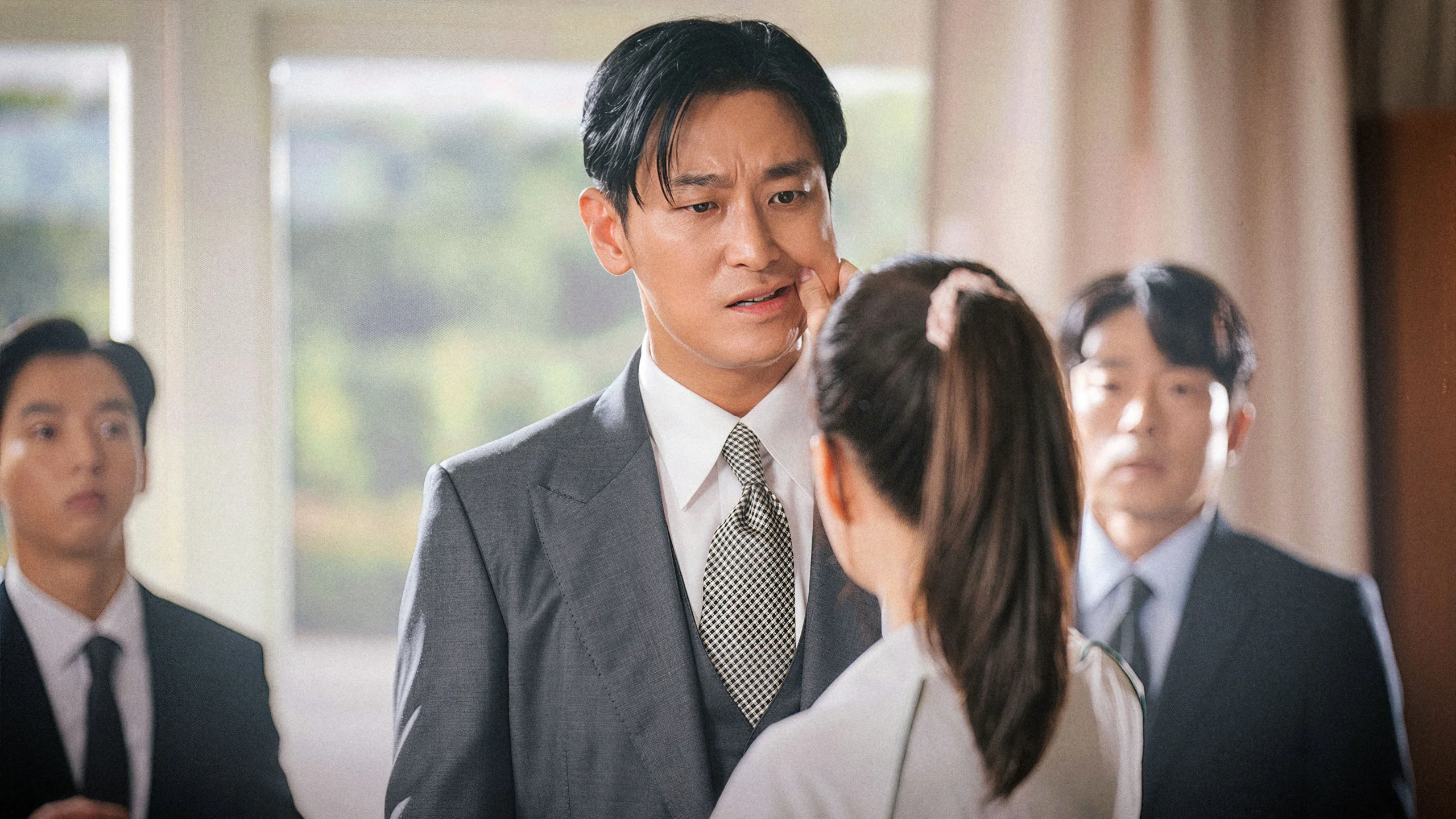
Jung Yu-mi has spent most of the last few years in film — Kim Ji-young: Born 1982, Tune in for Love — working in emotionally compressed registers where less is almost always more. Drama format gives her more time and more lightness than those projects allow, and she uses both. Yoon Ji-won’s comedic edge is sharpest in the first half, but what Jung Yu-mi preserves across all twelve episodes is the specific way someone holds herself around the person who made “fine” necessary — in how still she gets when he’s close, in what her posture doesn’t do when he’s in the same room. The lived-in physical economy of her performance is something anyone who enjoyed Love Next Door‘s chemistry between two people with a long shared history will immediately recognise.
The show has one real structural weakness: the middle episodes lean on school subplots and family mechanics for momentum in ways that feel like delay rather than depth. Episodes 7 and 8 are where the leads’ individual development slows at exactly the wrong moment. Stick with it. The back half recovers everything, and Episode 12 is one of the more genuinely honest finale hours the romcom genre has produced — not because it resolves everything neatly, but because it earns the distinction between what can be resolved and what can only be chosen.
Viewers who like comedy that doesn’t sacrifice the feeling underneath it
Ju Ji-hoon fans ready to see him do something that isn’t a thriller
Eighteen years of waiting, twelve episodes of watching it unravel. Worth it.
🎬 You Might Also Like
If you liked Love Your Enemy, these are your next three watches.
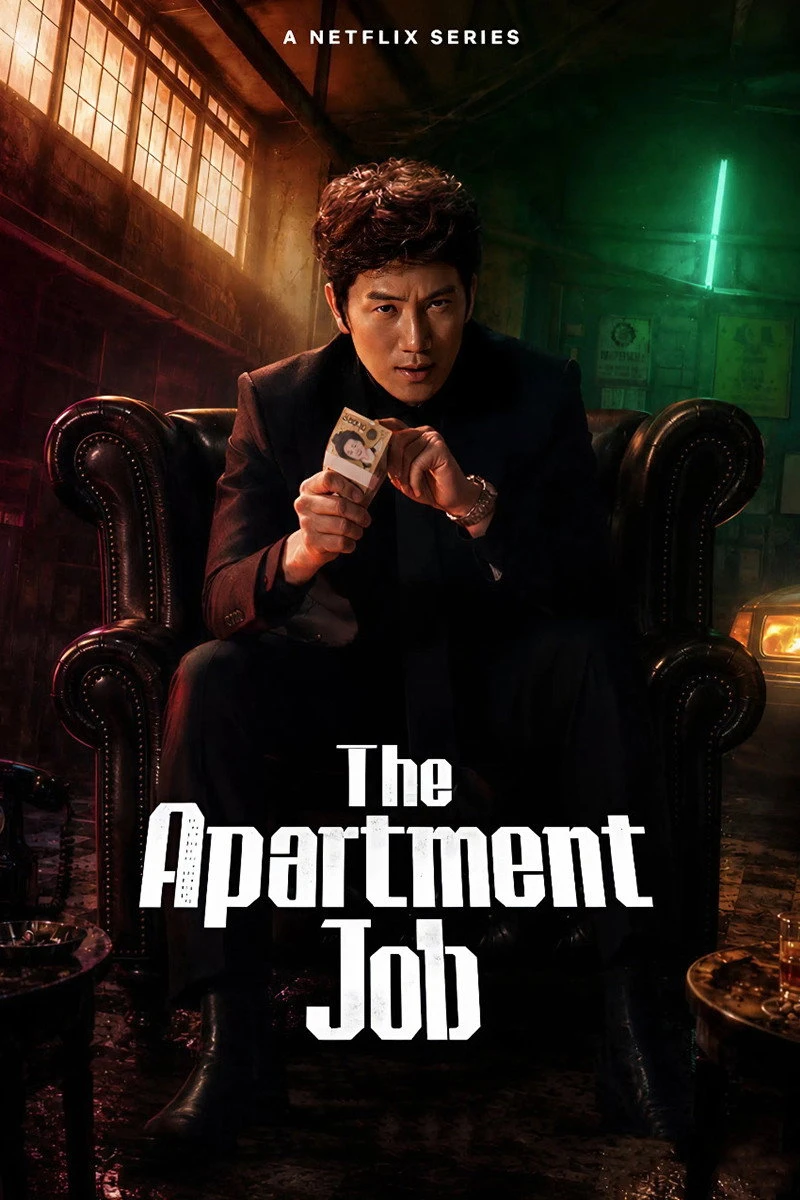
 See You at Work Tomorrow!
boss-employee relationship
Read Full Review →
|
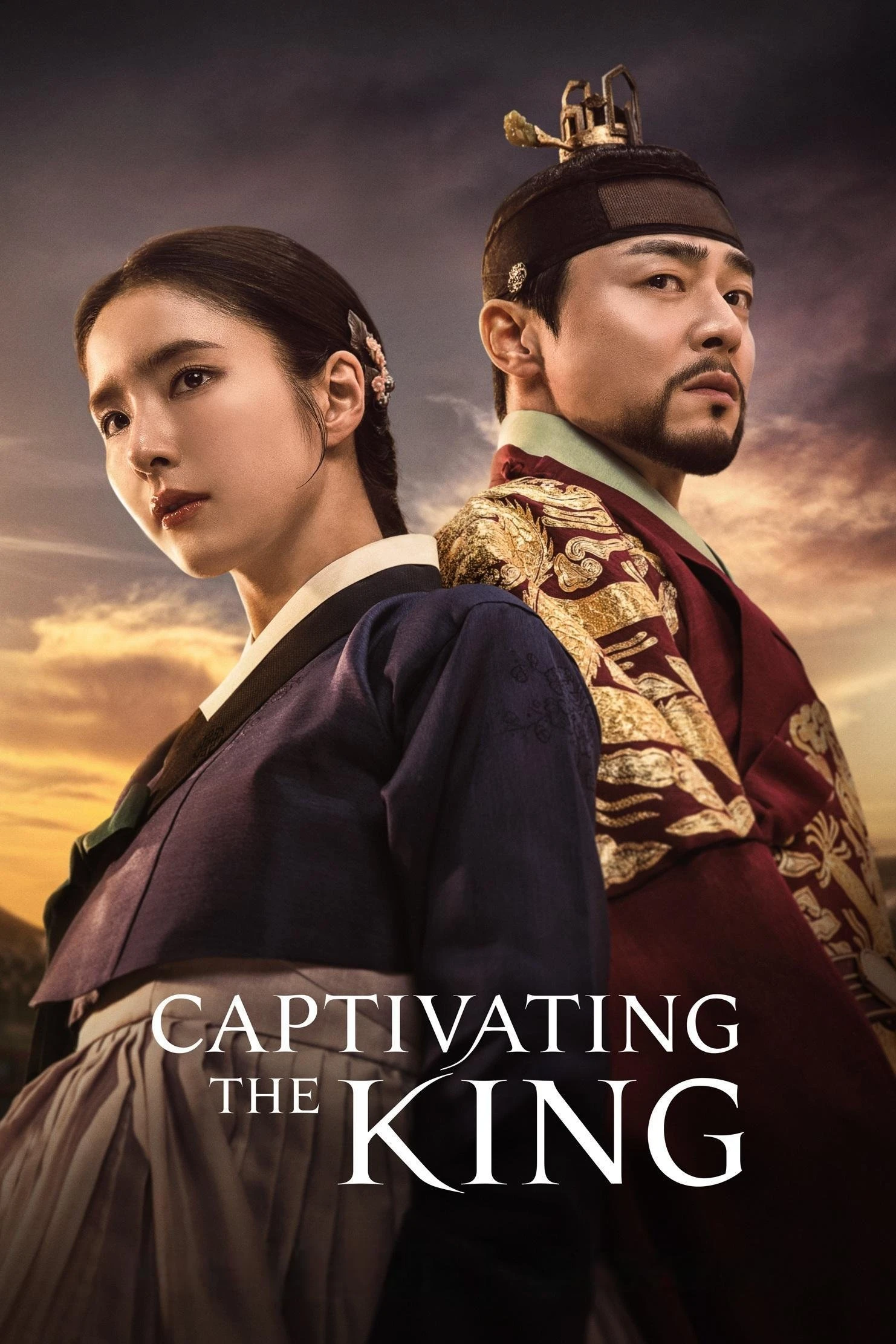
 Cinderella at 2AM
ChaebolDetermined male lead
Read Full Review →
|
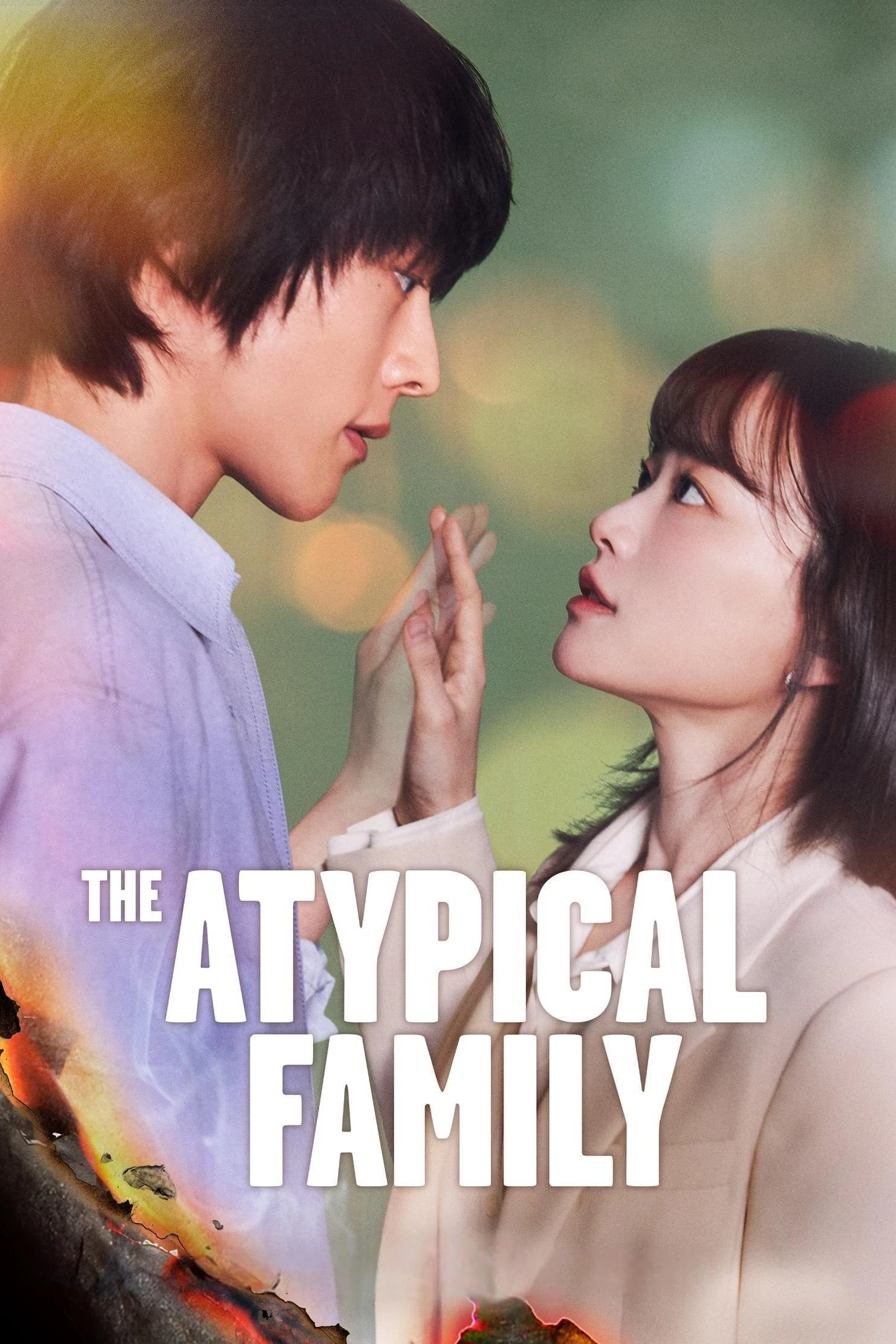
 Sh**ting Stars
Celebrity Culture별똥별
Read Full Review →
|











Keep it kind, skip the harsh language, and please — no spoilers. Everyone's taste is different, and that's perfectly fine.
This space is for real reactions and discussion from other viewers. Help keep it comfortable for everyone by not giving away major plot details.
What do you think of this drama?
Login to share your review or leave a comment.
No email needed — just pick a username & password.