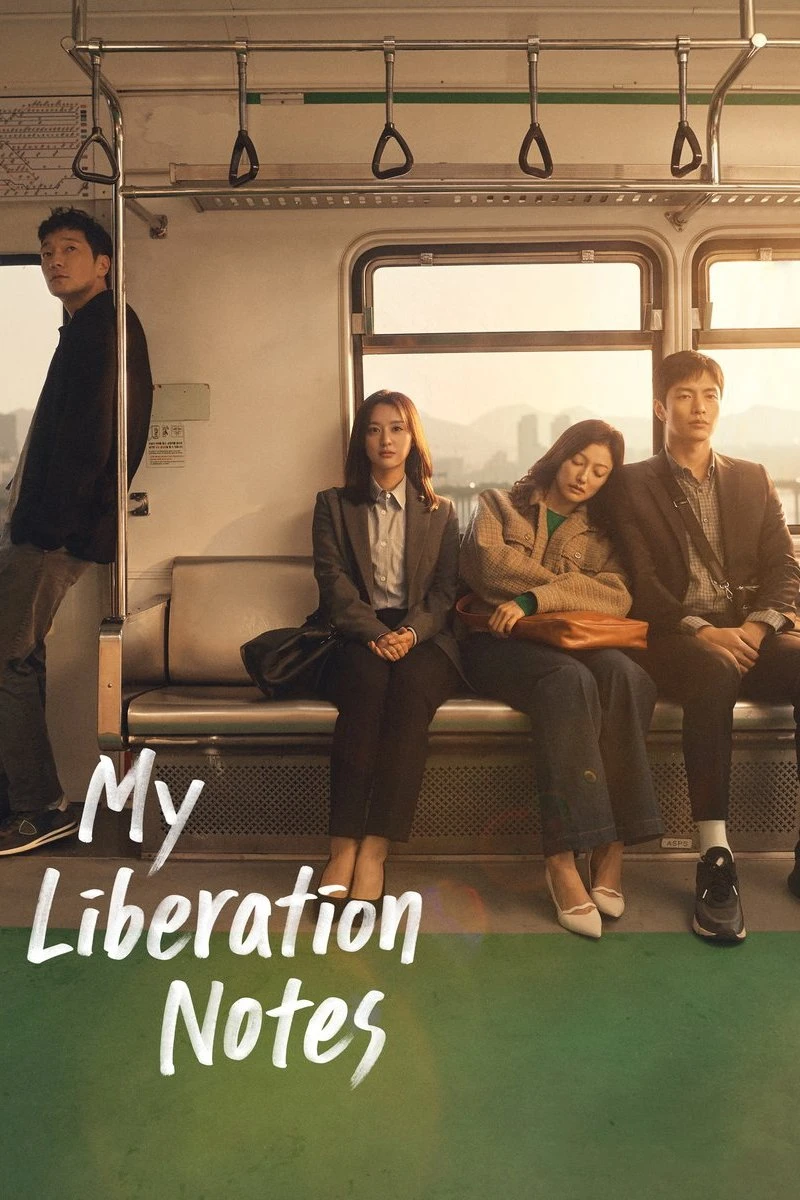
My Liberation Notes
🎬 Netflix · TVING
⭐ 8.5 / 10 MDL
🔞 15+
📋 Drama Overview
Everything worth knowing, before the opening credits.
💗 Slice-of-Life Masterpiece
TVING
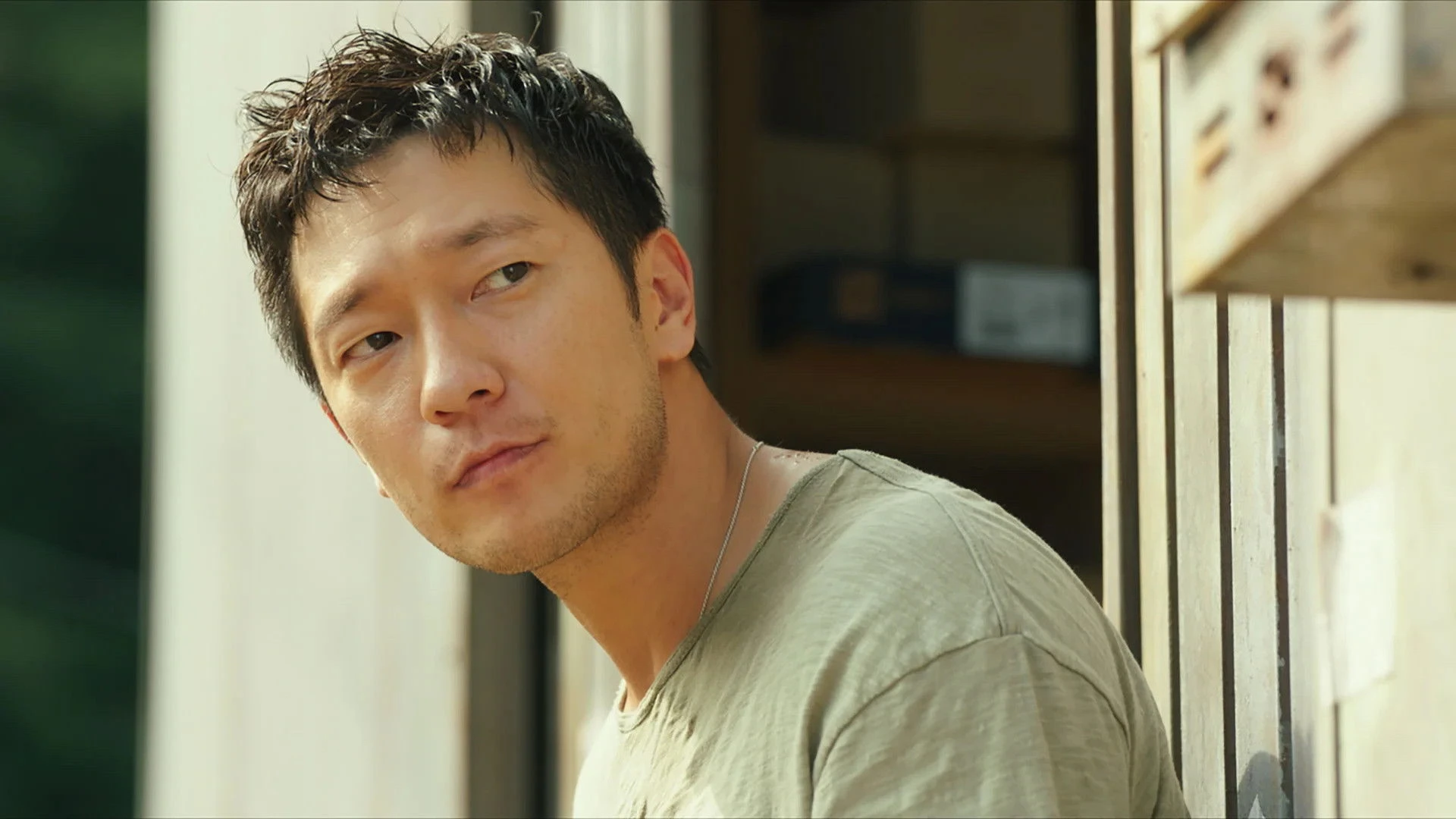
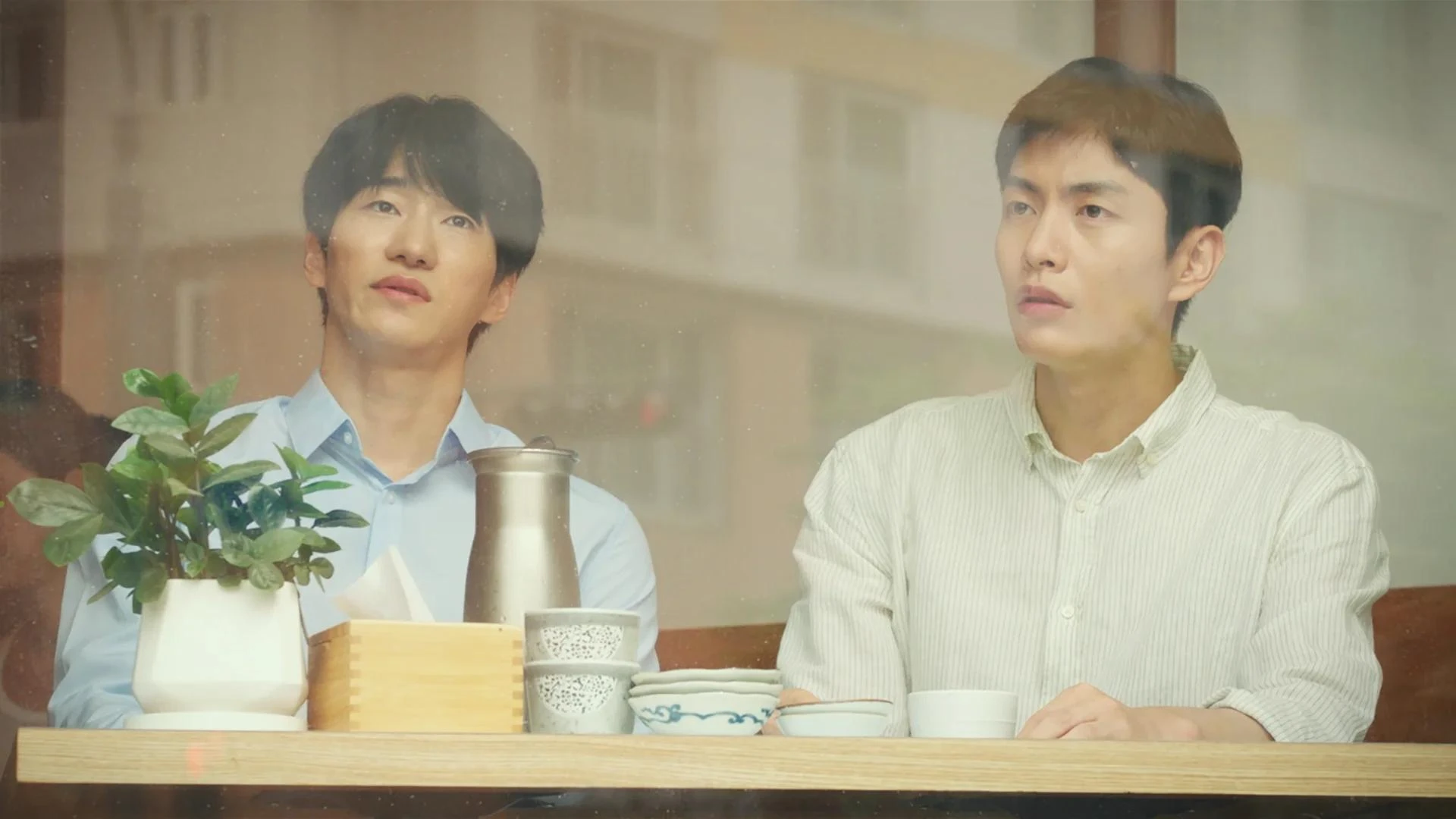
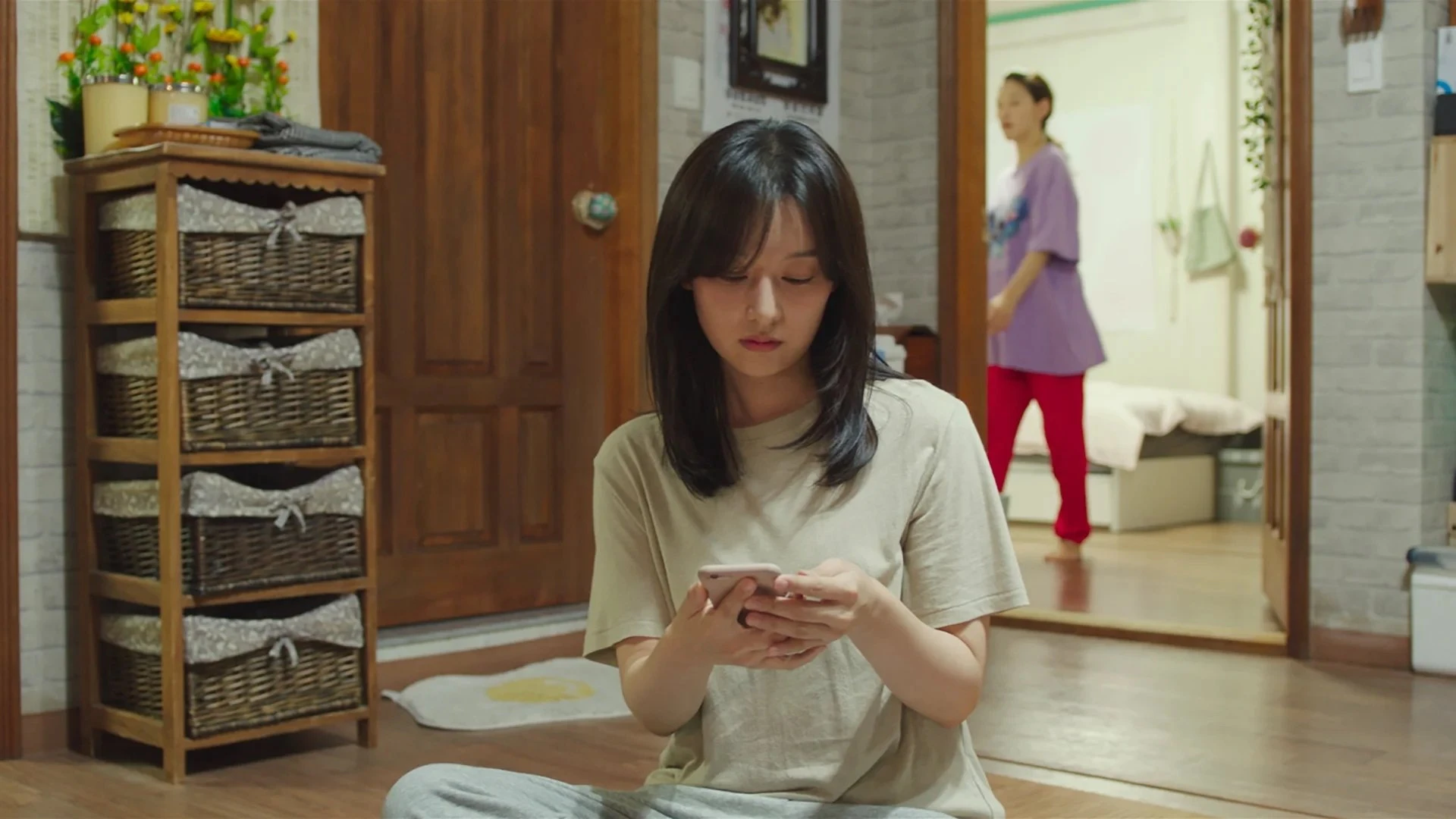
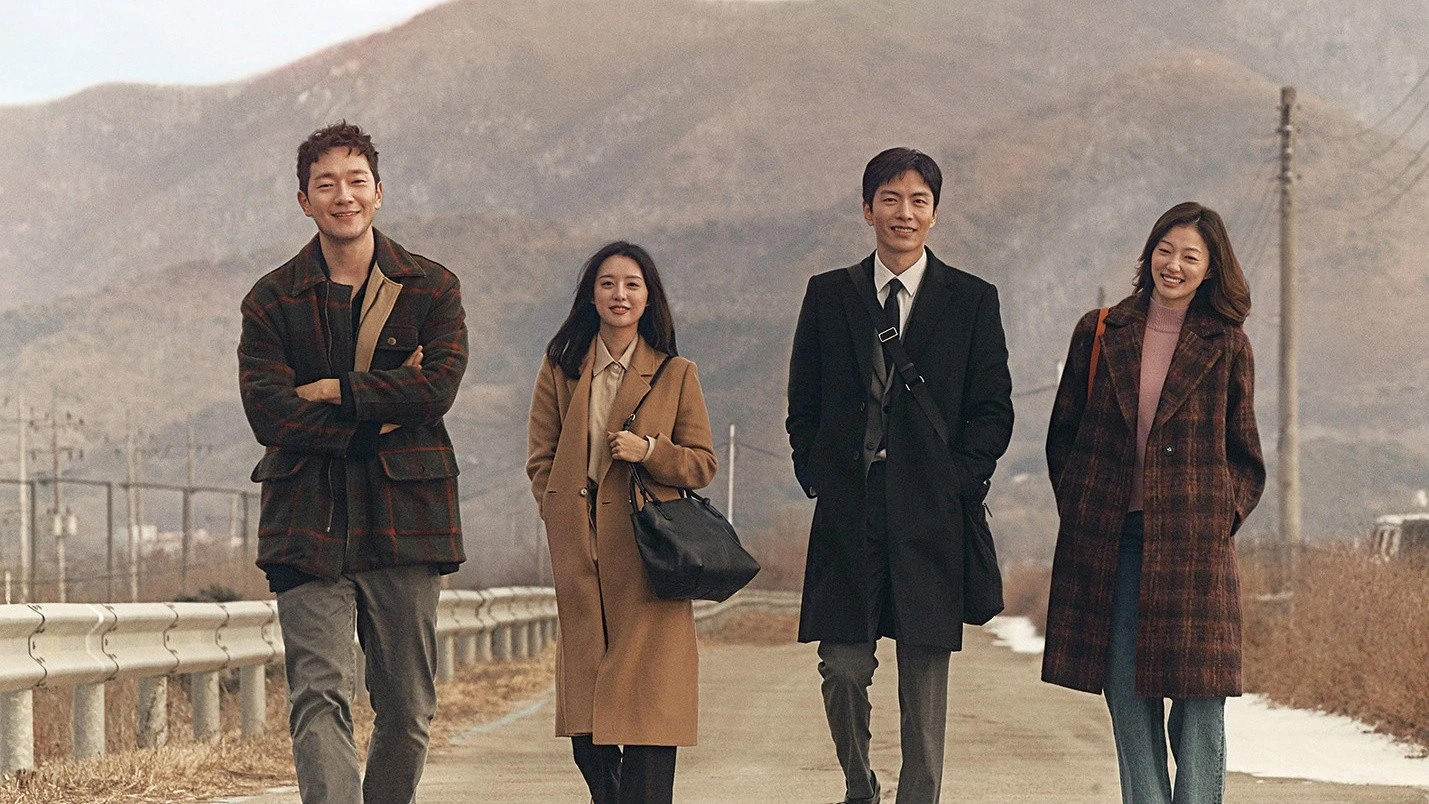
Three Yeom siblings — older brother Chang Hee, youngest sister Mi Jung, and middle sister Ki Jung — live with their parents in the quiet, fictional suburb of Sanpo in Gyeonggi Province, commuting more than an hour each way to Seoul every single day. Their lives have the shape of adulthood without the feeling of it: steady jobs, functioning relationships, a roof over their heads — and yet, each of them carries a deep, formless sense of going nowhere. Chang Hee is restless and sharp-tongued, burning through his days at a convenience store headquarters and unable to name what he actually wants. Ki Jung nurses a long-unresolved history with a man named Tae Hun, keeping everyone at arm’s length through practiced deflection. Mi Jung is the quietest and perhaps the most trapped — a contract worker at a small office, unnoticed, unseen, slowly losing faith that anything in her life will shift.
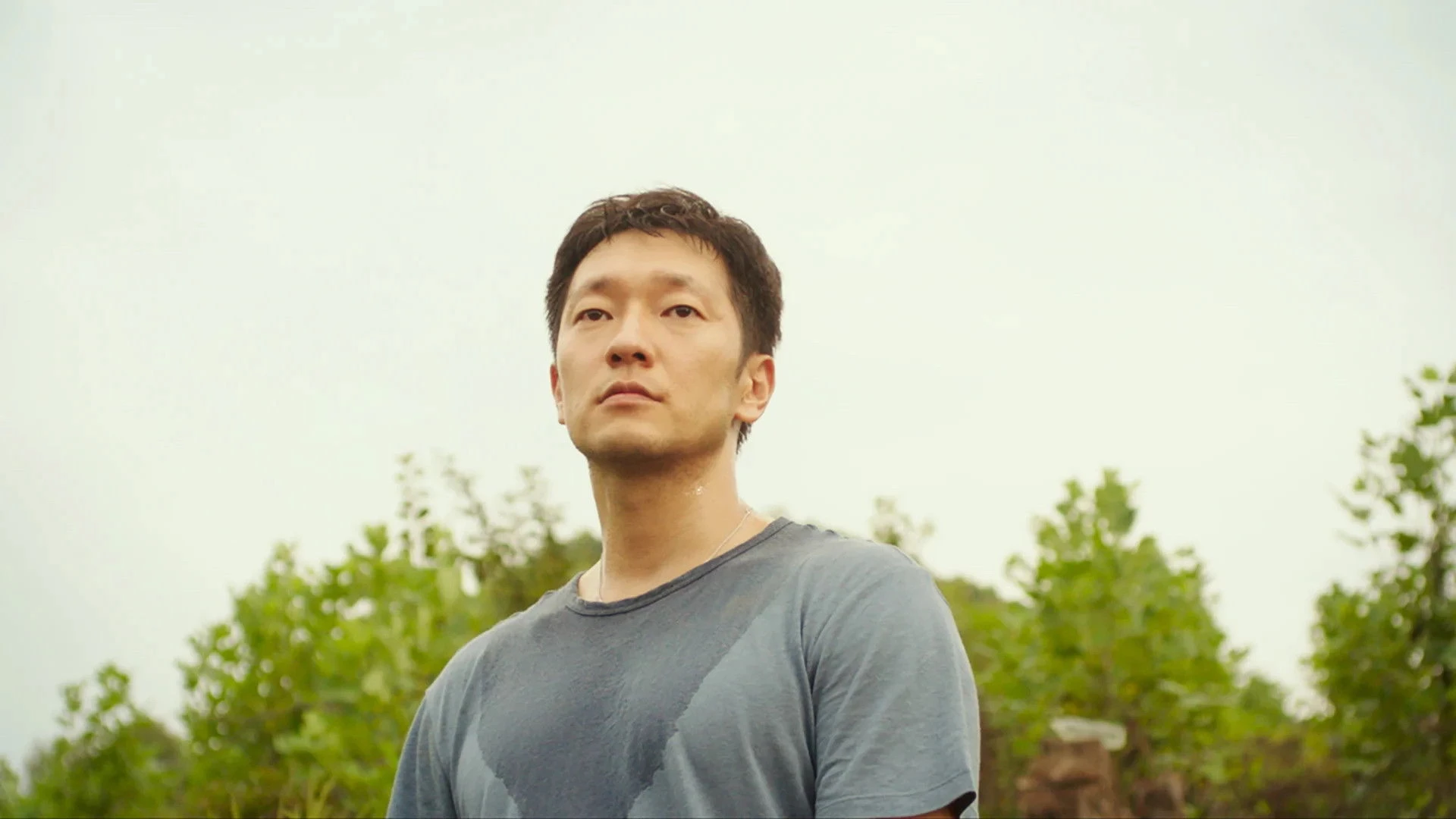
Everything changes — or begins to change — when a brooding, silent stranger named Mr. Gu arrives in Sanpo and takes a job at the family sink factory. Nobody knows where he came from. He doesn’t offer and nobody asks. What follows is not a thriller about his past or a romance about a grand gesture — it is a drama about four people, each in their own way exhausted by who they’ve become, slowly learning what it might mean to want something again. Written by Park Hae-young, the mind behind My Mister, My Liberation Notes is a drama built on quiet conversations, unspoken longing, and the radical idea that getting free is something you have to choose every single day.
16 / 16 ✅ Completed
⚡ Quick Verdict
One glance, one verdict — everything you need is right here.
· MDL Score · 29,076 ratings
▶ Official Trailer
🎭 Cast & Characters
Four siblings, one stranger, and a quiet village where everything begins to shift.

Lead

Lead
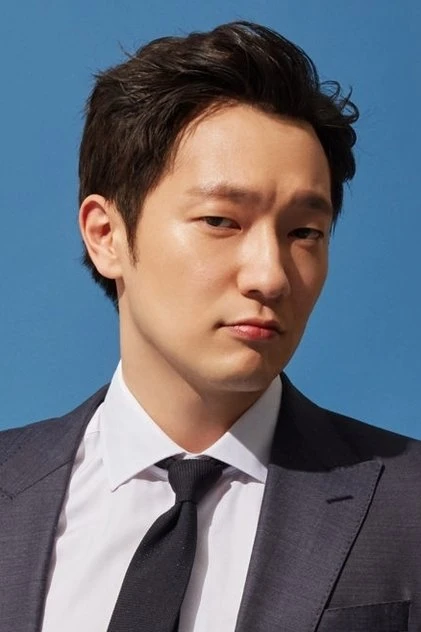
Lead
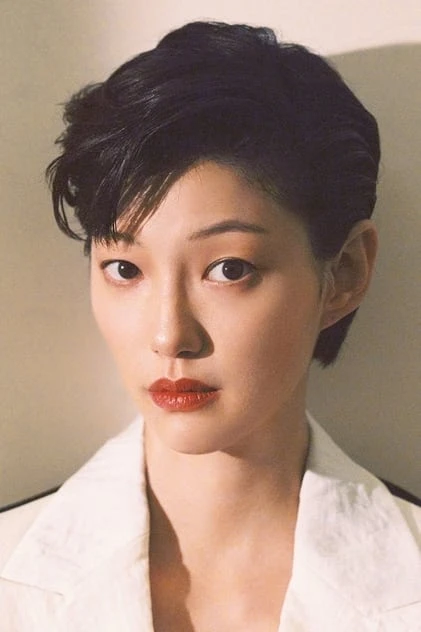
Lead

Supporting
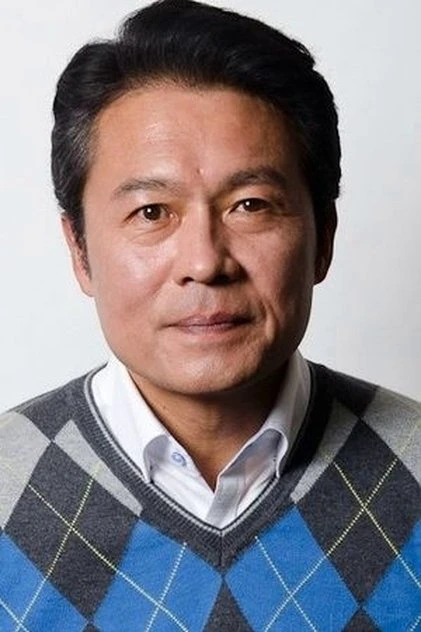
Supporting
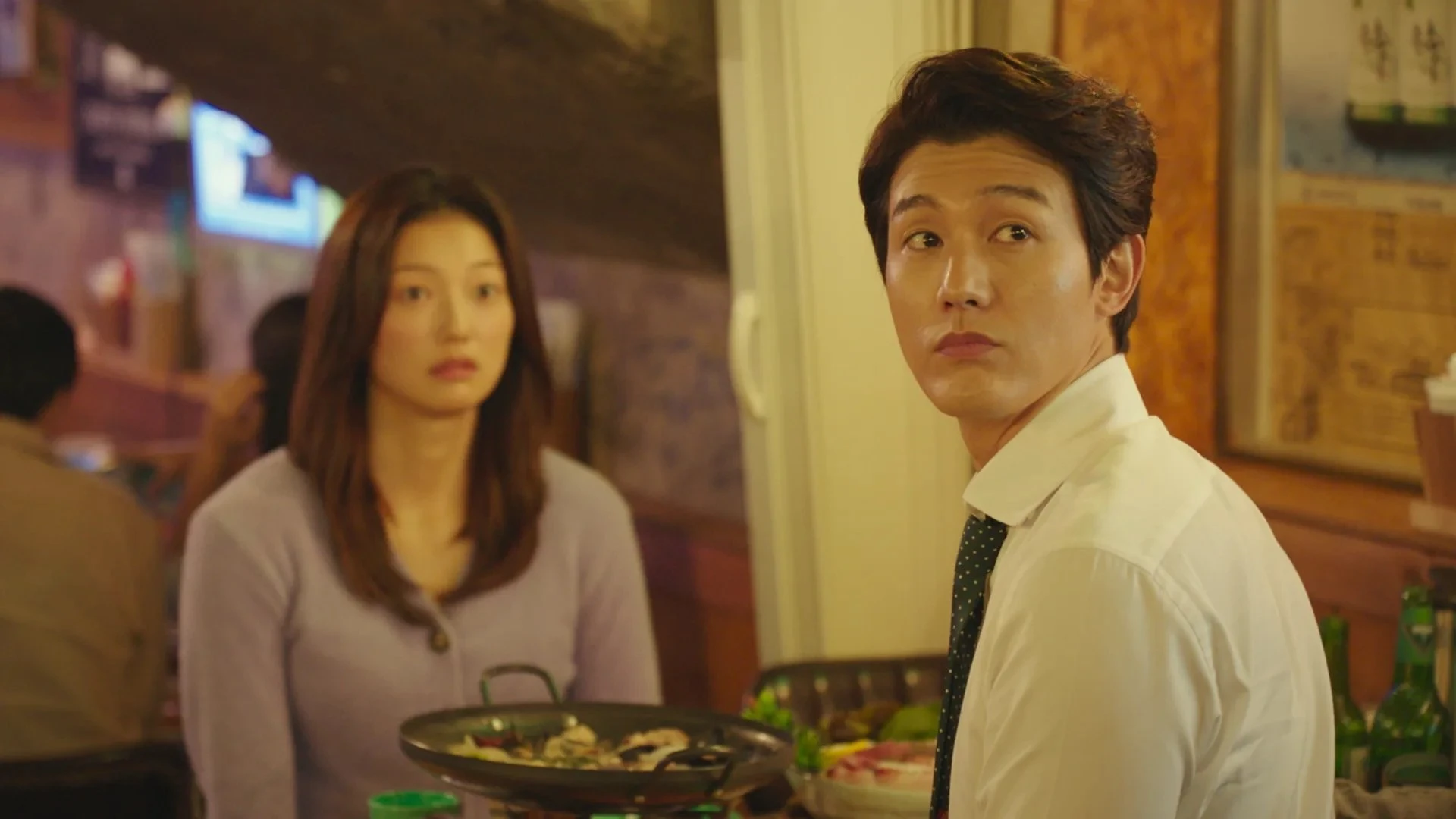
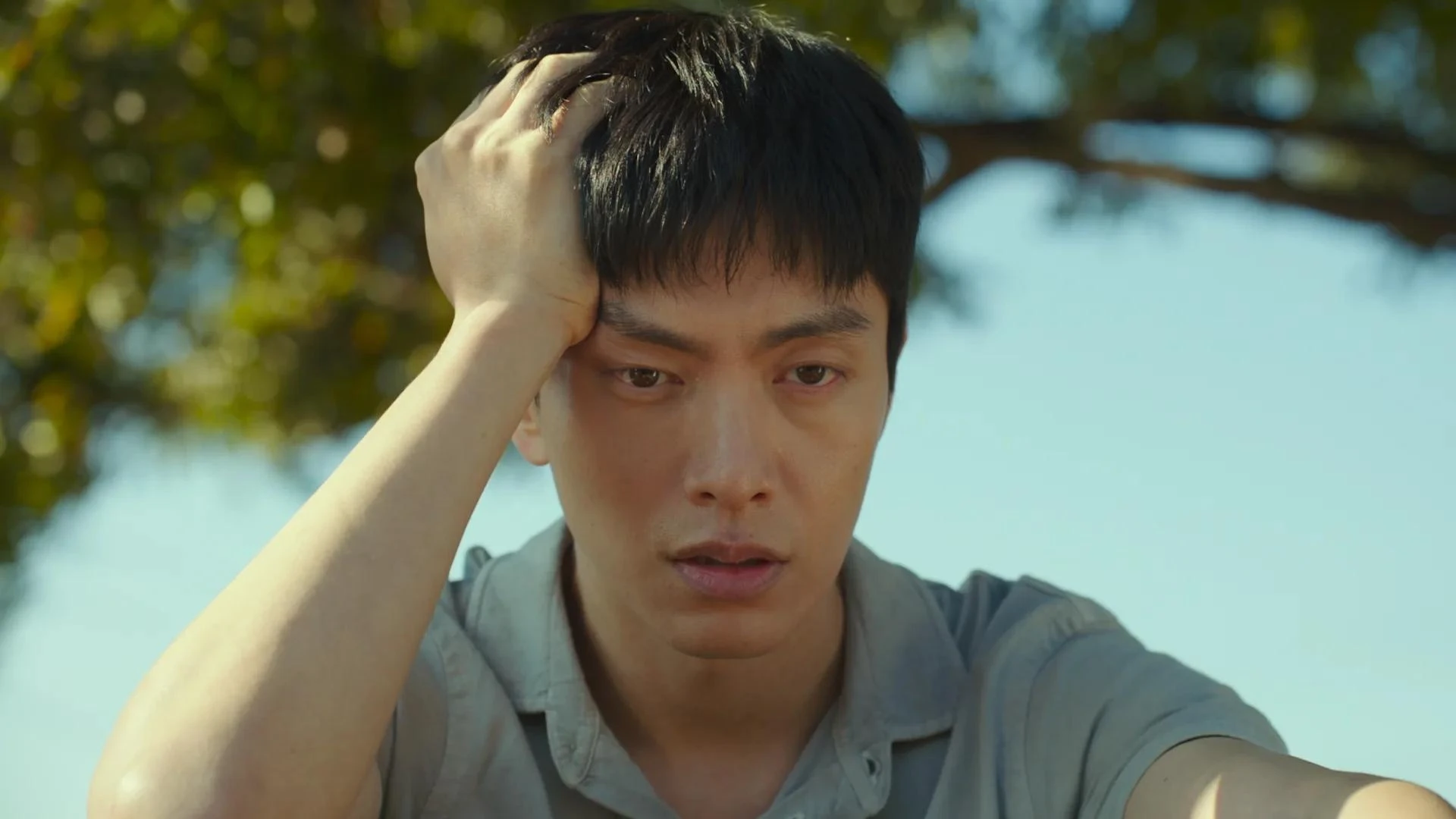
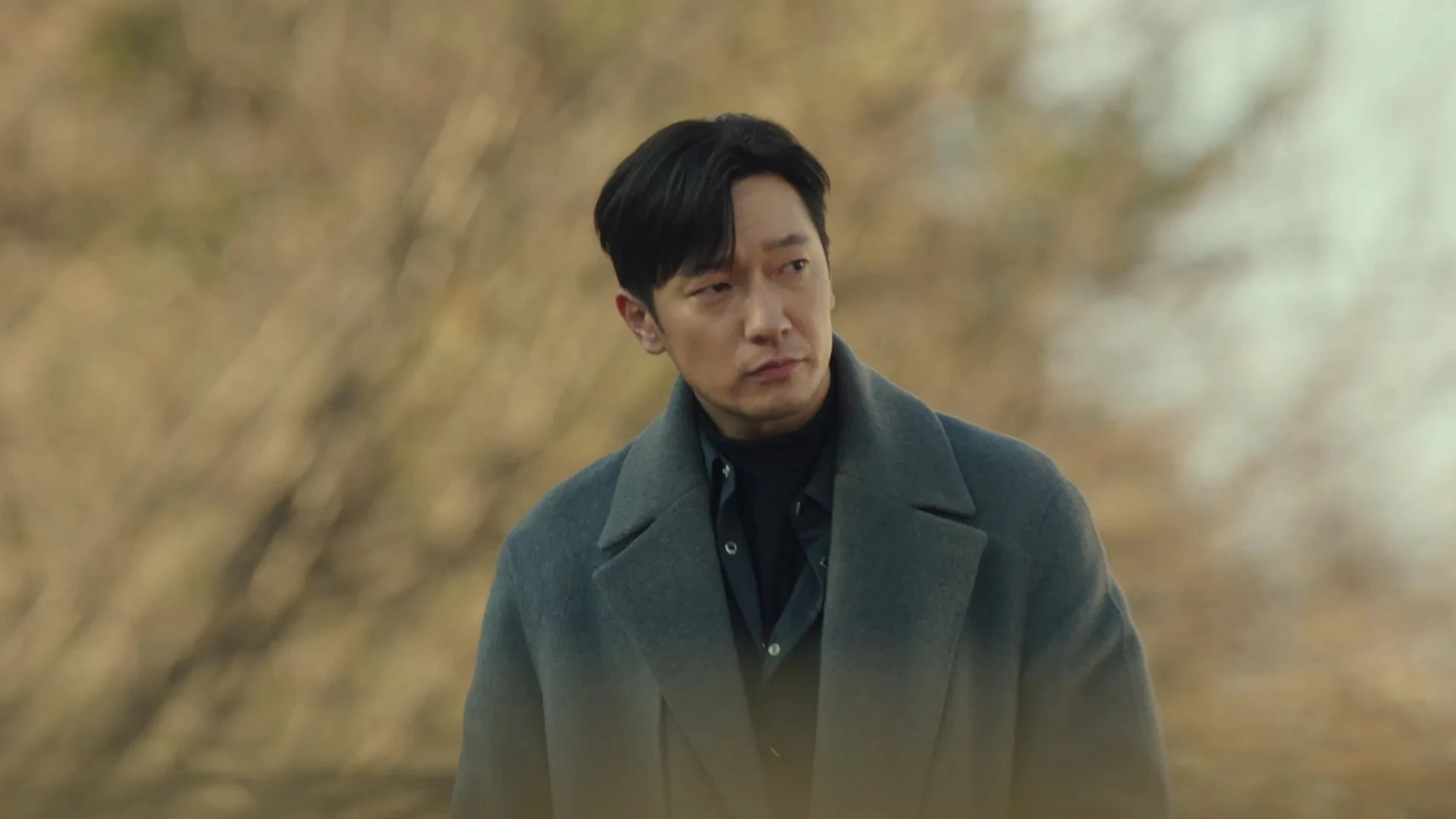
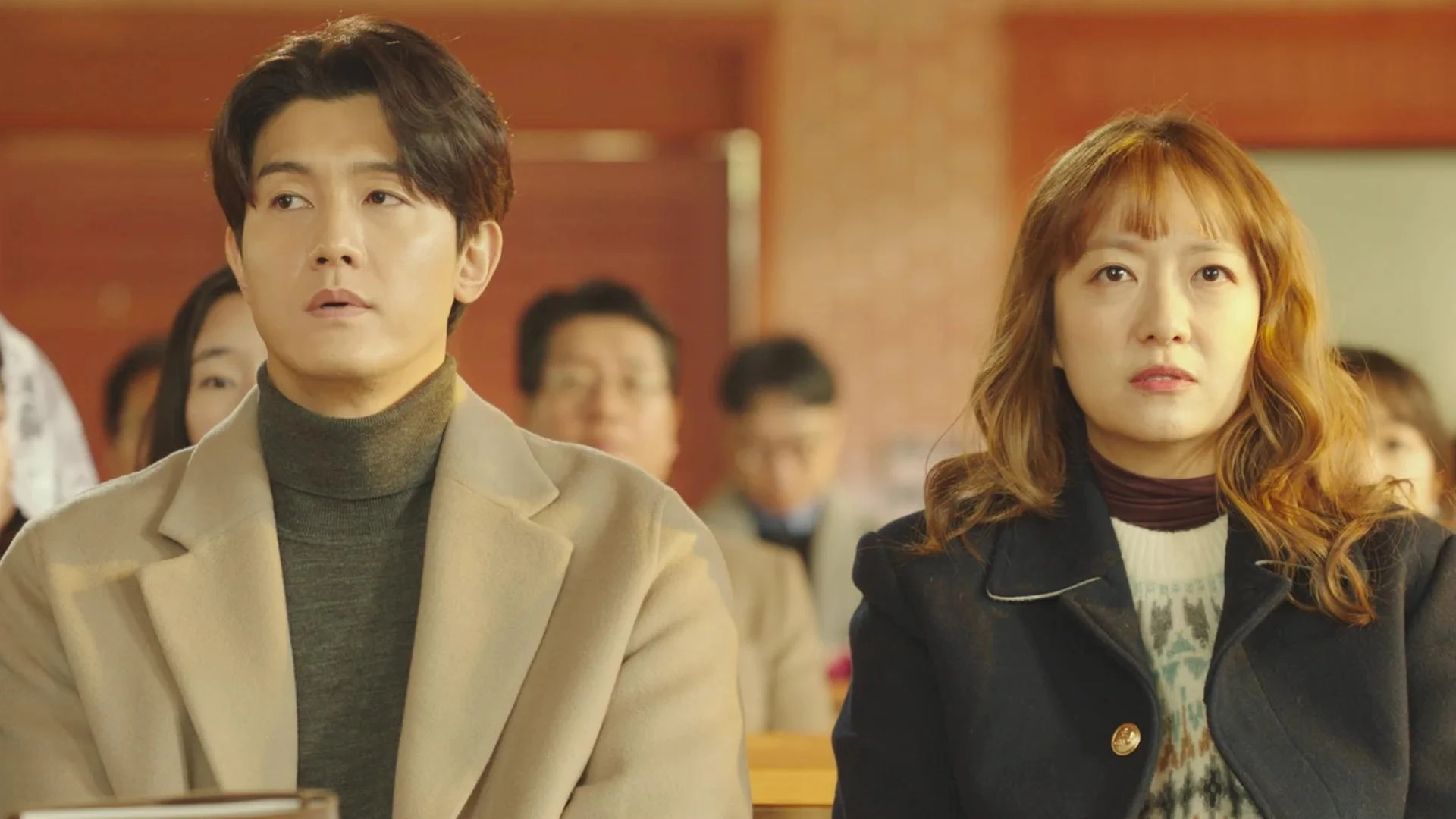
📺 Episode Guide
Spoiler-light recaps — enough to remember where you left off, nothing that ruins the journey.

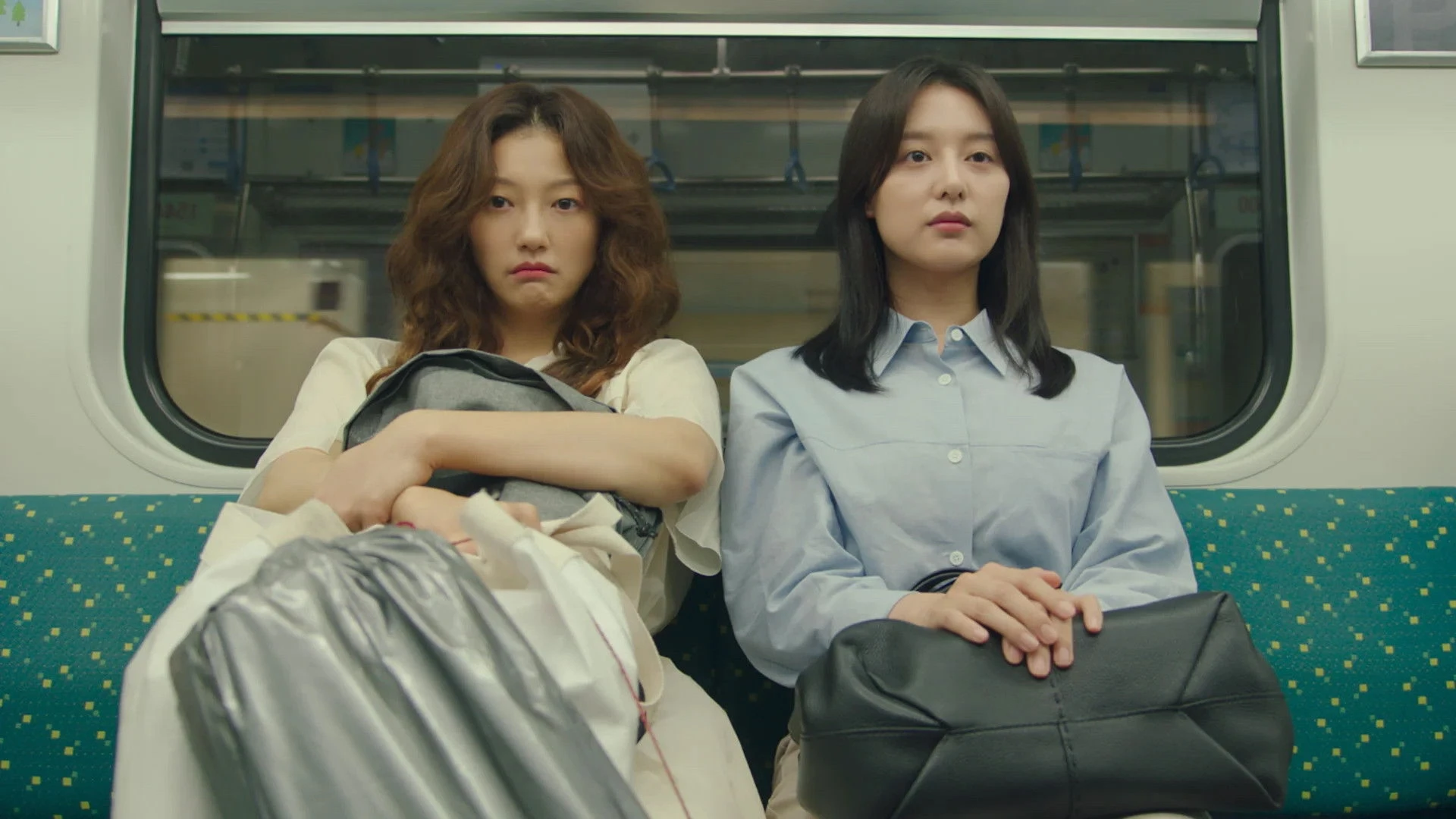
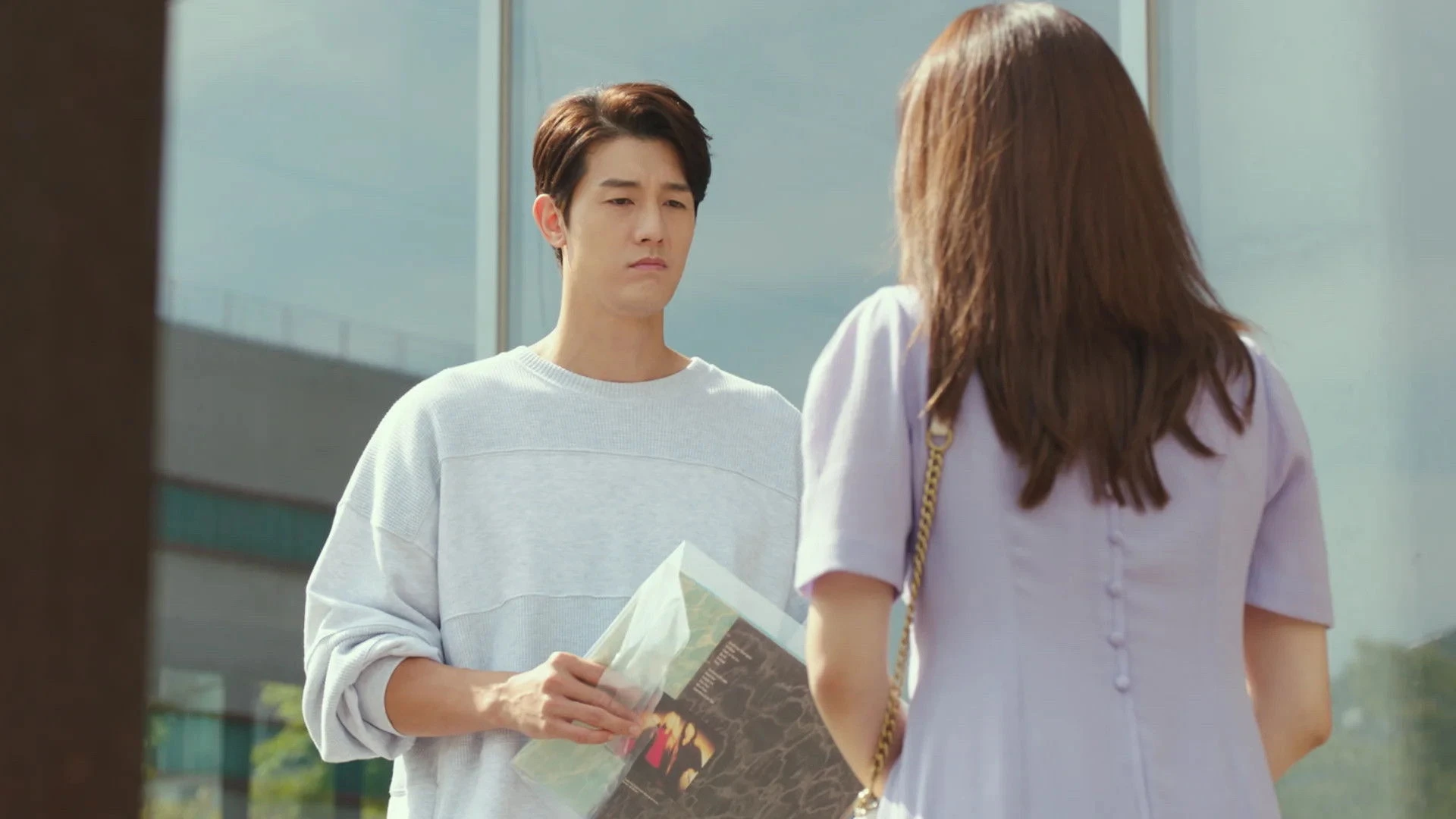
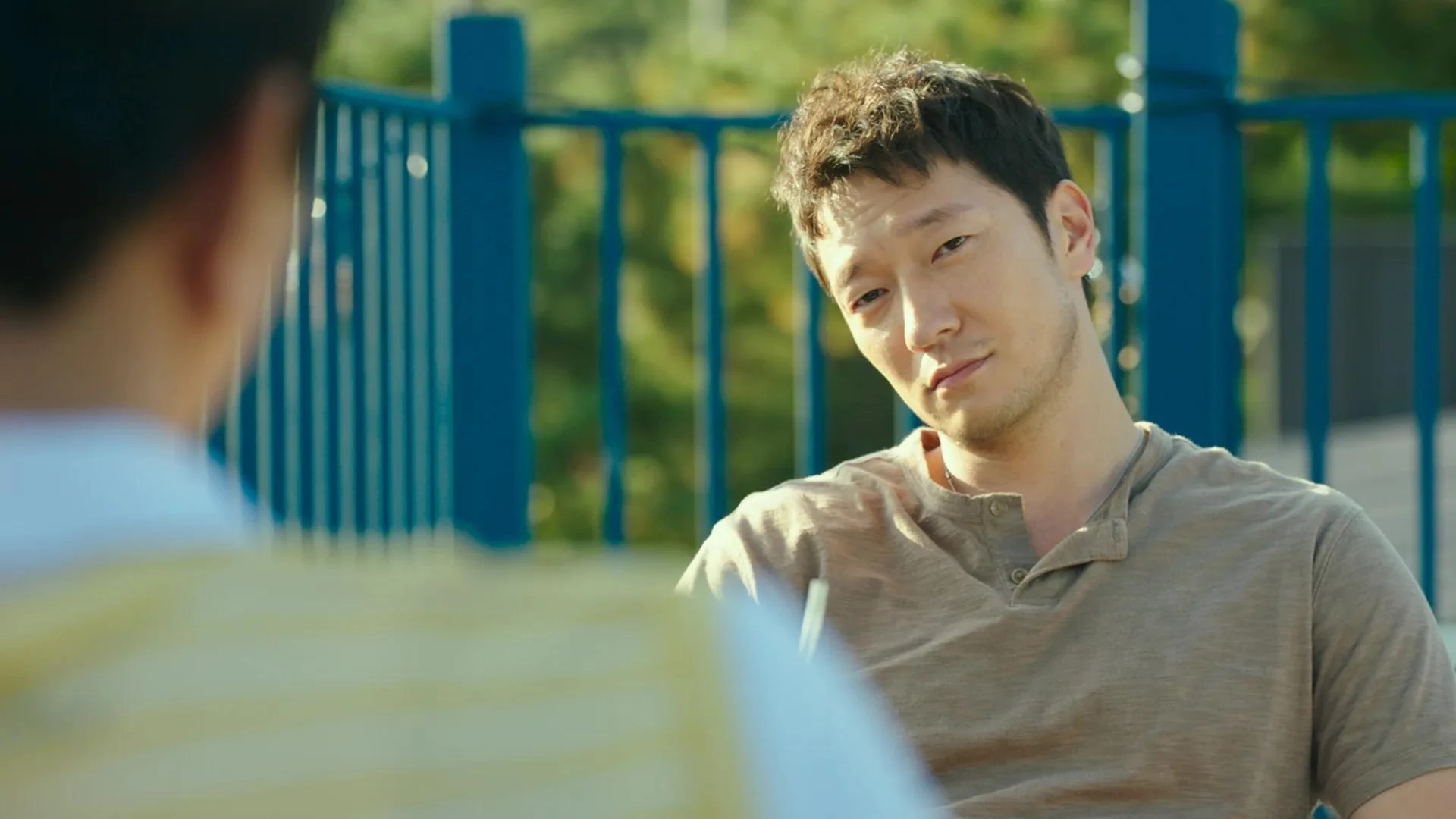
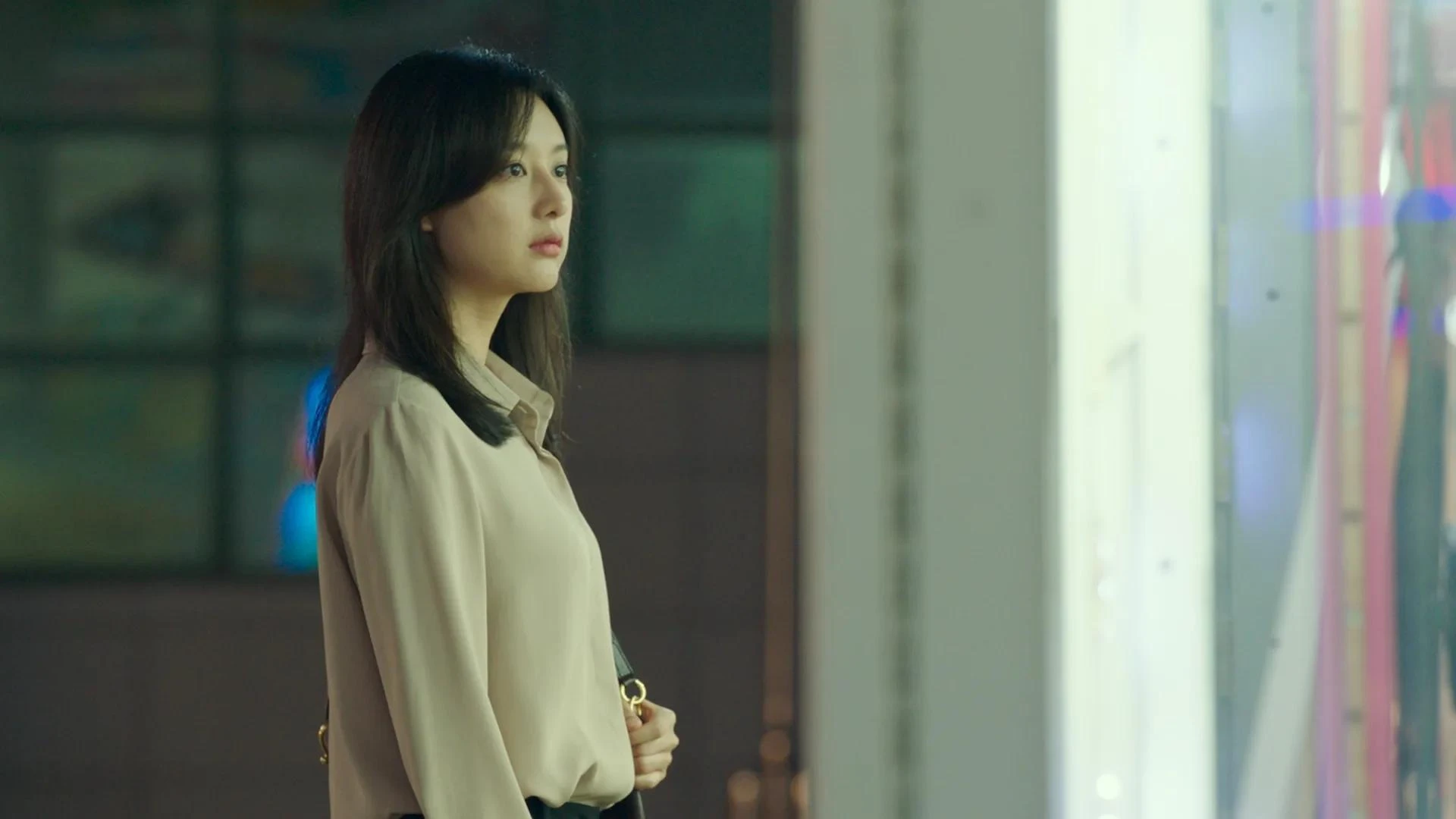
🏁 Ending Explained
Spoilers ahead — the finale, broken down in full.
Spoiler Warning — This section covers the full finale of My Liberation Notes. Stop here if you haven’t finished the series.
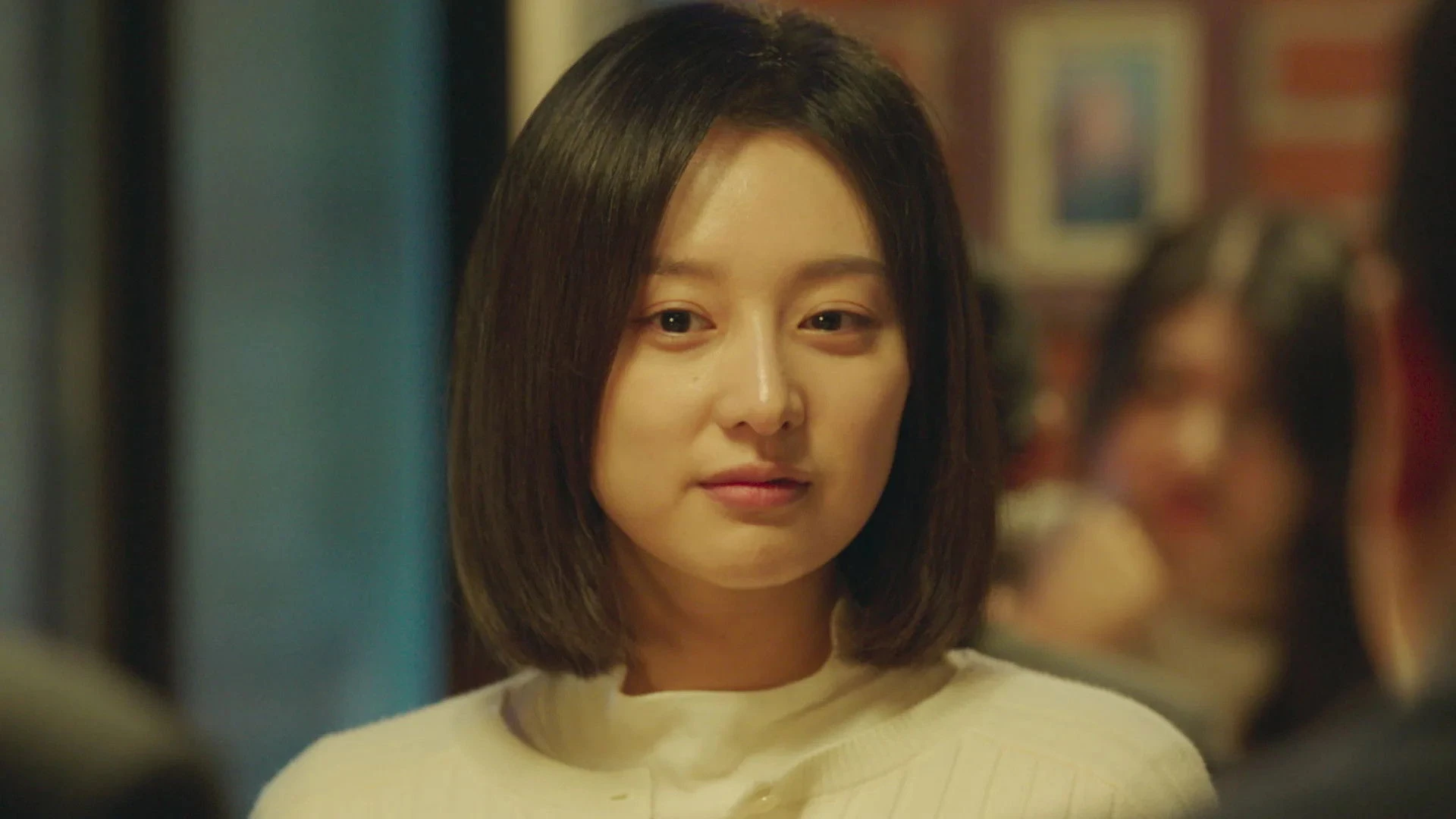
The finale does not give you what you think you want — it gives you something better. Episode 16 opens with a time jump, and the shift is disorienting at first: people have moved, things have changed, and the drama refuses to hold your hand through the transition. What becomes clear, slowly and deliberately, is that all four central characters have arrived somewhere — not at happiness exactly, but at something more honest than that. They have arrived at themselves.
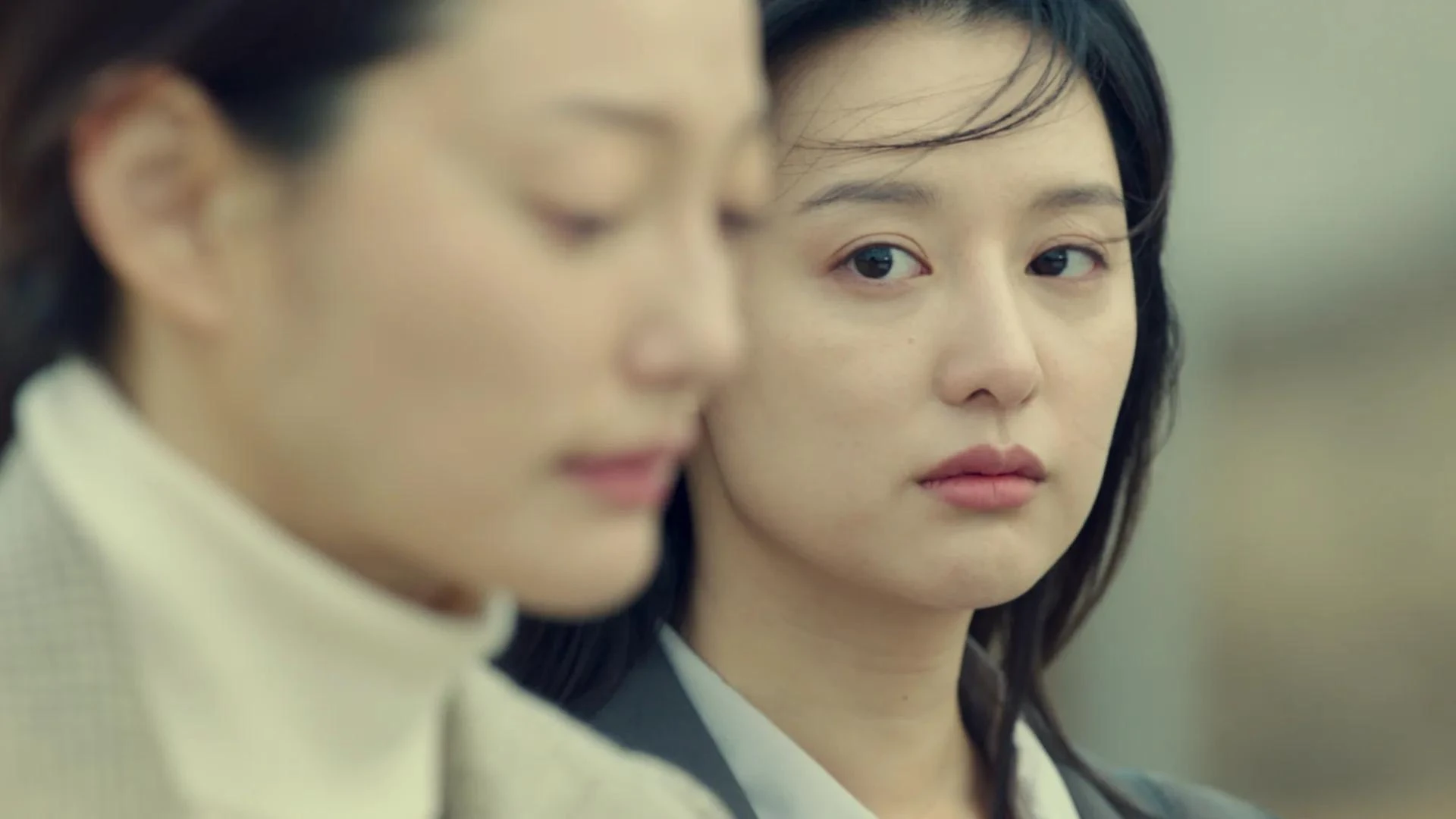
Ki Jung and Tae Hun find their resolution in clarity rather than drama. After episodes of near-misses and careful avoidance, they choose each other with a plainness that feels exactly right for who these two people are. There is no grand declaration, no romantic gesture — just two adults deciding, together, that they want to stop running from the obvious thing. Lee El’s final scenes carry every layer of Ki Jung’s journey: the deflection, the pride, the fear, and the hard-won willingness to want something without armoring herself against it. It is one of the drama’s most satisfying closes.
Chang Hee’s ending is quieter and perhaps the most earned. The man who spent sixteen episodes burning with formless restlessness finally allows himself to want something specific — Su Jin, a different kind of life, a version of himself that is not always fighting against his own nature. He does not become a different person. He just stops working so hard against being the one he is. His relationship with Su Jin is left open but warm, and the drama is wise enough not to oversell it.
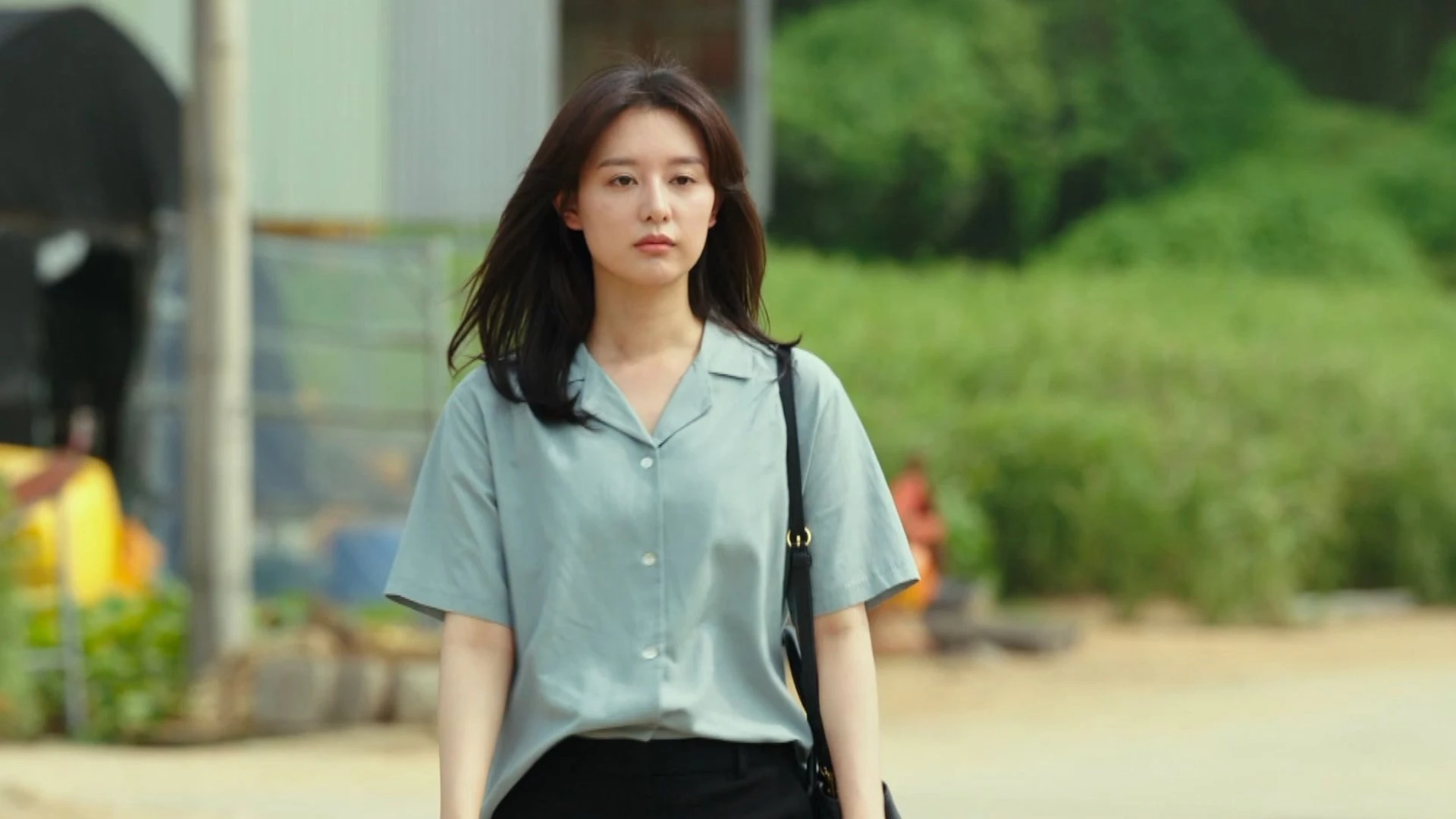
The Mi Jung and Mr. Gu resolution is the one the drama has been building toward all along — and it lands exactly as it should. Mr. Gu returns to Mi Jung not as a man still running from his past, but as someone who has begun — genuinely, painfully — to reckon with who he is and what he has done. His return is not a triumph. It is a beginning. And Mi Jung, who asked nothing of him except that he think well of her, receives exactly that. Their reunion is wordless and unhurried, and it is the most emotionally complete moment the show has. Liberation, the drama suggests, is not something you achieve — it is something you practice, imperfectly, every day, for the rest of your life.
✍️ KDramaWorlds Editor’s Take
Here’s our real take, and exactly who this one’s for.
There is a moment in episode three where Mi Jung asks a near-stranger to worship her — to simply think well of her, to hold her in his mind with care — and the request is so nakedly honest that it stops the scene cold. It is not a romantic line. It is not even particularly dramatic. It is the kind of thing a person only says when they have given up pretending they do not need what they need. That moment is My Liberation Notes in miniature: a drama that understands loneliness not as a plot device but as a daily, bone-deep condition — and insists, without sentimentality, that people can find their way out of it. Writer Park Hae-young, who gave us My Mister, works in the same register here: long episodes, unhurried rhythms, dialogue that reads like inner monologue that somehow made it out of someone’s head and into the room. Son Suk-ku’s Mr. Gu is a masterclass in performing silence — you watch him across sixteen episodes and feel his whole ruined history without ever being told it. Kim Ji-won, already one of Korea’s best, delivers what may be her finest performance: Queen of Tears showed her range in a mainstream romance, but this is where you see what she can do when the writing asks everything of her.
Not everyone will love this. The middle stretch — roughly episodes seven through eleven — asks for a patience that some viewers will find exhausting. The pace is not slow in the way that feels meditative; it is slow in the way that feels like real life, where nothing decisive happens for weeks and then something small changes everything. Mr. Gu’s backstory is deliberately withheld, and the show never fully delivers on every thread it opens — his past remains a partial sketch, and viewers who needed a complete picture will feel the absence. The drama also lives in its dialogue in a way that demands active watching: you cannot have this on in the background. Every line is doing work. If you miss a monologue, you miss the episode. That is a meaningful ask for sixteen seventy-minute episodes. And the ending — quiet, open, refusing catharsis — will split audiences cleanly between those who find it perfect and those who find it incomplete. That division is, in itself, part of what makes comparing it to other dramas so difficult.
The case for watching it anyway is this: My Liberation Notes is one of the few K-dramas that takes adult unhappiness seriously — not as a wound to be healed by the right person, but as a condition with its own logic, its own rhythms, its own possible exits. The siblings are not miserable in dramatic, telegenic ways. They are miserable in the way most people are miserable: performing function while feeling nothing, wondering if this is all there is, and not quite finding the words to say so out loud. When those exits begin to open, they open slowly and imperfectly, and the drama trusts you to feel the weight of that without underlining it. For the right viewer, at the right moment in their life, this drama will feel less like something they watched and more like something they survived alongside.
Anyone who has ever felt trapped in a life that looks fine from the outside
Fans of Kim Ji-won or Son Suk-ku wanting to see their best screen work
🎬 You Might Also Like
If you liked My Liberation Notes, these are your next three watches.
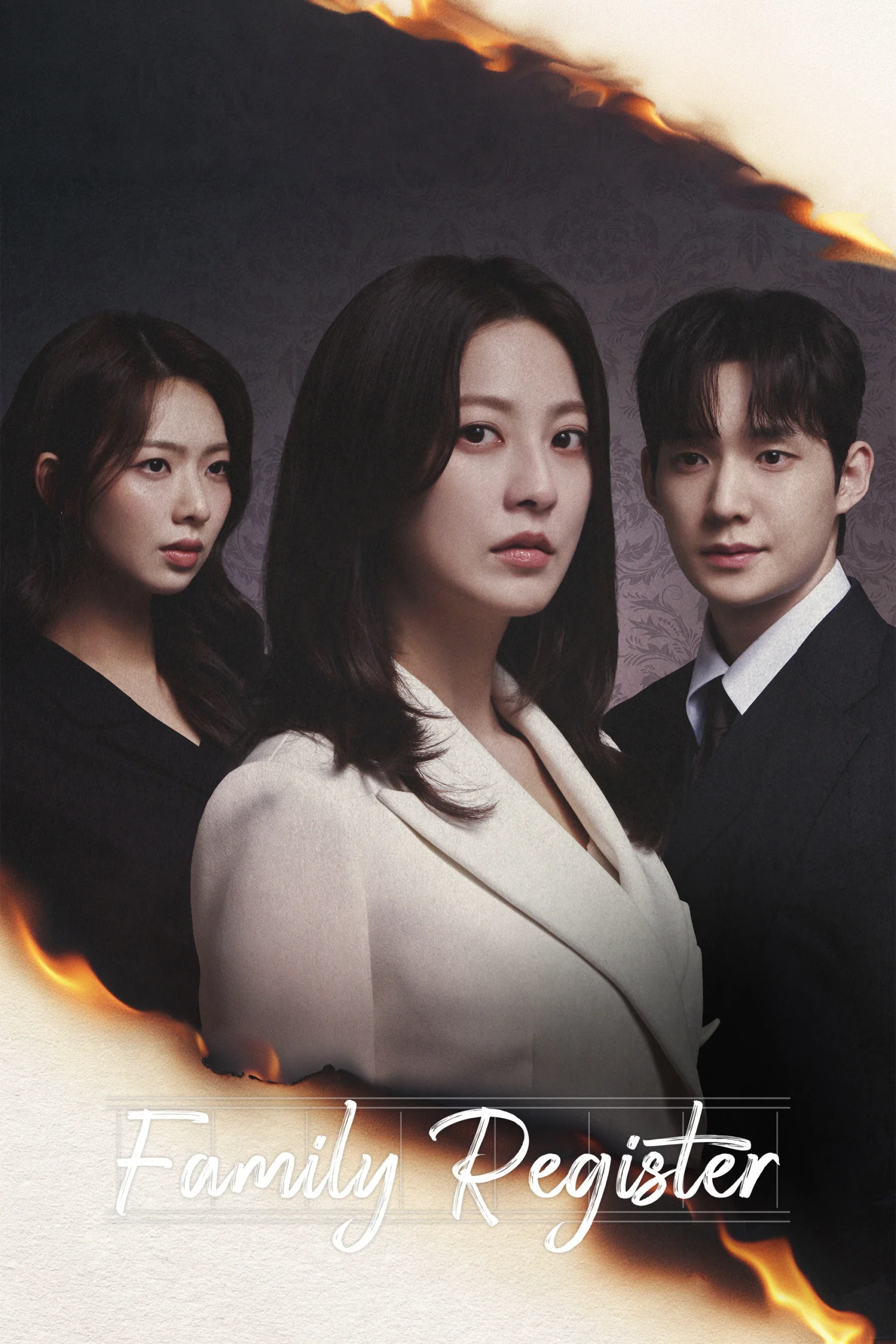 Family Register
Daily Dramafamily drama
Read Full Review →
|
 My Lovely Journey
Entertainment Industry
Read Full Review →
|
 Clean with Passion for Now
Age Gapfamily drama
Read Full Review →
|
















Keep it kind, skip the harsh language, and please — no spoilers. Everyone's taste is different, and that's perfectly fine.
This space is for real reactions and discussion from other viewers. Help keep it comfortable for everyone by not giving away major plot details.
What do you think of this drama?
Login to share your review or leave a comment.
No email needed — just pick a username & password.