
Mr. Queen
🎬 Netflix · Viki
⭐ 9.0 / 10 MDL
🔞 15+
📋 Drama Overview
Viki
Prime Video
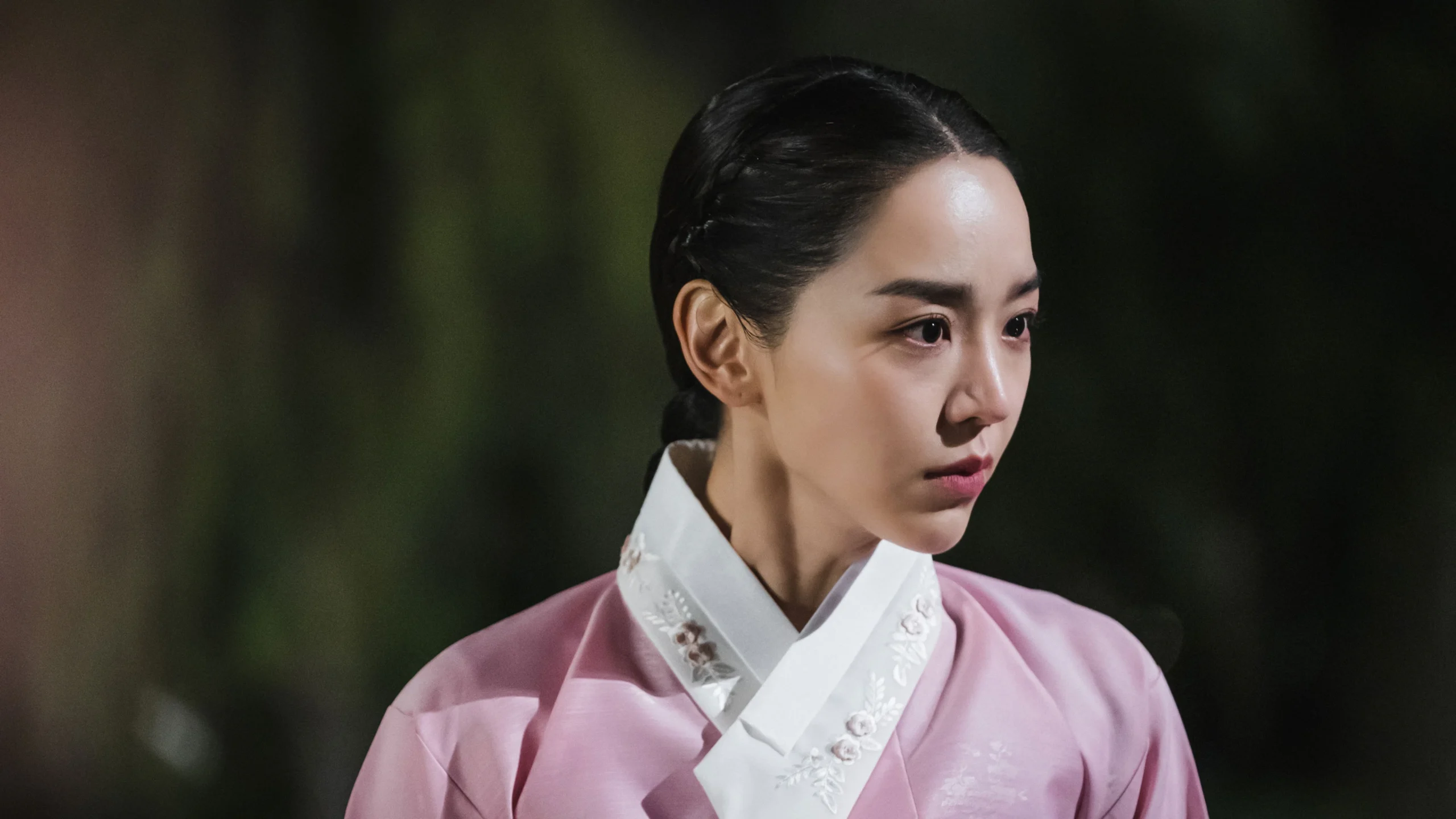
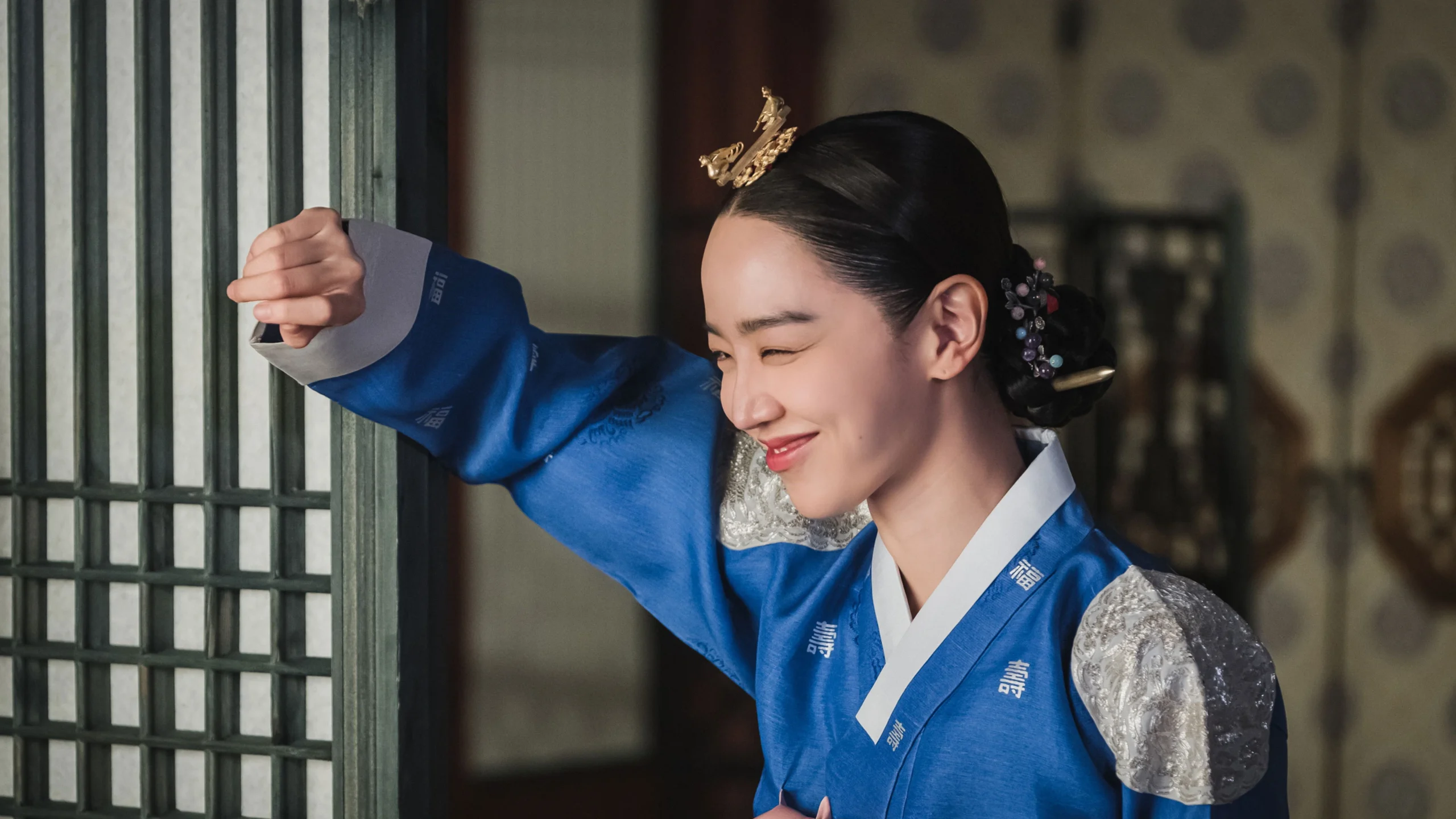
Jang Bong-hwan is a cocky, free-spirited head chef at South Korea’s Blue House — the kind of man who bends every rule just to see if it breaks. After losing his job and nearly drowning in a pool, he wakes up in 1851 Joseon inside the body of Kim So-yong, a noblewoman on the verge of becoming Queen Cheorin. Trapped in a woman’s body inside the Joseon royal palace, Bong-hwan must navigate treacherous court politics, a power struggle between the mighty Andong Kim and Pungyang Jo clans, and an arranged marriage to King Cheoljong — a man who appears passive but hides a razor-sharp intelligence behind his gentle facade.
The drama’s central tension is Bong-hwan’s desperate, increasingly frantic attempts to escape back to the present — while unknowingly entangling himself in palace conspiracies that could get the Queen killed, and developing feelings for a king he was never supposed to love. Equal parts slapstick comedy and genuine heartbreak, Mr. Queen is a body-swap sageuk that defies every expectation of both genres.
20 / 20 ✅ Completed
⚡ Quick Verdict
One box. Everything you need to decide.
· MDL Score · 57,451 ratings
▶ Official Trailer
Watch the official trailer for Mr. Queen (2020) below.
🎭 Cast & Characters
Key cast of Mr. Queen (2020) — 12 characters.

Lead

Lead

Antagonist

Villain

Supporting

Supporting

Supporting

Supporting

Supporting
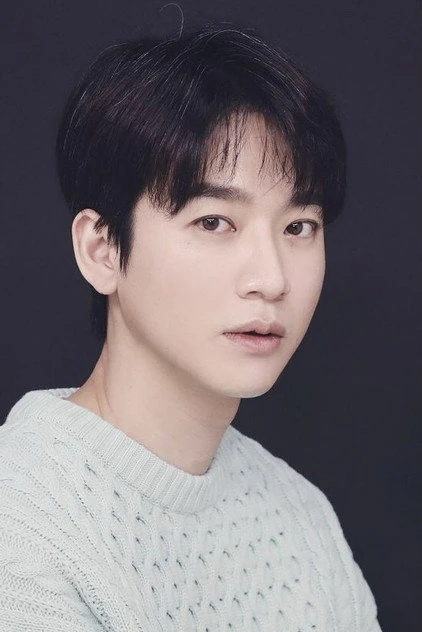
Supporting

Supporting

Antagonist
📺 Episode Guide
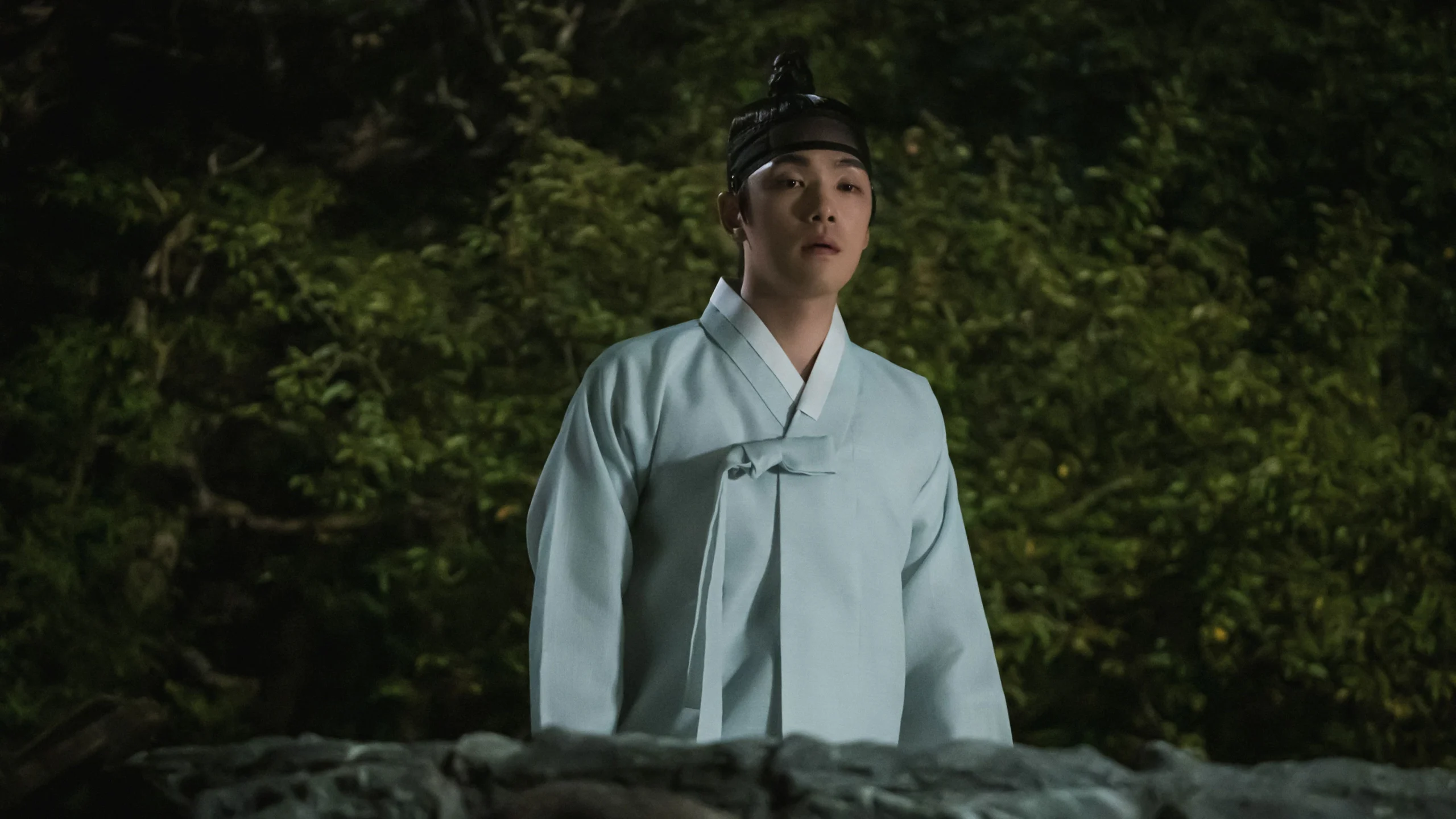
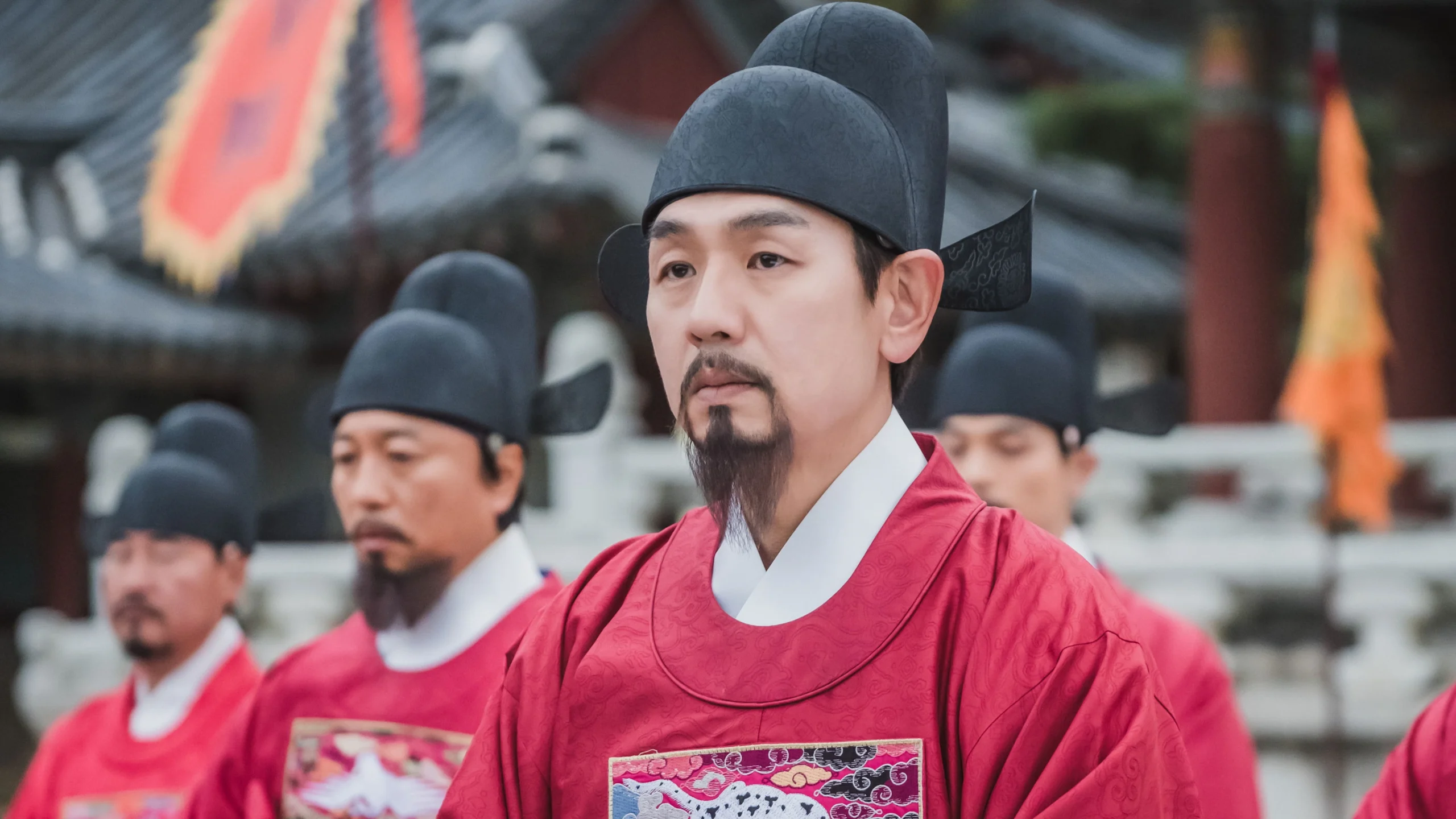
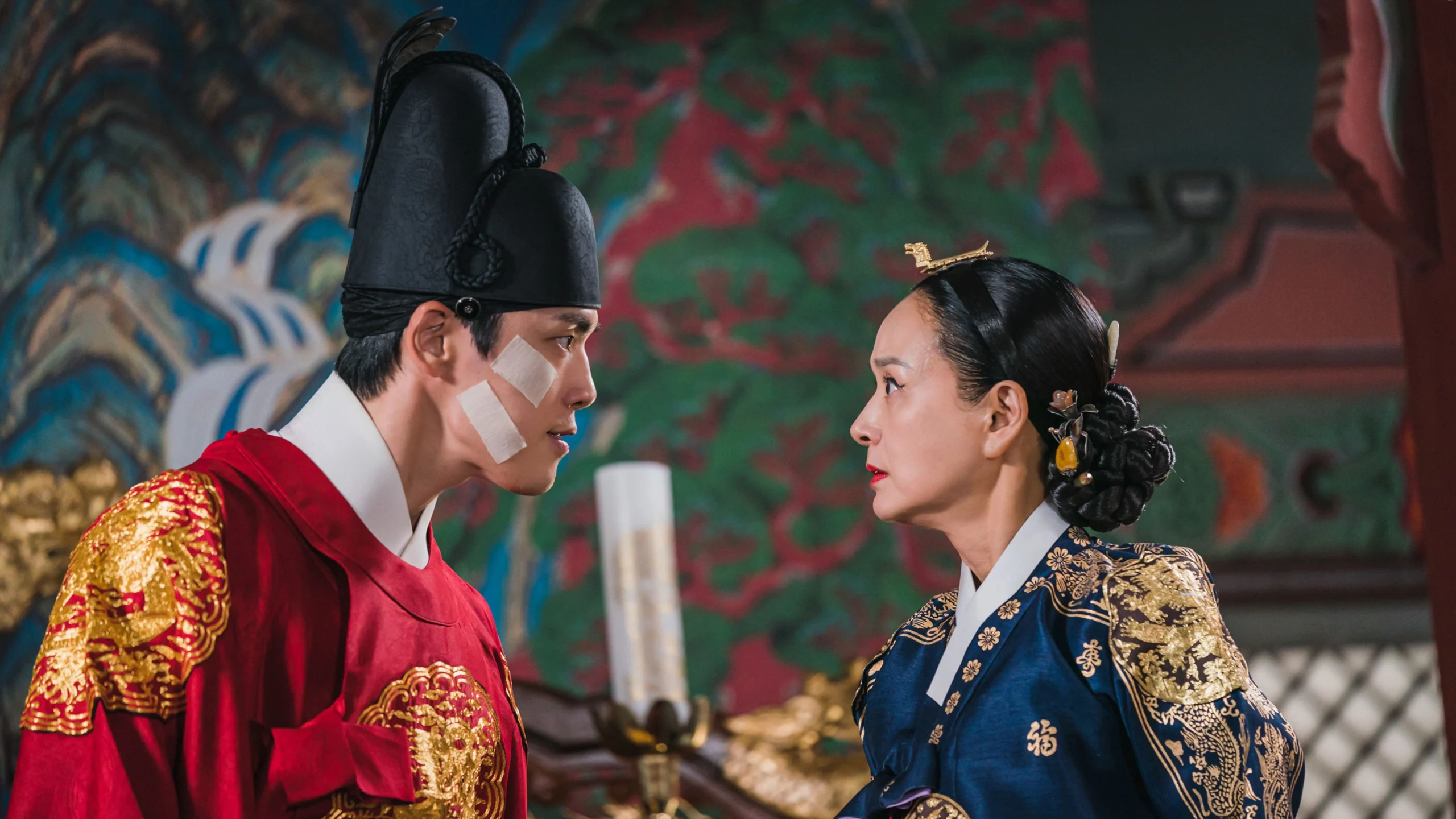
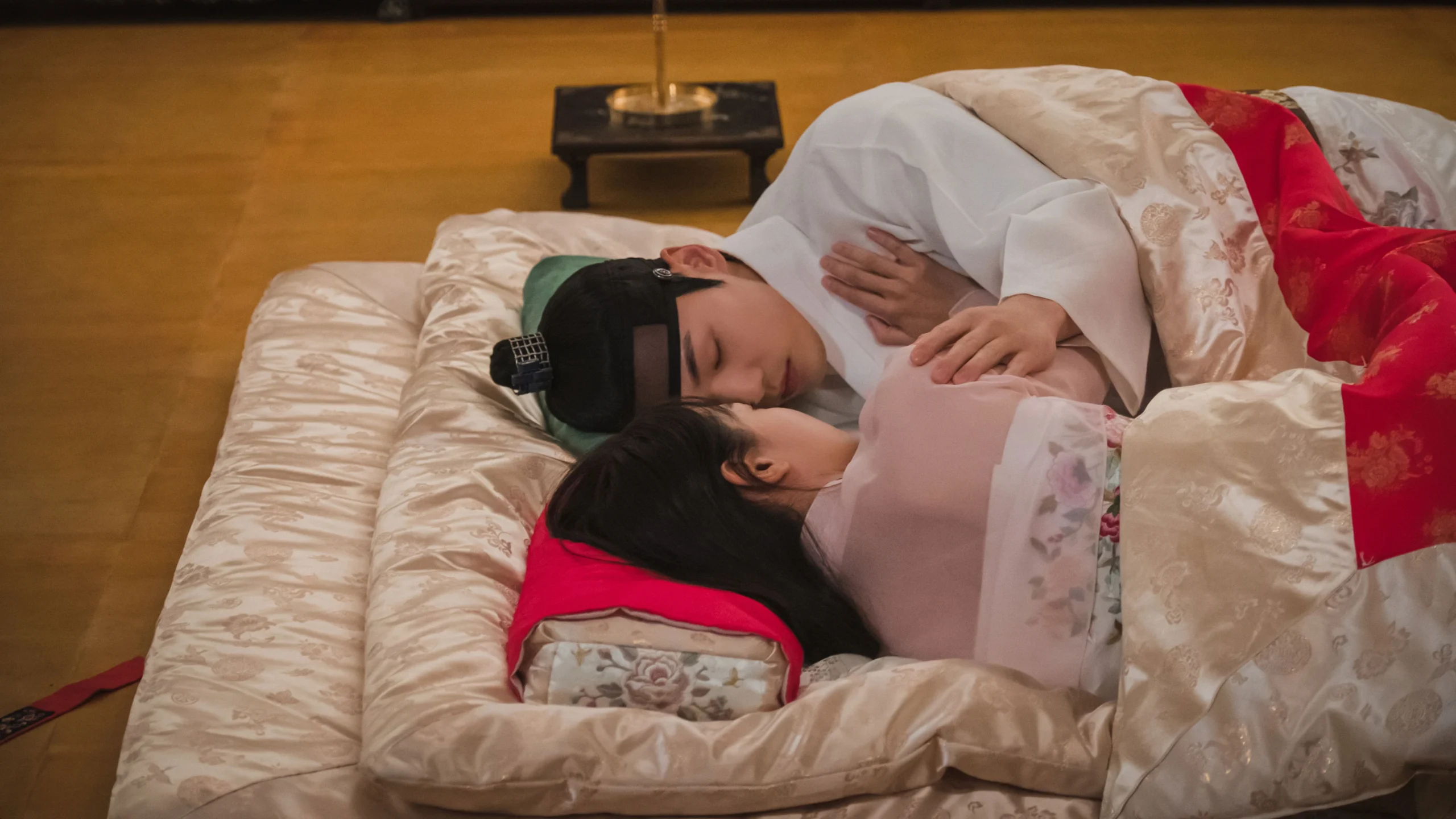
All 20 episodes of Mr. Queen — spoiler-light recaps with key moments.
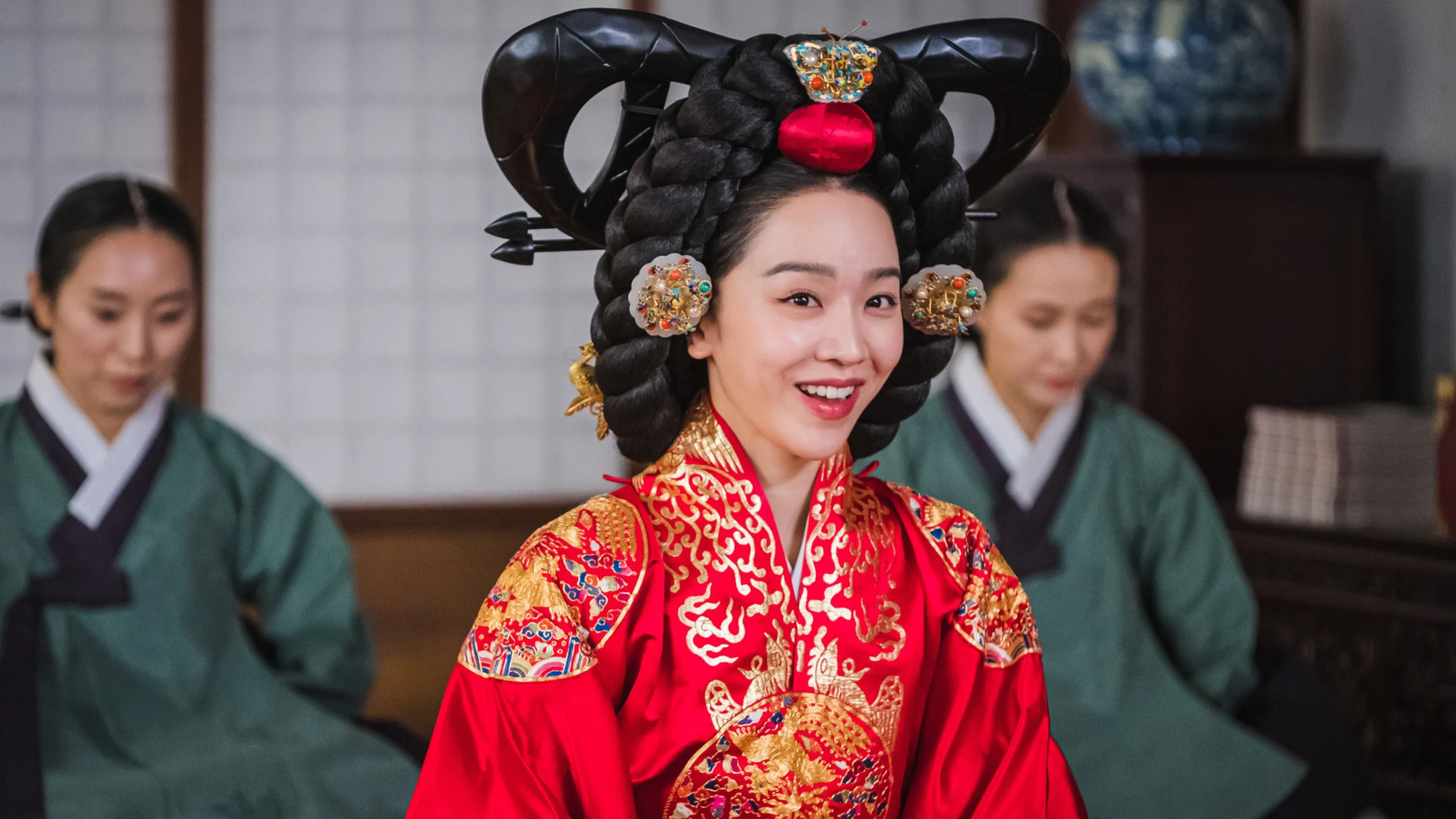
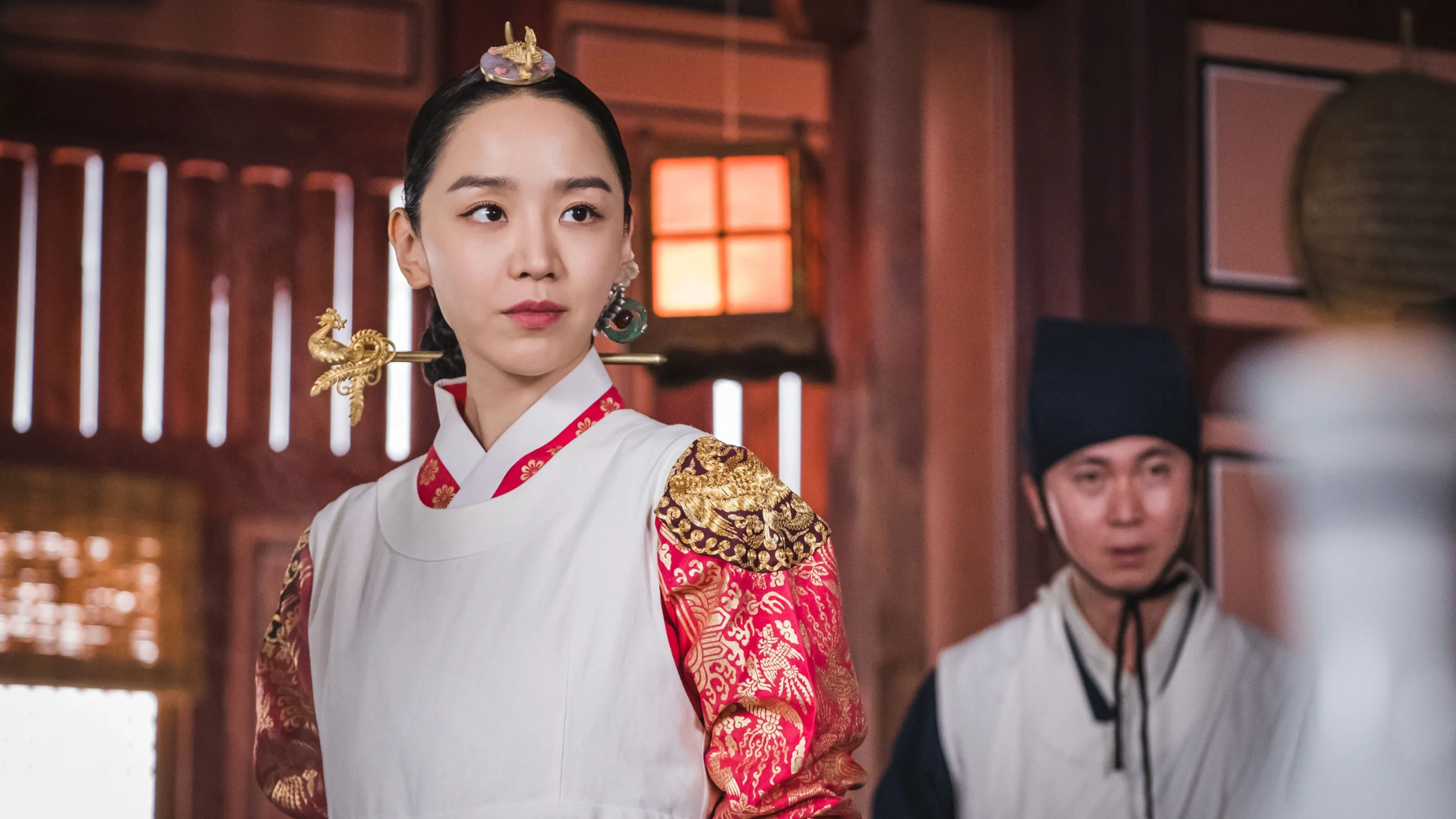
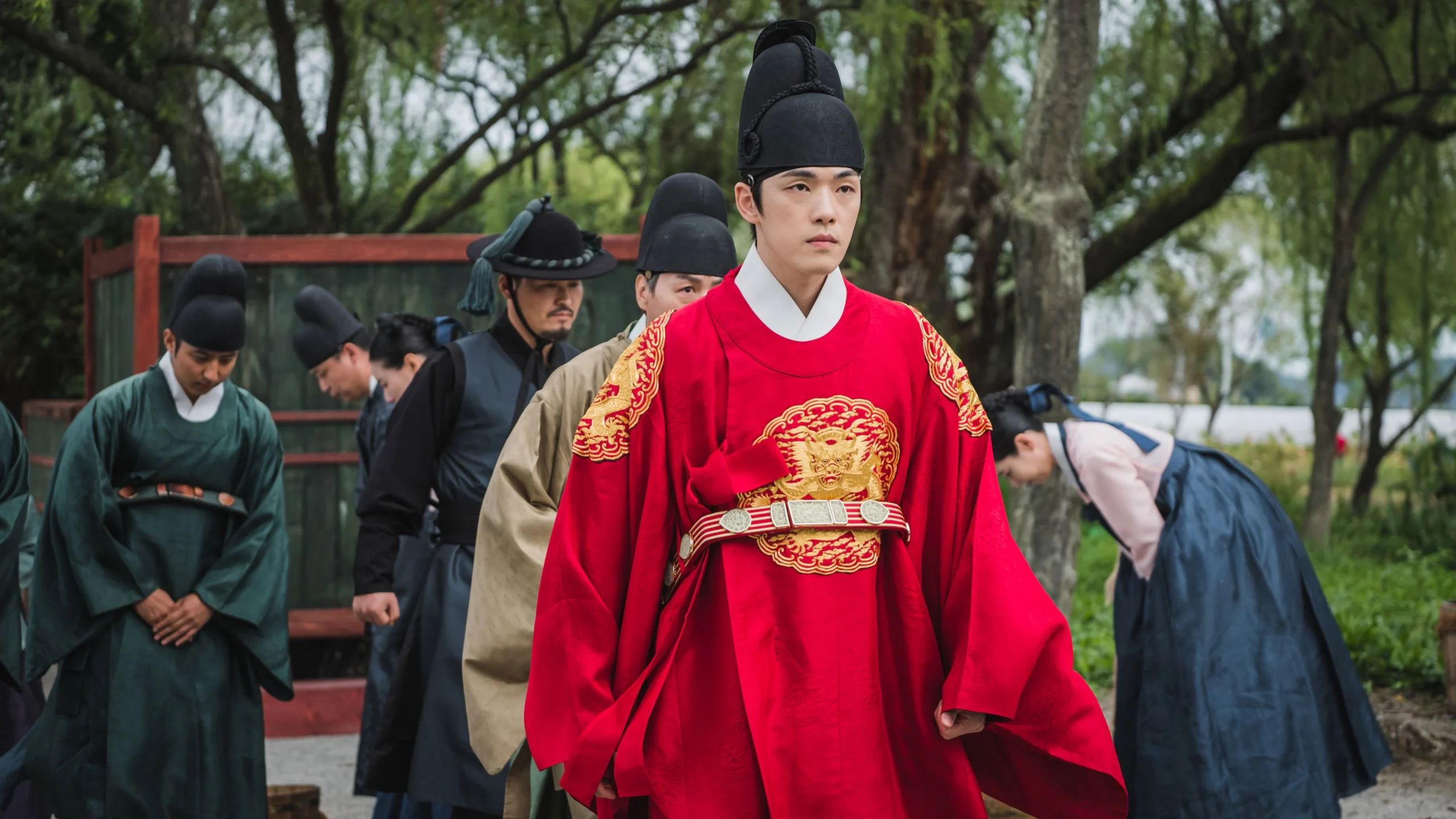

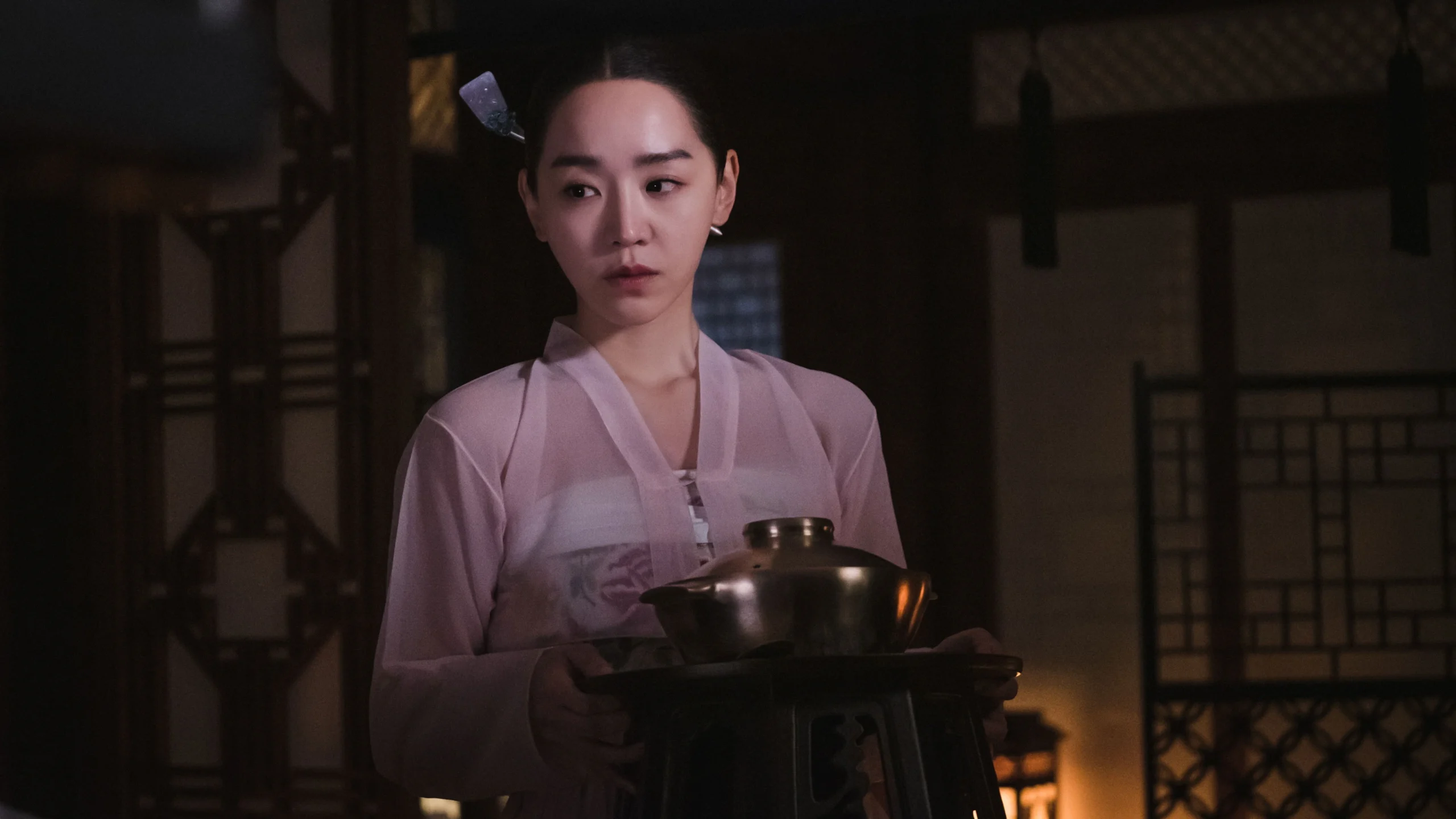
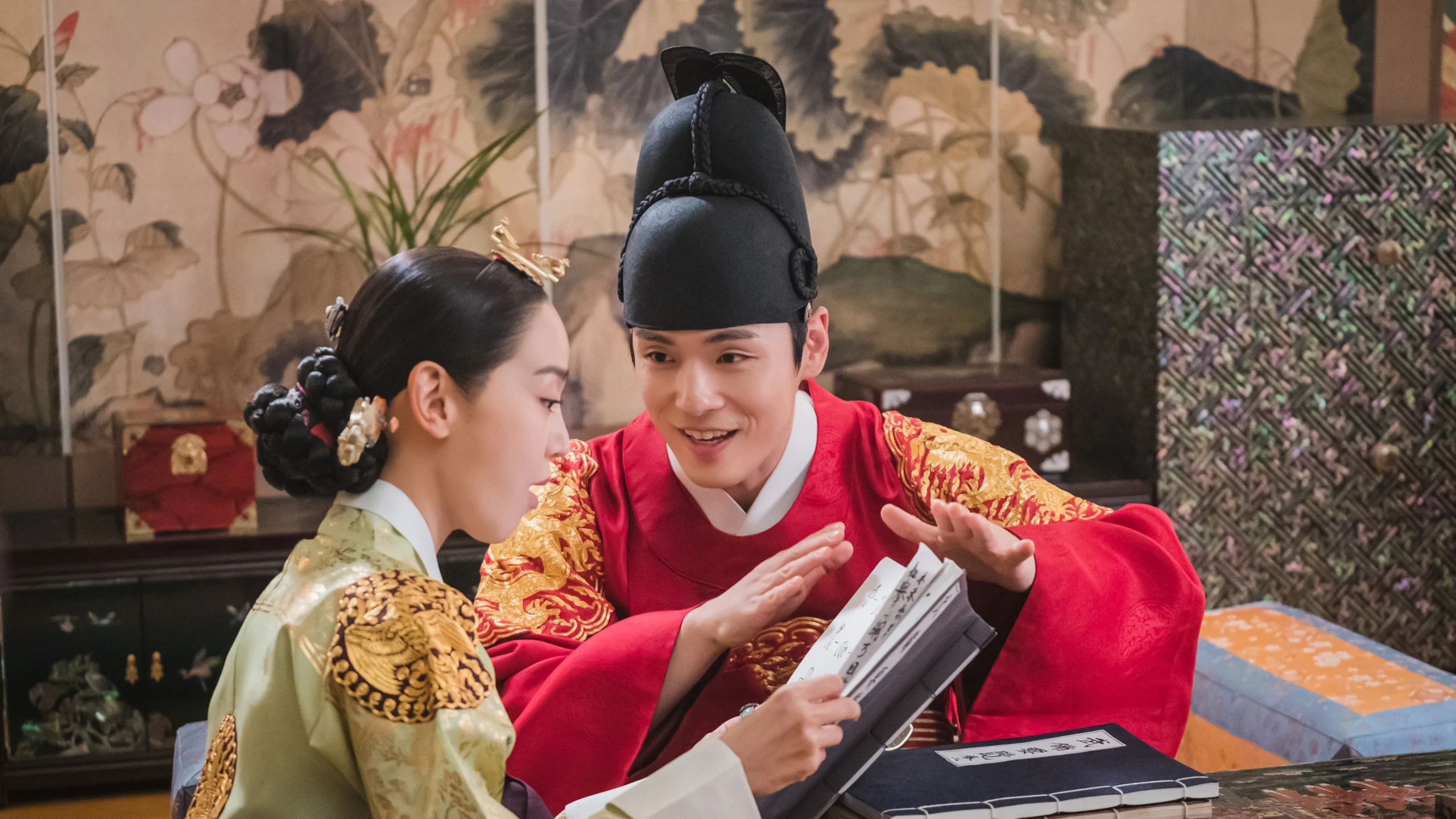
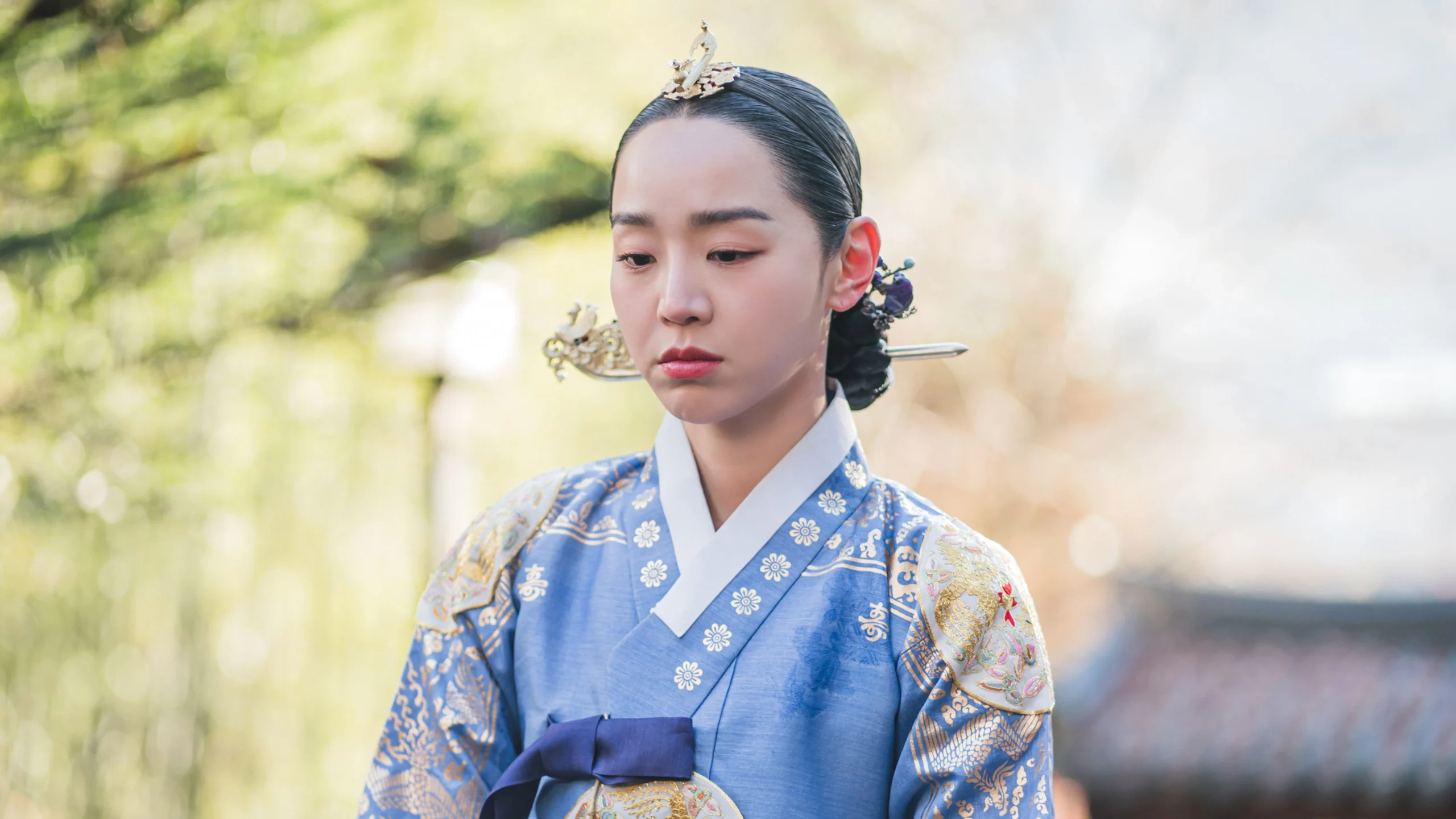
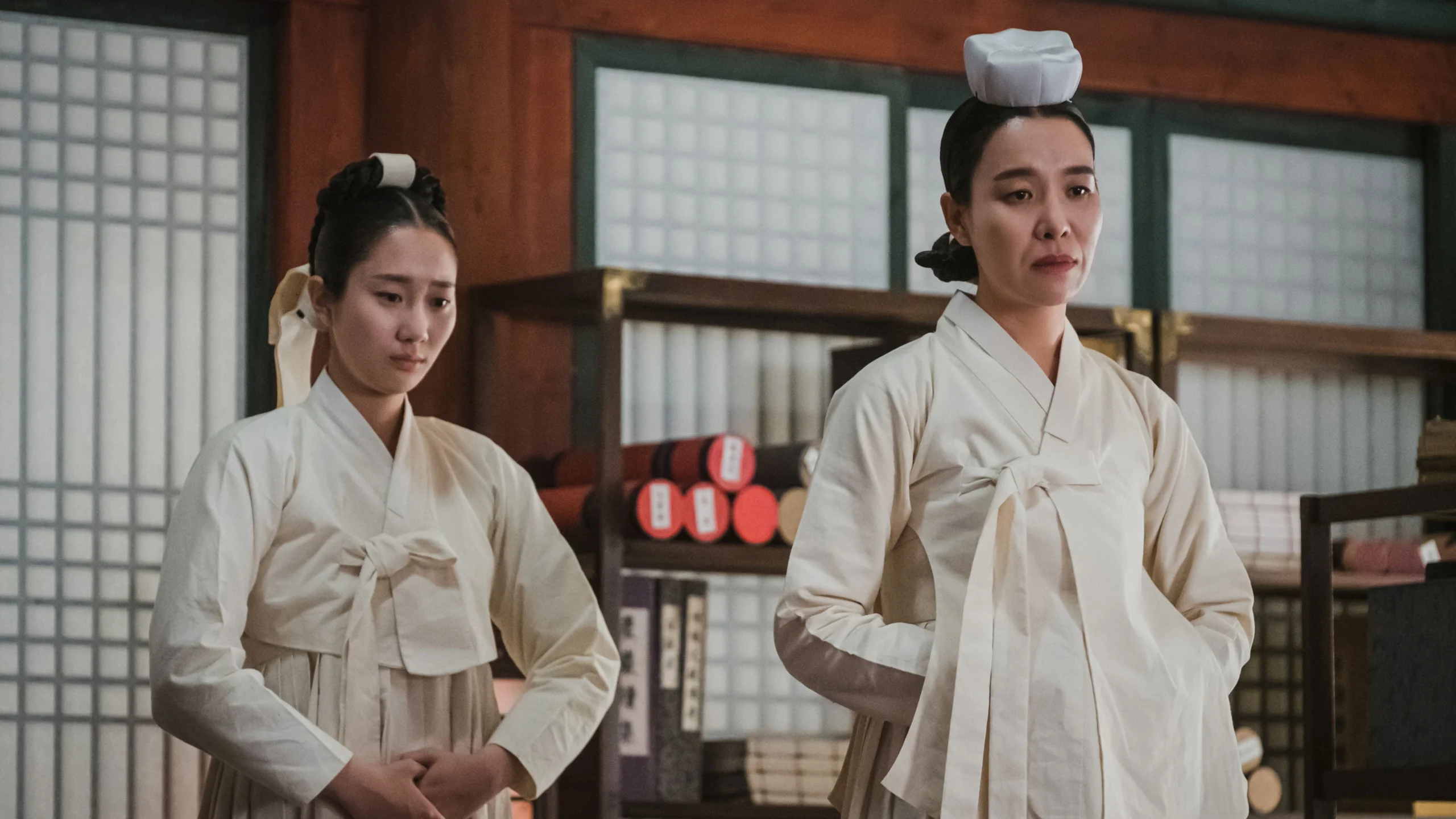
🏁 Ending Explained
Full spoilers ahead — everything that happens in the finale and what it all means.
Spoiler Warning — This section covers the full finale of Mr. Queen. Stop here if you haven’t finished the series.
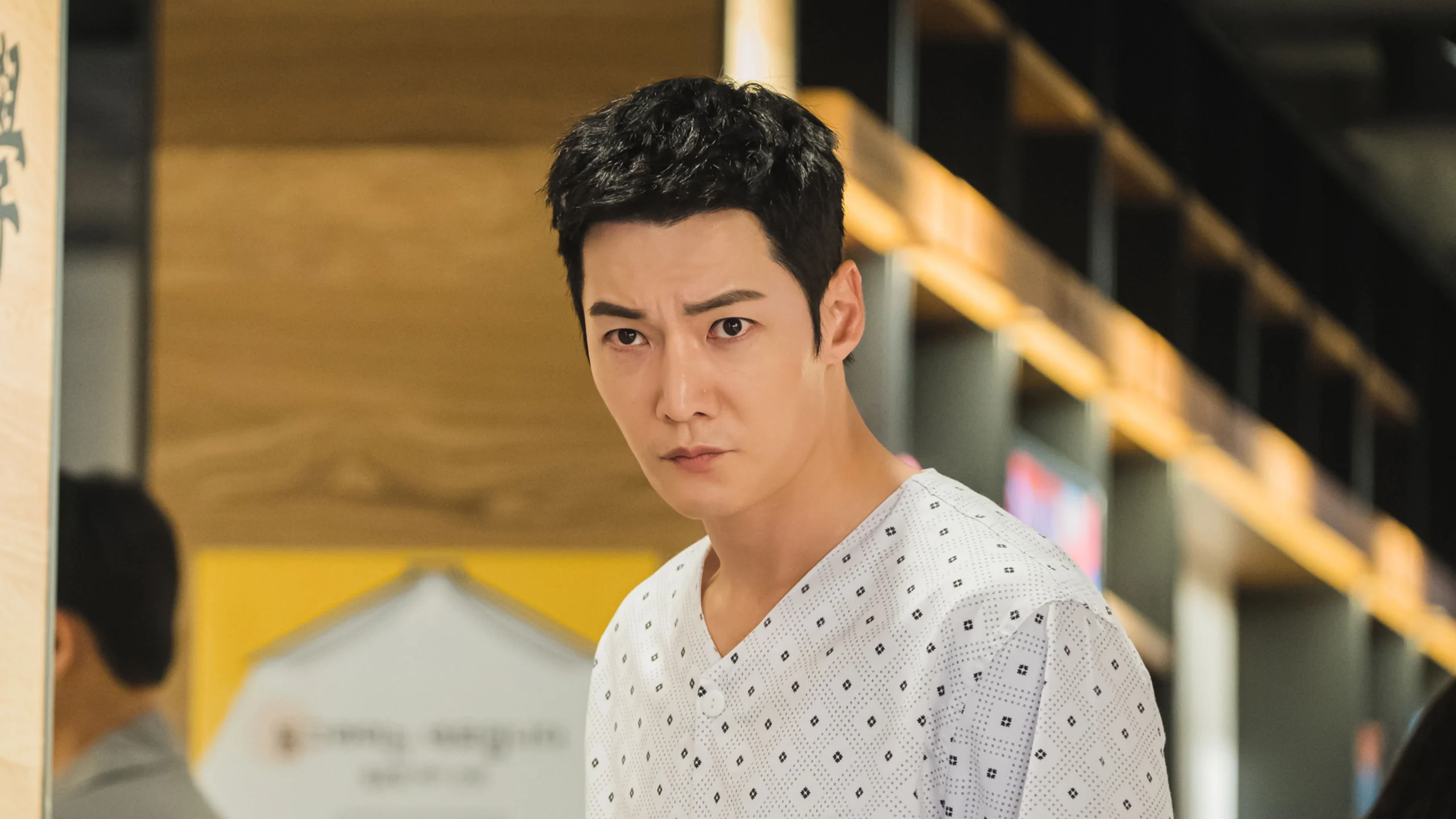
The King finally acts. The entire run of Mr. Queen builds toward one question: can King Cheoljong stop being a puppet and become a real ruler? Episode 20 answers it decisively. After nineteen episodes of careful maneuvering, quiet intelligence, and concealed fury, Cheoljong moves against the Andong Kim clan with everything he has. Kim Jwa-geun is stripped of his offices. The clan’s grip on court finance and military is broken. And for the first time since being dragged from Ganghwa Island as a boy, Cheoljong sits on the throne as an actual king — not a prop one.

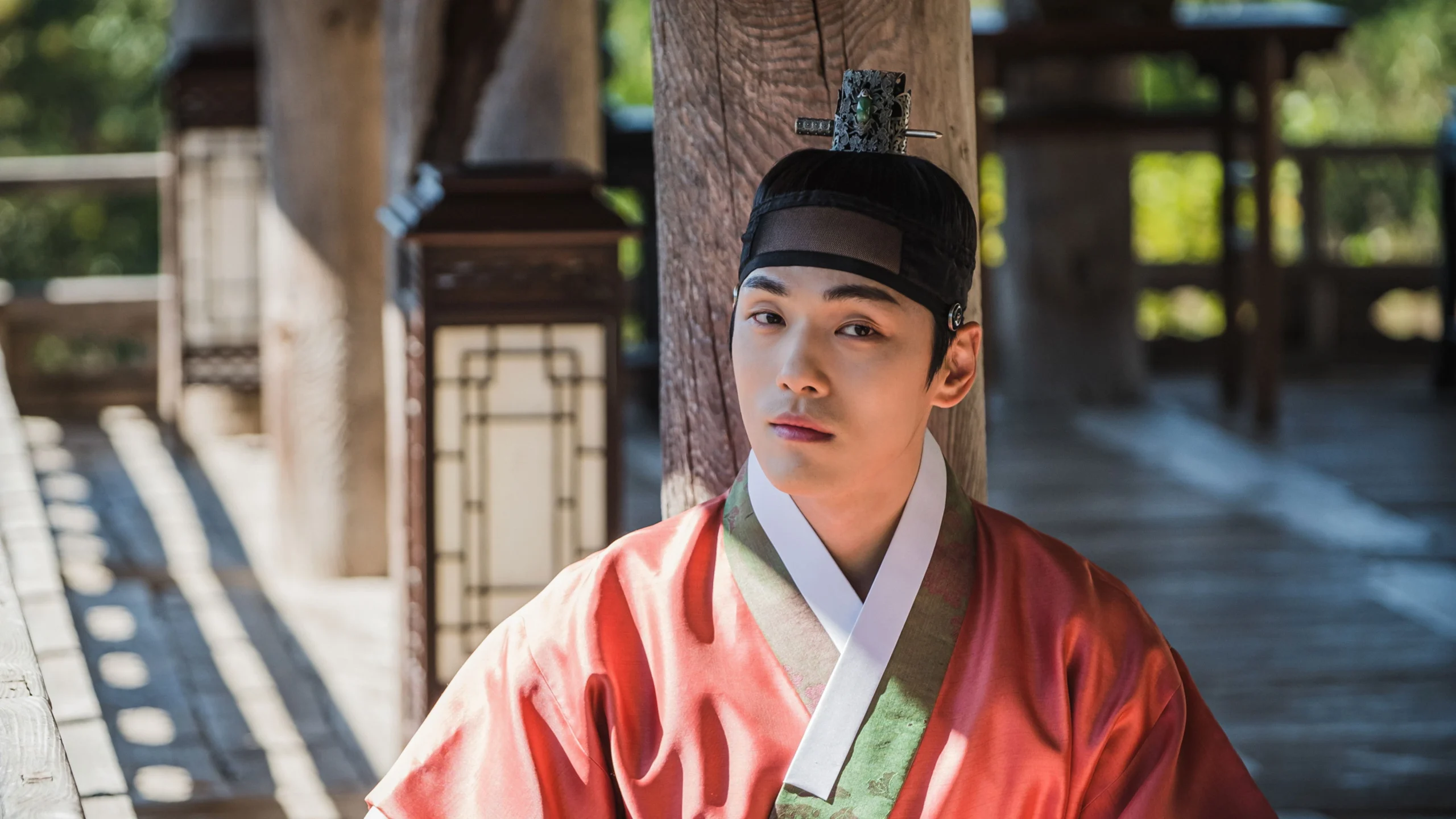
The love triangle is resolved with rare grace. Both supporting romantic figures — Kim Byeong-in and Hwa-jin — are given endings that respect who they are rather than simply discarding them. Byeong-in, torn between clan loyalty and love for the Queen, ultimately withdraws from the palace. His departure isn’t a villain’s defeat; it’s a man accepting a reality he cannot change. Hwa-jin, having witnessed the King’s genuine love for the Queen, releases her feelings and leaves with her dignity intact. These are unusually generous endings for second leads in a genre that often treats them as obstacles.
The soul dilemma resolves in the only way it could. Jang Bong-hwan’s soul returns to his own body in the present as his comatose self recovers — and So-yong’s original soul fully reclaims her body in Joseon. But here is the show’s most emotionally satisfying decision: So-yong retains every memory and feeling that Bong-hwan accumulated during his time in her body. The love she feels for Cheoljong is not a reset or a substitute. It is the same love, carried forward — just now in the hands of the person who was always meant to hold it.
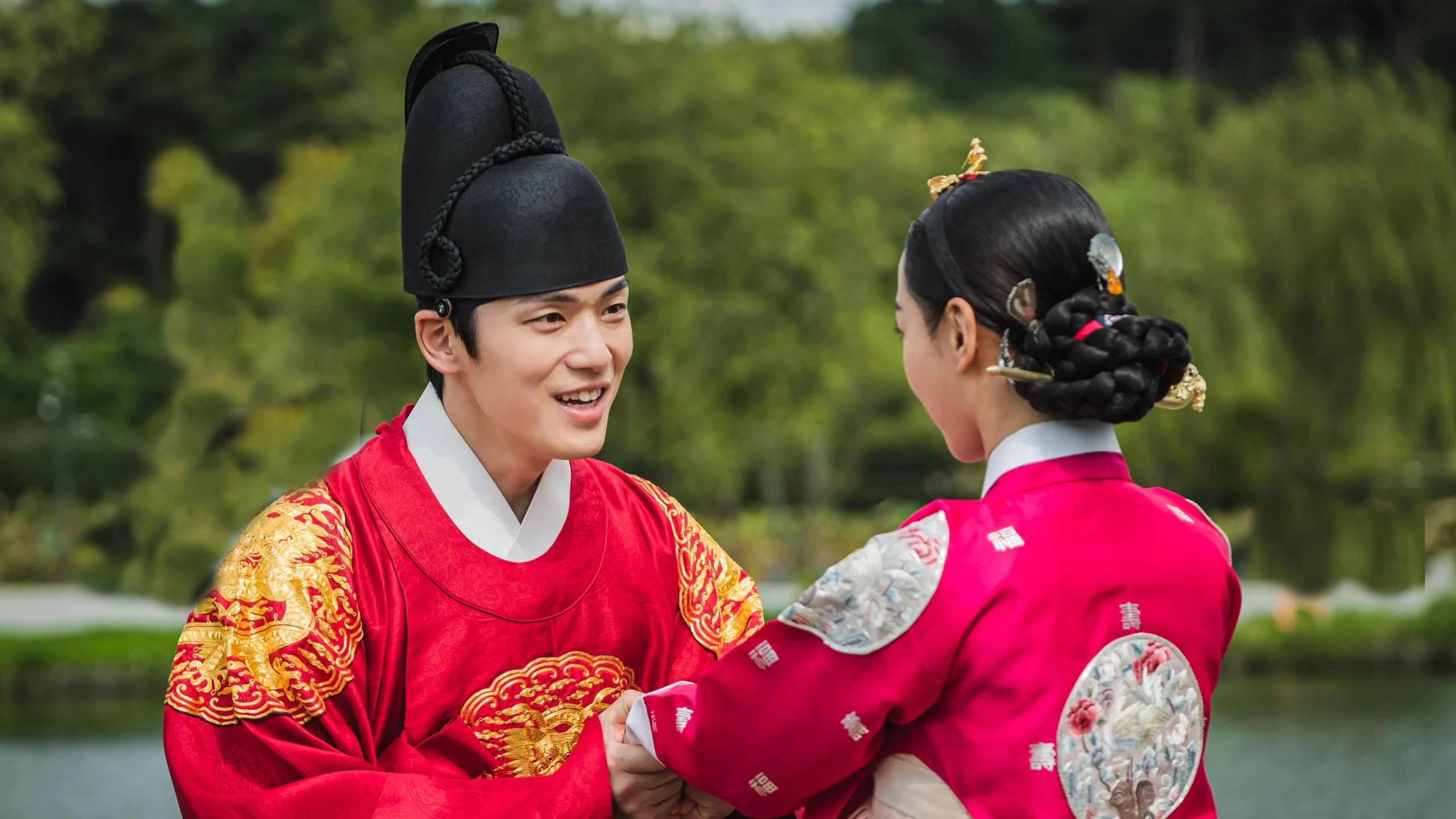
What the finale is really about. Mr. Queen uses its absurd premise to ask a serious question: what makes love real? If feelings developed in another person’s body, informed by a different life experience and a foreign consciousness — do they count? The drama’s answer is an unambiguous yes. Love, once real, does not need a pure origin to be valid. Cheoljong doesn’t love a soul. He loves the specific, chaotic, brilliant, infuriating presence that walked through his palace and changed everything.
A new era begins. The final scenes show Cheoljong and Cheorin beginning a genuine partnership — not the transactional arrangement their marriage started as, but a real collaboration between equals. He rules; she strategizes. He protects; she outmaneuvers. The show closes on the image it spent twenty episodes building toward: a Joseon where the person sitting next to the King is not a decorative fixture but the most dangerous person in the room. Mr. Queen earns its legendary MDL score by refusing to treat its comedy premise as a limit — instead, it finds genuine feeling exactly where you’d least expect it.
✍️ KDramaWorlds Editor’s Take
Our honest read on why this drama is worth your time — and who it’s for.
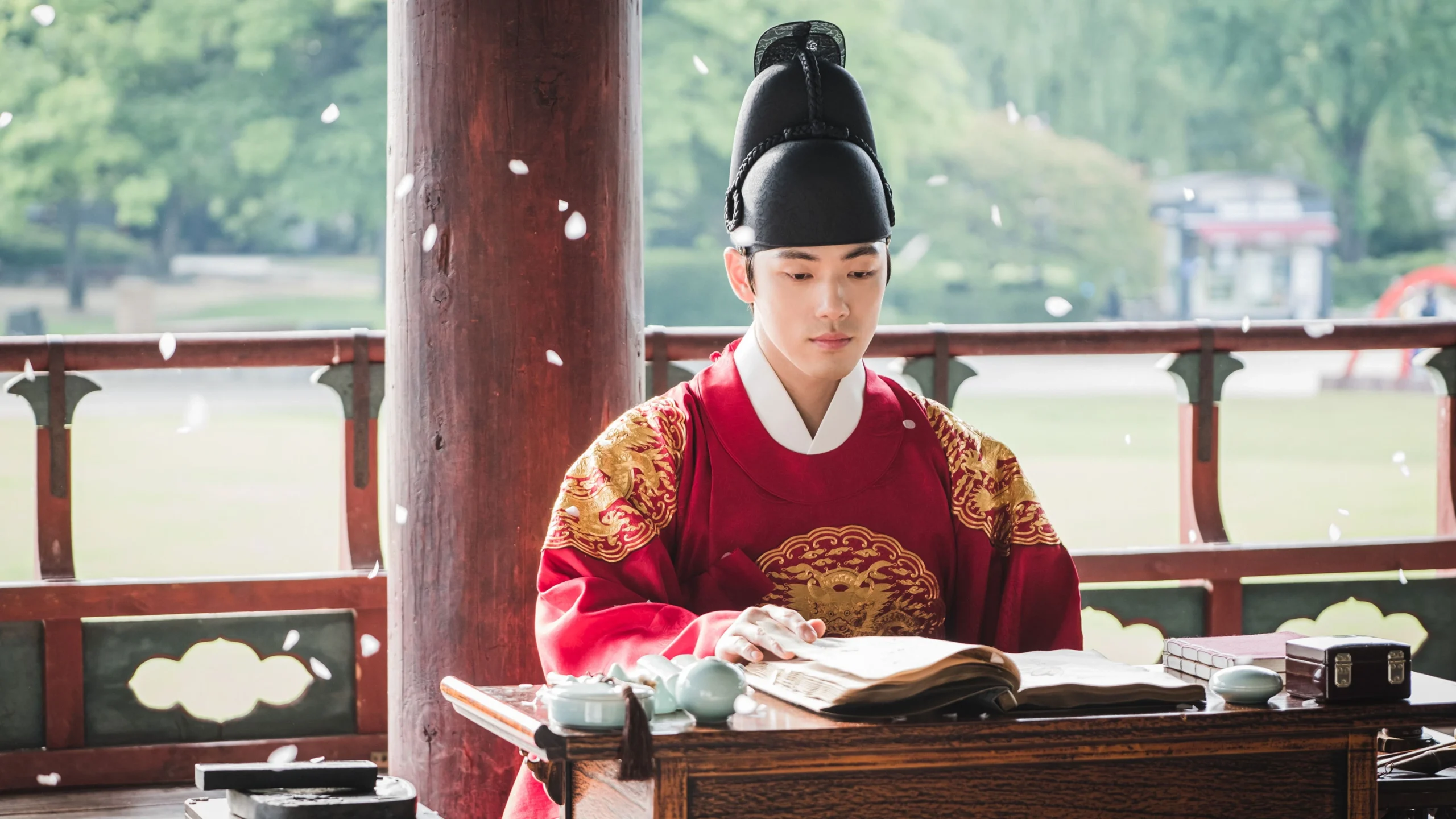
Mr. Queen is the rare drama that earns its reputation. Its premise — a modern man’s soul inhabiting a Joseon queen’s body — sounds like a setup for easy slapstick. And yes, there’s slapstick. There’s a chef desperately craving ramyeon in a court that has never heard of instant noodles. There’s a queen who runs a proto-convenience store and drinks like a Blue House cook. But the show keeps deepening what that premise means, and by episode 10, you realize the comedy was always in service of something more emotionally rigorous than most straightforward sageuks manage. Shin Hye-sun’s performance is the engine of all of it — a genuinely once-in-a-generation comedic-dramatic dual act that demands to be seen alongside period dramas like The Red Sleeve (2021) for context on how rare this kind of historical lead performance actually is.
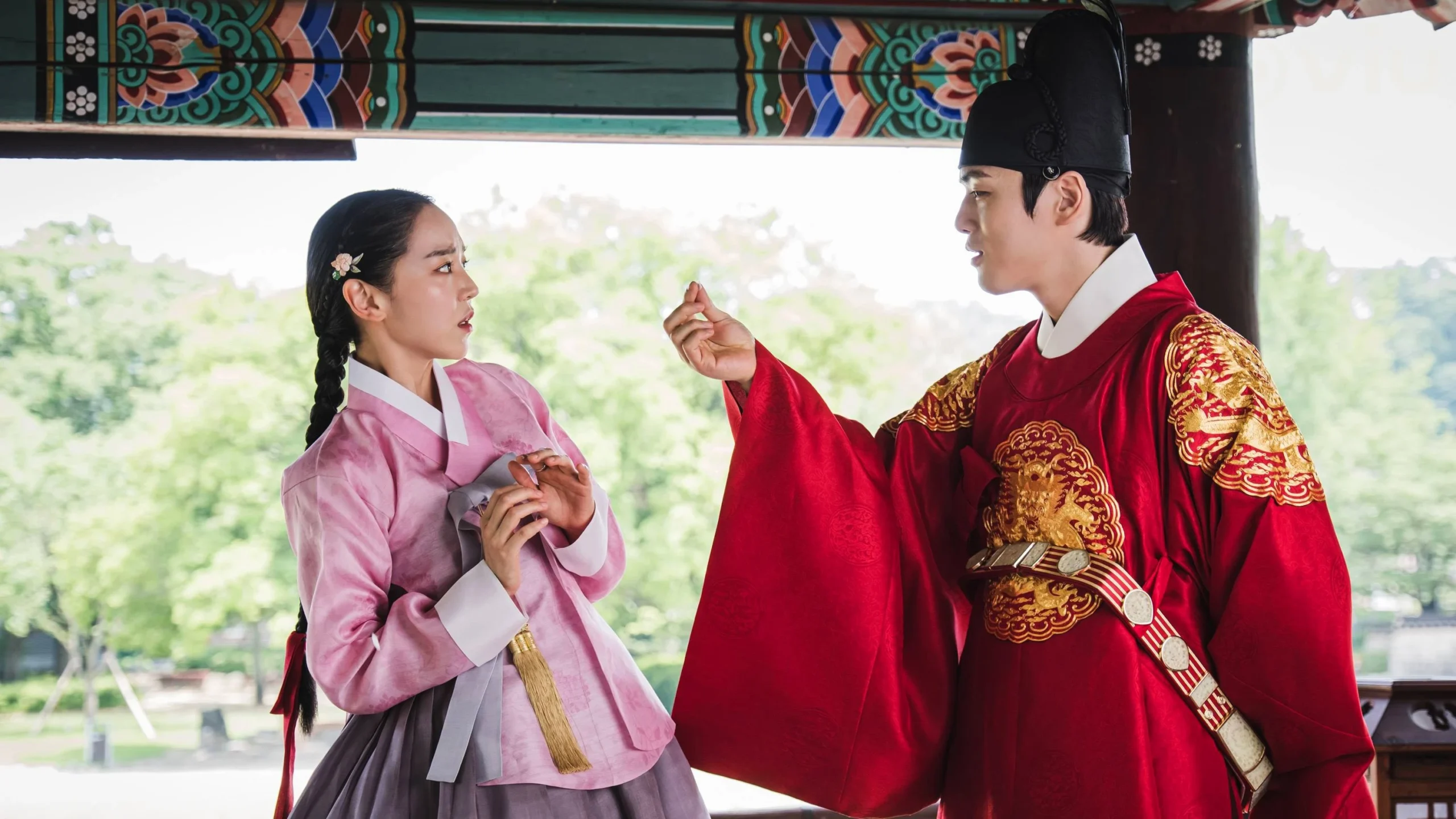
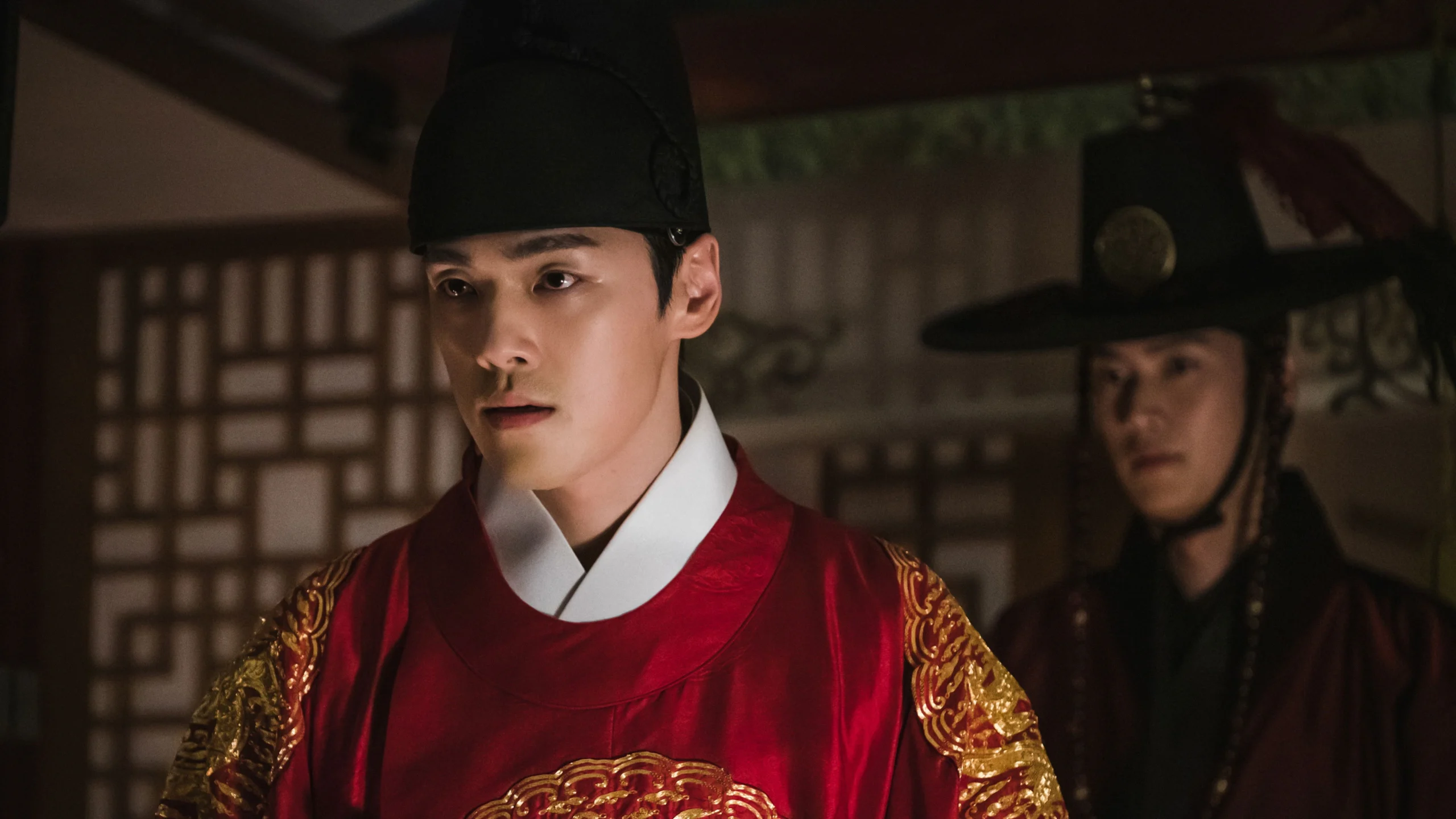
Kim Jung-hyun’s King Cheoljong is the drama’s most quietly impressive achievement. He plays a man of enormous suppressed intelligence, and the show uses that suppression as a dramatic device — every moment his mask slips feels like a genuine event. The political storyline is sharper than it gets credit for. The Andong Kim clan’s grip on court power is drawn with enough historical texture that the King’s eventual counteroffensive lands with weight rather than formula. That said, Mr. Queen’s middle stretch — episodes 10 to 15 — does ask for patience. The dual-soul mechanics become repetitive and the pacing sags under the weight of its own setup. Viewers who made it to Flower of Evil (2020) already know how rewarding it is to push through a tvN drama’s midpoint slow burn — the same principle applies here, more so.
The ending is where Mr. Queen fully justifies its ambition. It resolves every thread — romantic, political, and philosophical — with uncommon generosity. The decision to have So-yong retain Bong-hwan’s memories is elegant storytelling: it refuses to treat the body-swap as a trick that invalidates what came before. The love is real because the experiences were real, regardless of whose consciousness they technically happened to. By finale credits, Mr. Queen has made an argument for the validity of feeling that transcends the comedy genre it was packaged in. Watch it for the chaos, stay for the coronation of one of K-drama’s most underrated screen partnerships.
Comedy lovers who also want genuine emotional payoff in the final act
Anyone who needs proof that Shin Hye-sun is among the best in the business
Slow-burn romance fans willing to invest 25 hours in a slow-building couple
🎬 You Might Also Like
If you liked Mr. Queen, these are your next three watches.
 Take Charge of My Heart
Artificial HeartChae Soo-bin
Read Full Review →
|
 For Eagle Brothers
Ahn Jae-wookBrewery
Read Full Review →
|
 Wok of Love
Chefcomedy
Read Full Review →
|













Keep it kind, skip the harsh language, and please — no spoilers. Everyone's taste is different, and that's perfectly fine.
This space is for real reactions and discussion from other viewers. Help keep it comfortable for everyone by not giving away major plot details.
What do you think of this drama?
Login to share your review or leave a comment.
No email needed — just pick a username & password.