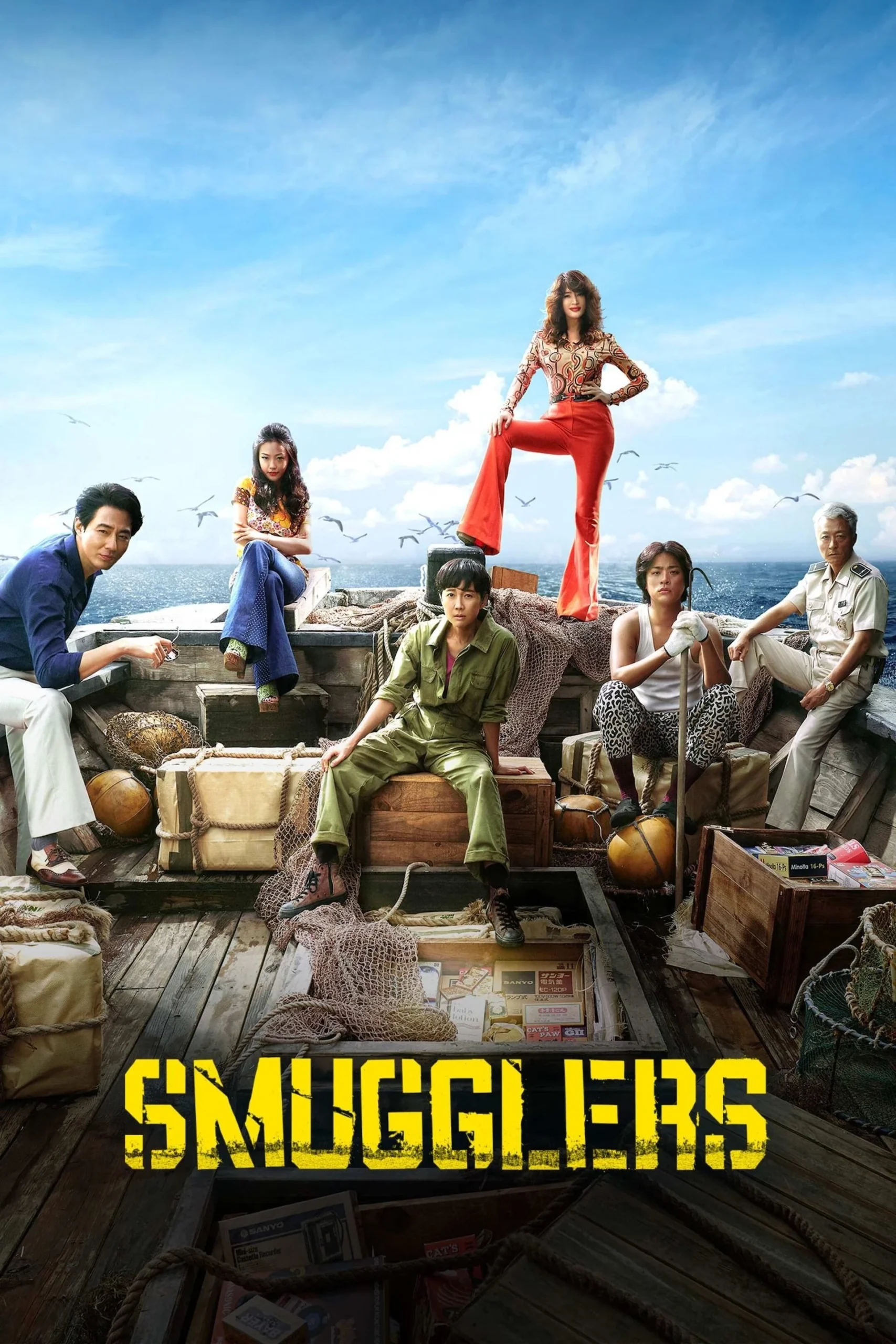
Smugglers
🎬 Prime Video · Apple TV · Disney+ · VIU
⭐ 6.2 IMDb
🔞 15+
🎬 Film Overview
FEMALE-LED CRIME PICK
There are Korean action films built on car chases and fistfights, and then there is Smugglers — a 1970s crime saga that finds its pulse entirely underwater, where women are the most dangerous people in the room. Jo Choon-ja and Eom Jin-sook are haenyeo, the legendary female free-divers of Korea’s coastal villages, who spend their lives harvesting the ocean floor without oxygen tanks or backup plans. When a chemical plant poisons their fishing grounds in one toxic sweep, survival starts to look a lot like crime.
Ryoo Seung-wan brings the same kinetic confidence he applied to Veteran and Escape from Mogadishu, but Smugglers works differently — its action sequences are defined by the eerie quiet of cold water rather than the chaos of city streets. Kim Hye-soo and Yum Jung-ah don’t just anchor the film; they build a central dynamic charged enough to carry the story through every twist in its criminal ecosystem, from regional smugglers to national kingpins to a final underwater reckoning that earns every moment of its controlled chaos.
⚡ Quick Verdict
No scrolling required — the verdict’s right here.
· IMDb
▶ Official Trailer
🎭 Cast & Characters
The ensemble that makes every dive feel like something is at stake.

Lead

Lead

Supporting

Supporting

Supporting

Supporting

Supporting

Supporting

Supporting

Supporting

Supporting

Supporting
📖 The Story
No spoilers here — just enough to know if it’s for you.
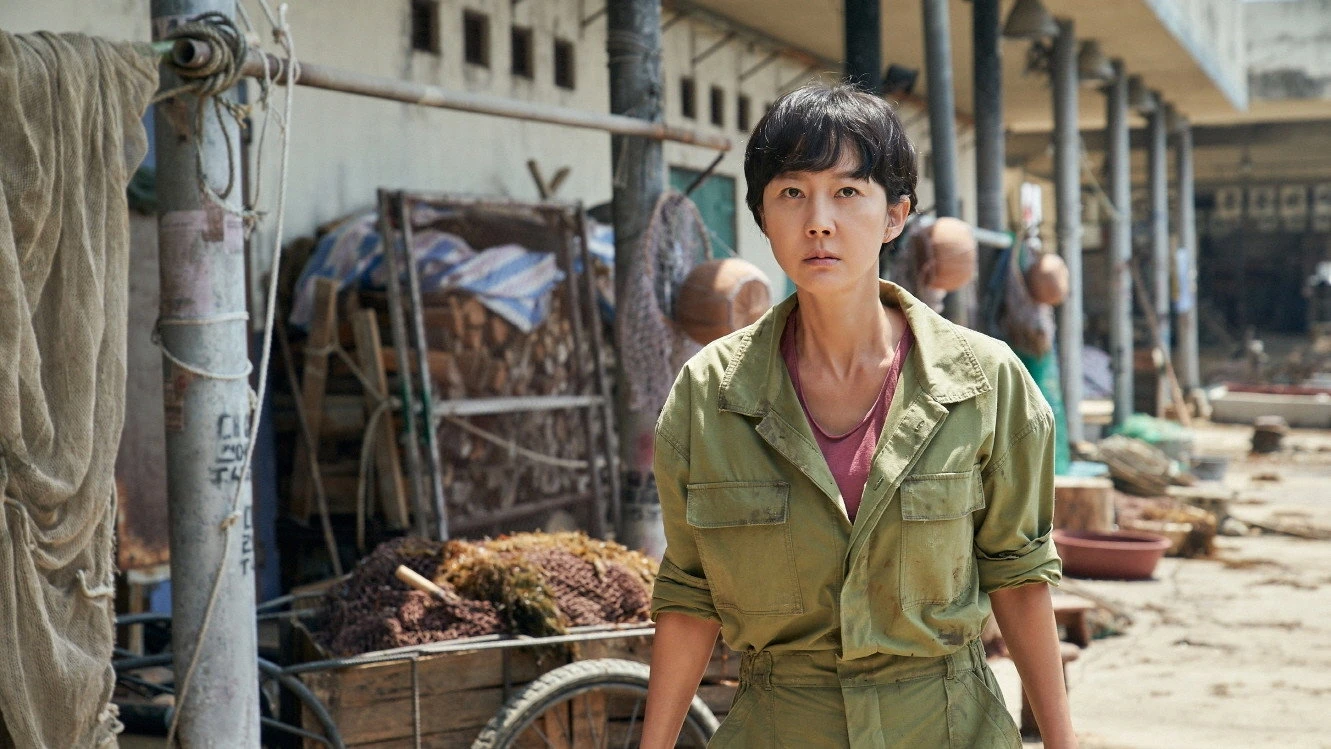
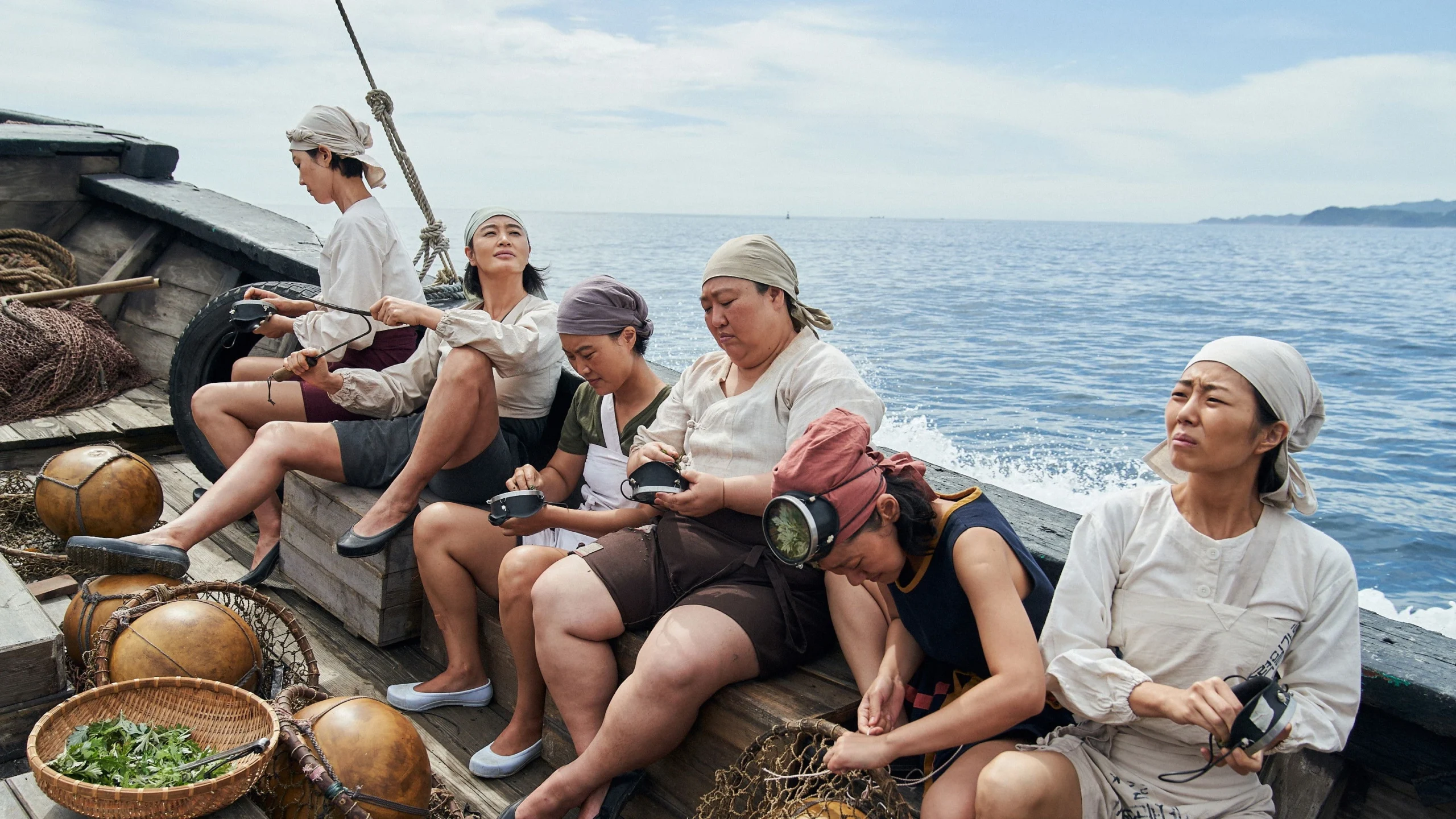
Guncheon is a coastal village that runs on salt water and routine. The haenyeo — the female divers — have worked these waters for generations, descending without tanks into the cold dark to harvest abalone and sea cucumbers by hand. It is a hard life and a precise one: how long you can hold your breath, how well you read the current, how quickly you find what you need and surface before the ocean decides otherwise. Jo Choon-ja and Eom Jin-sook are the village’s best divers, bound by years of shared dives and the kind of friendship that doesn’t need words. In the summer of the 1970s, Guncheon is still a place where that kind of life is possible.
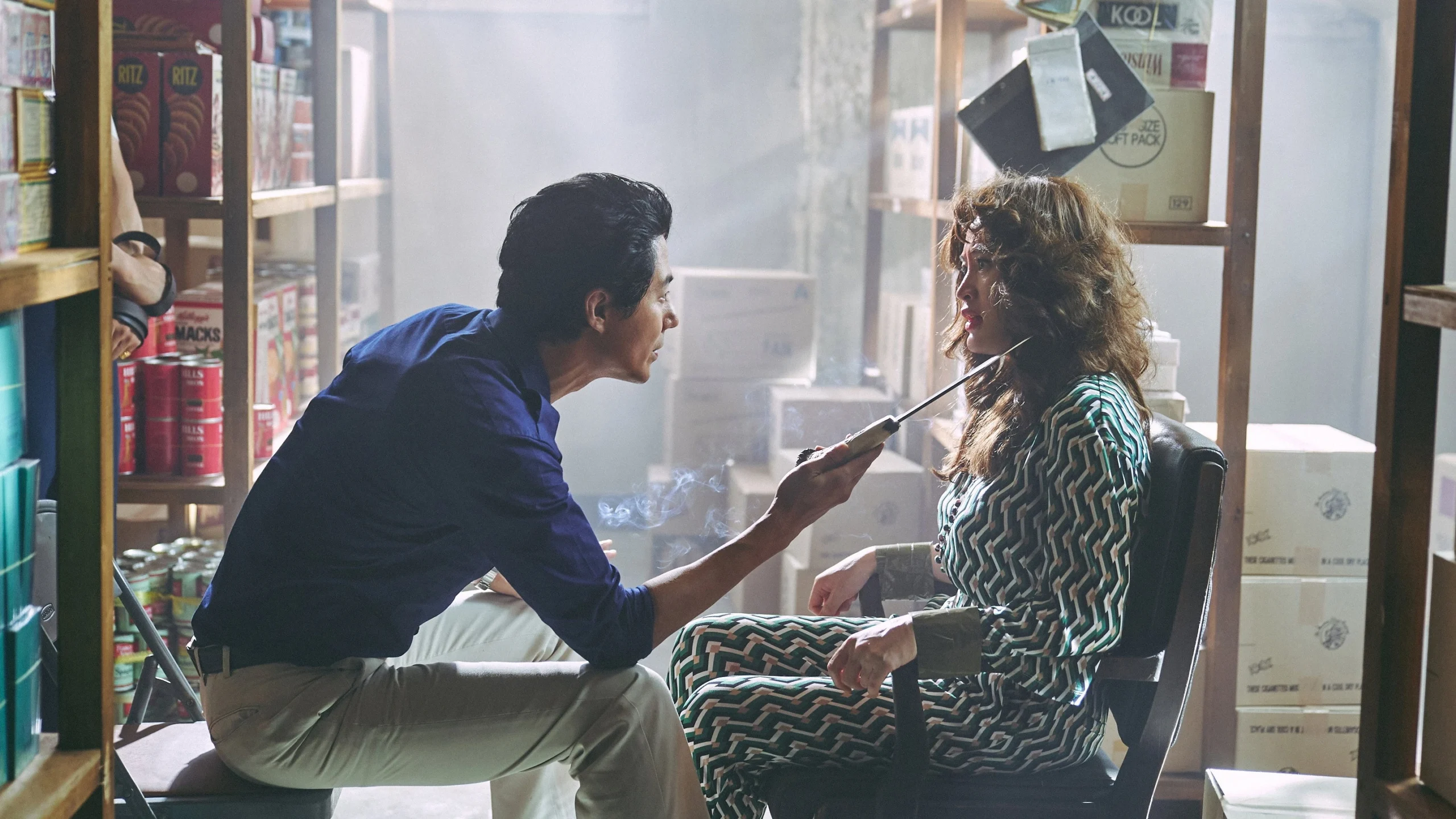
That possibility ends when a chemical plant begins discharging waste into the fishing grounds. The catch collapses. Abalone that took years to grow die off in weeks. The haenyeo, who have no other trade and no alternative income, watch their livelihoods evaporate with the kind of bureaucratic indifference that industrial development always wears. The plant has permits. The water is ruined. Nobody in any government office seems particularly troubled by either fact. This is where Smugglers begins — not with a heist plan or a criminal mastermind, but with a group of women facing an entirely ordinary kind of desperation.
The proposition comes through channels neither woman would have chosen: use their diving skills not for seafood but for contraband. Ships drop parcels into designated ocean coordinates. The haenyeo retrieve them. It is, on a purely technical level, the same job — same cold water, same breath-hold, same hand-to-package contact. The money is better than anything the fishing grounds ever produced. Choon-ja takes the work first. Jin-sook follows. The criminal infrastructure they’ve entered is controlled from above by Kwon Pil-sam, a national-level smuggling kingpin who values the haenyeo’s combination of local knowledge and absolute deniability.
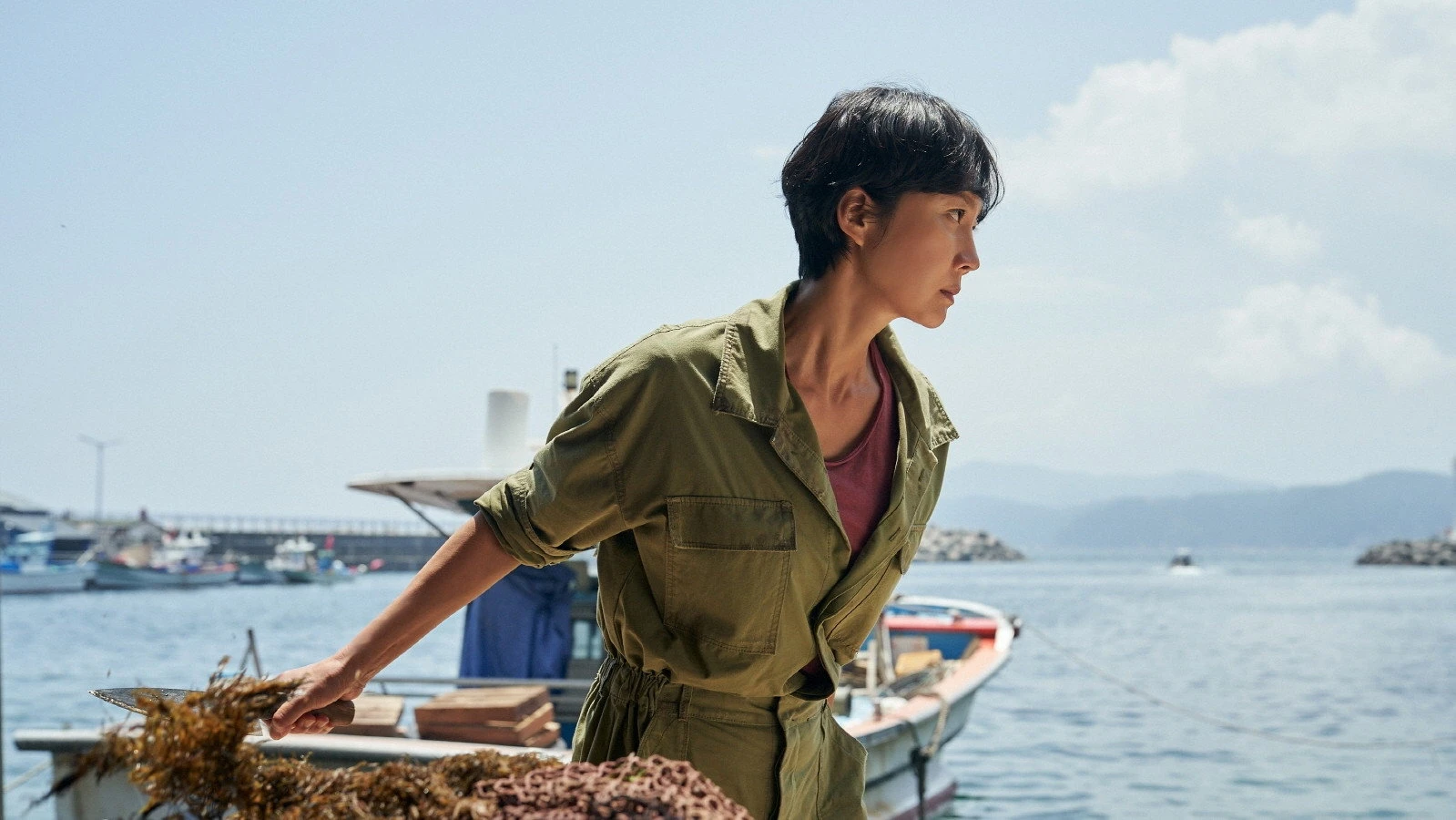
The cracks in their friendship arrive with the money. Not dramatically at first — just the small ways that different survival instincts start pulling people in different directions. Choon-ja is pragmatic and quick-moving, always calculating the next exit. Jin-sook’s loyalty runs deeper and less flexibly; she thinks about the other women in the village, about what they owe each other. When a police raid forces Choon-ja to make a snap decision that looks, from Jin-sook’s perspective, like abandonment, the friendship fractures in a way that neither fully understands. The betrayal is real, but it is also a misreading — and the film is patient about letting that distinction matter.
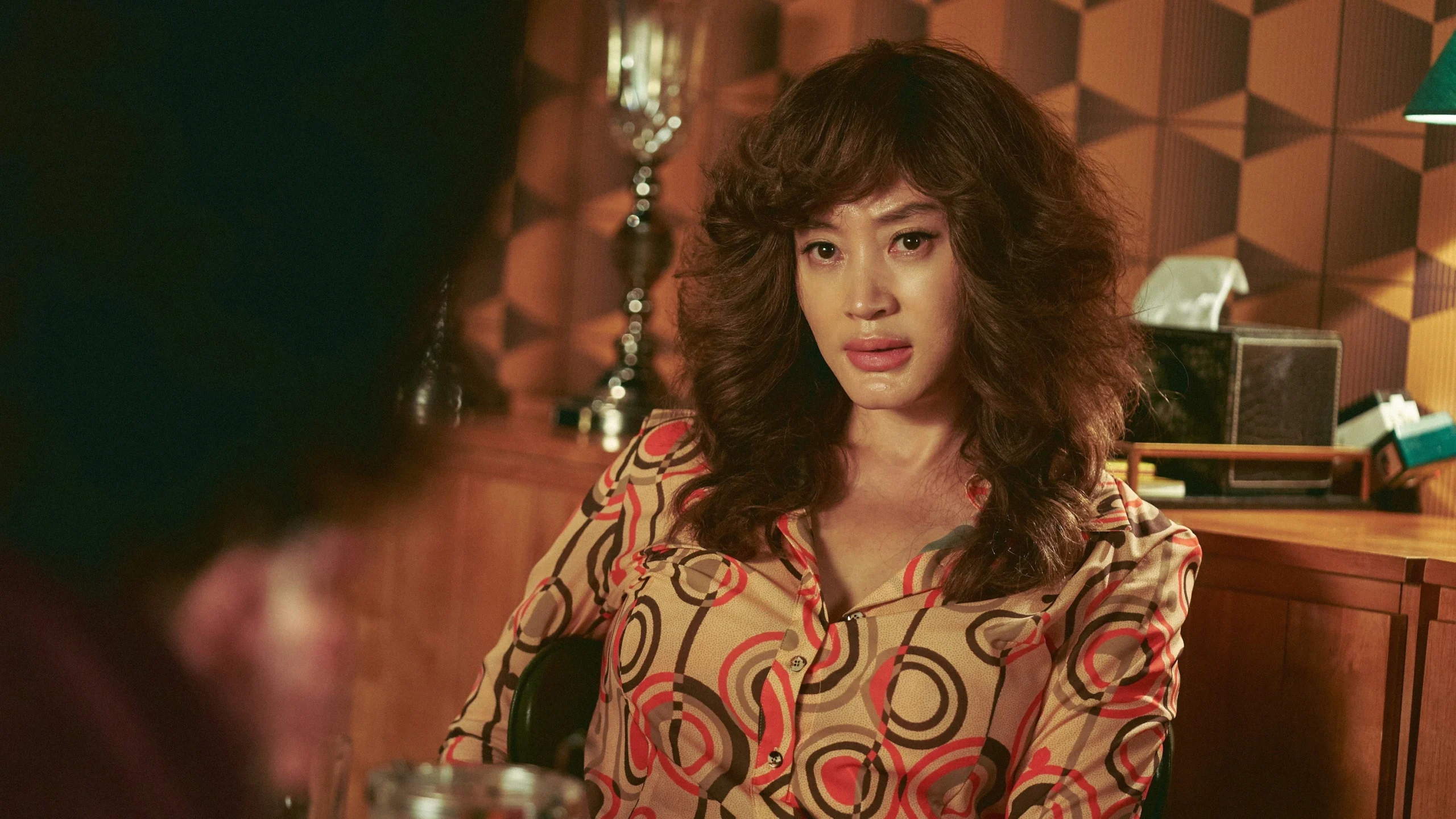
The criminal hierarchy above the haenyeo is where Smugglers expands its register from intimate drama to full-scale crime film. Jang Do-ri is a regional operator with ambitions larger than his position — ambitious enough to start cutting corners on his deals with Pil-sam, and dangerous enough that those corners include the women he is using. Lee Jang-choon, a local power figure who helped broker the haenyeo’s entry into the operation, has no loyalty to anyone when his own position is threatened. The network that once looked like a solution to an economic problem reveals itself, layer by layer, as something far more predatory than the women signed up for.
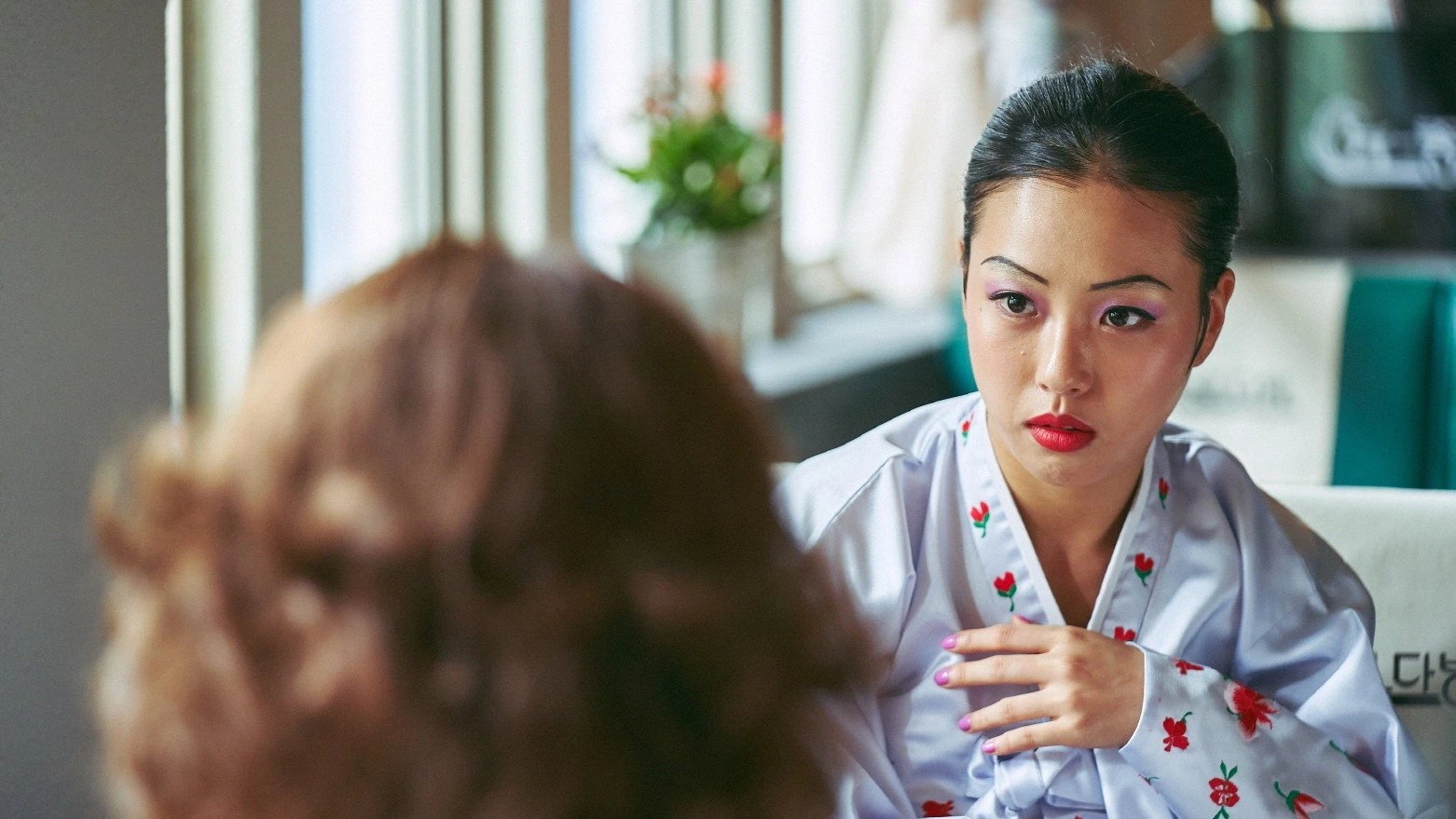
Go Ok-bun, the tea parlor owner with sharp instincts and an eye for opportunity, ends up playing both sides of a conflict that is about to become unavoidable. The diamond shipment — a step up in scale from anything the operation has handled before — brings all of the competing interests into direct confrontation. Pil-sam wants it. Do-ri wants to take it from Pil-sam. Jang-choon wants leverage. The haenyeo, once again, are the ones in the water — the ones with the skills that nobody above them actually possesses. This time, they decide to make that count.
What Smugglers builds toward is a finale that uses the ocean not as backdrop but as moral terrain — a place where the physical advantages that put the haenyeo in this situation become the same advantages that might get them out of it. Choon-ja and Jin-sook have to reconcile what happened between them well enough to function as a team, which means confronting the misreading that broke them apart and deciding if the friendship was always deeper than the hurt. The film doesn’t make this easy or clean. It just makes it feel earned.
🏁 Ending Explained
The ending, explained in full. Spoilers ahead.
Full Spoilers Ahead — This section covers the complete ending of Smugglers. Stop here if you haven’t watched.
How the finale actually plays out The ending executes a precise double movement — above water and below it, simultaneously. Choon-ja and Jin-sook, having reconciled enough to coordinate, let the diamond deal proceed while engineering the conditions for their enemies to destroy each other. Below the surface, during the retrieval of the diamonds, the haenyeo methodically disarm Jang-choon’s underwater thugs using current knowledge and physical endurance that no hired criminal can match. Above water, Go Ok-bun has been quietly seeding distrust between Jang Do-ri’s crew and Kwon Pil-sam’s men. The shootout that erupts is neither accident nor coincidence — it is the outcome of information placed with surgical precision. Pil-sam is fatally wounded in the crossfire, but survives long enough to ensure Choon-ja’s escape.
What it means for Choon-ja Choon-ja makes it out with the diamonds, and the film is careful not to make this an uncomplicated victory. She has survived, and she has secured something valuable, but she has done it by operating as an individual in a situation that was always collective. Jin-sook chose differently — she stayed, she fought, and she served the longer prison sentence as a result. Smugglers doesn’t judge Choon-ja for surviving. It just shows, without commentary, what different survival strategies actually cost the people who use them.
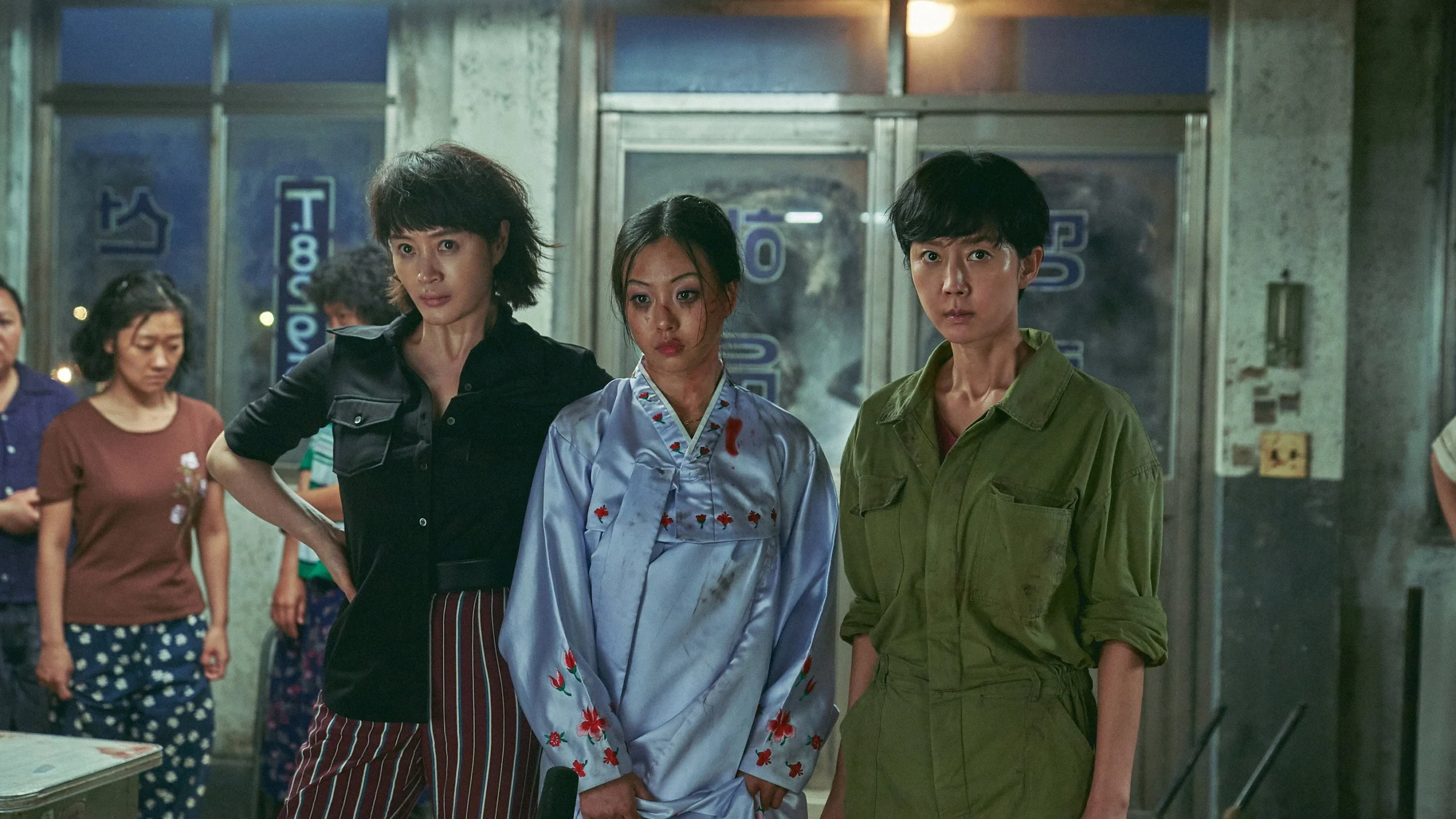
What it means for Jin-sook Jin-sook’s ending is the film’s moral center, even if it comes at the highest personal price. Rather than escaping alongside Choon-ja, she ensures that Lee Jang-choon — the man most directly responsible for what happened to the haenyeo, the one who exploited and threatened them throughout — doesn’t walk away. The haenyeo lash weights to his feet and let the ocean take him. It is a death that mirrors the work: precise, cold, carried out by people who know exactly how much weight it takes and how long it will hold. Jin-sook serves the longest sentence. She is the one who decided the reckoning mattered more than the exit.
The mid-credit scene and what it leaves open The mid-credit scene complicates the film’s apparent resolution: Choon-ja visits a hospital room where Kwon Pil-sam is alive. The scene is short and its implications are deliberately left open. One reading suggests a future partnership — Pil-sam’s connections and resources, Choon-ja’s skills and nerve. Another is that the scene simply acknowledges the criminal ecosystem doesn’t end; it reforms around whoever survives. What the scene refuses to provide is closure, which is exactly right for a story about people who entered a world with no clean exits.
The KDW verdict — what the ending reframes The ending changes how the opening reads. The early scenes of the haenyeo diving together — the choreography of breath-hold and descent, the way they move through water as a unit — mean something different once you understand what the ocean means to the film’s finale. The women were never passive victims of industrialization and organized crime. They were always the most skilled operators in every situation they found themselves in. The question the film is actually asking, from the very first dive, is whether they will ever get to use that skill for themselves rather than for someone above them. The answer, when it comes, is partial and costly and real.
✍️ KDramaWorlds Editor’s Take
Straight talk — our real opinion, and the viewer it’s made for.
Ryoo Seung-wan
Known for: Ryoo Seung-wan is the director most responsible for defining the shape of the modern Korean action blockbuster. His breakthrough, Veteran (2015), was a class-conscious crime film that became one of the highest-grossing Korean films of its decade, combining propulsive genre mechanics with a sharp eye for how economic inequality produces violence. Escape from Mogadishu (2021) demonstrated he could apply that same kinetic intelligence to something more formally ambitious — a real-event diplomatic thriller that had no clear heroes and no easy nationality to root for. His signature is protagonists whose competence is physical and unglamorous: ordinary people who are very good at something specific and end up in situations where that skill is the only thing keeping them alive. Smugglers marks a significant evolution in his career — his first film built entirely around a female ensemble, and his most psychologically layered examination of what survival in a corrupt system actually demands from the people at the bottom of it.
The underwater sequences in Smugglers do something most Korean action films don’t bother attempting: they build genuine tension inside a space where conventional action grammar doesn’t work — no explosions, no visible expressions, no verbal communication. The divers move through dark water with the efficiency of people who have been doing this their whole lives, and the film trusts that efficiency to be cinematic on its own terms. Ryoo Seung-wan has always been drawn to protagonists whose competence is physical and earned rather than exceptional — it’s the same quality that drives The Childe, where pursuit becomes almost hypnotic in its sustained momentum. Here, it’s the stillness that accumulates pressure.
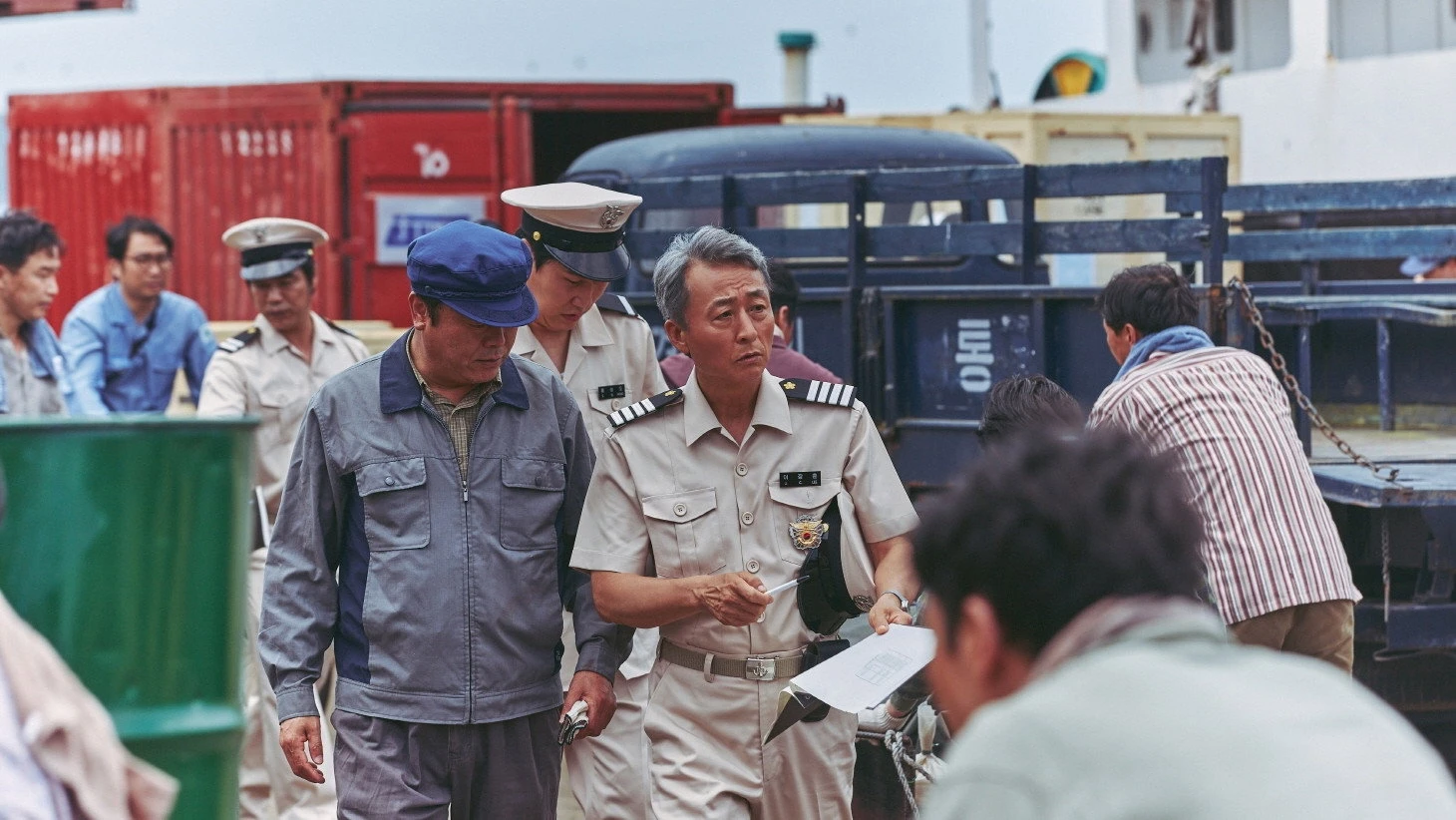
What separates Smugglers from most heist films is that its characters are not aspiring to something — they are running from economic ruin and discovering, along the way, that crime offers a kind of agency they have never had before. There is something recognizable and uncomfortable in that dynamic: the way desperation turns into opportunity turns into entrapment. It rhymes closely with what Concrete Utopia does with collective survival under moral pressure — the rules that seem necessary and the costs they exact are almost never distributed evenly.
Kim Hye-soo plays Choon-ja with a specific kind of contained restlessness — always scanning, always computing, never quite at ease even in moments of apparent calm. Yum Jung-ah inverts that energy completely: Jin-sook is slower to pivot but harder to move, a woman whose loyalty is her defining trait and also the thing that makes her most vulnerable. The two of them in scenes together create a friction the film depends on entirely, because the plot mechanics only work if you believe that these two women genuinely love each other despite being, in most practical ways, incompatible. You believe it.
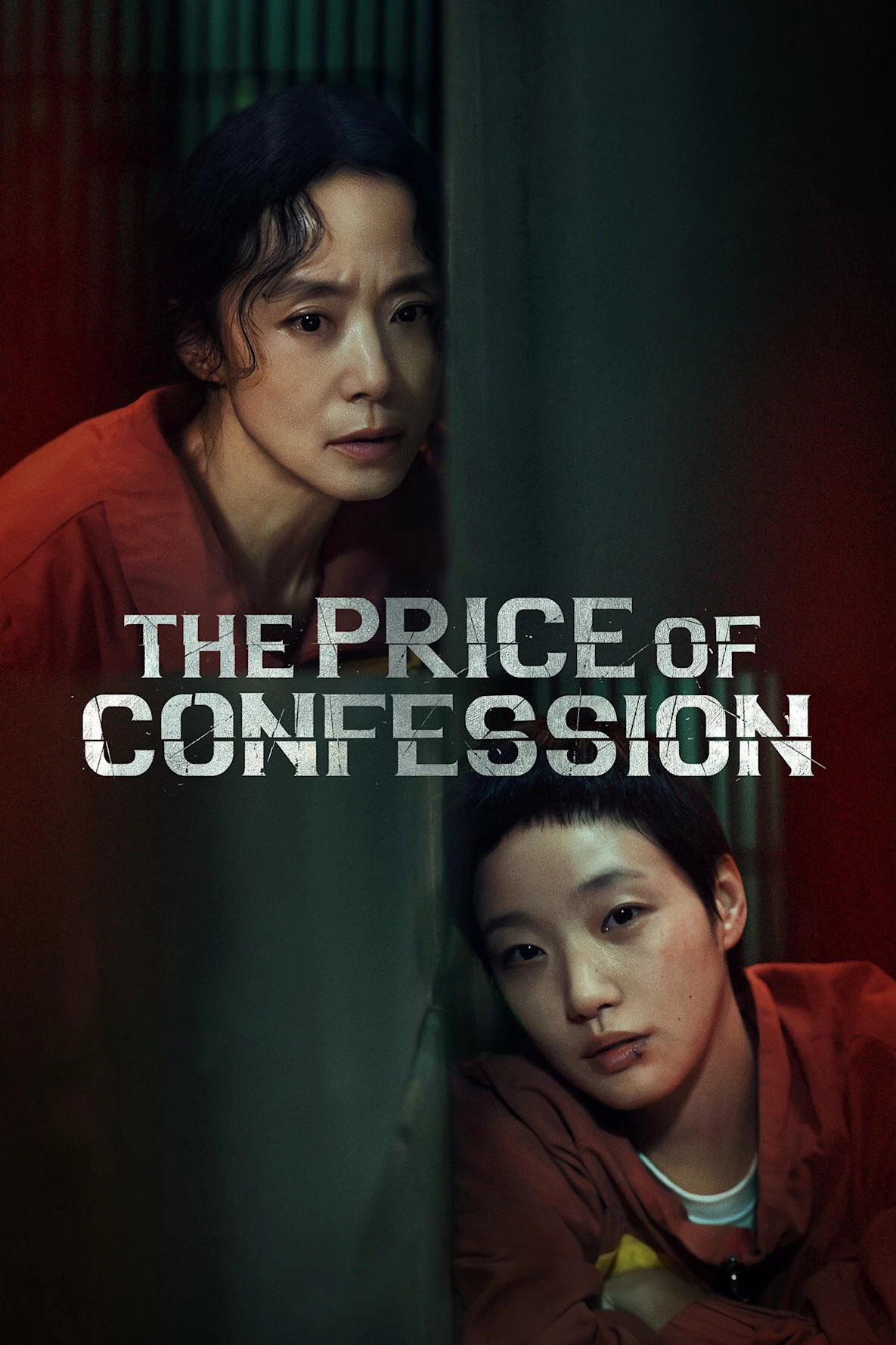
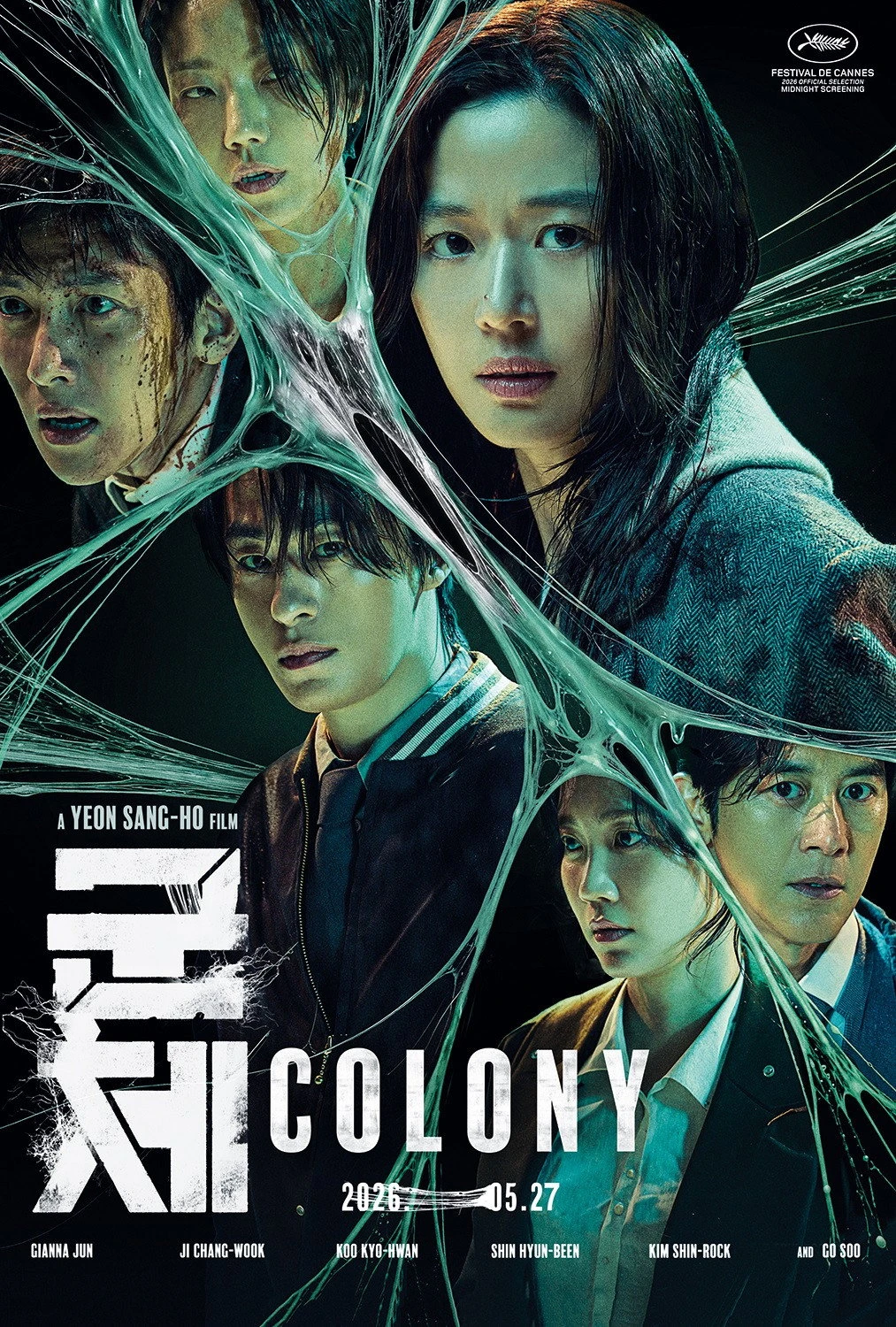
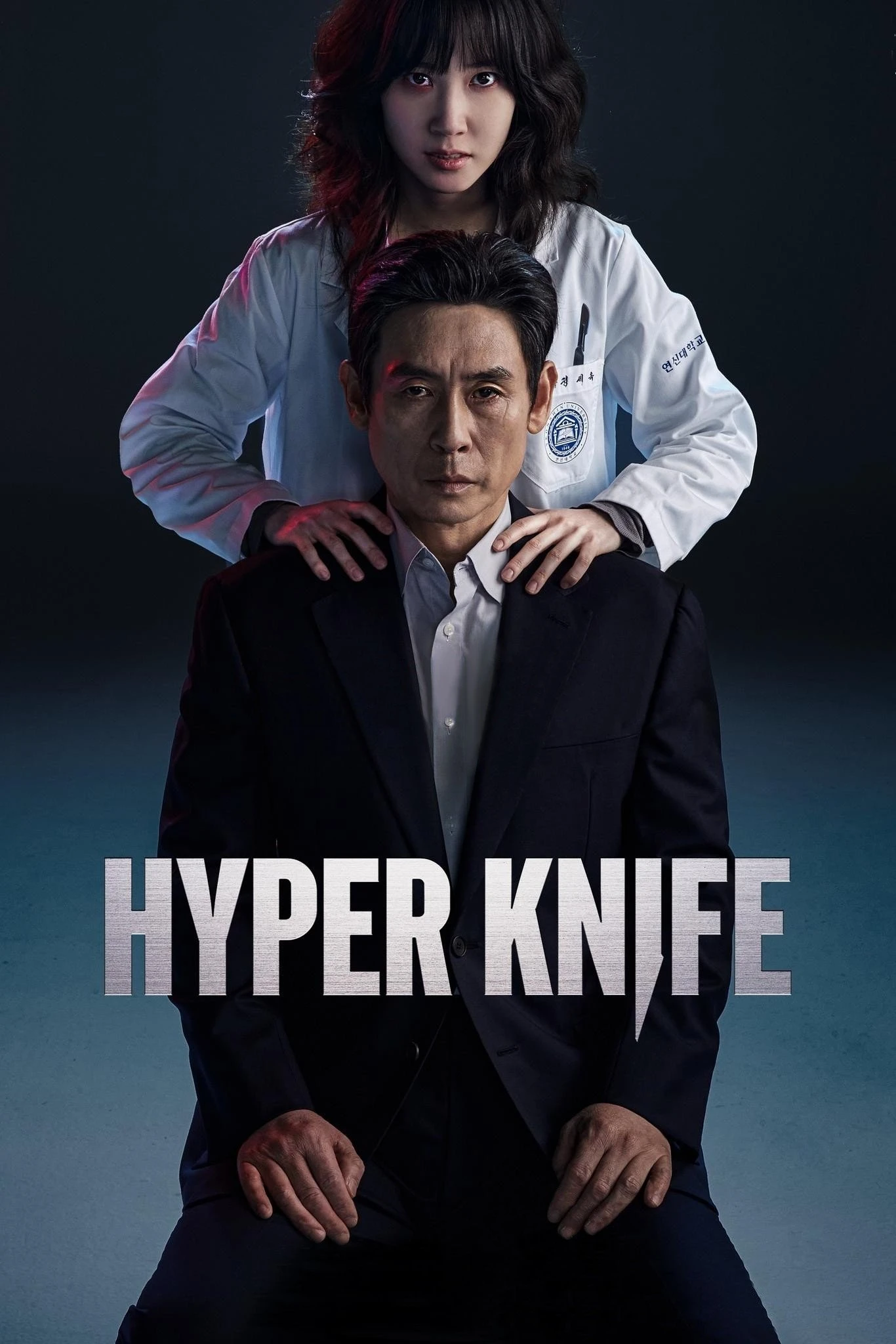
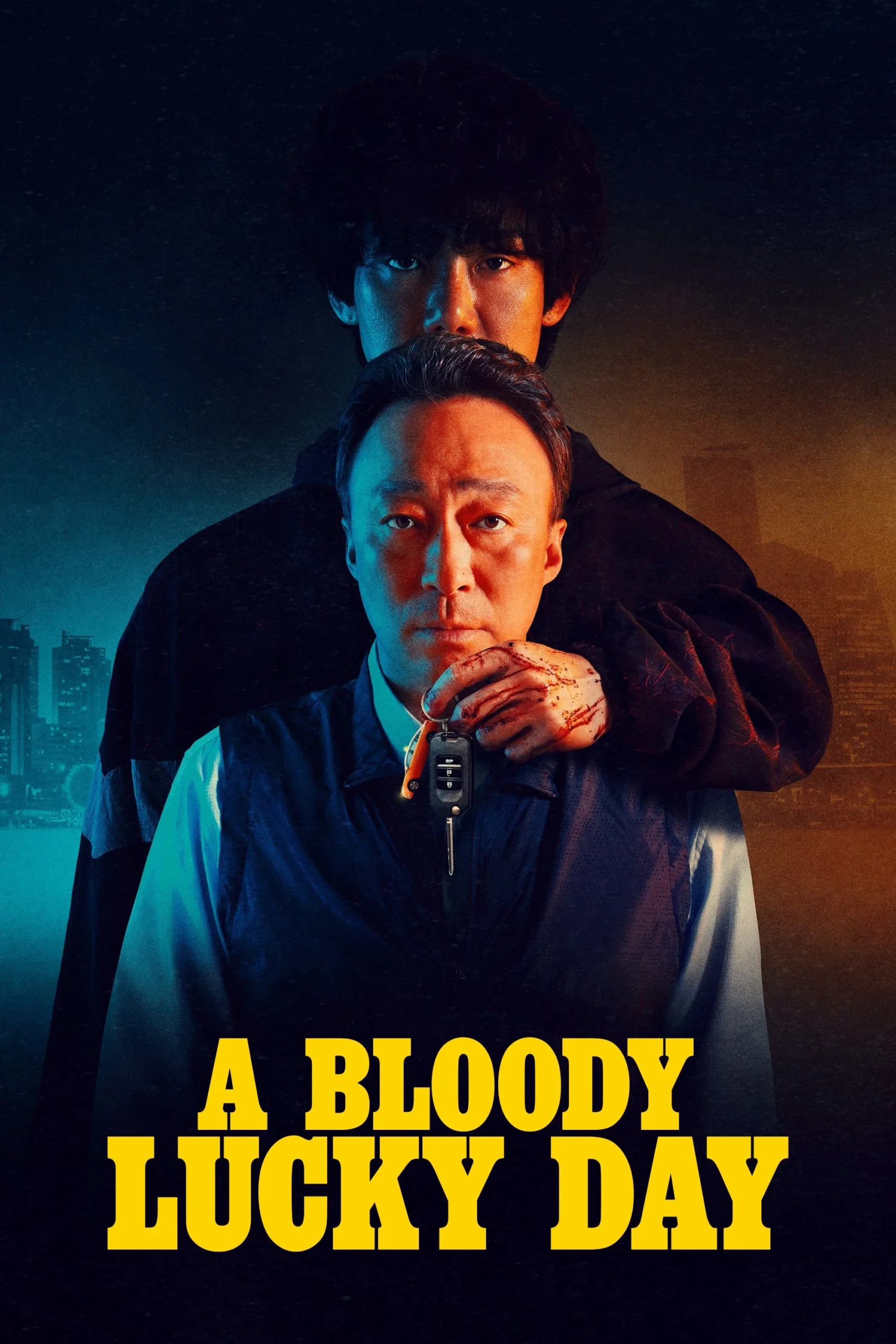
🎬 You Might Also Like
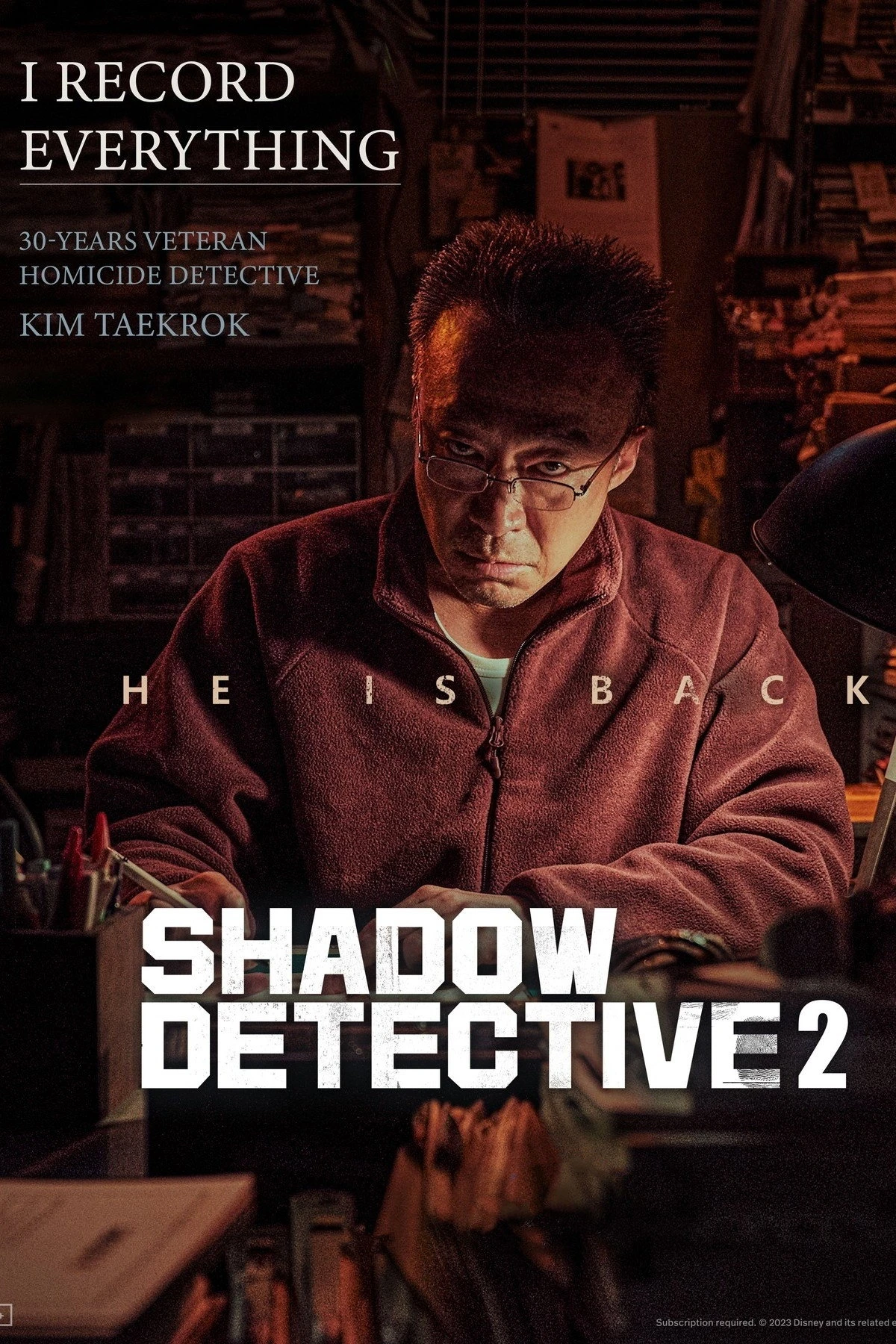
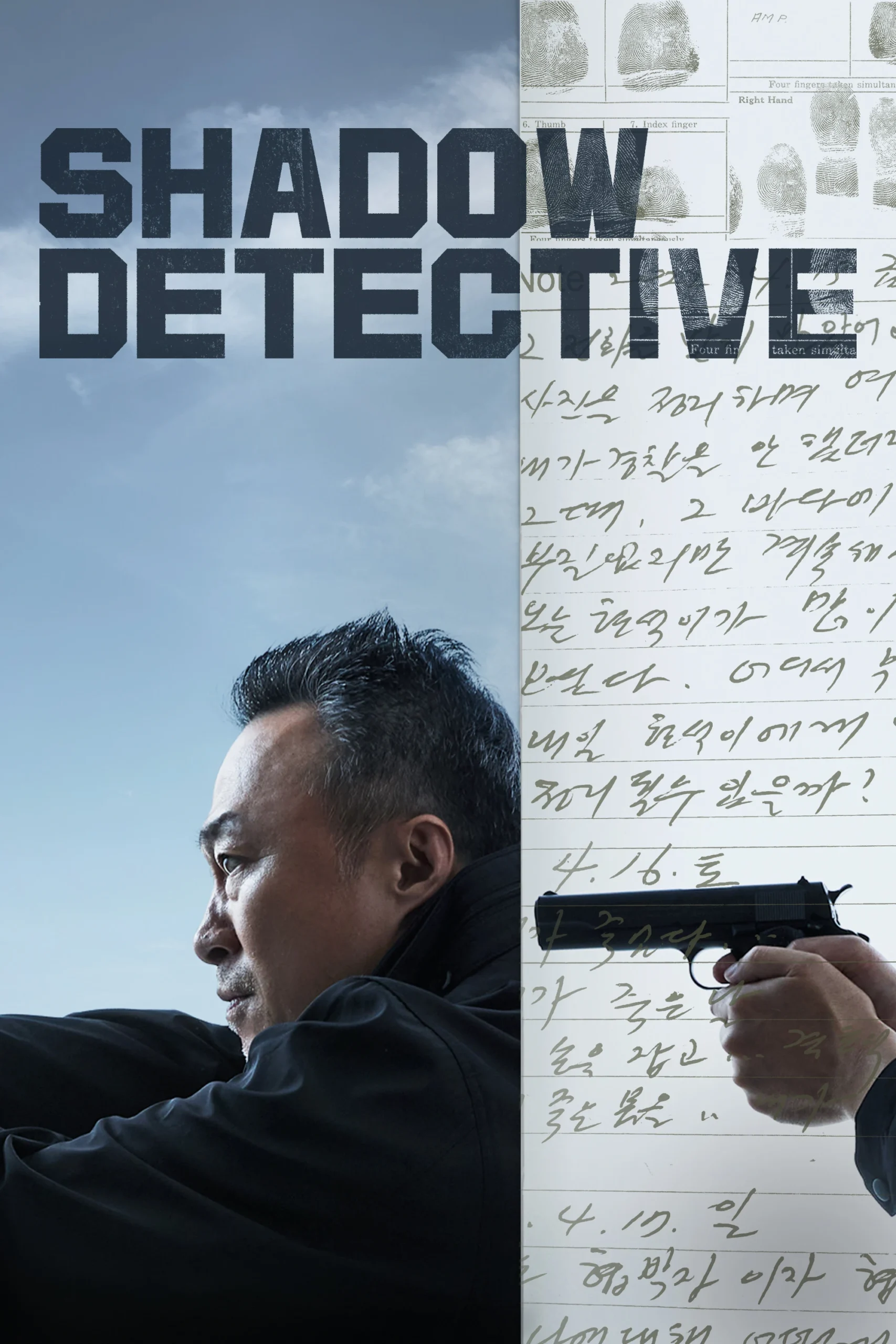
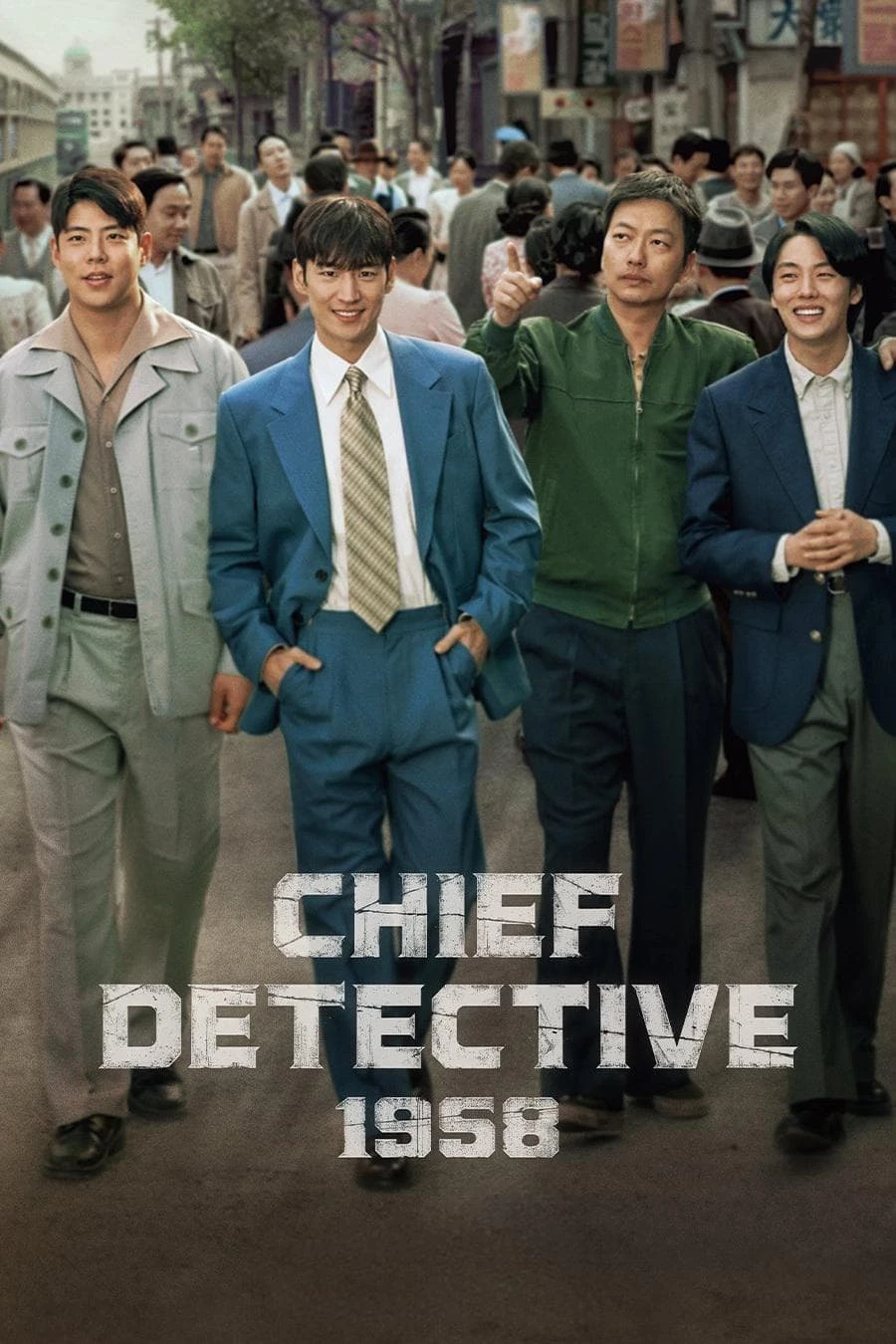
If you liked Smugglers, these are your next three watches.











Keep it kind, skip the harsh language, and please — no spoilers. Everyone's taste is different, and that's perfectly fine.
This space is for real reactions and discussion from other viewers. Help keep it comfortable for everyone by not giving away major plot details.
What do you think of this drama?
Login to share your review or leave a comment.
No email needed — just pick a username & password.