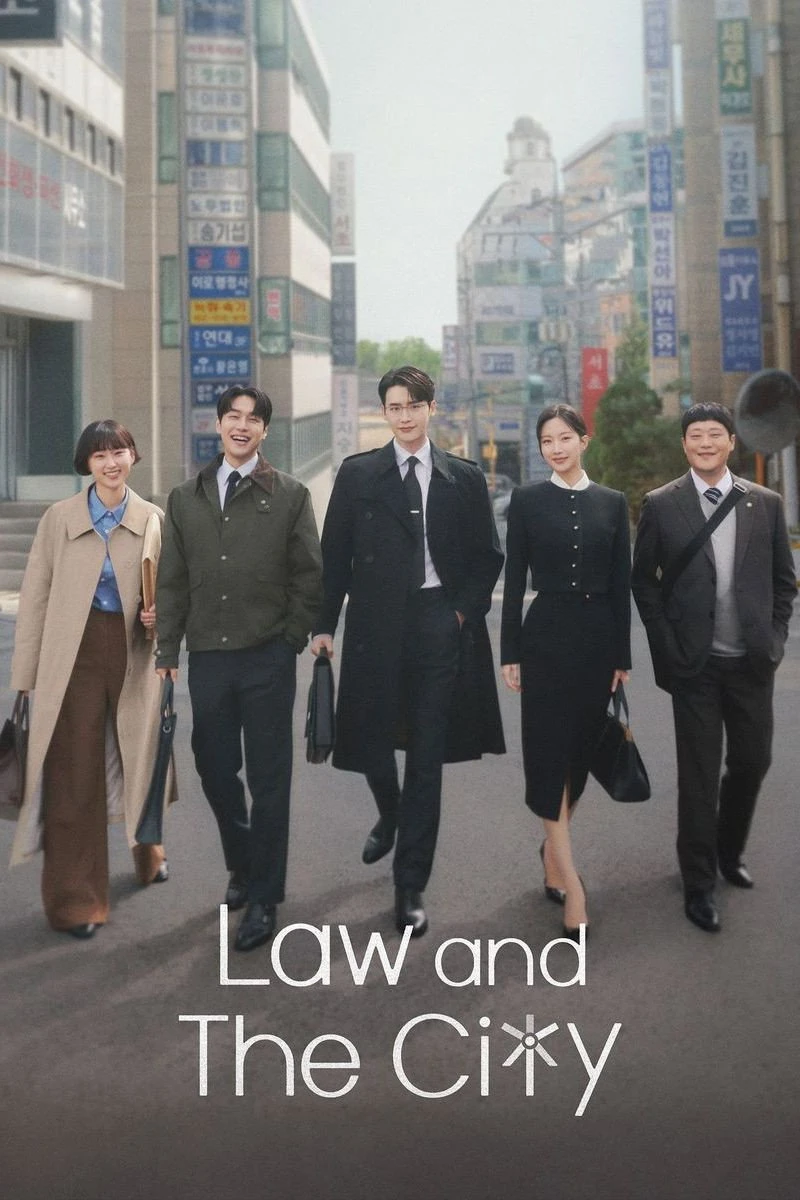
Law and the City
🎬 Viki · Disney+
⭐ 7.9 MDL
📺 PG-13
📋 Drama Overview
A fast rundown of what this one’s about.
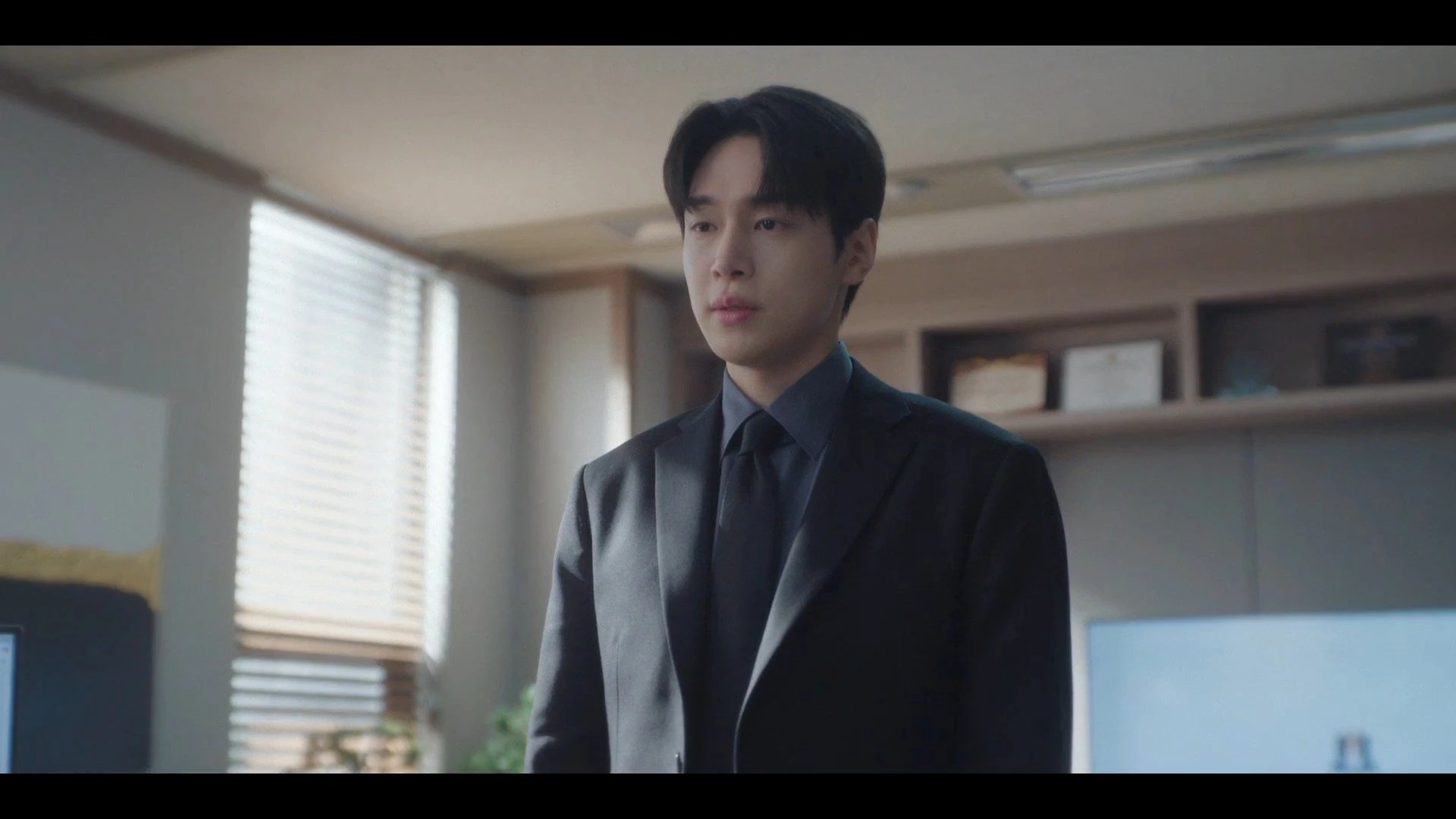
Seocho-dong is not really about the law. What goes on in the associate firms that line Seoul’s legal district is mostly paperwork, client management, and the slow erosion of idealism that comes with billable hours. Ahn Ju-hyeong has been doing it for nine years and has learned, very effectively, to feel less. Then Kang Hee-ji joins the same world.
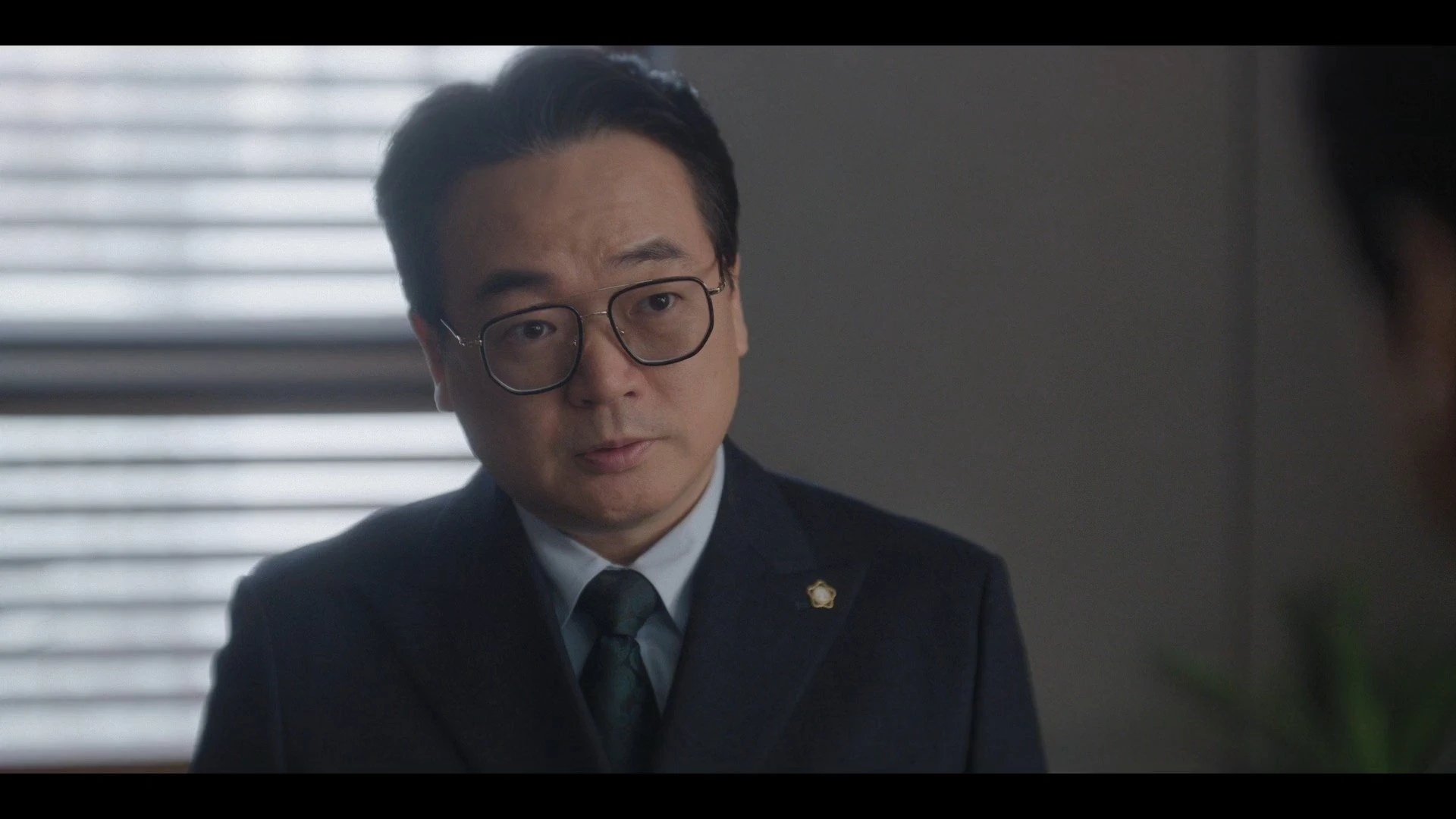
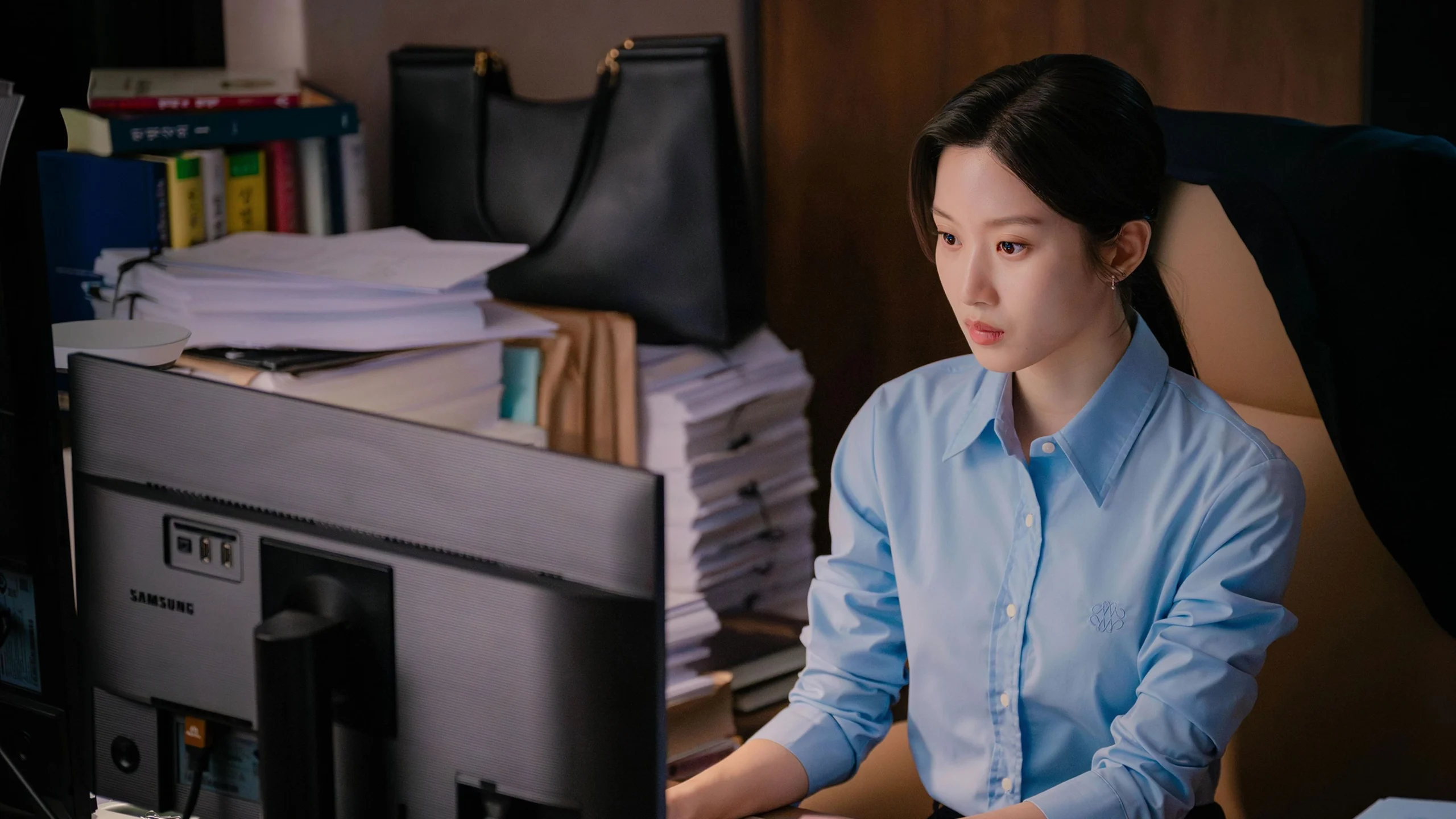
She doesn’t challenge him through argument. She challenges him by not accommodating the walls he has built — not aggressively, just persistently, in the way warm people challenge those who have learned to run cold. Around them, three more associates navigate the same profession at different stages of wondering whether they chose correctly: Bae Mun-jeong quietly protecting a future that includes more than her career, Jo Chang-won watching his boss and starting to count the cost, Ha Sang-ki carrying a background that complicates how everyone reads his choices. The drama is not really about the cases. The cases are the weather. The story is about five people in the same profession finding out who they are when someone is paying attention.
12 / 12 ✅ Completed
⚡ Quick Verdict
No scrolling required — the verdict’s right here.
MDL Score · Check MyDramaList for updated community rating
▶ Official Trailer
🎭 Cast & Characters
Lee Jong-suk and Mun Ka-young play opposite answers to the same question — what happens to warmth when the job keeps asking you to set it aside.

Lead

Lead

Supporting

Supporting

Supporting

Supporting

Supporting

Supporting

Supporting

Supporting

Supporting
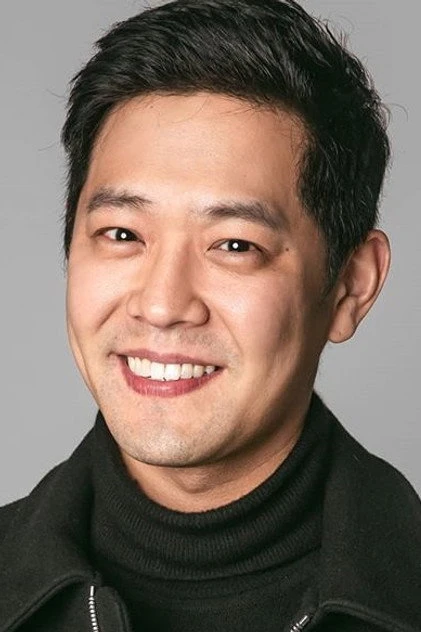
Supporting
📺 Episode Guide
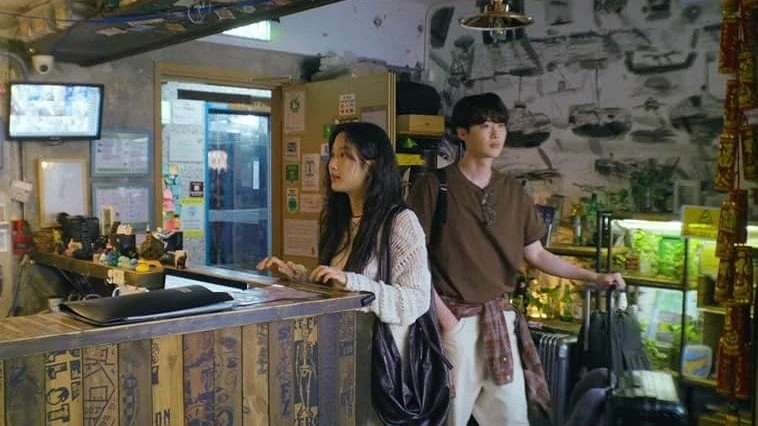
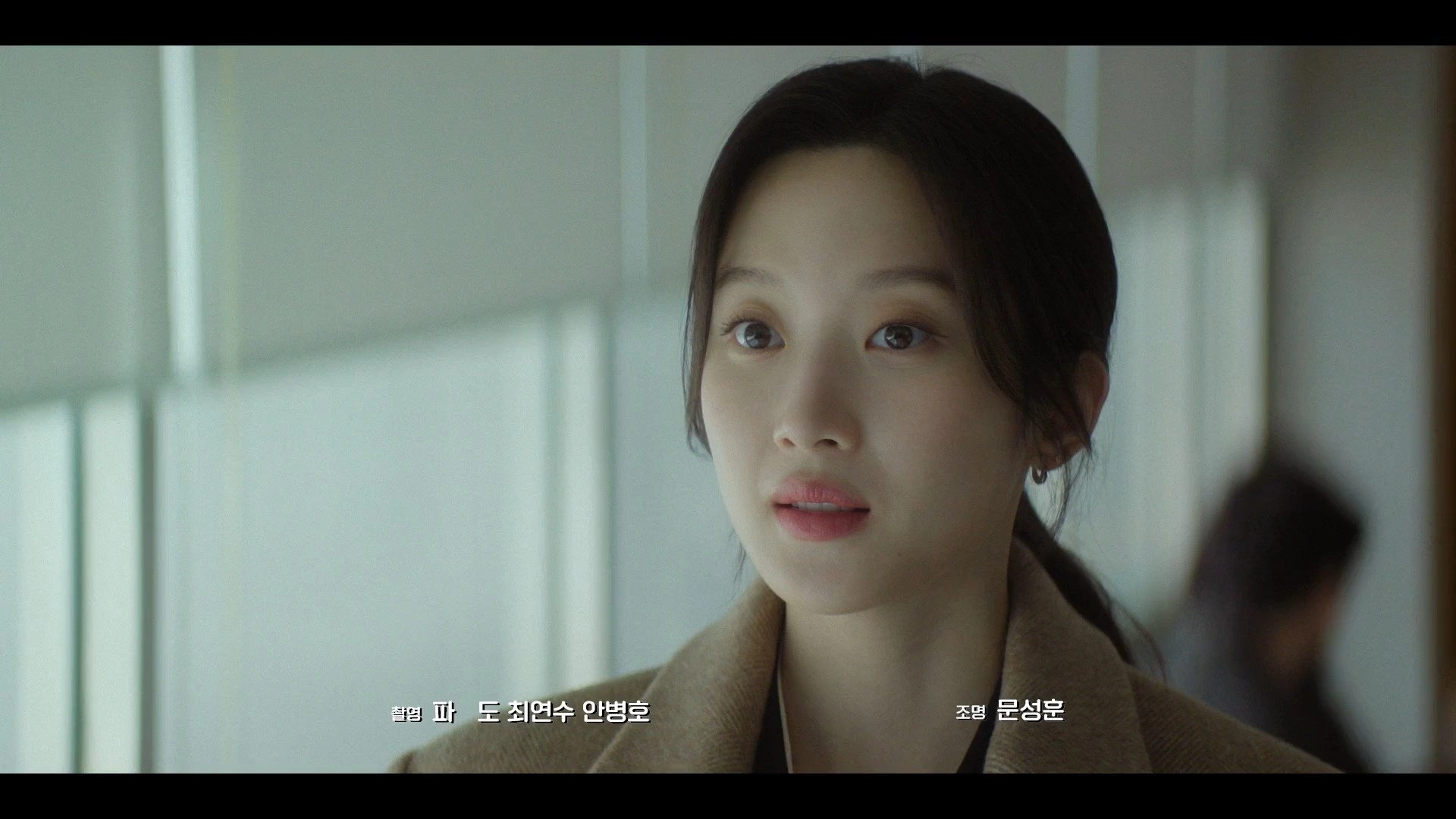
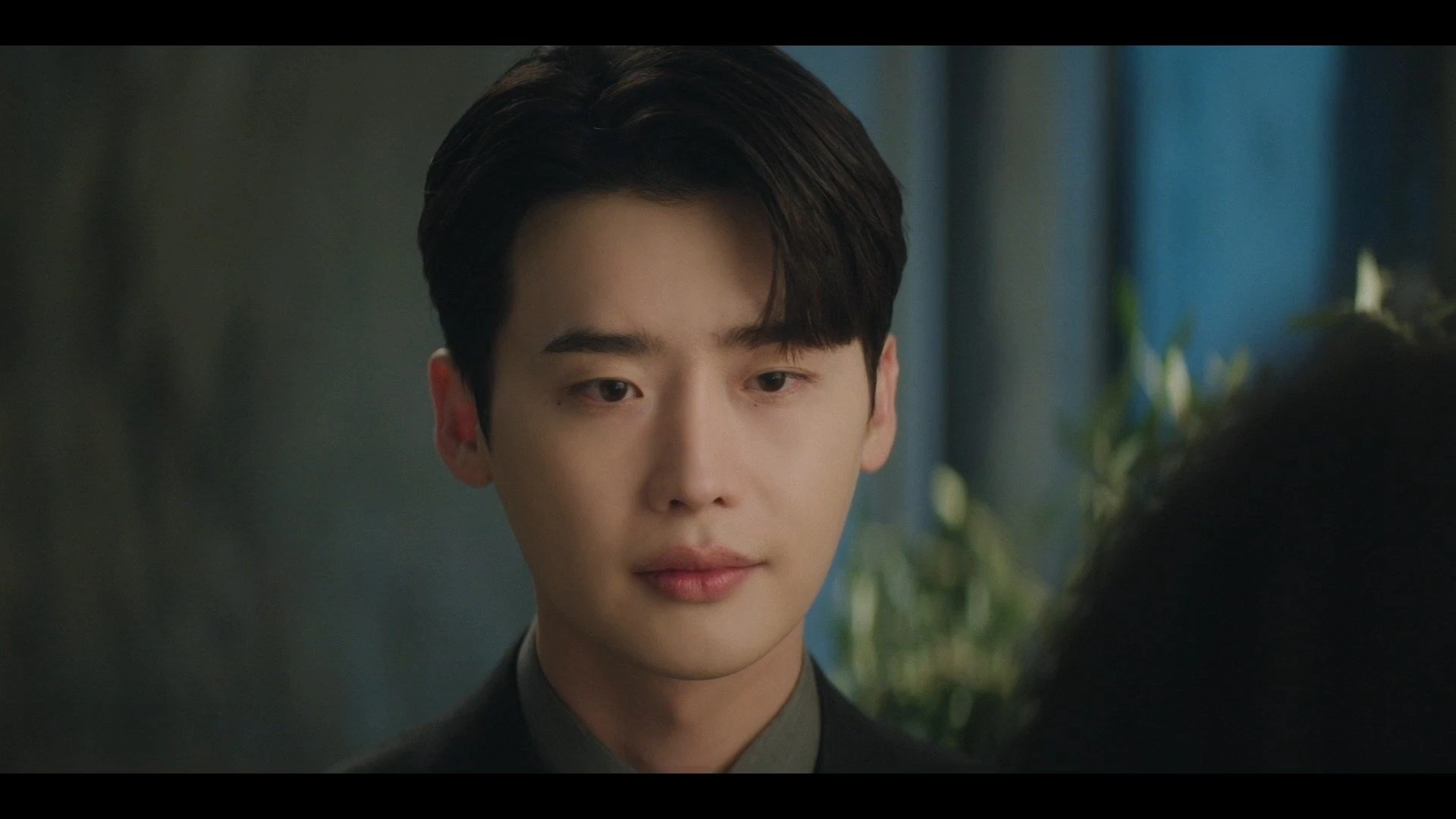
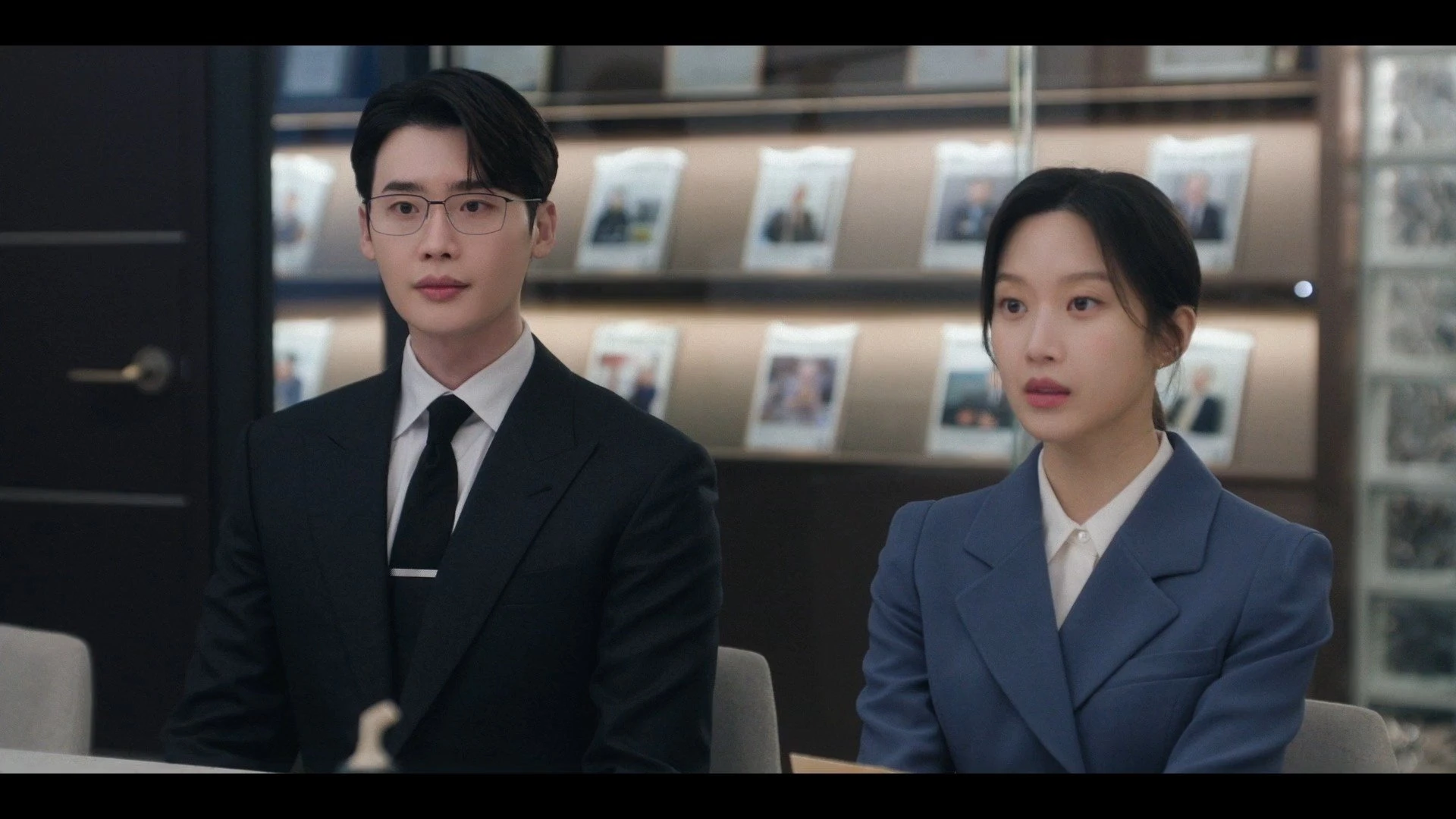
Recaps that jog the memory, not spoil the ride.
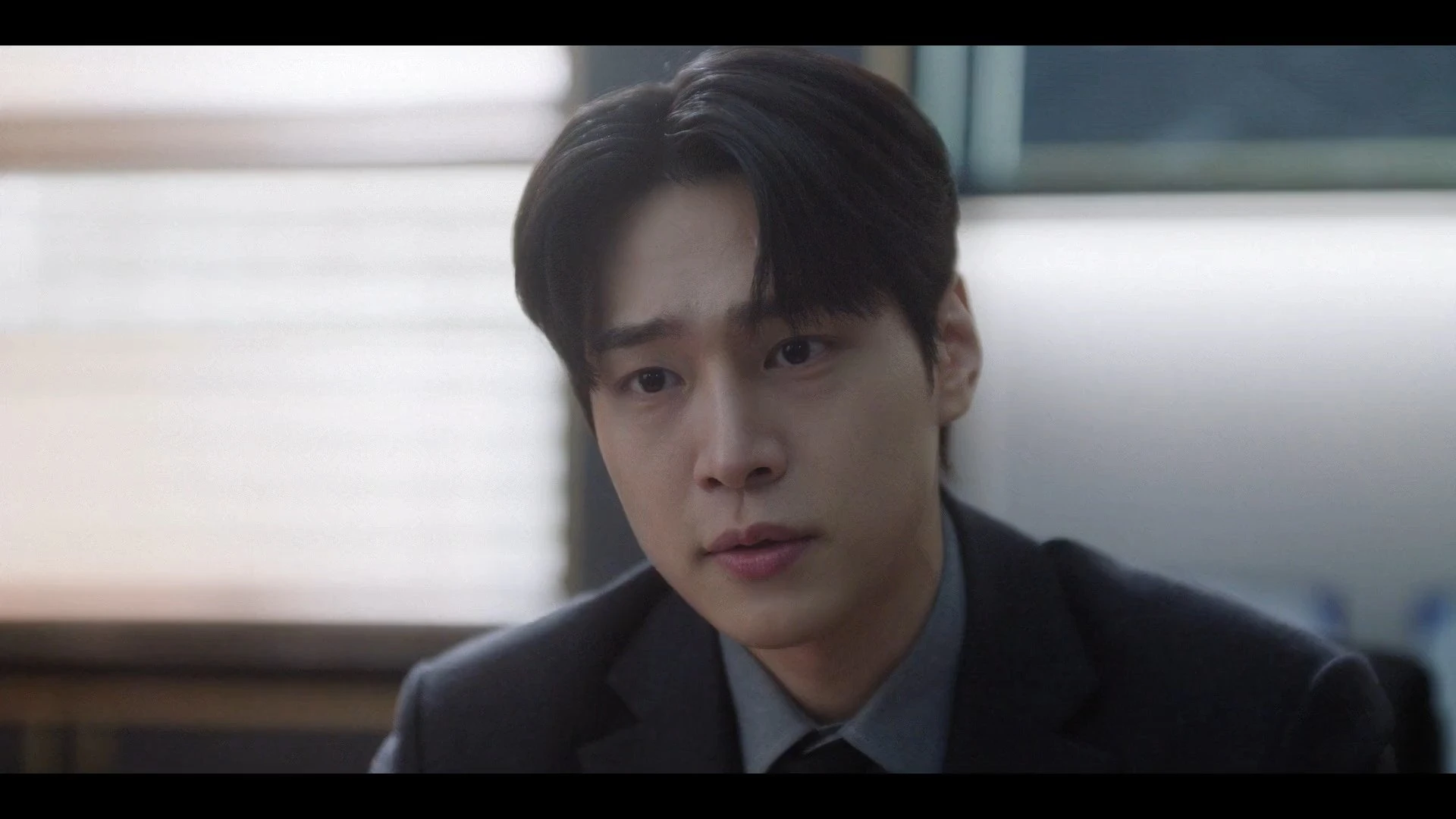
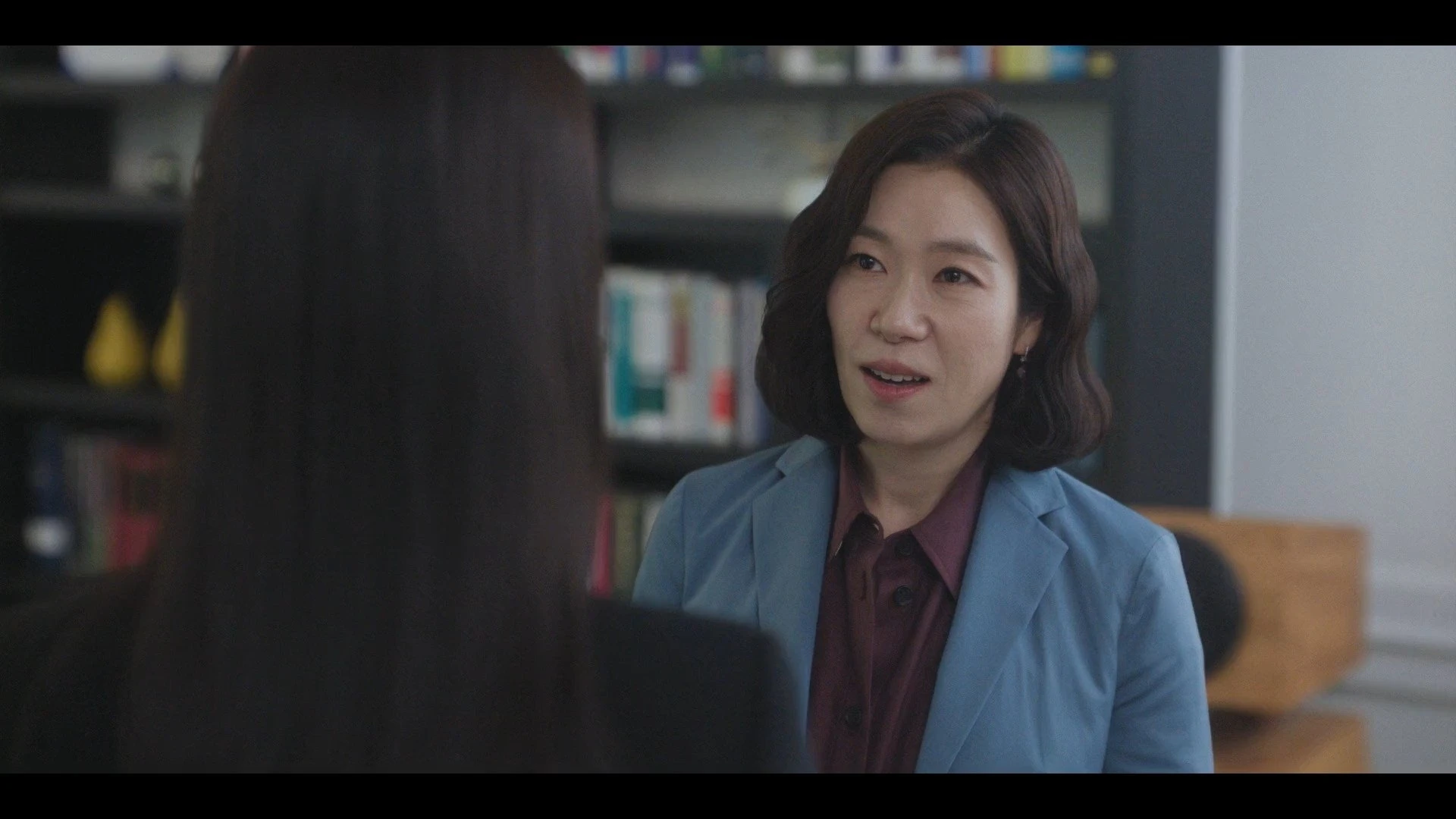
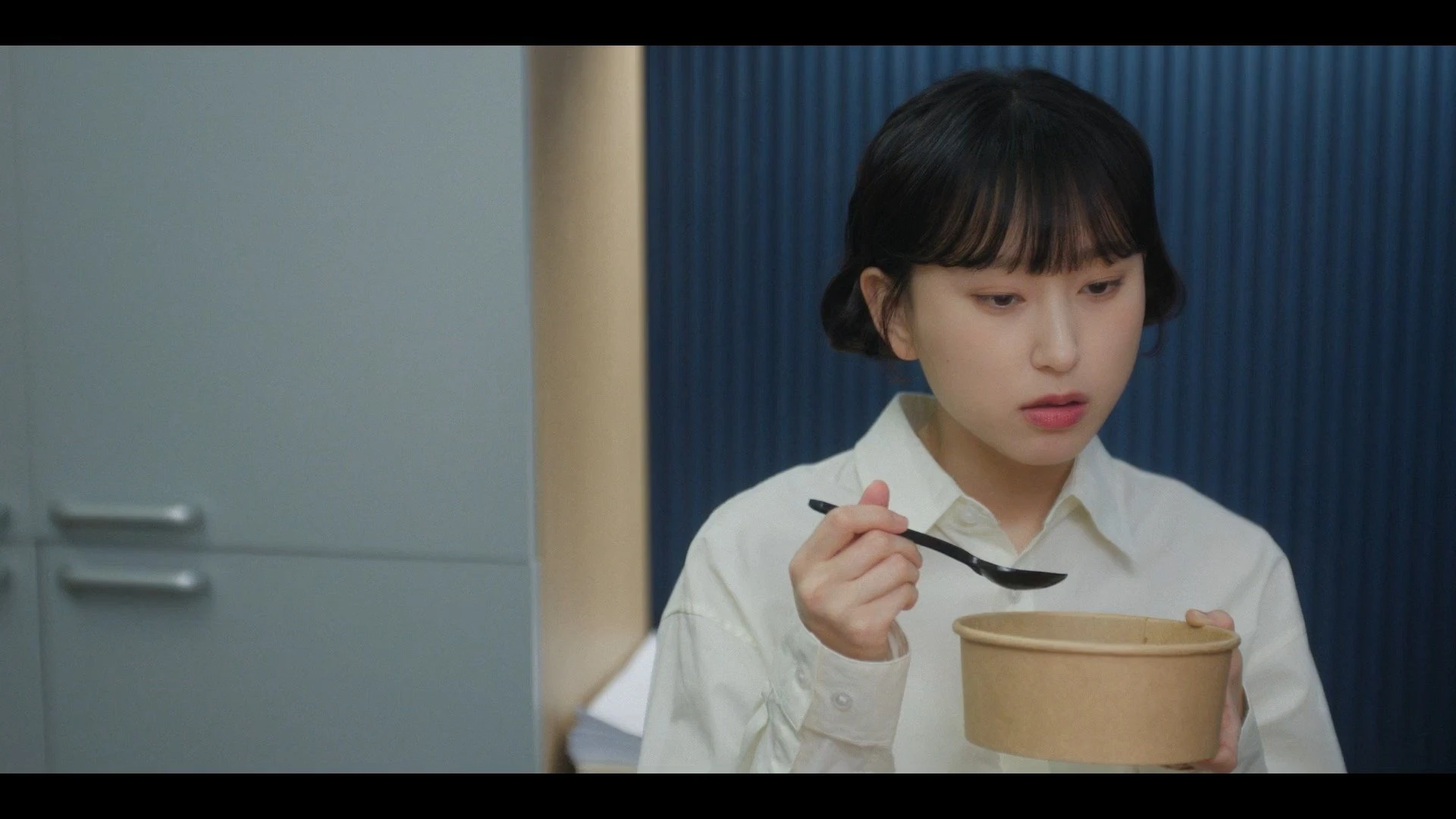
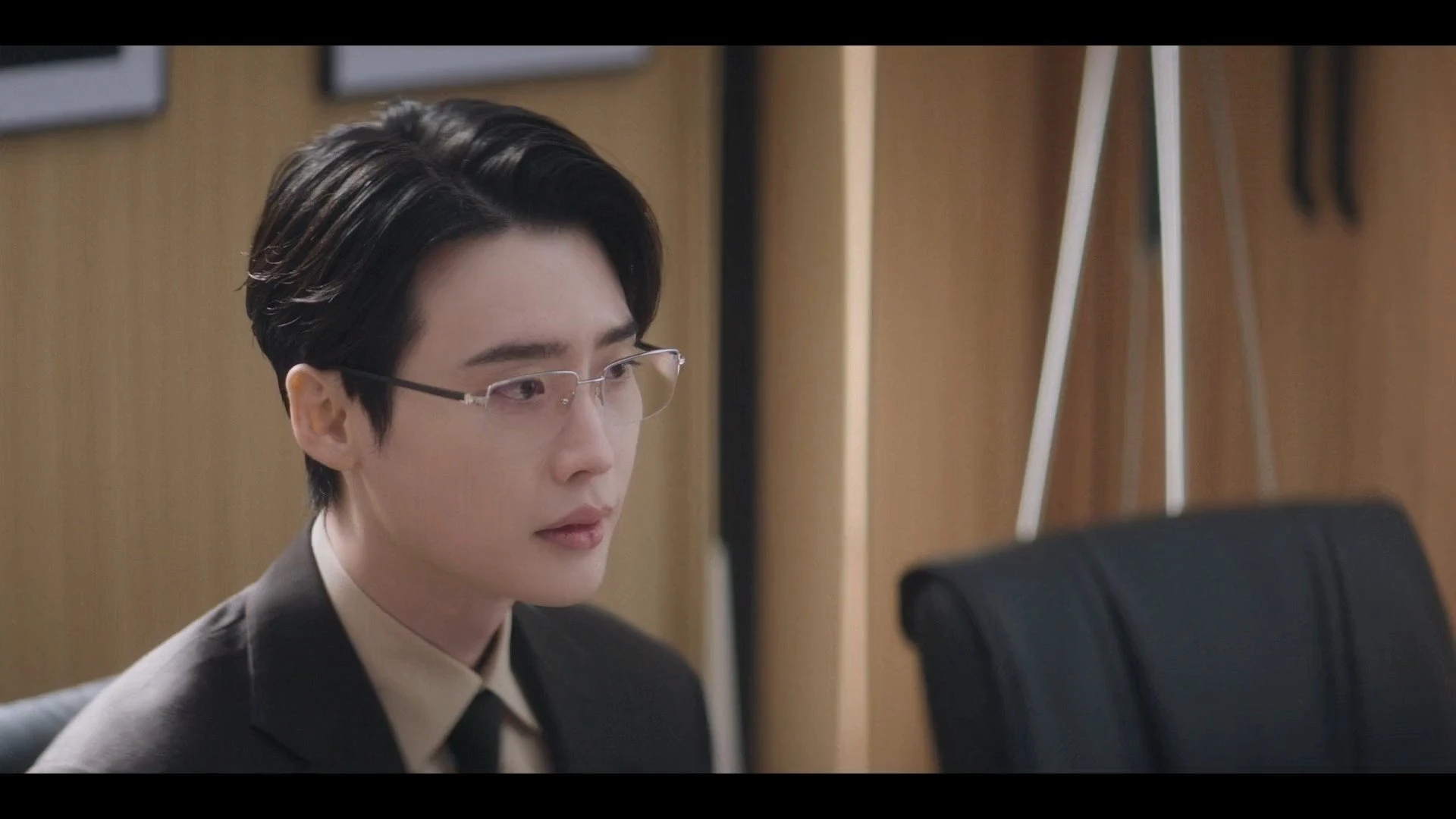
🏁 Ending Explained
Full spoilers from this point — what happened, and why.
Spoiler Warning — This section covers the full finale of Law and the City. Stop here if you haven’t finished the series.
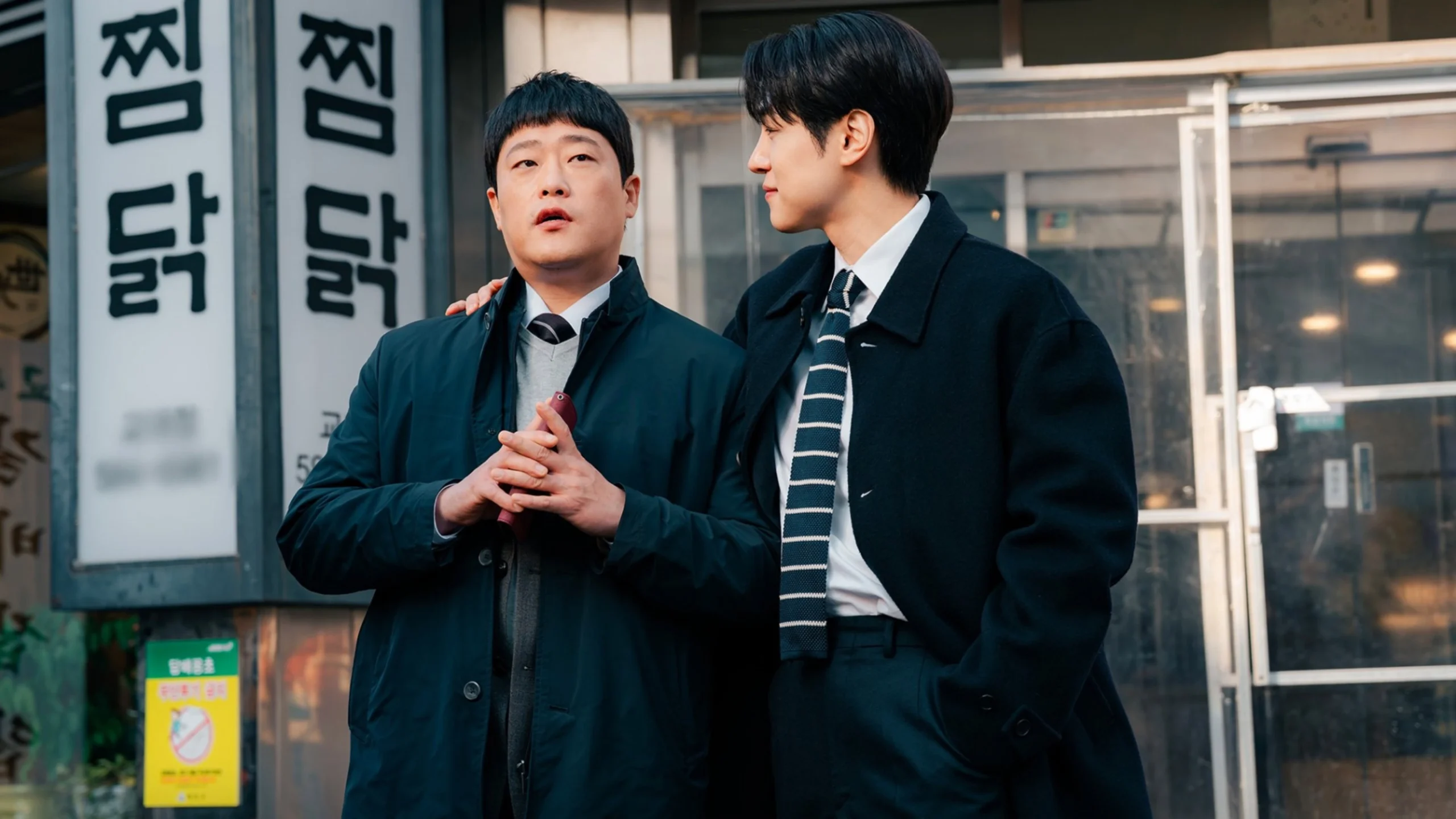
What Each of Them Actually Chooses. The finale answers the question the drama has been building toward since Episode 7: not whether these five lawyers will survive Seocho-dong, but who they’ll be on the other side of it. Ahn Ju-hyeong opens his own law firm — smaller, accountable only to himself, with no senior partners to accommodate. Kang Hee-ji moves into public defense, which is the least prestigious and most Hee-ji-shaped path available. Jo Chang-won leaves his abusive work environment and becomes a prosecutor. Bae Mun-jeong secures an arrangement that lets her protect both her career and her family. Ha Sang-ki steps off the associate track entirely to go back to studying. No one stays where they were. That’s the point.

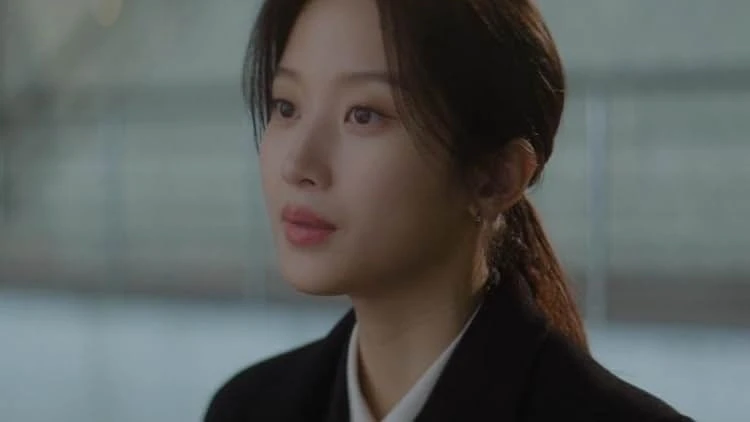
What Happens Between Ahn Ju-hyeong and Kang Hee-ji. The romance doesn’t resolve with a grand confession or a cathartic scene that lets Ju-hyeong fully drop his guard. It resolves the way Hee-ji has done everything in this drama — quietly, without rushing the moment she already knows is coming. He opens his own firm; she’s doing public defense. Different buildings, different clients, different versions of what law means to them. The show suggests they’re not moving toward the same future so much as building futures that have room for each other. For a drama this patient, that’s the right ending.
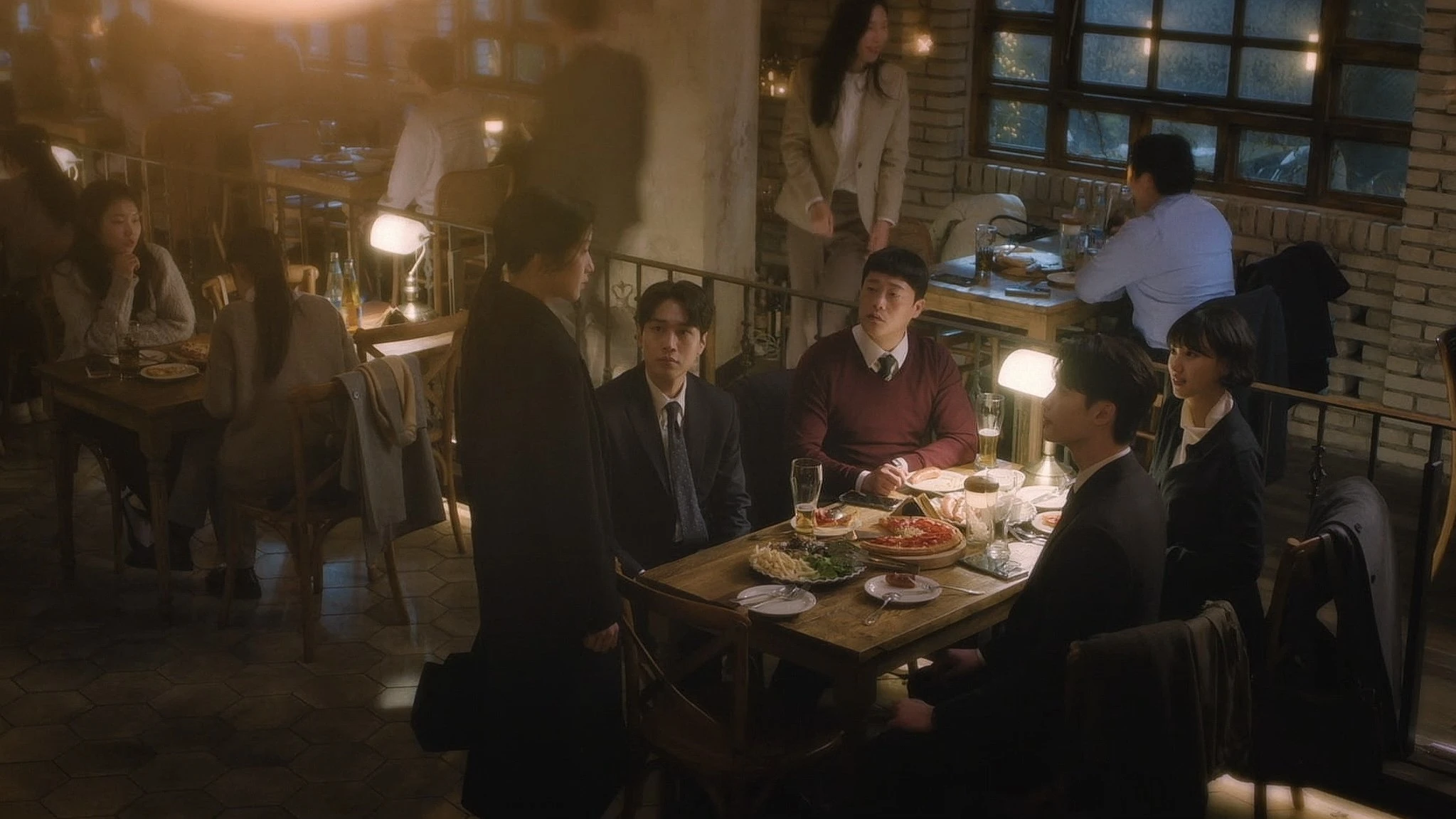
Does the Ensemble Survive It? Yes — not because nothing changed, but because the friendship was never contingent on everyone staying in the same building or the same career trajectory. The five of them meet for one last shared meal, and it reads exactly like every other meal in this drama: too honest, slightly too long, nobody quite ready to leave first. The drama earns its warm ending because it spent twelve episodes making the friendship specific enough that the meal feels like the real conclusion, not the career resolutions that preceded it.
Is the Ending Satisfying? Structurally, yes — every character gets a decision that matches who they became, not who they were at the start. The dissatisfaction some viewers feel comes from what the drama deliberately withholds: there’s no single scene where Ju-hyeong fully lets someone in, no moment where Hee-ji is explicitly chosen rather than simply, quietly included. The show decides these things happen between episodes rather than in them. That may frustrate viewers who came for the catharsis. It may also be the more accurate picture of how guarded people actually change — not in one scene, but somewhere in the space between two meals.
What “Seocho-dong” Actually Refers To. The Korean title names a neighborhood, not a theme — but Seocho-dong, Seoul’s legal district lined with associate firms and grinding associates, is doing thematic work throughout. It’s a place that selects for a particular kind of person: disciplined enough to survive the hours, defended enough to manage the emotional cost. Ahn Ju-hyeong is what Seocho-dong produces at year nine — excellent, functional, thoroughly walled off. The occupation selects for it. A good associate lawyer learns to manage client feelings, opponent strategies, and senior expectations all at once, and that skill for managing what others feel makes it remarkably easy to redirect your own. Kang Hee-ji’s arrival in that neighborhood is what the drama is actually about: not warmth entering the legal profession, but warmth entering someone who trained it out. They both came from Seocho-dong. They both leave it differently.
✍️ KDramaWorlds Editor’s Take
Our real opinion — worth the watch, and for who exactly.
🌸 Slow-Burn Romance
🍜 Shared Meals
📚 Workplace Ensemble
💡 Quiet Growth
Lee Jong-suk built his career on characters who perform steadiness while quietly being dismantled — Choi Dal-po in Pinocchio carrying a secret that costs him from the inside out, Kang Chul in W: Two Worlds Apart maintaining control across a reality that keeps rewriting the rules. Ahn Ju-hyeong is the same register, stripped of genre scaffolding. No time loops. No supernatural pressure. Just a man who has learned to hold still when he’d rather not, and the very specific way Lee Jong-suk plays that stillness — attentive in ways the character can’t acknowledge, present in scenes where Ju-hyeong has trained himself to stay elsewhere. He’s been carrying something in his posture for nine years before Kang Hee-ji notices it.

Mun Ka-young has played warm before — in True Beauty, warmth was the hook, the trait that made her character immediately legible. Here it’s the method: Kang Hee-ji’s warmth isn’t softness, it’s a form of insistence, and the drama’s central tension depends on understanding the difference. The supporting ensemble does something rarer than it looks. My Liberation Notes pulled off five Seoul adults finding each other in their 30s while carrying the weight of jobs and expectations they weren’t sure they chose. Law and the City is aiming at something adjacent — five lawyers who genuinely might prefer each other’s company to better options. Ryu Hye-young as Bae Mun-jeong does the most with the least visible material: a character navigating pregnancy and workplace pressure who never becomes a symbol of either.
The drama’s limitation is also its design. Without melodramatic escalation, the middle section — episodes 7 through 9 — can feel like it’s pausing instead of building, and viewers expecting legal thriller elements from the genre billing will find themselves mid-series watching a show that’s more interested in how people talk at lunch than how cases resolve. That’s a deliberate choice, not a flaw. The payoff in episodes 10 through 12 lands because the drama spent that quiet time establishing what each of these characters actually wants — not from their career, from their life. You have to be willing to meet it at that pace. If you are, it’s worth it.
Viewers who like slow-burn romance without genre dramatics
Anyone who loved My Liberation Notes’ low-intensity emotional depth
A warm, well-acted ensemble that trusts its audience to find drama in quiet places. Not for everyone. Exactly for someone.
🎬 You Might Also Like
If you liked Law and the City, these are your next three watches.
 The Ordinary Jackpot
Dramafantasy
Read Full Review →
|
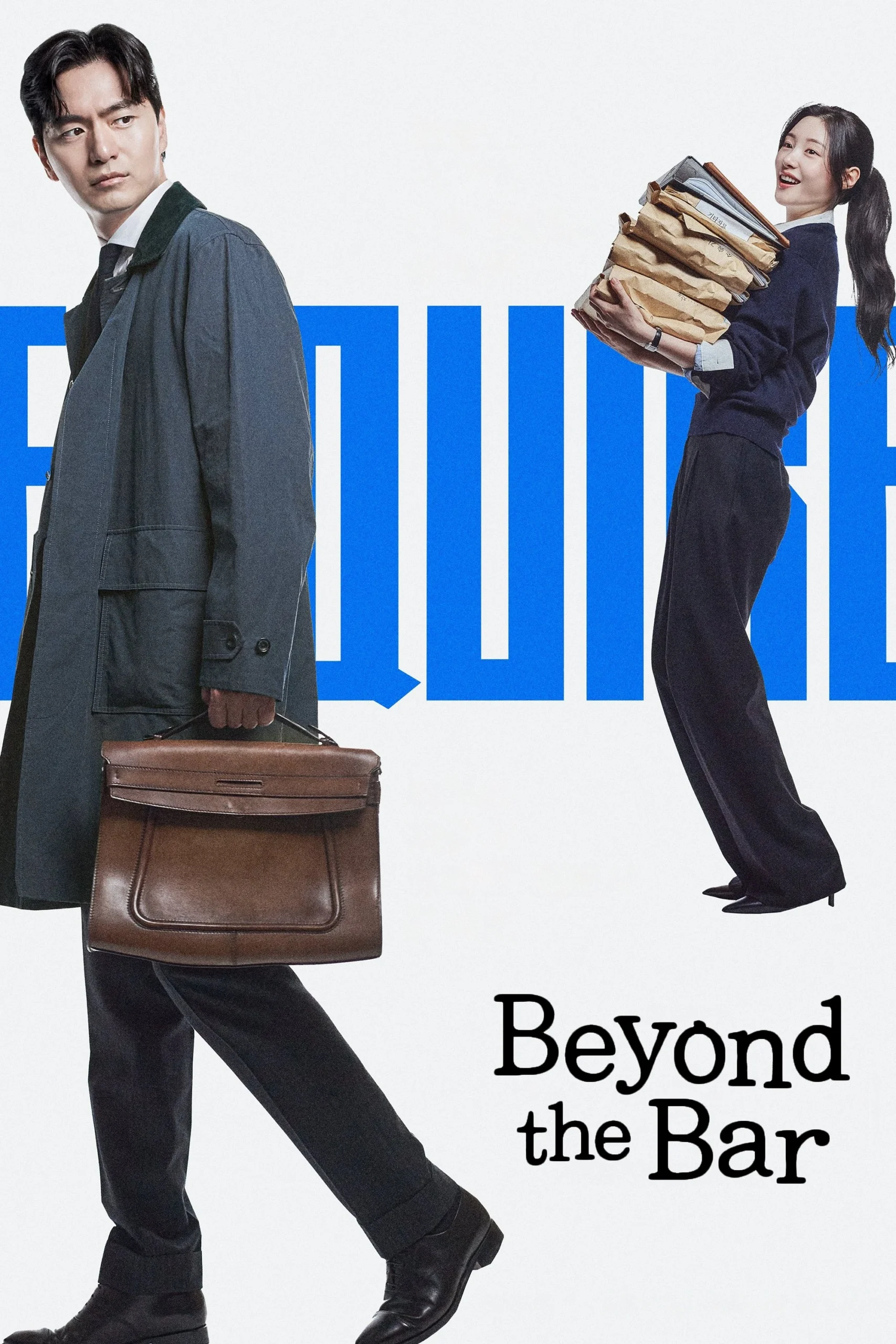 Beyond the Bar
attorneycourtroom
Read Full Review →
|
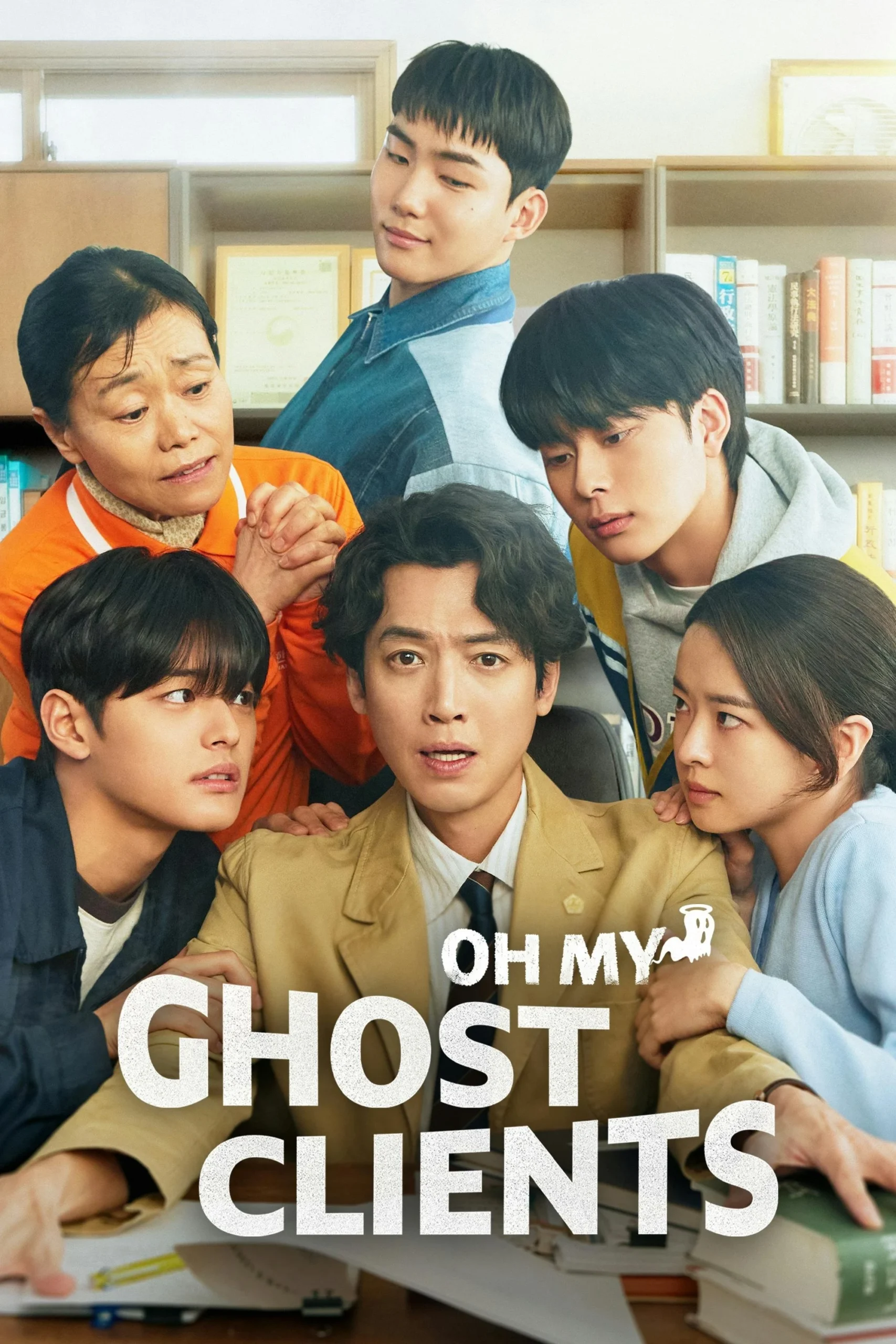 Oh My Ghost Clients
Cha Hak-yeoncomedy
Read Full Review →
|











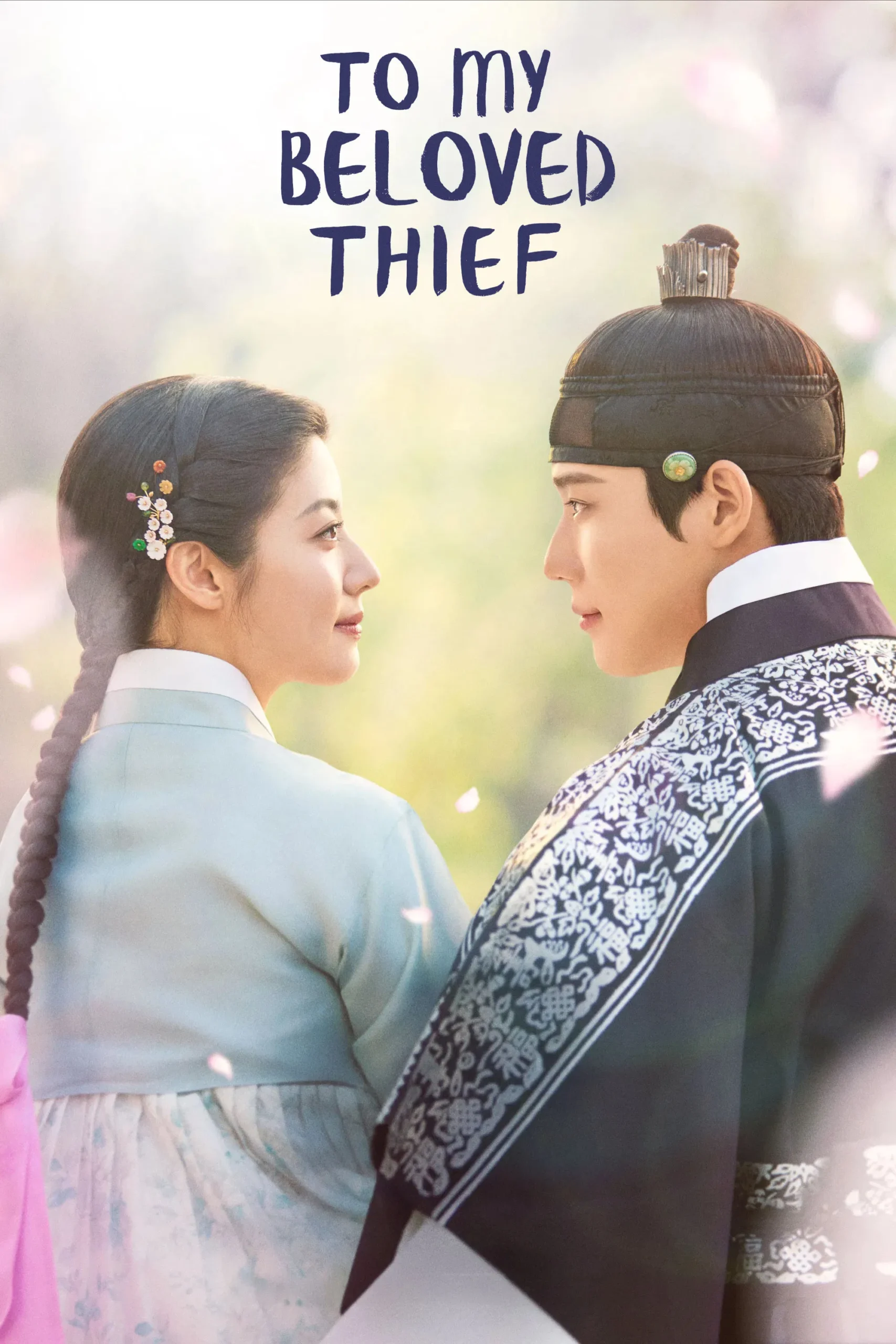






Keep it kind, skip the harsh language, and please — no spoilers. Everyone's taste is different, and that's perfectly fine.
This space is for real reactions and discussion from other viewers. Help keep it comfortable for everyone by not giving away major plot details.
What do you think of this drama?
Login to share your review or leave a comment.
No email needed — just pick a username & password.