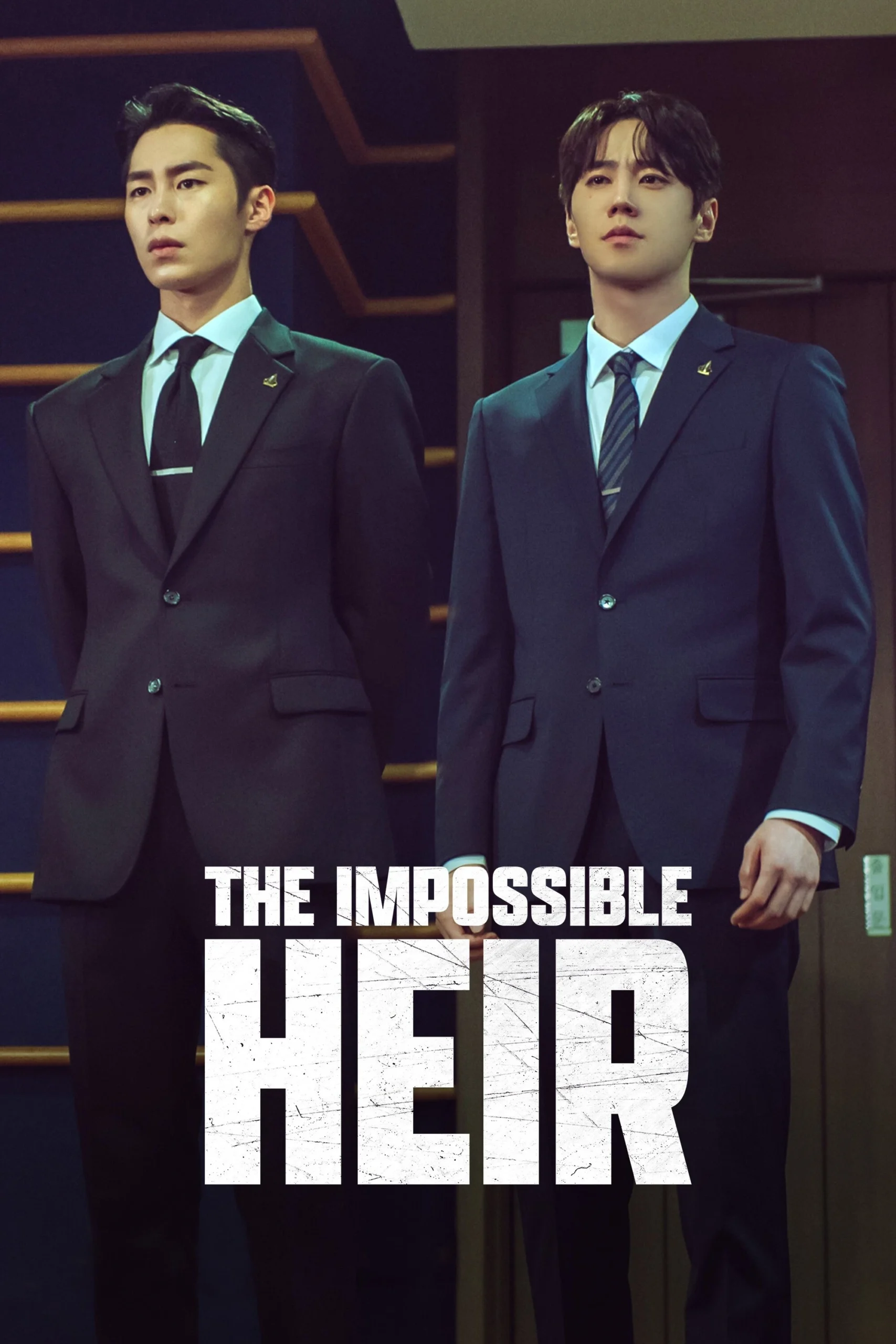
The Impossible Heir
🎬 Disney+ · Hulu
⭐ 6.7 MDL
📺 15+
📋 Drama Overview
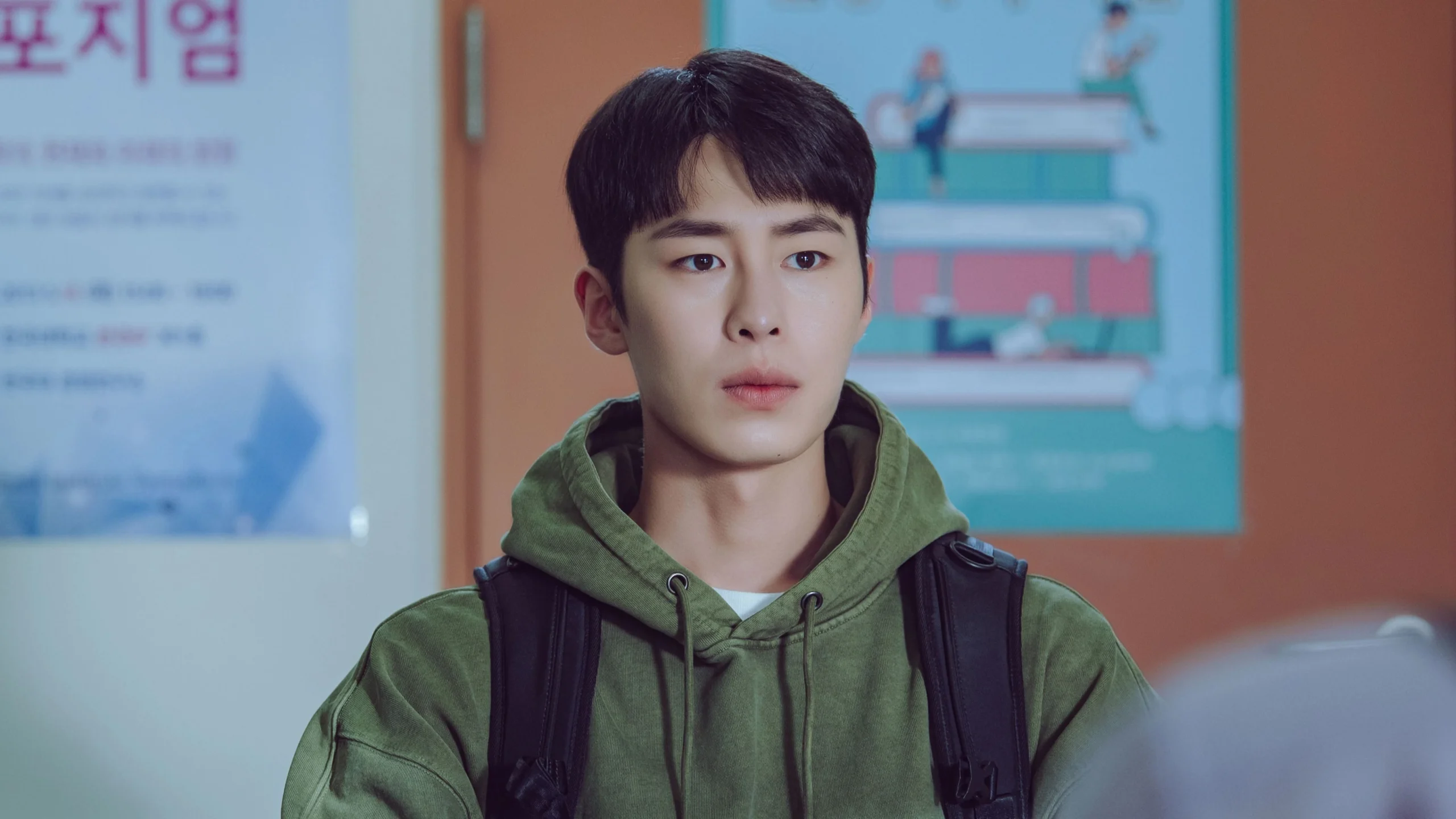
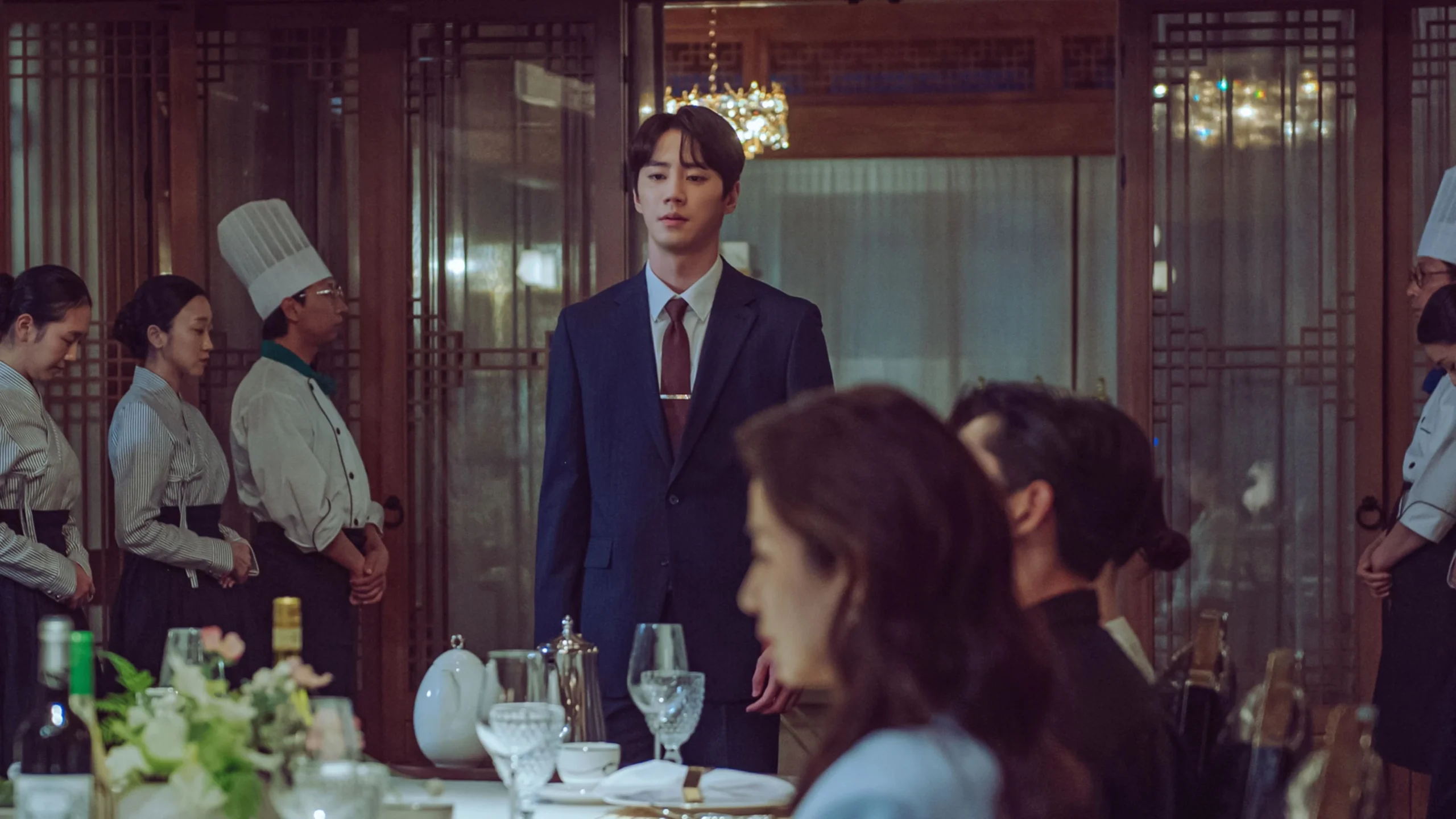
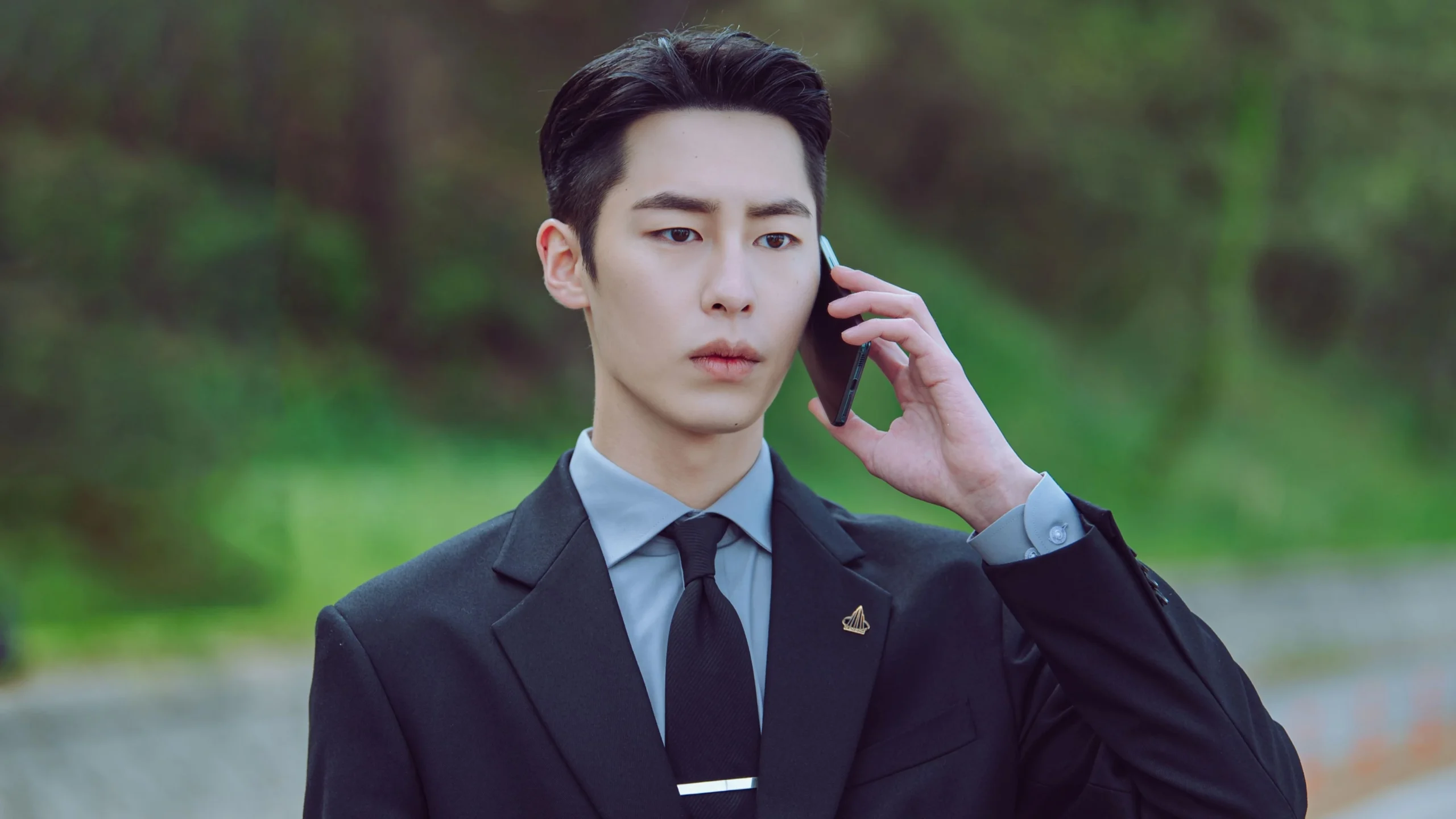
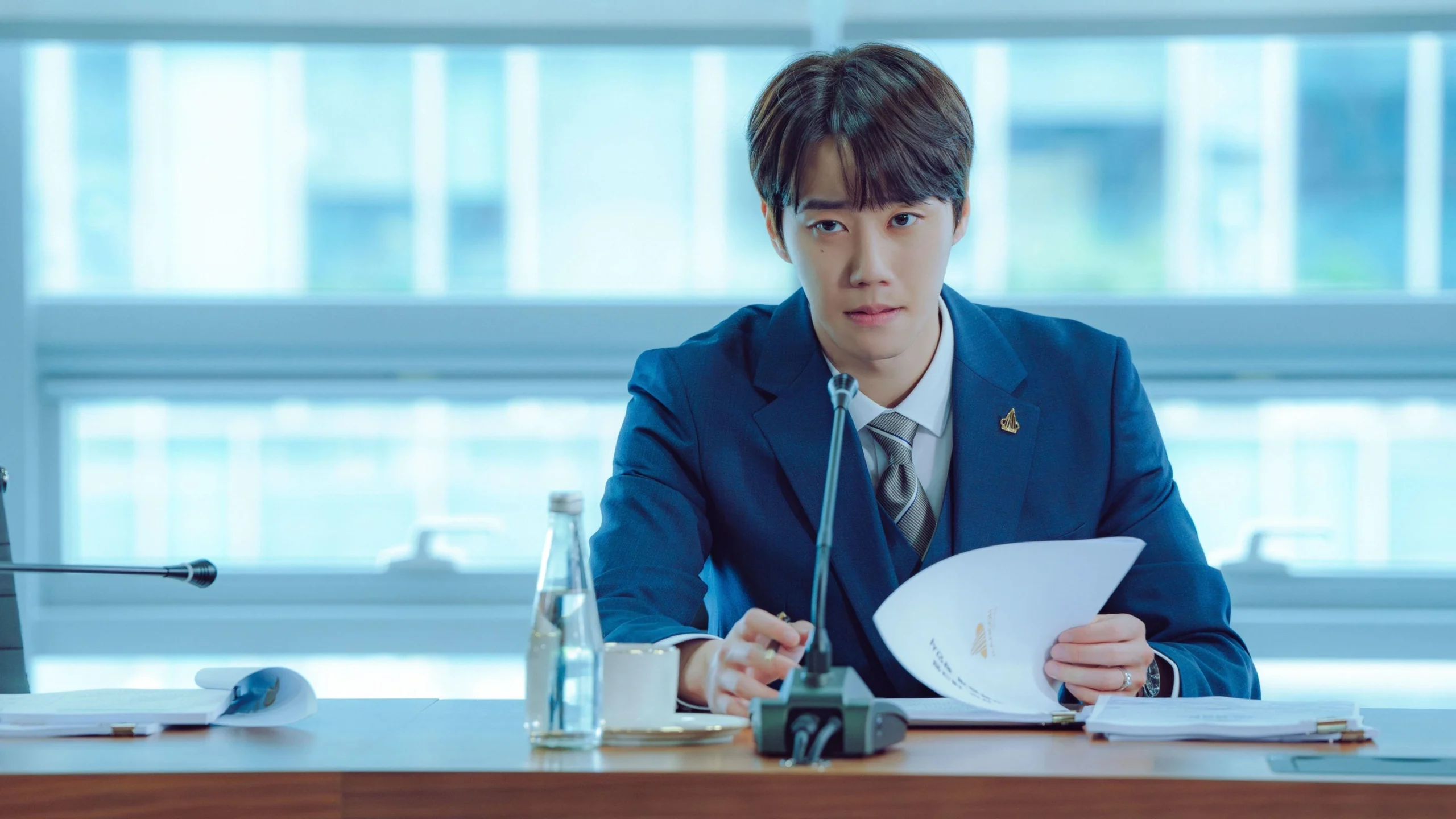
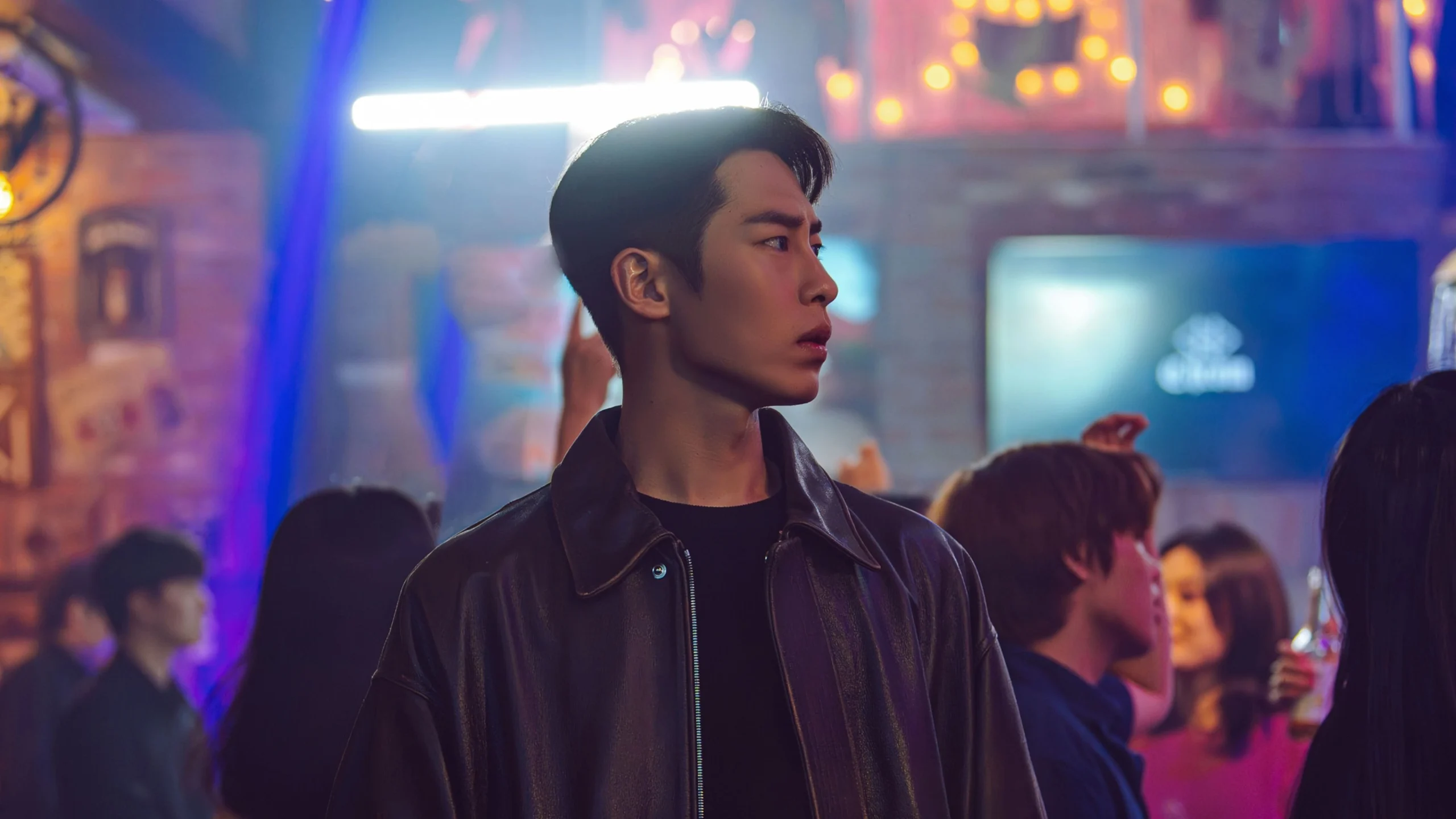
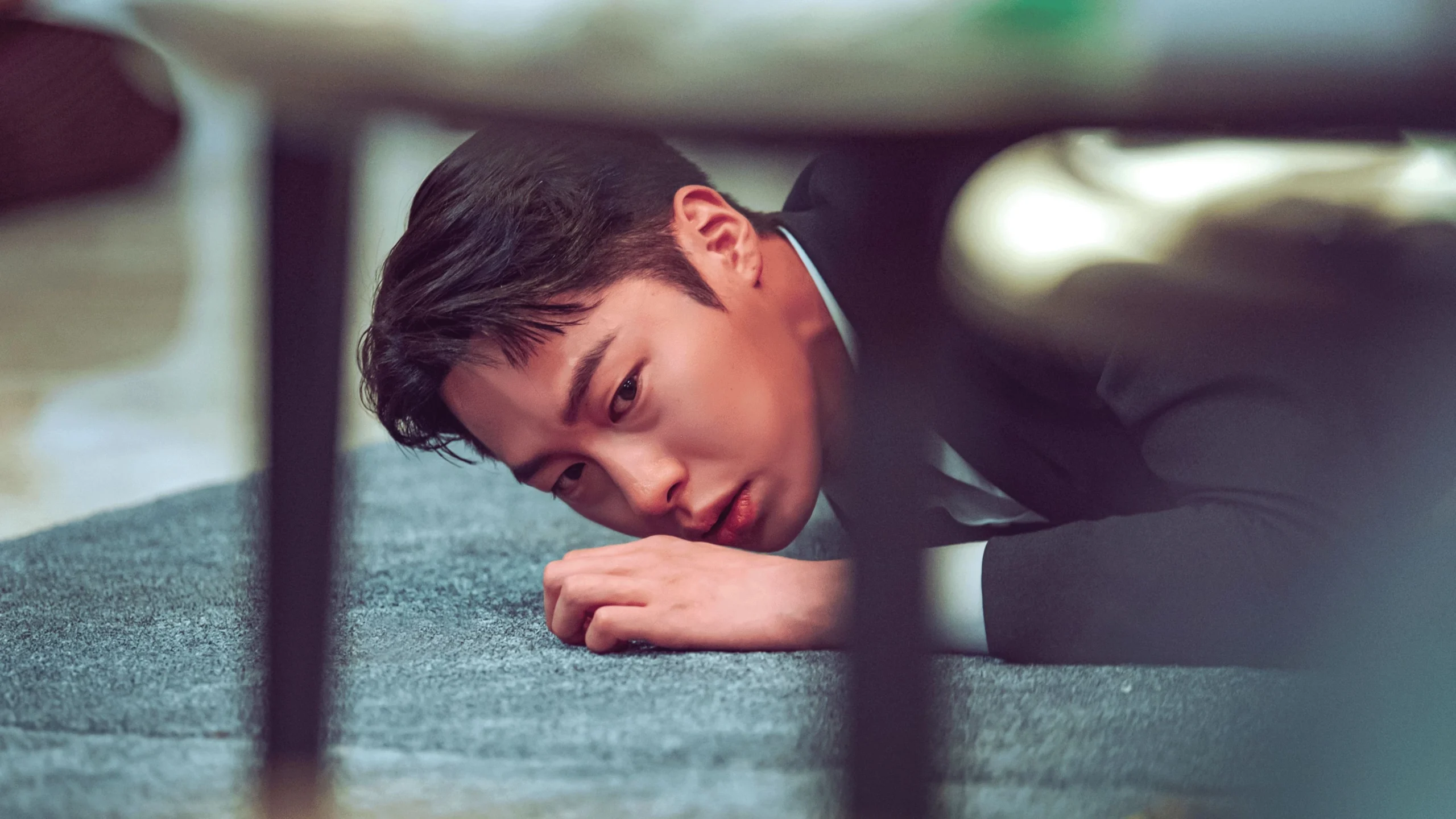
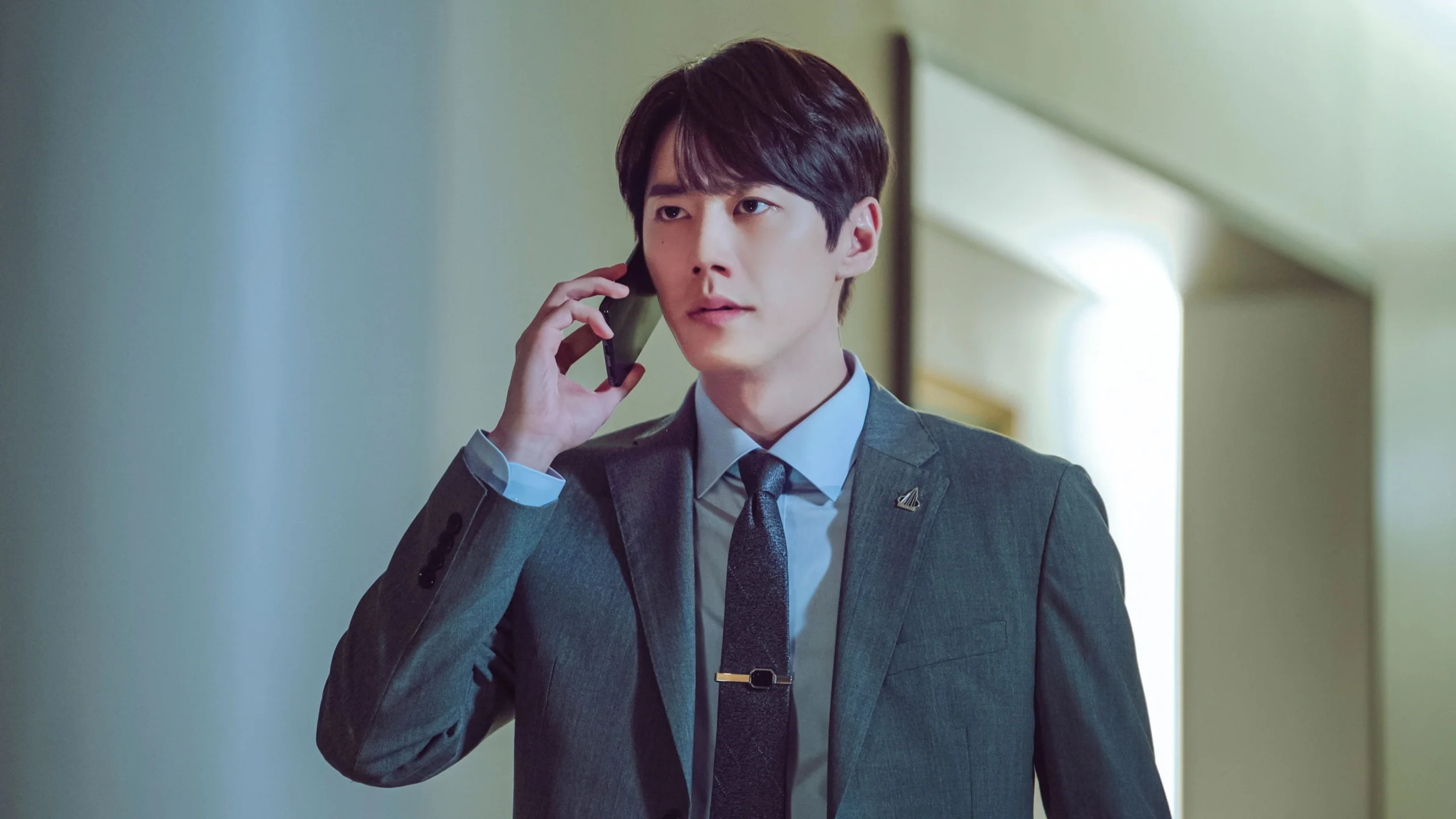
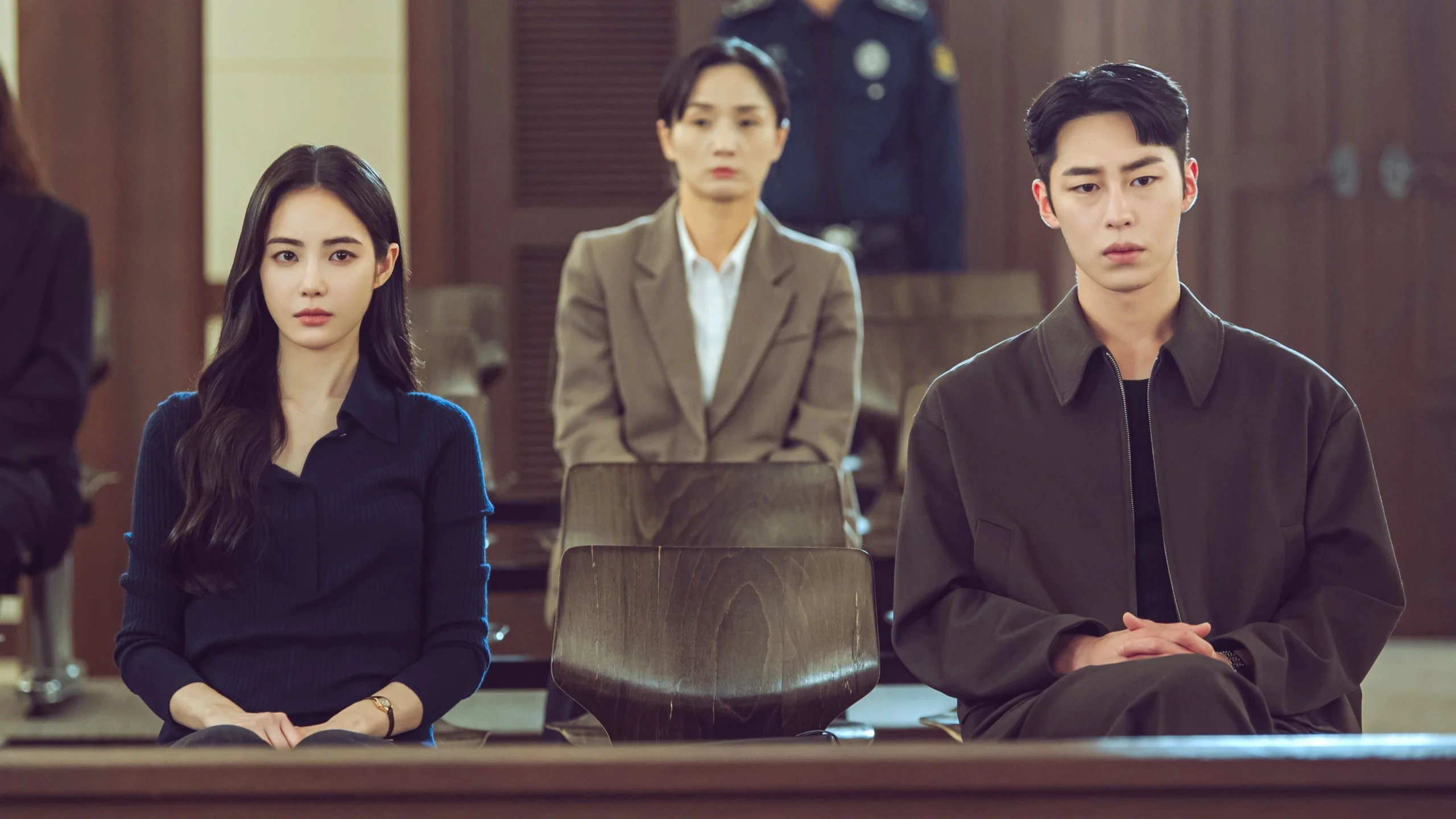
The drama opens in the middle of a crime scene — a hotel room, blood, a body — and then rewinds to ask how two boys from nothing constructed the path that leads there. Han Tae-oh is the most dangerous kind of strategist: the kind who makes everyone around him believe they’re the one with the plan. His childhood friend Kang In-ha is the illegitimate son of a chaebol chairman, rejected before he arrived, and Tae-oh’s scheme to install him as heir is less an act of loyalty than a masterpiece being executed on someone else’s behalf.
What makes The Impossible Heir worth watching is the question it refuses to answer cleanly: who is the protagonist? Both men are architects of destruction, both have reasons the audience is invited to understand, and the woman caught between them — Na Hye-won, a debt collector’s daughter with her own survival instincts — is the only one in the drama who manages to want something without building a war around it. The corporate scheming is the scaffolding. The friendship fracture is what the show is actually about.
12 / 12 ✅ Completed
⚡ Quick Verdict
One glance, one verdict — everything you need is right here.
MDL Score · Check MyDramaList for updated community rating
▶ Official Trailer
🎭 Cast & Characters
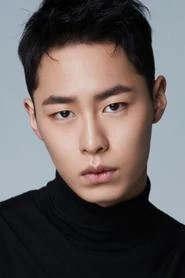
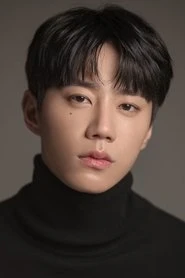
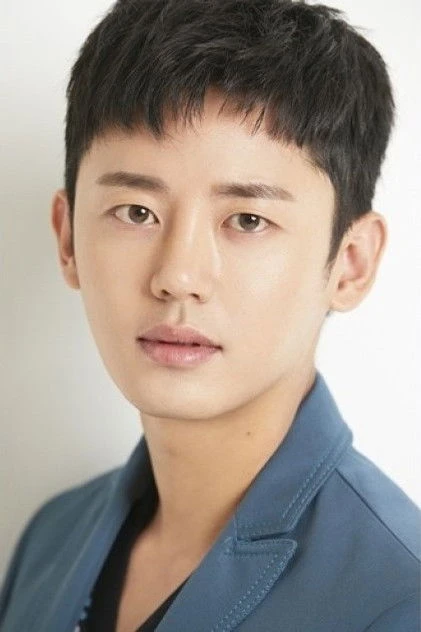
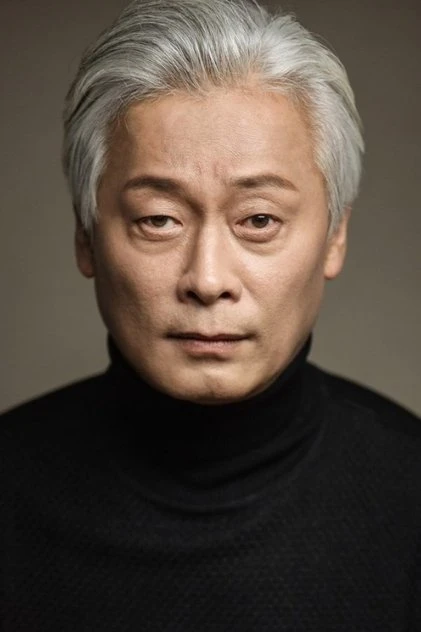
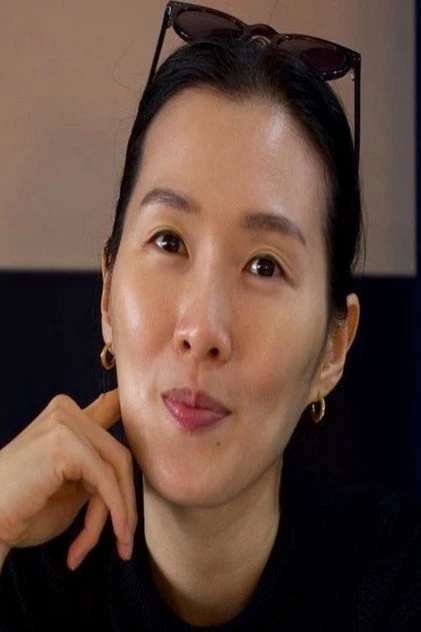
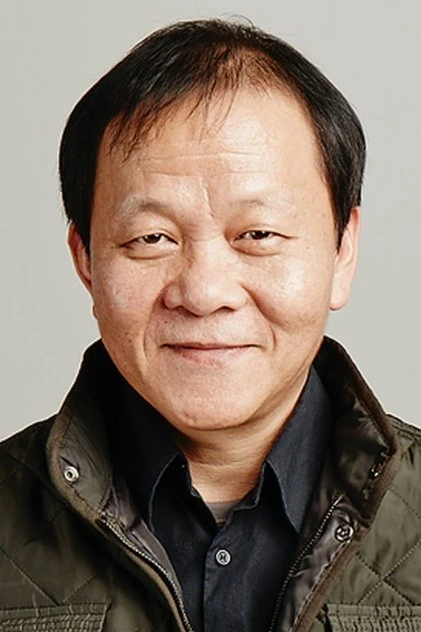
Lee Jae-wook and Lee Jun-young lead a cast built around ambition, calculation, and one friendship that was always going to end this way.
Lead
Lead

Lead

Supporting
Supporting
Supporting
Supporting

Supporting

Supporting
Supporting
Supporting
📺 Episode Guide
Episode-by-episode, kept spoiler-light on purpose.


🏁 Ending Explained
Spoilers ahead — the finale, broken down in full.
Spoiler Warning — This section covers the full finale of The Impossible Heir. Stop here if you haven’t finished the series.
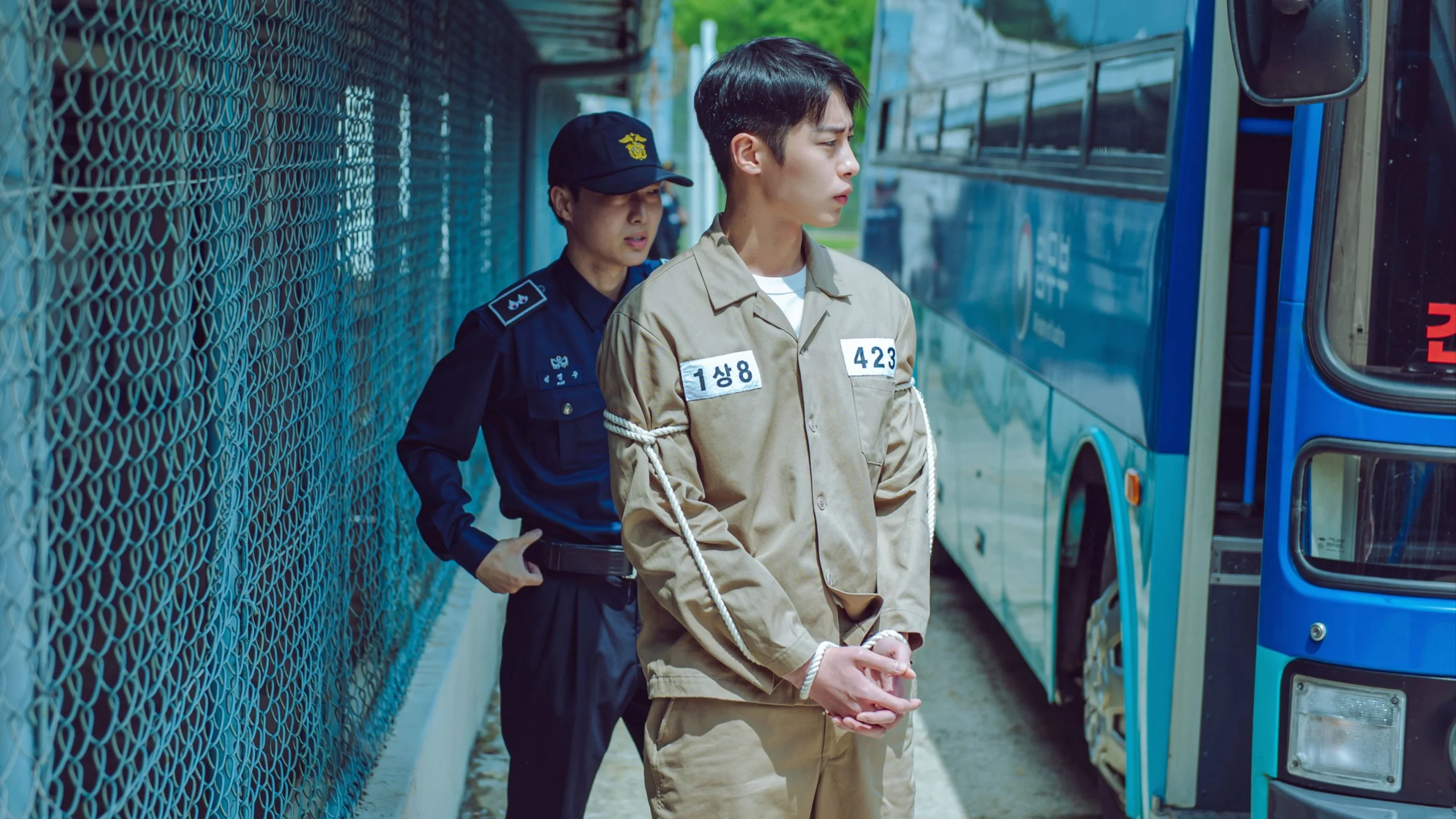
The Summit That Wasn’t Survivable. The Impossible Heir ends where Episode 1 began, and then refuses to let that be the point. In-ha is arrested at the exact moment of his coronation — not after achieving the chairmanship, but in the process of being handed it — and the timing is the drama’s final formal argument: in this story, ambition is most lethal at the moment of arrival. The summit was never a destination. It was a trap built into the premise.
The Name That Was Never His. Chairman Kang’s final act is not disinheritance by legal instrument. It’s the removal of the surname itself — stripping “Kang” and restoring “Baek,” the name In-ha was born with. In Korea, the family name carries the inheritance; taking it back means the lineage was never real. In-ha was rejected twice by the same family: once at the door, once at the throne. The legal sentence ends a story. The name erasure undoes one.
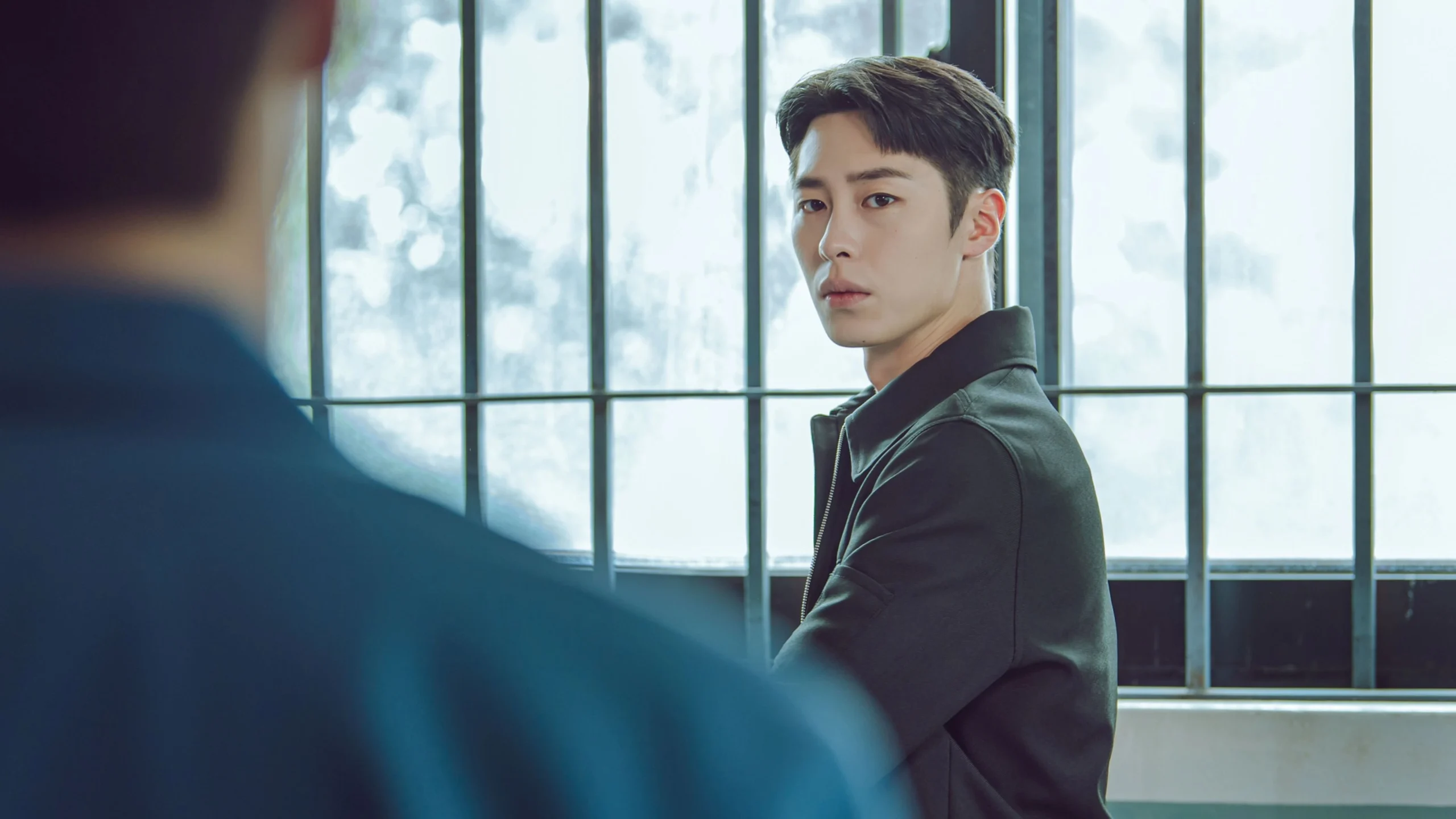
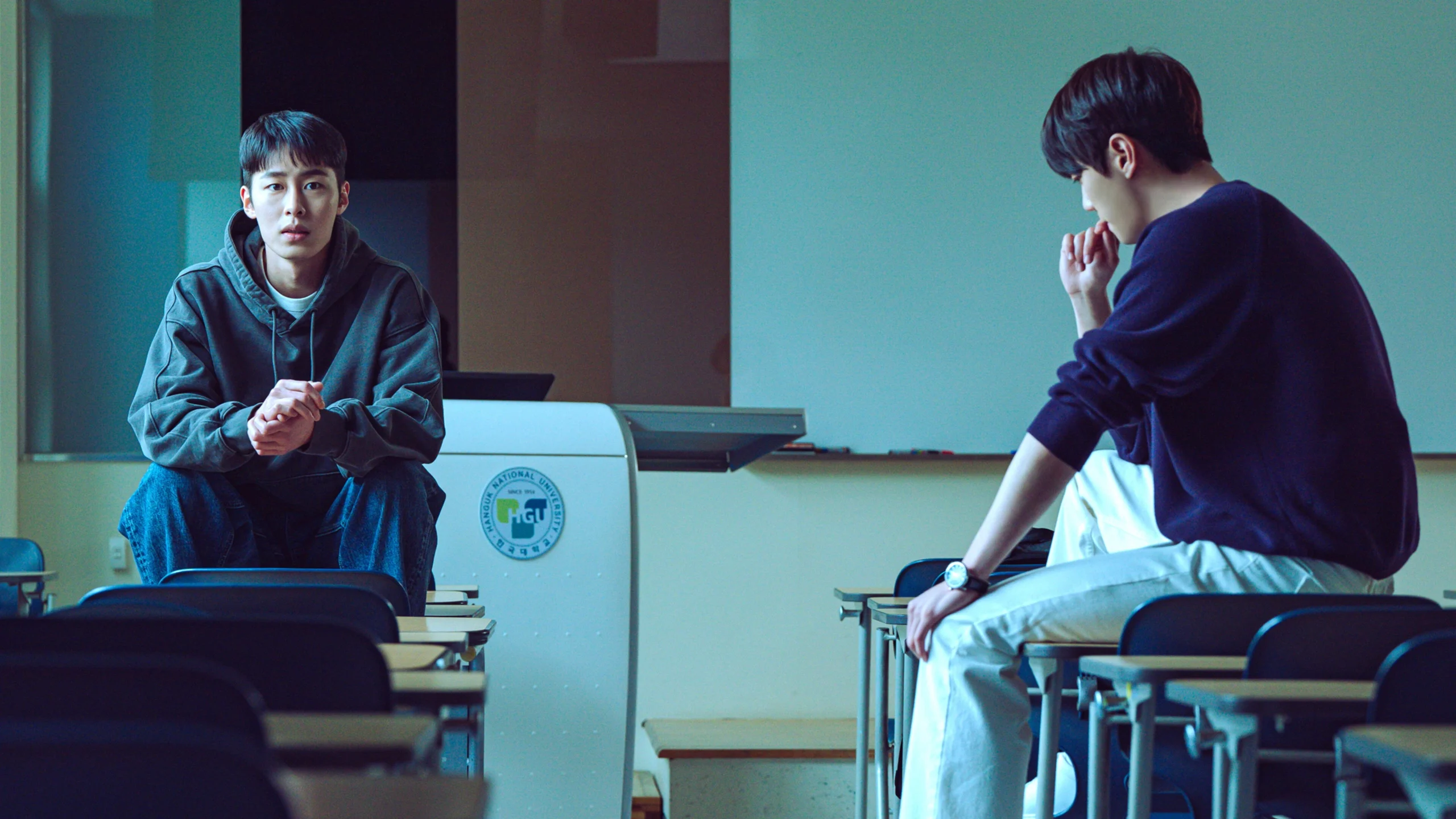
“Maybe Because It Was Han Tae-oh.” When Tae-oh visits In-ha in prison and asks why, the answer In-ha gives refuses the satisfying logic of a betrayal story. It is not an explanation — it is an admission that the relationship itself was always the threat. In-ha didn’t turn against Tae-oh despite their bond. He turned against him because of it. Some friendships are too close to survive ambition at this temperature. This was one of them. The line is the most honest thing In-ha says in twelve episodes, which is exactly why it arrives in a prison cell.

The Silence In-ha Kept for Himself. In-ha hangs himself in prison, and the drama refuses to give this moment ceremony. No final confrontation. No message. Just news arriving. The decision to end In-ha this way — in silence, offscreen, reported rather than witnessed — is the drama’s most deliberate structural choice: a story about men who weaponized visibility ends with a disappearance that no one can use. It is the only thing In-ha ever kept entirely for himself.
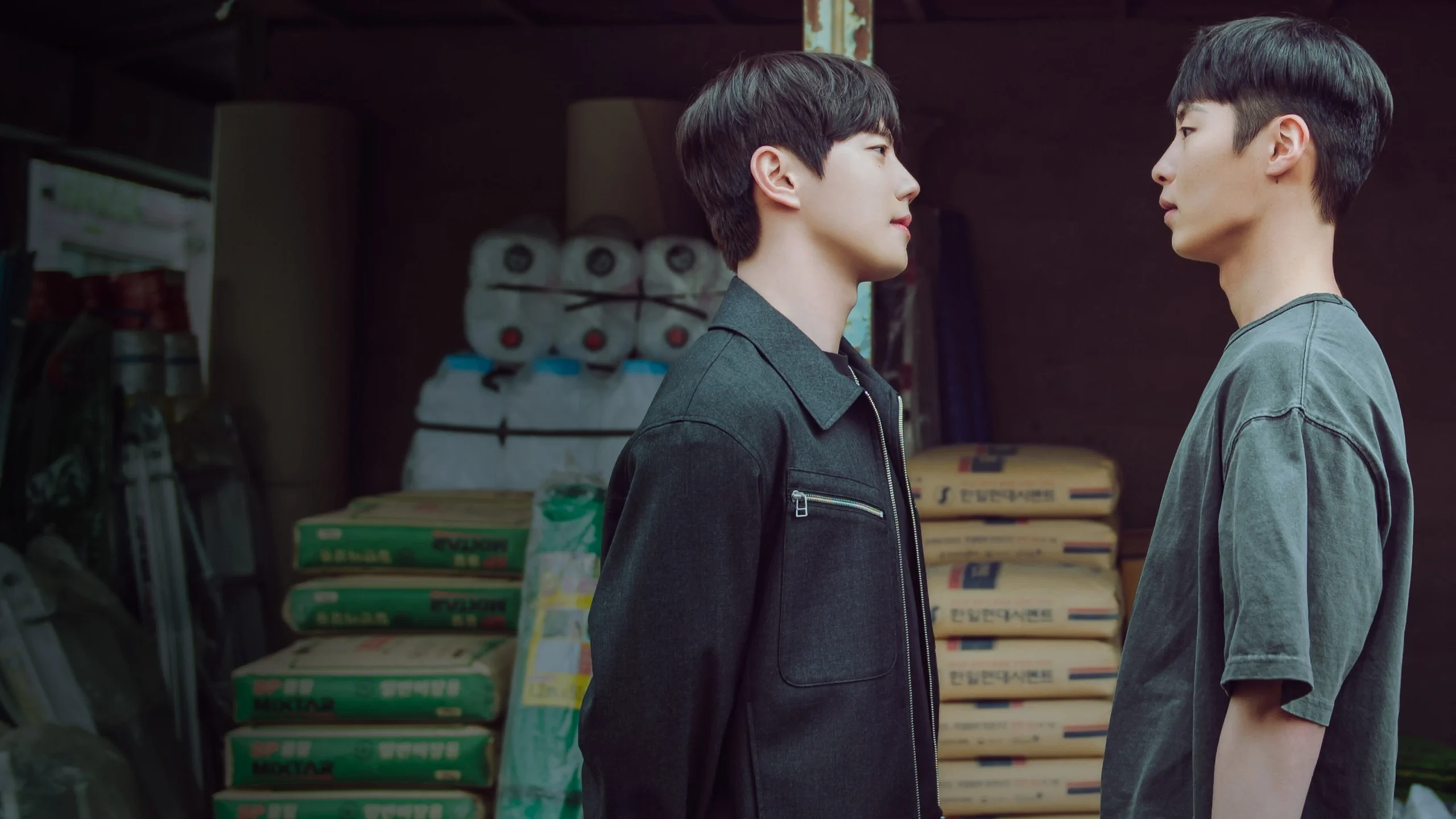
The Throne Belongs to the Man Who Built the Ladder. Three years later, Han Tae-oh sits as chairman of Kangoh — the seat In-ha climbed toward and was destroyed trying to claim. His final line, “I’m still dreaming for myself,” is the drama’s actual thesis, delivered twelve episodes late: the entire operation was never about In-ha. Tae-oh spent the series building someone else’s ambition as camouflage for his own. Now he doesn’t have to pretend anymore. That’s the just outcome, and somehow the loneliest one.
✍️ KDramaWorlds Editor’s Take
Here’s our honest verdict, and who’s going to love it.
🗡️ Calculated Betrayal
🌑 Dark Loyalty
🏛️ Chaebol War
💀 Inevitable
Lee Jae-wook built his reputation on warmth wearing edges — Alchemy of Souls gave him heroic flash, roles where intensity was always visible and ultimately legible. The Impossible Heir inverts that completely. Han Tae-oh is performed almost entirely in controlled negation: what he doesn’t say, what he doesn’t react to, what he absorbs rather than expresses. In the early episodes, Lee Jae-wook carries scenes of exposition-heavy corporate scheming by making Tae-oh’s silences more interesting than anyone else’s dialogue — not absence of feeling, but its precise management. The episodes that break that restraint, particularly Episode 5, hit considerably harder because of the four episodes of stillness Lee Jae-wook banked before them.
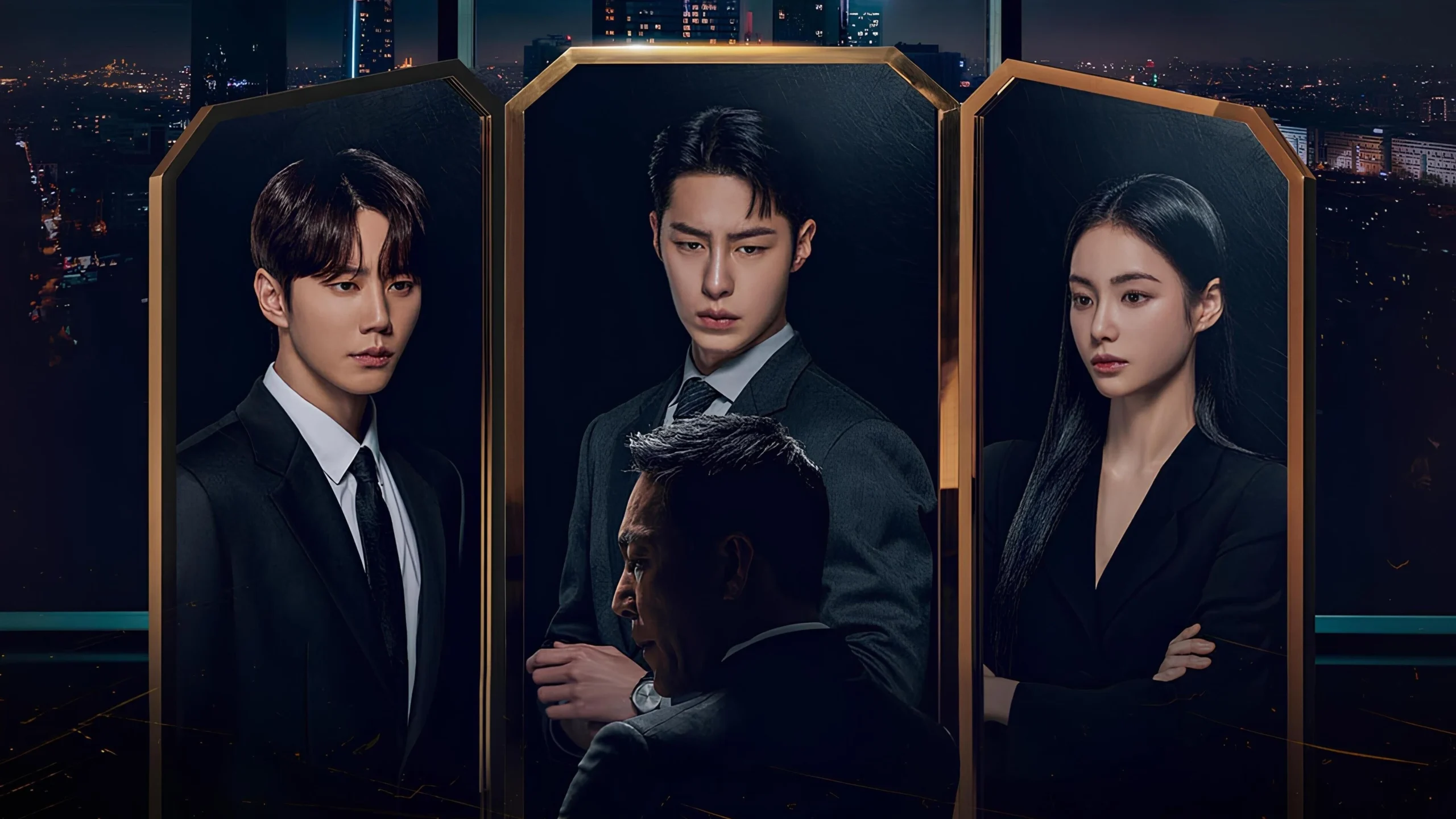
Lee Jun-young’s work is harder to assess fairly, because In-ha’s arc demands that he be sympathetic, ambiguous, and then actively menacing — and the script doesn’t always give him clean transitions between those states. What he gets right is the gradual quality: In-ha’s cruelty accretes rather than arrives. One rationalized decision. Then another. Then another. By Episode 7, In-ha is doing things unimaginable in Episode 1, and Lee Jun-young never makes it feel like a different character, which is the harder trick. Viewers who want the same chaebol-heir premise with tighter structural control might find Reborn Rich (2022) easier to stay with — it handles the succession architecture with more architectural precision all the way through.
Episodes 9 through 11 are where the drama loses its grip. New characters are introduced to solve plot problems rather than deepen themes, and the elegant geometry of the central betrayal gets muddied by alliances the show hasn’t earned the right to resolve cleanly. The final three episodes test patience in ways the first eight do not. For a corporate power drama that maintains structural control through the finale, The Whirlwind (2024) is worth pairing with this. The Impossible Heir earns its ending despite the middle section — which is a real achievement. Just not a perfect one.
Viewers who like slow-build betrayal stories
Lee Jae-wook fans wanting to see him at his coldest
Cold, precise, and deliberately uncomfortable — a character study wearing a thriller’s clothes, and Lee Jae-wook is the reason it works.
🎬 You Might Also Like
If you liked The Impossible Heir, these are your next three watches.
 Our Happy Days
Chaebolcorporate drama
Read Full Review →
|
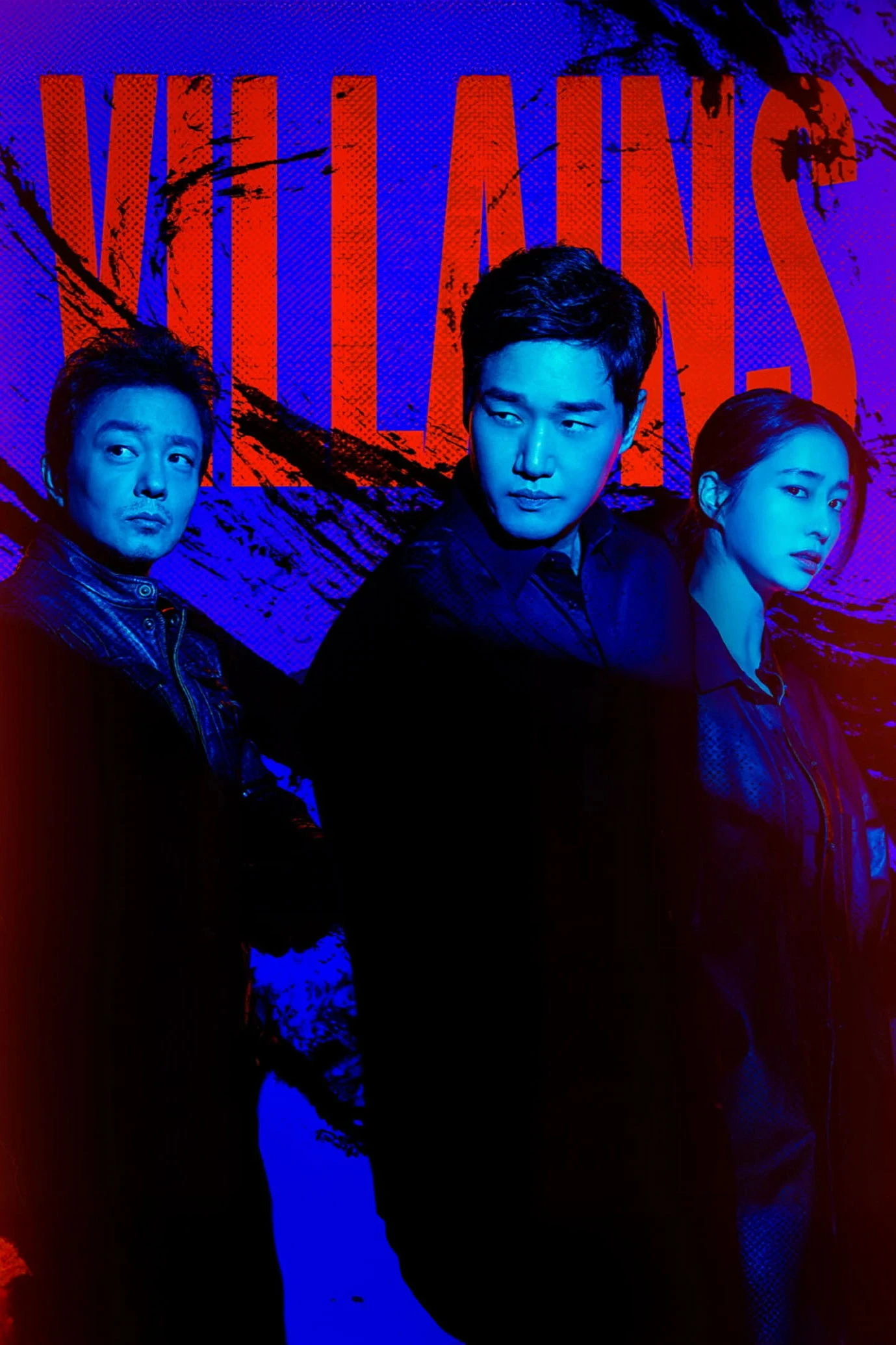 Villains
Corrupt Detectivecrime
Read Full Review →
|
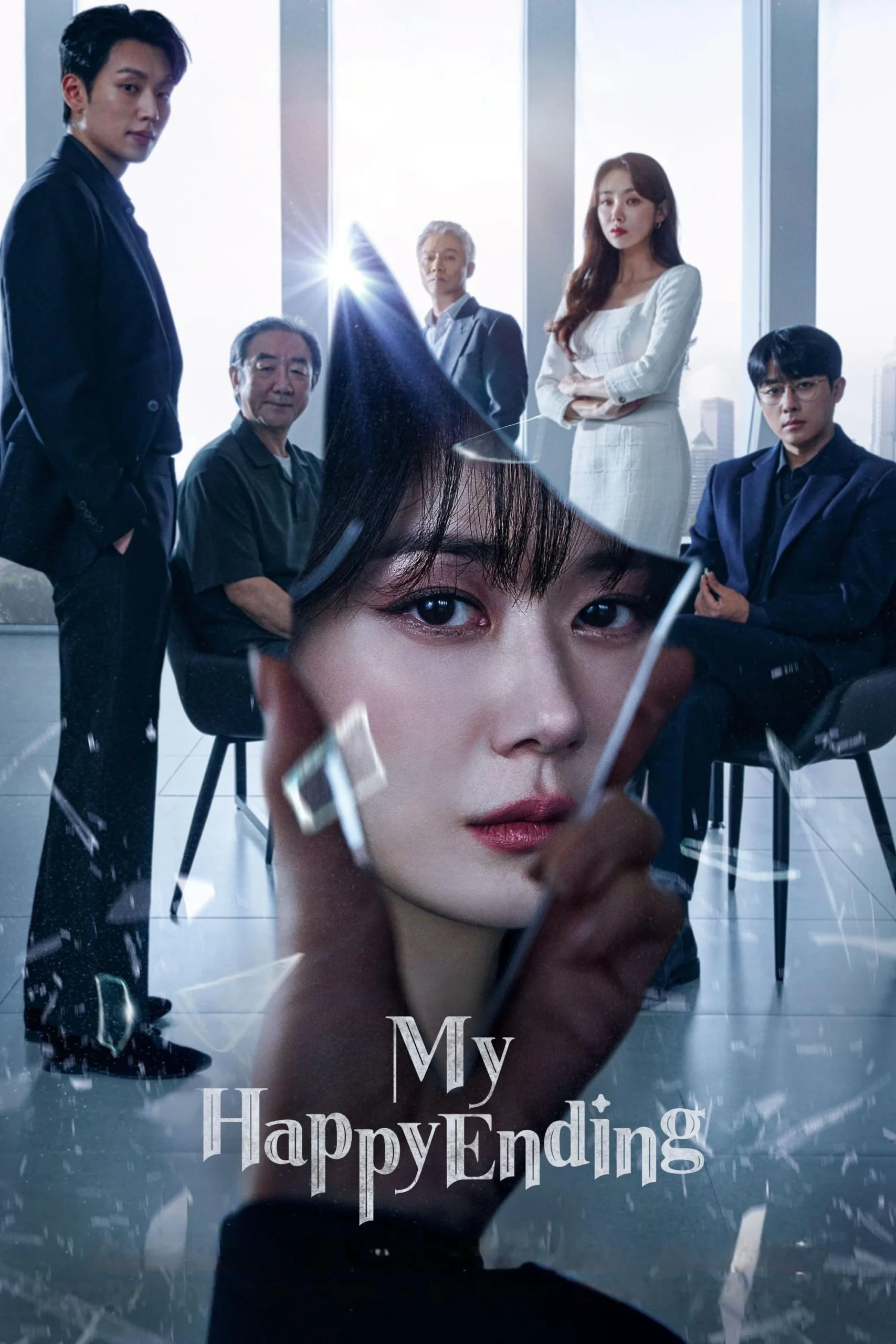 My Happy Ending
ChaebolJang Na-ra
Read Full Review →
|







Keep it kind, skip the harsh language, and please — no spoilers. Everyone's taste is different, and that's perfectly fine.
This space is for real reactions and discussion from other viewers. Help keep it comfortable for everyone by not giving away major plot details.
What do you think of this drama?
Login to share your review or leave a comment.
No email needed — just pick a username & password.