
Revolver
🎬 Netflix · Prime Video · Apple TV+ · Viki · VIU
⭐ 5.5 IMDb
🔞 15+
🎬 Film Overview
FEMME NOIR PICK
Ha Soo-young was the kind of cop who followed the rules right up to the moment someone made her an offer that changed the arithmetic. Two years in prison, 700 million won waiting on the other side — a transaction with a fixed cost and a promised return. Serve the time, collect the money, buy the apartment she had nearly paid for before the arrest, close the chapter. What she gets instead, on the day of her release, is a stranger named Jung Yoon-sun standing where her contact was supposed to be, and the immediate cold certainty that the money is gone.
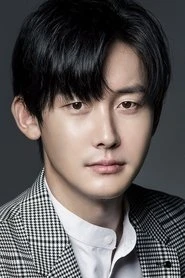
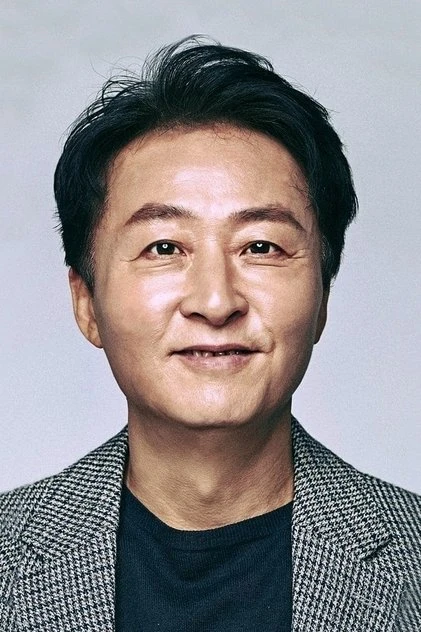
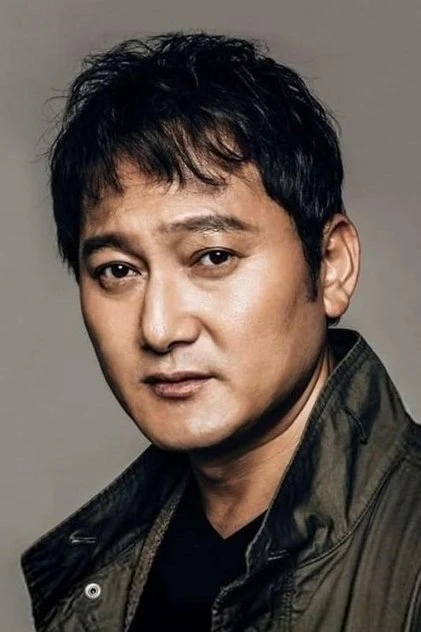
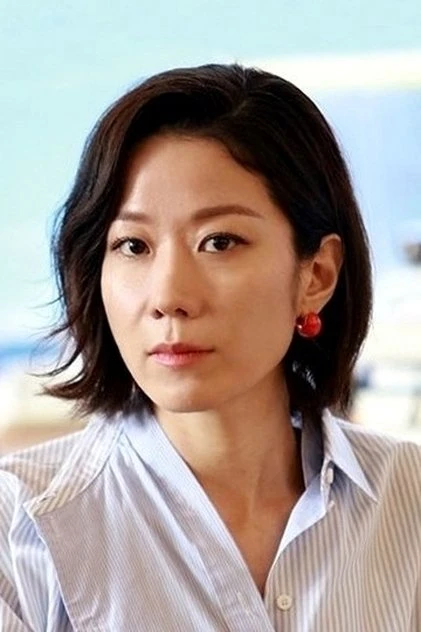
Revolver is a slow-burn noir built almost entirely on facial expressions and deliberate restraint — director Oh Seung-uk reportedly shot with extreme focus on his actors’ faces, creating what critics called a “feast of various expressions” in a film that withholds conventional action for psychological pressure. Jeon Do-yeon plays Soo-young with the particular stillness she brings to women who have learned that visible anger is a liability. Ji Chang-wook, cast against type as the charming sociopathic villain Andy, and Lim Ji-yeon as the ambiguously aligned Yoon-sun form the film’s triangle — three people connected by a deal that went wrong, navigating a corruption network more complex than any of them initially understood.
⚡ Quick Verdict
The TL;DR, boxed and ready.
· IMDb · 1,200 ratings
▶ Official Trailer
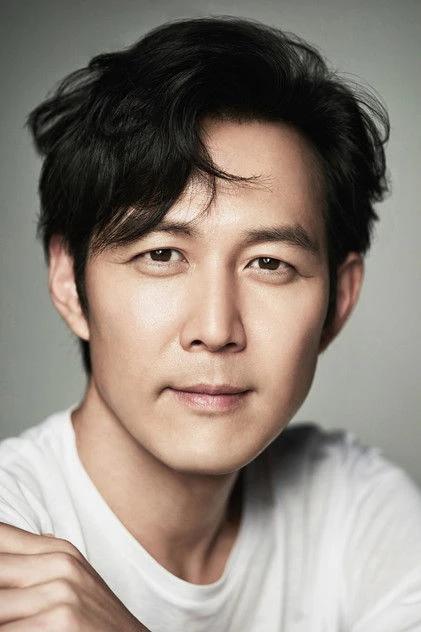
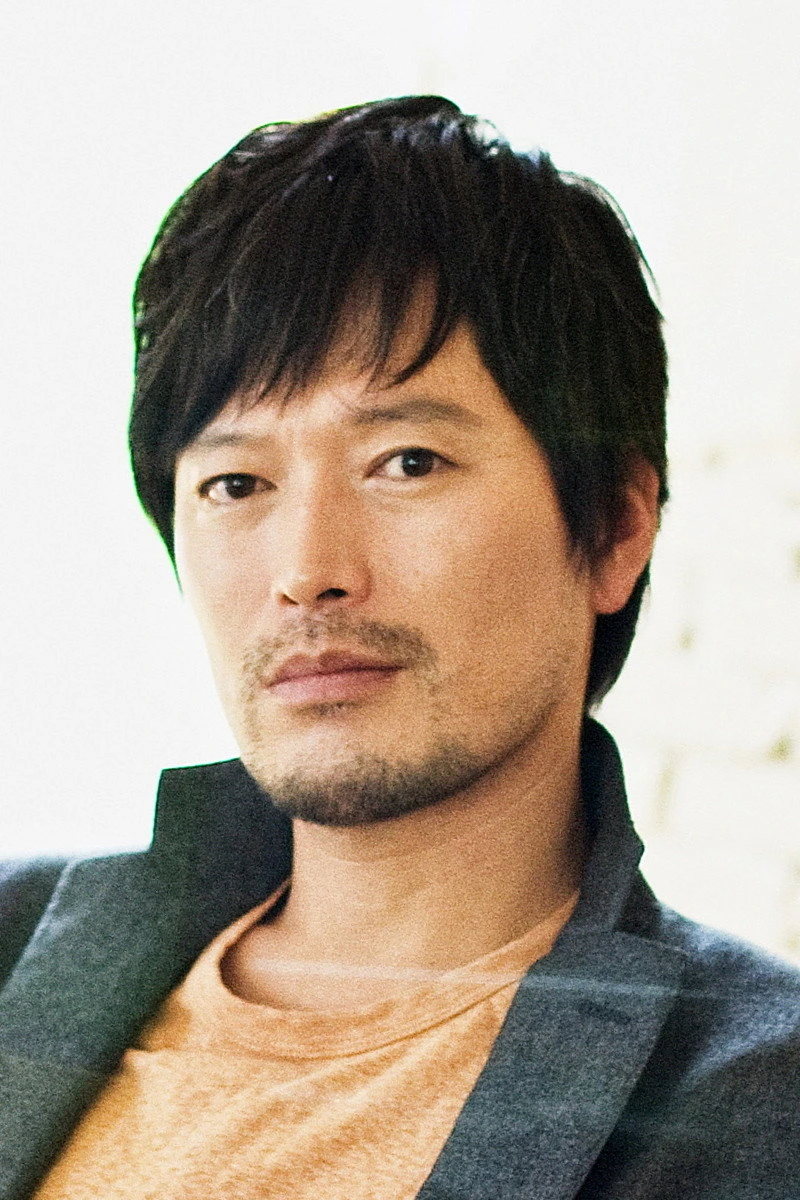
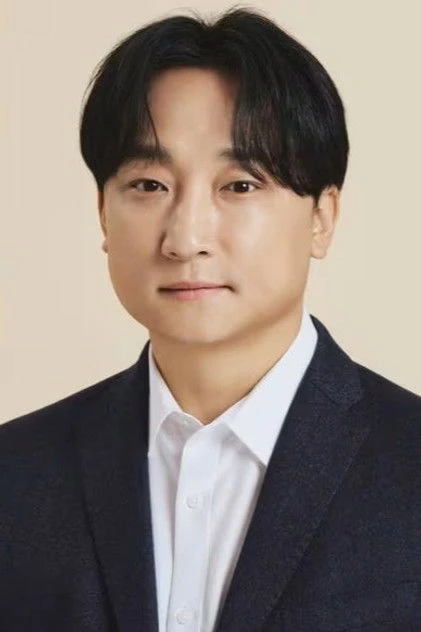
🎭 Cast & Characters
Three major actors in a film that asks them to do their most controlled work.

Lead

Lead

Supporting
Supporting
Supporting
Supporting
Supporting
Supporting
Supporting

Supporting

Supporting
Supporting
📖 The Story
Spoiler-free rundown — just enough to gauge if it’s your thing.
Ha Soo-young’s deal was simple on paper. Take the fall for a corruption scandal that would have destroyed people more connected than her — accept payment, serve two years, walk out whole. She came close to believing it. During those two years in prison she held onto the mental picture of the apartment she had almost bought before the arrest: the specific address, the floor plan, the view. A promise kept is worth waiting for. The arithmetic only breaks when you step back into daylight and discover the person who was supposed to be there isn’t.

Instead there’s Jung Yoon-sun — elegant, watchful, carrying herself like someone who knows more than she’s revealed yet. Soo-young has never met this woman, but Yoon-sun clearly knows exactly who Soo-young is and exactly what she’s owed. She doesn’t deliver the money. She delivers something more unsettling — partial information — and then becomes the film’s most sustained ambiguity: a potential ally whose motives stay just opaque enough that every scene with her carries a low charge of threat.
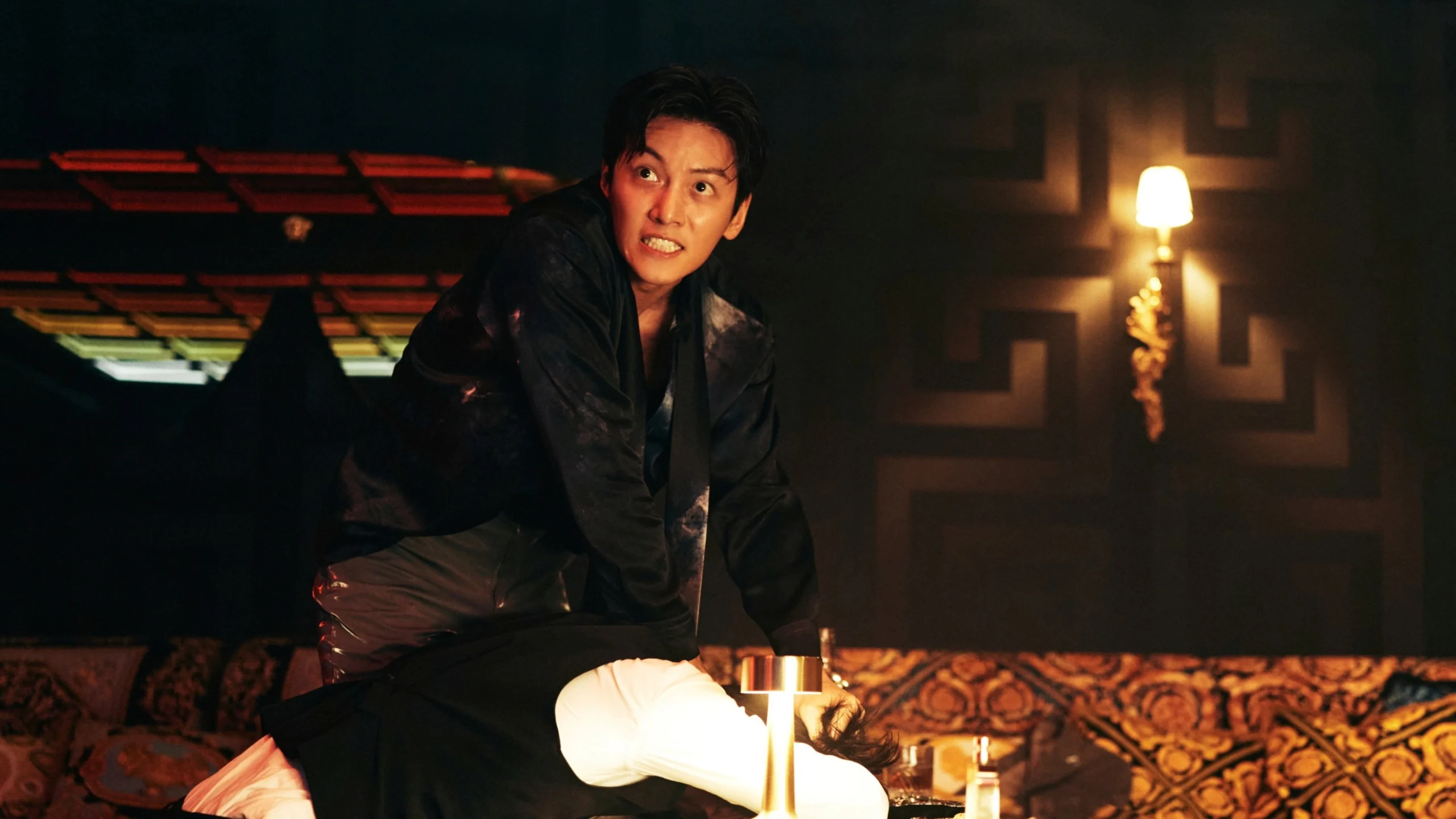
The man behind the promise is Andy. Ji Chang-wook plays him as a particular kind of Korean corporate villain — all surface warmth, expensive tailoring, and the practiced ease of someone who has never once been held accountable. He’s a director at Eastern Promise, the investment firm whose corruption Soo-young absorbed so it wouldn’t touch him. That he reneged is not a surprise. That he did it casually, without apparent concern for the person who went to prison on his behalf, is what Soo-young cannot move past. This stopped being about the money within the first hour of her release.

The film’s middle section unfolds through a series of confrontations that feel less like thriller set-pieces than negotiation rooms — two or three people in a space, information trading hands, each exchange recalibrating who has leverage over whom. Oh Seung-uk pushes against genre expectations here: Revolver is not the kinetic crime film its cast and premise might suggest. It is closer to a chess match conducted at body temperature, and the camera holds on faces the way other films hold on action sequences.
What gradually assembles itself behind Andy is a structure Soo-young hadn’t calculated: Grace, the CEO of Eastern Promise, who presents as Andy’s older sister but is revealed to be his mother — a detail that reframes her willingness to protect him through everything that follows. The corruption Soo-young was paid to absorb runs higher and wider than one broken promise. The money she’s owed is attached to a network of people who would rather she disappeared than get paid. Retired detective captain Min Gi-hyeon, prosecutor Hong In-gi, and several others orbit the case as the film’s map of who owes what to whom expands.
Yoon-sun’s own position gradually clarifies — she was similarly wronged, similarly discarded by the same system, and her alignment with Soo-young is less about solidarity than about convergent interests. Two people the corruption had used and thrown away, occupying different positions in the same web, finding the same exit point.
The route to resolution requires Soo-young to acquire two things: a hostage and an audience with Grace. She takes Andy. Tells Grace to come alone with the 700 million won. Grace comes — because it’s her son. Soo-young collects what she was owed and, eventually, reclaims the apartment she had been promised to herself for two years of prison time. Andy is spared. The tone stays controlled to the end: Soo-young at a street stall eating, Yoon-sun waiting in the car. The transaction is complete. Whether that constitutes justice or merely accounting is a question the film declines to answer.
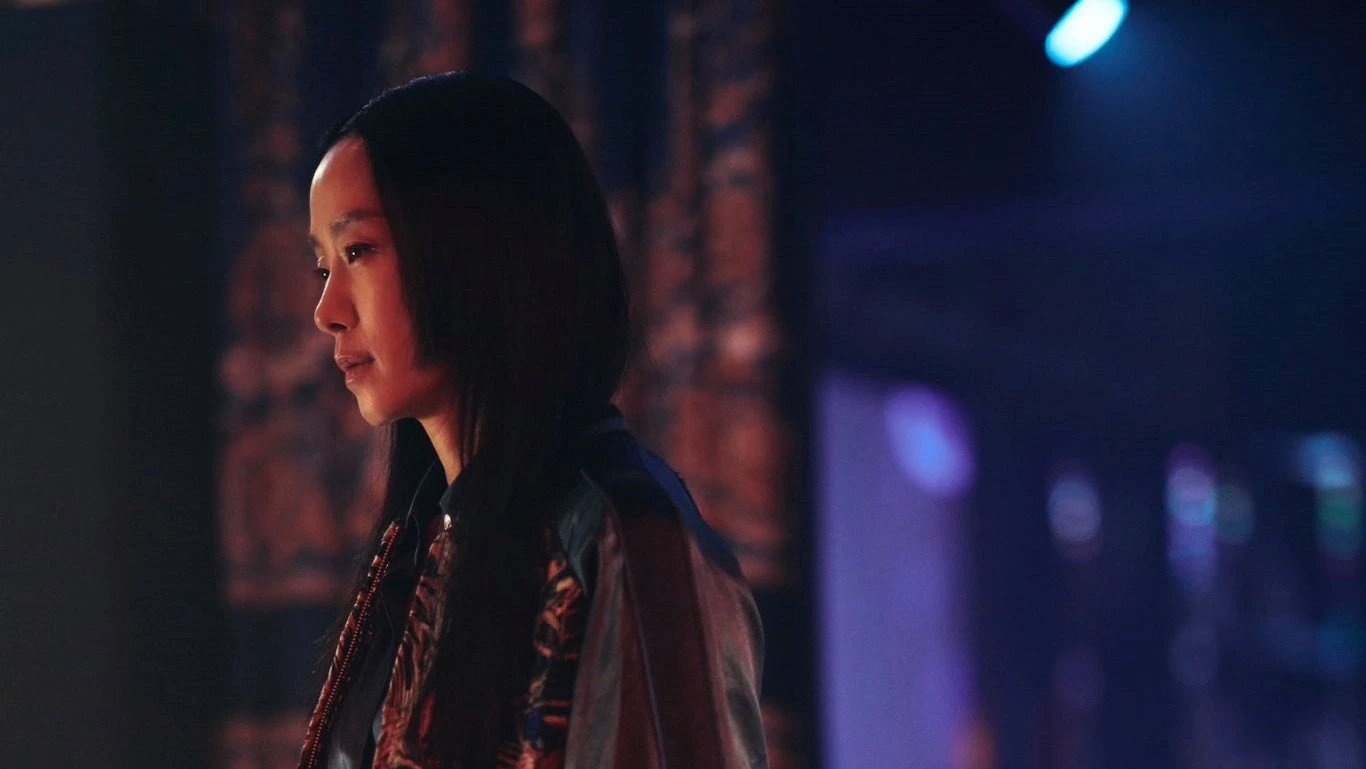
🏁 Ending Explained
Everything that happens, explained in full — spoilers ahead.
Full Spoilers Ahead — This section covers the complete ending of Revolver. Stop here if you haven’t watched.
What happens at the end Soo-young takes Andy hostage and delivers a single ultimatum to Grace: bring 700 million won — the exact amount she was originally promised — alone. Grace is Andy’s mother, a fact the film withholds until late. Despite Andy being a liability she has spent the entire film managing, she comes. She brings the money. Soo-young collects it, Andy is released, and she reclaims the apartment she had almost bought before the arrest. The case that sent her to prison for two years, stripped of its systemic weight, reduces to this: a corrupt company pays what it owed.

What it means for Yoon-sun Jung Yoon-sun’s arc is the film’s most deliberately underexplained element. She arrives as an unknown variable, operates throughout as someone with overlapping but not identical interests to Soo-young, and exits without full disclosure. The most coherent reading: she was similarly wronged by Eastern Promise — used, discarded rather than compensated — and her help was never altruism but a mutual-exit strategy. She’s in the car at the end, waiting. That she’s still there is the film’s quietest statement about what grudging solidarity looks like between people the same system discarded.
Why Andy gets to walk Soo-young had Andy. She could have destroyed him. She chose not to — whether from calculation (he was leverage to reach Grace, and once that was done, eliminating him served no purpose) or from a colder logic (getting the money was the point, not punishment). The film notes, without editorializing, that a man like Andy will almost certainly do this again. He has no reason not to. The ending doesn’t pretend otherwise. Soo-young’s revenge is a financial transaction completed, not a moral reckoning delivered — and Revolver is honest enough to treat that distinction as a feature rather than a failure.

The ‘subdued’ ending — why it’s consistent Reviews describe the finale as underwhelming, subdued, incomplete. That’s accurate if you came for catharsis. Revolver is consistent throughout in denying it — the entire film withholds escalation, favoring dialogue over confrontation, psychological pressure over kinetics. The ending is the same register as the film throughout. Soo-young doesn’t celebrate. She eats at a street stall. The corruption she absorbed for two years isn’t prosecuted; it simply negotiates. The system that failed her will fail someone else. She got her apartment back.
The KDW verdict on the ending Revolver is the kind of crime film that rewards patience and punishes expectations shaped by the genre it resembles. The ending’s restraint is earned — consistent with a film that always argued the transaction mattered more than the takedown. The apartment is its emotional anchor from the first scene to the last, and when Soo-young gets it back, the film considers its business concluded. Whether that constitutes justice or just accounting is the question it leaves hanging. Jeon Do-yeon eating at a street stall while the car waits suggests she already knows the answer and has decided it’s enough.
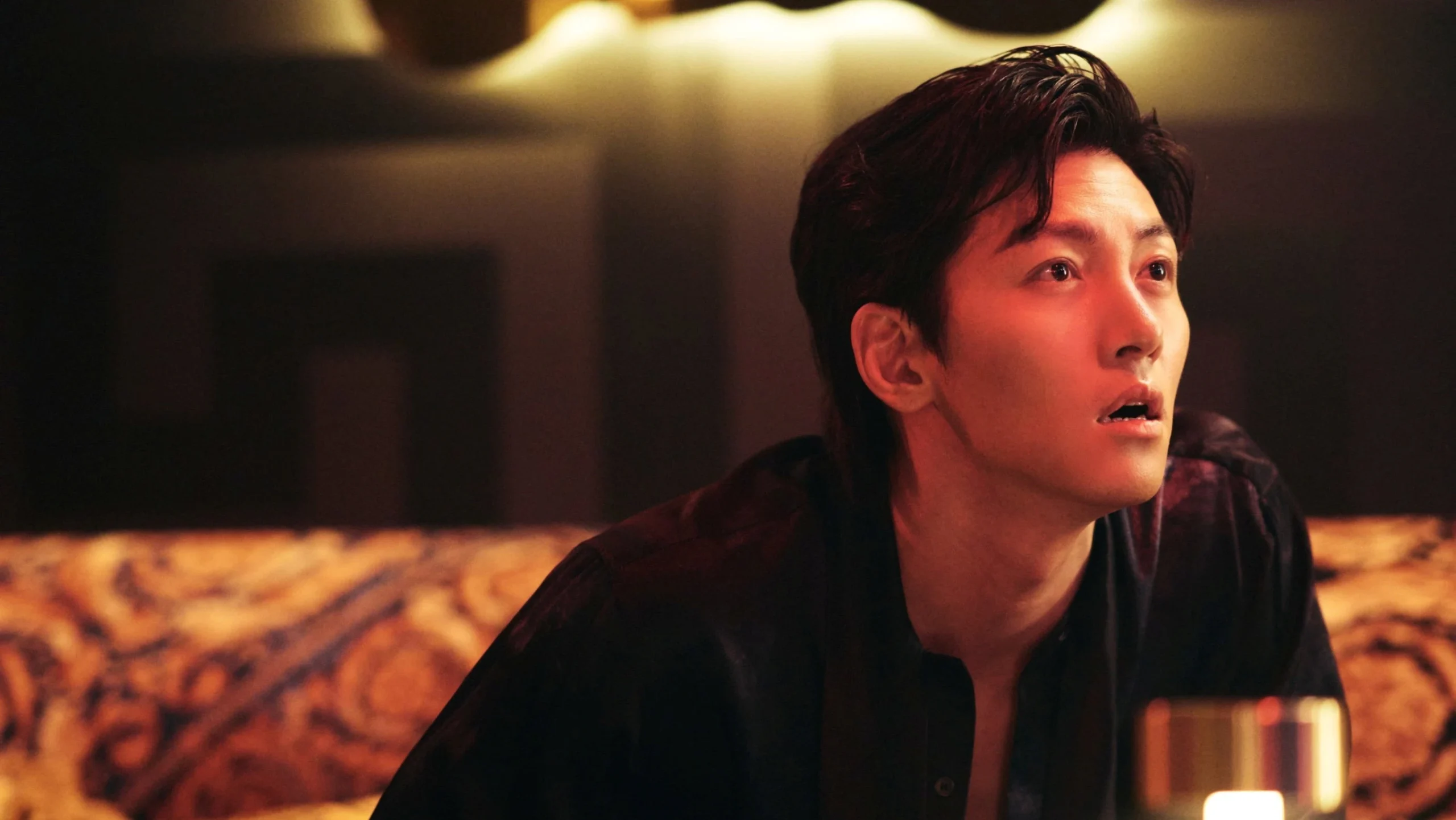
✍️ KDramaWorlds Editor’s Take
Our genuine take on whether it’s worth your time, and who it’s for.
Oh Seung-uk
Known for: Oh Seung-uk wrote and directed Revolver with a stated focus on capturing performance through sustained close-up — what he described as creating a “feast of various faces.” His approach prioritizes psychological interiority over genre mechanics, deliberately withholding the action beats and kinetic escalation that Korean crime cinema typically leans on. Revolver demonstrates a directorial instinct for atmosphere over plot and for casting against audience expectations — most visibly in placing Ji Chang-wook’s charm in service of menace rather than heroism. The result is a film with a distinct and consistent texture, even when the narrative underneath it doesn’t fully support the weight the style places on it.
There’s a specific shot in Revolver — Jeon Do-yeon sitting across from a man who thinks he has leverage over her, her face doing absolutely nothing — that captures exactly what this film is doing and why it mostly works. The performance is built around withholding: a woman who learned in two years of prison that visible anger is a tell, that patience is a tactic, that the most useful face to show the world is no face at all. Where her earlier work in The Call gave her full emotional register to play against a propulsive genre framework, Revolver asks her to carry the entire film through almost pure restraint — and she delivers it with the specificity of an actor who knows exactly what she’s choosing not to show.

Ji Chang-wook is the casting gamble the film gets right in ways the script doesn’t always earn. He’s built his career on likeable leads, and Andy weaponizes that entirely — using Ji Chang-wook’s inherent charm as the surface that makes the sociopathy underneath harder to place until it lands. Lim Ji-yeon holds the most structurally interesting position, playing Yoon-sun as a character whose opacity is the point. Like the protagonist of The Old Woman with the Knife, Revolver is ultimately about a woman navigating a system designed to use and discard her — operating on her own terms, without the system quite realizing she has any.
The critical consensus isn’t wrong: the pacing is slow even by slow-burn standards, the ending is subdued, and the conspiracy is less intricate than it presents itself. But the specific thing Revolver does well deserves its due. Oh Seung-uk shoots his cast in medium close-up for an unusual proportion of the runtime, and the result is a film that functions as a sustained study in what face a person wears when operating under threat. Three major actors doing precise micro-expression work in a film that doesn’t quite match them. Sometimes that’s enough.
🎬 You Might Also Like
If you liked Revolver, these are your next three watches.
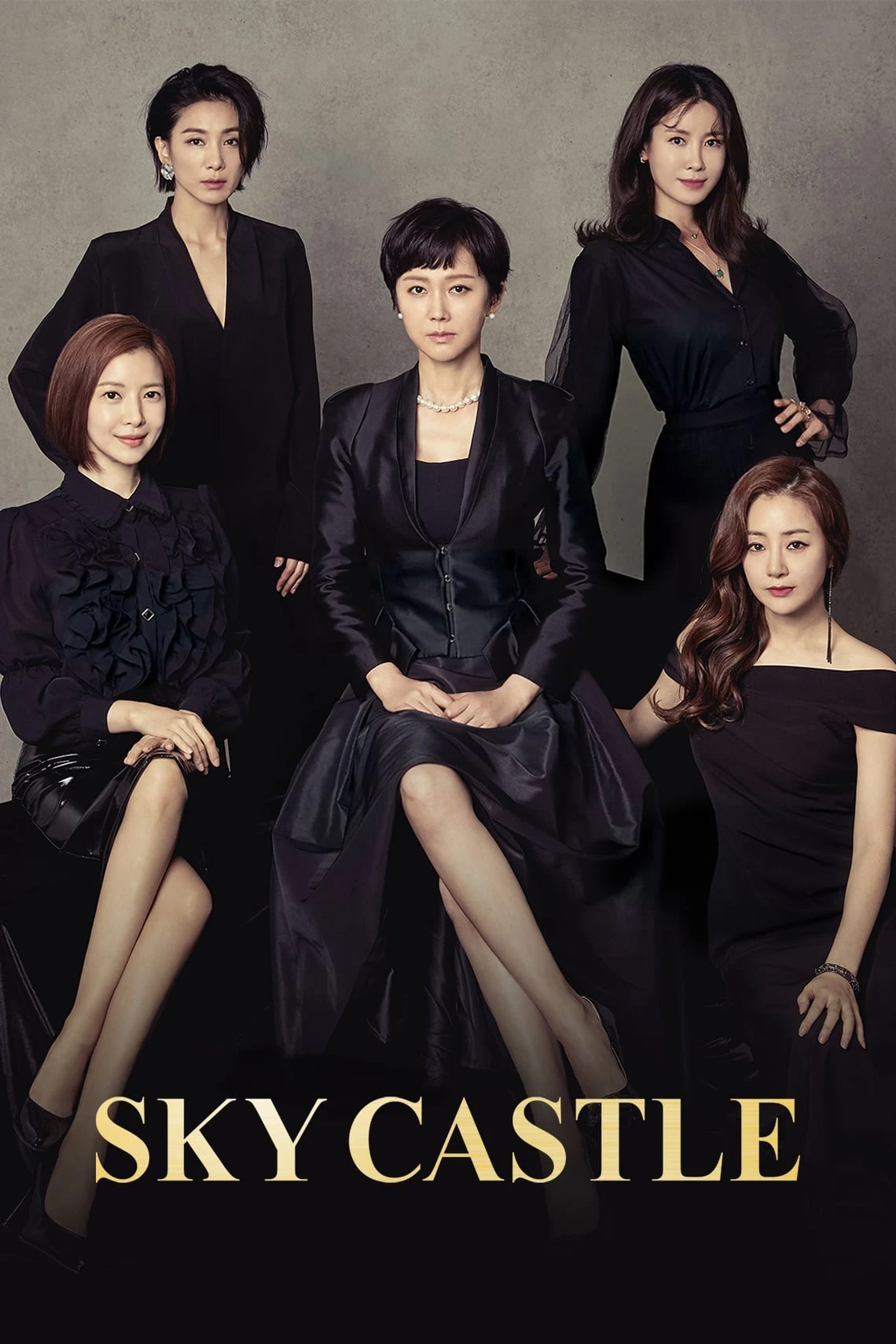 SKY Castle
Dark ComedyEducation Satire
Read Full Review →
|
 Doctor Lawyer
Chaebol CorruptionCorruption
Read Full Review →
|
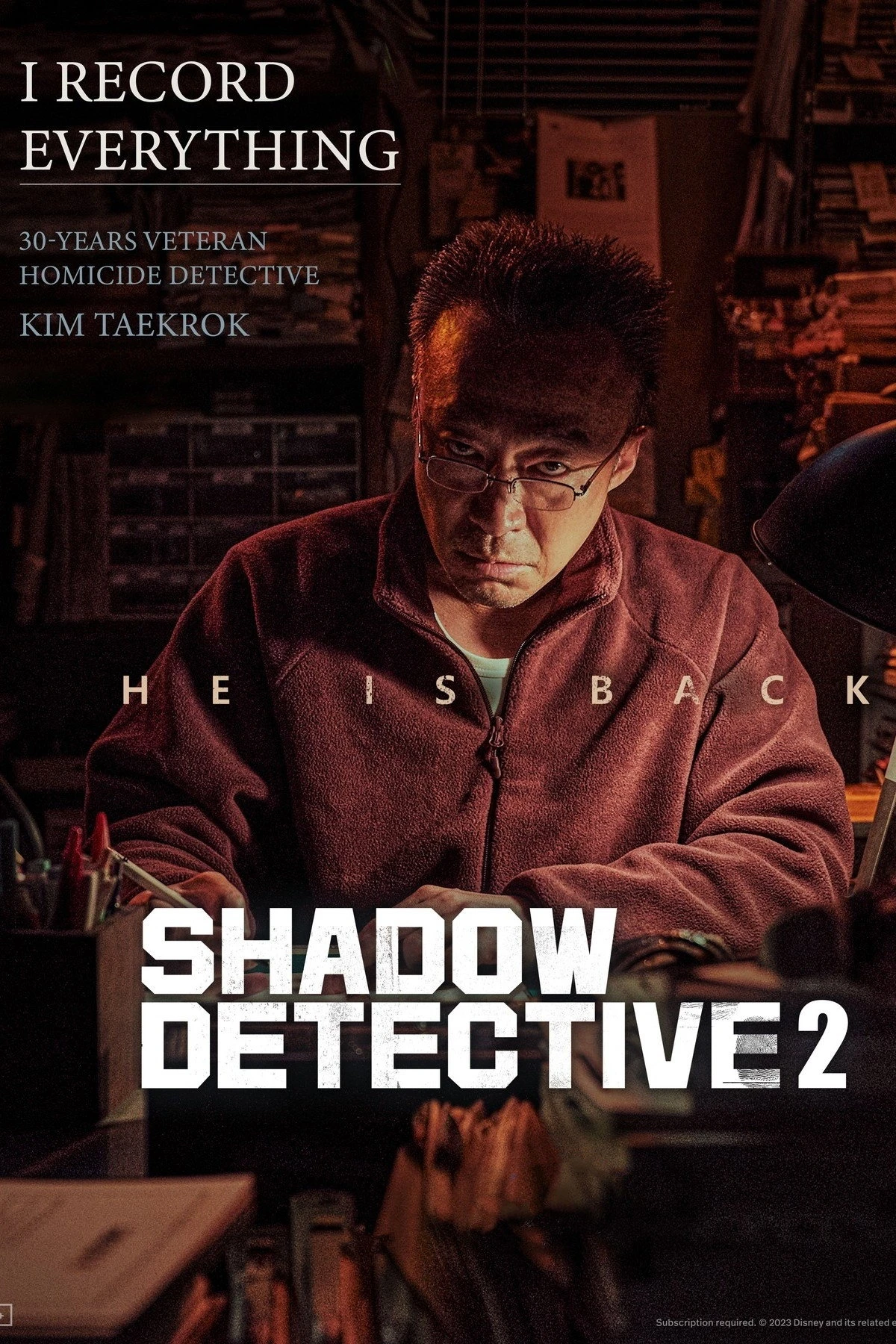 Shadow Detective (Season 2)
BetrayalConspiracy Thriller
Read Full Review →
|












Keep it kind, skip the harsh language, and please — no spoilers. Everyone's taste is different, and that's perfectly fine.
This space is for real reactions and discussion from other viewers. Help keep it comfortable for everyone by not giving away major plot details.
What do you think of this drama?
Login to share your review or leave a comment.
No email needed — just pick a username & password.