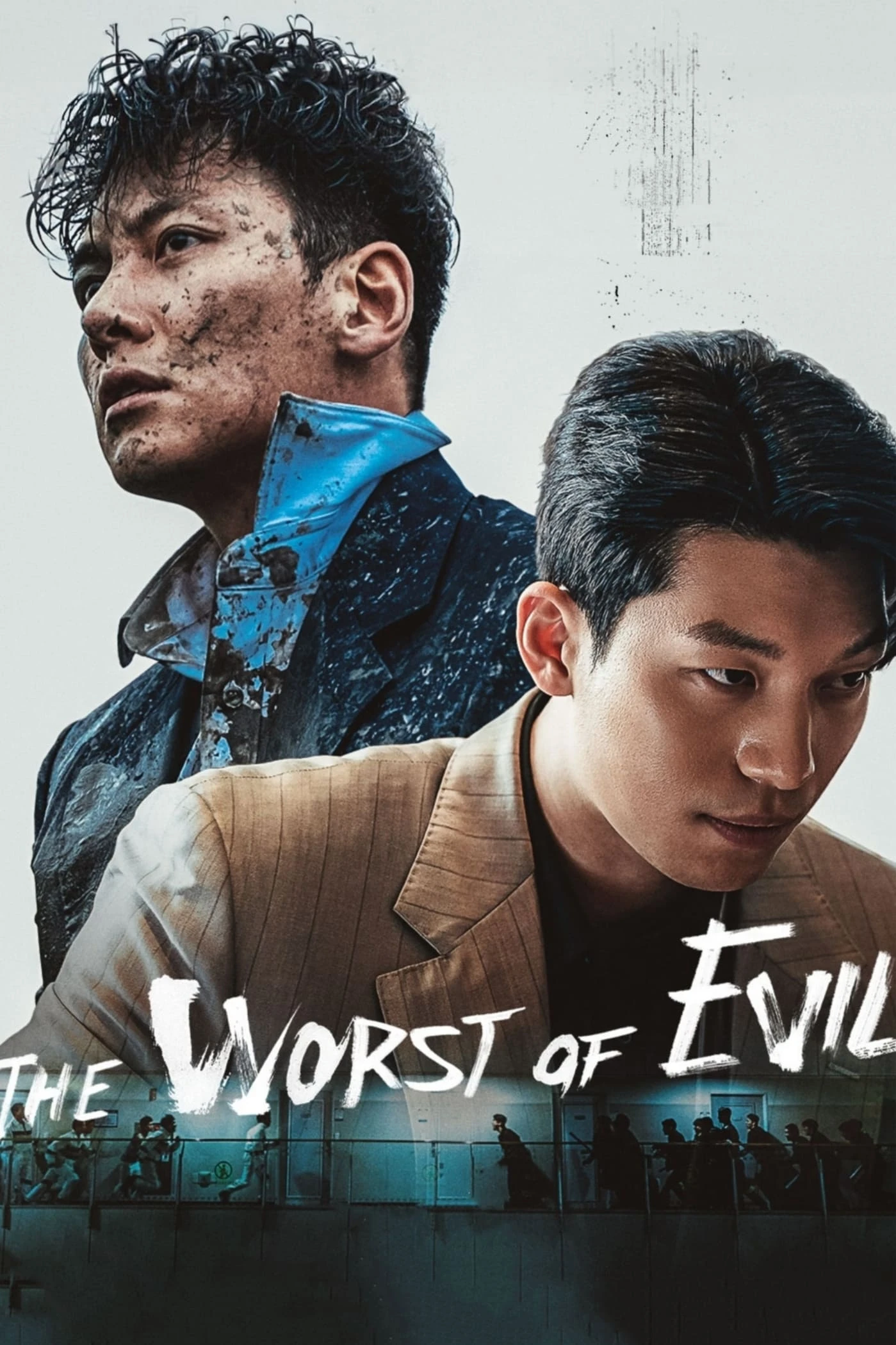
The Worst of Evil
🎬 Disney+ · Hulu
⭐ 8.7 / 10 MDL
🔞 TV-MA
📋 Drama Overview
Hulu
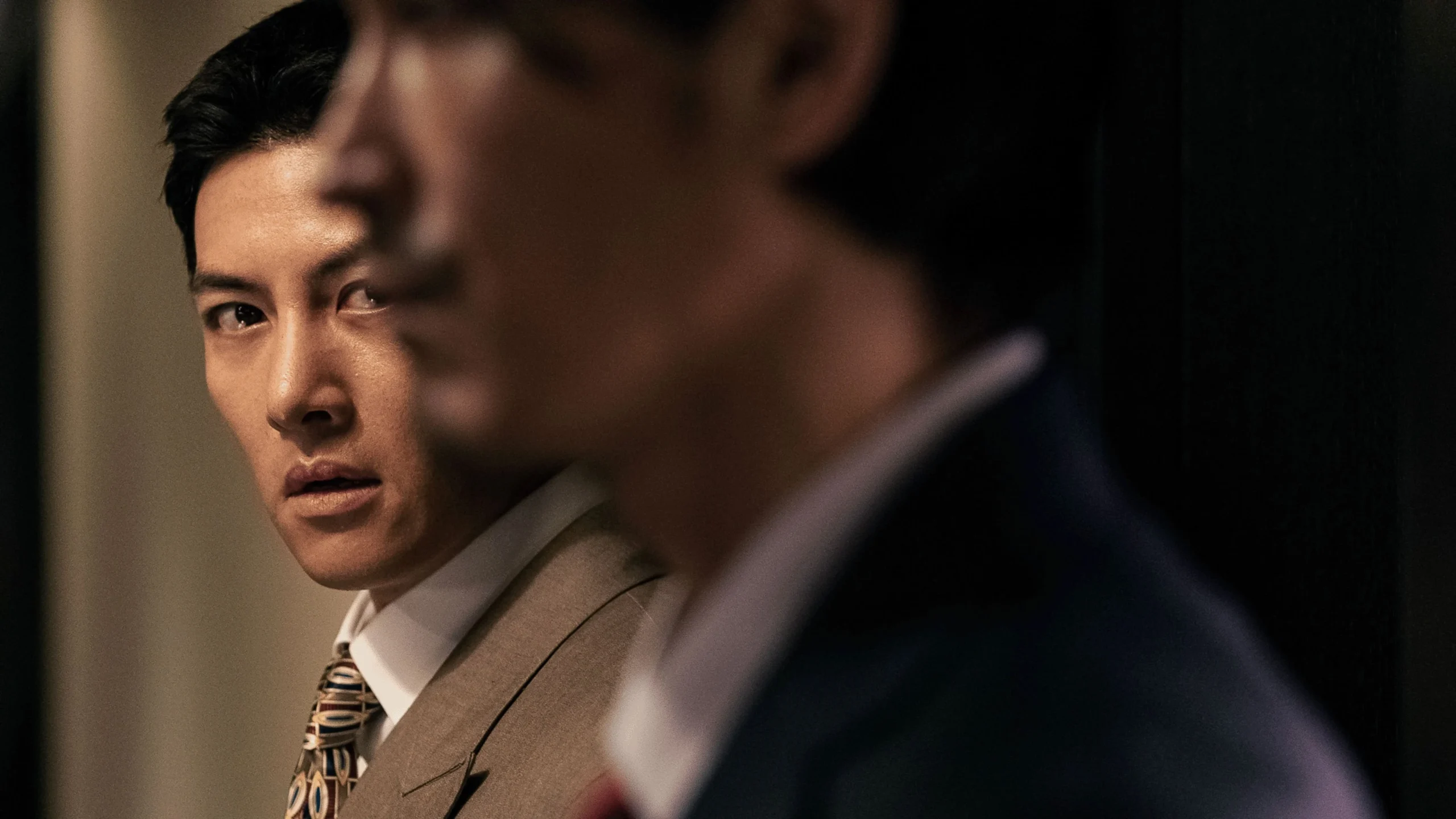
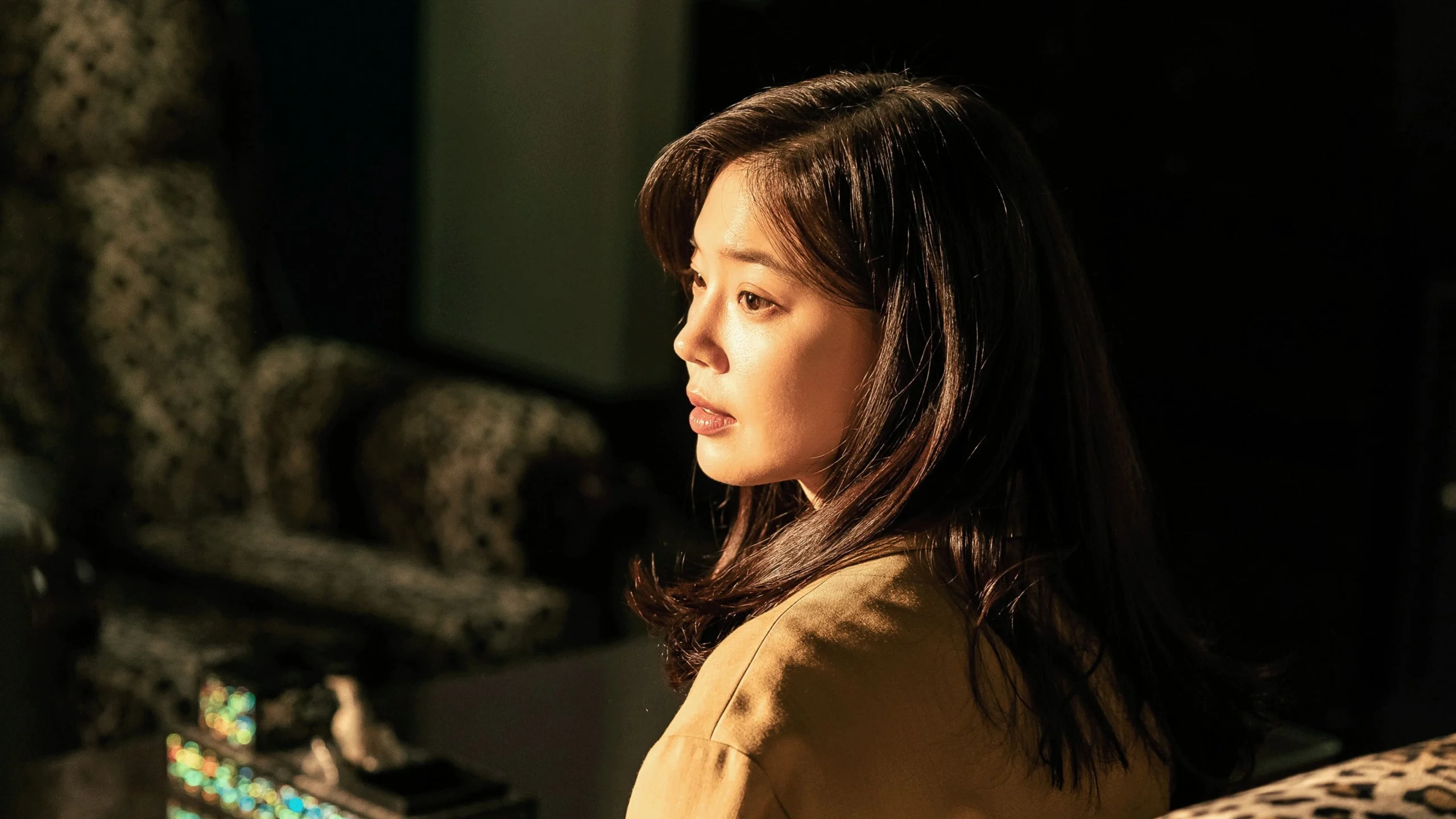
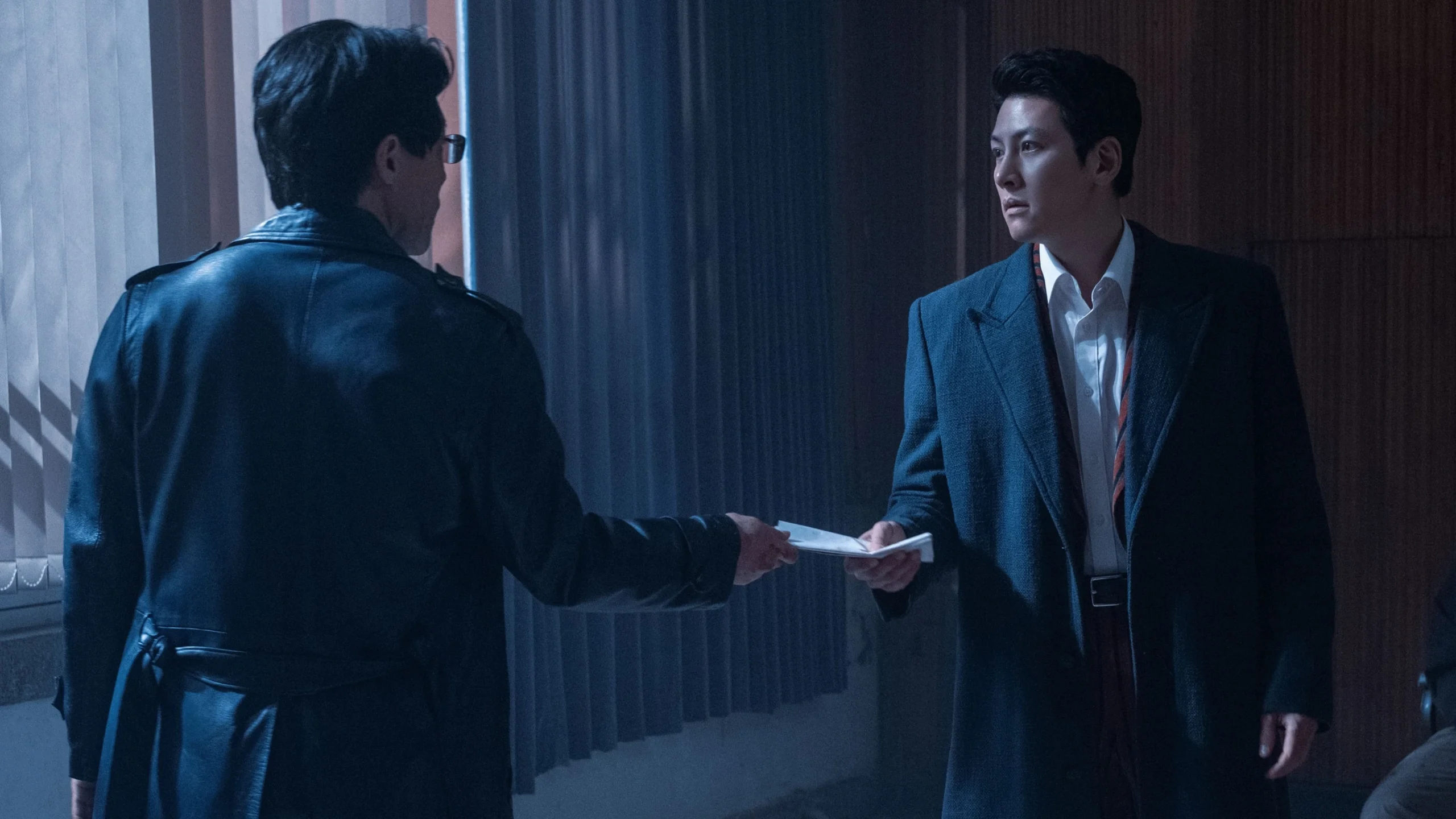
Set in 1995 Seoul, countryside detective Park Jun-mo volunteers for a dangerous undercover operation inside the Gangnam Union — a criminal syndicate at the center of an international drug trade spanning Korea, China, and Japan. His mission is to dismantle the cartel behind a powerful new drug called Gangnam Crystal. But the deeper he goes, the more he loses himself — especially when he discovers that his wife, narcotics officer Yoo Eui-jeong, is also entangled in the operation, bound to its charismatic kingpin Jung Gi-cheol by a past neither of them can escape.
What begins as a procedural undercover mission slowly becomes something far more personal. Jun-mo is not just risking his life — he is risking his identity. As Gi-cheol grows closer to Eui-jeong and Jun-mo grows closer to the criminal he was sent to destroy, the line between detective and gangster blurs beyond recognition. Every moral compromise he makes is one he cannot walk back. And by the time the final drug deal approaches, the question is no longer whether the mission will succeed — but whether there will be anything left of Jun-mo when it does.
⚡ Quick Verdict
Everything you need to decide, in one place.
· MDL Score · 21,516 ratings
▶ Official Trailer
🎭 Cast & Characters
The faces behind the 1995 Seoul underworld.

Lead
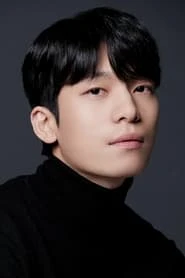
Antagonist

Lead
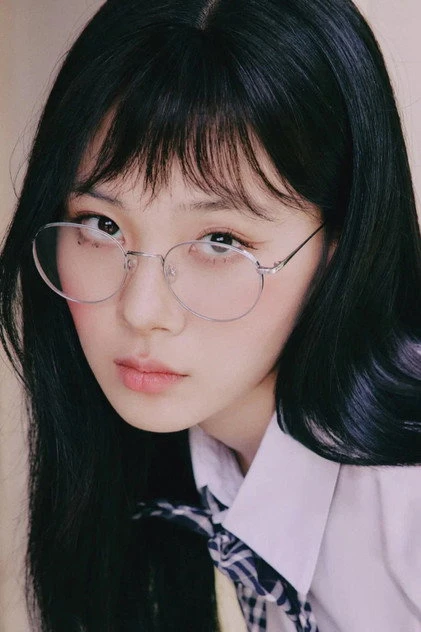
Supporting
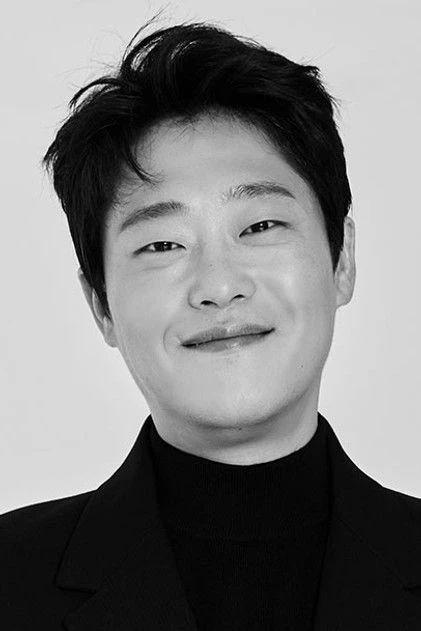
Supporting
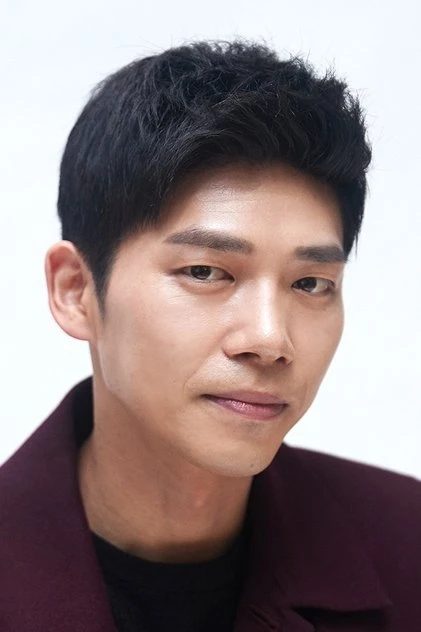
Supporting
📺 Episode Guide
All 12 episodes — spoiler-light recaps to help you decide where to start and when to keep going.
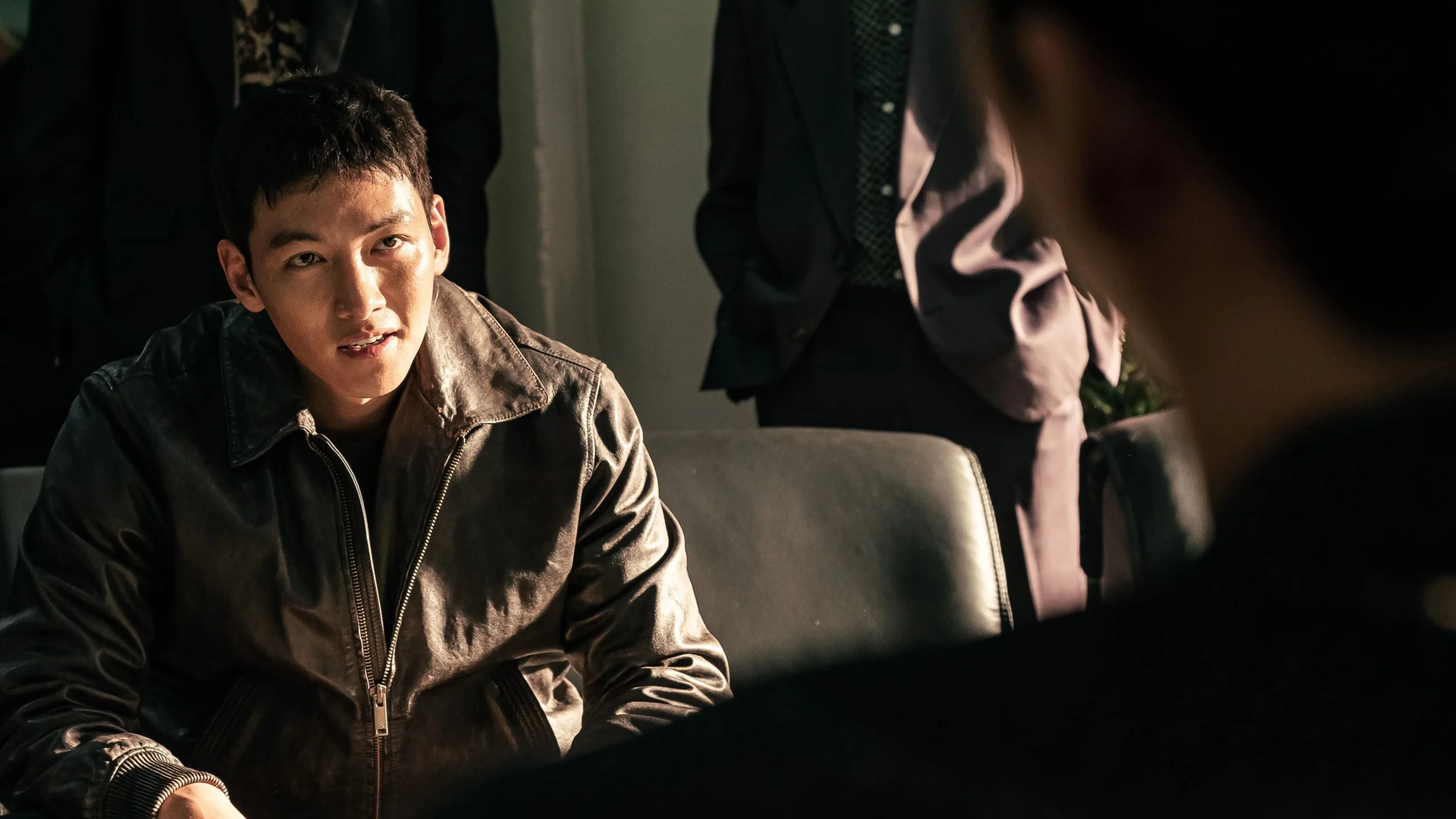
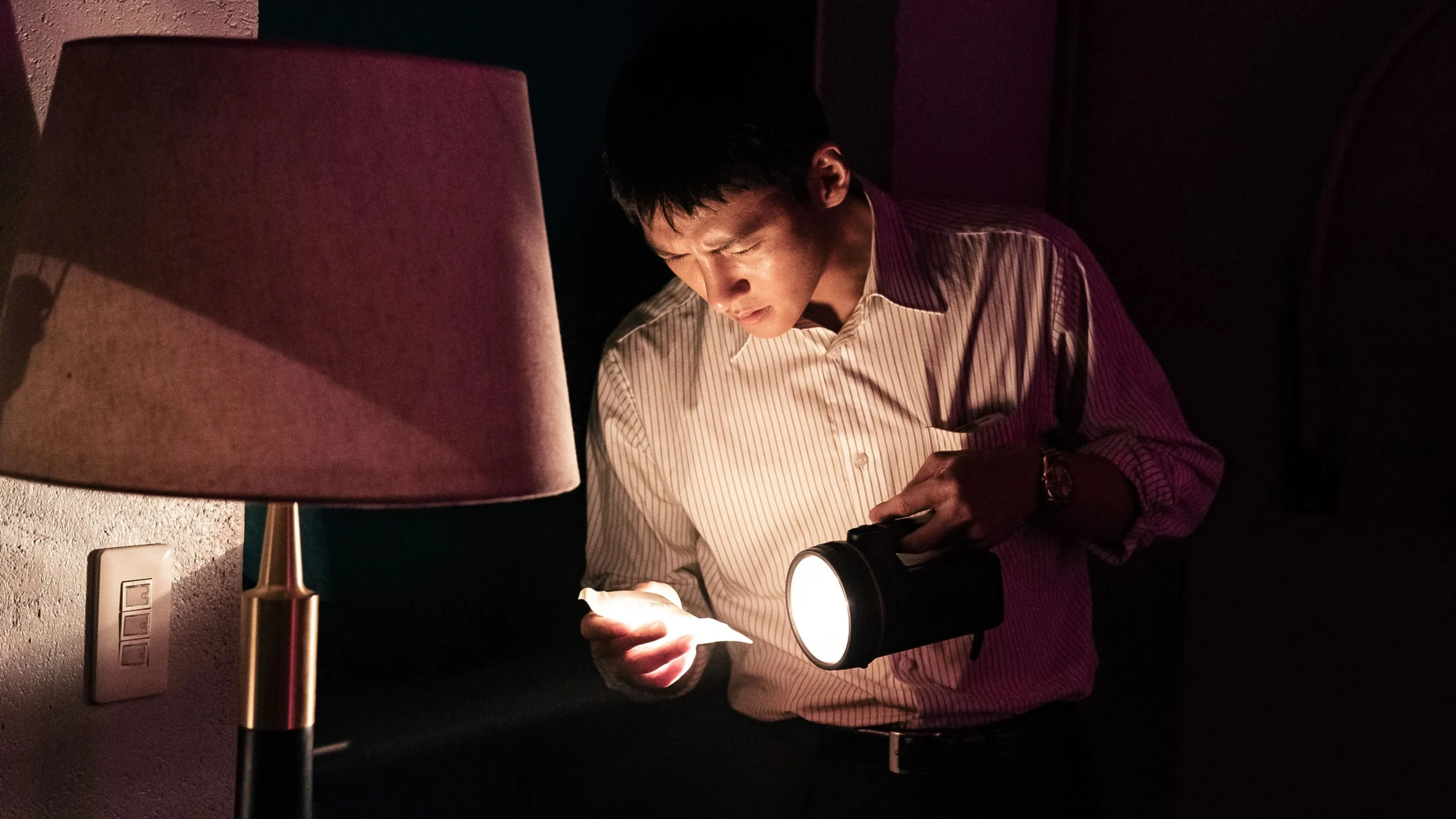

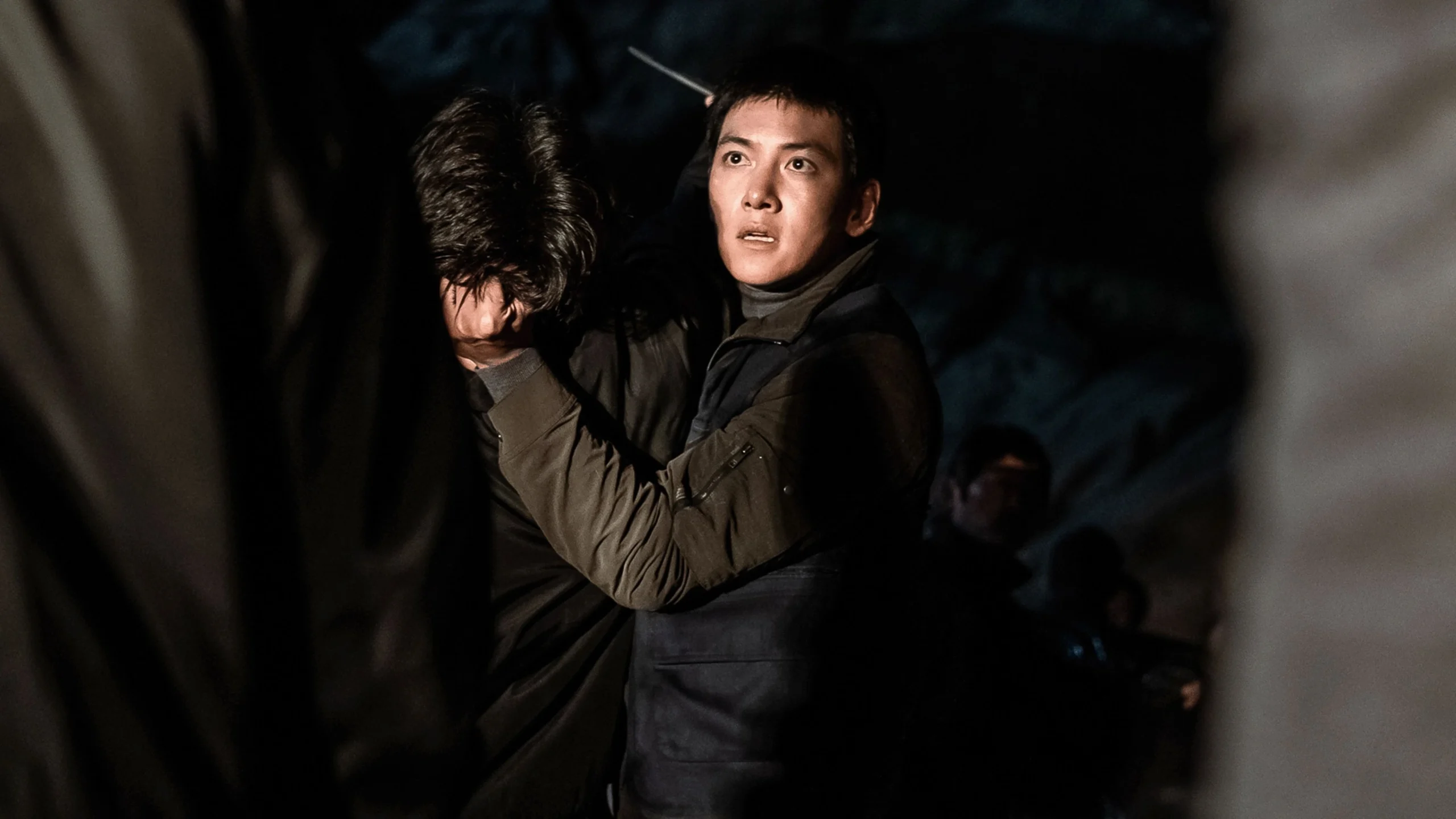


🏁 Ending Explained
Everything the finale means, spoilers and all.
Spoiler Warning — This section covers the full finale of The Worst of Evil. Stop here if you haven’t finished the series.
The Final Operation. The finale brings Korean, Chinese, and Japanese law enforcement agencies together in a coordinated joint arrest operation around the Gangnam Union’s last drug deal. Jun-mo is on the inside — still undercover, still playing both sides — as the net closes around everything he has spent twelve episodes helping to build. The operational machinery works. The cartel is dismantled. The Gangnam Crystal trade is shut down. On paper, the mission succeeds. But the show has spent twelve episodes making clear that paper is not what this story is about.
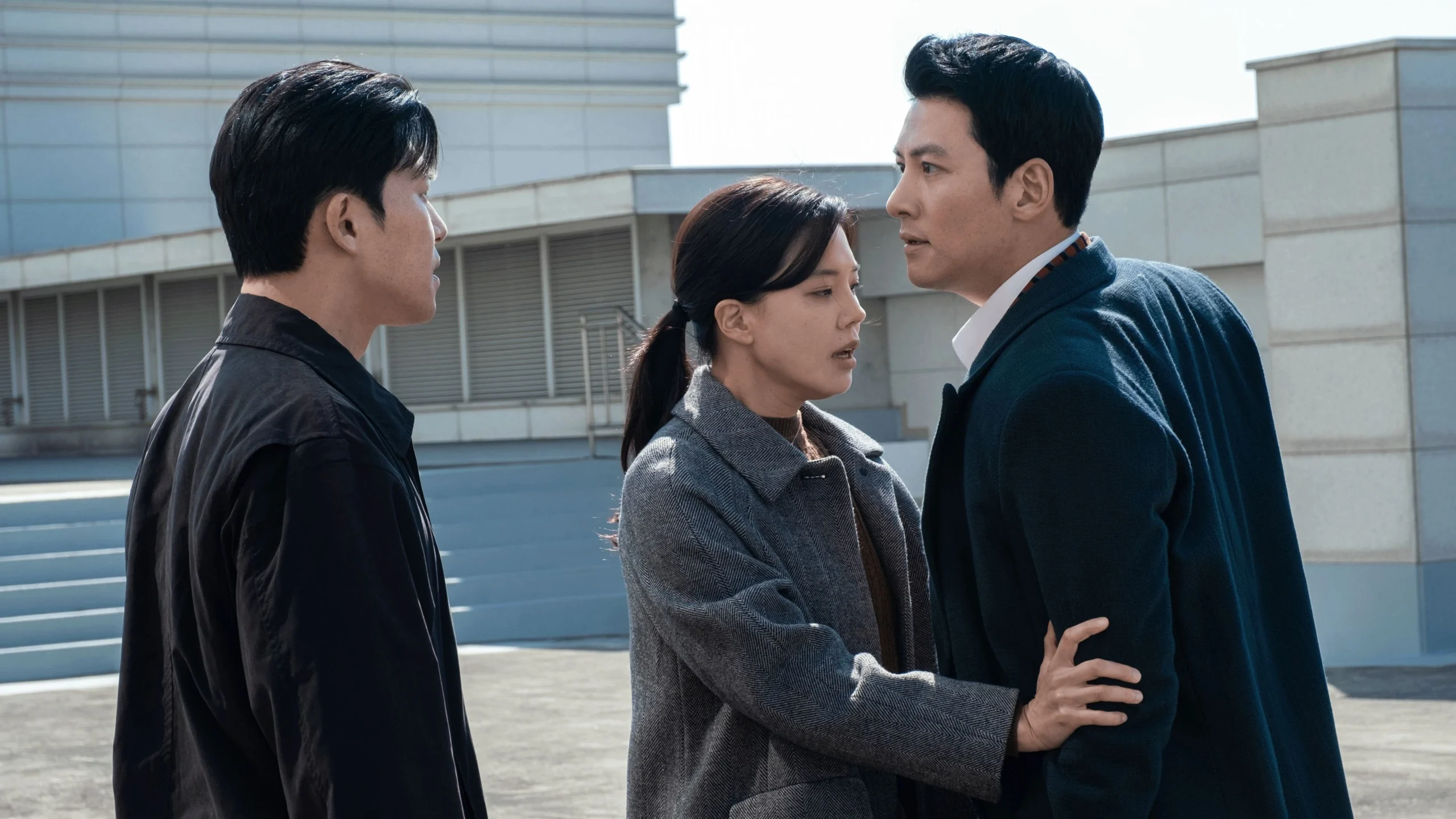
Jun-mo’s Choice. As Gi-cheol faces arrest, Jun-mo makes the decision that defines the drama: understanding that Gi-cheol — a man who dragged himself out of darkness partly for Eui-jeong, who loved her with the full weight of a person who had nothing else — cannot be taken alive without cursing her with survivor’s guilt for the rest of her life. Jun-mo shoots Gi-cheol himself. He takes the choice out of fate’s hands. It is not mercy, exactly. It is closer to a final act of protection for the woman he loves, performed by killing the other man she could not stop caring about.
Gi-cheol’s Death and Its Aftermath. The drug cartel collapses. Gi-cheol is dead. The people who were supposed to win have won. But the show refuses to frame it as victory. Jun-mo leaves his wedding ring at Gi-cheol’s grave — not as a declaration of hatred, but as an acknowledgment that what he and Eui-jeong went through together cannot be survived without cost. Eui-jeong, in turn, leaves the necklace Gi-cheol gave her in their youth at his grave — releasing her past and her ties to him, mourning someone she could never have saved and never fully stopped grieving.
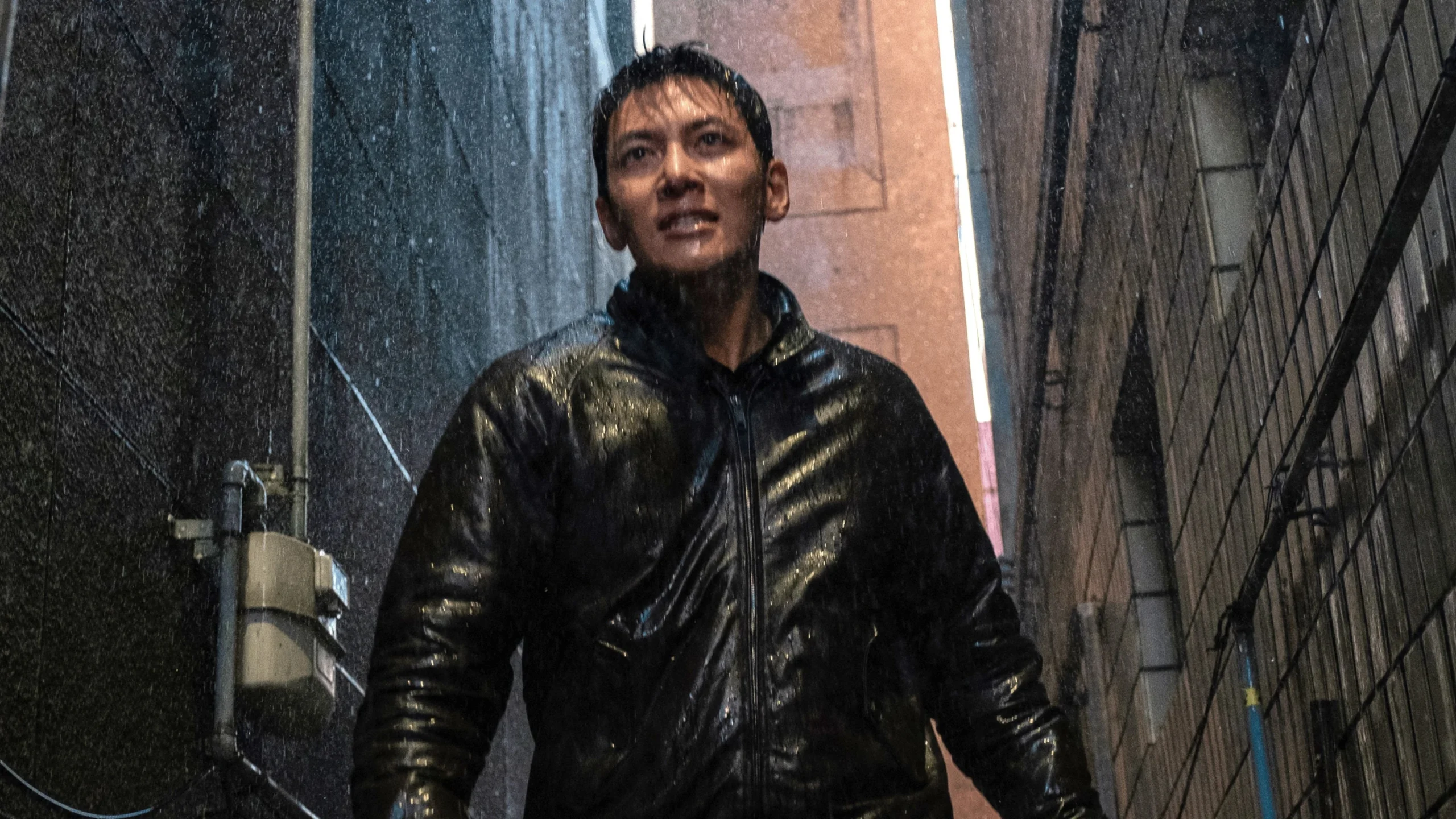
The Separation. Jun-mo and Eui-jeong do not end up together. The separation is not dramatic — there is no confrontation, no final argument — which makes it feel more honest than a scripted breakup ever could. They have simply been through too much, and done too much to each other, to pretend that coming out the other side means coming out together. The show earns this ending because it has spent twelve episodes showing, step by step, exactly what it cost both of them to stay in that operation. Love surviving everything is a fairy tale. This is not a fairy tale.
The Door Left Open. The final scene — Eui-jeong at the grave, releasing her past — does leave an ambiguity. The show does not close the door entirely on the idea that these two people, changed and scarred, might eventually find each other again on the other side of grief. It just refuses to hand that to you. What it gives you instead is harder and more interesting: two people who chose the mission over themselves, and are now left with the truth of what that means. The worst of evil, the show argues, is not the drug cartel. It is what good people do to each other in the dark.
✍️ KDramaWorlds Editor’s Take
Straight talk on whether this one’s worth watching, and for who.
🔪 Brutal Undercover Noir
💔 Love That Destroys
🧠 Moral Collapse
🎬 Career-Best Performances
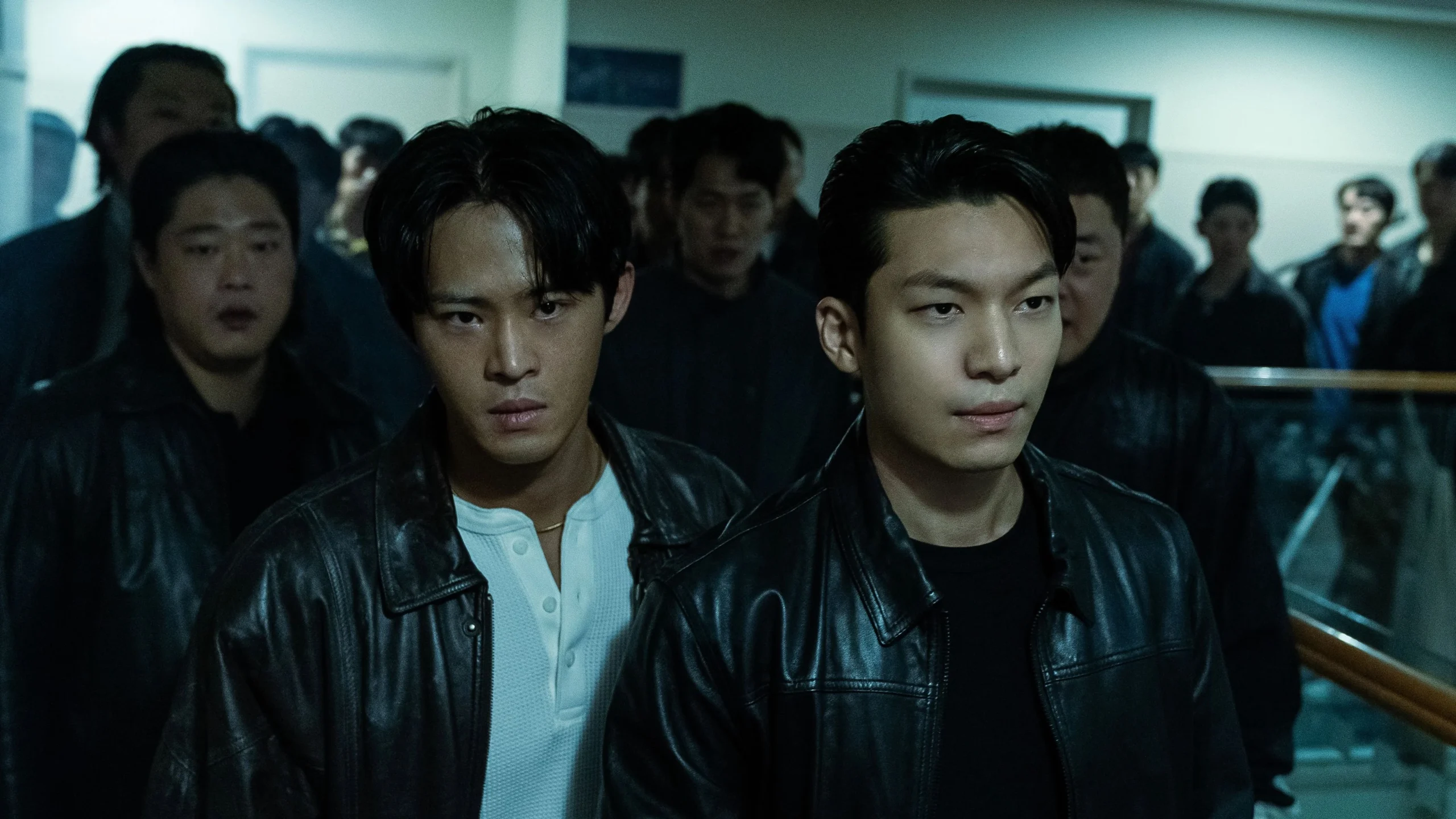
Ji Chang-wook has done undercover work before — but nothing quite like this. What separates The Worst of Evil from the standard K-drama crime thriller is that it is genuinely interested in what going undercover costs a person from the inside. Jun-mo does not keep a clean internal distance from his cover identity. He starts inhabiting it. He starts making choices as the person he is pretending to be. And by the time the mission reaches its final act, the show has quietly made its central argument: identity is not something you can park at the door and retrieve when you leave. The first four episodes are some of the best cold-open crime television the genre has produced — the 1995 period detail is immaculate, the neon-lit streets feel tactile and real, and Ji Chang-wook plays the descent into the underworld with a physical commitment that makes every bruise register.
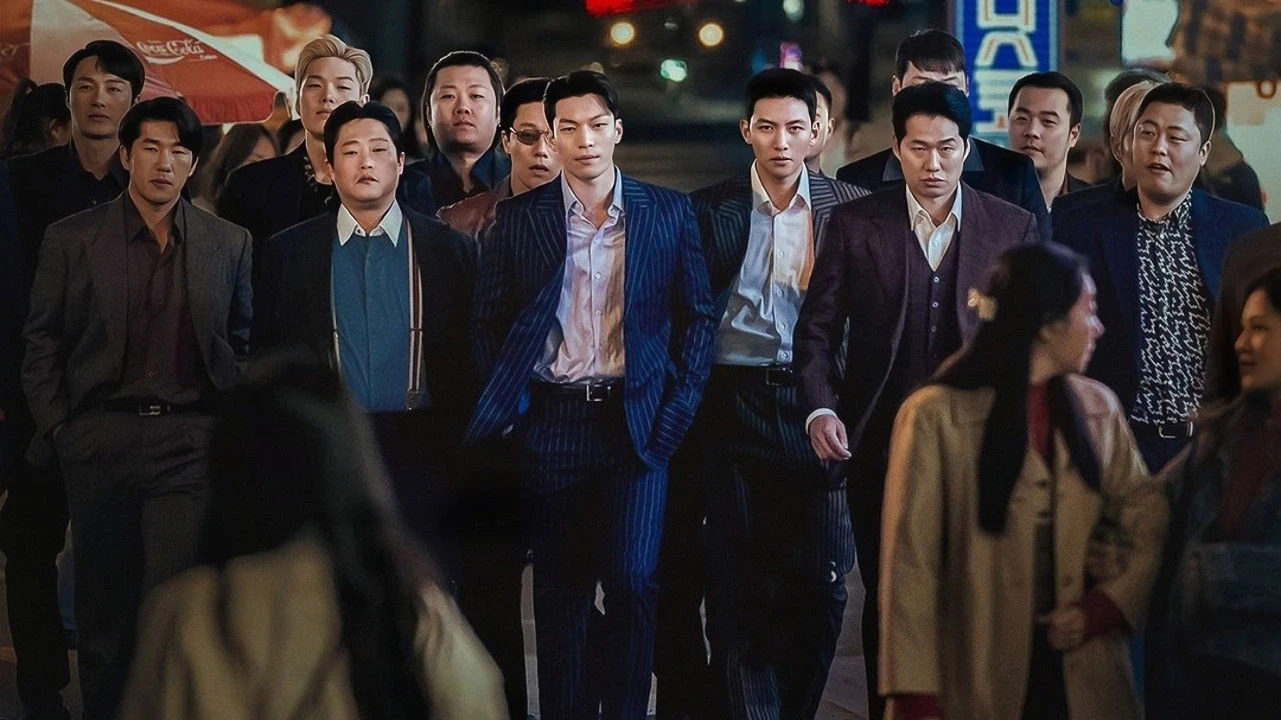
Wi Ha-jun as Jung Gi-cheol is the show’s great surprise. After Little Women established him as someone who could carry a complex antagonist, The Worst of Evil gives him something genuinely harder: a villain who is also, by the drama’s own internal logic, a tragic figure. Gi-cheol is not sympathetic in the soft, redemption-arc sense. He is sympathetic the way a force of nature is sympathetic — you understand exactly why he is what he is, and that understanding makes the watching more painful, not less. The scenes where Jun-mo and Gi-cheol are both performing for each other — each suspecting the other, neither willing to break first — carry a tension that the show earns because neither actor is overplaying anything. BIBI’s Hae-ryeon deserves a separate mention: her performance added a dimension the drama needed, and her scenes in the final third are better than the writing technically required them to be. If The Manipulated was Ji Chang-wook proving he could anchor a blockbuster revenge thriller, this is him proving he can carry something more quietly devastating.
The ending will divide people — and it should. It is not satisfying in the way K-drama romance usually promises satisfaction. But the show earns the right to its ending because it has been honest about its costs from the beginning. The separation of Jun-mo and Eui-jeong is not a failure of the writing. It is the writing’s most accurate statement. Some things that happen to people cannot be undone by love, no matter how real the love is. The My Name comparison gets made often — both dramas use the undercover frame to examine identity erosion — but The Worst of Evil is more interested in the relational wreckage than the personal one. It is a heavier watch, and a better one for it. Go in knowing what it is, and it will not disappoint you.
Anyone drawn to 1990s period noir with immaculate production design
Viewers who can accept a love story that ends honestly rather than happily
🎬 You Might Also Like
If you liked The Worst of Evil, these are your next three watches.
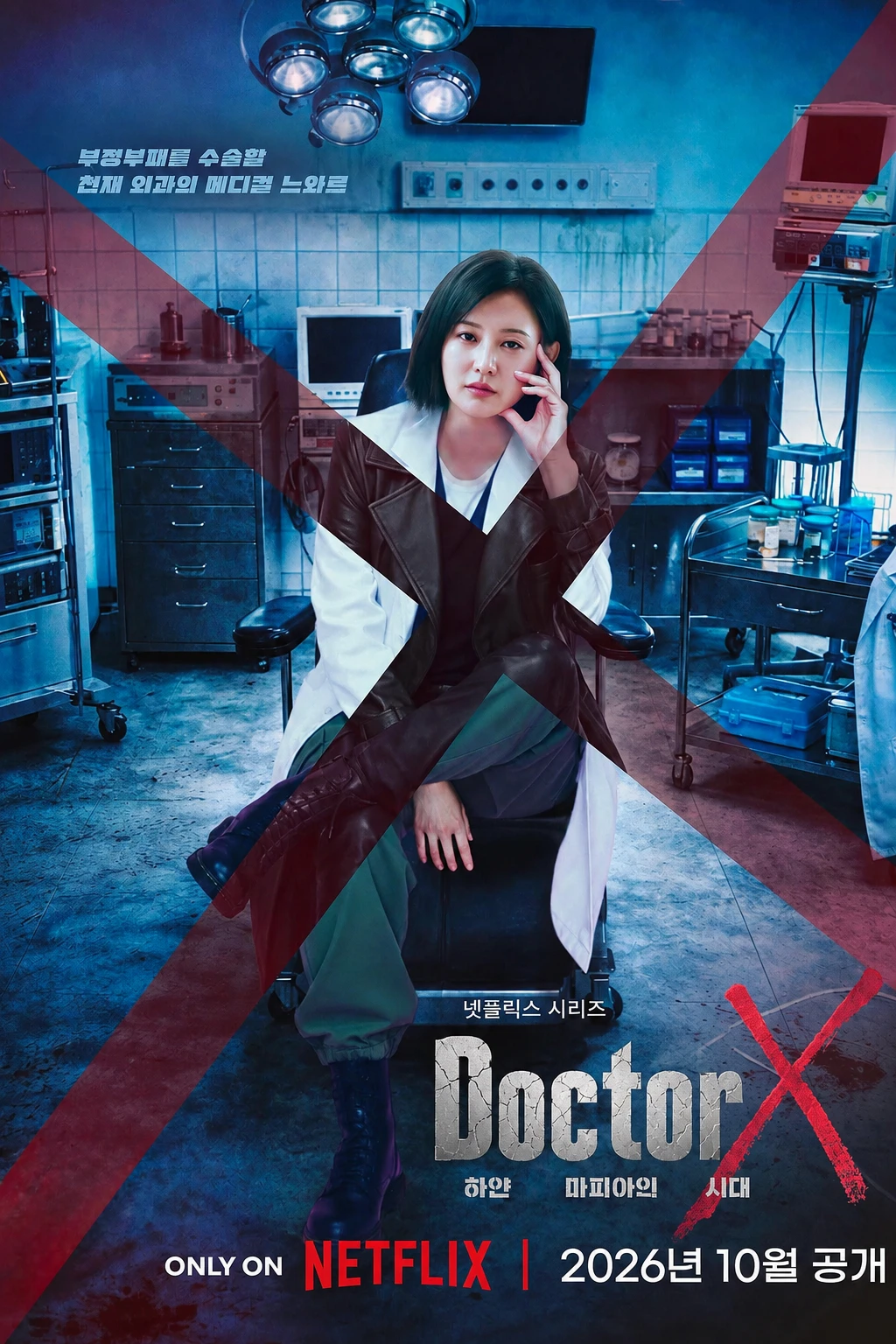 Doctor X: Age of the White Mafia
Genius SurgeonKim Ji-won
Read Full Review →
|
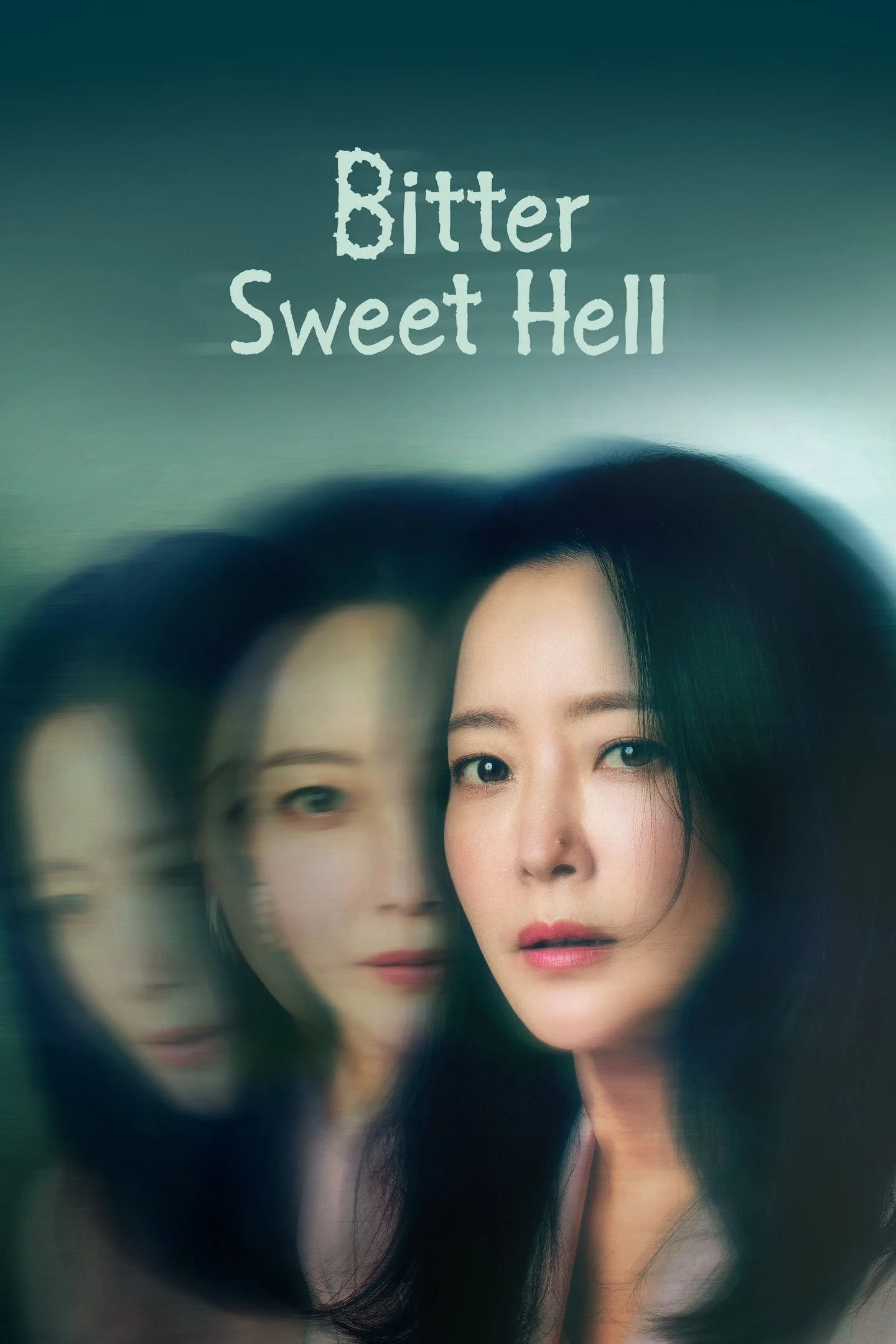 Bitter Sweet Hell
Black Comedyblackmail
Read Full Review →
|
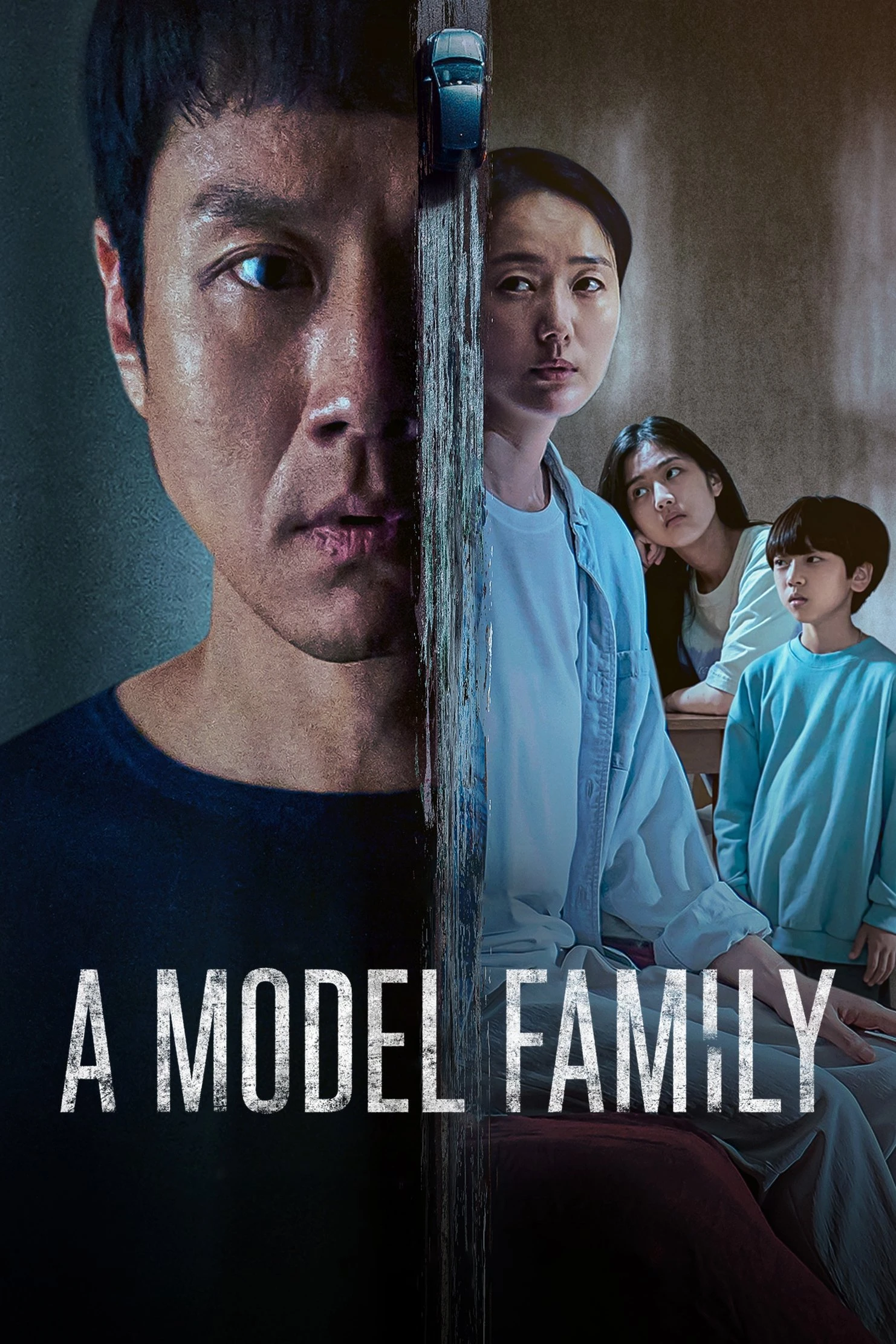 A Model Family
blackmailCrime Thriller
Read Full Review →
|







Keep it kind, skip the harsh language, and please — no spoilers. Everyone's taste is different, and that's perfectly fine.
This space is for real reactions and discussion from other viewers. Help keep it comfortable for everyone by not giving away major plot details.
What do you think of this drama?
Login to share your review or leave a comment.
No email needed — just pick a username & password.