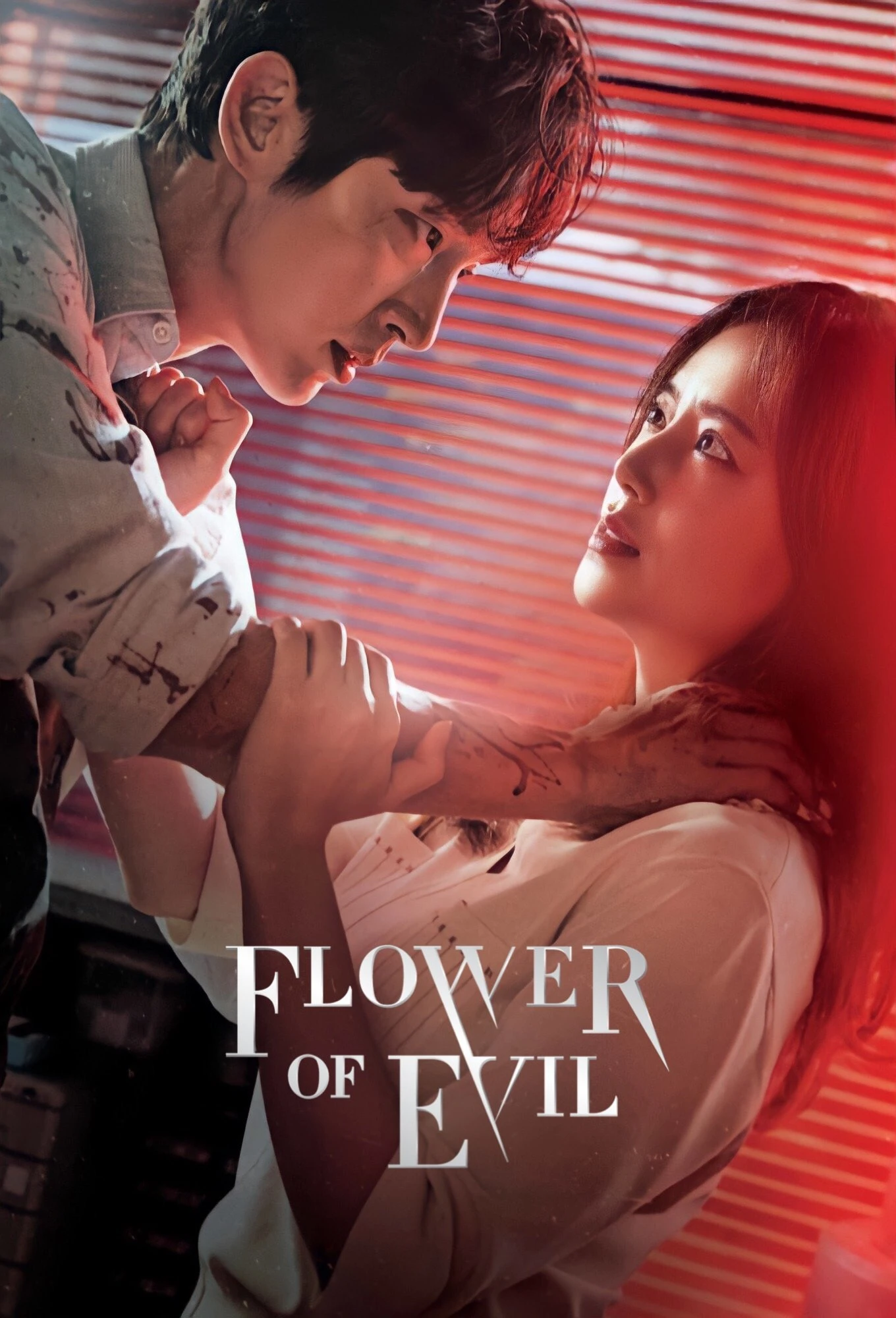
Flower of Evil
🎬 Netflix · Viki · iQIYI
⭐ 8.8 / 10 MDL
🔞 TV-14
📋 Drama Overview
A quick primer before the opening scene.
🔥 Thriller Must-Watch
Viki
iQIYI
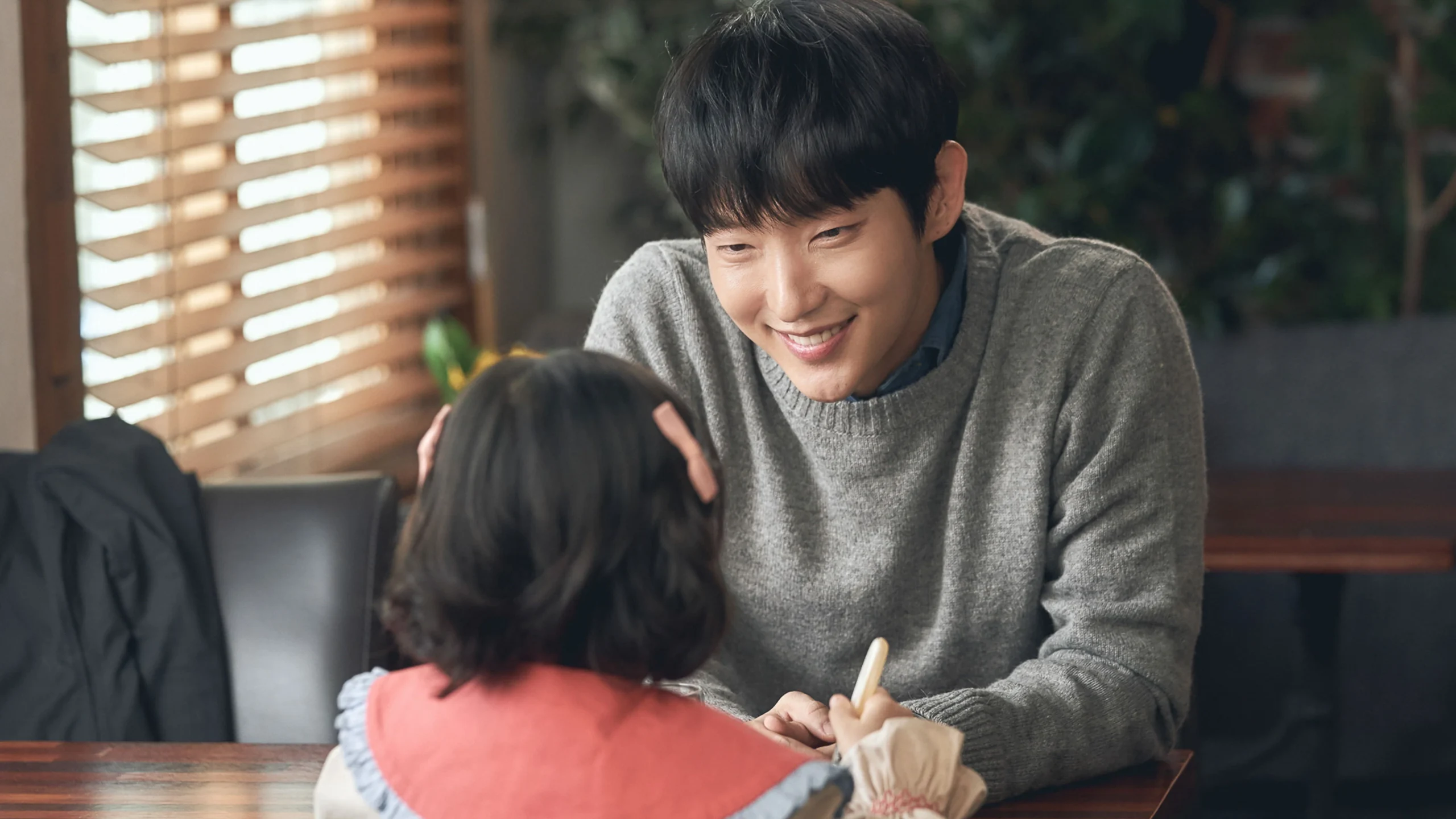
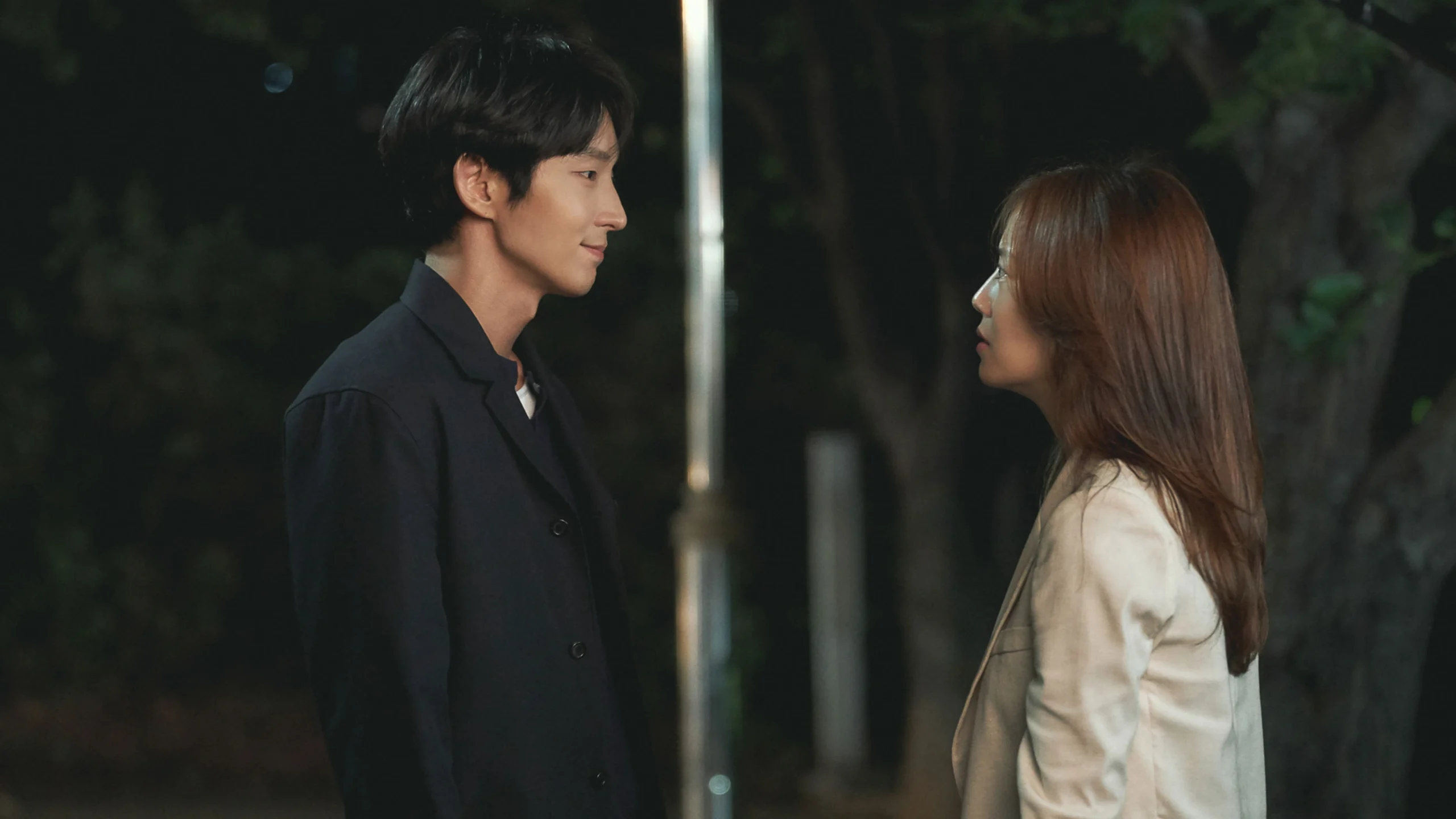
Baek Hee Sung (Lee Joon-gi) has built a perfect life — a charming metalworking studio, a devoted marriage, and a daughter he would die for. What no one knows is that Hee Sung is not who he says he is. His real name is Do Hyun Su, the son of a notorious serial killer, a man who fled his past under a stolen identity and has spent years quietly becoming someone else entirely. He is, by his own admission, incapable of love. He has simply learned to perform it with extraordinary precision.
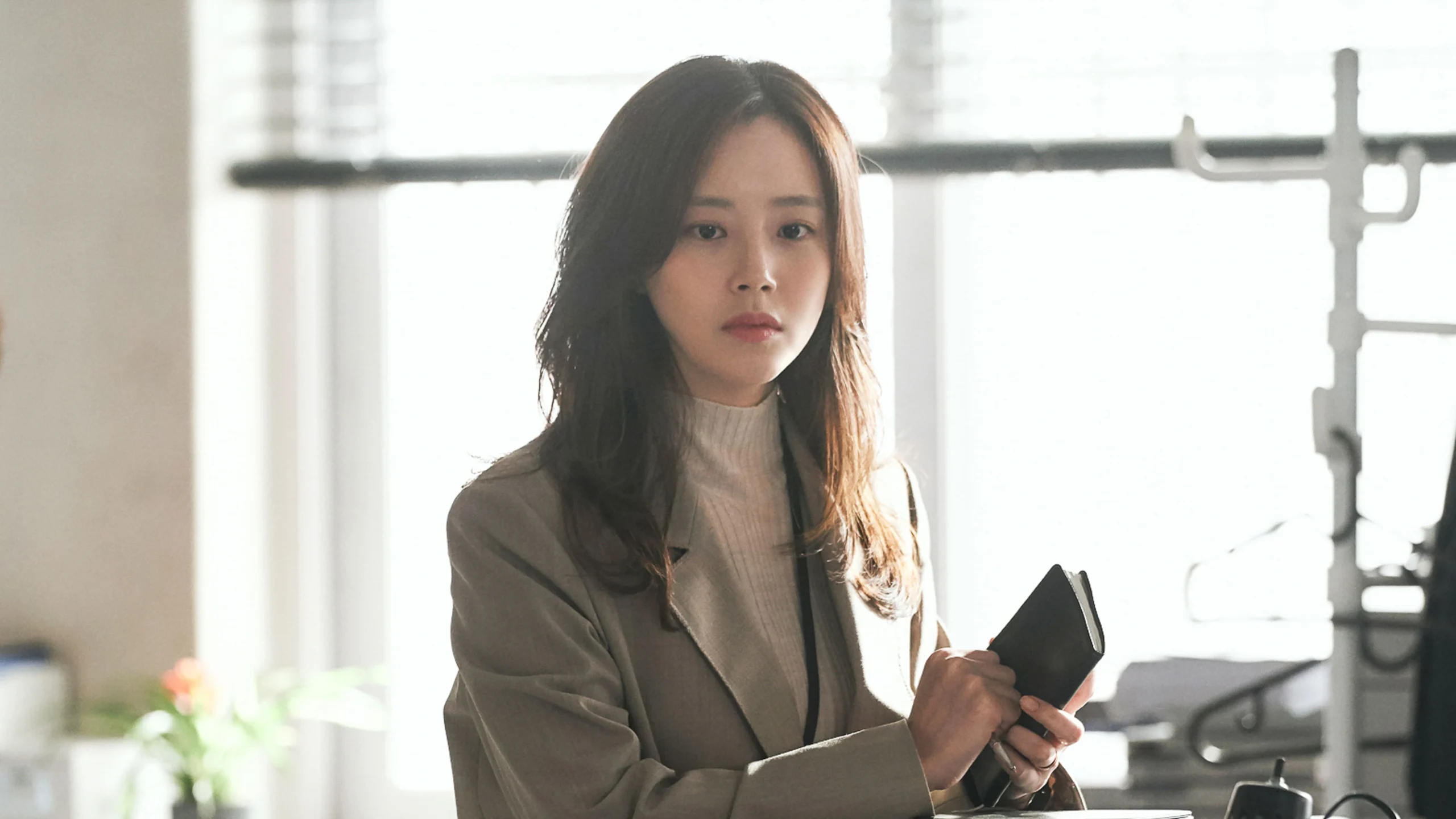
His wife, Cha Ji Won (Moon Chae-won), is a sharp homicide detective — and when a new murder case lands on her desk that bears the unmistakable signature of a 15-year-old cold case, her investigation begins to circle uncomfortably close to the man sleeping beside her. What unfolds is not just a race against discovery, but a question about whether a person built entirely on lies can contain something real — and whether love between two people can survive a truth that should destroy everything.
16 / 16 ✅ Completed
⚡ Quick Verdict
One glance, one verdict — everything you need is right here.
· MDL Score · Ranked #42 on MyDramaList
▶ Official Trailer
🎭 Cast & Characters
The faces behind the deception.
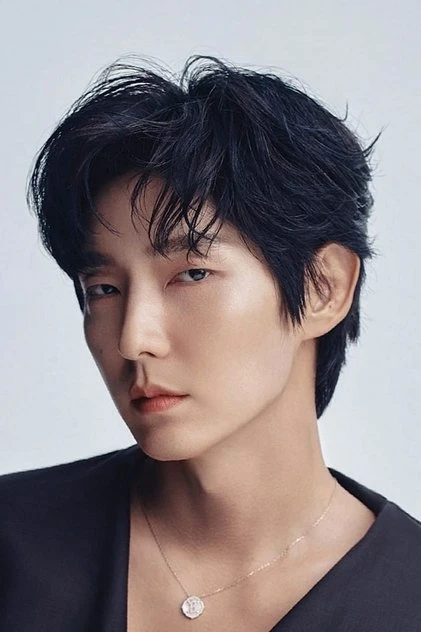
Lead

Lead

Supporting
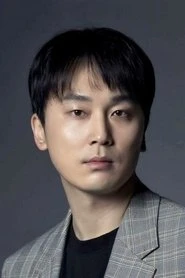
Supporting
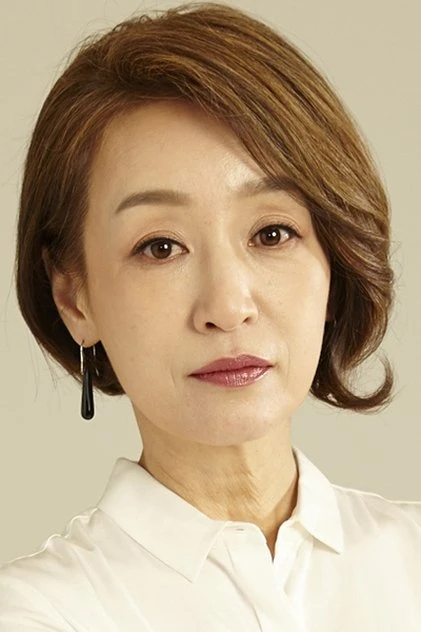
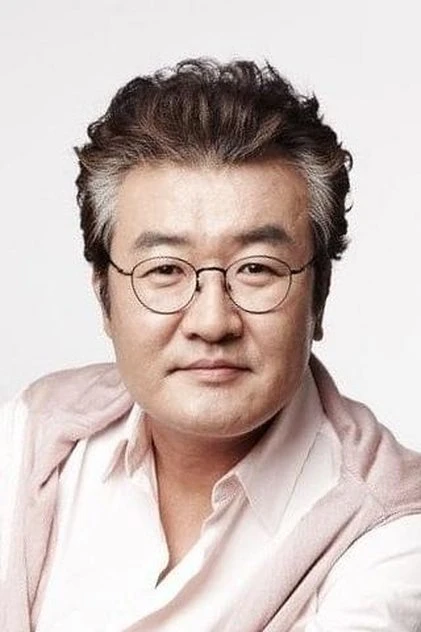
Supporting
Supporting
📺 Episode Guide
A light recap per episode — nothing more than a nudge.
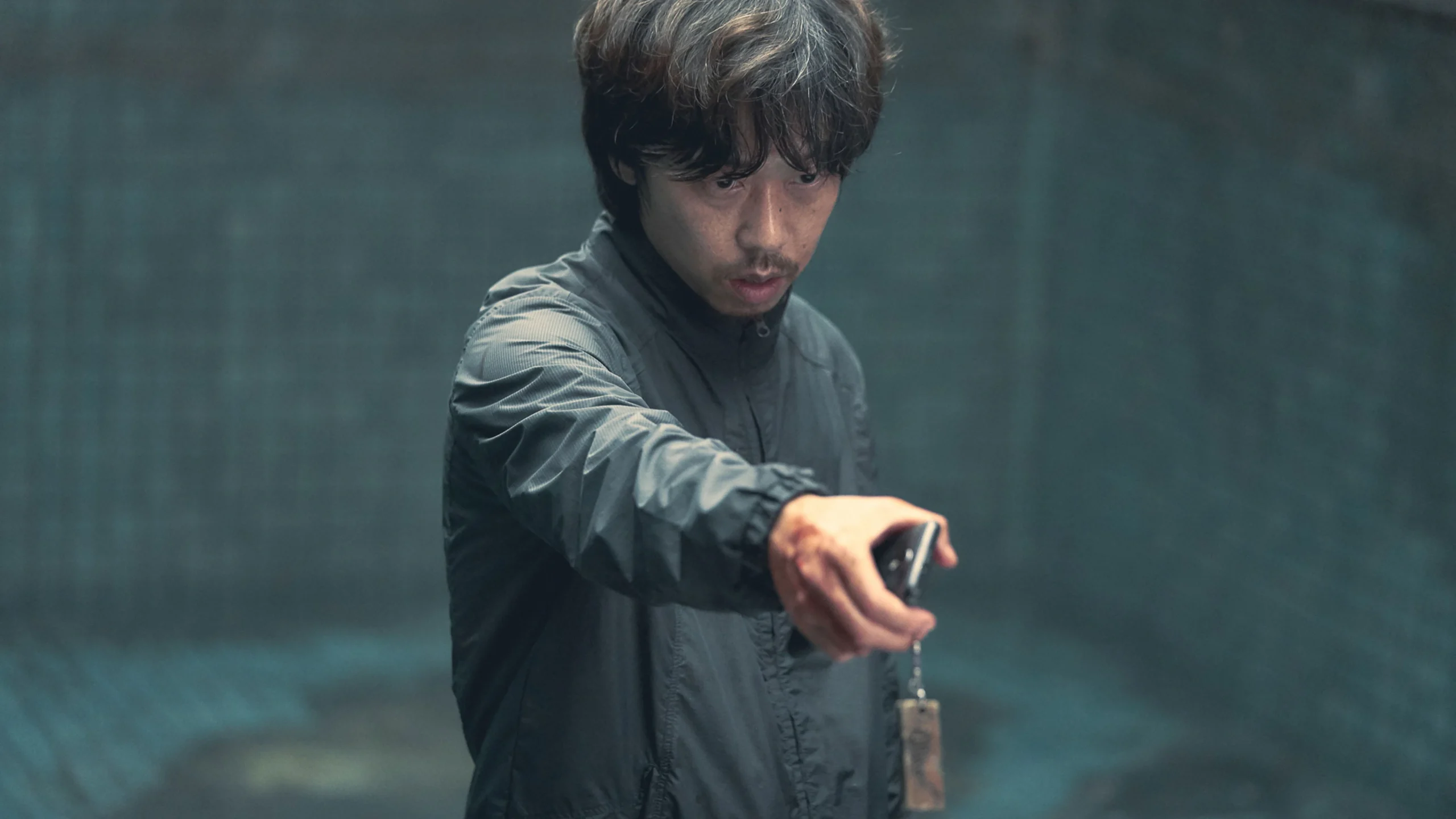
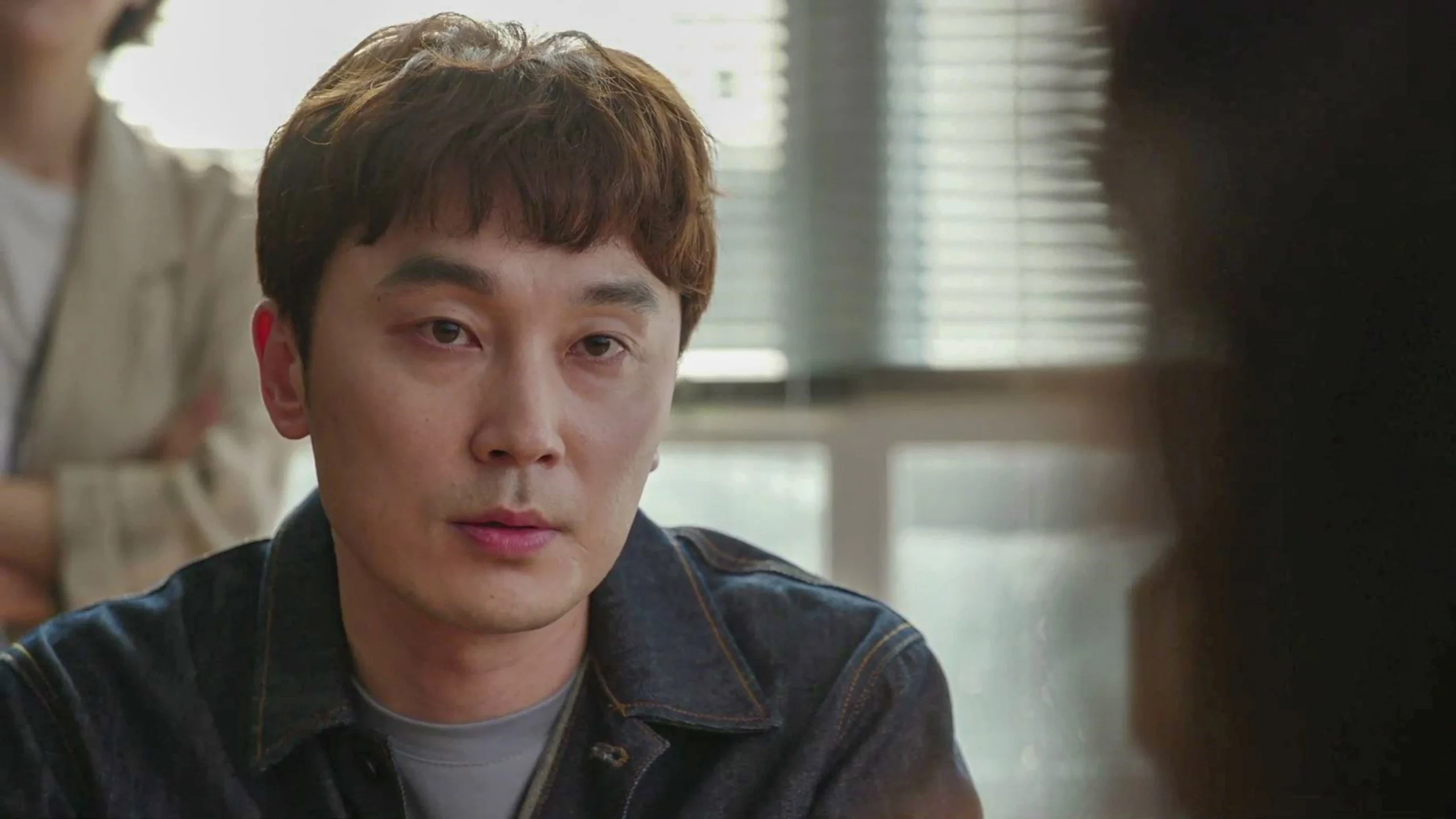
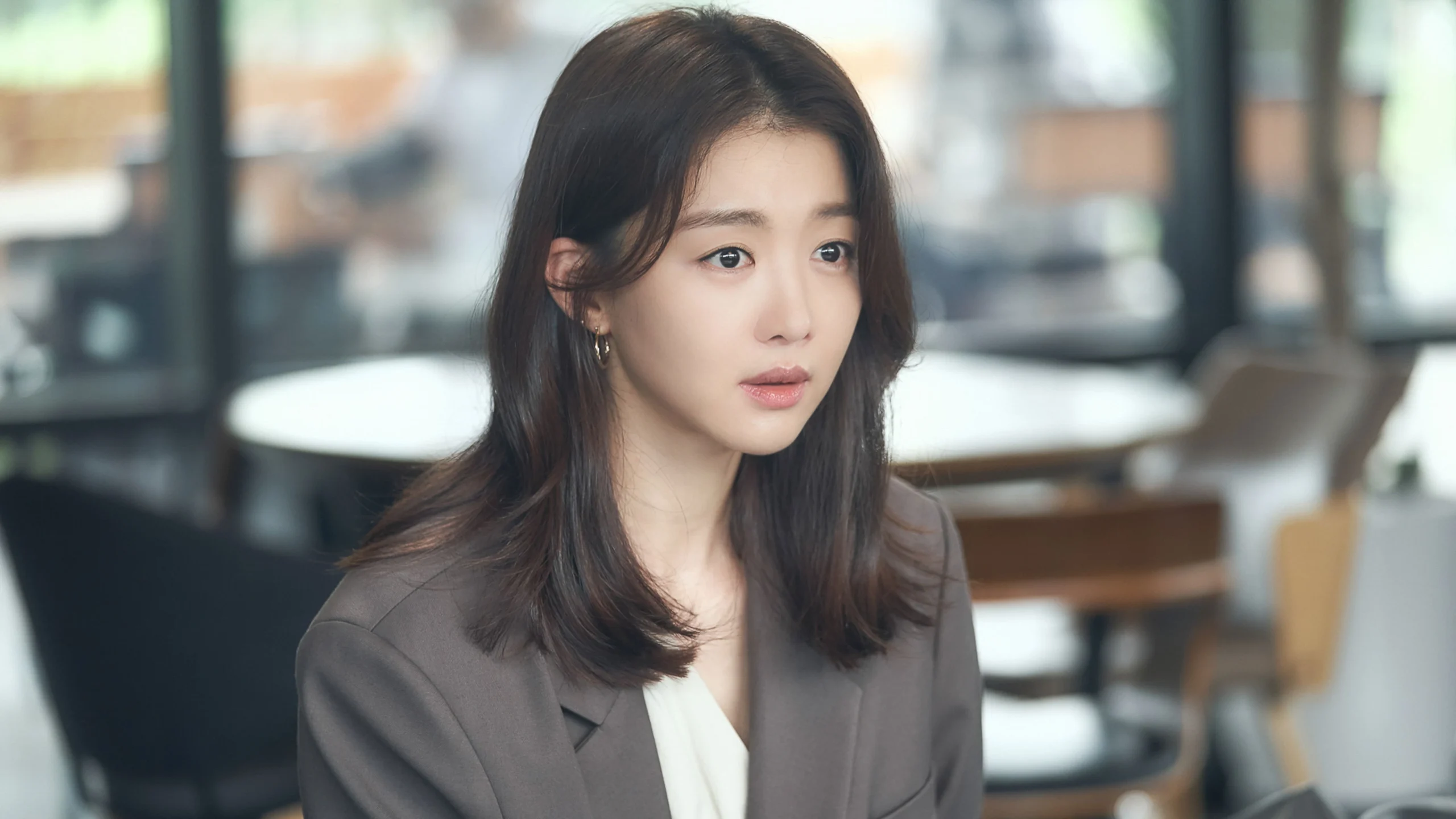

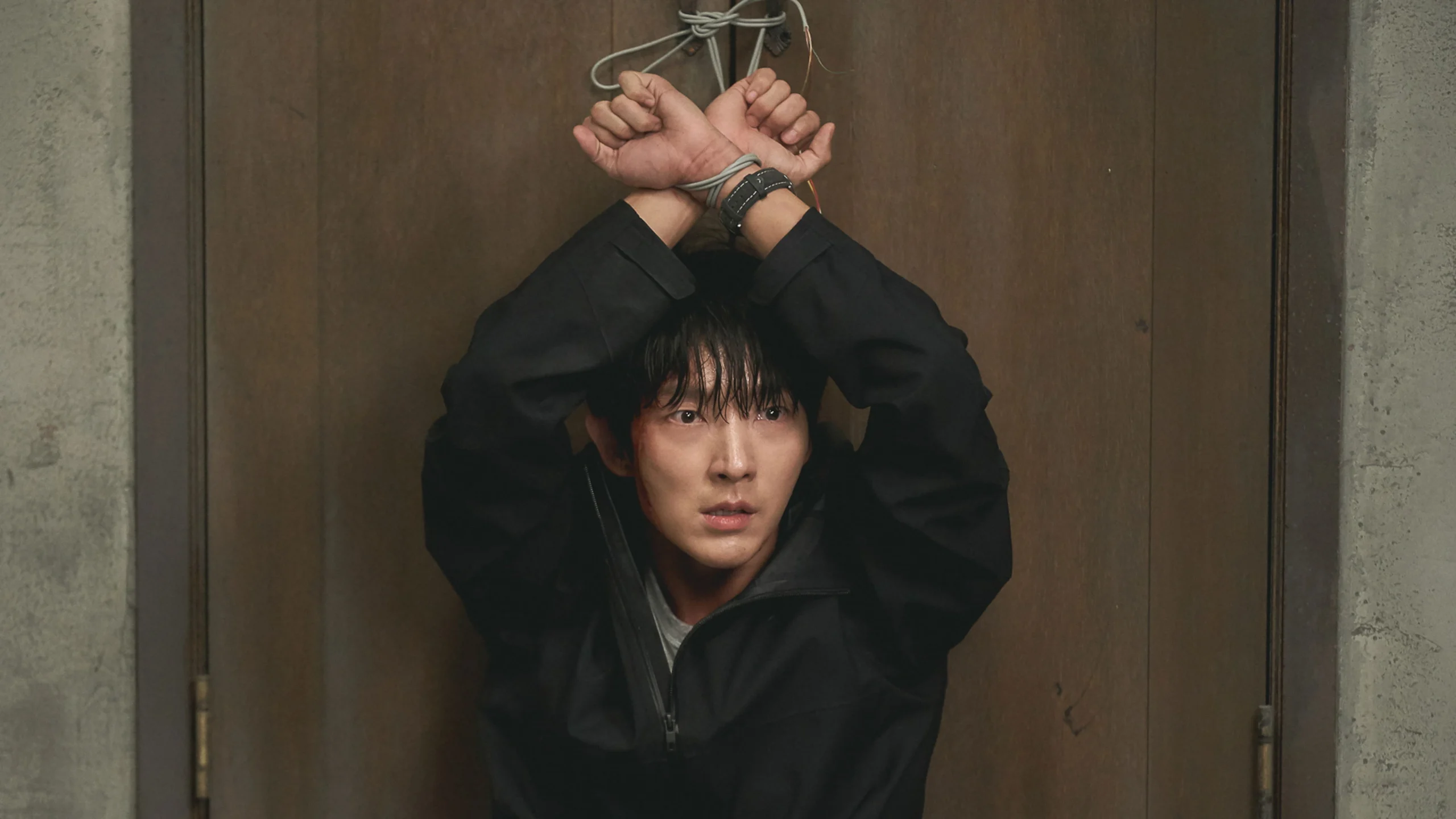
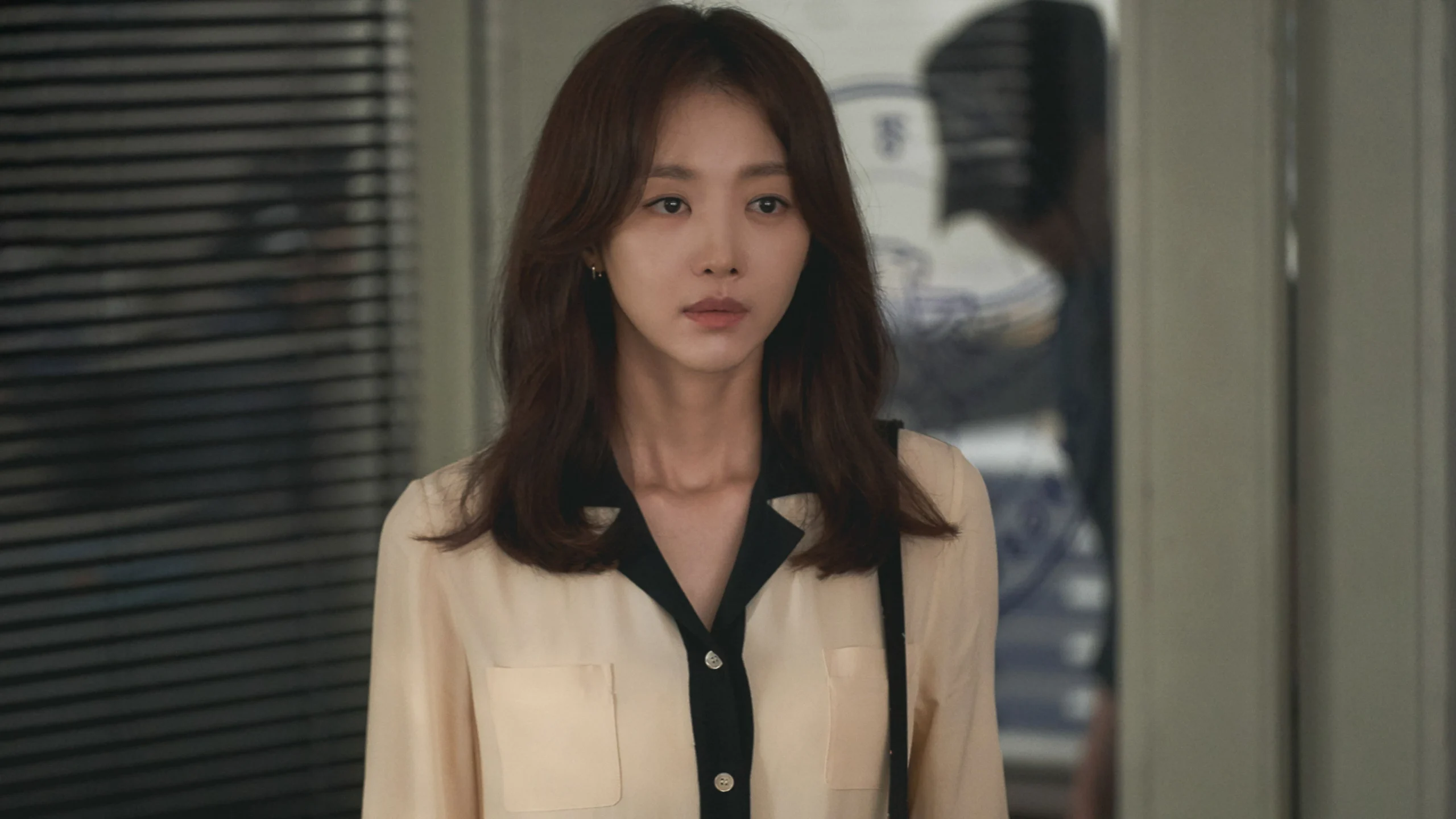
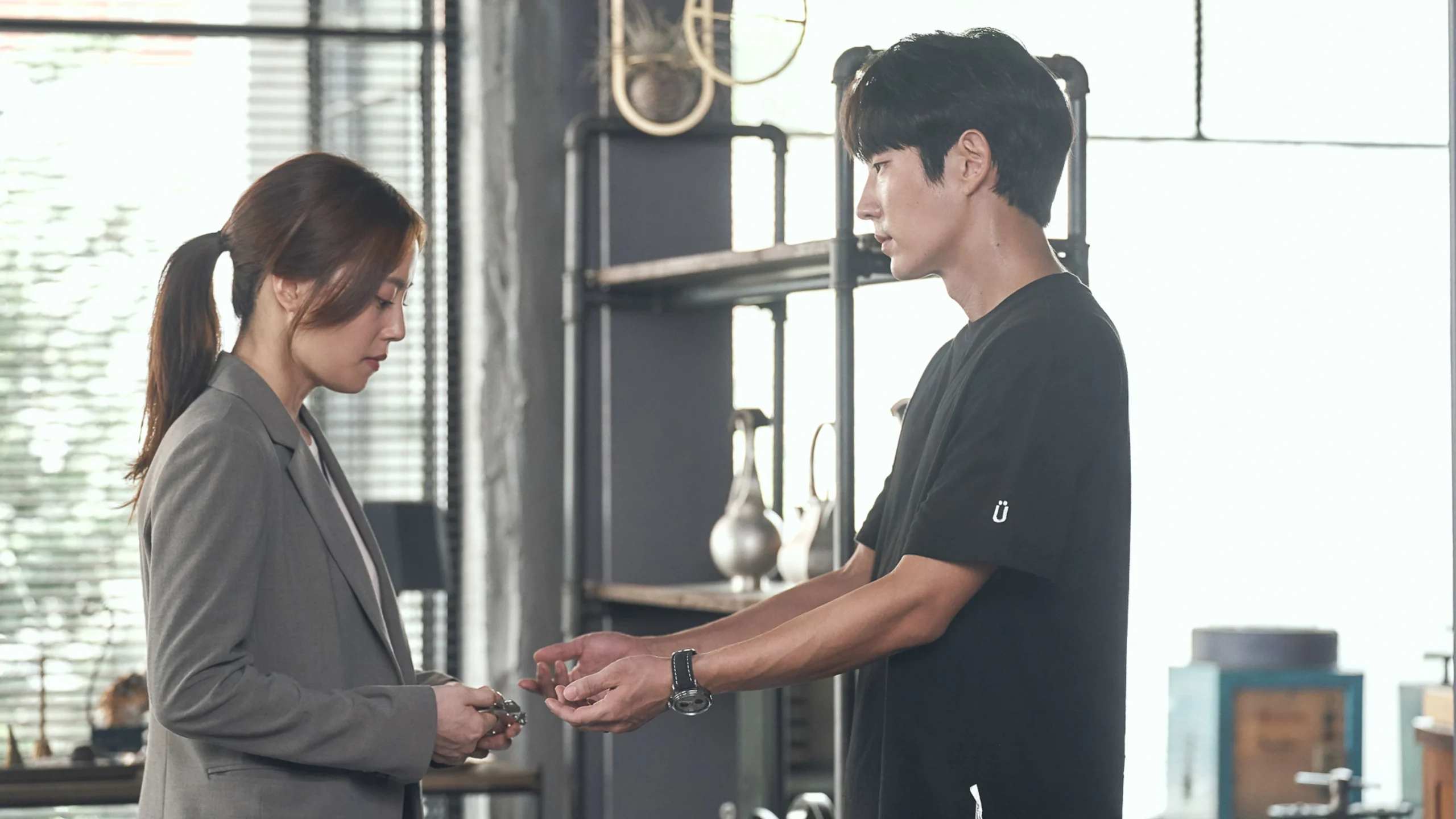
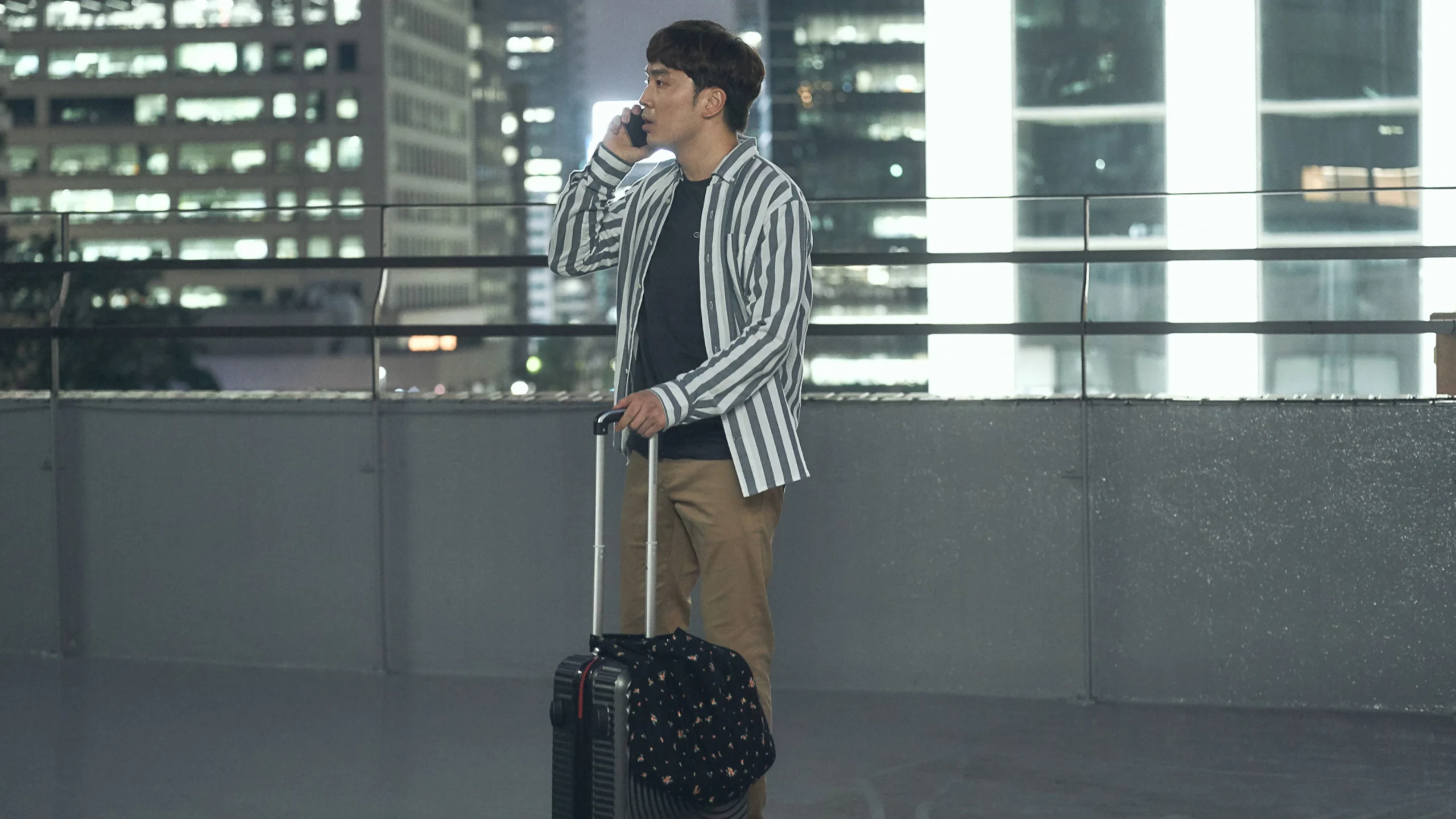
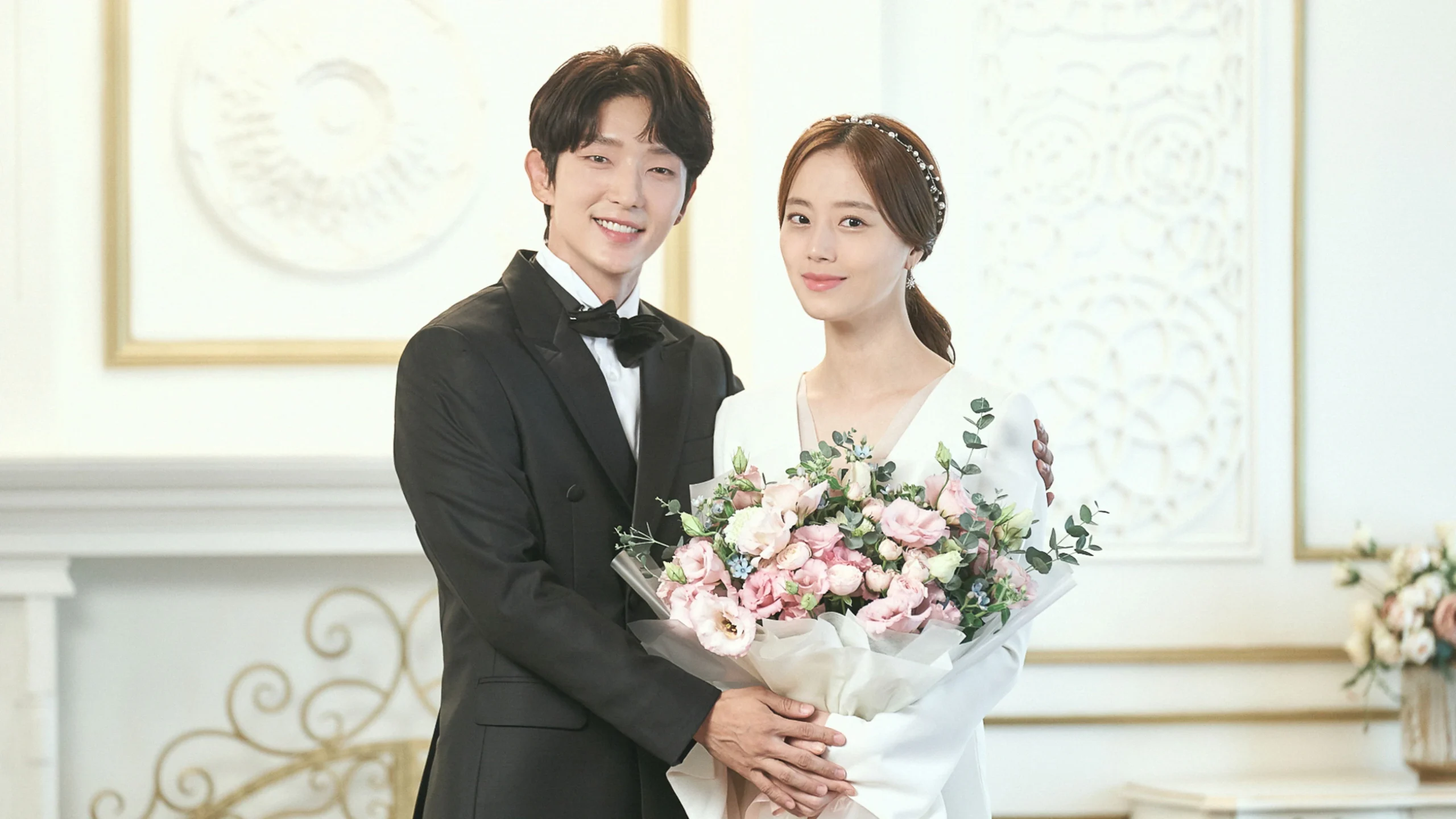
🏁 Ending Explained
From here on, full spoilers — the ending, unpacked.
Spoiler Warning — This section covers the full finale of Flower of Evil. Stop here if you haven’t finished the series.
The Shot That Changes Everything. The finale opens with Do Hyun Su and the real Baek Hee Sung — the man whose identity he stole fifteen years ago — in direct confrontation. The real Hee Sung, having watched his parents’ world collapse, grabs a police officer’s gun in a moment of desperate fury and fires at Ji Won. He misses. The bullet strikes Do Hyun Su in the head. He collapses. Ji Won catches him. The shot is not a plot twist — it is the drama’s final statement about what it costs to live inside someone else’s identity: eventually, that identity comes back for you.
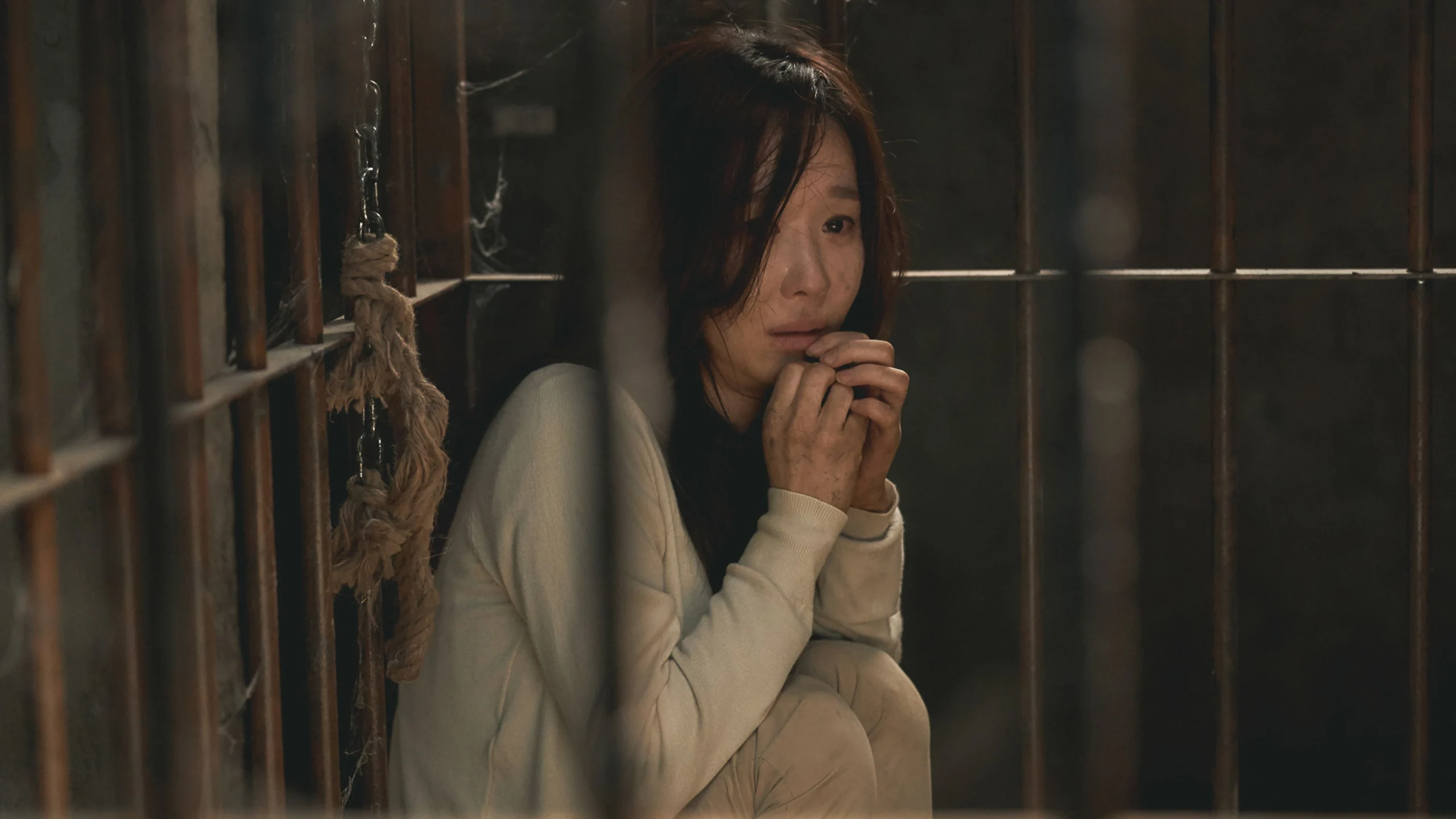
Hae Su’s Confession and the Weight It Lifts. While Do Hyun Su fights for his life, Do Hae Su makes the choice the drama has been quietly preparing her for since episode six. She surrenders to police and confesses to the killing of the village foreman — a crime that has sat on her brother’s shoulders for fifteen years. Her confession is not a dramatic courtroom scene. It is a quiet, precise act of love — the kind of love that costs everything and asks for nothing. The charges against Do Hyun Su begin to collapse. His real name, held in darkness his entire adult life, starts to belong to him again.
What the Finale Understands About Love. The drama’s central question was never whether Do Hyun Su is capable of love — it was whether a man who genuinely believes he isn’t can be wrong about himself. The finale answers in the only way it could: not with a confession, not with a tearful declaration, but with a bullet wound and a woman who catches him anyway. Ji Won has known the truth for six episodes. She stayed. She lied to protect him. She put herself between him and everything that would destroy their family. That is the proof he needed. Not words. Evidence.
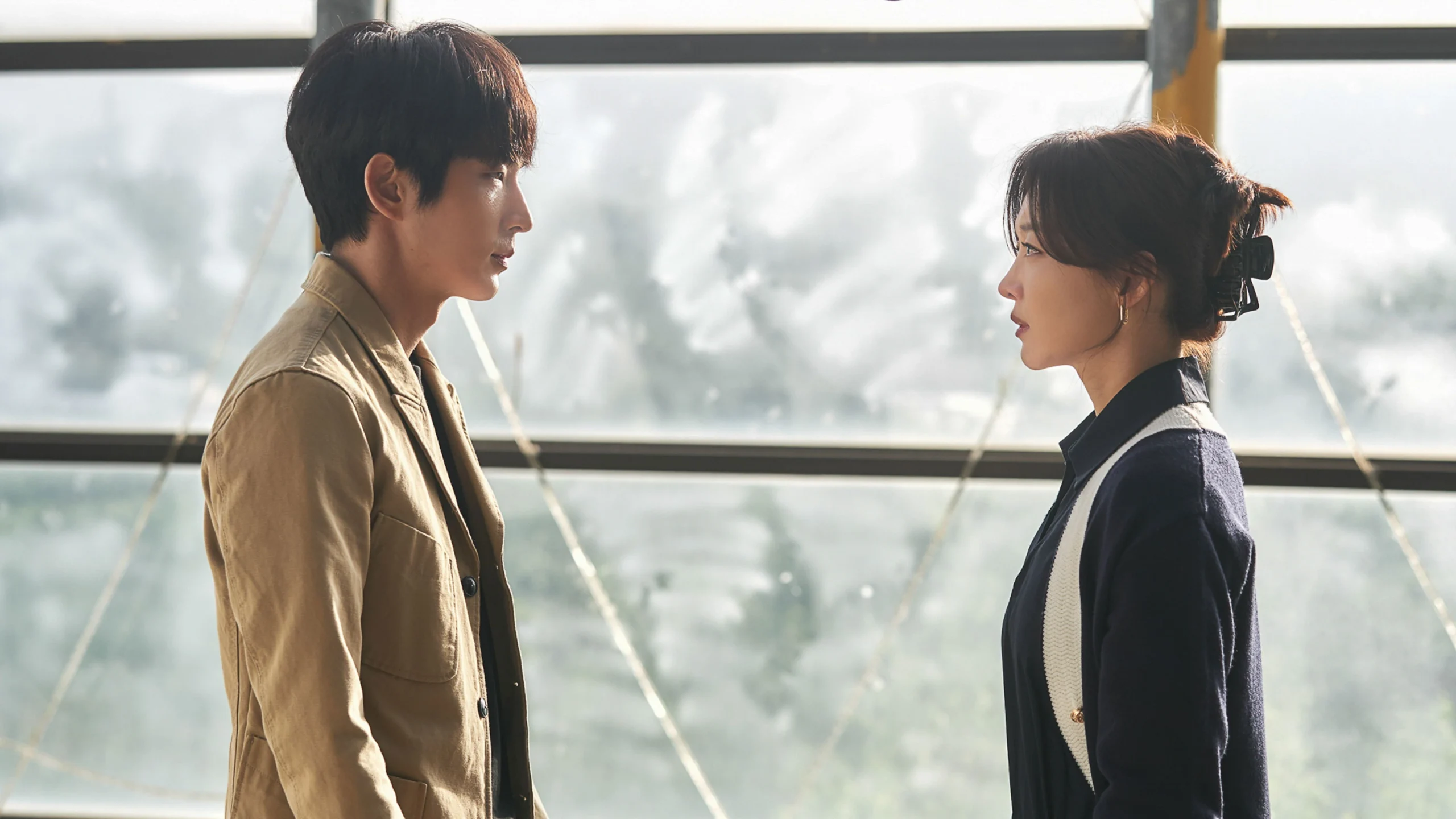
The Time Skip and What It Means. Do Hyun Su recovers. The family reunites. After a time skip, the episode shows them together — Eun Ha thriving, Ji Won returned to her work, Do Hyun Su no longer performing the role of Baek Hee Sung. This is the detail that earns the happy ending: he is not pretending anymore. For the first time, the family they built is built on nothing but the truth of who he actually is — a man who learned to love by doing it, imperfectly, for years, until it became real. The final image belongs to Eun Ha, who has always known exactly who her father is and never needed him to be anyone else.
The Drama’s Last Word. The series made a structural gamble that most K-dramas won’t take: it told you from the very first episode that the husband is lying, and then spent sixteen episodes asking whether that lie contains something true. The finale doesn’t resolve that paradox — it dissolves it. By the end, the identity Do Hyun Su built from borrowed parts has become genuinely his: the studio, the daughter, the marriage, the man in the mirror. Flower of Evil is ultimately not a story about deception — it is a story about how a person becomes who they love.
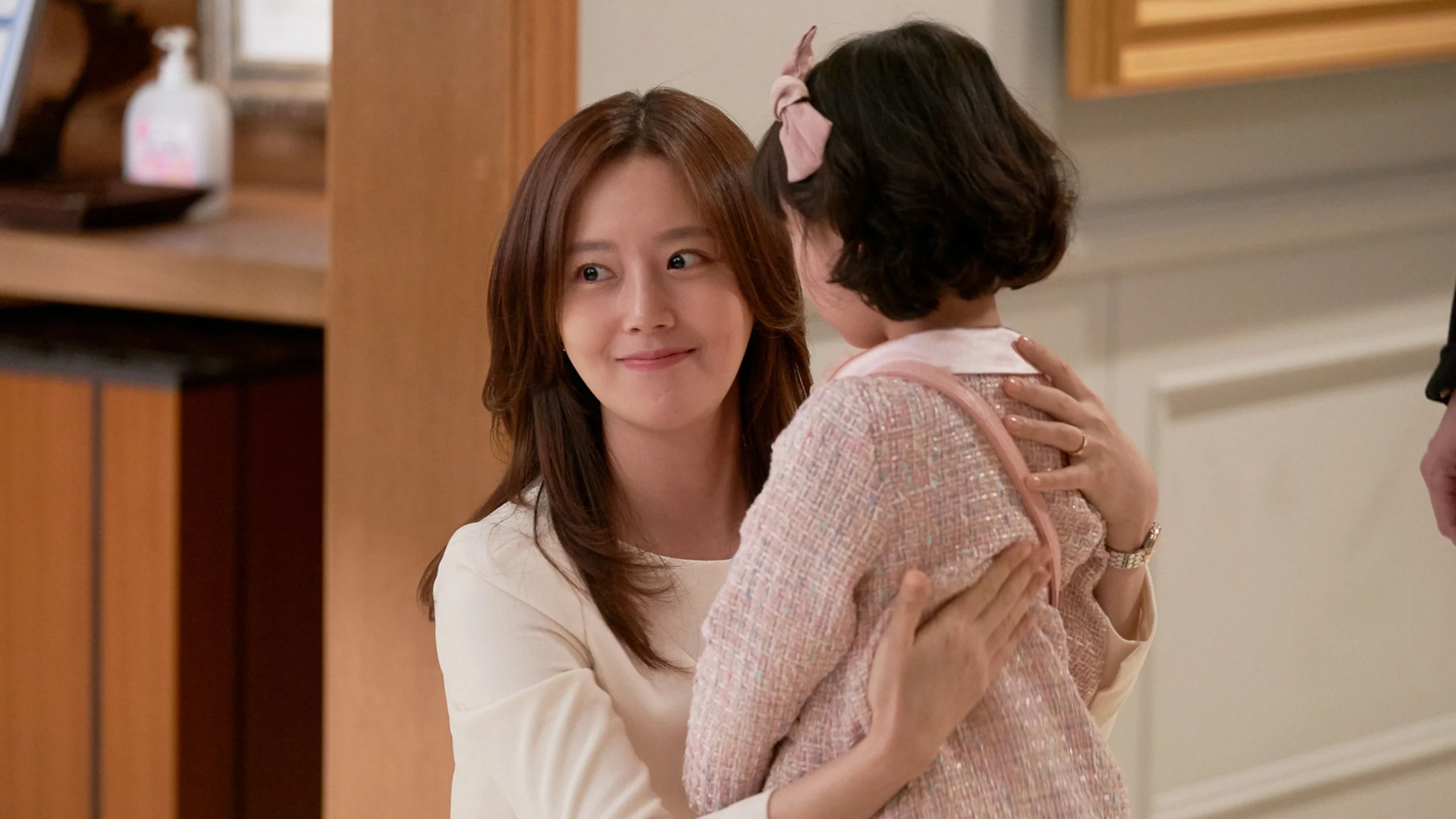
✍️ KDramaWorlds Editor’s Take
Straight talk on whether this one’s worth watching, and for who.
Lee Joon-gi has always been one of K-drama’s most technically gifted performers — but Flower of Evil is the role that shows you his ceiling. The challenge here is genuinely difficult: he has to play a man who claims to feel nothing while consistently making the audience feel everything. He has to be believable as both a devoted husband and as someone who has been performing devotion his entire life. He pulls it off so completely that the show’s central mystery — is any of this real? — stays alive well past the point where you think you have the answer. That ambiguity is where the drama lives, and it belongs to him.
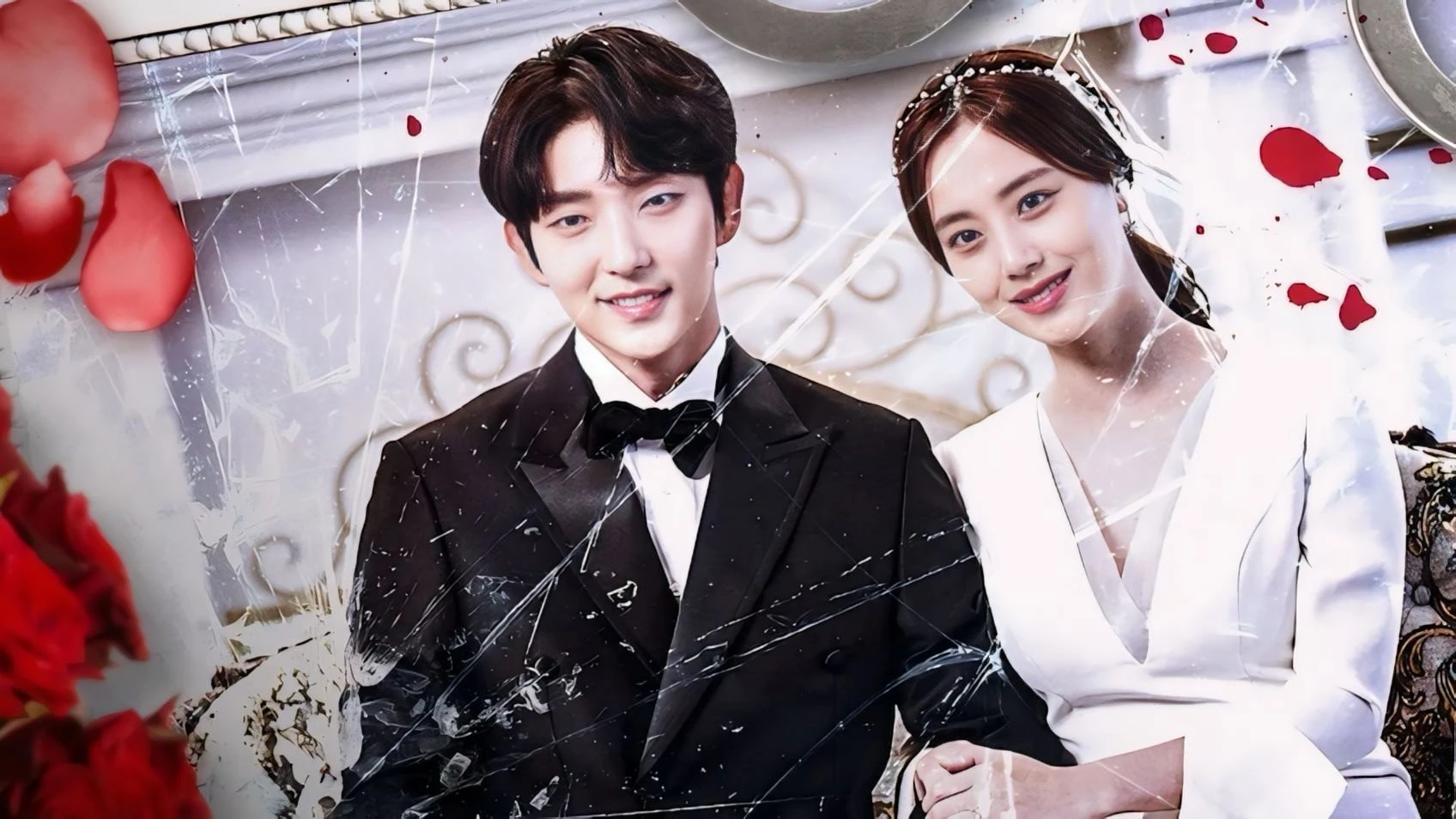
Moon Chae-won is the drama’s quiet engine. Ji Won is not a passive reactor — she is a detective, and she behaves like one. She investigates, she withholds, she deploys emotion as strategy. The writing gives her active choices at every turn, and Moon Chae-won plays them with the kind of control that makes you realise how rare that is. The couple’s chemistry functions differently from most K-drama pairings: their intimacy is real, but it’s built on a foundation that shouldn’t hold, and the show uses that tension as its primary dramatic instrument. By the time the full truth is in the open, you’re not watching a romance — you’re watching two people decide, in real time, whether what they have is worth saving. If you’ve been looking for K-dramas with similar emotional stakes, Through the Darkness and The Glory share that same refusal to flinch.
The first three episodes require patience — the setup moves slowly and the early mystery beats are fairly conventional. But the show earns that patience in full by episode seven, and from episode ten onwards it is as tense as K-drama gets. The finale does not go for the obvious emotional resolution: it earns its ending instead of manufacturing it. Flower of Evil is not a perfect drama. The cold case mechanics are genre-standard, and some supporting characters disappear when the story stops needing them. What it does perfectly is rarer — it uses its romance not as decoration on top of a thriller, but as the actual weapon the thriller needs to function. When the reveal finally lands, it hurts because you hoped it wouldn’t — and that’s exactly the point.
Fans of crime thrillers where the emotional stakes matter as much as the mystery
Anyone who thinks K-drama romance and K-drama tension can’t exist in the same story
🎬 You Might Also Like
If you liked Flower of Evil, these are your next three watches.
 The Scarecrow
cold casecriminal profiler
Read Full Review →
|
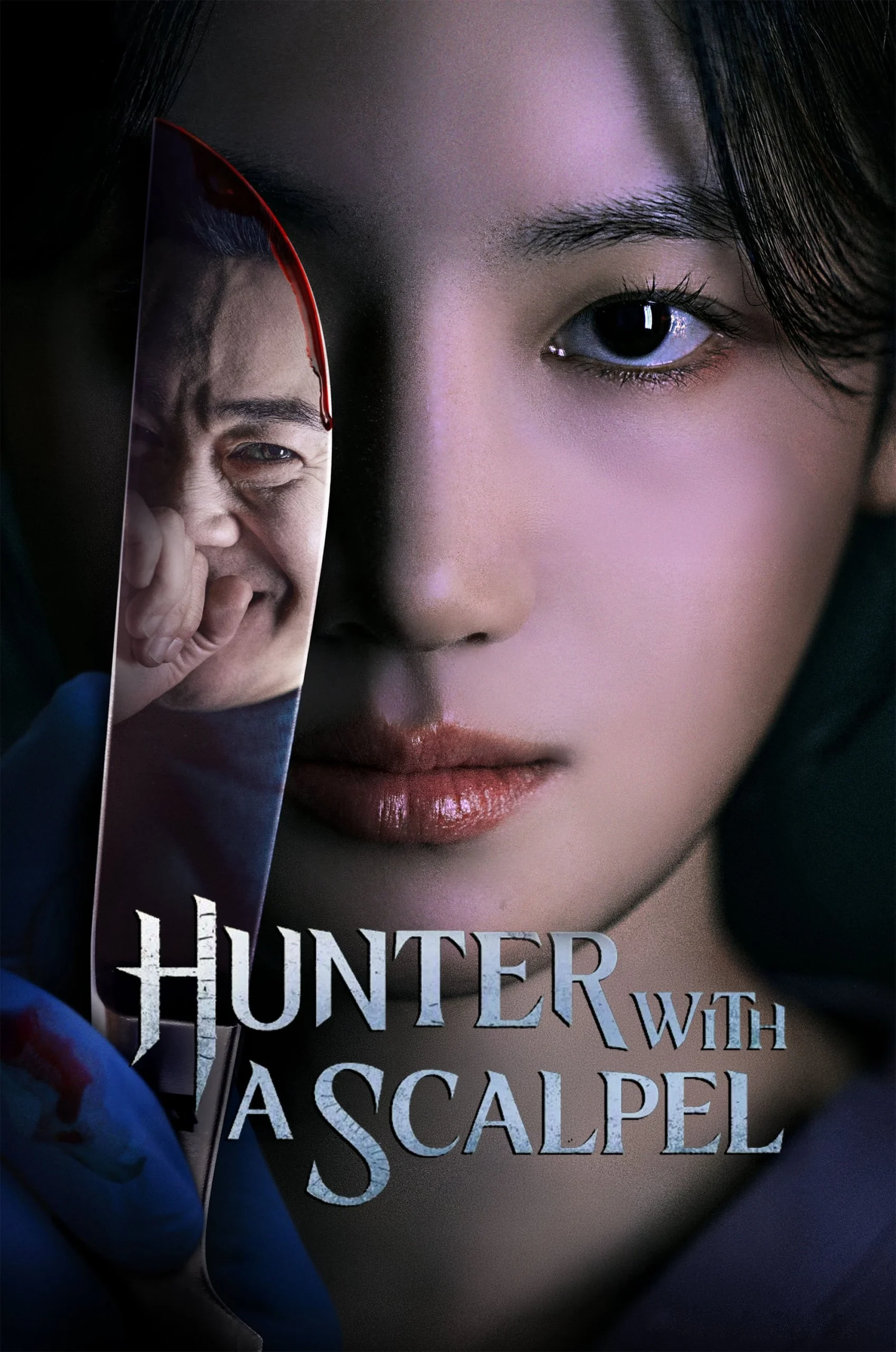 Hunter with a Scalpel
Cat and MouseCrime Thriller
Read Full Review →
|
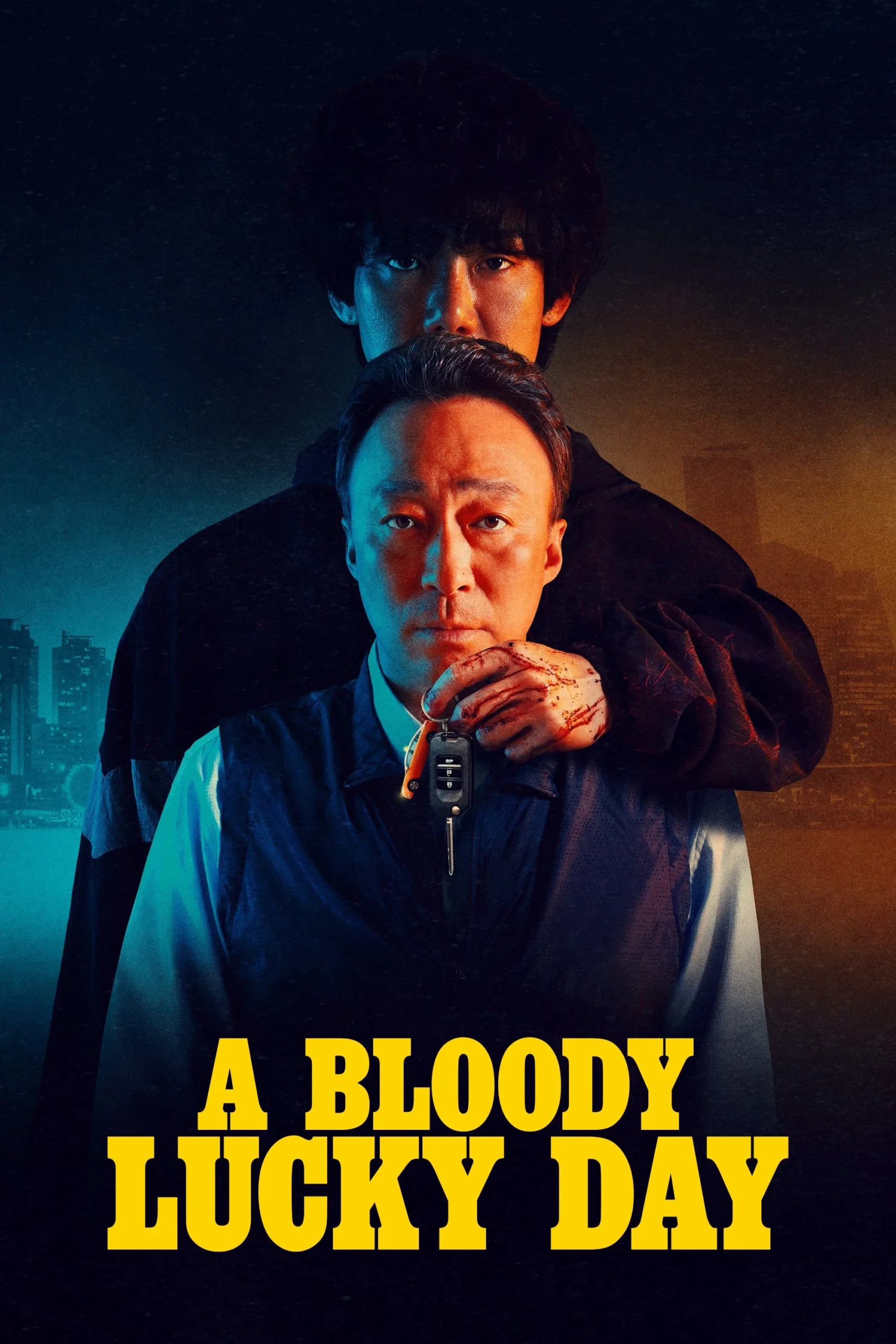 A Bloody Lucky Day
Cat and MouseCrime Thriller
Read Full Review →
|








Keep it kind, skip the harsh language, and please — no spoilers. Everyone's taste is different, and that's perfectly fine.
This space is for real reactions and discussion from other viewers. Help keep it comfortable for everyone by not giving away major plot details.
What do you think of this drama?
Login to share your review or leave a comment.
No email needed — just pick a username & password.