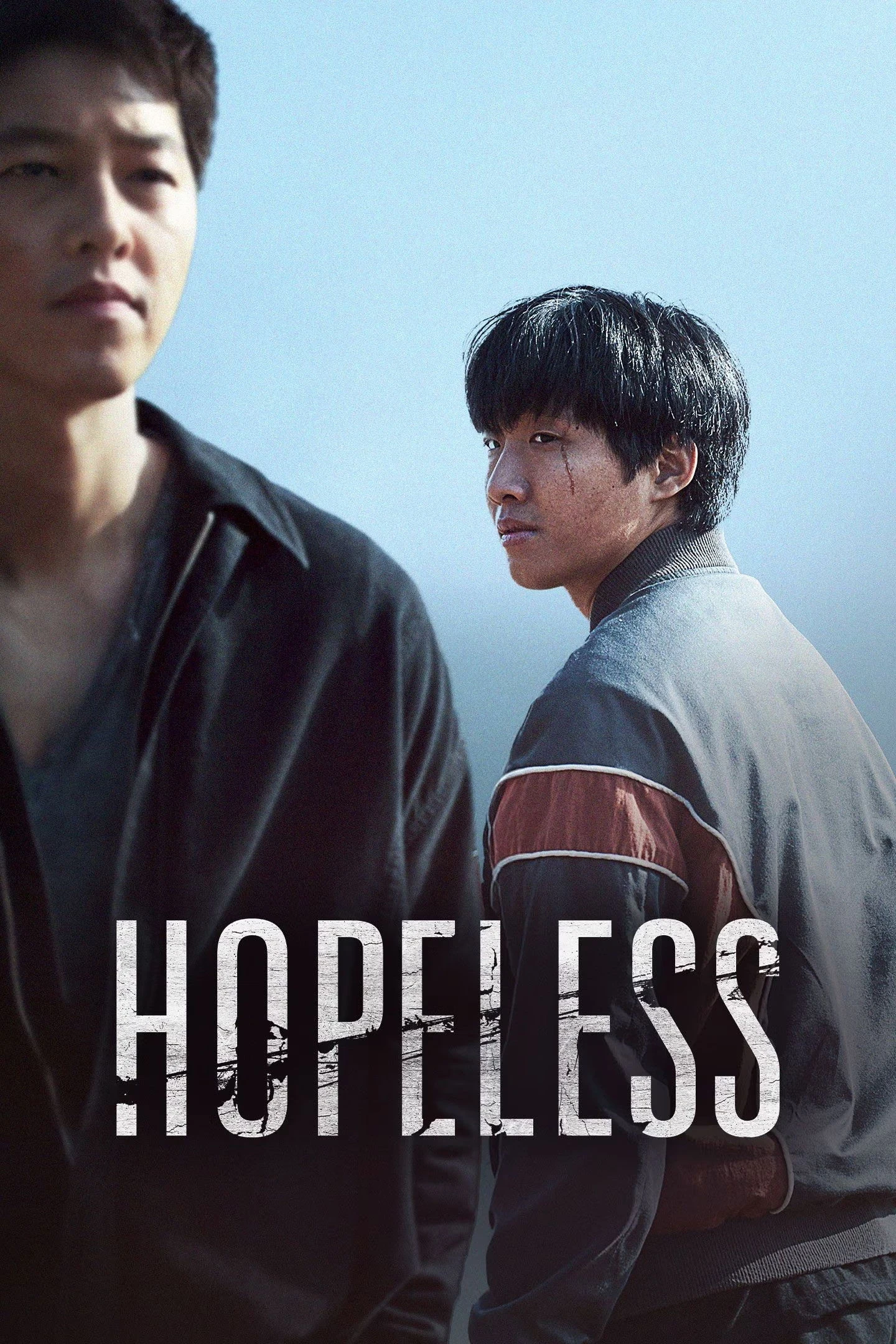
Hopeless
🎬 Film Overview
Yeon-gyu is seventeen and has exactly one plan: get out. His hometown is the kind of place where violence is so ordinary it barely registers — where his mother’s dream of moving to the Netherlands is less a plan than a prayer, repeated often enough to function as one. He is old enough to know the prayer won’t pay the airfare. He is young enough not to have fully accepted what that means.
When a single incident leaves him scrambling for money, he accepts help from Chi-geon — a local gangster who offers it with the calm, unhurried manner of someone who has helped many people before, all of whom eventually came to understand the terms. Hopeless is a film about what happens next: not the decision to enter a criminal world, but the slow, incremental process of becoming someone who belongs in one — long before you notice it’s happening.
⚡ Quick Verdict
Skip the scroll — here’s the verdict in one glance.
MDL Score
· 6.0 IMDb · Check for updated community ratings
▶ Official Trailer
🎭 Cast & Characters
Two men on opposite ends of the same trap — one being absorbed, one long since absorbed — and the girl who understands both of them better than they understand themselves.

Lead

Lead

Lead

Supporting
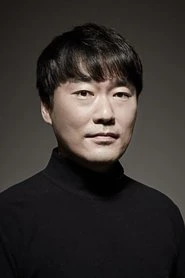
Supporting

Supporting
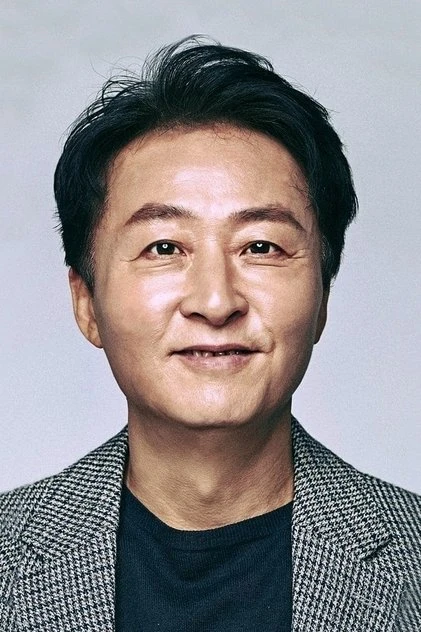
Supporting

Supporting

Supporting

Supporting
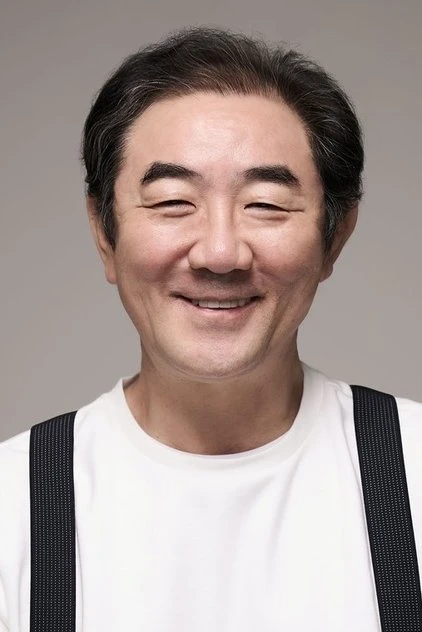
Supporting

Supporting
📖 The Story
No spoilers ahead — just enough to see if it fits your taste.
The film establishes Yeon-gyu’s world with a quiet insistence that everything you see here is normal. The violence in his household, the hierarchy on his street, the casual humiliation of men who hurt smaller men for no reason anyone articulates — none of it is presented as exceptional. Director Kim Chang-hoon never editorializes. He trusts the audience to feel the weight of ordinariness without being told it’s crushing, and that restraint is both the film’s defining choice and its most demanding ask of the viewer.
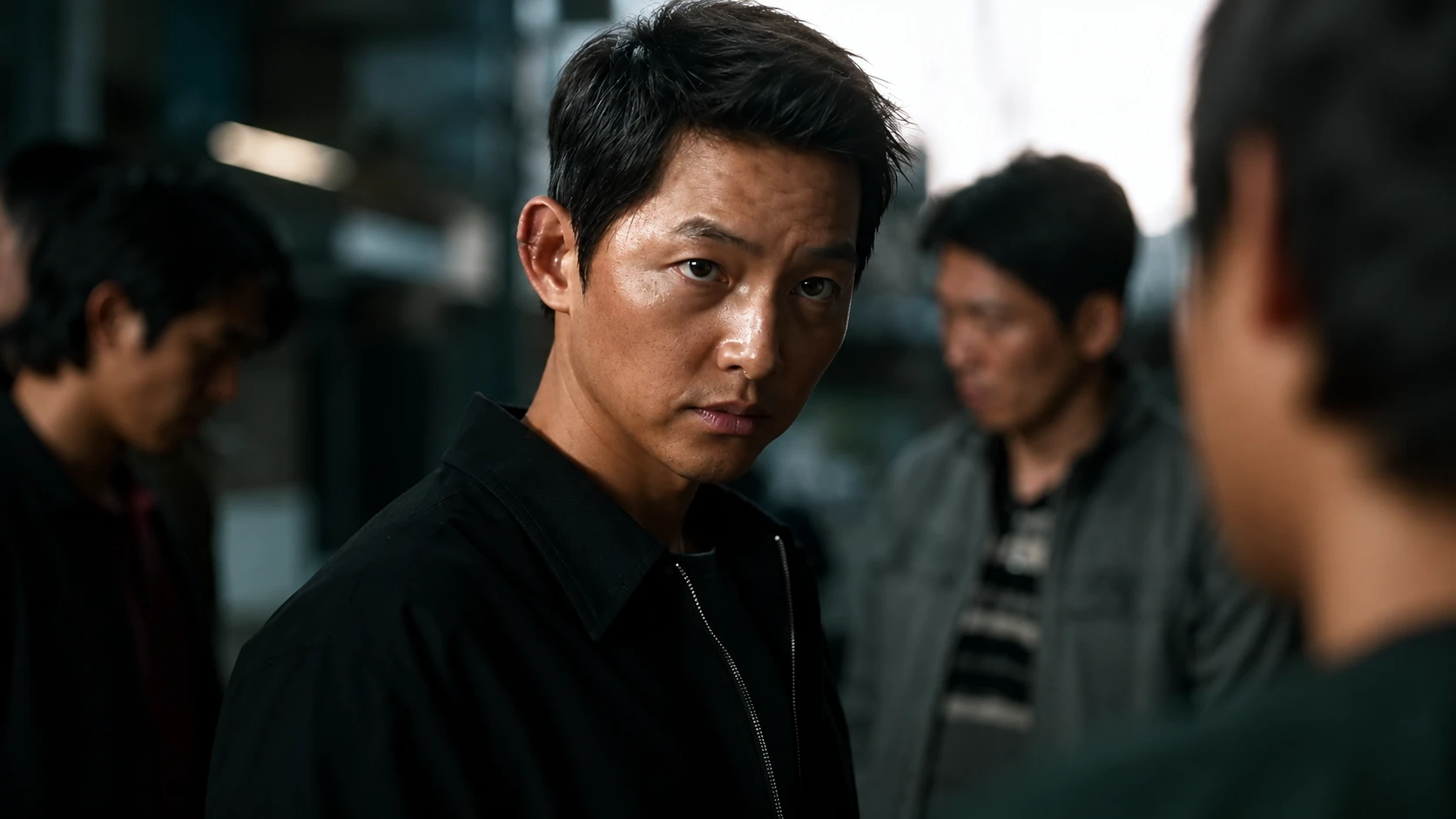
Chi-geon enters the film with an ease that reads, at first, as menace. Song Joong-ki plays him in a register that most of his fans won’t recognize — stripped of the charisma that made him famous, moving slowly, speaking carefully, as if every word is being weighed for cost before he commits to it. His version of kindness toward Yeon-gyu is real. That’s exactly what makes it unsettling. If he were simply predatory, the film would be simpler. And worse.
The story’s formal pivot arrives when Yeon-gyu starts to feel something like belonging. Kim Chang-hoon is careful about this: it’s not relief Yeon-gyu feels, it’s the quieter, more dangerous thing that looks like relief from the outside. The criminal world offers structure in a place that has given him none. That structure is a trap. The film is patient enough to let him walk all the way in before the walls start to move.
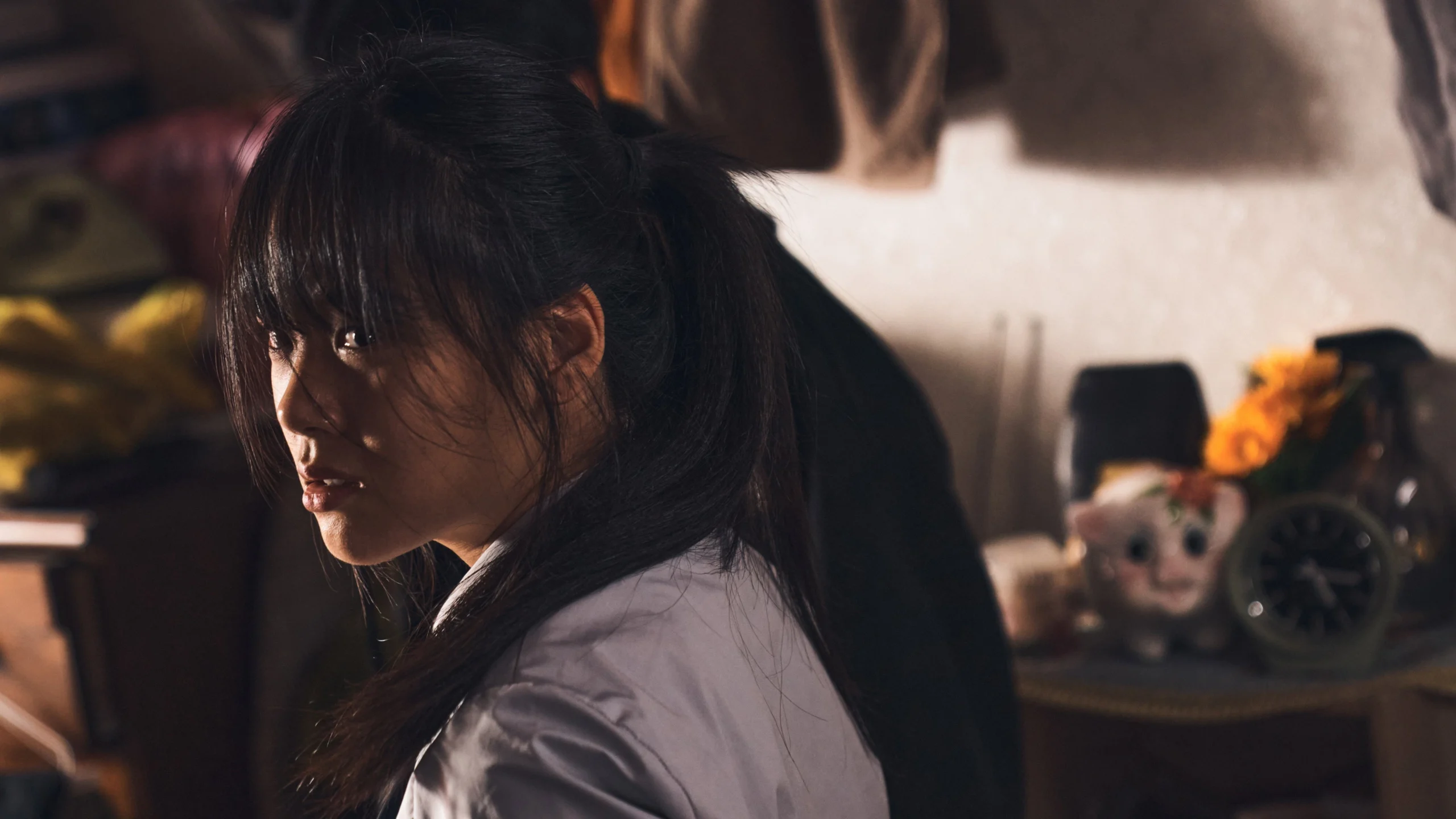
Ha-yan and Yeon-gyu’s mother exist in the film as the two things he’s theoretically doing this for — and that framing quietly collapses the more time he spends inside Chi-geon’s world. BIBI’s performance as Ha-yan is controlled in a way that earns your attention gradually; she’s not trying to be likeable, and her scenes with Hong Xa-bin carry a specific kind of gravity that only works because neither of them seems to want it to. Their relationship is one of the film’s sadder presences — tenderness that exists in a place with no room for it.
The film treats organized crime not as a ladder but as an ecosystem — one built on fear converted into obligation, with enough occasional kindness woven in to make the whole thing feel almost human. Chi-geon is not Yeon-gyu’s enemy. He’s a man who was absorbed by this world before Yeon-gyu was born, who has learned to move through it in ways that look, from a certain angle, like strength. The tragedy is that Yeon-gyu watches this and mistakes the adaptation for survival.
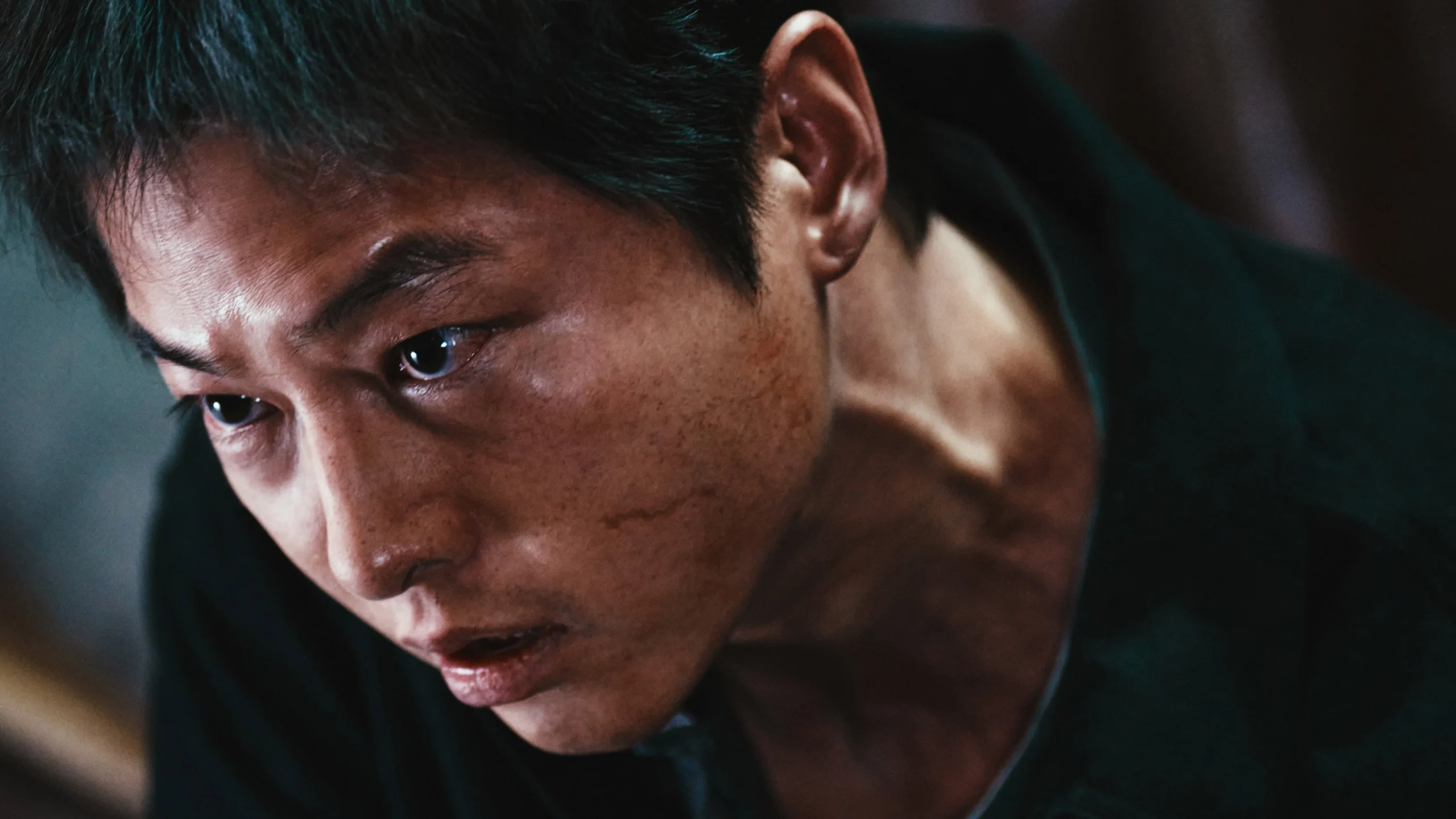
Hopeless is deliberately paced — sometimes challengingly so. It moves at the speed of consequence rather than event, spending time in the silences after things happen rather than in the things themselves. Viewers accustomed to Korean crime films that lean into kinetic energy may initially resist this. Stick with it. The pacing is an argument, not a flaw: in a film about gradual absorption, momentum would be a lie.
What Hong Xa-bin does with a role that could easily have registered as passive is the film’s quiet technical achievement. Yeon-gyu has no dramatic speeches, no righteous breaks — just a boy getting incrementally smaller inside a life that’s getting incrementally darker. Hong Xa-bin communicates this through the kind of restraint that 19-year-old actors aren’t supposed to be capable of. Kim Chang-hoon’s direction clearly trusted him with that, and the trust is visible in every frame where Hong Xa-bin does almost nothing and you feel everything.
🏁 Ending Explained
Full spoilers ahead — what happens, what it means, and what the title has been telling you all along.
Full Spoilers Ahead — This section covers the complete ending of Hopeless. Stop here if you haven’t watched.
What Actually Happens in the Finale. Chi-geon’s control over the organization fractures under rival pressure, pulling Yeon-gyu into the collapse. The violence that had been circling the edges of every scene finally lands in the center. Yeon-gyu, who entered this world as a temporary visitor with a plan to leave, discovers that temporary was never the correct word — it was a story he told himself to make the first step feel reversible. The finale is not a climax in the genre sense. Nobody wins. The film isn’t interested in exit ramps.
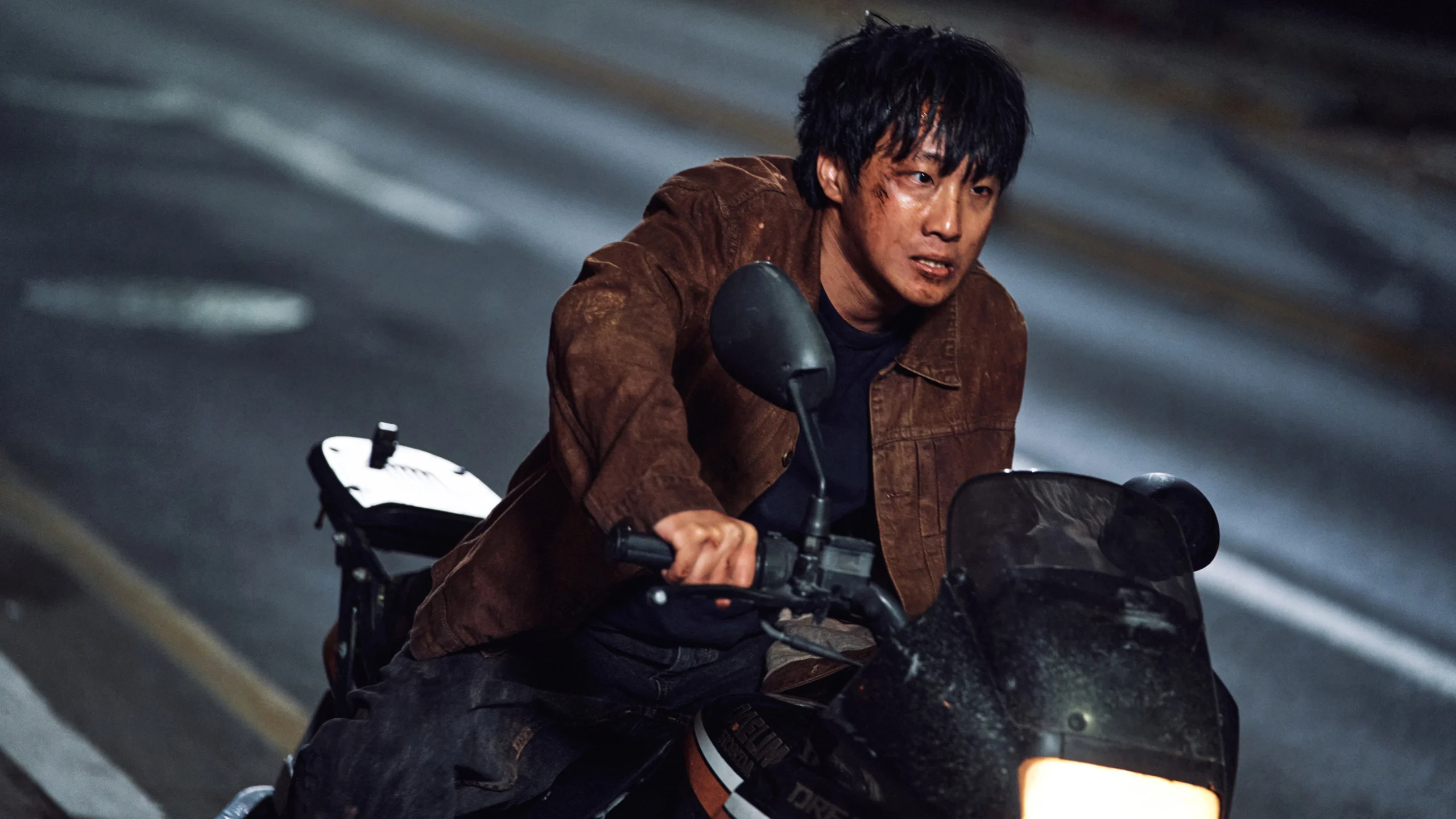
Is the Ending About Hope or the Absence of It? The film’s most precise statement arrives in the wreckage: hope did not simply fail Yeon-gyu — it was the mechanism that made him available. He was vulnerable because he wanted something specific, and wanting something specific is what gave Chi-geon the purchase. The ending answers the question the film has been building since its first scene — can you survive this world as yourself — with something colder than no. The self you enter with does not come out with you. What comes out is someone who has learned to live without the parts that wanted something better.
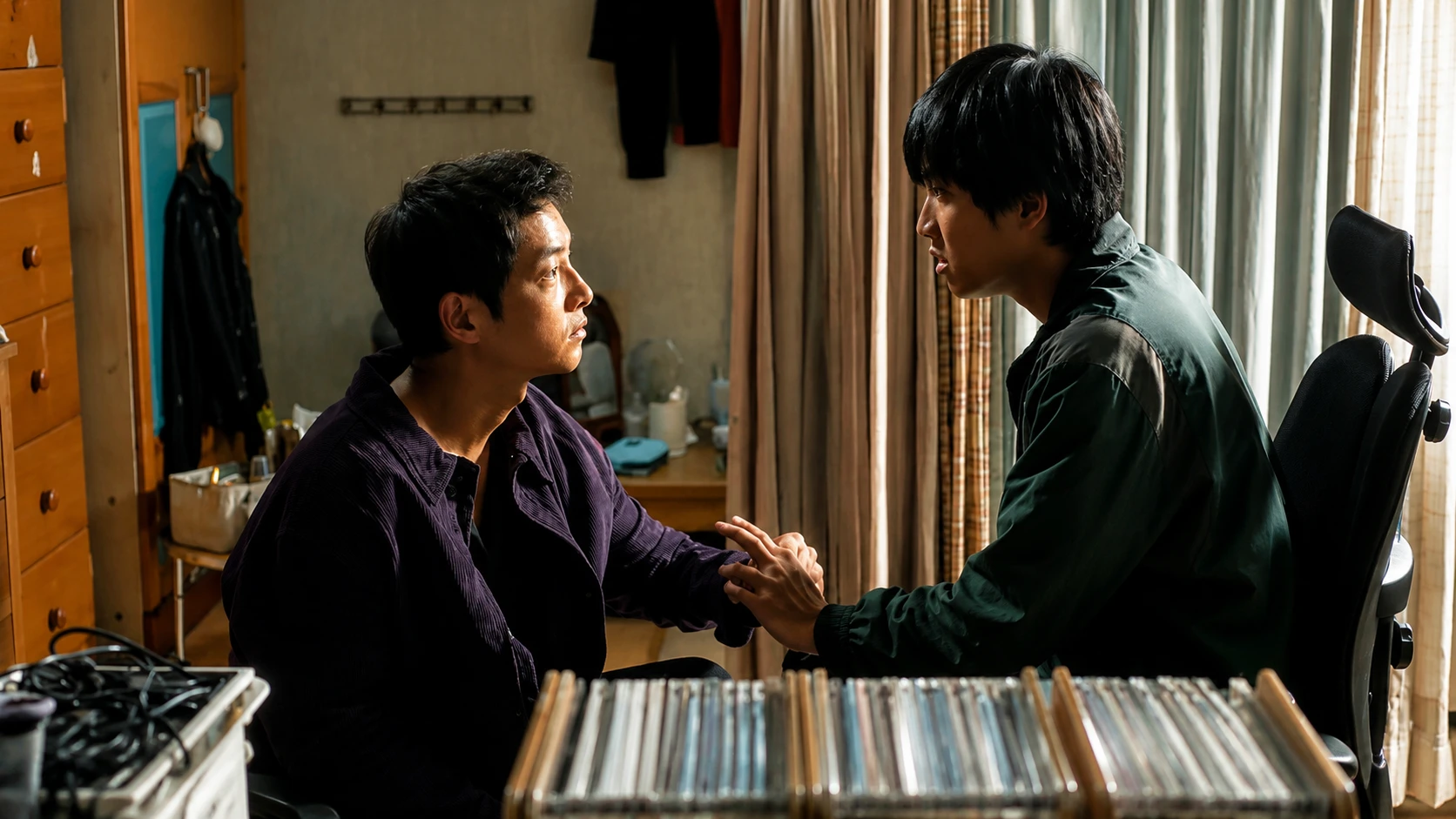
Was Chi-geon a Villain or a Victim? The film refuses to resolve him, and that refusal is its most deliberate artistic choice. Three readings exist without any one being confirmed: the protector reading — Chi-geon genuinely wanted to give Yeon-gyu an advantage in a world that doesn’t give advantages, and he failed because the world doesn’t permit mercy at that level; the corruption reading — his kindness was never separable from the system that produced it, making every gesture of care also a gesture of recruitment; the mirror reading — Chi-geon is what Yeon-gyu becomes, which means his attachment to the boy was always partly the attachment of a man looking at what he once was. Kim Chang-hoon shoots their scenes with enough intimacy that all three readings live in every frame simultaneously.
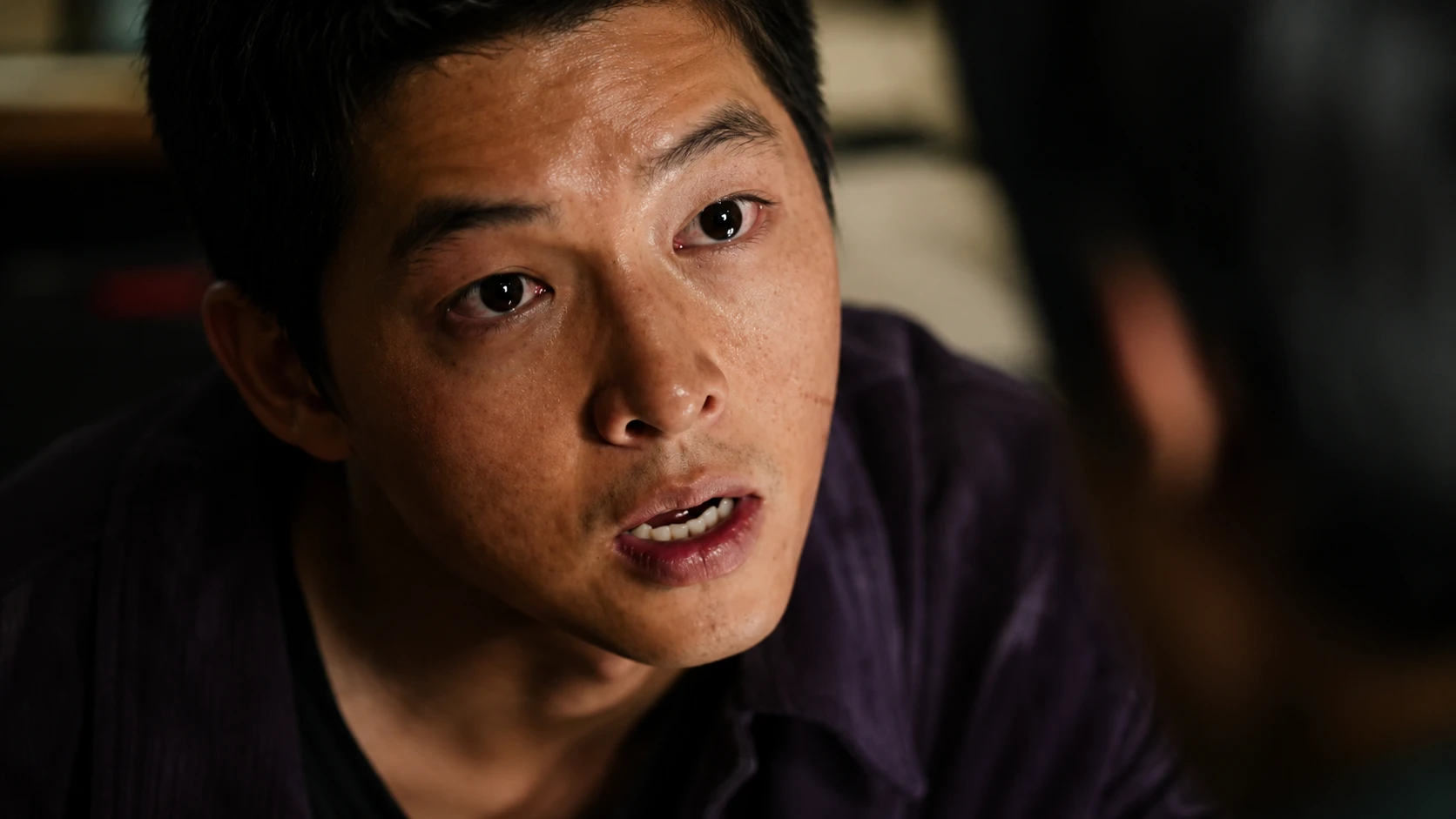
What Does Yeon-gyu’s Final State Mean? He ends the film neither transformed nor destroyed — somewhere more disturbing than either. He is a person who still remembers wanting the Netherlands and has stopped reaching for it. Not because he stopped believing it existed, but because the part of him capable of acting on that belief has been too thoroughly compromised to move. The system doesn’t need to kill hope to neutralize it. It just has to absorb you long enough that the person who arrives at the other side is still technically you, but is no longer capable of the specific things that made the exit possible.
What 화란 Actually Means — and What the Title Has Been Doing. The Korean title 화란 (Hwaran) is the traditional East Asian transcription for Holland — the Netherlands. It’s the same characters used in old Korean-Chinese texts to name the Dutch, and it’s the country where Yeon-gyu’s mother is waiting in his dream. The English title “Hopeless” and the Korean title “화란/Holland” are the same irony pressed from opposite ends: one tells you the answer before you start, the other gives hope a specific address and then shows you who actually gets to use it. Holland isn’t a metaphor in this film — it’s a real place, with a real price, and the film is a 123-minute argument about why the distance between hoping and arriving has nothing to do with geography. Yeon-gyu had the address. He just needed the passage money. And the world had a different use for a boy that desperate to leave.

✍️ KDramaWorlds Editor’s Take
Here’s our honest verdict, and who’s going to love it.
Kim Chang-hoon
Known for: Hopeless (2023, debut) · Cannes Director’s Fortnight Selection
💔 Tenderness in Ruins
🎭 Song Joong-ki Unrecognizable
🏙️ Korean Noir at Its Coldest
🇳🇱 A Dream With a Name
Song Joong-ki spent the better part of a decade building a brand around warmth — Descendants of the Sun, Vincenzo, Reborn Rich — and the expectation follows him onto screen. Hopeless is the film where Kim Chang-hoon uses that expectation deliberately: the first time Chi-geon appears, your brain reads “Song Joong-ki, safe” for exactly long enough to let you trust a man you shouldn’t. He plays Chi-geon with the physical vocabulary of someone who learned, from long practice, that stillness reads as strength. In the scene where he first explains the favor to Yeon-gyu — sitting across a table, not leaning, not gesturing, barely blinking — the absence of charisma is the performance. The warmth he’s famous for is present only as a trace memory, used as bait. That’s not something actors do on accident.
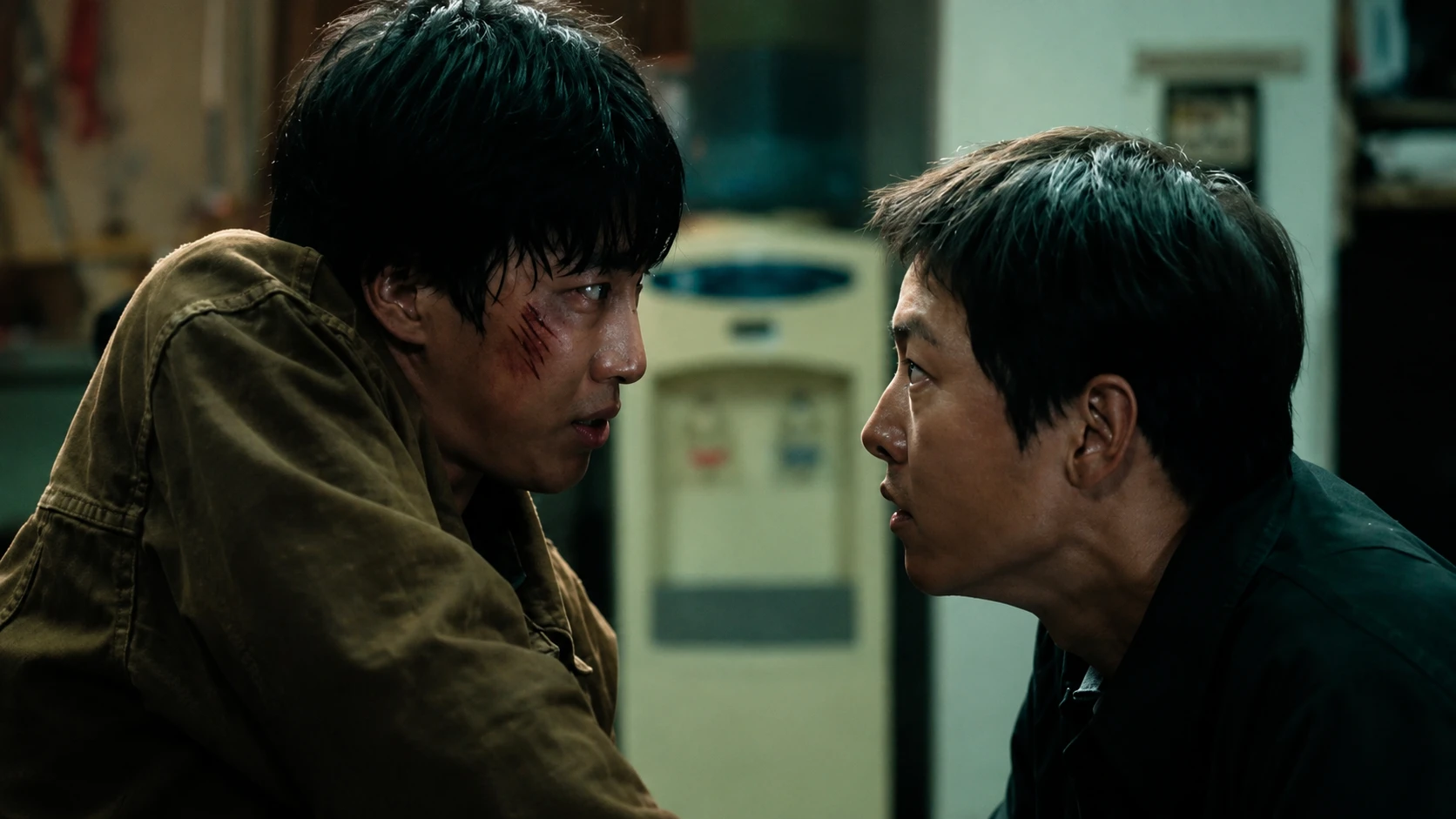
Hong Xa-bin’s Yeon-gyu begins the film standing upright and ends it somewhere else in the body — not hunched, not broken, but resettled into a different center of gravity, the way a person settles when they stop planning to leave. The transition is never announced; Hong Xa-bin carries it in posture across weeks of screen time, so gradually you don’t notice until you compare the first frame to the last. It’s the same quality that makes The Worst of Evil (2023) so corrosive — watching someone maintain a self while the world works methodically to replace it. Here, the replacement completes. Neither performance announces the moment it’s over. That restraint is the argument. BIBI as Ha-yan is doing something similar in a smaller register — present without being legible, which is exactly right for a character the film refuses to define by her relationship to either man.
Director Kim Chang-hoon makes one choice that will lose some viewers and is correct anyway: he refuses to give the criminal world any glamour. No kinetic editing, no neon-lit beauty, no moments where you understand why anyone would want this life. That refusal is the film’s thesis, but theses don’t always make for comfortable company. Hopeless earned its Cannes selection because it knows exactly what it’s doing and does it without flinching — it is a first film that does not feel like a first film, from a director who found his subject before he found his industry. Whether that registers as rigor or punishment depends on what you came for. Come for Song Joong-ki. Stay for Hong Xa-bin. Leave with something you can’t immediately name.
Song Joong-ki viewers ready to see something radically different
Anyone who watched Parasite and wanted something even colder
A 17-year-old’s exit plan, and the 123 minutes it takes to disappear.
🎬 You Might Also Like
If you liked Hopeless, these are your next three watches.
 The Killing Vote
crime investigationmob rule
Read Full Review →
|
 A Bona Fide Killer
ActionAssassin
Read Full Review →
|
 The Escape of the Seven (Season 2)
Corruptioncrime
Read Full Review →
|
















Keep it kind, skip the harsh language, and please — no spoilers. Everyone's taste is different, and that's perfectly fine.
This space is for real reactions and discussion from other viewers. Help keep it comfortable for everyone by not giving away major plot details.
What do you think of this drama?
Login to share your review or leave a comment.
No email needed — just pick a username & password.