📺 K-Drama Guide · Thriller · Mystery · Psychological
Voice (Season 1)
보이스 · 2017
✅ Completed · 16 eps
🎬 OCN · Netflix · Tubi · The Roku Channel · Apple TV · Prime Video
⭐ 8.5 / 10 MDL 🔞 15+
⚡ Updated · Jul 22, 2026
📋 Drama Overview
Quick facts first, before the deep dive.
CompletedVOICE PROFILING THRILLER PICK
Voice (Season 1)
보이스 (Boiseu) · 2017 · South Korea
OCNNetflixTubiThe Roku ChannelApple TVPrime Video
Serial KillerVoice ProfilingPolice ProceduralEmergency Call CenterRevenge
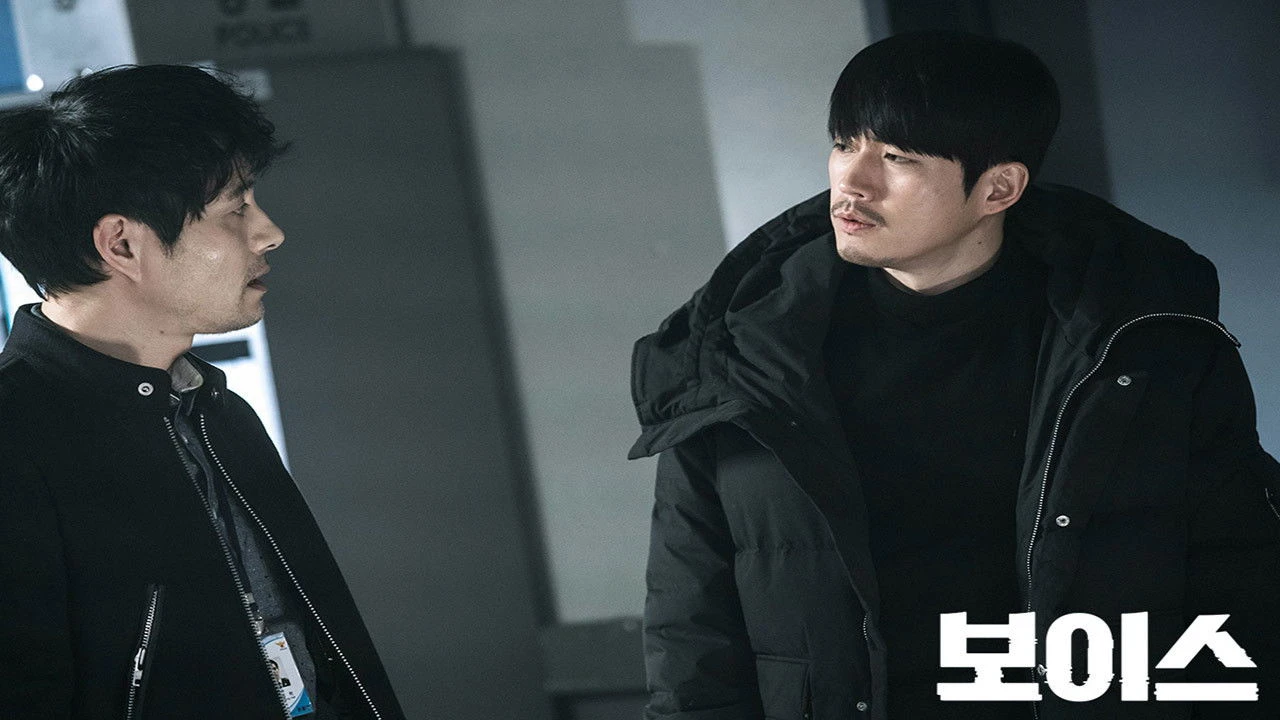
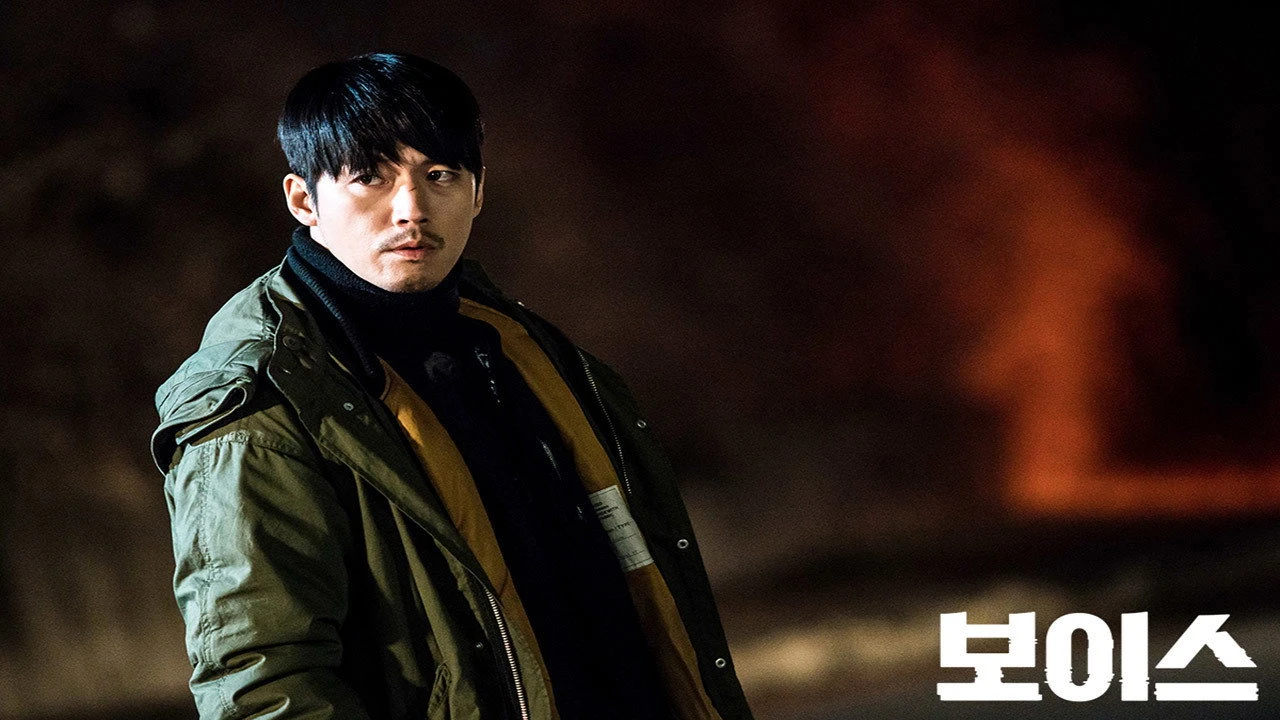
Moo Jin-hyuk was a respected detective until his wife was murdered by a serial killer, a loss that leaves him unraveling for three years while the man accused of the crime walks free — thanks to testimony from Kang Kwon-joo, an emergency call center officer whose exceptional hearing told her the accused man’s voice didn’t match what she heard. Kwon-joo isn’t protecting a killer. She’s the only person insisting the case get solved correctly, even if it costs her personally — her own father died the same way, in an incident only she fully heard unfold.
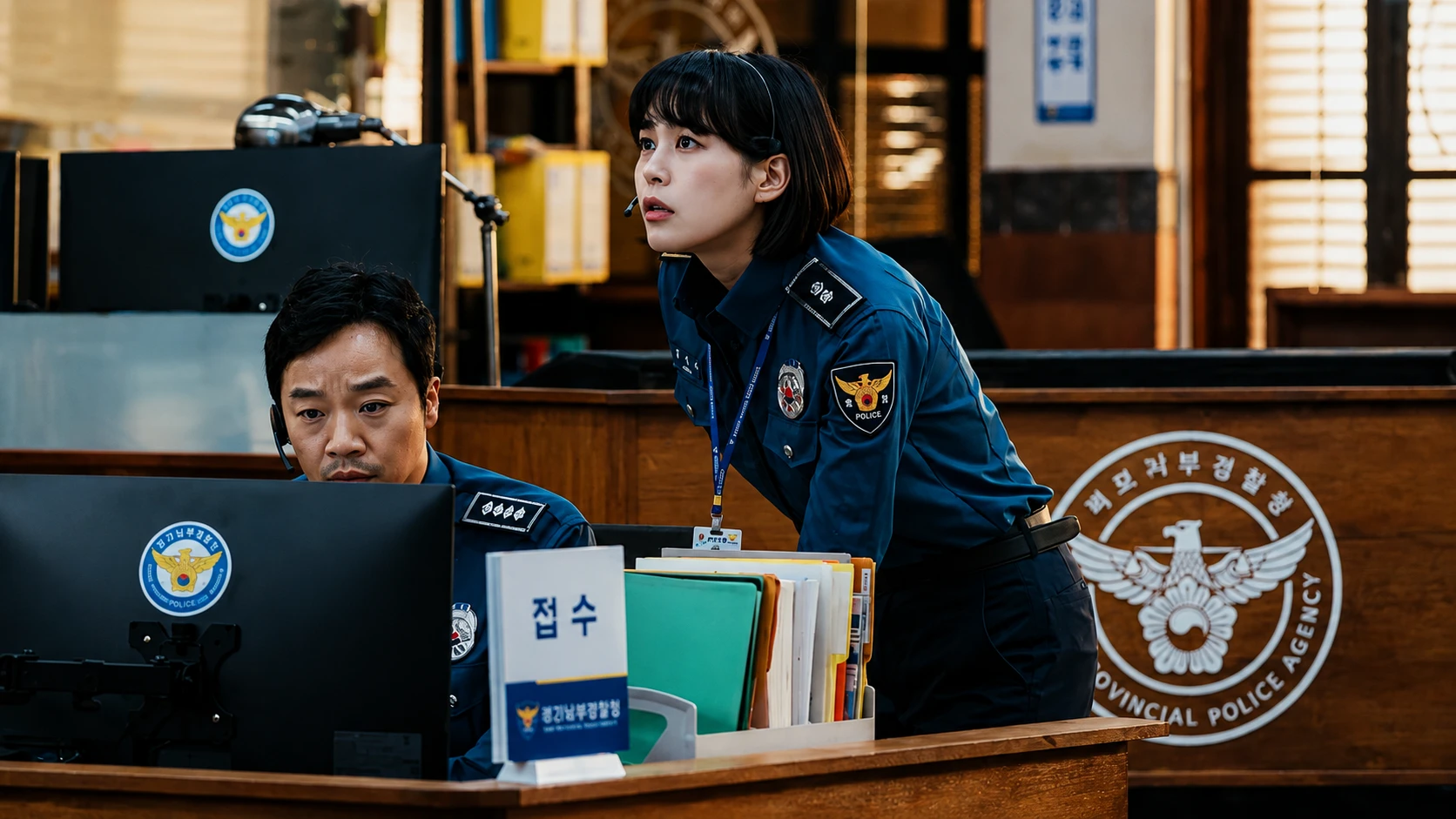
Three years later, a kidnapping case throws them together at the 112 emergency line, and what starts as a reluctant professional alliance becomes the Golden Time Team — Jin-hyuk’s instinct and street experience paired with Kwon-joo’s ability to reconstruct a crime scene from sound alone. Voice spends sixteen episodes tracking the killer connected to both their losses, widening from a single case into a network of corruption protecting him, and asking what’s actually left for two people once the case that’s defined their grief finally closes.
Episode Progress
16 / 16 ✅ Completed
⚡ Quick Verdict
The whole picture, condensed into one box.
⭐ Worth it?Absolutely — one of OCN’s strongest procedural thrillers, anchored by real grief instead of gimmick
⏱️ Commitment16 episodes · ~60 min each
💛 VibeEmergency-call-center procedural with a voice-profiling hook and a genuinely dangerous villain
📺 Skip if…Serial killer thrillers with heavy violence and institutional corruption aren’t for you
⭐ 8.5 / 10
· MDL Score
🎭 Cast & Characters
A grieving detective, a voice profiler who won’t let a case go unsolved, and the serial killer connecting both their losses.
Jang Hyuk
Moo Jin-hyuk
Lead
Lee Ha-na
Kang Kwon-joo
Lead
Son Eun-seo
Park Eun-soo
Supporting
Yesung
Oh Hyun-ho
Supporting
Baek Sung-hyun
Shim Dae-sik
Supporting
Jo Young-jin
Bae Byung-gon
Supporting
Son Jong-hak
Kang Kook-hwan
Supporting
Lee Hae-yeong
Jang Kyung-hak
Supporting
Kim Jae-uck
Mo Tae-goo
Supporting
Kwon Jae-hwan
Cheon Sang-pil
Supporting
Kim Roi-ha
Nam Sang-tae
Supporting
Yoon Ji-min
Jang Gyu-a
Supporting
🍿 Where to Watch
Stream Voice (Season 1) on these platforms.
📺 Episode Guide
Recaps that jog the memory, not spoil the ride.
 EP 01
EP 01
A Voice in the Dark
Jan 14, 2017
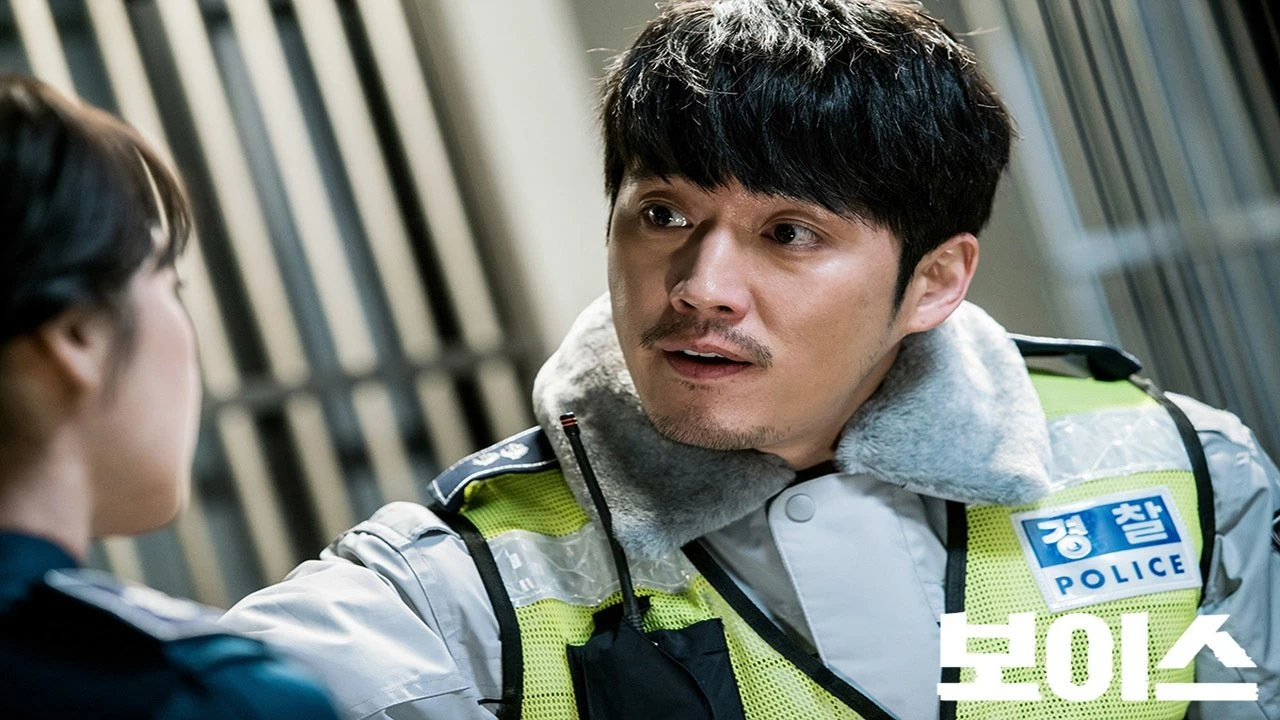
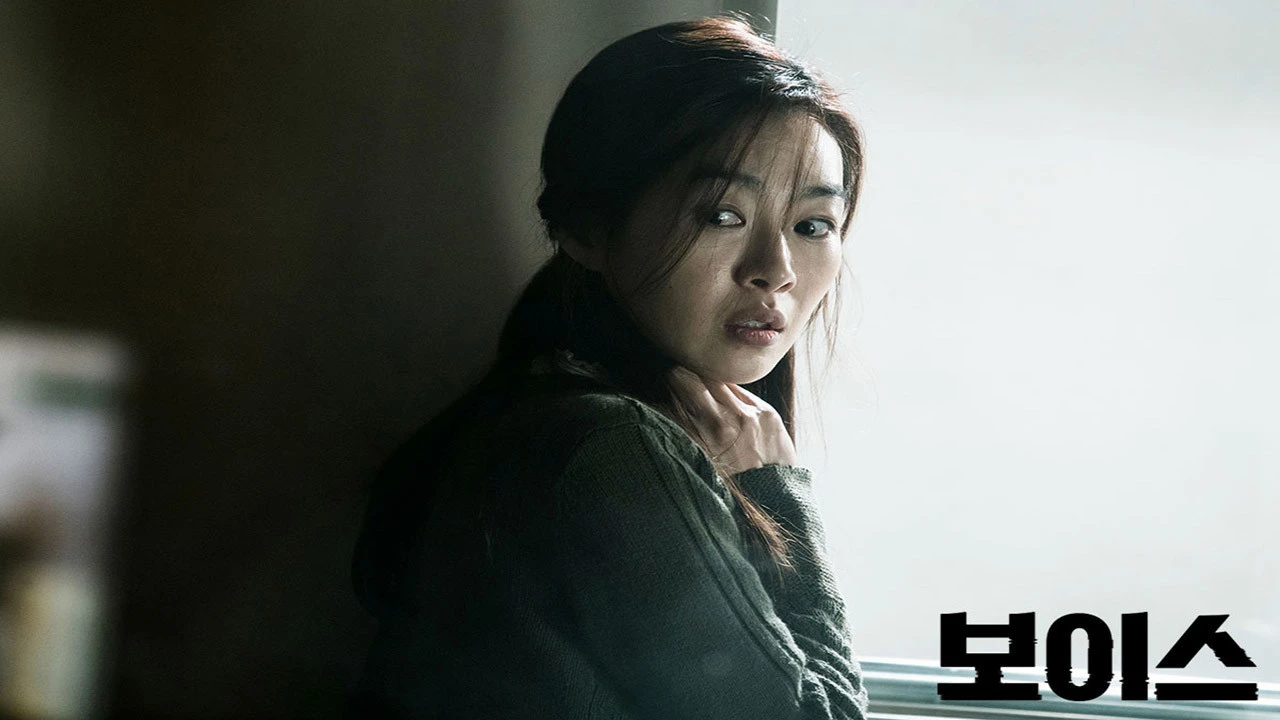
Detective Moo Jin-hyuk loses his wife to a serial killer, and three years later watches the system fail him twice — first when Kang Kwon-joo’s testimony contradicts the case against the man accused, then when that contradiction gets the suspect released entirely. Kwon-joo isn’t wrong, though; her acute hearing genuinely didn’t match the voice she overheard the night her own father died, and that commitment to accuracy over convenience is what eventually drags Jin-hyuk back into her orbit. Their reunion happens over a kidnapped teenager, not a reconciliation — professional necessity forces two people who each have reason to resent each other into the same room.
 EP 02
EP 02
Healing Mother’s Two Faces
Jan 15, 2017
The rescue of Park Bok-nim becomes the show’s founding case study in what Kwon-joo’s ability actually does — turning half-heard sounds through a phone line into a floor plan, a location, a countable number of seconds before it’s too late. Jin-hyuk’s desperation reads less like heroism than like a man trying to win a fight he already lost once. The successful rescue and arrest of Jo Kang-chun gives the Golden Time Team its first real proof of concept, and gives the show its formula: profiling plus street instinct, working the clock together.
 EP 03
EP 03
Healing Mother’s Two Faces
Jan 21, 2017
A child-abuse case involving Son Ah-ram and his mother forces Jin-hyuk to sit with material that echoes his own family history, and the show doesn’t rush him past the discomfort. Kwon-joo finally tells him the fuller version of her father’s death — the same night, the same killer’s voice she’s certain doesn’t belong to the man who went to prison for it. It’s the episode where their partnership stops being purely tactical and starts being personal.
 EP 04
EP 04
Dark Generic Bell Sound: The Secret of the Chocolate Box
Jan 22, 2017
The kidnapping of Eun-byul, sister to their own teammate Park Eun-soo, gives the case an inside stake it hasn’t had before. Kwon-joo’s suspicion of something larger gets confirmed the ugly way, when Go Dong-chul — the man originally tied to Jin-hyuk’s wife’s murder — turns up dead in what’s ruled a suicide a little too conveniently. The show starts widening its lens here, past a single killer toward whoever’s been protecting him.
 EP 05
EP 05
The Secret of the Trash House: The Pupil in the Wall
Jan 28, 2017
Kwon-joo becomes the victim instead of the profiler, buried alive by the same people connected to Eun-byul’s disappearance, and the show lets that reversal land as genuinely frightening rather than a plot mechanic to resolve quickly. Jin-hyuk’s search for her runs in parallel with the ongoing hunt for Eun-byul, splitting the team’s attention exactly when it can least afford to be split.
 EP 06
EP 06
The Secret of the Trash House: The Pupil in the Wall
Jan 29, 2017
A body found inside an apartment buried in trash turns out to be connected to something bigger than a single crime scene suggests, and a witness named Kyung-il finally gives Kwon-joo something she’s wanted since episode one — someone who actually saw her father’s killer. Jin-hyuk and Kwon-joo start working this lead separately, each convinced they’re finally closing in.
 EP 07
EP 07
The Secret of the Trash House: The Pupil in the Wall
Feb 4, 2017
Another body, another hoarder’s apartment, another family with something rotten underneath its ordinary surface — the horror here isn’t a stranger breaking in, it’s what’s already inside a household nobody thought to look at closely. Kwon-joo’s reconstruction of the victim’s last moments through sound alone is the episode’s best demonstration yet of what her ability is actually for.
 EP 08
EP 08
The Secret of the Trash House: The Pupil in the Wall
Feb 5, 2017
A new killer targeting women forces the team to recalibrate mid-investigation, and the show uses Jin-hyuk’s own capture to prove just how far outmatched they might be. Kwon-joo tracking him down under pressure is less a rescue montage than a demonstration that she’s stopped needing him to be the one doing the saving. The stakes visibly reset here — this isn’t the same case they started with.
 EP 09
EP 09
The Devil’s Whisper
Feb 11, 2017
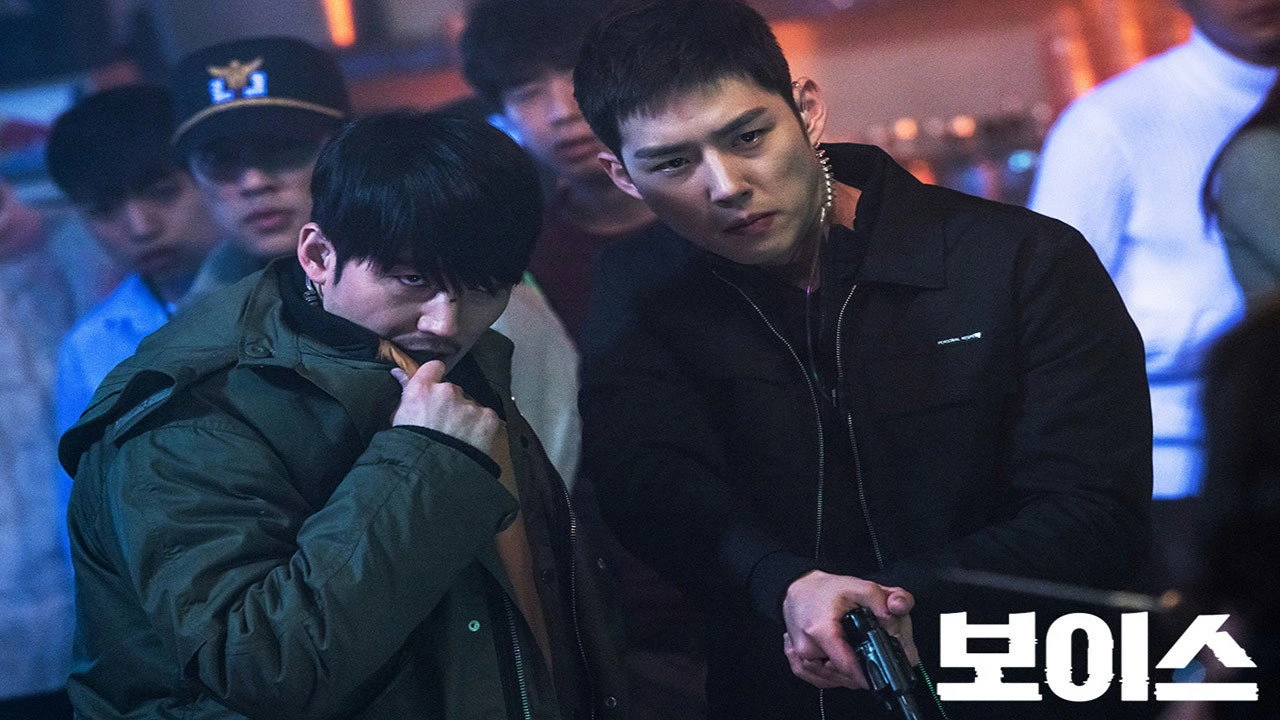
A hostage situation at a club puts Officer Oh Hyun-ho directly in the path of a man named Yang Ho-sik, and the crisis becomes as much about Hyun-ho confronting something in his own past as it is about the standoff itself. Kwon-joo’s read on small, specific sounds is what keeps the team oriented inside the chaos. It’s a strong showcase for a character the show has mostly kept in a supporting role until now.
 EP 10
EP 10
The Devil’s Whisper
Feb 12, 2017
The serial killer’s identity — Mo Tae-goo — starts coming into focus, piece by piece, as Jin-hyuk and Kwon-joo work backward through old cases that suddenly read differently with a name attached. The show is patient here, letting the reveal build through accumulation of detail rather than a single dramatic unmasking.
 EP 11
EP 11
The Devil’s Whisper
Feb 18, 2017
Tae-goo’s connection to a powerful chaebol family turns this from a manhunt into something closer to institutional exposure, and the show doesn’t soften how much protection money and status can buy a killer. Jin-hyuk and Kwon-joo pushing against that protection is where the personal case and the systemic one finally merge into a single fight.
 EP 12
EP 12
The Devil’s Whisper
Feb 19, 2017
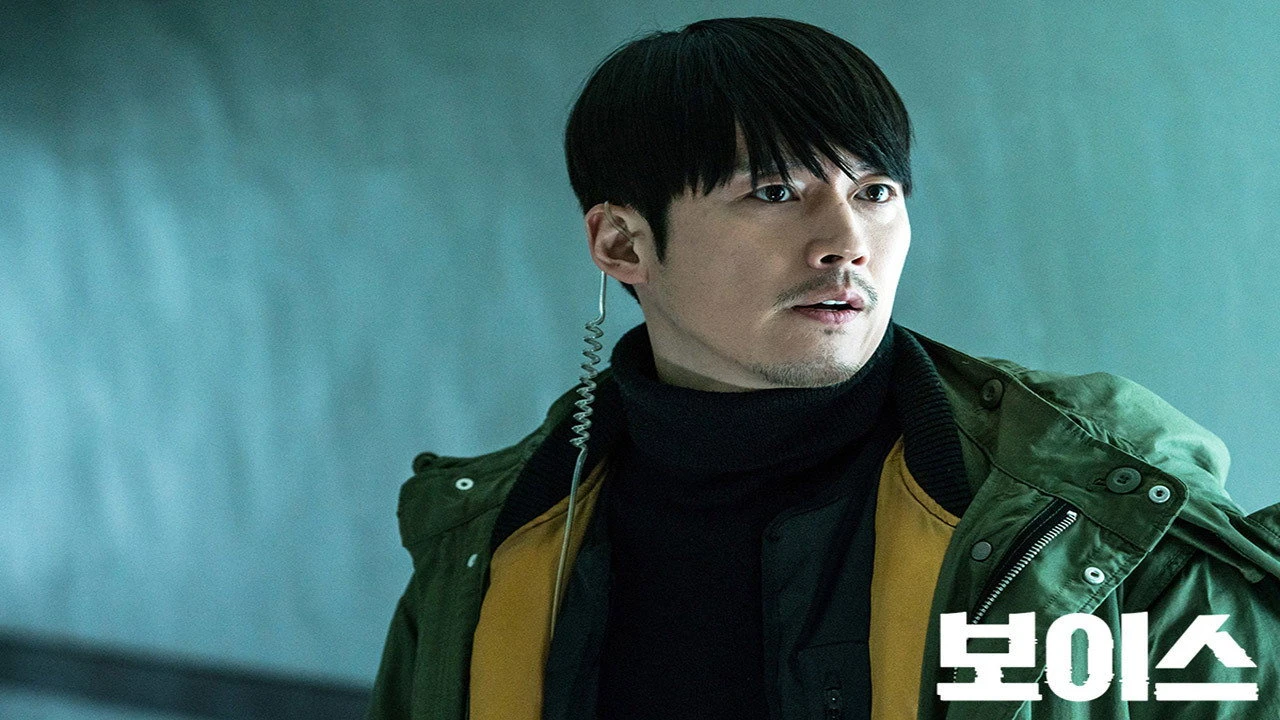
A discovery at a mental hospital puts a potential witness, Baek Jin-goo, directly in Tae-goo’s crosshairs, and Kwon-joo’s read on the situation makes clear this isn’t a killer covering his tracks reactively — he’s actively hunting anyone who could expose him. The team’s race to protect witnesses becomes as urgent as the hunt for Tae-goo himself.
 EP 13
EP 13
The Devil’s Whisper
Feb 25, 2017
Nam Sang-tae’s phone call to Jin-hyuk arrives dressed as an opportunity and reads like a trap from the first word, and the team has to decide how much risk a lead this dangerous is actually worth. The show leans into its crime-underworld machinery here — favors, leverage, and the uncomfortable possibility that beating Tae-goo might require getting closer to his world than anyone’s comfortable with.
 EP 14
EP 14
The Devil’s Whisper
Feb 26, 2017
Kwon-joo hears Tae-goo’s voice directly and knows, with the kind of certainty her ability doesn’t allow her to doubt, that he’s the killer — connections and money be damned. It’s the turning point the whole season has been building toward: proof that can’t be argued with, even if the people protecting him can still make it disappear.
 EP 15
EP 15
The Devil’s Whisper
Mar 4, 2017
A bus accident tied to Tae-goo’s family company, Sungwun Express, blows open a criminal network bigger than one killer’s body count, and Jin-hyuk’s discovery of a police informant on Tae-goo’s payroll turns the threat internal as well as external. The show spends its second-to-last episode making sure the danger feels total, not contained to one final confrontation.
 EP 16
EP 16
The Devil’s Whisper
Mar 12, 2017
Jin-hyuk and Kwon-joo corner Mo Tae-goo in a last confrontation that costs them plenty to get to, and the arrest that follows finally gives Jin-hyuk something he’s been chasing since the pilot — not just justice, but permission to stop. Kwon-joo gets her own closure over her father’s death in the same stroke. The season ends quietly, two people setting down a weight they’ve carried since episode one, with the Golden Time Team’s mission intact for whatever comes next.
🏁 Ending Explained
Spoilers ahead — the finale, broken down in full.
⚠️
Spoiler Warning — This section covers the full finale of Voice (Season 1). Stop here if you haven’t finished the series.
What actually happened Jin-hyuk and Kwon-joo track Mo Tae-goo down and take him in a final confrontation that costs both of them physically and emotionally before it costs Tae-goo his freedom. His arrest closes the case that’s driven the entire season — the murders of Jin-hyuk’s wife and Kwon-joo’s father both trace back to him, directly or through the network protecting him. Justice, in the show’s plainest sense, gets served.
What it took to get there What makes the arrest land is everything it took to get there — not just sixteen episodes of investigation, but the corrupt infrastructure of money and status that spent most of the season actively working to keep Tae-goo untouchable.
What it means Voice’s ending isn’t really about catching a killer — that was always going to happen eventually in a show built this way. It’s about what catching him actually gives back to the two people who lost the most: not their loved ones, obviously, but the ability to stop carrying the case as the only thing defining them.
What each of them gets Jin-hyuk gets something closer to permission than triumph — permission to stop fighting a battle that’s occupied every waking moment since his wife’s death. Kwon-joo’s closure works the same way: her father’s death finally has an answer attached to it, which doesn’t undo the loss but does let her stop living inside the question.
The KDW verdict The finale doesn’t pretend the Golden Time Team’s work is finished — new crises will keep coming through that emergency line, with or without Tae-goo in custody. What it does close, cleanly and without excess sentiment, is the specific grief that started the season. Voice ends on two people finally exhaling, not on a victory lap.
✍️ KDramaWorlds Editor’s Take
Here’s our honest verdict, and who’s going to love it.
🎧 Voice Profiling
🔪 Serial Killer Hunt
📞 Emergency Call Center
😡 Grief-Fueled Justice
Voice’s best trick is a simple one: it turns an emergency call center, a place defined by frantic voices and countdown clocks, into the show’s actual engine instead of just its framing device. Kwon-joo’s ability to profile a killer from sound alone gives every episode a genuinely different kind of tension than the standard detective-chases-clues formula — Jang Hyuk and Lee Ha-na spend most of the season proving that instinct and precision can be equally compelling investigative tools, not just a mismatched-buddy-cop gimmick. It’s a sharper procedural hook than Mouse needed a psychopath gene to manufacture a few years later.
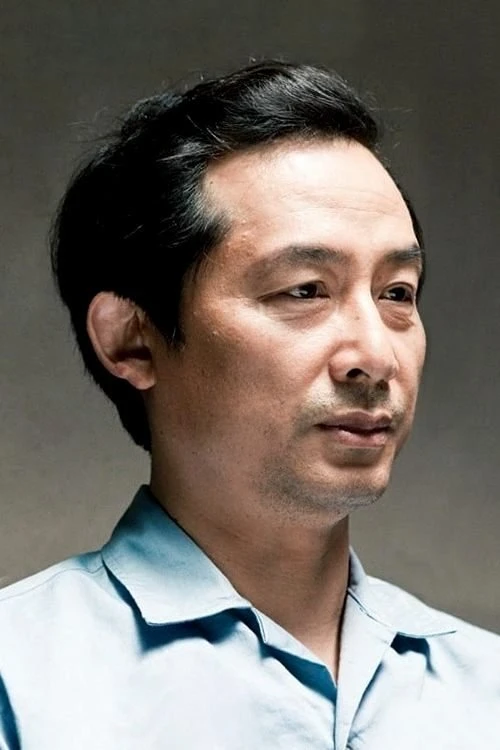
Kim Jae-uck’s Mo Tae-goo earns his place as one of the more unsettling OCN villains specifically because the show refuses to make him a lone monster — his protection comes from wealth and institutional cover as much as from his own cunning, which is a more uncomfortable idea than a single scary man acting alone. That’s a similar instinct to what Beyond Evil does with its own small-town corruption a few years later — evil that survives because a system keeps choosing to look away.
The show’s episode structure — grouping installments under shared arc titles like ‘The Devil’s Whisper’ rather than one-off case names — gives Voice’s back half a serialized momentum that a lot of OCN procedurals don’t bother building. By the time Jin-hyuk and Kwon-joo actually corner Tae-goo, it doesn’t feel like the case of the week finally paying off; it feels like sixteen episodes of accumulated pressure finding its release.
👍👍👍 BEST FOR 👍👍👍
🎧 Fans of procedural thrillers with a genuinely different investigative hook than usual
🏢 Viewers who want their villain protected by institutional power, not just personal menace
🔥 Anyone who likes their leads driven by real, specific grief rather than generic heroism
⚖️ Final Verdict
What works
•Kwon-joo’s voice-profiling ability gives the procedural formula a genuinely fresh mechanic
•Kim Jae-uck’s Mo Tae-goo is unsettling precisely because his protection is institutional, not just personal
•Jang Hyuk and Lee Ha-na’s grief-driven partnership earns its intensity instead of just performing it
What to know first
•The season’s structure leans on grouped arc titles rather than one-off episode cases, which rewards watching in blocks
•The chaebol-corruption subplot adds real stakes but also adds plot machinery to track
•This is season 1 of an ongoing franchise — later seasons follow different cases with a partially new cast
8.5 / 10— A procedural thriller that earns its darkness through two genuinely grieving leads and a villain protected by more than just his own cunning.
💬 Helpful? Share this guide →
🎬 You Might Also Like
If you liked Voice (Season 1), these are your next three watches.





























Keep it kind, skip the harsh language, and please — no spoilers. Everyone's taste is different, and that's perfectly fine.
This space is for real reactions and discussion from other viewers. Help keep it comfortable for everyone by not giving away major plot details.
1 Comment
Building a crime thriller around a woman whose exceptional hearing is the only reason a case gets solved correctly, instead of giving her a more conventional detective skill set, is such a clever hook 🎧 — pairing her with the one detective who has every reason to distrust the system that let the real killer walk makes for a great mismatched-partner setup. Curious how everyone felt the season tied their two losses together by the end.
What do you think of this drama?
Login to share your review or leave a comment.
No email needed — just pick a username & password.