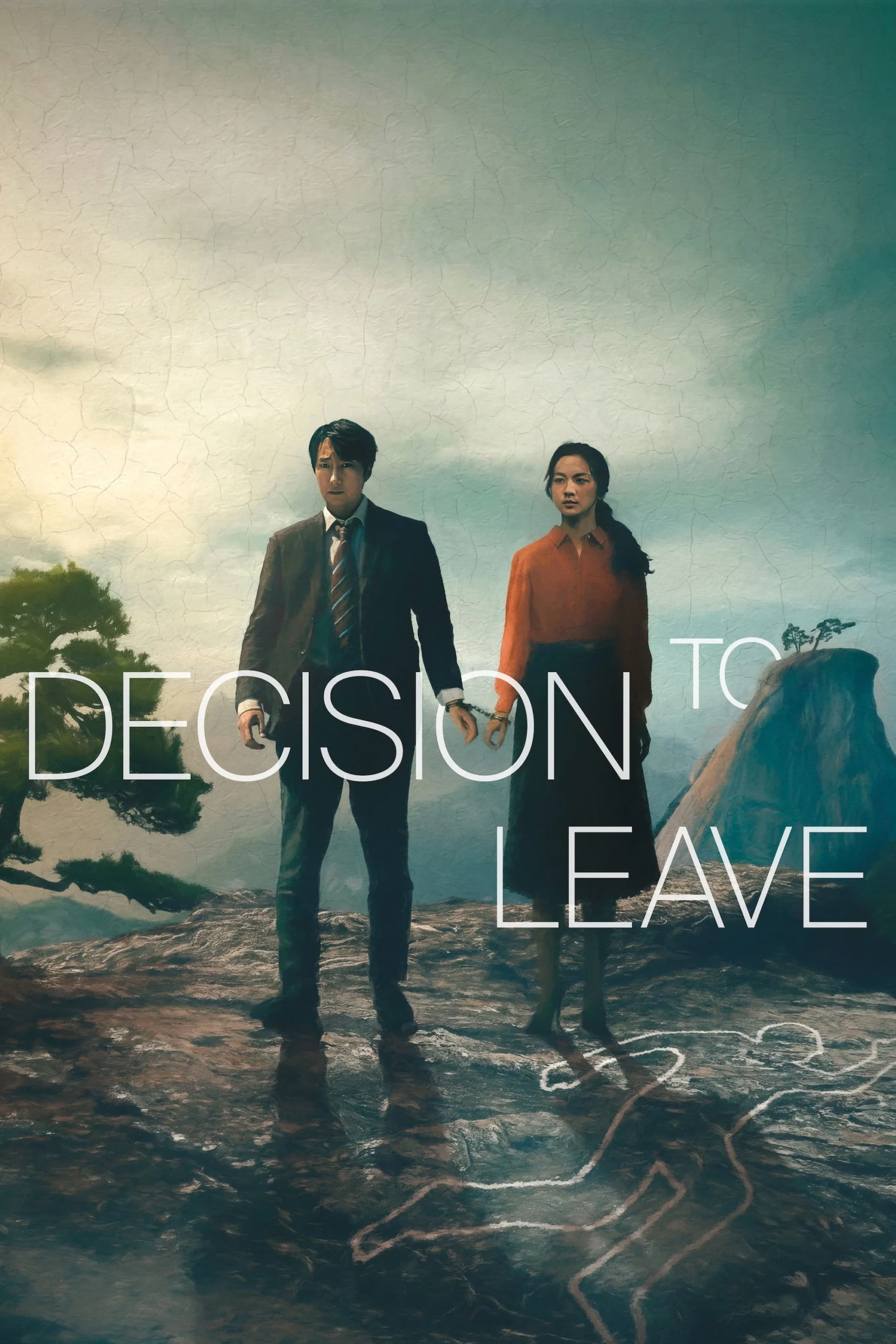
Decision to Leave
🎬 MUBI · Netflix · Apple TV · Amazon Video
⭐ 7.3 IMDb
🔞 TV-MA
🎬 Film Overview
NEO-NOIR OBSESSION PICK
Jang Hae-jun investigates death for a living, and he’s good at it — meticulous, courteous, chronically sleep-deprived. When a man turns up dead at the base of a mountain he liked to climb, Hae-jun’s instincts snag on the widow: Song Seo-rae, a Chinese care worker who shows none of the grief a wife is supposed to perform. She’s calm. She’s watching him back. Somewhere in the gap between suspect and witness, Hae-jun starts falling for the person he’s supposed to be building a case against.
Park Chan-wook has made louder films — Oldboy’s hallway, The Handmaiden’s twin cons — but Decision to Leave is his most controlled work, a police procedural that keeps mutating into a love story neither character will admit they’re inside of. The mystery resolves early; what lingers is the surveillance, the mistranslation, the way Hae-jun’s phone becomes a confessional. Cannes gave Park Best Director for this one, and it’s easy to see why: every frame is doing at least two jobs at once.
⚡ Quick Verdict
The TL;DR, boxed and ready.
· IMDb · 59,000+ ratings
▶ Official Trailer
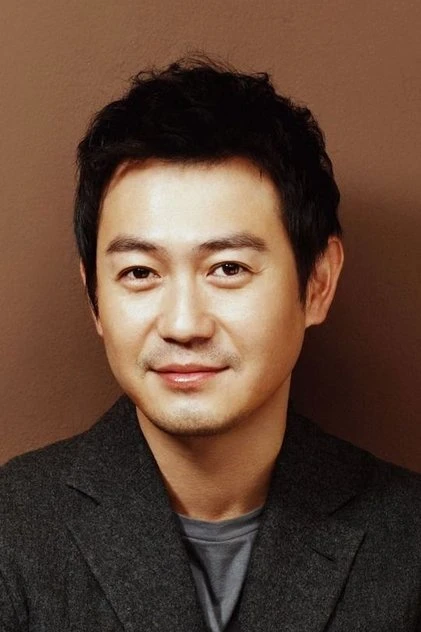
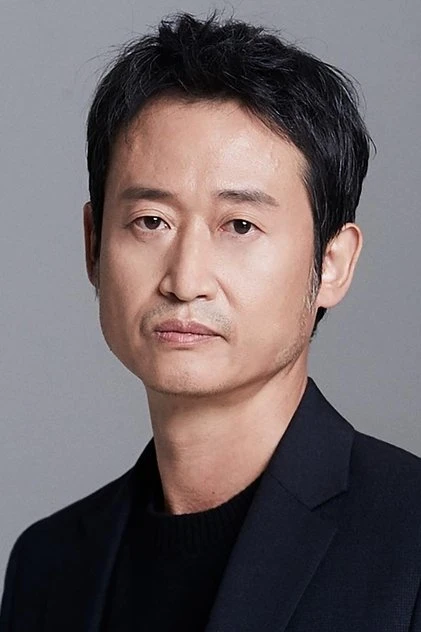
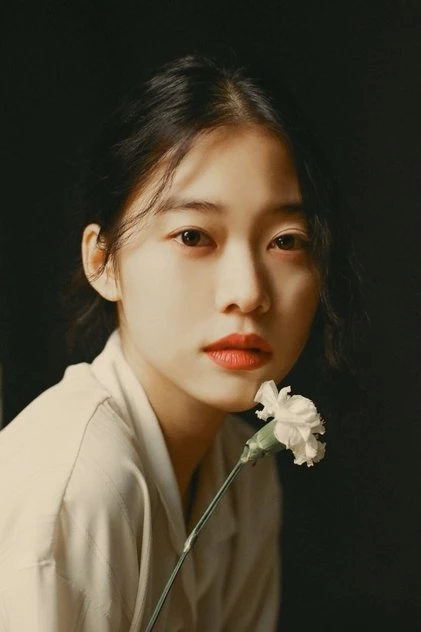
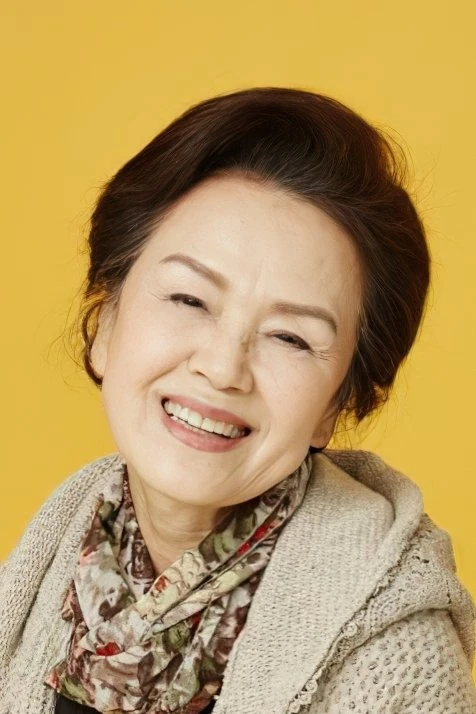
🎭 Cast & Characters
A detective, a suspect, and a supporting cast fluent in ambiguity.
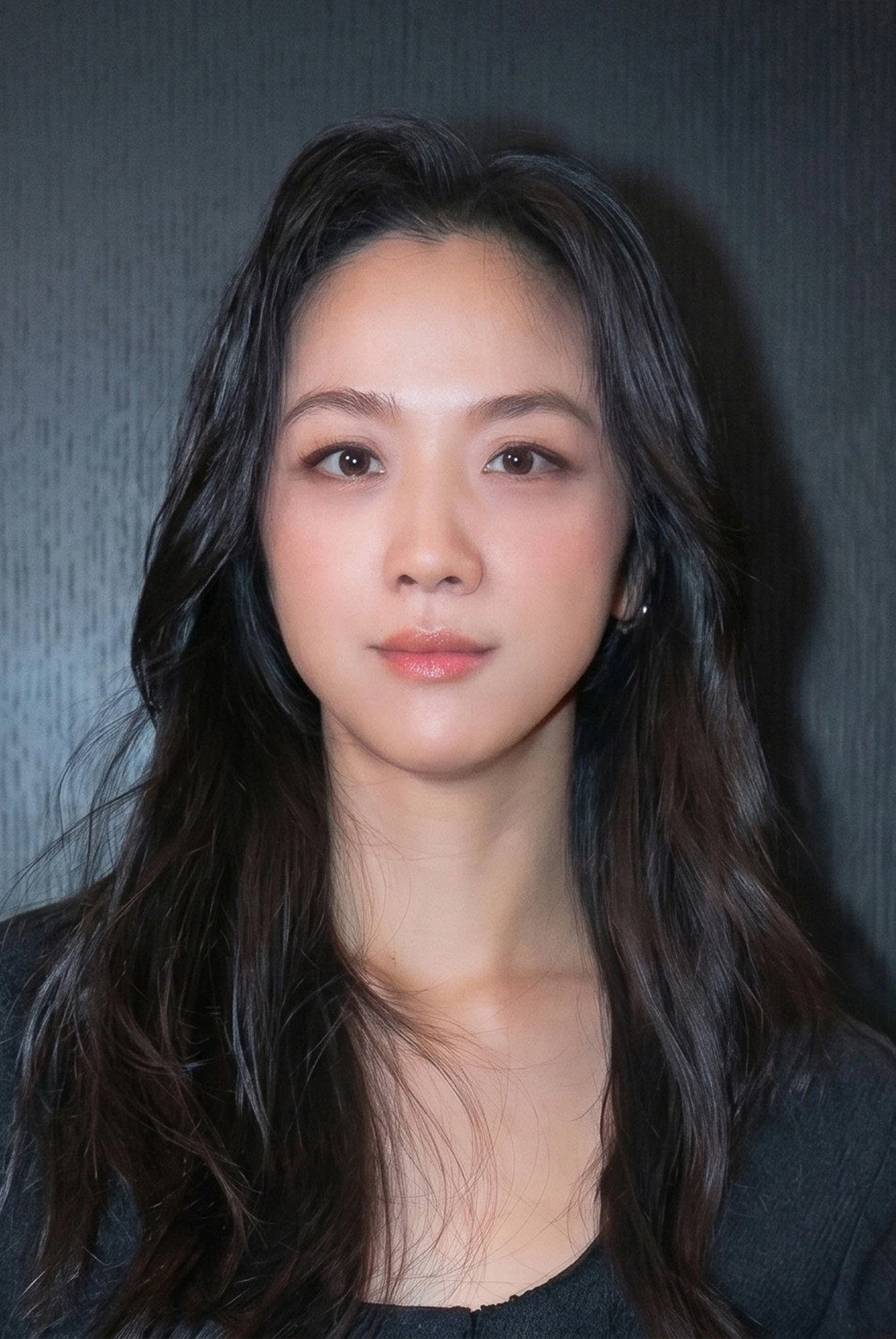
Lead
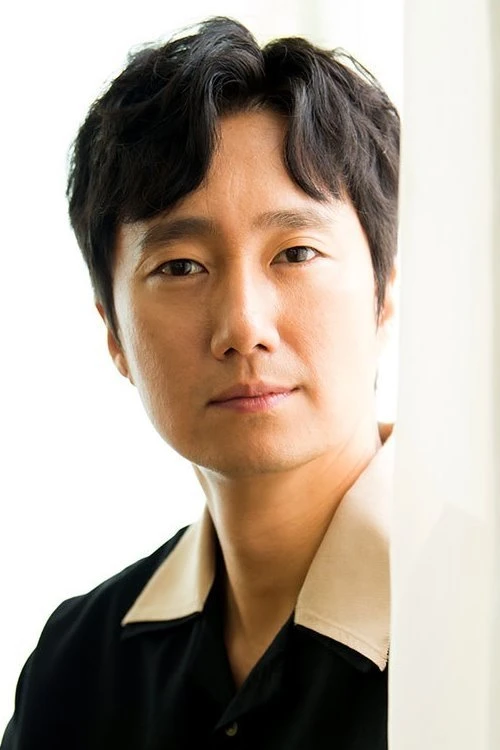
Lead

Supporting
Supporting
Supporting

Supporting
Supporting
Supporting
Supporting
Supporting
Supporting

Supporting
📖 The Story
No spoilers — just what you need to know going in.
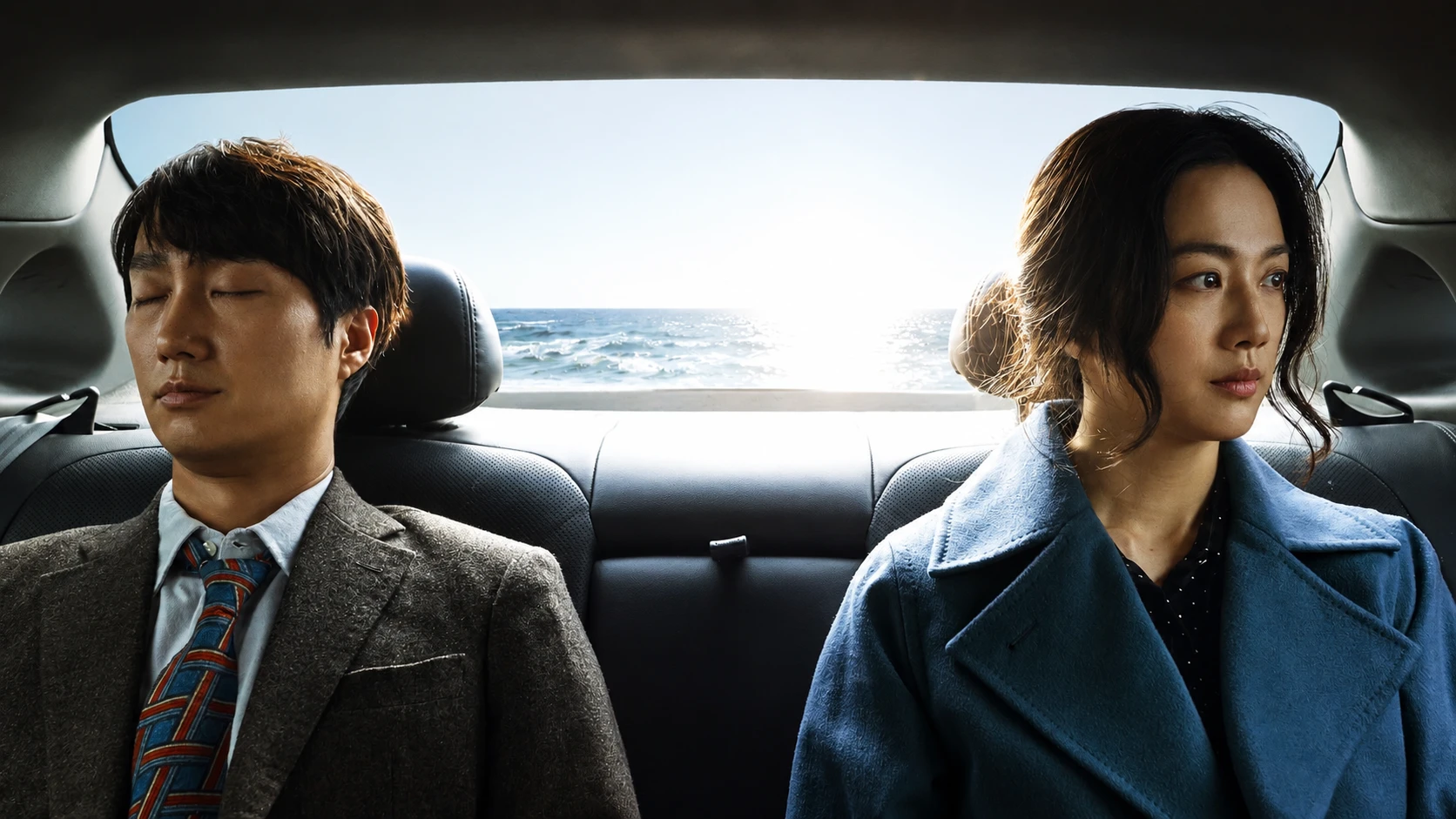
Jang Hae-jun works death investigations in Busan the way some people work crossword puzzles — methodically, a little obsessively, at all hours. He’s polite to everyone, sleeps badly, and keeps a marriage running long-distance with a wife who lives two hours away for reasons the film never fully explains. When a man turns up dead at the base of a popular climbing route, it looks routine. Hae-jun treats it like it isn’t.
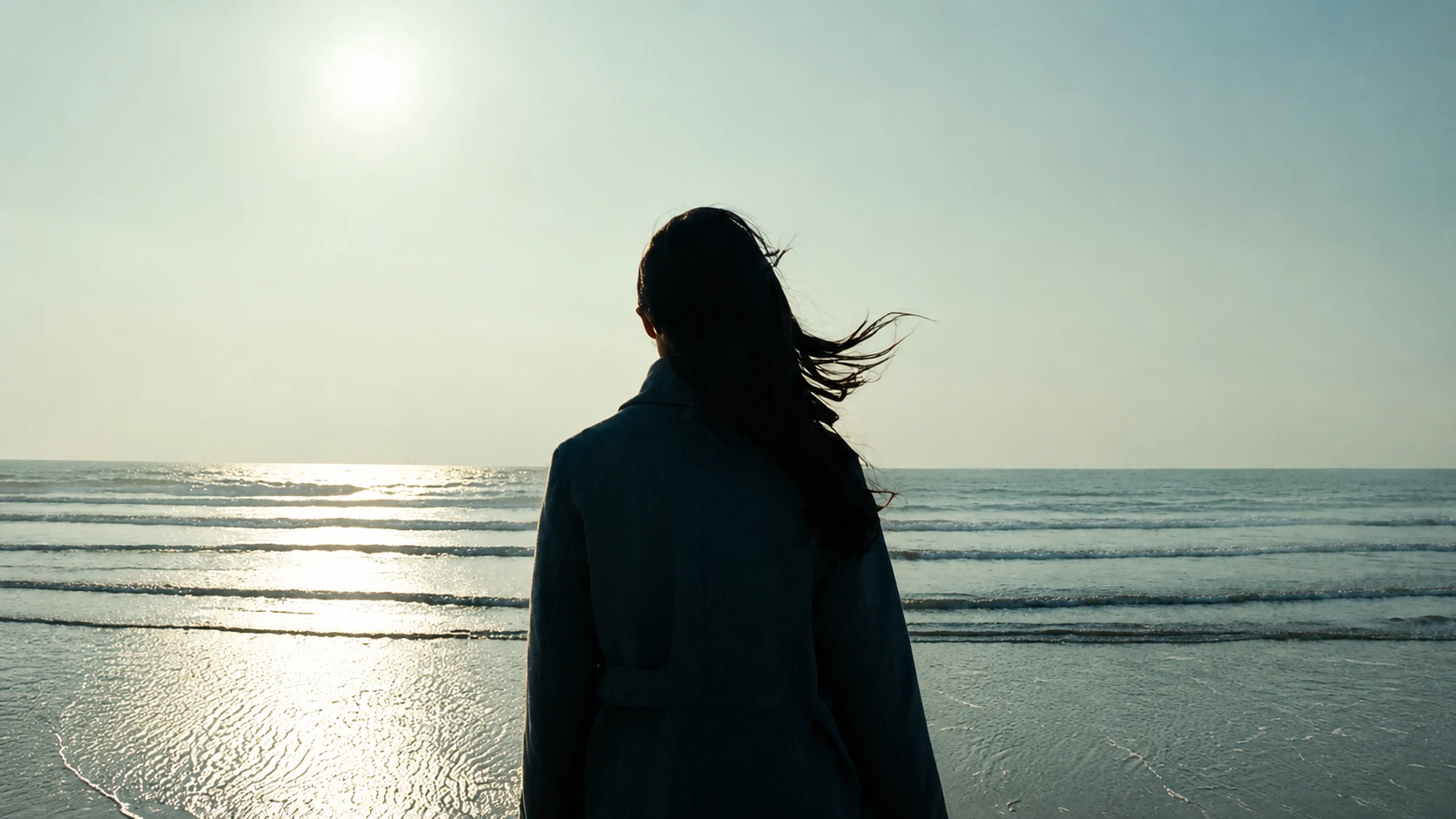
The dead man’s wife is Song Seo-rae, a Chinese care worker with an elderly Korean employer and a language that keeps slipping between fluent and halting depending on how much she wants to be understood. She shows up to identify the body without crying. She orders food at the police station. Hae-jun notices.
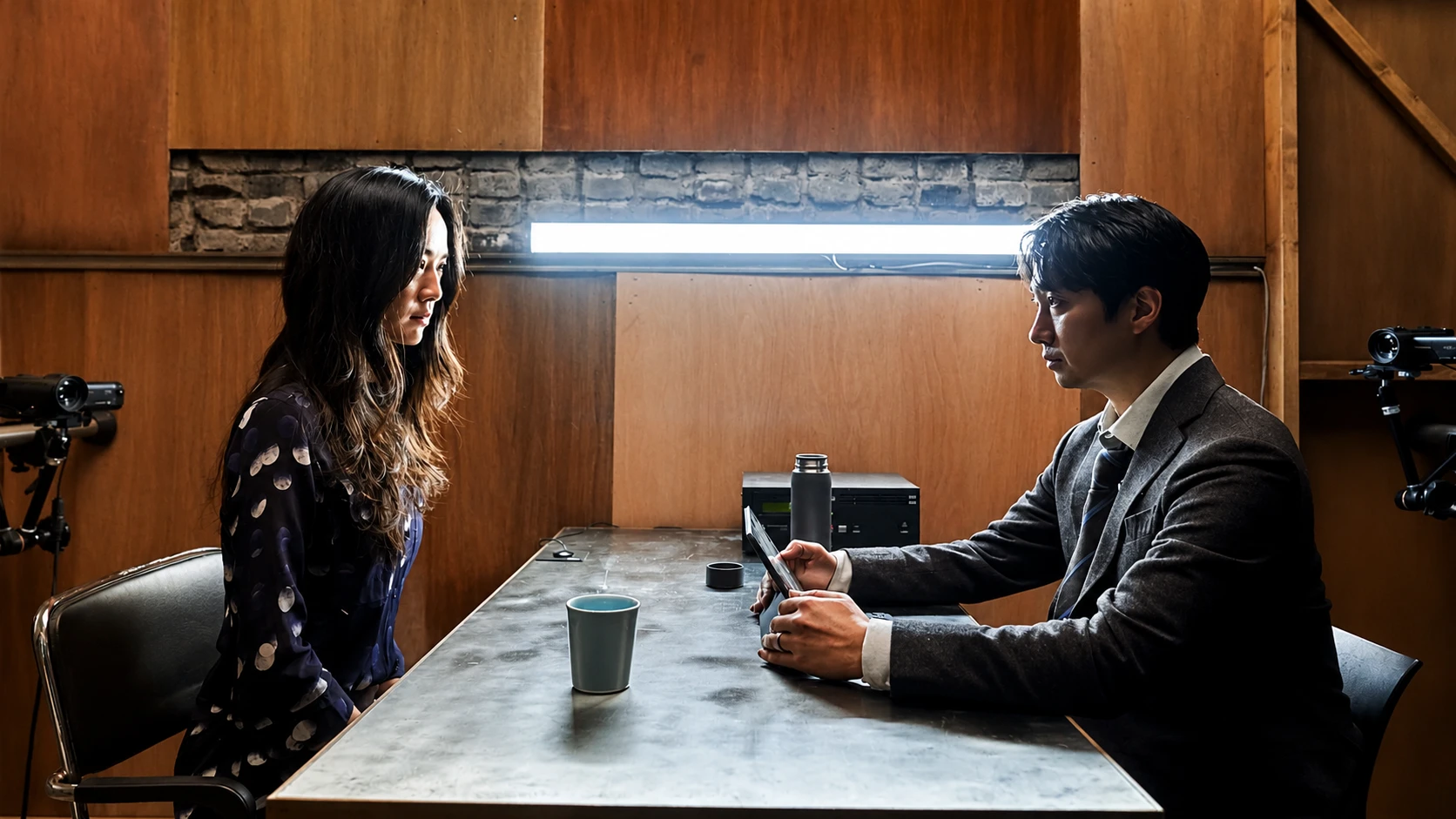
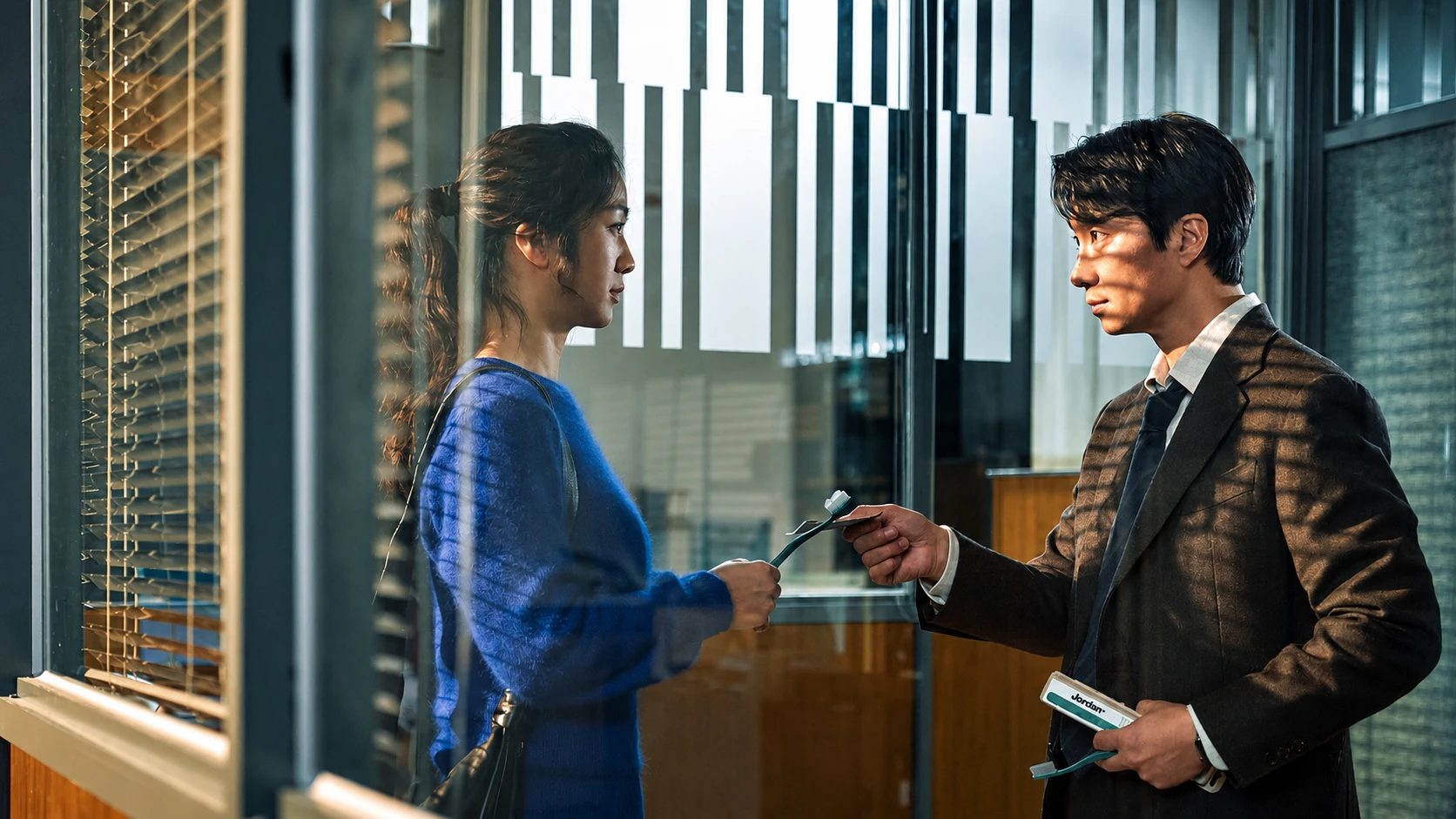
What starts as surveillance — stakeouts, phone records, a translation app doing the emotional heavy lifting between two people who can’t fully talk to each other — curdles into something else. Hae-jun watches Seo-rae’s apartment through binoculars and starts imagining himself inside the room with her. The case file becomes a diary he’s keeping about a woman he’s supposed to be building evidence against.

His partner, Soo-wan, notices the shift before Hae-jun will admit it. So does Hae-jun’s wife, eventually. Neither can compete with a murder investigation that’s started functioning like courtship — evidence photos as love letters, interrogation rooms as dates.
Park Chan-wook shoots all of this with a restraint that’s almost perverse given his back catalog. There’s no violence to speak of for most of the runtime, just glances held a beat too long and a camera that keeps sliding Hae-jun into Seo-rae’s imagined space, as if his obsession is rearranging the film’s own geography. It’s a courtship told entirely through the grammar of a crime procedural.
A second death, months later, reopens everything Hae-jun thought he’d closed — professionally and otherwise. Seo-rae resurfaces in his life at exactly the moment his marriage has fully unraveled, and the film’s back half asks what happens when two people who first connected through suspicion try to build something honest.
It doesn’t go where a conventional romance would. Decision to Leave keeps circling back to the same unresolved question — how much of what passed between them was real, and how much was two lonely, disciplined people mistaking investigation for intimacy. The film never fully answers before its final act, which is exactly where the tension lives.
🏁 Ending Explained
The ending, unpacked in full. Consider yourself warned.
Full Spoilers Ahead — This section covers the complete ending of Decision to Leave. Stop here if you haven’t watched.
What actually happens Song Seo-rae drives to a beach, digs a pit in the sand, and buries herself as the tide comes in. Detective Jang Hae-jun arrives just after — he’s tracked her there — and spends the film’s final minutes calling her name across an empty shoreline, finding nothing. The sea takes her, or she lets it. Either way, no body is recovered, and Hae-jun is left with a case that will never formally close.
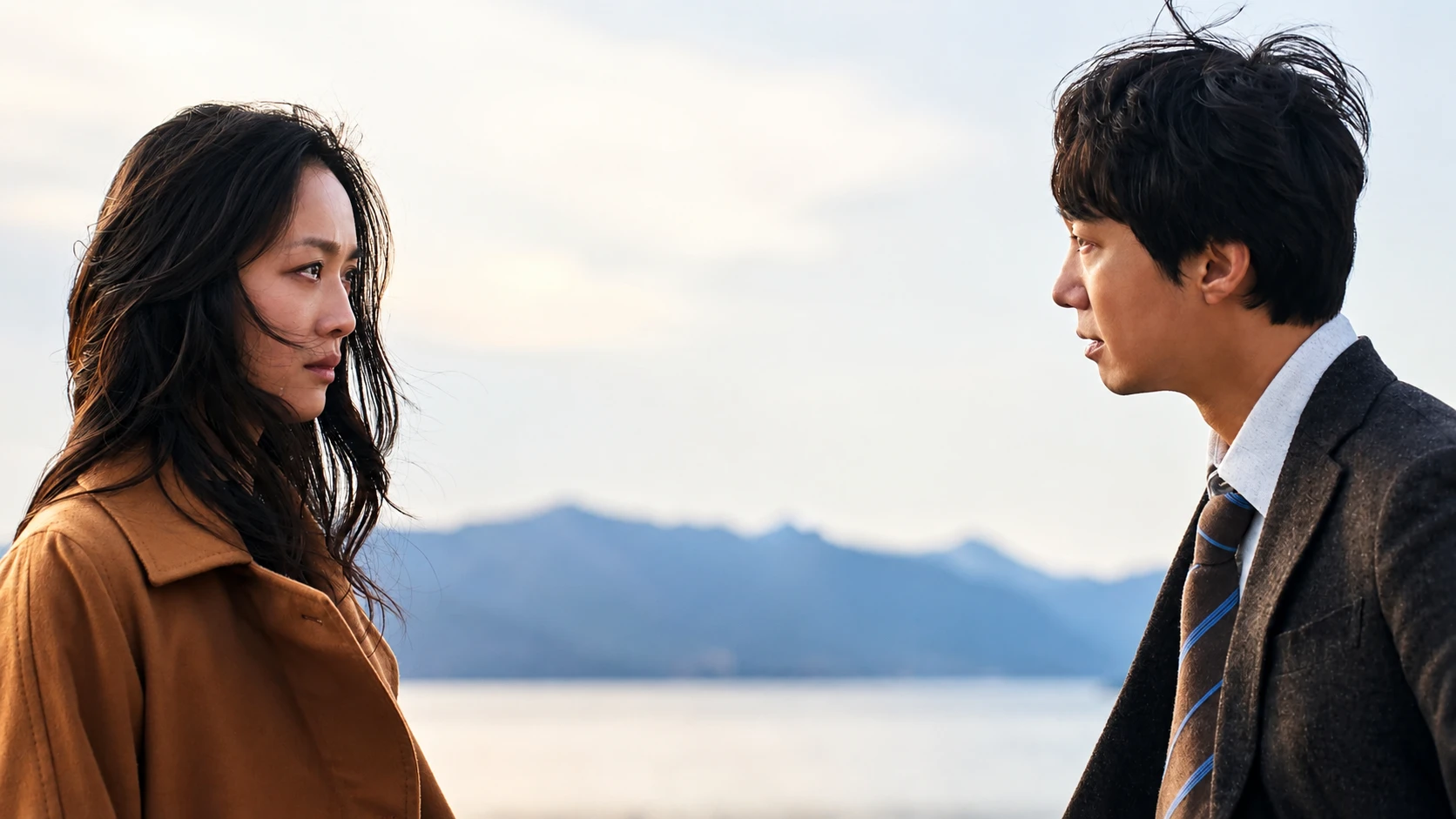
Park frames the disappearance as a plan, not a breakdown — Seo-rae has spent the whole film demonstrating patience and precision, and her final act is consistent with both. She doesn’t run from Hae-jun. She removes herself from the world in a way that guarantees he can never stop looking.
What it means for Seo-rae By becoming unfindable, Seo-rae makes herself permanent. Hae-jun can arrest a suspect, close a case, move to a new city with a new wife — but he can’t solve a person who has chosen to vanish. That unsolvability is her gift to him, twisted as it sounds: an investigation that never ends is a relationship that never ends either.
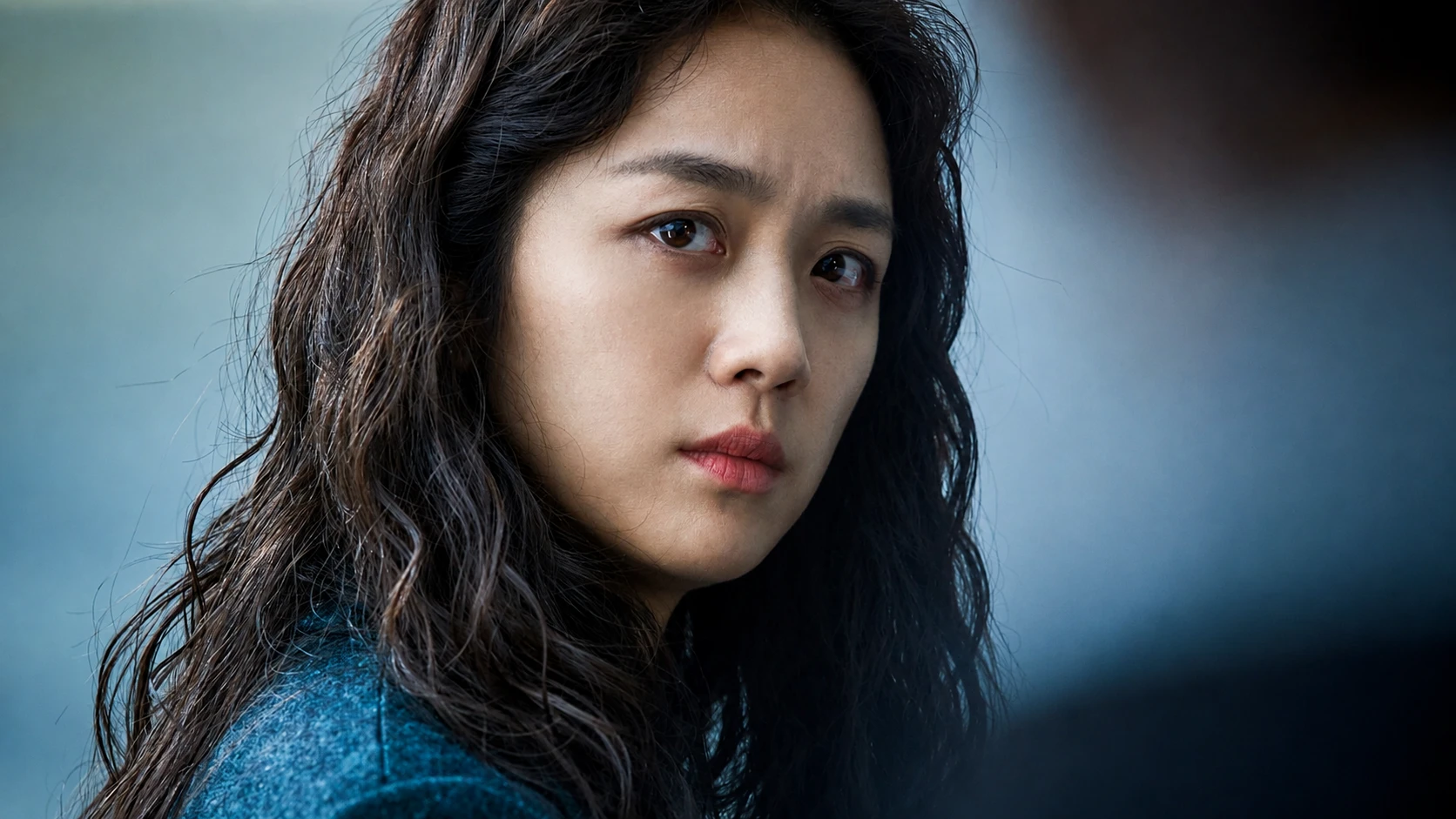
How much of this was genuine feeling and how much was Seo-rae managing a threat is left open on purpose. She’s spent two murder investigations reading detectives well enough to survive them. Whether Hae-jun was ever anything more than the smartest threat she’d faced is a question the film refuses to answer outright.
The KDW verdict Read the ending as sincere and it’s a tragedy — two people who loved each other in the only language available to them, surveillance and suspicion, and lost each other because of it. Read it as calculated and it’s something colder: a woman who understood exactly what kind of ending would keep a detective obsessed forever, and built it herself. The film supports both readings, which is precisely the point.
✍️ KDramaWorlds Editor’s Take
Here’s our honest verdict, and who’s going to love it.
Park Chan-wook
Known for: Park Chan-wook built his reputation on operatic violence — the hallway fight in Oldboy, the twin betrayals of The Handmaiden. Decision to Leave is the sound of that same director working in a lower register: no blood, barely any raised voices, and yet the tension is just as unbearable. He won Best Director at Cannes 2022 for this restraint, proof that his interest was never really in violence itself but in what desire does to disciplined people.
There’s a scene early on where Hae-jun watches surveillance footage of Seo-rae eating alone, and the film cuts so we’re inside his phone, inside his obsession, before he’s even aware he has one. Park Chan-wook stages investigation as courtship throughout — evidence photos become love letters, stakeouts become dates neither party will name. It’s the kind of slow-motion infatuation The Call only gestures at through its own twisted intimacy — except here the danger is quieter, more patient, and somehow more devastating for it.
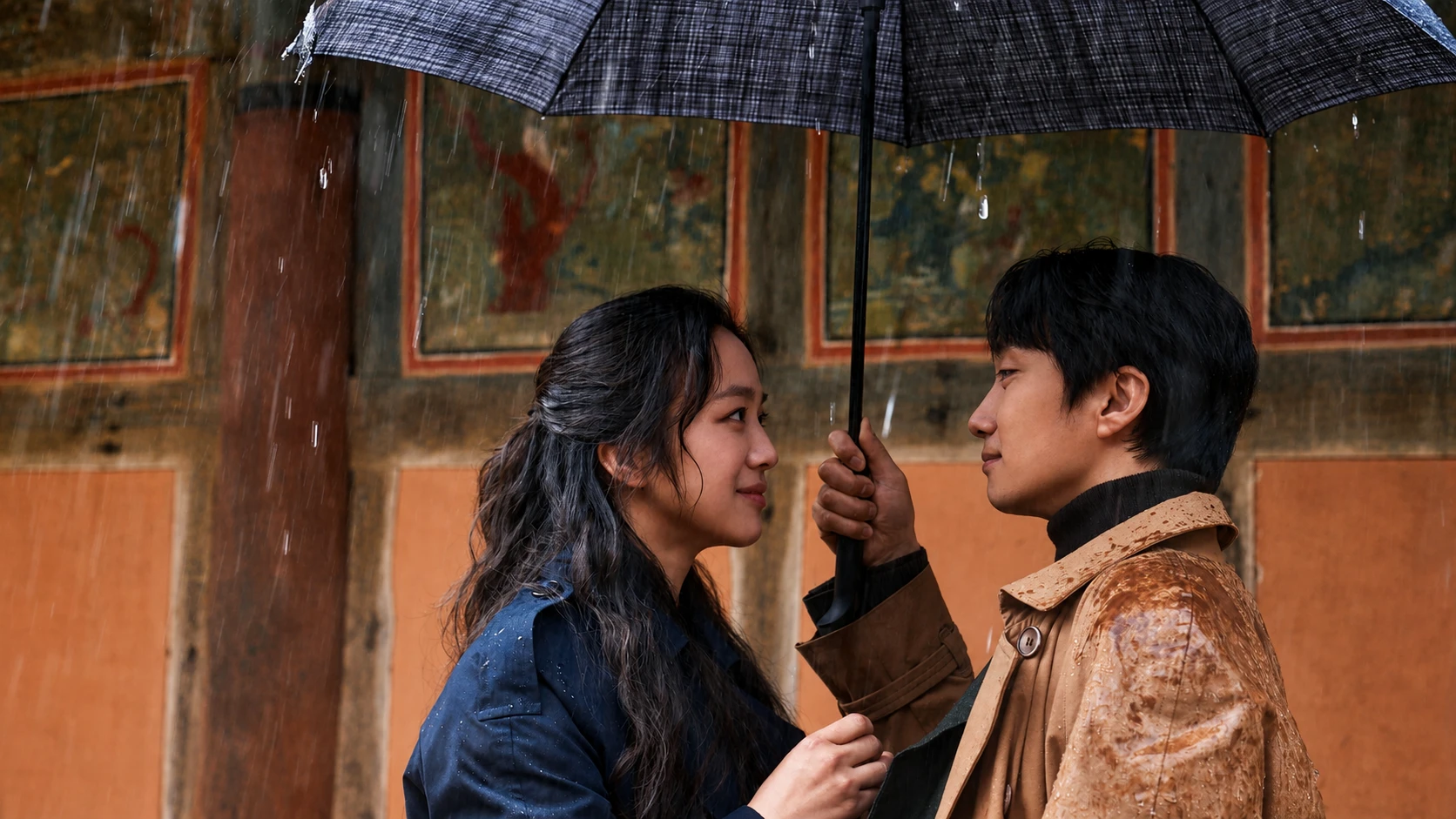
Tang Wei’s performance is the film’s real engine. She plays Seo-rae as someone perpetually translating herself — through language, through grief, through a culture that keeps misreading her composure as guilt. It’s a masterclass in withholding, the kind of restraint that made Broker — released the same Cannes year — such an unlikely companion piece: two very different films about people who use silence as protection.
The ending asks something uncomfortable of the audience: to accept that disappearing can be an act of love. Whether that lands as tragic or monstrous depends entirely on how much you trust Seo-rae by the time she walks into the tide. KDW landed somewhere in between, and suspects most viewers will too.
🎬 You Might Also Like
If you liked Decision to Leave, these are your next three watches.
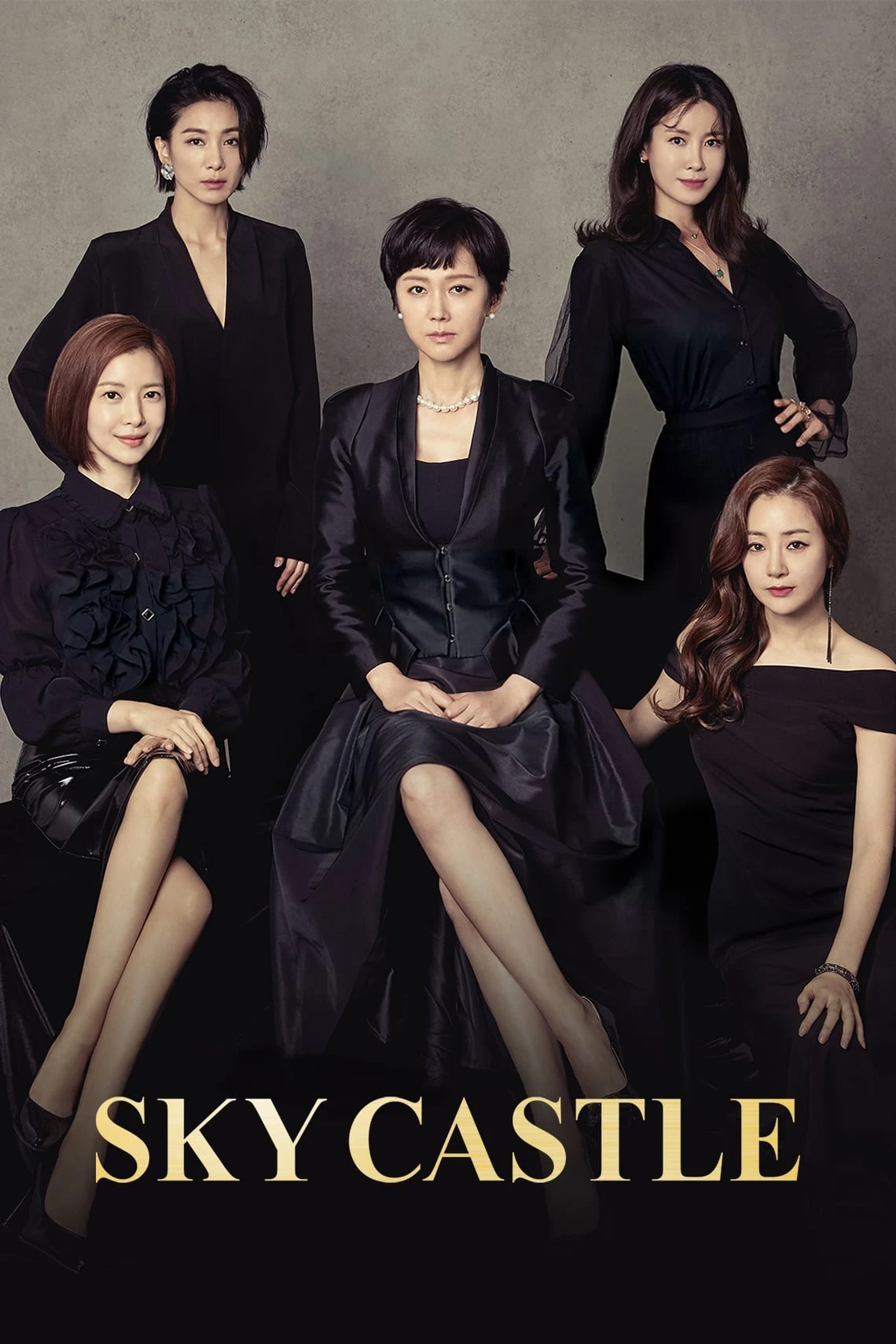 SKY Castle
Dark ComedyEducation Satire
Read Full Review →
|
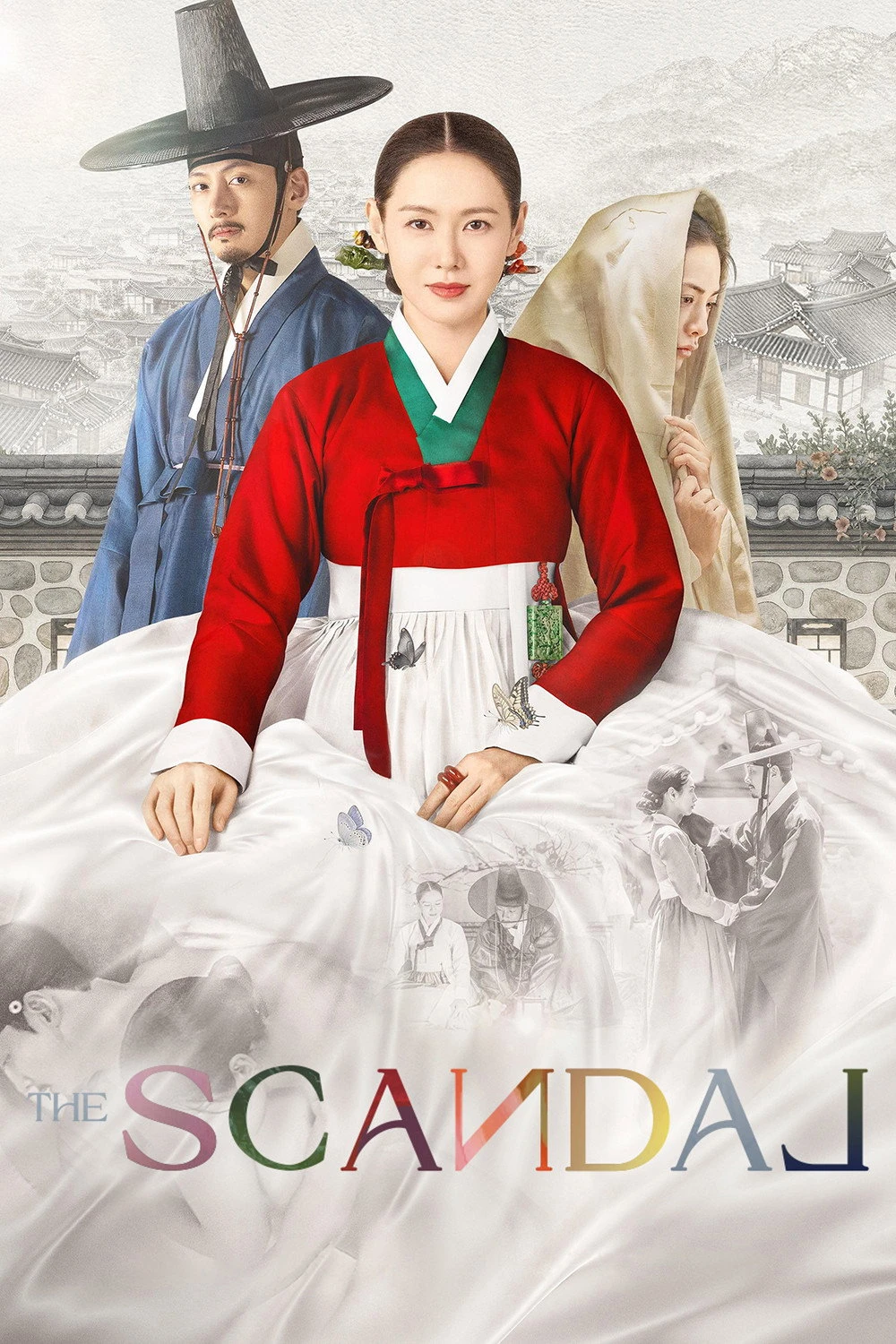 The Scandal
Dangerous LiaisonsDrama
Read Full Review →
|
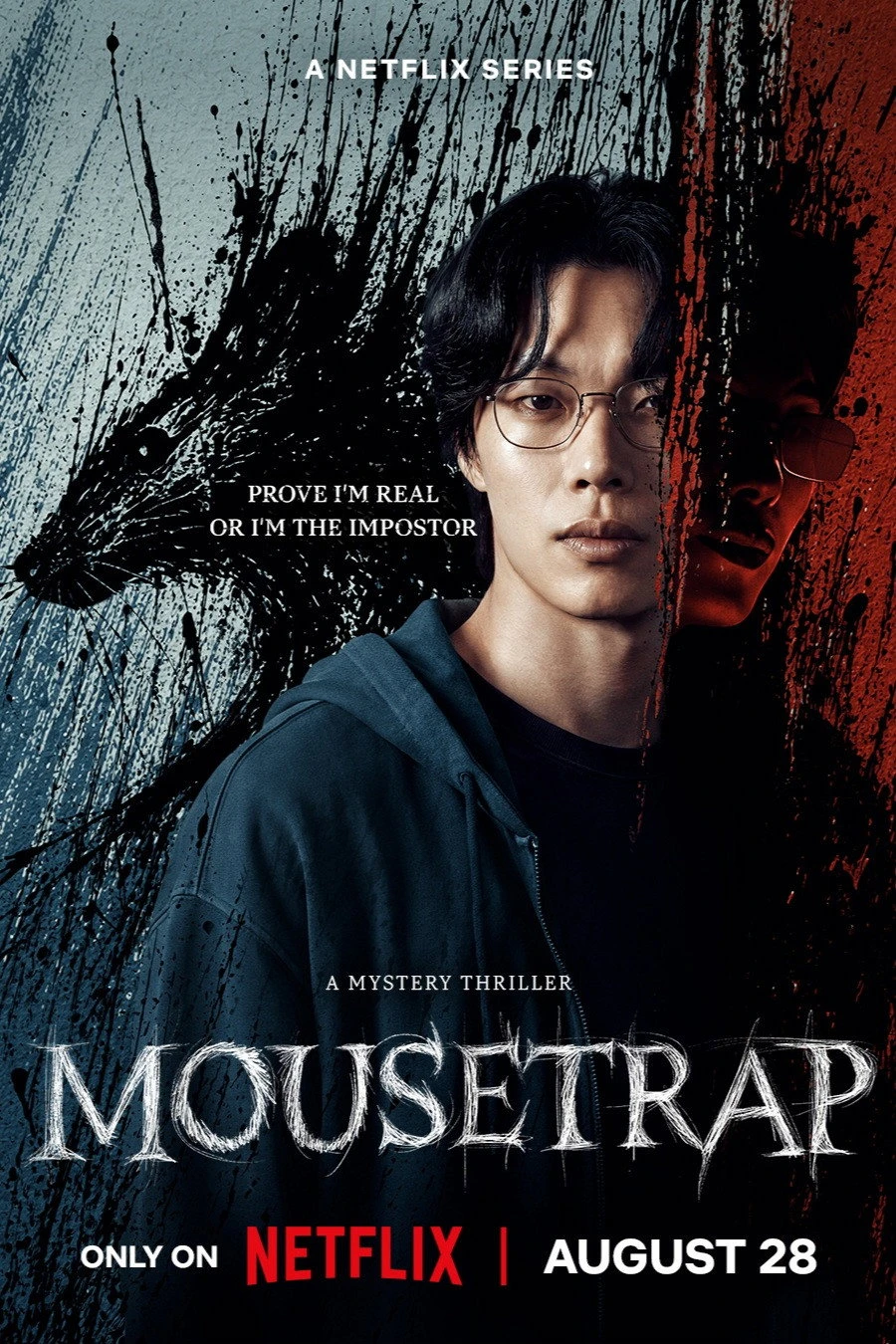 Mousetrap
crimeIdentity Theft
Read Full Review →
|









Keep it kind, skip the harsh language, and please — no spoilers. Everyone's taste is different, and that's perfectly fine.
This space is for real reactions and discussion from other viewers. Help keep it comfortable for everyone by not giving away major plot details.
What do you think of this drama?
Login to share your review or leave a comment.
No email needed — just pick a username & password.