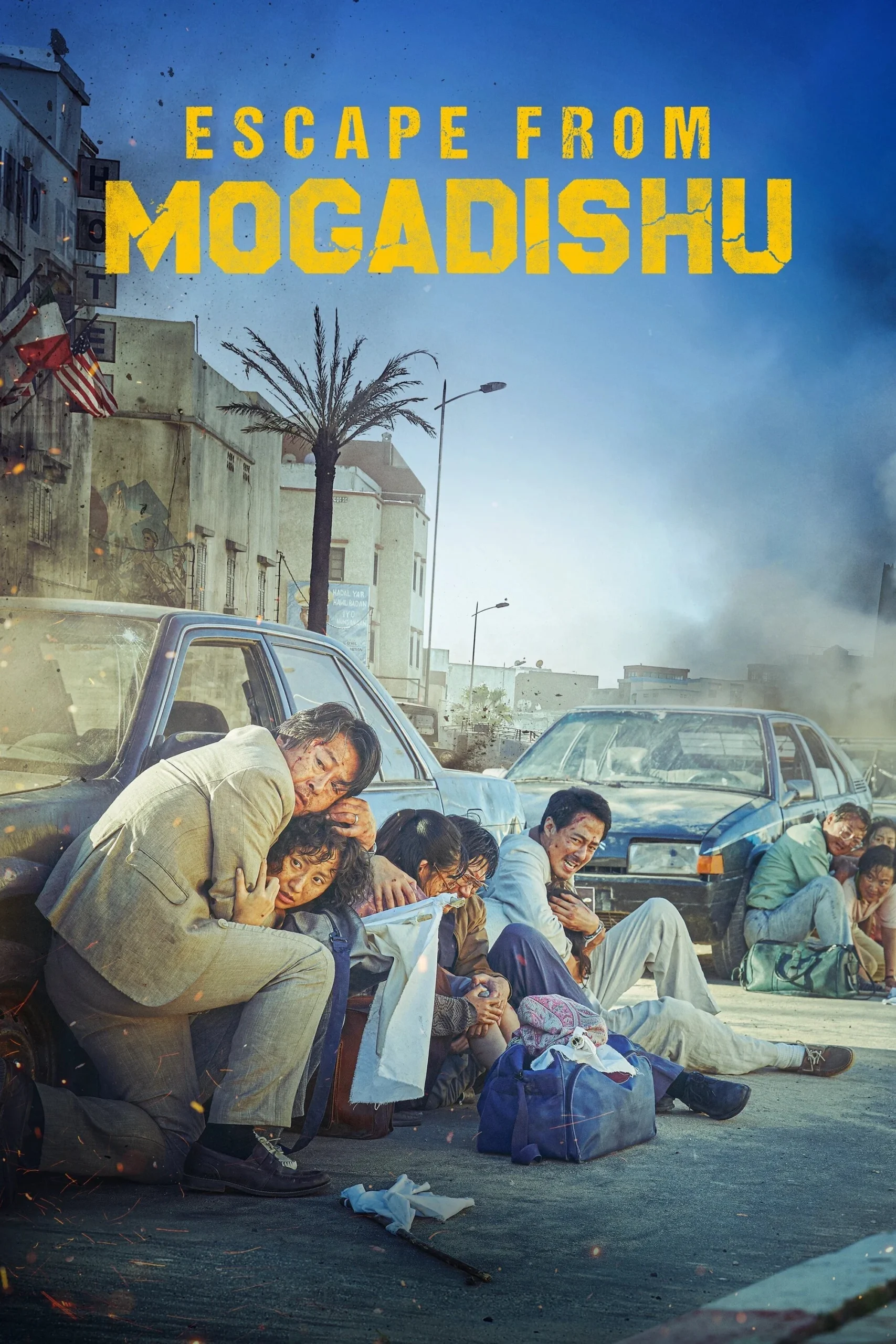
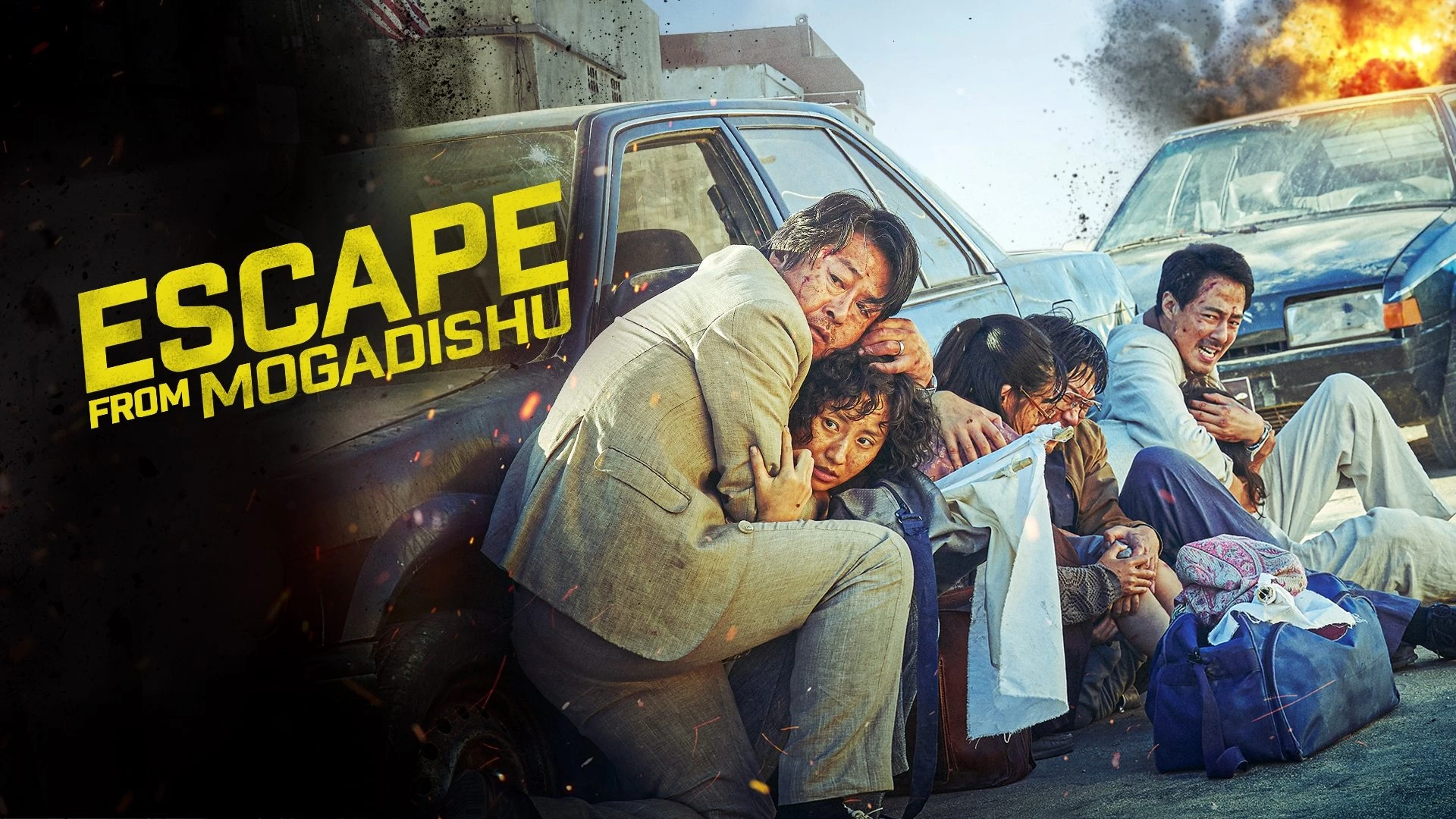
Escape from Mogadishu
🎬 Film Overview
Two embassies, one capital, and a vote at the United Nations: that was the entire reason South and North Korean diplomats were in Somalia in 1990, and they spent most of their time trying to humiliate each other. Then the Somali government collapsed, the phone lines died, and the ambassadors who could not share a hotel lobby had to share a residence with their staff, children and a diabetic ambassador’s last supply of insulin. Ryoo Seung-wan’s Escape from Mogadishu follows that stranded group from petty diplomatic sabotage to a dash through a city at war, with Kim Yoon-seok and Huh Joon-ho as two men who dislike each other and need each other. It grossed US$29.9 million, was the top Korean film of 2021 at home and won the Blue Dragon Award for Best Film.
⚡ Quick Verdict
The whole picture, condensed into one box.
Watch Escape from Mogadishu Free (US Only)
Free to watch - US only. Its owner makes this movie available only in the United States. If it doesn't play in your country, you may need a VPN with a server in an allowed country to watch it.
Region limits are set by the video owner, not by KDramaWorlds. Please make sure VPN use is allowed where you live and by YouTube's terms.
This film is free with ads, but the stream is currently available only in certain regions, mainly the United States. If the player shows “not available in your country,” the film can’t be played from your location.
Official Videos
 TRAILER
🎭 Cast & Characters
Two ambassadors, two embassies and one of the strongest ensembles of 2021.
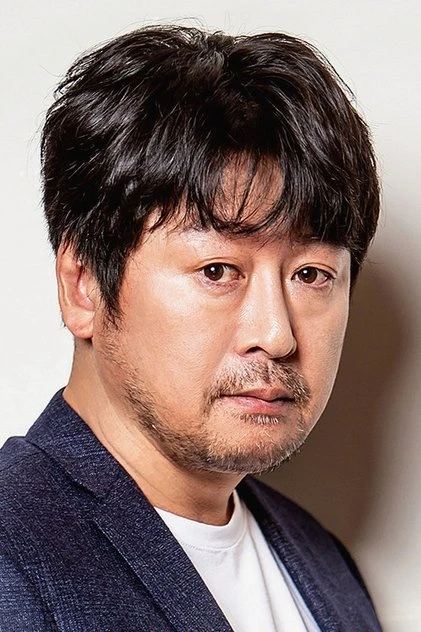
Lead

Lead
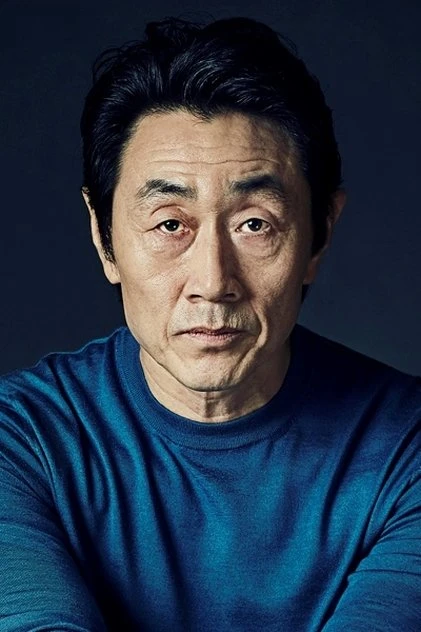
Supporting

Supporting
Supporting

Supporting

Supporting

Supporting

Supporting

Supporting

Supporting
Supporting
🍿 Where to Watch
Watch Escape from Mogadishu on these platforms.
📖 The Story
No spoilers — just enough to know if this is your film.
Mogadishu, 1990. Somalia is in the middle of a civil war, and both Koreas still keep embassies in the capital for the same reason: a seat at the United Nations. Whichever side wins the vote of President Siad Barre’s government gains ground in a race that Seoul and Pyongyang both treat as existential. Ambassador Han Sin-seong has spent months trying to book fifteen minutes with the president. His counselor Kang Dae-jin, an intelligence officer posing as a diplomat, lands at the airport and ignores a persistent taxi driver until the ambassador finally shows up. Their first real scene is a bad one. Armed men stop the ambassador’s car on the road and take a diplomatic bag, and when Han reaches the palace, the president has moved on to a meeting with the North Korean delegation. The film opens as a comedy of petty sabotage between two embassies that cannot stand each other.
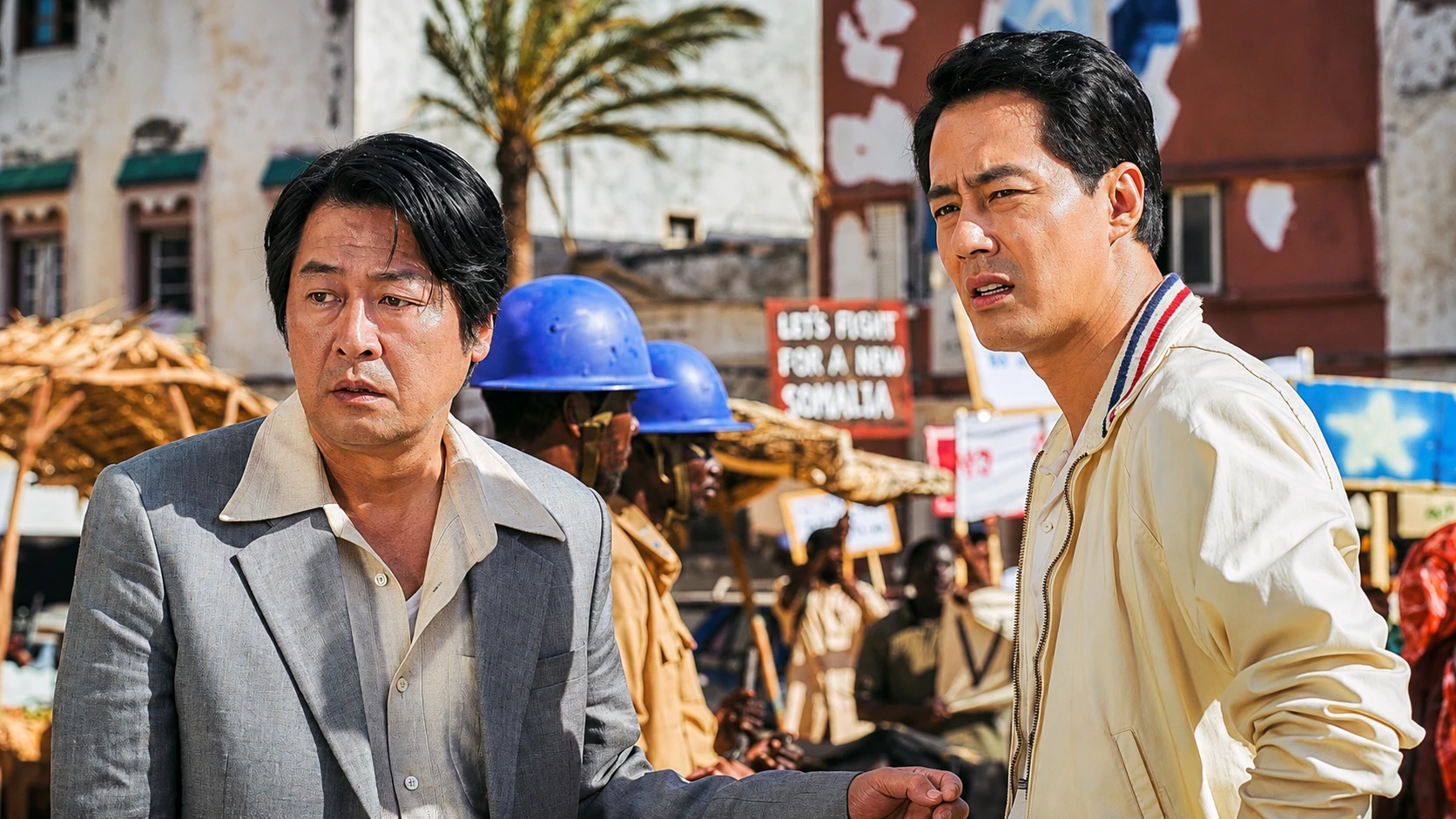
The robbers turn out to be informants hired by Tae Jun-ki, the North’s counselor, and the two ambassadors trade insults in a hotel lobby until the street outside starts to burn. Protesters clash with police, a bribe-hungry foreign minister talks about scholarships for his children, and a statement from the rebel leader Mohamed Farrah Aidid warns every embassy that its choice of friends will now matter. The Koreans sit in their compound burning documents that tie them to the government and playing a taped speech about friendship over loudspeakers while soldiers beat protesters outside. Telephone and telex lines go dead. A young Somali employee named Swama, bloodied and wearing a rebel scarf, is carried into the South Korean embassy and then disappears from his bed, which is the film’s quickest lesson in how little anyone inside the walls controls.
The tone changes on December 30, when rebels enter the capital. Soldiers who were beating civilians the day before are now shot in the street, and the North Korean embassy is stripped bare. Tae’s own informant turns on him, the rebels take food, cars and even the ambassador’s insulin, and the embassy staff walk to the Chinese compound only to find it abandoned and in flames. Child soldiers circle them in the road. Rim Yong-su, played by Huh Joon-ho with a clipped, tired dignity, tells his people their new struggle is survival, and then does the thing his counselor warned him would brand them all as traitors: he leads them to the door of the South Korean embassy. Han has been outmaneuvered by these people for months. He opens the gate anyway after a gunfight outside leaves the children exposed.
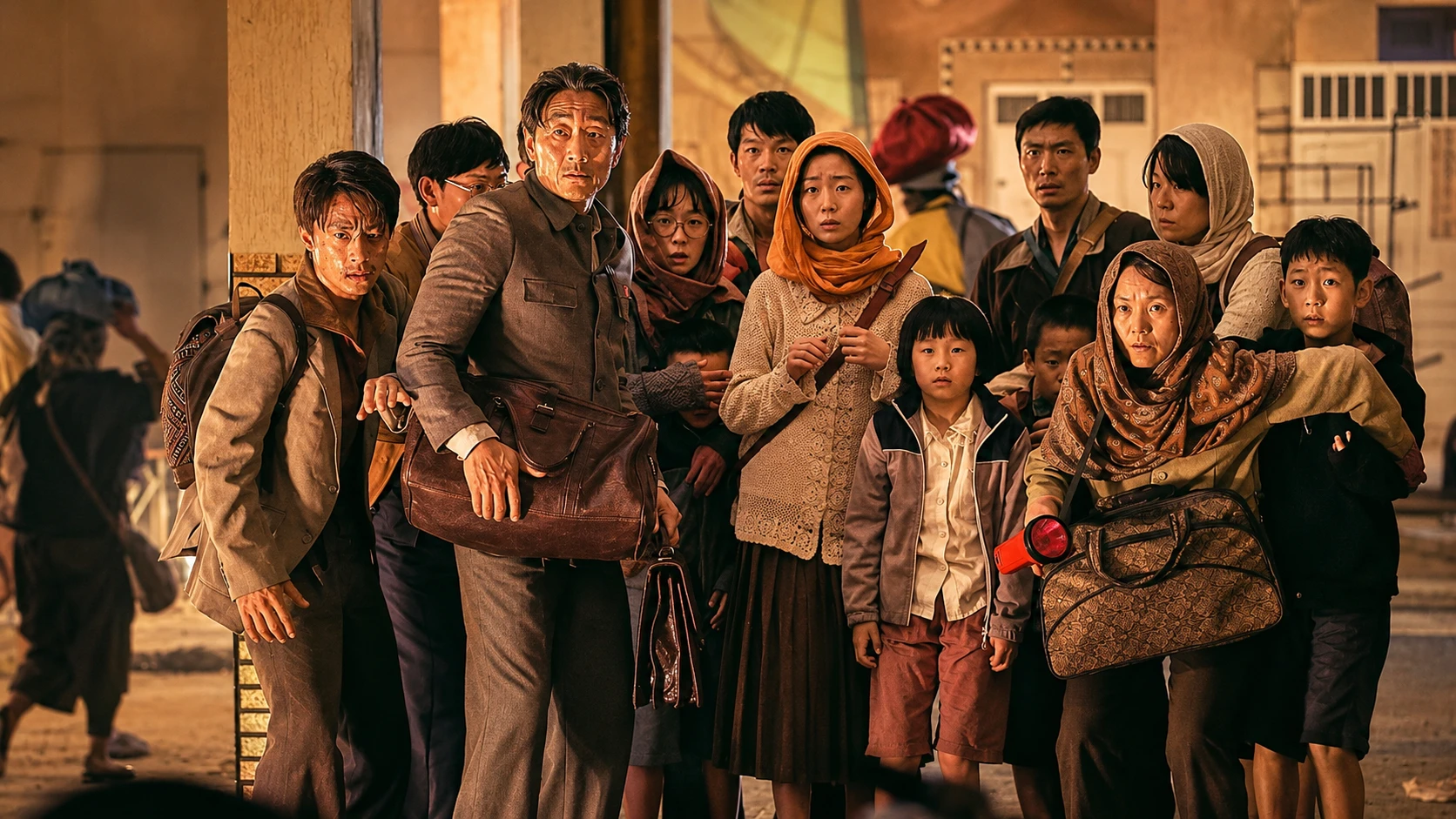
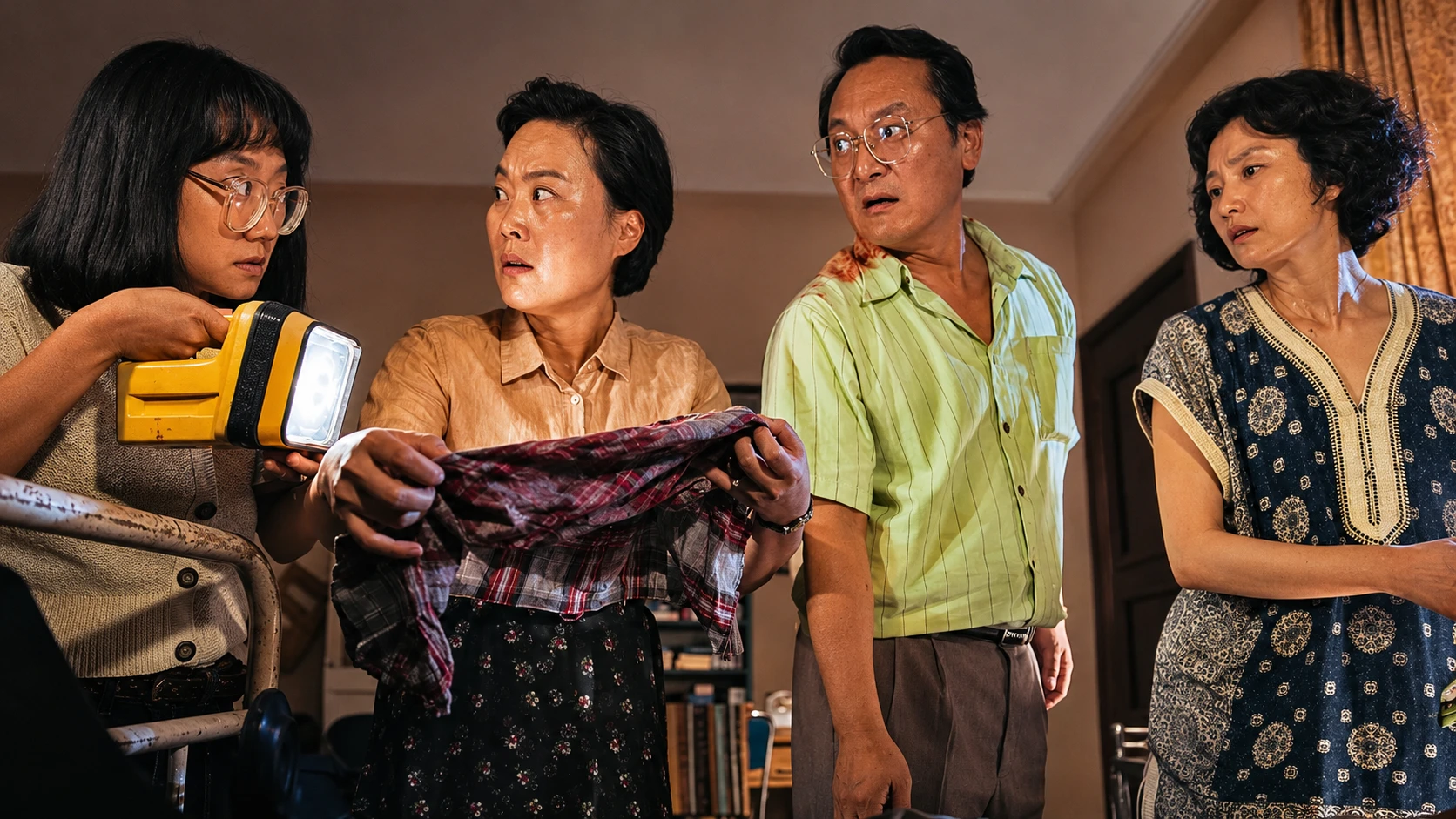
What follows inside the residence is the best quiet stretch of the film. Candles replace the electricity, and the North Koreans refuse the food until Han swaps rice bowls with Rim and eats first. Han finds out that Rim has diabetes and gives him spare insulin. Kang forges defection papers from the North Koreans’ passports, hoping to cash in on a propaganda coup, and Tae catches him and sets the papers on fire. The fistfight that follows ends with Kang, who keeps saying he is a trained man, pinning the younger man down. Han apologizes for Kang’s stunt and Rim answers that he would have done the same in his place, and the two of them move on to what matters. The Americans and Chinese have left. Only two friendly embassies are left to ask, Italy’s for the South and Egypt’s for the North, and Rim wants to know what happens if only one side can get out. Han tells him that whoever can live should live.
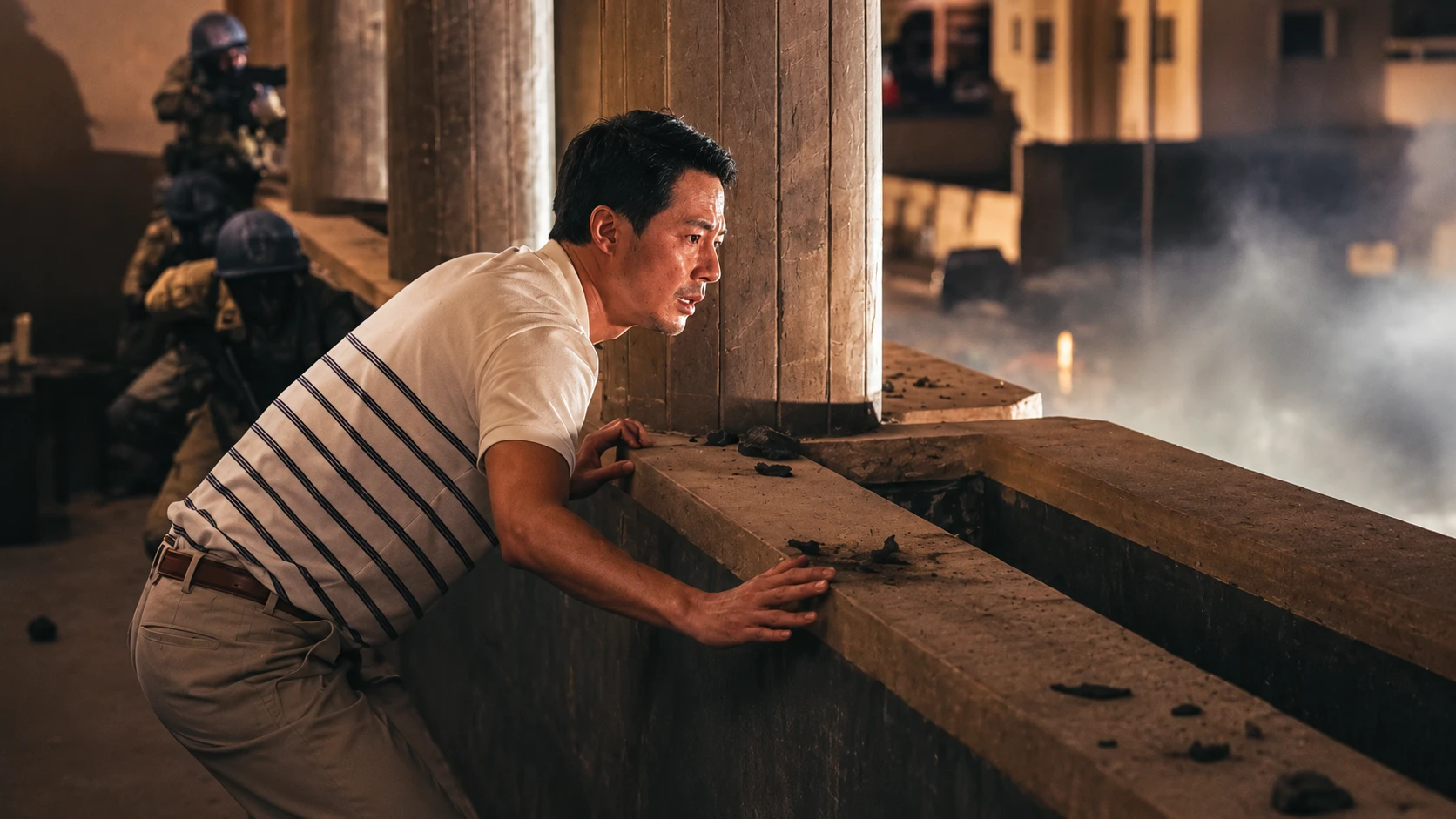
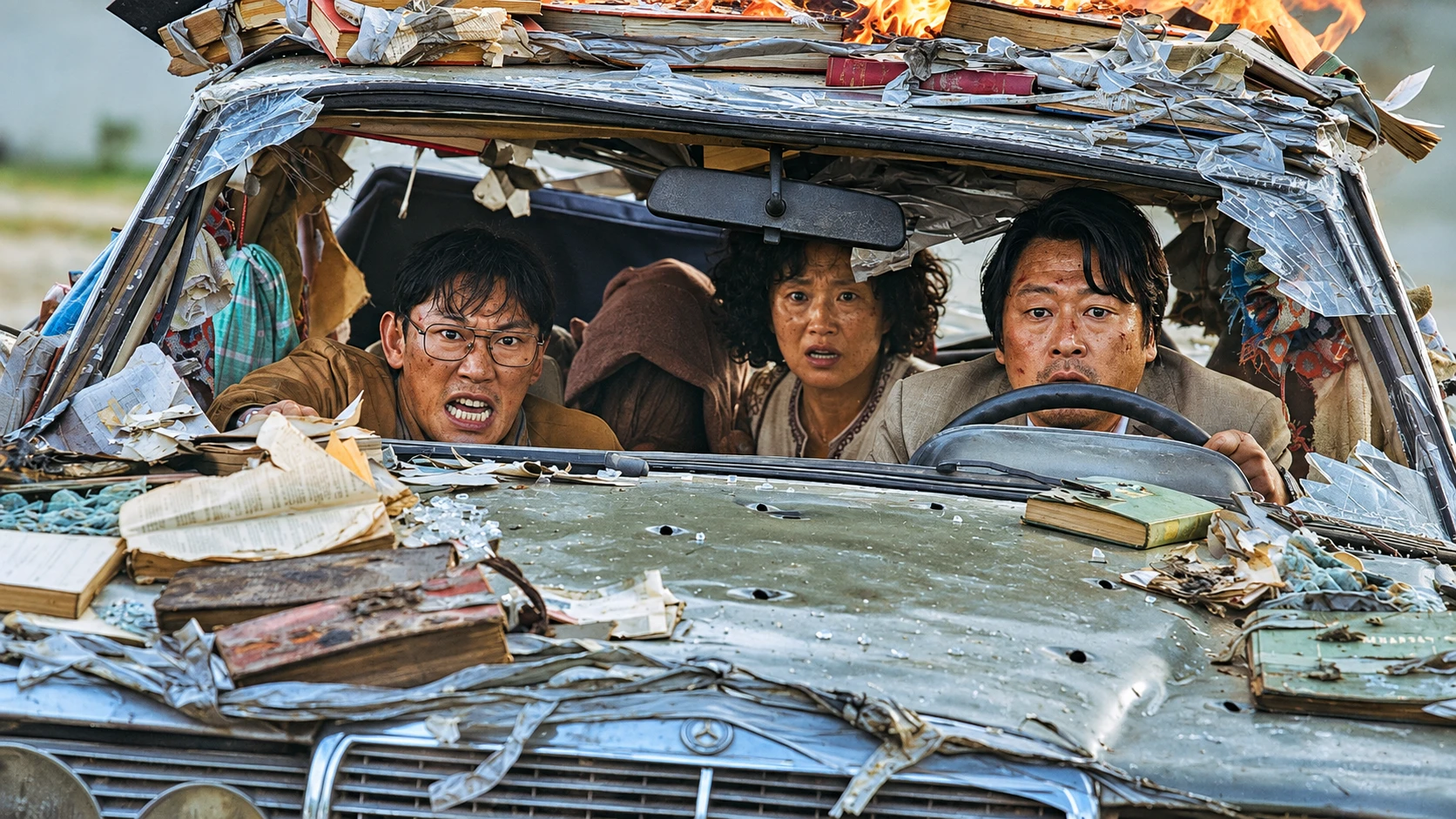
Han and Kang drive to the Italian embassy under fire and get the Red Cross flight for the South Koreans only, until Han lies to Ambassador Mario Sica and says the North Koreans have defected. Sica agrees. Back at the residence, twenty-one people from two governments tape books, sandbags and splintered furniture onto four cars, write their blood types on their arms in red marker and wait for the afternoon call to prayer, when the fighting usually pauses. At 3:45 the convoy rolls out with Han, Kang, the embassy secretary Gong Su-cheol and Tae at the wheels, and Han’s last words are an invitation to meet again in front of the Italian gate. Ryoo Seung-wan has been building to this drive for ninety minutes, and reviewers have compared his firefights with Black Hawk Down: broken glass, one usable windshield and a street that rearranges itself at each corner.
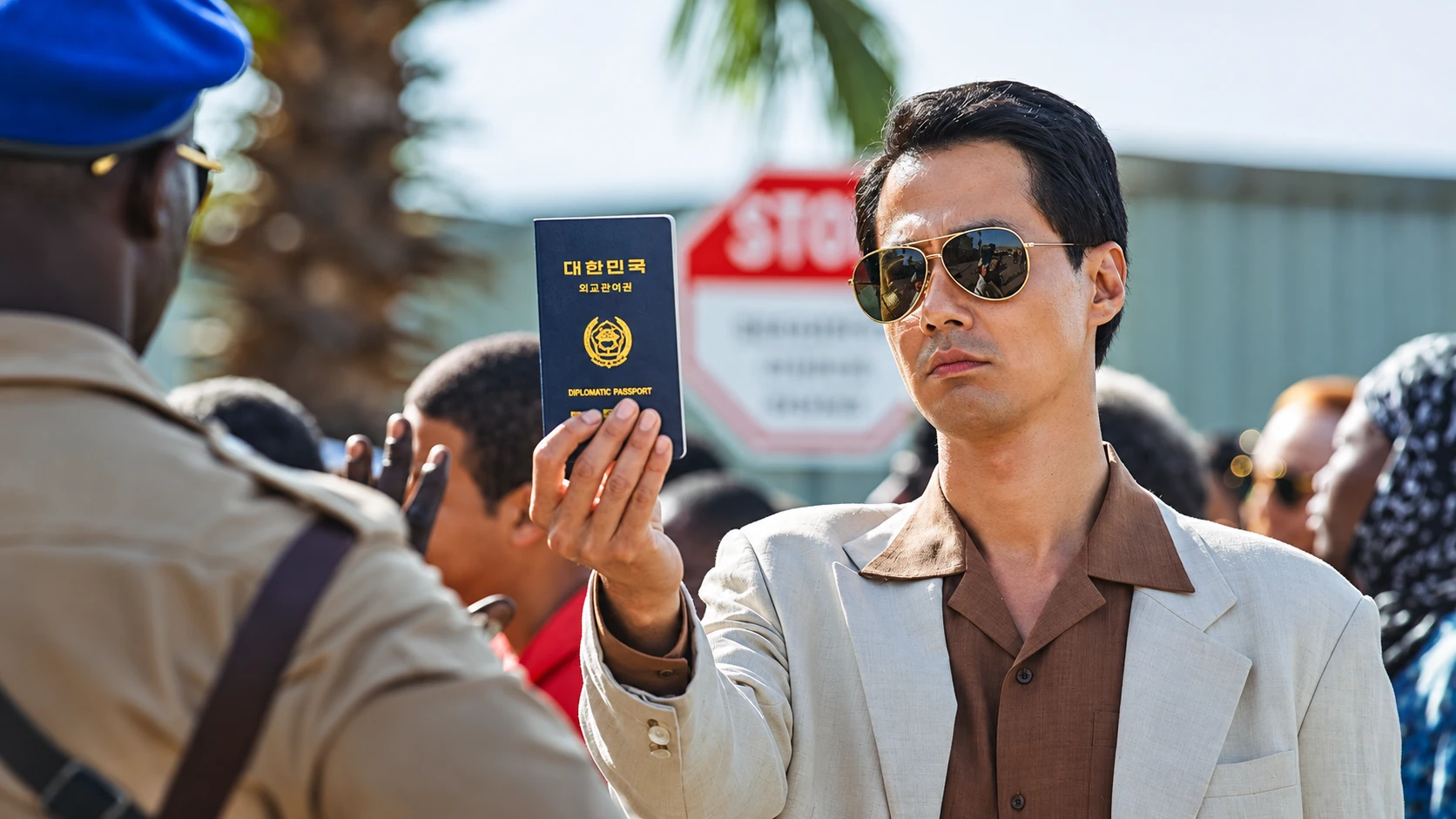
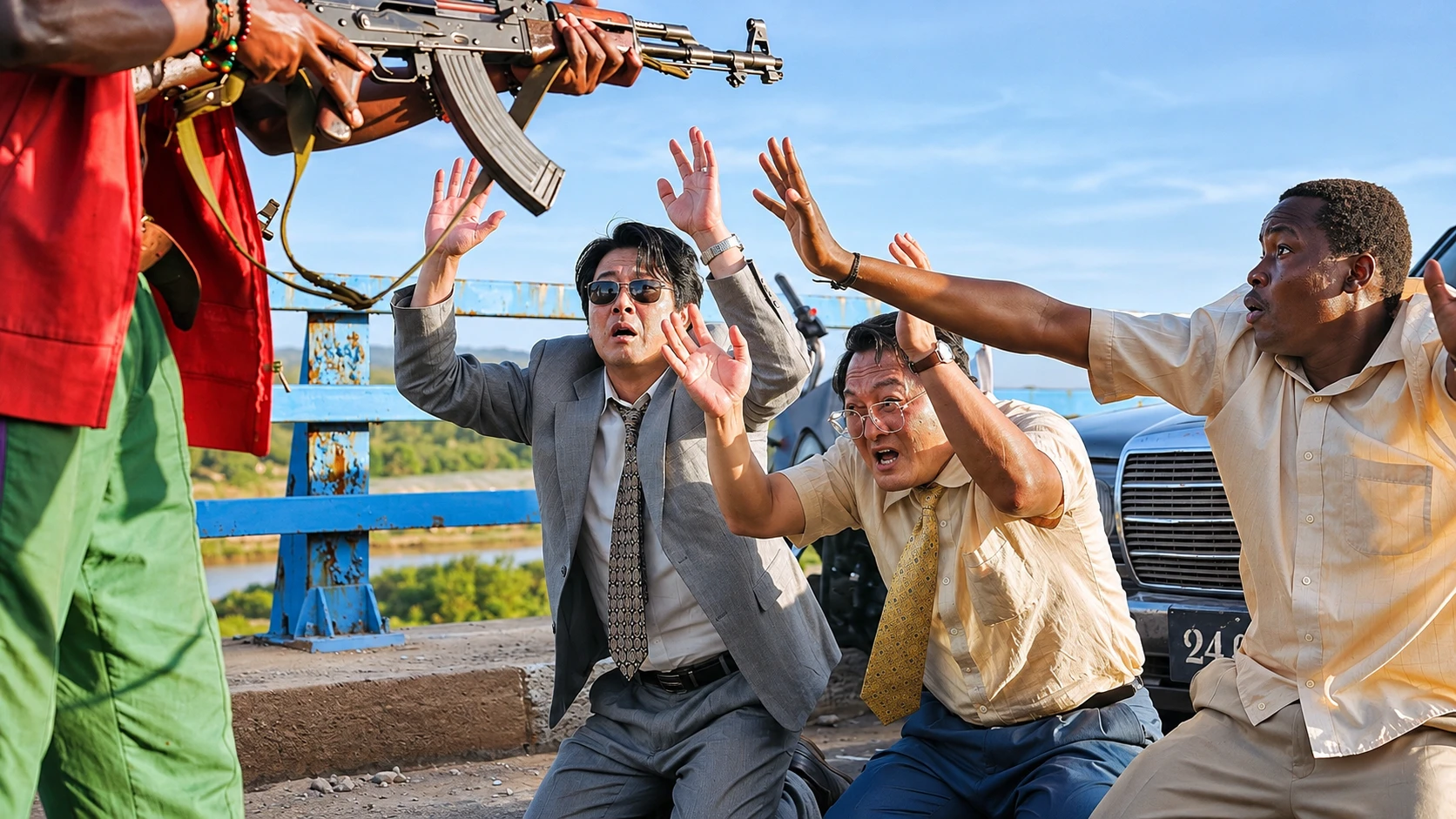
The route goes wrong at a government roadblock. Gong reaches for a white flag, it catches in the window frame, and only the wooden pole sticks out. Soldiers read it as a gun and open fire. The cars scatter into narrow streets with a machine-gun vehicle behind them, and Kang rams the pursuer off the road so the others can pass, while Tae’s car peels off and draws the soldiers after it. Three cars reach the Italian embassy first, where rebels are already firing from one side and the army from the other, and the Italian guards cannot open the gate while shots are flying. Han’s group crouches behind the cars with a white flag. Then Tae’s car appears down the street with the army still after him, and the guards finally warn both sides off Italian soil. The shooting stops.
Tae Jun-ki is dead behind the wheel, shot during the chase, with his head against the horn. Nobody else in the convoy dies. Kang, who forged the North Koreans’ defection papers two days earlier, is the one who opens the door, and the fight between them has nowhere to go. Italian priests and nuns hold a funeral in the embassy garden. The next day both sides accept a short ceasefire for the Red Cross flight, and the Koreans, North and South together, land in Kenya. Ryoo lets the moment stay small and trusts his cast to carry it, and Koo Kyo-hwan’s sour, frightened Tae, a man who spent the film as a nuisance, becomes the one the audience mourns.
🏁 Ending Explained
Everything that happens, explained in full — spoilers ahead.
What happens in the last act The two convoys reach the Italian embassy under fire from both the Somali army and the rebels, and only one person pays for it. Tae Jun-ki, the North Korean counselor, takes a bullet during the chase and dies in the driver’s seat of the last car to arrive, which is why the horn keeps sounding until South Korean ambassador Han Sin-seong reaches him. Everyone else in the convoy survives. The Italian guards hold the gate until both rebels and soldiers back off, and the group goes inside.
Who dies, who lives, and who gets out Tae is buried in the embassy garden by Italian priests and nuns, and the film treats it as the single casualty of the escape. Han tells Rim that the Red Cross flight is due the next day and that rebels and soldiers have both agreed to hold their fire until the foreigners are gone. That is the arrangement that lets both embassies board together. Namu Wiki’s plot summary puts the landing in Kenya at Mombasa on January 12, 1991. The only characters the film truly loses are Tae and, earlier, the young Somali employee Swama, who slips out of the South Korean embassy and is beaten to death by police. The other staff, including the children, come through unharmed.
The last scene at the airport On the plane, a North Korean embassy staffer thanks Kang Dae-jin for something he never had the chance to say. He tells him that North Korean diplomats must leave a family member behind in Pyongyang when they go abroad, so everyone on the flight has a reason not to be seen defecting. Rim thanks Han and turns down his offer of help in Nairobi, explaining that his party has already been in touch. Both men know that South Korea’s intelligence agency and North Korea’s state security are waiting on the tarmac, each expecting a defection that never happened. The two groups agree to separate, with the South Koreans deplaning first. Kang embraces the agent sent to meet Rim and talks over him so that the North Koreans can slip past. Han looks at Kang before boarding the bus, hoping for a glance at Rim, and Kang answers with a serious shake of the head. Even a look could be reported. Rim does not turn around either. The two buses leave in opposite directions and the film ends.
How the ending compares with what happened The film is based on the novel Escape by Kang Shin-sung, the former ambassador, and it changes a lot. Namu Wiki, which compares the film with the novel, says the real group spent about twelve days at the ambassador’s residence rather than two or three, traveled in six cars with 22 people instead of four cars with 21, and used no books or sandbags as armor, only a South Korean flag. Ryoo has said he added the improvised armor because it seemed too miraculous that so many could drive through without protection and lose only one person. Namu also says the real North Korean casualty, a staffer shot through the heart, still drove to the Italian embassy before he died, and that the ambassadors had barely met before the airport. The North Korean ambassador and counselor are each composites of two real people, according to the same page. Kang Shin-sung has said he was frustrated that the film left out how South Korea helped the North on humanitarian grounds.
What the ending says The final image is a goodbye between people who are still on opposite sides. Han and Rim saved each other’s lives and cannot say so in public, because neither government would believe the story and each would punish its own people for it. The film settles the question with one small gesture: two men almost look at each other, and then do not. Ten Asia’s reviewer noted that most inter-Korean films reach for tears, while this one stays plain and unsentimental, and the last scene is where that choice pays off. Variety wrote that the outcome is never in doubt but the survival run is genuinely thrilling. The final minutes are quiet because everything loud has already happened, and the two buses pulling apart are the only epilogue the film allows.
✍️ KDramaWorlds Editor’s Take
Our honest read on why this film is worth your time — and who it’s for.
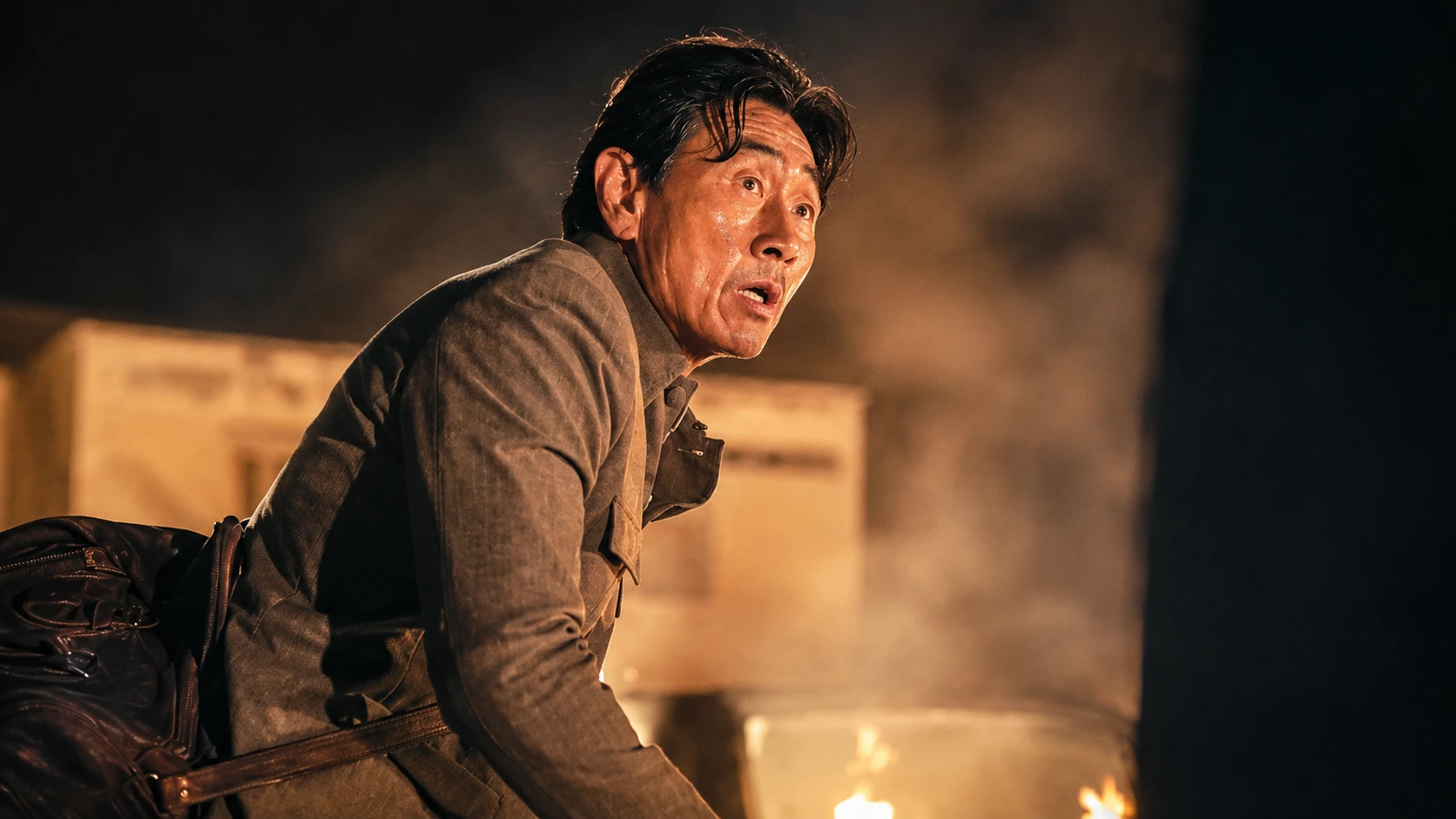
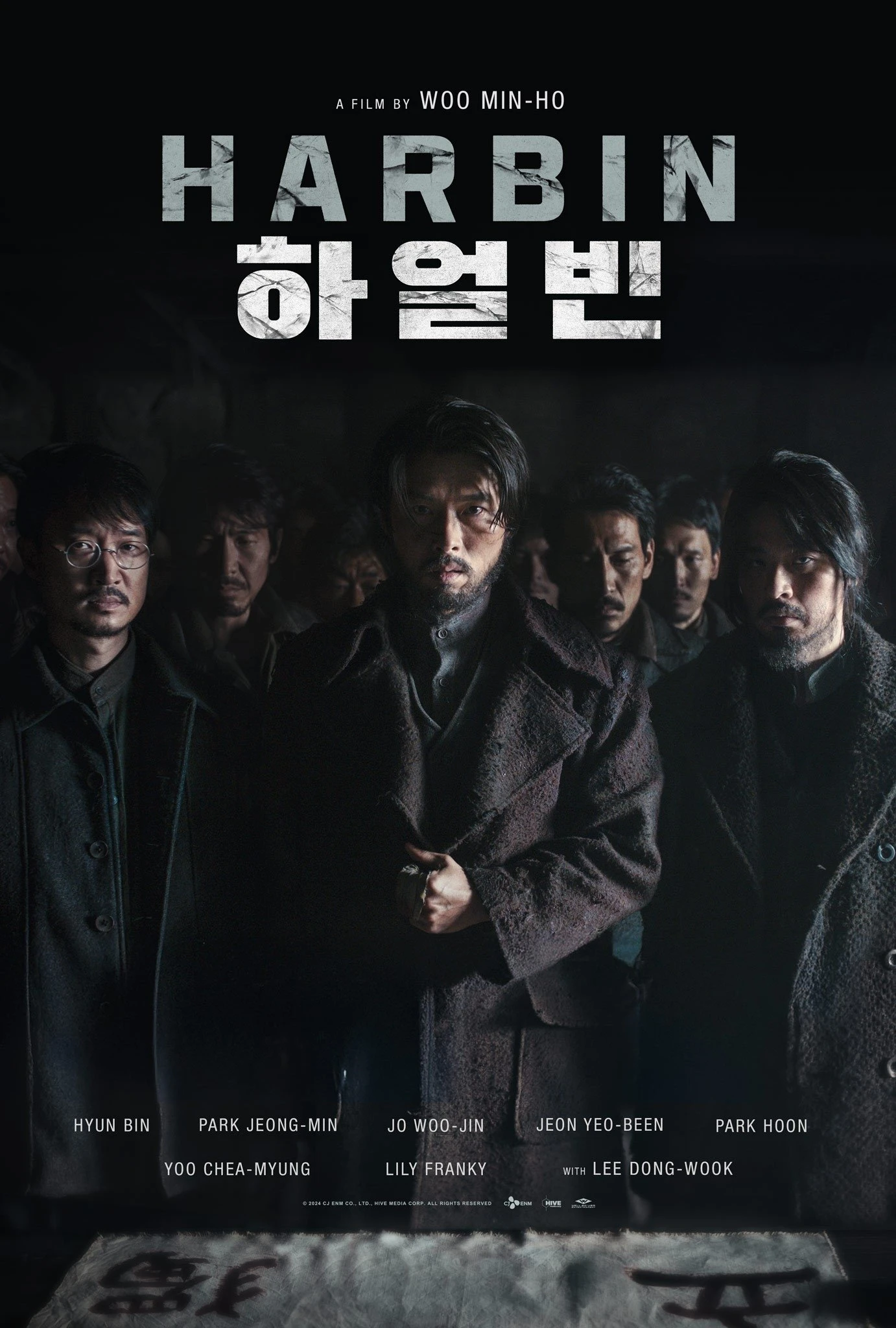
Embassy dramas usually go quiet and talky, and the first half of this one almost does, in a funny way. The two ambassadors spend their time bickering over bribes, scholarships and a presidential meeting that was moved, and Ryoo plays it as farce. It is easy to forget you are watching a war film until the street outside starts to burn. The picture it recalls is Harbin, another recent Korean film built from real history, though Mogadishu keeps its focus on a few dozen people in two buildings. Kim Yoon-seok plays Han as a tired, cunning civil servant who is better at lying to Seoul than to himself, and the scene where he swaps rice bowls with his North Korean counterpart says more about trust than any speech could.
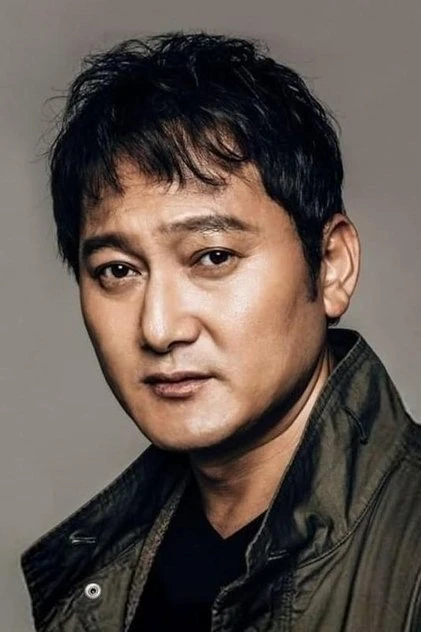
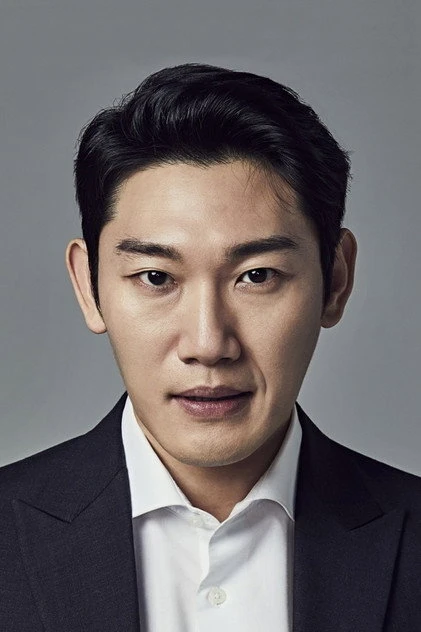
The ensemble does the rest. Huh Joon-ho won the Blue Dragon for Best Supporting Actor playing Rim with the clipped patience of a man who has been disappointed by his own government before, and Koo Kyo-hwan, as Tae, makes a hard-line operative sympathetic without ever softening him. Zo In-sung brings a bright, cocky edge to Kang, the intelligence officer who forges papers and then turns out to be good in a fight. The cast also includes Kim So-jin, Jeong Man-sik, Kim Jae-hwa and Park Kyung-hye, who get shorter but sharper scenes. If you liked the spy-game paranoia of Hunt, this one trades the double agents for something more human: two sets of people forced to depend on each other, and neither is willing to say so.
The weak spot is the pace of the opening hour, and some viewers will want more action sooner. Kang Shin-sung, the former ambassador whose novel inspired the film, also said he was frustrated that it omitted South Korea’s humanitarian help to the North, and the real events differed in many details, down to the length of the stay and the number of cars. Treat it as a dramatization rather than a record. The rest is hard to dispute. It sold 3.61 million tickets, grossed US$29.9 million, took Best Film at the Blue Dragon, Buil and Baeksang awards, and was Korea’s submission for the Academy Award for Best International Feature. The convoy sequence alone, shot with improvised armor and a single working windshield, is worth the 121 minutes.
🎬 You Might Also Like
If you liked Escape from Mogadishu, these are your next three watches.
 Voice (Season 4)
Crime Thrillercult
Read Full Review →
|
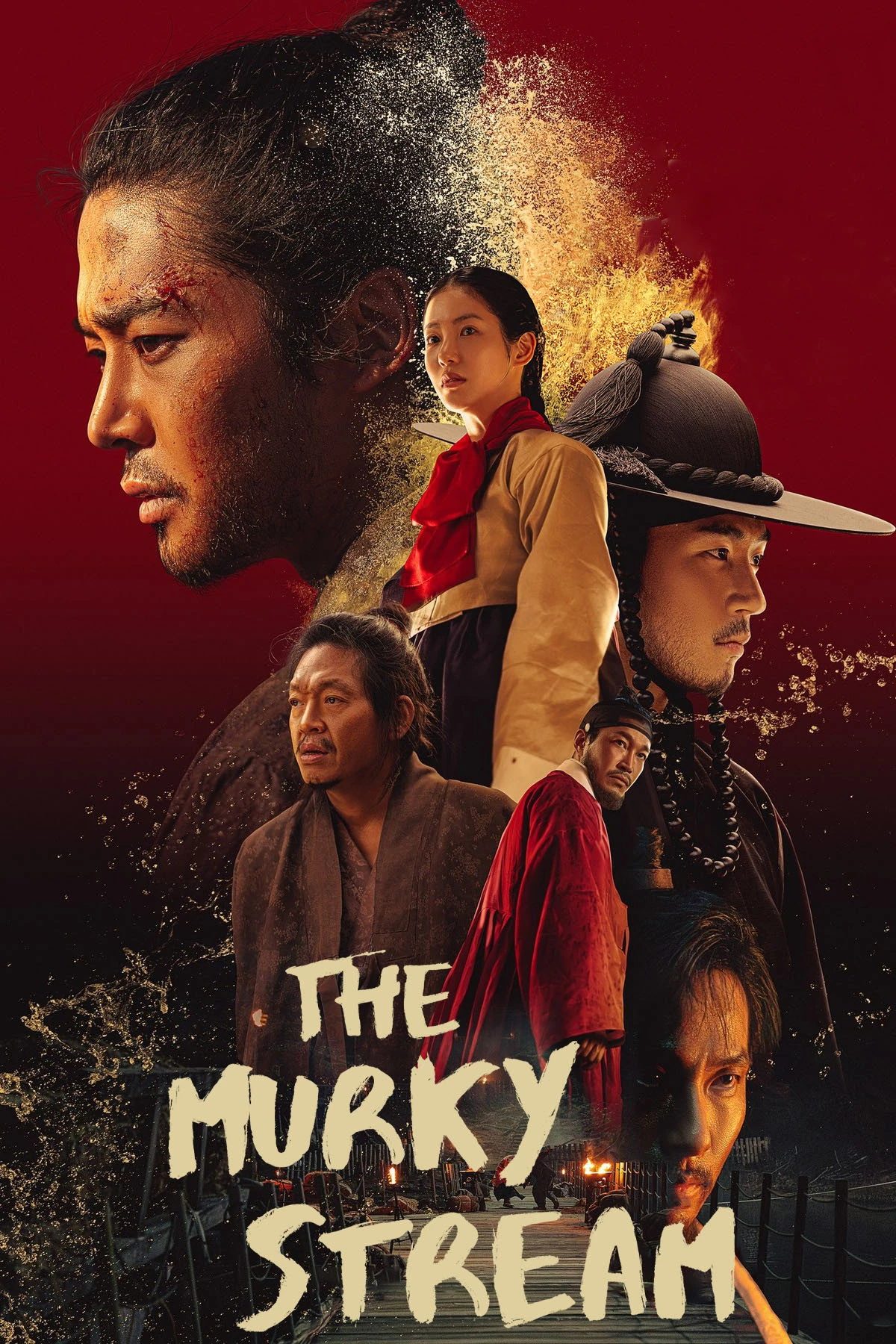 The Murky Stream
Corruptiongangster
Read Full Review →
|
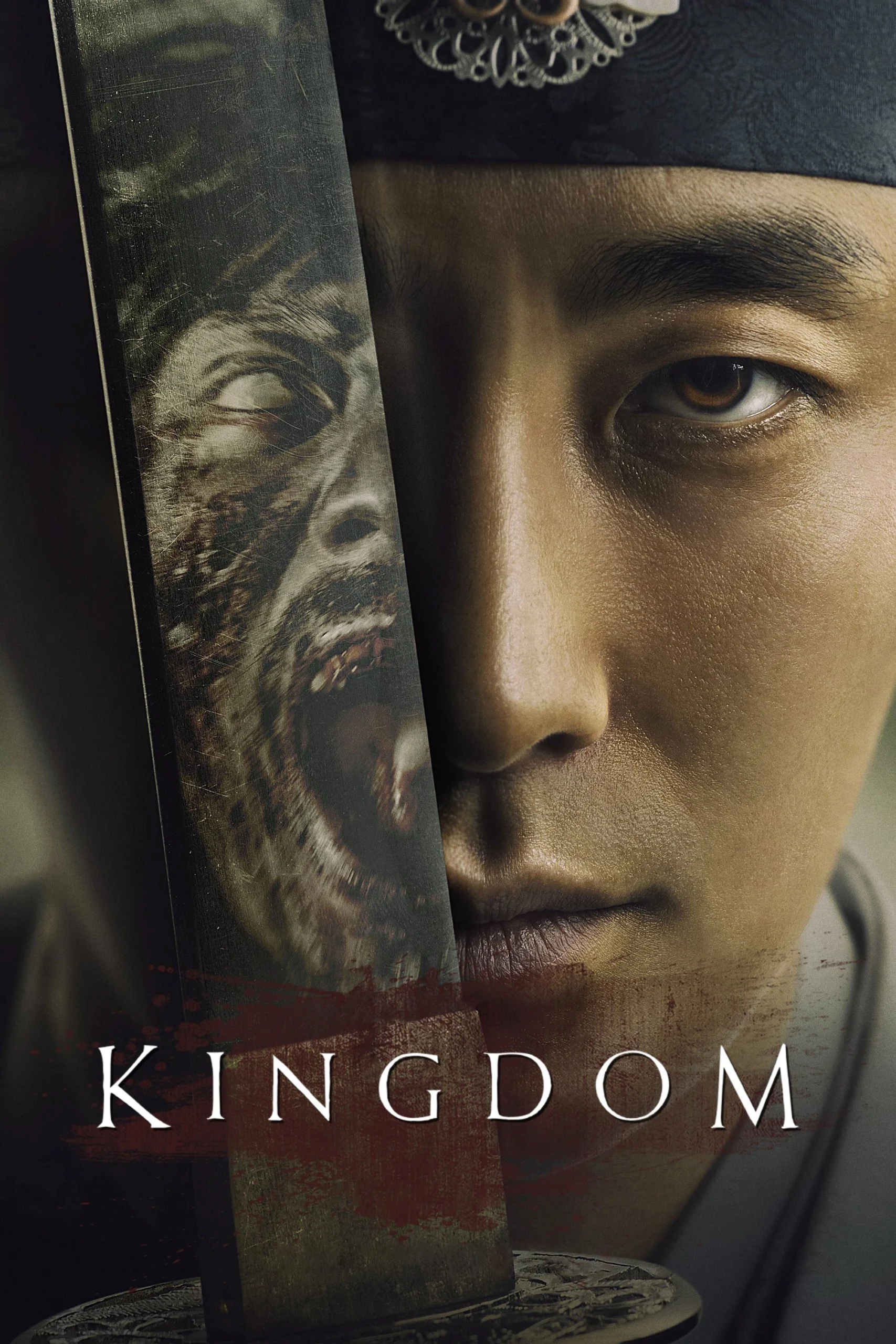 Kingdom Season 1
Crown PrinceHistorical Drama
Read Full Review →
|











Keep it kind, skip the harsh language, and please — no spoilers. Everyone's taste is different, and that's perfectly fine.
This space is for real reactions and discussion from other viewers. Help keep it comfortable for everyone by not giving away major plot details.
What do you think of this drama?
Login to share your review or leave a comment.
No email needed — just pick a username & password.