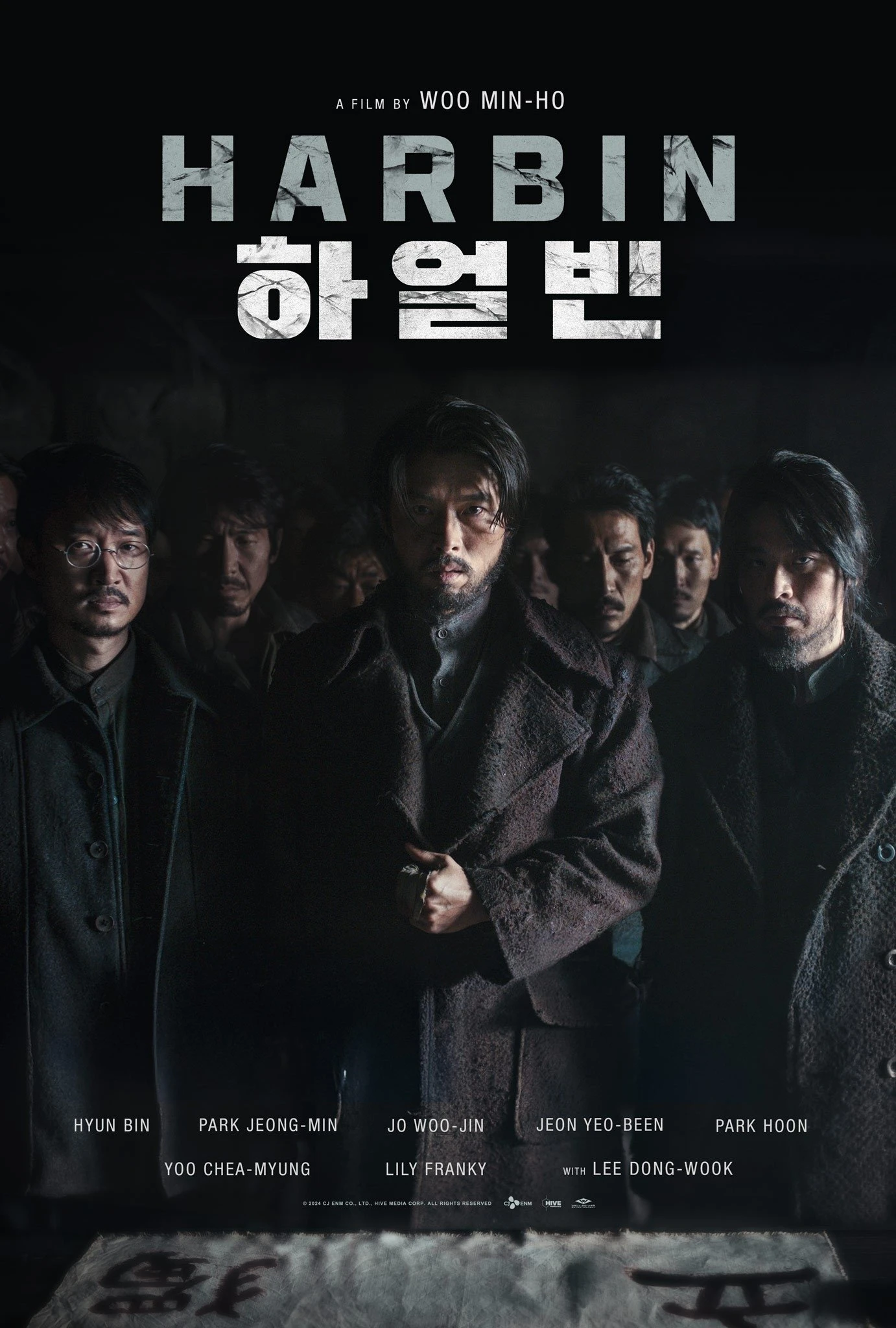
Harbin
🎬 Film Overview
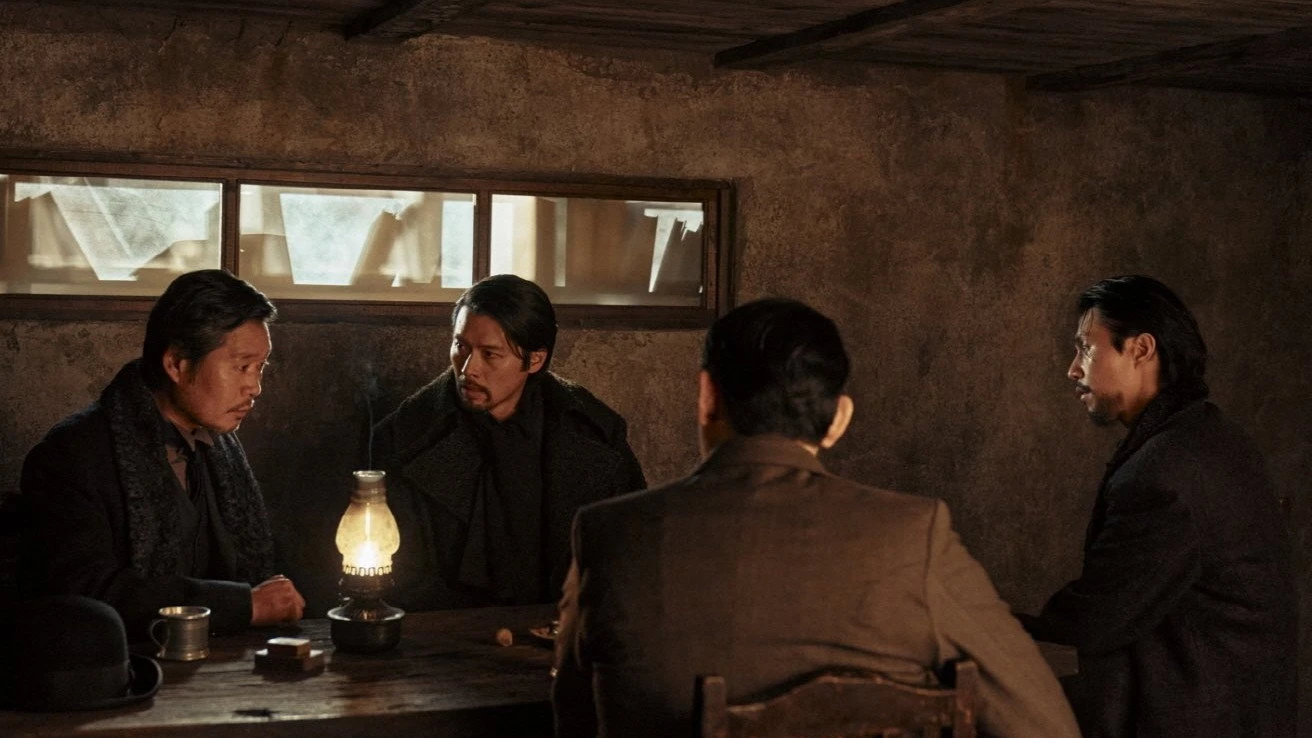
In 1909, several years after Korea is forced into becoming a Japanese protectorate, Lieutenant General Ahn Jung-geun leads a group of independence fighters on a perilous mission. After releasing Japanese prisoners of war out of moral principle, Ahn faces suspicion from his own ranks when enemies slaughter his fallen squad. Determined to redeem himself, Ahn rallies fellow activists to travel to Harbin, China, where they plan to assassinate Japan’s first prime minister Itō Hirobumi during negotiations with Russian officials. But as they prepare for the attack, a mole within their group leaks mission details to the bloodthirsty Japanese officer Mori Tatsuo, who is relentlessly in pursuit.
⚡ Quick Verdict
Here’s the verdict — no scrolling, no guesswork.
· MDL · Check MyDramaList for updated community rating
· 89% RT Critics · 91% RT Audience
· 6.8 / 10 IMDb
▶ Official Trailer
🎭 Cast & Characters
Twelve performances across a frozen, desperate corner of history.

Lead
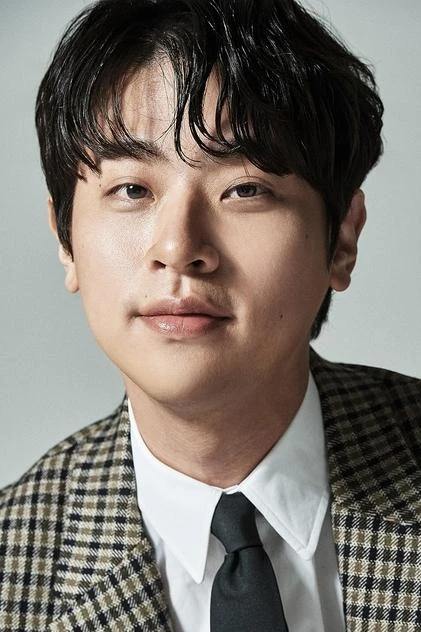
Lead
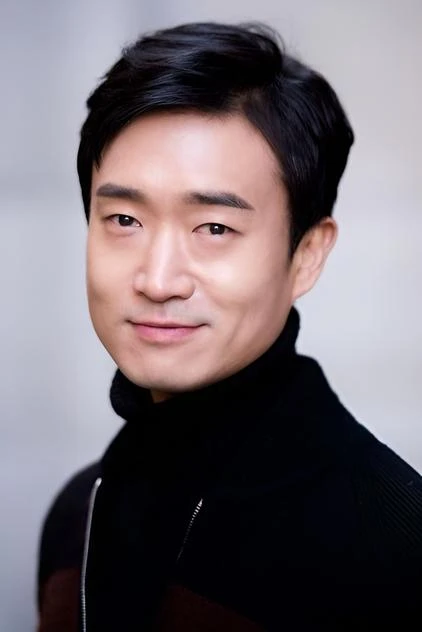
Supporting

Supporting

Supporting
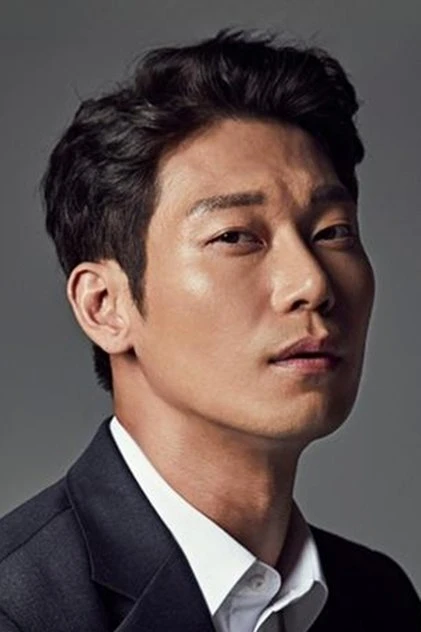
Villain
Supporting
Supporting
Supporting
Supporting
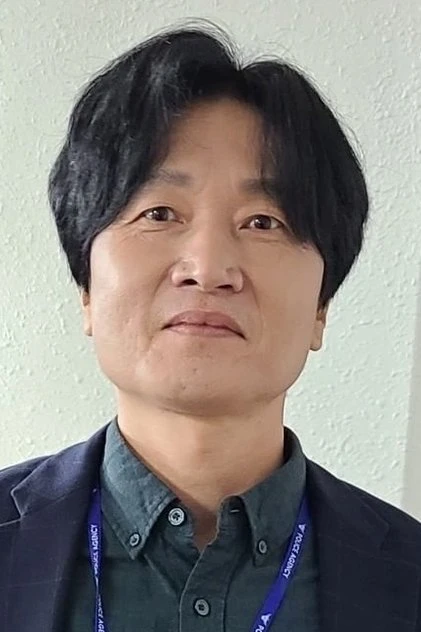
Supporting
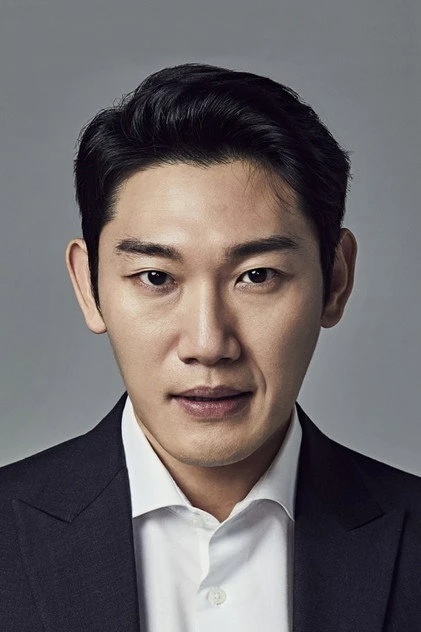
Supporting
📖 The Story
Spoiler-free rundown — just enough to gauge if it’s your thing.
Ahn Jung-geun is not a general who wants martyrdom. He commands a unit of Korean independence fighters operating from frozen Manchurian safe houses in 1908 — and his defining tension is that he believes in rules of war inside a conflict that has none. His people are living on border crossings and borrowed time, striking Japanese forces when the opportunity allows, disappearing back into the snow when it doesn’t. What sets him apart isn’t his rank. It’s the particular weight he gives to restraint — the conviction that how you fight matters as much as whether you win, and that this conviction will cost him everything before the film is over.
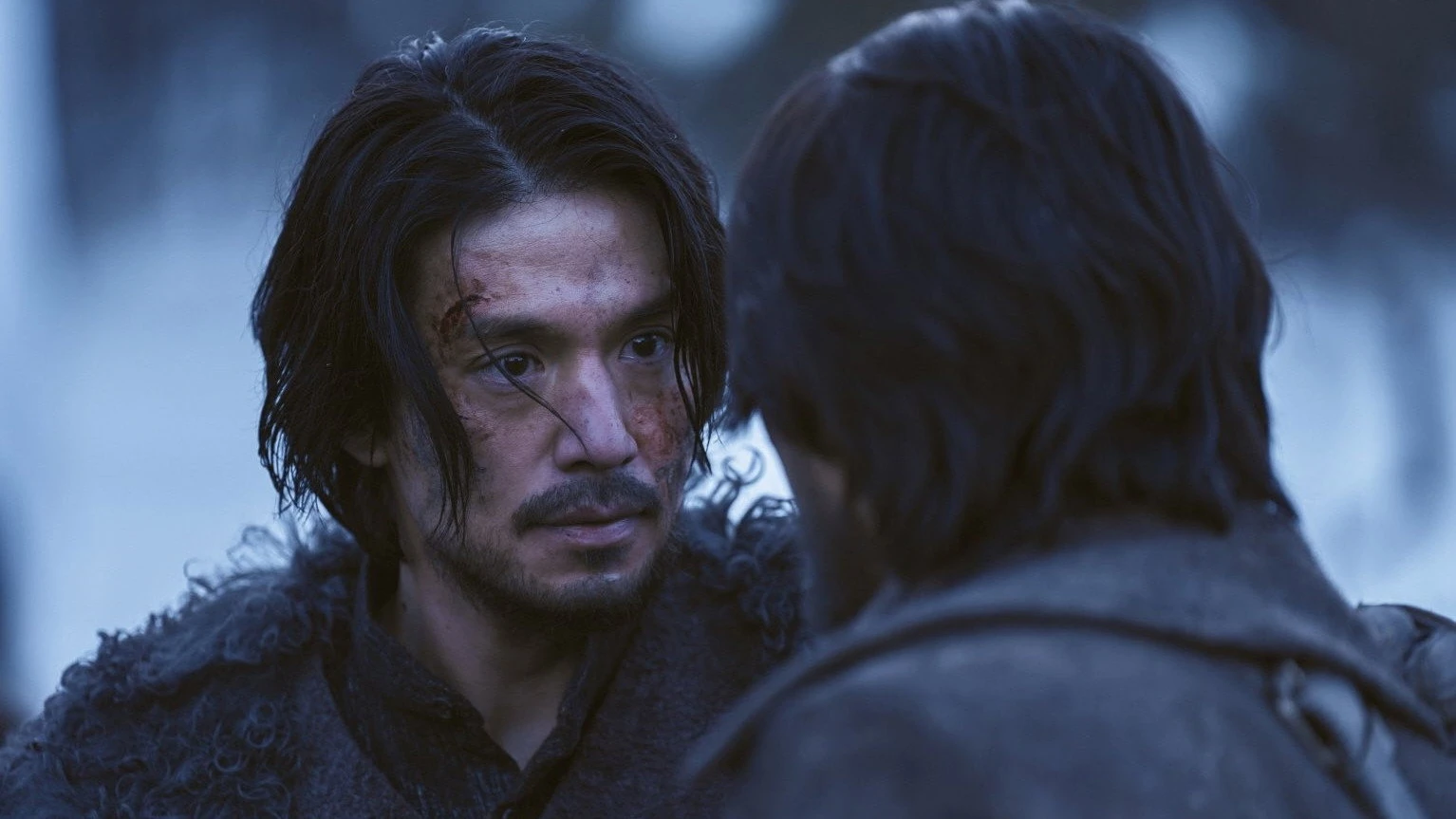
The story’s hinge arrives early and reveals everything. After a successful assault on a Japanese unit in the Sinma Mountains, Ahn’s fighters capture Lieutenant Colonel Mori Tatsuo and several prisoners. By every practical calculation of guerrilla war, these men should be executed. Ahn invokes the laws of war and releases them. The decision is not naive — he knows exactly what he’s doing — but it fractures his own unit before the film is thirty minutes old. A year later, when Mori has slaughtered most of the original squad in revenge, Ahn is still living with the choice he made, and the mission to Harbin is built on the specific rubble of that restraint.
The emotional stakes aren’t about the mission succeeding or failing. They’re about whether Ahn can prove that his restraint wasn’t weakness — that releasing those prisoners wasn’t a moral indulgence that got his people killed. Everything that follows is shadowed by this question: the new fighters he recruits, the route they trace toward Harbin, the plan to reach Itō Hirobumi’s train — all of it is carrying the dead before it’s even started moving. He is not trying to become a hero. He is trying to become someone whose earlier choices didn’t destroy everyone around him.
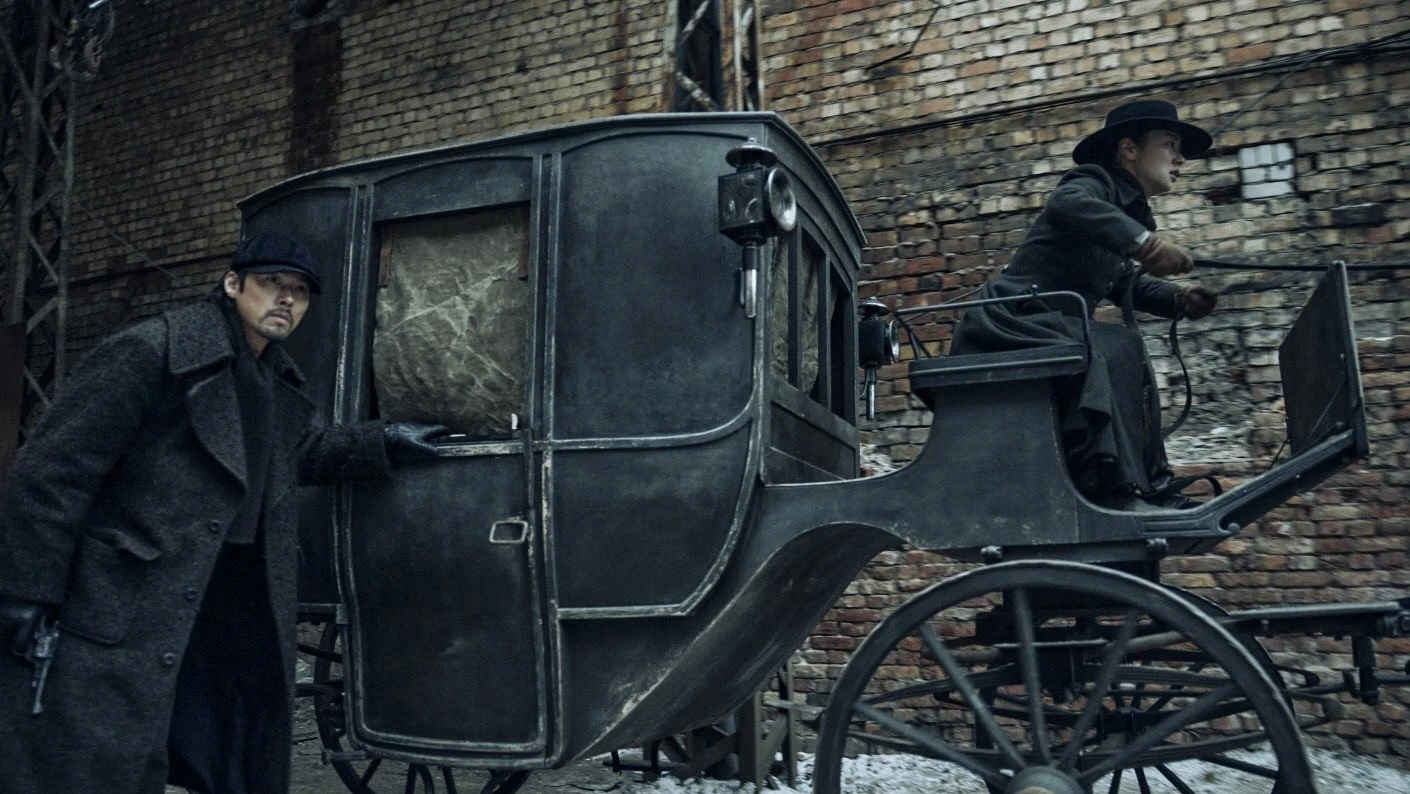
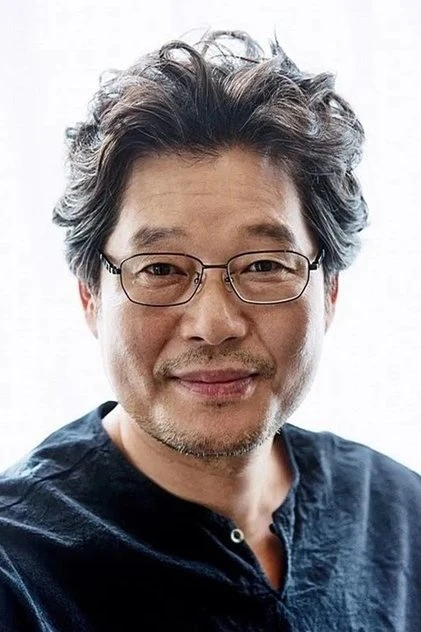
Around Ahn, the film builds a small ensemble of fighters, each defined by what they’ve already lost. Woo Duk-soon questions Ahn’s leadership openly and follows him anyway — an expression of loyalty that never quite looks like loyalty. Lee Chang-sup carries resentment for past failures without announcing it. Gong Bu-in operates a network of safe houses from Vladivostok, the group’s steadiest presence. You Chea-myung’s Choi Jae-hyung provides money and infrastructure — and the film’s most dangerous vulnerability, which the mole plot eventually exposes. None of these people are friends. They are people who have decided to trust each other because they have run out of other options.
What makes Harbin different from other Korean historical war films isn’t its battle sequences — it barely has any. The tension is almost entirely interior: the creeping knowledge that someone within the group is feeding their movements to Mori Tatsuo. This mole hunt turns every conversation suspicious, every alliance unreliable. Director Woo Min-ho is less interested in the choreography of resistance than in the psychology of it — the specific paranoia of people who have chosen to trust each other across an impossible set of circumstances, and who cannot know if that trust is misplaced until it costs them lives.
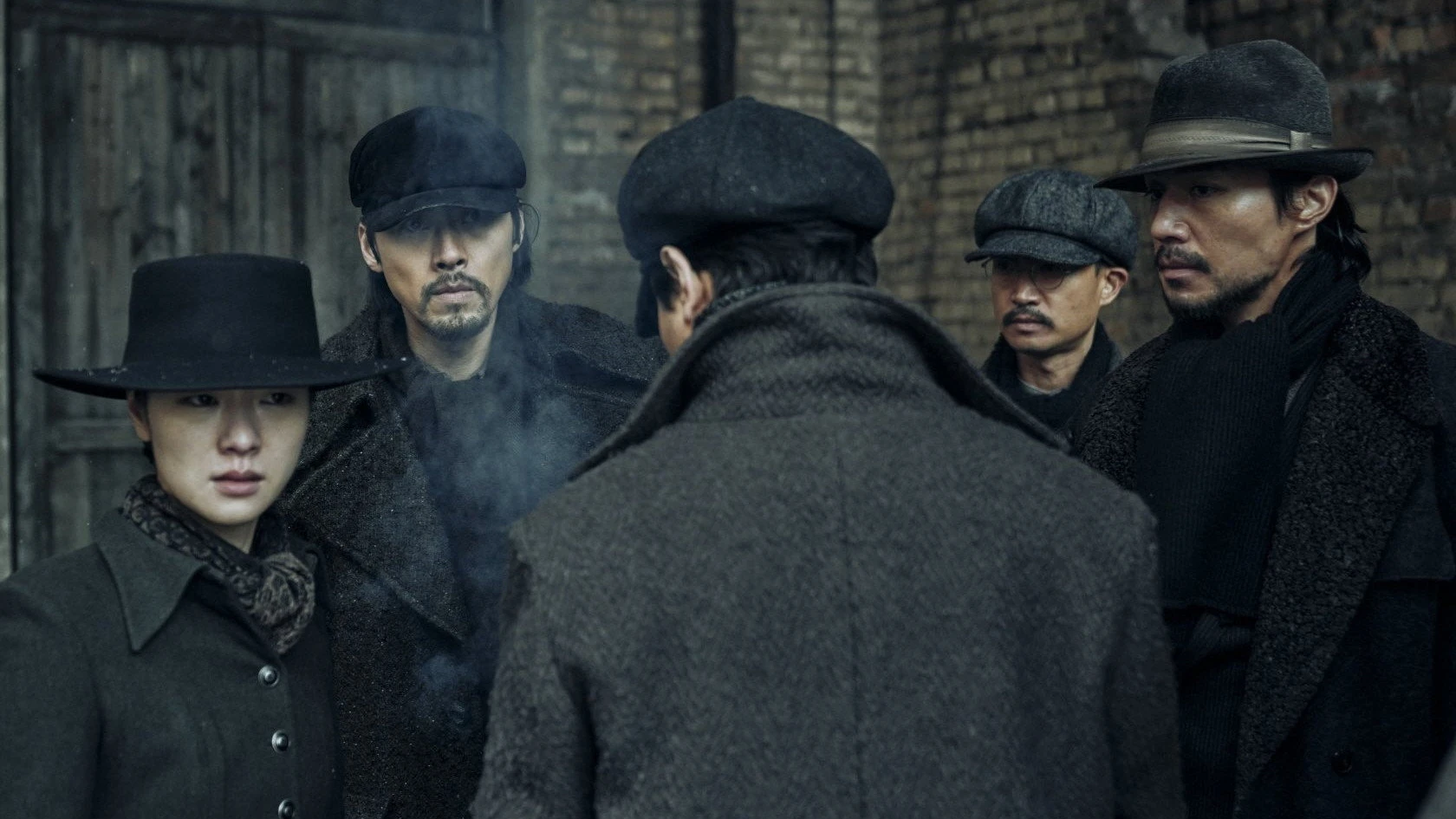
The film feels like the ground beneath your feet is ice and you have been walking for too long. Woo Min-ho shoots Manchurian winter as something beautiful and hostile simultaneously — vast frozen plains, grey light, breath in cold air. The pacing is deliberate to the point of occasionally testing patience, and the film earns that patience more than it doesn’t. When violence arrives, it is precise and brutal rather than spectacular. When silence arrives — which is often — it does more work than the action.
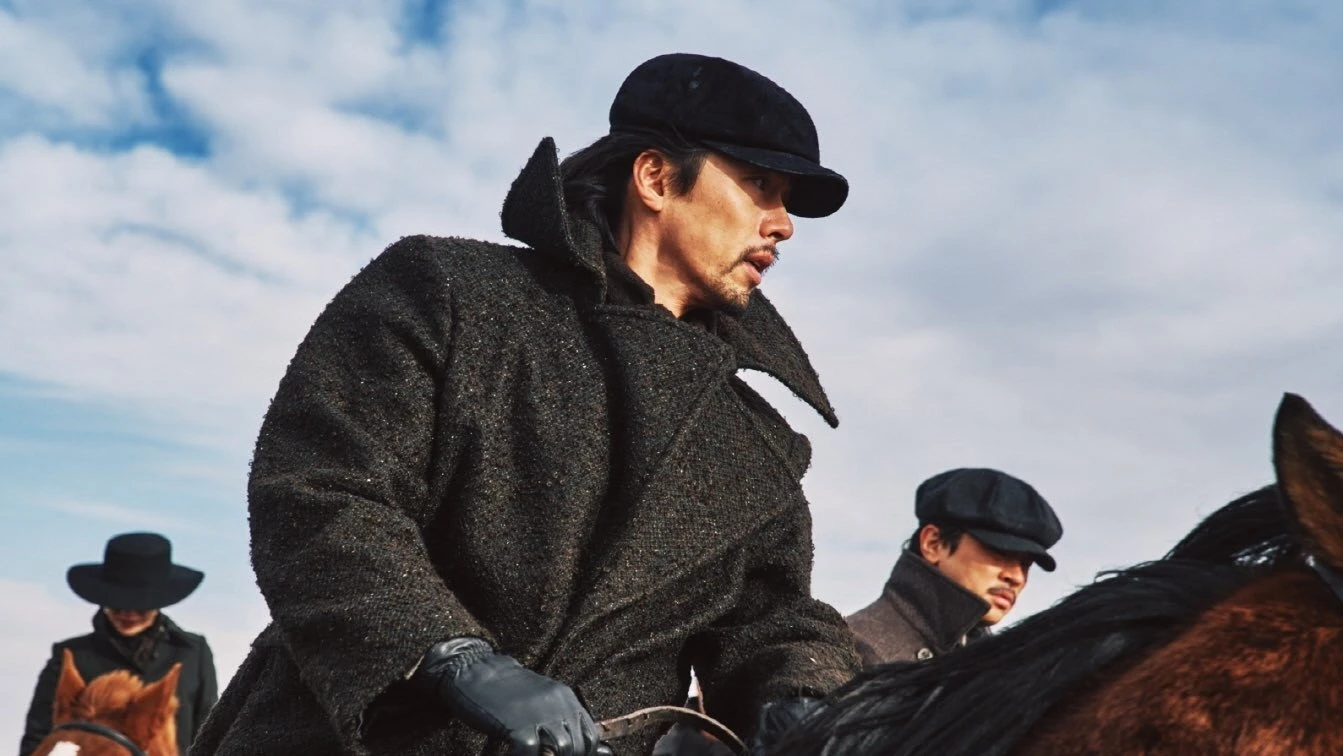
Ahn Jung-geun is not a cinematic invention. He was a real person who shot Itō Hirobumi at Harbin Station on October 26, 1909 — Japan’s former prime minister and the primary architect of Korean annexation. He was captured, tried in a Japanese military court, and executed in March 1910, five months before Japan formally absorbed Korea into its empire. He is remembered in Korea as a national hero and martyr, the man who gave everything for a freedom he would never live to see. The film doesn’t try to resolve the contradictions of his legacy. It asks you to sit with them.
🏁 Ending Explained
Full spoilers ahead — what happens, what it means, and what history confirms.
Full Spoilers Ahead — This section covers the complete ending of Harbin. Stop here if you haven’t watched.
The finale belongs to two betrayals. When the group reaches Harbin Station, Choi Jae-hyung’s role as mole is exposed — he leaked their movements because Japanese forces threatened his family, a motive the film gives him without quite absolving him. Mori Tatsuo’s soldiers ambush the unit. Kim Sang-hyun is killed in the firefight. Several others fall. Ahn confronts Mori directly and, after a sustained and brutal exchange, kills him. The assassination of Itō Hirobumi proceeds — Ahn takes his position, the shot is fired — and the film cuts away before showing the outcome with finality.
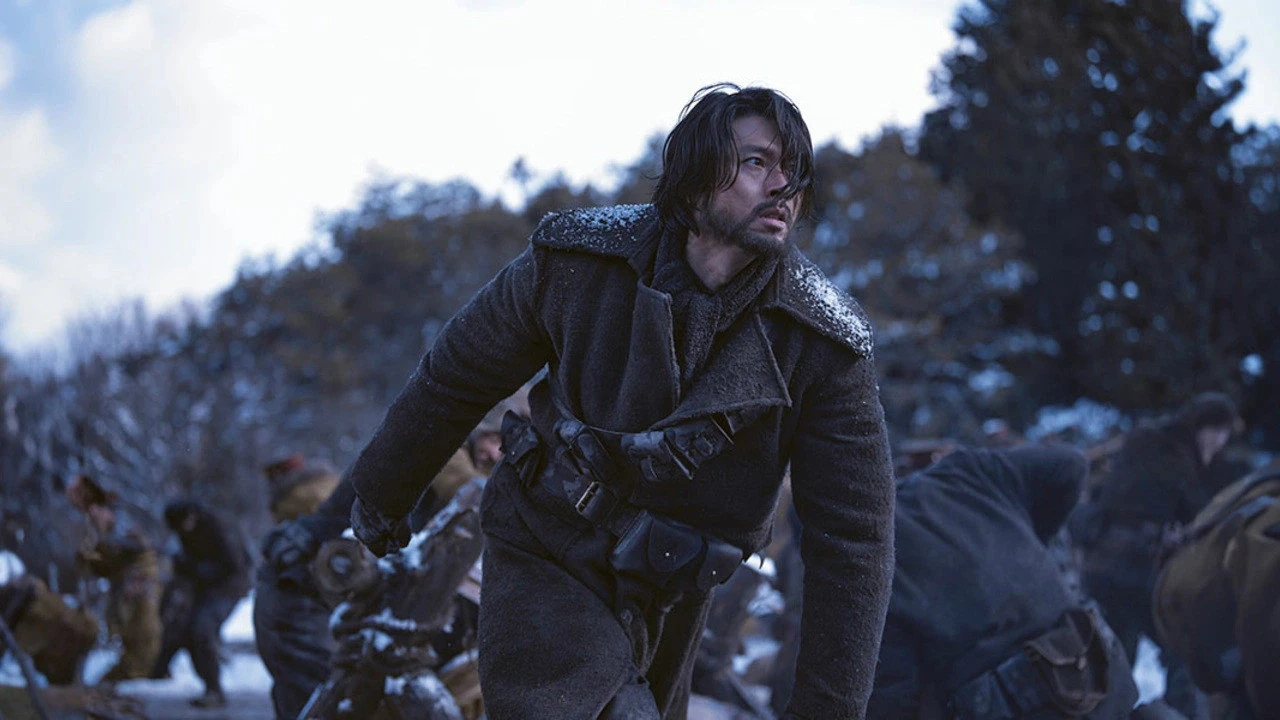
The ending’s real subject is not whether Itō dies. The same restraint that defined Ahn at the film’s opening — releasing prisoners, insisting on rules of war, choosing what is right over what is safe — has led, by a path of logic and loss, to the moment where none of those careful choices matter anymore. The redemption arc the film has been building isn’t “Ahn learns to be ruthless.” It’s something closer to: Ahn discovers that the rules he believed in were never strong enough to protect the people he loved, and that he has to complete the mission anyway. The martyrdom isn’t the point. The clarity with which he arrives at it is.
The film’s most unresolved question is Choi Jae-hyung. His betrayal is explicable — family under threat, an impossible choice made under coercion — but the film refuses to show his fate. Some viewers read this as deliberate moral restraint: the film letting the betrayal exist in ethical gray rather than providing the catharsis of punishment. Others see it as the film acknowledging what Korean history records show — that collaboration happened and was rarely fully accounted for. Either reading holds. The ambiguity is not evasion; it’s the film trusting that the questions are more honest than the answers.
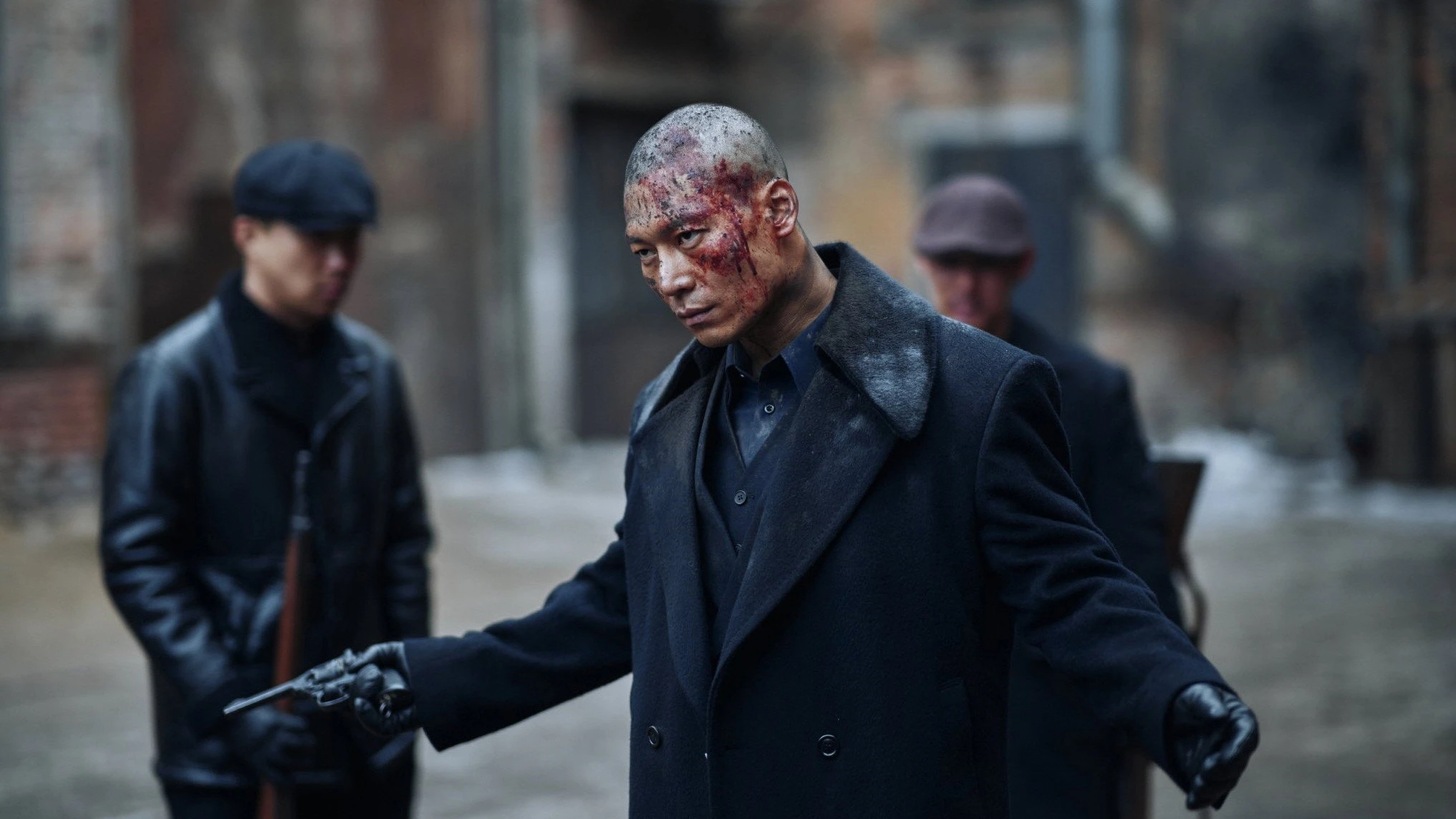
The strongest reading is that the assassination succeeds, and that success is not the point. Harbin is historically grounded enough to confirm the outcome through context — Itō Hirobumi was assassinated at Harbin Station on October 26, 1909, by Ahn Jung-geun. The film’s choice to cut away is not ambiguity about the historical facts. It’s a claim about where the emotional weight belongs. The story ends on sacrifice rather than victory because the independence movement Ahn gave his life to didn’t produce freedom in his lifetime. Korea wasn’t liberated until 1945, thirty-five years after his execution. **Harbin’s thesis is that martyrdom done in full knowledge of its uselessness is the only kind that matters.** On rewatch, the scene where Ahn releases Mori’s soldiers at the film’s opening — the choice that triggers every loss that follows — lands not as a mistake but as the film’s moral core, foreshadowing exactly what kind of man will still be standing at Harbin Station when it matters most.
✍️ KDramaWorlds Editor’s Take
Worth the watch? Our honest answer, and who it’s aimed at.
Woo Min-ho
Known for: Inside Men (2015) · The Gangster, the Cop, the Devil (2019)
Hyun Bin has built a career around a particular kind of masculine restraint — the action hero who holds back until he doesn’t, visible in Crash Landing on You and Negotiation alike. Harbin is the film that takes that quality and makes it the entire subject. His Ahn Jung-geun is almost entirely internal: a man whose defining characteristic is the weight of what he doesn’t say, and whose most consequential scene is the moment he chooses not to execute prisoners of war. That single choice — and everything it costs over the next two hours — is what Hyun Bin is communicating in every scene that follows. He has been carrying the moral consequences in his posture since minute ten. You only fully understand what he was doing when the film ends.
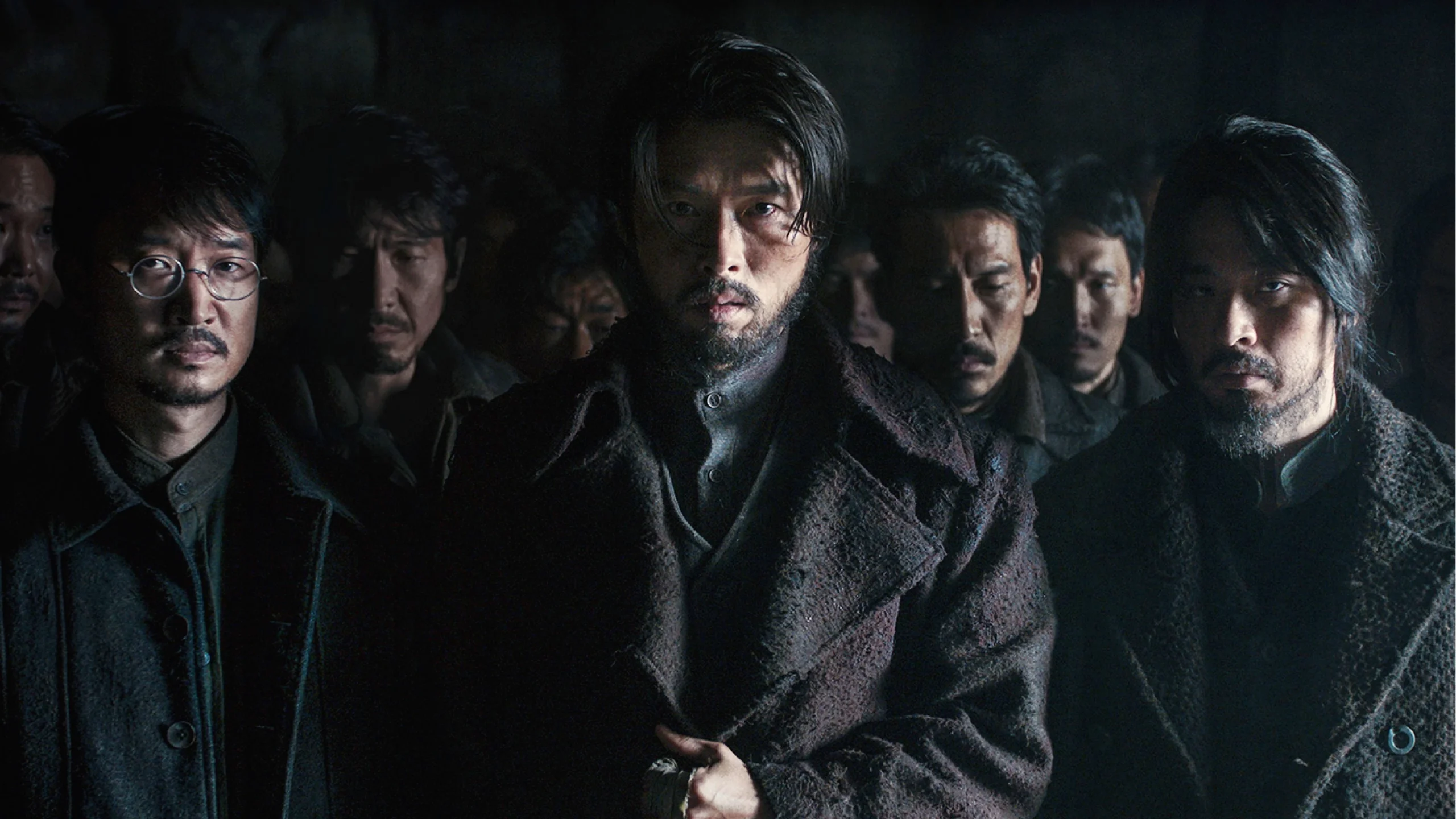
Park Jeong-min has built his reputation on intensity — Believer, Counting, performances where the camera has to work to keep up with him. His Woo Duk-soon is deliberately quieter, a counterweight to Hyun Bin’s stillness rather than an emotional release valve, and the two actors find a rhythm between control and barely-contained feeling that drives the film’s best scenes. For viewers who want to trace the lineage of Korean historical cinema in this era, Mr. Sunshine (2018) and Song of the Bandits (2023) both occupy the same emotional territory — Korean independence fighters operating in exile, choosing sacrifice over survival — and together they form a map of how Korean storytelling keeps returning to that decade of occupation and resistance with unresolved grief.
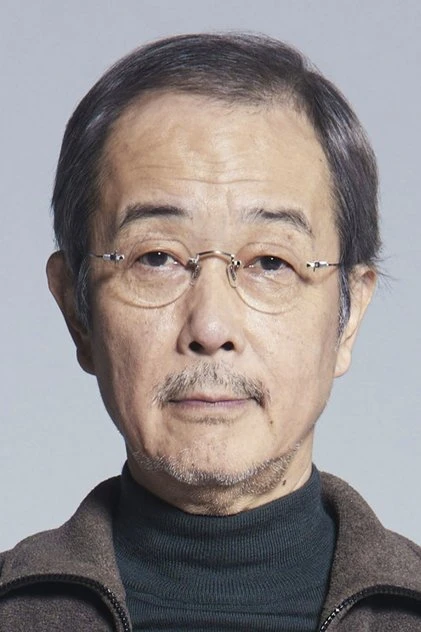
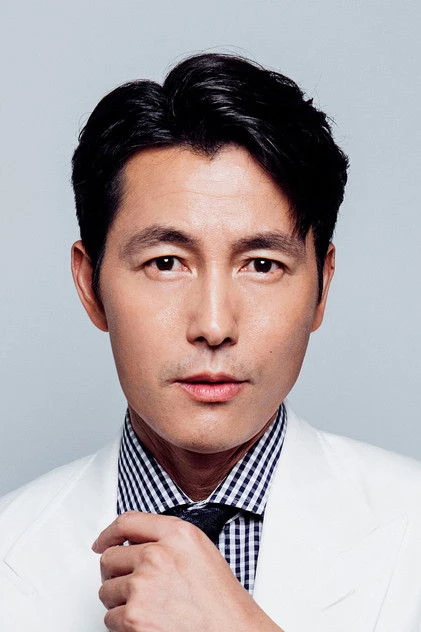
The film’s genuine weakness is its supporting ensemble. There are twelve people in this cast and maybe four of them register as specific human beings rather than functional narrative pieces. Jung Woo-sung and Lily Franky make impressions with limited screen time; most of the remaining fighters are defined almost entirely by their function in the plot rather than their interiority. Woo Min-ho is working with real historical figures and seems reluctant to fully imagine them. The film is still worth your time — Hyun Bin’s performance alone justifies the 108 minutes, and the Manchurian cinematography is among the most striking in Korean cinema this decade — but walk in knowing it’s a portrait of one man, not an ensemble.
Anyone who wants history with emotional weight, not spectacle
Mr. Sunshine fans looking for the film version of that grief
Thriller watchers who can hold slow-burn tension for two hours
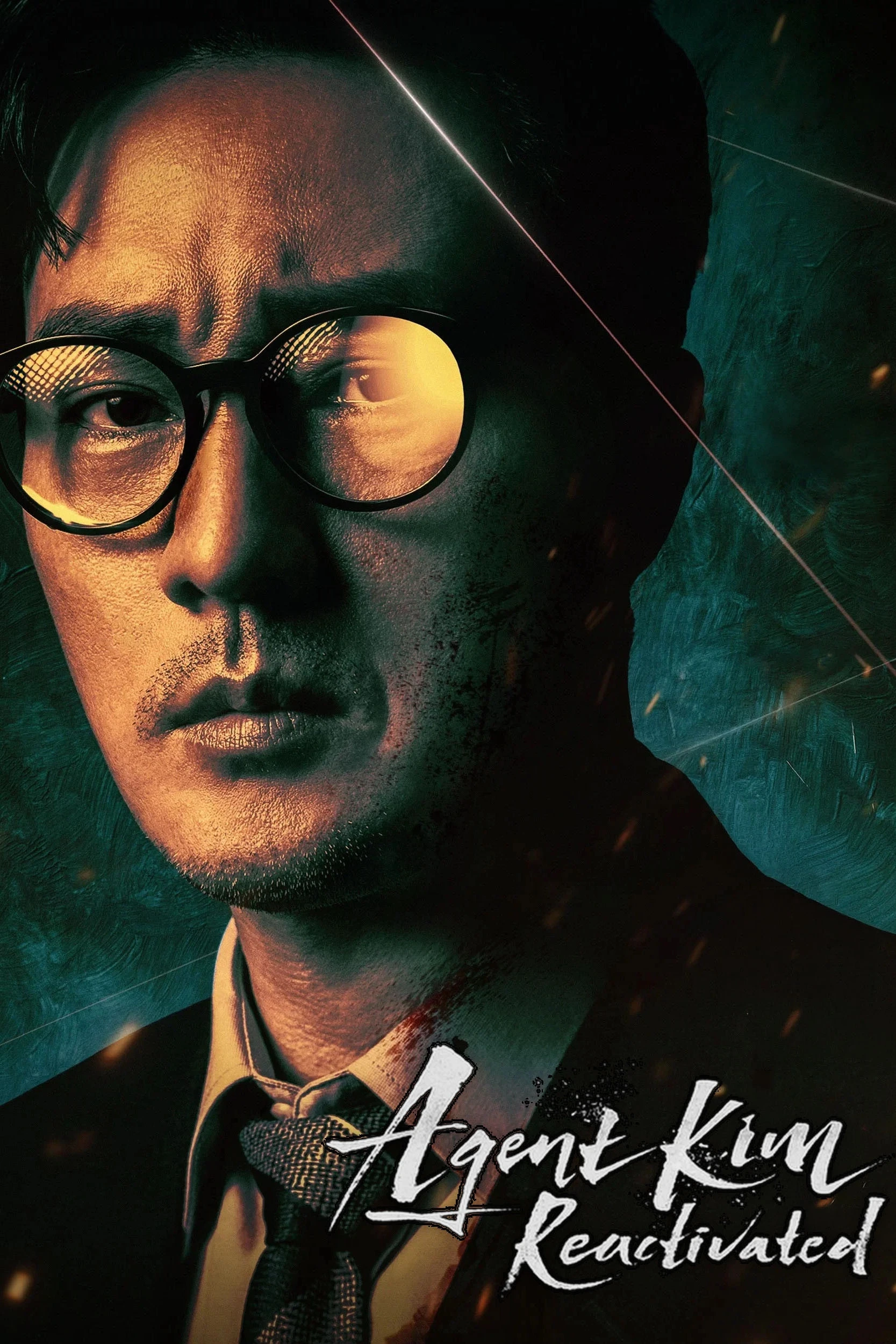
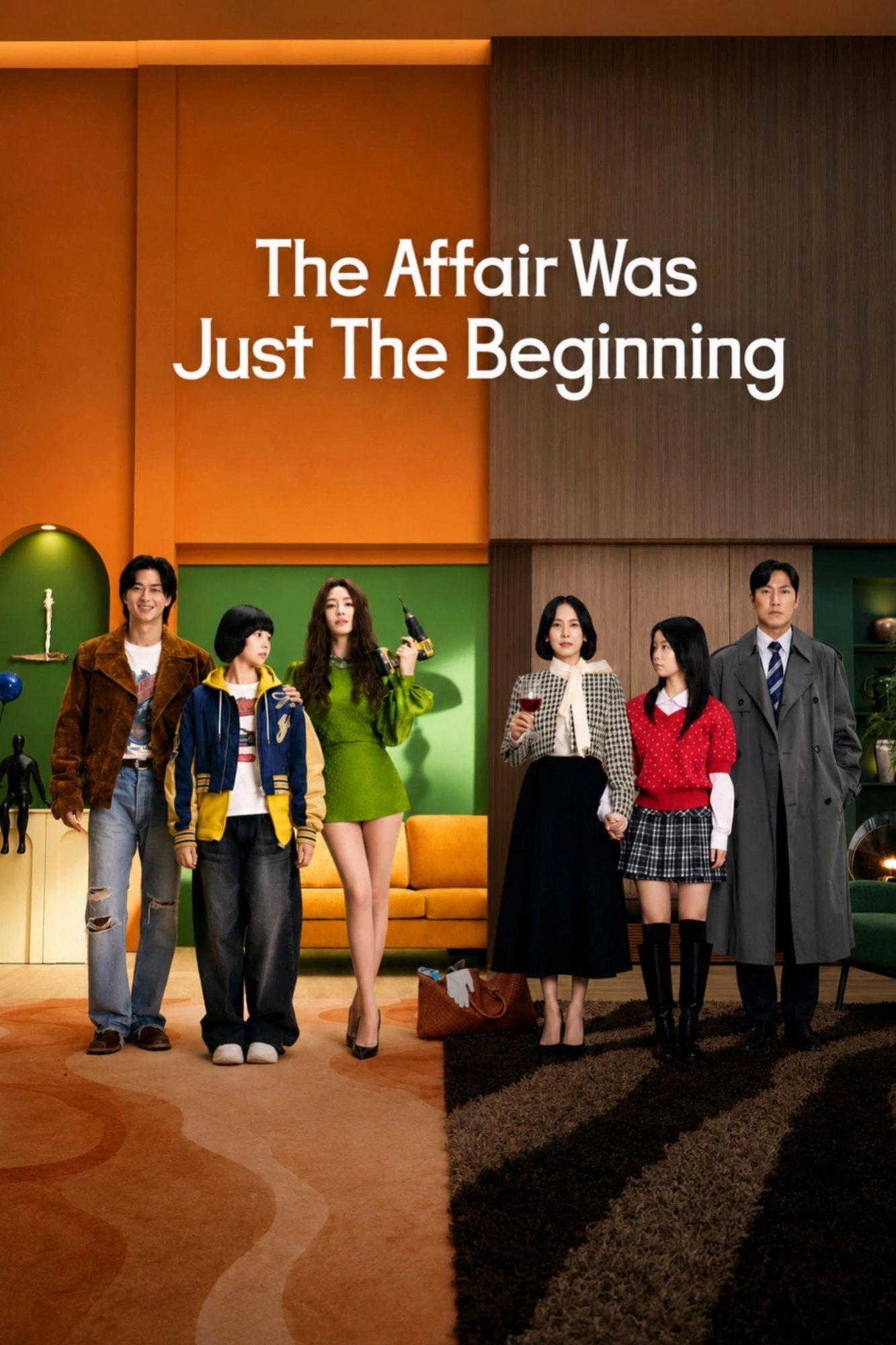
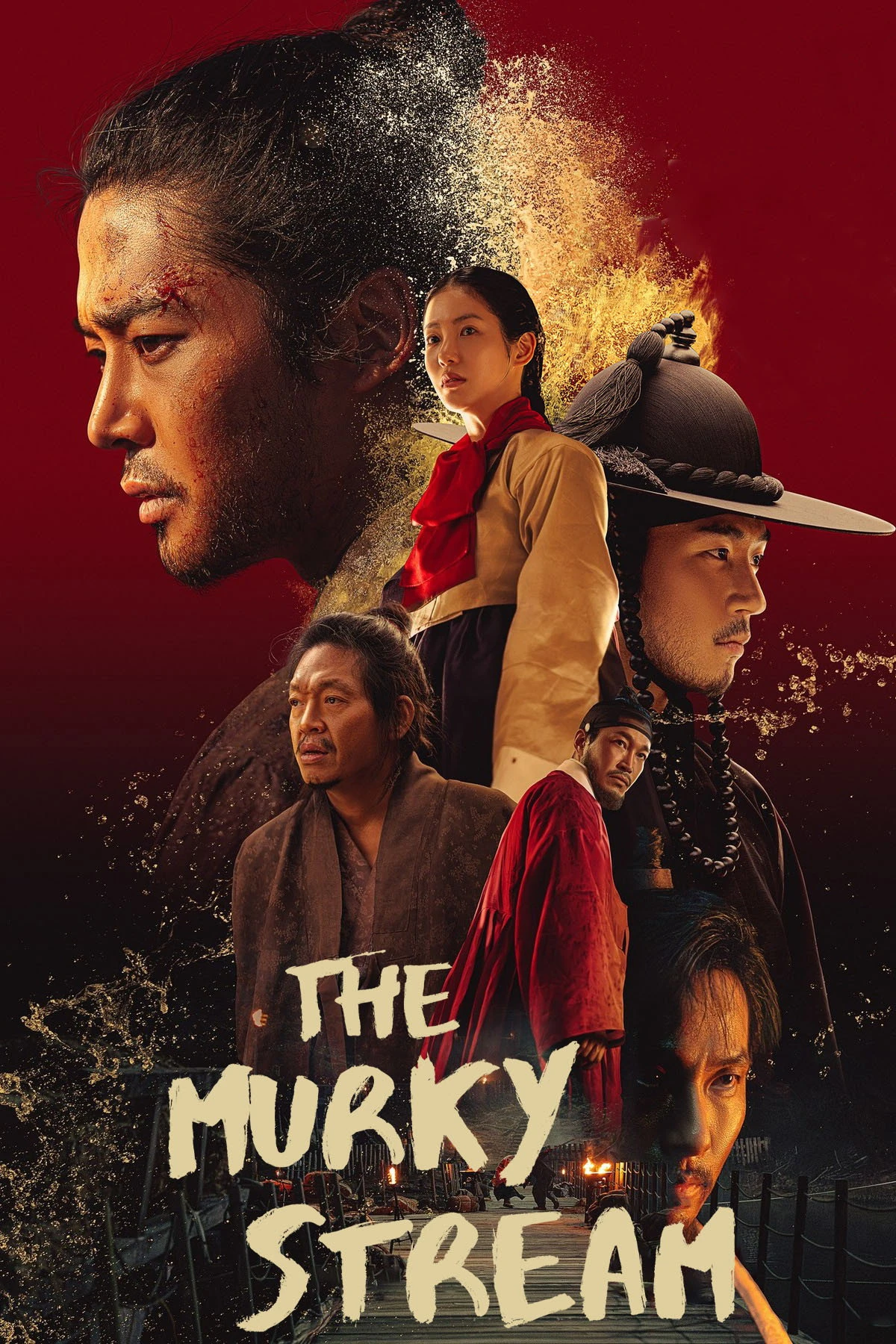
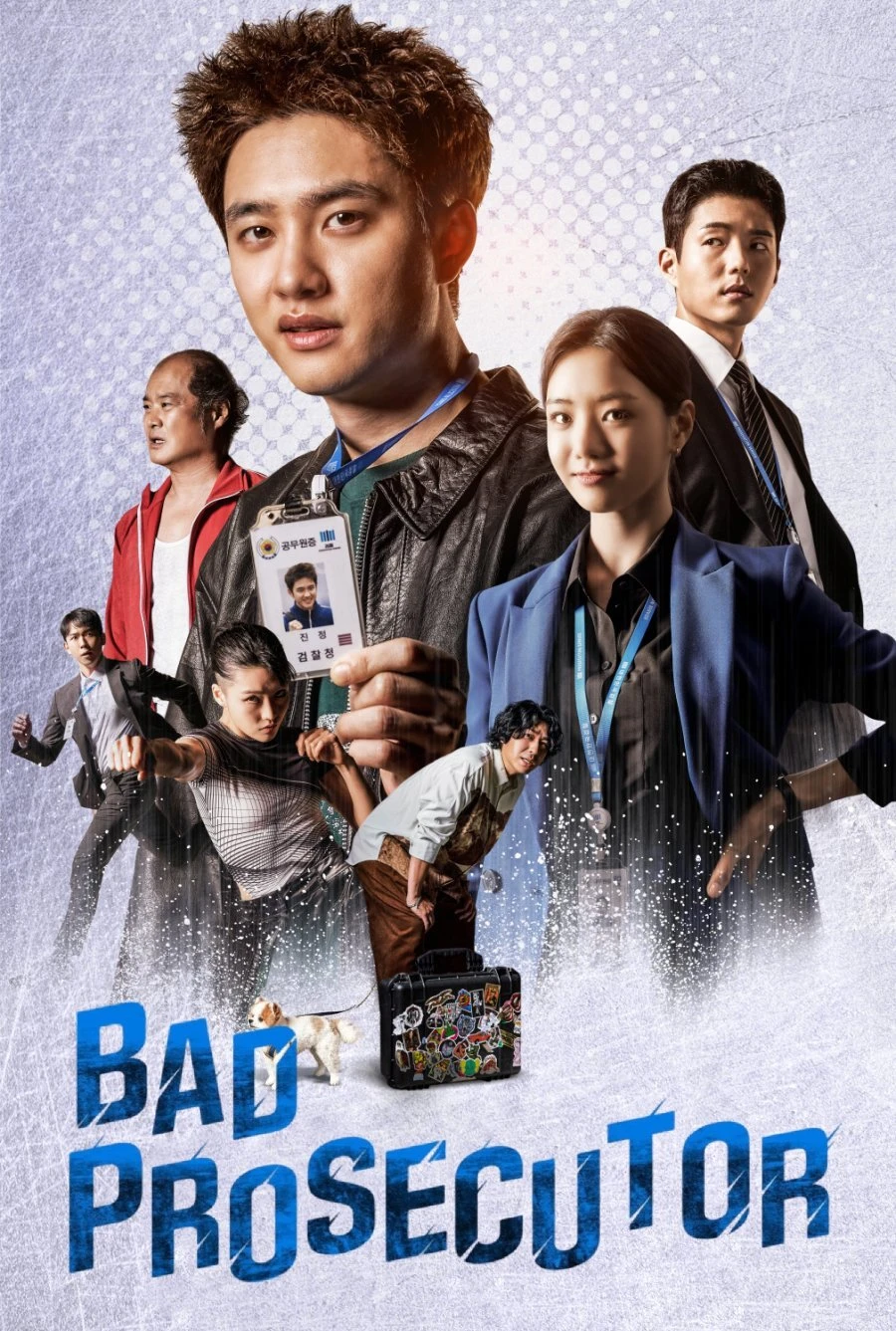
🎬 You Might Also Like
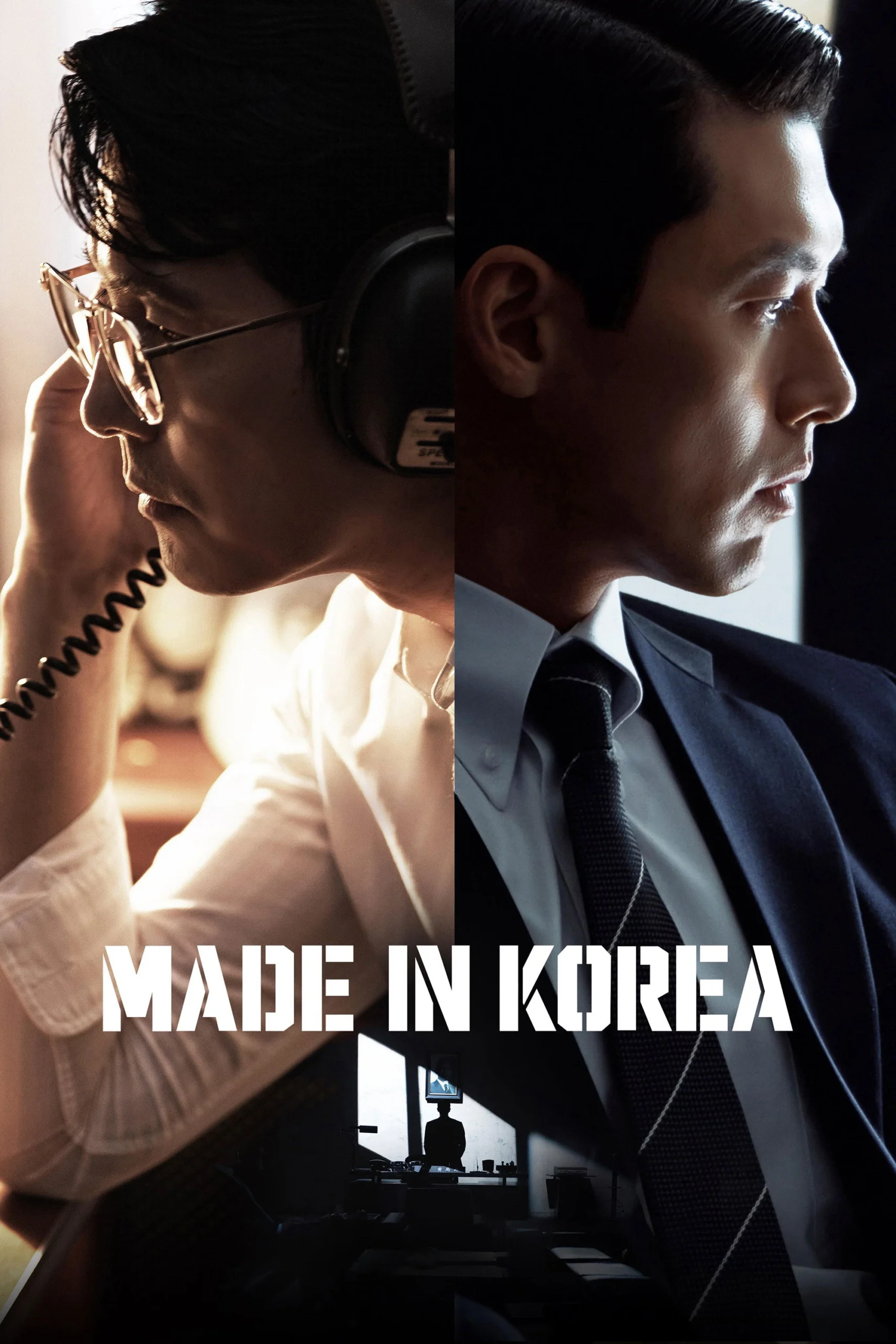
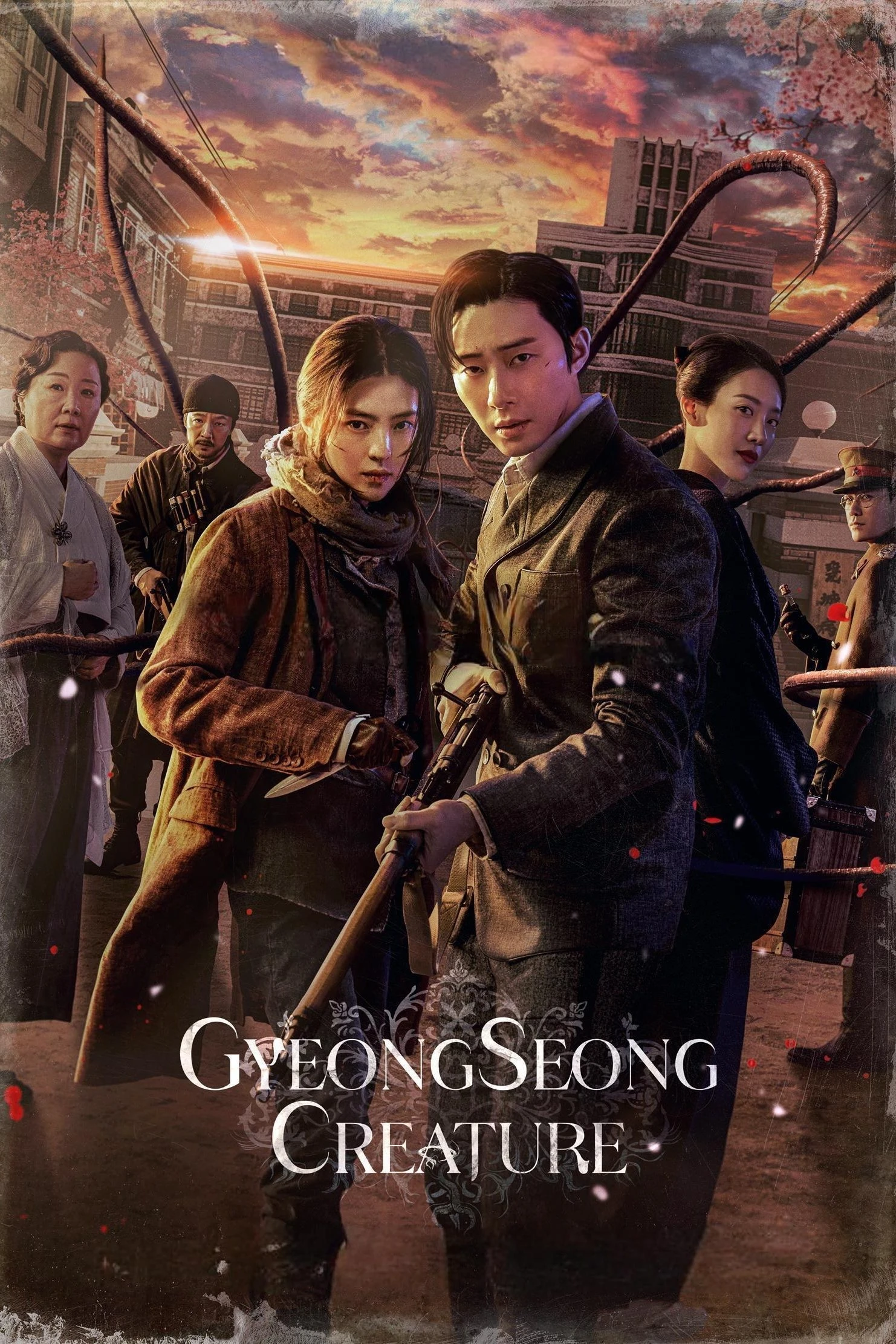
If you liked Harbin, these are your next three watches.








Keep it kind, skip the harsh language, and please — no spoilers. Everyone's taste is different, and that's perfectly fine.
This space is for real reactions and discussion from other viewers. Help keep it comfortable for everyone by not giving away major plot details.
What do you think of this drama?
Login to share your review or leave a comment.
No email needed — just pick a username & password.