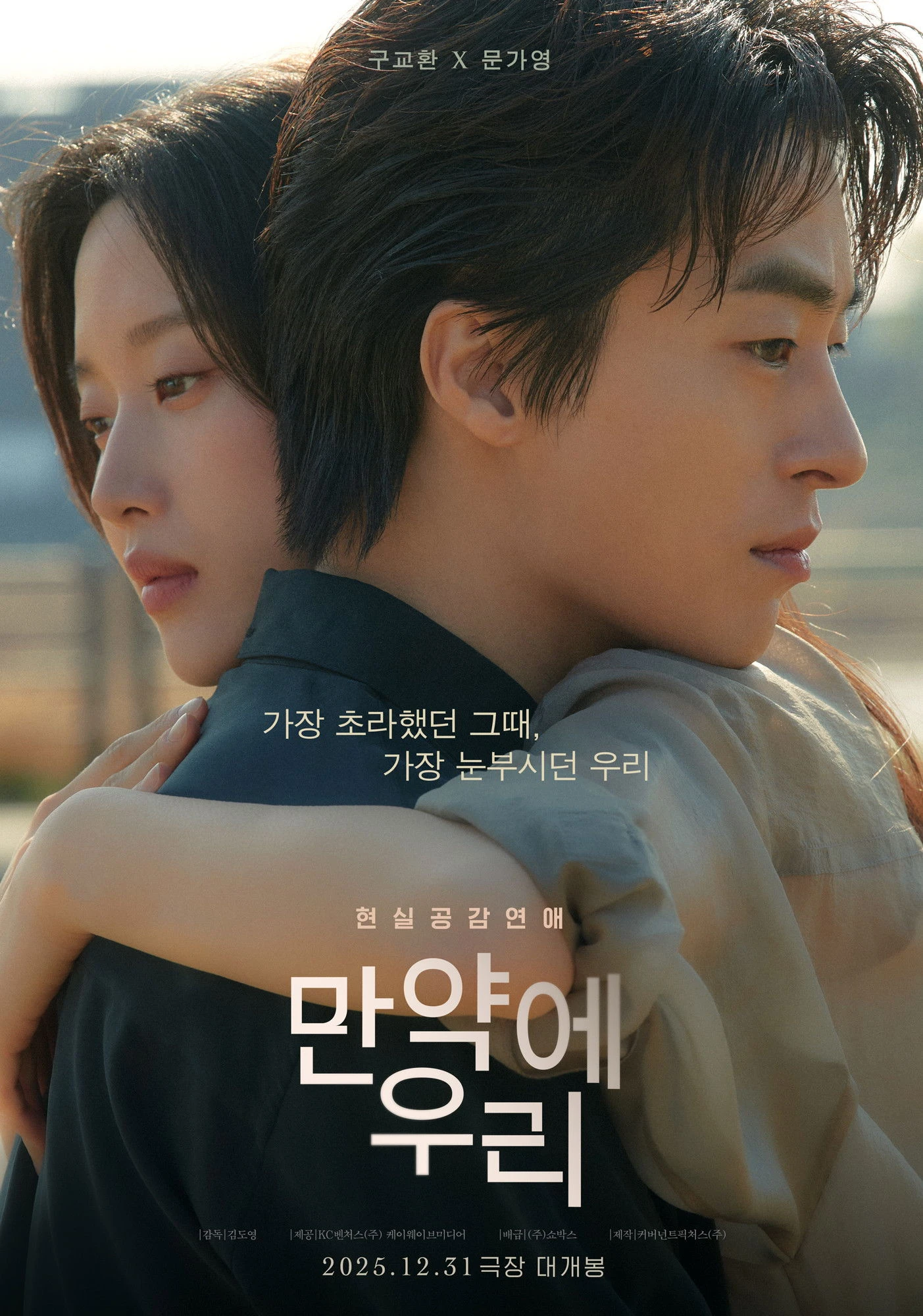
Once We Were Us
🎬 Film Overview
In 2008, amid the restless energy of Seoul, a chance encounter on a bus home for the holidays brings together Lee Eun-ho — a young man chasing an uncertain future in the city — and Han Jeong-won, a woman navigating her own quiet dreams. What begins as an unlikely friendship gradually deepens into something neither of them planned for: a love shaped by the particular loneliness of youth in a city that asks everything of you. But Seoul is unforgiving, and the weight of life — ambition, money, family, and pride — slowly drives a wedge between them. Over a decade later, the two cross paths again on a flight back to Korea, and the memories they buried for years begin to rise to the surface.
⚡ Quick Verdict
The TL;DR, boxed and ready.
· MDL
· 8.2 / 10 IMDb
▶ Official Trailer
🎭 Cast & Characters
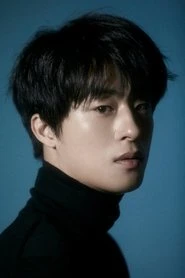
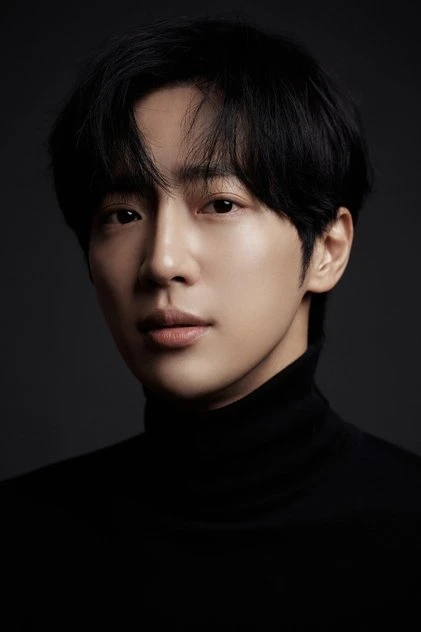
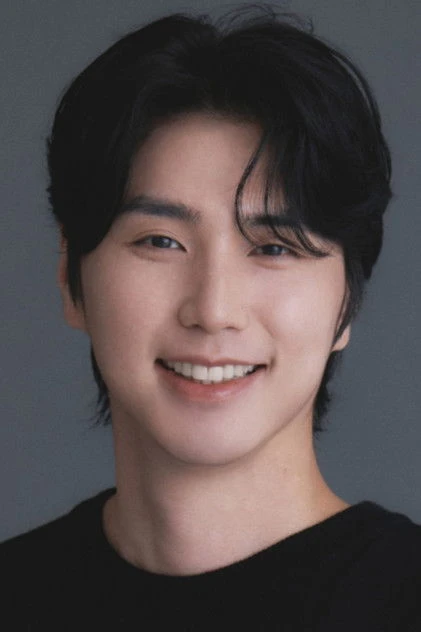
Twelve performances carrying a decade of love and loss across 114 minutes.
Lead

Lead
Supporting
Supporting
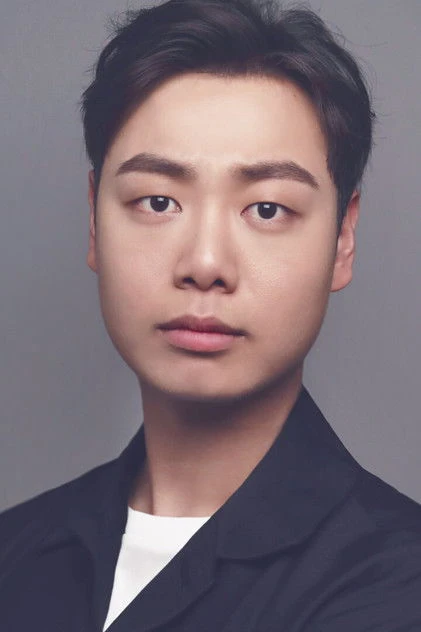
Supporting

Supporting
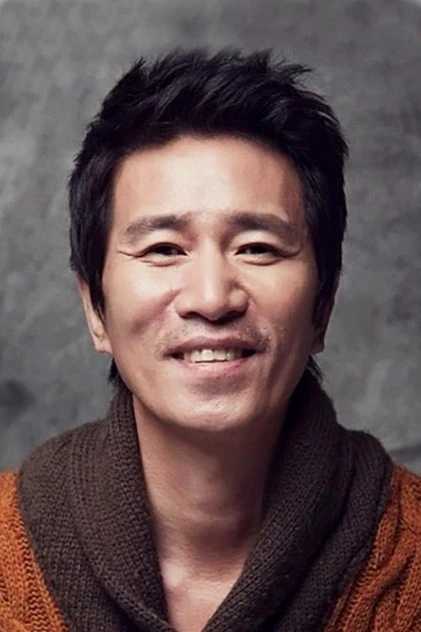
Supporting

Supporting

Supporting

Supporting

Supporting
Supporting
🍿 Where to Watch
Watch Once We Were Us on these platforms.
📖 The Story
A spoiler-free look — enough to know if this one’s for you.
Lee Eun-ho is the kind of young man Seoul chews up slowly — full of ambition, short on resources, surviving the city more than living in it. He works odd jobs and shares cramped quarters with friends who are all running the same race toward different finish lines. He carries himself with the careful pride of someone who has learned that admitting how hard things are only makes them harder. Han Jeong-won moves through the world with a quiet self-possession that can look like distance but is really something closer to endurance — she knows what she wants, but has learned not to say it too loudly. Both exist in that particular mid-2000s Seoul liminal space: too young for the stability they crave, too proud to admit how much they are struggling.
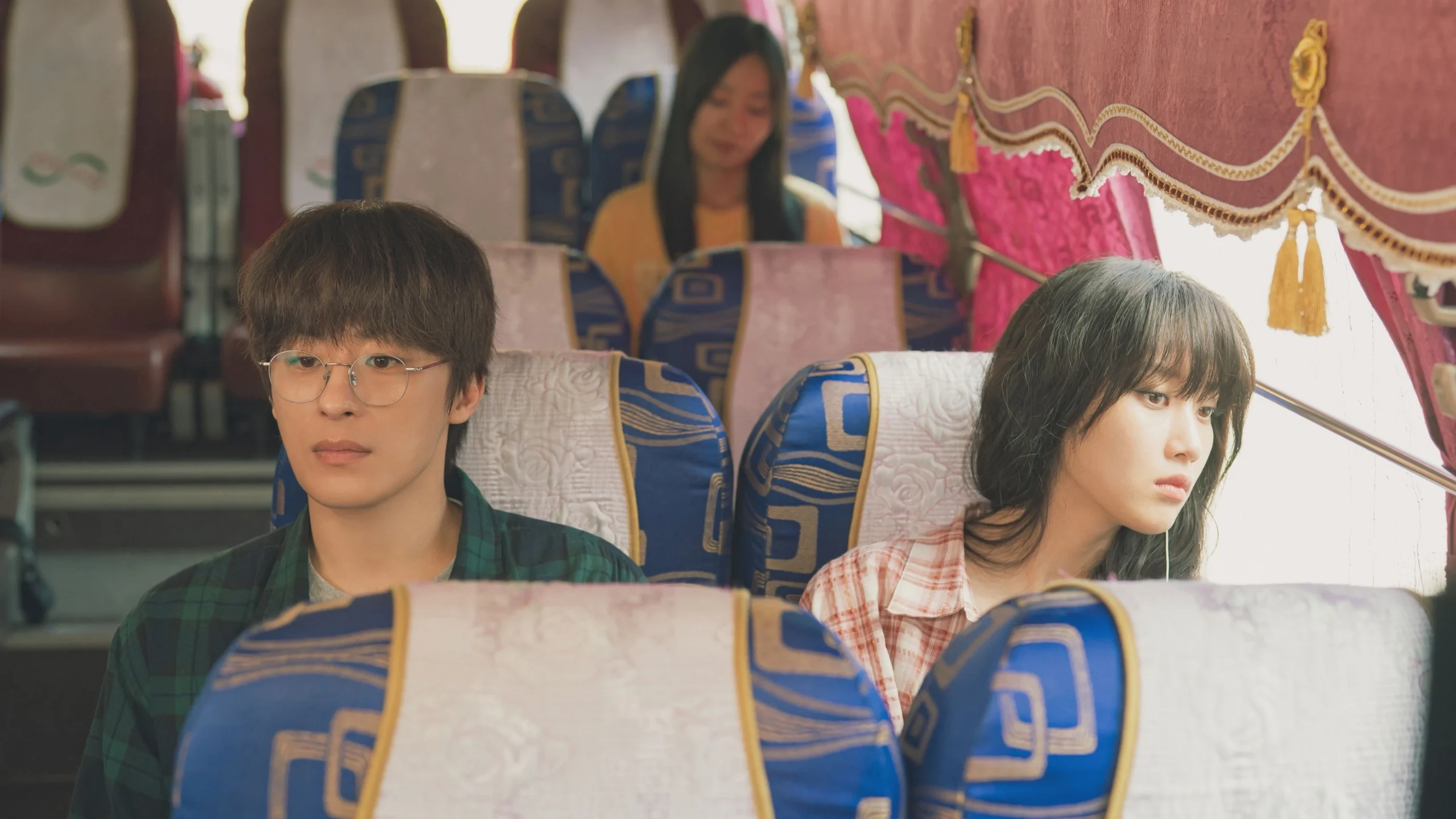
It is New Year’s Eve, 2008, and a crowded bus heading out of the city for the holidays becomes the unlikely setting where their story begins. Eun-ho and Jeong-won end up side by side through a series of small, ordinary accidents — a missed seat, a shared moment of frustration, the kind of minor social collision that normally amounts to nothing. But something about the particular exhaustion and hope of that night makes them actually talk to each other — really talk — in a way that strangers on a bus almost never do. By the time they reach their stop, something has shifted: not yet love, but the unmistakable feeling that this person matters.
What Eun-ho and Jeong-won stand to lose is not simply a relationship — it is the version of themselves that only exists when they are together. In each other’s company, their dreams feel achievable and their loneliness feels temporary rather than permanent. The stakes tighten as the realities of Seoul’s unforgiving economy press in: Eun-ho’s pride makes it almost impossible for him to accept the gap between where he is and where he wants to be, and that gap keeps widening. Jeong-won, for her part, must decide how long she can hold space for someone who hasn’t yet figured out how to hold space for himself.
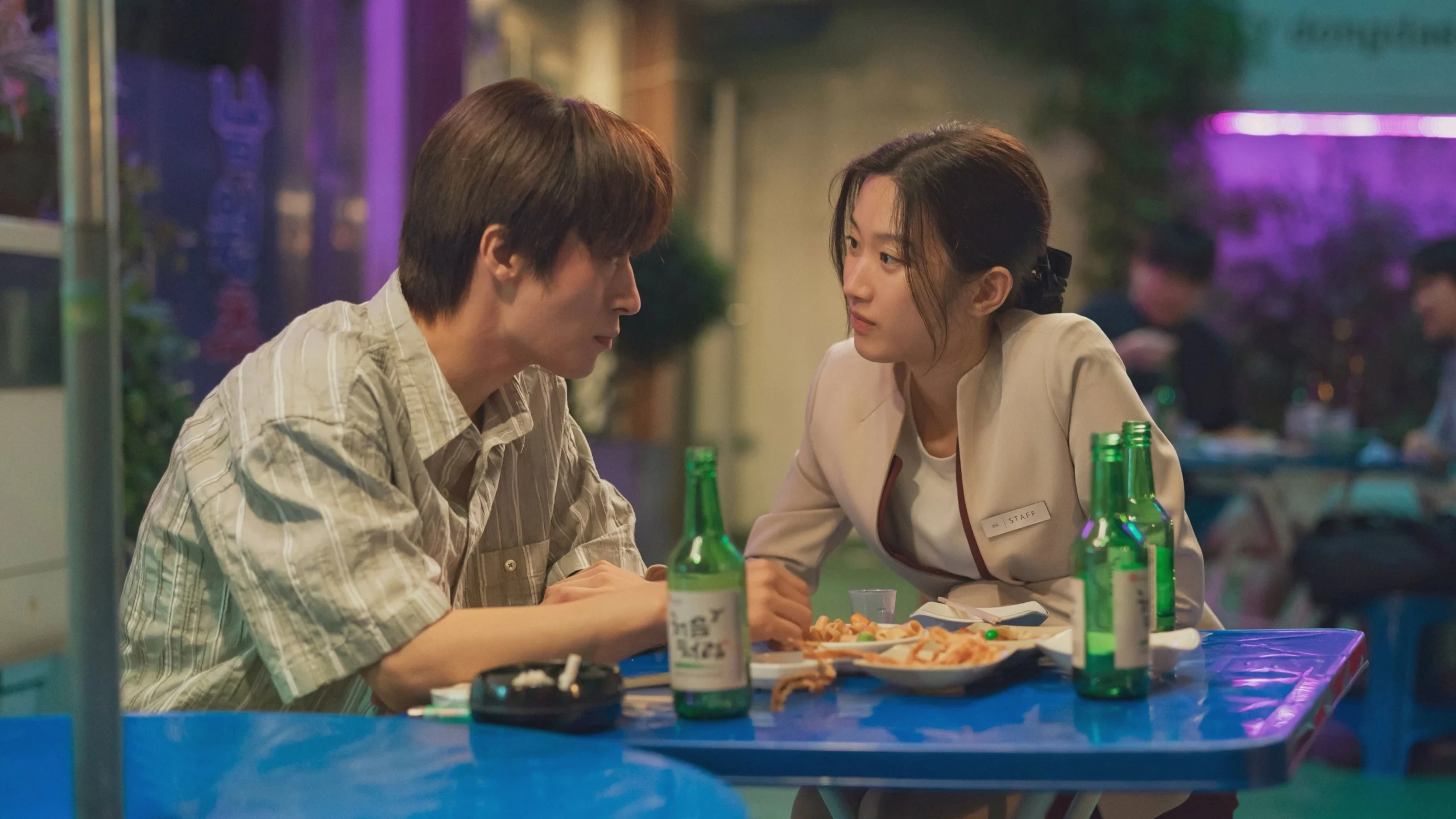
Oh Gyeong-seok, Eun-ho’s closest friend, functions as both comic relief and emotional mirror — he reflects back the choices Eun-ho is too proud to examine directly. Kang Min-jae, Jeong-won’s ex-boyfriend, represents the road not taken: stability, predictability, a life that requires less courage but also less pain. Eun-ho’s parents carry the weight of an older generation’s sacrifices — their presence reminds him, uncomfortably, of exactly who he is afraid of becoming. These surrounding characters are not decorative; each one exerts a gravitational pull on the central couple, bending the trajectory of the relationship in ways that feel earned rather than engineered.
What separates Once We Were Us from the broader landscape of Korean romance films is its refusal to assign blame cleanly. Most love stories in this genre require a villain — a misunderstanding, a lie, an external obstacle — but this film is more honest and more cruel than that: the relationship ends because two people who genuinely love each other are simply not ready for each other at the same time. Director Kim Do-young inherited the structural DNA of a Chinese source material but transplants it into a specifically Korean emotional vocabulary — one where pride, filial obligation, and the shame of failure shape intimacy in ways that feel culturally precise. The question the film keeps asking is not “why did they break up?” but rather “what do you do with a love that was real but still wasn’t enough?”
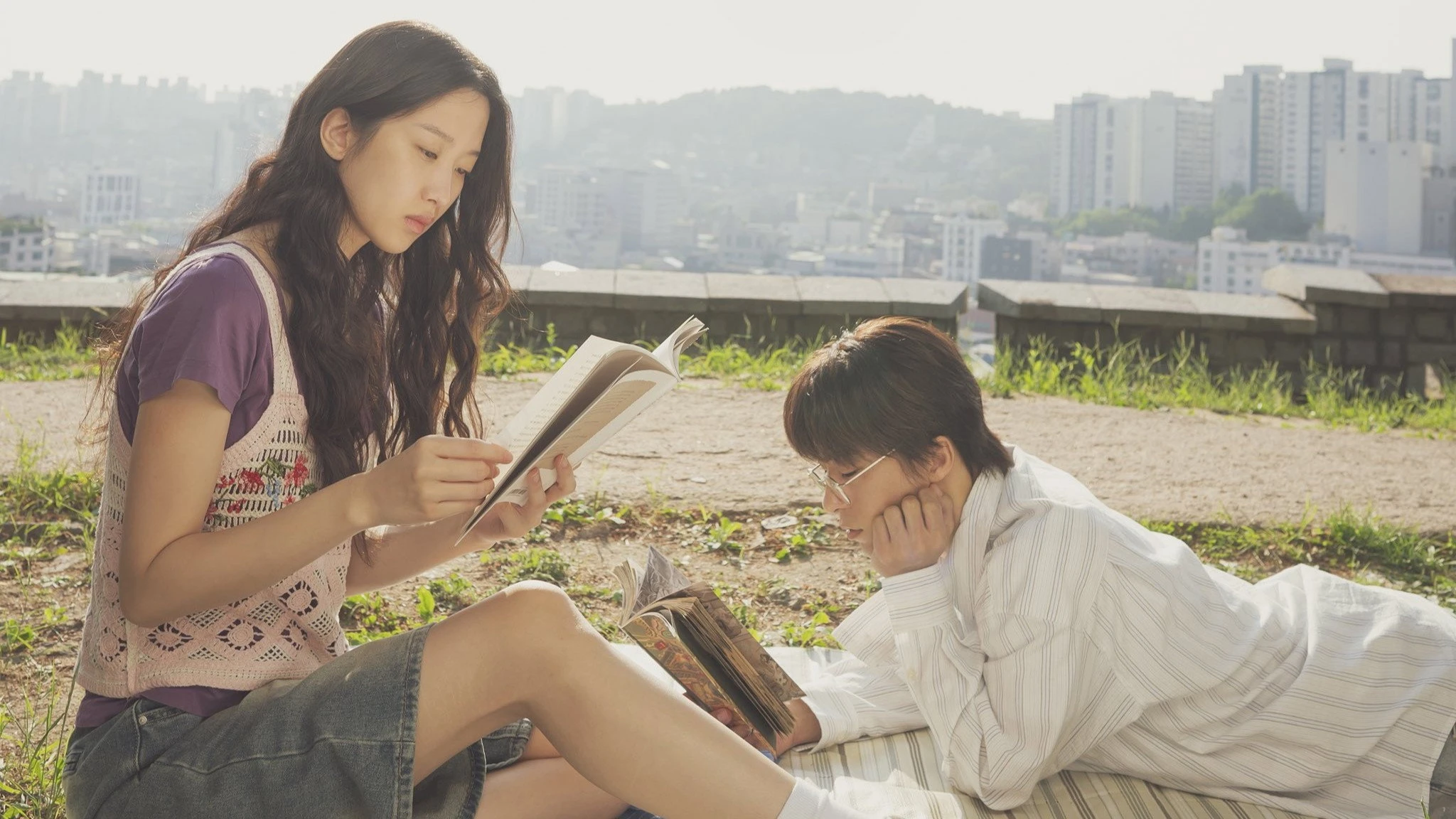
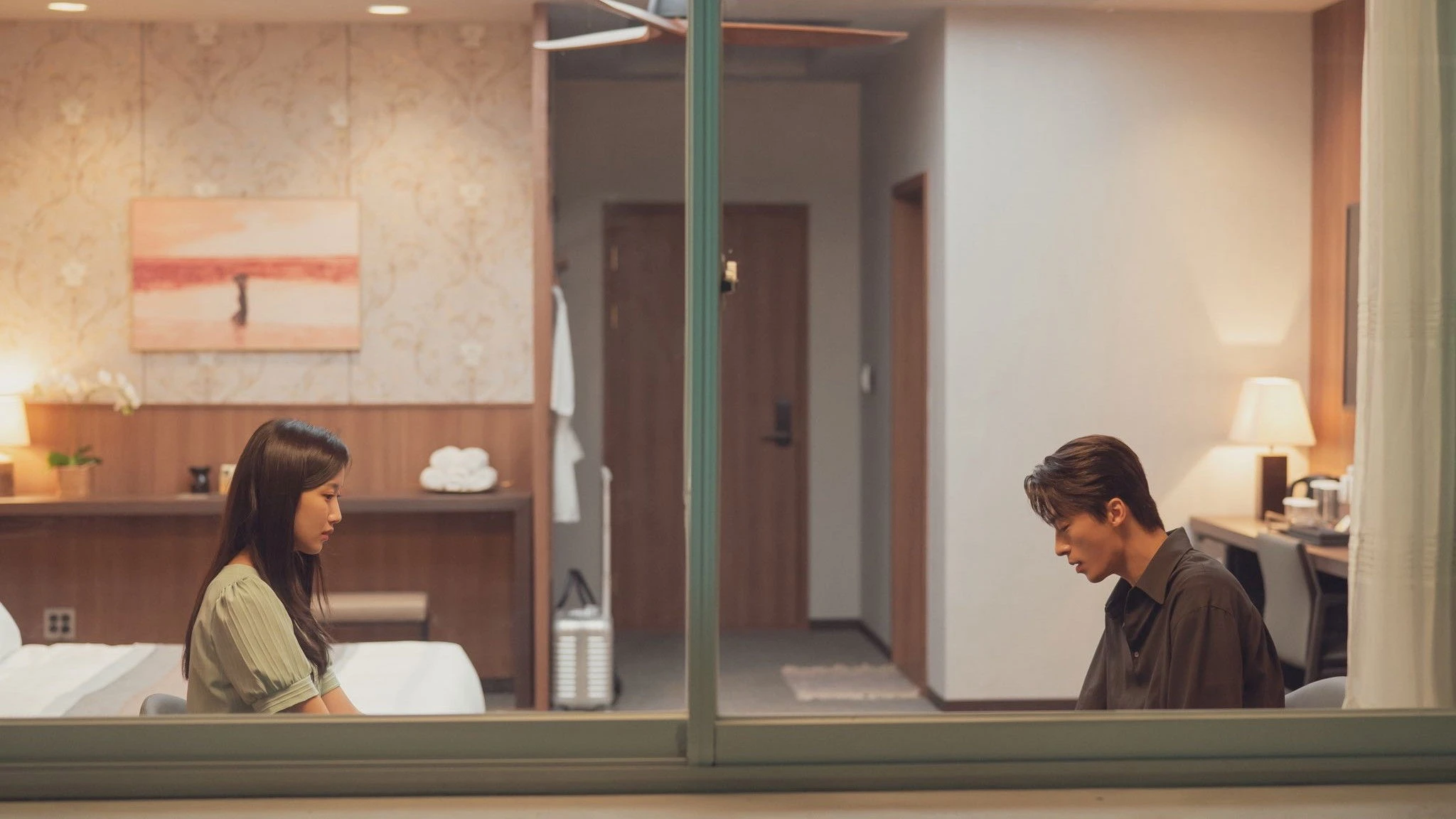
Watching this film feels like reading old messages you promised yourself you’d delete — bittersweet, a little tender, sometimes unbearably close to something true. The pacing is unhurried, almost stubborn in its slowness, and Kim Do-young uses the contrast between the cramped, saturated warmth of the 2008 sequences and the cooler, more composed visual register of the present-day reunion to do emotional work without dialogue. The humor is dry and grounded rather than theatrical — the kind of laughter that comes from recognition rather than punchlines. There is a restraint to the film’s grief that makes it hit harder precisely because it never lets itself fully break down.
The 2008 setting is not arbitrary. South Korea in the mid-2000s was a country where the gap between the aspiring working class and the comfortably established was widening in visible, daily ways, and Seoul was its most ruthless theater. For Eun-ho, the city represents both possibility and humiliation — the promise that hard work matters, lived alongside the daily evidence that it often doesn’t. Korean audiences have responded powerfully to the film’s emotional core because it captures what is sometimes called the “삼포세대” (sampo generation) experience — a generation that gave up on relationships, home ownership, and starting families not out of indifference but out of economic necessity. The film does not lecture about this; it simply places two people inside it and lets the pressure do the rest.
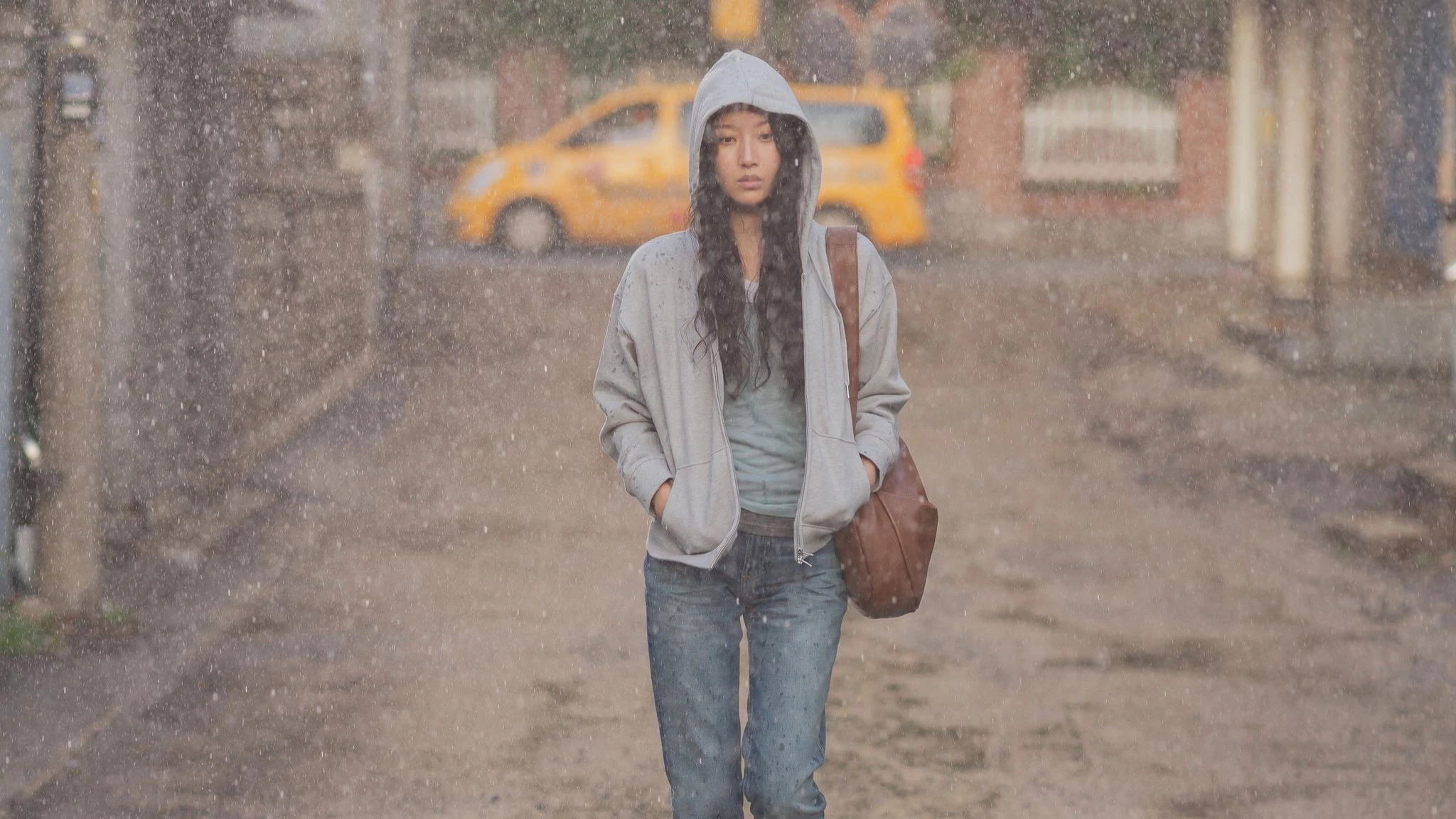
🏁 Ending Explained
Full spoilers ahead — what happens on the plane, what it means, and why the film ends where it begins.
Full Spoilers Ahead — This section covers the complete ending of Once We Were Us. Stop here if you haven’t watched.
The plane home is where everything finally becomes clear. The flight carrying Eun-ho and Jeong-won back to Korea becomes the film’s final crucible. Across the journey — through conversation and the silences between it — the two piece together the full shape of what they lost and what it cost them. Eun-ho, who spent years after the breakup building the financial stability he believed Jeong-won deserved but couldn’t provide when they were together, arrives at the truth that the version of himself she loved was the one before the hustle hardened him. Jeong-won, meanwhile, has built a life that looks complete from the outside — Kang Min-jae, the stable career — but the encounter with Eun-ho makes the seams visible.
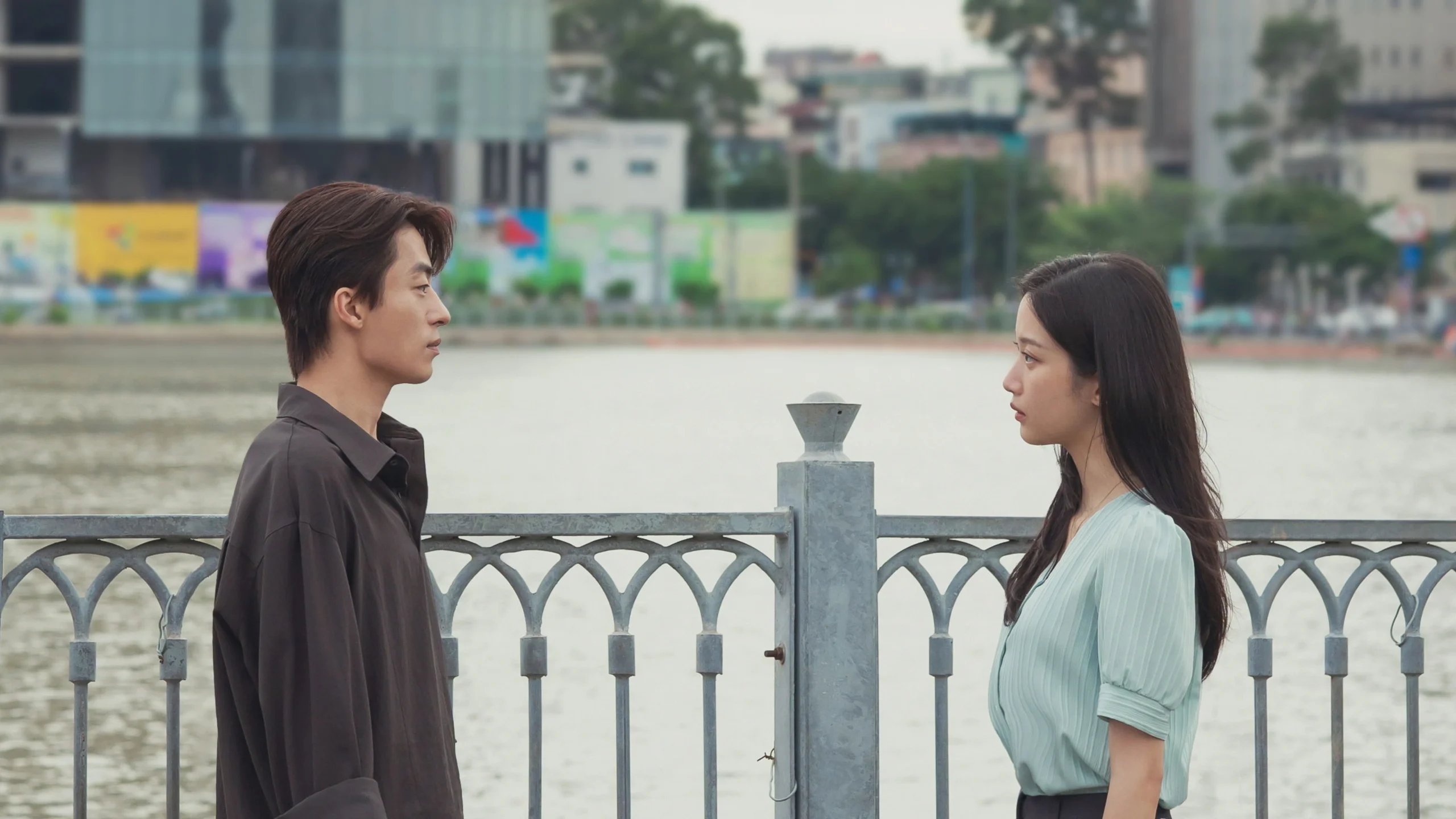
The ending is not about whether they get back together — it is about whether understanding is enough. Director Kim Do-young seems to suggest that the purpose of the love Eun-ho and Jeong-won shared was not to last forever but to shape who they became afterward. The 2008 version of their relationship was real, and the film insists on the dignity of that — it refuses to reframe young love as merely a rehearsal for something more adult. What the ending mourns is not the relationship itself but the specific, irretrievable version of themselves that only existed inside it. The film does not engineer a reunion; instead, it allows both characters to fully understand what they had and what it meant before the plane lands.
The film deliberately leaves open whether the flight is a beginning or a true ending. One reading holds that it is a formal farewell — a chance for both characters to achieve the closure their original breakup denied them, after which they will go their separate, better-understood ways. A second reading suggests that the clarity they reach on the plane is itself the foundation for something new: that they are now finally the versions of themselves who can sustain what they couldn’t sustain in 2008. The film offers evidence for both interpretations and appears to consider them equally valid, which is almost certainly intentional.
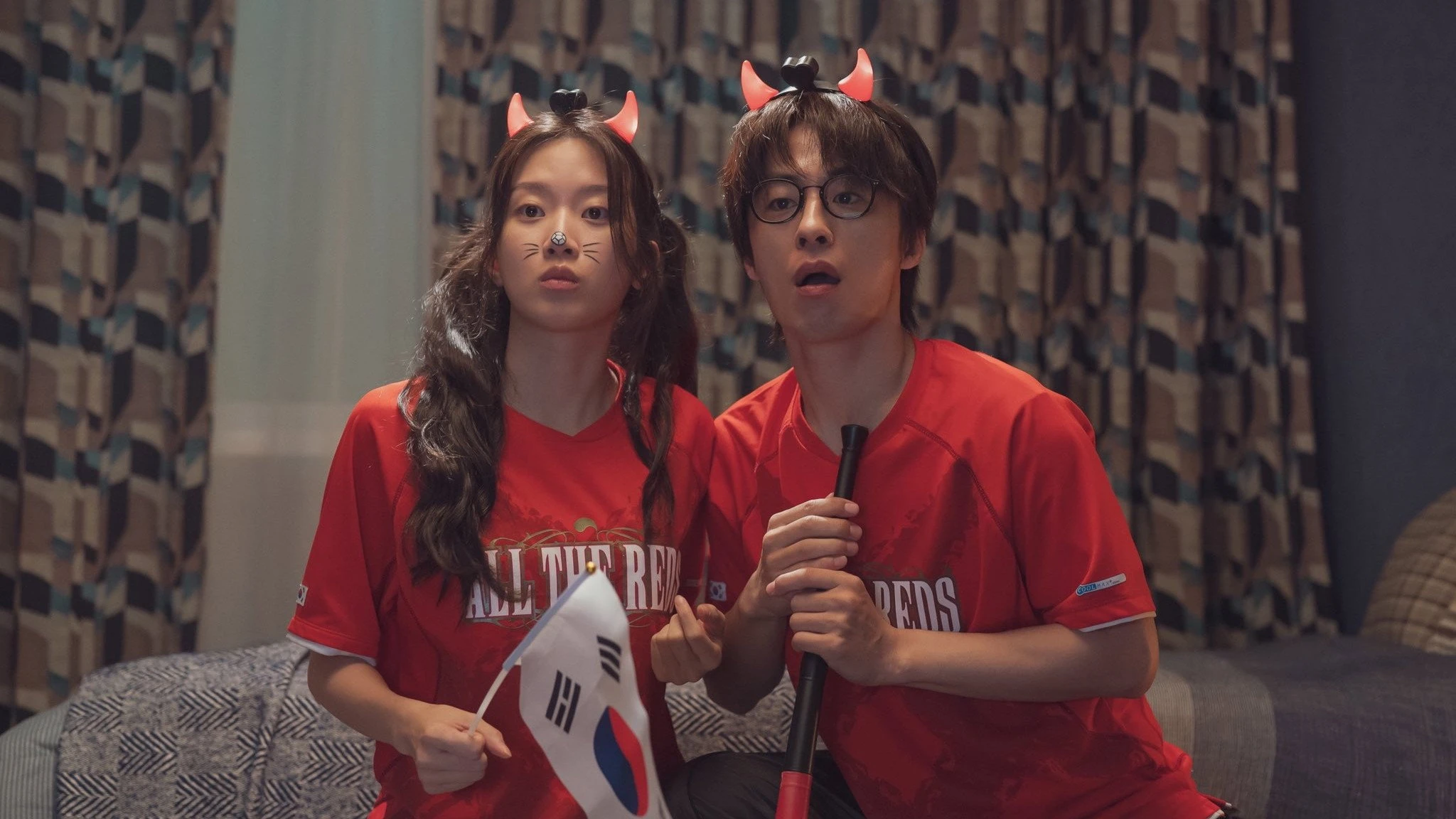
The KDW verdict: the flight functions as completion, not restart. The film’s entire emotional architecture is built around the idea that love has meaning even when — especially when — it doesn’t survive. Every scene in 2008 is shot with the warm-register visual grammar of something being remembered rather than lived, which suggests the film is always already elegiac: it knows from the first frame how this ends, and it has made peace with that. The reunion is not a chance to undo the past but a chance to finally understand it — and understanding, the film argues, is its own form of love. Once We Were Us is ultimately a film about the people we carry inside us long after they are gone — and the grace of finally being able to set them down.
What you notice on rewatch. The bus scene that opens the 2008 timeline takes on different weight once you know where the story ends — the casual way Eun-ho and Jeong-won speak to each other already contains both the ease of people who are going to fall in love and the specific incompatibility that will eventually break them. Small details in the Seoul sequences — moments where Eun-ho’s pride cuts off a conversation before it can go somewhere vulnerable, or Jeong-won chooses patience over honesty — read differently when you understand these are not one-off moments but the first expressions of the pattern that will undo them.
✍️ KDramaWorlds Editor’s Take
Straight talk — our real opinion, and the viewer it’s made for.
Koo Kyo-hwan has spent the last several years quietly accumulating one of the most impressive résumés in Korean cinema — D.P., Decision to Leave, films that required him to do difficult things in the background. Once We Were Us is the film that asks him to carry everything in the foreground, and he does it with a performance built entirely on what he doesn’t say. His Eun-ho is not a difficult person to understand — he is a difficult person to watch, because every bad decision he makes is comprehensible. Mun Ka-young meets him exactly where he is: her Jeong-won has the stillness of someone who has long since learned that waiting for people to be ready is how you lose years of your life. Together they create the specific chemistry of two people who were right for each other and wrong for each other at exactly the same time.
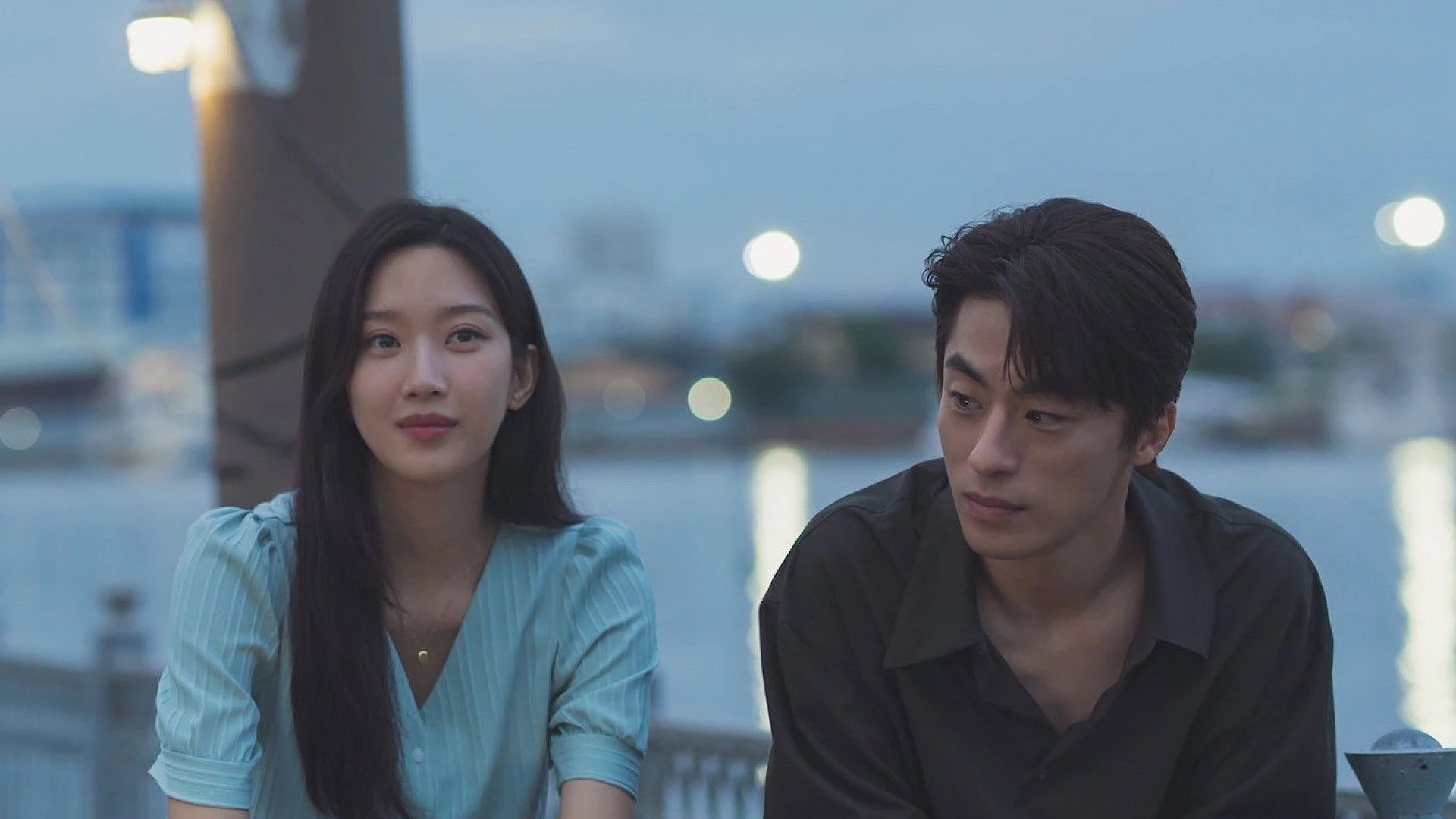
The film’s most interesting formal choice is the way it uses the 2008 sequences as something closer to memory than drama — the colors are warmer, the blocking more casual, the camera less composed, as if the film itself is doing what we do when we replay the past: softening the edges, lingering on moments that felt ordinary but turned out to matter. The present-day timeline, by contrast, is shot with the visual restraint of an adult who has learned not to feel things too loudly. This contrast does more emotional work than any single scene — it tells you exactly how much time has passed, and exactly what was lost in the passing, without a single line of dialogue about it.
Once We Were Us earned 2.6 million admissions in South Korea — a remarkable number for a quiet romantic drama released on New Year’s Eve, and a figure that says something specific about who needed this film and why. It is a movie for anyone who has ever carried a person inside them long after the relationship ended, for anyone who knows the particular cruelty of a love that was genuine and still not enough, and for anyone who has ever sat on a flight next to a ghost and tried to figure out what you’re supposed to do with all of it. 114 minutes. No villains. No misunderstandings. Just two people, one city, and the question of what love is supposed to prove.
Fans of Koo Kyo-hwan ready to see him carry a film on his own
Korean romance fans who want something more honest than most
Anyone who needs a good cry that feels earned, not engineered
🎬 You Might Also Like
If you liked Once We Were Us, these are your next three watches.
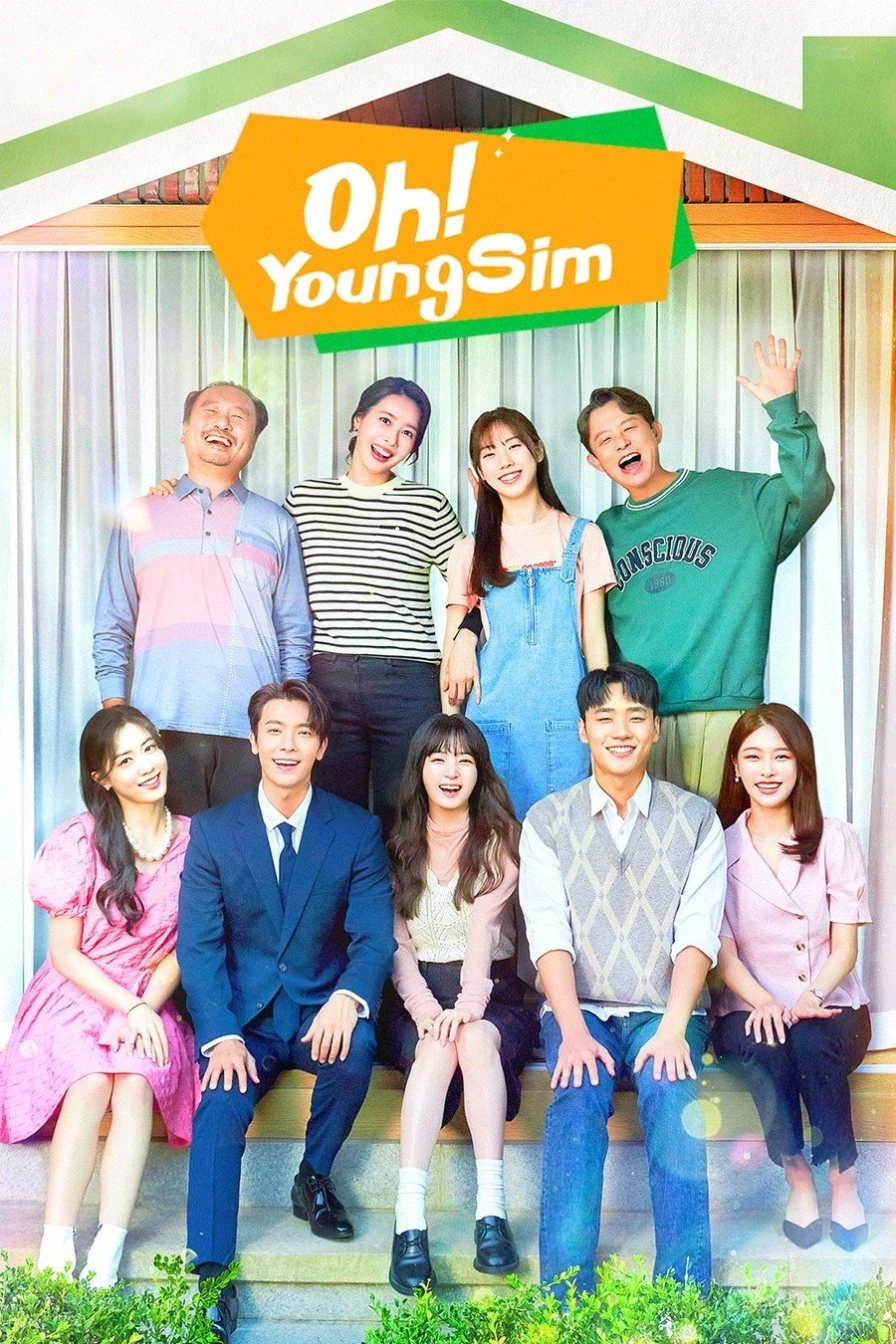 Oh! Youngsim
Animation AdaptationDonghae
Read Full Review →
|
 Dream to You
AdulthoodChasing Dreams
Read Full Review →
|
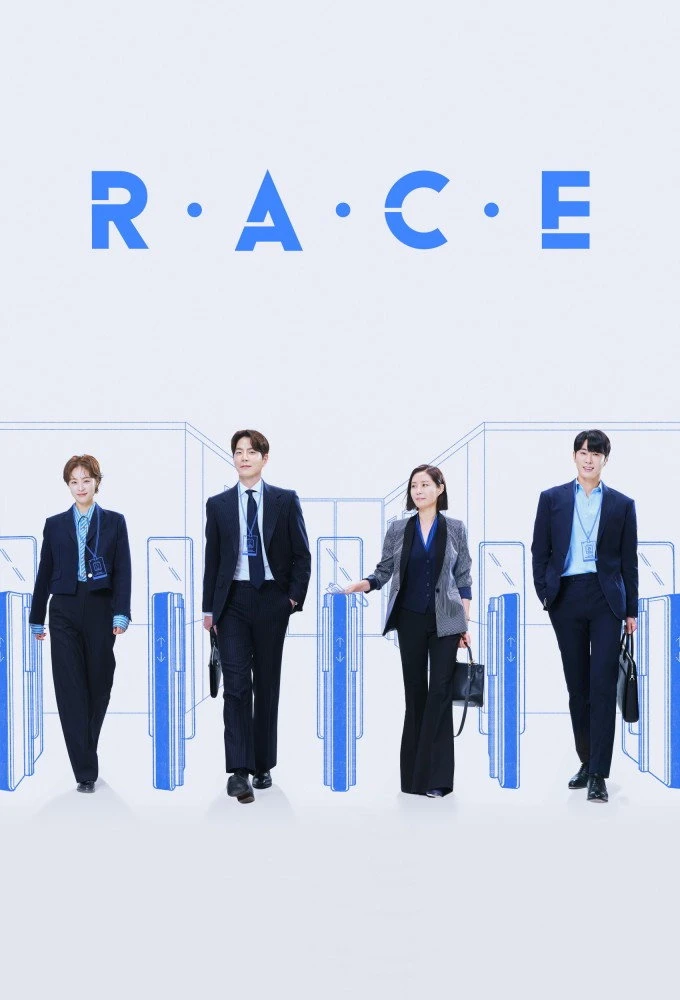
 Filing for Love
Audit Teamauditor
Read Full Review →
|











Keep it kind, skip the harsh language, and please — no spoilers. Everyone's taste is different, and that's perfectly fine.
This space is for real reactions and discussion from other viewers. Help keep it comfortable for everyone by not giving away major plot details.
1 Comment
A chance meeting on a bus home for the holidays turning into a decade-plus story about two people who keep almost making it work is such a quietly devastating structure 🌆 — and the film being honest that it’s the ordinary pressures — money, family, pride — that pull them apart, not one big betrayal, makes the reunion years later hit harder. Curious how everyone felt about what actually stayed unresolved between them.
What do you think of this drama?
Login to share your review or leave a comment.
No email needed — just pick a username & password.