
Pavane
🎬 Netflix
⭐ 8.0 MDL
🔞 TV-MA
🎬 Film Overview
QUIET HEARTBREAK PICK
Mi-jeong has spent years perfecting the art of being invisible — not shyness so much as active self-defense, built up against a world that’s made its judgment of her appearance very clear. She works a department store floor where colleagues call her “the dinosaur” behind her back, and she’s arranged her entire life around not being seen too closely.
Two parking attendants change that without meaning to. Gyeong-rok, a former dance student who’s shelved his own ambitions, finds himself drawn to something in Mi-jeong that has nothing to do with how she looks. Yo-han, his rock-loving coworker, plays matchmaker and narrator both, nudging two people who’ve each given up on being chosen toward each other. Pavane isn’t interested in a makeover story — it’s interested in what it actually costs someone to believe they deserve love exactly as they are.
⚡ Quick Verdict
The whole verdict, boiled down to one box.
· MDL · 5,548 ratings
▶ Official Trailer
🎭 Cast & Characters
Three lonely strangers in a department store parking lot, and what it costs one of them to believe she deserves to be loved.

Lead

Lead

Lead

Supporting

Supporting

Supporting
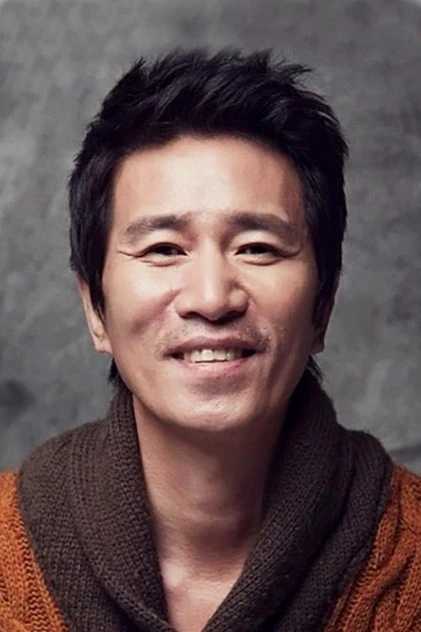
Supporting

Supporting

Supporting

Supporting

Supporting
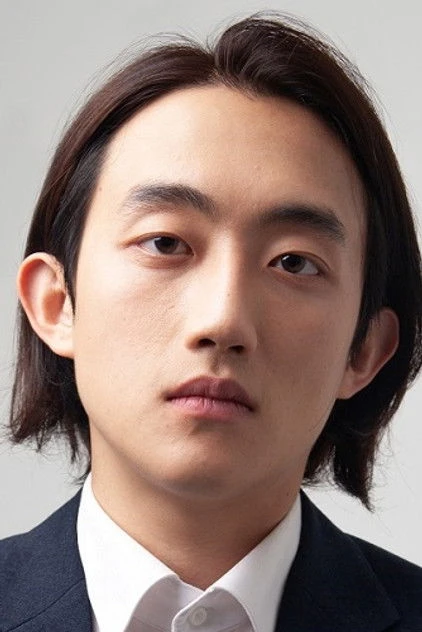
Supporting
📖 The Story
No spoilers here — just enough to know if it’s for you.
Mi-jeong’s job puts her in front of hundreds of customers a day, and she’s built an entire survival strategy around minimizing how much any of them actually see her. It’s not modesty — it’s armor, assembled over years of feeling like her appearance was a problem to manage rather than a fact about her. The film spends real time inside that armor before it introduces anything resembling a love story.
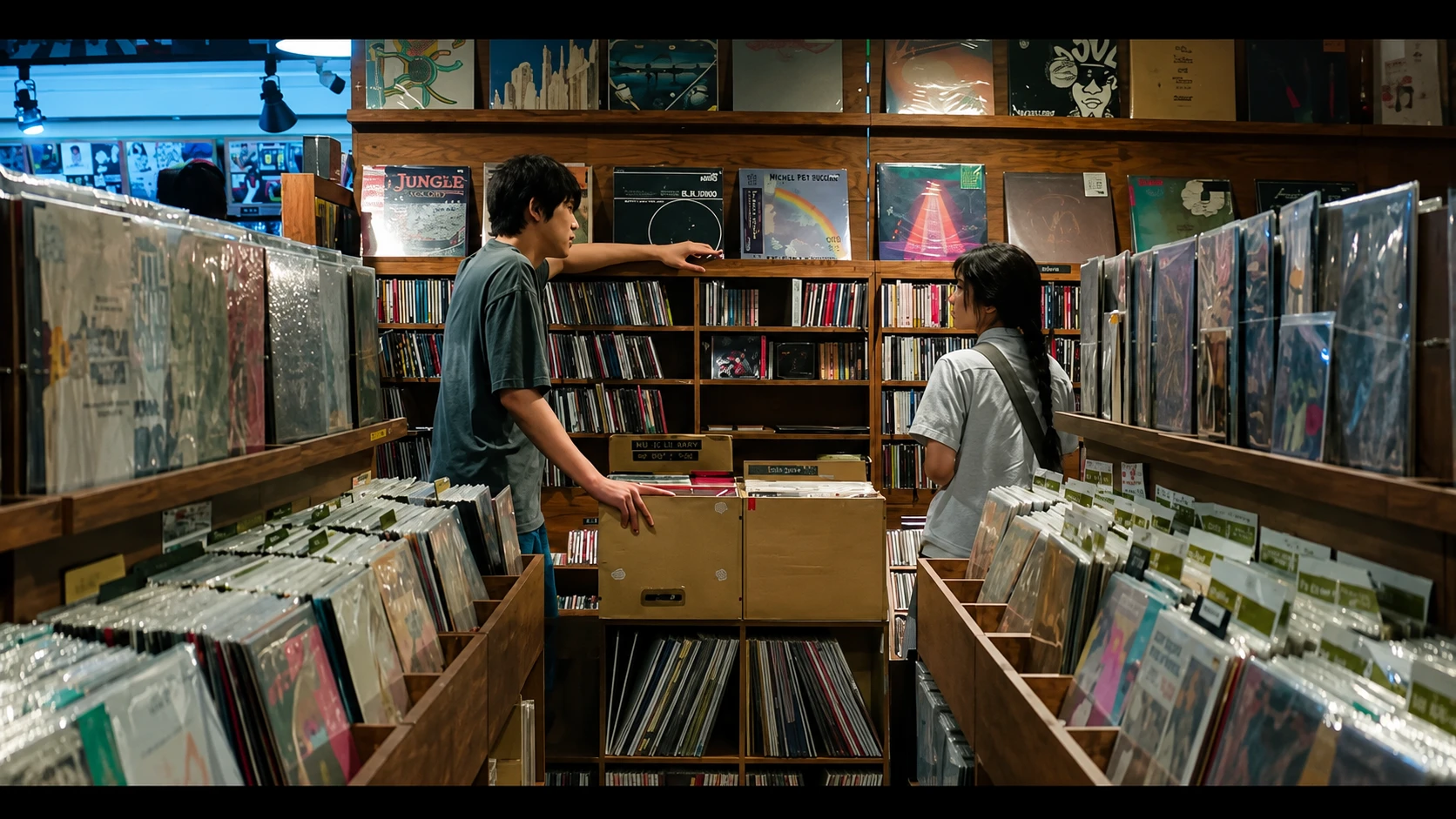
The person who starts to get past it is Gyeong-rok, a parking attendant at the same store who once trained to be a dancer before giving that dream up entirely. He’s not drawn to Mi-jeong despite the walls she’s built — he’s curious about what’s actually behind them, which is a different and more patient kind of attention than she’s used to getting.
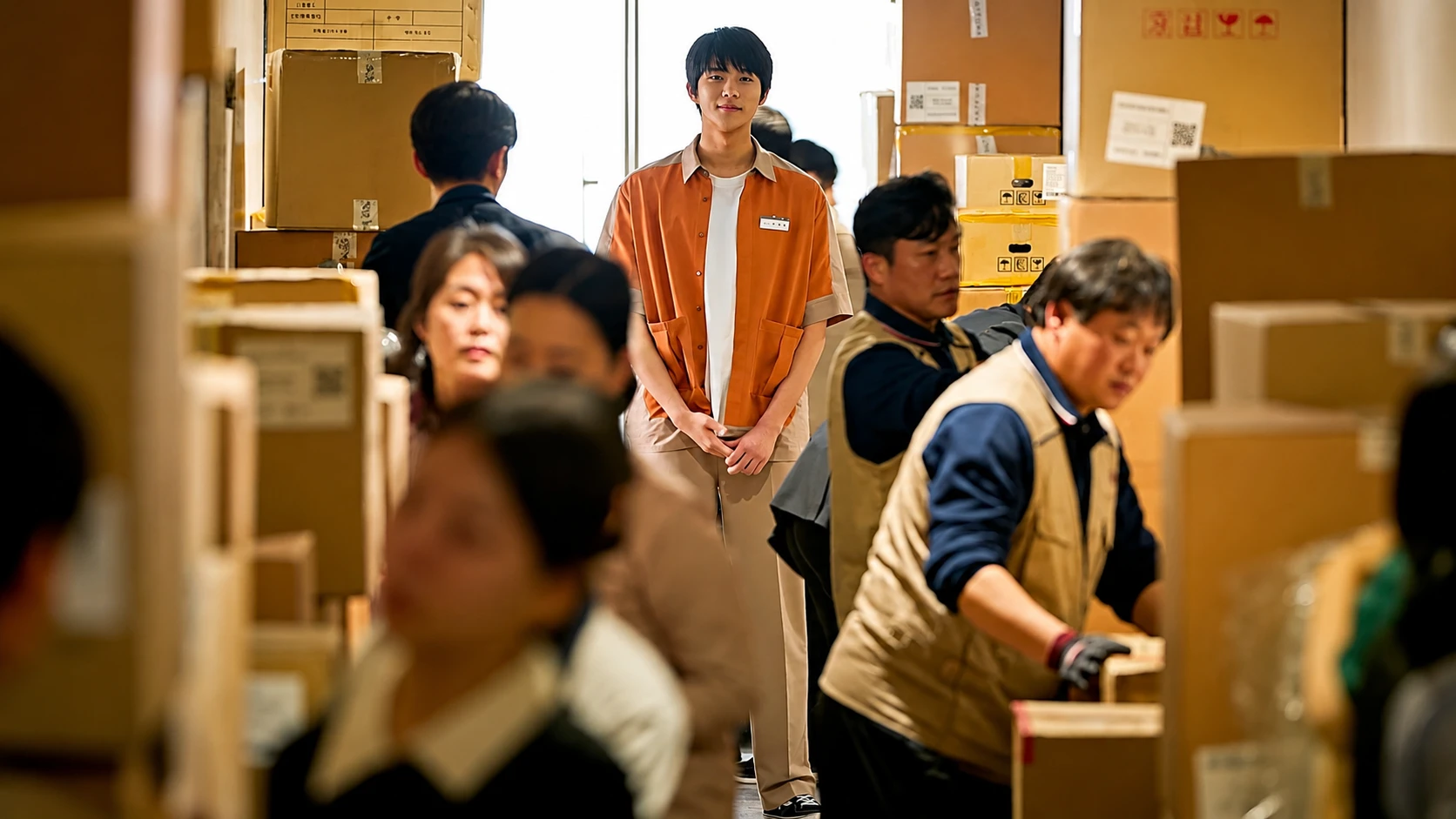
Their first real connection happens in the parking garage where they both work, about as unglamorous a setting as a romance can start in. Pavane leans into that plainness rather than dressing it up — the dim lighting and concrete columns aren’t atmosphere, they’re just where these two people’s lives happen to overlap.
What’s actually at stake for Mi-jeong is bigger than a relationship. Letting Gyeong-rok in means testing whether she can accept being looked at, wanted, and stayed with — the exact thing her self-image has told her for years isn’t available to her. For Gyeong-rok, it means picking vulnerability over the safety of staying uninvolved, and maybe finding his way back to the ambitions he shelved.
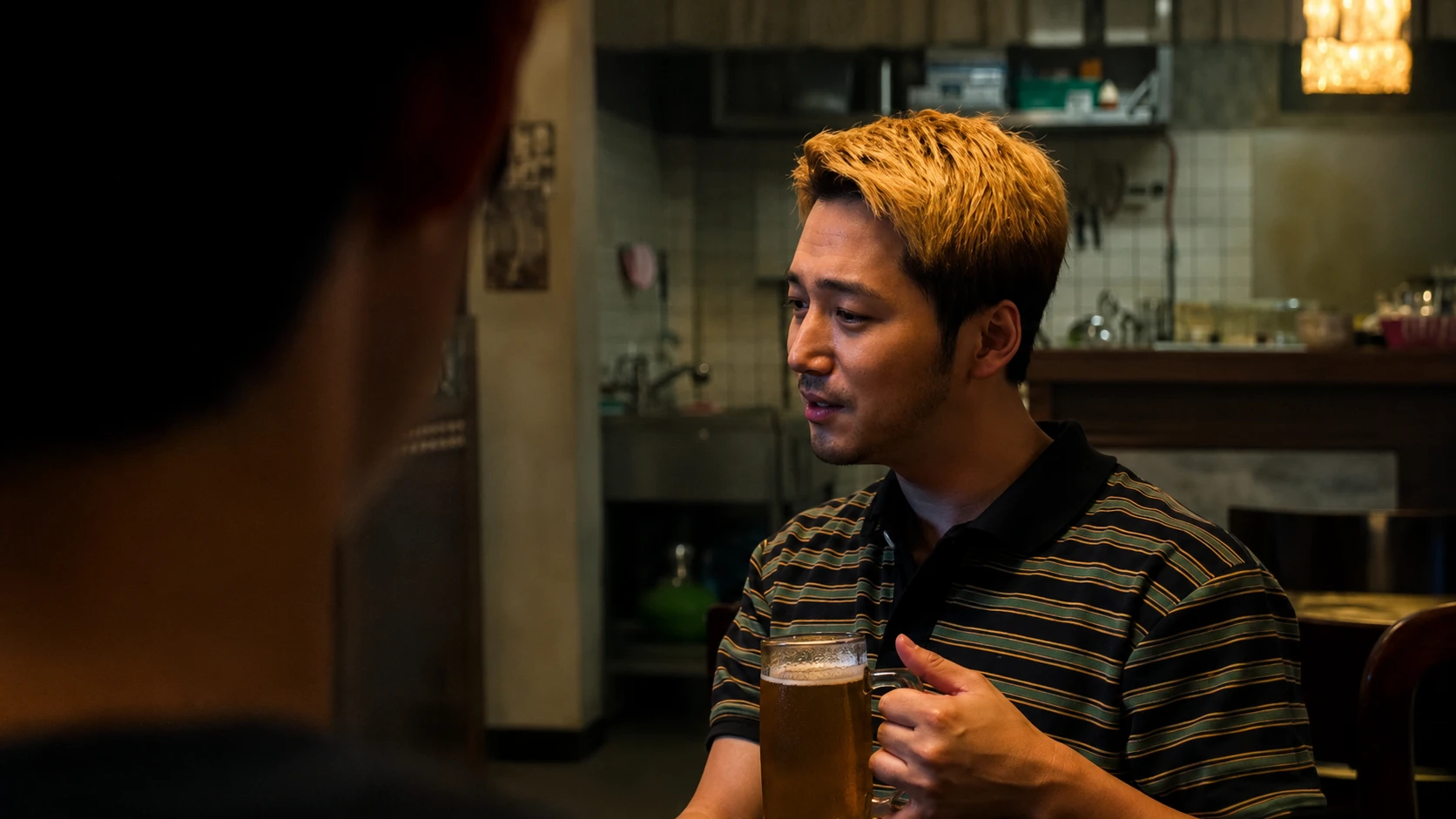
Yo-han, the third parking attendant in this triangle, isn’t a rival — he’s closer to a chorus, nudging the other two toward each other while keeping the film’s tone from tipping too far into heaviness. His rock music and old romance movies give Pavane’s quieter scenes somewhere to breathe, and his own unspoken struggles register mostly at the edges, visible if you’re watching for them.
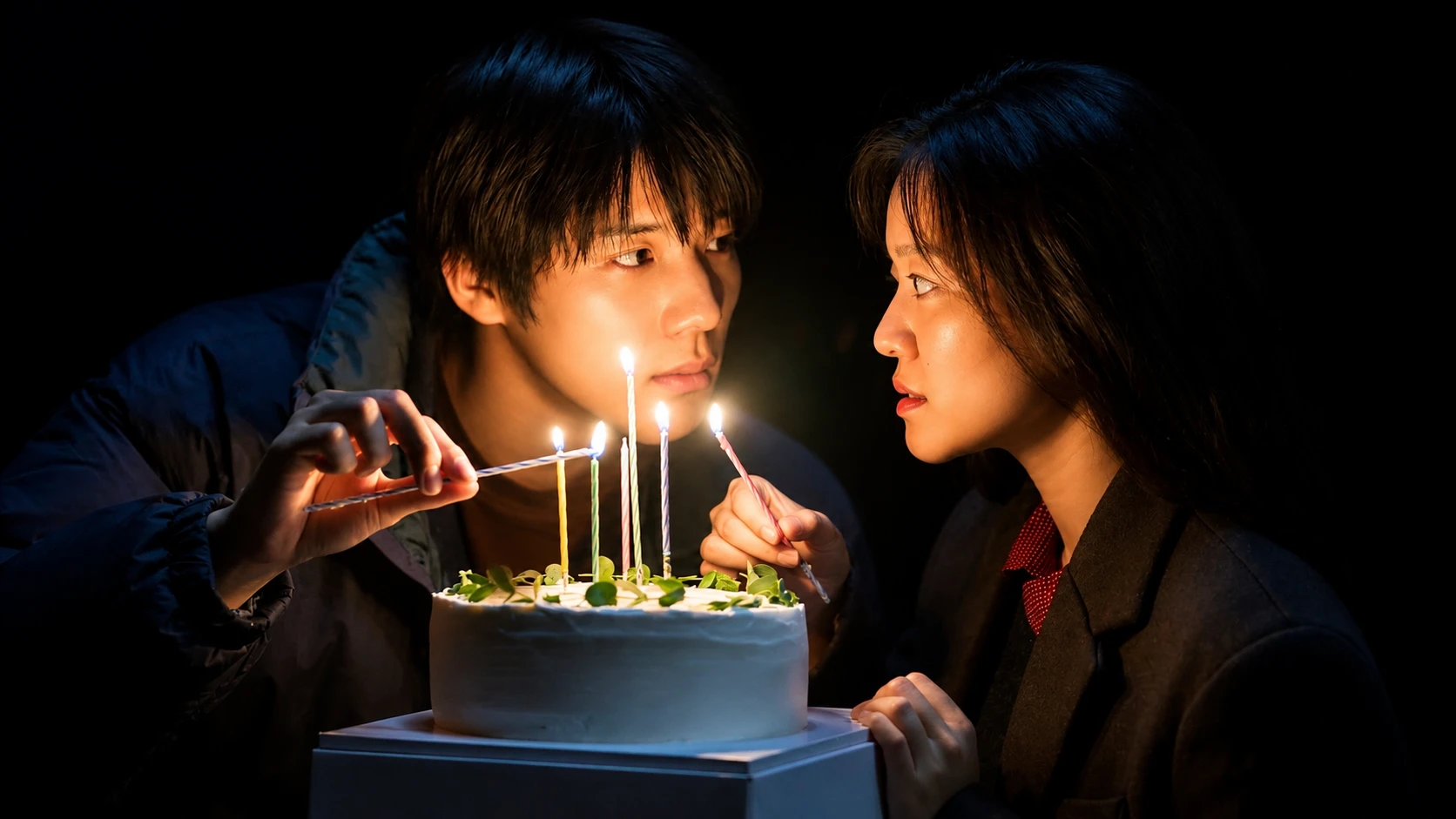
Pavane resists the genre’s usual reflex to solve its heroine’s self-image with a physical transformation. Nobody gets a makeover here. The film is explicit that whatever changes for Mi-jeong has to happen on the inside, which is a much slower and less cinematic thing to depict — and the film seems to know that, choosing patience over a satisfying before-and-after.
The film is adapted from Park Min-gyu’s novel Pavane for a Dead Princess, a book already well known in Korea for tackling appearance-based discrimination head-on. That source material gives the film a specific cultural target rather than a generic ‘love yourself’ message — it’s less interested in reassurance than in showing exactly how deep and how long that kind of judgment can sit in a person.
🏁 Ending Explained
Spoilers from here on — what actually happened, and why it lands.
Full Spoilers Ahead — This section covers the complete ending of Pavane. Stop here if you haven’t watched.
What actually happened Mi-jeong leaves Gyeong-rok — not because the relationship fails, but because she decides, on her own, that it should. Even with his love plainly unconditional, she can’t fully believe she deserves to be the reason he stays, especially once her presence in his life starts pulling him back toward the dreams he’d given up. She frames the decision as protecting his future. It’s really her oldest fear making the call.
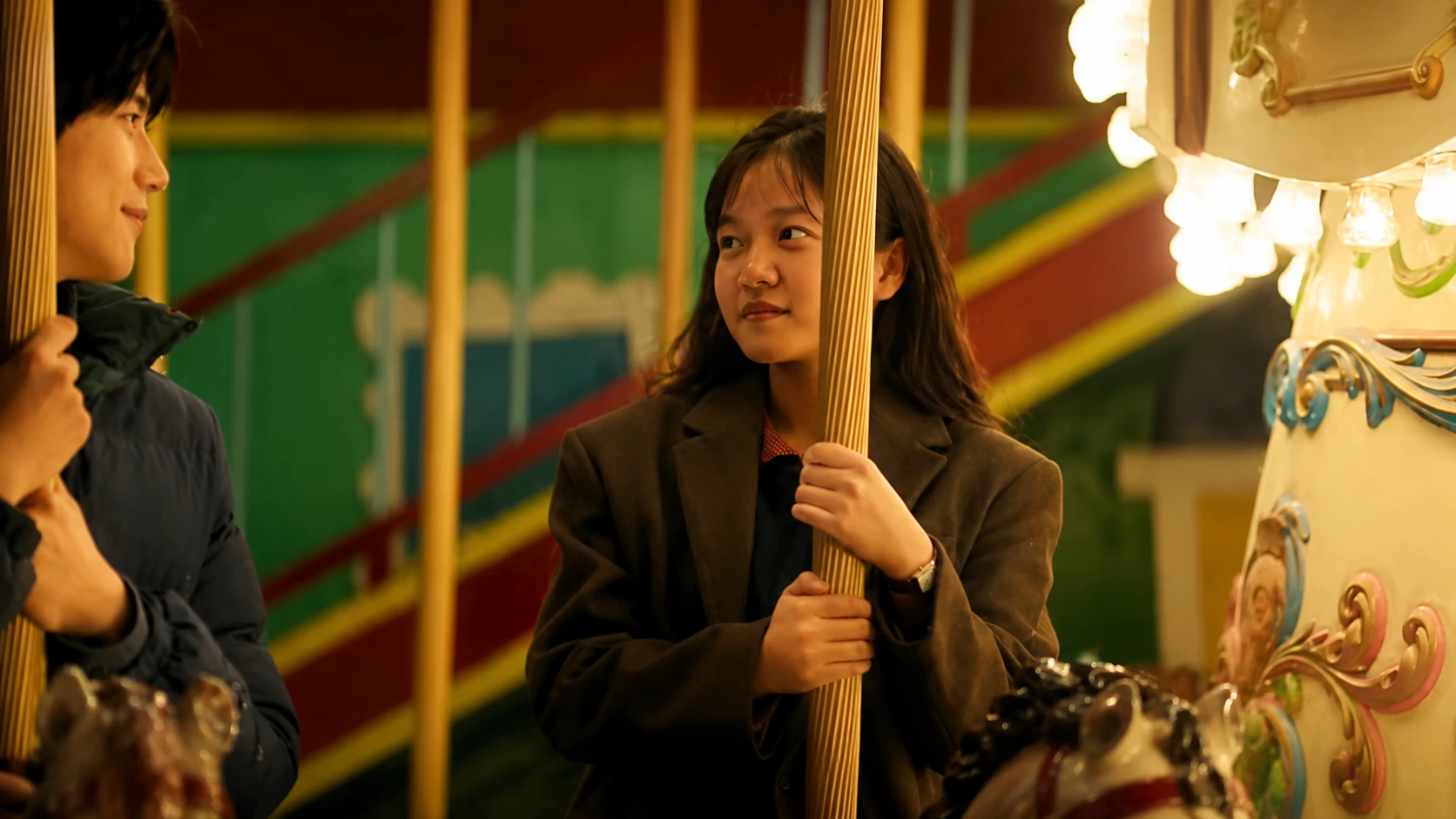
Why this isn’t a typical breakup That distinction matters. This isn’t a couple torn apart by outside forces — it’s one person’s internalized judgment of herself outlasting the external proof that it was wrong. Gyeong-rok never stops wanting her. The problem was never really him.
What it means Pavane’s ending argues something harder than ‘love conquers all’ — that love can be completely real and still lose to a self-image built over years, because that kind of belief doesn’t dissolve just because one person finally sees you clearly. Mi-jeong’s departure isn’t a plot twist so much as the film following its own premise to its honest conclusion.
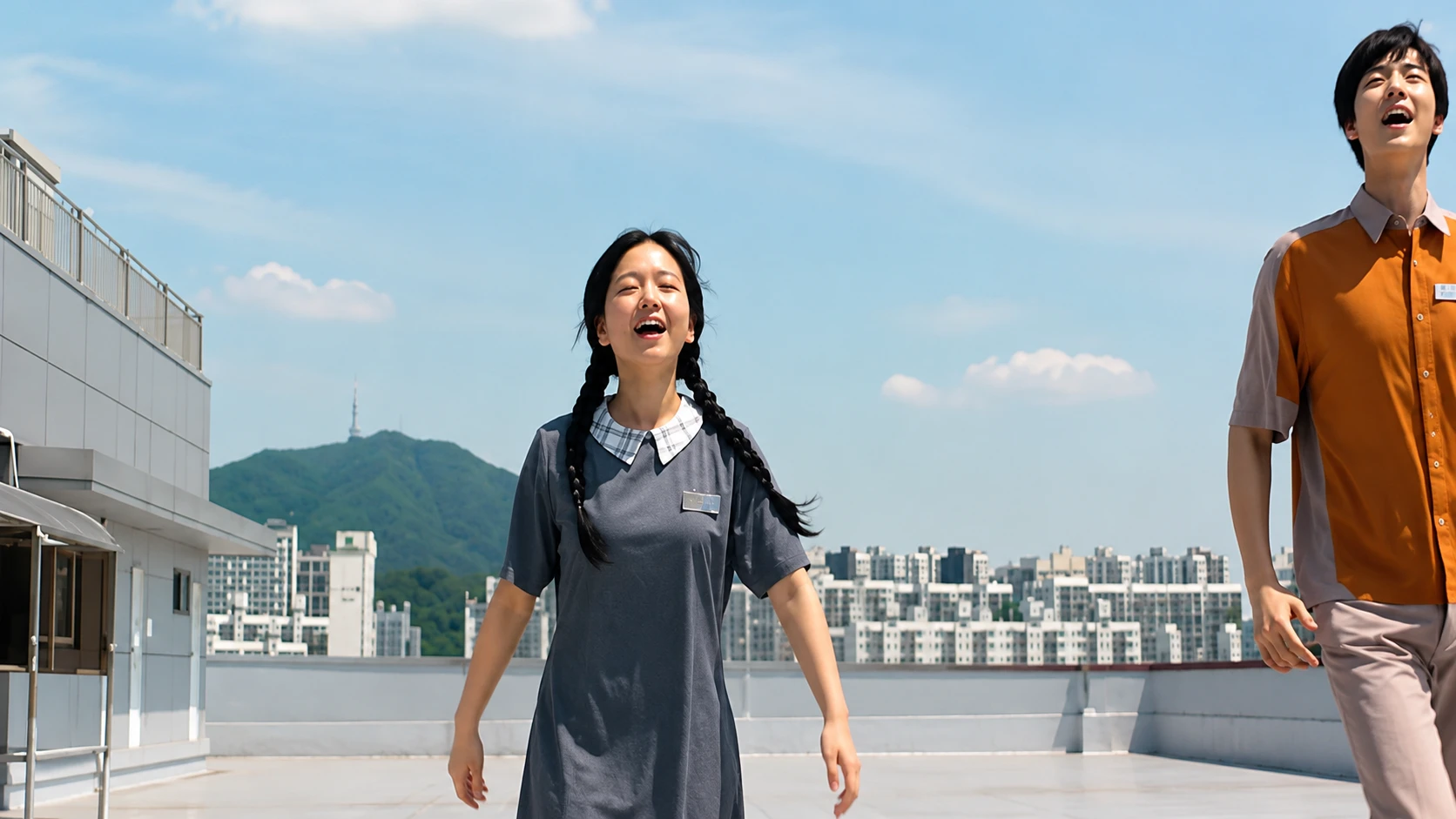
What’s left unresolved The film doesn’t fully close the door. Whether Mi-jeong and Gyeong-rok find their way back to each other is left open, and Yo-han’s own quieter struggles — hinted at more than resolved — go largely unanswered too. Pavane seems less interested in tidy closure than in being accurate about how slowly this kind of internal damage actually heals, if it heals at all.
The KDW verdict The film’s clearest statement comes near the end: love can illuminate, but it can’t always erase the shadows underneath it. That’s a bleaker note than most romantic dramas end on, and Pavane earns it by taking Mi-jeong’s self-image seriously as an obstacle instead of something a good enough partner can simply love away. It’s a hard ending, but it’s the honest one for the story this film has been telling.
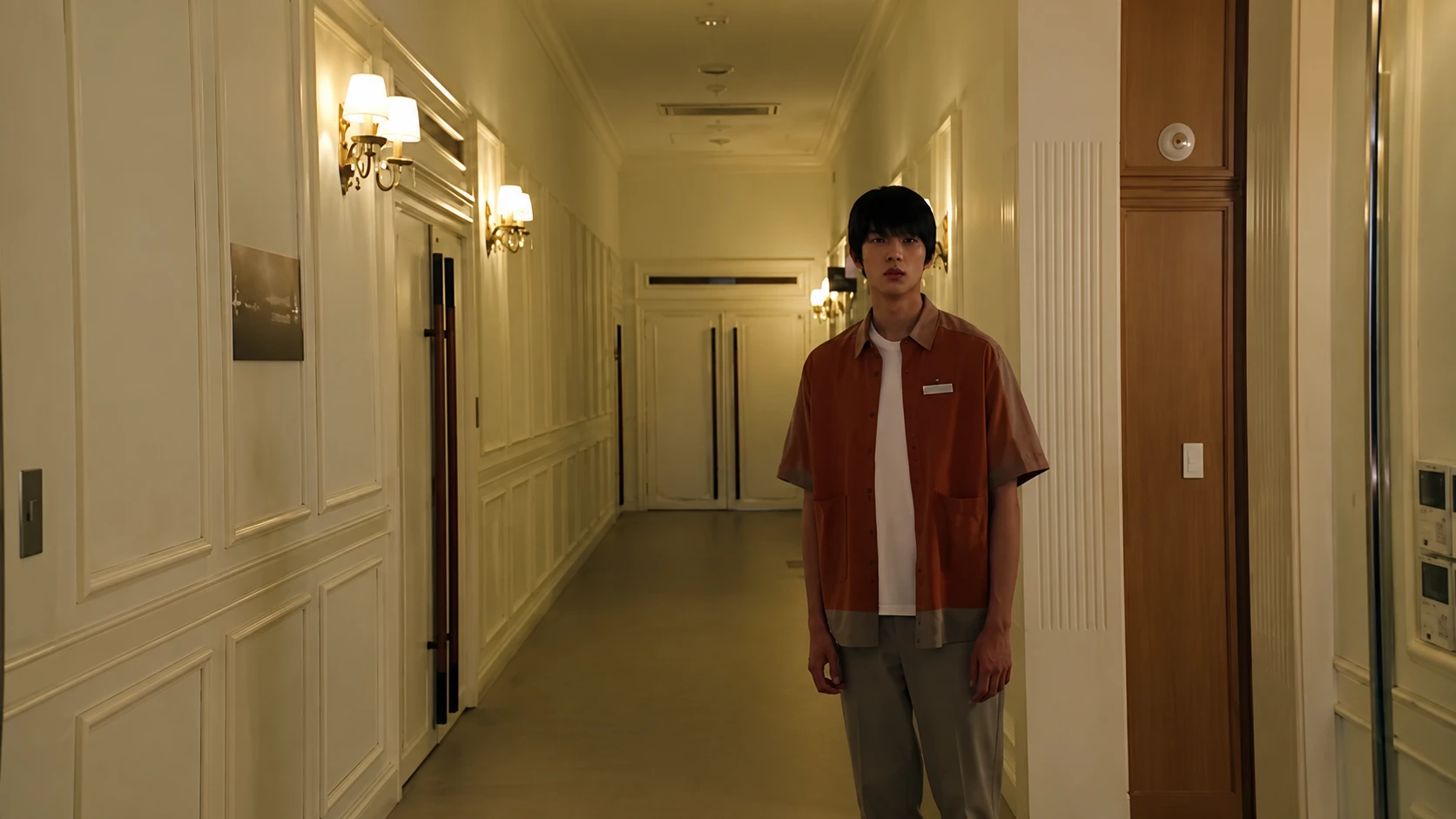
✍️ KDramaWorlds Editor’s Take
Our honest take — is it worth your time, and who’s it really for.
Lee Jong-pil
Known for: Lee Jong-pil built Pavane around restraint — resisting the genre’s usual impulse toward a physical transformation or a tidy reunion, and trusting a slow, internal character study to carry a story that could easily have been played as straightforward melodrama.
What does it actually cost someone to believe they don’t deserve to be loved, even when the person in front of them is proving otherwise? That’s the question Pavane spends its entire runtime sitting with, and it’s a harder, less comfortable question than the parking-lot romance setup initially suggests. Ko Ah-sung plays Mi-jeong’s guardedness as something closer to exhaustion than shyness — a woman who’s had to manage other people’s reactions to her for so long that stillness has become her default setting. It’s a quieter register than the appearance-based redemption arc A Millionaire’s First Love plays for full melodrama, and it’s better for the restraint.
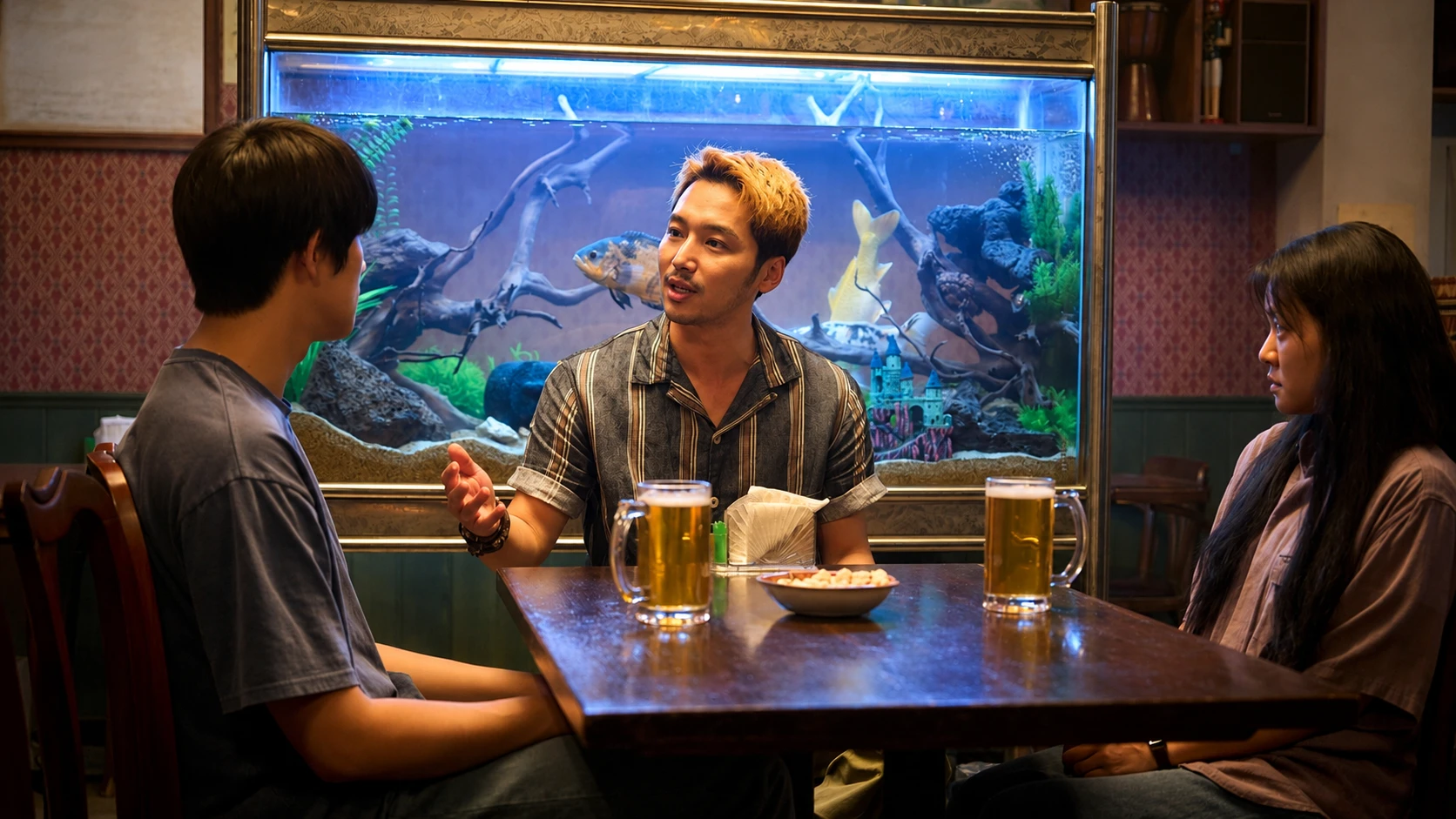
Byun Yo-han’s Yo-han could have been a device — the chatty best friend who exists to push the plot forward — but the film gives him just enough interior life that his matchmaking reads as genuine rather than functional. He’s doing for Mi-jeong and Gyeong-rok roughly what a good supporting character does in any well-built romance, the way the best friend in 20th Century Girl ends up carrying more emotional weight than the plot strictly requires of her.
The ending is where Pavane either earns its reputation or loses viewers who wanted the genre’s usual payoff. Mi-jeong walking away isn’t a twist for shock value — it’s the film committing fully to the idea that self-worth issues don’t just resolve because someone finally loves you correctly. That’s a much harder thing to sit with than a wedding, and it’s the choice that makes this film worth taking seriously rather than just watching.
🎬 You Might Also Like
If you liked Pavane, these are your next three watches.
 Black Out
Byun Yo-hancrime
Read Full Review →
|
 Genie, Make a Wish
bittersweet romancecurse
Read Full Review →
|
 The Interest of Love
Bank SettingLove Square
Read Full Review →
|












Keep it kind, skip the harsh language, and please — no spoilers. Everyone's taste is different, and that's perfectly fine.
This space is for real reactions and discussion from other viewers. Help keep it comfortable for everyone by not giving away major plot details.
What do you think of this drama?
Login to share your review or leave a comment.
No email needed — just pick a username & password.