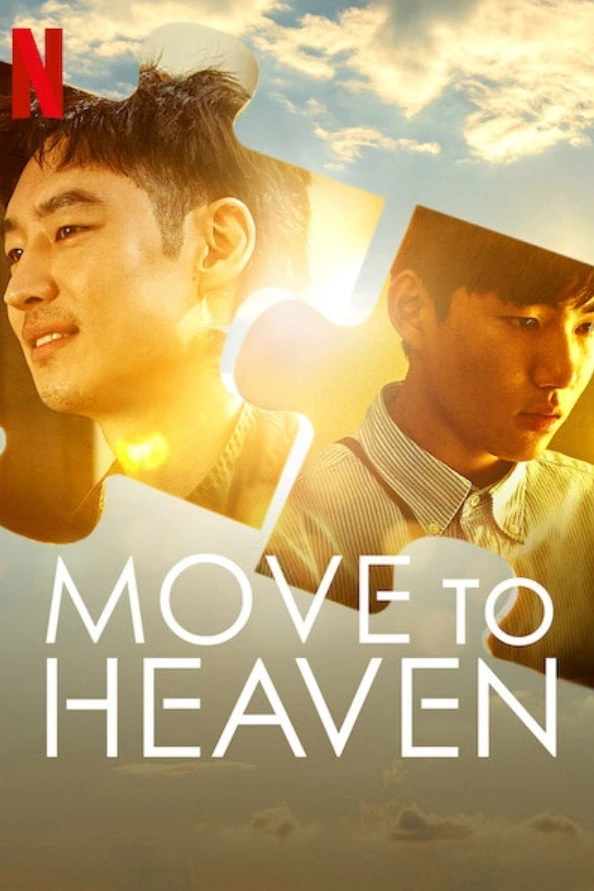
Move to Heaven
🎬 Netflix
⭐ 8.6 / 10 MDL
🔞 TV-MA
📋 Drama Overview
Everything you need to know before you hit play.
🌿 Emotional Must-Watch
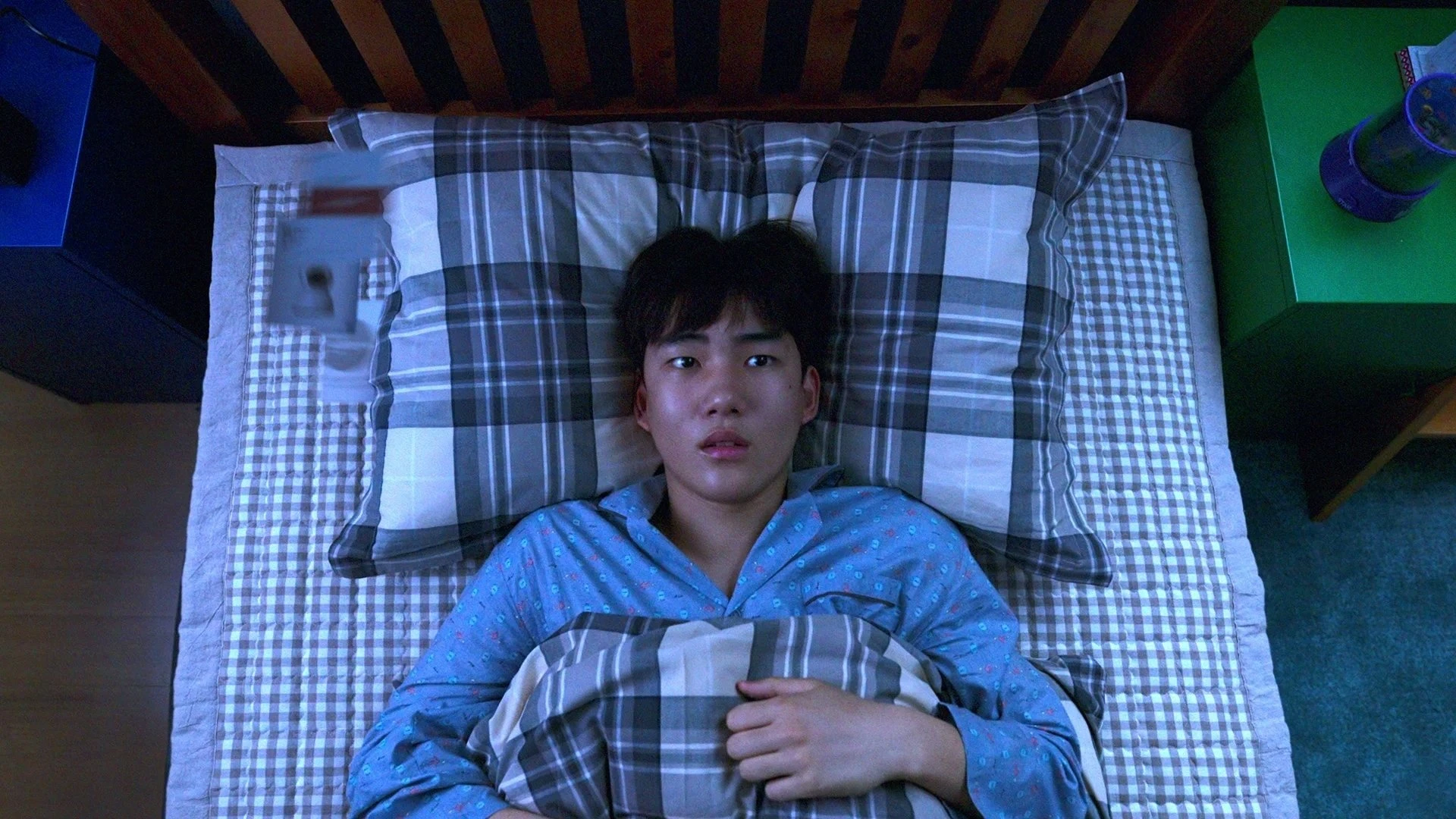
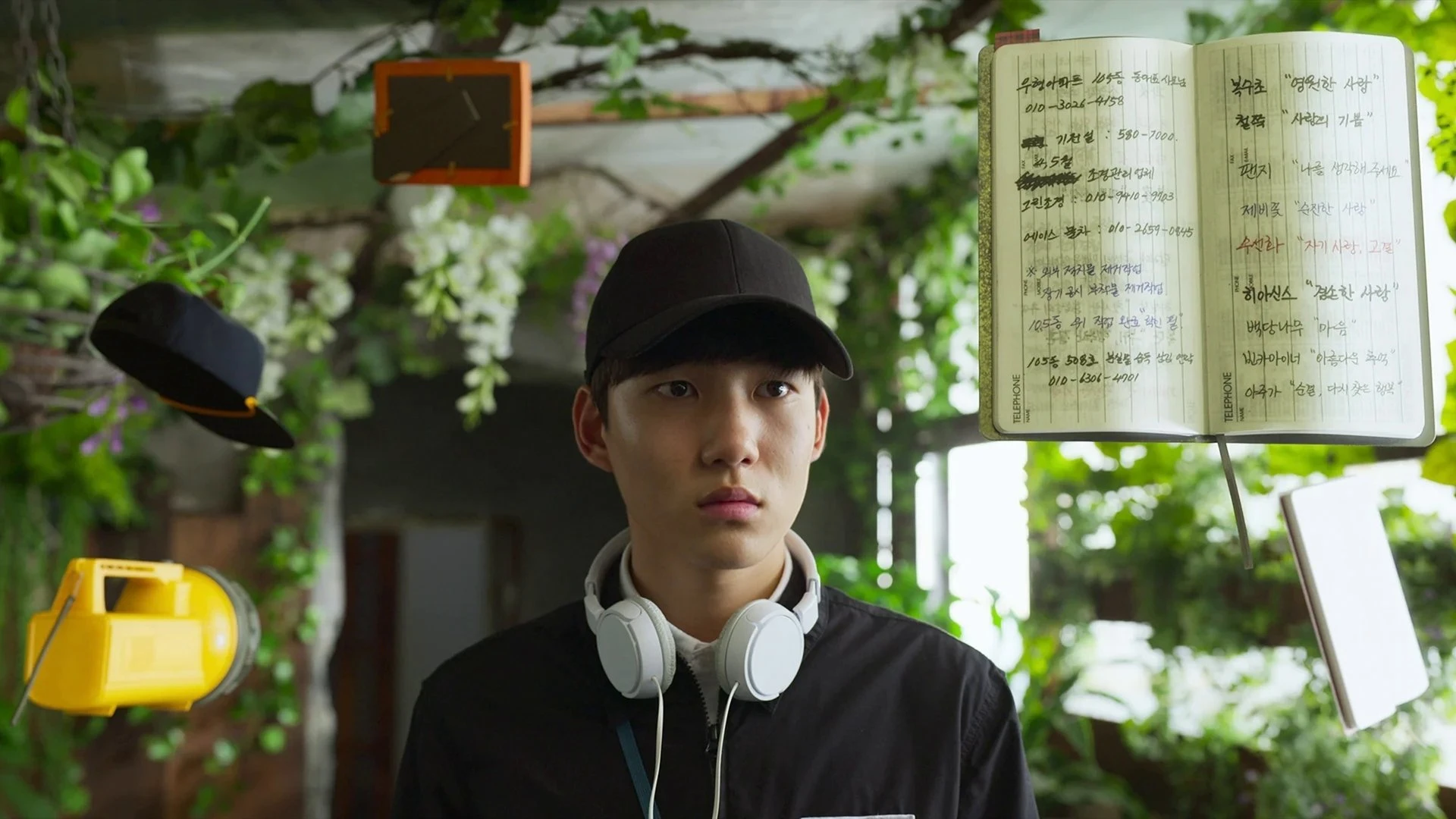
Han Geu Roo (Tang Jun Sang) is a 20-year-old with Asperger’s syndrome who works alongside his father at “Move to Heaven” — a trauma-cleaning company that collects and hand-delivers the belongings of the deceased to the families they left behind. Each job is a puzzle of objects and silence, and Geu Roo treats every item as a message worth decoding. When his father dies suddenly, guardianship passes to Cho Sang Gu (Lee Je-hoon) — an estranged uncle, ex-convict, and underground fighter who has absolutely no interest in raising anyone.
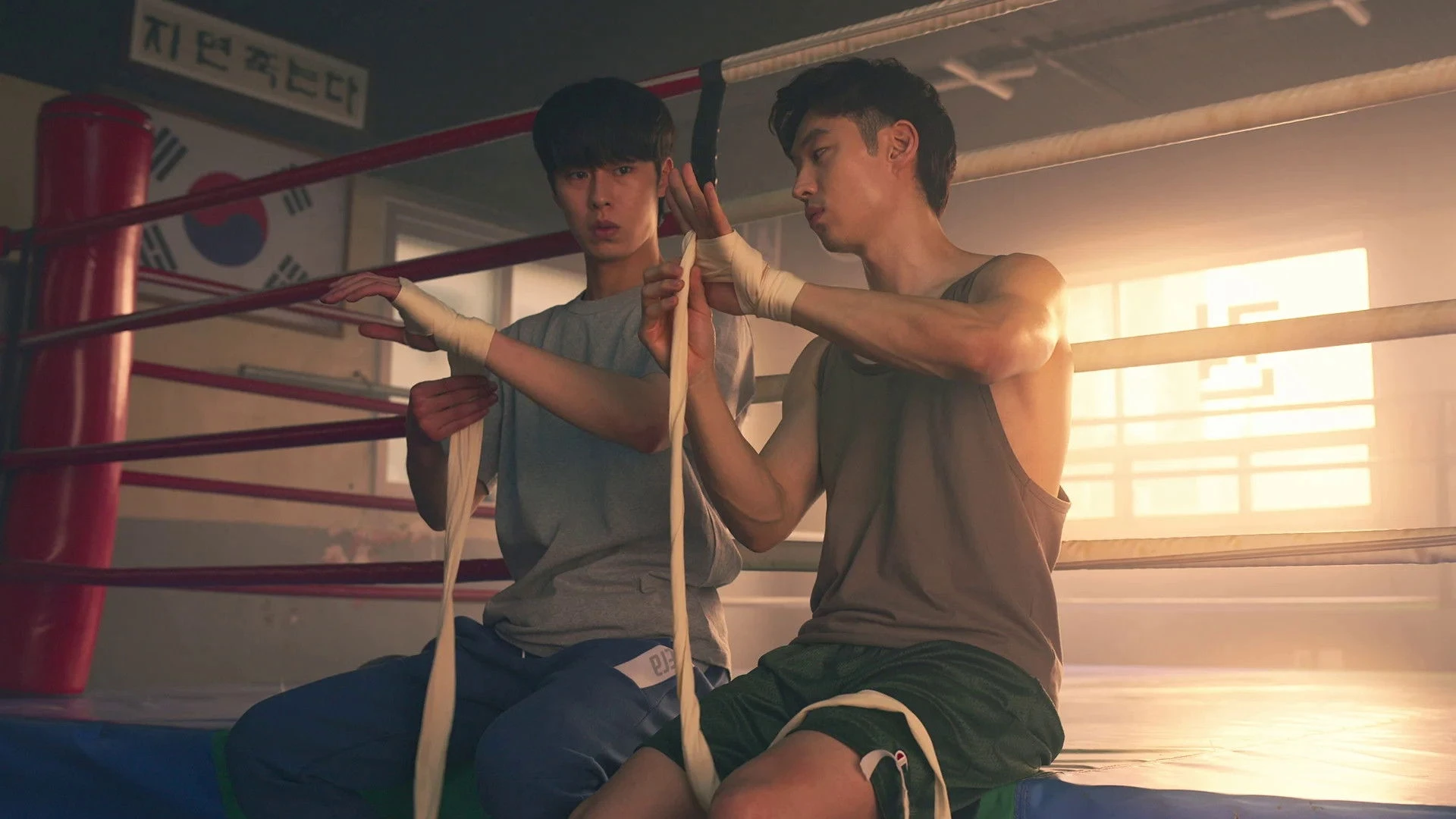
Per the father’s will, Sang Gu must live and work with Geu Roo for three months to claim the inheritance. What begins as pure self-interest — two incompatible men forced into the same orbit — slowly becomes something neither of them chose or expected. Through each apartment they clean, each life they piece together from the things left behind, the shape of their own connection quietly shifts. This is a drama about grief and the people who tend to it, told one room at a time.
10 / 10 ✅ Completed
⚡ Quick Verdict
One box. Everything you need to decide.
· MDL Score · 40,000+ ratings
▶ Official Trailer
🎭 Cast & Characters
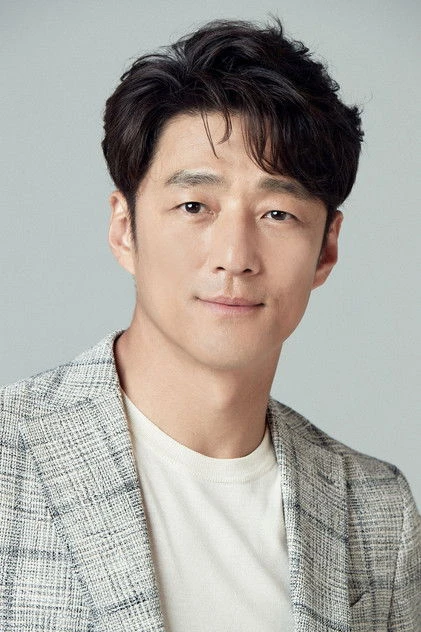
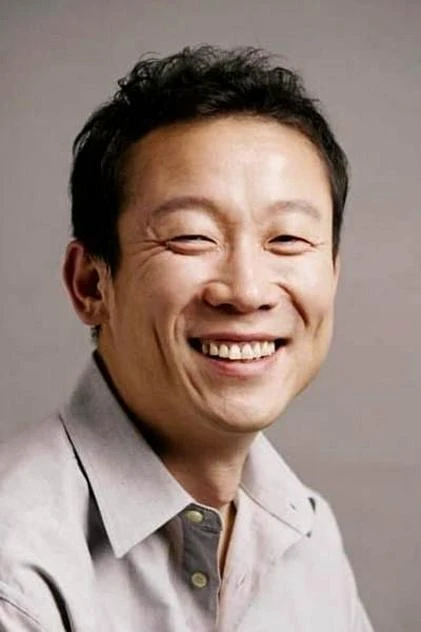
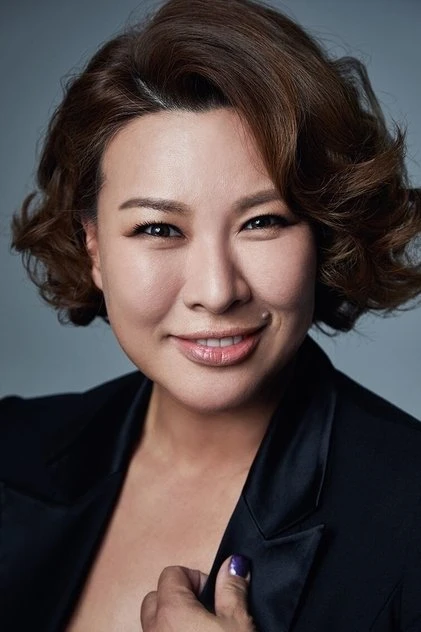
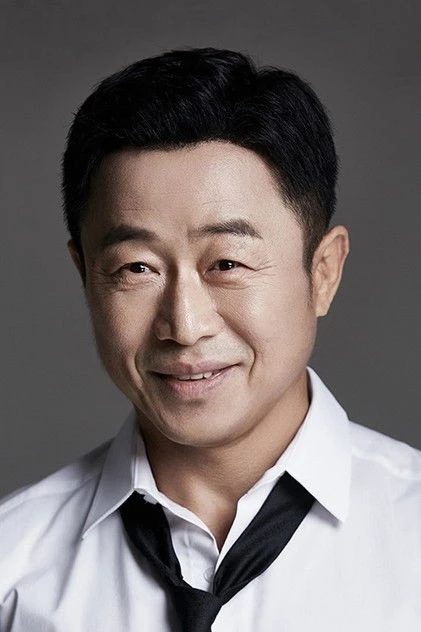
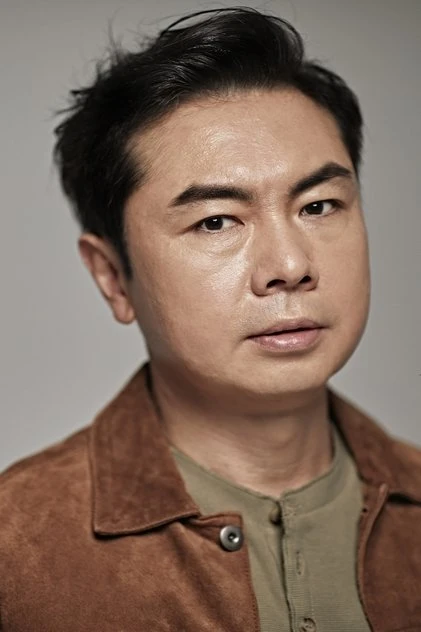
Twelve performances — from the reluctant guardian and the extraordinary young man he learns to see, to every soul whose story passes through their hands.

Lead

Lead

Supporting
Supporting

Supporting
Supporting
Supporting
Supporting
Supporting

Supporting

Supporting

Supporting
📺 Episode Guide
Spoiler-light recaps — enough to remember where you left off, nothing that ruins the ride.

🏁 Ending Explained
Full spoilers ahead — everything that happens in the finale and what it all means.
Spoiler Warning — This section covers the full finale of Move to Heaven. Stop here if you haven’t finished the series.
Geu Roo Runs. The finale opens not with Sang Gu’s fight but with its emotional consequence: Geu Roo, overwhelmed by the accumulated weight of grief he has been holding since his father’s death, runs away. He visits the places that mattered — the spots where he and Han Jung Woo worked together, the quiet corners that still carry his father’s presence — and Tang Jun Sang carries the full force of that loss without a word of explanation. This is a young man saying goodbye in the only language he knows: the language of things and places.
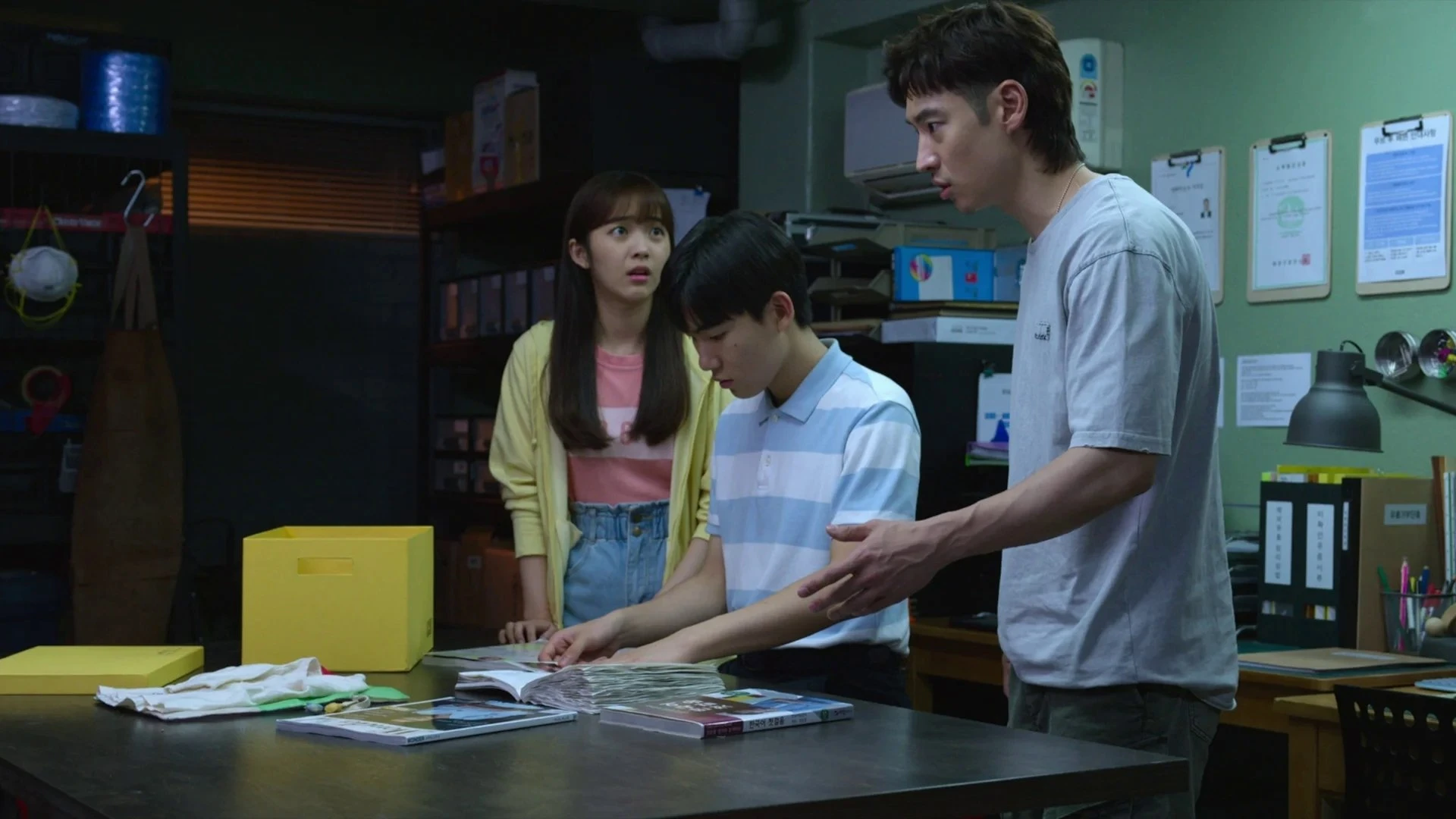
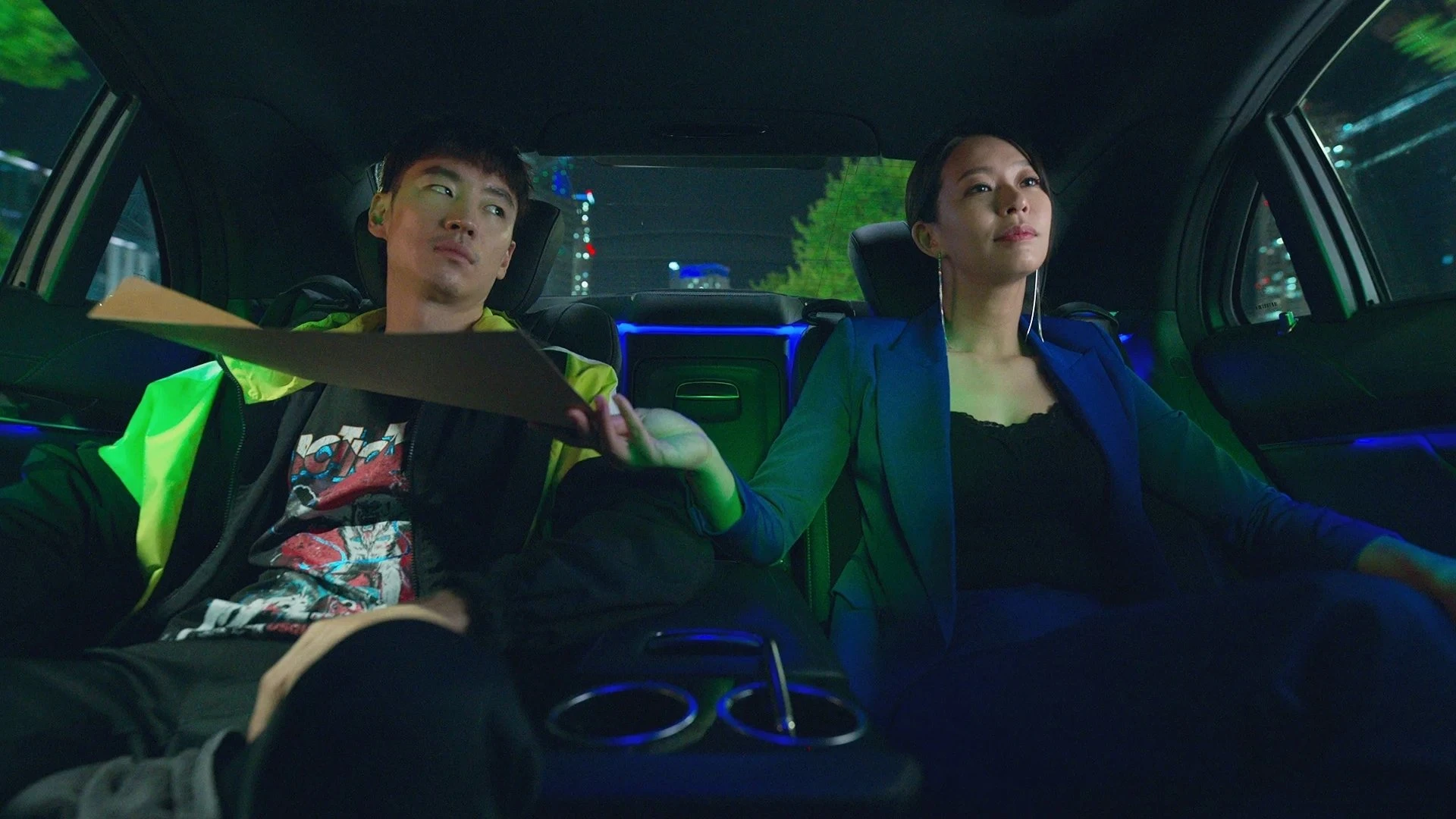
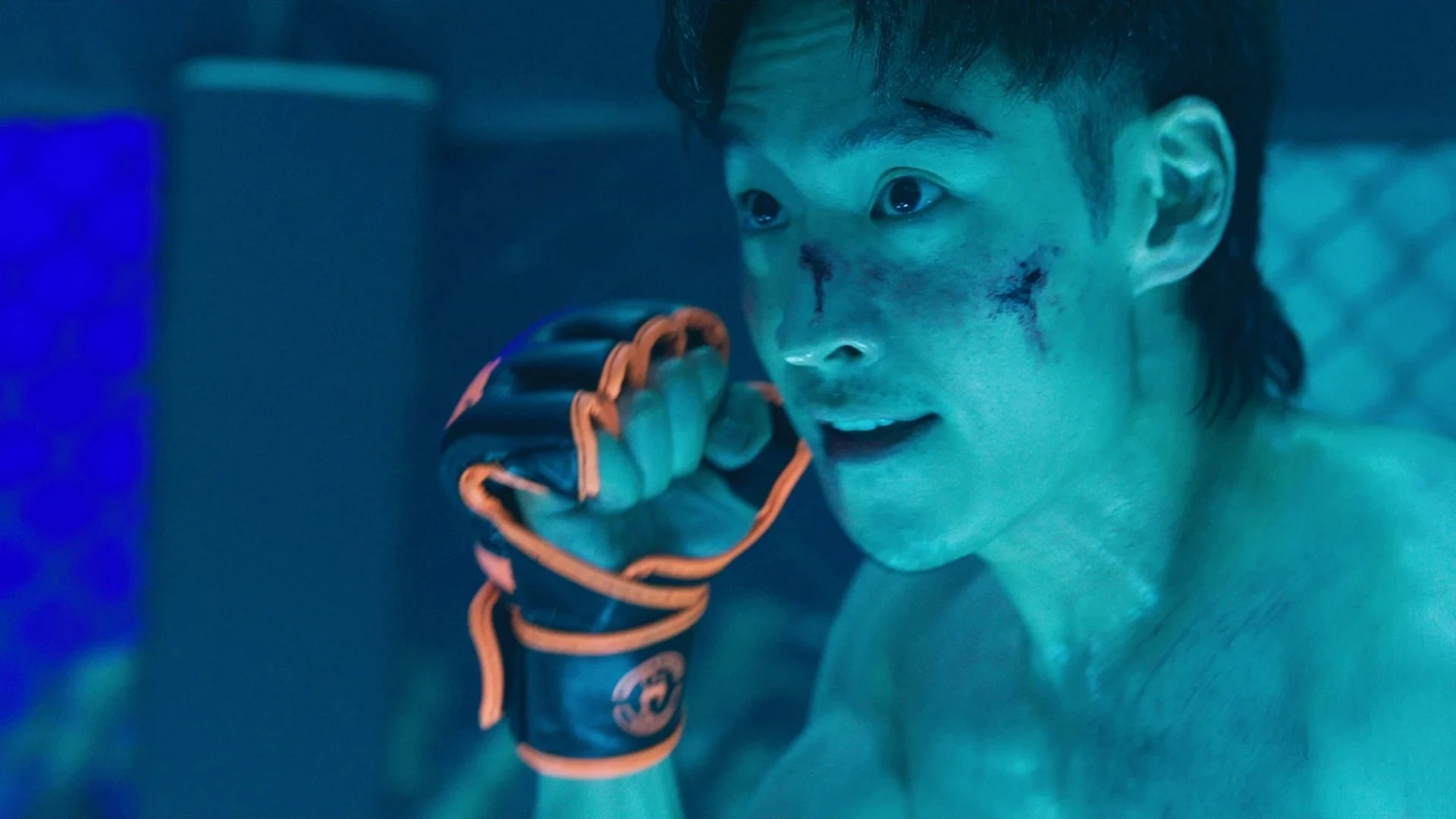
Sang Gu Chooses Family Over the Fight. When Sang Gu learns Geu Roo is missing, he leaves his fight preparations without hesitation. The man who arrived in Episode 2 motivated entirely by inheritance money doesn’t even pause. He finds Geu Roo, brings him home, and then returns to fight — not for the money or the deed anymore, but because the outcome of that fight determines Geu Roo’s safety. Lee Je-hoon plays the whole sequence with a quiet certainty that makes the transformation feel completely natural rather than engineered. The arc is complete by the time Sang Gu steps into the ring.
The Fight and the Verdict. Sang Gu wins his underground match despite the odds stacked against him, securing the house deed and Geu Roo’s future. The legal hearing that follows formally determines his qualification as Geu Roo’s guardian — the court officially naming what the drama has been building since the first episode. It’s a procedural moment that carries enormous emotional weight, because everything that precedes it has made the word “guardian” mean something specific and hard-earned. The drama doesn’t over-dramatize it. It doesn’t need to.
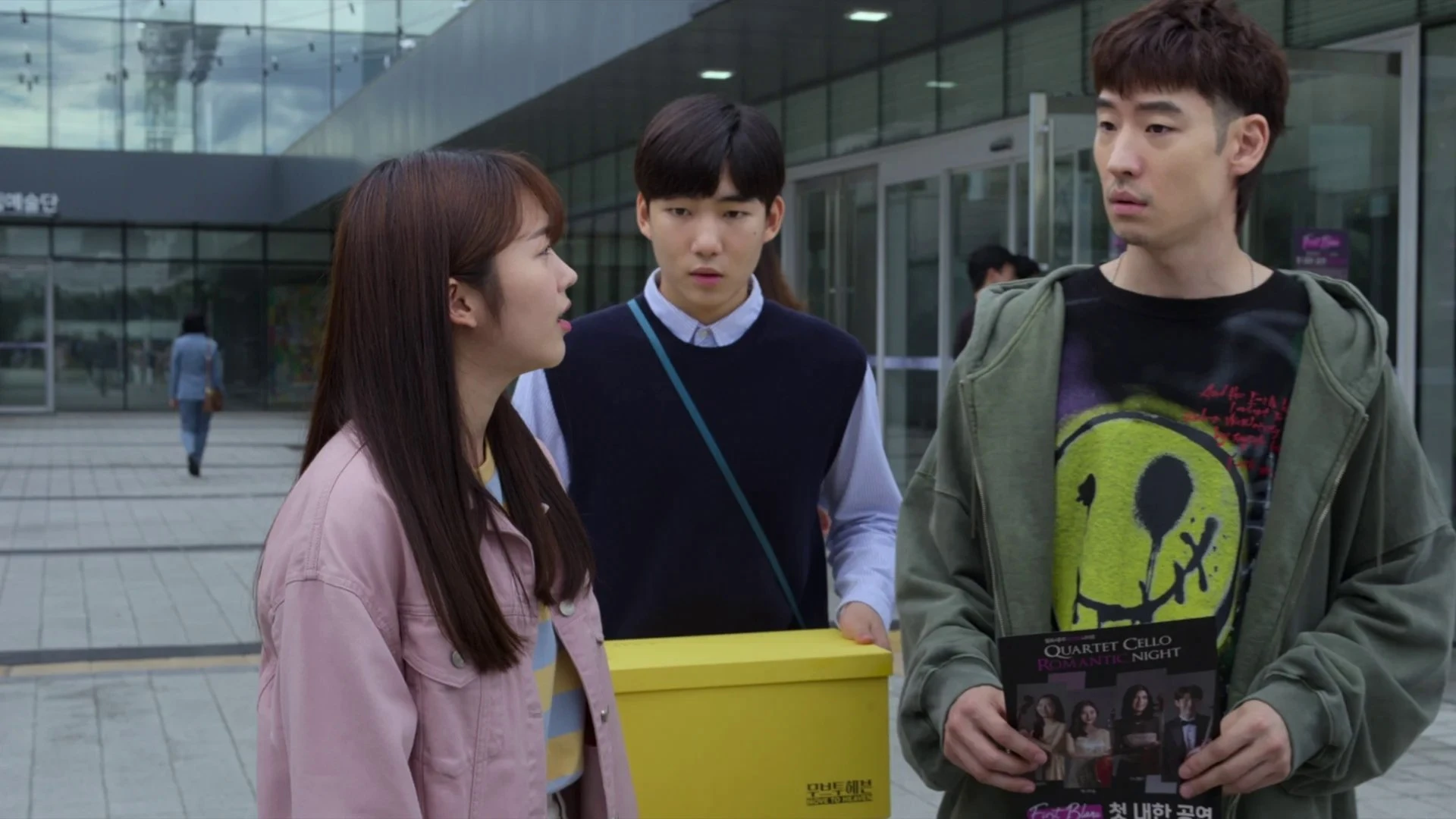
The Last Delivery. The finale’s most affecting scene doesn’t belong to Sang Gu or Geu Roo — it belongs to a young girl named Cha Eun Byeol, the “butterfly girl,” whose belongings hold a last message for a father who couldn’t be there when she needed him most. Geu Roo delivers it with the same care and precision he brings to every case, and the moment crystallizes what Move to Heaven has been arguing all along: that grief, properly witnessed, is an act of love. The deceased are not gone. They are in the objects they chose to keep.
What the Ending Means. The final images show the two men continuing Move to Heaven together — not because they have to, but because they have chosen to. The drama closes on an open note: there are more rooms to clean, more stories to uncover, more last wishes to deliver. But the central question the series has been asking — whether Sang Gu can become the person Geu Roo needs — has been answered completely. Not through a speech or a dramatic gesture, but through ten episodes of showing up. Move to Heaven is a drama about what we leave behind, and about the people who make sure none of it goes unheard.
✍️ KDramaWorlds Editor’s Take
Our honest read on why this drama is worth your time — and who it’s for.
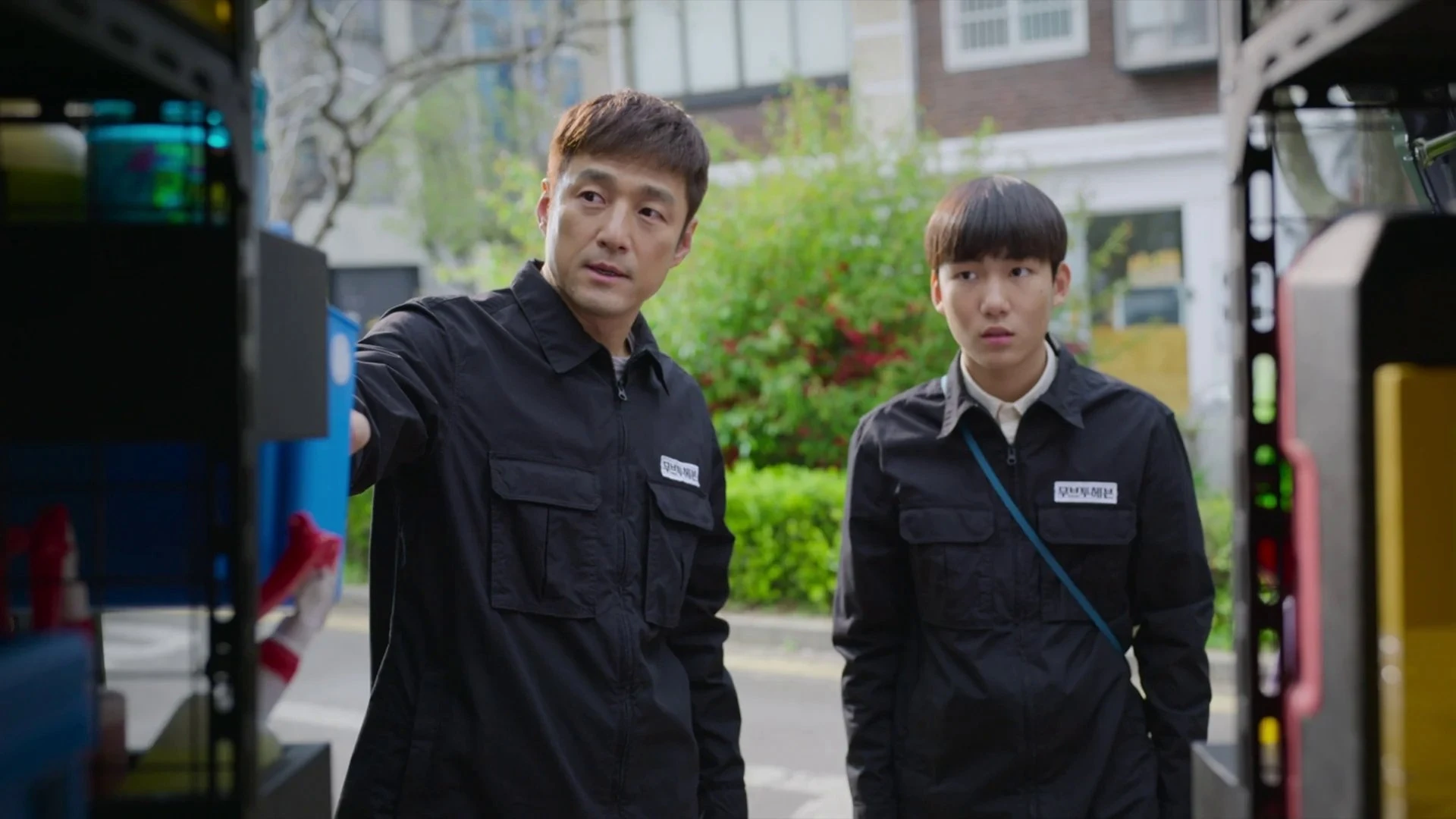
Move to Heaven works because it refuses the shortcut. The premise — trauma cleaner with Asperger’s, reluctant uncle-guardian, anthology-style human stories — could easily become sentimental noise, the kind of drama that cries on your behalf so you don’t have to feel anything real. Instead, it trusts the details. A receipt tucked inside a drawer. A suit left hanging for a child who never came. A box addressed to someone who doesn’t know they were loved. Tang Jun Sang’s performance as Geu Roo is the anchor that makes all of it land: precise, never condescending, and remarkably free of the tics that lesser writing would have handed him. He plays a character with a specific way of seeing the world, and the drama earns the right to say that way of seeing is a gift. Compare it to how Extraordinary Attorney Woo approaches neurodivergence — both dramas are compassionate, but Move to Heaven is harsher, less comfortable, and ultimately more honest about what the world costs its most careful observers.
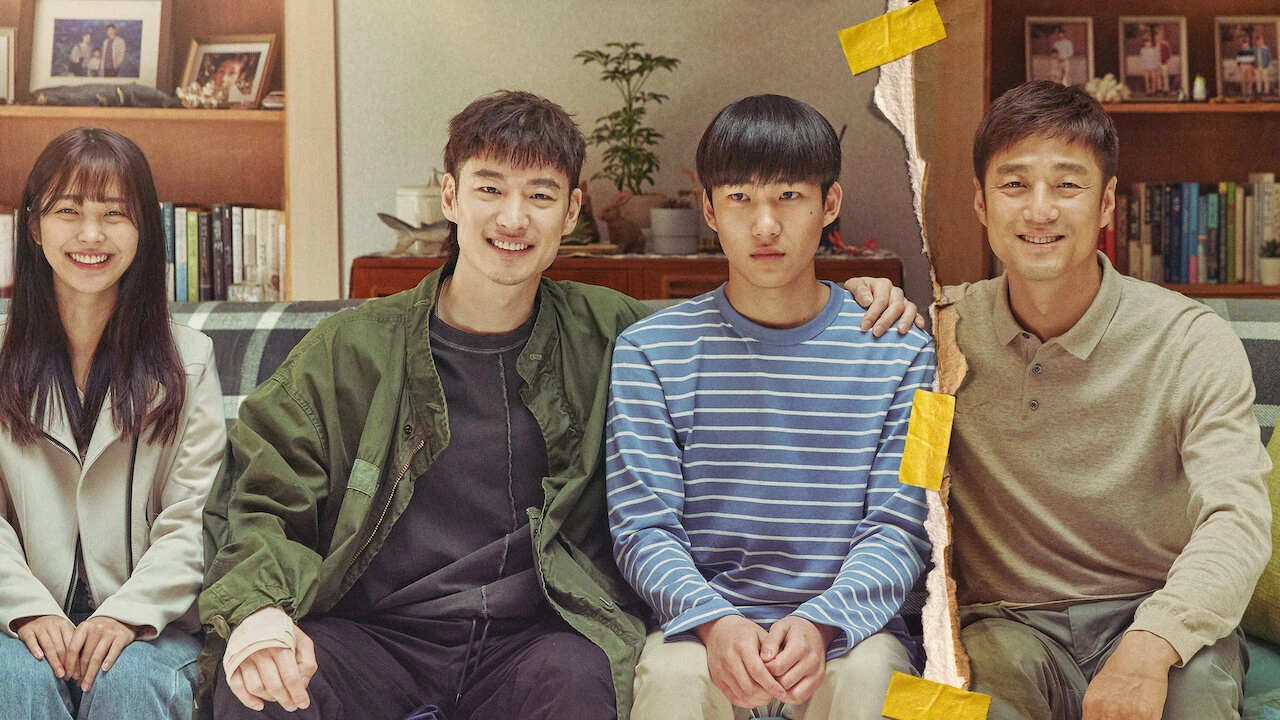
Lee Je-hoon’s Sang Gu is where most of the drama’s narrative weight falls, and he carries it without making the transformation feel easy or inevitable. The early episodes establish him as genuinely selfish — not cartoon-villain selfish, but the specific self-interest of a man who has learned that caring about people costs more than he can afford. Episode 7, which reveals the full story of Su Cheol, is the pivot point: it explains not just why Sang Gu is the way he is, but why this particular job with this particular young man is the one that breaks through. The scene in which Sang Gu recognizes that Geu Roo is treating him the way Su Cheol once treated him — with uncomplicated loyalty — is as good as Lee Je-hoon has ever been. For those who found Beyond Evil‘s exploration of men bound by grief and guilt compelling, Move to Heaven occupies adjacent emotional territory — quieter, but no less precise.
The anthology structure is both the drama’s greatest strength and its only genuine weakness. At its best — Episode 5, Episode 6, the Matthew storyline of Episode 9 — the show produces standalone stories that are as complete and affecting as any short film. At its occasional weakest, the episodic formula shows its seams and the pacing stalls. But none of the individual cases feel gratuitous or exploitative, which is the real test for a drama built around grief. Move to Heaven never uses the dead to score emotional points. It treats them as people who deserved better, and gives them, briefly and imperfectly, something close to it. If you can sit with sadness without needing it to be fixed — this one will stay with you.
Fans of Our Blues, Navillera, or slice-of-life anthologies
Anyone who wants to see Lee Je-hoon at his most vulnerable
🎬 You Might Also Like
If you liked Move to Heaven, these are your next three watches.
 Salon De Nabi
Choi DanielComeback Drama
Read Full Review →
|
 My Lovely Journey
Entertainment Industry
Read Full Review →
|
 Hospital Playlist (Season 2)
Cho Jung-seokcomedy
Read Full Review →
|













Keep it kind, skip the harsh language, and please — no spoilers. Everyone's taste is different, and that's perfectly fine.
This space is for real reactions and discussion from other viewers. Help keep it comfortable for everyone by not giving away major plot details.
What do you think of this drama?
Login to share your review or leave a comment.
No email needed — just pick a username & password.