
Project Y
🎬 Viki
⭐ 8.4 MDL
🔞 Not Rated
🎬 Film Overview
Yoon Mi-sun and Lee Do-kyung have built their lives around a plan that is specifically designed to survive disappointment. They run a flower shop in Gangnam as cover, work the margins of its night economy to accumulate savings, and keep the plan alive by not asking too much from it. It requires exactly two things: enough time, and each other.
When a financial scam strips both away in a single night, they don’t grieve. They pivot. The 8 billion won sitting in an underworld cache in Gangnam isn’t the dream — it’s the replacement for the dream. Project Y is less interested in the heist than in what happens to two people when the only version of their future that still exists involves taking something from someone who will absolutely come after them.
⚡ Quick Verdict
Skip the scroll — here’s the verdict in one glance.
MDL Score · MyDramaList community rating
▶ Official Trailer
🎭 Cast & Characters
Han So-hee and Jeon Jong-seo lead a tight ensemble through the criminal underworld of Gangnam.

Lead

Lead

Supporting

Supporting

Supporting

Supporting

Supporting

Supporting

Supporting
Supporting

Supporting

Supporting
📖 The Story
Spoiler-light — enough to understand what kind of film this is, nothing that ruins the experience.
Yoon Mi-sun and Lee Do-kyung share a life that has been deliberately scaled down to what is survivable. They front a flower shop in Gangnam — one of Seoul’s wealthiest and most image-conscious districts — while working its night economy to build toward a number that, once reached, means they never have to work it again. There is nothing romantic about this arrangement and they don’t pretend otherwise. Director Lee Hwan establishes the friendship not through warmth but through function: these two women are each other’s entire infrastructure.
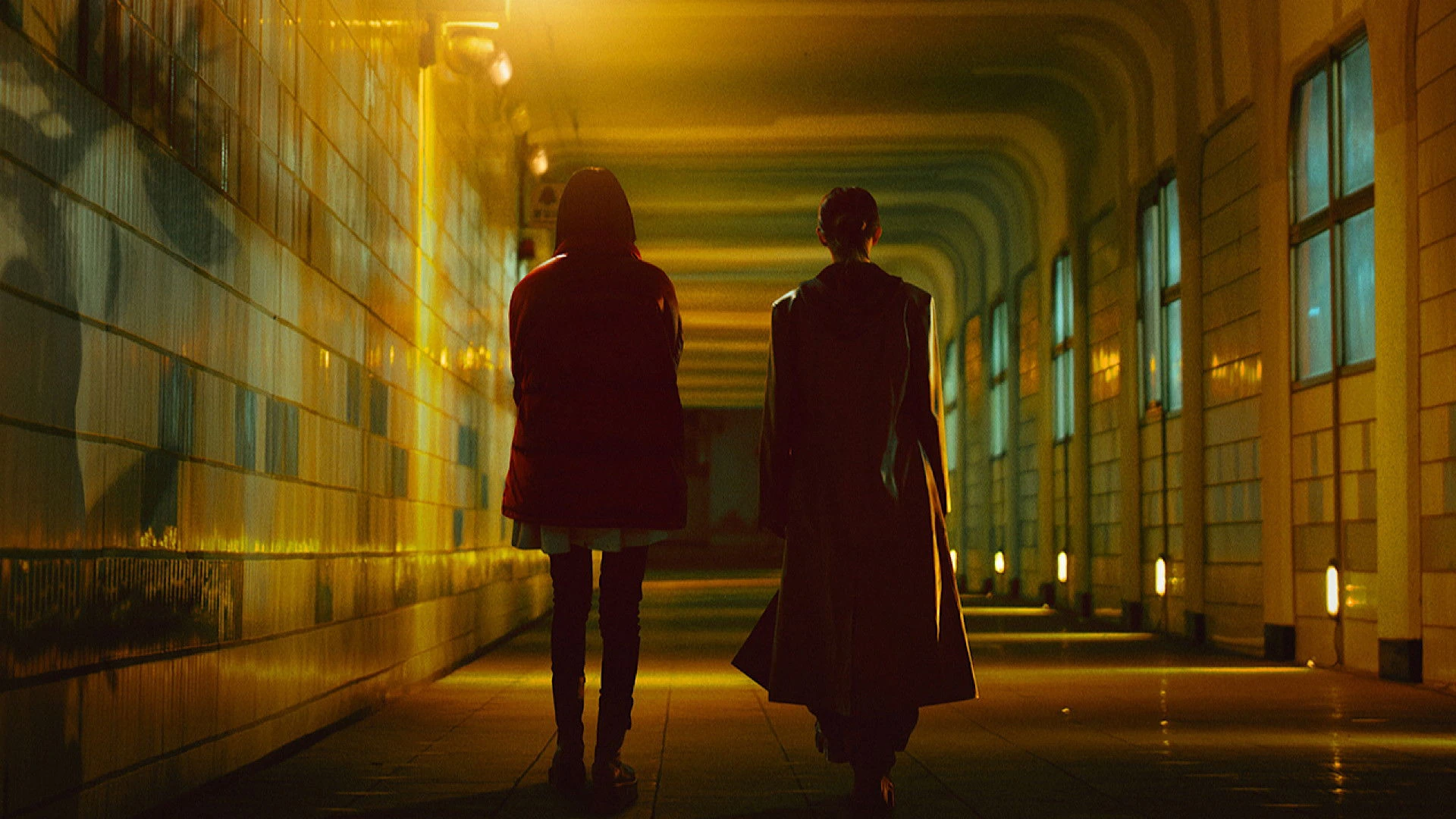
The inciting loss is brutal in its speed. A financial scam — the kind that targets people without enough legal protection to pursue it — strips their savings in a single transaction. Years of calculation, discipline, and compromise erased overnight. What follows is not a crisis of desperation but something colder: a decision. They’ve learned that Gangnam’s criminal underworld has been quietly storing a fortune in illicit cash and gold bullion. Stealing it would require going further than either has gone. But the math, as Mi-sun eventually puts it, is simple enough.
What’s at stake isn’t just money — it’s the specific future the money was meant to buy, and everything that future still implies about who they get to be. For Mi-sun, who carries a faint attachment to ordinary life even while executing extraordinary maneuvers, the heist is a last resort that she commits to entirely. For Do-kyung, who has always run toward material resolution rather than away from it, the heist is something closer to a natural conclusion. The tension between these two orientations is what gives the film its texture.

The criminal landscape surrounding them is populated by figures who treat human beings as ledger entries. The crime syndicate’s enforcer, Bull, is methodical in the way that accounting is methodical — thorough, impersonal, and indifferent to the specifics of what she’s settling. The informant Ha-kyung moves through the story as a variable that neither the audience nor the protagonists can price correctly. And scattered through the underworld’s margins are opportunists who see the chaos of a heist gone public as an invitation rather than a warning.
What separates Project Y from the genre it’s nominally operating in is its complete disinterest in the male gaze that typically frames female criminals as objects of fascination. Mi-sun and Do-kyung are not mysterious or sexualized — they are competent, scared, and pragmatic in ways that are often unglamorous. The film earns the right to its neo-noir aesthetic because it puts the work in first: we understand what these women need before we see them go get it.

The visual language is confident and occasionally beautiful: Gangnam’s neon-soaked high-rises pressed against its hidden back alleys, the contrast between illuminated surfaces and everything that happens beneath them. Lee Hwan keeps the pacing brisk — this is a 109-minute film that moves like one that knows it can’t afford to lose you — and uses a rhythmic score to pull the viewer forward when the plot mechanics need a moment to catch up with themselves. The action sequences are visceral without being spectacular, which is exactly the right call for a film about people who are improvising under pressure rather than executing a plan.
For audiences outside Korea, the Gangnam setting is doing real symbolic work. This is not simply a wealthy district — it is the concentrated image of the Korean dream, the destination that decades of economic aspiration pointed toward. Two women who work its underground economy and never benefit from its prosperity are not background figures in a crime story. They are the story’s structural argument: that the system producing Gangnam’s wealth also produces the conditions for what Mi-sun and Do-kyung are forced to become. Lee Hwan doesn’t editorialize about this. He just builds the world accurately and lets the audience do the math.

🏁 Ending Explained
Full spoilers ahead — what happens in the finale and what it all means.
Spoiler Warning — This section covers the full finale of Project Y. Stop here if you haven’t seen the film.
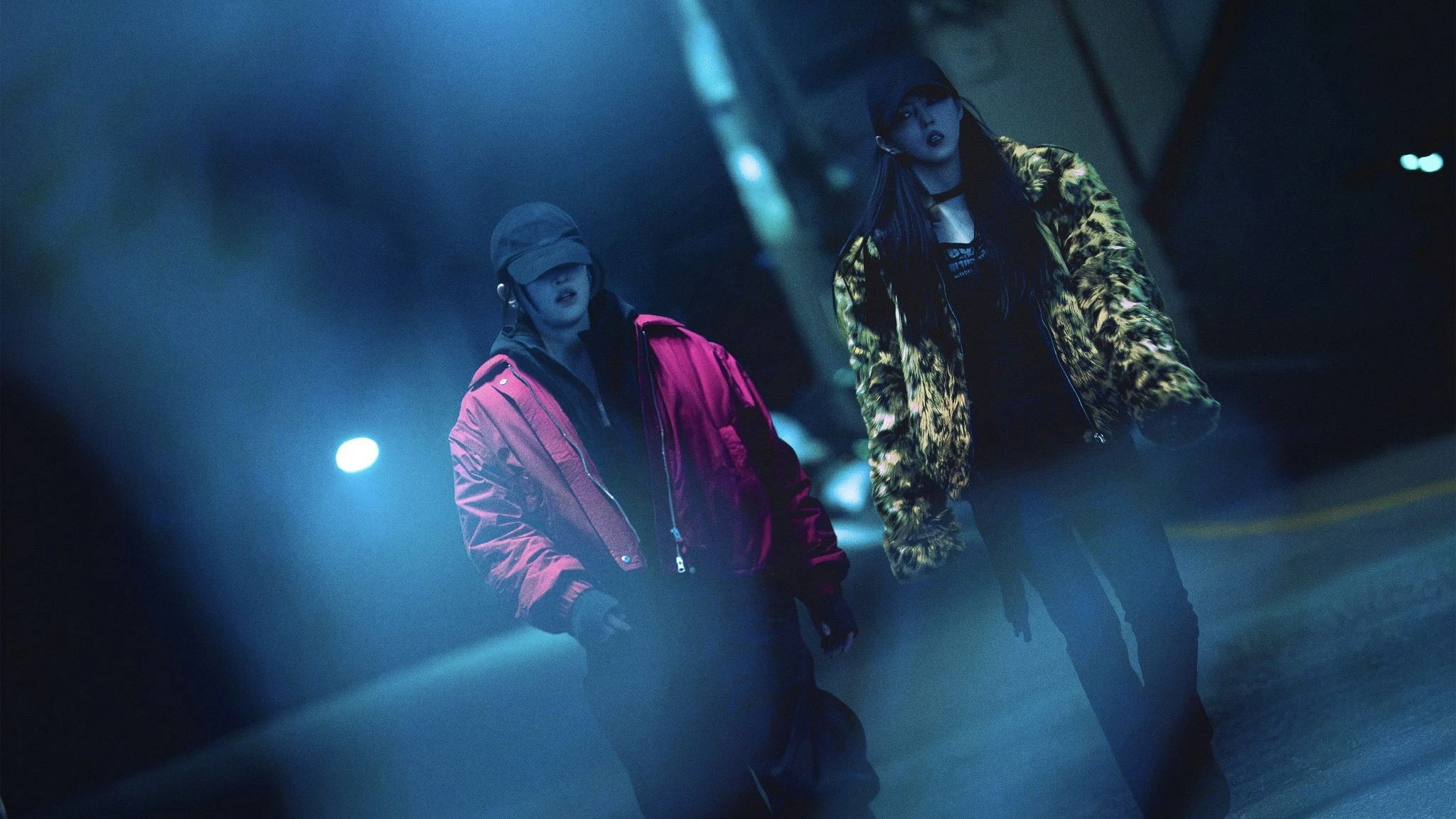
The warehouse. The climax strips the film down to its essential confrontation: Mi-sun, Do-kyung, the crime boss, and the enforcer Bull in an abandoned space where none of the social arrangements that have protected anyone up to this point still apply. The action is brutally efficient. When Do-kyung produces a blade that the film has not shown us until this moment, it lands with the specific weight of something both women always knew was available and neither wanted to use. Mi-sun’s killing blow is not triumphant. It’s the cost of survival made visible.
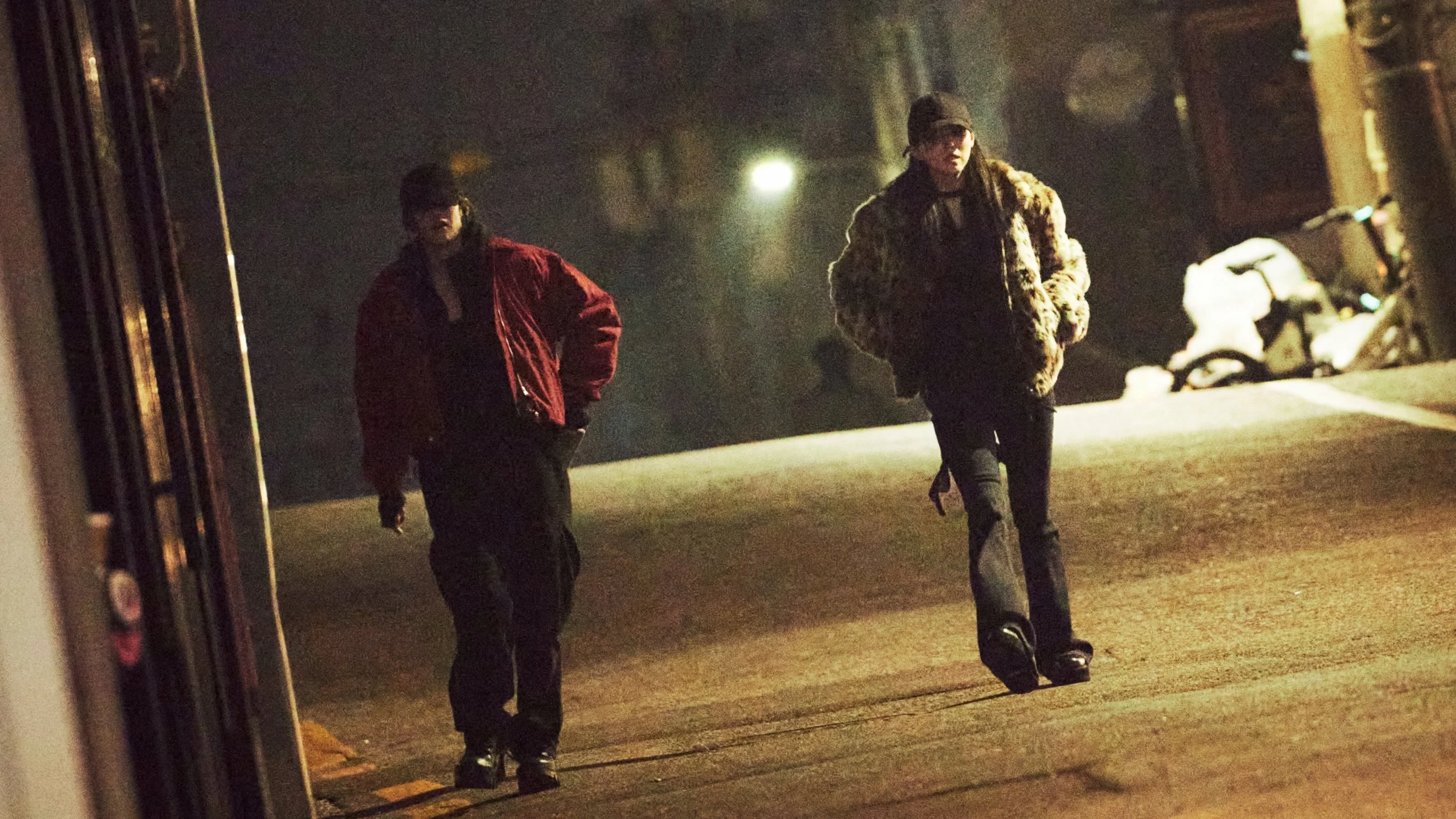
The escape. They take the gold and drive toward the coast as dawn breaks. Physically, they’ve succeeded: the crime boss is dead, the gold is in the car, the sirens are behind them rather than ahead. What the film resists — deliberately — is the release that action cinema usually grants this moment. They are bleeding, silent, and exhausted in a way that doesn’t look like triumph. The freedom they fought for is real. The question the film is actually asking is whether they can still recognize it.
What the final image is doing. The ocean. The gold in the trunk. And between Mi-sun and Do-kyung, a look that the film holds just long enough to be uncomfortable. Some viewers read this as the happy ending the genre promises: they’ll fence the gold, build the flower shop, disappear into a quiet life abroad. The darker reading is that the look contains the fault line — that what they did in the warehouse has introduced a distrust between them that no amount of gold resolves. The ambiguity is structural, not accidental. Lee Hwan puts the camera on their faces and steps back.
The reading that holds. The strongest interpretation is that both things are true simultaneously: they have escaped the trap that Gangnam built for them, and they have paid for that escape with the specific innocence that made the escape worth wanting. Throughout the film, their friendship was the only asset that couldn’t be quantified or stolen. The ending doesn’t destroy it — but it permanently changes what it is. True liberation demands a toll that changes the survivor forever. The question the film leaves you with is not whether they’ll be caught. It’s whether the people who reach the other side of this are the same people who had the plan.
What the flower shop was always about. On a second viewing, the early scenes in the flower shop recontextualize completely. The casual conversations about running away, about trust, about what comes after — these are not foreshadowing. They are the actual content of the film, expressed before the film’s events make them feel urgent. The women who arrange flowers and talk about escape are not innocent versions of who they’ll become. They’re already becoming it. The heist doesn’t transform Mi-sun and Do-kyung. It just makes legible something that was always going to be true.
✍️ KDramaWorlds Editor’s Take
Our honest read on why Project Y is worth your time — and who it’s actually for.
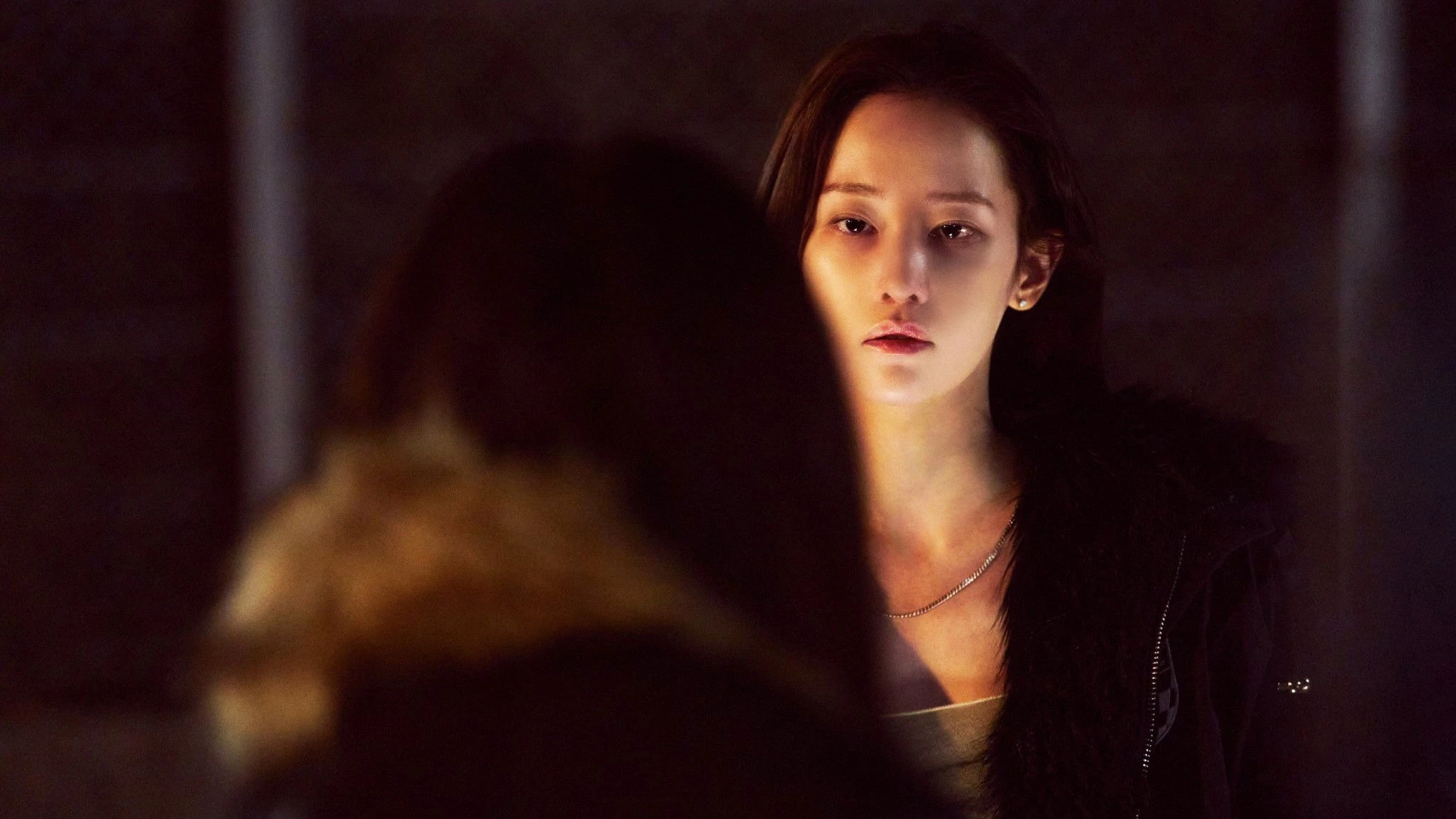
Han So-hee has spent much of her career playing characters whose damage is visible from the outside — women who register pain in ways that are legible and photographable. What’s interesting about Mi-sun is that she’s built for concealment. Han So-hee plays her as someone who has learned to keep her interior life at a distance from her face, which means you spend the film reading her in peripheral information: the way she handles the gun the first time compared to the last, the specific quality of her silence when Do-kyung makes a decision she disagrees with but won’t contest. It’s a quieter kind of performance than Han So-hee usually gets credit for, and it carries the film’s moral weight.

Jeon Jong-seo was never going to play this role small. Do-kyung is the film’s velocity — impulsive where Mi-sun is deliberate, forward-moving where Mi-sun is calculating — and Jeon Jong-seo finds the internal logic that makes Do-kyung’s recklessness feel like a coherent worldview rather than a character flaw. The two actresses have worked separately in roles that require them to function as destabilizing forces in other people’s stories; here, they are finally each other’s destabilizing force, which creates a friction that’s genuinely surprising to watch. Anyone who followed Jeon Jong-seo’s work in The Call will recognize the same controlled volatility applied to a completely different kind of moral universe. For a different register of female-led Korean genre filmmaking, Dark Nuns makes an interesting companion piece — less interested in survival, more interested in complicity.
The honest limitation is that the film’s antagonists are drawn thin. The crime boss functions as obstacle rather than character, which means the final confrontation has physical stakes but limited dramatic weight — we haven’t been given enough of him to feel what’s actually lost or gained when he’s gone. It doesn’t break the film. Project Y is tight enough at 109 minutes that the underdeveloped villain reads as a resource choice rather than a structural failure. The two women are sufficient reason to watch. Eight billion won buys you freedom. The question is whether you can still recognize it.
Project Y gives Han So-hee and Jeon Jong-seo a world that finally matches their energy — ruthless, specific, and uninterested in being liked.
🎬 You Might Also Like
If you liked Project Y, these are your next three watches.
 The Auditors
Audit Teaminvestigation
Read Full Review →
|
 Law School
Courtroom Dramacrime
Read Full Review →
|
 Military Prosecutor Doberman
Ahn Bo-hyunChaebol
Read Full Review →
|












Keep it kind, skip the harsh language, and please — no spoilers. Everyone's taste is different, and that's perfectly fine.
This space is for real reactions and discussion from other viewers. Help keep it comfortable for everyone by not giving away major plot details.
1 Comment
A flower shop as cover for working the margins of the night economy is such a great low-key crime premise 🌷 — there’s something great about a front business that’s thematically ironic. Curious how everyone felt about the Mi-sun/Do-kyung dynamic driving the story.
What do you think of this drama?
Login to share your review or leave a comment.
No email needed — just pick a username & password.