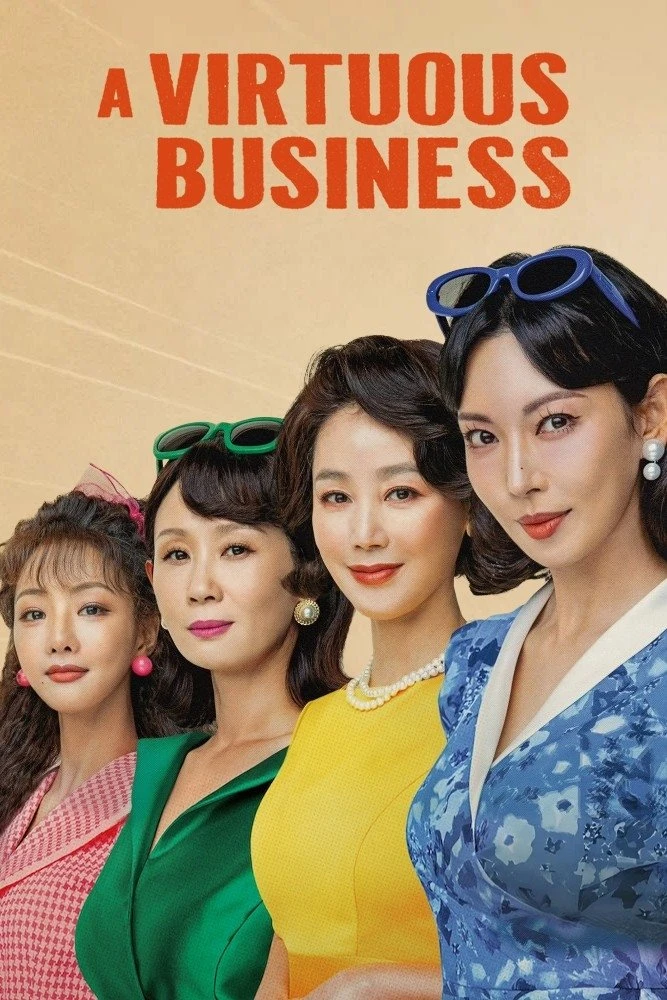
A Virtuous Business
🎬 JTBC · Netflix
⭐ 8.1 / 10 MDL
🔞 15+
📋 Drama Overview
The short briefing before you dive in.
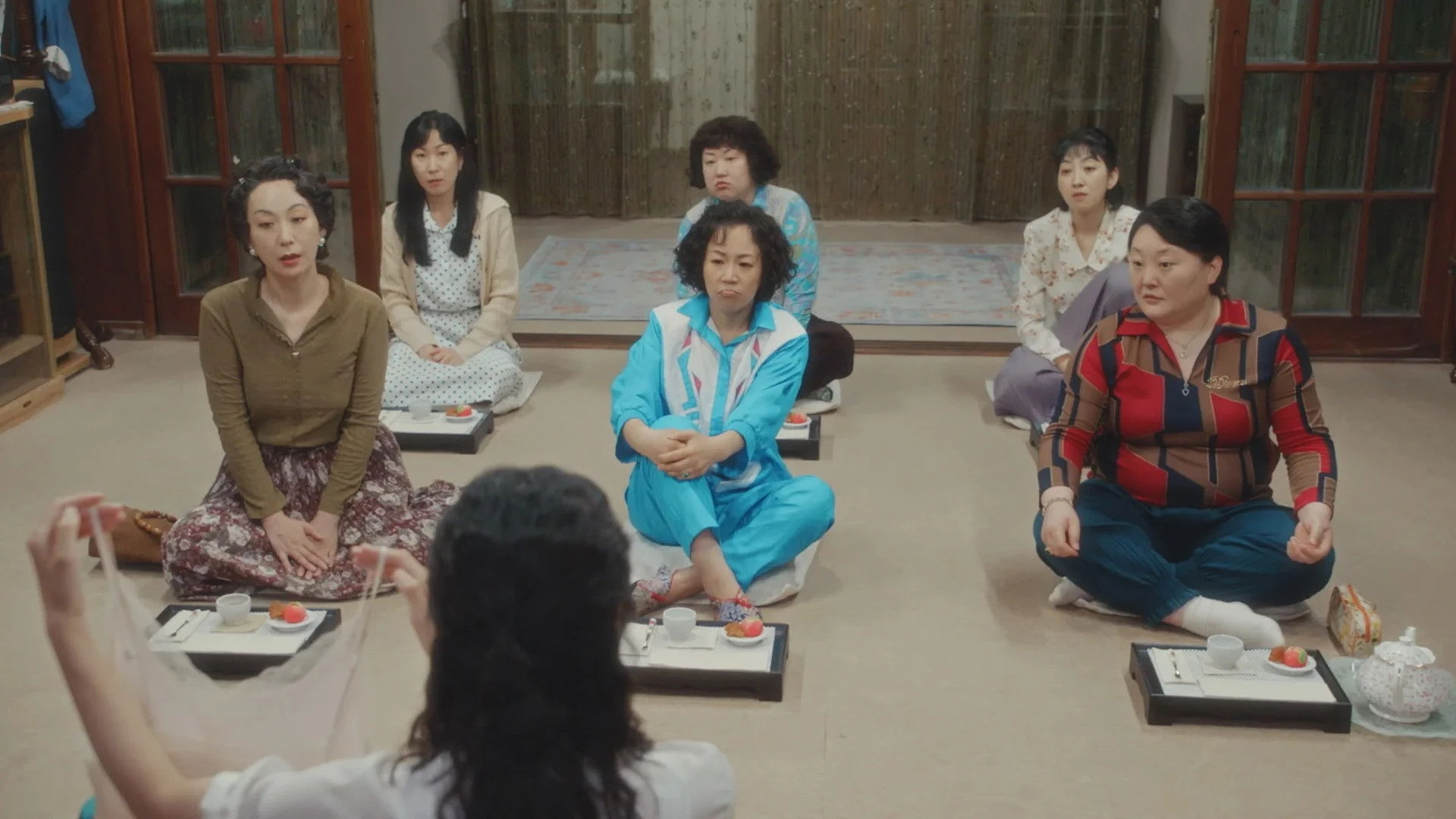
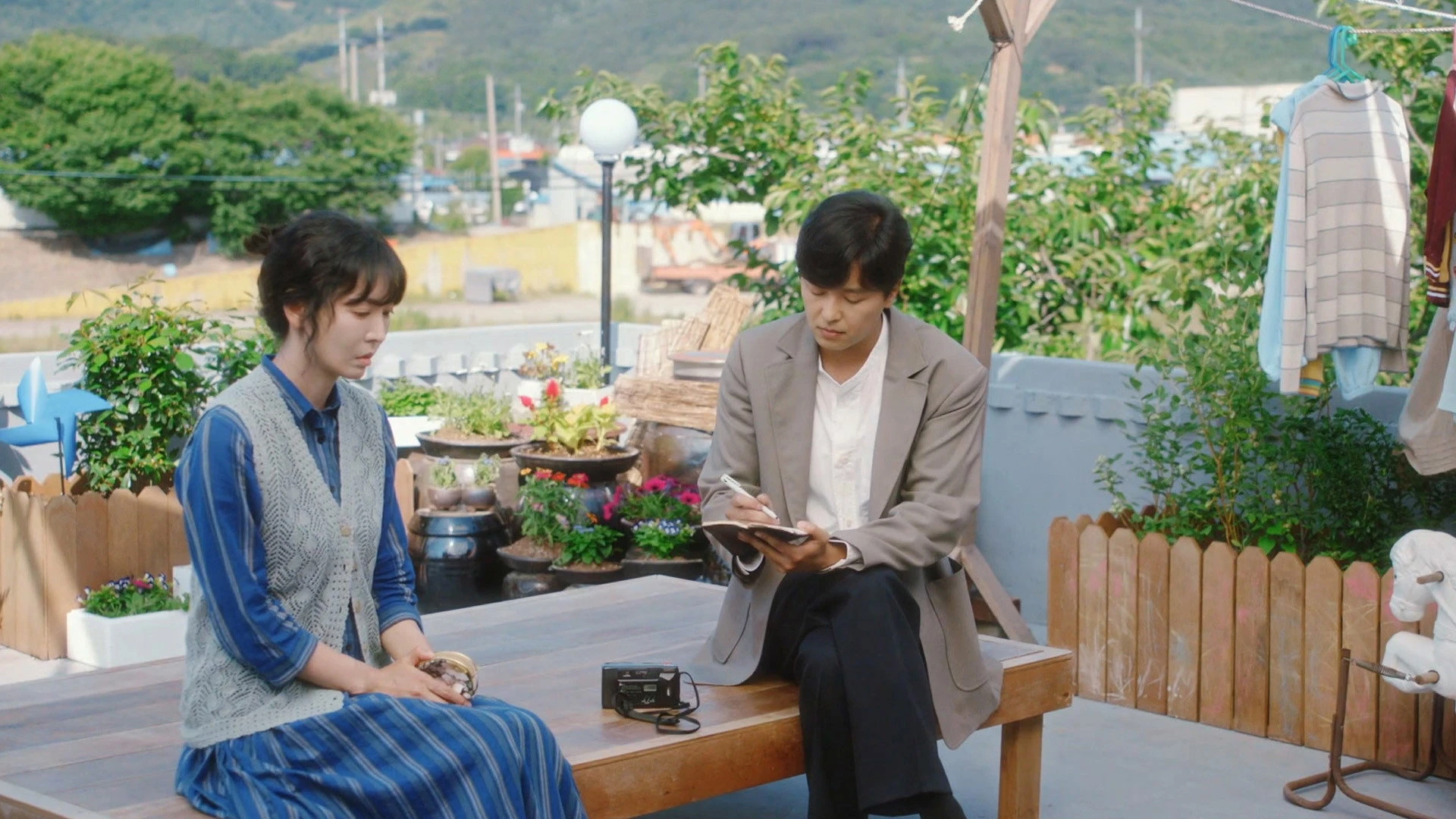
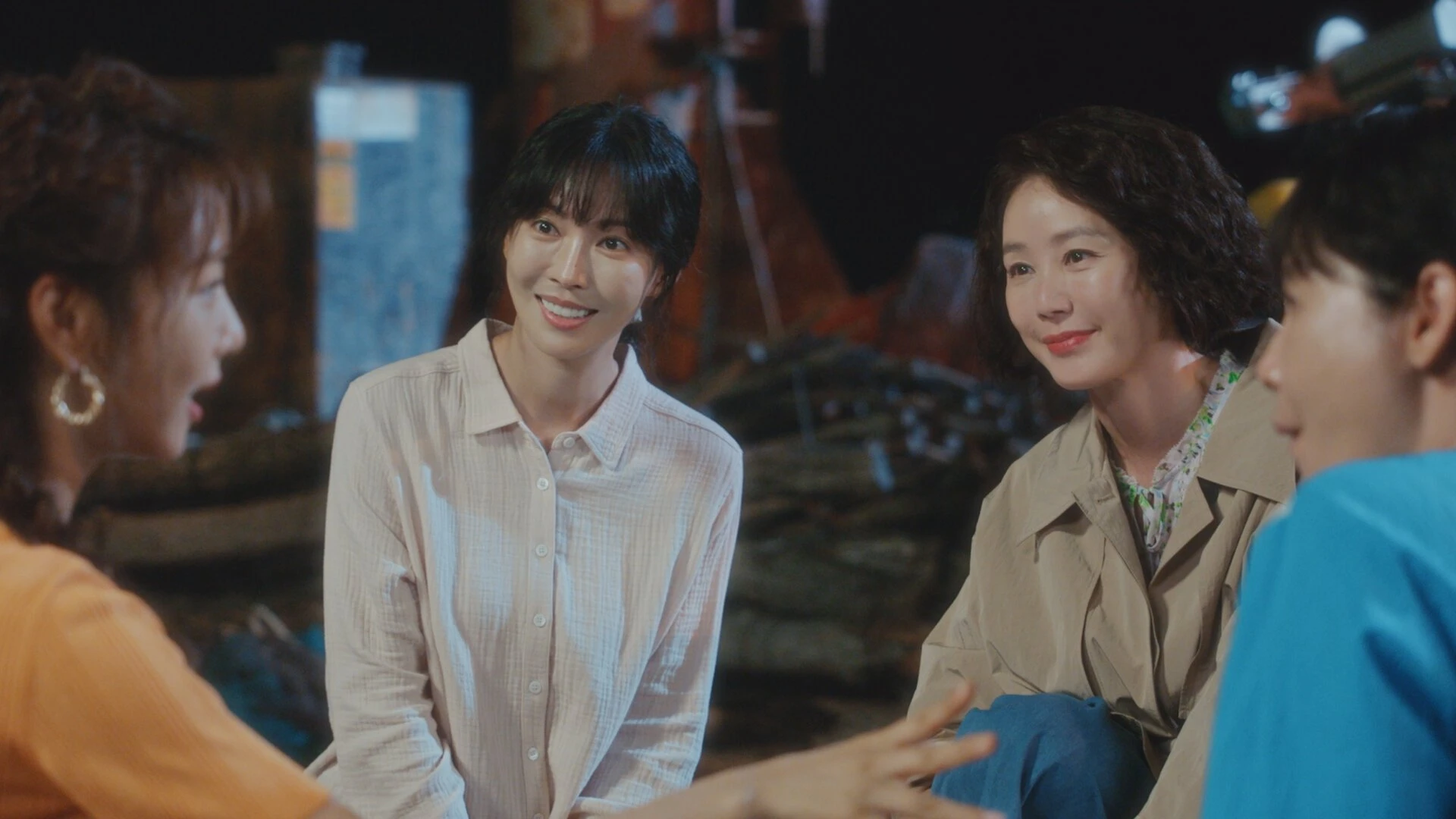
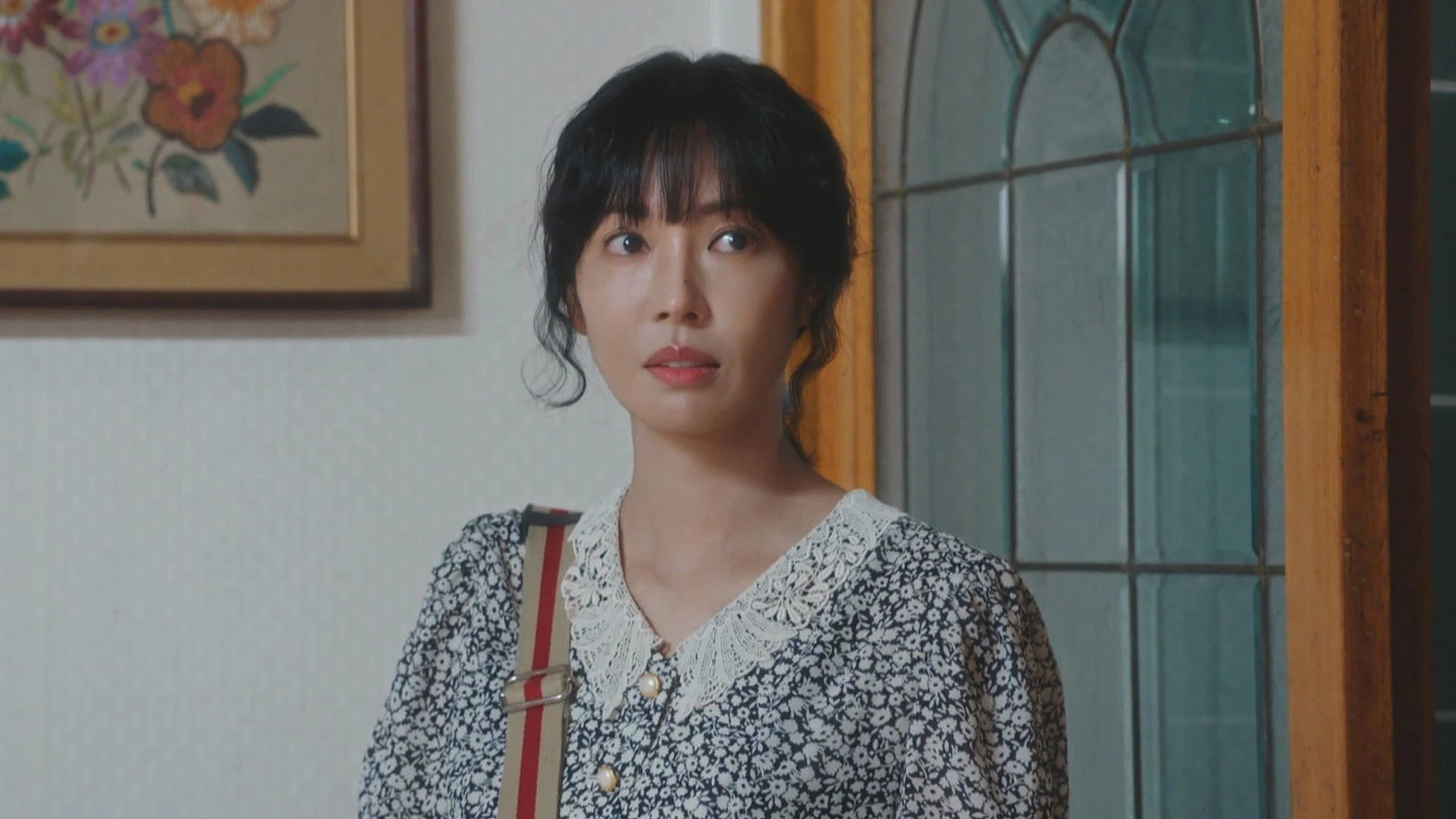
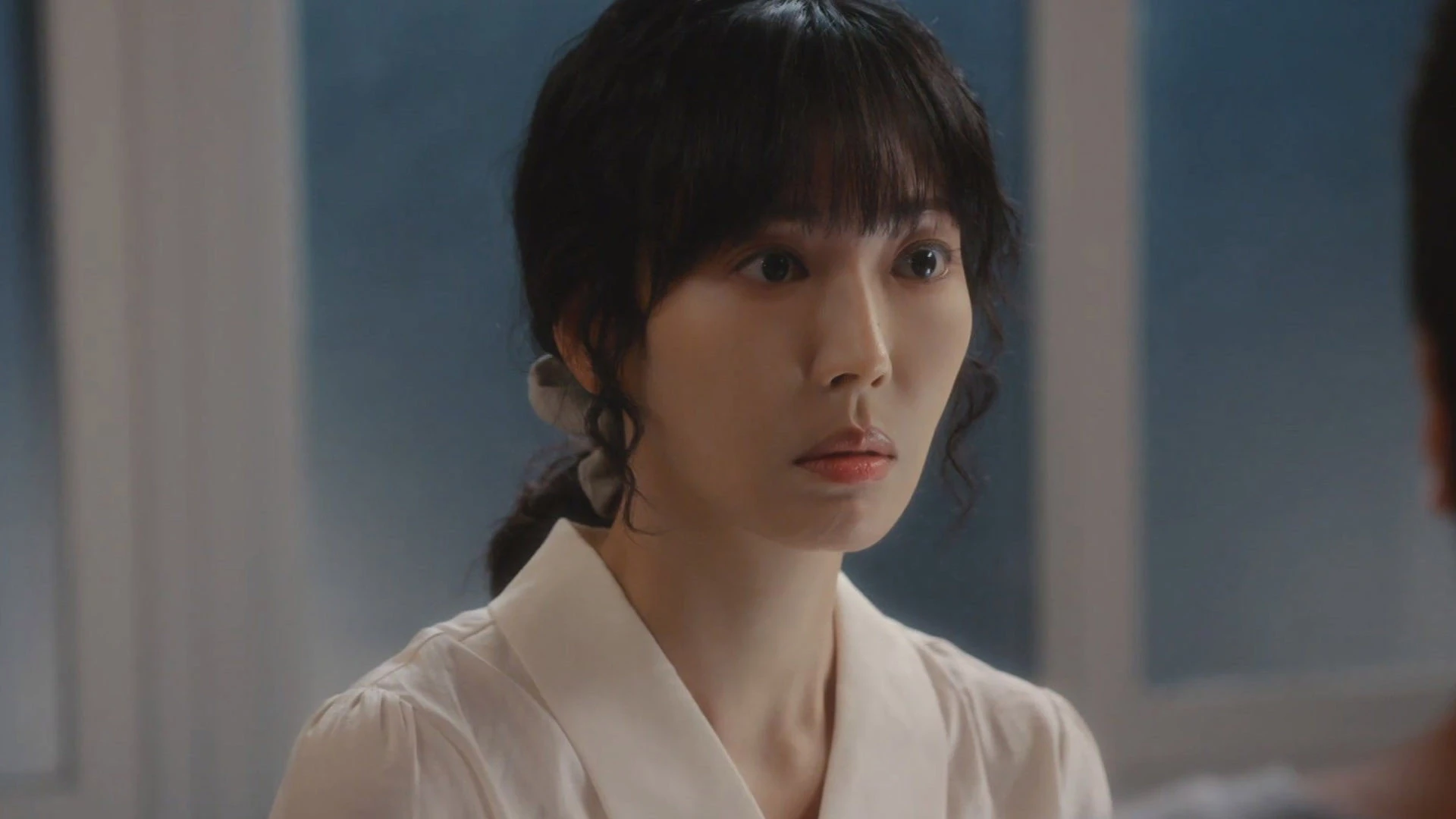
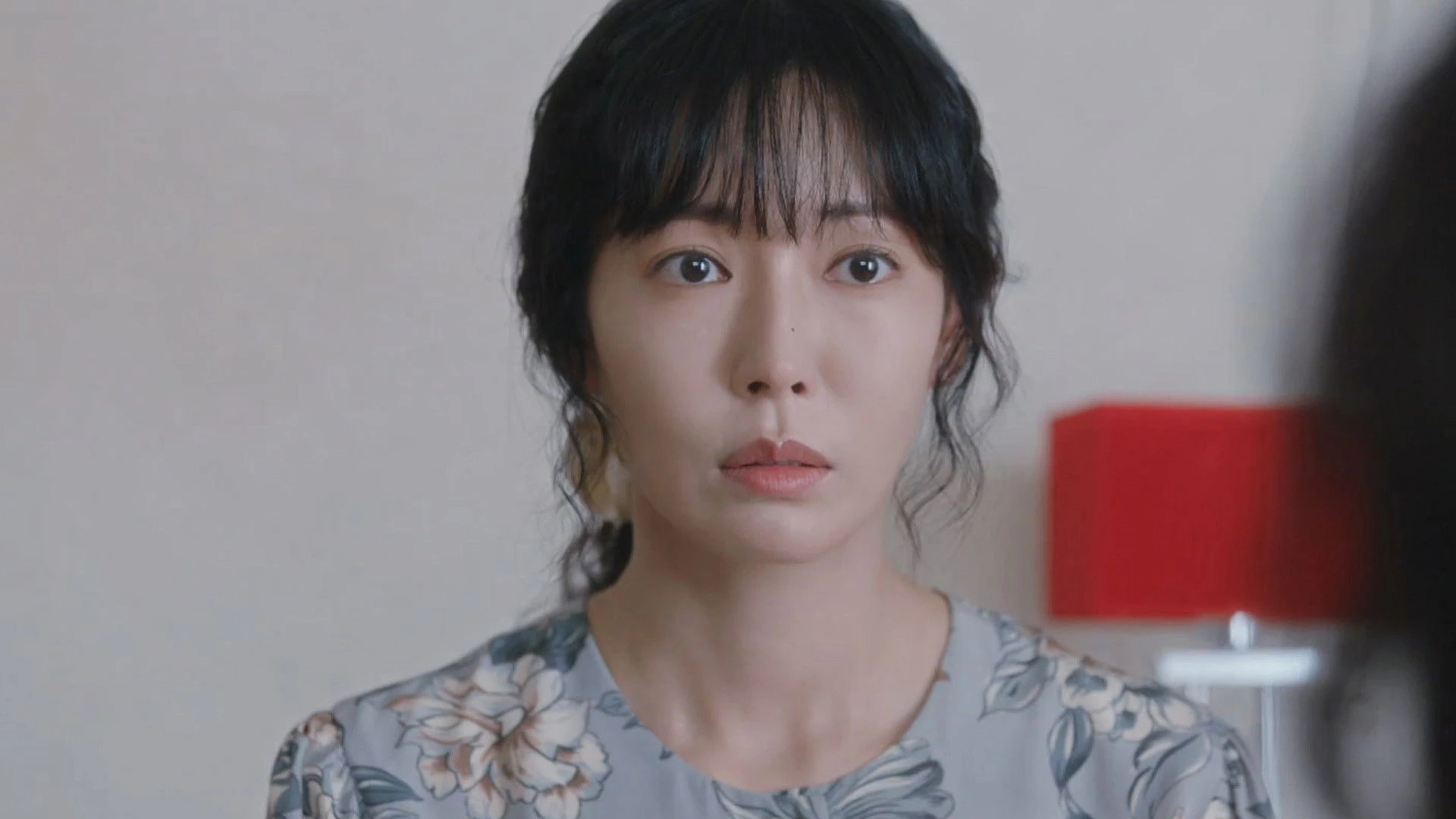
Han Jeong-suk had done everything right. She kept the house, raised the children, and maintained the kind of respectability that a rural village in 1992 rewarded with silence and approval. What she got instead was a husband who spent that approval on someone else. The betrayal is swift and the response is not — it takes time, two bottles of alcohol, and three unlikely allies before Jeong-suk makes the decision that the show is built around. She is going to sell imported adult products door-to-door in a village where people still whisper the word. And she is not going to be embarrassed about it.
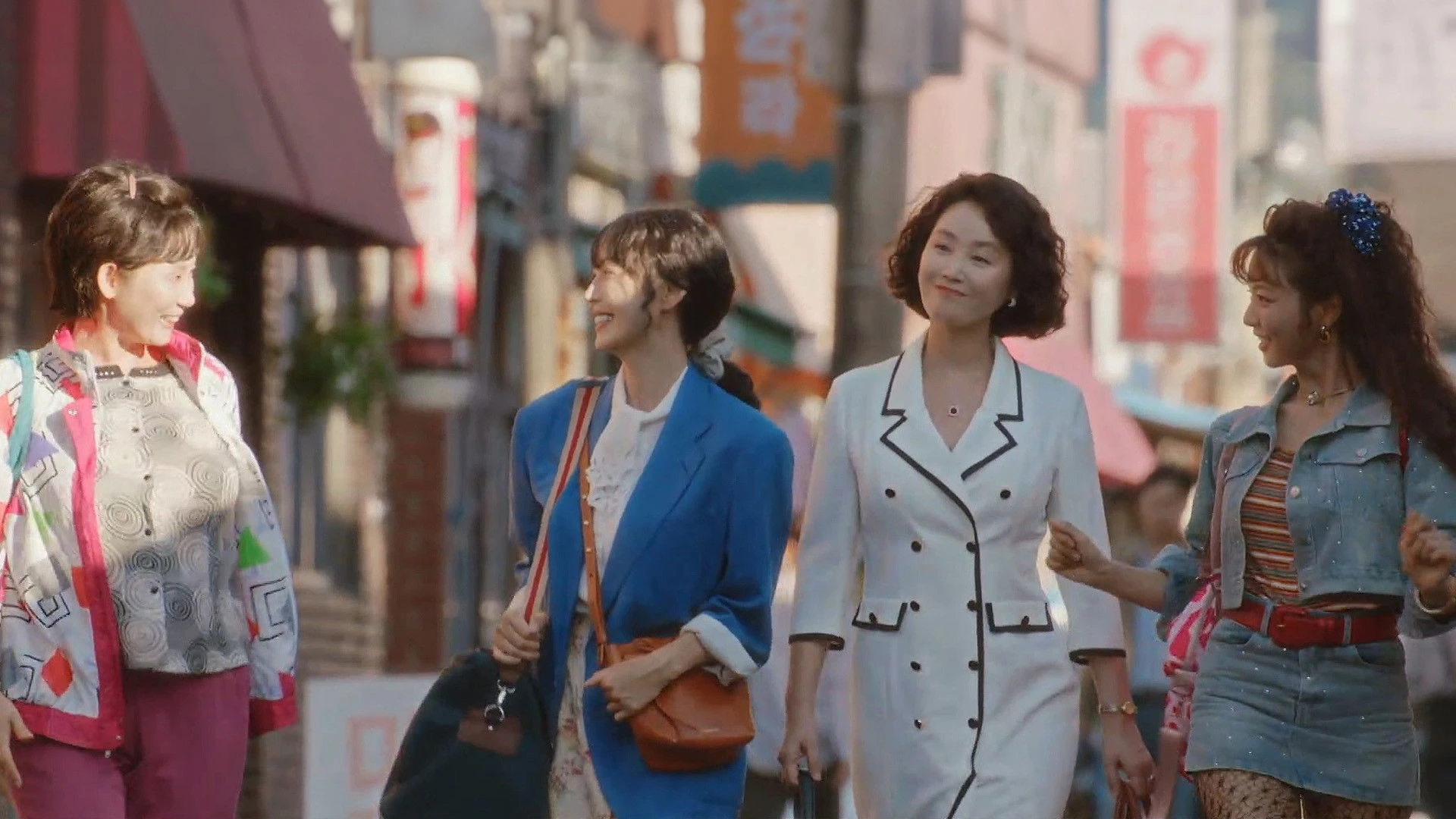
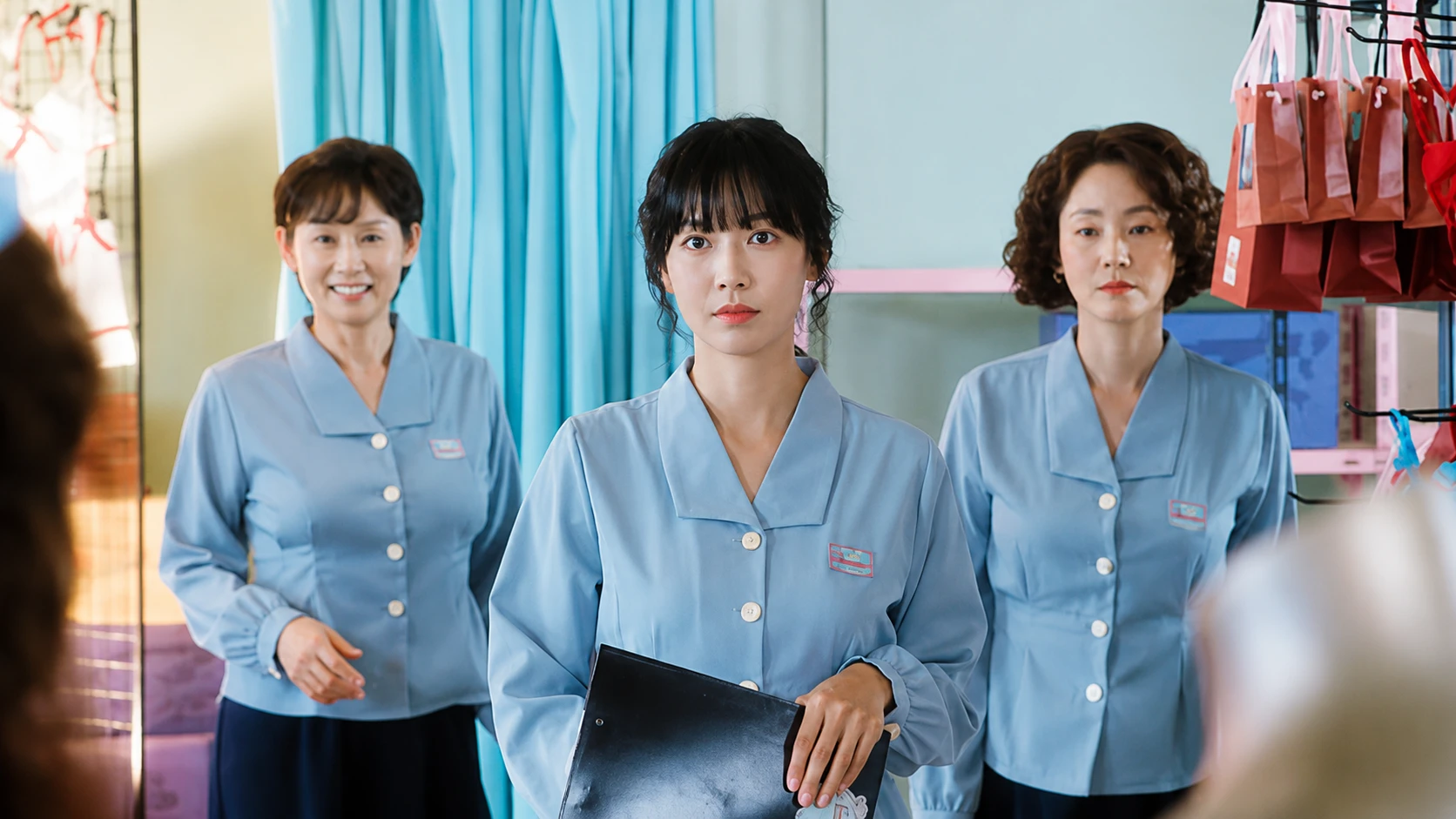
What A Virtuous Business understands is that the comedy of the premise — the collective horror of conservative neighbors confronted with unfamiliar merchandise — is not actually the point. The friendship is the point. The four Bangpan Sisters build something together that none of them could have built alone, and the show spends twelve episodes making the case that the unconventional business is just the delivery mechanism for what they actually needed: dignity, agency, and someone in their corner. Kim So-yeon holds the center with complete authority, and the 1992 setting does something clever — it makes every small act of defiance feel genuinely earned.
12 / 12 ✅ Completed
⚡ Quick Verdict
One glance, one verdict — everything you need is right here.
· MDL Score · 8,935 ratings
▶ Official Trailer
🎭 Cast & Characters
Four women, one business, and absolutely zero intention of being embarrassed into silence.

Lead

Lead

Supporting

Supporting

Supporting

Supporting

Supporting

Supporting

Supporting
Supporting
Supporting

Supporting
📺 Episode Guide
Catch up fast — spoiler-light, episode by episode.
🏁 Ending Explained
From here on, full spoilers — the ending, unpacked.
Spoiler Warning — This section covers the full finale of A Virtuous Business. Stop here if you haven’t finished the series.
What the finale resolves Geum-hui’s confession is the emotional centerpiece: she is Do-hyeon’s birth mother, and the fire that separated them was an accident compounded by her parents’ conditions for forgiveness. The revelation recontextualizes Do-hyeon’s entire investigation arc and gives the show’s mystery thread a human answer rather than a procedural one. Alongside this, the Bangpan Sisters regroup after their office is ransacked and their payroll stolen — and rebuild, which at this point the audience expects because the show has established these women don’t stop. Do-hyeon accepts a position in Seoul. The story closes in motion rather than at rest.
What ‘virtuous business’ actually means The Korean title 정숙한 세일즈 is a pun — 정숙 means ‘chastity’ or ‘modesty’, which is exactly what the business isn’t, by 1992 standards. But the ending redefines virtuous from the outside in: the business that the village called shameful turned out to be the most honest thing anyone in Geumje was doing. Four women who needed money and each other built something real out of that need. The virtue the show is arguing for is not sexual modesty but moral integrity — the willingness to do what it takes without lying to yourself about why.
Three ways to read the ending The first reading is the feminist period piece: four women in 1992 defied the social order, and the show validates them by having the community come around, the business survive, and the personal lives improve. The second reading is quieter — A Virtuous Business is really a found-sisterhood story, and the ‘business’ framing is the vehicle for showing how women build support structures when the existing ones don’t hold. The third reading focuses on Do-hyeon and Geum-hui: the show uses the birth-mother reveal to argue that secrets held for long enough stop protecting anyone, and that the truth, even painful, is the only foundation for anything real.
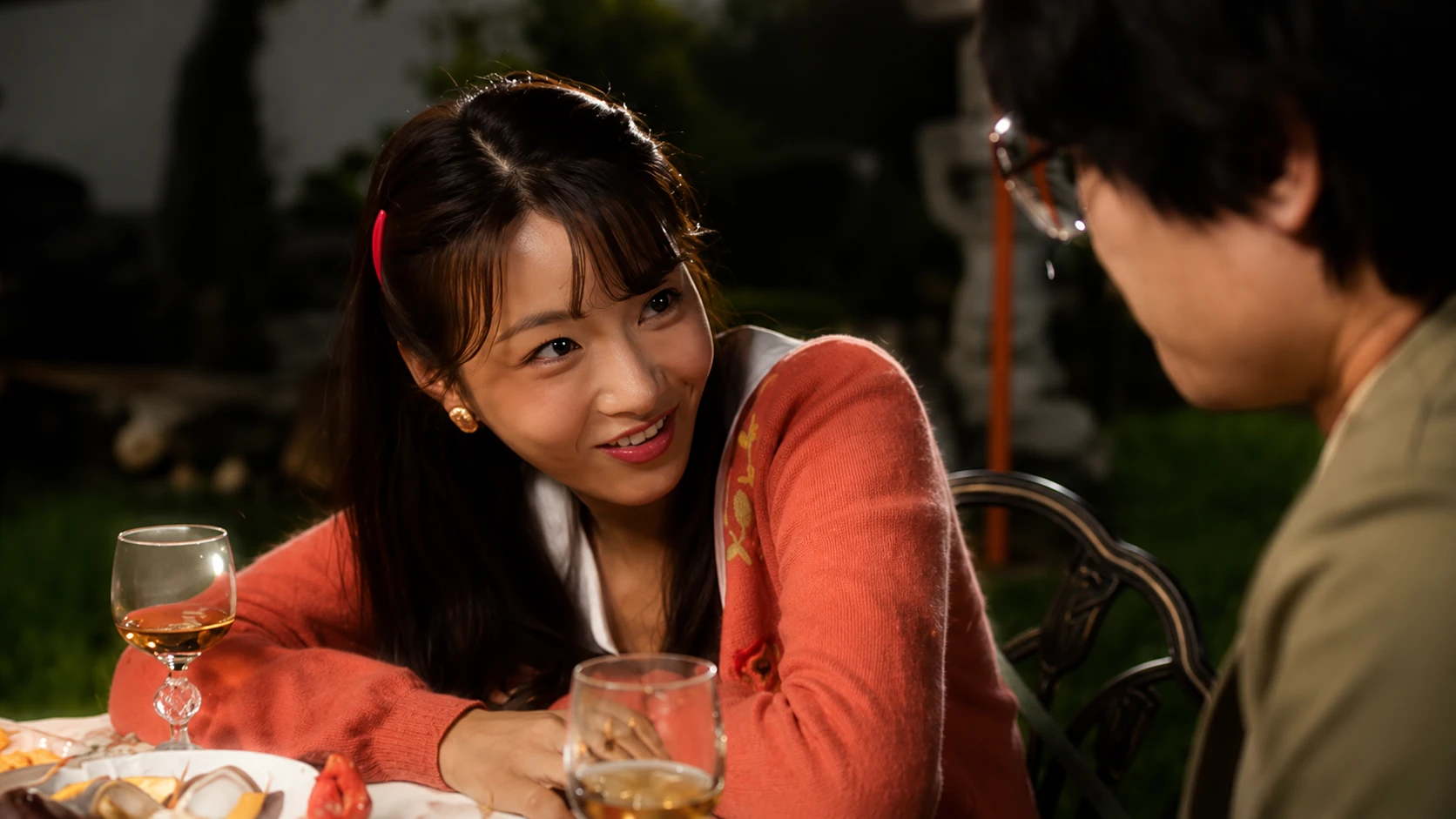
What the show is actually arguing The strongest reading of the ending is simple: that independence is not a destination but a daily practice, and that the Bangpan Sisters have been practicing it all along. Jeong-suk didn’t become free when she filed for divorce; she became free when she decided what she was willing to be embarrassed about. The ending’s final image of four women who have come through — scarred but not diminished — is the show’s argument in visual form. The business was always the sisterhood. The sisterhood was always the point.
Why early episodes read differently on rewatch On a second watch, the small moments of solidarity between the women accumulate with more weight. Every time one of them covers for another, shows up without being asked, or simply refuses to let another woman stand alone in judgment — these aren’t warm coincidences. They are the show’s argument being built brick by brick from the first episode. The ending doesn’t arrive as a surprise. It arrives as a confirmation of what was already true halfway through, which is the best kind of finale.
✍️ KDramaWorlds Editor’s Take
Straight talk on whether this one’s worth watching, and for who.
📦 The Product Is Beside the Point
👩👩👧👦 Sisterhood as Infrastructure
🕰️ 1992 Feels Very Recent
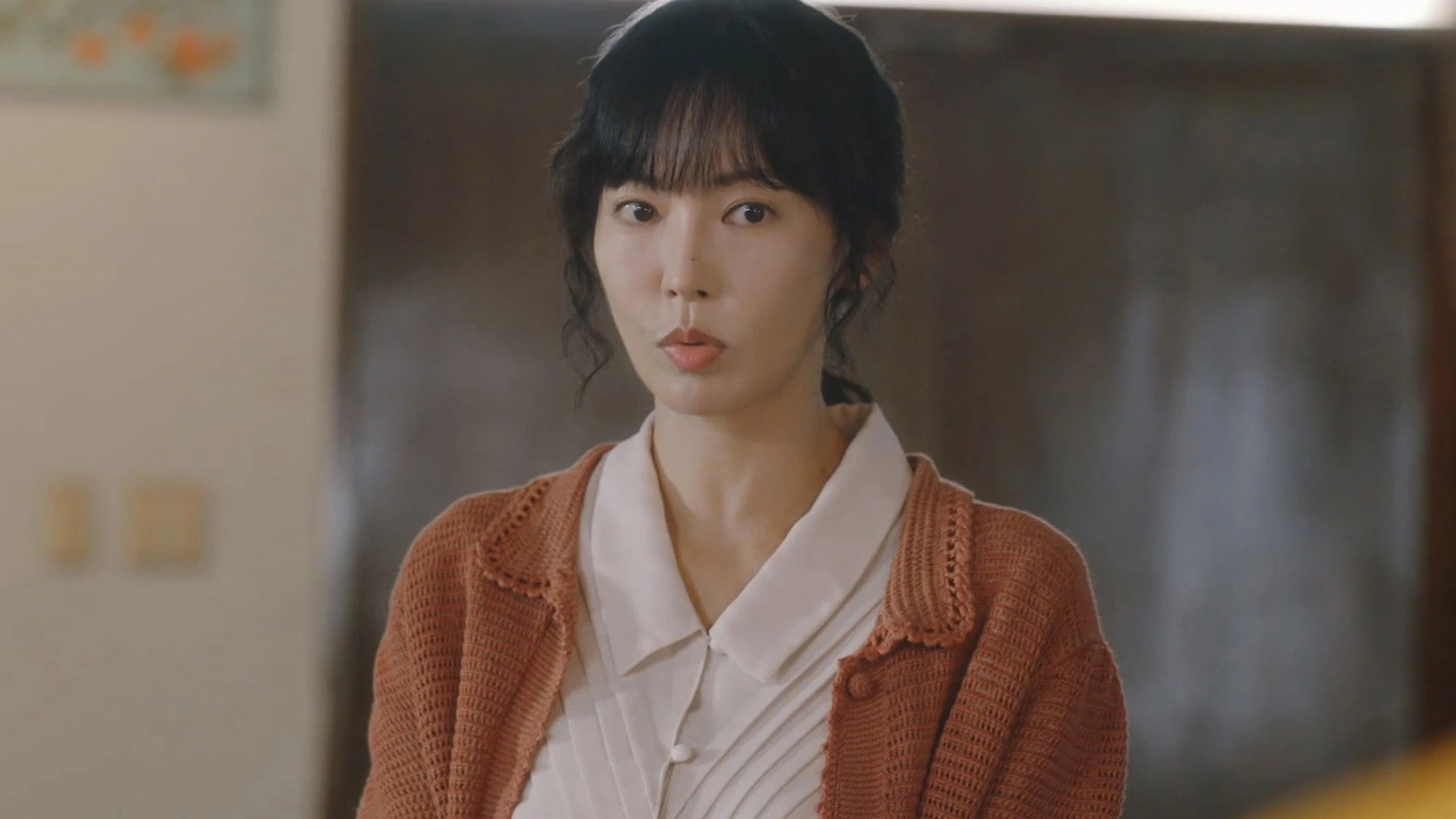
There is a scene in episode three where Han Jeong-suk stands outside her own house after being publicly shamed, and doesn’t walk away. She straightens her jacket and goes back inside. Kim So-yeon uses three seconds of screen time and none of them for visible emotion — she just moves, and the dignity is in the movement. The show earns its warmth through exactly that kind of detail: small acts of refusal that cost something real and never announce themselves. It’s the same understated register that makes When Life Gives You Tangerines so affecting — women in conservative Korean settings doing the brave thing without performing bravery for the camera.
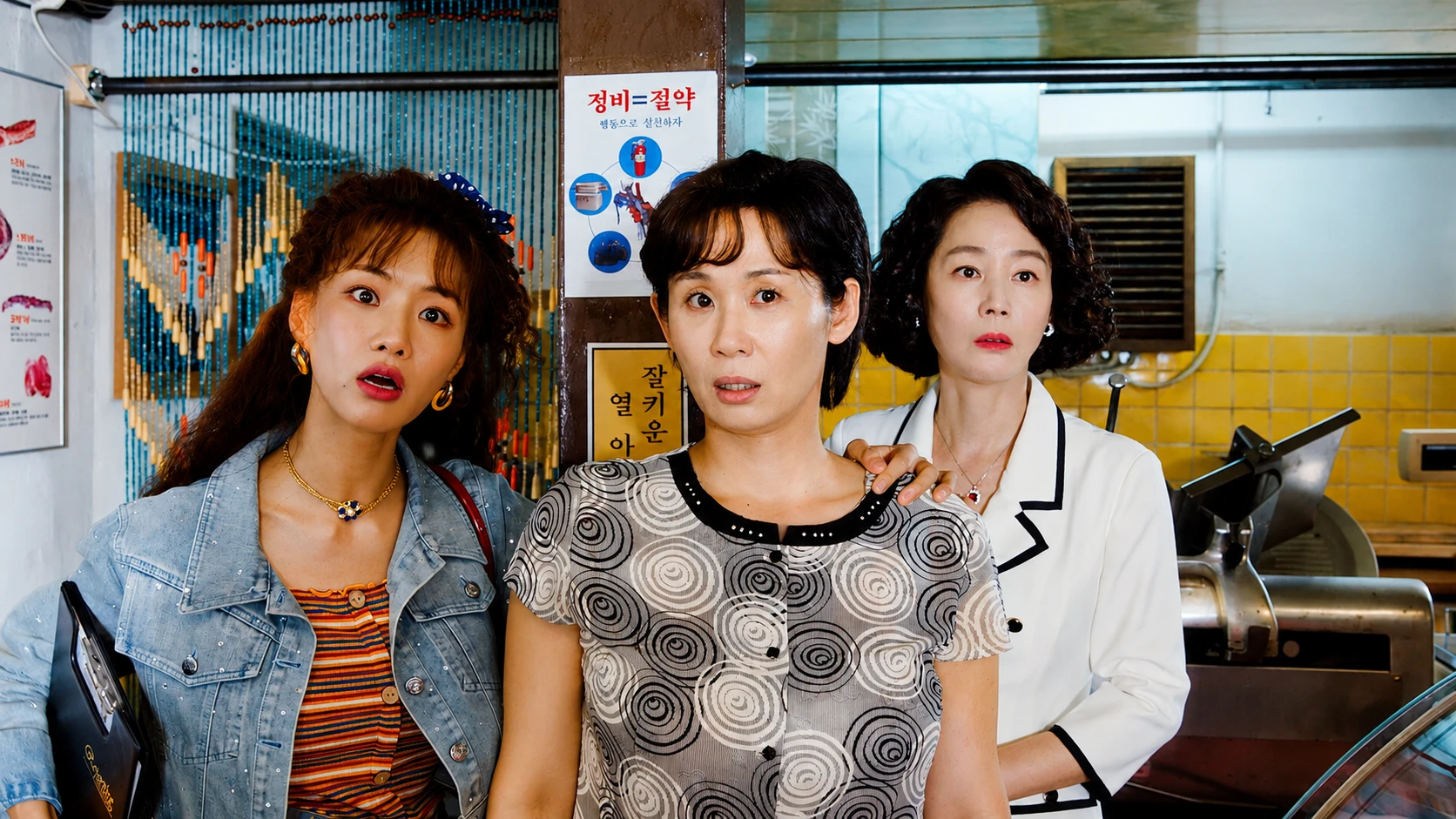
Director Jo Woong has an instinct for the comedy of proximity — the tight rooms, the village gossip network, the way secrets travel through a community before anyone decides to act on them. The 1992 setting is never nostalgia for its own sake: the absence of mobile phones and the weight of small-town reputation are active plot mechanics, not decoration. It places the show in the same tradition of ensemble life dramas as Our Blues, where place is character and the most ordinary moments carry the most emotional weight.
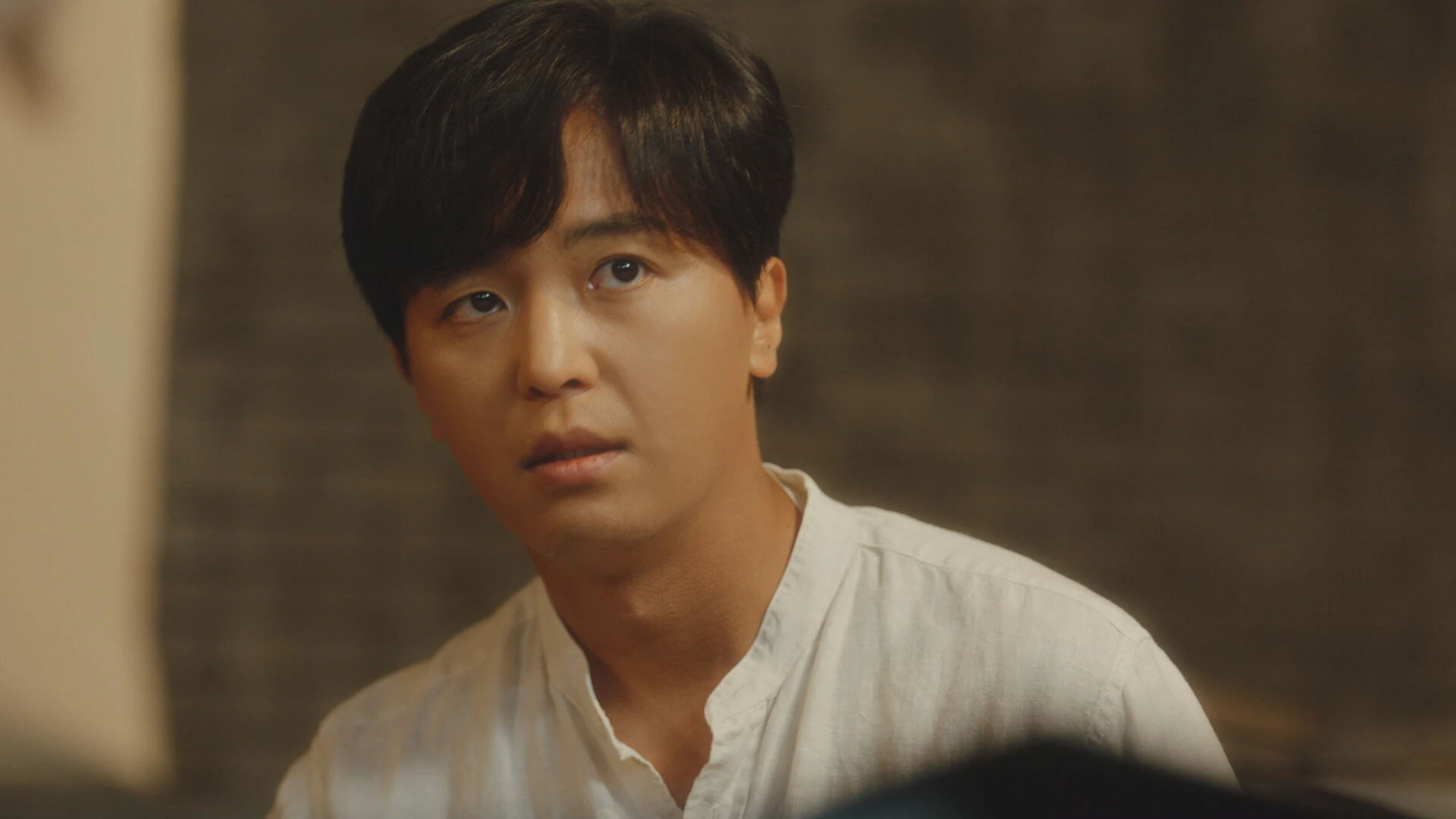
The show’s weaknesses cluster around the secondary plots — the hit-and-run mystery adds weight to the final episodes but sits somewhat uneasily alongside the lighter comedy register the show spent eight episodes building, and the romance between Jeong-suk and Do-hyeon is genuine but given less room than it deserves. What A Virtuous Business gets absolutely right is the core ensemble: four women whose friendship becomes the argument of the whole show. The business is the delivery mechanism. The sisterhood is the product.
Anyone who believes chosen sisterhood is a complete narrative on its own
Netflix viewers looking for a warm, specific JTBC drama that doesn’t rely on familiar genre beats
🎬 You Might Also Like
If you liked A Virtuous Business, these are your next three watches.
 Make Me Tingle
Adult ContentBlind Date
Read Full Review →
|
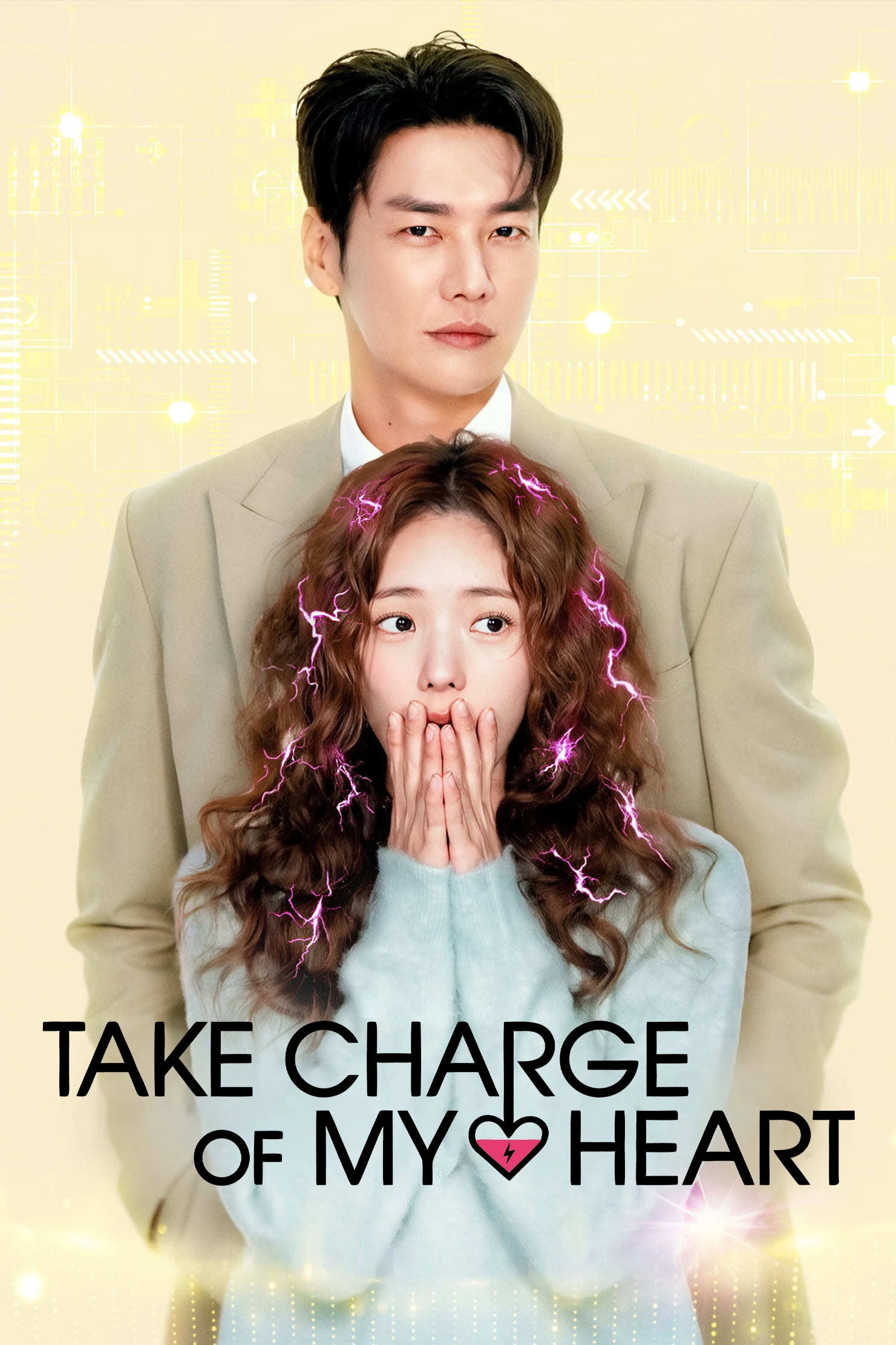 Take Charge of My Heart
Artificial HeartChae Soo-bin
Read Full Review →
|
 Welcome to Waikiki (Season 1)
comedyFound Family
Read Full Review →
|










Keep it kind, skip the harsh language, and please — no spoilers. Everyone's taste is different, and that's perfectly fine.
This space is for real reactions and discussion from other viewers. Help keep it comfortable for everyone by not giving away major plot details.
What do you think of this drama?
Login to share your review or leave a comment.
No email needed — just pick a username & password.