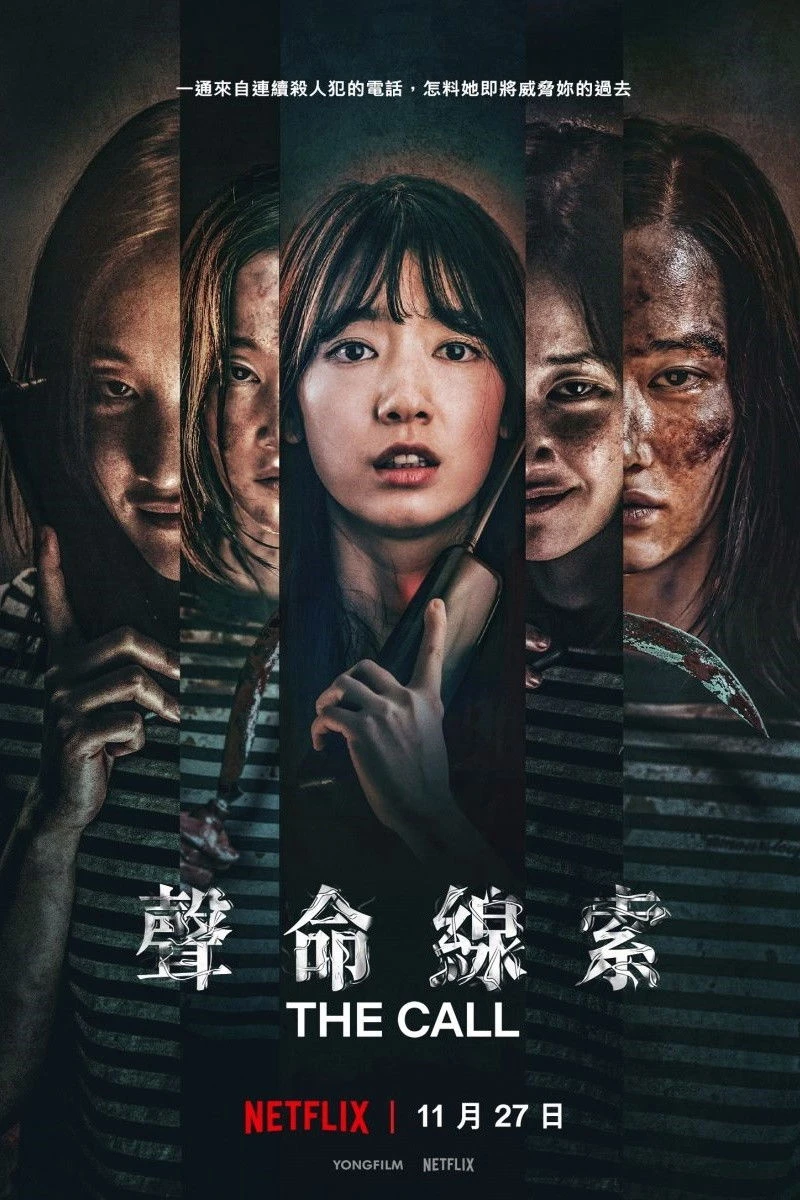
The Call
📺 Netflix
⭐ 7.1 IMDb
🔞 TV-MA
🎬 Film Overview
🏆 100% RT Critics
In 2019, Kim Seo-yeon returns to her run-down childhood home in the countryside to visit her estranged, terminally ill mother. While searching the old house, she discovers a decades-old cordless phone — and through it, begins receiving frantic calls from a young woman named Oh Young-sook, who claims to be living in that same house but in 1999. The two women form an unlikely bond across time, each carrying wounds from a troubled past. But when small changes made in the past begin rewriting the present, Seo-yeon realizes the woman on the other end of the line is far more dangerous than she ever imagined.
⚡ Quick Verdict
Here’s the verdict — no scrolling, no guesswork.
· IMDb · 52K ratings
· 100% RT Critics
· 79% RT Audience
▶ Official Trailer
🎭 Cast & Characters
Twelve performances — anchored by one of the great debut horror turns of the decade.

Lead

Villain

Supporting
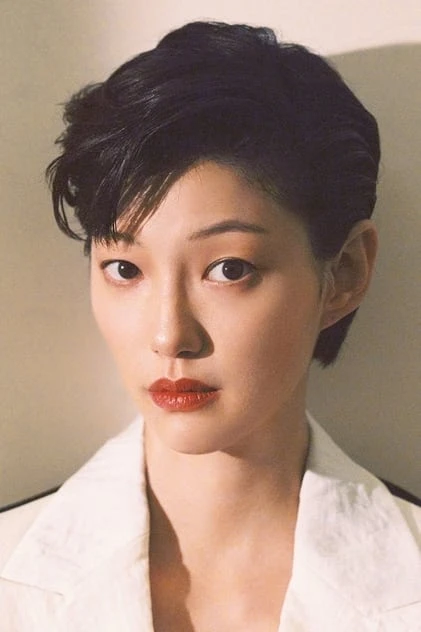
Villain
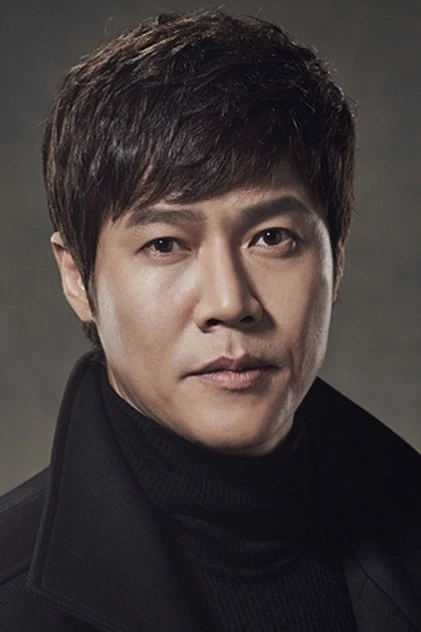
Supporting

Supporting

Supporting

Supporting
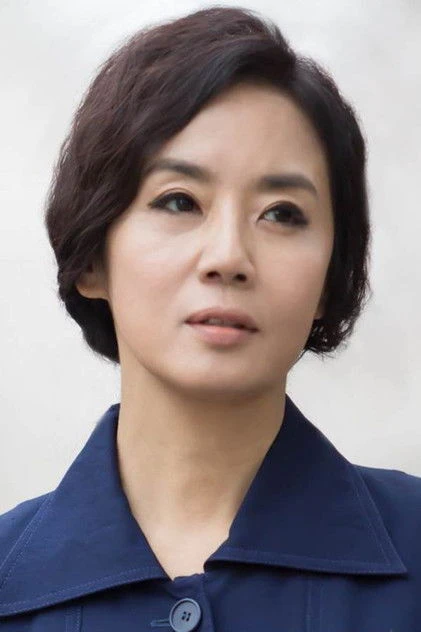
Supporting

Supporting
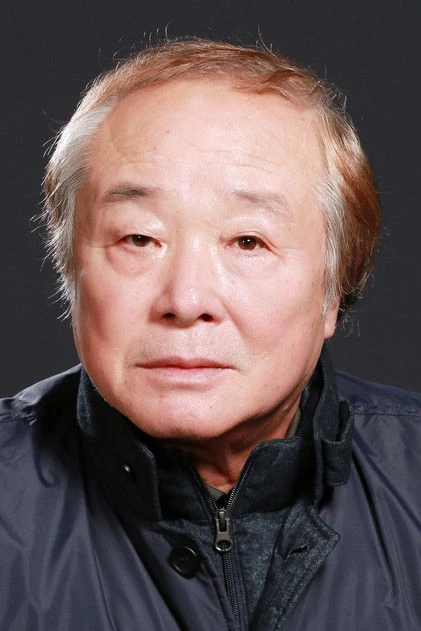
Supporting
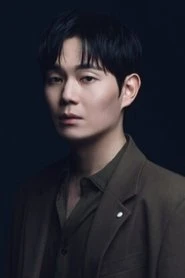
Supporting
📖 The Story
Spoiler-free rundown — just enough to gauge if it’s your thing.
Kim Seo-yeon is a woman in her late twenties who has spent her adult life trying to outrun a childhood that refuses to let go. She lives alone in the city, emotionally fortified, and walks through the world with the careful detachment of someone who decided long ago that intimacy was a liability. When her terminally ill mother Eun-ae demands a visit, Seo-yeon returns reluctantly to the crumbling rural house she grew up in — a place that still carries the weight of a fire that took her father’s life and a resentment she has never been able to name. The house is damp, forgotten, half-eaten by time, and it suits her perfectly because it confirms what she has always believed: that home is a wound disguised as a place.
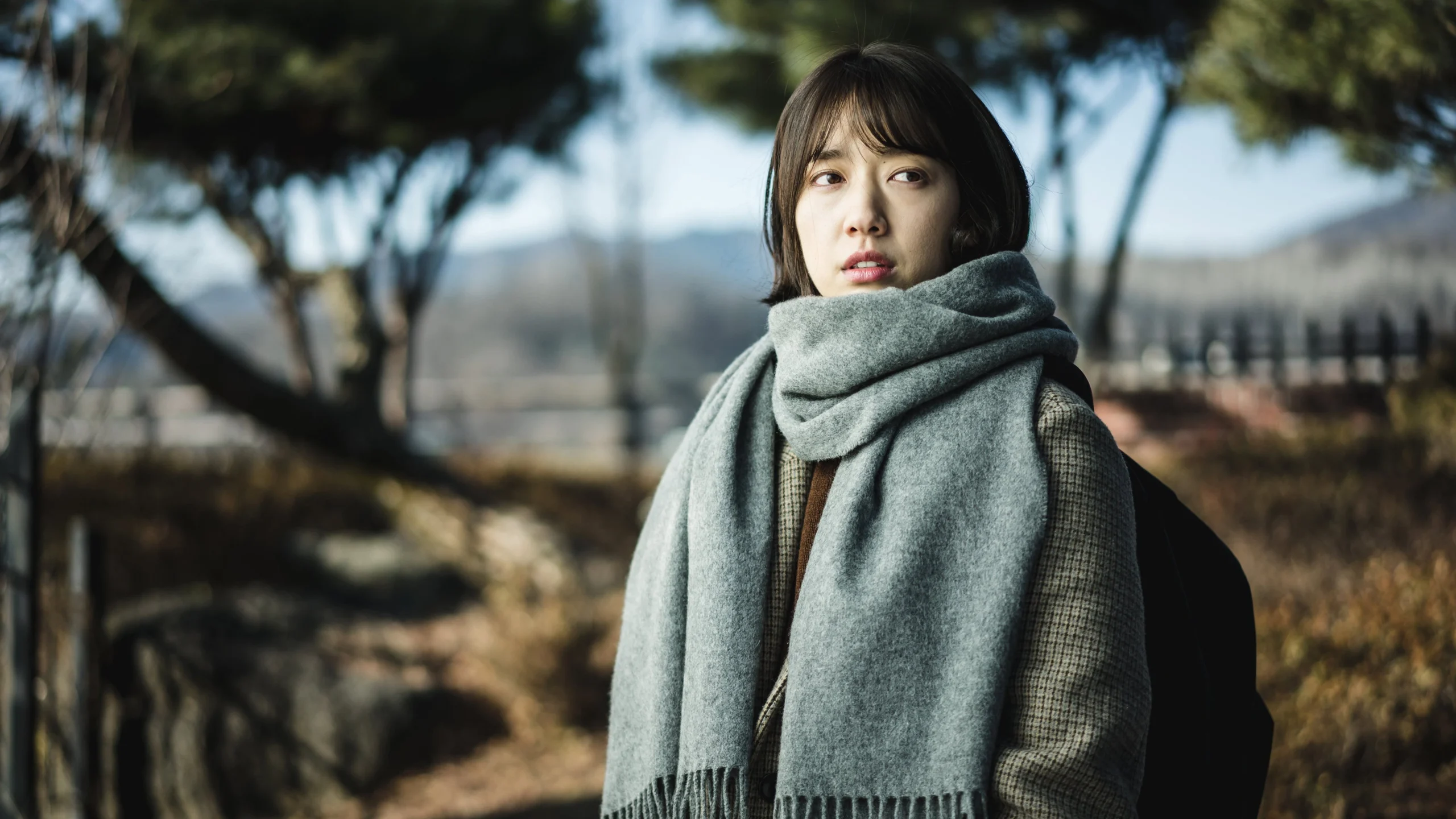
While rummaging through the house, Seo-yeon finds a forgotten cordless phone and, on a whim, plugs it back in. What comes through the receiver stops her cold: a young woman’s voice, panicked and pleading, insisting she is being abused inside that very house. The woman calls herself Oh Young-sook, names the house with eerie precision, but everything else is wrong — the dates, the references, the small details of the world she describes. Slowly, impossibly, Seo-yeon pieces it together: Young-sook is calling from 1999, twenty years in the past, from the same walls that now surround Seo-yeon in 2019.
What begins as cautious compassion quickly metastasizes into something far more personal. Seo-yeon discovers that the past is not fixed — every action Young-sook takes in 1999 ripples forward and rewrites Seo-yeon’s present in real time. The father she lost, the fire that shaped her, the mother she has spent two decades resenting — all of it becomes mutable. The film’s stakes are not abstract sci-fi mechanics: they are about whether a woman can reclaim a stolen life, and what she might owe to the stranger making it possible. Every choice either woman makes lands like a stone in still water, and the ripples never stop.
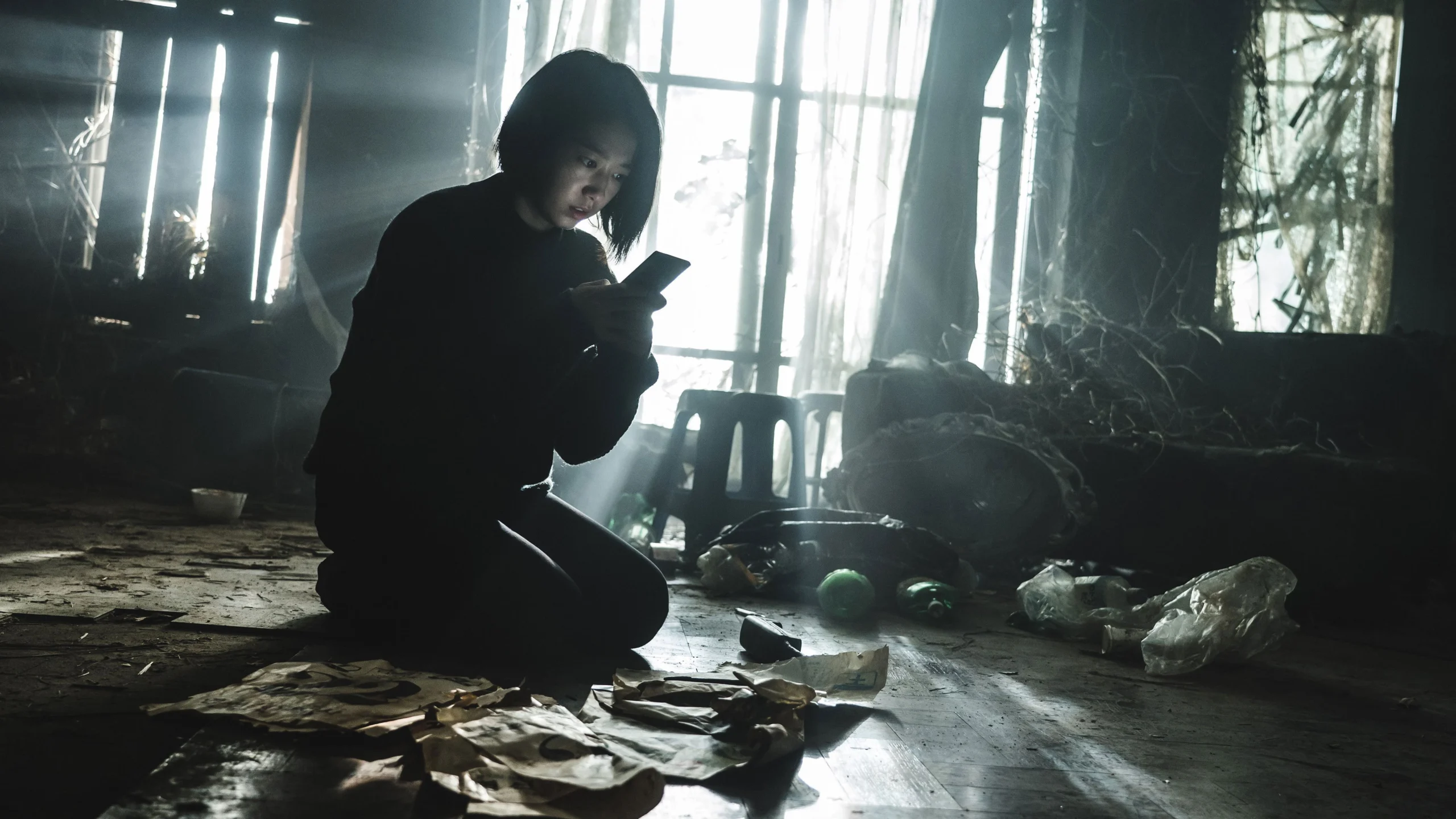
Young-sook is not a voice on a phone — she is a fully realized character with her own catastrophe of a life. Orphaned and raised under the brutal authority of her stepmother Sunwoo Ja-ok, a shaman whose control over Young-sook borders on imprisonment, she is a young woman shaped by an environment that taught her exactly two things: how to endure and how to want more. The bond that forms between Seo-yeon and Young-sook is one of the film’s richest elements — two lonely women who recognize each other’s damage and offer, briefly, something that resembles unconditional understanding. Seo-yeon’s mother Eun-ae, by contrast, exists as both a figure of resentment and a quiet symbol of what Seo-yeon is unconsciously fighting to preserve.
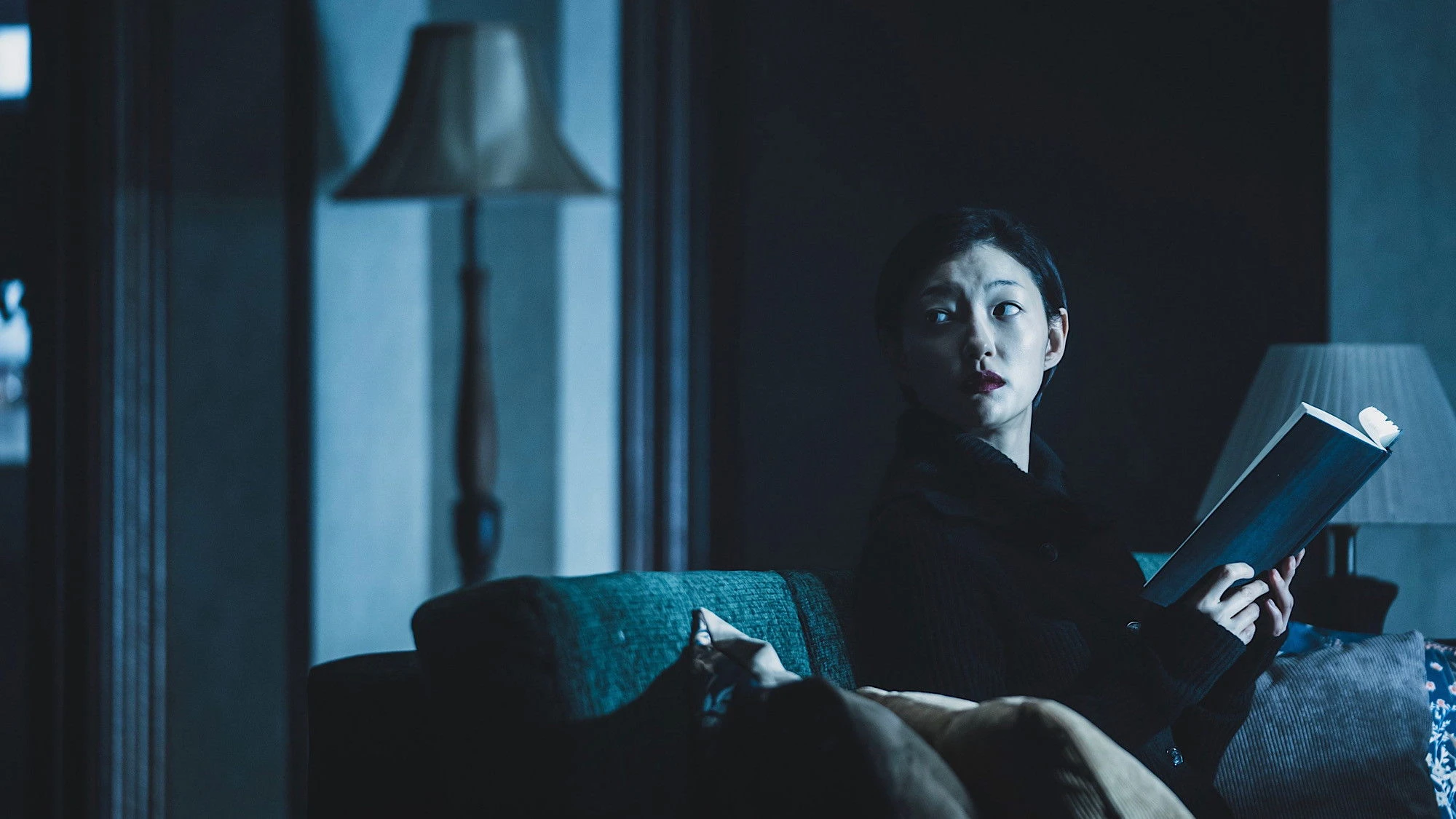
What separates The Call from other time-travel thrillers is its refusal to keep its two timelines at a polite distance. In most films of this kind, the past is treated as something to visit carefully — a place where the protagonist tiptoes for fear of consequences. Here, Young-sook discovers the power of the phone almost immediately and weaponizes it with terrifying intelligence. The film pivots on the moment your ally becomes your antagonist, and the horror that follows is less about jump scares than about the realization that someone who knows everything about your past now has every reason to destroy it. This is a time-travel film where the monster is not a paradox or an accident. It is a person.
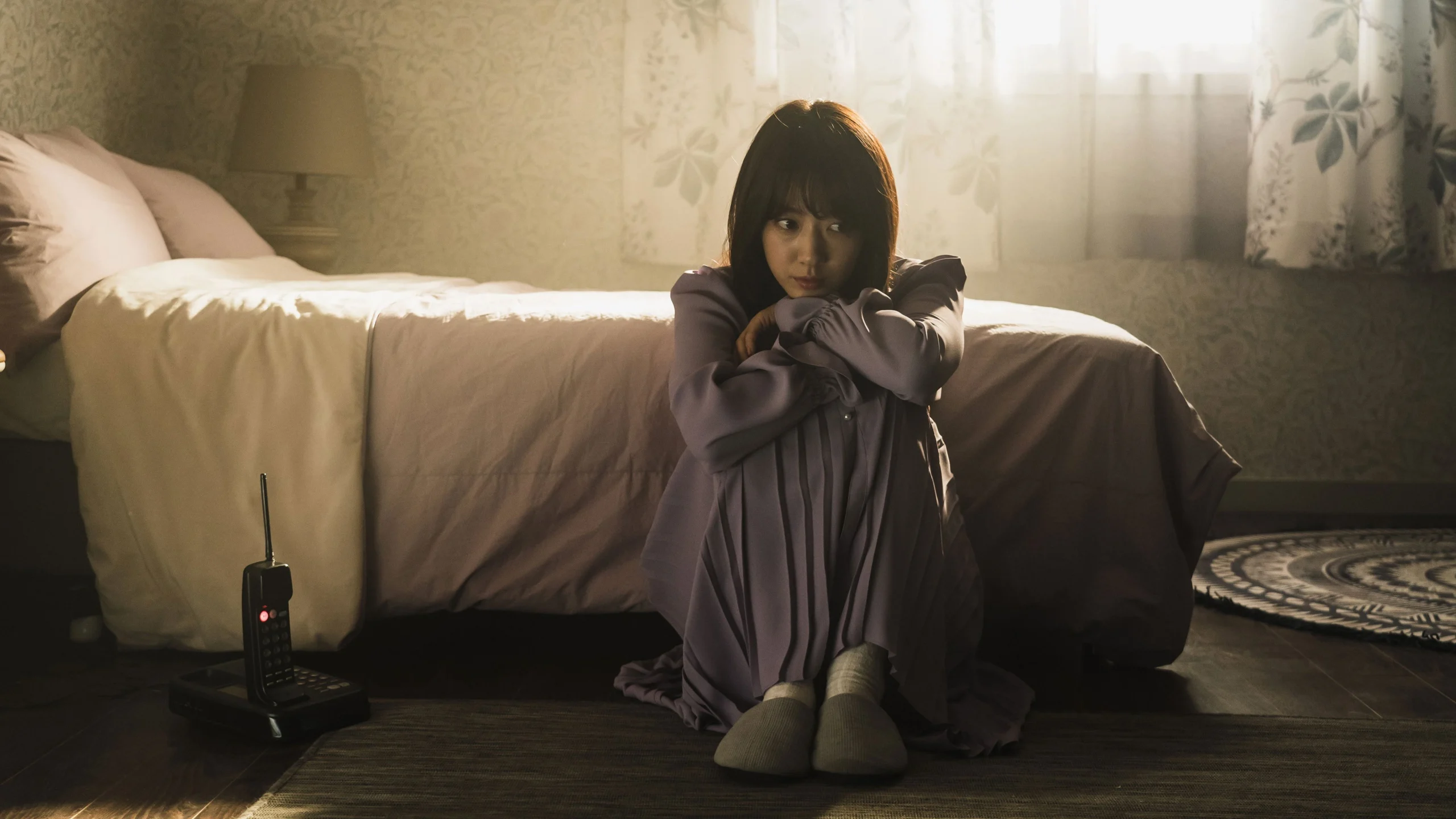
The Call does not feel like a sleek sci-fi thriller — it feels like a pressure cooker. First-time director Lee Chung-hyun shoots the film with a clammy, suffocating intimacy that makes the air feel thick, the walls feel too close, and every quiet moment feel borrowed against an inevitable detonation. The film moves fast but never feels cheap; its tension builds through accumulation rather than spectacle. Jeon Jong-seo’s performance as Young-sook is the emotional and tonal centerpiece — magnetic and deeply unsettling at once, a character the camera both adores and fears in equal measure. By the second half, the film has fully committed to its horror register, and it does not blink.
The film draws on a distinctly Korean vein of domestic horror — the idea that the home is not a place of safety but a site of inherited trauma and generational violence. Young-sook’s stepmother Ja-ok is a mudang, a shaman, and her presence threads the film with folk-horror imagery rooted in Korean spiritual tradition. The fear of powerful, controlling women in the home — and the way daughters are shaped, crushed, or radicalized by their mothers — runs through both lead characters’ stories with quiet ferocity. For Korean audiences, the shaman imagery and the rural setting carry a specific cultural weight that deepens the film’s atmosphere considerably, turning what could have been a generic time-travel thriller into something that feels intimately, uncomfortably native.
🏁 Ending Explained
Full spoilers ahead — what happens, what the post-credits scene means, and which theory KDW actually believes.
Full Spoilers Ahead — This section covers the complete ending of The Call, including the post-credits scene. Stop here if you haven’t watched.
The climax becomes a war fought across two timelines simultaneously. By the final act, Young-sook has fully transformed from victim into predator — she has murdered her abusive stepmother Ja-ok, embraced her own talent for violence, and turned her attention on Seo-yeon’s family. In 1999, she kills Seo-yeon’s father in the past and then sets her sights on Eun-ae, intending to erase Seo-yeon entirely from existence. In 2019, the present rewrites itself in real time as each act of violence in the past takes effect. Seo-yeon ultimately manages to alert the police in 1999 through the phone line, and Young-sook is stabbed and left for dead. The new present that emerges is a small miracle: Seo-yeon’s father is alive, her mother is healthy, the childhood fire never happened. She rushes to find Eun-ae at a cemetery — a tearful, beautiful reunion. Then the credits begin.
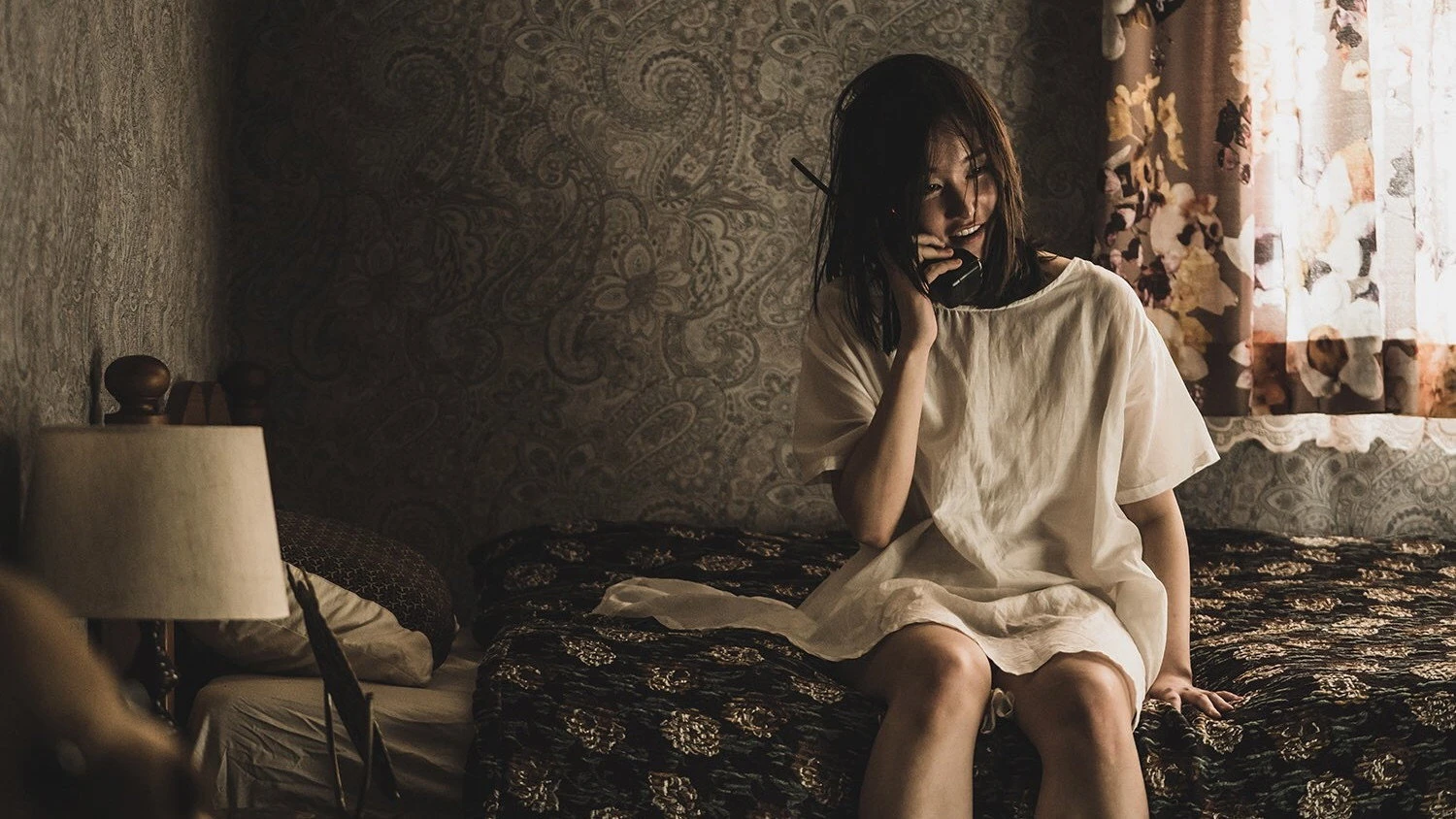
The post-credits scene undoes the apparent happy ending. The phone rings again, and Young-sook’s voice comes through. She survived. In 1999, she recovered before the police arrived, got to Eun-ae first, killed her, and then locked young Seo-yeon inside the house as a prisoner — a perfect mirror of Young-sook’s own childhood captivity. The 2019 present that Seo-yeon just experienced — the cemetery reunion, the restored family, all of it — is now erased and replaced. The film argues, in its final, cruelest beat, that trauma is cyclical, that victimhood can replicate itself, and that the line between survivor and perpetrator can be crossed by circumstance and desperation. Young-sook becomes exactly the monster her stepmother was, and traps Seo-yeon in the same cage she once suffered inside.
The post-credits scene generates real debate among viewers, and three readings compete. Theory 1: the dark ending is final — Young-sook survives, kills Eun-ae, imprisons Seo-yeon, and the loop of abuse continues forever. Theory 2: the film is showing a hypothetical or branching future that hasn’t fully crystallized yet — since the film previously only showed futures after past events were fully concluded, the post-credits scene technically breaks the internal logic, suggesting it may be a flash-forward warning rather than a fixed outcome. Theory 3: the phone connection is still open, which means Seo-yeon can still fight back from her new imprisoned present — the line is alive, the battle isn’t over. Critics and viewers are fairly evenly split on whether the post-credits sequence is narratively coherent within the film’s own time-travel rules.
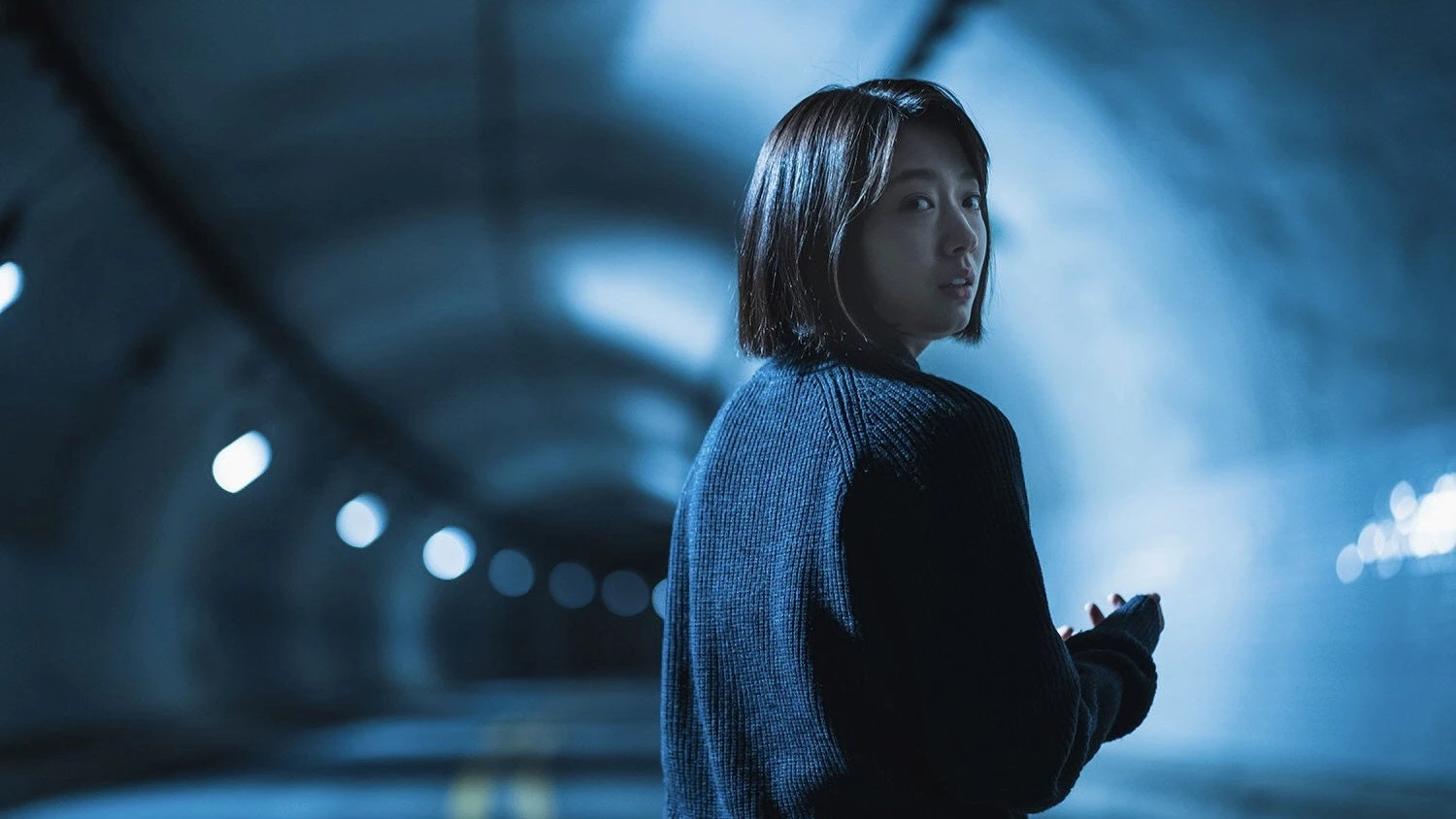
The KDW verdict: Theory 1 is the strongest reading. The dark ending is intentional and thematically complete, even if its time-travel mechanics are slightly imprecise around the edges. Every story beat in The Call builds toward the idea that pain reproduces itself when no one breaks the chain — that Young-sook, never given love or safety as a child, could only ever become what she most feared. The post-credits scene is not a gimmick or a shock for shock’s sake; it is the film’s thesis statement delivered in its purest, cruelest form. The imprecision in timeline mechanics is a real flaw, but the emotional and thematic logic is airtight. The Call is a film about what happens when no one saves the girl who becomes the monster — and how she ensures someone else will share her fate.
What you notice on rewatch reframes the entire first half. Young-sook’s early warmth and hunger for friendship reads completely differently the second time. Every moment she clings to Seo-yeon — asking if they are friends, seeking validation, expressing how no one has ever cared about her — is no longer touching; it is a countdown. Her stepmother Ja-ok’s repeated warnings that Young-sook is fundamentally dangerous, which on first viewing seem like the cruelty of an abuser dismissing her victim, turn out to have been correct all along — and the film implicates the audience for sympathizing with Young-sook long past the point when the evidence was already there. Lee Chung-hyun embeds the horror in the compassion itself. That is the film’s most unsettling trick: it makes you complicit in the danger by asking you to care about the person who becomes it.
✍️ KDramaWorlds Editor’s Take
Here’s our honest verdict, and who’s going to love it.
Lee Chung-hyun
Debut feature — later directed Ballerina (2023)
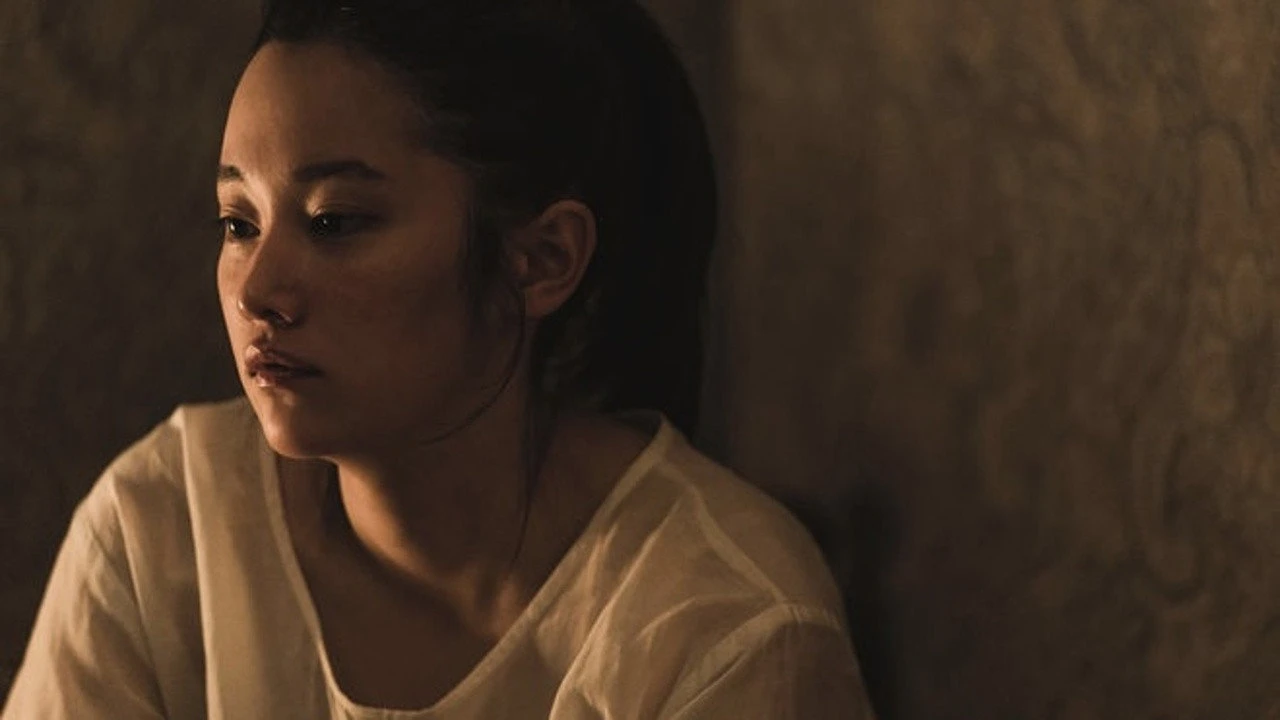
Jeon Jong-seo arrived in Korean cinema two years earlier in Burning as an enigmatic, ungovernable presence — and The Call is the film that confirms she was never going to be the kind of actress audiences could easily place. Her Young-sook is one of the most genuinely terrifying performances in any Korean film of the past decade, partly because she refuses to play “the villain” as a single tone. She is hungry, lonely, magnetic, monstrous, and tender — sometimes within the same scene — and the film’s horror would not work without an actress willing to be every one of those things at once. Park Shin-hye, often pigeonholed as a romantic lead, is doing real, careful, reactive work here as the audience surrogate. The film belongs to Jeon, but it would not function without Park’s grounded steadiness on the other end of the line.
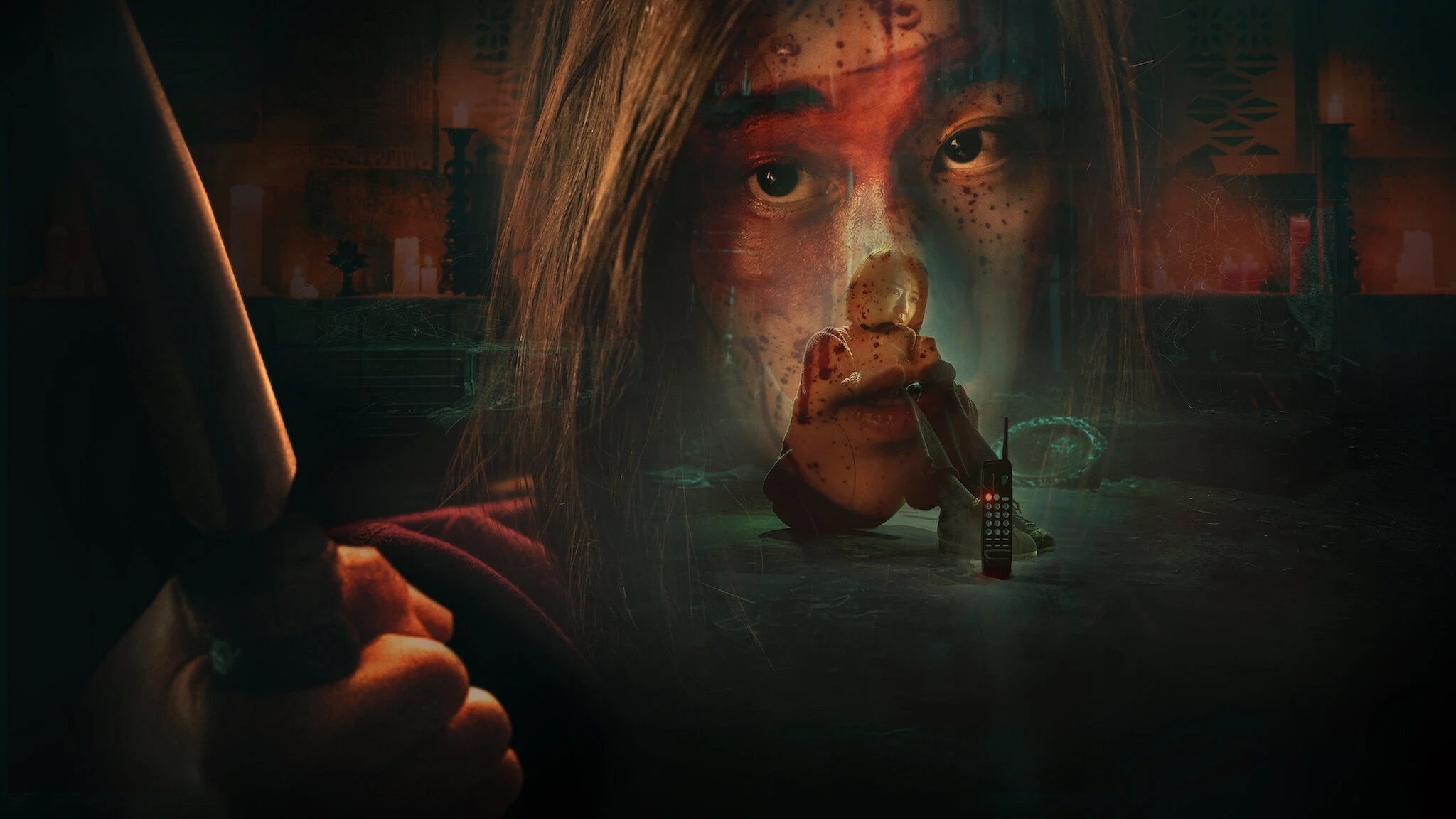
The film’s most divisive quality is also its sharpest decision. The post-credits scene has frustrated viewers who wanted a clean victory — and that frustration is not unreasonable, because the film’s time-travel rules genuinely strain under the weight of what it asks the ending to do. But to read the post-credits as a cheat is to misunderstand what the film has been doing all along. Lee Chung-hyun is not interested in catharsis; he is interested in the cruelty of cycles — in what happens when an unloved girl is given infinite power and no reason to extend mercy. The dark ending is the film’s thesis, not its twist, and the audiences who walked away angry are arguably the audiences the film was trying to upset on purpose.
The Call is not a perfect film — its third act gets carried away with itself, the time-travel logic is best not interrogated too closely, and a few of the supporting characters exist mostly to be hurt. But it is the rare Korean horror that earns every second of its brutality through character, not spectacle, and it announced two careers in the same 112 minutes: Lee Chung-hyun as a director with a lethal feel for tension, and Jeon Jong-seo as the most dangerous actress of her generation. It is a film that gets under your skin and stays there — not because of what it shows, but because of what it implies about how easily kindness can curdle into something worse. 112 minutes. One phone line. Two women. One of them was never going to let the other go.
Anyone who wants to see Jeon Jong-seo unsupervised
Time-travel thriller fans tired of polite consequences
A late-night Netflix watch that earns its TV-MA rating
🎬 You Might Also Like
If you liked The Call, these are your next three watches.
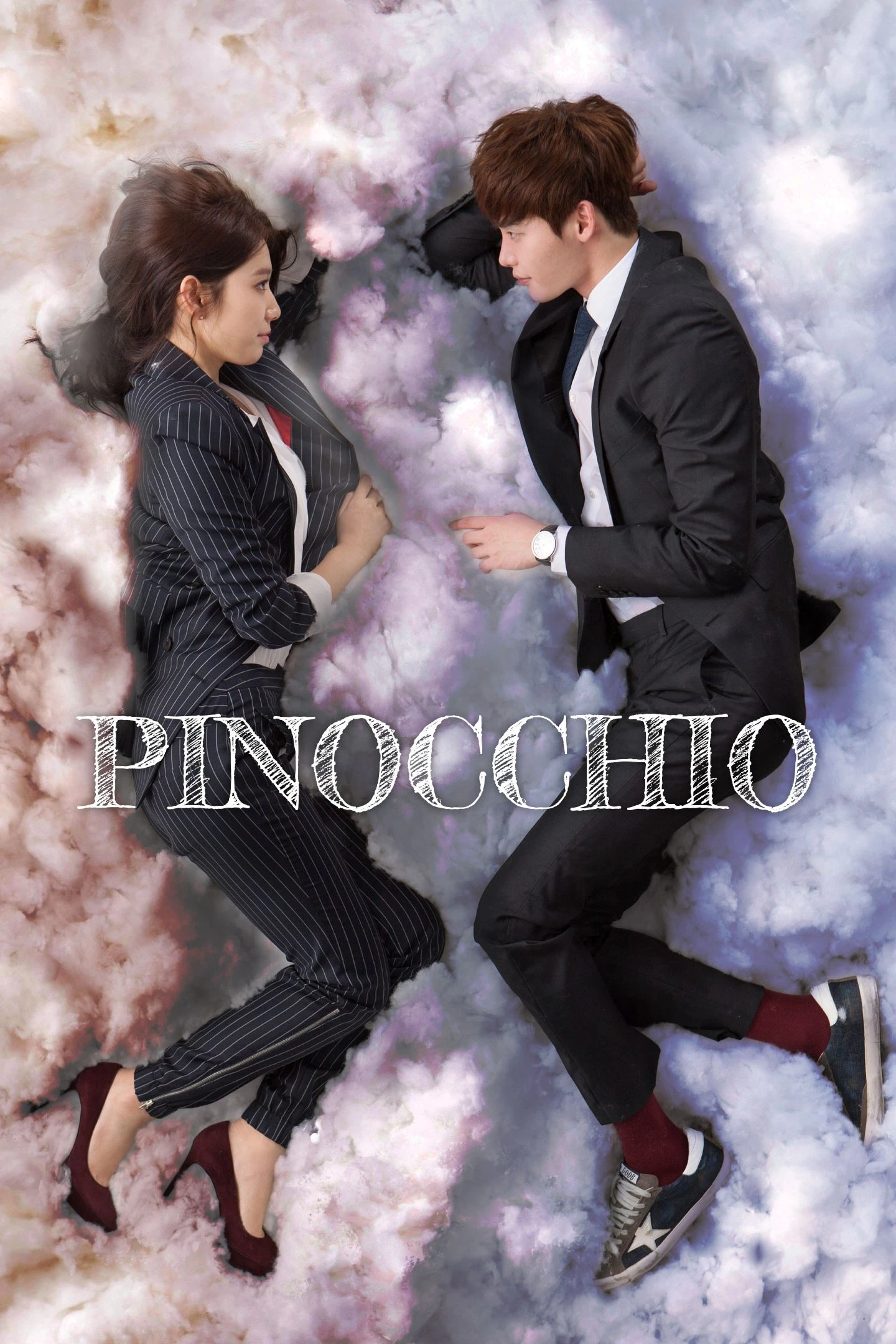 Pinocchio
CorruptionFamily Melodrama
Read Full Review →
|
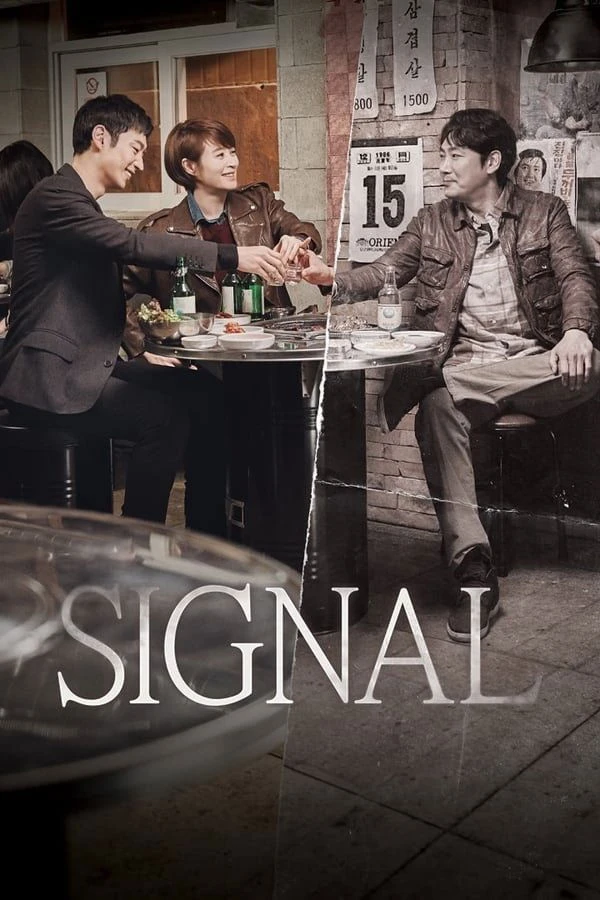 Signal (Season 1)
Cold CasesCorruption
Read Full Review →
|
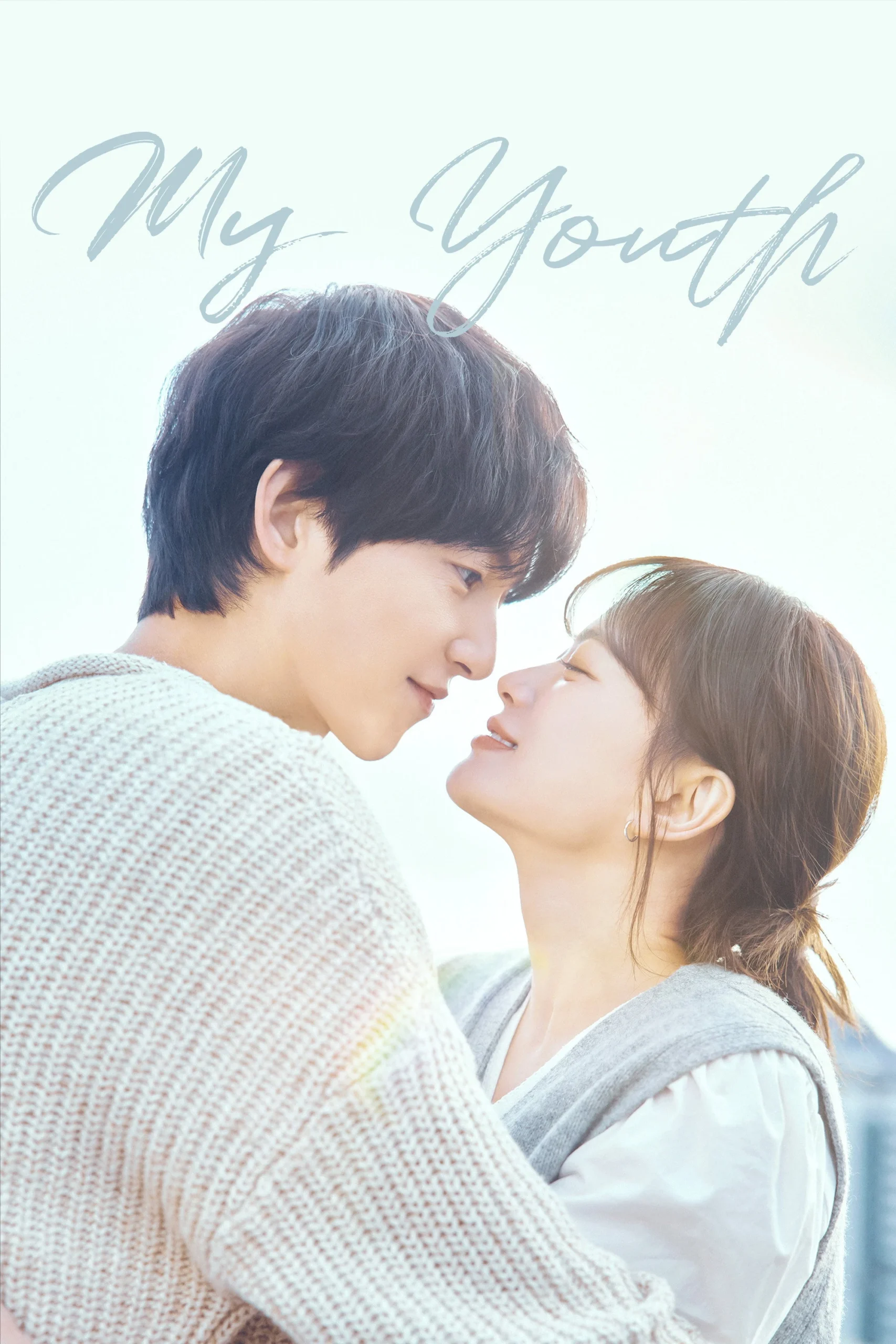 My Youth
First Loveflorist
Read Full Review →
|










Keep it kind, skip the harsh language, and please — no spoilers. Everyone's taste is different, and that's perfectly fine.
This space is for real reactions and discussion from other viewers. Help keep it comfortable for everyone by not giving away major plot details.
What do you think of this drama?
Login to share your review or leave a comment.
No email needed — just pick a username & password.