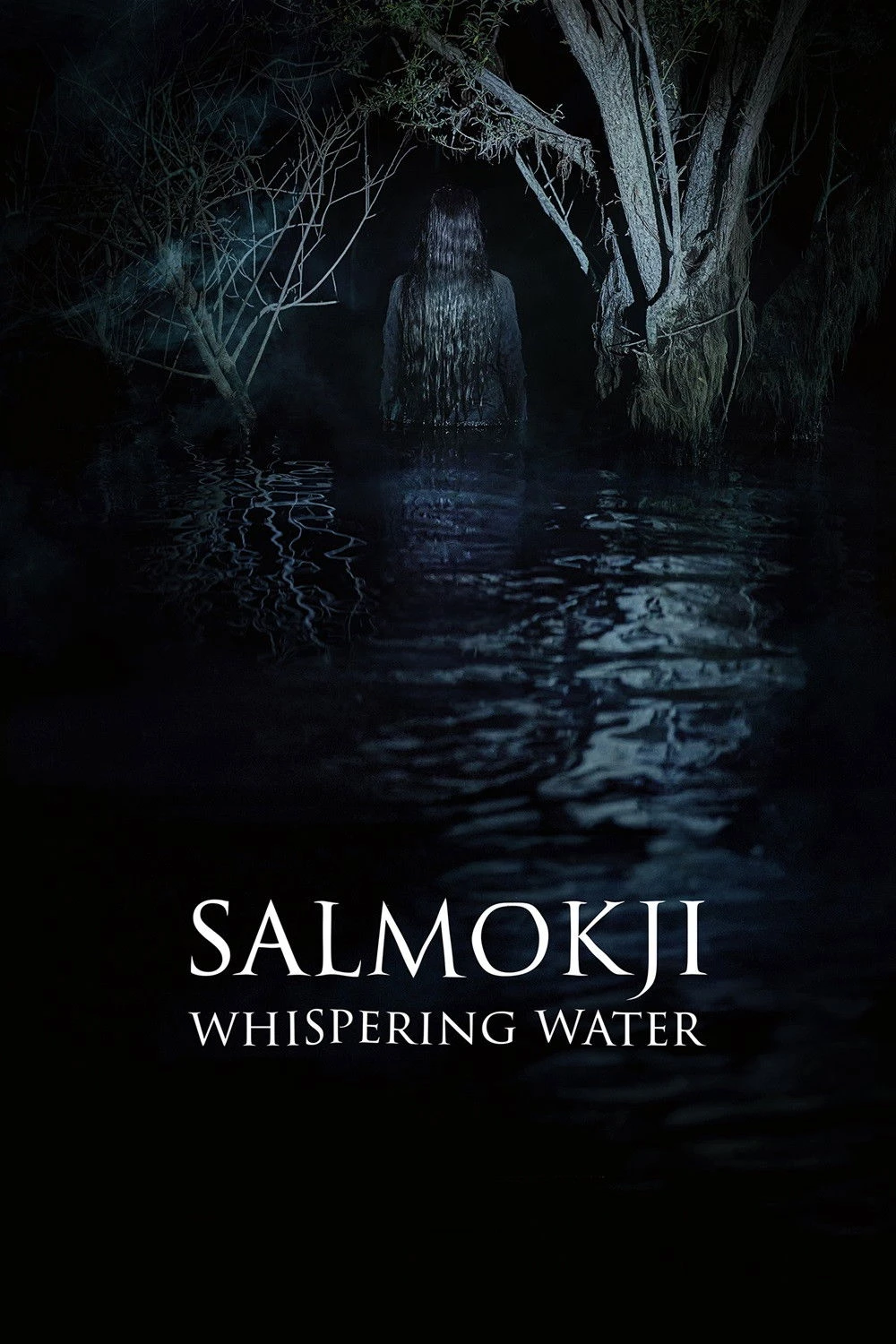
Salmokji: Whispering Water
🎬 In Cinemas
🔞 15+
🎬 Film Overview
🏆 #1 Korea Box Office · Opening Week
A road-view camera crew is sent to reshoot footage at Salmokji, a remote reservoir in rural South Chungcheong Province — the kind of place no one volunteers for twice. The previous shoot produced footage full of unexplained visual distortions, and the company wants clean images. What arrives at the reservoir instead is something the distortions were only hinting at. Led by Su-in, the crew begins to notice figures in the footage that were never there when they filmed, and a colleague who vanished at this exact location is suddenly, impossibly, back among them.
⚡ Quick Verdict
One box. Everything you need to decide.
▶ Official Trailer
🎭 Cast & Characters
Seven people went to the reservoir. Not all of them came back the same way.

Lead

Lead

Supporting

Supporting

Supporting

Supporting
🍿 Where to Watch
Watch Salmokji: Whispering Water on these platforms.
📖 The Story
No spoilers — just enough to know if this is your film.
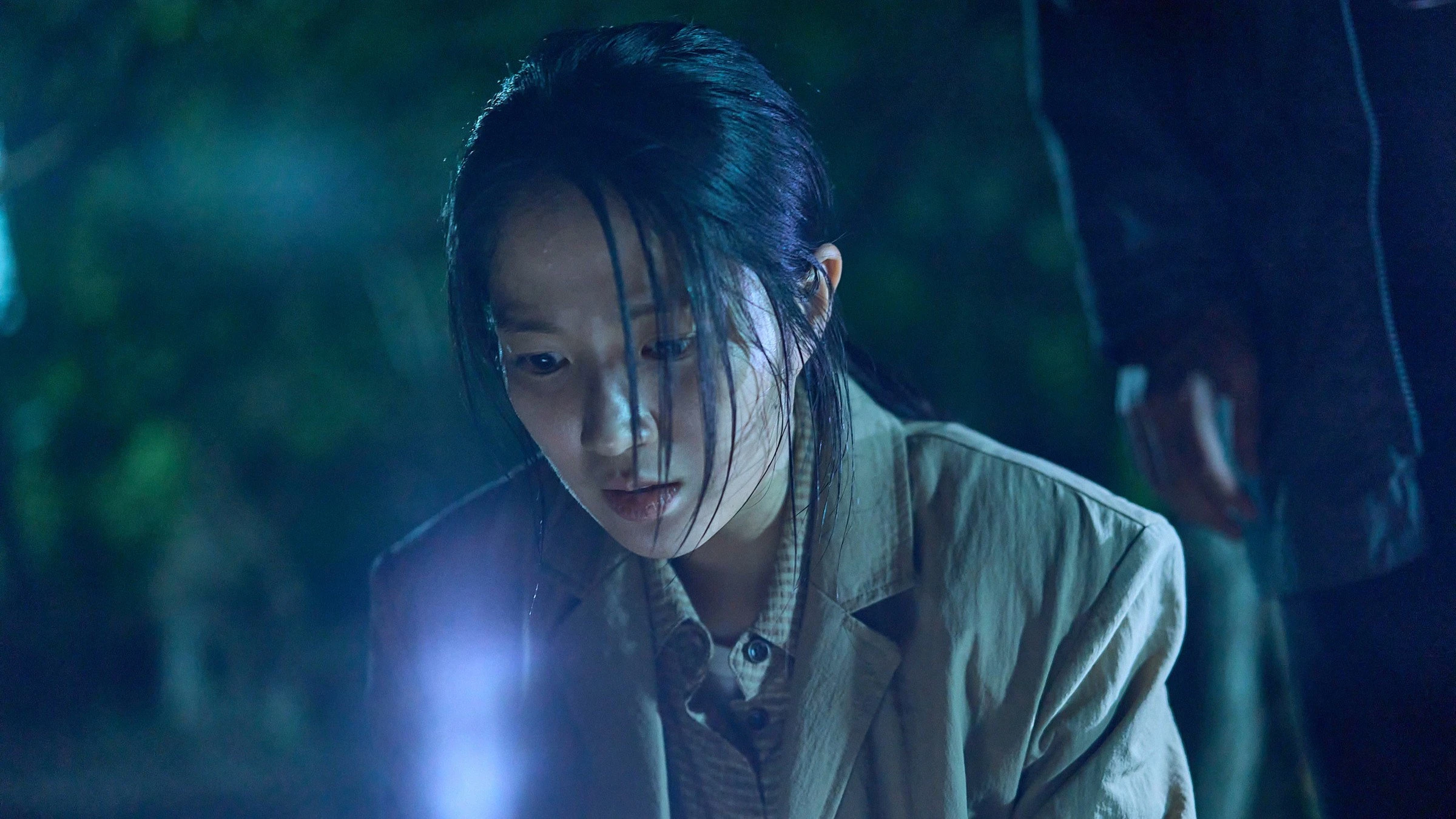
Su-in is a junior employee at a road-view mapping company — the kind of company you’ve used without thinking much about who actually drives those cars and clicks that shutter. Her job is ordinary almost to the point of invisibility: coordinate the crew, review the footage, flag any issues, move on to the next location. She is not a thrill-seeker. She is not a horror-film character who ignores obvious warning signs. She is a competent professional with a sensible haircut and a reasonable aversion to places that make her uneasy. None of that will help her at Salmokji.
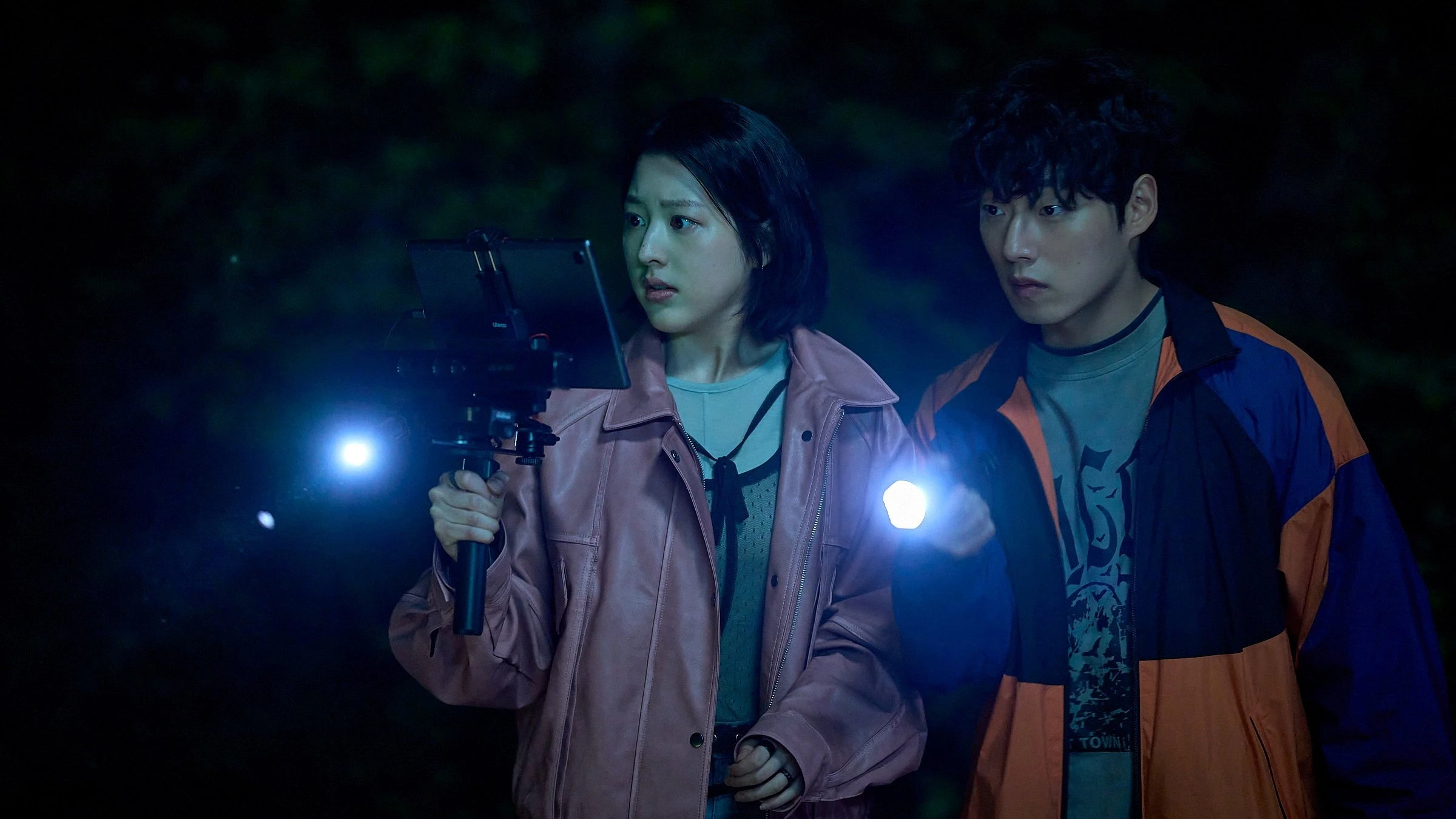
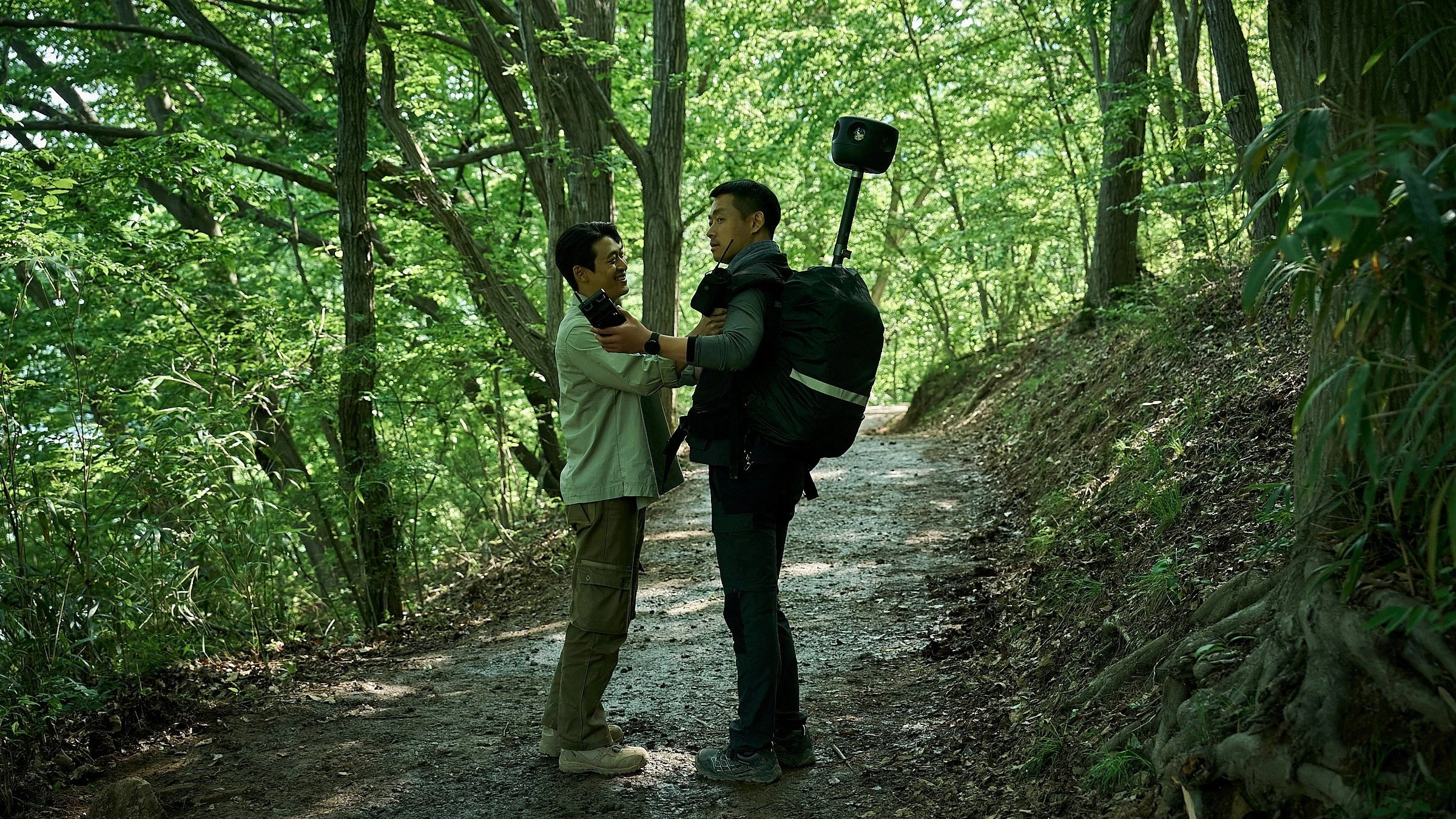
The job comes in because the previous footage from the reservoir is unusable — there are unexplained distortions in the images, shapes that don’t match anything the crew remembers encountering. The assumption is equipment malfunction, or lighting. The plan is to send a team back for a clean reshoot, log it, and be done by evening. Su-in is assigned to lead it in place of her senior colleague Gyo-sik, who visited the area before and has since gone missing. The detail about Gyo-sik is mentioned once and then set aside, the way details like that always are before they matter entirely.
Salmokji, when the crew arrives, does not announce itself as dangerous. It is just a reservoir — flat water, low hills, a road running along the bank, the specific stillness of a rural place mid-week. The name itself is the first unsettling piece of information: in Chinese characters, 살목지 (殺木池) means “Dead Tree Pond.” One of the crew mentions, almost off-handedly, that the reservoir was constructed over a former cemetery. An old woman they encounter near the water suggests they each add a stone to a nearby tower and make a wish. It feels like local color. The film understands exactly how dangerous local color can become.
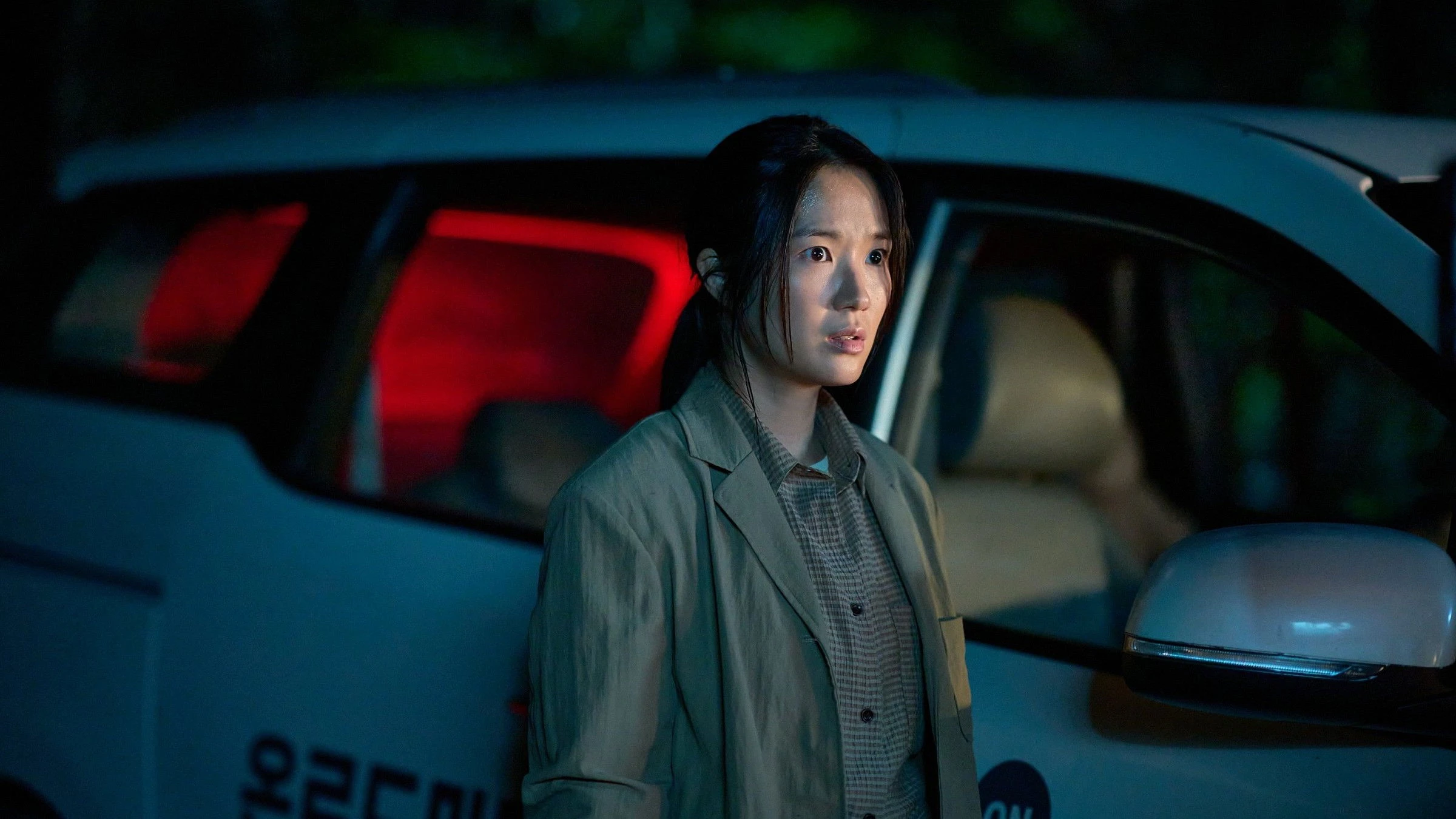
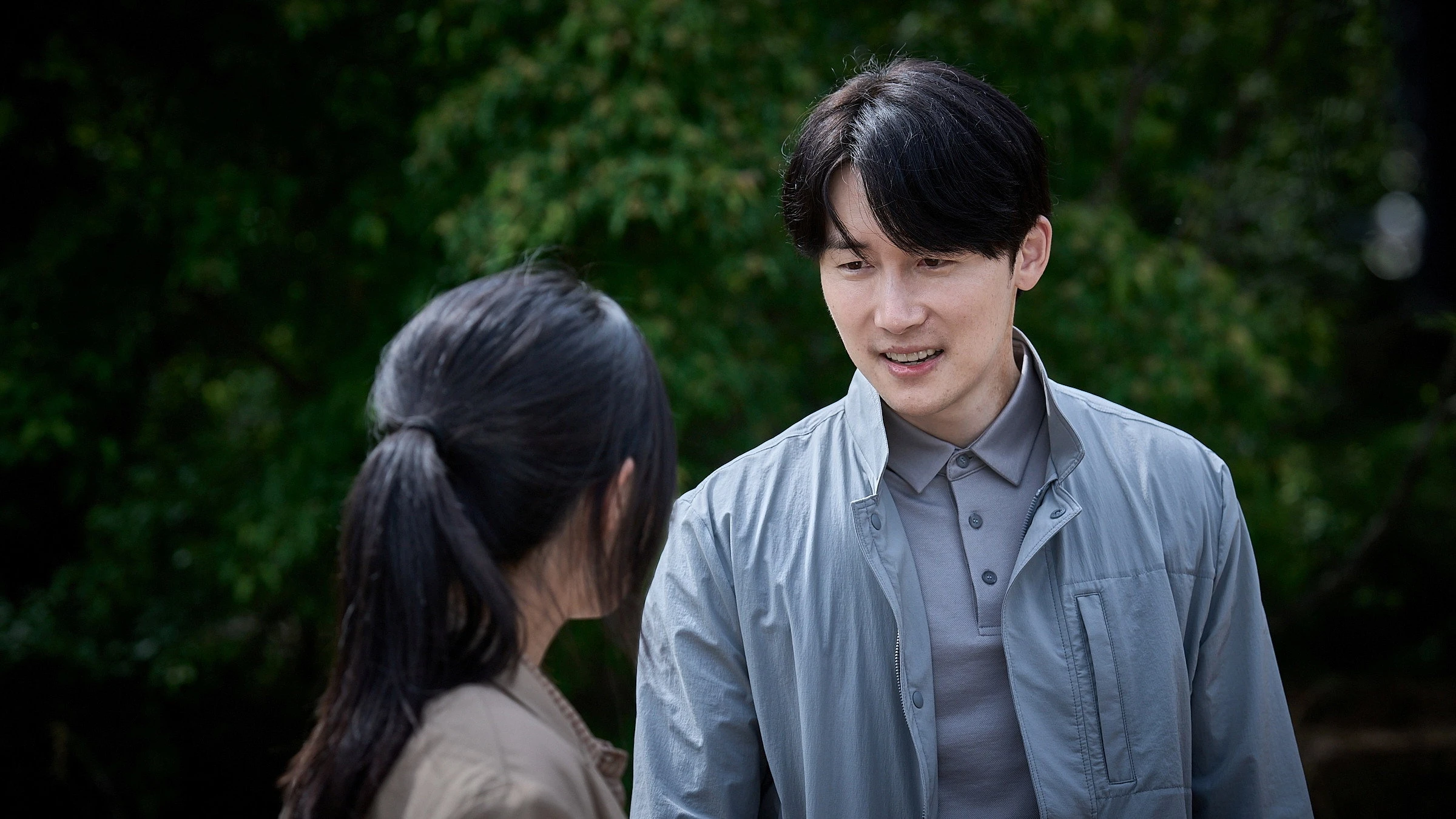
The horror arrives in increments, which is the only way it can arrive if it wants to work. A figure in the water that should not be there. A sound that stops when someone turns around. And then — the moment the film pivots on — Gyo-sik walks out of the tree line, looking entirely fine, offering no explanation for where he has been. Su-in is relieved to see him. Gi-tae, who drives the van and is the most practically-minded person on the crew, is not. What follows is a film that understands there are two kinds of fear: the kind that comes from seeing something, and the far more destabilizing kind that comes from not being entirely sure what you just saw.
What distinguishes Salmokji from a standard haunted-location horror is its insistence on credible human behavior under pressure. The crew members do not split up foolishly or ignore their instincts for dramatic convenience. They argue, they second-guess each other, they try rational explanations long past the point where rational explanations hold up. Gi-tae’s stubborn skepticism and Su-in’s mounting certainty that something is wrong create a tension that feels earned rather than engineered. Director Lee Sang-min, making his feature debut, builds a cast whose dynamics feel like people who actually work together rather than a collection of horror-film archetypes waiting to be dispatched.
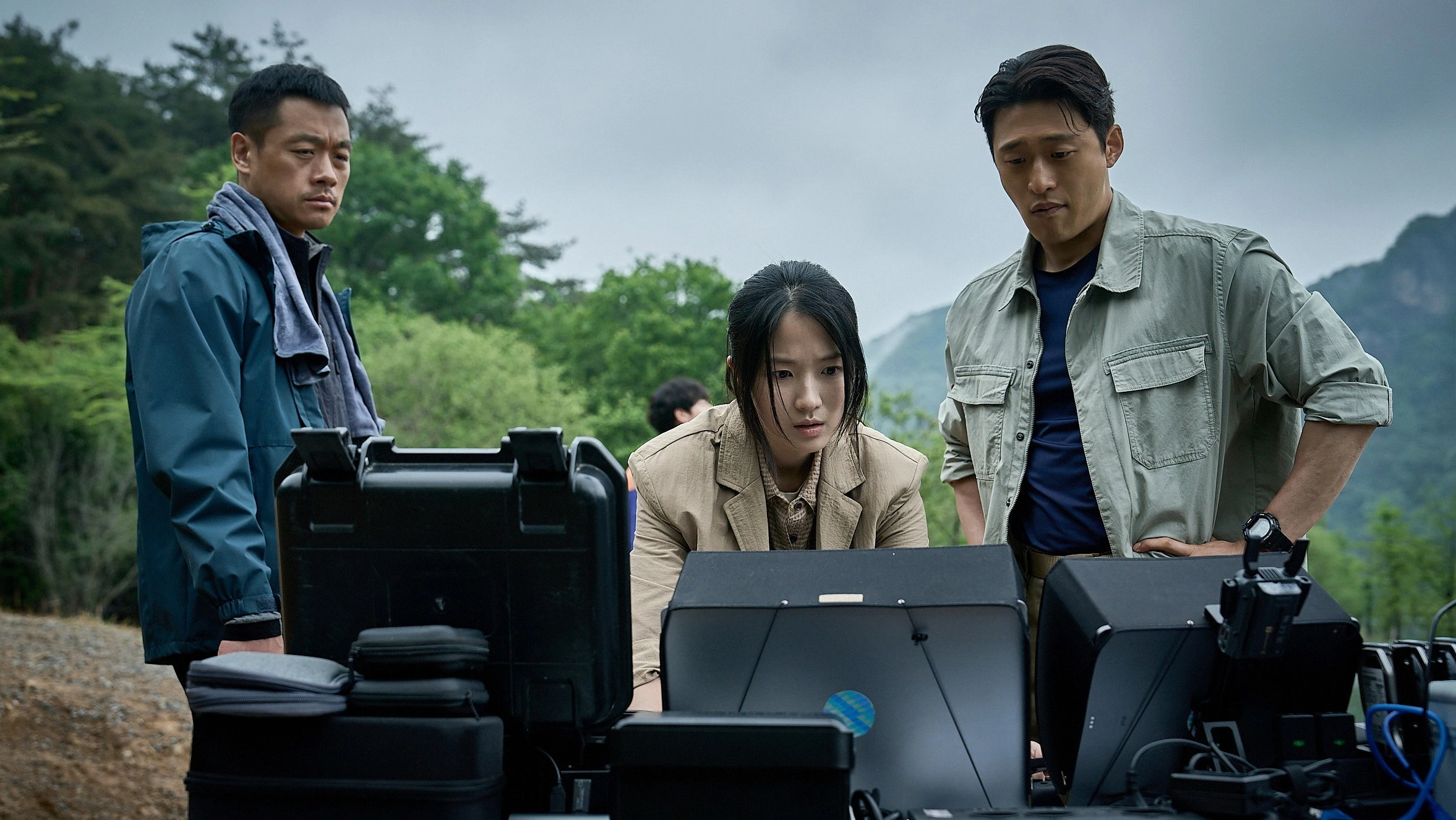
The film’s visual grammar is tight and uncomfortable in the best way. Lee Sang-min shoots Salmokji the reservoir the way you would want to shoot a haunted place: letting its flatness and stillness do most of the work, reserving camera movement for moments that earn it. The water is always present as a background — opaque, unreadable, patient. The horror sequences, when they arrive in full, are not subtle. Korean audiences watching in 4DX have reported physical responses to the jump scare design — the kind of collective theater experience that has driven the film to its record-setting opening numbers. The film knows when to whisper and when to shout, and the ratio is well-calibrated.
Korean folk horror has a rich tradition built on the specific dread of the water ghost — the mulgwishin (물귀신), a drowned spirit that grabs the living from beneath the surface and drags them under. In folk belief, water ghosts are not simply malevolent: they are incomplete. They cannot cross to the afterlife until they have taken a replacement, which makes their hauntings more desperate than evil. Salmokji draws on this tradition without being constrained by it, using the folk framework to give its supernatural events a particular emotional texture — the tragedy of the irretrievable, of things that sank and cannot rise again without pulling something else down with them.
🏁 Ending Explained
Full spoilers ahead — what happens, what it means, and what the water was keeping.
Full Spoilers Ahead — This section covers the complete ending of Salmokji: Whispering Water. Stop here if you haven’t watched.
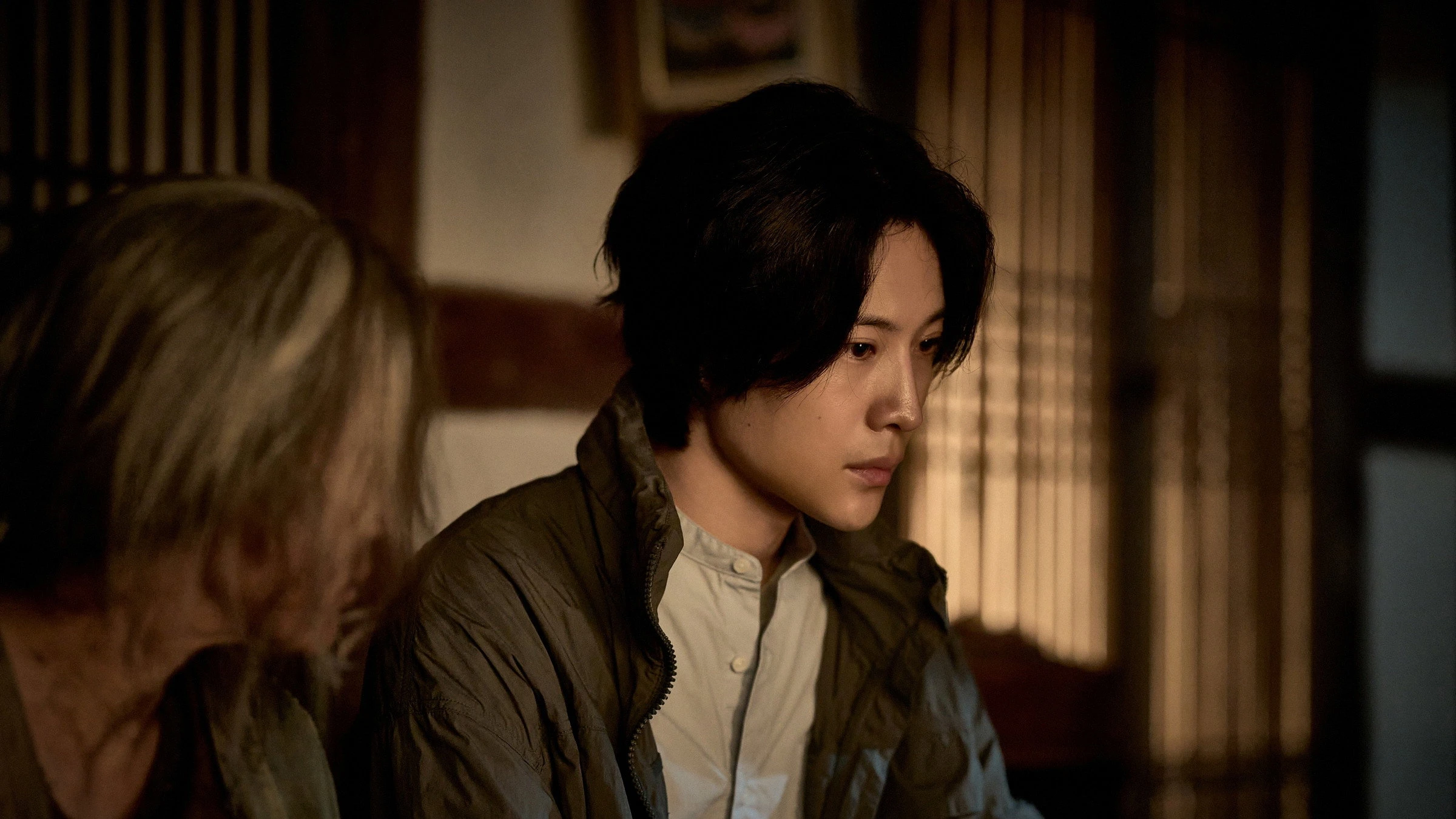
What literally happens: the reservoir keeps what it takes. The figure the crew has been encountering is not Gyo-sik — or rather, it is a version of Gyo-sik that drowned in the reservoir during his previous visit, and has been held there by whatever presence occupies the water. The mulgwishin that haunts Salmokji does not simply kill its victims. It substitutes them: what surfaces looks like the person, moves like the person, and for a time, even remembers being the person. The substitute Gyo-sik has been drawing the crew toward the water, not out of malice but out of the compulsion at the heart of the folk belief — it cannot leave until it has been replaced. In the final act, two crew members are taken. Su-in survives because Gi-tae, understanding what is happening too late, pulls her back from the edge at the cost of his own proximity to the water.
What it means: the ending is not a rescue — it is a transaction. The film’s most discussed scene is the ambiguous final shot of Gi-tae. He surfaces, alive, after the confrontation — but the film closes on his face at the water’s edge with an expression that doesn’t quite resolve into relief. A single detail in the final frames aligns with the visual grammar the film has been building all along: the way the substitute Gyo-sik’s reflection in the water was always slightly wrong, slightly delayed. The film never confirms whether what we are seeing is Gi-tae or a substitution. It ends before the camera can catch the reflection. This is deliberate.
The unanswered question: what happened to the real Gyo-sik? The film implies, but never states, that Gyo-sik’s body is in the reservoir alongside the others it has accumulated over years — the cemetery that the reservoir was built over suggesting this is not the first time the water has done this. Viewers have noted that the stone tower the old woman invited them to add to is a traditional funeral marker, which would mean she knew exactly what the site was and what the stones represented. Whether she is complicit, a warning, or simply a keeper of local memory the film does not explain. The unanswered questions are the film’s most effective piece of horror design: the sense that Salmokji has been doing this long enough to have developed its own rituals.
The KDW verdict: the substitution reading is the film’s strongest one. The horror of Salmokji is not death — it is replacement. The thing that surfaces from the water looks exactly like the people you love, remembers what they remember, and will be treated as them until the moment the water calls it back. In a film that opens with a crew of people whose job is to capture images for others to trust and navigate by, the idea that what you’re recording might already be a substitution — that the figure in the footage was never the person you thought — lands as something darker than a ghost story. It is a film about the unreliability of what we see, and the cost of looking too closely at still water. Some places were never meant to be left. The reservoir does not chase you. It waits.
✍️ KDramaWorlds Editor’s Take
Our honest read on why this film is worth your time — and who it’s for.
Kim Hye-yoon became famous for warmth. Her breakout in Lovely Runner was built on a specific kind of open, expressive emotionality — a face that broadcast everything. What Salmokji asks of her is almost the opposite: a performance of controlled competence gradually eroding into controlled terror, where the erosion is the performance. She is not playing someone who screams first. She is playing someone who does not scream until there is nothing else left to do, and the restraint makes every escalation feel earned. This is a different register for her, and it works entirely.
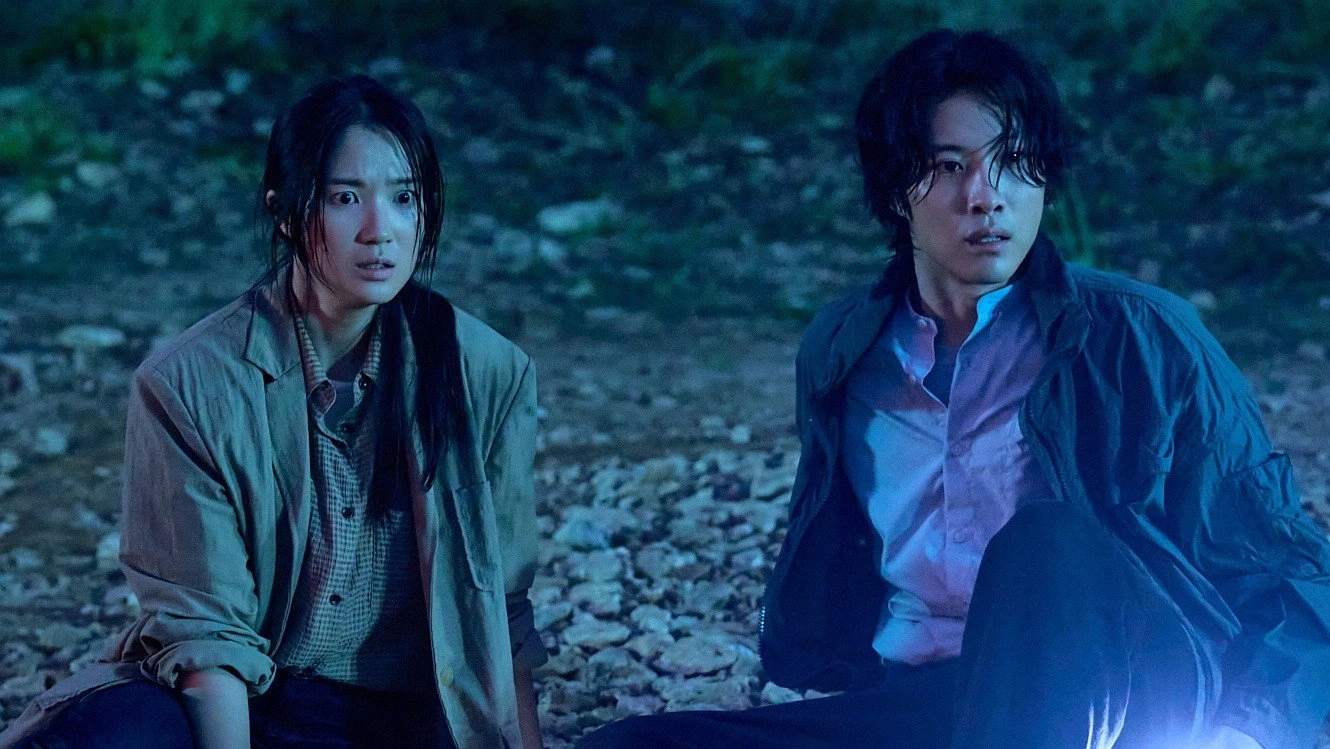
Lee Sang-min’s feature debut is disciplined in a way that first-time directors rarely are with material this kinetic. The strongest sections of the film are the quiet ones: the drive to the reservoir, the first hour at the water, the way the film refuses to rush its own dread. He has clearly studied the architecture of Korean horror — the slow-burn approach of Revenant, the folk texture of predecessors like The Wailing — and understood that jump scares work best when they are rewards for patience, not substitutes for it. Salmokji’s final act delivers the shocks, but only because the first two acts have done the work of making you genuinely unsettled before anything explodes.
The film broke even in seven days on a budget of roughly 3 billion won — an extraordinary outcome that says as much about the state of Korean cinema in 2026 as about the film itself. Audiences wanted to be scared in a theater, and they wanted it from something local, specific, and grounded in a folk tradition they recognized. Salmokji gives them exactly that, and not a frame more. It does not overreach. It does not try to be Exhuma or The Wailing. It is a tightly made, well-acted, atmospherically assured horror film from a director who understood his budget, respected his audience’s intelligence, and knew exactly which lights to leave on. 96 minutes. One reservoir. A crew that should have turned around at the gate.
Kim Hye-yoon fans ready to see her in a completely different register
4DX/ScreenX — this one was built for immersive formats
Anyone who loves a horror film that trusts its audience
🎬 You Might Also Like
If you liked Salmokji: Whispering Water, these are your next three watches.
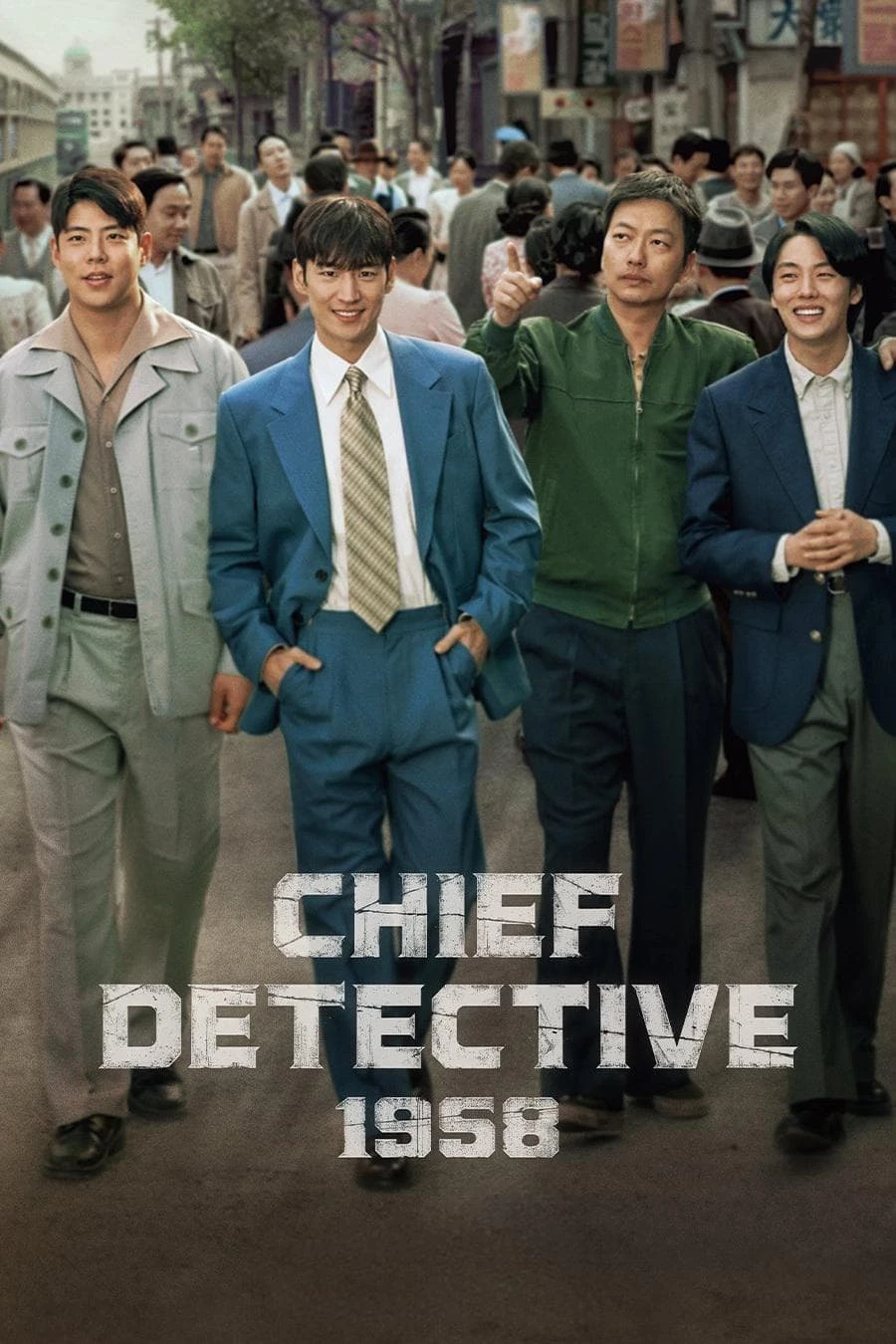 Chief Detective 1958
Buddy CopsCorruption
Read Full Review →
|
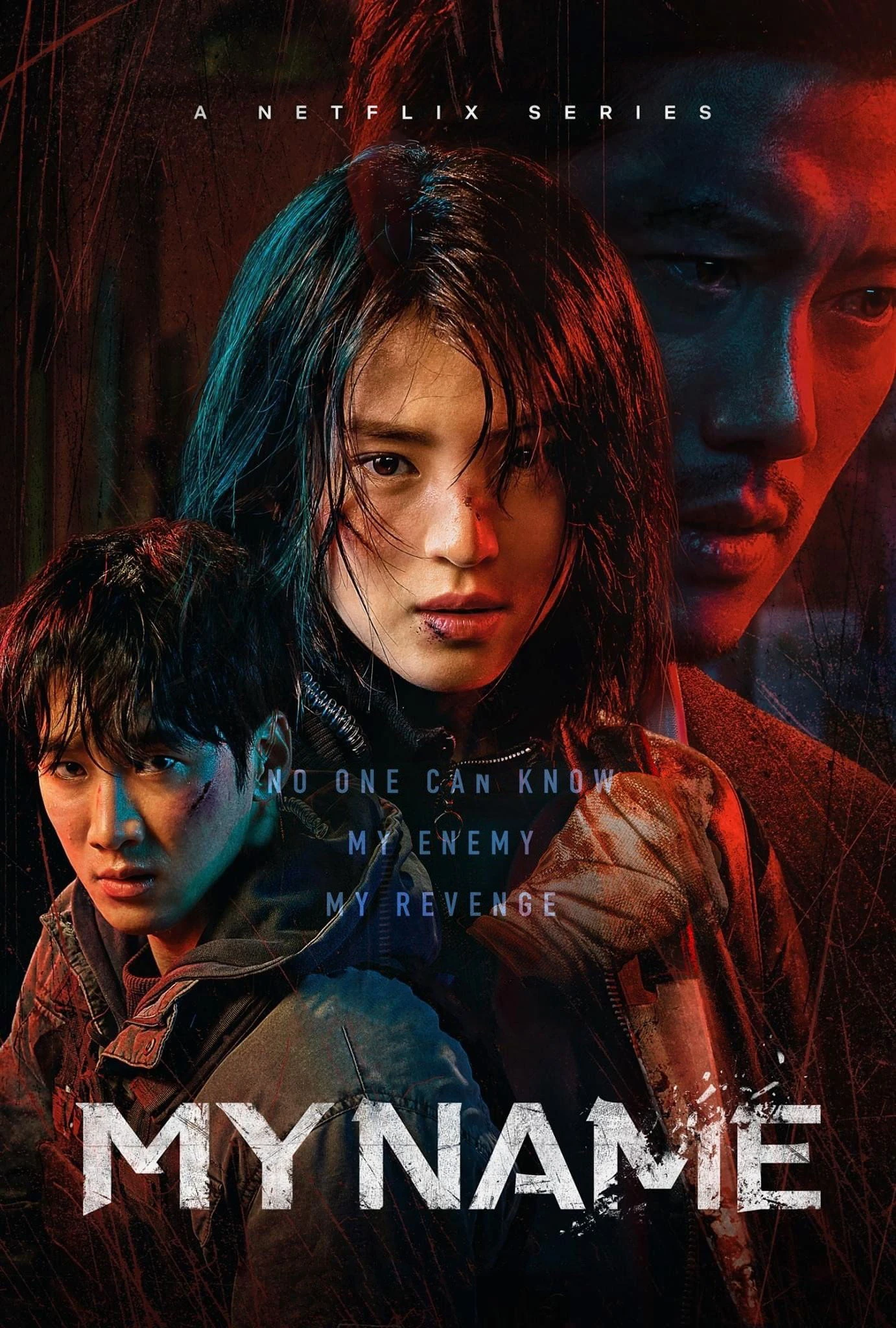 My Name
Crime OrganizationHan So-hee
Read Full Review →
|
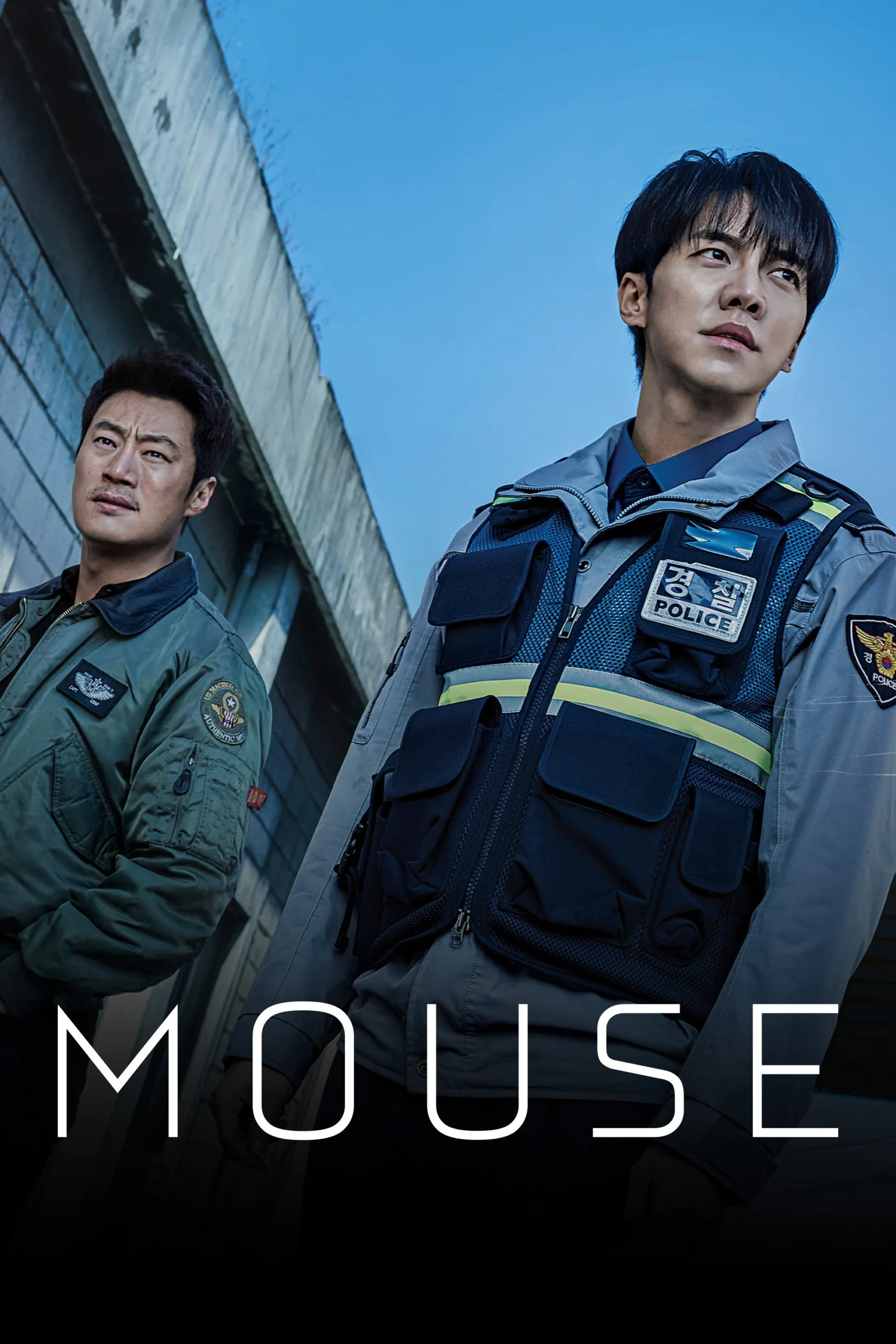 Mouse
Lee Hee-junLee Seung-gi
Read Full Review →
|







Keep it kind, skip the harsh language, and please — no spoilers. Everyone's taste is different, and that's perfectly fine.
This space is for real reactions and discussion from other viewers. Help keep it comfortable for everyone by not giving away major plot details.
1 Comment
A camera crew getting sent back to reshoot footage because the first batch had unexplained visual distortions, only to find out what was causing them, is such a great slow-build horror setup 📷 — and making Su-in a competent professional instead of the usual horror-movie type who ignores every warning sign makes what happens to her hit differently. Curious how everyone felt about the colleague who came back.
What do you think of this drama?
Login to share your review or leave a comment.
No email needed — just pick a username & password.