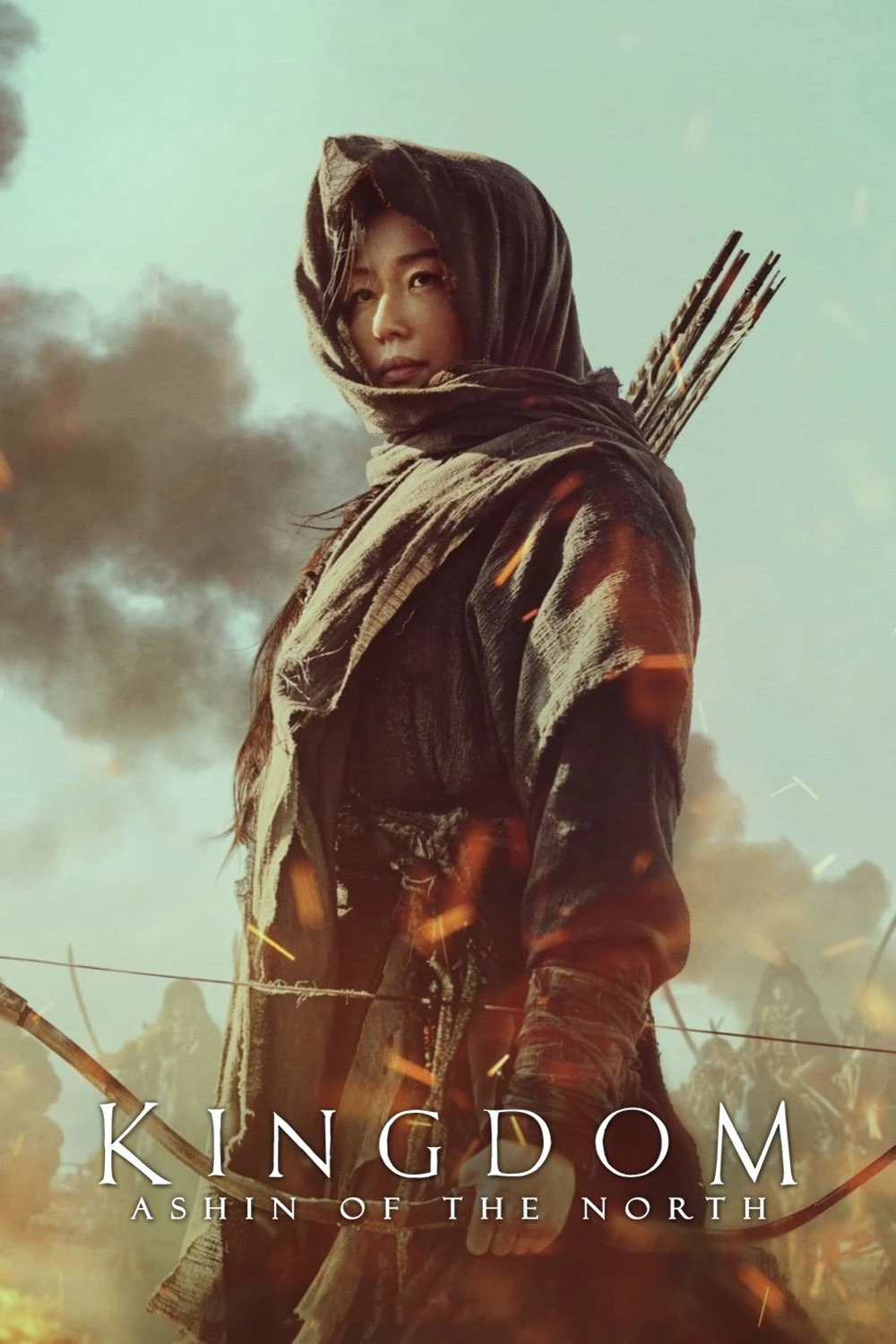
Kingdom: Ashin of the North
🎬 Netflix
⭐ 6.9 IMDb
🔞 TV-MA
🎬 Film Overview
🔴 Netflix Original
Before the plague, there was a decision. Before the decision, there was a girl who belonged nowhere — too Jurchen for Joseon, too loyal to her father to walk away from the world that never fully claimed them. Kingdom: Ashin of the North is built around a question that horror films rarely ask with this much patience: what kind of harm produces a woman who will eventually choose to unmake a kingdom? The zombie apocalypse consuming Joseon, it turns out, did not begin with a plant. It began with a calculation made by men who decided some lives were worth less than others.
Jun Ji-hyun carries 92 minutes of grief through near-silence. This is a performance built in posture and glances — in the deliberate stillness of someone whose grief is too large to perform. By the time the resurrection plant appears in Ashin’s hands and she understands what she can do with it, the horror has already been reframed. The supernatural elements are not the monster here. They are what the monster becomes.
⚡ Quick Verdict
Everything that matters, at a glance.
IMDb · 15,000+ ratings
· 8.2 MDL
· 100% RT Critics
· 83% RT Audience
▶ Official Trailer
🎭 Cast & Characters
One woman at the center of every stage — the film needs Jun Ji-hyun to age through grief, and the rest of the cast to make every institutional failure feel personal.

Lead
Villain

Lead
Supporting

Supporting

Supporting

Supporting
Supporting

Supporting

Supporting

Supporting

Supporting
📖 The Story
No spoilers — just what you need to know going in.
A girl who belongs to no world holds a story that will end an era. Young Ashin grows up in a borderland settlement in the frozen north — her father a Jurchen man who defected to Joseon’s military service, her people watched by soldiers who consider them useful but expendable, cut off from the Jurchen clans across the river who consider them traitors. It is the kind of existence that teaches a child to read rooms very carefully before she can read anything else.
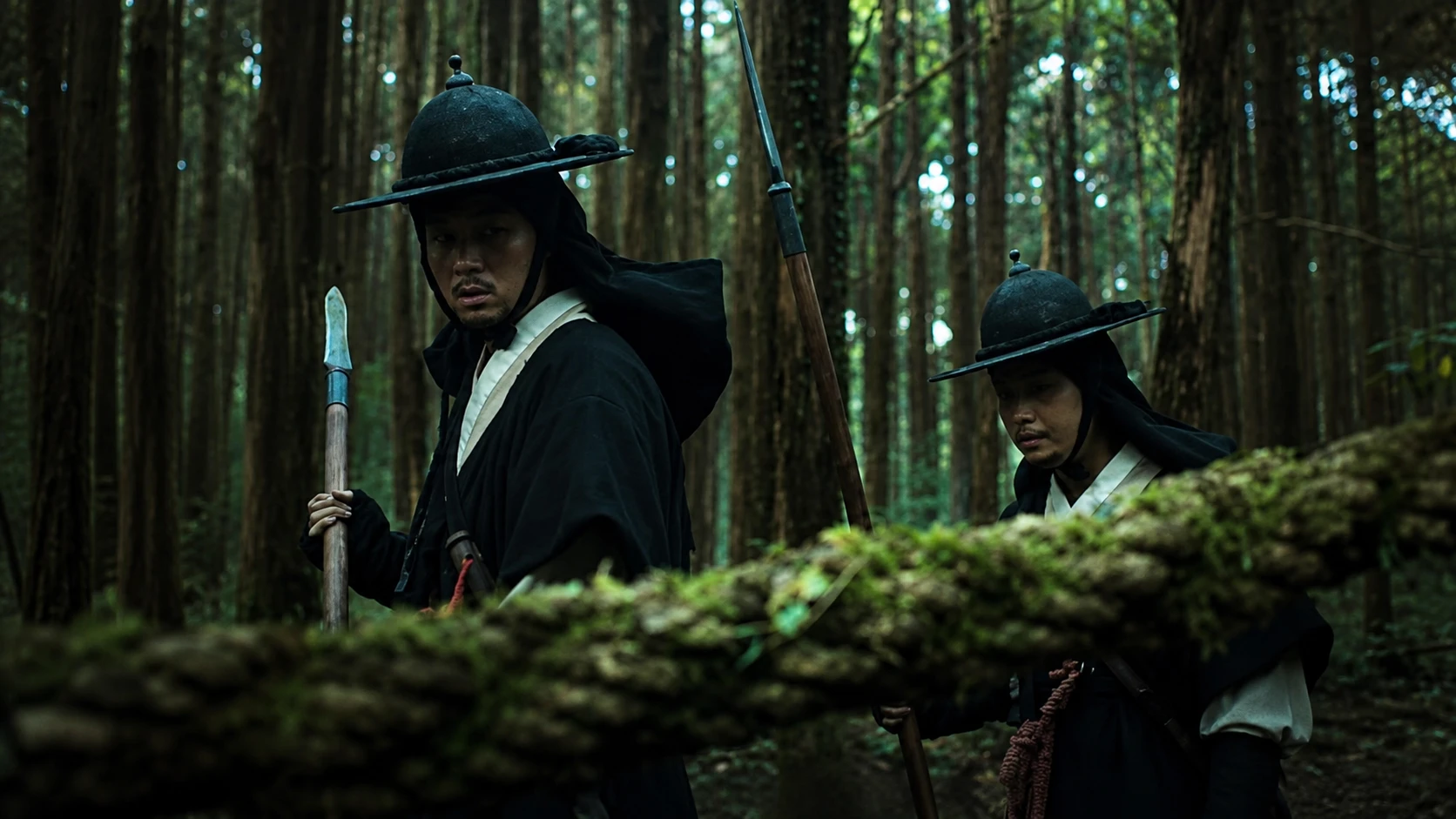
Min Chi-rok enters Ashin’s world as the Joseon military officer who recruits her father for undercover work among the Jurchen tribes — the kind of assignment that requires absolute mutual trust and, in practice, delivers none. What unfolds is the film’s most important scene, delivered with the quietest possible devastation: a frontier commander makes a calculation about acceptable losses, and an entire village pays for it. Ashin watches the consequences from a distance that will never feel far enough away.
Most revenge films spend ten minutes in the wound before rushing toward the weapon. Ashin of the North spends half its runtime in the wound. The years Ashin passes in the aftermath — surviving, learning, moving through a landscape that carries everything she has lost — are the film’s most patient and most unusual choice. She discovers the resurrection plant almost incidentally, in the course of studying the northern forests that no Joseon official ever bothered to map. The patience is the point: by the time she understands what she holds, the decision about what to do with it has already been made.
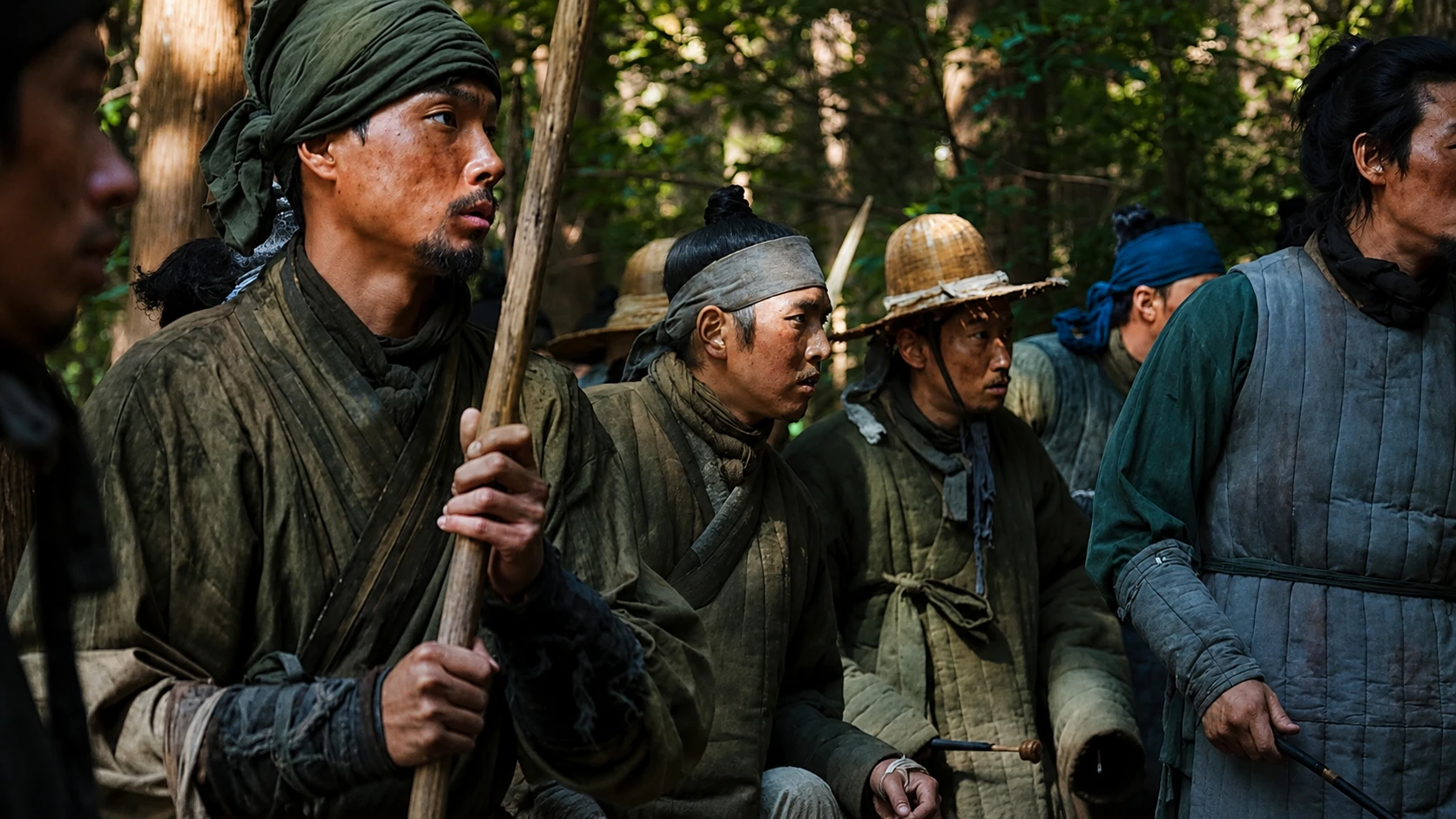
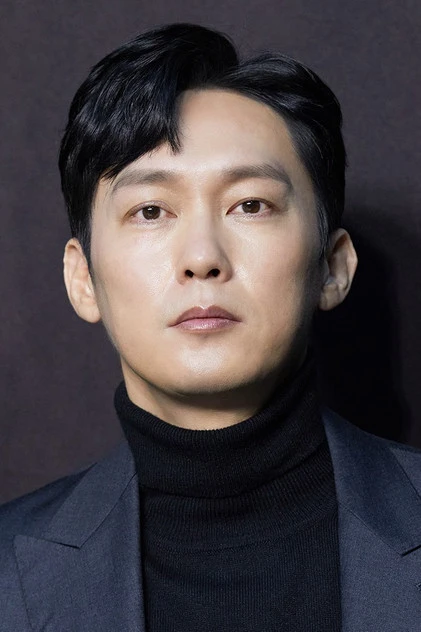
Park Byung-eun’s Min Chi-rok is not designed as a monster, which is the film’s most deliberate and most uncomfortable creative choice. He is a man of the system — pragmatic, disciplined, doing precisely what the Joseon military apparatus asks of a frontier commander with limited resources and hard political pressures. The film uses him to make a specific argument: that institutional cruelty does not require cruel men. It requires men who have decided their function is to manage populations rather than to know them. The horror of what happened to Ashin’s family is not that it was done in malice. It is that it was done in paperwork.
What separates this from other Kingdom-universe entries is the film’s insistence on staying entirely inside Ashin’s perspective and making you understand it before you judge it. You are not positioned to root against her. You are positioned to watch a logical conclusion arrive — which is the more unsettling request. By the time the supernatural horror fully appears, the zombie plague has already been reframed: the resurrection plant is not the source of the catastrophe. The decision that made it possible was made years before Ashin ever touched it.
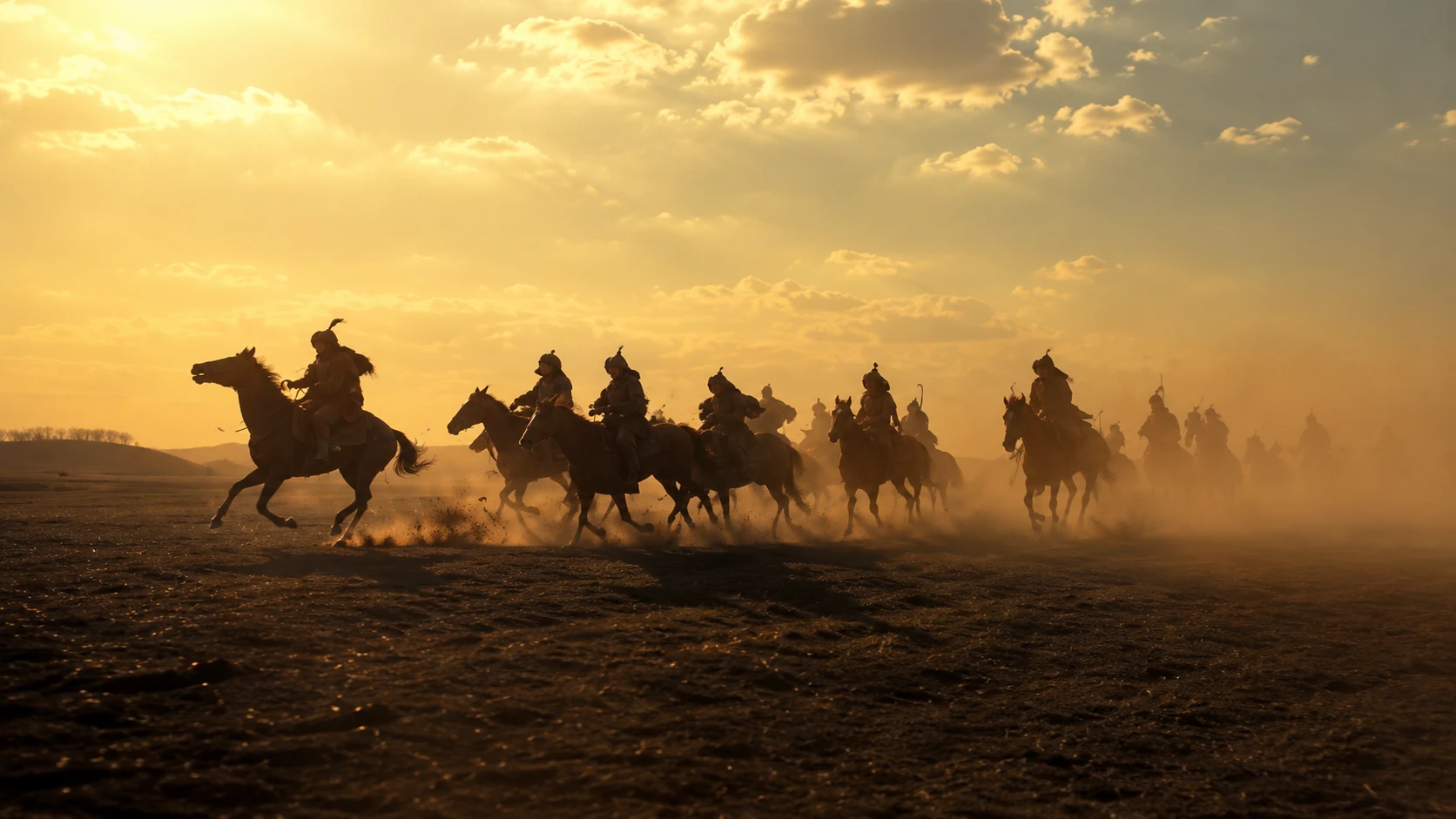
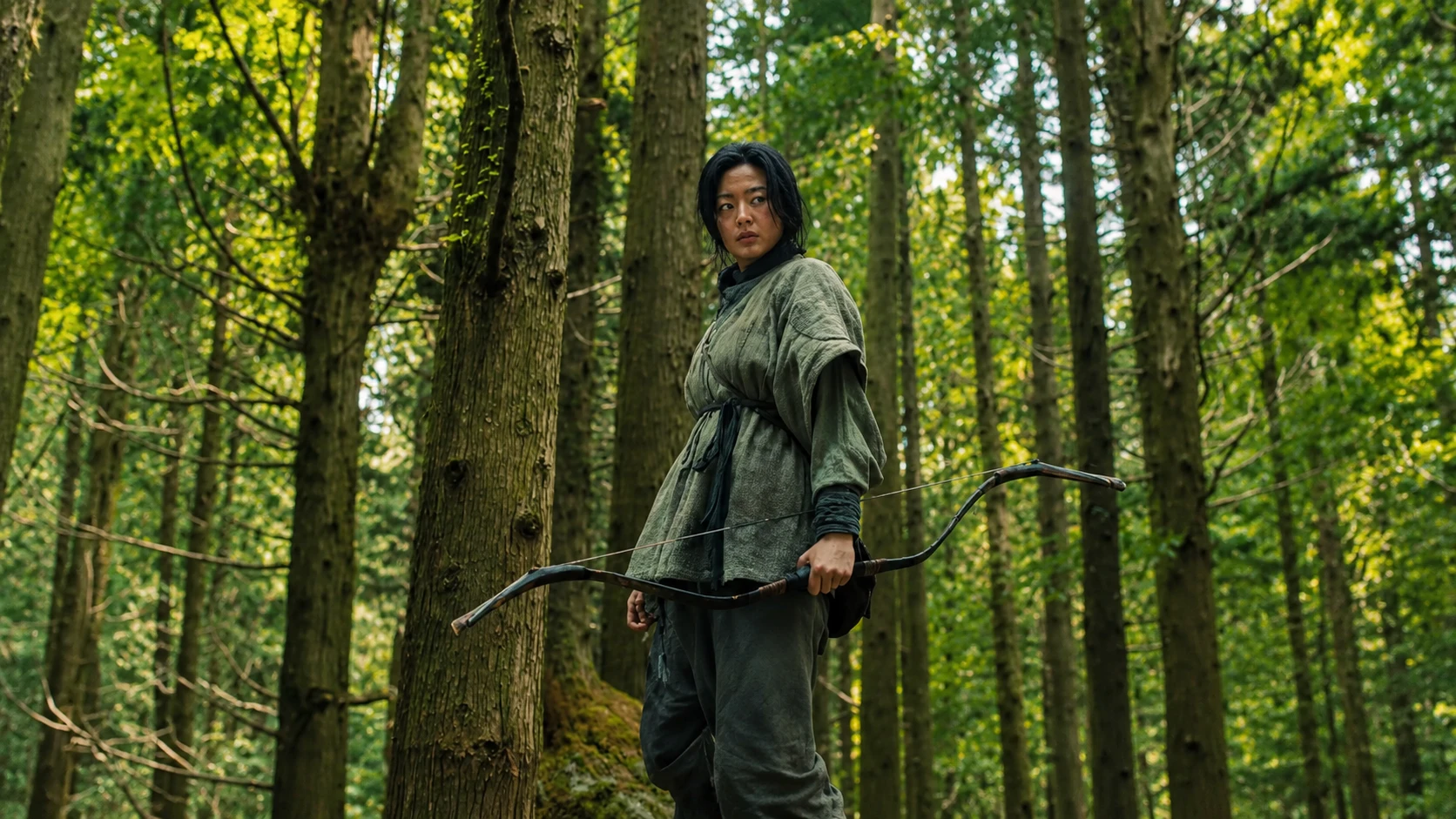
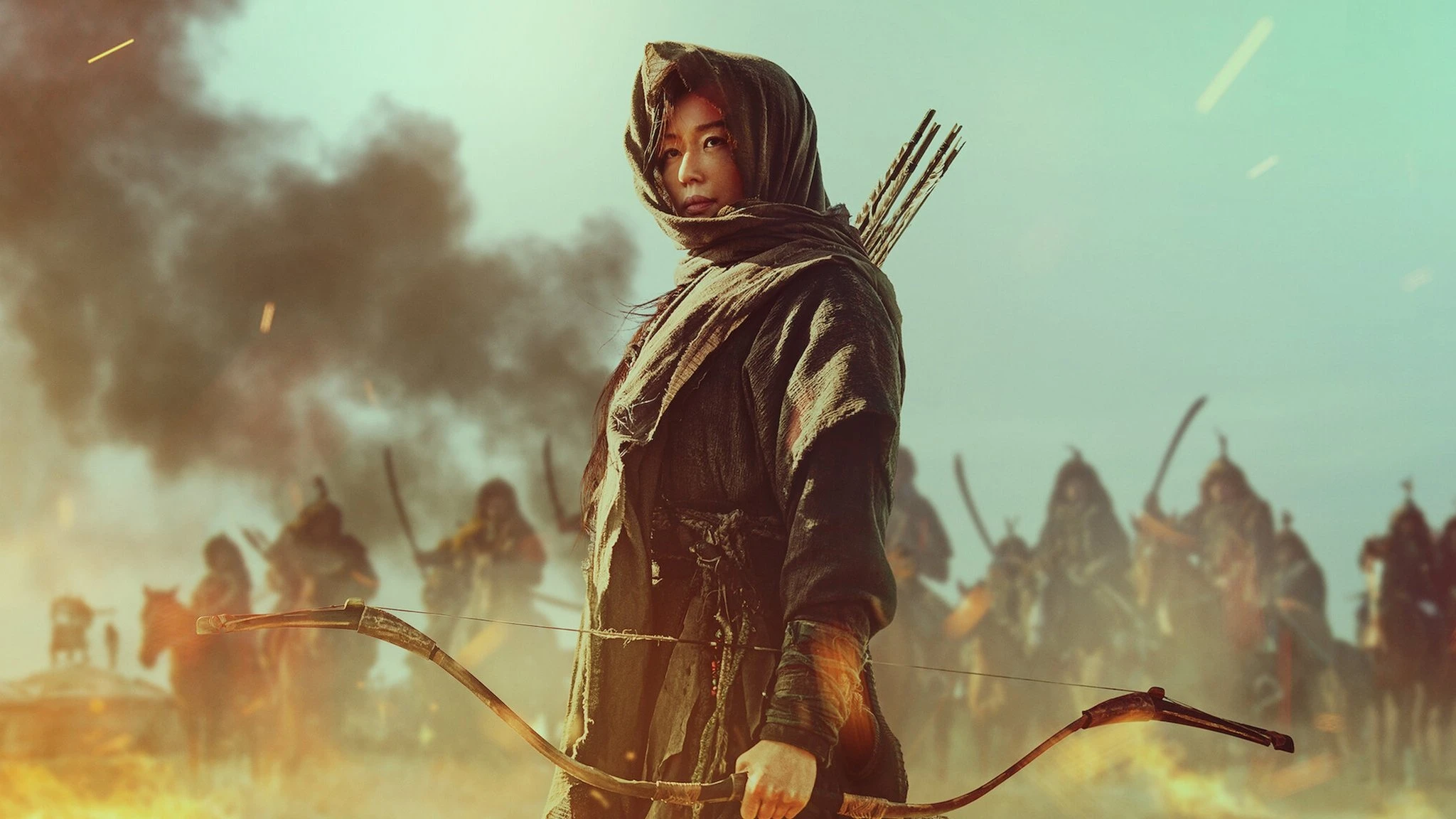
Jun Ji-hyun builds adult Ashin from silence. There are stretches of ten and fifteen minutes where she says almost nothing — where Director Kim Seong-hun holds on her face or her hands or the way she moves through a space, trusting the investment she has made to do what dialogue would flatten. The emotional register she sustains is grief so old it has calcified into something steadier and more dangerous. Not to perform the wound, but to perform the scar.
For viewers who have watched both Kingdom seasons, this film retroactively rewrites everything. The enigmatic woman at the end of Season 2 stops being a mystery and becomes a consequence — the product of a specific chain of institutional decisions, visible from a specific angle, at a specific cost. For viewers approaching this standalone, one piece of historical context makes it land harder: the Jurchen people depicted here are the ancestors of the Manchu, a real historical group whose complex and often violent relationship with the Korean border regions has been largely absent from popular historical memory. The film is doing something quiet with that absence.
🏁 Ending Explained
Full spoilers ahead — what happens, what it means, and why Ashin smiles.
Full Spoilers Ahead — This section covers the complete ending of Kingdom: Ashin of the North. Stop here if you haven’t watched.
What Actually Happens. Adult Ashin, in possession of the resurrection plant and years of precise planning, unleashes her vengeance on the Joseon soldiers and commanders responsible for destroying her family and village. She raises the dead from her massacred tribe and directs them against the men who once held absolute authority over her life. Min Chi-rok — the officer whose pragmatic frontier calculus set everything in motion decades earlier — finds himself facing the exact consequence of the decision he filed away as routine. Ashin is not frenzied in this sequence. She is exact. Composed. Completing a project she has been building in internal silence since she was a child watching men she thought would protect her choose otherwise. The film ends with her surrounded by the dead she commands, and with the clear implication that this is the precise moment the Kingdom plague truly begins.
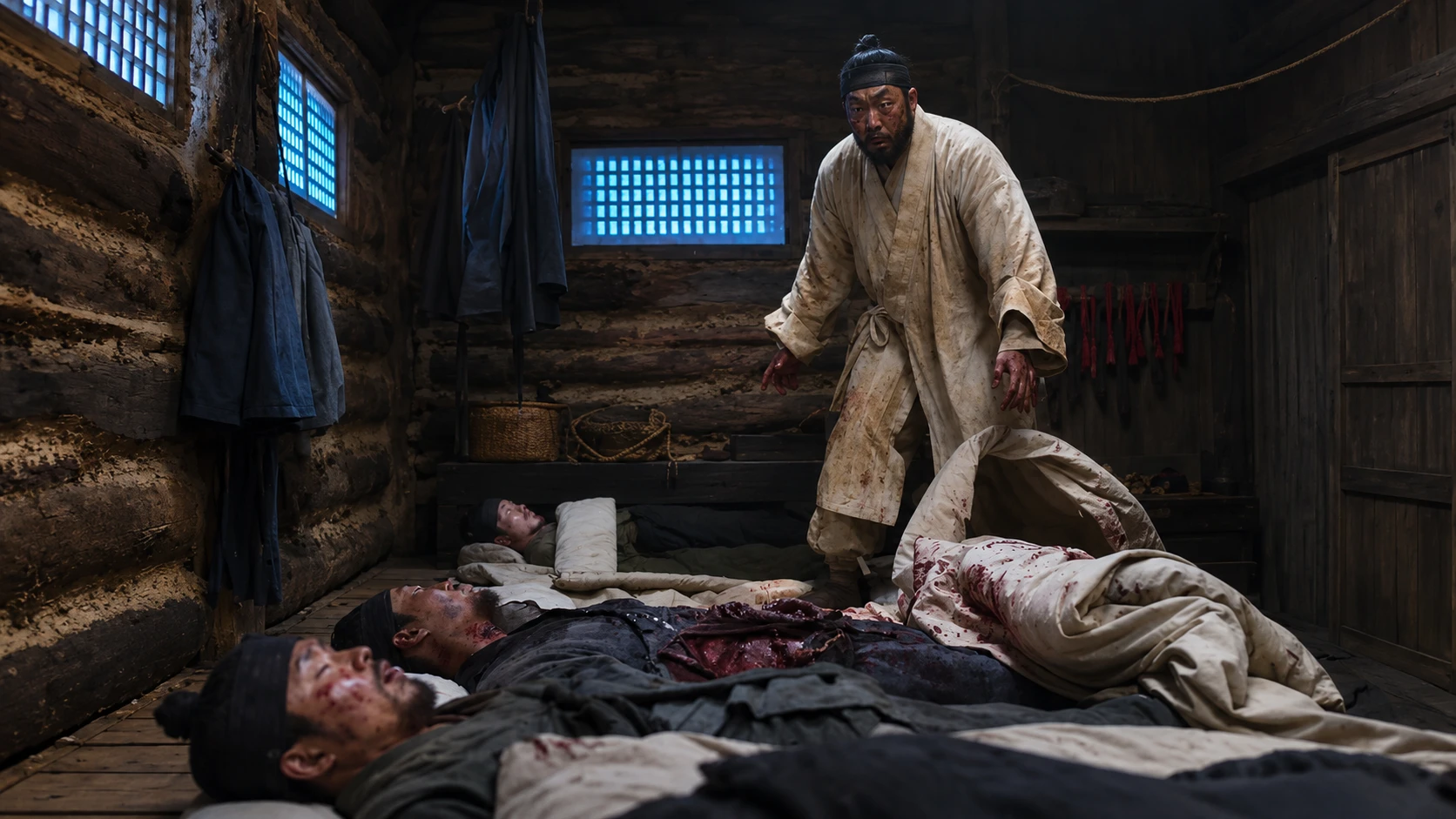
What the Ending Actually Refuses. The film declines the available satisfactions. Ashin’s victory is technically complete — everyone responsible for her loss is dead — and completely empty. The resurrection plant does not restore anything. It unmakes. What she has built is not a world without the men who destroyed hers. It is a world full of the dead they became. The ending makes a specific argument: the response to being systematically erased is not irrational fury. Under the right conditions, it is a systematic counter-erasure — patient, precise, and indistinguishable in its internal logic from the original act that produced it. The zombie apocalypse consuming Joseon is not a side effect of Ashin’s vengeance. It is its mirror.
What Did Ashin Actually Want? The film’s most debated moment is not the unleashing but the smile — the composed, almost satisfied expression she wears at the end, connecting to her reappearance at the close of Kingdom Season 2. The drama never resolves it, but three readings hold up under the film’s logic without canceling each other. The completed-revenge reading: the smile belongs to a woman who has achieved everything her grief demanded and now faces the unfamiliar problem of a world with no remaining purpose built into it. The still-building reading: the plague is not the endpoint but the opening move in something larger — possibly directed at the political structure of Joseon itself rather than only the soldiers who acted within it. The past-feeling reading: the smile is not satisfaction. It is the expression of someone who has moved through grief and rage and out the other side into something quieter and more permanent. None of these requires the others to be wrong.
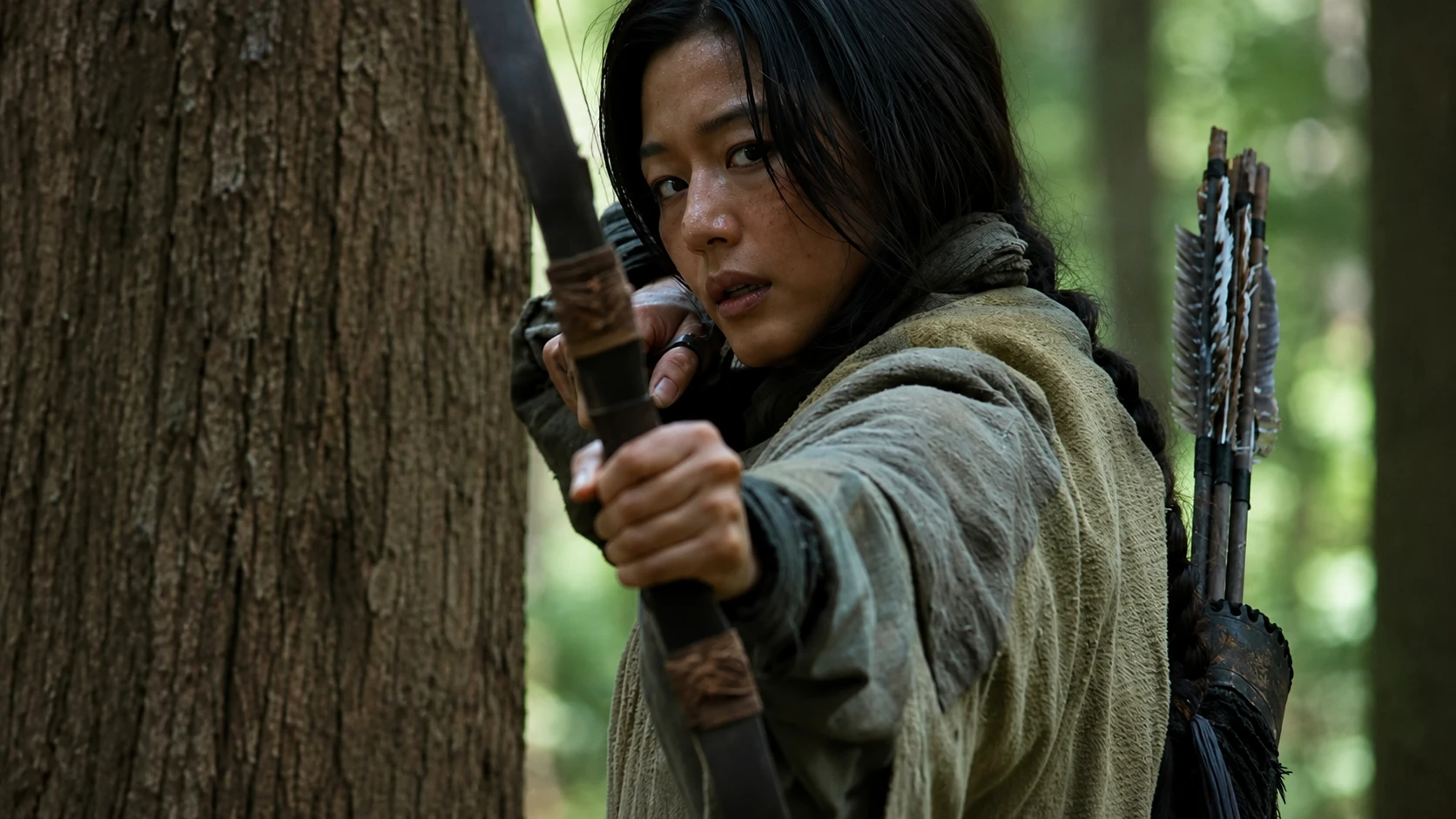
What “Ashin of the North” Actually Means. The title positions her geographically — a woman of the northern borderlands, outside the warm center of the Joseon world she will eventually destroy. But the north is not neutral geography here. It is the place where the empire’s authority ran thinnest and its care for its subjects ran out completely. The Jurchen villages existed at the margins precisely because they had been pushed there — held at the edges of the kingdom’s protection, useful as informants and scouts, expendable as communities. Ashin is “of the north” not as a descriptor. She is of the north because the south never claimed her. The plague begins at the border not because that is where the plant grew. It begins there because that is where the empire decided its people stopped mattering.
What You Notice on Rewatch. The early scenes carry a completely different weight the second time. Young Ashin’s careful observation of the Joseon soldiers — the long, quiet way she watches men who hold power over her village — reads on first viewing as a child’s wariness. After the finale, it reads as a child already cataloguing. Memorizing. The resurrection plant appears in the background of several early scenes without announcement; knowing its significance retroactively charges those frames with a dread the film deliberately withheld. The first act is not slow. It is loading.
✍️ KDramaWorlds Editor’s Take
Is it worth your time? Here’s our honest take, and who it suits best.
Kim Seong-hun
Known for: Kingdom Season 1 (2019) · Kingdom Season 2 (2020)
Jun Ji-hyun has spent thirty years accumulating a specific kind of authority — the kind that lets an actor walk into a frame without speaking and rearrange the emotional geometry of everything in it. Her signature roles share almost nothing in genre but share one quality: she is always the most dangerous person in any room she enters, and she makes that feel earned rather than stated. Ashin of the North is her most demanding performance precisely because it asks her to build that authority from zero — from a child who has nothing, across 92 minutes and decades of story time, into the woman who will bring down a dynasty. She does it almost entirely in her body. There are scenes in the second half where Jun Ji-hyun says nothing for minutes at a stretch, and the screen never feels empty once.
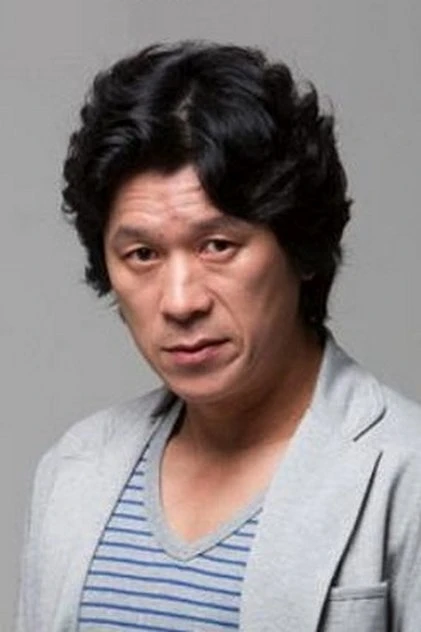
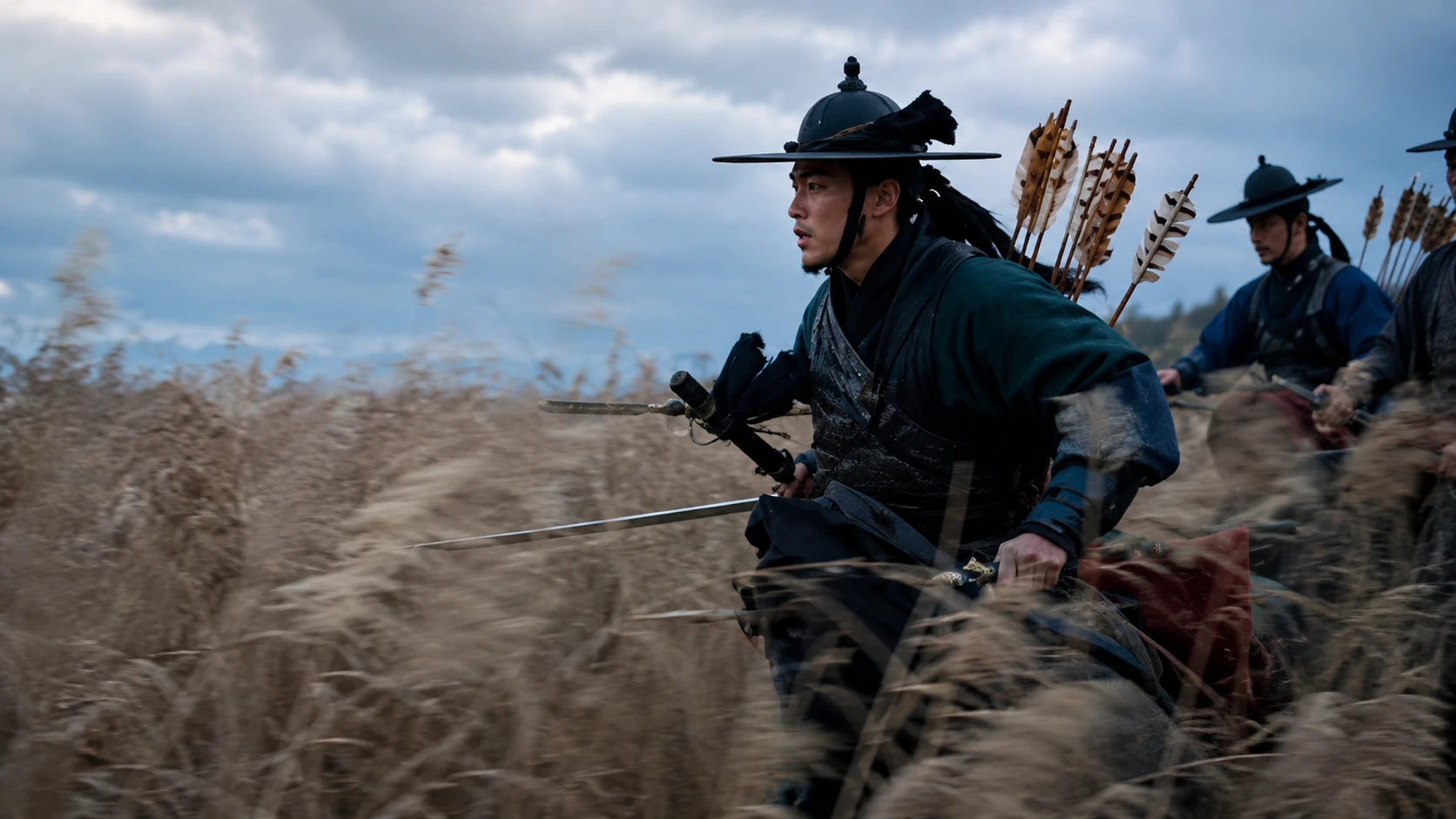
Park Byung-eun’s Min Chi-rok is the film’s most demanding performance in the opposite direction — it requires complicity without malice, sustained across what amounts to a decade of screen time, with almost no cathartic release available. He never sneers. He never monologues. He simply continues making the calculations his position requires, and the horror accumulates in the gap between his professional composure and what those calculations cost. Kim Roi-ha’s Tahab anchors the first act with a quiet dignity that makes the betrayal more devastating than any amount of dramatization would: this is a man who believed in the system so completely that its abandonment of him registers as confusion rather than outrage — which is the more unbearable face for the scene to wear. Koo Kyo-hwan’s Aidagan operates at the film’s most compressed frequency: a Jurchen character in the same trapped-between-worlds position as Ashin, who arrived at a different conclusion about what that demands, which the film never fully explains and doesn’t need to.
The film’s primary limitation is also its most honest quality: it is a missing chapter, not a standalone feature, and viewers who approach it without the Kingdom series context will get a beautiful, slow-burning historical horror film and miss about half of what it is doing. For everyone else — for viewers who watched the end of Season 2 and needed to understand the woman with the smile — this is not optional. Exhuma and this film share more than genre: both use historical horror as the only frame large enough for what they are actually about — the weight of what gets buried and what it costs when it surfaces. Kingdom Season 2 is where you’ll see Ashin’s smile land in real time — and where this film’s 92 minutes will suddenly feel like they were always the most important 92 minutes in the franchise.
Jun Ji-hyun admirers who want to see her at her most disciplined
Viewers who prefer their horror patient and atmospheric over visceral
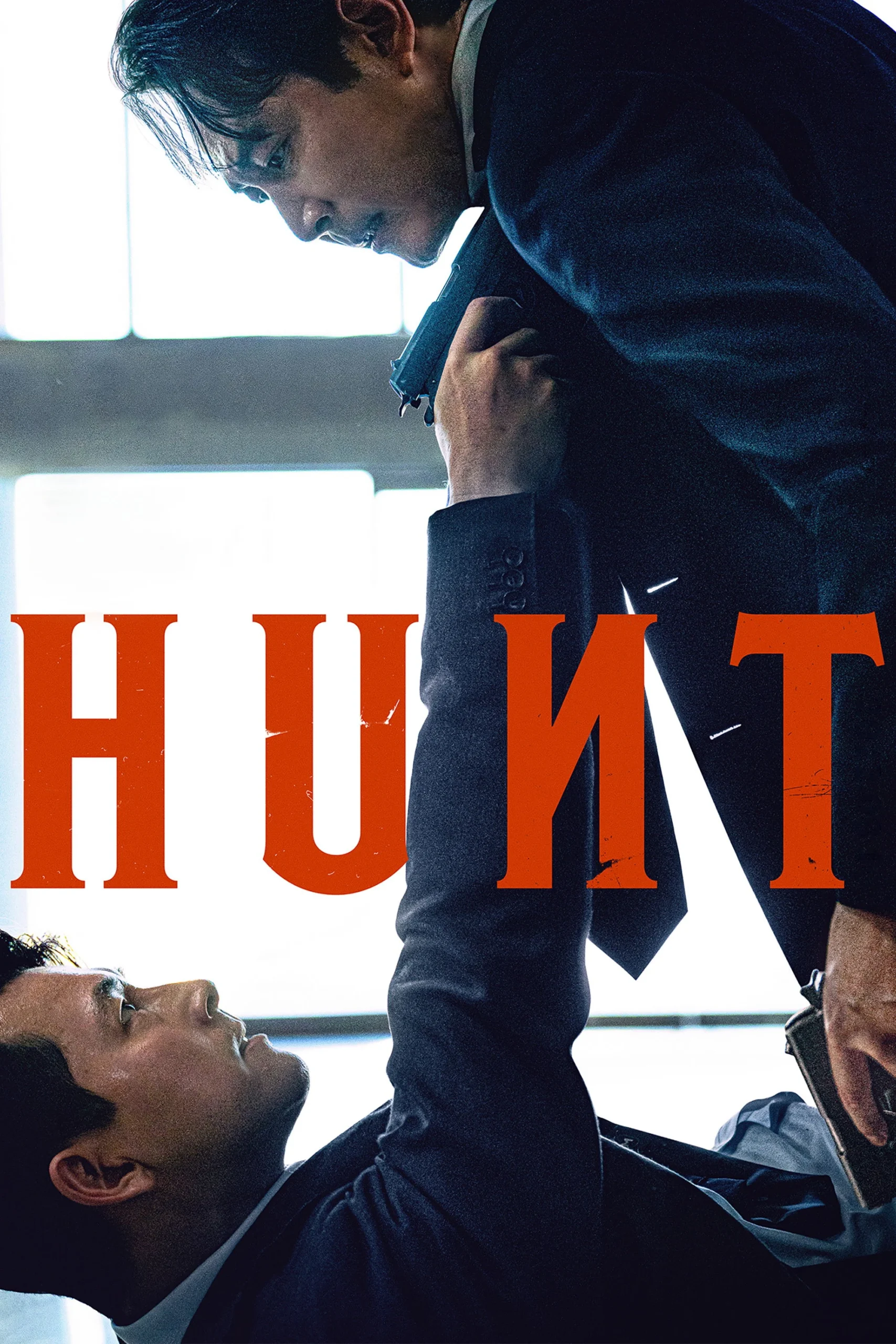
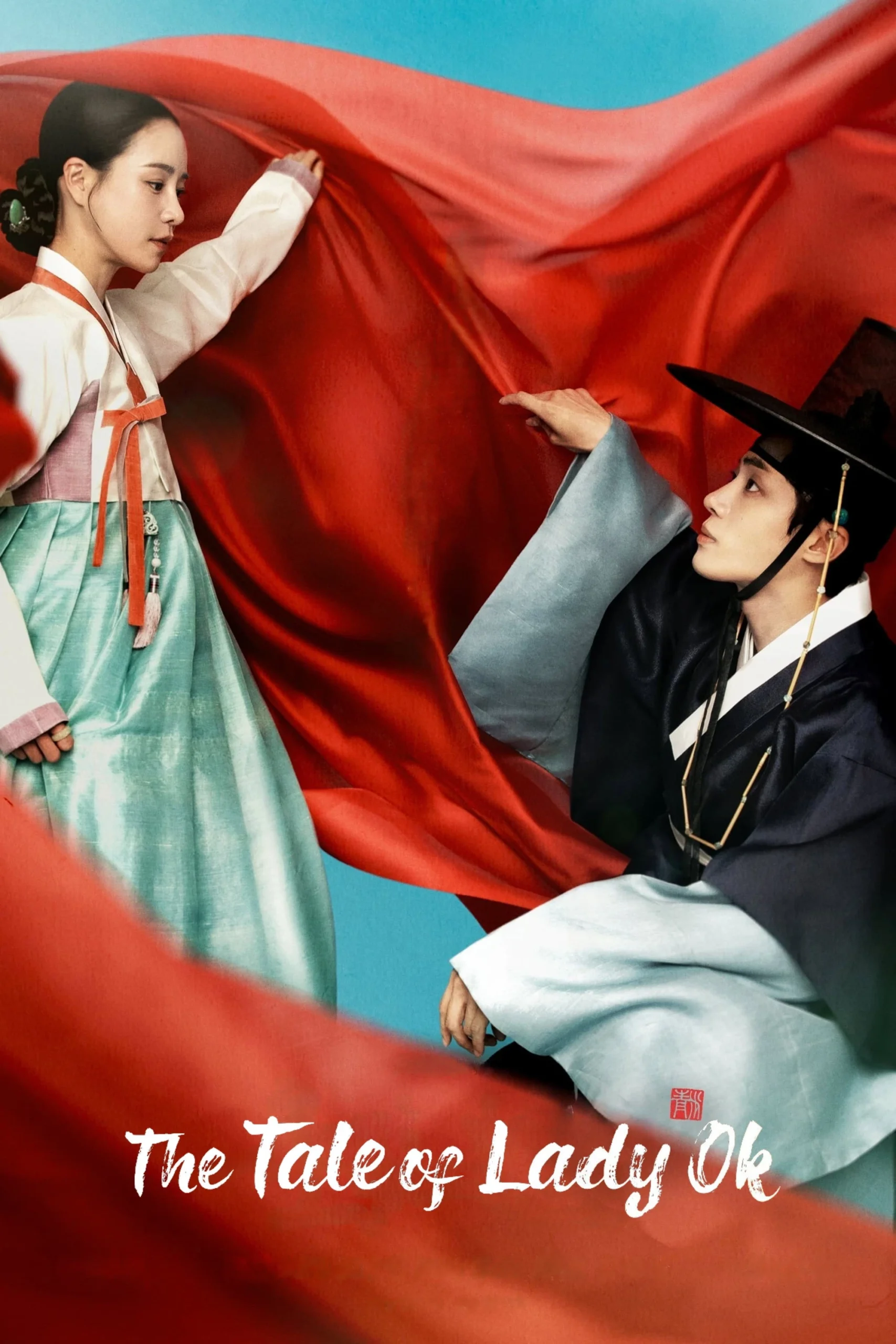
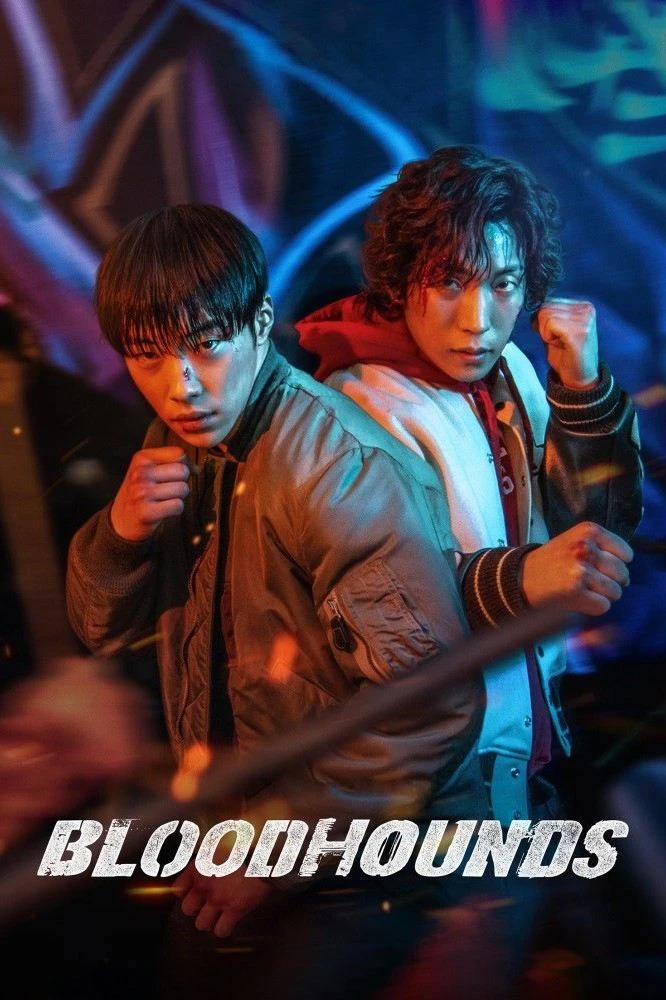
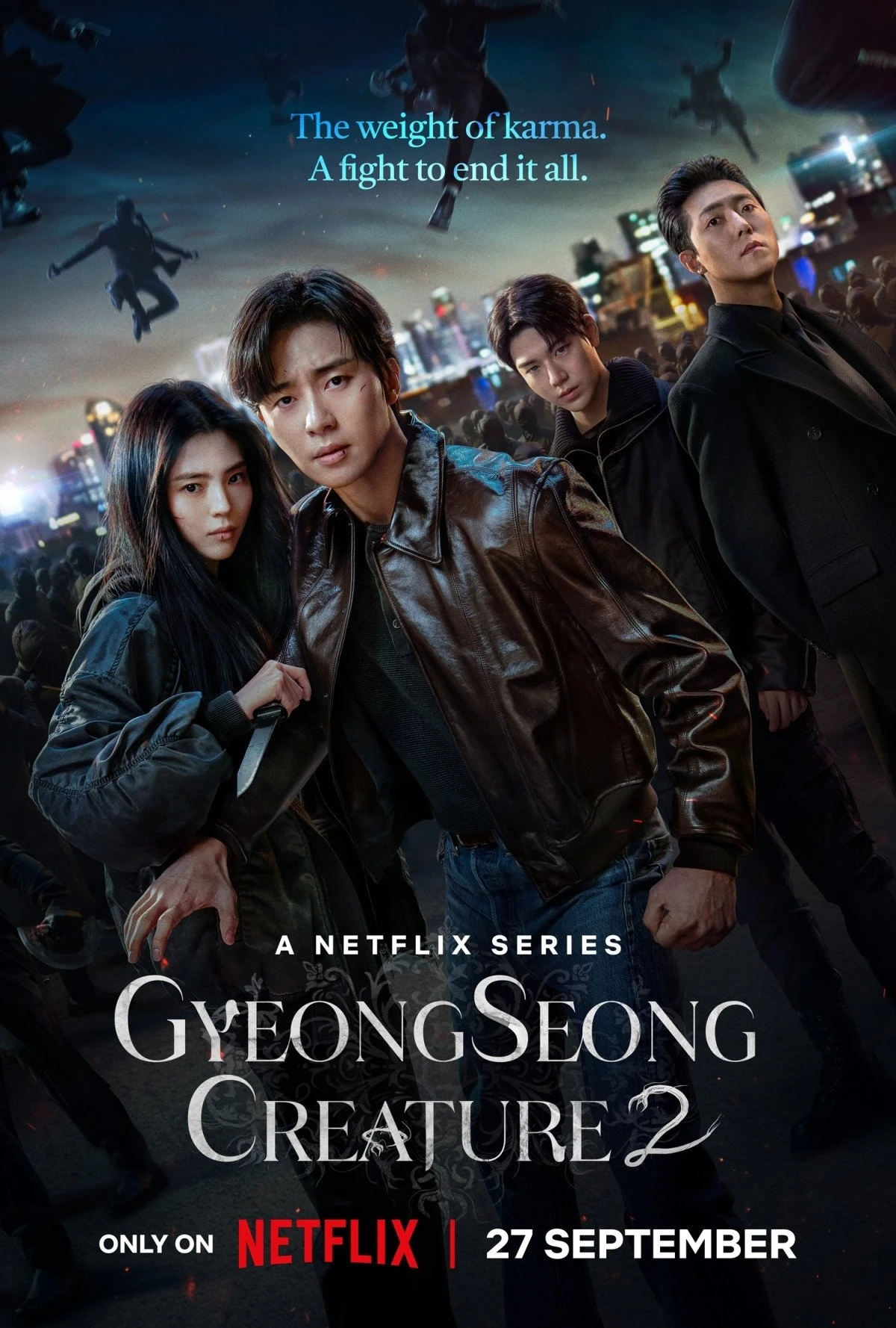
🎬 You Might Also Like
If you liked Kingdom: Ashin of the North, these are your next three watches.












Keep it kind, skip the harsh language, and please — no spoilers. Everyone's taste is different, and that's perfectly fine.
This space is for real reactions and discussion from other viewers. Help keep it comfortable for everyone by not giving away major plot details.
What do you think of this drama?
Login to share your review or leave a comment.
No email needed — just pick a username & password.