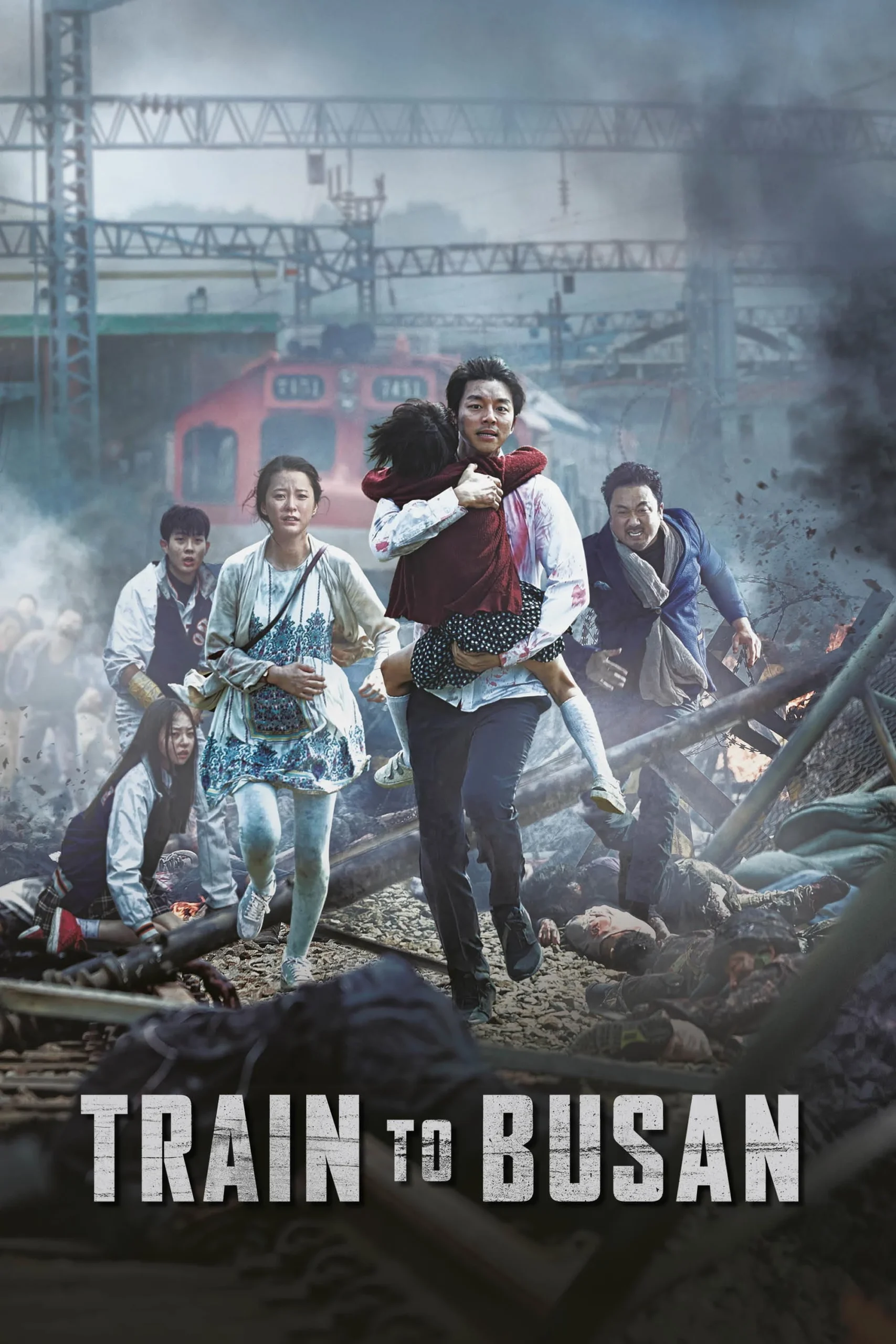
Train to Busan
🎬 Film Overview
A sudden viral outbreak turns South Korea into a disaster zone, trapping passengers on a KTX train bound for Busan. As the infection spreads car by car, a father and his young daughter must navigate panic, selfishness, and sacrifice to survive. The train becomes a sealed battleground where strangers are forced to decide who they are when fear takes over — and the journey toward Busan becomes less a race for safety than a test of what people owe each other when everything collapses.
⚡ Quick Verdict
The short version — everything that matters, boxed up.
· IMDb
· 8.9 / 10 MDL
· 95% RT Critics
· 89% RT Audience
▶ Official Trailer
🎭 Cast & Characters
Twelve passengers, one train, and a fight that never lets up.

Lead

Lead

Lead

Lead

Supporting

Supporting

Antagonist

Supporting

Supporting

Supporting

Supporting

Supporting
📖 The Story
A spoiler-free look — enough to know if this one’s for you.
Seok-woo is a fund manager in Seoul, the kind of man whose phone is always ringing and whose calendar always wins. He is sharp, successful, and quietly exhausted — divorced, living alone, and increasingly absent from the life of his young daughter Soo-an. She knows the shape of his apologies better than the shape of his attention: a gift bought twice, a promise rescheduled, a birthday remembered a day late. Their apartment is comfortable and their relationship is not, and the film opens on the small, ordinary tension of a father who keeps meaning to do better and keeps running out of time.
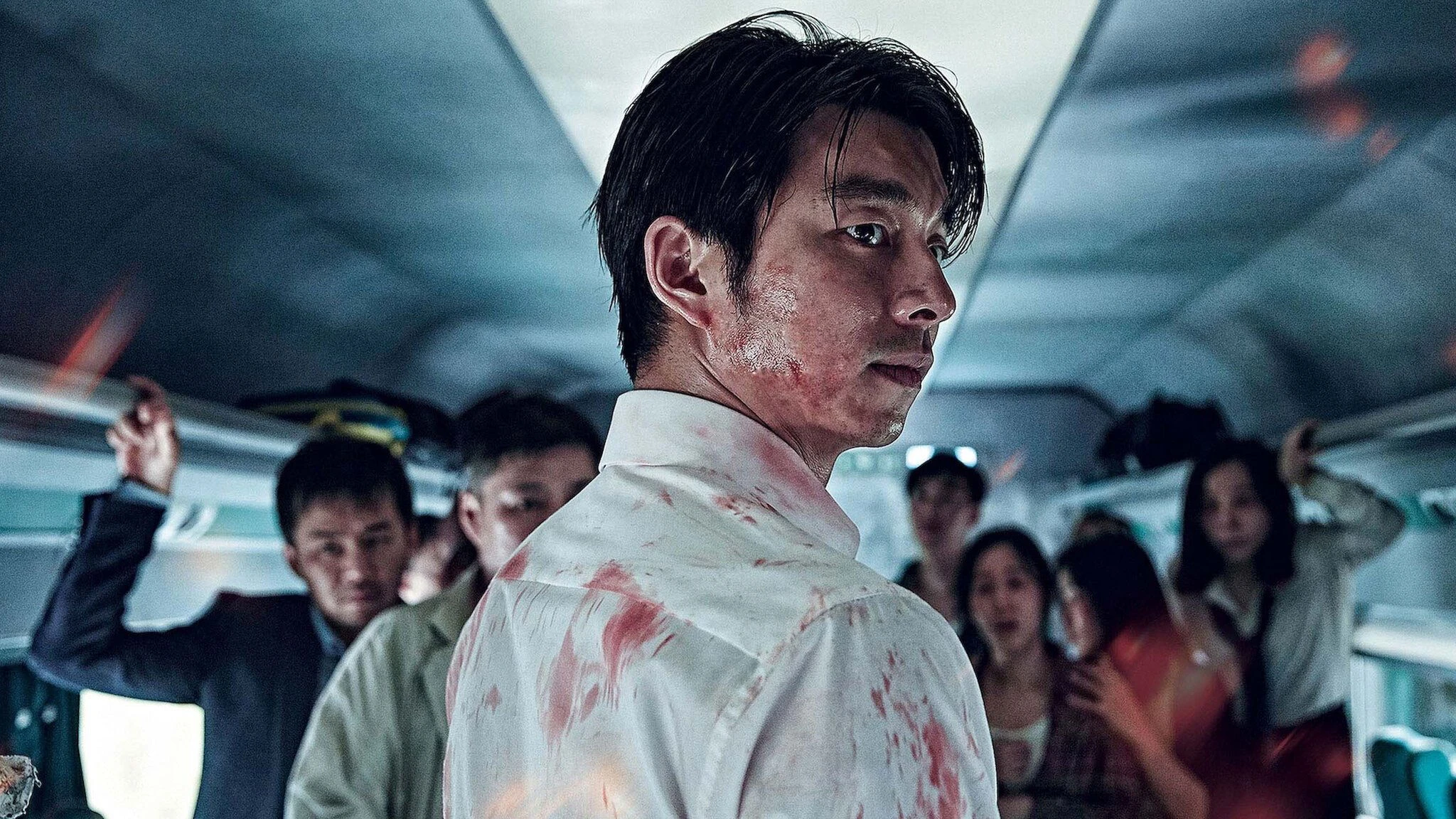
Soo-an’s birthday wish is simple: she wants to go to Busan to see her mother, who she hasn’t visited in months. Seok-woo, guilty and out of excuses, agrees to take her himself on the early KTX the next morning. It is meant to be a short trip — a few hours there, an obligation fulfilled, business as usual by evening. But just before the train pulls out of Seoul Station, a young woman stumbles aboard, bleeding, twitching, clearly very sick — and clearly running from something. Within minutes of departure, what looked like an ordinary commute becomes something else entirely.
What’s at stake is never just survival in the abstract — it’s a father’s last chance to become the parent his daughter actually needs. As the infection spreads from car to car, Seok-woo is forced into decisions that strip away every excuse he’s ever used to avoid being present. Every locked door, every choice to help or not help a stranger, becomes a referendum on the kind of man he’s been and the kind of man Soo-an deserves him to become. The train’s narrow aisles make distance impossible — there is nowhere to retreat to, and no schedule to hide behind.

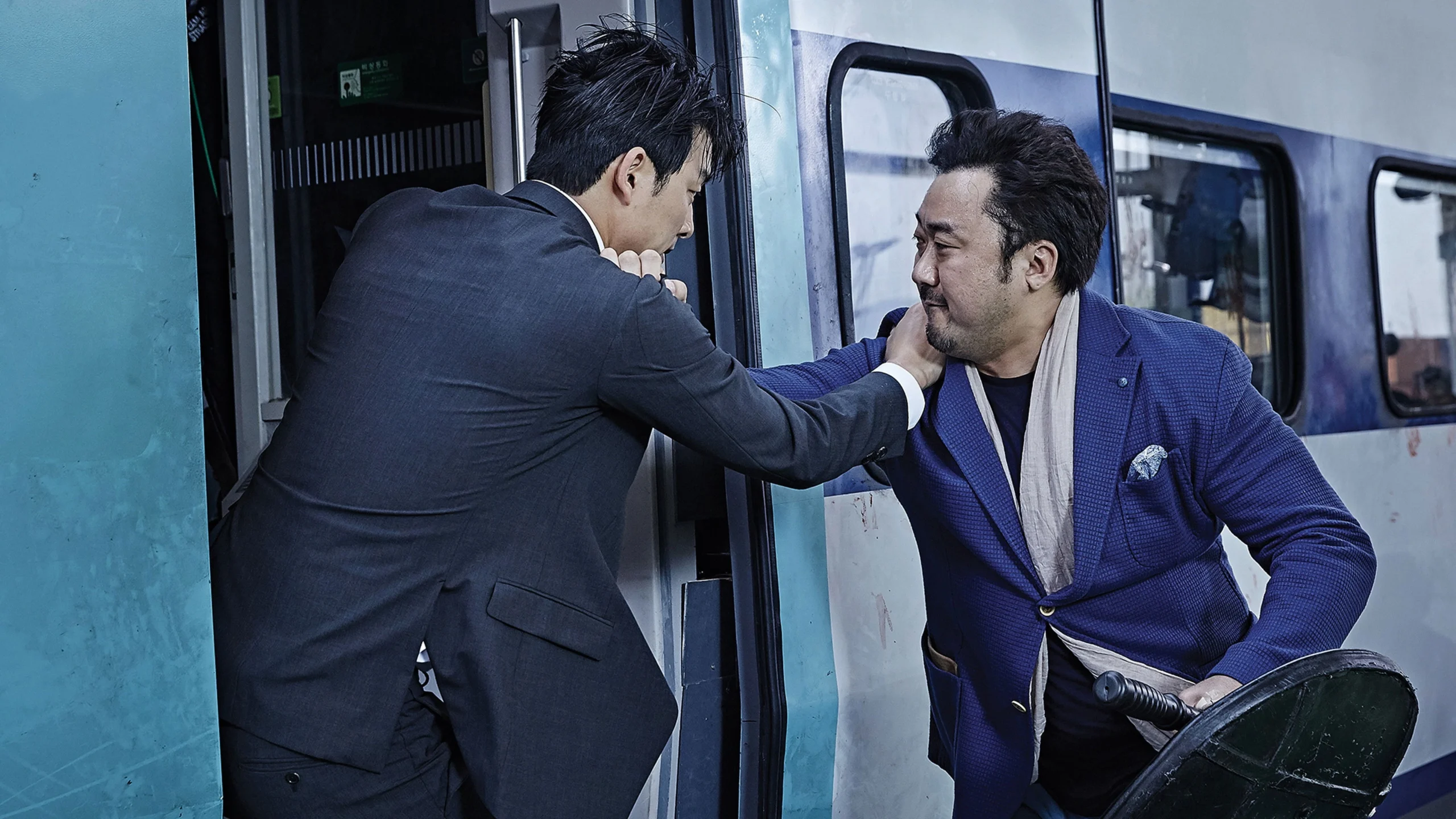
Seok-woo and Soo-an aren’t alone in this fight, and the film’s emotional center widens quickly to include the people around them. Sang-hwa, a blunt, broad-shouldered man traveling with his pregnant wife Seong-kyeong, brings a physical courage and plainspoken decency that Seok-woo initially lacks. A young baseball player, Yong-guk, and his teammate Jin-hee navigate fear and first feelings for each other in the same breath. Two elderly sisters, In-gil and Jong-gil, and a well-dressed businessman named Yon-suk round out the group — and not everyone on this train is going to make the same choices when it matters.
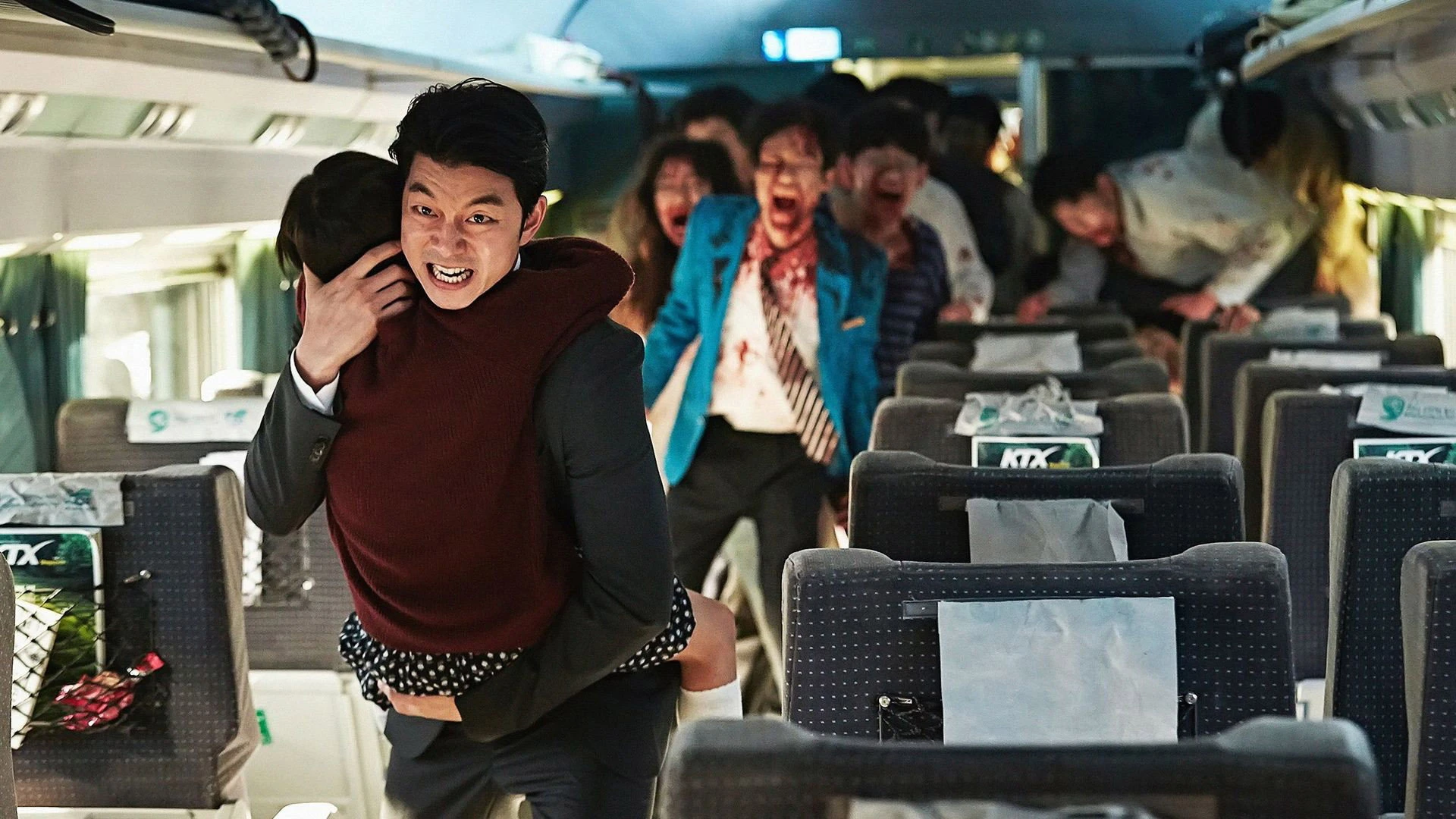
What sets Train to Busan apart from other entries in its genre is how tightly it fuses spectacle with intimacy. The film never stops moving — zombies surge through cars in tightly choreographed waves of chaos — but it keeps cutting back to small, human-scale moments: a hand held through a gap in a door, a half-eaten snack passed between strangers, a child singing to calm her own fear. The train itself becomes a kind of moving microcosm of society, where class, manners, and self-interest matter just as much as raw survival instinct. Few films manage to make you grip your seat and well up in the same scene, but this one does it repeatedly.
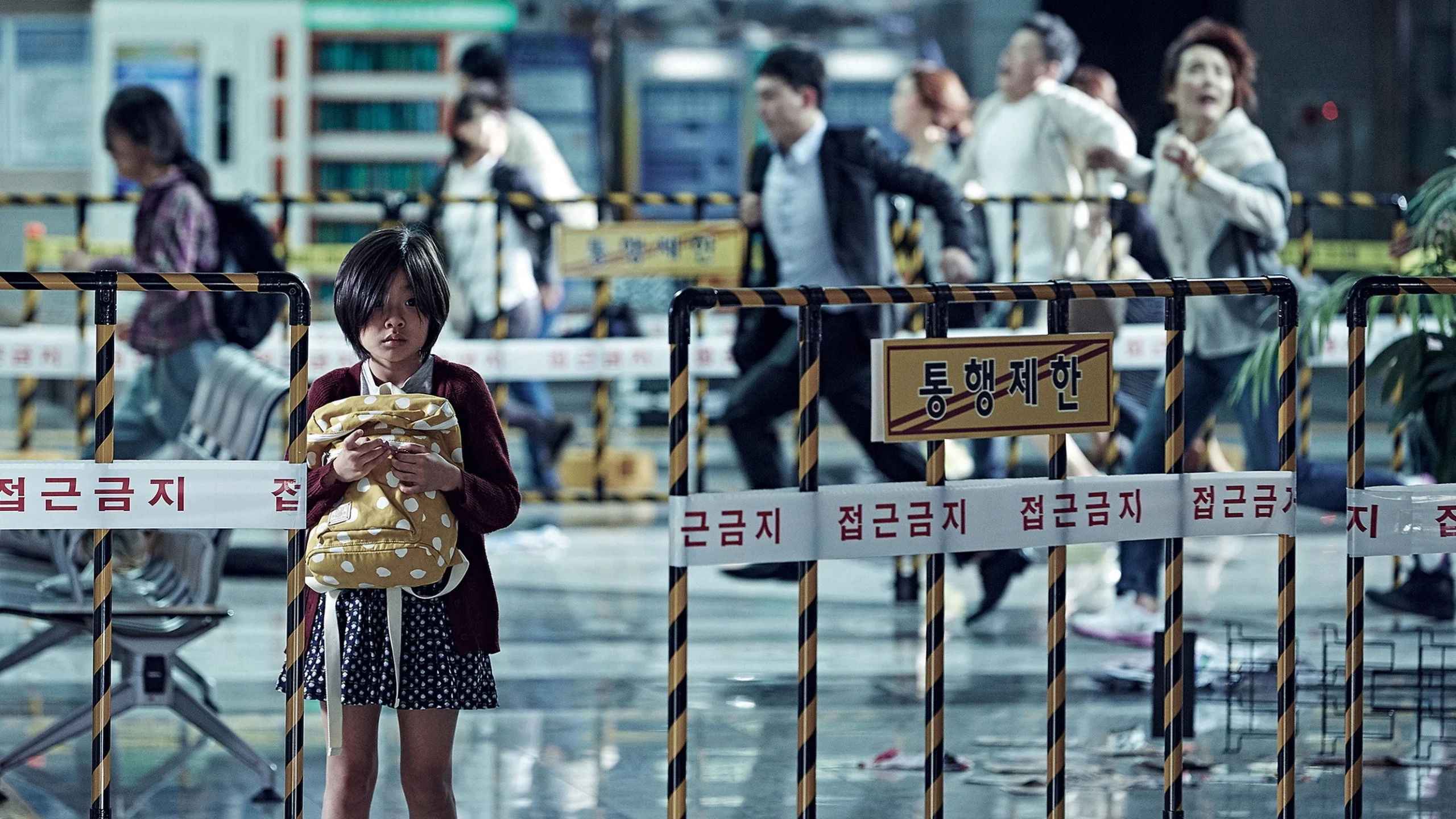
Tonally, the film is relentless in the best sense — fast, tense, and almost breathless once it gets going, with action sequences that feel genuinely dangerous rather than choreographed for comfort. But director Yeon Sang-ho never lets the pace flatten the people inside it. There are pockets of quiet between the chaos — exhaustion, fear, small kindnesses — that give the violence real consequence. The result is a film that feels both viscerally exciting and quietly devastating, often within the same ten minutes, without ever feeling manipulative about it.
For audiences outside Korea, it helps to know that Train to Busan landed at a moment when Korean society was already deeply preoccupied with questions of public safety, institutional trust, and who gets left behind in a crisis. The film’s depiction of panic, hierarchy, and self-interest breaking down under pressure resonated with audiences who had recently lived through real disasters where official responses fell short. Busan, in the film, isn’t just a destination — it’s a symbol of safety that the story constantly tests, asking whether the systems meant to protect people will hold when it matters most. That context is part of why the film became such a phenomenon at home, not just abroad.
🏁 Ending Explained
Full spoilers ahead — what happens, what it means, and why the ending hits the way it does.
Full Spoilers Ahead — This section covers the complete ending of Train to Busan. Stop here if you haven’t watched.
Seok-woo is bitten while protecting the people he’s fought the whole film to save. In the final stretch, as the survivors push toward the last tunnel before Busan, Seok-woo is bitten while clearing a path for Soo-an and Seong-kyeong. Knowing what’s coming, he doesn’t panic or beg — he gets them moving, gives them what they need to make it the rest of the way alone, and then deliberately separates himself before the infection takes hold completely. His last lucid moments are spent making sure his daughter has a future, even though he won’t be part of it.
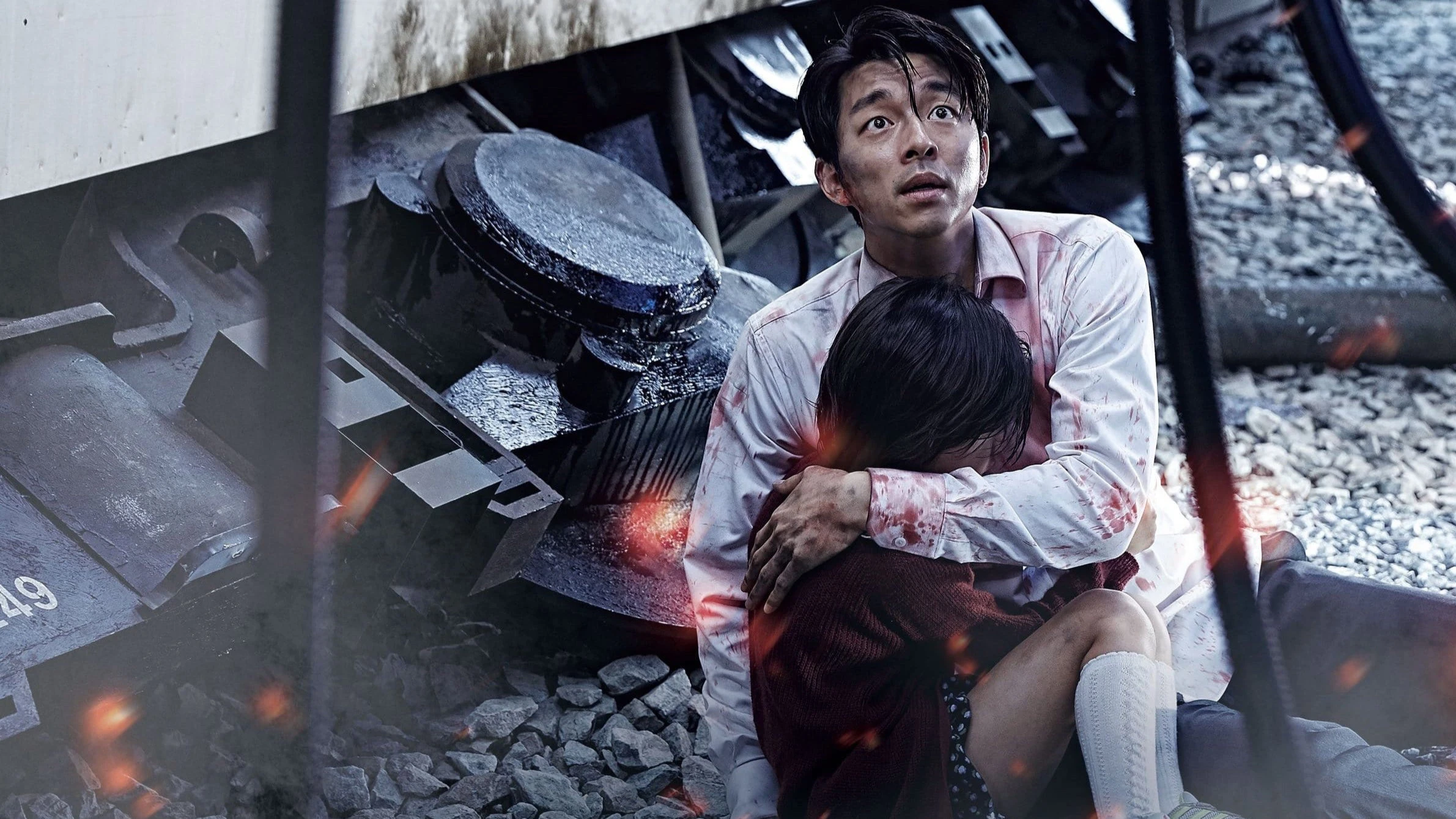
The ending reframes the entire film as a story about learning love through action rather than words. Seok-woo spends the first act treating fatherhood like a debt he keeps meaning to pay down later — gifts instead of presence, apologies instead of change. His final act flips that completely: for the first time, he puts someone else’s survival entirely ahead of his own, with no audience and no chance to be thanked for it. The redemption doesn’t undo the years of distance, but it does finally match the love he should have been showing all along — just in the only currency that, by then, still means anything.
The film’s final minutes leave one deliberate ambiguity: how the soldiers near the tunnel exit will react to Soo-an and Seong-kyeong. Exhausted, grieving, and uncertain whether the two survivors are infected, the soldiers hesitate with weapons raised. Soo-an begins to sing — the same song her father once brushed off hearing at her school recital — and it’s her voice, recognizably human and frightened, that makes the soldiers lower their guns. Some viewers read this as a clean note of hope: a child’s humanity cutting through the chaos. Others read it as bleaker — a world so far gone that a person has to audition for the right not to be shot. The film doesn’t pick one reading for you, and both sit comfortably side by side.
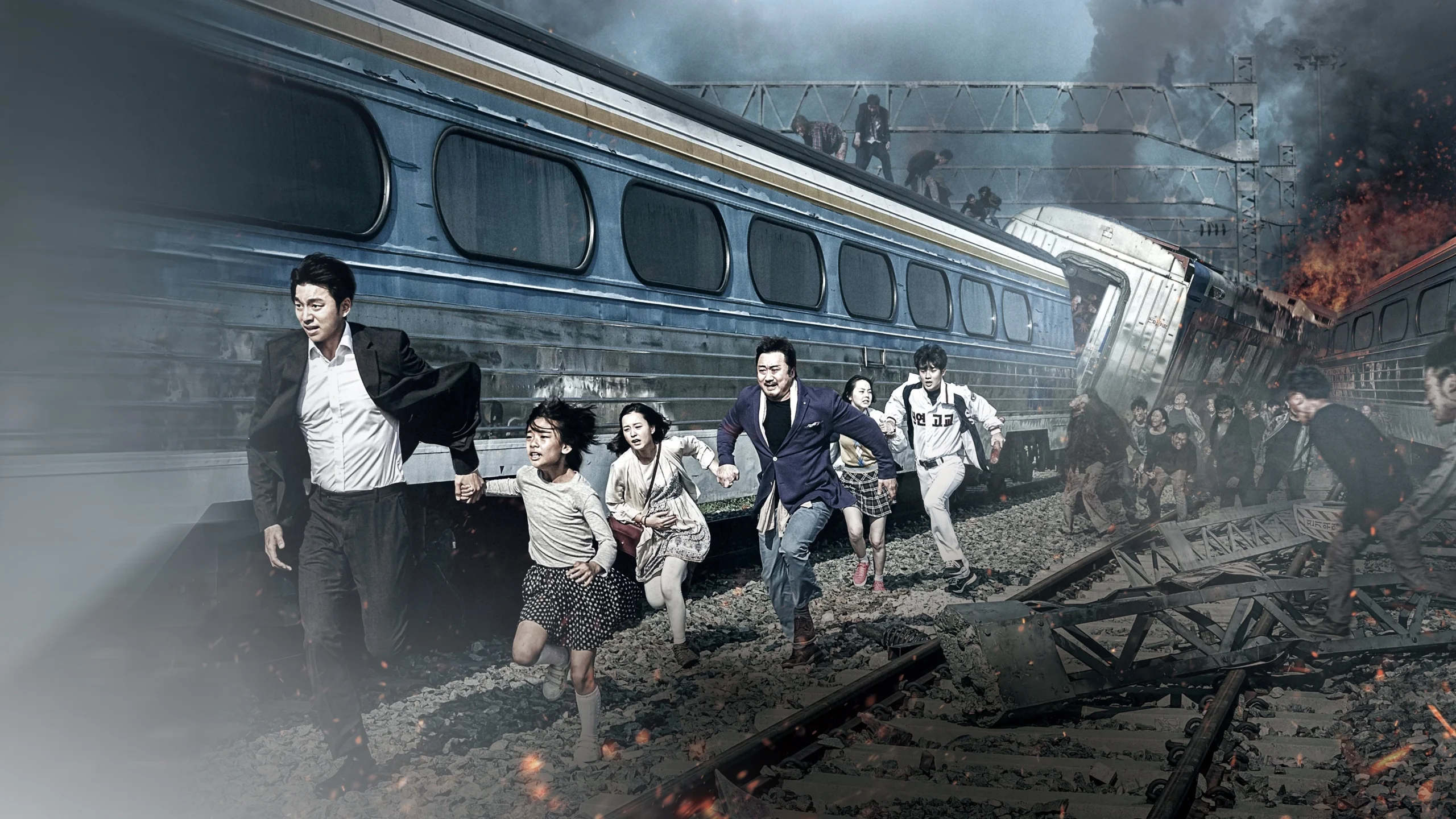
Seok-woo’s sacrifice doesn’t happen in isolation — it’s the culmination of a pattern the film builds throughout. Sang-hwa dies clearing the way for the others with the same blunt physical courage he’s shown the whole film, going out exactly as the character he was established to be. The quiet, almost unnoticed homeless man becomes, in his own way, one of the film’s clearest moral compasses by the end. Even minor characters who seemed disposable earlier turn out to matter — the film keeps insisting that everyone on this train, however briefly we see them, is part of the same argument about what people owe each other when the rules disappear.
The strongest reading of the ending is that it’s ultimately about memory outlasting violence. Soo-an’s song is the proof that her father’s sacrifice mattered — the absent dad finally gave her something that survives him: a future, and the voice to ask for it. The film’s final image doesn’t erase what was lost to get there; it simply places love and grief side by side and refuses to separate them. Watching the opening again afterward, every early sign of Seok-woo’s distraction reads differently — not just characterization, but the emotional debt the ending was always going to collect. In a world that’s collapsing, the most radical thing left to do is protect someone else long enough for hope to keep going.
✍️ KDramaWorlds Editor’s Take
Worth watching or not — our honest read, and who it’s for.
Yeon Sang-ho
Known for: Peninsula (2020) · Hellbound (2021)
Gong Yoo had already proven he could be a movie star, but Train to Busan is the film that proved he could disappear into a character who, for most of the runtime, isn’t especially likeable. Seok-woo is closed-off, transactional, and visibly impatient with his own daughter — and Gong Yoo never softens that to make him easier to root for. That’s exactly why the shift in the final act lands so hard. He doesn’t play the change as a sudden personality swap; he plays it as a man finally catching up to feelings he’s been suppressing for years, in real time, with no time left to waste on it.
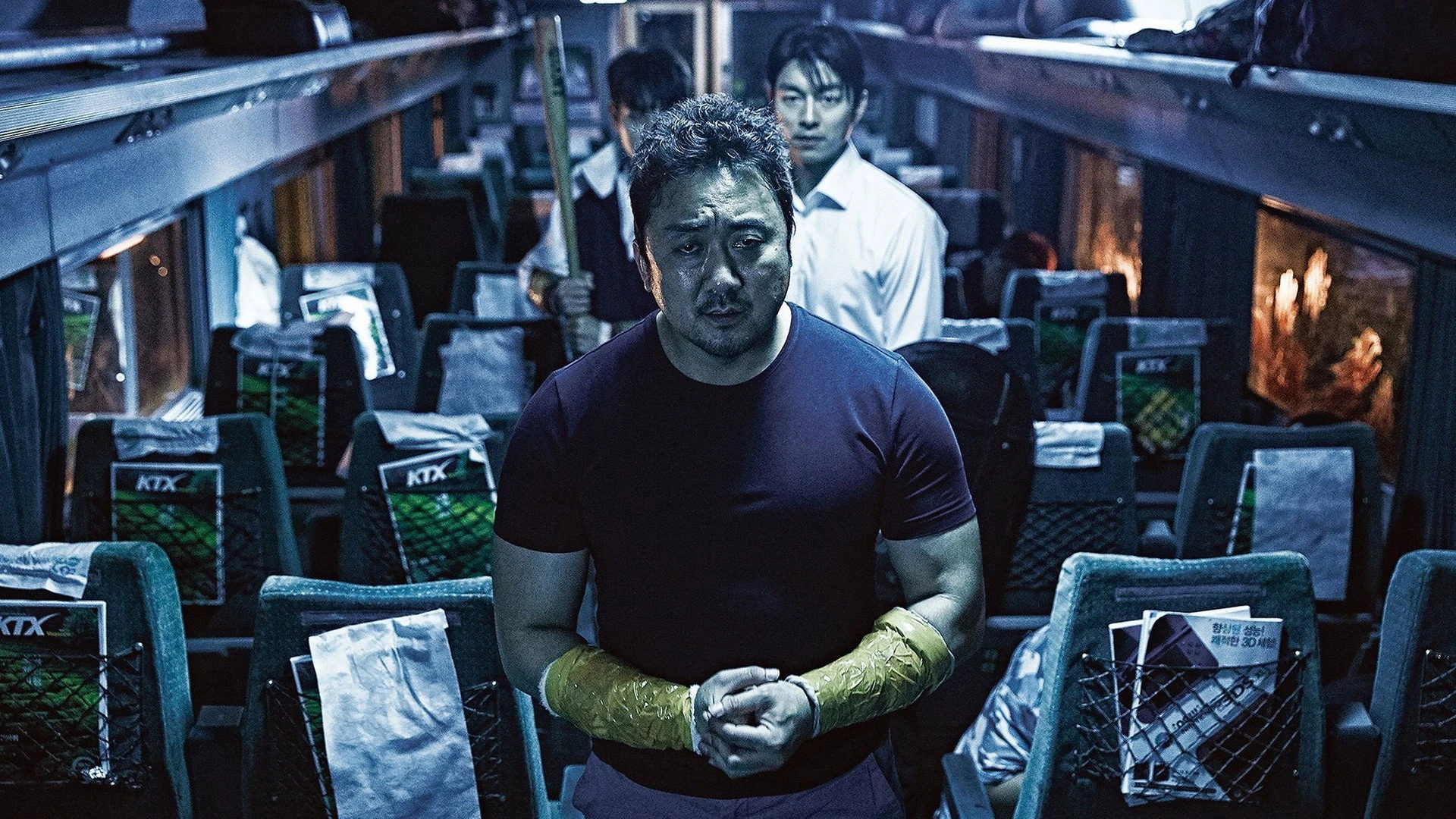
What makes the film endure almost a decade later is how confidently it refuses to be just a zombie movie. Yeon Sang-ho uses the genre as a pressure cooker for a much more grounded story about class, parenthood, and what people actually do under pressure — and he never lets the action overshadow the people inside it. Don Lee’s Sang-hwa is a standout precisely because he’s allowed to be funny before he’s allowed to be heroic; Kim Su-an’s Soo-an carries enormous emotional weight without ever feeling like a prop. If there’s a criticism to make, it’s that a couple of the supporting arcs (the young couple, the elderly sisters) get slightly less room than they deserve — but even those characters land their moments when it counts.
Train to Busan didn’t just become a hit — it reset what a Korean genre film could be on the global stage, and its fingerprints are all over the wave of Korean horror and thriller that followed, including Yeon Sang-ho’s own apocalyptic return in Colony (2026). Almost ten years on, it still works as both a white-knuckle thriller and a genuinely moving family drama — which is a much harder thing to pull off than it sounds. 118 minutes. One train. And a father who finally arrives, just a little too late to get off with everyone else.
Fans of Gong Yoo in a completely different register
First Korean horror film? Start here
Anyone who doesn’t mind crying during an action movie
🎬 You Might Also Like
If you liked Train to Busan, these are your next three watches.
 Family Matters
ActionBae Doona
Read Full Review →
|
 Last Summer
architect leadChoi Sung-eun
Read Full Review →
|
 Moon River
Body SwapFantasy Romance
Read Full Review →
|
















Keep it kind, skip the harsh language, and please — no spoilers. Everyone's taste is different, and that's perfectly fine.
This space is for real reactions and discussion from other viewers. Help keep it comfortable for everyone by not giving away major plot details.
What do you think of this drama?
Login to share your review or leave a comment.
No email needed — just pick a username & password.