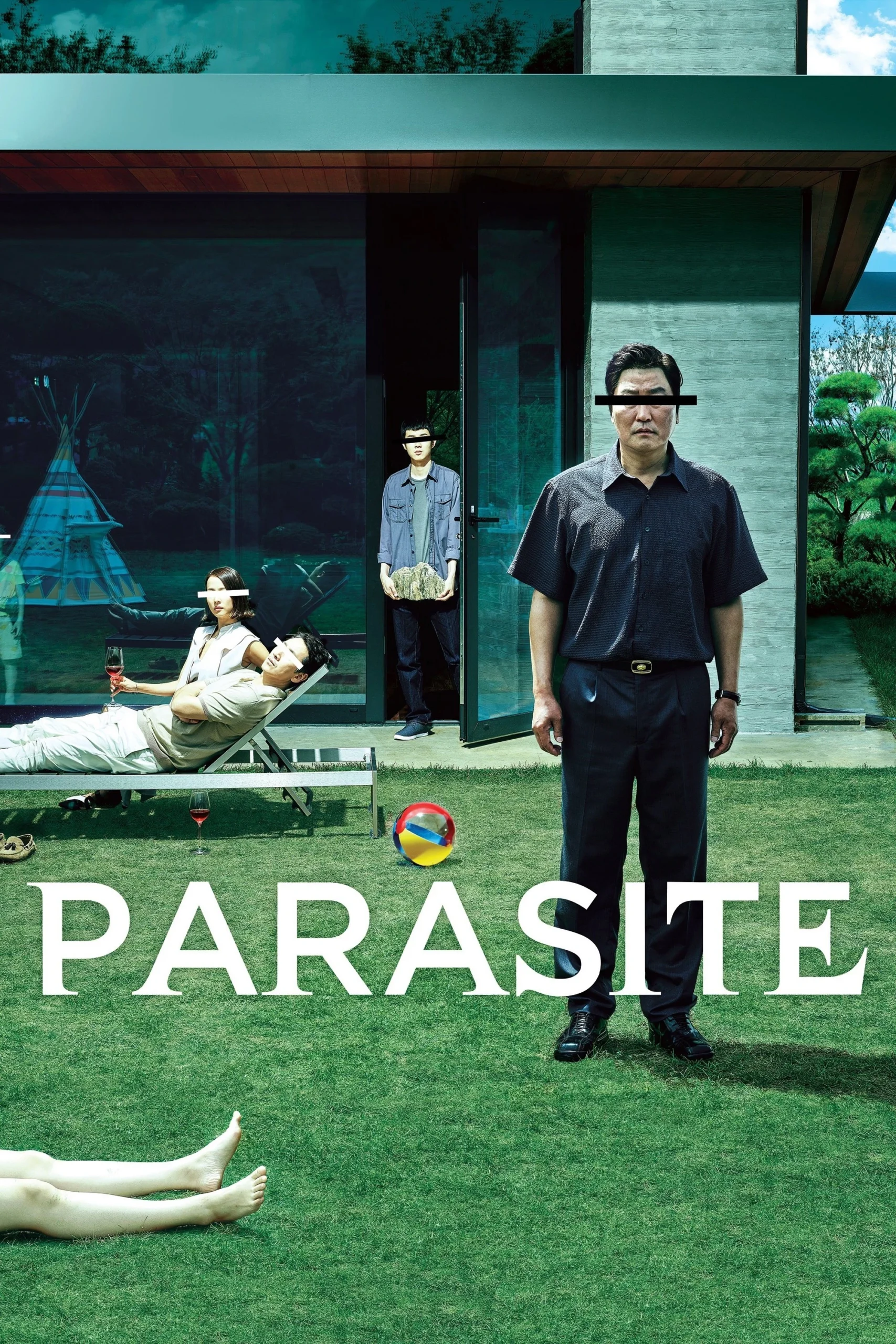
Parasite
🎬 Viu · Netflix · Paramount+
⭐ 8.5 IMDb
🔞 15+
🎬 Film Overview
🏆 Oscar Best Picture
Netflix
Paramount+
Hulu
Max
Apple TV
Parasite doesn’t announce itself as the film it becomes. It opens as a comedy of precision — the Kim family, all four unemployed and living in a semi-basement apartment in Seoul, systematically infiltrating the household of the wealthy Parks through forged credentials and carefully staged recommendations. The con is elegant. The Kims are brilliant at it. Bong Joon Ho shoots their scheming with warm, amused affection, and you root for them before you quite register that you probably should examine why.
Then the light shifts. Somewhere around the midpoint, the comedy stops landing the same way, and the architecture of the Parks’ house — all glass and open space, deliberately tiered above the city — starts feeling less like a prize and more like a mechanism. Parasite doesn’t change genres so much as reveal the genre it was always in: a film about the smell of money, the cost of proximity to it, and what happens when two families who have never truly seen each other are finally forced to occupy the same room.
⚡ Quick Verdict
Everything that matters, at a glance.
IMDb Score · Check IMDb for updated audience rating
▶ Official Trailer
🎭 Cast & Characters
Two families, twelve performances, zero clear villains.

Lead

Lead

Lead

Lead

Lead

Lead

Supporting

Supporting

Supporting

Supporting

Supporting

Supporting
📖 The Story
Spoiler-light — enough to know exactly what kind of film you’re about to watch, nothing that ruins the turn.
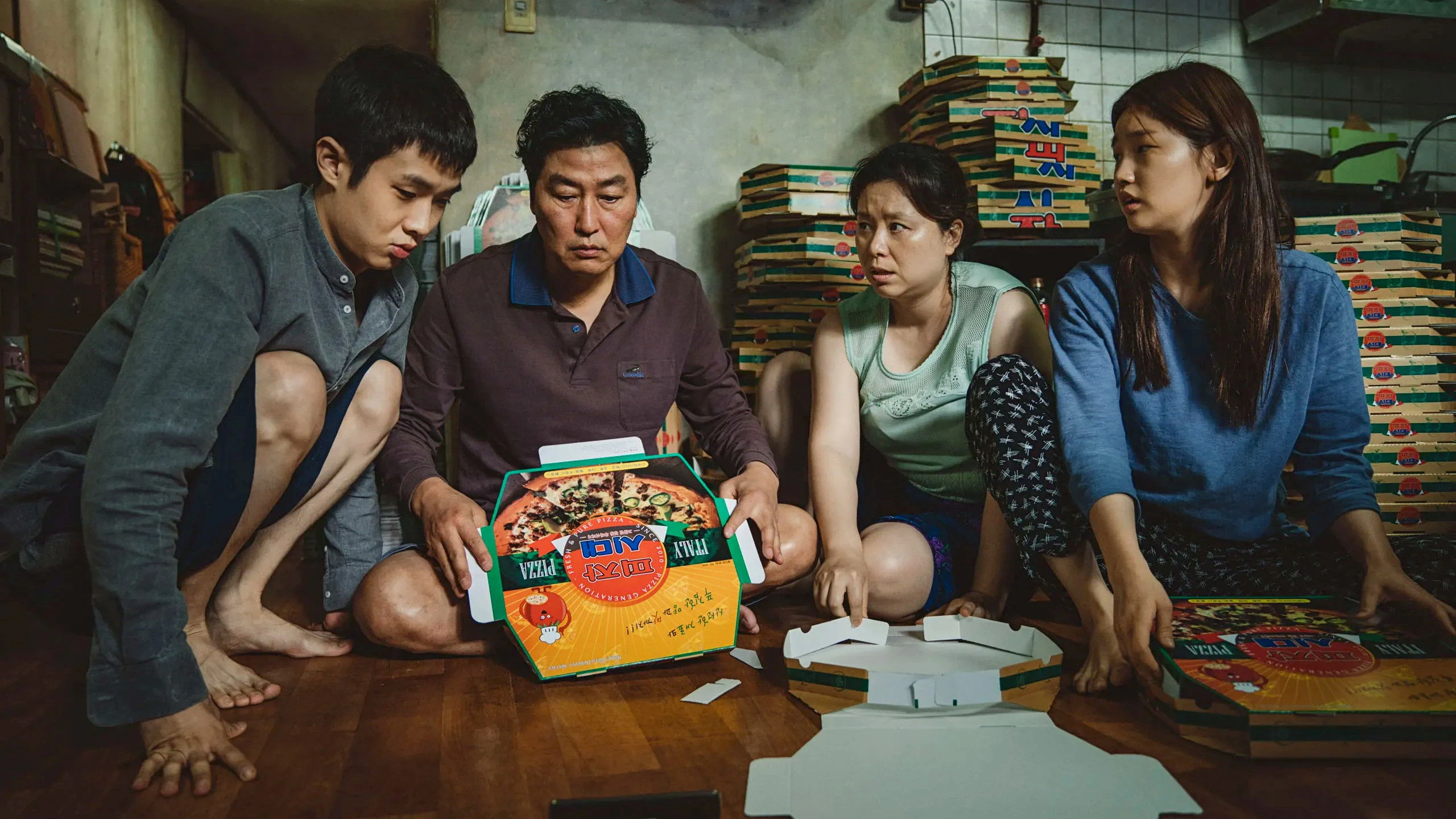
The Kim family lives underground — not as metaphor, but as postal address. Their semi-basement apartment in Seoul has rectangular windows at ankle height, framing the feet of strangers passing above. Ki-taek, the father, carries the particular quiet of a man who has failed at several businesses and is no longer surprised by failure — a former parking lot operator, a failed chicken franchise owner, currently nothing. His wife Chung-sook, who was once a national champion hammer thrower, keeps the family together through dark humor and sheer force of will. Their two adult children, Ki-woo and Ki-jung, are both sharp and creative and entirely without a way in. They are not struggling people. They are talented people in a city that has no legitimate path for them.

When Ki-woo’s university friend hands him a tutoring recommendation for the Park family and a traditional scholar’s rock — meant to bring material wealth — Parasite begins its first movement: a heist comedy executed with gleeful precision. Ki-jung forges a university credential in an afternoon. Ki-woo steps into the Parks’ glass-and-concrete mansion perched on a private hill above the city and immediately understands the distance between where he lives and where these people live. The interview goes well. He is hired. And what will become a plan — though it is not yet called one — begins.
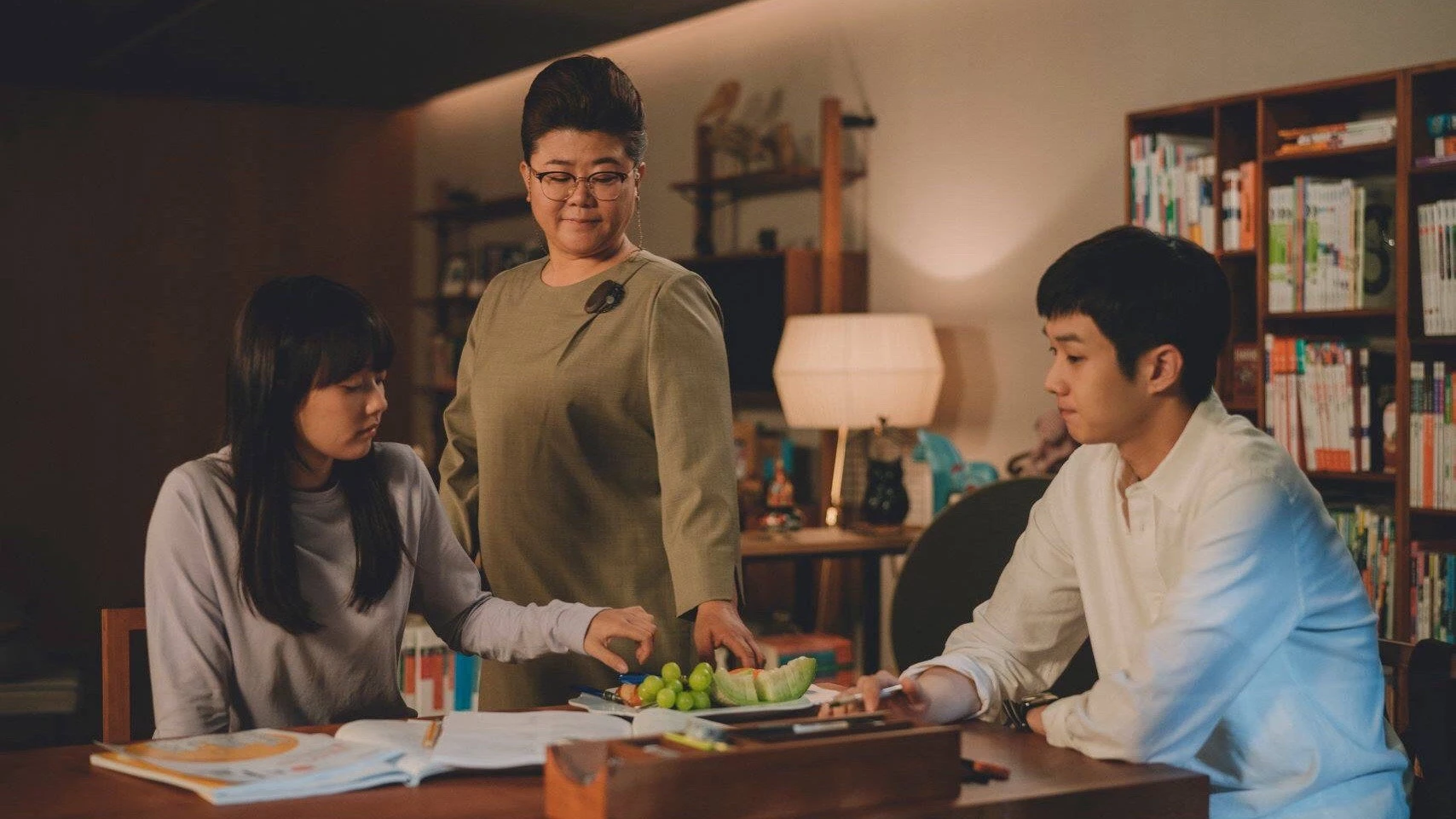
This is not simply about money. For the Kim family, the Park household is a restoration of something that was never formally offered to them — the feeling of being seen, valued, employed, and welcome in a city that has made them invisible. Each lie is a reclamation. As Ki-woo recruits Ki-jung as an art therapist, and both siblings maneuver their parents into positions as driver and housekeeper, the stakes compound with every layer added. The entire architecture of their new life is performance. Performance, by nature, requires an audience.
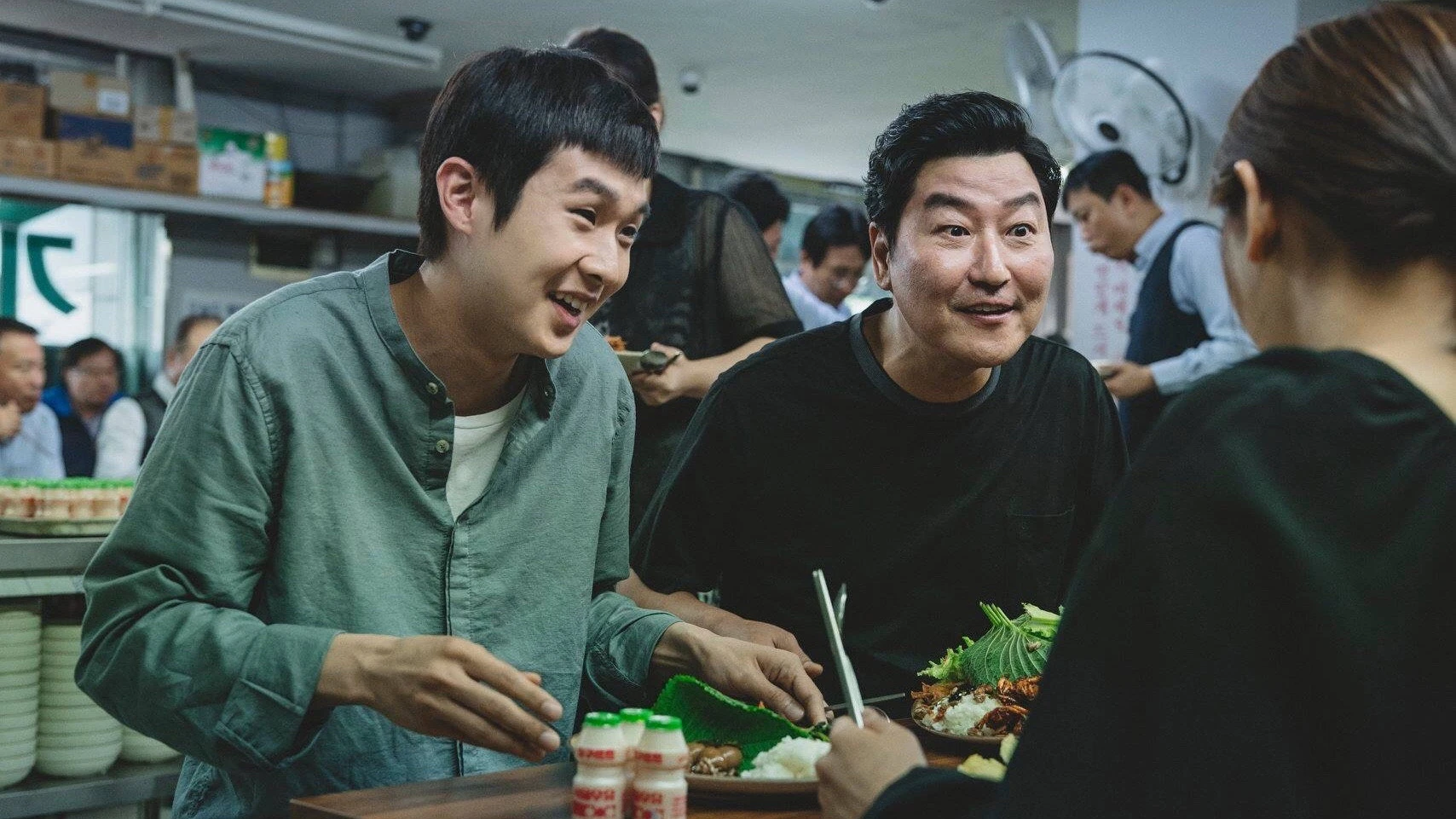
Bong Joon Ho’s most precise structural choice is making the Parks impossible to hate. Mr. Park is meticulous and wealthy and oddly innocent about how his world is maintained — he trusts his staff entirely because he has never had cause to think about whether trust is something extended or earned. His wife Yun-gyo accepts each new recommendation from Ki-woo with a warmth that makes her easy to manipulate and difficult to resent. The Parks are not antagonists. They are the architecture itself. Two families — both functional, both loving in their own way — shaped entirely by the economic distance between them. The film’s real dramatic engine lives in the gap between how differently they experience the same city.
Most films built around class conflict plant a flag early. Parasite refuses. The Kim family is engaged in sustained deception, and the film insists you root for them, laugh with them, feel their hunger as your own — while ensuring you cannot quite forget what they are doing. Bong Joon Ho constructs each scene so the audience is perpetually off-balance: never certain whether what they are watching is a comedy, a thriller, or something darker and more difficult to classify. The film does not ask whether the poor are moral. It asks whether morality is even available to those who cannot afford it.
The first half moves with the crisp, satisfied rhythm of a well-executed heist — funny, propulsive, wickedly precise. Then, somewhere around the midpoint, the light changes almost imperceptibly. The music, which had been playfully ironic, acquires a note of dread. The Park house — all polished concrete and open space, all clean lines and vertical hierarchy — begins to feel less like a prize and more like a mechanism. Bong Joon Ho’s visual grammar is immaculate throughout: every frame composed so that physical height maps to economic position, and stairs are never simply stairs.
The semi-basement apartment — banjiha — where the Kim family lives is not a cinematic device. It is a distinctly Korean housing phenomenon, created as emergency civilian shelter in the 1970s and later repurposed as cheap urban housing for those who could not afford anything above ground. Bong Joon Ho grew up acutely aware of South Korea’s economic stratification, and every spatial element of Parasite — the hill, the stairs, the underground — performs the same argument simultaneously: class is not merely economic. It is literally built into the landscape. Invisible to those at the top. Inescapable to those at the bottom.

🏁 Ending Explained
Full spoilers ahead — the finale, what it means, and what you miss the first time through.
Spoiler Warning — This section covers the full finale and hidden structure of Parasite (2019). Stop here if you haven’t watched it.
The Detonation. The finale arrives during Da-song’s outdoor birthday party at the Park mansion. Geun-se — Moon-gwang’s husband, who has been living for years in a secret underground bunker beneath the house — surfaces violently, carrying the scholar’s rock that Min-hyuk gave Ki-woo at the film’s opening. Gi-jung is stabbed. Ki-woo is struck on the skull. In the chaos, Park Dong-ik orders his driver Ki-taek to retrieve the car keys while Gi-jung bleeds on the lawn. What follows is not a dramatic decision. Ki-taek picks up a knife and acts — triggered by a single involuntary gesture of contempt: Park Dong-ik recoiling from Geun-se’s smell, the same disgust he has expressed about Ki-taek throughout the film. The film has been building toward this one casual, unconscious reflex since its first frame.
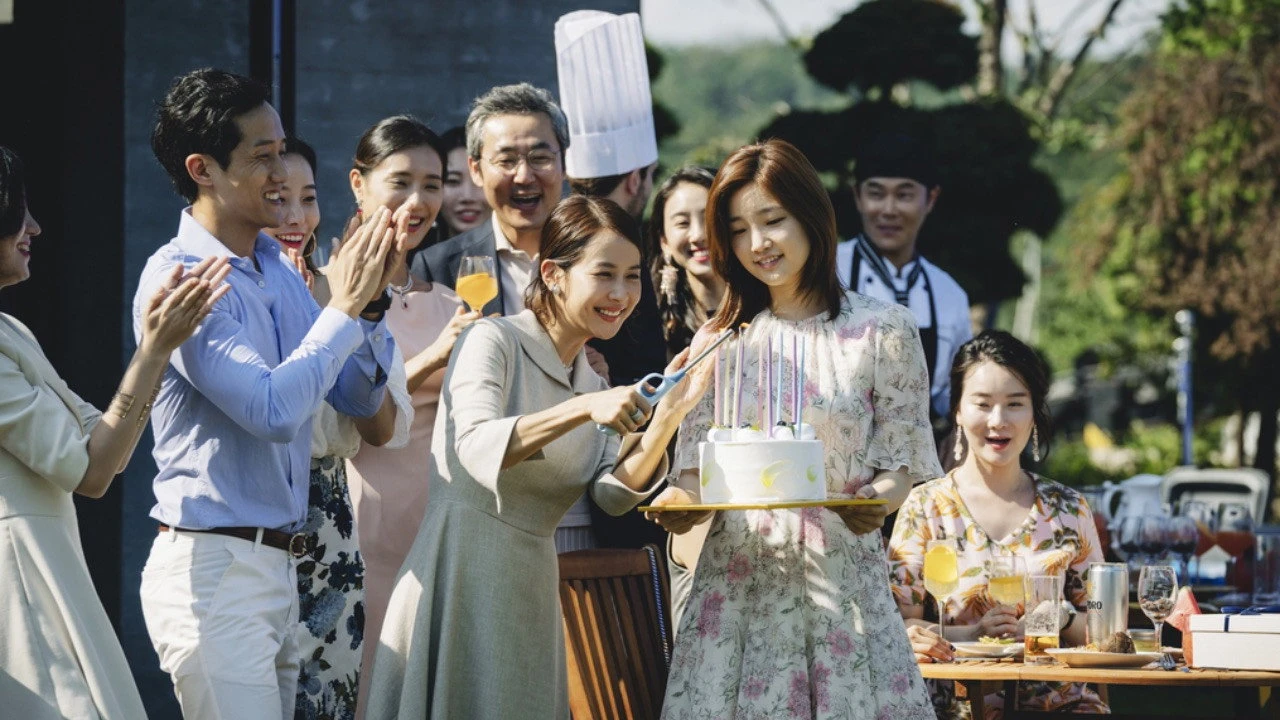
What It Actually Means. Ki-taek’s act of violence is not a revolution. It is a spasm — dignity denied for too long, detonated by contempt so casual that Park Dong-ik almost certainly did not register he was expressing it. This is the film’s central argument, delivered at maximum force: class hatred does not require malice. It is baked into the instincts of those who have always been comfortable, surfacing in the language of smell, of recoil, of what a wealthy man does without thinking when someone beneath him is dying nearby. Ki-taek does not escape. He descends underground, into the bunker beneath the house that employed him. The image is exact. The poor can occupy the rooms of the wealthy — and still find themselves driven deeper into the earth.
Three Ways to Read the Final Sequence. The film’s ending is constructed to resist a single interpretation. Ki-woo imagines (or reads, or fantasizes) a letter from his father, then announces his new purpose: earn enough, buy the Park house, free Ki-taek from the bunker. Three readings occupy the same space simultaneously. The hopeful version: a son’s vow of love and purpose. The ironic version: by the film’s own logic, Ki-woo’s plan to purchase one of Seoul’s most expensive properties is a fantasy — the film has already demonstrated what plans do to the poor. The third version — and the strongest — is that the final sequence is not happening at all.
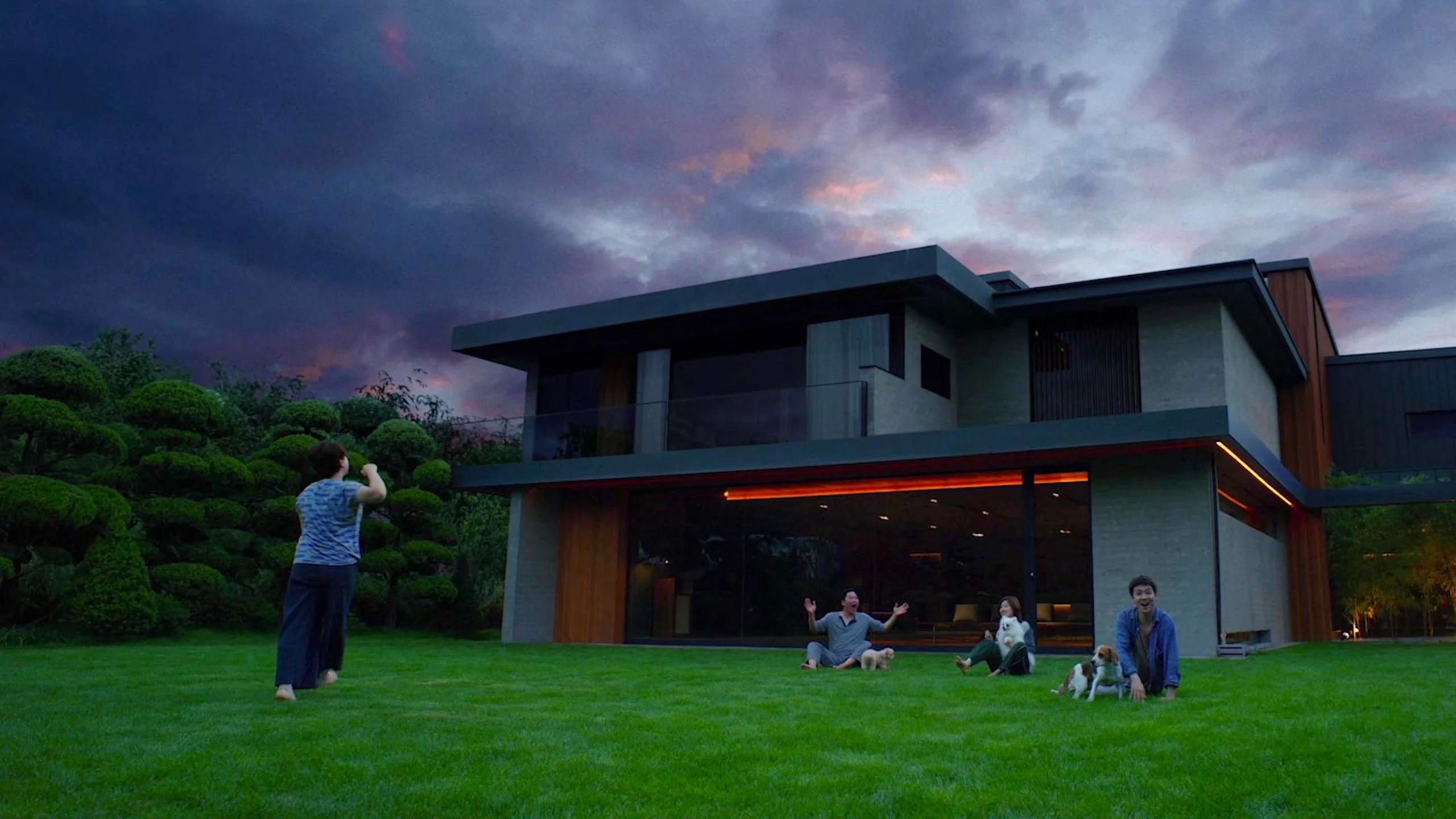
The Visual Evidence. The grammar of the final scene signals the fantasy reading explicitly. The light changes. The camera holds with a tenderness it has withheld for two hours. The tonal break is deliberate: we have left realism. Ki-woo, injured and alone in the semi-basement, builds a future in his mind where his father is freed and the family is restored. The film allows him this dream. And then it cuts back: Ki-woo in the basement window, exactly where we found him at the beginning. The circle is the argument. The scholar’s rock promised material wealth and brought disaster. The dream of ascending is not a plan — it is the story the poor tell themselves to endure the weight of not ascending.
What You Miss the First Time. On a second viewing, Parasite becomes almost unbearably precise in its foreshadowing. Every time a Kim family member rises — up the stairs, up the hill, through the floors of the Park house — there is a shadow or a cut that signals the descent to come. The smell the Parks’ son Da-song detects and recoils from at the birthday party — before the violence begins, before anything — is the specific smell of the Kims’ semi-basement, embedded in their bodies from years of living below street level. They cannot wash it off no matter how many hours they spend in the Parks’ clean air. On first viewing, Da-song’s recoil reads as a child’s instinct. On second viewing, it is the first domino.
✍️ KDramaWorlds Editor’s Take
Our honest read on why this film matters — and what it does that no one else has done.
Bong Joon Ho
Known for: Memories of Murder (2003) · Snowpiercer (2013)
😂 Darkly Funny
🎭 Both Families Matter
🌆 Class as Landscape
🏆 Four Oscars
Song Kang-ho has been working with Bong Joon Ho since 2003 — Memories of Murder, The Host, Snowpiercer — and Ki-taek in Parasite is the fullest version of what that collaboration produces. The role requires him to occupy a register with no clean name: not quite comic, not quite tragic, not quite criminal, not quite victim. What Song Kang-ho builds is the practiced invisibility of a man who has cleaned up after other people long enough that the indignity no longer registers — until it suddenly does. He carries that invisible weight in small physical choices: the particular stillness when Park Dong-ik says something casually insulting about the smell in his car, the way he moves around the Park household with the efficiency of someone trained to disappear. The knife arrives not as a character turn but as the only motion left in a body held that tightly for that long. If you want to see Korean cinema’s capacity for social horror with entirely different tools, Train to Busan (2016) uses the same underground vs. upper-class geography to opposite emotional ends.

Cho Yeo-jeong’s performance as Yeon-kyo is the film’s most technically precise comic achievement. She plays the Parks’ matriarch as a woman of such pure, guileless trust that her manipulation reads as almost victimless — until it isn’t. The key is that Cho Yeo-jeong never telegraphs obliviousness: Yeon-kyo is not stupid, she is simply someone who has never had a reason to examine the mechanisms behind her own comfort. Lee Sun-kyun as Park Dong-ik is her complement — meticulous, decent in his own way, and so insulated from consequence that his single involuntary gesture of contempt at the film’s climax functions as the detonator for everything. Both performances depend entirely on the audience finding the Parks genuinely likable, which is the only way the ending can do what it does. Concrete Utopia (2023) covers similar Korean class-stratification terrain with bleaker results and a more direct moral verdict — a useful companion piece for anyone who wants to understand how the subject evolved post-Parasite.
The film’s structural mastery means its weaknesses are almost beside the point — but they exist. The tonal shift from comedy to thriller is deliberately abrupt, and a percentage of viewers find the two halves incompatible. That dissonance is intentional: the comedy was never really a comedy, and Parasite wants you to feel cheated of the warmth you thought you were watching. That is a legitimate artistic choice that will not work for everyone. None of this changes the central fact: Parasite is the most precisely constructed Korean film of the last twenty-five years, and its four Academy Awards — including Best Picture, the first ever for a non-English-language film — understated the case rather than overstating it. 133 minutes. No wasted shot. A house that is never just a house.
The single best entry point to Korean cinema — start here
Anyone who skipped the Oscar winner and wants to understand why it won
The most precisely constructed Korean film ever made — and the one that changed how the world watches them.
🎬 You Might Also Like
If you liked Parasite, these are your next three watches.
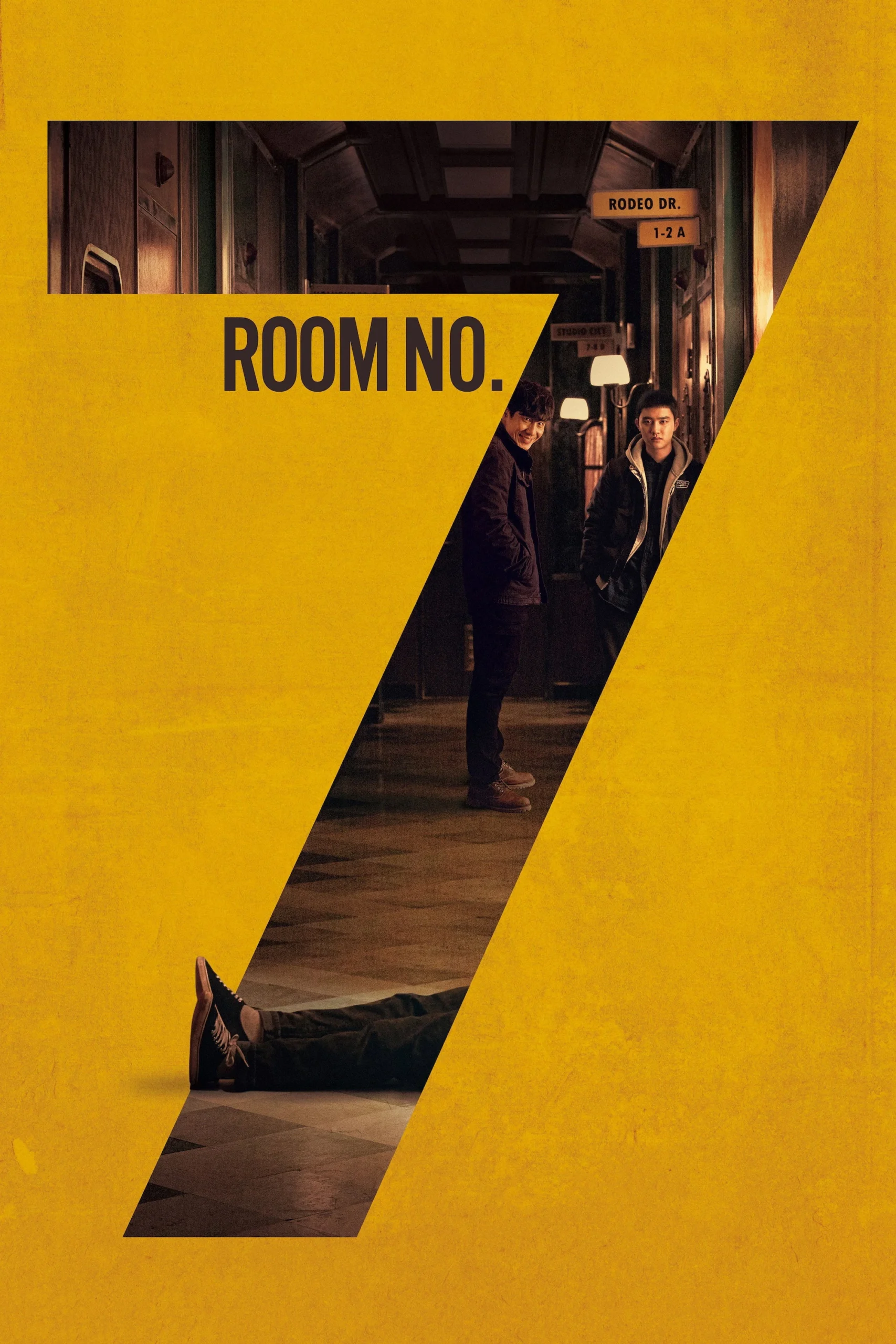
 Shin's Project
Bae Hyeon-seongBlack Comedy
Read Full Review →
|
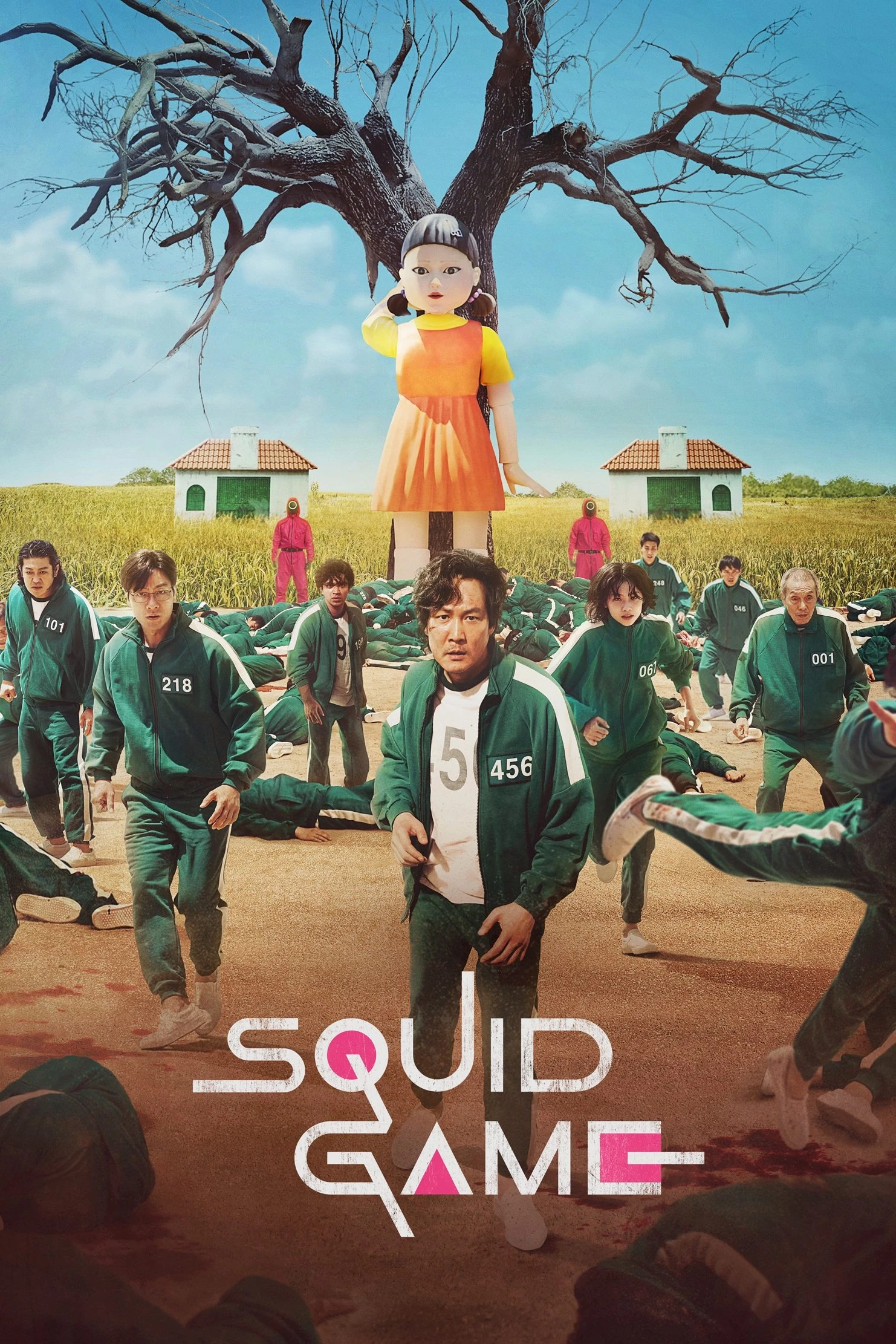 Squid Game (Season 1)
Class DivideDeath Game
Read Full Review →
|
 Bloodhounds (Season 1)
BloodhoundsBoxer
Read Full Review →
|













Keep it kind, skip the harsh language, and please — no spoilers. Everyone's taste is different, and that's perfectly fine.
This space is for real reactions and discussion from other viewers. Help keep it comfortable for everyone by not giving away major plot details.
What do you think of this drama?
Login to share your review or leave a comment.
No email needed — just pick a username & password.