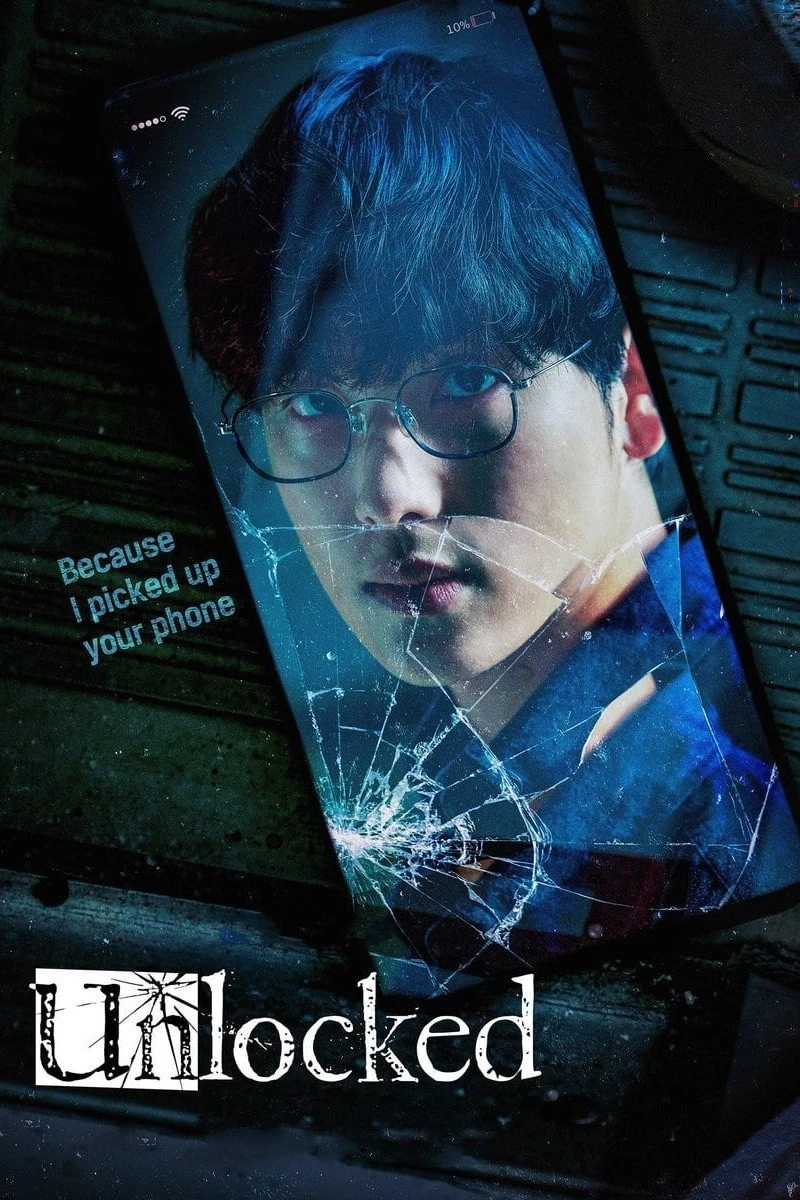
Unlocked
🎬 Netflix
⭐ 6.4 IMDb
🔞 TV-MA
🎬 Film Overview
DIGITAL STALKER THRILLER
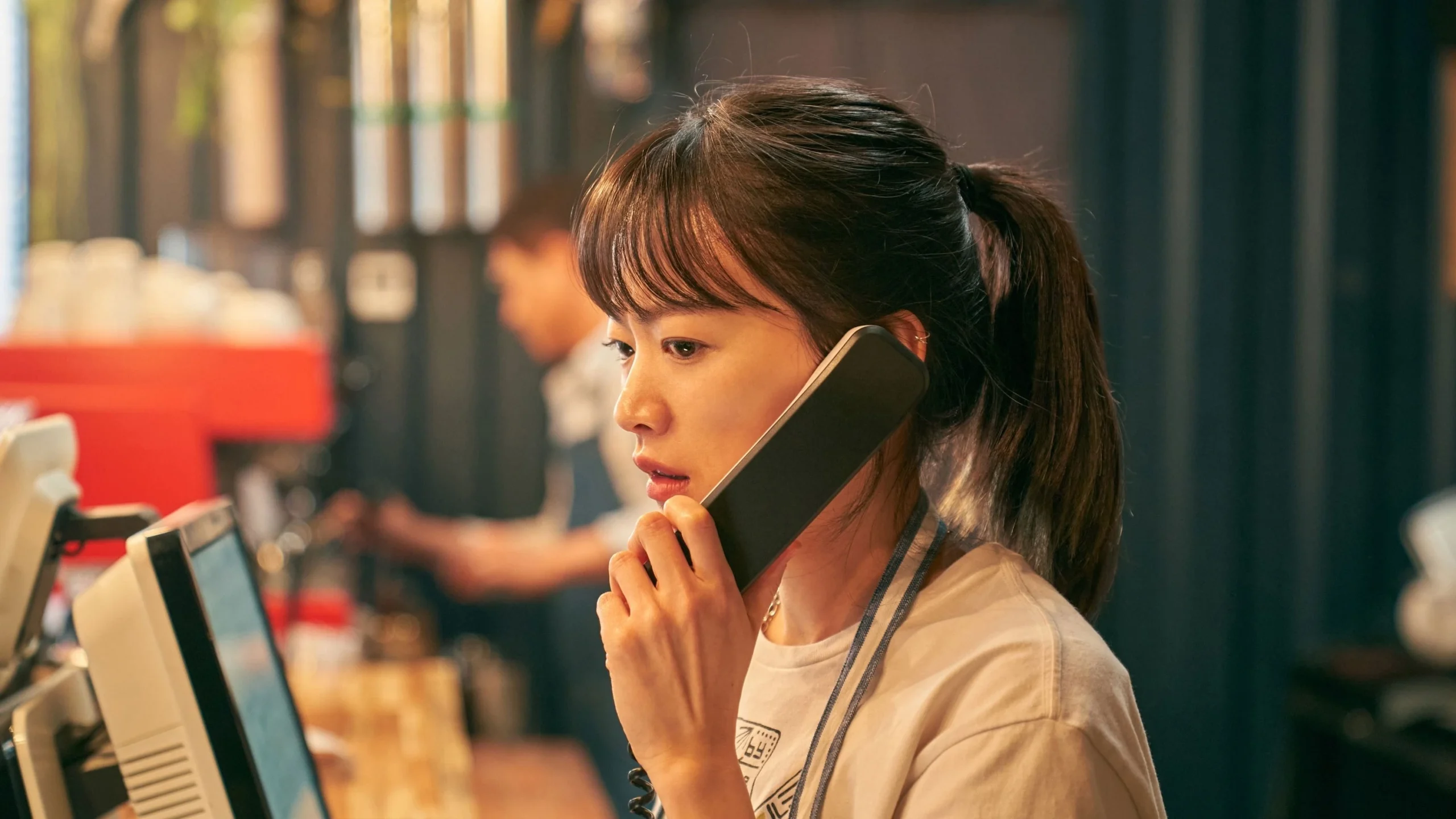
Na-mi is the kind of person who never stops moving. She juggles a startup job and late-night shifts at her father’s café, her calendar is double-booked, and the thread connecting her to everyone she loves runs through one device — the phone she drops on a bus one ordinary evening. Someone picks it up. That someone is Oh Jun-yeong, and what follows is not a random crime of opportunity but something far more premeditated. By the time Na-mi gets her phone back, he already knows her father’s coffee order, her daily route, and which coworker she trusts most.
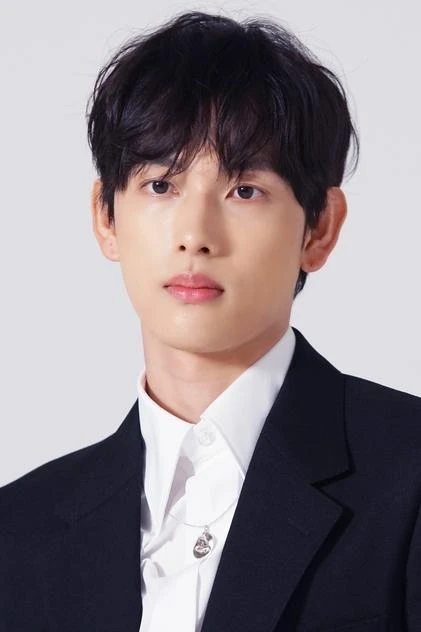
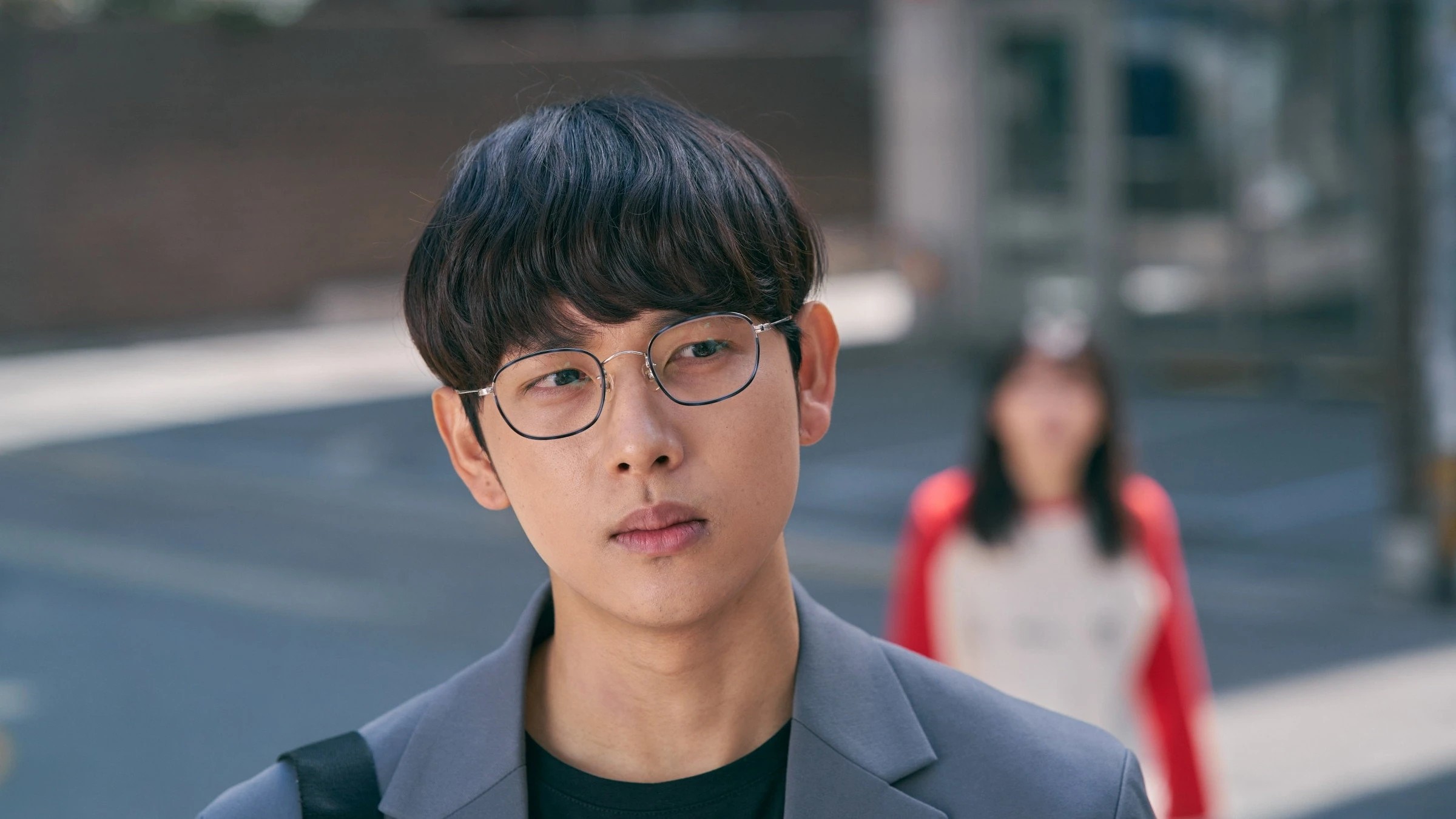
What Unlocked does that most stalker thrillers don’t is refuse to exaggerate its villain. Yim Si-wan plays Jun-yeong with a flat, almost bureaucratic attention — he doesn’t leer, he observes; he doesn’t rage, he plans. Chun Woo-hee grounds Na-mi as someone recognizably capable rather than carelessly naïve, which makes the breach of her life feel genuinely violating rather than inevitable. Director Kim Tae-joon keeps the tension in the small details: a message delivered too quickly, a coffee waiting too precisely, a recommendation that is just slightly too accurate. This is a thriller built on the horror of recognition.
⚡ Quick Verdict
The short version — everything that matters, boxed up.
· IMDb
▶ Official Trailer
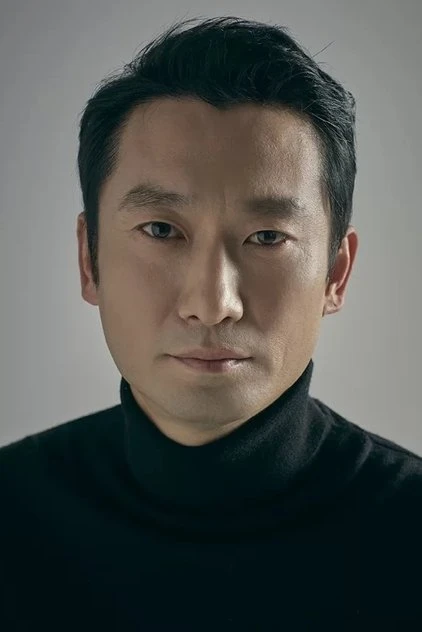
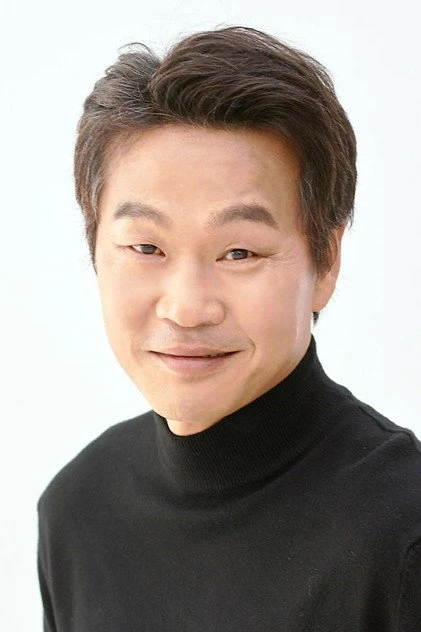
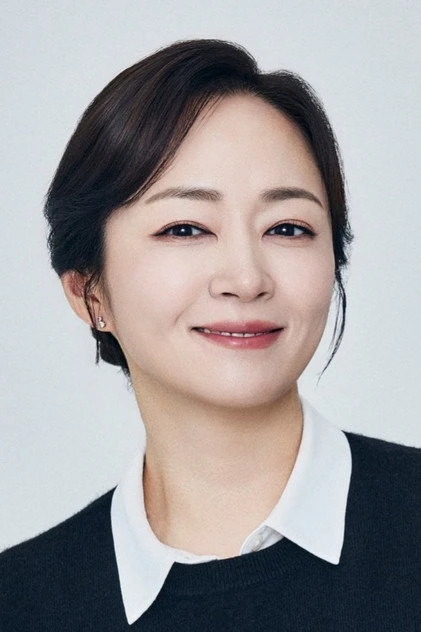
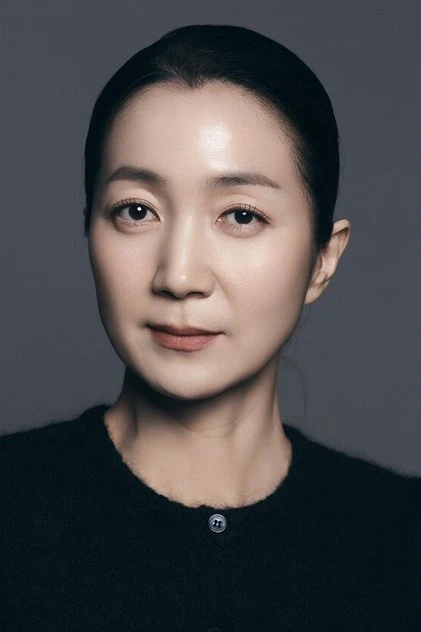
🎭 Cast & Characters
Three performances anchoring a thriller that makes your own phone feel like a stranger.

Lead
Lead
Supporting

Supporting
Supporting
Supporting

Supporting
Supporting
Supporting
Supporting
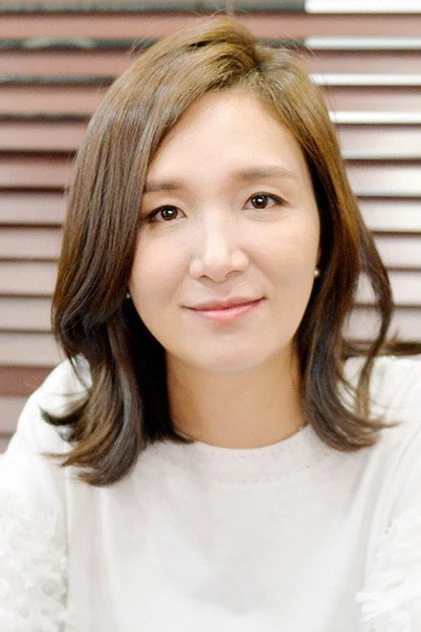
Supporting

Supporting
📖 The Story
No spoilers here, just enough to gauge if it’s for you.
Na-mi’s life looks exactly like the lives of a lot of people in their late twenties in Seoul. She works at a startup that sells jelly drinks, takes late shifts at her father’s café to help him stay afloat, and stays connected to everyone she cares about through a phone she checks constantly. The film establishes her as capable, not careless — someone who manages a complicated life with a system that works precisely because she trusts it. That trust is the opening.
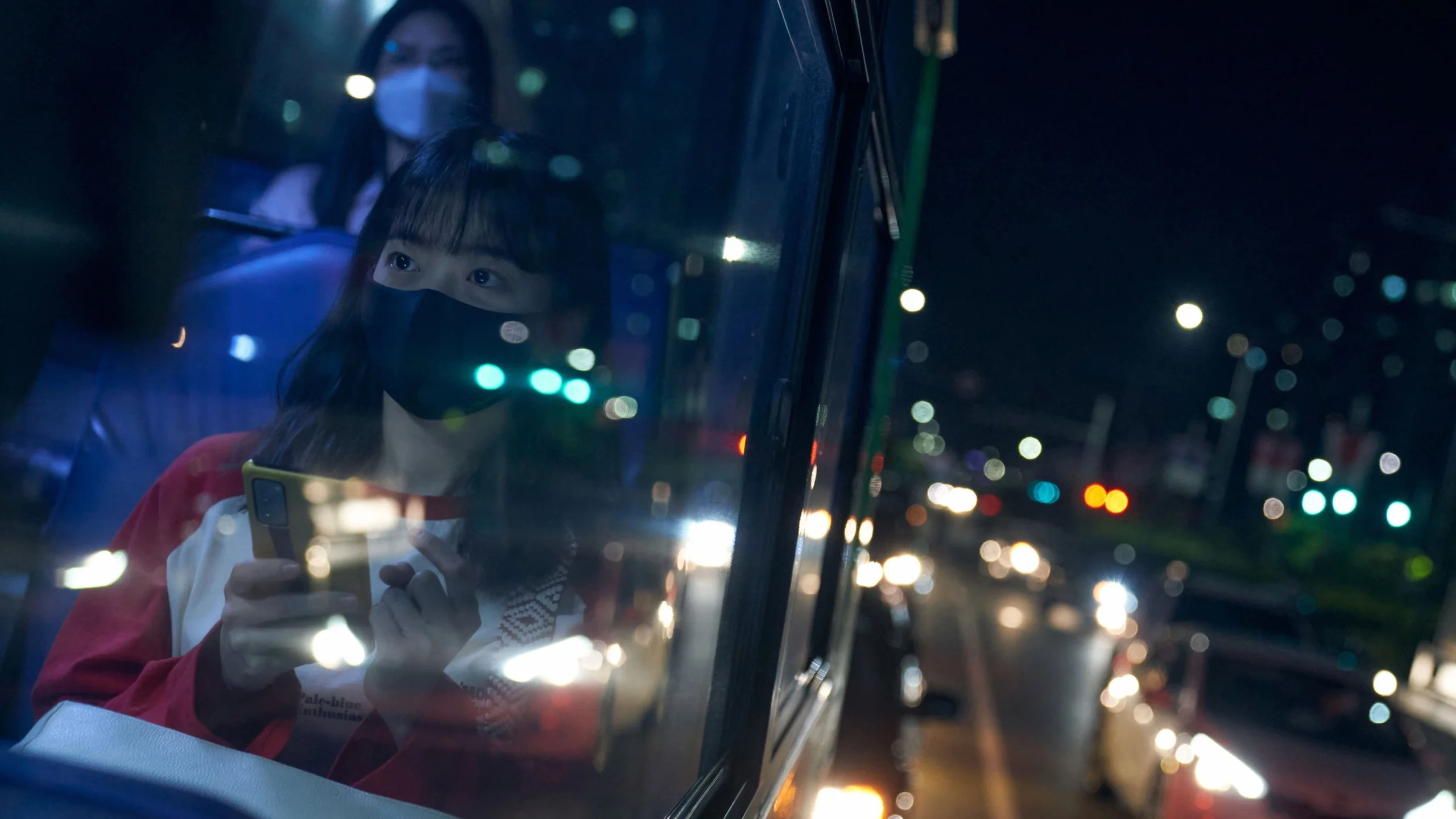
The drop happens on a crowded bus. A moment of distraction, the phone slides away, and by the time Na-mi notices it is gone, Oh Jun-yeong already has it. He doesn’t keep it — he returns it. What he does first, before giving it back, takes less than a minute, and it changes everything. The hook of the film is not that a phone is stolen but that it is returned — with access already installed, invisible, and already running.
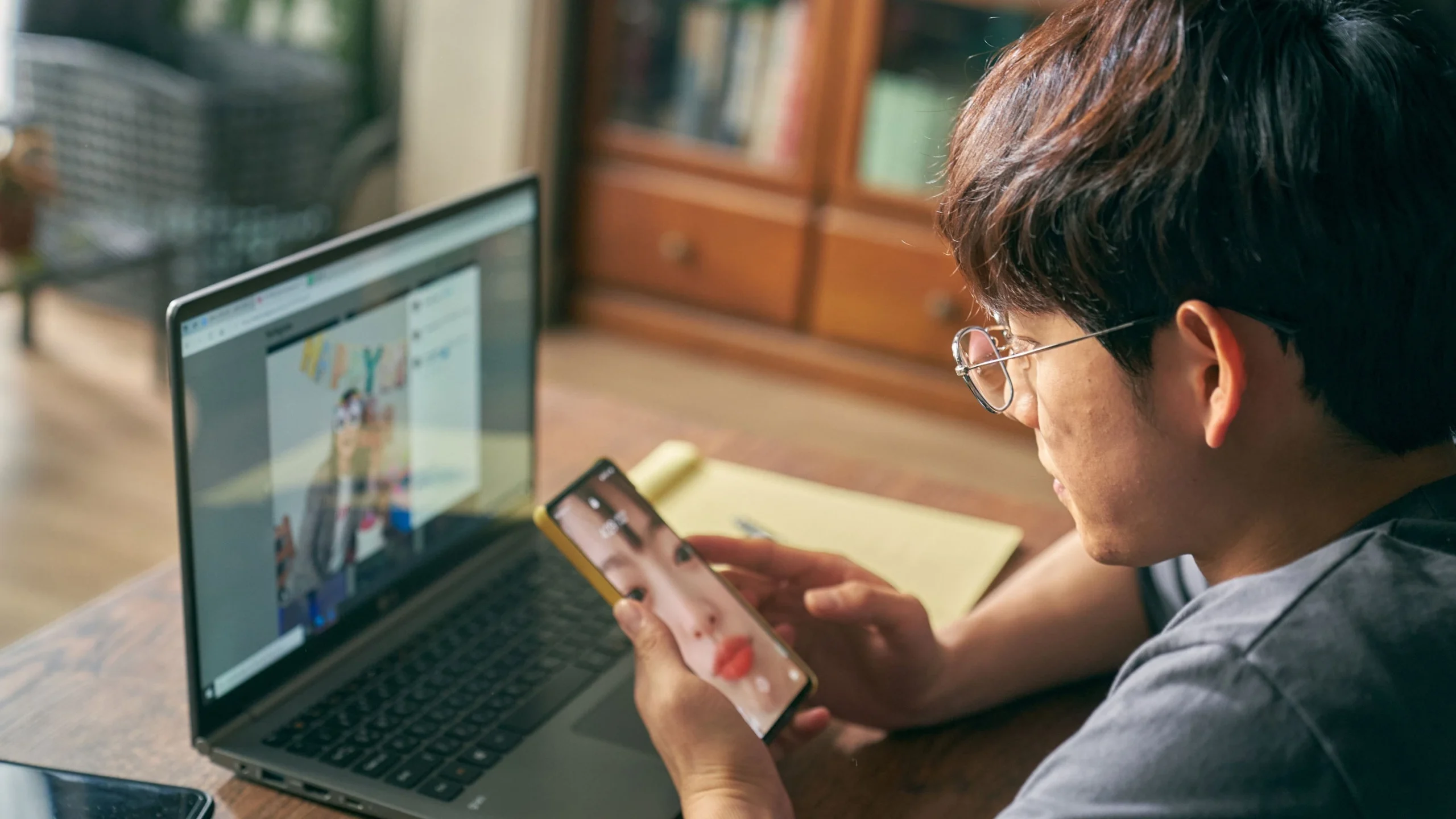
Na-mi has no reason to think anything has changed. Jun-yeong begins building himself into the edges of her world — appearing near her workplace, being helpful in small ways, positioning himself as a harmless coincidence. Each step is individually deniable. The film is meticulous about this: the escalation happens at a pace that matches exactly how long it would take someone with full phone access to quietly learn another person’s entire life.
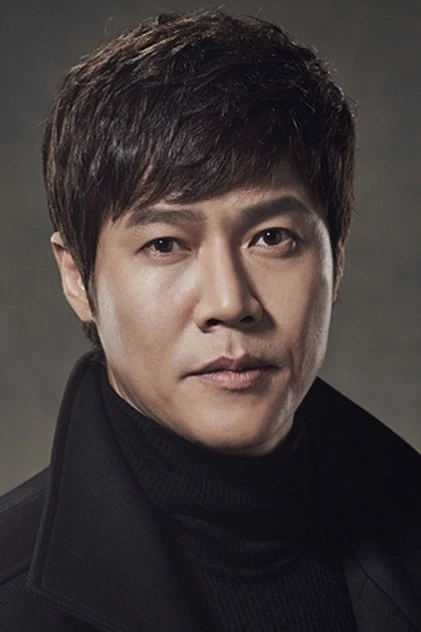
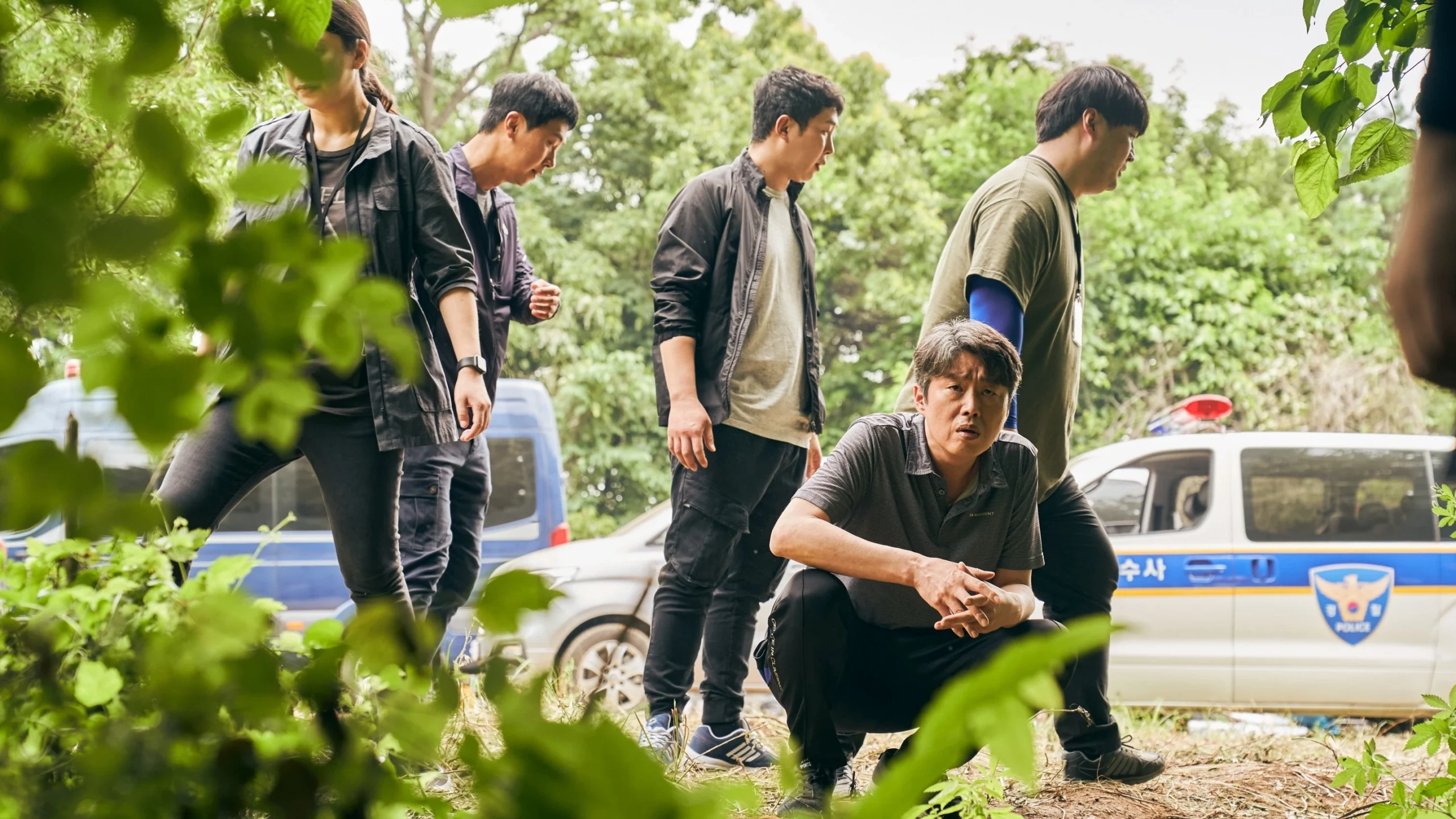
Meanwhile, Detective Woo Ji-man runs a separate investigation that eventually circles the same name. The police thread carries its own pressure: Ji-man begins to suspect his own son’s involvement in connected crimes, which gives the procedural pursuit a layer of personal cost that the film doesn’t fully explore but keeps returning to. The two storylines — victim and investigator — run parallel without colliding until the third act.
The film’s intelligence is in what it refuses to frame as stupidity. Na-mi’s location sharing, her predictable daily patterns, her trust in her contacts — none of these are mistakes. They are the features of a life lived in a connected world. Jun-yeong isn’t exploiting carelessness; he’s exploiting convenience. That distinction matters because it removes the false comfort of assuming the right kind of person couldn’t end up in this situation.
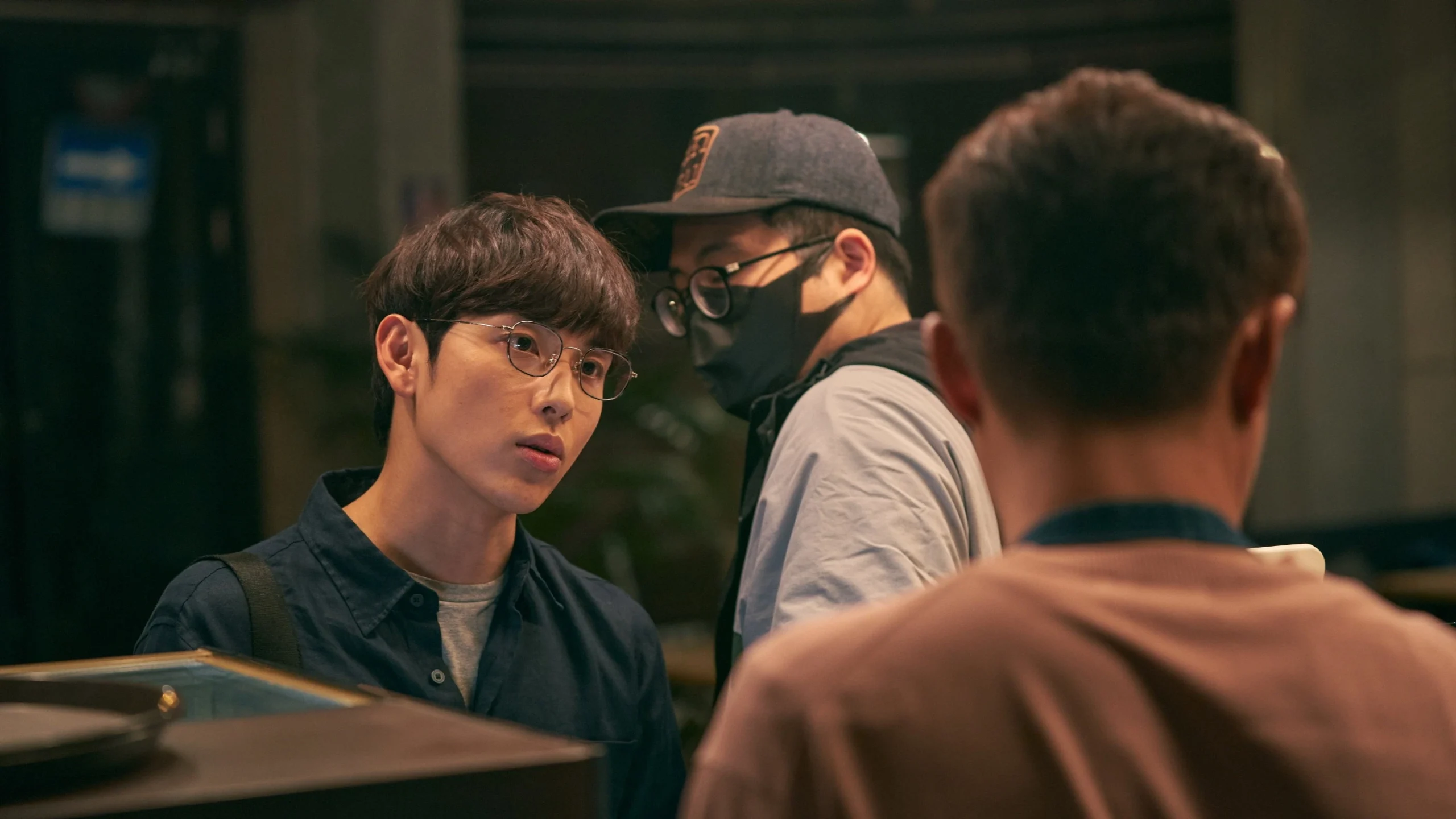
The tension builds through accumulation rather than incident. Each new discovery — a detail Jun-yeong knows that he shouldn’t, a coincidence that doesn’t quite add up — adds pressure without releasing it. The claustrophobia is not physical but informational: Na-mi begins to feel watched without being able to explain why, and the audience watches her feel it with knowledge she doesn’t yet have.
By the time the film’s two threads converge, Unlocked has made its argument without stating it. The question running under everything is not ‘how do you stay safe?’ but something harder: in a life built on digital convenience, is the distinction between safe and exposed still real? The film moves toward confrontation with that question as its engine — not the stalker, not the detective, but the idea that ordinary life built on ordinary trust was never as private as it felt.
🏁 Ending Explained
Full spoilers — breaking down the ending and what it means.
Full Spoilers Ahead — This section covers the complete ending of Unlocked. Stop here if you haven’t watched.
What literally happens The investigation closes on Jun-yeong as the pattern of his behavior becomes undeniable. Detective Woo Ji-man, running a parallel case while managing suspicion about his own family, finally has enough to move. Na-mi and Jun-yeong end up in direct confrontation — the distance that surveillance creates collapses into something immediate and physical. Jun-yeong is exposed, apprehended, and the architecture he built using her phone is dismantled. The film gives full resolution on the literal level: the threat is named, located, and stopped.
What it means beyond the arrest The film is not actually about one dangerous man. It is about the infrastructure he used — which is the same infrastructure everyone uses. Jun-yeong didn’t build the tools he exploited; Na-mi’s location sharing, her messaging patterns, her cloud-connected routines were features, not vulnerabilities. The ending refuses to frame those choices as mistakes. What it suggests, quietly, is that privacy in modern life is not a lock — it is a series of agreements made without fully reading the terms.
Three ways to read the ending Three interpretations compete for the final act’s meaning. The first reads Jun-yeong as an aberration — a predator who found a perfect entry point — and the film as a story about one woman surviving one monster. The second is structural: Unlocked is arguing that the current design of digital life makes this kind of violation not rare but replicable, and that the real horror is the replication. The third reads Ji-man’s subplot — a detective who suspects his own child — as a parallel story about how surveillance damage spreads outward beyond the original target, through everyone connected to it.
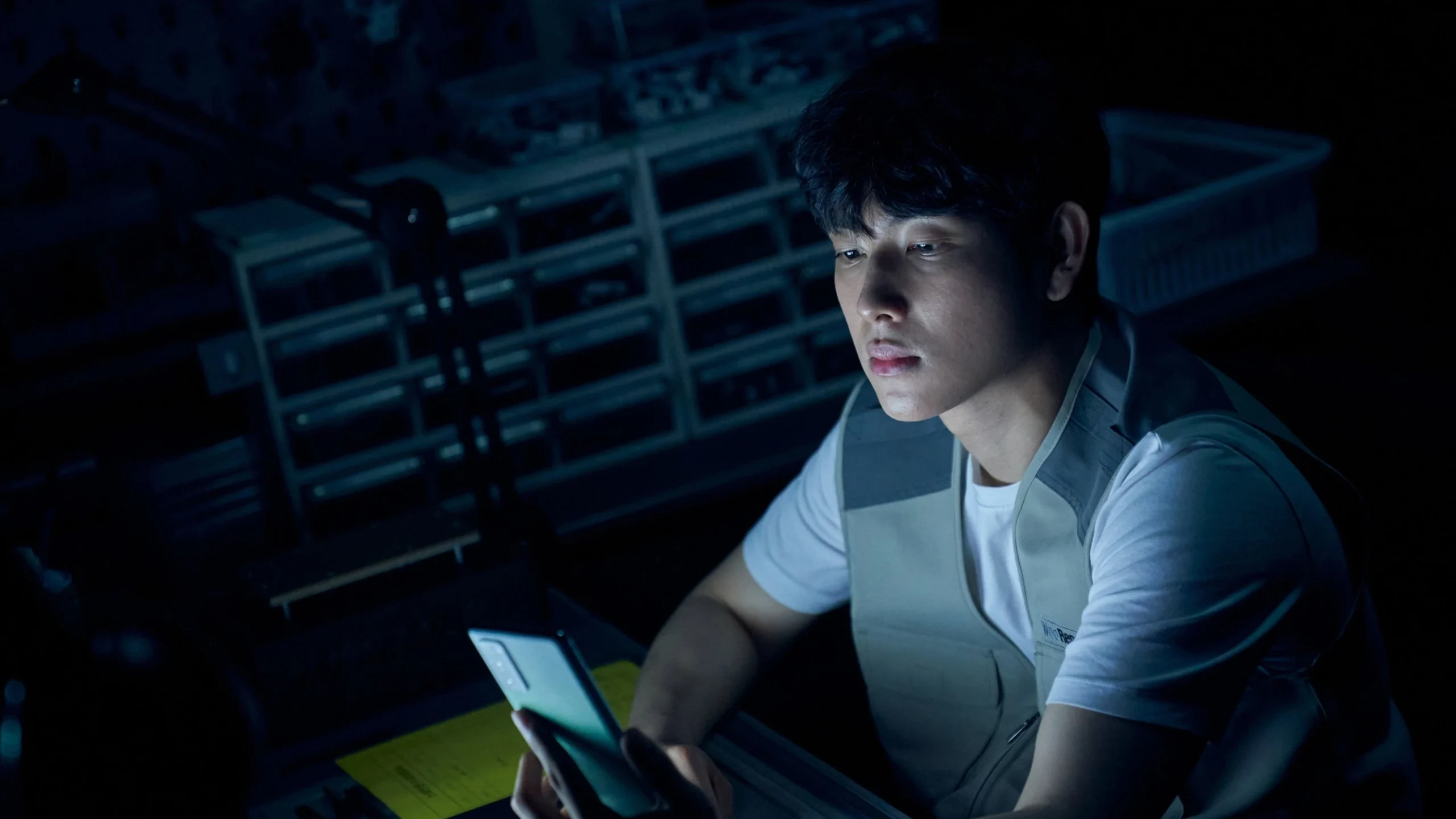
The thesis the film lands on The most uncomfortable reading the film earns is its simplest: technology doesn’t create predators, but it gives them perfect access. Every convenience Na-mi used, every routine she trusted, became a data point in someone else’s map of her life. The film doesn’t suggest she should have done anything differently. That is the point. There is no checklist that would have protected her, because the system worked exactly as it was designed to work — it just worked for him.
Why early scenes hit differently on rewatch On a second viewing, the opening sequences of Na-mi’s ordinary life carry a different weight entirely. The casual location-sharing, the predictable schedule, the contacts visible in her feed — nothing reads as careless anymore. It reads as exposed. Unlocked earns its final unease not in the confrontation but in retroactive dread: Jun-yeong was never lurking in shadows. He was in the light the whole time, reading a map she had been drawing for years without knowing anyone was watching.
✍️ KDramaWorlds Editor’s Take
Is it worth your time? Here’s our honest take, and who it suits best.
Kim Tae-joon
Known for: Kim Tae-joon makes his feature directorial debut with Unlocked, having previously worked in television production and screenwriting. The film reveals a disciplined sensibility — he trusts the premise to generate dread rather than reaching for stylistic escalation, keeping the camera close to Na-mi’s experience rather than pulling out for thriller-mode spectacle. If the debut signals anything, it is a filmmaker more interested in the mechanics of fear than in its performance.
There is a sequence in the middle of Unlocked where Jun-yeong visits Na-mi’s father’s café not to confront anyone but simply to confirm — to cross-reference a life against the database he built from her phone. Nothing happens. No confrontation, no threat, just a man sitting with information and making sure reality matches his records. It is one of the most unsettling scenes in the film precisely because of what it isn’t. Chun Woo-hee doesn’t appear in the scene at all, and yet it is entirely about the violation being done to her. The film earns that absence the same way The Call earns its most effective tension — through the gap between what the protagonist knows and what the audience already understands is in motion.
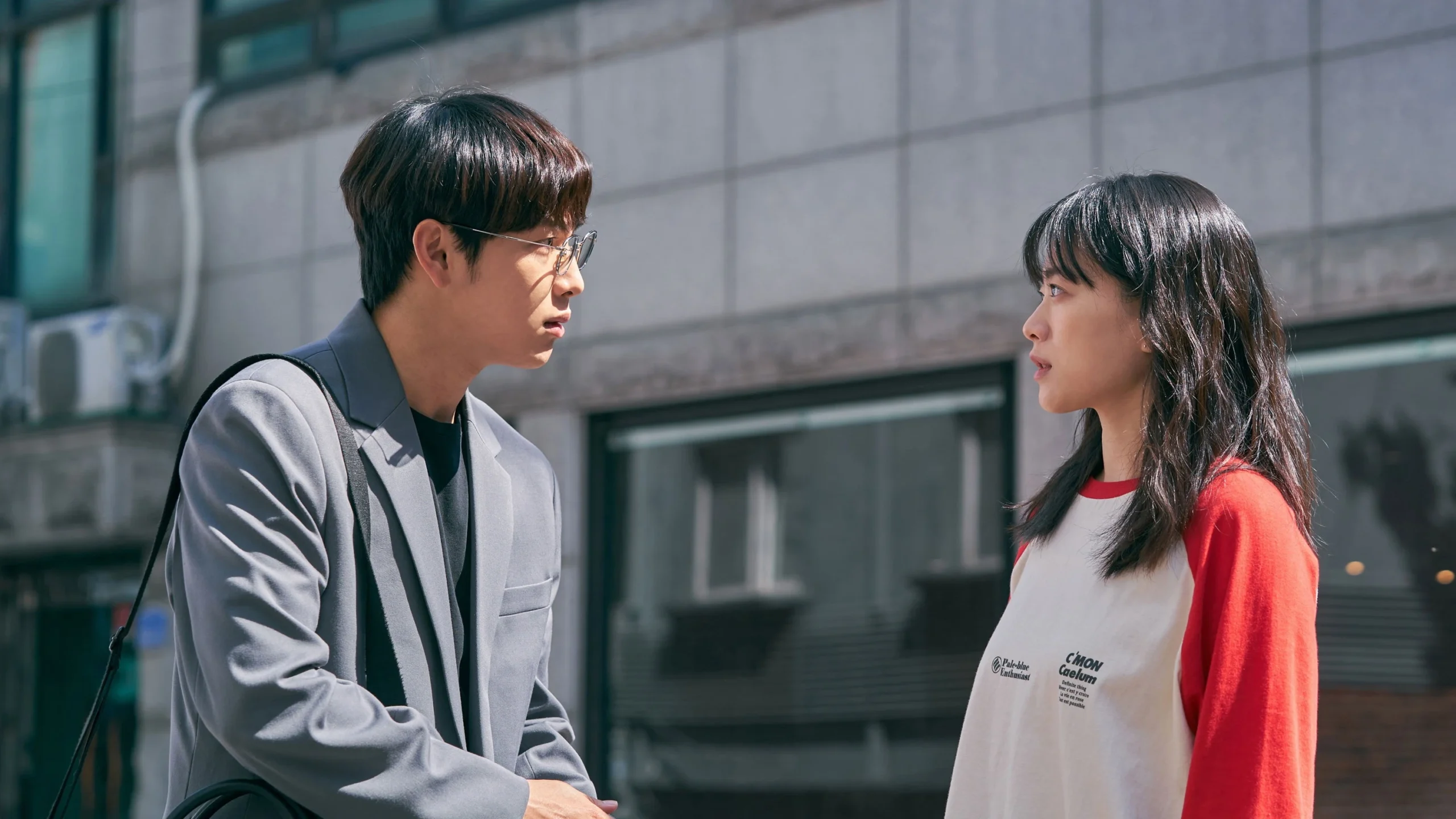
Kim Tae-joon’s directorial debut is more disciplined than flashy, and that restraint is the right call. Yim Si-wan’s performance works precisely because it withholds — Jun-yeong is curious, methodical, polite in a way that reads as slightly hollow only in retrospect. As a study of how surveillance reshapes power, the film operates in the same controlled register as Following, though Unlocked stays closer to the visceral experience of the person being observed rather than the procedural mechanics of whoever is watching.
The film’s weaknesses are real. The detective subplot runs at a noticeably different pace, and the third act wraps up faster than the dread it has spent 90 minutes building deserves. But as a 117-minute thriller built entirely around something every viewer does without thinking — unlocking their phone, sharing their location, trusting their contact list — it is sharper and more quietly disturbing than its IMDb score reflects. The fear it leaves behind is not about what happened to Na-mi. It’s about what was already in place before the film even started.
🎬 You Might Also Like
If you liked Unlocked, these are your next three watches.
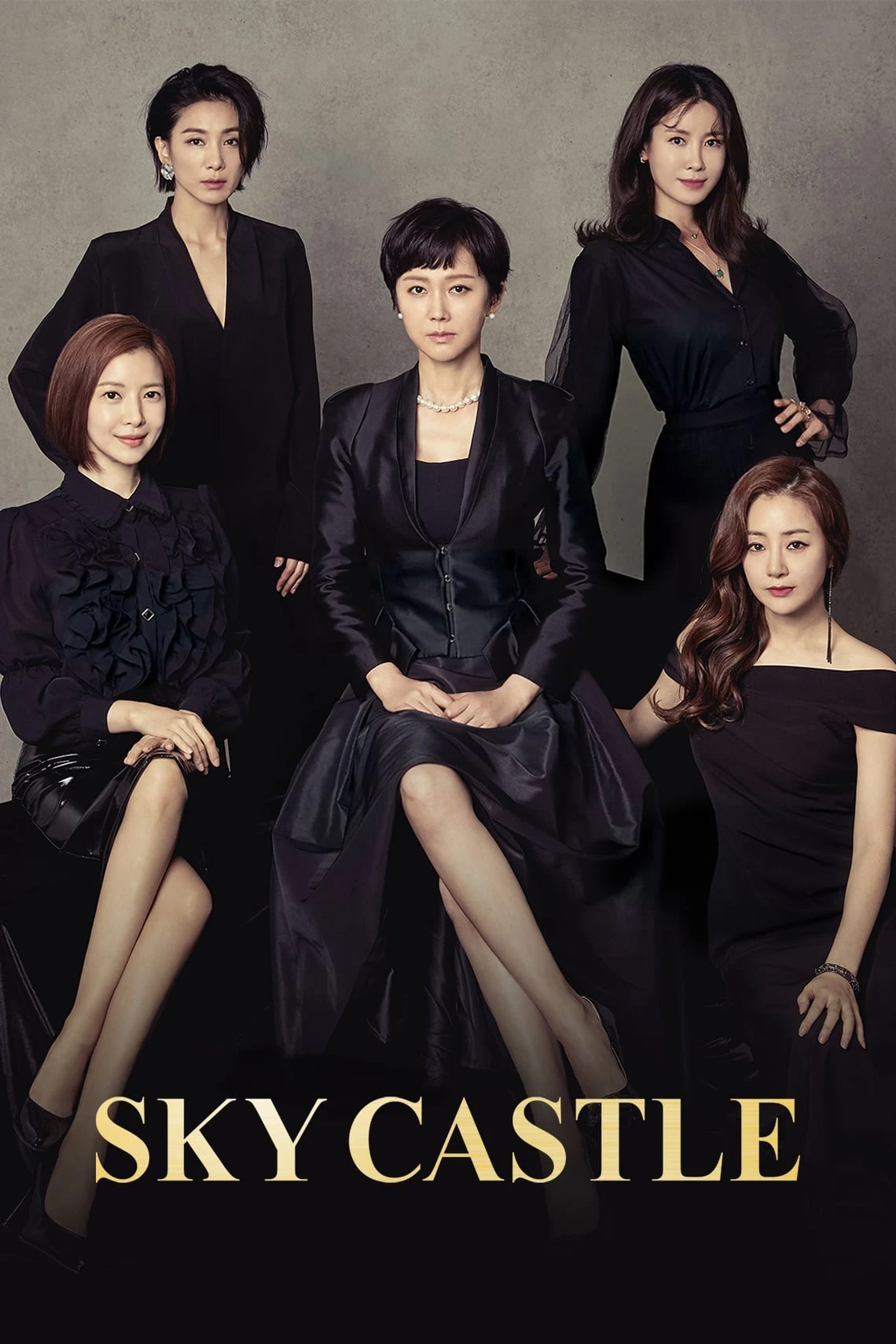 SKY Castle
Dark ComedyEducation Satire
Read Full Review →
|
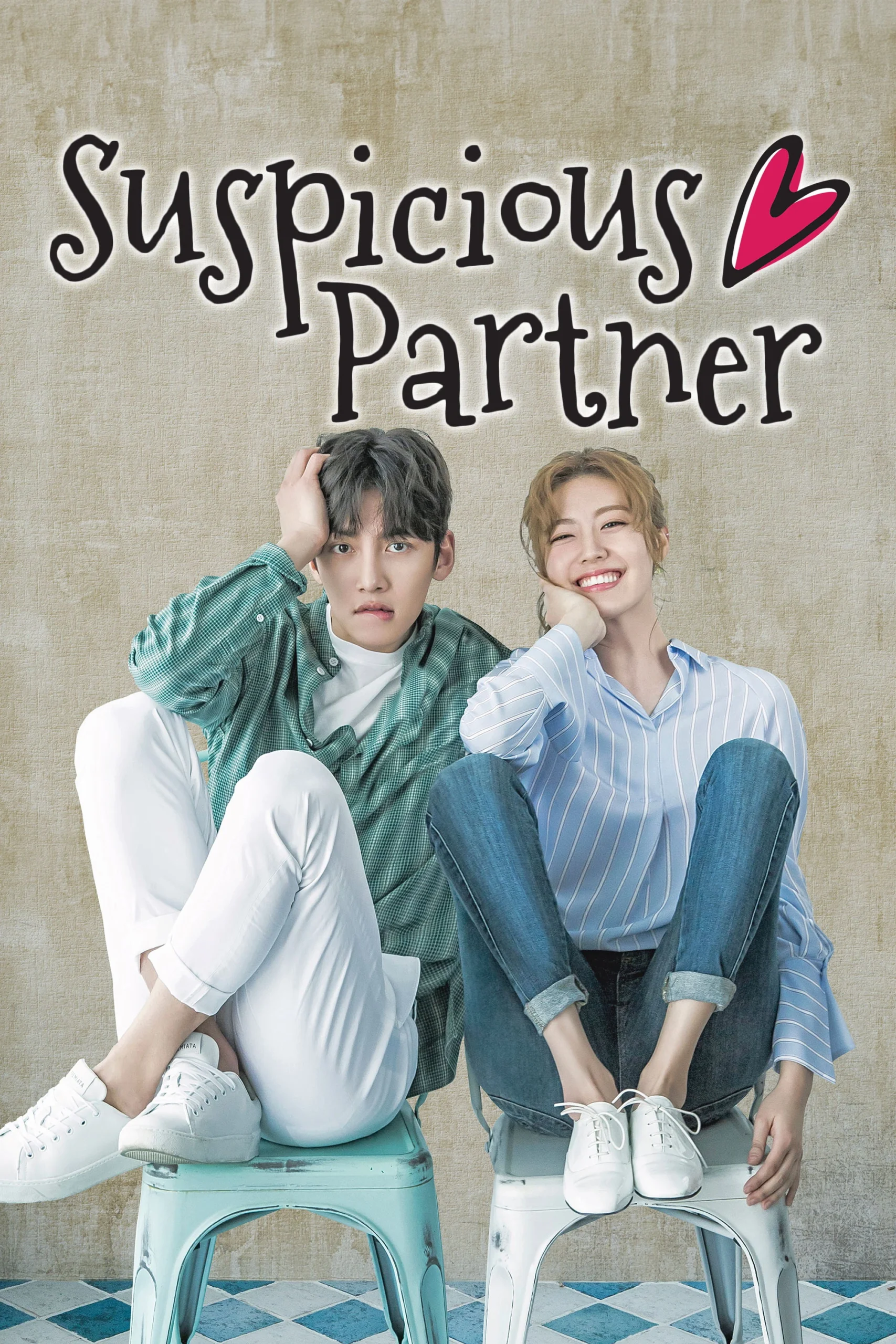 Suspicious Partner
comedyJi Chang-wook
Read Full Review →
|
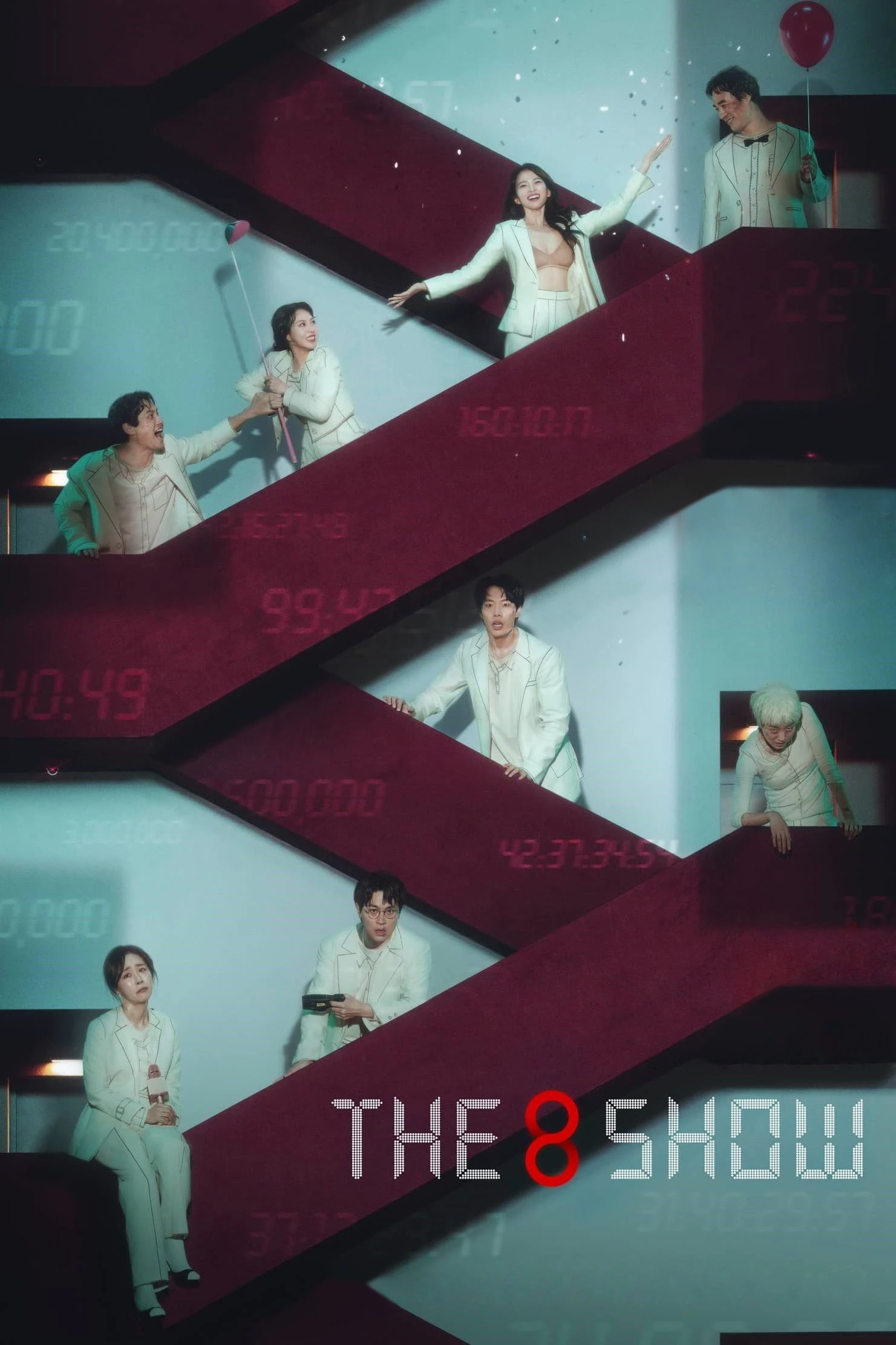 The 8 Show
Black ComedyChun Woo-hee
Read Full Review →
|




Keep it kind, skip the harsh language, and please — no spoilers. Everyone's taste is different, and that's perfectly fine.
This space is for real reactions and discussion from other viewers. Help keep it comfortable for everyone by not giving away major plot details.
What do you think of this drama?
Login to share your review or leave a comment.
No email needed — just pick a username & password.