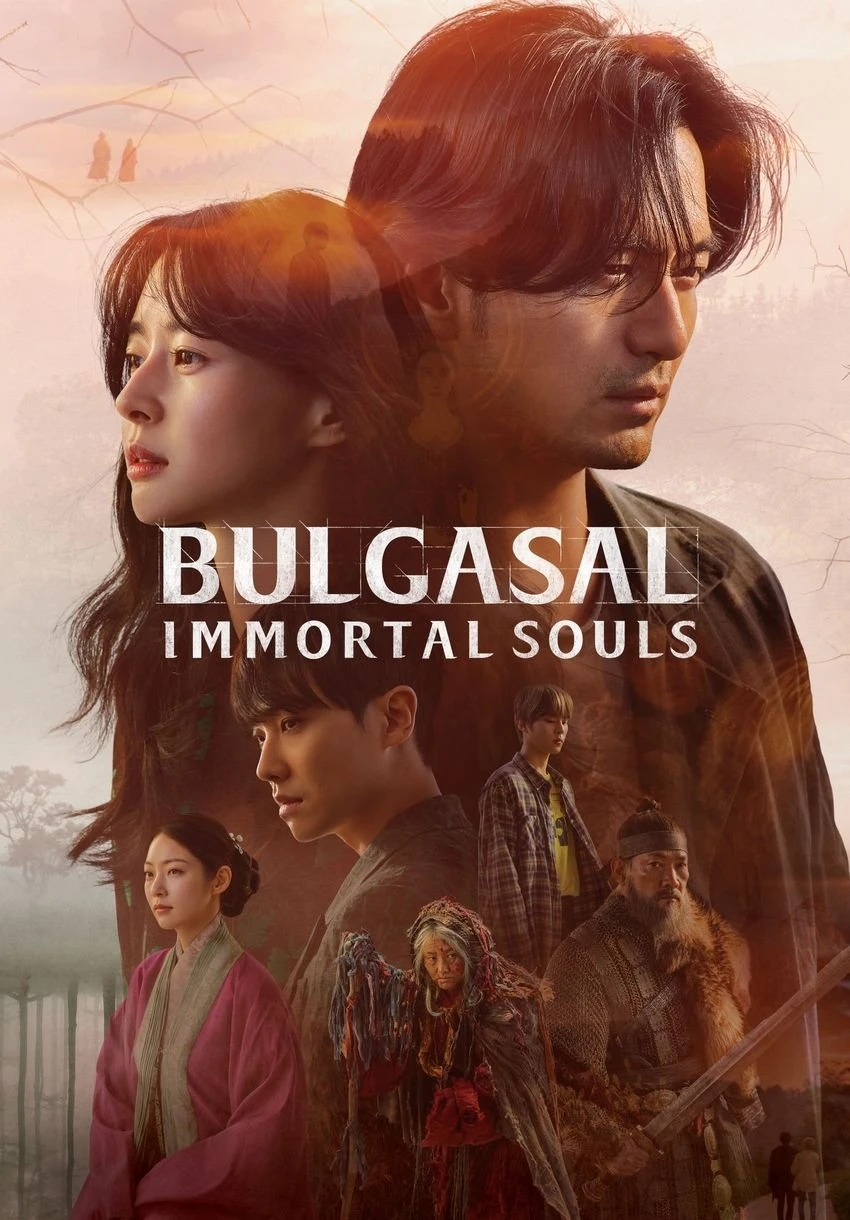
Bulgasal: Immortal Souls
🎬 tvN · Netflix
⭐ 8.2 / 10 MDL 🔞 15+
📋 Drama Overview
A quick primer before the opening scene.
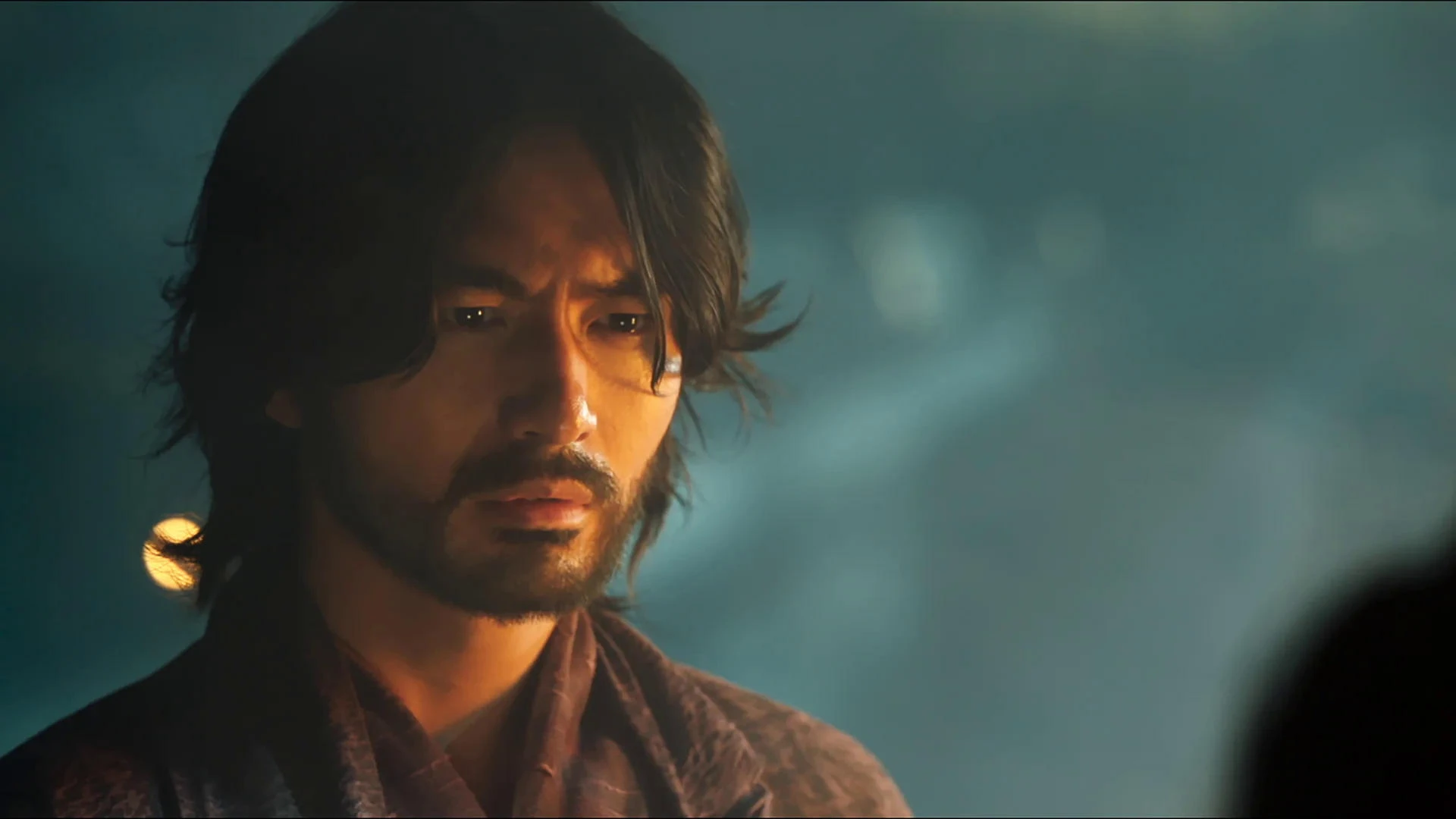
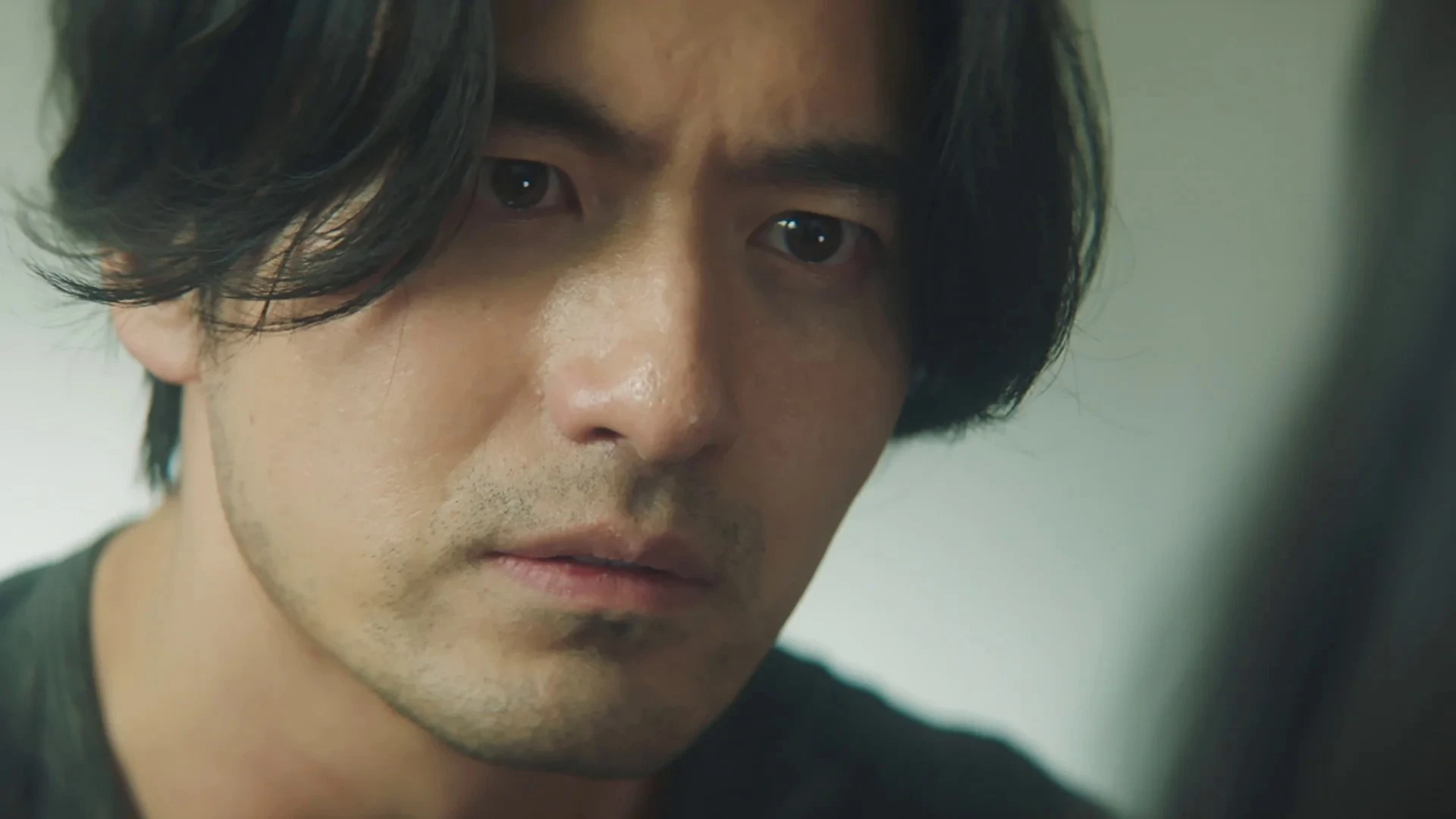
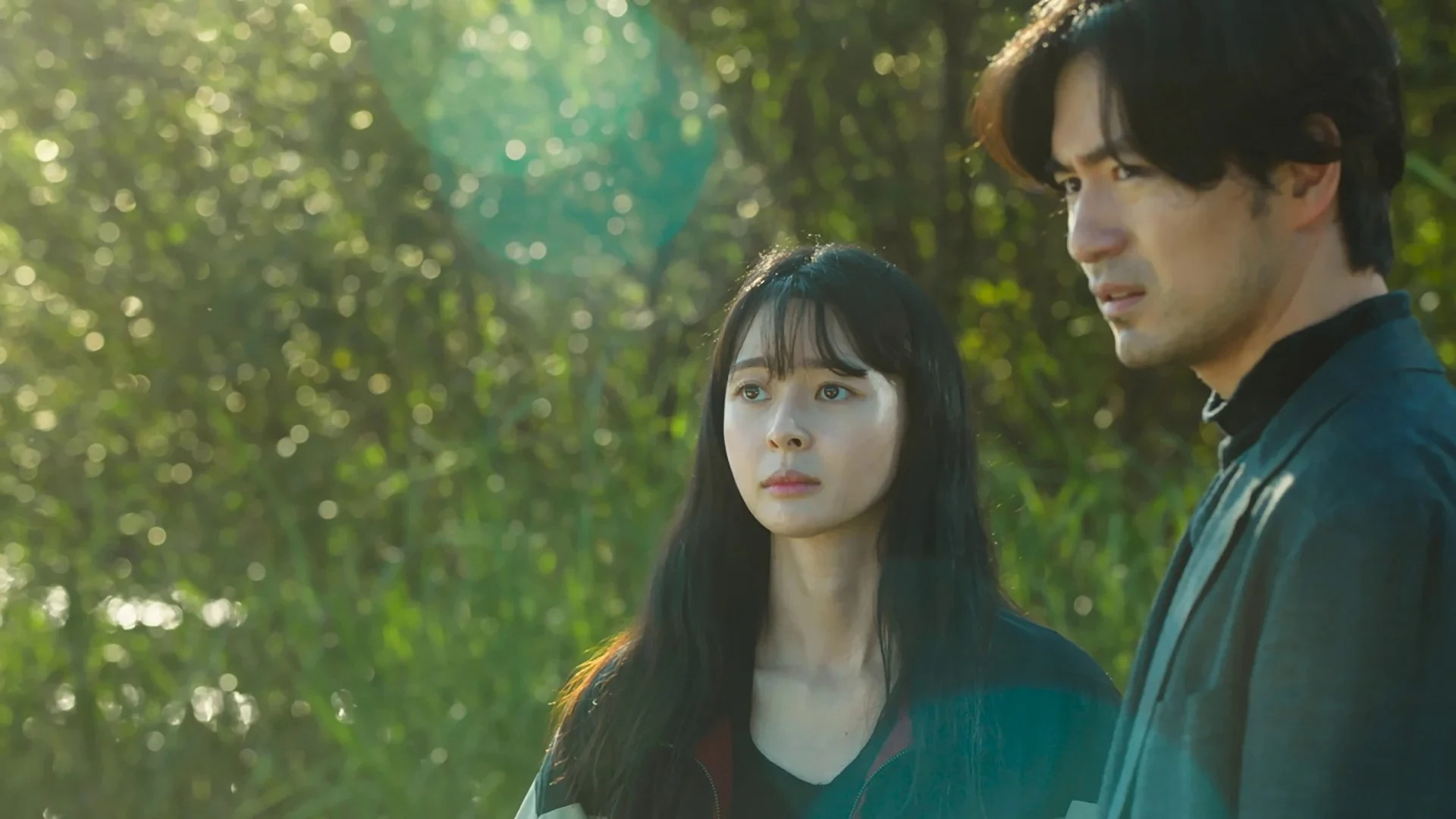
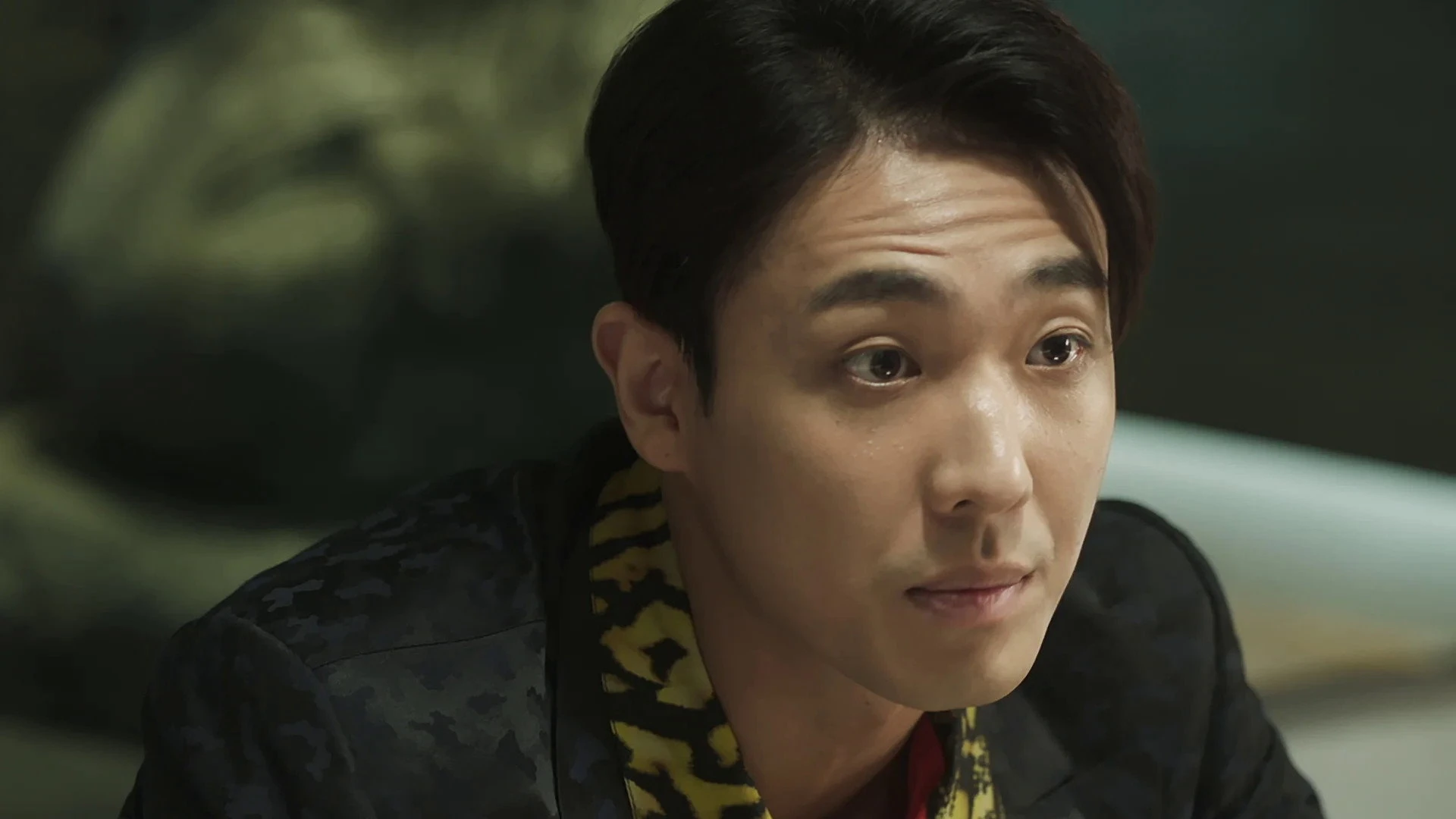
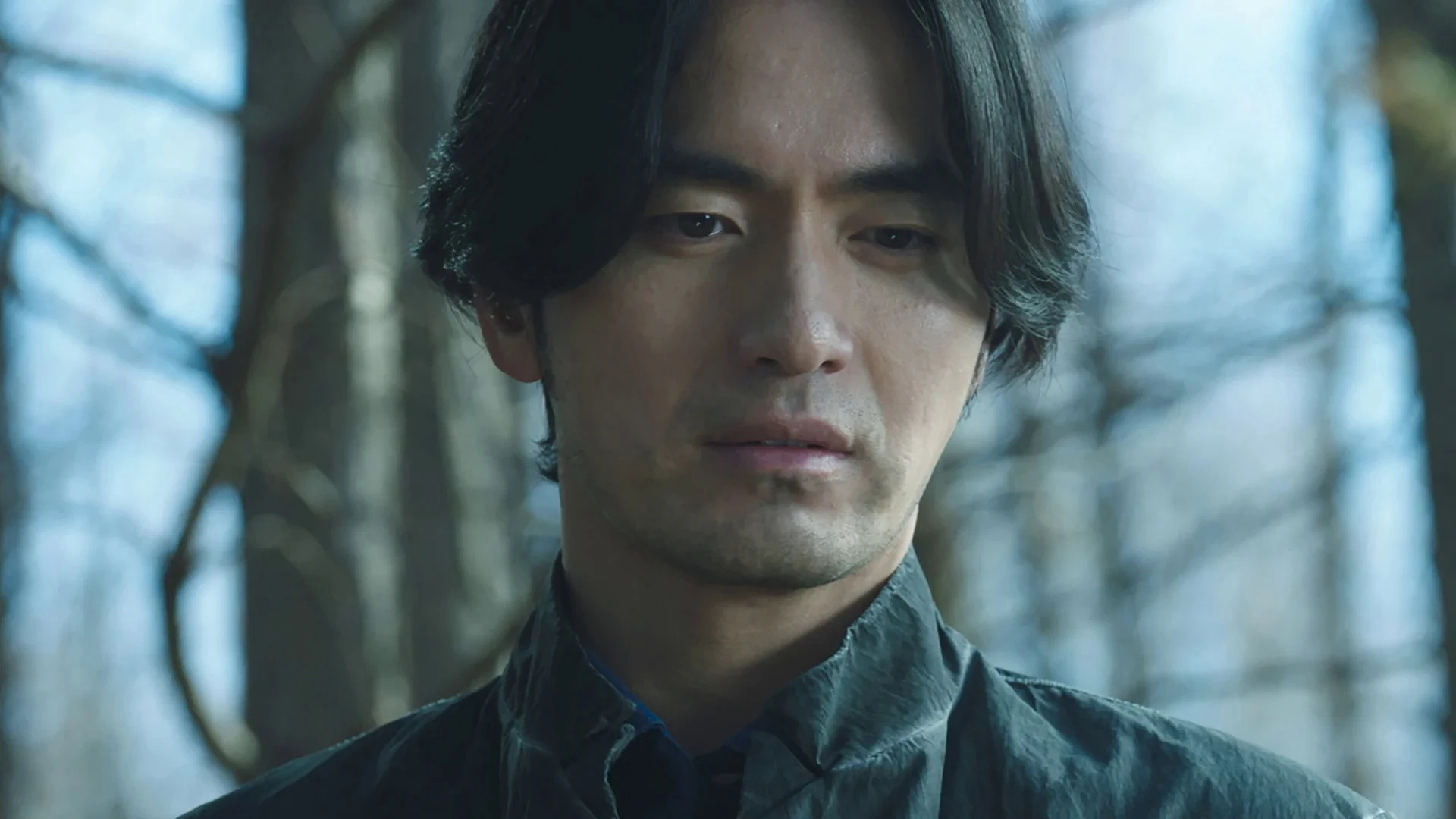
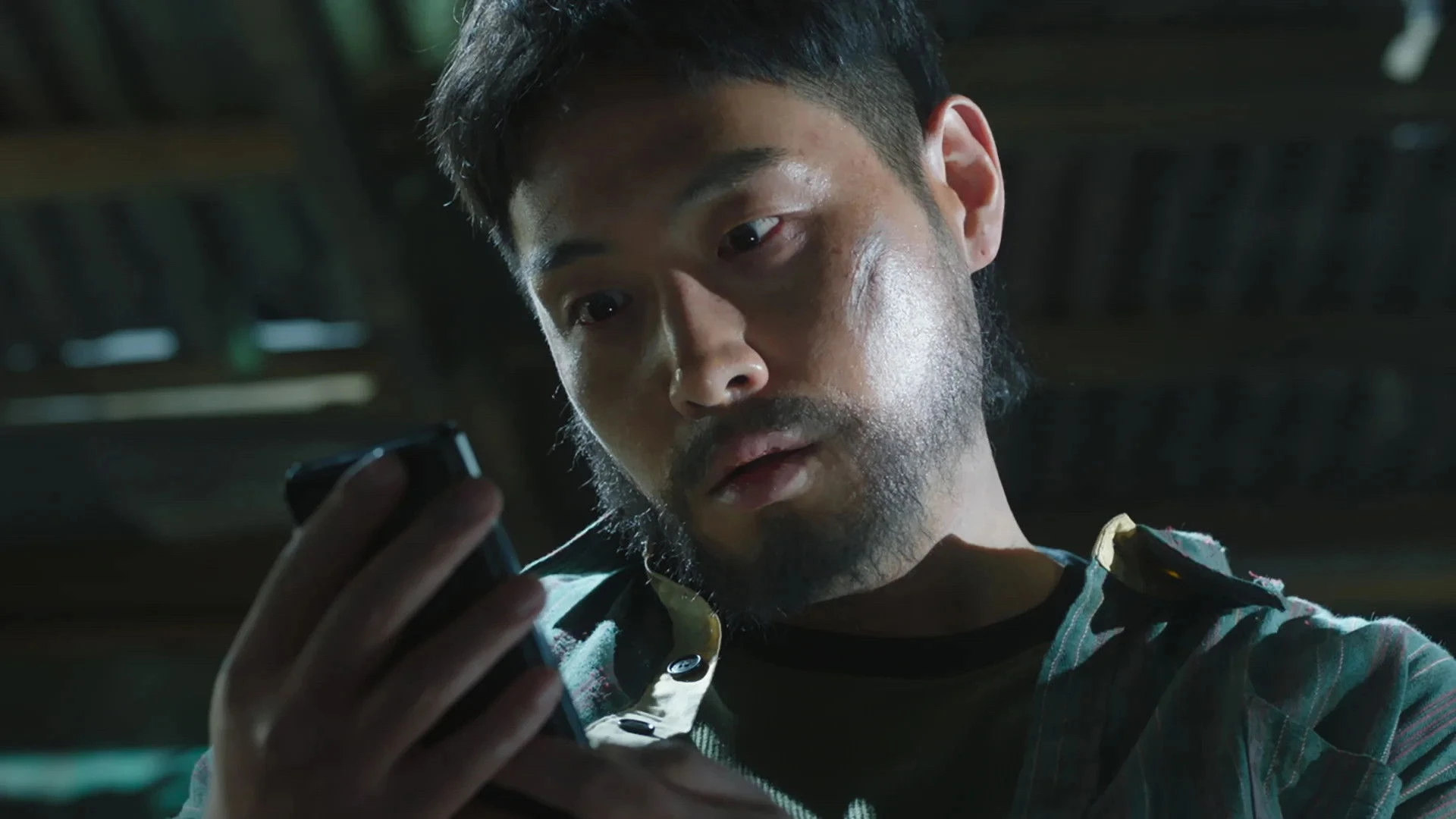
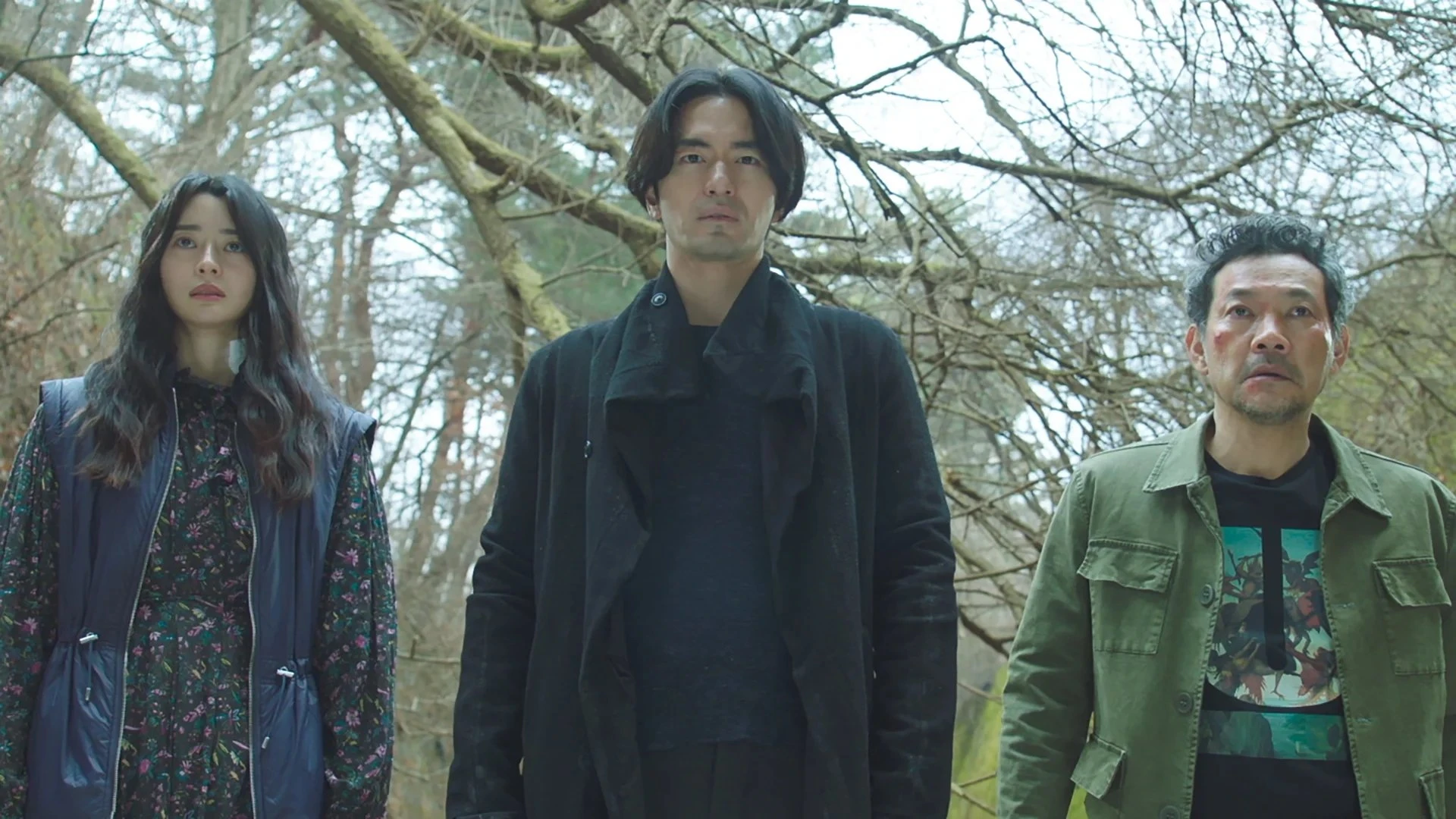
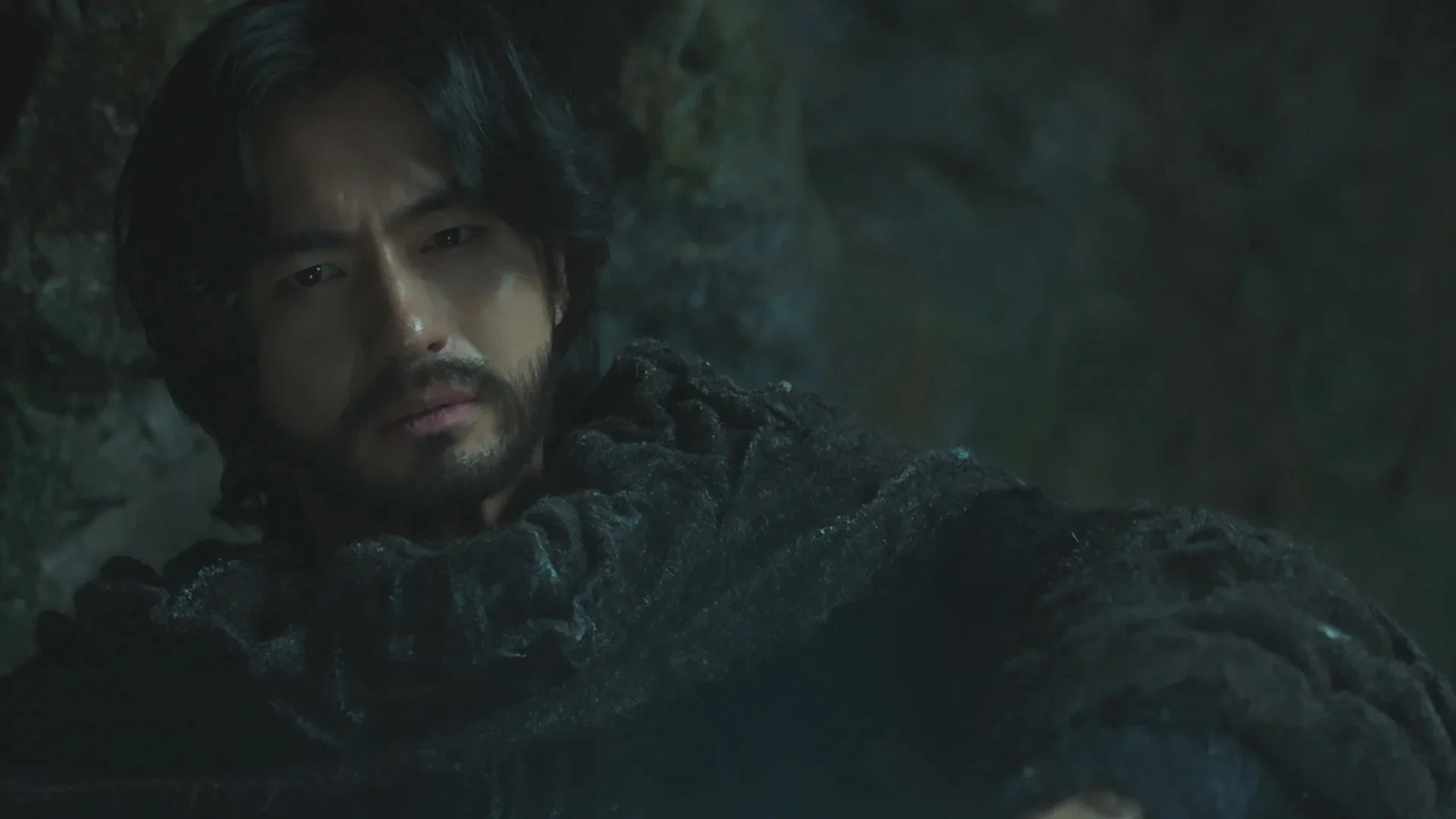
What does six hundred years of hunting the same soul do to a man who used to be human? Bulgasal: Immortal Souls spends sixteen episodes finding out. Dan Hwal (Lee Jin-uk) was a soldier once, until a mission to hunt a monster turned him into the very thing he was sent to kill — an immortal Bulgasal cursed to feed on blood and chase a woman who keeps dying and coming back. In the present day, that woman is Min Sang-un (Kwon Na-ra), living in hiding with her sister and running from a pursuer she doesn’t understand and can’t outlast.
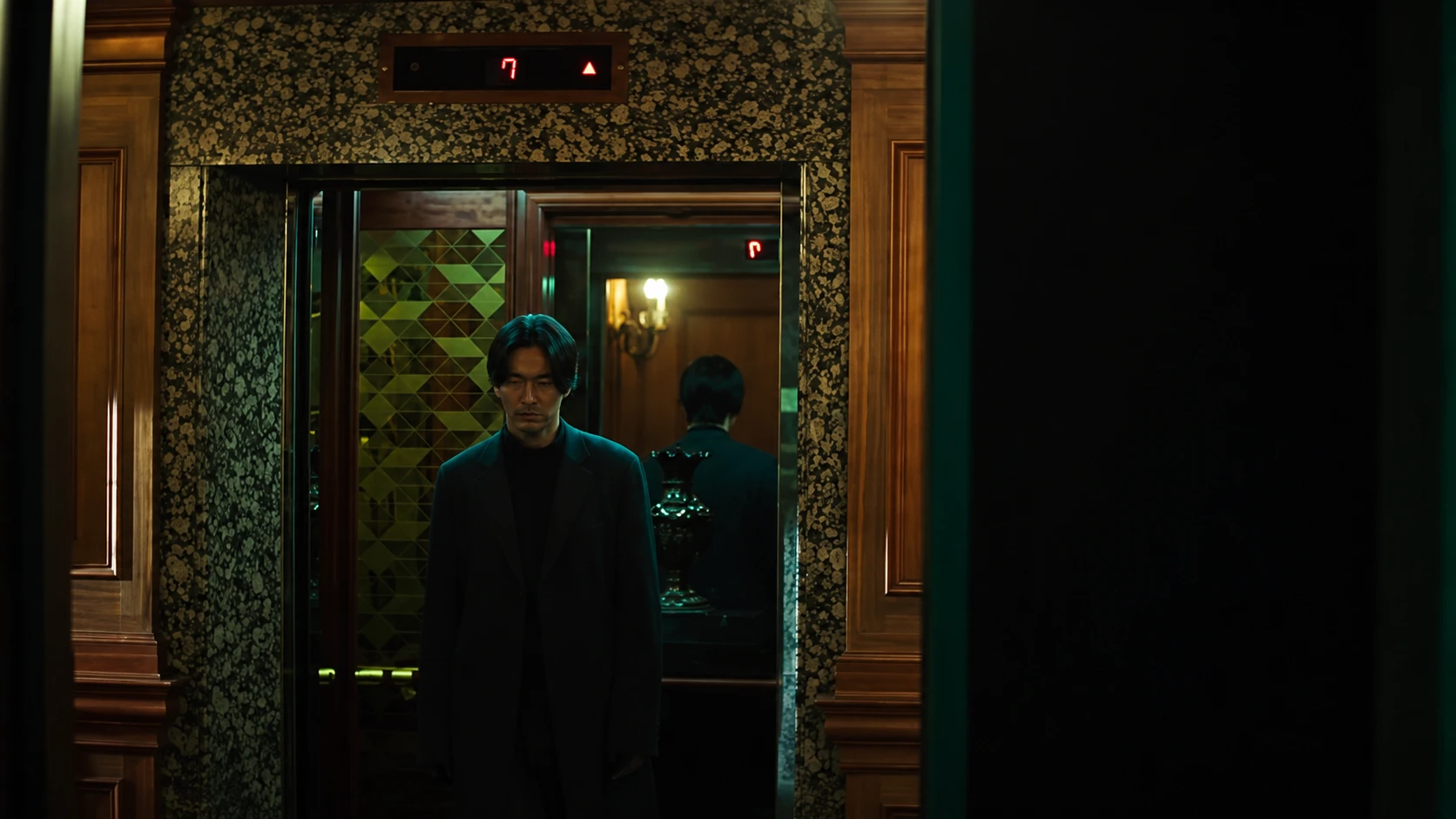
The show’s real engine isn’t the chase — it’s the slow, reluctant alliance Hwal and Sang-un build once they realize the actual villain, Ok Eul-tae (Lee Joon), has been pulling strings across all of their reincarnations. Centuries of resentment don’t dissolve just because the enemy turns out to be someone else; Bulgasal makes Hwal and Sang-un work for every inch of trust they build, layering flashbacks to a Joseon-era tragedy underneath their present-day investigation. It’s a revenge story that keeps asking whether revenge is even the right frame for what these two people owe each other.
16 / 16 ✅ Completed
⚡ Quick Verdict
The whole verdict, boiled down to one box.
· MDL Score · 15,628 ratings
▶ Official Trailer
🎭 Cast & Characters
Two souls tangled across six centuries, and the found family caught in the crossfire of their curse.

Lead

Lead

Supporting

Supporting
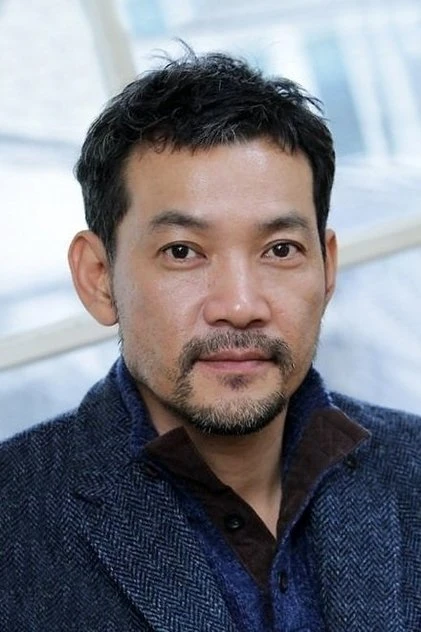
Supporting

Supporting

Supporting

Supporting
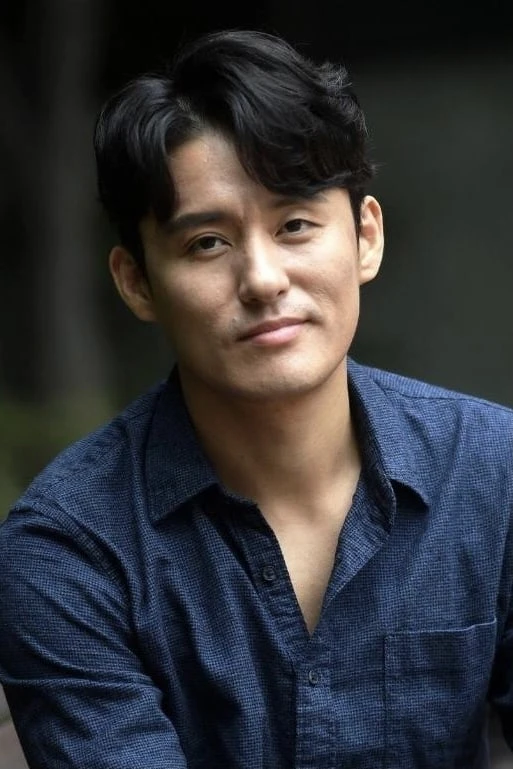
Supporting

Supporting

Supporting

Supporting
📺 Episode Guide
A spoiler-light refresher, episode by episode.






🏁 Ending Explained
The finale, unpacked in full. Consider yourself warned.
Spoiler Warning — This section covers the full finale of Bulgasal: Immortal Souls. Stop here if you haven’t finished the series.
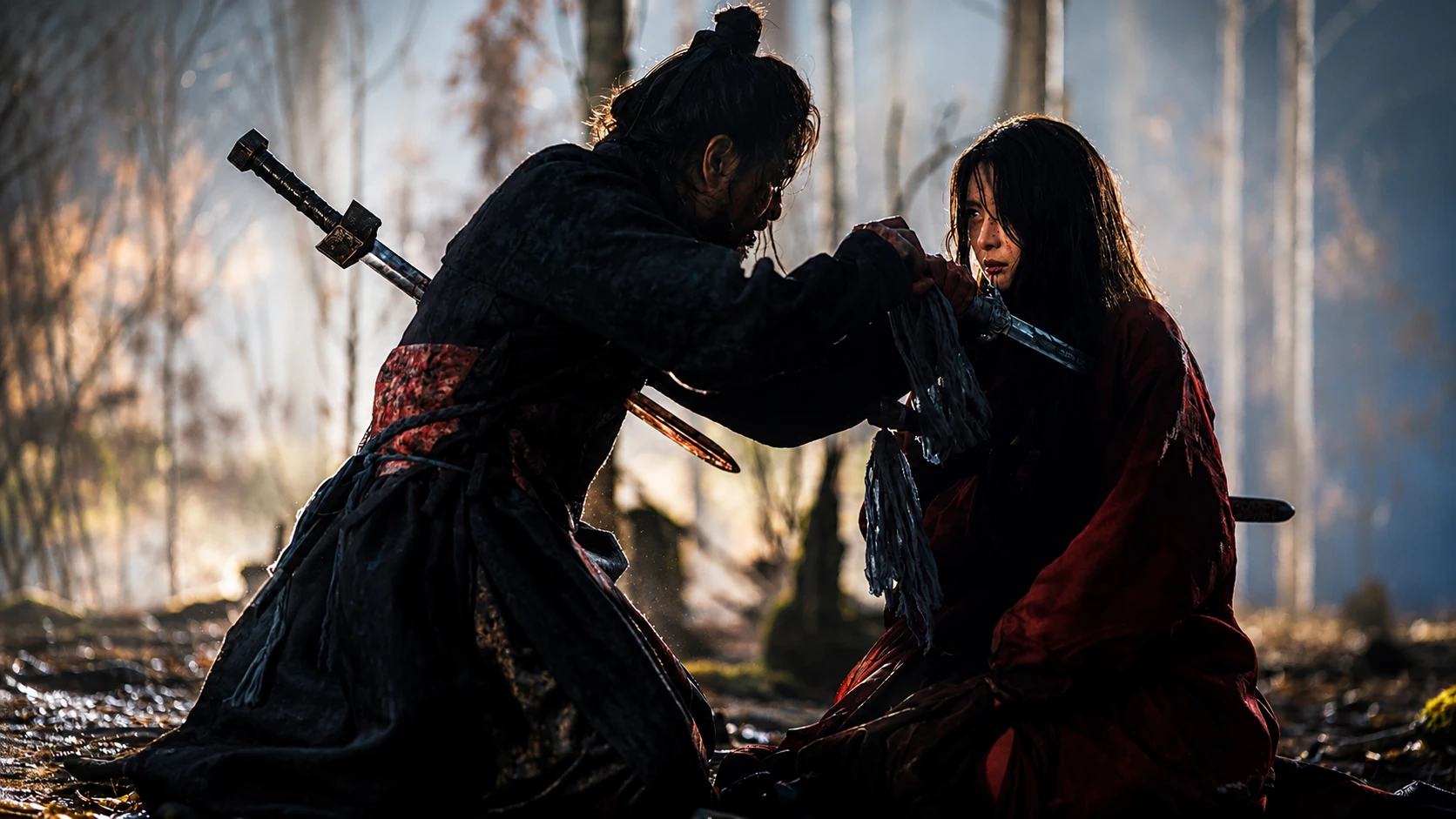
What literally happens The finale traces the curse back to a betrayal a thousand years old — the origin point for Dan Hwal, Min Sang-un, and Ok Eul-tae’s entwined fates — and resolves it not through a bigger fight but through finally naming what actually happened back then. With the truth on the table, Hwal and Sang-un make the sacrifice needed to end the cycle of reincarnation and revenge, while Eul-tae, unwilling to let go of his own immortality, is the one who doesn’t survive the reckoning.
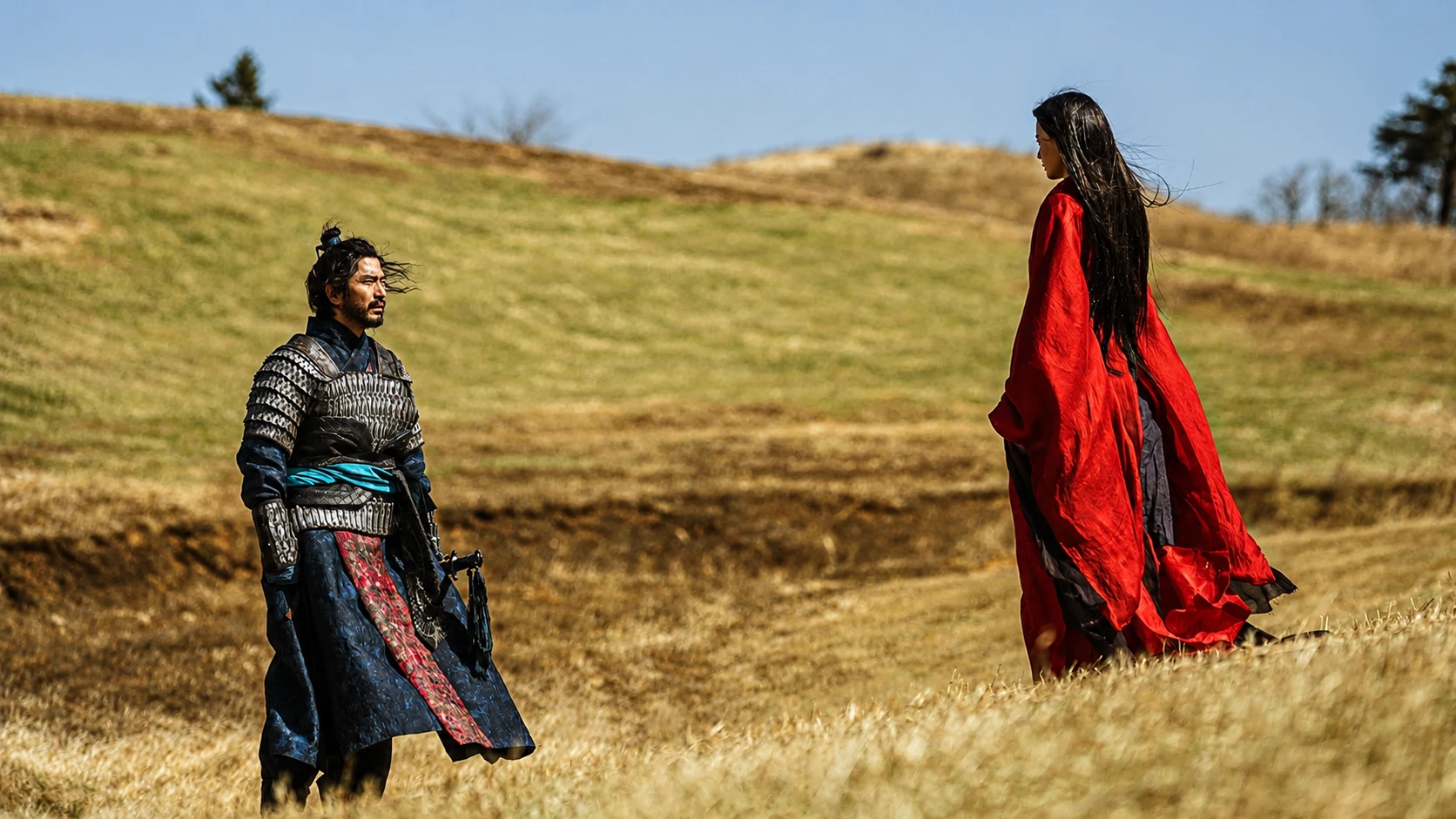
What breaking the curse actually costs The show is careful not to make the ending free. Centuries of pursuit, resentment, and death don’t just cancel out because the truth finally surfaces — Hwal and Sang-un have to actively choose to let go of six hundred years of grievance, which is a harder ask than defeating Eul-tae ever was. The curse breaks because two people decide the debt is paid, not because the math resolves itself.
Ok Eul-tae’s ending, and why it isn’t tragic Eul-tae gets no redemption arc, and Bulgasal doesn’t seem interested in giving him one. He wanted to keep living regardless of who paid for it, and the finale treats that refusal to change as the actual reason he loses — not because he’s weaker than Hwal, but because he never stops choosing himself over everyone tangled in his curse. The show reserves its sympathy for the people willing to give something up.
Three ways to read the finale One reading is straightforward genre catharsis: cursed lovers break the curse, villain loses, credits roll. A second reading treats the whole series as an argument about grief — that Hwal spent six centuries mistaking rage for mourning, and the ending is really about him learning the difference. A third, colder reading points out that breaking the cycle still required somebody to die for it, which complicates any version of this ending that wants to feel purely happy.
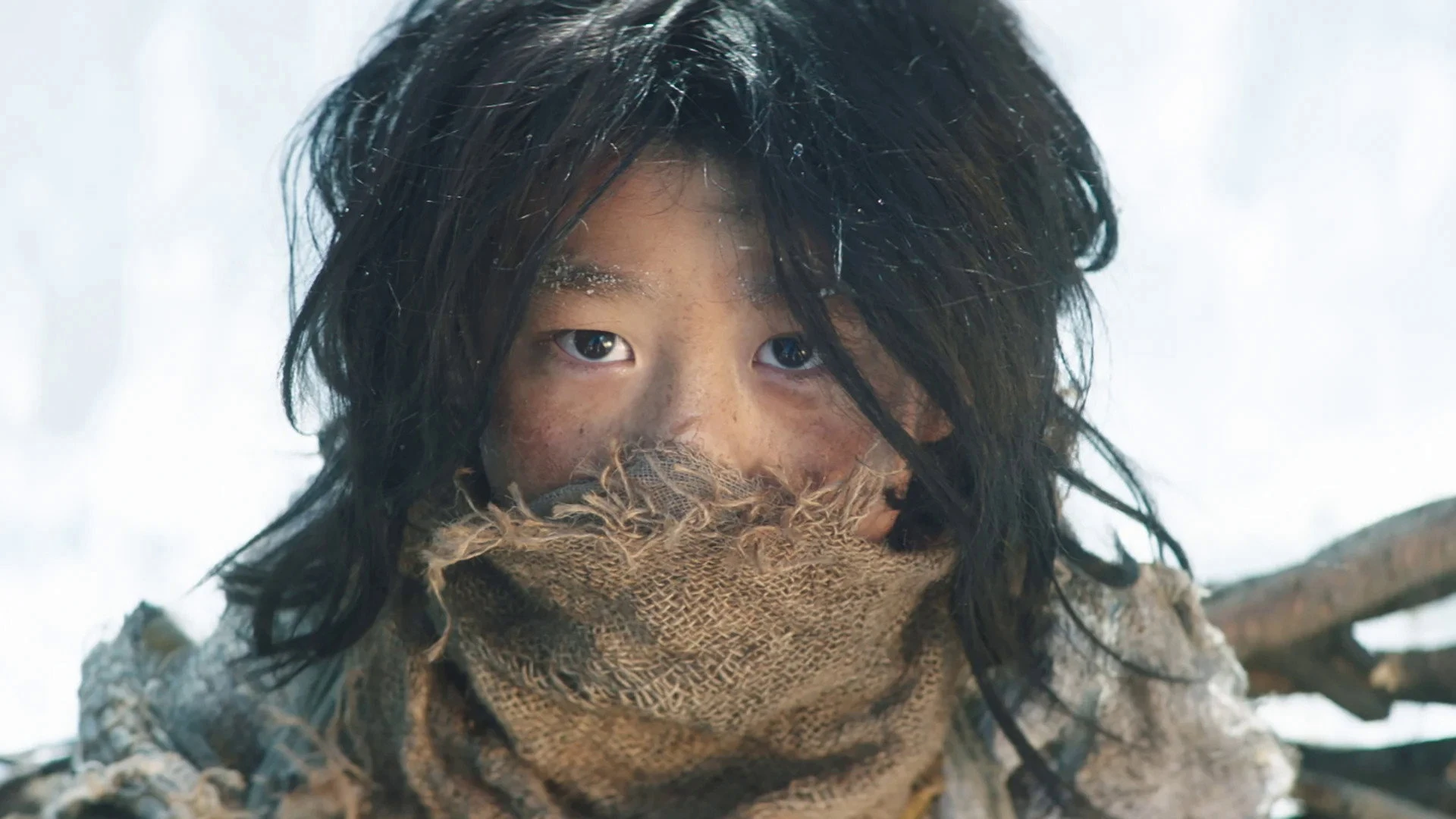
Why episode one hits differently once you know the ending Go back to the boy blamed for his village’s misfortunes in episode one, and the finale reframes him entirely — not as a monster in waiting, but as someone who spent his entire life, human and immortal both, being punished for things that were never fully his fault. Bulgasal spends sixteen episodes building toward the idea that the curse was never really about blood. It was about who gets to stop being blamed.

✍️ KDramaWorlds Editor’s Take
Our honest take — is it worth your time, and who’s it really for.
🔁 Reincarnation With Receipts
🌙 Cursed Romance, Not Cute
⚔️ Revenge That Interrogates Itself
There’s a scene mid-season where Dan Hwal watches Min Sang-un sleep, and you can see Lee Jin-uk playing two different centuries at once — the exhaustion of six hundred years of hunting layered under something that looks uncomfortably close to tenderness. He doesn’t soften the character to sell the romance; if anything, Hwal stays genuinely frightening for most of the run, which makes the moments he isn’t land so much harder. It’s the same trick Goblin pulled off with its own immortal, cursed lead — make the audience fear him and root for him in the same scene — except Bulgasal pushes the body count and the grief considerably further.
Kwon Na-ra doesn’t get enough credit for how she plays Sang-un’s fear as intelligence rather than helplessness — every decision she makes in the early episodes reads as someone actively solving a problem, not a woman waiting to be rescued. Lee Joon, meanwhile, finds a register for Ok Eul-tae that never tips into cartoon villainy; his logic is self-serving but internally consistent, which is scarier than a mustache-twirling version of the same character would have been. The mythology-hunter engine underneath all of it recalls Tale of the Nine-Tailed, though Bulgasal commits harder to the tragedy and softer to the comic relief.
Sixteen episodes is a real commitment for a plot this tangled — flashbacks stacked on flashbacks, three timelines of the same grudge — and the middle stretch occasionally slows down to explain lore that could have been trusted to land through implication. But the emotional throughline never gets lost in the mechanics, and the finale earns its quiet ending instead of just declaring victory. This is a show that trusts grief as much as it trusts its monsters.
Anyone who likes a reincarnation romance with real stakes attached to every past life
Viewers who want their revenge plot to interrogate revenge instead of just delivering it
🎬 You Might Also Like
If you liked Bulgasal: Immortal Souls, these are your next three watches.
 Summer Vacation
Cho Yi-hyunfantasy
Read Full Review →
|
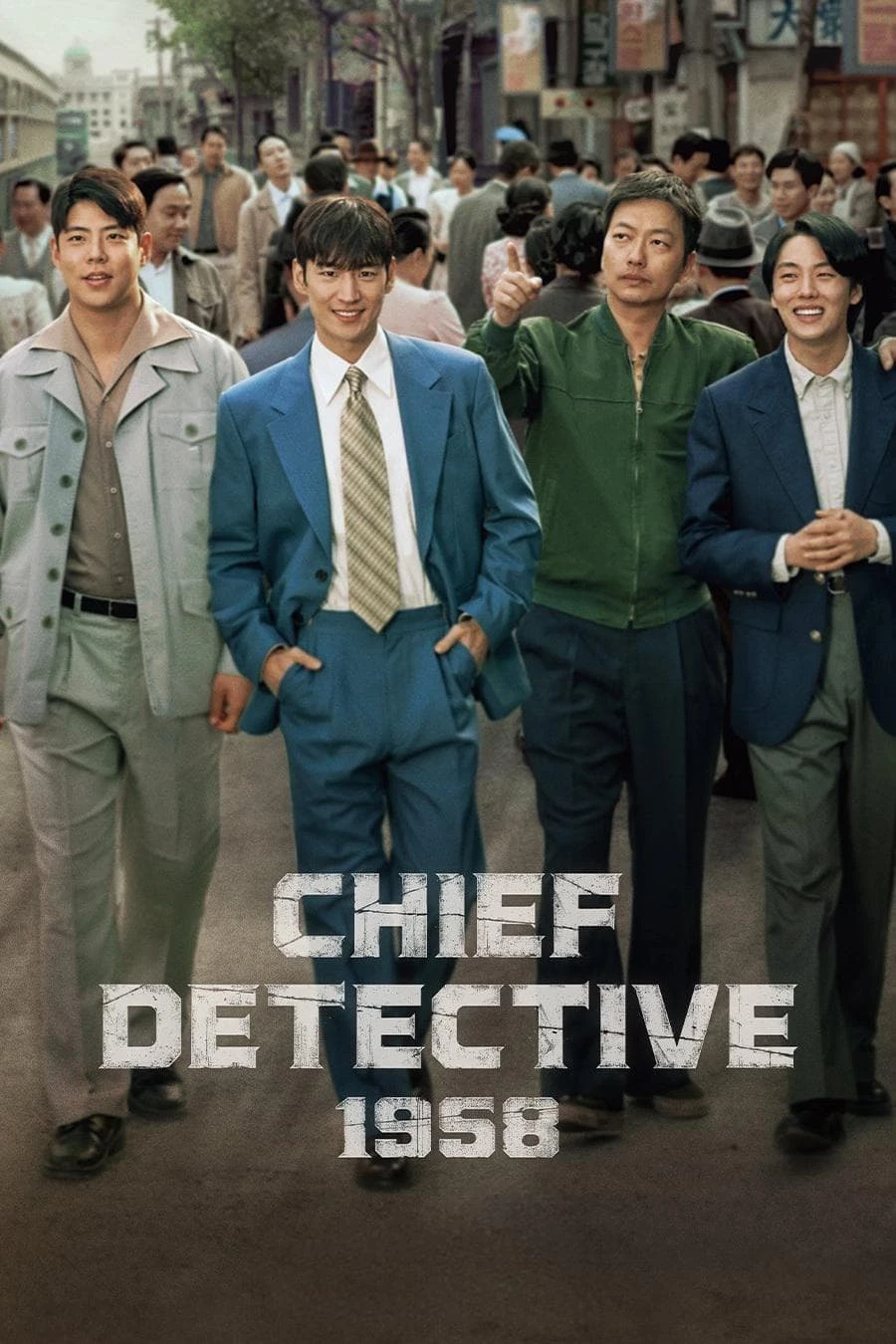 Chief Detective 1958
Buddy CopsCorruption
Read Full Review →
|
 The Goddess of Revenge
ChaebolFemale Lead
Read Full Review →
|











Keep it kind, skip the harsh language, and please — no spoilers. Everyone's taste is different, and that's perfectly fine.
This space is for real reactions and discussion from other viewers. Help keep it comfortable for everyone by not giving away major plot details.
What do you think of this drama?
Login to share your review or leave a comment.
No email needed — just pick a username & password.