📺 K-Drama Guide · Romance · Business
Start-Up
스타트업 · 2020
✅ Completed · 16 eps
🎬 Netflix · TVING
⭐ 8.0 / 10 MDL
📺 TV-14
⚡ Updated · Apr 11, 2026
📋 Drama Overview
Everything you need to know before you hit play.
Completed
💕 Romance Must-Watch
Start-Up
스타트업 (Seutateueop) · 2020 · South Korea
Netflix
TVING
Romance
Love Triangle
Entrepreneurship
Coming-of-Age
Startup Culture
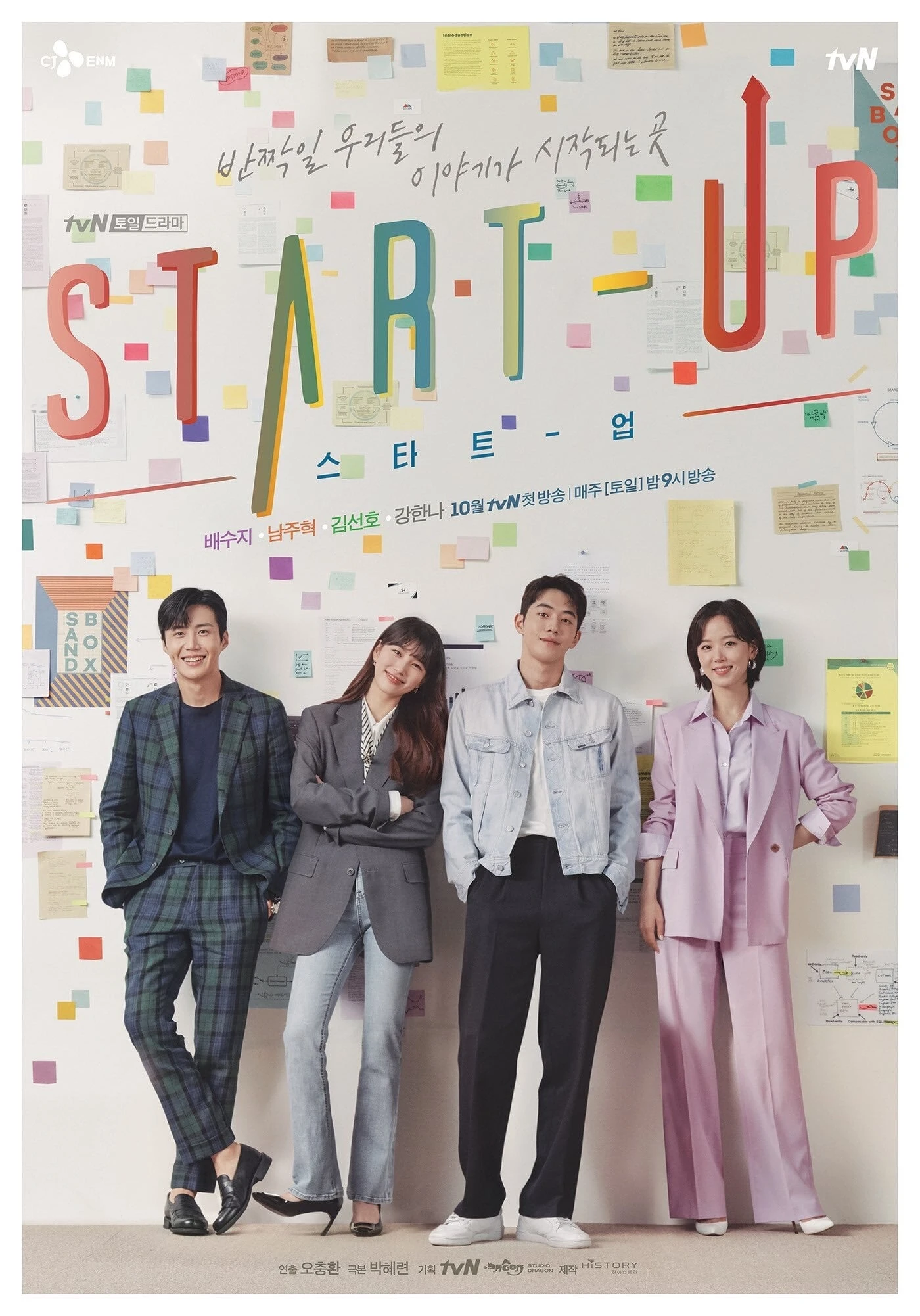
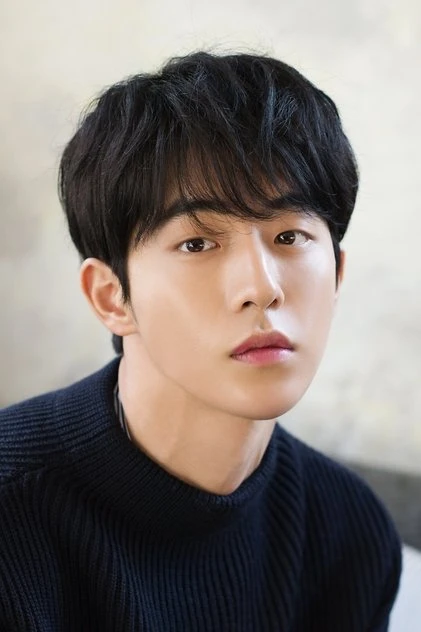
Seo Dal-mi (Suzy) is an ambitious young woman with no prestigious background who dreams of becoming Korea’s Steve Jobs. She carries years of warm memories tied to a childhood pen pal named Nam Do-san — a thoughtful, emotionally generous boy who wrote her letters that felt like lifelines. What she doesn’t know: the real Nam Do-san (Nam Joo-hyuk) is a struggling engineer whose small startup, Samsan Tech, is quietly failing. He never wrote a single one of those letters.
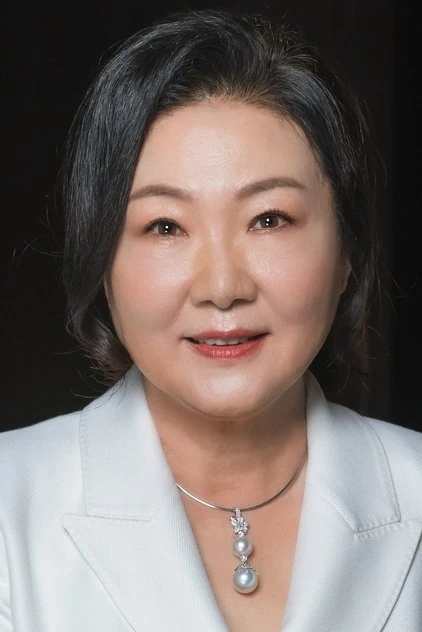
The letters were written by Han Ji-pyeong (Kim Seon-ho) — a sharp-tongued, brilliant venture capitalist who was once a homeless teenager taken in by Dal-mi’s grandmother, Won-deok (Kim Hae-sook). When Do-san is recruited to impersonate his own fictional pen-pal identity inside Sandbox, Korea’s premier startup incubator, he finds himself caught between a growing real affection for Dal-mi and a deception he can’t undo. Ji-pyeong, watching from the sidelines as mentor to Samsan Tech, discovers feelings he buried decades ago. And Dal-mi’s estranged older sister Won In-jae (Kang Hanna) re-enters her life as a competitor — a rival backed by family money, determined to prove she doesn’t need it.
Episode Progress
16 / 16 ✅ Completed
⚡ Quick Verdict
One box. Everything you need to decide.
⭐ Worth it?YES — if you can accept the ending
⏱️ CommitmentHigh — ~22 hours total
💛 VibeWarm · Entrepreneurial · Bittersweet
📺 Skip if…You need your preferred ship to win
⭐ 8.0 / 10
· MDL Score · 82,456 ratings
🎭 Cast & Characters
Six performances that anchor a love story built on ambition, deception, and the letters that started it all.
Nam Joo-hyuk
Nam Do-san
Lead
Kim Seon-ho
Han Ji-pyeong
Lead
Kang Hanna
Won In-jae
Lead
Kim Hae-sook
Choi Won-deok
Supporting
Yoo Su-bin
Lee Chul-san
Supporting
🍿 Where to Watch
Stream Start-Up on these platforms.
📺 Episode Guide
Spoiler-light recaps — enough to remember where you left off, nothing that ruins the ride.
 EP 01
EP 01
The Letter
October 17, 2020
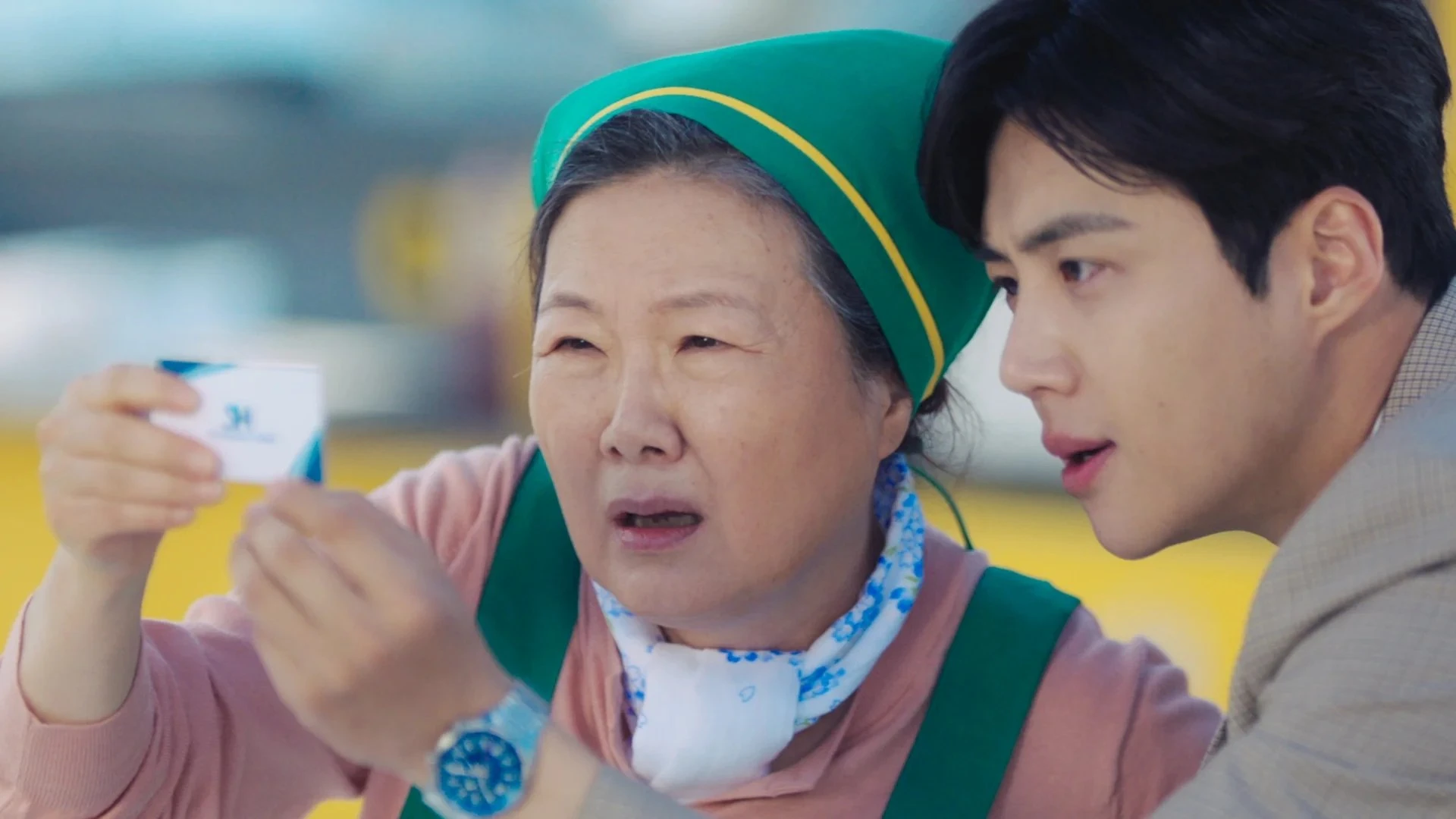
Fifteen years ago, Dal-mi’s family split in two — she stayed with her father while In-jae left for America with their mother. A teenage Ji-pyeong, taken in by their grandmother Won-deok, began ghostwriting letters to a lonely Dal-mi under the name “Nam Do-san.” In the present, Dal-mi attends a Sandbox networking event and crosses paths with In-jae, Ji-pyeong, and — unknowingly — the real Nam Do-san for the first time. The stage is set, and the hook is immediate.
 EP 02
EP 02
Family and Fools
October 18, 2020
Dal-mi sets out to find the real “Nam Do-san” — the man she believes wrote her childhood letters. Ji-pyeong, realising the deception has real consequences, tracks down the actual Do-san and persuades him to play along at a Sandbox networking event. Meanwhile Samsan Tech wins a US competition called CODA, drawing attention they weren’t prepared for. The love triangle machinery starts turning.
 EP 03
EP 03
First Impressions
October 24, 2020
Dal-mi reunites with her mother for the first time since childhood — with Do-san beside her, coached remotely by Ji-pyeong via earpiece, doing his best to be the person Dal-mi imagined. The earpiece sequence is the show at its most charming. Dal-mi quits her job and announces she’s going to build a company. In-jae, sidelined by her stepbrother at their family’s corporation, resigns and does the same.
 EP 04
EP 04
Sandbox
October 25, 2020
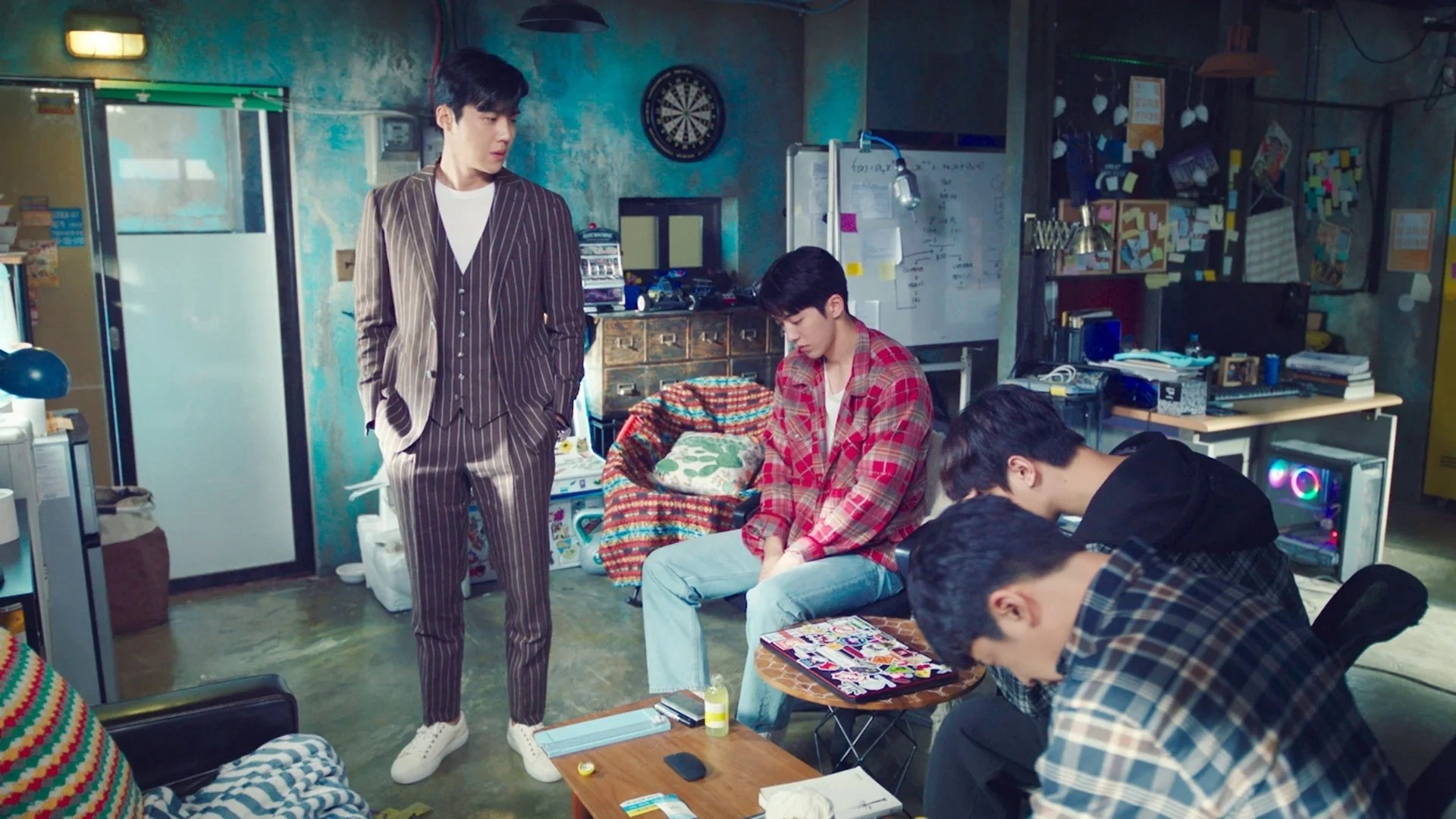
Ji-pyeong converts his apartment into a fake Samsan Tech office to impress Dal-mi on a visit — a detail that is both deeply funny and quietly devastating when you understand what it costs him. At Sandbox’s hackathon, Do-san’s real identity becomes known, but Dal-mi chooses to join Samsan Tech anyway — picking their team over In-jae’s. Sandbox CEO Seon-hak reads In-jae’s application and recognises something that reminds her of a man long gone.
 EP 05
EP 05
The Hackathon
October 31, 2020
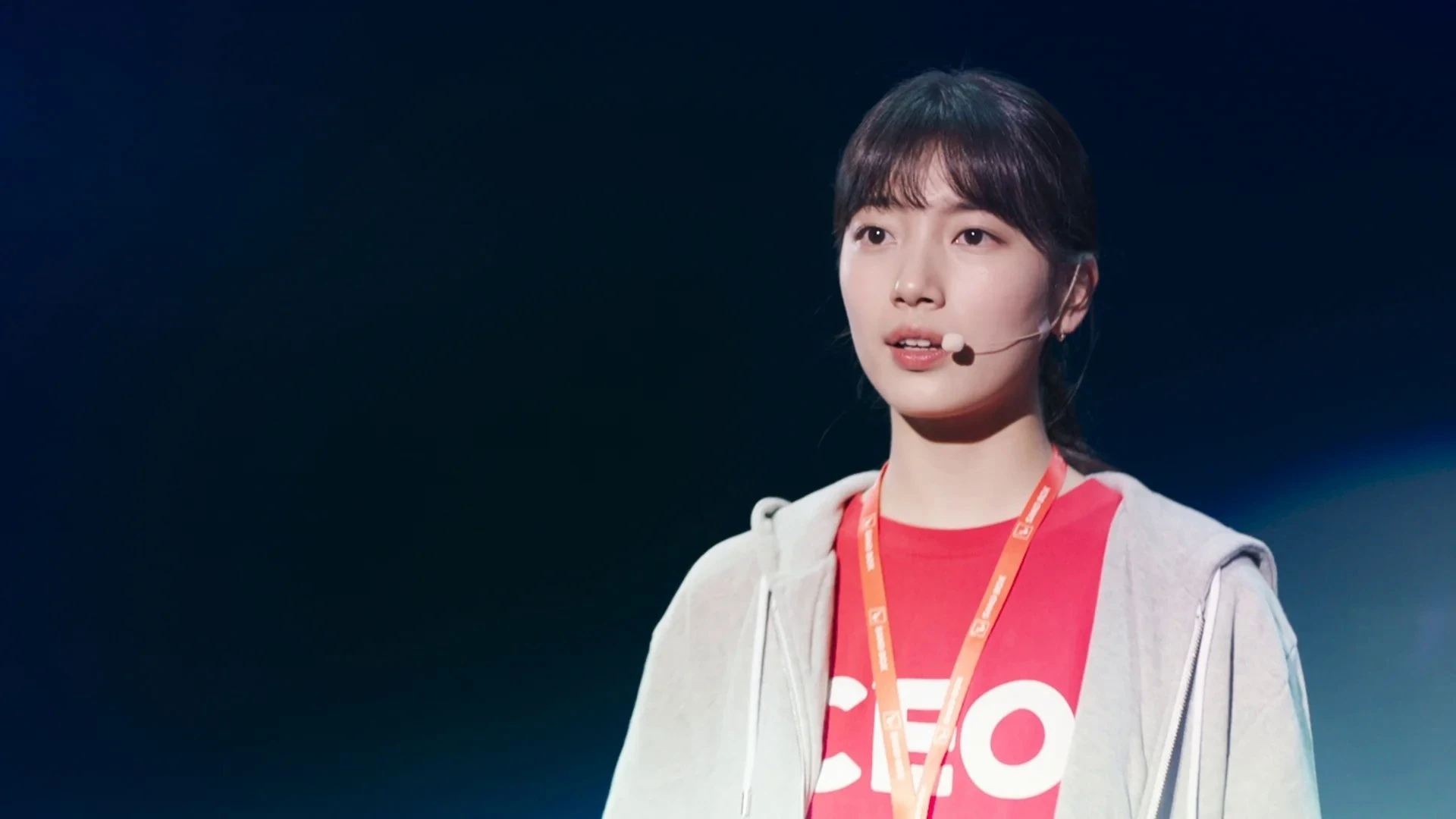
Dal-mi recruits the fiery Sa-ha as Samsan Tech’s designer, completing their team. They develop a handwriting-forgery detection program for the competition — only for In-jae’s team to steal the concept and flip it into a handwriting-generation tool. Despite the sabotage, both Samsan Tech and Injae Company earn their spots inside Sandbox. The competition between the sisters is now official.
 EP 06
EP 06
The Mentor
November 1, 2020
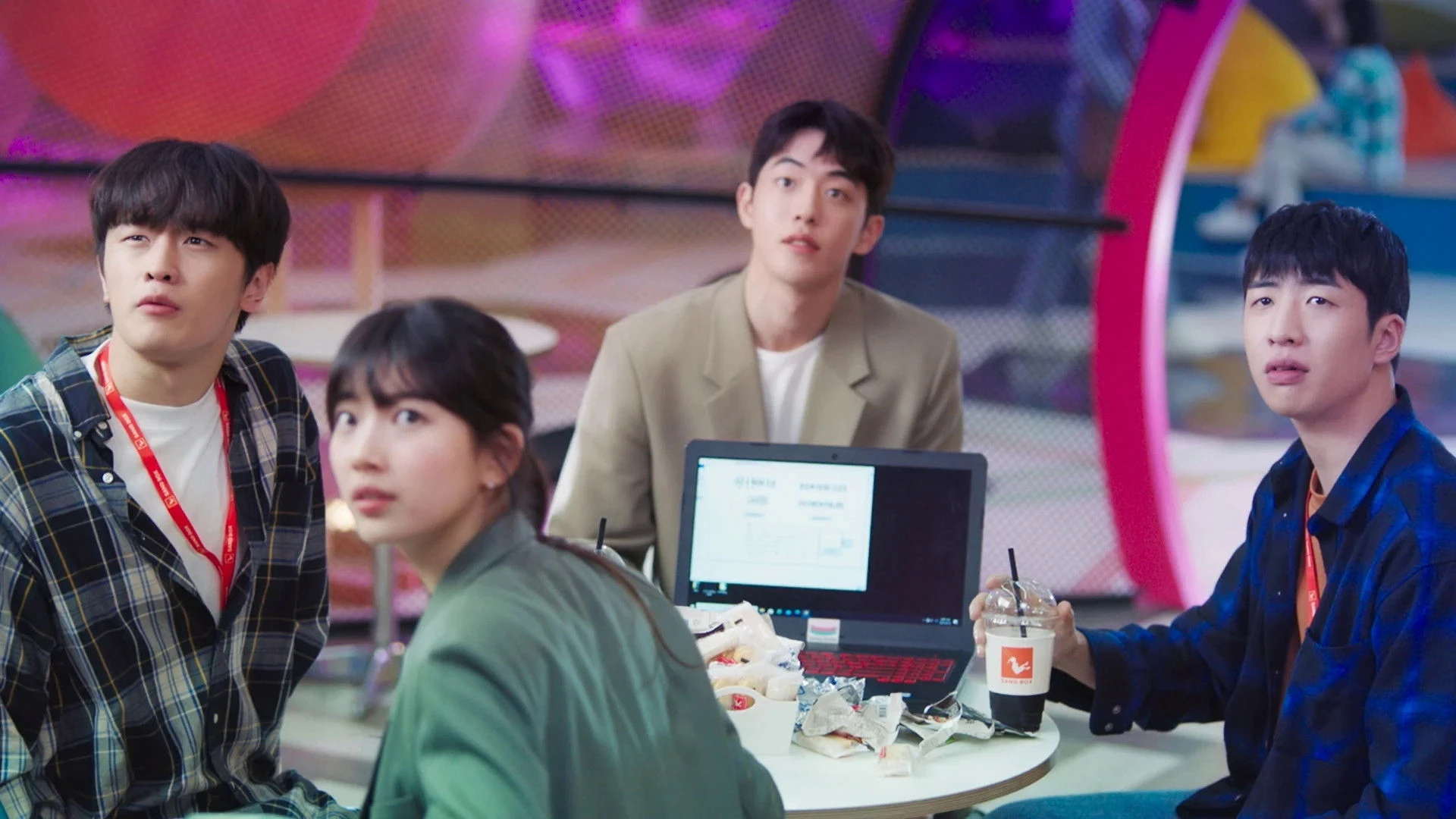
Do-san races to fix a flaw in Samsan Tech’s algorithm before Injae Company’s version overtakes them. At the mentor selection round, Dal-mi chooses Ji-pyeong over Alex Kwon — a decision with consequences she doesn’t fully understand yet. A share dispute threatens to fracture Samsan Tech’s founders before they’ve even begun. A mysterious “Revenge” message appears in Sandbox, planting a thread that will carry into the second half of the drama.
 EP 07
EP 07
Dandelion
November 7, 2020
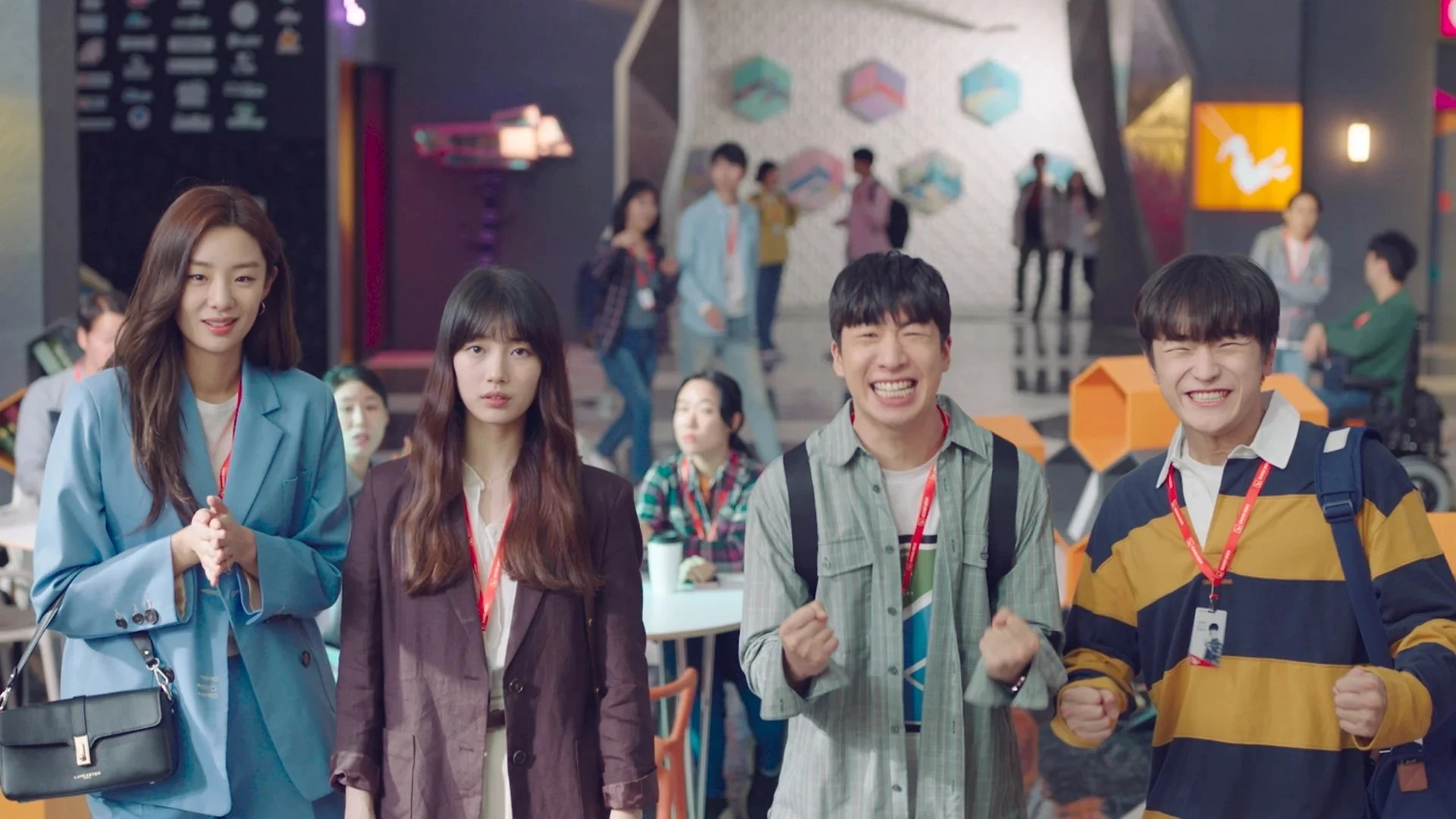
Sandbox’s 12th batch officially begins, and Samsan Tech struggles to define their actual business under Ji-pyeong’s exacting mentorship. Do-san’s feelings for Dal-mi deepen — but Ji-pyeong’s unspoken history with the grandmother and his role as the real letter-writer creates tension he can’t resolve. The revenge subplot picks up: Yong-san’s reason for being in Sandbox connects to his brother’s death, and the shape of something larger begins to emerge.
 EP 08
EP 08
The Truth
November 8, 2020
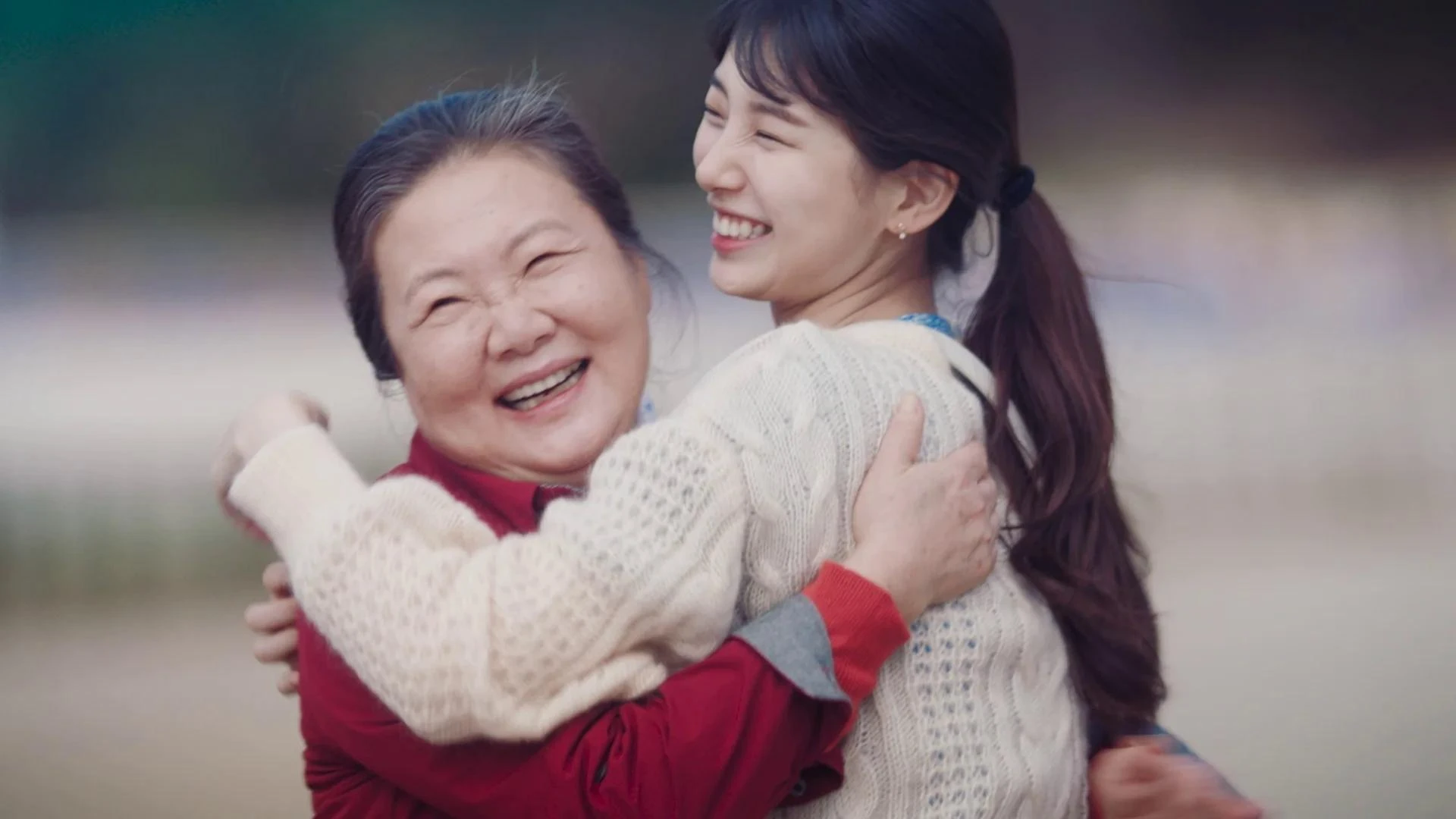
Dal-mi discovers that Ji-pyeong — not Do-san — wrote her childhood letters. The revelation shakes the foundation of everything she thought she knew. Do-san, refusing to hide behind Ji-pyeong’s script any longer, confesses his feelings directly and entirely as himself. Ji-pyeong, confronted with the consequences of the deception he helped create, realises his own buried feelings have nowhere left to go. The episode the fandom still argues about.
 EP 09
EP 09
The Triangle
November 14, 2020
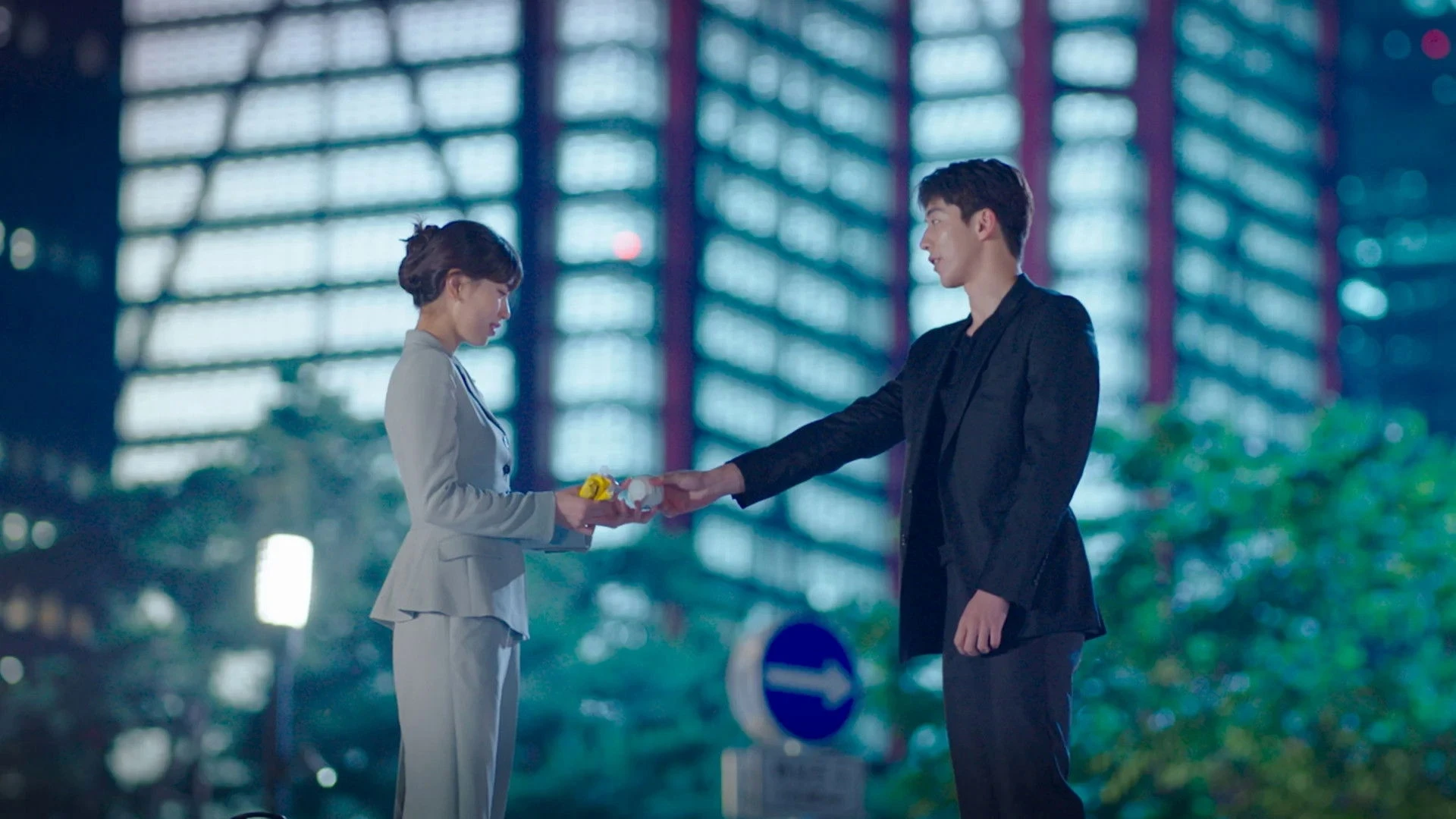
With the truth partially out, the love triangle reaches its most intense point — Do-san and Ji-pyeong both openly invested, Dal-mi making decisions for the first time entirely on her own terms. The Yoon Byung-soo subplot intensifies, connecting to the tragedy that shaped Yong-san’s agenda inside Sandbox. Dal-mi faces her first real test of leadership under genuine investor pressure.
 EP 10
EP 10
Trust
November 15, 2020
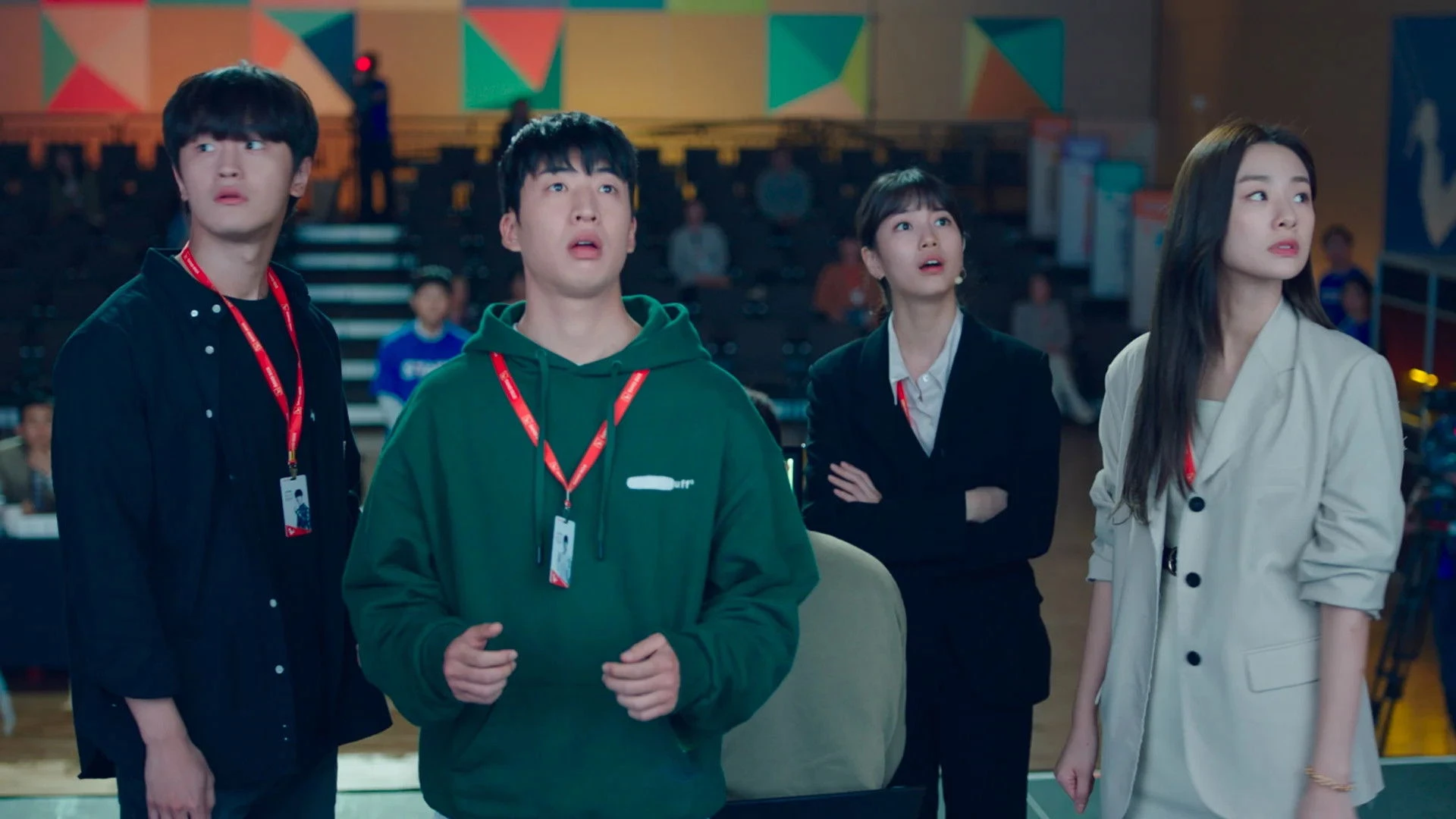
The corporate backing behind Injae Company puts Samsan Tech at a structural disadvantage that no amount of talent can simply outwork. Dal-mi and Do-san grow closer — but Ji-pyeong’s attempts to remain a professional mentor while suppressing something more personal begin to crack around the edges. Yong-san’s backstory finally locks into the larger Sandbox conspiracy, giving the subplot its most urgent episode yet.
 EP 11
EP 11
Goodbye
November 21, 2020
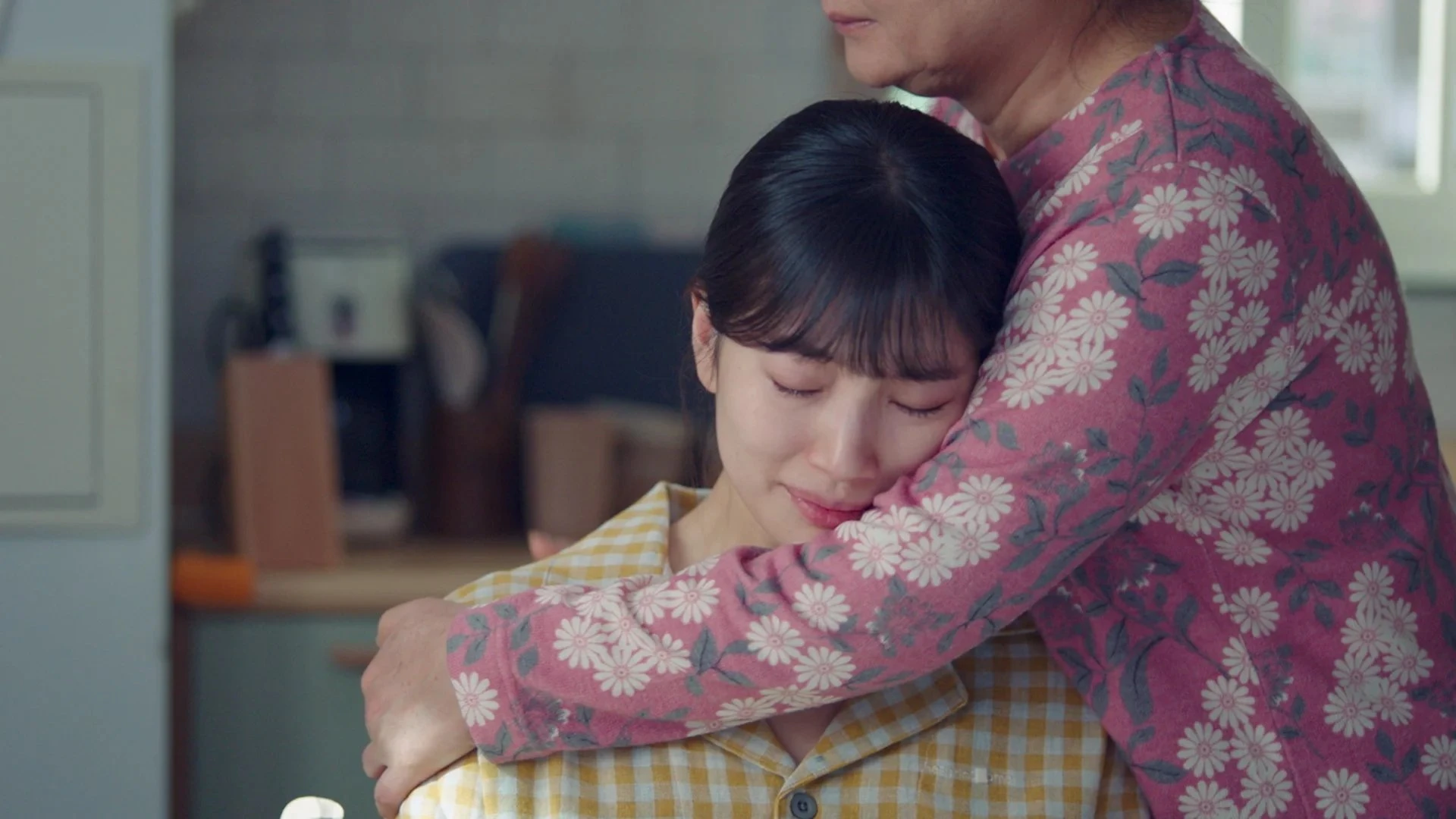
Alex Kwon’s offer to take Do-san and the Samsan Tech engineers to Silicon Valley becomes concrete. Dal-mi must face whether her role as CEO is being respected — or merely tolerated. Ji-pyeong, channeling his pain into professional focus, commits more fully to caring for Won-deok, the grandmother whose decades of quiet kindness made him who he is. The warmth of their relationship is this episode’s most affecting thread.
 EP 12
EP 12
NoonGil
November 22, 2020
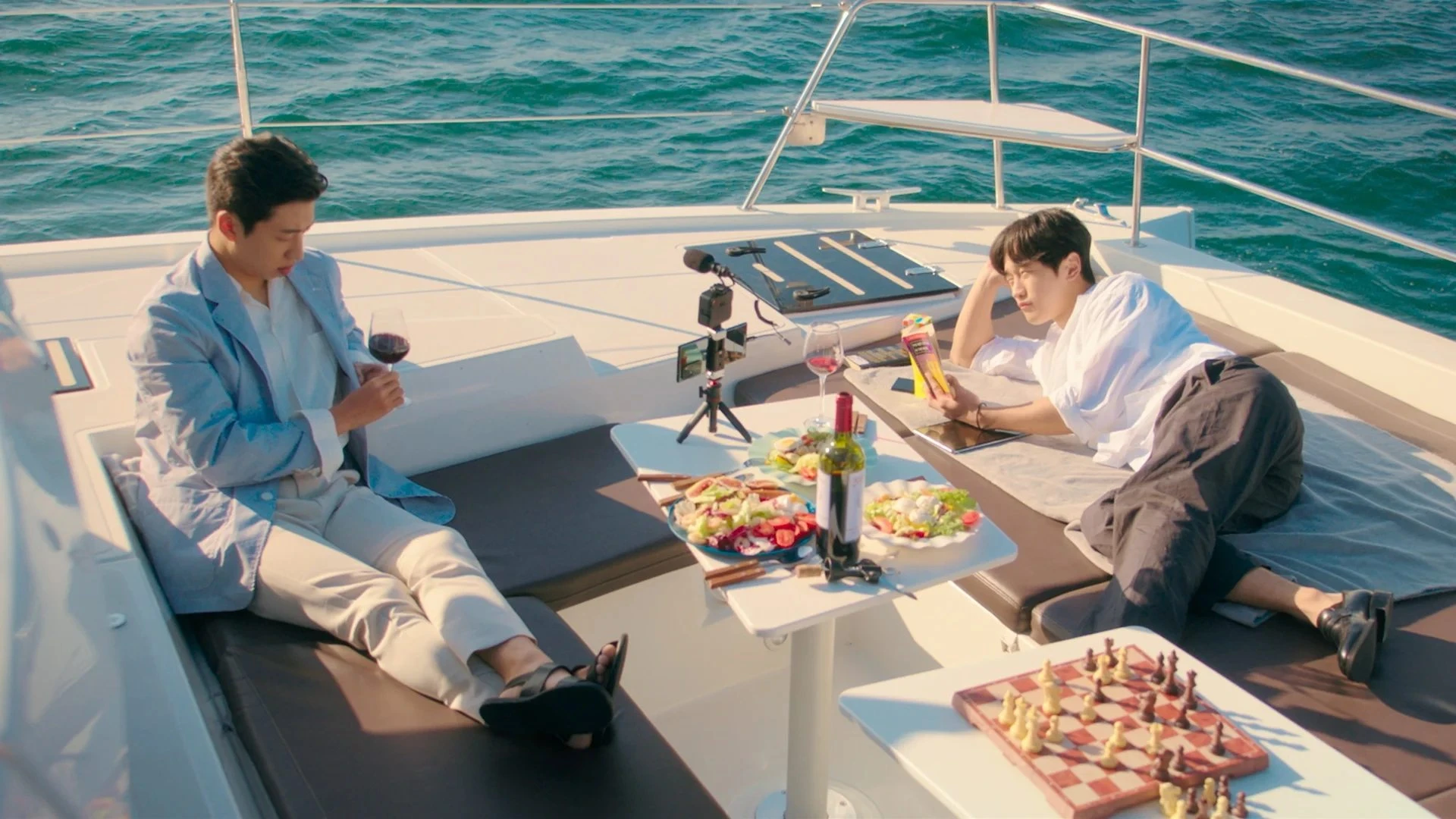
Samsan Tech faces its crossroads: Alex Kwon’s Silicon Valley offer is real, the team is fracturing, and Dal-mi’s authority as CEO is being quietly undermined from multiple directions. The episode builds toward the decision everyone knows is coming but no one is ready to watch. What makes it land is the small, honest moments between the team — the friendships that grew in the spaces between the startup drama.
 EP 13
EP 13
The Departure
November 28, 2020
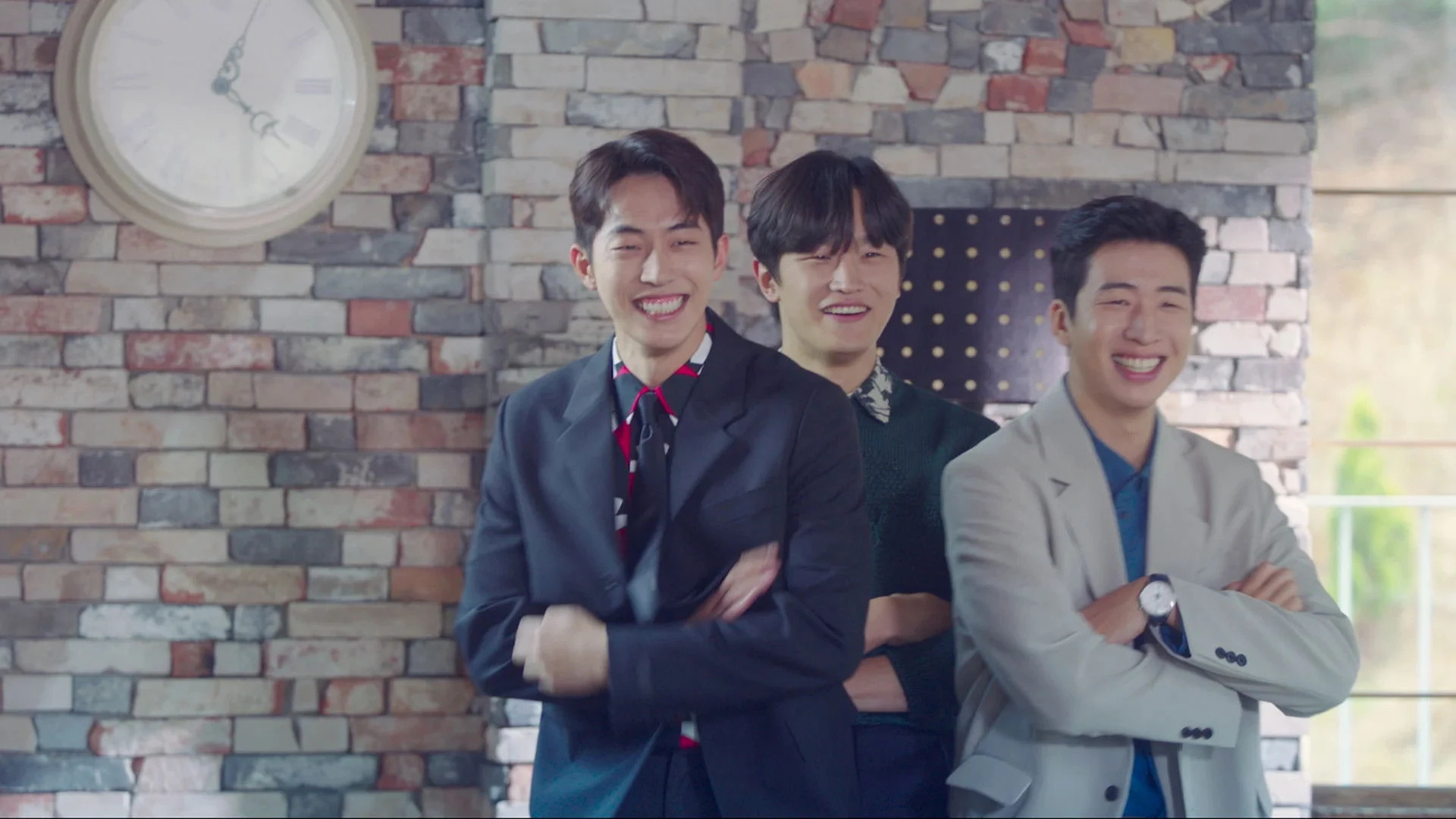
Do-san leaves for Silicon Valley. Dal-mi stays. The separation is painful in the way that only departures between people who haven’t said everything yet can be. Left to lead Samsan Tech without its technical founder, Dal-mi proves she is more than the role she was handed — she is precisely the CEO the company needs. In-jae, having broken from her stepfather’s control, begins her most honest chapter yet.
 EP 14
EP 14
Silicon Valley
November 29, 2020
Three years have passed. Do-san is a successful engineer in Silicon Valley. Dal-mi is a more seasoned, more grounded CEO. Their reunion is charged with everything that didn’t get said before the departure — and the awkward reality that the people who left and the people who stayed are no longer quite the same. Ji-pyeong continues his quiet vigil over Won-deok, and the space between him and Dal-mi has calcified into something unspoken.
 EP 15
EP 15
The Return
December 5, 2020
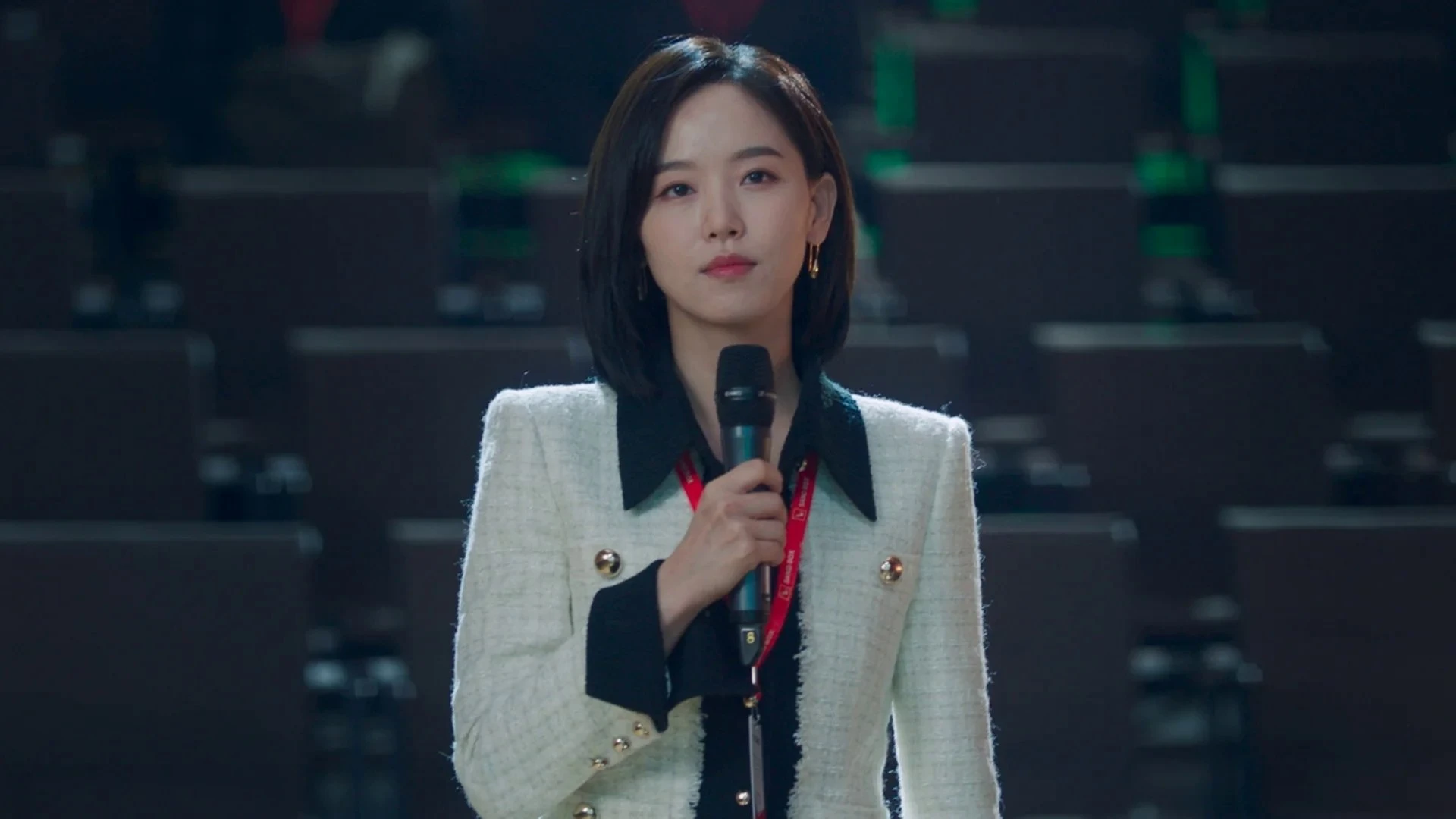
Injae Company and Samsan Tech are thrust into direct competition for the same opportunity — higher stakes, clearer motives, and two sisters who have each become something the other didn’t expect. Do-san returns to Korea with a clearer sense of who he actually is, outside of Ji-pyeong’s script and Dal-mi’s imagination. The penultimate episode puts everything in place for a finale that will not please everyone equally.
 EP 16
EP 16
Beginning Again
December 6, 2020
In the series finale, Do-san confesses his love sincerely and entirely as himself — no earpiece, no Ji-pyeong’s words, no pretense. Dal-mi establishes her own company, built on Samsan Tech’s technology and her own decade of relentless work. In-jae reconciles with her past by reconnecting with her roots and her father’s legacy. Ji-pyeong, who spent the series loving Dal-mi silently while protecting her grandmother, finds closure — and the finale hints, with care and restraint, at something quietly hopeful waiting for him on the other side.
🏁 Ending Explained
Full spoilers ahead — everything that happens in the finale and what it all means.
⚠️
Spoiler Warning — This section covers the full finale of Start-Up. Stop here if you haven’t finished the series.
The Confession That Actually Counts. The finale’s most important moment arrives quietly: Do-san confesses his love to Dal-mi as himself — not as the man Ji-pyeong scripted, not as the idealised pen pal, not as anyone’s performance of a better person. Three years in Silicon Valley stripped away the pretense that had defined his relationship with Dal-mi from the start. The confession lands precisely because it’s unpolished. Dal-mi, who has had time and distance to understand what she actually wants, accepts it — not because Do-san became Ji-pyeong’s version of romantic, but because he stopped trying to.
Dal-mi Builds Her Own Company. The finale’s professional resolution is clean and earned: Dal-mi establishes a company of her own, with Samsan Tech’s AI technology as its foundation and her own judgment — sharpened by three years of leading alone — as its engine. The dream she had at the start of the series, of becoming Korea’s Steve Jobs, has evolved into something more specific and more honest: building something real, on her own terms, without anyone’s backing except her own. It is a satisfying destination for a character who spent the first half of the drama being acted upon and the second half acting.
In-jae’s Resolution. Won In-jae completes her own quieter journey in the finale. Her arc — from a daughter who left, to a rival who returned, to a woman trying to define herself outside of both family wealth and family shame — closes with something the drama handles well: not a dramatic reconciliation, but a small, sincere acknowledgment that her father’s legacy was present in Sandbox all along. The swing logo that Sandbox CEO Seon-hak recognised in In-jae’s application turns out to trace back to her father. She didn’t come to Sandbox to escape him. She came because she carried him with her the whole time.
Ji-pyeong’s Ending — and Why the Fandom Still Grieves It. The finale gives Ji-pyeong resolution without romance — and this is where the fandom divide lives. He remains close to Won-deok, present and warm, finding a life of genuine dignity in the relationships he already has rather than the one he couldn’t have. A meaningful cameo from actor Yeo Jin-goo as Hong Ji-seok hints at a new chapter. What the finale does not do: give him Dal-mi. What it does instead: honour the choice he made throughout the drama to love someone without making that love a burden on them. Whether that reads as poetic or as the show failing its best character depends entirely on who you watched it for. Both readings are valid. Neither is fully wrong.
What Start-Up Is Actually About. The letters are the key to everything. Ji-pyeong’s Dal-mi was a version of herself she outgrew. Do-san’s Dal-mi was real but built on a false foundation. The finale’s argument — that love has to be between the actual people, not the versions of people we imagine or perform — arrives through a romance that is deliberately unglamorous, between two people who are genuinely imperfect fits, choosing each other anyway. It is a less satisfying ending than the fandom wanted and a more honest one than the genre usually offers. Start-Up earns the discomfort of its own landing.
✍️ KDramaWorlds Editor’s Take
Our honest read on why this drama is worth your time — and who it’s for.
💌 Romantic Warmth
🚀 Startup Energy
💔 Divisive Love Triangle
👵 Grandmother Core
✨ Peak Kim Seon-ho
The conversation about Start-Up almost always begins with Kim Seon-ho, and that’s fair — Han Ji-pyeong is a once-in-a-career role, the kind that turns a moderately well-known actor into a phenomenon overnight. But the thing that made Start-Up genuinely exceptional in its first half wasn’t the love triangle. It was the setting. The Sandbox startup incubator gave the drama a fresh canvas: aspirational, competitive, full of people who actually wanted something — a quality that K-drama romance, which tends to trap its leads in reactive positions, often forgets to give its characters. Dal-mi’s ambition felt real in a way that elevated every scene she was in, and Suzy’s performance — warmer and more grounded than her earlier work — made the entrepreneurship arc genuinely engaging rather than just backdrop.

The love triangle is both the drama’s greatest strength and the source of its most lasting pain. Ji-pyeong fans — and there are many, including viewers who have not forgiven the finale to this day — were not simply rooting for a ship. They were rooting for a character who understood love as a quiet, sustained form of care rather than a declaration. That version of romance, more restrained and more adult, ran in parallel to the central story without ever getting the space it arguably deserved. If Business Proposal (2022) showed what happens when the secondary lead actually wins, Start-Up showed what happens when he almost does — and the “almost” is where the emotion lives.
The second half loses momentum in the way that many 16-episode tvN dramas do — the startup plot expands to fill space that the romance doesn’t quite know how to hold, and Ji-pyeong recedes at precisely the moment when the audience needed him most. But the warmth never leaves, even when the pacing does. The tea shop scenes with Won-deok carry a quiet emotional weight that Hometown Cha-Cha-Cha would later bottle and sell as its whole aesthetic. And the finale, divisive as it is, arrives at an honest place — not the place everyone wanted, but one the drama earned. Start-Up is the K-drama that broke a generation of viewers in half, and it was worth every argument.
👍👍👍 BEST FOR 👍👍👍
🎬 Viewers who want a warm rom-com with genuine emotional ambition
💔 Anyone who loves a love triangle that makes them genuinely choose a side
🚀 Fans of aspirational stories set in the world of tech and entrepreneurship
⚖️ Final Verdict
What works
•Kim Seon-ho as Ji-pyeong — the breakout role that made him a household name
•The startup world as romantic backdrop — aspirational, fresh, genuinely engaging
•Kim Hae-sook as Won-deok — warmth and quiet devastation in every scene
•The first eight episodes — among the tightest tvN rom-com writing of its era
What to know first
•The love triangle ending splits the fandom — and it has never healed
•Second half loses momentum as startup plot overtakes the romance
•Ji-pyeong’s arc ends without the resolution his character clearly earned
•16 episodes at ~85 minutes each — budget around 22 hours
8.0 / 10Suzy and Kim Seon-ho at their most magnetic — a warm, aspirational romance that earns its emotional ambition even when the love triangle landing divides the audience clean down the middle.
💬 Helpful? Share this guide →
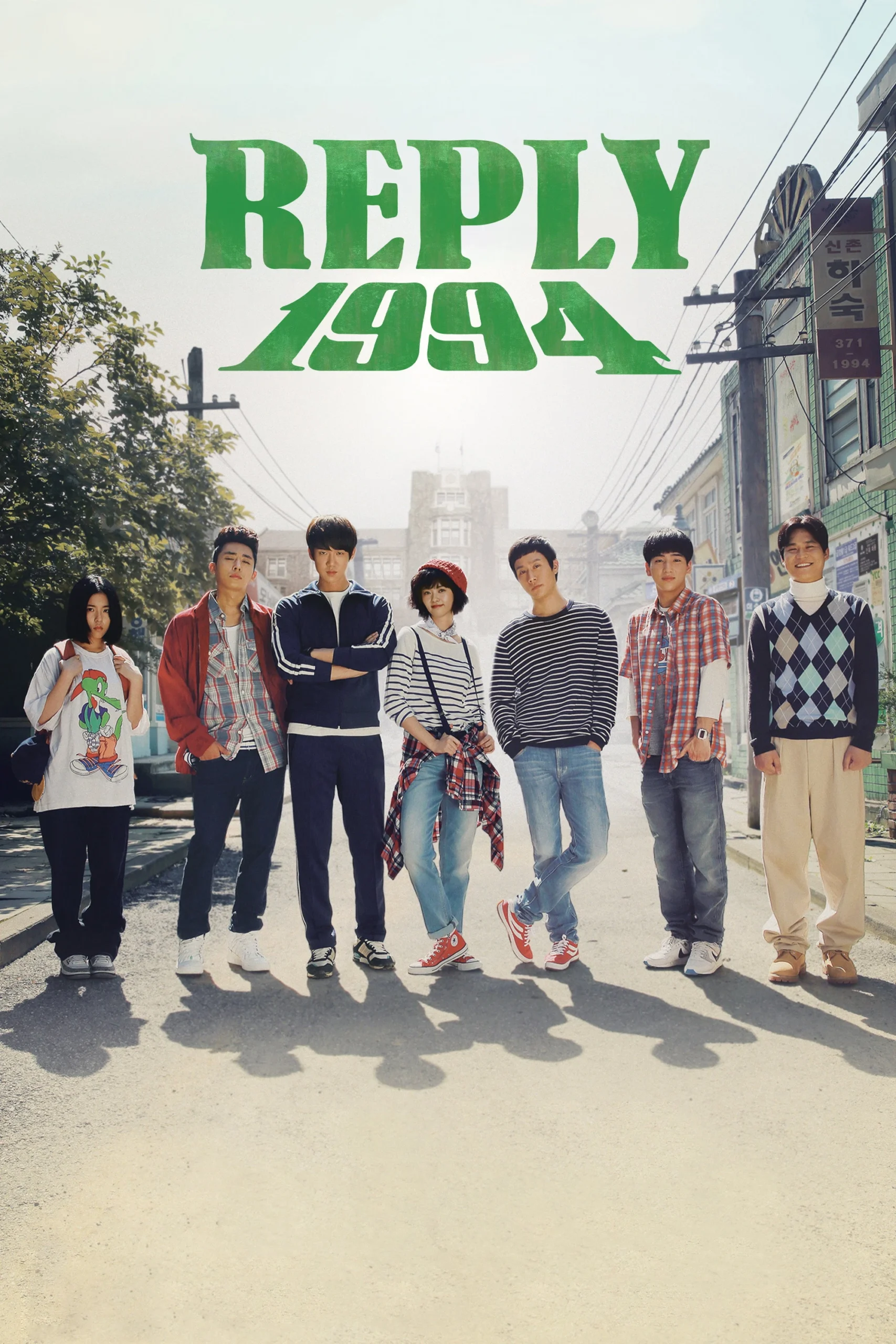
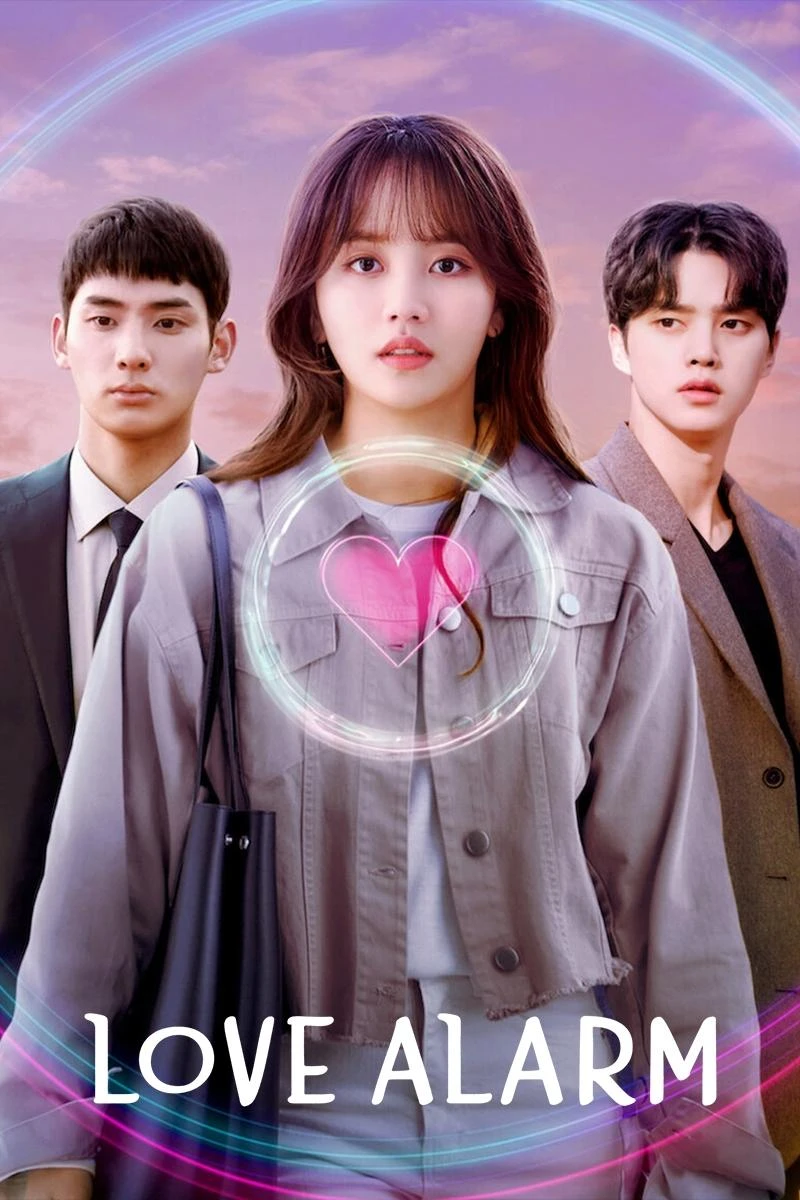
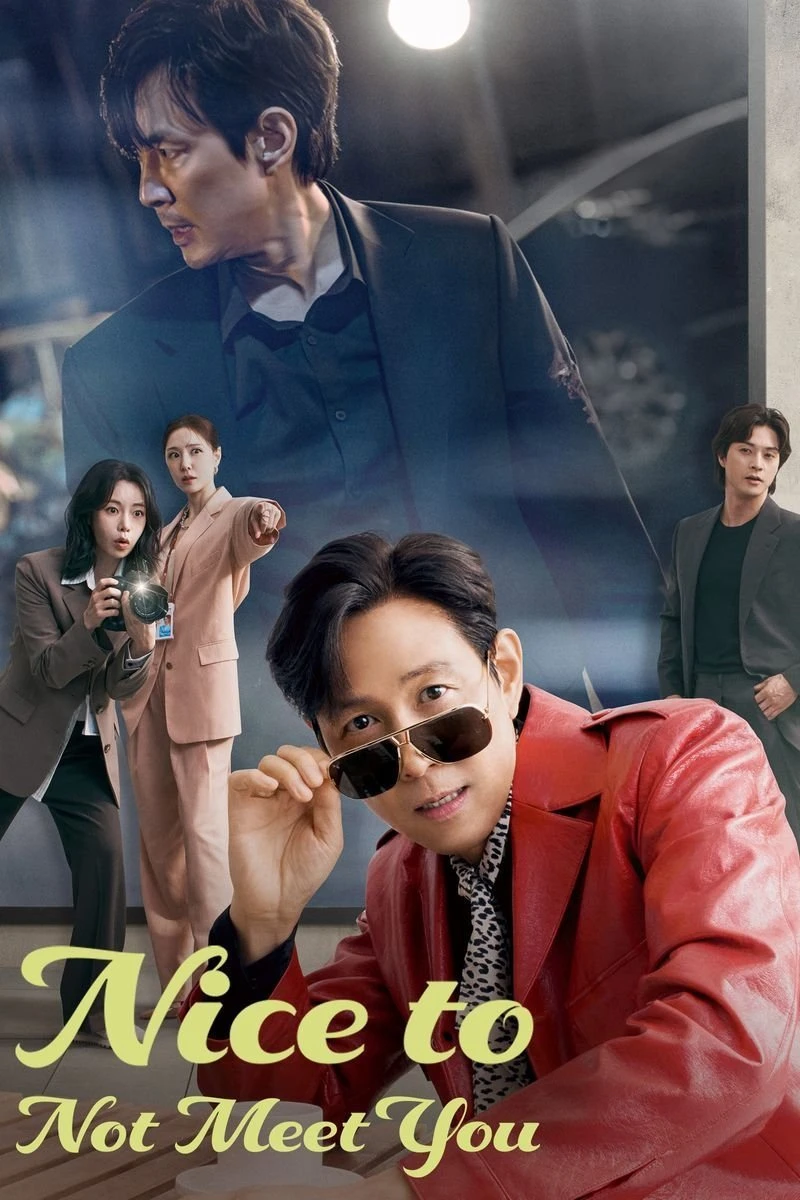
🎬 You Might Also Like
If you liked Start-Up, these are your next three watches.













Keep it kind, skip the harsh language, and please — no spoilers. Everyone's taste is different, and that's perfectly fine.
This space is for real reactions and discussion from other viewers. Help keep it comfortable for everyone by not giving away major plot details.
What do you think of this drama?
Login to share your review or leave a comment.
No email needed — just pick a username & password.