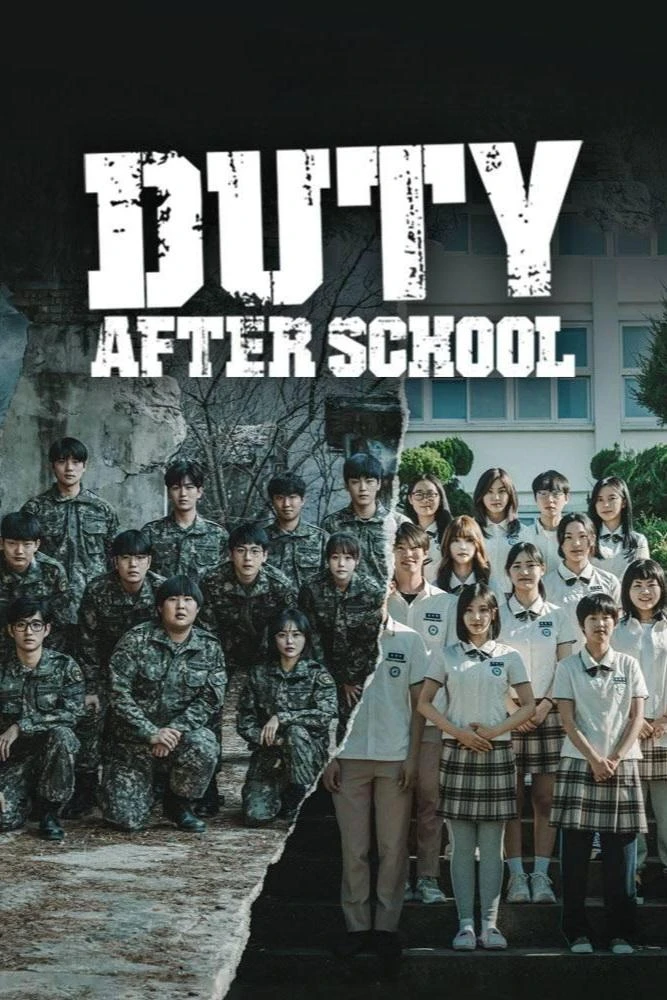
Duty After School
🎬 Viki · VIU
⭐ 8.6 / 10 MDL
🔞 18+ · Violence
📋 Drama Overview
Everything you need to know before you hit play.
🔥 Sci-Fi Must-Watch
VIU
One year after unidentified alien spheres appear across the globe, South Korea finds itself overwhelmed and desperately short on manpower. The government’s solution is brutal in its efficiency: a nationwide mobilization order forcing all third-year high school students into military reserve activities, dangled with the promise of bonus CSAT exam points. For the students of Class 3-2 at Sungjin High School, it sounds like an inconvenience. They don’t know yet that they’re walking into a war.
Platoon leader Lee Chun Ho (Shin Hyun-soo) arrives to train them — strict, methodical, and quietly carrying the weight of what these drills might actually mean. Homeroom teacher Park Eun Young (Im Se-mi) refuses to abandon her students, determined to protect them even as the military takes command. When the alien creatures prove far more lethal than any exercise could prepare them for, Class 3-2 is thrust into real combat — and the cost of survival stops feeling abstract.
10 / 10 ✅ Completed
⚡ Quick Verdict
One box. Everything you need to decide.
· MDL Score · 28,957 ratings
▶ Official Trailer
🎭 Cast & Characters
Twelve students, two adults, and zero plot armor — meet the ensemble of Class 3-2.

Lead

Lead

Lead

Lead

Lead

Supporting

Supporting

Supporting

Supporting

Supporting

Supporting

Supporting
📺 Episode Guide
Spoiler-light recaps — enough to remember where you left off, nothing that ruins the ride.
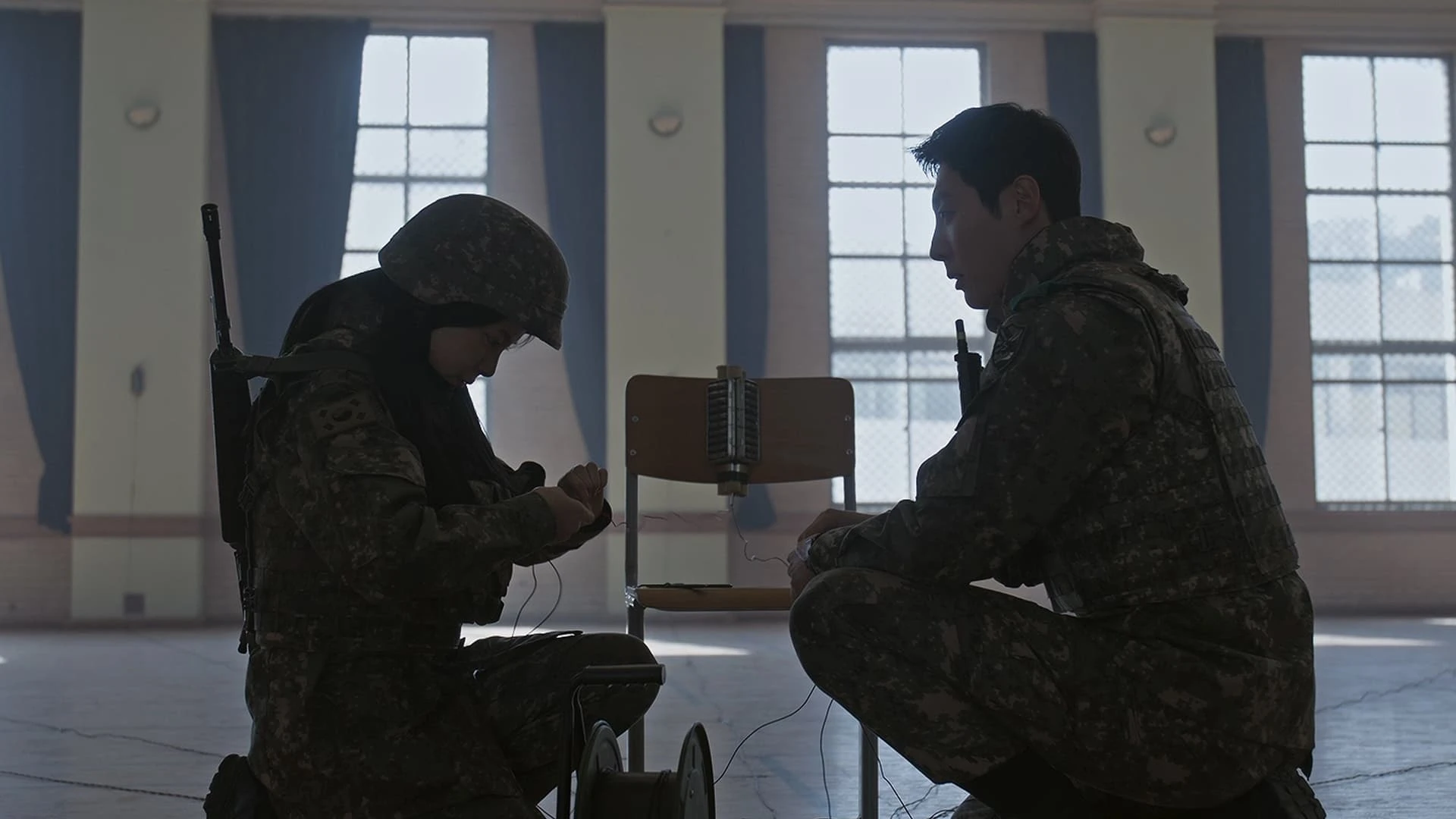
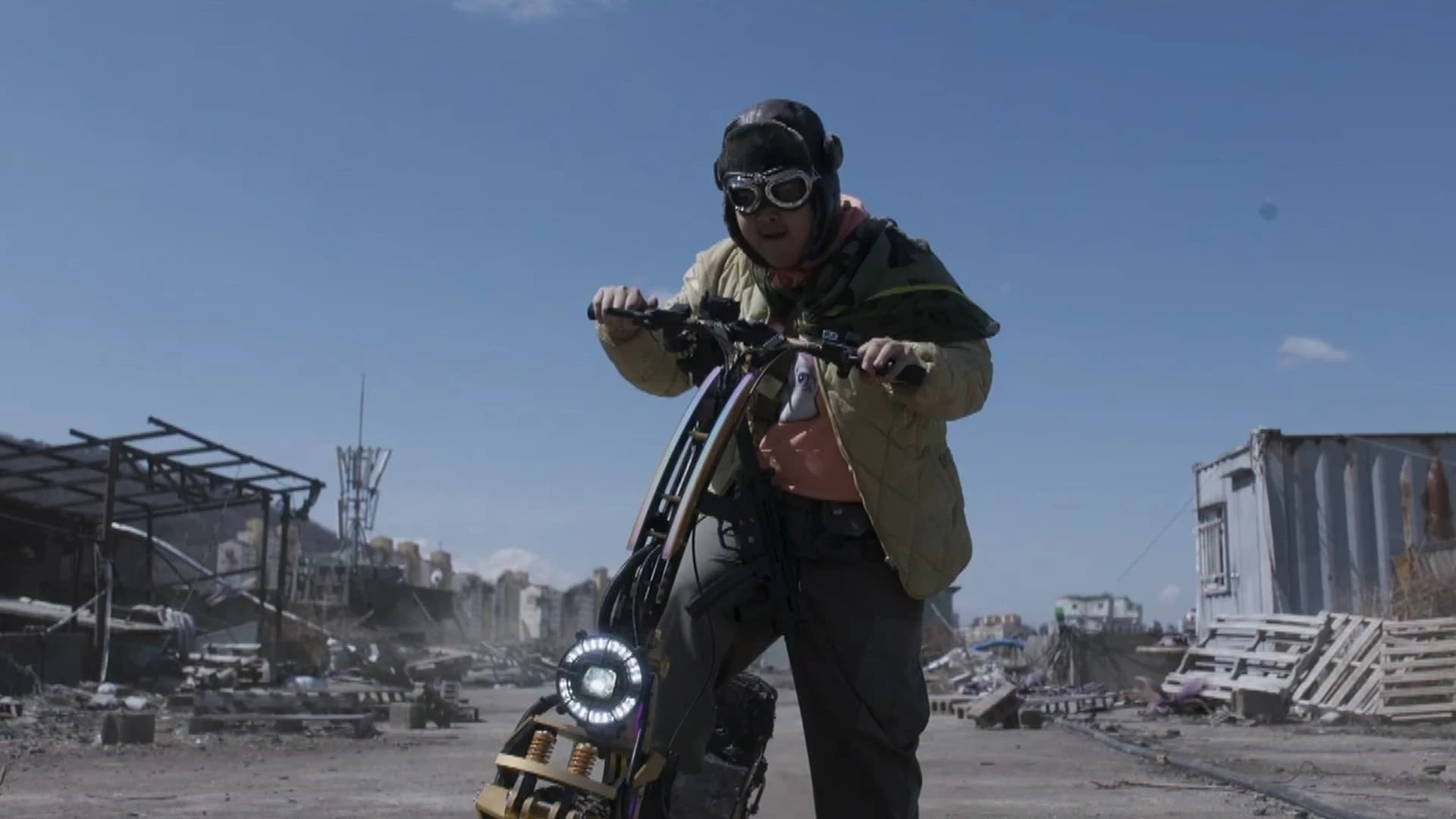
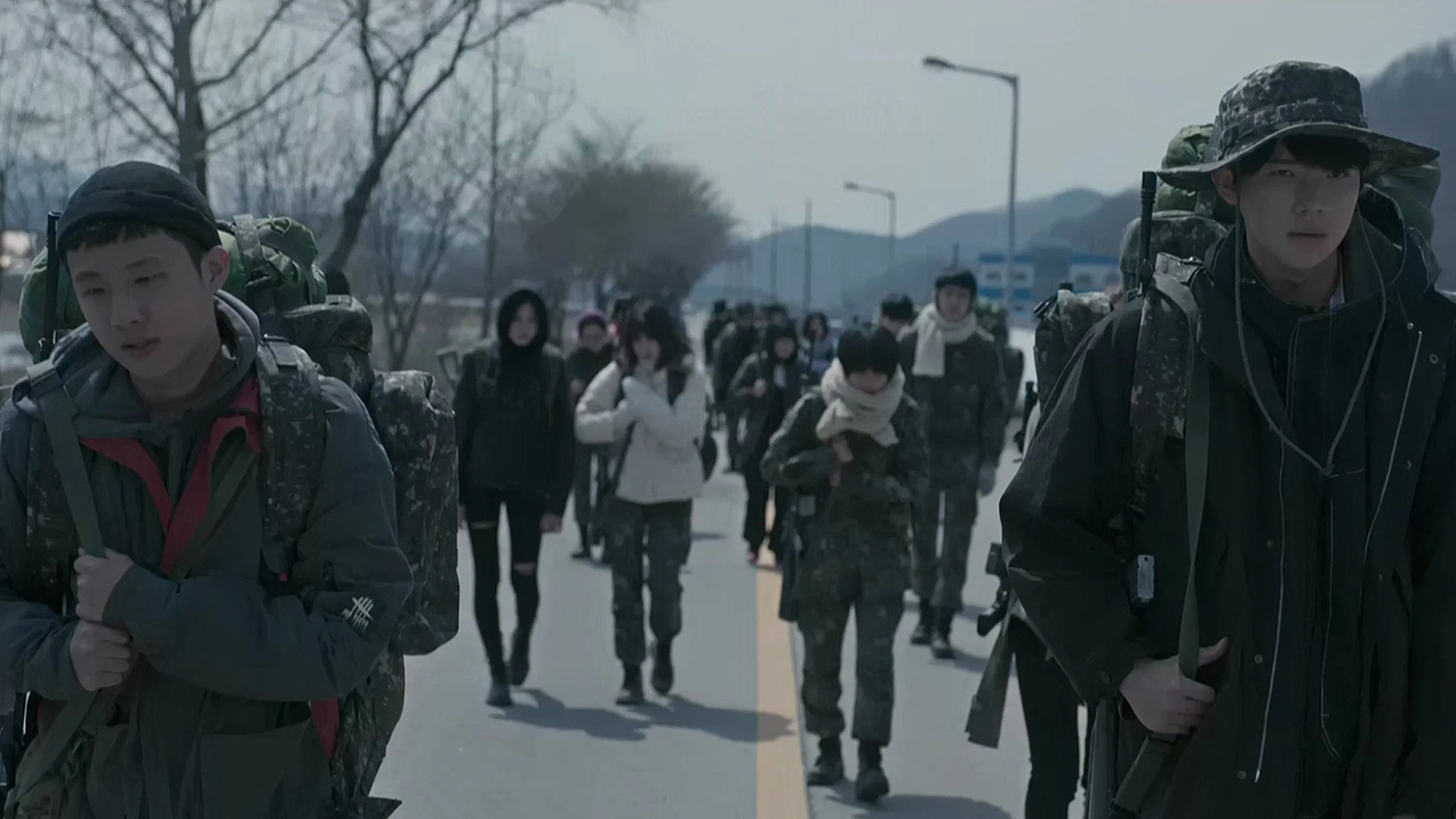
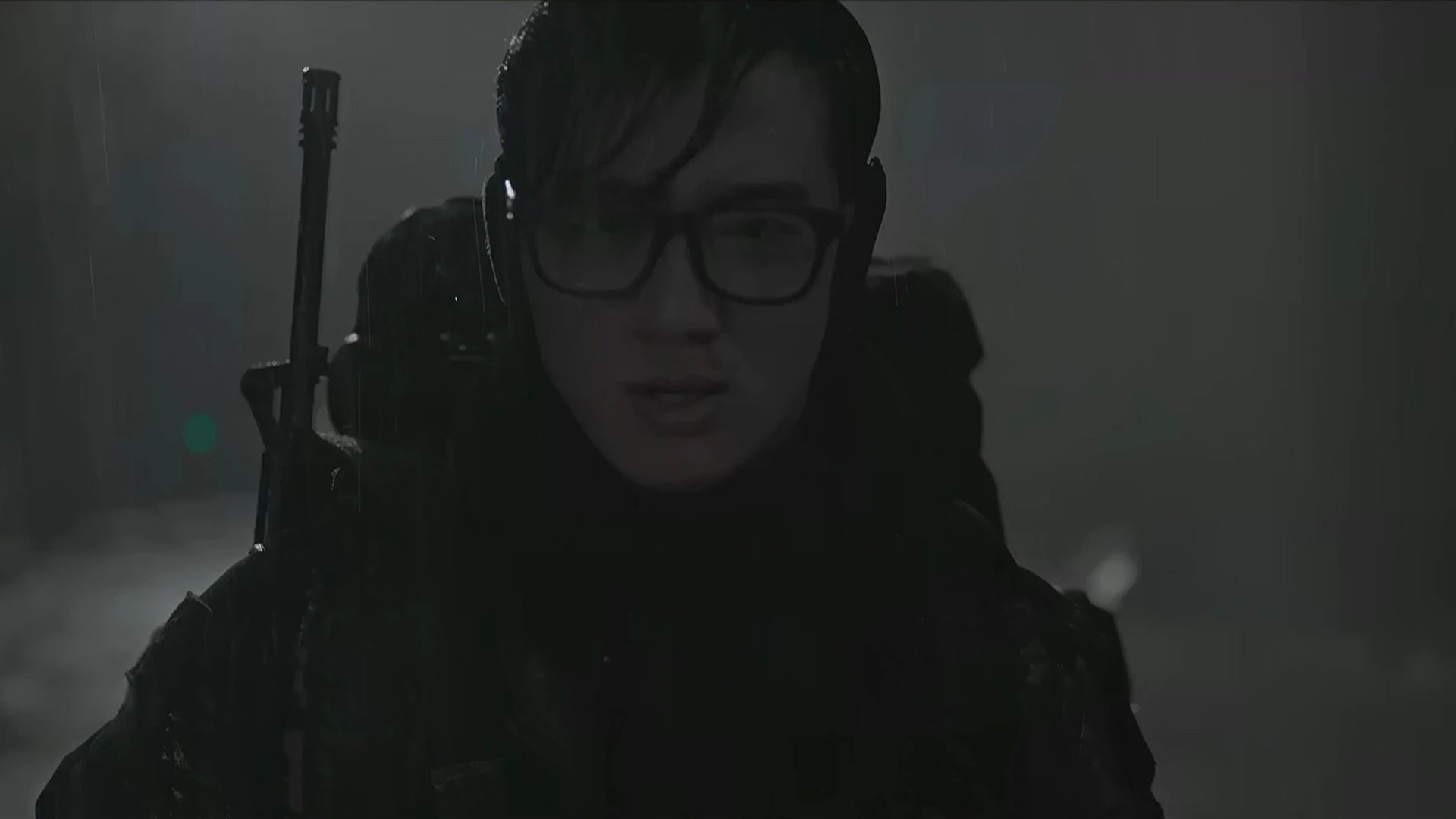
🏁 Ending Explained
Full spoilers ahead — everything that happens in the finale and what it all means.
Spoiler Warning — This section covers the full finale of Duty After School. Stop here if you haven’t finished the series.
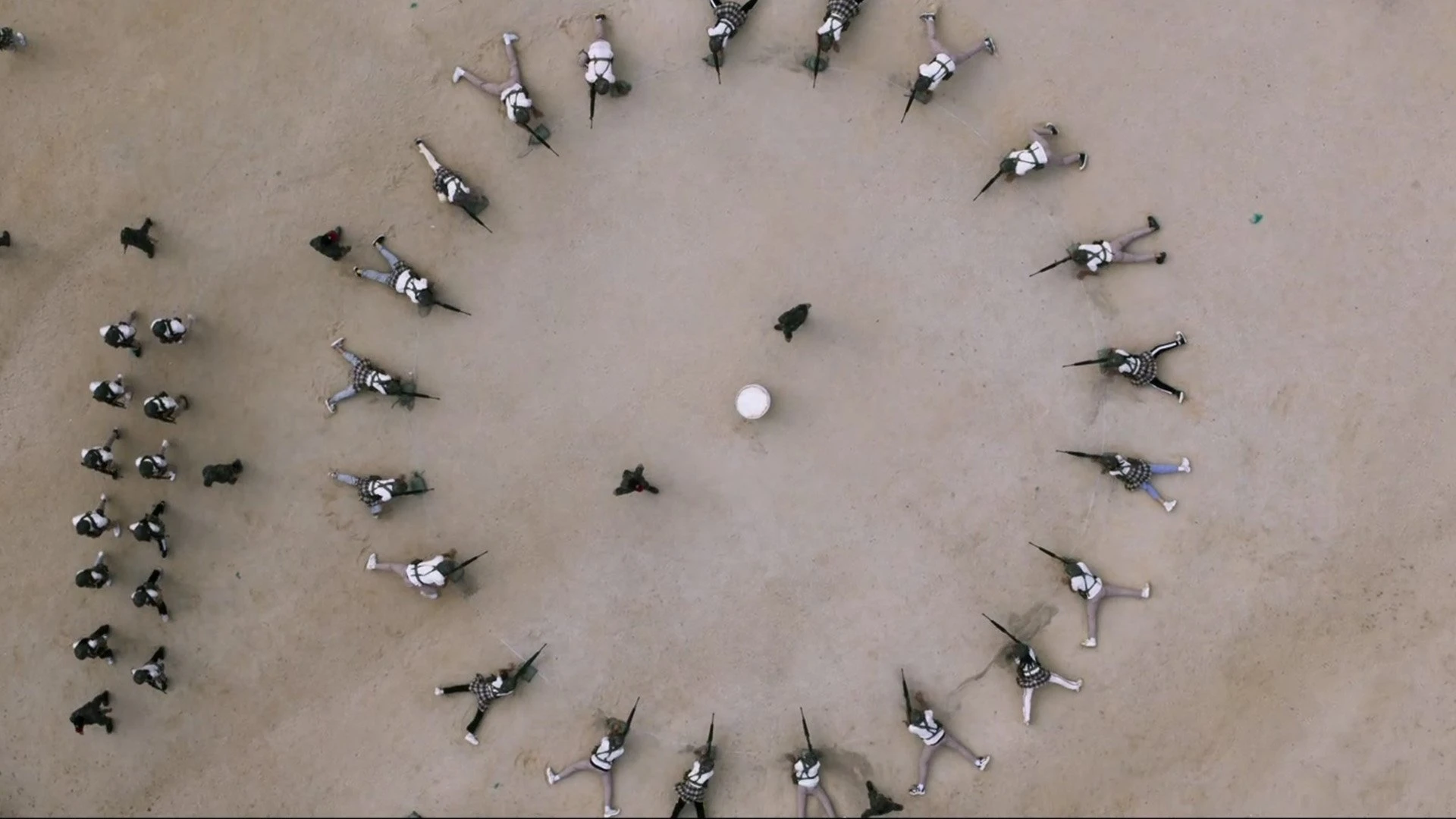
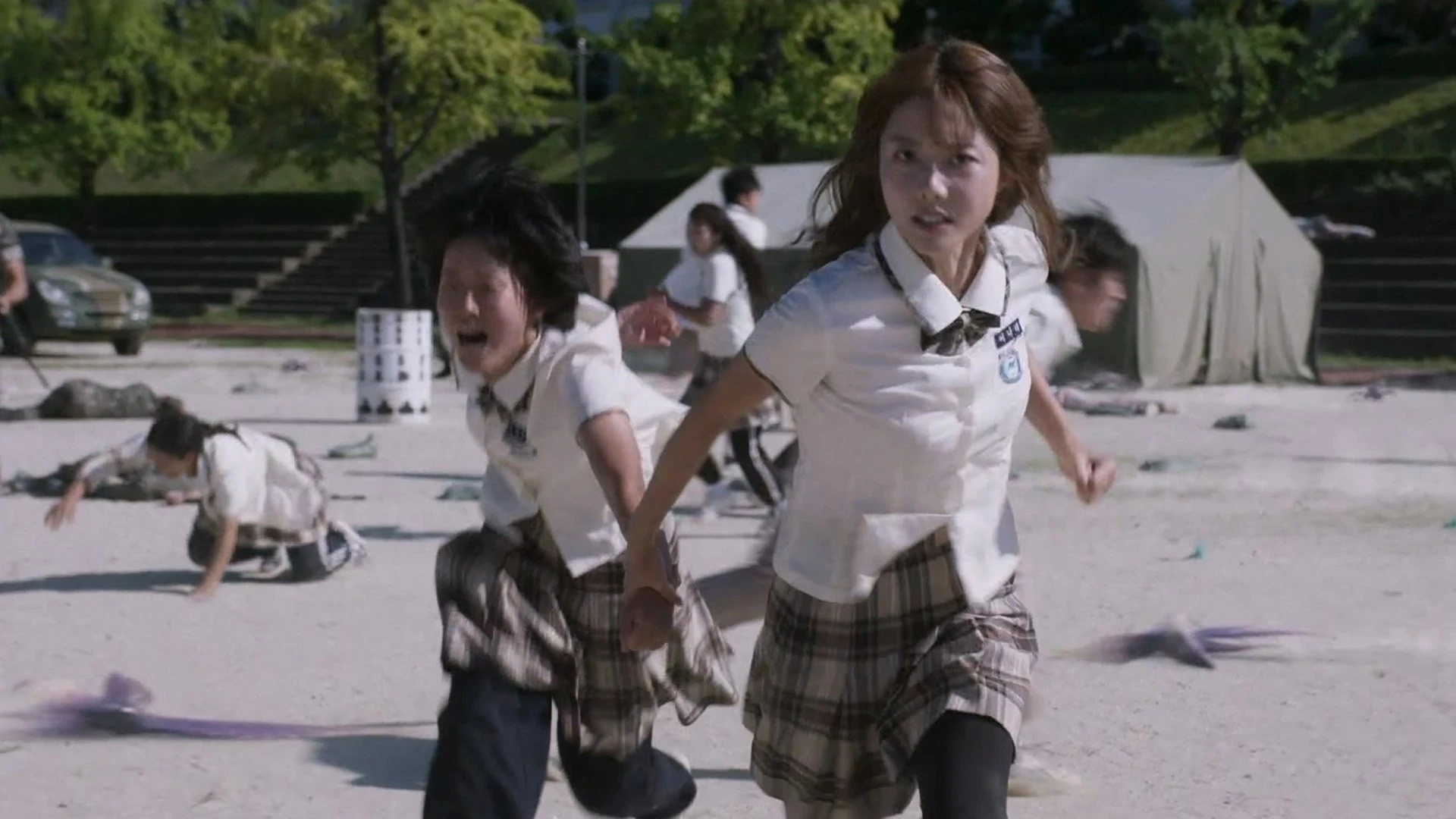
The finale doesn’t save anyone it doesn’t have to. Episode 10 opens with Class 3-2 facing its most overwhelming assault yet — the alien creatures attacking in force, the military’s wider defensive lines deteriorating, and the platoon at its smallest and most exhausted. What the drama has been building toward since the first attack in Episode 3 arrives here without ceremony: characters who felt central to the ensemble are killed in rapid succession, and the show treats each death with the same matter-of-fact weight it has applied throughout. There are no dramatic last words, no slow-motion goodbyes. People die because they are in a war.
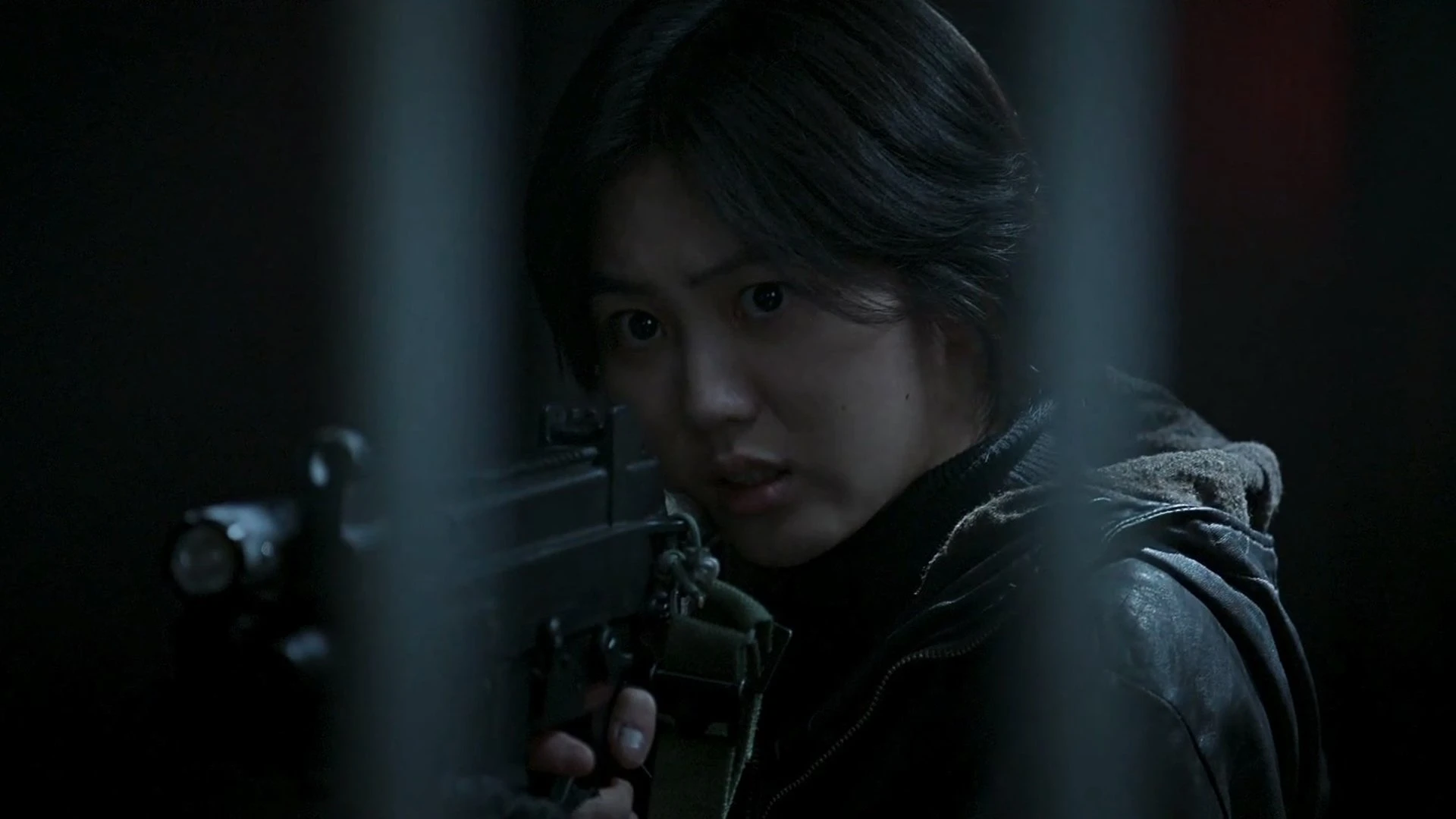
Lee Chun Ho’s arc completes in the way the drama always suggested it would. The platoon leader who arrived at Sungjin High School as a rigid military professional — someone who followed orders because structure was the only reliable framework in a collapsing world — spends the finale making choices that directly contradict what high command wants. He pulls students back from suicidal positions. He prioritizes the living over the mission. He is not rewarded for it. Shin Hyun-soo plays the exhaustion and the resignation without sentimentality, and the result is the series’ most quietly devastating performance in its final hour.
Park Eun Young stays until she physically cannot. The homeroom teacher’s role throughout the series has been to occupy the space between the military’s demands and the students’ humanity — to insist, again and again, that these are children and not assets. The finale doesn’t give her a triumphant moment. What it gives her is a final scene with her surviving students that lands as something close to grace under impossible circumstances. Im Se-mi earns every second of it.
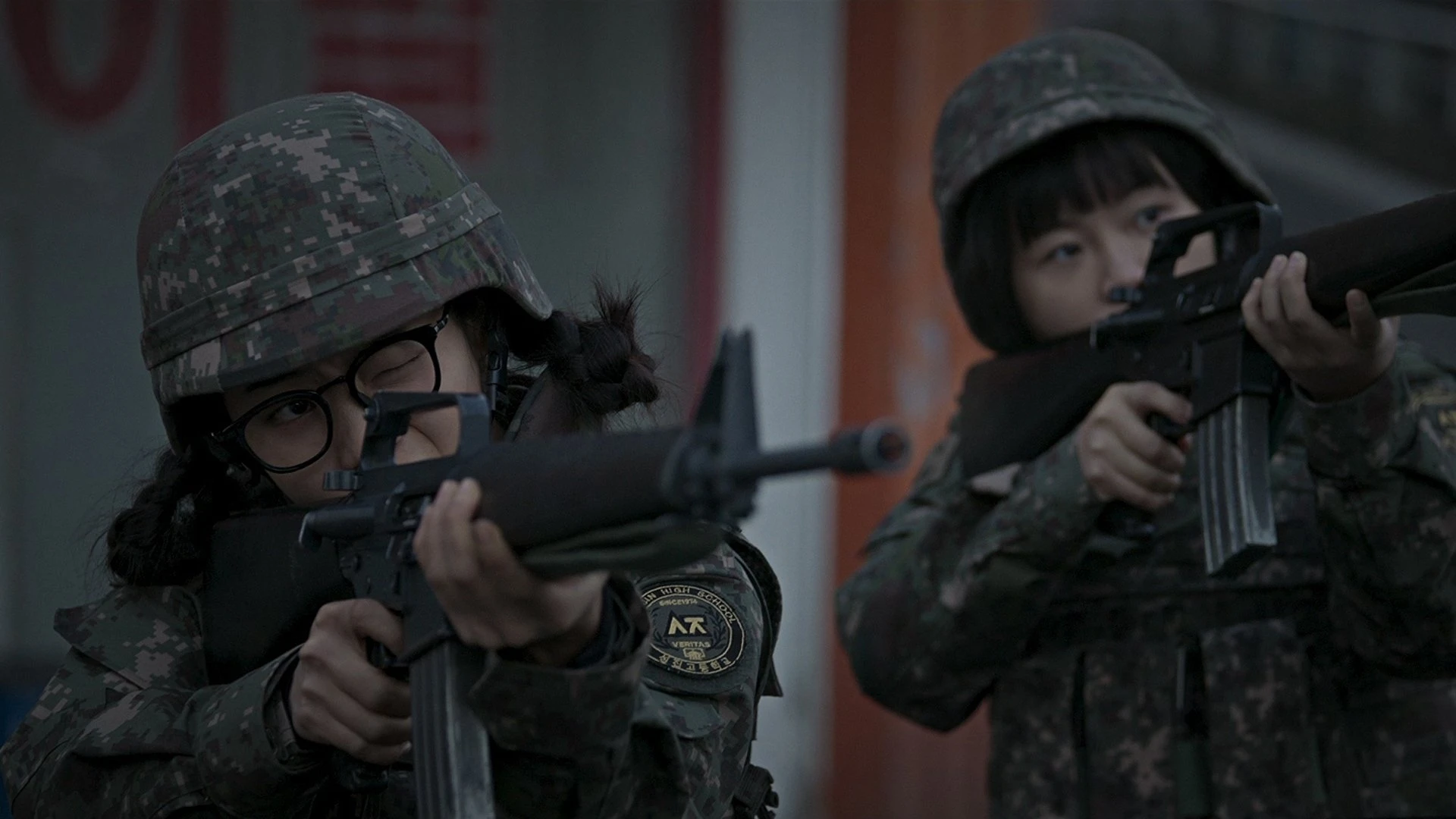
Several of the main student characters survive — but the series is clear that surviving is not the same as being okay. Yeon Bo Ra, Kwon Il Ha, and a handful of others make it to the end. They are not unscathed. The drama does not offer a recovery montage or a time jump that lets everyone reassemble into something resembling normal. The survivors sit with what happened, and the show lets that silence exist without filling it. The alien threat remains unresolved on a global scale — there is no victory, no turning point, no meaningful shift in humanity’s position. The war continues. Class 3-2 simply stopped being in it.
What Duty After School is ultimately about is the violence of conscription — of a system that takes young people and makes their bodies available to a cause they didn’t choose. The bonus CSAT points in Episode 1 were never incidental. They were the mechanism by which the state made the students complicit in their own deployment. The finale strips that transaction of any remaining dignity: the points mean nothing now, the exam feels absurd, and the students who survived cannot fully articulate what they went through to anyone who wasn’t there. Class 3-2 walked into this as students and walked out as something the Korean language probably doesn’t have a word for yet.
✍️ KDramaWorlds Editor’s Take
Our honest read on why this drama is worth your time — and who it’s for.
🪖 Military
👥 Ensemble
🛸 Sci-Fi Threat
📚 No Plot Armor
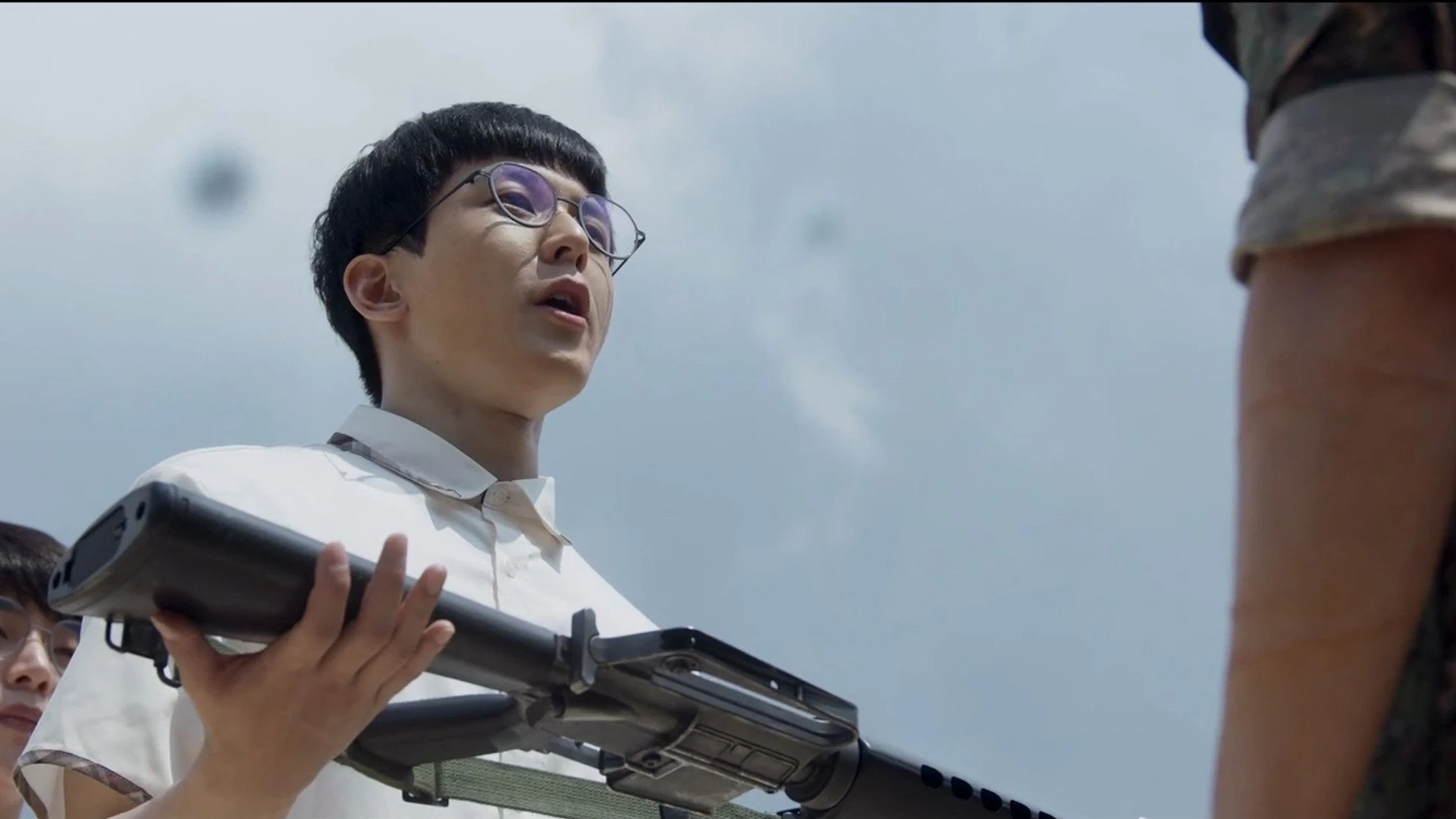
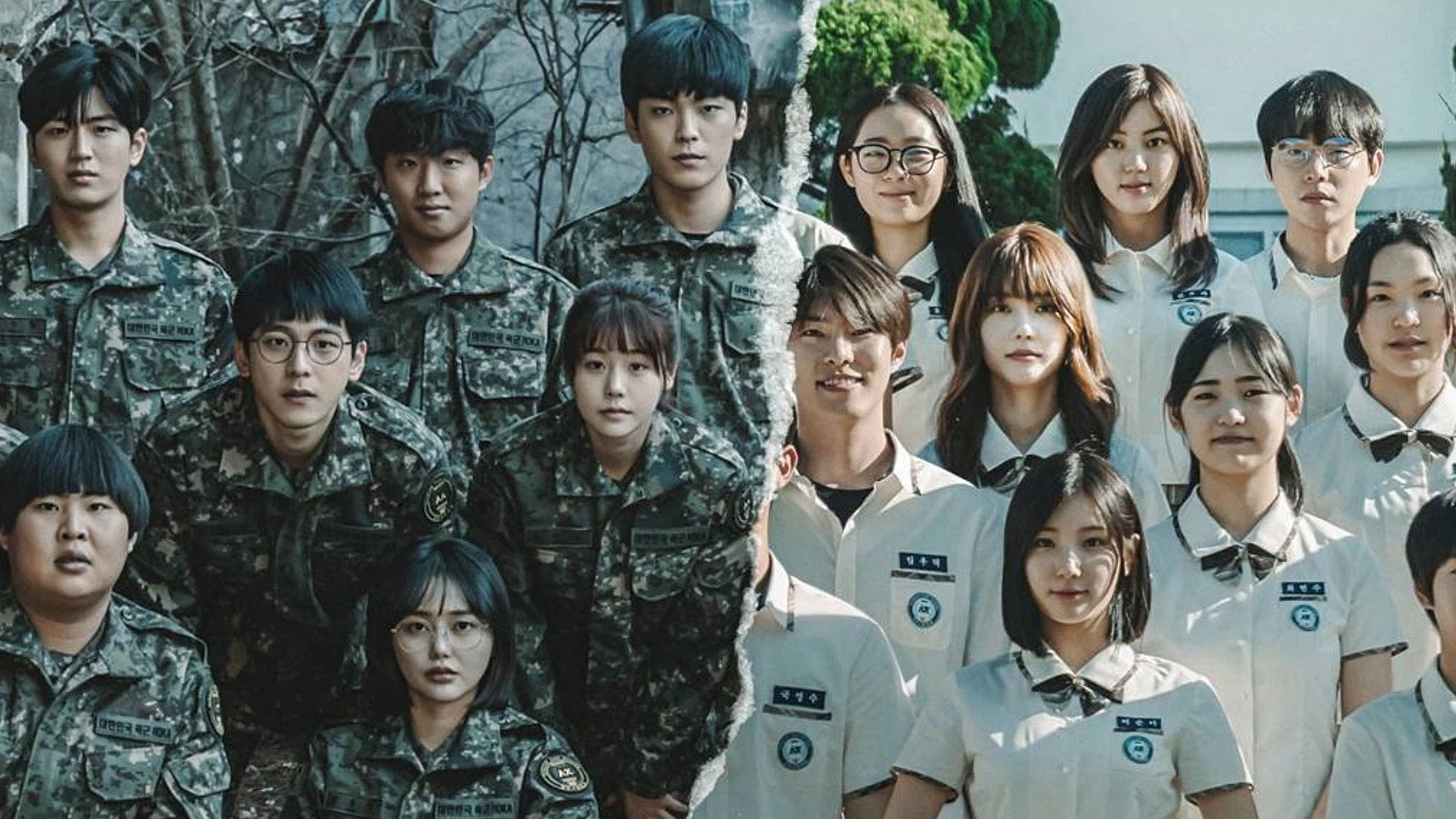
The thing that makes Duty After School work — and the thing that makes it genuinely hard to watch — is that it refuses to designate a protagonist. Class 3-2 is the protagonist. Every student who gets screen time, every bond that forms in a weapons drill or a cramped shelter, is equally at risk. That is not a common creative choice in Korean drama, where the genre’s conventions almost always identify a lead you can attach to and follow through to safety. This series denies you that comfort, and it does so deliberately — the bonus CSAT points in Episode 1 are a wink at exactly how transactional the system treats these students’ lives, and the drama never lets you forget it. Part 1 is among the tightest survival K-drama writing in recent memory: six episodes that escalate with the discipline of a thriller that knows exactly where it’s going and refuses to slow down for sentiment.
Part 2 is where the series becomes divisive, and the criticism is legitimate. The shift in tone — from alien survival horror to internal psychological drama — is jarring enough that it genuinely feels like a different creative team took over. The sphere creatures, which had been terrifying precisely because they were unpredictable and unstoppable, largely recede in favor of internal conflict and deteriorating mental states. That’s not inherently wrong, but the execution is uneven, and some of the most interesting ensemble dynamics from Part 1 get compressed in ways that feel rushed. The budget for visual effects clearly informed story decisions, and the seams show. What saves Part 2 is Shin Hyun-soo and Im Se-mi, who carry the dramatic weight of the final four episodes on performances that never waver even when the writing around them does. If you loved the high-octane ensemble energy of All of Us Are Dead, be prepared for Part 2 to feel like a different drama. If you can make peace with that pivot, the finale pays off in a way that is earned, bleak, and — in its final silence — unexpectedly moving.
Duty After School is not a comfort watch. It’s a drama that takes its premise seriously enough to follow it to its logical, uncomfortable conclusion — young people placed in a situation they did not choose, forced to carry costs that no amount of exam points could justify. The ensemble format means you will lose characters you’ve grown attached to, and the series will not pause to let you grieve. That is precisely the point. For viewers who want K-drama to take real risks — with its characters, its genre conventions, and its willingness to end without resolution — this is the one. It is also, not coincidentally, the kind of drama that makes you think differently about Pyramid Game and other Korean dramas that use school settings to explore systemic violence. Class 3-2 didn’t sign up for this — and neither, in the best possible way, did we.
Viewers who want high-stakes ensemble survival with real consequences
Anyone drawn to Korean dramas that take their genre premises seriously
🎬 You Might Also Like
If you liked Duty After School, these are your next three watches.
 Teach You a Lesson
ChamgyoyukERPA
Read Full Review →
|
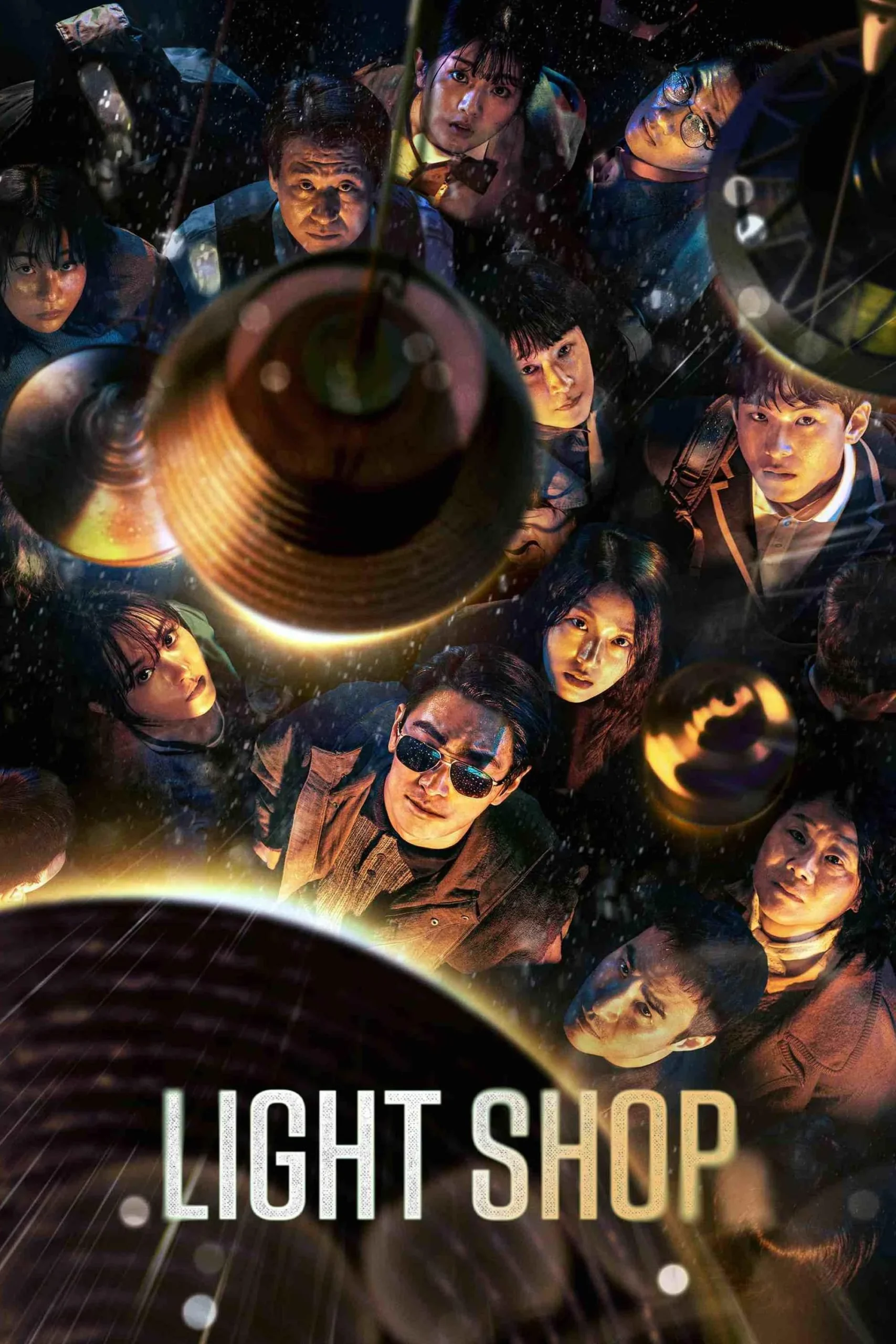 Light Shop
afterlifeBae Sung-woo
Read Full Review →
|
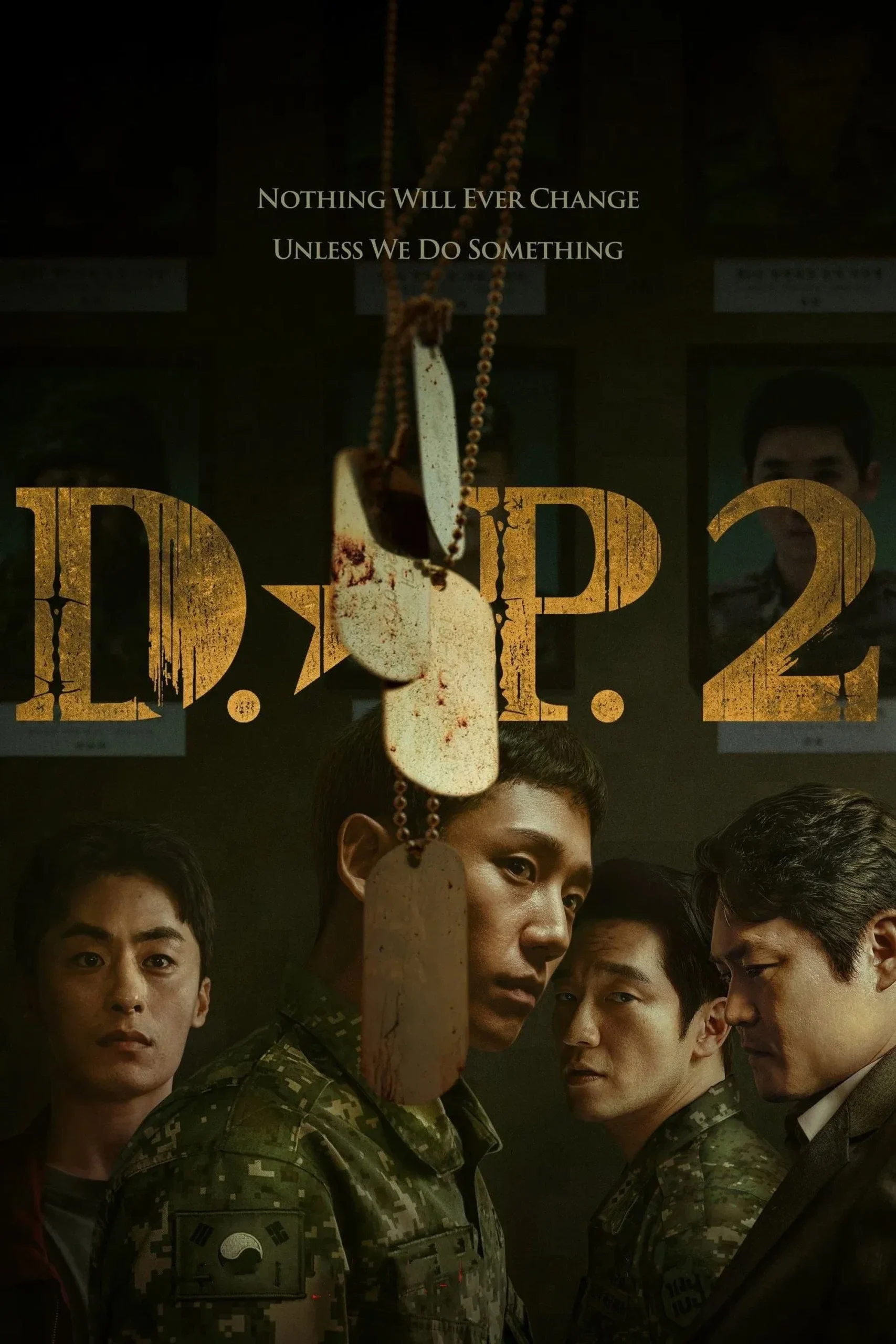 D.P. (Season 2)
ActionBromance
Read Full Review →
|


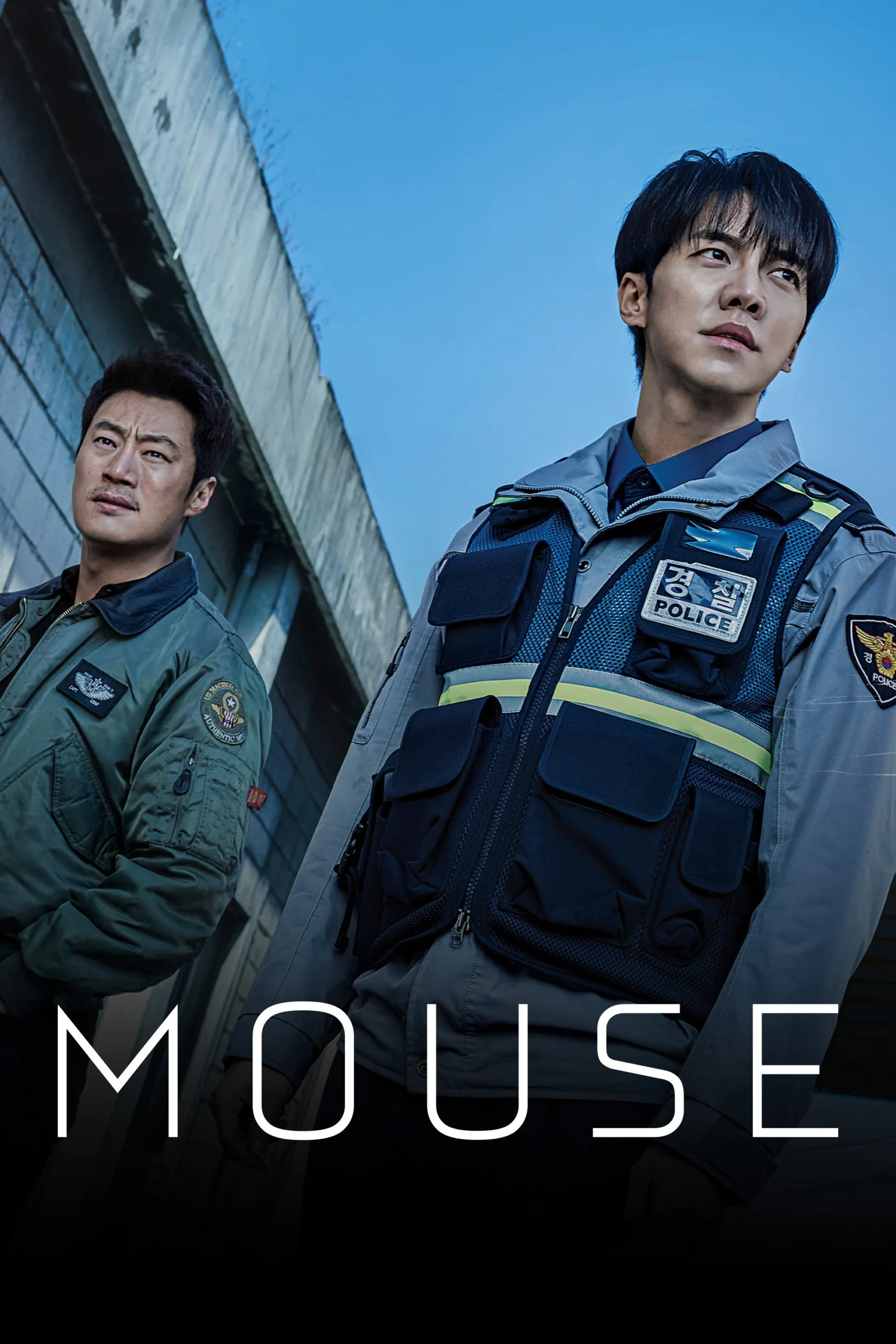
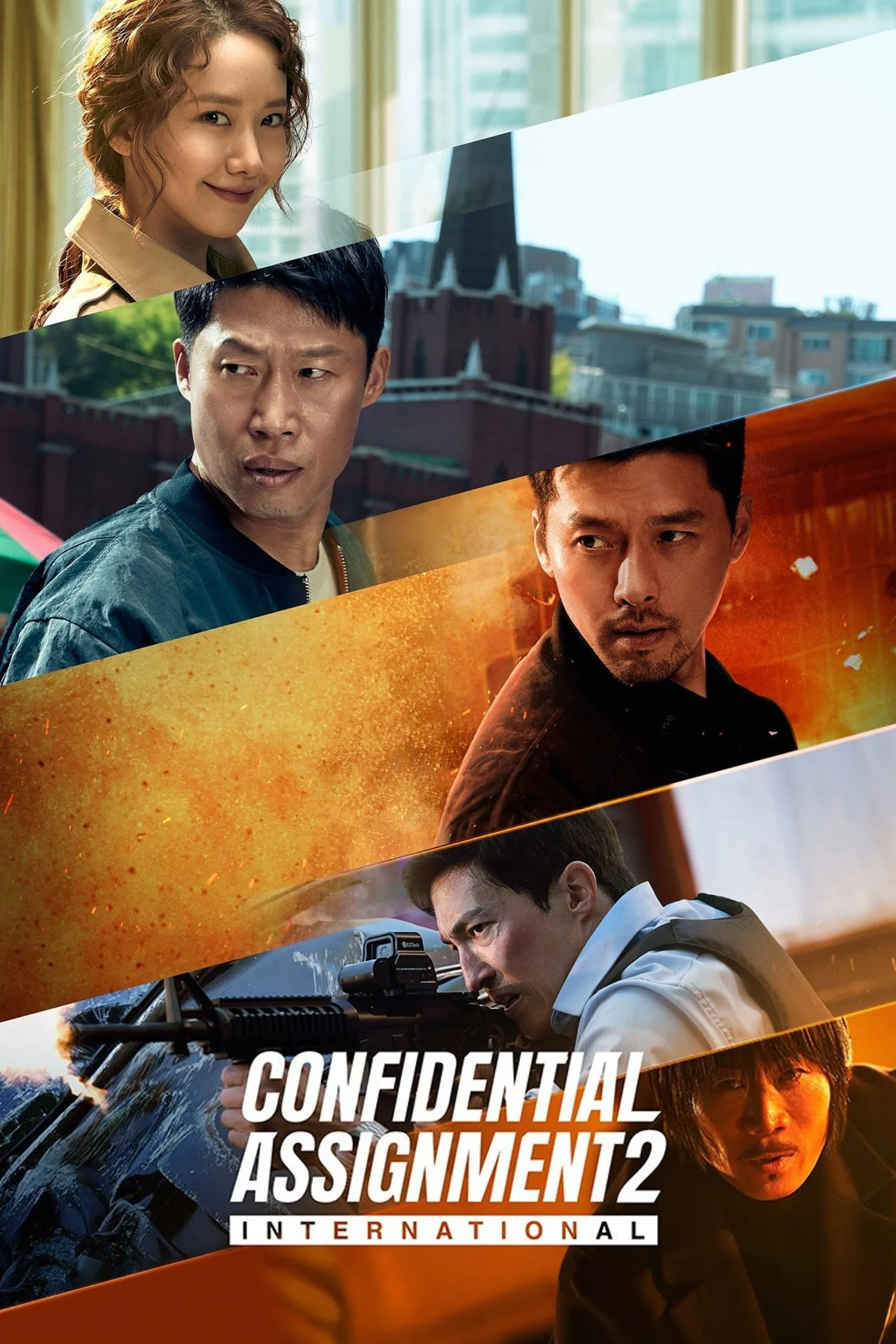










Keep it kind, skip the harsh language, and please — no spoilers. Everyone's taste is different, and that's perfectly fine.
This space is for real reactions and discussion from other viewers. Help keep it comfortable for everyone by not giving away major plot details.
What do you think of this drama?
Login to share your review or leave a comment.
No email needed — just pick a username & password.