
Revenant
🎬 Disney+ · Hulu · Viki
⭐ 8.6 / 10 MDL
🔞 15+ · Supernatural Themes
📋 Drama Overview
Everything you need to know before you hit play.
🔥 Supernatural Must-Watch
Hulu
Viki
Ku San Young (Kim Tae-ri) is a young woman grinding through part-time jobs and civil service exam prep — the kind of person life has given very little to and asked everything of. When her estranged father dies and leaves behind a single mysterious relic, she takes it, not expecting anything. What she gets instead is a door flung open to something ancient and hungry. An evil spirit — a gwisin known as Hyang Yi — latches onto her, and the people who have wronged San Young start dying. She doesn’t understand what’s happening. She just knows she’s changing.
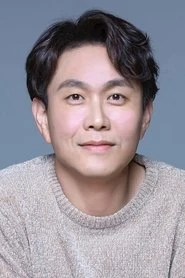
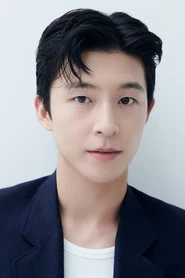
Yeom Hae Sang (Oh Jung-se) has been able to see spirits since childhood, a gift that cost him his mother and has never once felt like one. He recognizes San Young’s condition immediately, and the two form an unlikely partnership: a possessed woman who doesn’t want to believe it, and a folklore professor who has spent his whole life believing too much. Together — along with skeptical detective Lee Hong Sae (Hong Kyung) — they trace a web of deaths back decades, chasing five sacred objects tied to Hyang Yi’s violent past, racing to seal the spirit before it consumes San Young entirely.
12 / 12 ✅ Completed
⚡ Quick Verdict
One box. Everything you need to decide.
· MDL Score · 18,649 ratings
▶ Official Trailer
🎭 Cast & Characters
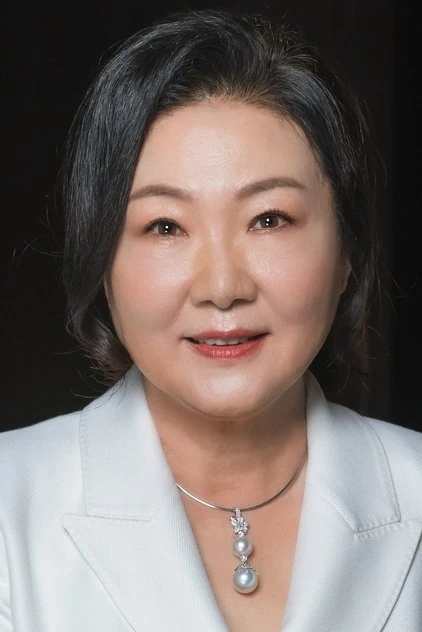
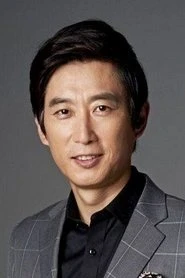
Twelve performances anchoring a supernatural world built from Korean folklore — led by Kim Tae-ri’s career-defining dual role.

Lead
Lead
Lead
Supporting

Supporting
Supporting
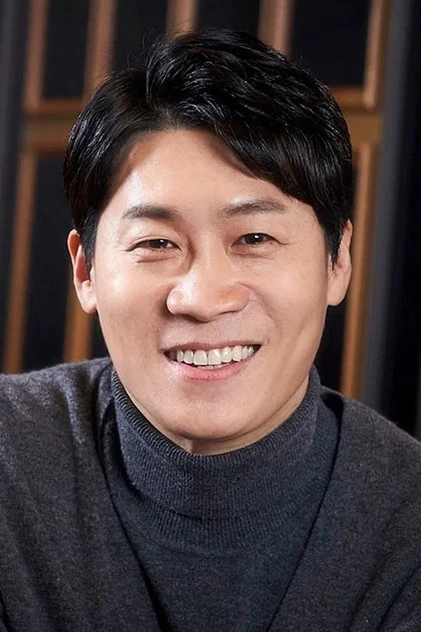
Supporting
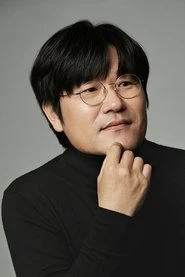
Supporting
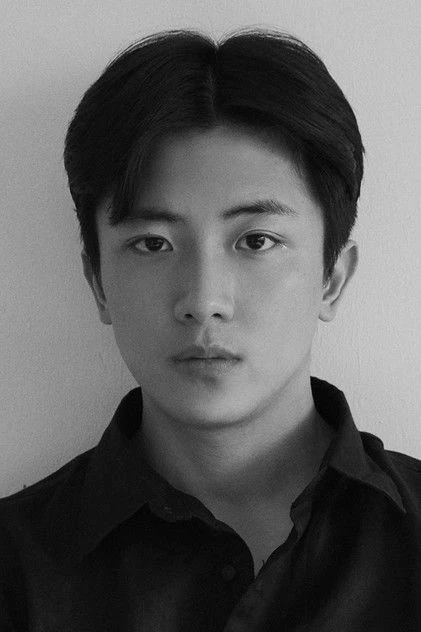
Supporting

Supporting

Supporting

Special
📺 Episode Guide
Spoiler-light recaps — enough to remember where you left off, nothing that ruins the ride.


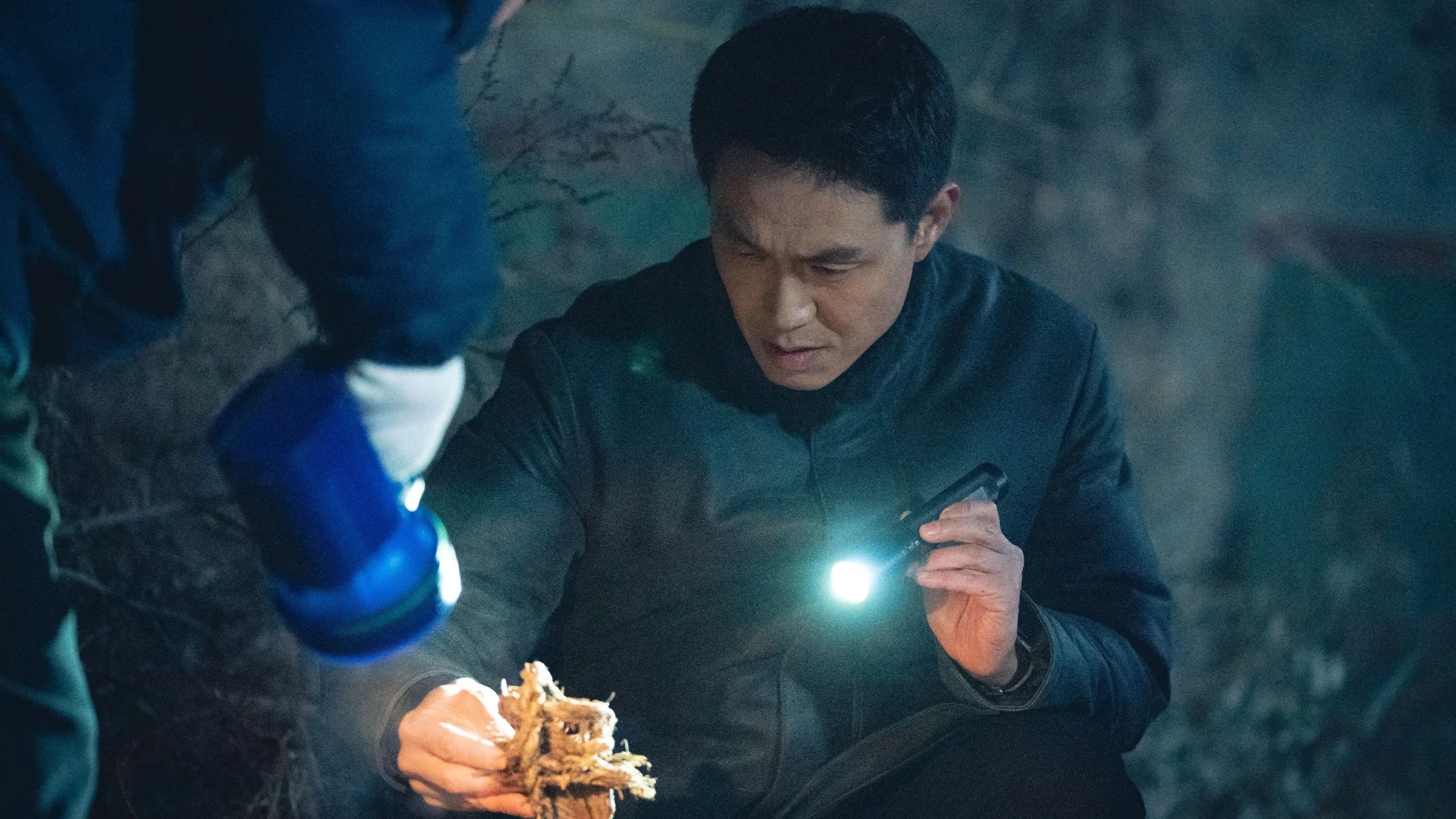

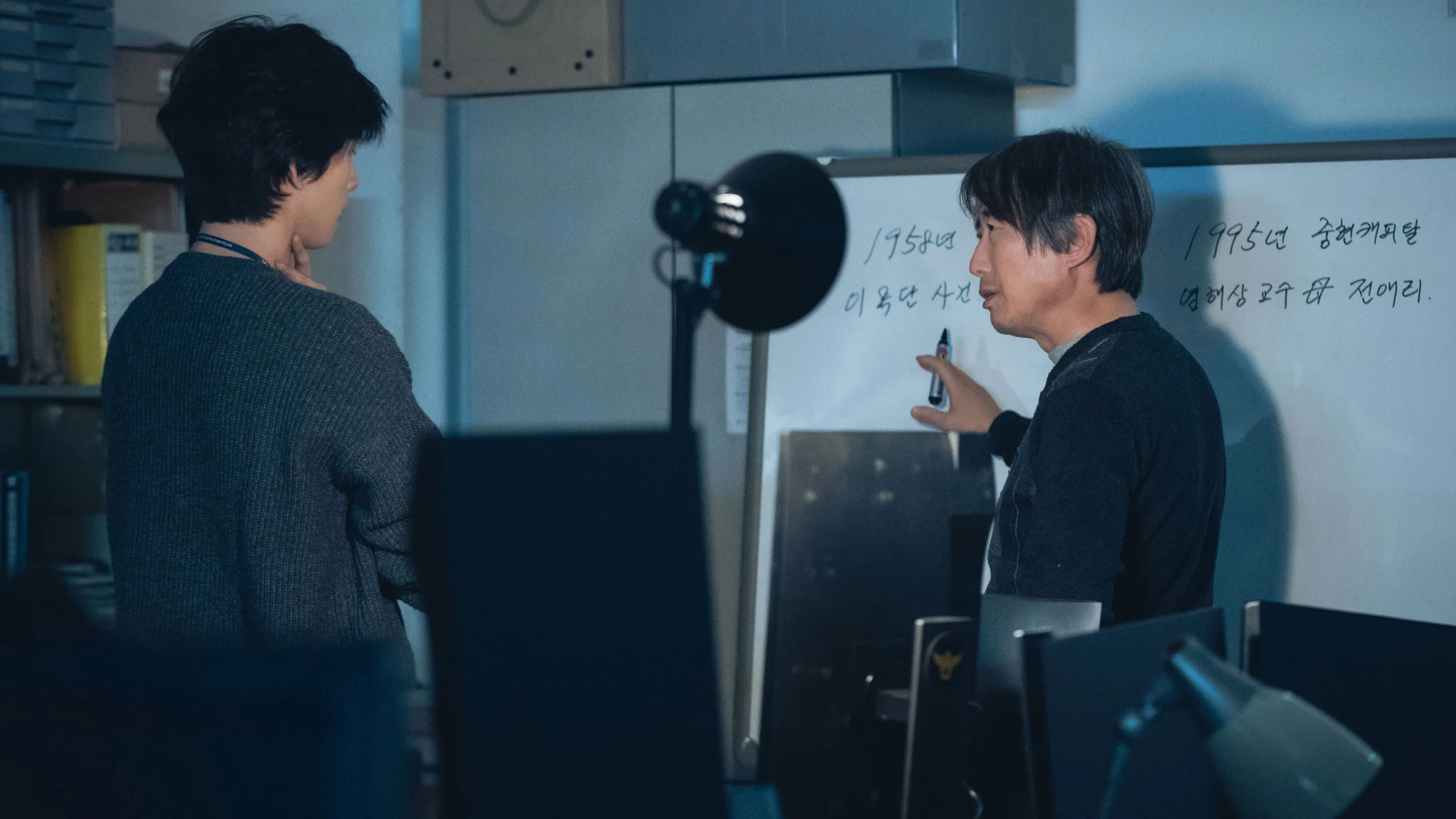
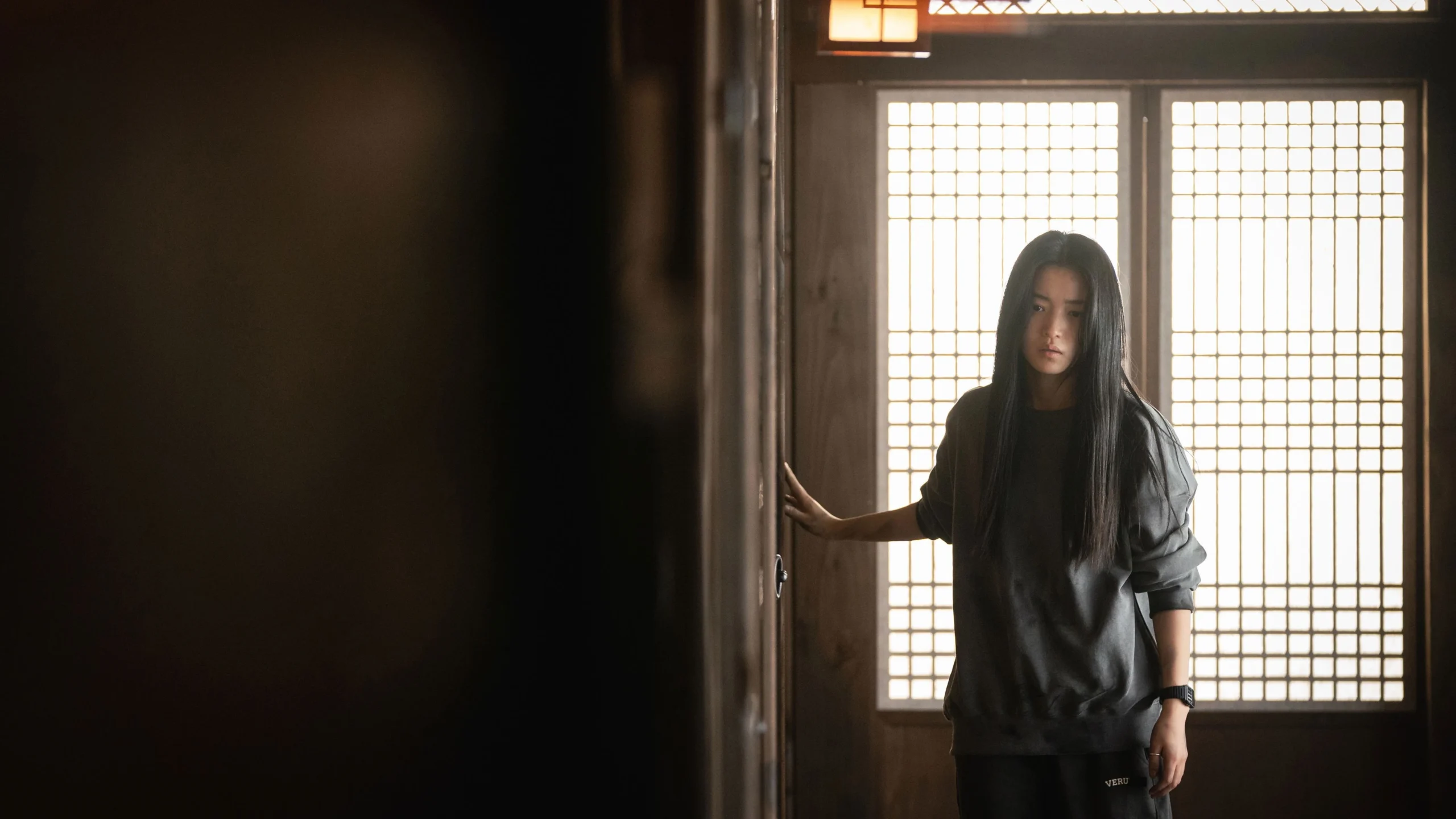


🏁 Ending Explained
Full spoilers ahead — everything that happens in the finale and what it all means.
Spoiler Warning — This section covers the full finale of Revenant. Stop here if you haven’t finished the series.
Hyang Yi’s final gambit is her most complete. After Hae Sang and Hong Sae locate the broken jade hairpin — the fifth sacred object — hidden alongside Hyang Yi’s long-concealed corpse, the spirit immediately uses it to cross over fully into San Young’s body. It is the one move the trio never quite had a counter for: the moment of discovery becomes the moment of total defeat. Hyang Yi, now wearing San Young’s face, turns San Young’s own mother into a weapon against Hae Sang — but the mother, at the critical moment, cannot bring herself to kill him. Love, even weaponized, has its limits.
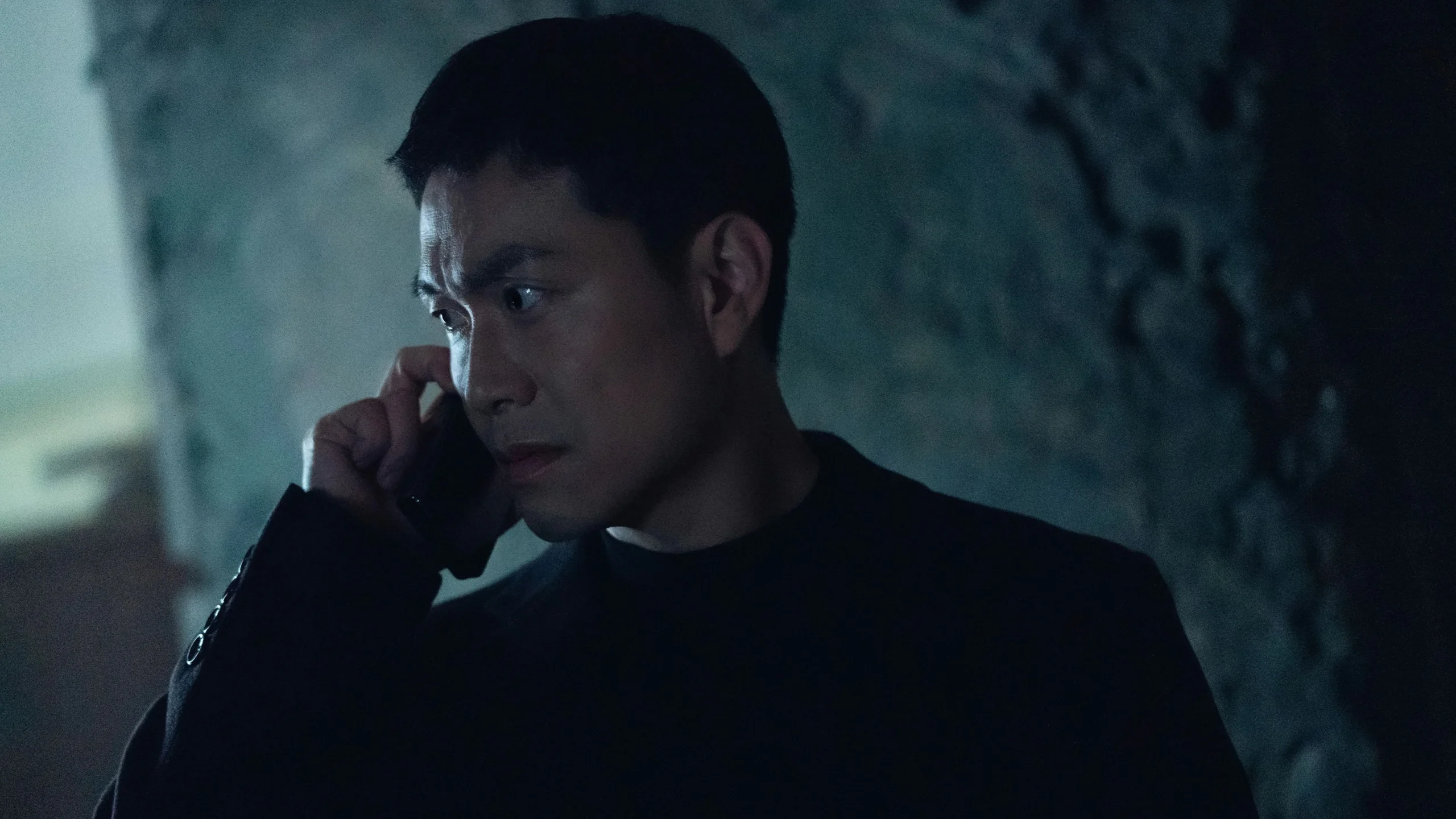
The key to breaking the possession was always hidden in the house. Hae Sang’s grandmother — who understood more about Hyang Yi than she ever revealed — left a dying clue: she cut her own finger. The gesture pointed to something specific: a shaman’s severed finger, concealed inside the house for decades, that had the power to break Hyang Yi’s grip. Hae Sang burns it. Hyang Yi retaliates by stabbing him, believing she has won. She is wrong.
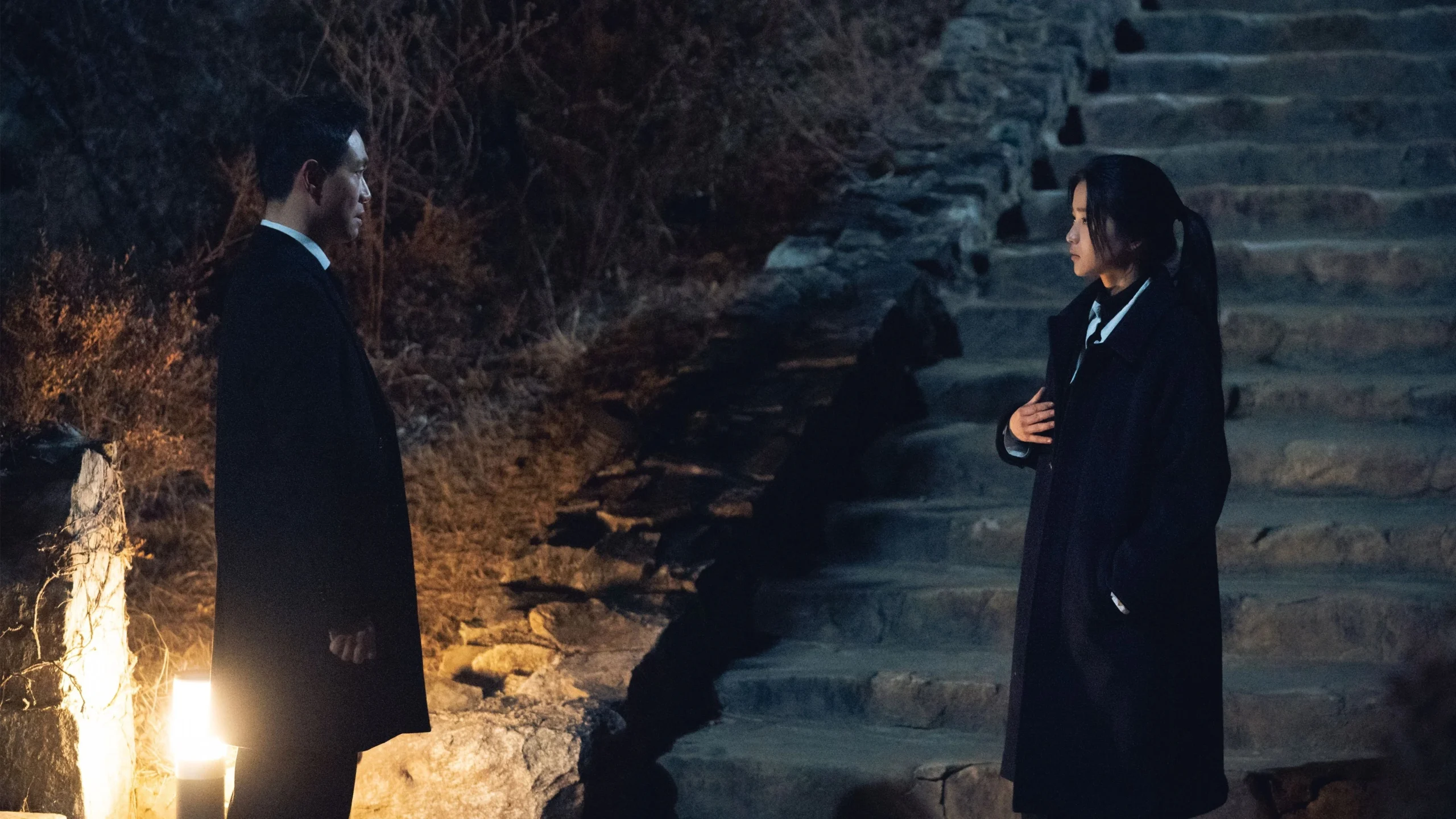
San Young’s liberation is not a rescue — it is a choice. Trapped inside the mirror world, surrounded by the logic of a spirit that has fed on grief, San Young has the most important realization of the entire drama: the force that is killing her is herself. Hyang Yi cannot possess someone who refuses to be possessed. Once San Young stops accepting death as the only outcome and refuses to let the spirit claim her, she becomes the one thing Hyang Yi has never encountered — someone who fights back from the inside. San Young forces the spirit to ignite the shaman’s finger from within, and Hyang Yi — who deserved better than the life that created her — is finally put to rest.
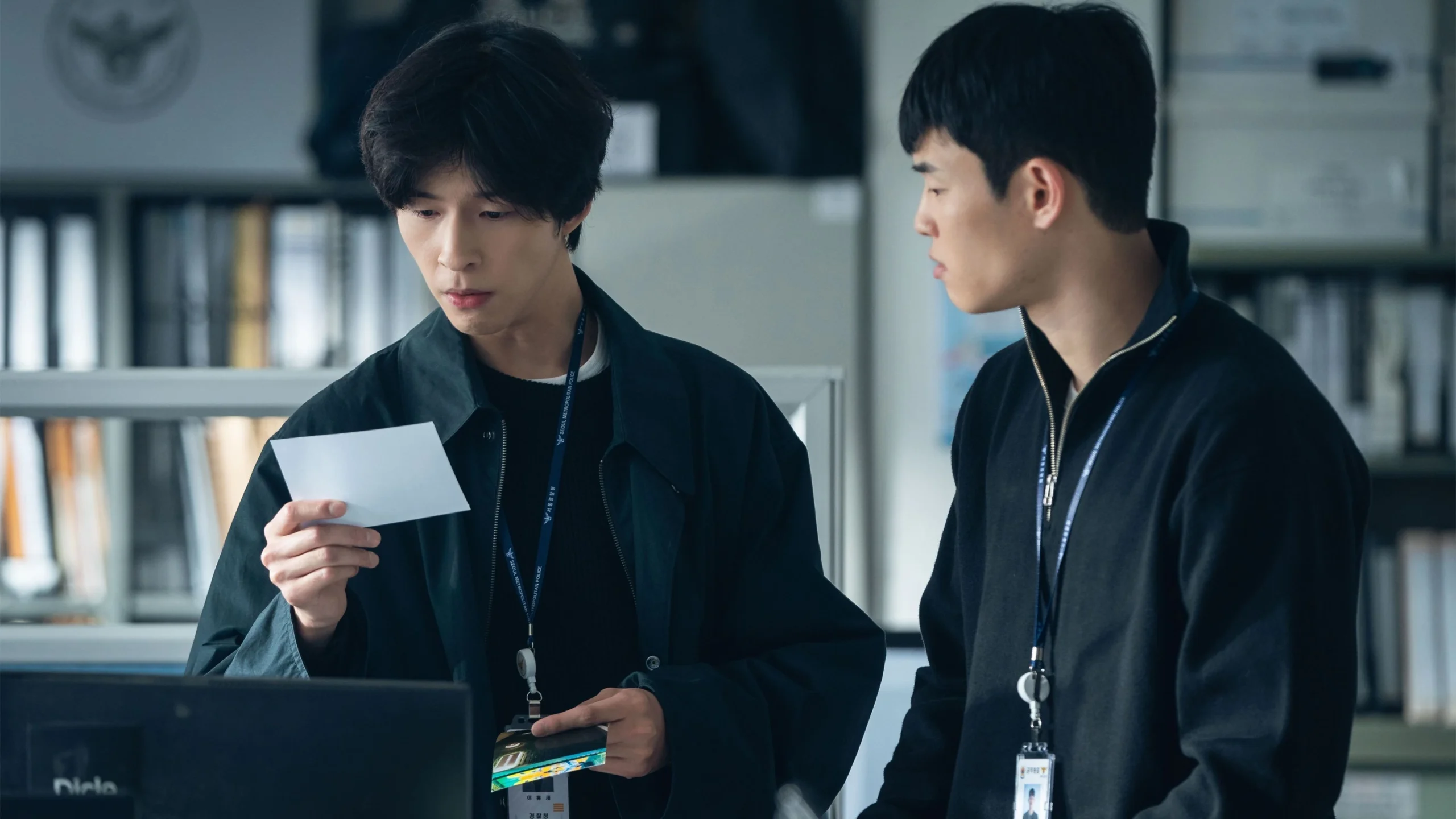
The aftermath is quiet, and deliberately so. San Young emerges free — but the possession has left a scar the drama refuses to romanticize. She will gradually lose her vision over the coming years. Rather than treating this as tragedy, Revenant treats it as context: San Young has always had very little, and she has always found a way to live inside that. She chooses to move slowly, take her time, see what she can while she can. Meanwhile, Hae Sang donates his entire inheritance — the wealth his grandmother accumulated through grief and complicity — and emerges from decades of family guilt into something lighter. The ending is not triumphant. It is earned.
The final image is a fireworks festival, and it matters. San Young watches the celebration surrounded by both the living and the dead — ghosts attending the same festival as the people they left behind, unbothered, present. As her vision dims, she does not look away. Revenant’s answer to its central question — what does it cost to carry something this heavy? — turns out to be: less than you feared, and more than you expected. The darkness comes, and she watches it arrive without flinching.
✍️ KDramaWorlds Editor’s Take
Our honest read on why this drama is worth your time — and who it’s for.
📜 Korean Folklore
🎭 Career-Best Performance
🔍 Mystery Investigation
🌒 Atmospheric Slow-Burn
Writer Kim Eun-hee has built her career on using genre as a vehicle for something bigger — Through the Darkness used crime procedural to explore the nature of evil; Kingdom used zombies to talk about class. Revenant uses demonic possession and Korean shamanic folklore to ask something quieter and more personal: what happens to the grief that never gets witnessed? Hyang Yi is not a monster. She is a woman who was betrayed by the people who were supposed to protect her, whose suffering was never acknowledged, and whose rage had nowhere to go but inward — and then outward, for decades. That this tragic origin coexists with a tight, propulsive 12-episode mystery without either element crushing the other is the show’s real achievement.
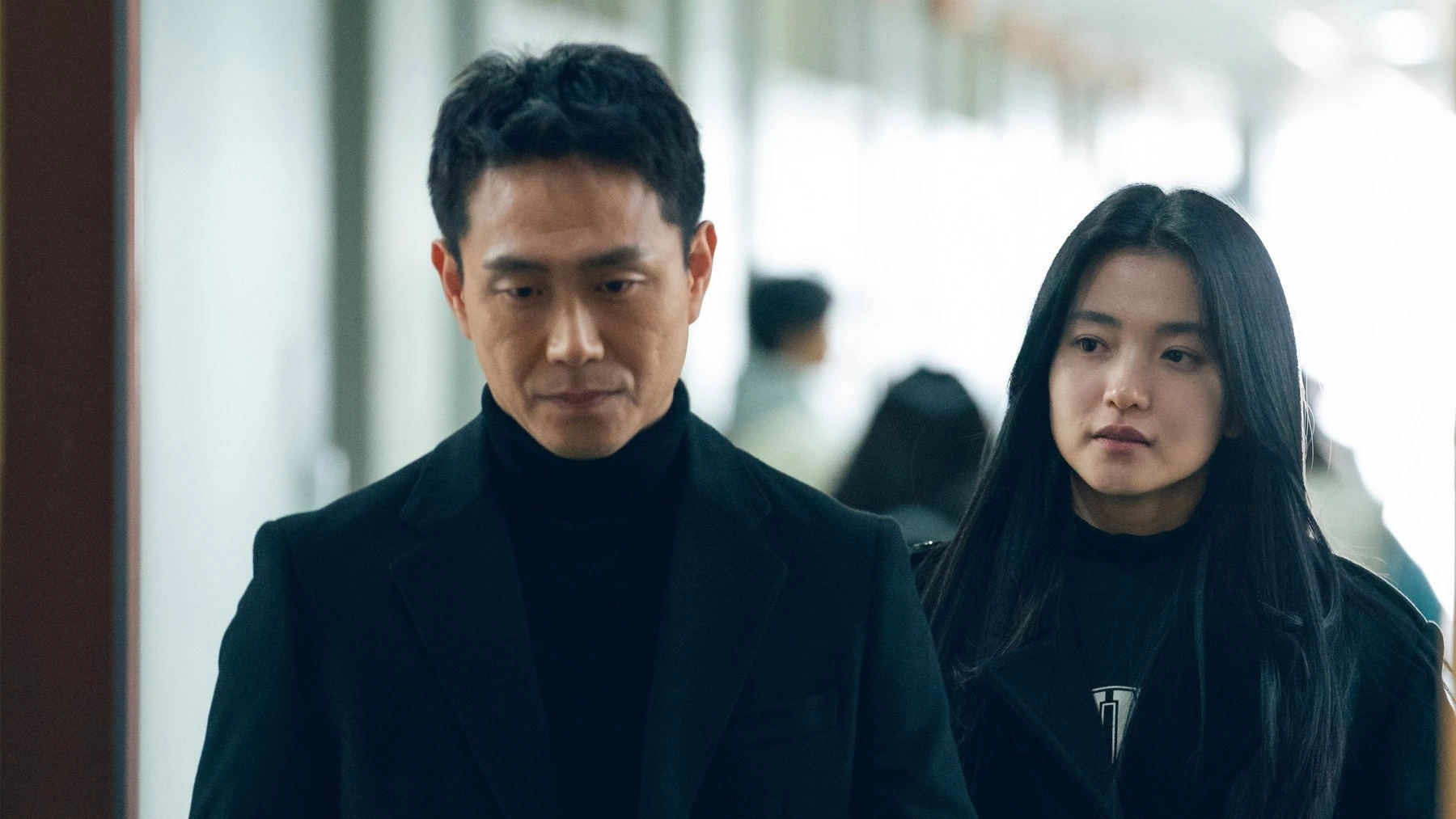
The drama’s central tension — between what it wants to be (horror) and what it actually is (mystery thriller with supernatural atmosphere) — is where opinions diverge. Revenant is not scary. It is eerie. It builds dread through accumulation, through folklore that feels grounded because it is, through Kim Tae-ri’s ability to shift between two radically different interiorities mid-scene without a cut. If you come in expecting the supernatural scares of something like My Demon, you will find something stranger and more satisfying. Hong Kyung’s detective plays skeptic for too long — his arc drags in the middle stretch — but Oh Jung-se in an unexpectedly stoic role is a genuine revelation, and Kim Hae-sook’s performance as the grandmother lands as one of the year’s great villain turns precisely because it refuses to be villainous.
The ending gives San Young something most K-drama heroines never get: not a perfect resolution, but an honest one. Her vision will fade. She knows this. She chooses to live slowly, deliberately, in full awareness of what is coming — and the drama frames this not as tragedy but as quiet courage. Hae Sang’s arc, completed through generosity rather than revenge, mirrors it. Revenant earns its finale not through spectacle but through character, which is the harder thing to pull off. For a show about a woman slowly losing herself, it is remarkably clear-eyed about what she was worth all along.
Anyone who wants to see Kim Tae-ri play two people at once for 12 episodes
Mystery lovers who don’t mind their investigations wrapped in shamanic ritual
🎬 You Might Also Like
If you liked Revenant, these are your next three watches.
 My Royal Nemesis
ChaebolEnemies to Lovers
Read Full Review →
|
 High School Return of a Gangster
action comedyBody Swap
Read Full Review →
|
 Light Shop
afterlifeBae Sung-woo
Read Full Review →
|









Keep it kind, skip the harsh language, and please — no spoilers. Everyone's taste is different, and that's perfectly fine.
This space is for real reactions and discussion from other viewers. Help keep it comfortable for everyone by not giving away major plot details.
What do you think of this drama?
Login to share your review or leave a comment.
No email needed — just pick a username & password.